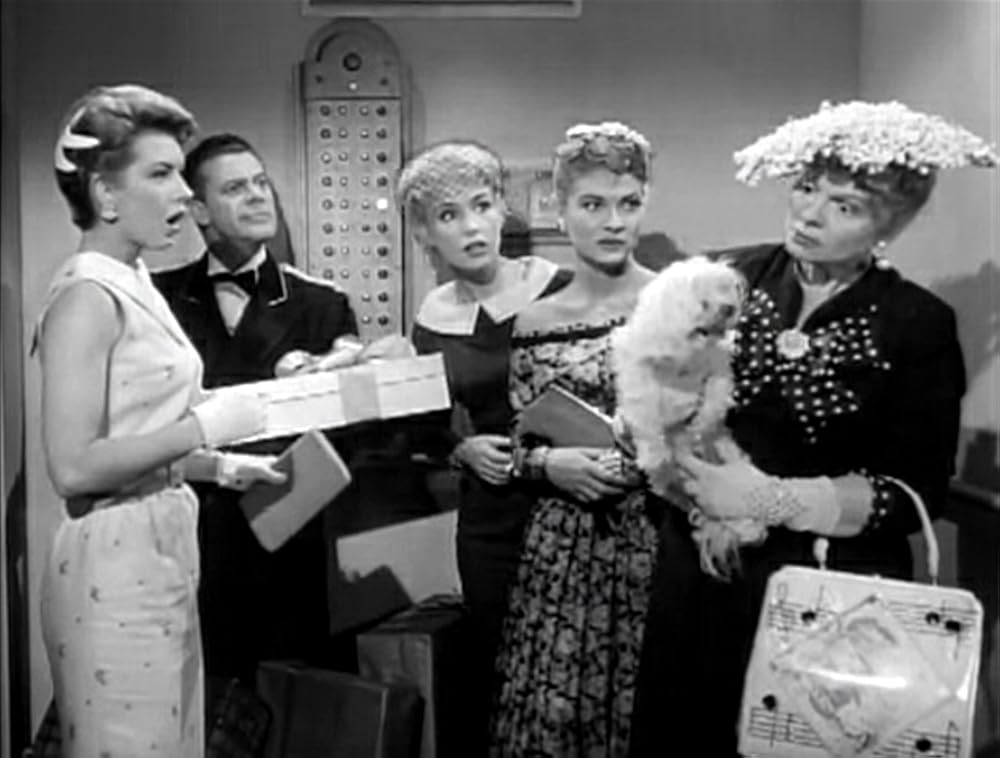
What Do I Spy with my Hawaiian Eye?

Welcome to this month’s blog series, “Crime Solvers of the Past.” Before there was Hawaii Five-0 or Magnum PI, there was Hawaiian Eye.

📷wikipedia.com

Warner Brothers was looking for possible television series to create. They sent one of their story editors, Jack Emanuel, to Hawaii to get some inspiration for a crime series, and Hawaiian Eye was born.

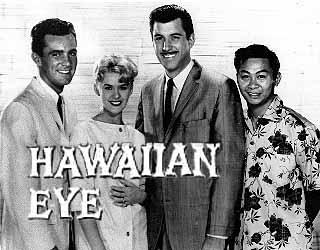
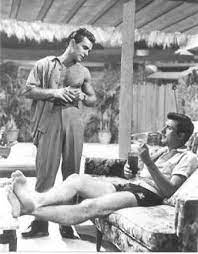
The show debuted on ABC in the fall of 1959 and continued until April 1963. Like the above-mentioned shows, this one also features a partnership. Tom Lopaka (Robert Conrad) and Tracy Steele (Anthony Eisley) own a detective agency that also provides security services, and it’s called Hawaiian Eye. The Hawaiian Village Hotel is one of their biggest clients and they provide an office/living space for the firm. Rounding out the cast was Cricket Blake (Connie Stevens), a local photographer and singer who helps the guys out; Kim Quisado (Poncie Ponce), a cab driver who plays the ukelele; Greg McKenzie (Grant Williams), a former engineer who helps out and later joins the firm, and Philip Barton (Troy Donahue), the hotel social director. Lt. Danny Quon (Mel Prestidge) also shows up off and on when the boys need help from the local police force.

Sprinkled among the 134 episodes, you’ll find lots of great character actors and guest stars popping up.

📷facebook.com

Robert Wagner was originally chosen for Lopaka, but he turned it down to continue his movie work. Warner Brothers produced this one, so there was a bit more feel of a movie set.

Ponce was the only cast member actually born in Hawaii, and when the show aired, his entire hometown shut down in order to watch their local boy. Ponce only ended up with 8 acting credits, one in Speedway with Elvis Presley. Most of his career was spent in the music side of the entertainment business singing and playing. While he played a uke on the show, in his personal life this talented guy also played piano, trumpet, sax, and harmonica. In fact, he was seen by William Orr, head of Warner Brothers as a singing waiter. Orr was so impressed he signed him for the show. However, he was not as impressed with his waiting abilities, so he became a cab driver!

Connie Stevens also started and ended her career in the music business. She was part of a cast for three television shows but garnered 72 acting credits during her career.

📷fanpix.net

The opening of the show was a voiced over with a narrator introducing the cast who is frolicking around in the water and on the beach. In the background a chorus sings “Hawaiian Eye” repeatedly.

The plots seem fun for the time. The duo helped a woman who thinks her husband is trying to kill her, chased down a former spy, investigated hotel crime, and there is a bit of a Love Boat feel to the show where one of the partners falls in love, and lots of women are strolling around the island.

It was not shot in Hawaii but in Burbank, in black and white film; the fact that it often takes place at the hotel, it’s not noticeable we’re not on the Island. It’s just missing the lush scenery the later series feature.

📷tvtime.com

The show aired Wednesday nights with its primary competition The Perry Como Show and I’ve Got a Secret which were top thirty shows the first season but had fallen out of the top thirty by season two, so maybe Hawaiian Eye gained some of their viewers. Season three, in addition to Perry Como, the show was up against The Dick Van Dyke Show. For its final season, it moved to Tuesday nights and was on at the same time as The Red Skelton Show and The Jack Benny Show which were in the top twenty and ten respectively. That seemed to end any hopes the show had to continue, and it was cancelled.

Unfortunately, I can’t find anywhere the DVD set was released but there are streaming services with it and a few private sellers with sketchy quality. If you enjoyed Hawaii Five-0 or Magnum, check out some of the episodes on YouTube. From everything I could find, the show had a great cast with a lot of chemistry, some interesting music performances, comic relief from Ponce, and good writing, everything you want to see in a popular series.

Stagecoach West: Experiencing Life in Outpost

As we celebrate westerns this month in our blog series “Go West Young Man,” we are tuning in to Stagecoach West which traveled across the air waves from 1960-1961. The show debuted in October of 1960 with the final episode airing in June of 1961. For the summer, reruns of the show continued. The thirty-eight episodes were on Tuesday nights.

📷wikipedia.com

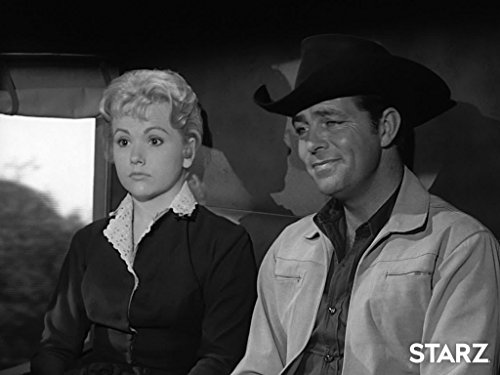
The show features two Civil War veterans, Luke Perry (Wayne Rogers) and Simon Kane (Robert Bray), who own a stagecoach line and share driving duties in the Wyoming territory. It was fun to see a young Rogers decades before he showed up in Korea bantering with Alan Alda. During their trips they run into murders, robberies, range wars, renegade soldiers, and passengers who have their own drama. Simon’s son Davey (Richard Eyer) often travels with the men.

They are based in Outpost, a small frontier town. We get to know several townspeople including Dan Murchison (John Litel) who runs the general store and bank; Zeke Bonner (James Burke) who rents rooms at The Halfway House; Hugh Strickland (Robert J. Stevenson), the Marshal in Timberline; and Doc Apperson (played by J. Pat O’Malley and Sydney Smith).

📷rottentomatoes.com

Vincent M. Fennelly was the producer and there were several directors, with Thomas Carr taking the helm most often. There was also a long list of writers, but D.D. Beauchamp and Mary Beauchamp penned many of the scripts. From what I could learn about the Beauchamps, they didn’t work together but wrote their own episodes. Mary was known for her work on Bat Masterson and Tales of West Fargo in addition to this show. D.D. (Daniel Deronda) is best remembered as a writer for Daniel Boone. His third wife was Mary Mitchell, so I am guessing that Mary Mitchell and Mary Beauchamp are the same person. Sounds like she and her husband were cremated, so there is no findagrave site for her.

The theme song was composed by Skip Martin and Terry Gilkyson. This was the only time I could find where this duo worked together. They had very different careers. Gilkyson was part of The Weavers and The Easy Riders. In 1960 he went to work for Walt Disney and was nominated for an Oscar for “The Bare Necessities” in Jungle Book. Martin worked with jazz and swing bands in the 1930s and 40s including Count Basie and Glenn Miller. With Les Brown, he was given credit for writing “I’ve Got My Love to Keep Me Warm.” In the 1950s he moved to Hollywood where he worked on Singin’ in the Rain and A Star is Born.

📷westernserieswiki.com

Richard Eyer in an interview said the show “kept me busy and was usually fun. It was a very positive experience. When they hired me, it was sort of a transitional point . . when we did the pilot I was 13 and quite young . . . we started production eight months [later] . . . I was into puberty and adolescence.”

Tuesday nights’ competition in 1960 was Thriller on NBC and The Tom Ewell Show and The Red Skelton Show on CBS. Thriller was an interesting show hosted by Boris Karloff. It began as an anthology focusing on crime but later transitioned to gothic horror stories. The Tom Ewell Show also began and ended in 1960. Ewell plays a real estate agent who lives with a lot of women, namely his wife, daughters, and mother-in-law. ABC aired The Rifleman and The Legend of Wyatt Earp before Stagecoach West.

The show never gained viewers, so it was cancelled in June. If you follow me, you know I don’t have the most positive feelings about Red Skelton and how he treated the people who worked for him, but it was a very popular show and some of the episodes were in color, so a lot of people were tuning into to watch him. I wonder if because two westerns were on earlier in the evening, people were ready to watch another genre. In addition to this night of programming, there were another 15 westerns on during the evenings on the other days of the week. The other factor that comes into play is that both The Rifleman and The Many Loves of Dobie Gillis on CBS were in the top thirty. I wonder how many viewers watched The Rifleman on ABC and then switched networks to Dobie Gillis on NBC and then never returned to ABC for the rest of the evening.

It would be a fun and easy binge watch if you want to tune in even to see the guest stars and learn some of the issues that were dealt with during this era of travel.

Bill Dana: Actor? Script Writer? Author? Talent Agent? Yep

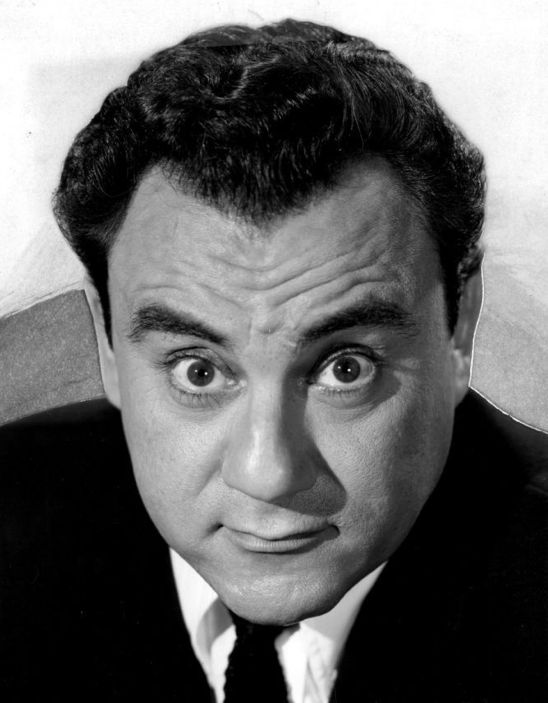
This month we are exploring The Bill Dana Show for our blog series. Last week we talked a bit about the show itself, and for the rest of the weeks, we are looking at some of the other cast members’ careers. Today we begin with Bill Dana himself.

📷findagrave.com

Dana was born William Szathmary in Quincy, Massachusetts in 1924. He was the youngest of six children. His older brother Arthur was fluent in several languages and inspired Bill to learn different accents.

Dana served with the US Army during WWII as a machine gunner and was awarded the Bronze Star Medal.

After the war, Bill enrolled at Emerson College. After graduation, he was hired as a page at NBC’s Studio 6B, or 30 Rock.  He was also trying to break into comedy performing around New York. During the fifties he appeared on The Imogene Coca Show. He also did some writing and producing for The Spike Jones Show.

He met Don Adams and began writing routines for him in the fifties. He and Don would be part of each other’s lives for a bit. Don would be one of the cast members on The Bill Dana Show. Dana would appear on Adams’ show Get Smart, and Dana’s older brother Irving was the composer of the Get Smart theme song. Bill would also cowrite the script for the Get Smart film The Nude Bomb.

📷thenewyorktimes.com

In the late fifties, Steve Allen hired Dana as a writer. Bill created a character, Jose Jimenez, for the “Man in the Street” segments of Allen’s show. Soon Jose became his alter ego. He made appearances as Jose on The Red Skelton Show, The Spike Jones Show, The Danny Thomas Show, and The Ed Sullivan Show. He even had a comedy album featuring the character.

Dana told a story on Ed Sullivan’s show that some people truly thought he was Jose Jimenez. One lady who met him out and about asked if his birth name was Jose Jimenez and he told her, “No, it’s Bill Szathmary.” She said “Wow, no wonder you changed it to Jimenez.”

In 1961, Dana began a recurring role on The Danny Thomas Show. He played Jimenez as an elevator operator. People responded so well that Danny Thomas and Leonard Sheldon spun off the character, now a bellhop at a luxury New York hotel, and The Bill Dana Show was created. In addition to Adams, Jonathan Harrison was part of the cast and Maggie Peterson joined them in season two. The show was on the air for one and a half seasons.

As we discussed last week, some people saw Jimenez as a hard-working immigrant who noticed some of the crazy things Americans did, and others saw him as a stereotyped Latino caricature. The pre-show Jimenez fit the second description better and the show Jimenez leaned more toward the first portrayal. However, as the character developed, viewers were not flocking to the show. It was also up against Lassie which at the time was a huge family show on Sunday nights.

📷wikipedia.com

The last time Jimenez was on the screen as a character was a 1966 episode of Batman in a cameo on the famous wall. Later Dana apologized for his caricature of Jimenez and became a bit of an activist for Latino causes. The National Hispanic Media Coalition endorsed the Jose Jimenez character and invited Dana to sit on their advisory board.

Dana jumped back and forth from actor to writer for a couple of decades. He wrote the script for All in the Family’s episode “Sammy’s Visit” starring Sammy Davis Jr. He also wrote for Bridget Loves Bernie, Chico and the Man, Donny and Marie, The Smothers Brothers Comedy Hour, and Matlock.

His acting landed him in The Courtship of Eddie’s Father, Love American Style, The Snoop Sisters, Police Woman, McMillan and Wife, Ellery Queen, Switch, Vega$, Fantasy Island, The Facts of Life, and Empty Nest among a few others.

He had recurring roles on two additional shows during his career. He was on St. Elsewhere as Howie Mandel’s character’s father for three episodes. He also was Angelo on six episodes of The Golden Girls.

One of his last projects was founding the American Comedy Archives at Emerson College. He and Jenni Matz interviewed more than 60 comedians for this archive, including Phyllis Diller, Norman Lear, Carl Reiner, Betty White, and Jonathan Winters.

Dana was a man of many talents. He also ran a talent management company and an advertising agency. He wrote a book, The Laughter Prescription, with Dr. Laurence J. Peter.

Dana passed away in June of 2017 at his home in Nashville.

Certainly, Dana had a full career. I think starting off with the Jose debacle probably kept him from getting different roles early in his career. He also didn’t seem to know what he wanted to be when he grew up. Was he a comedy writer? A dramatic writer? A variety show writer? Was he an actor? A talent agent? An author? Not that you can’t be more than one thing in life, but in the span of three decades he never seemed to settle on one or two careers. Hopefully he had fun and enjoyed all the different hats he wore.

Good Morning World: Tune In

As we are in the middle of our What in the World? blog series, today it’s a forgotten sitcom from the sixties: Good Morning World.

📷wikipedia.com

This series was created by Sam Denoff and Bill Persky, the team behind That Girl. The concept was based on Persky and Denoff’s time as writers for a New York radio station in the fifties.

In fact, William B. Williams, a WNEW DJ was given screen credit because the title was based on his daily greeting, “Hello, World.” William B. Williams was quite a character and an icon in the world of music. He was born in 1923 and after attending the University of Syracuse, he got a job with WAAT in New Jersey. He filled in for a DJ who failed to come to work but then was fired for, believe it or not, wearing red socks to work. He was hired by WNEW in New York City. He became a beloved radio icon. The radio station said at his funeral there was a huge crowd outside which included taxi drivers, sanitation workers, bookies, waitresses, singers, songwriters, politicians, housewives, first responders, and even the Rockettes.

📷radiohalloffame.com William B. Williams

According to the radio station’s website, “William B. Williams respected singers and songwriters, music and musicians, and it showed. He had a permanent, perhaps profound, effect on the lexicon of pop music.

He bestowed the ‘Count’ on Basie and the ‘Duke’ on Ellington. Billie Holiday was ‘Lady Day.’ Ella Fitzgerald was the ‘First Lady of Song.’ Louis Armstrong was ‘Pops.’ Sinatra was ‘Francis Albert,’ the ‘Chairman of the Board.’ Nat ‘King’ Cole was simply ‘Nathaniel.’”

The show was produced by Sheldon Leonard and Carl Reiner. Looking at that alone and you would expect it to be a hit.

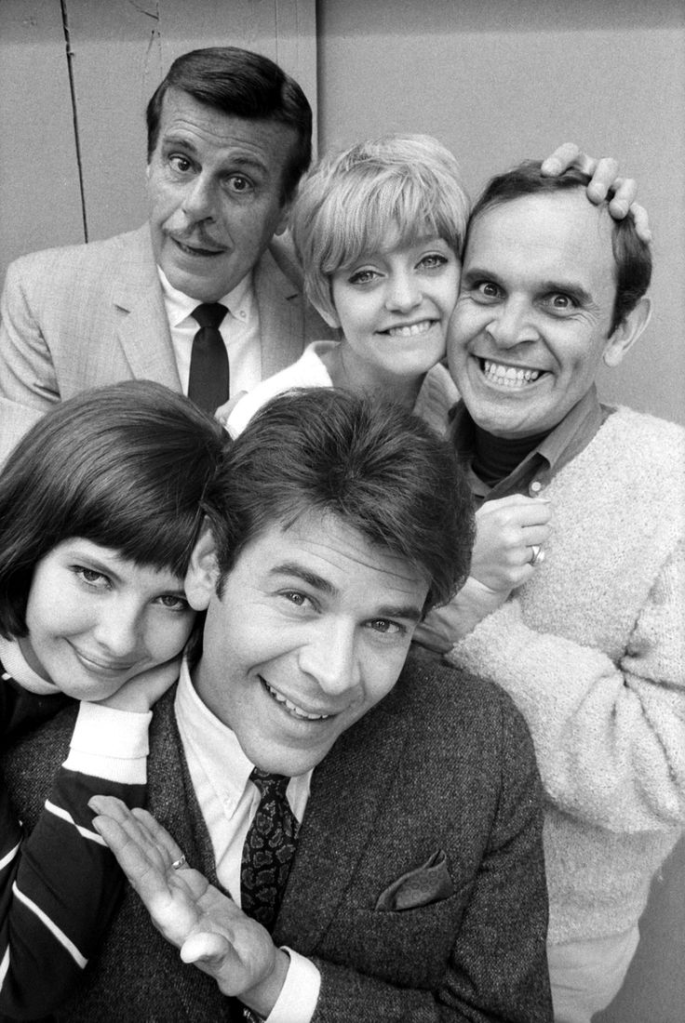
The premise was two radio disc jockeys who have a morning show, “Lewis and Clarke,” in Los Angeles. Dave Lewis is happily married, and Larry is a lady’s man and party boy.

They had some problems casting this show. Roddy McDowell and Sharon Farrell were cast as the married couple. Then Ron Rifkin replaced McDowell. Then they were both let go and David Lewis was played by Joby Baker, his wife Linda was played by Julie Parrish, and Ronnie Schell was cast as Larry Clarke.

📷pinterest

Billy de Wolfe and Goldie Hawn were fun additions to the cast. De Wolfe played Roland Hutton, the stuffy station manager. Hawn was Linda’s best friend Sandy Kramer.

The series debuted on CBS in 1967. It was on Tuesday nights, sponsored by Procter and Gamble. It was competing with N.Y.P.D., a police crime show and Tuesday Night at the Movies which began half an hour before Good Morning World.

Given that the talent behind The Dick Van Dyke Show was contributing to this show as well, it’s not surprising that it seems to be a mixture of The Dick Van Dyke Show and the later Mary Tyler Moore Show. Like Dick Van Dyke, the show features the DJs’ home and work life; like Mary Tyler Moore, you have a Lou Grant-type manager, and we learn about life at a radio station.

The theme music was by David Grusin. The opening was a different look for a sitcom. It’s a bouncy theme that begins with an alarm clock ticking, the guys quickly getting ready, morning traffic, life in LA, and the two DJs barely getting into their chairs before the show started.

The show was not awful in ratings, but the network had two concerns. They still were not sure Baker and Parrish were the right actors to play the married couple, and Parrish had some health concerns that affected the show. They were also concerned that the show did not pull in more of the viewers who were watching The Red Skelton Show which was on before Good Morning World. I don’t think that is surprising. I’m guessing people who enjoyed watching Red Skelton would not love this show as much and vice versa. Full disclosure, I am not a Red Skelton fan. I didn’t find his humor funny, and I have read too many stories shared by actors and writers who experienced his ego and lack of respect dealing with coworkers.

📷imdb.com

The network made the decision not to renew the show for a second season. Schell, who had been playing a private on Gomer Pyle: USMC, another Leonard/Reiner show, returned to military life with a promotion to corporal.

Goldie Hawn was free to accept an offer to appear on Martin and Rowan’s Laugh In which was a turning point for her career. De Wolfe became part of the cast of his close friend Doris Day’s show.

Baker never starred in another show, but he was a busy character actor. Parrish was later cast in Return to Peyton Place and also stayed busy in television; she later had a recurring role on Beverly Hills 90210.

This would be an easy series to binge watch with 26 episodes available. S’more Entertainment released the series on DVD in 2006 and its’ on Roku, so viewers can check it out for free.

Gather Round: It’s Time for Tales of Wells Fargo

📷pinterest.com

This month we are Riding the Range, exploring some of the westerns from the fifties and sixties. One of those shows that was on the air from 1957-1962 was Tales of Wells Fargo.

The show was produced by Revue Productions and set in the 1870s and 1880s. Gene Reynolds was one of the creators of the show, along with Frank Gruber and James Brooks. Reynolds would go on to great success as a director, producer and writer, and my favorite of his was M*A*S*H. Although this show was set in the same time as Daniel Boone, it was better at getting history correct. The show featured special agent Jim Hardie (Dale Robertson) with his horse Jubilee. It was loosely based on the life of real detective Fred J. Dodge. Sometimes Hardie ran into characters from history including Jesse James and Belle Starr.

📷pinterest.com Fred J. Dodge

Fred Dodge was born in California in 1854. He went to work as an undercover agent for Wells Fargo, working in California, Nevada, and Arizona. In 1979 he was in Tombstone and recommended hiring Wyatt Earp as guard for the stage line. He became great friends with Earp. Later Dodge became constable of Tombstone while working undercover. In 1890 he left his undercover work and became a known employee of Wells Fargo in Texas. He purchased a 2,000-acre ranch near Boerne, Texas and when he retired in 1917, he lived there with his family. Dodge was described as an intelligent and successful investigator. He wrote 27 journals during his career, noting his activities and travels in them. Some of these were used for Tales of West Fargo.

I had always assumed this show was about stagecoach travel, but it was not, although stage coaches played a part. In the mid-1800s, the Wells Fargo stage line was the primary connection between the East and West coasts. Wells Fargo did not operate a stage coach line, but they did use that form of transportation for money, gold and other valuables to be delivered. Trains are involved in many of the plots. One of the trains used in the show would eventually travel to Hooterville and be renamed the Cannonball.

📷imdb.com

The first five seasons were black and white half-hour shows, while the final season switched to a color, hour-long show. During the last season, Hardie settles on a ranch near San Francisco and several recurring characters (Jack Ging, William Demarest, Virginia Christine, Lory Patrick, and Mary Jayne Saunders) were added to the series. Earle Lyon replaced Nat Holt as producer in 1960.

The theme song was written by Stanley Wilson and Mort Greene. Wilson was a prolific composer, amassing 147 credits for composing and 278 for music department credit on television and in movies. Mort Greene was best known as a writer for The Red Skelton Show and for his musical role for Leave it to Beaver.

The number of well-known actors who appeared on the show was surprising. Here are just a few of the huge number: Claude Akins, Eddie Albert, Hugh Beaumont, Dan Blocker, Charles Bronson, Edgar Buchanan, Harry Carey Jr., Chuck Connors, Buddy Ebsen, Beverly Garland, George Kennedy, Tina Louise, Steve McQueen, Jack Nicholson, Leonard Nimoy, Denver Pyle, Jason Robards, Vito Scotti, Dawn Wells, and Adam West.

📷mysteryfile.com

It was an NBC show. The pilot premiered on Schlitz Playhouse of Stars. Its biggest competition was Father Knows Best in seasons two and three. It was very popular with the viewers. The show was in the top ten during seasons one through four. For the sixth season, with an entire new cast, new theme song, and color, it was almost like a new show. NBC moved it to Saturday nights against Perry Mason and ratings declined drastically, costs went up significantly, and it was canceled.

Robertson thought the key to the popularity of the show was because it was not geared specifically to adults or kids. It was a family show. When Robertson first read the script, it was terrible, but he owed Nat Holt a favor, so he accepted the role, assuming that it would never make it. Robertson received a 50% ownership in the show, so he said of course it made him want the show to be better and he convinced them to replace most of the original script. He said that he enjoyed his time on the show a lot and that the crew was close and professional. They never went over schedule or over budget during the entire run.

📷thehollywoodreporter.com

The first two seasons were released on DVD in 2011 if you want to check them out. It sounds like this was a solid show. The network supported them, the cast was close, the production team was on top of things, and they all enjoyed their time with the show. That is a rare thing to hear in the television business. They took a gamble in the last season, and it didn’t work out, but perhaps it was for the best. It sounds like the actual show ended the season before because the last season things changed so much it was a completely new production. I would like to read more about Fred Dodge. His life sounds fascinating.

Say Jell-o to Don Wilson

As we continue with our “They Call Me Wilson” series, today we learn about the career of Don Wilson.  With 33 movie credits, he only starred in seven television shows, but if you were a fan of Jack Benny or Batman, you will recognize him immediately.

Photo: oldtimeradio.com

Wilson was born in 1900 in Nebraska. Not much is known about his early life, but in one interview in 1980, he mentioned he went to high school in Boulder, CO. He played football at the University of Colorado and was an excellent golfer.

Denver was also the place he began his radio career, singing on KFEL in 1923. Wilson talked about a group he was part of, the Columbia Trio, in Denver beginning in 1925; they played on the radio and appeared in clubs when they needed a late substitute. One of their clients for commercials was for Piggly Wiggly and the store brought the three musicians to California when the company decided to open up new stores in California and renamed them the Piggly Wiggly Trio.

By the end of the decade, he was working full time at station KFI and later at KHJ both in Los Angeles. In an interview later in his life, he said he bought a Packard from Earle C. Anthony, and the Cadillac sponsor Don Lee, who owned KFI did not take it kindly and fired Wilson.

Apparently, he couldn’t decide which direction he wanted his career to go. During the early thirties, he worked as a sportscaster and covered the opening of the 1932 Summer Olympics for NBC. He also announced five Rose Bowls. He was mentored by Ted Hussey and said he was the greatest sports announcer bar none as well as a generous and knowledgeable man.

He took on Broadway roles in 1932 and 1934. He also began radio announcing for programs in the mid-thirties, first working with Benny in 1934.

Being perhaps indecisive, he also had a hard time with his love life. His first marriage was to Lucy Saufley in 1927; in 1940, he divorced Saufley and he married Peggy Kent whose father was president of 20th Century Fox. In 1942, the same month his divorce became final , he married a Polish countess, Marusia Radunska and this relationship lasted seven years. When he married his fourth wife, Lois Corbett in 1950, he finally found a lifetime partner.

He would be a member of the Jack Benny television family for 31 years, but when he was hired, although it was as a permanent cast member, he was at least the fourth announcer in two years to work on the show. Wilson said he thinks he was chosen partly because he laughed at all the right lines. He said luckily, in person, Benny was much more generous with his salary than was portrayed on the show.

When Benny made the foray into television in 1950, Wilson went along and would continue to costar on the show until it ended in 1965.

The cast of The Jack Benny Show-Photo: tvtropes.com

Although Don was listed as announcer for the Benny show, like Harry Von Zell on Burns and Allen, he was really part of the cast. His good-natured, friendly manner and booming Midwestern voice made him a pleasant person who often took the brunt of jokes by Benny, often due to his 6 foot, 300-pound physique. Wilson’s wife Lois appeared as his wife on the show for fifteen years, so it was a family affair. She also acted on other radio shows.

Benny producer Irving Fein, said Don “was a great foil for Jack. He was the hearty announcer who tried to get the commercial on the air and Jack would try to thwart him. Sometimes Don would have the Sportsmen Quartet sneak in the commercial. Don would tell Jack the Sportsmen were going to do a song. Then they would sing a chorus of a song and the final chorus would be the commercial.” The first commercial Wilson pitched on the show was for General Tires. Jell-O, part of General Foods, sponsored the show for ten years, and Lucky Strike then took over for another fifteen years.

Photo: jackbennypodcast.com

His coworkers said he rarely misspoke his lines, but when he did, they took advantage of it. In an interview on speakingofradio.com, Don told a story that during one 1950 broadcast, he relayed a bunch of information and Jack asked him when he learned all that and Don said he read it in columnist Drew Pearson’s article, but he mistakenly said Dreer Pooson. Later during the murder-mystery story, Benny approached Frank Nelson and asked, “Pardon me, are you the doorman?” Instead of the written line, Nelson asked, “Well who do you think I am, Dreer Pooson?” That line got a lot of applause and laughter.

He said Benny was a quiet listener and preferred to stay in the background reacting to other actors. However, Wilson said that “when he was eventually on, he could top everybody. . . He wasn’t a one-liner comedian . . . he was a real thoroughbred professional, start to finish.  He always demanded the very, very best that he could possibly get and if ever there was an irreplaceable man, Jack Benny would be that man.”

Wilson with Jack Benny and Dennis Day–Photo: radiospirits.info

Don discussed how the show worked. He said “Jack’s philosophy was that the bigger he could make the supporting people, the bigger the Jack Benny Show became and the bigger Jack Benny therefore became.”  Wilson said he was thoughtful and generous and would not allow anything off-color in the show, so it was fit for family watching. He said in one episode, Benny sat off to one side and the cast spoke to him, but he didn’t actually utter a line until the last few minutes of the show. He said Jack often came up with the idea for a show but then turned it over to the writers and let them do their part.

He said some of his most enjoyable shows were when he traveled with Jack performing for military audiences. Jack would try to move the brass, so the enlisted men could have front-row seats.

Wilson did announcing work for a variety of programs in the heyday of radio. He worked with Bing Crosby, Fanny Brice, and Alan Young. He also worked for Chesterfield when they sponsored a show with Glenn Miller.  When Miller went into the war, Harry James took over that spot, and Don continued working with him.

Wilson said in the early years of television, they did two live presentations, one for the east coast and one for the west coast.  In between they would tweak lines and rehearse those changes. Eventually, the show was taped, so the cast did not have to do two live performances.

Radio Guide, in addition to other award groups, awarded Don the Announcer of the Year Award for fifteen years straight.

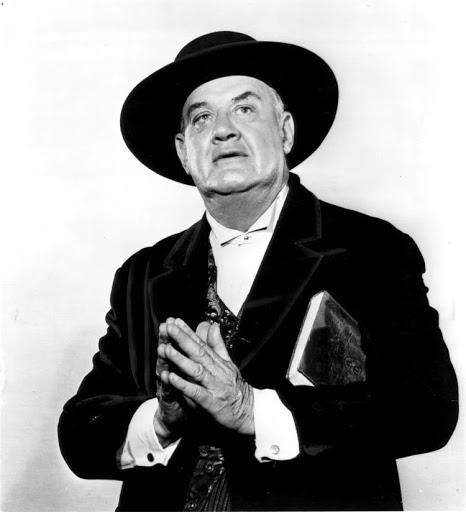
While on Benny’s show, Don also made several appearances on other television shows in the fifties and sixties. He showed up on Screen Directors Playhouse in 1955 and on The Red Skelton Show in 1959. He was a preacher on Death Valley Days in 1959.

Photo: radiospirits.com

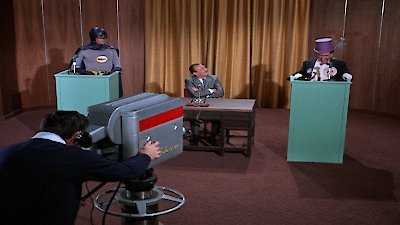
In the sixties, he could be seen in the Mel-O-Toons in 1960 which presented short, five-minute stories often based on fairy tales. He was also on Harrigan and Son in 1961. His last role was after Jack Benny went off the air. He was Walter Klondike, a newscaster spoof on Walter Kronkite, on Batman in 1966.

Watch Batman Season 2 Episode 18 - Dizzoner the Penguin Online Now
Photo: yidio.com

Don passed away due to a stroke in 1982.

I really enjoyed listening to several interviews with Don. He was so appreciative of his career and the people he was able to work with during his entertainment opportunities. Listening to someone who was able to get in on the beginning of radio and then do the same thing with television was very interesting and informative. I hope he realizes how much we all appreciated him.

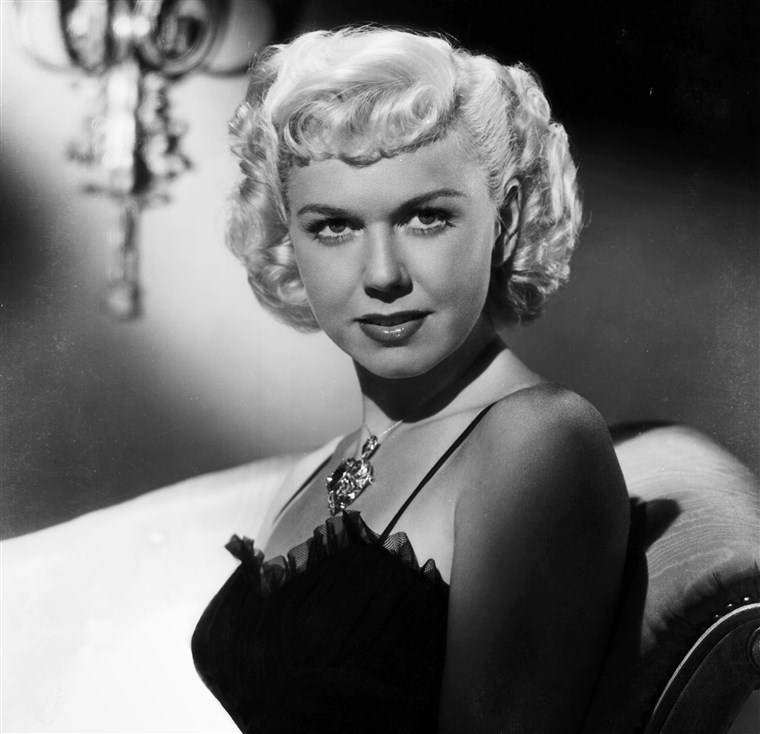
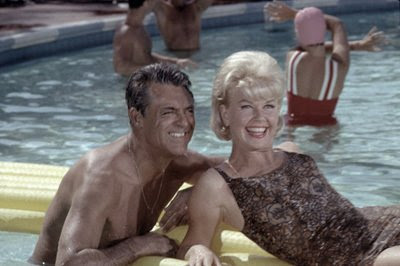
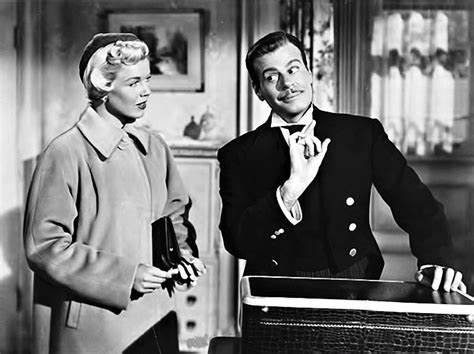
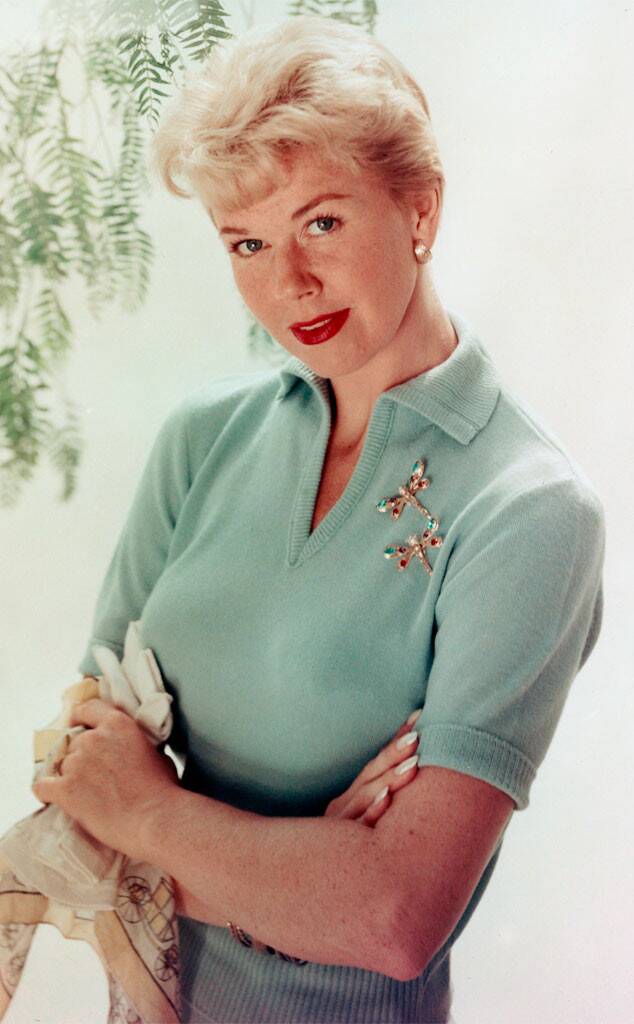
A Tribute to Doris Day

In my tribute to television stars who passed away in 2019, I chose to end the series and the year with Doris Day. I have been a fan of hers for decades, and my heart was very sad when she left us in May. She died on a Monday; the day before was Mother’s Day, and we happened to watch Pillow Talk that day which I thought became a fitting tribute.

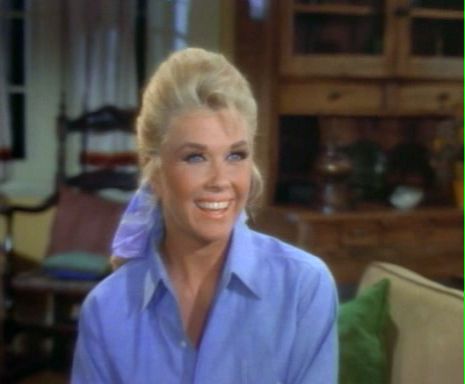
Although Doris Day is a huge star, she only has 45 acting credits, and 43 of them are movies. Of her two television appearances, one was for her voice only on The Governor and JJ. However, because her star was so bright, her five seasons of The Doris Day Show allows her to be included in the television star category.

As a disclaimer, I have to say that while I adored her in her movies, especially the comedies, I was not as big a fan of the television show. It was not a bad show, but it took a lot of liberties with format, as I mentioned in my Kaye Ballard blog earlier this month.

Photo: pinterest.com

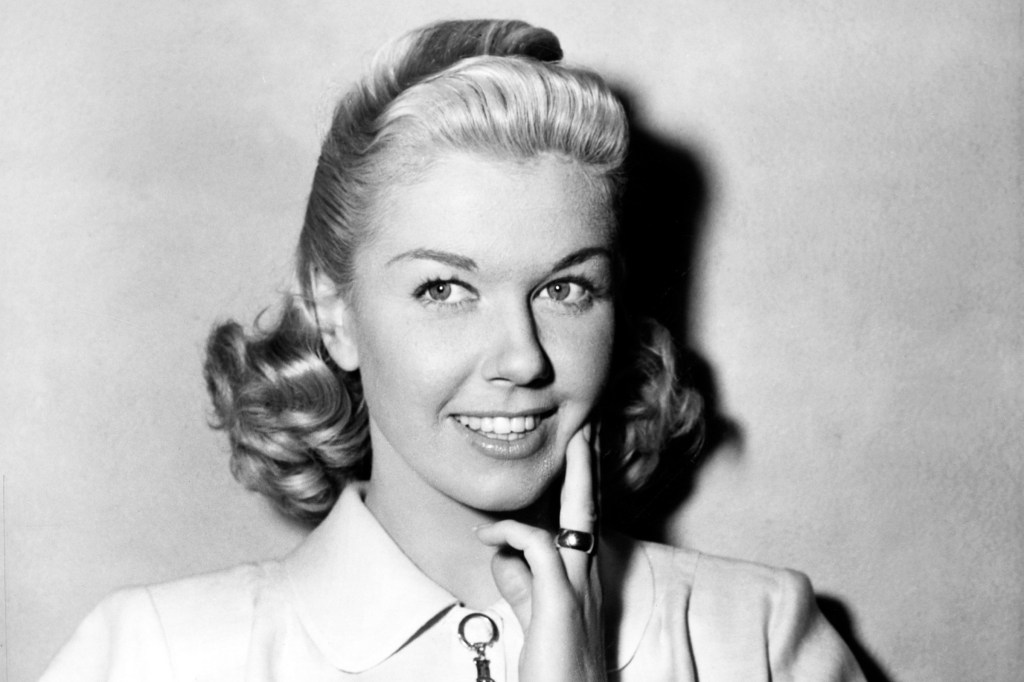
Doris had a lot of valleys as well as mountains in her life journey. Born in 1922 as Doris Mary Ann Kapelhoff, she wanted to be a dancer. At 14 she had formed a dancing act with Jerry Doherty. When they won $500 at a local contest, they traveled to Hollywood to check out the possibilities there. They were optimistic about a career for them in California, so they returned home to pack up their belongings and make the move permanent. Unfortunately, the night before they were scheduled to leave, Doris was involved in an accident when a train hit a car she was a passenger in. Her dancing career ended before it really began.

Photo: rollingstone.com

Her parents had divorced when she was young and her father was a music teacher and choir master. One of her brothers died before she was born and the other one, Paul, was a bit older than her. Following in her father’s footsteps, she took singing lessons, and by age 17 was touring with the Les Brown Band. The trombonist, Al Jorden, captured her heart and they married in 1941. Her two years of marriage was a deep valley; Al was abusive and soon after the birth of their son, Doris asked for a divorce. Her second marriage to George Weidler lasted less than a year.

Photo: nbcnews.com

Doris’s agent convinced her to make that trek to Hollywood again to tape a screen test for Warner Brothers. She was immediately signed to a contract. Her first role was in Romance on the High Seas in 1948. They kept her busy. She made two films in 1949, three in 1950 and five in 1951. Audiences were attracted to her “girl-next-door” personality, beauty, and singing ability.

In 1951 she met Marty Melcher. They married, and he adopted her son Terry who would become a successful record producer. Her marriage to Marty seemed happy, but the union would also have its tragedies. Her brother Paul passed away in 1958.

Photo: claytondavis.com
Pillow Talk, one of my favorite’s

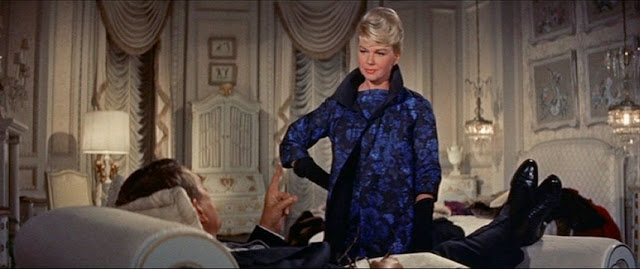
She continued starring in movies throughout the fifties and in 1959, Pillow Talk, with co-star Rock Hudson, debuted and catapulted her to a new level. Melcher, who had become her agent, signed her to an unrealistic amount of work which led to her being diagnosed with exhaustion about this time. During the 1960s he had signed deals for Please Don’t Eat the Daisies (1960), Midnight Lace (1960), Lover Come Back (1961), That Touch of Mink (1962), Billy Rose’s Jumbo (1962), The Thrill of It All (1963), Move Over Darling (1963), Send Me No Flowers (1964), Do Not Disturb (1965), The Glass Bottom Boat (1966), Caprice (1967), The Ballad of Josie (1967), Where Were You When the Lights Went Out? (1968), and With Six You Get Eggroll (1968).

Photo: blogspot.com
That Touch of Mink

It was a grueling schedule, but Day was always the perfectionist and a professional, so she gave 100% to each production. Melcher had mentioned she could star in a television show which she objected to. Shortly after their discussion, Melcher passed away. To her shock, Doris was informed not only did he sign her to the television deal despite her refusal, but he had squandered millions of dollars, and she was basically broke. (Later she was awarded $22 million in court against an investor Melcher had worked with.)

She had no choice but to tackle the television series to try to recoup some of her money.

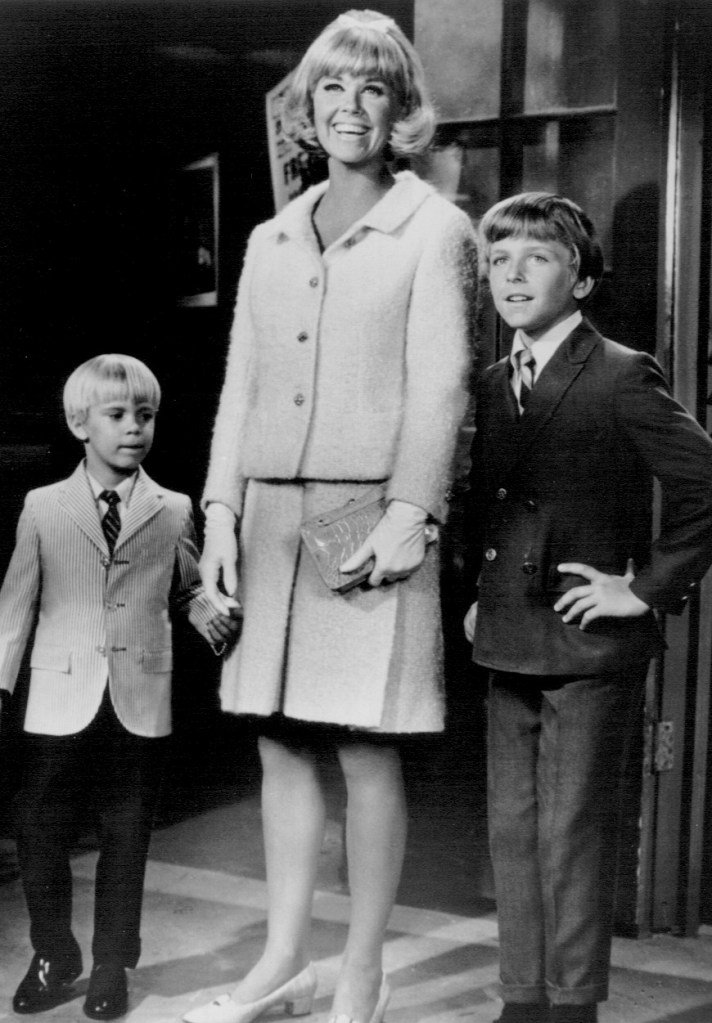
From 1968-1973 she would star in The Doris Day Show, which was almost like three different shows. The original concept was that widow Doris Martin and her two sons left the city to move back to her dad’s ranch. The theme song was “Que Sera Sera,” the song that would become synonymous with Doris.

Photo: Wikipedia.com

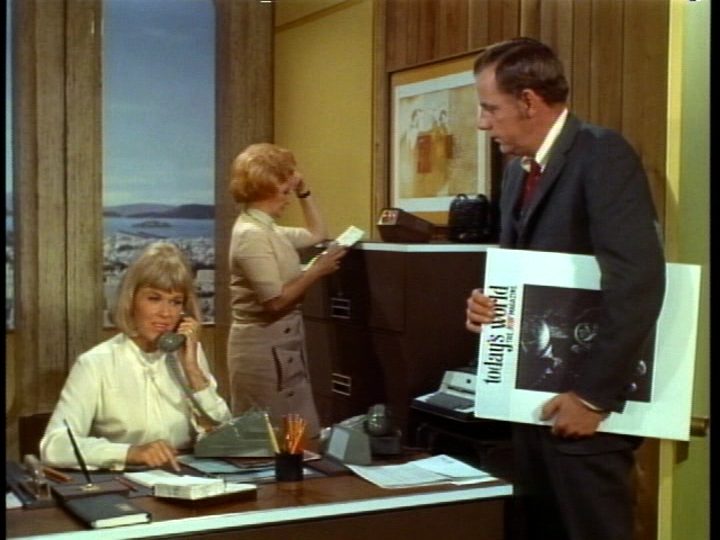
In the second season, Doris drives back and forth from San Francisco to the ranch after getting a job as a secretary at Today’s World magazine. Rose Marie plays Myrna Gibbons, her friend at work.

Photo: fox4kansascity.com

In season three, the family moves into an apartment in San Francisco that is rented from the Palluccis who own a restaurant on the ground floor. Doris got to work with Billy de Wolfe again. He played her neighbor, a cranky bachelor who doesn’t like noise, especially made by children. However, he has a soft spot and becomes close to the family.

Photo: michaelstvtray.com

In the fourth and fifth seasons, there is no mention of the father, the kids, or the Palluccis! Doris is now a single person and is a staff writer for Today’s World.

Photo: sitcomsonline.com

When this show was good, it was really good, but often it was so-so; however,  the skill of actors involved in the show kept it at a higher level. The first season was a bit corny with life down on the ranch. The second season felt like everyone was almost ready to break into song to celebrate the decency and clean-living of the country versus the corrupt city life. Season three it started coming into its own. Even though some of the characters were a bit stereotyped, the stars carried it.

Photo: articlesvally.com

The final two seasons were probably what the concept of the show should have been all along. After all, we viewed Doris as the country girl who moved to the city. She knew just what life would be like there and wanted to experience it all but retained just enough of her wholesomeness and morals to be likable and a bit innocent.

However, the ratings don’t really support my thesis. The show came in at #30 for season 1, #10 for season 2, #20 for season 3, #23 for season 4 and #37 for season 5. I’m guessing the real issue behind the lower-than-expected ratings was a result of scheduling and the constant changing of formats. The show began Tuesday nights against The Red Skelton Show and 60 Minutes. Season 2 it landed on Monday nights where it would remain. Season 2 and 3 it was opposite Mayberry RFD and The Carol Burnett Show. Season 4 it went against Here’s Lucy and The Sonny and Cher Show, and the last season was also Here’s Lucy and then the debut of The New Bill Cosby Show. The targeted audience was probably split. The same group who watched Doris Day would also be a fan of Carol Burnett, Red Skelton, and Lucille Ball. These three shows were all in the top 15 during this time.

Photo: monstersandcritics.com

I’m not sure why the show ended. Some references claim Day was tired and quit; others say the network cancelled the show. Either way, I think Doris was ready for retirement and certainly deserved it. One thing that doesn’t vary is that all the reviews I read, even those that criticized the format changes or the corniness of some situations, said it was a great show and that Doris Day made it fun and believable. I didn’t read any reviews that were negative about the show overall. Sometimes the quarterback truly does carry the team. And to be clear, there were many great teammates on the series during its run.

Photo: pinterest.com

Doris gave marriage one more try in 1976 when she wed Barry Comden but they divorced in 1982. After that Doris settled into Carmel, California where she devoted her energies to animal rights. She and her son owned a boutique hotel, Cypress Inn.  

Although Doris was never happy in marriage, she developed life-long, satisfying friendships with several men. Her costar Rock Hudson and she were very close. He called her Eunice just because he said when he thought of her as a Eunice, it made him laugh.

Photo: retrokimmer.com

She was also very close to Billy de Wolfe. They first worked together in 1950 on the set of Tea for Two. He told her he didn’t see Doris Day when he looked at her; he saw Clara Bixby, and that remained his nickname for her from then on.

Photo: dorisday.net
The great Billy de Wolfe

While The Doris Day Show can’t compete with Pillow Talk, it shouldn’t have to. It was what it was, and considering it wasn’t a show Doris even wanted to take on, she did her best with the crazy format changes and made it something worth revisiting. It may not be her best work, but it is far better than many television shows.

Photo: enews.com

Doris was a truly great star. She was a consummate performer, gave everything she had to her scripts, and was never a diva or complainer. She worked hard for three decades and then earned a long retirement. Although I was sad when she was taken from us, she lived a long and full life, with its share of tragedy and joy. She left us an amazing variety of movies to remember her by. Thank you Doris for leaving us a legacy of comedy and drama to enjoy in our retirement.

Sherwood Schwartz: A Brand New Look

Sherwood Schwartz was born in November of 1916 in New Passic, New Jersey. The Pawnshop starring Charlie Chaplin was showing in theaters. These silent films would lead to radio and television developments that would change the course of Schwartz’s life.

shel9

Photo: charliechaplin.com

After getting his undergrad degree in New York, Sherwood moved to California to attend school and get his Masters in Biology. His goal was to have a career in endocrinology doing research. Unfortunately, he was put on a waiting list because the medical schools he applied to had a quota for the number of Jewish students they would accept. It was suggested that he change his name and religion. He refused and never did get into medical school.

shel7

Photo: tvparty.com

While waiting, he submitted jokes to Bob Hope for his radio show. He picked Hope’s show specifically because his brother Al worked for the show. (Al wanted to be a comedy writer, but his parents made him get a degree first. After passing the bar, he informed them he was off to California.) Bob Hope asked Sherwood to join his brother on staff and he accepted. He honed his comedy skills writing for four years with Bob Hope.

In 1941 he married Mildred Seidman and they had a family of four children. Sherwood also wrote for the Alan Young Show on radio.
shel10

Photo: tvseriesfinale.com

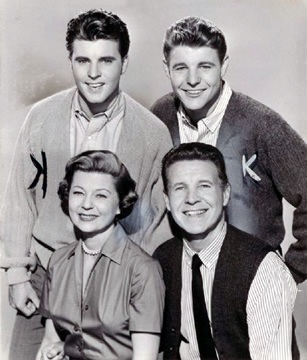
During World War II, he wrote for the Armed Forces Radio and when the war was over, he joined the staff of The Adventures of Ozzie and Harriet. Ozzie Nelson has a reputation for being a perfectionist. When Schwartz was asked about this, he gave the following example: “Oh absolutely. Absolutely true. That is the only man I know who, after his show was in reruns would take the reruns and re-edit them because he wasn’t happy with something. When it was too late to do anything with them, he still did it.”

shel11

Photo: wikipedia.org

In the 1950s, Schwartz made the move to television. He took a position with the writers on I Married Joan starring Joan Davis and Jim Backus. He described the difficulty in writing for her show. “She refused to do the show unless a writer was on the set. She wanted to be able to say I need a better line and have that provided to her right then and there. Since there were only three writers for the show, one had to be on the set while the other two continued working on upcoming scripts.” As he put it, “The stage would be quiet for a moment, 75 production people were scattered around the stage and you had to get a better line or a better blackout. That’s enormous pressure for a writer. It was a rough week (when it was his turn to be on set).”

He became the head writer on The Red Skelton Show where he also worked with his brother. He did not enjoy working with Skelton. Skelton had a reputation for treating writers badly. Schwartz received an Emmy for his work on the show. The final straw was when Sherwood was listening to an interview with Skelton. He was asked why his show was so successful, and he replied, “Every week, when I get those lousy scripts from the writers I yawn. And the voice of God tells me how to fix things.” Sherwood decided the pay was not worth the grief of working for Skelton, so he left the series.
shel12

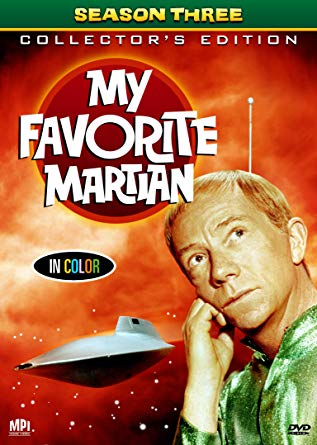
He was then hired to retool My Favorite Martian in 1963 co-starring Bill Bixby and Ray Walston. CBS asked him to do some “reconstruction” work for the series, and he worked on seven episodes. He said the pilot was a great blueprint, but the writers were not following it as well as they should have. They were concentrating on Tim and his problems when the show needed to feature the challenges the Martian was having adapting to life on earth.

During this time, he was thinking about his own series. When he and his brother worked in the radio industry, they came up with an idea for a show called Help, about seven servants who work for a rich family. He now began to take that idea and expand it. What if he took seven people from all different walks of life–but how to get them in one place was the stumbling block.
shel13

Photo:mgtow.com

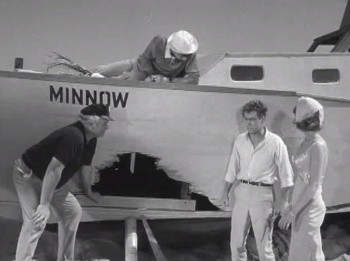
It began to come together when he placed them on a deserted island. Later that year the pilot was shot with a movie star, a professor, a millionaire and his wife, a farm girl, a skipper, and his first mate inhabiting an island while waiting to be rescued. It was not an elite or snobby show to be sure. FCC chairman Newton Minnow is the person who called television a “vast wasteland,” and in his honor, the Skipper’s boat was christened The SS Minnow.

Viewers always loved the show, but critics not so much. Schwartz said the critics never understood “the big picture” of what the characters represented. The San Francisco Chronicle’s Terrence O’Flaherty wrote that “It is difficult for me to believe that Gilligan’s Island was written, directed and filmed by adults.” UPI’s Rick DuBrow wrote “It is impossible that a more inept, moronic or humorless show has ever appeared on the home tube.” Ouch!

Schwartz said he was not “disheartened by the reviews . . . only a bit angry with the lack of understanding of what was being attempted.” As he continued, “these are the same men who are forever saying ‘For heaven’s sake, won’t somebody give us something other than the wife and the husband and the two children?’”

He once admitted “I honestly think I could sit down and write a show tonight that the critics would love, and I know it would be canceled within four weeks. I know what the critics love. We write and produce for people, not for critics.”

shel2

Photo: latimes.com

The show also gave him a new skill as a lyric writer. Along with George Wyle, he wrote the theme song for Gilligan’s Island.

Although the show was popular with viewers, executive William Paley never liked it. The show was being moved around the schedule, and in order to move Bonanza to a different time spot, he cancelled Gilligan’s Island. Gilligan’s Island was on the air for three years, but it established Schwartz’s reputation as a producer and writer.

Apparently, many people felt the show was realistic. A coast guard colonel called Sherwood and later showed him letters from people who were concerned about the castaways being stranded on the island and asking the coast guard to rescue them.

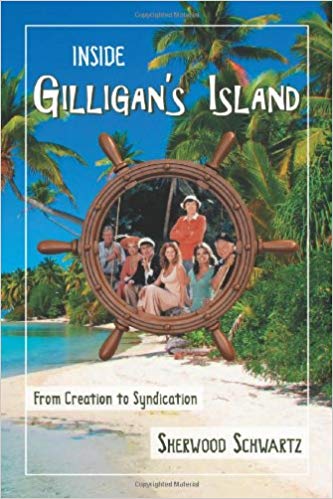
Although the show was cancelled, it never really went away. Two animated series and three TV movies would spin off the show. It has also been on air in reruns since 1967. In 1988, Sherwood wrote a book, Inside Gilligan’s Island.
shel19

With the cancellation of Gilligan’s Island, Sherwood began work on another new show. He had read an article that reported nearly one-third of American households included at least one child from a previous marriage. He decided to feature this sociological change and wrote a script about a woman with three daughters who marries a man with three sons. The networks all liked the idea but were asking for some major changes which he refused to make.

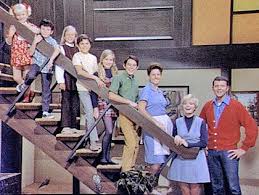
In 1968 the movie, Yours, Mine and Ours came out about a blended family and the networks now wanted the show. The series, starring Robert Reed and Florence Henderson as Mike and Carol Brady, aired on ABC from 1969 to 1974. The Brady kids were played by Maureen McCormick, Barry Williams, Eve Plumb, Susan Olsen, Christopher Knight, and Mike Lookinland. Ann B. Davis played Alice, the housekeeper.
shel3

Photo: boston.cbslocal.com

Again, the critics dismissed the show. What surprised me was that The Brady Bunch never did as well as Gilligan’s Island in the ratings. When it debuted, I was eight, and we all looked forward to Friday night when we would plant ourselves to watch The Brady Bunch and beginning in 1970, The Partridge Family, The Odd Couple, and Love American Style.

While the critics wrote the show off as unrealistic, many of the scripts were taken from the Schwartz family’s life. His daughter said she was not thrilled to watch the show and see a story about her life as part of the plot.

Similarly to Gilligan, once again, Schwartz wrote The Brady Bunch theme song, this time with Frank DeVol.
shel8

Photo: youtube.com

There are a lot of rumors that Robert Reed and Sherwood did not get along. After a lot of research, I’ve determined that Reed was never happy about what he saw as an inferior role. I think he wanted to do Shakespeare-quality shows in a time when there was not a need for that type of show. He seemed to nitpick the scripts too much and was too literal. Although I’ve read some memos where I totally agree with his interpretation, you can only spend so much time dissecting everything. On one show, he walks into the kitchen where the women are cooking strawberries and his line is, “This smells like strawberry heaven.” He wasted time writing a memo about the fact that he researched what strawberries smell like cooking and determined that they had no smell. He needed to learn to pick his battles, I guess.

In another similarity to Gilligan’s Island, not only did The Brady Bunch never leave the air after it was cancelled, but it too resulted in many other versions. An animated series, The Brady Kids, appeared on Saturday morning. Several TV movies, including The Brady Girls Get Married and A Very Brady Christmas were produced in the 1980s. That movie spawned a reboot of the original tv series which didn’t last long on the air. Finally, Sherwood also produced a movie for Paramount, A Very Brady Sequel, a satire of the original television show, in 1994.

shel20

Sherwood’s son Lloyd helped produce and write the tv movies and the Paramount film. In addition, they wrote a book together, Brady, Brady, Brady: The Complete Story of The Brady Bunch as Told by the Father/Son Team Who Really Knew. The reviews of Sherwood’s book about Gilligan’s Island are mostly positive. This book had very mixed reviews. Most fans seemed to enjoy the first part of the book told by Sherwood, but the majority of readers dismissed the second part, primarily written by Lloyd, as insensitive and egotistical. Few people had any positive comments about Lloyd’s involvement.

Although Schwartz would never repeat the success he had with The Brady Bunch or Gilligan’s Island, he did create several other series.
IT'S ABOUT TIME, Joe E. Ross, Imogene Coca, Mary Grace,  Jack Mullaney, Frank Aletter, 1966-67

Photo: metv.com

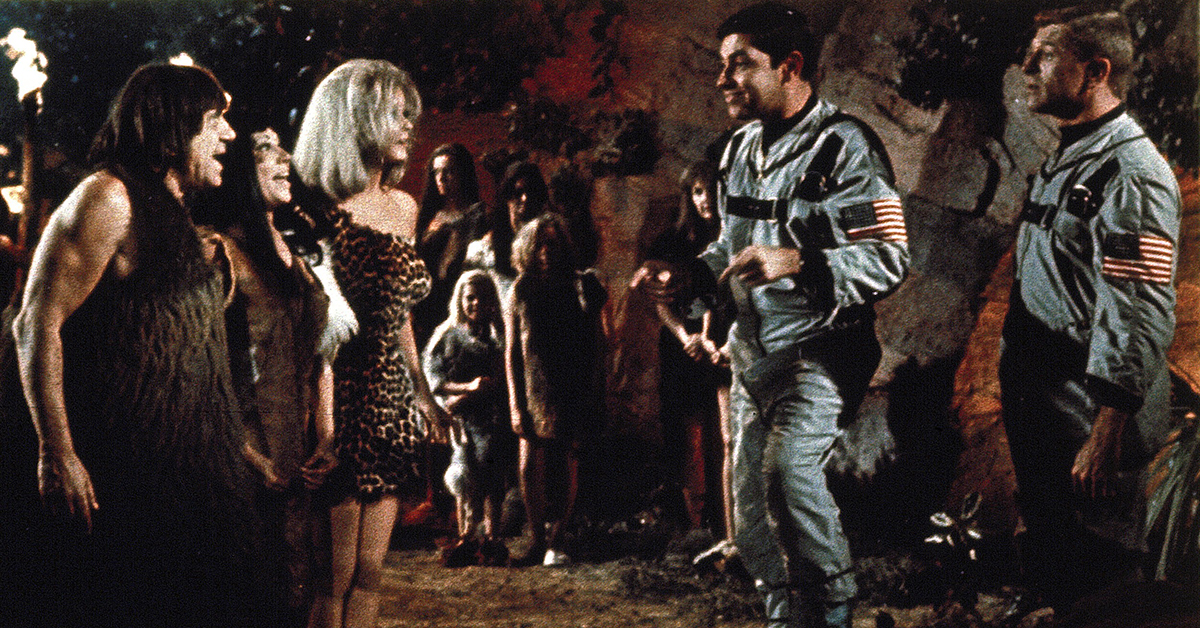
In 1966 after Gilligan ended, he produced It’s About Time where two astronauts end up in a prehistoric era and must learn to live with the natives. This show lasted one year, and 26 episodes were written.
shel6

Photo: metv.com

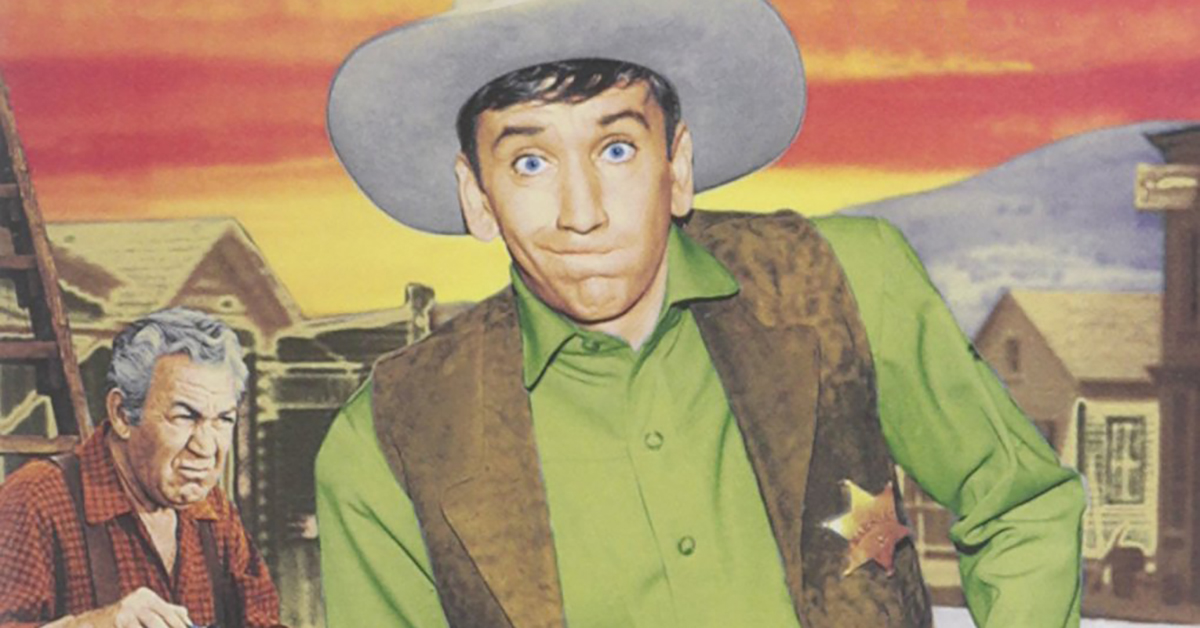
In 1973, Bob Denver again worked with Leonard in Dusty’s Trail. Seven travelers similar to the castaways get separated from their wagon team heading west and must work together to try to catch up to their group. Sounds rather familiar. Season one ended up with 27 episodes.
shel14

Photo: lockerdome.com

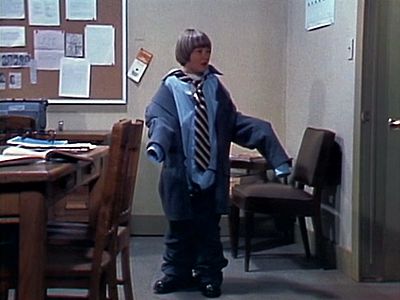
Big John, Little John aired in 1976 and was a situation comedy on Saturday mornings featuring a man who turns into a 12-year-old after drinking from the fountain of youth. Only 13 episodes were produced.

shel15

Photo: sitcomsonline.com

Finally, in 1981, Schwartz took the song “Harper Valley PTA” and turned it into a series with Barbara Eden and Fanny Flagg. Once again, Sherwood wrote the theme song. The show was on the air for two years and produced 30 episodes.
shel1

Photo: wikipedia.org

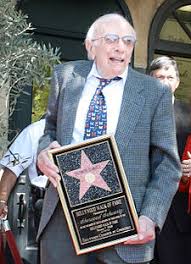
In 2008 he was awarded both a star on the Hollywood Walk of Fame and inducted into the Television Hall of Fame.

In 2011, Sherwood died peacefully in his sleep from natural causes. Although he and Reed may not have been close, the rest of his cast seem to have nothing but good things to say about him.
shel4

Photo: emmytvlegends.org

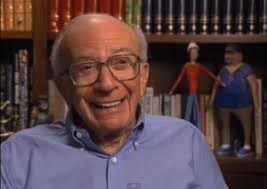
Florence Henderson quoted, “Sherwood was a wonderful writer and producer, but more importantly he was a wonderful husband, father, grandfather and friend. I don’t ever remember him losing his temper. Ultimately, he was a wonderful teacher in life and again, in death, he taught us how to leave with dignity and courage.”

Barry Williams who played Greg, the oldest Brady, said, “As much as Robert Reed was like a dad to me, Sherwood was like a grandpa.”

shel17

Photo: today.com

Oldest daughter Marcia played by Maureen McCormick, noted that “My mom, father and I would all go to Sherwood for advice because he always had a great answer.”

Tina Louise, Ginger from Gilligan’s Island, said he “brought laughter and comfort to millions of people. Gilligan’s Island was a family, He will be in our hearts forever.”

2nd Annual TV Land Awards - Show

Photo: tabletmag.com

Bob Denver who always had wonderful things to say about him, summed up working with him on a radio interview he did with Peter Anthony from Montreal radio station CJAD 800 AM on January 6, 1994. “Sherwood, as a producer, he was one of the best writer producers. It’s amazing. That man was just amazing. We never knew there were any problems when we were shooting. He kept all the network craziness away from us. He was writing scripts literally four months in advance, so that special effects and props always got them in plenty of time . . . you just memorized your words and went down there and had a great time. It wasn’t until afterwards when I left that I realized that not everybody was in the same situation. So, every time I had a chance to work with him, I did.”

Schwartz had two unbelievably successful television series. But more than that, he knew how to use their brand and marketing to keep them going. Here we are 50 years later, and kids today still understand references to both shows. They have both been on the air continuously since they were first cancelled. Generations have watched the shows. The two theme songs, co-written by him, are two of the best-known songs from television history.
shel16

Photo: npr.org

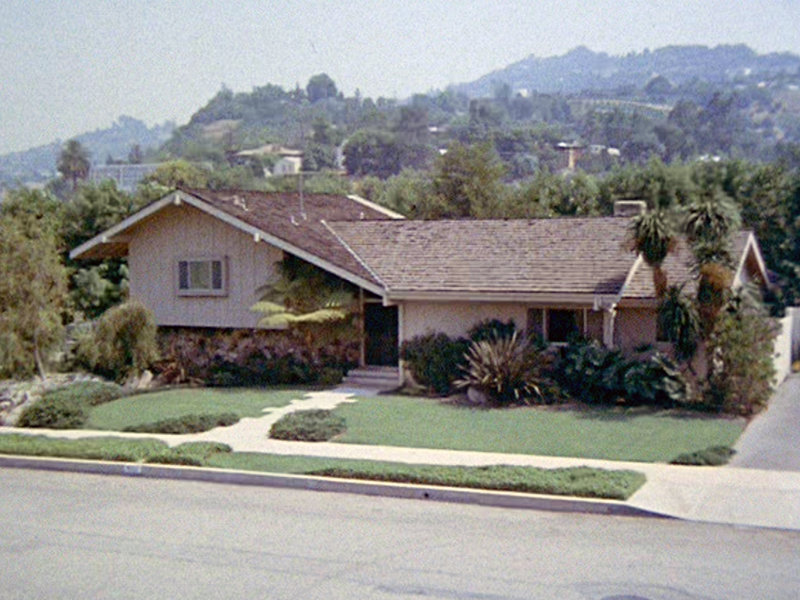
I thought Paul Lieberstein (producer of The Office) summed up Schwartz’s influence best. In an email to Vulture, he wrote, “There was no one who shaped my childhood more. I could easily draw you a map of Gilligan’s Island and a floor plan of the Brady Bunch house—and I’m not even sure if my own childhood home had two stories.” And speaking of that blueprint, in 2019, exactly 50 years since The Brady Bunch debuted, HGTV has bought the house used for exterior shots for The Brady Bunch and will be renovating it. Once again generations will be watching The Brady Bunch cast with HGTV and learning about the show as the brand continues.