Just a Couple of Characters, Part 1: Edward Andrews and Herb Edelman

We’ve all experienced that moment we’re at the grocery store and see someone we know, but we can’t remember their name or how we know them. Maybe it was work or school, or their kids were friends with ours.  Sometimes we even remember we spent a lot of time with them and like them, but the name and relationship is just not there.

This month we are meeting some of our television friends that we’ve gotten to know, even if we can’t remember their names or what we watched them on. We’ll learn more about eight different character actors. We start off the month learning about Edward Andrews and Herb Edelman.

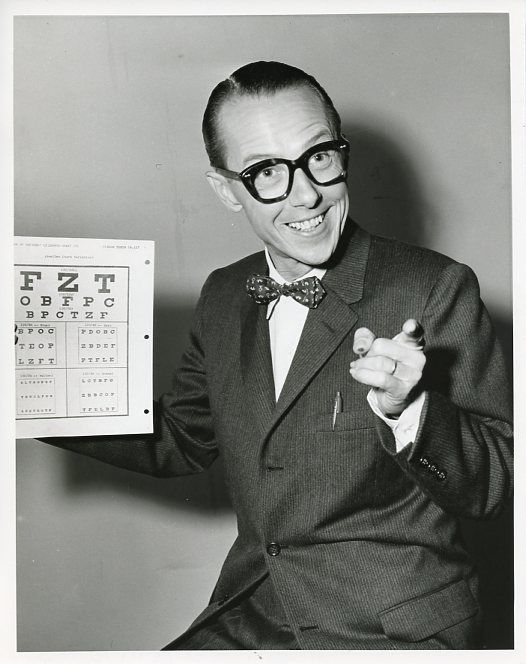
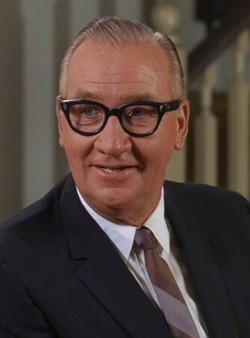
Edward Andrews

Photo: findagrave.com

I remember Edward Andrews from Doris Day and Disney comedies. Anyone who grew up in the 1960s or 1970s will remember this military man with a grandfatherly softness to him.

Andrews was born in Georgia in 1914. His father was a minister and their family moved a lot; he lived in Pittsburgh; Cleveland; and Wheeling, West Virginia. He had a very small part in a James Gleason production at age 12. He attended college at the University of Virginia. In 1935, he got his first part in a Broadway production, “So Proudly We Hail.” He continued in Broadway for the next twenty years, including a touring production of “I Know My Love” with Lunt and Fontaine. During that time, he took a leave from his career to serve in WWII. He was a Captain and commanding officer of Battery C with the 751st Artillery Battalion of the Army.

Photo: movieactors.com

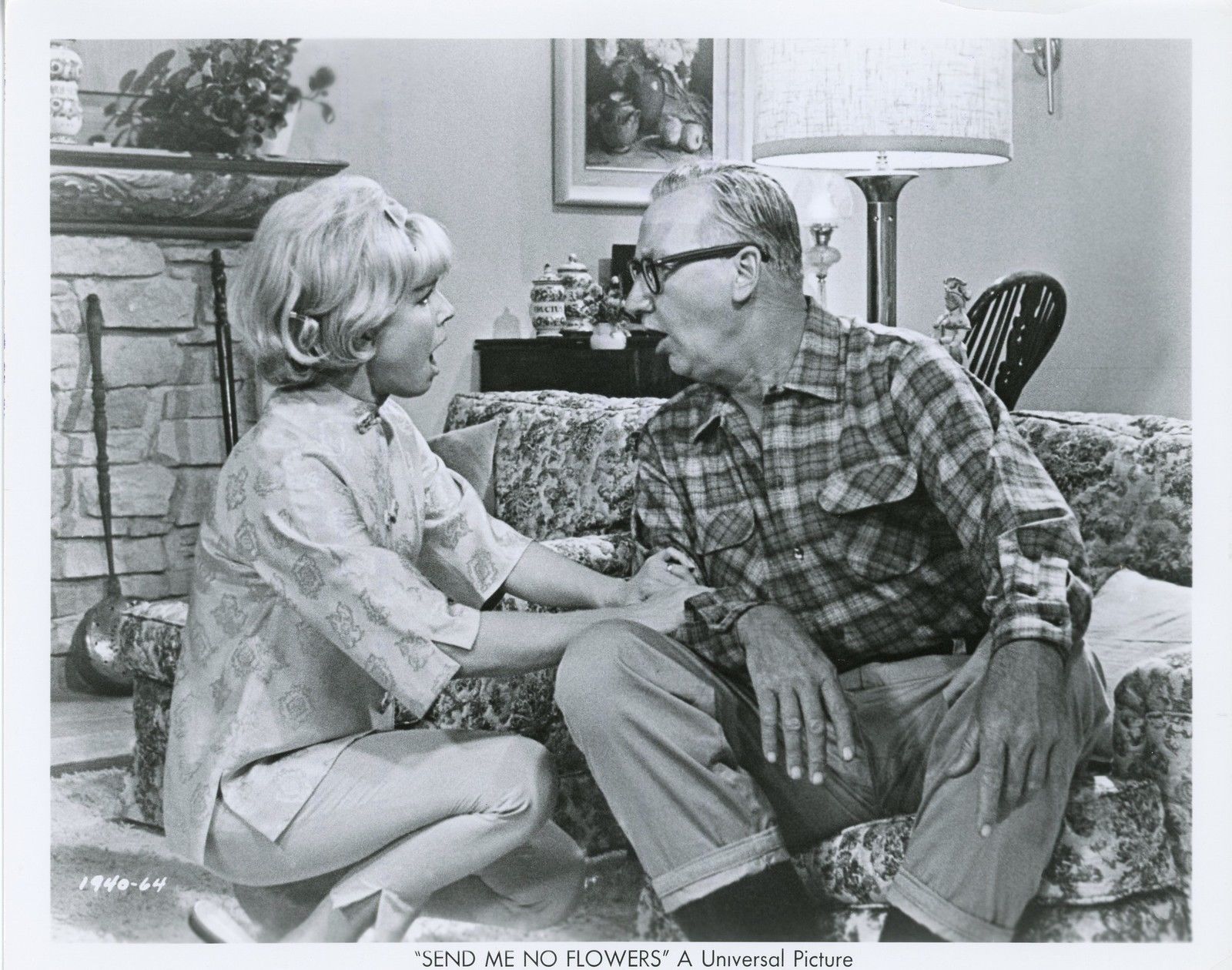
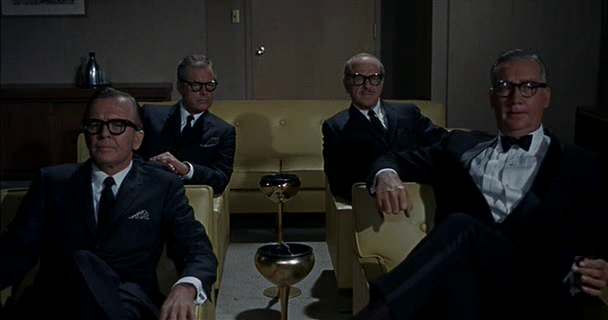
In 1955 he married Emily Barnes and they would have three children, remaining together until his death. About the same time, his movie career took off. Andrews looked older than his age which helped him get parts for older roles. He could play a grandfather, then turn around and handle a sleazy businessman or legalistic bureaucrat. He portrayed George Babbitt in Elmer Gantry in 1960. He worked for Disney playing the Defense Secretary in both The Absent-Minded Professor (1961) and Son of Flubber (1963). I remember him fondly in Doris Day’s movies, The Thrill of It All (1963), Send Me No Flowers (1964), and The Glass Bottom Boat (1966). One of his last roles was Grandpa Howard in Sixteen Candles in 1984. His movie credits totaled 46.

Photo: dorisday.com

Edward also kept busy with television appearances. One of the first actors to guest star on television, in 1950, Andrews was on Mama. As early as 1952, he began acting in the variety of drama shows on television. During the 1950s he would appear in eighteen of these shows including The US Steel Hour, Robert Montgomery Presents, Studio One in Hollywood, and Omnibus.

Photo: scsottrolling. blogspot.com
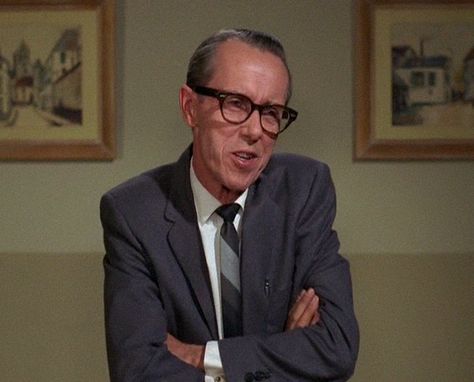
On The Wild Wild West

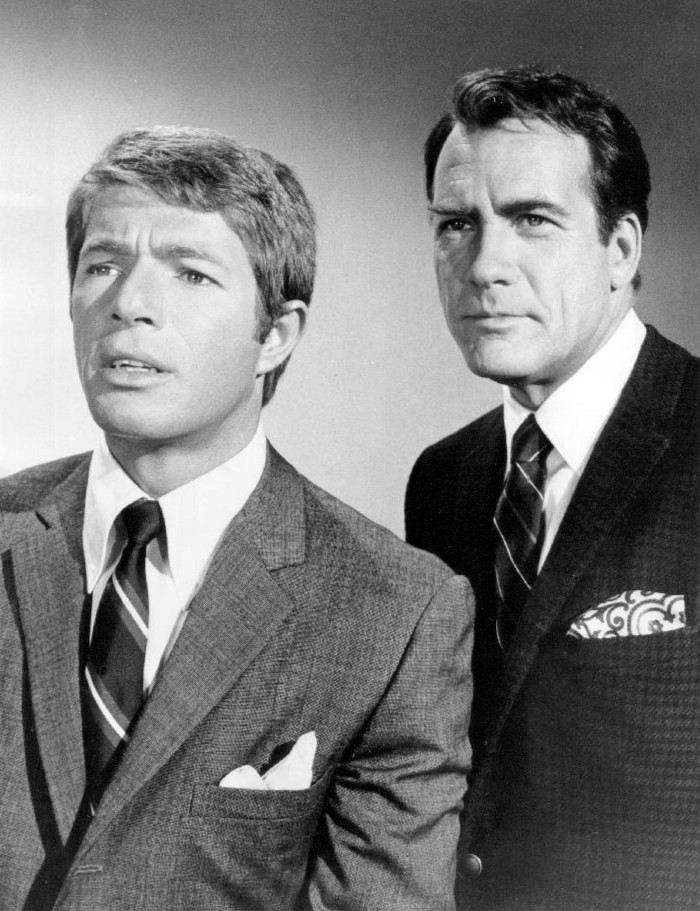
He showed up in westerns including The Real McCoys, Bonanza, Gunsmoke, and Rawhide. We saw him on medical and legal dramas such as Ben Casey, The Defenders, The Bold Ones, Ironside, and Owen Marshall, Counselor at Law. Mysteries and crime thrillers also found a place for him. You might remember him from Naked City, The Wild Wild West, The Mod Squad, Hawaii Five-0, McMillan and Wife, and Quincy, ME.

Photo: pinterest.com

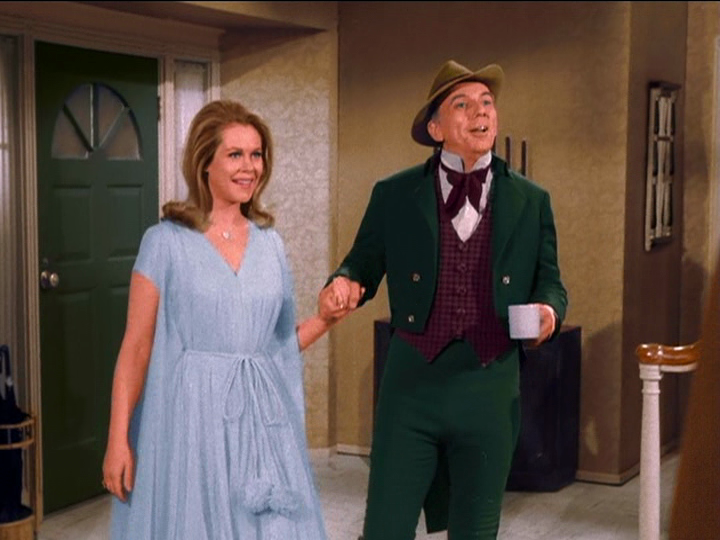
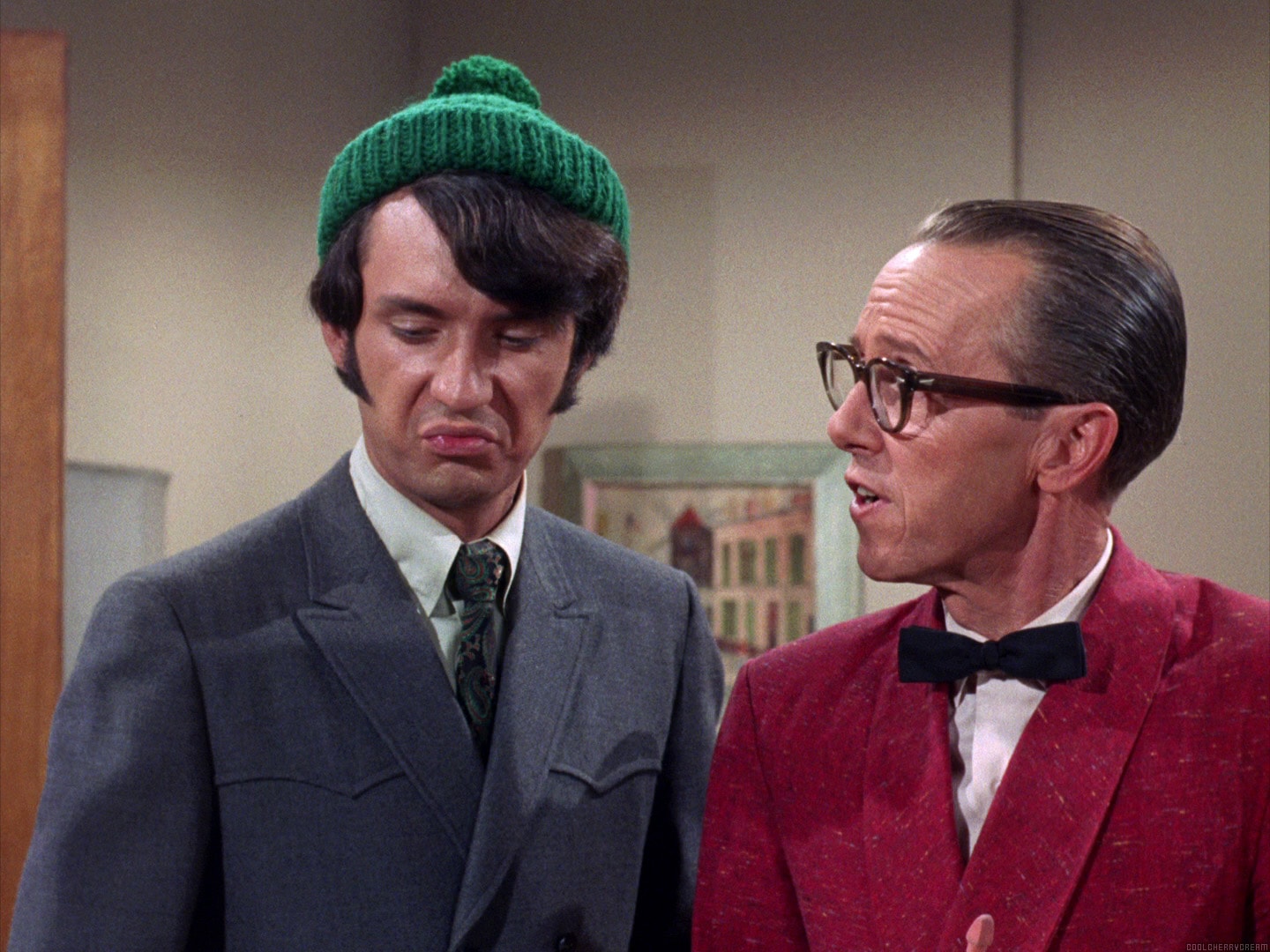
Like his films, he seemed to excel in comedy. Andrews played George Baxter in the pilot for Hazel, but unfortunately when the show went into production, the part was recast with Don DeFore. He would guest star in some of the most popular sitcoms, including The Phil Silvers Show, The Andy Griffith Show, I Dream of Jeannie, Bewitched, The Paul Lynde Show, Love American Style, The Bob Newhart Show, and Three’s Company.

Photo: pinterest.com

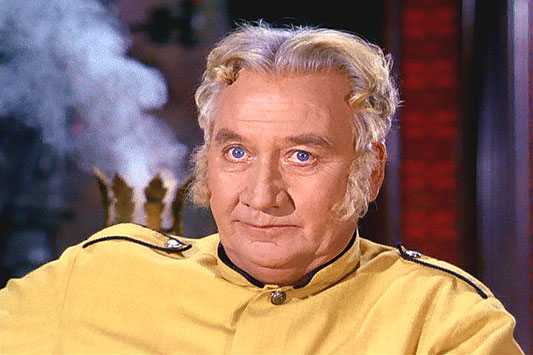
In 1964 he starred in Broadside. Commander Adrian (Edwards) is not happy when a group of Waves are posted to his station on the South Seas island Ranakai. His men no longer have focus, so he spends the series trying to get the women relocated.

In 1970 he had a recurring role on The Doris Day Show as Colonel Fairburn. He also starred as Harry Flood in the show Supertrain in 1979. Playing on the Love Boat and Hotel themes, the show was about a bullet train that had new passengers each episode.

Photo: imdb.com
On Bewitched

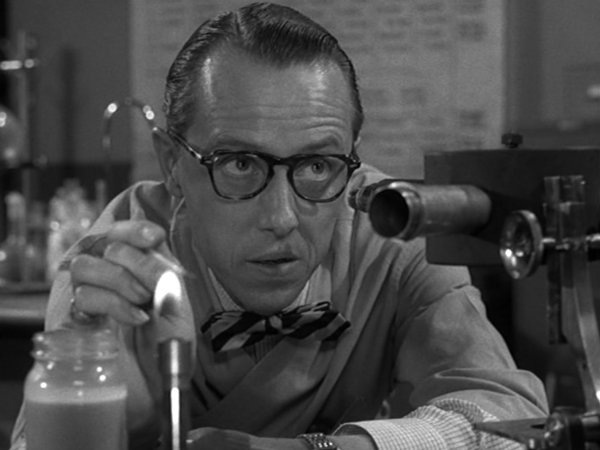
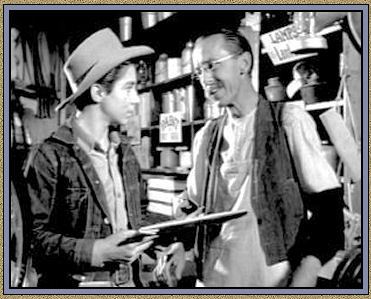
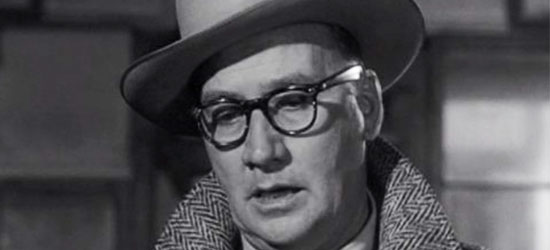
Perhaps Andrews will be best remembered for his guest starring role on two Twilight Zone episodes, “Third From the Sun” (Andrews plays a company man who thinks a coworker William, a nuclear engineer, and his friend Jerry are going to steal a spaceship to leave Earth) and “You Drive” (Andrews hits a newspaper boy and then flees the scene, trying to hide the crime).

In all, he appeared on 118 different television series as well as made-for-television movies.

Photo: pinterest.com

Andrews enjoyed playing a character actor. He said it ensured more work and longevity in his career. He was quoted as saying, “What you get are people who speak to you. They know you from somewhere, but they don’t think of you as an actor. They stop and say, ‘Harry, how’s everything in Miami?’ I’ve learned by experience not to argue with them.”

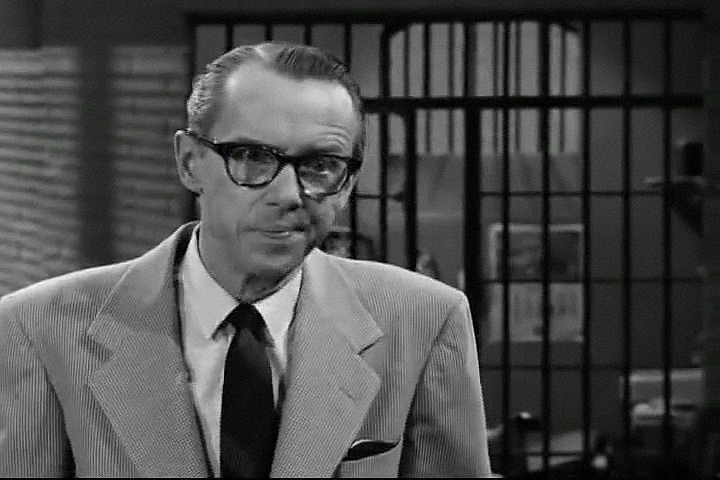
In March of 1985, Andrews had a heart attack and passed away at age 70. With his white hair, and horn-rimmed glasses, Andrews was an adaptable character actor. Whether he was playing a lovable doctor, a nosy coworker, a fun-loving grandfather, or a despicable murderer, he was believable. He truly was a great character.

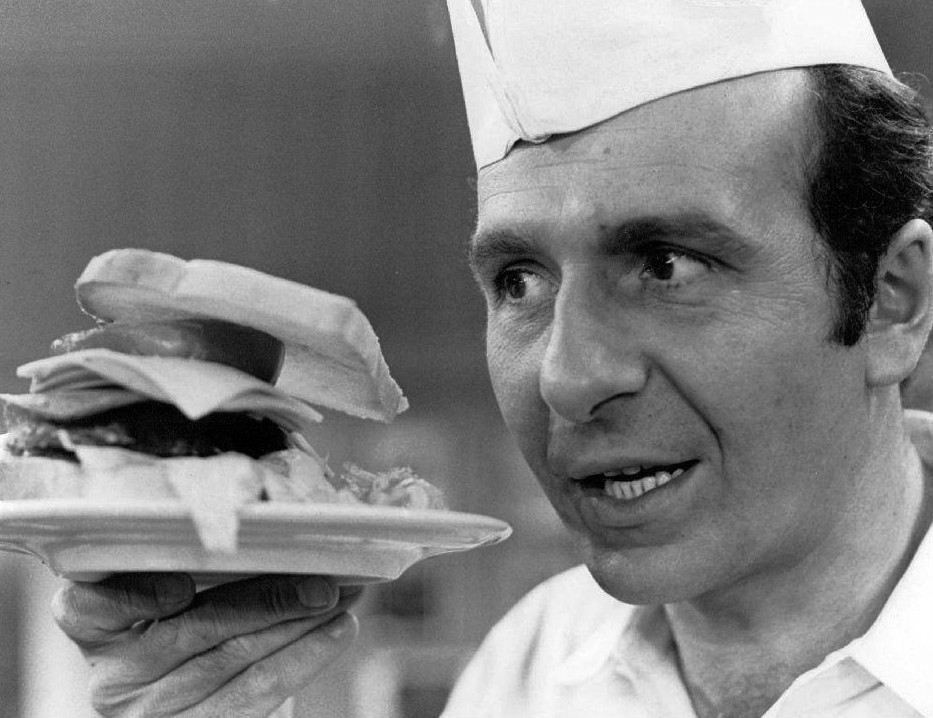
Herb Edelman

Herb Edelman, circa 1981
Photo: travsd.wordpress.com

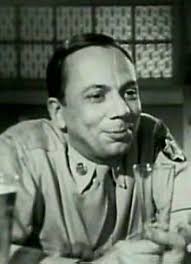
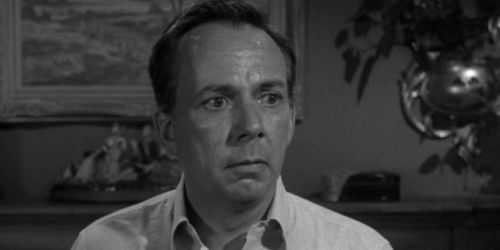
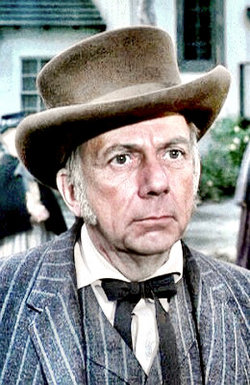
Another fun actor everyone will recognize is Herb Edelman. Herb was born in Brooklyn, New York in 1933 in the midst of the Depression. Tall, lanky, and prematurely bald, he would go on to have a long career in movies and television.

Originally, Edelman wanted to be a veterinarian, and he went to school at Cornell but left after his first year. He served in the Army as an announcer for Armed Forces Radio. After he left the service, he started college again, this time studying acting at Brooklyn College. Once again, he dropped out. He made a living as a hotel manager and a cab driver.

Photo: cscottrollins.blogspot.com
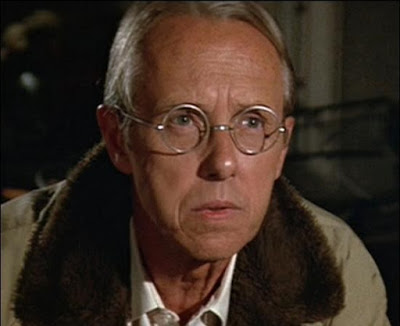
In Barefoot in the Park

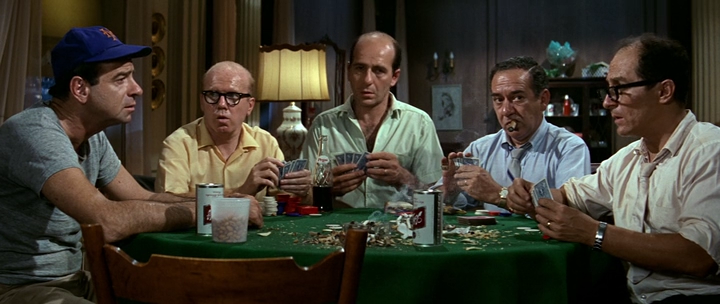
In the mid-1960s he began both his film and television careers. Some of his best-known roles were in the movies. He played Harry Pepper, a wise-cracking telephone operator, in Barefoot in the Park and Murray the Cop in The Odd Couple, as well as Harry Michaels in California Suite.

Photo: movie-mine.com
In The Odd Couple as Murray the cop

However, it was television where he received most of his work. In the 1960s, he began his career, appearing on a variety of shows, including That Girl, The Girl from U.N.C.L.E., and The Flying Nun. During these years he also dated and married Louise Sorel who he was wed to for six years.

Photo: en.wikipedia.com

In 1968, he accepted the role of Bert Gamus in The Good Guys. Bert and his friend Rufus (Bob Denver) open a diner, their dream. Bert’s wife Claudia (Joyce Van Patten) helped him serve customers.

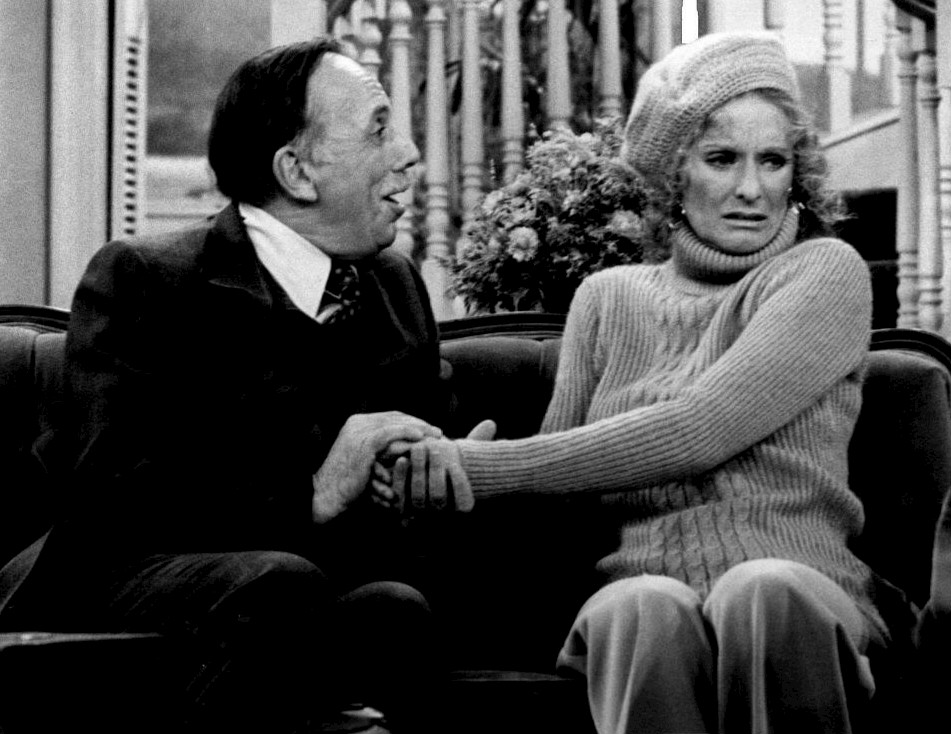
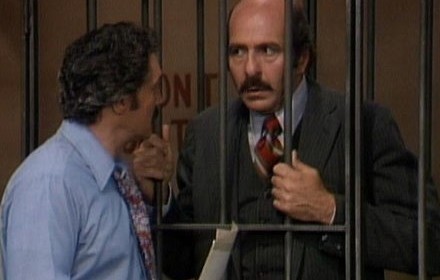
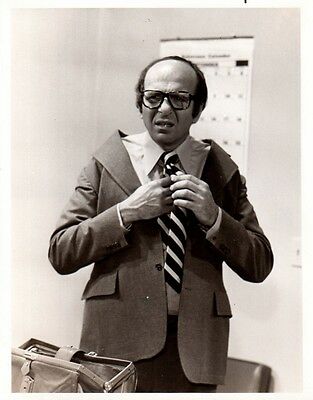
In the 1970s, his career continued as he appeared in many shows every year. Some of the hit series we saw him on during this decade include Room 222, Bewitched, McMillan and Wife, The Partridge Family, Love American Style, Maude, Happy Days, Barney Miller, Kojak, and Charlie’s Angels.

Photo: sitcomsonline.com
On Barney Miller

In 1976, he was again cast in a show, Big John Little John. Edelman was a middle school teacher who drank out of the fountain of youth on vacation. Afterward, he would randomly turn into a thirteen-year-old and worked to keep the secret from his friends and coworkers. The show was short-lived.

Photo: picclick.com

Edelman’s work schedule did not slow down in the 1980s. He would have roles in the cast of five television shows and spent time in between guest starring on other shows such as Trapper John, Highway to Heaven, The Love Boat, and thirtysomething.

From 1980-81, he was cast as Reggie on Ladies’ Man, about a woman’s magazine with one male journalist. From 1981-82, he appeared as Commissioner Herb Klein on Strike Force. This show followed a strike force team that handles cases too difficult for the mainstream officers. The following year, he was Harry Nussbaum on Nine to Five, the show based on the movie about a group of office workers. From 1984-88, he was cast as Richard Clarendon on St. Elsewhere, a teaching hospital.

Photo: aveleyman.com
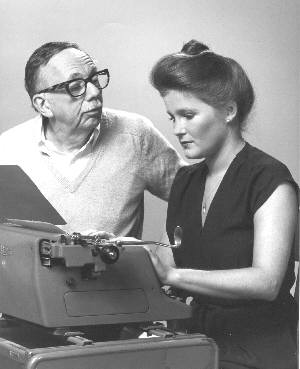
On Murder She Wrote

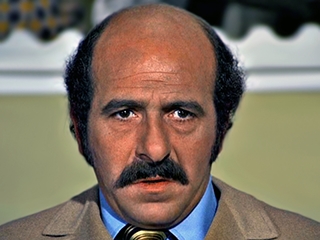
Although his roles decreased in the 1990s, he had one of his most memorable roles during those years as Stanley Zbornak, Dorothy’s ex-husband, on Golden Girls; he was nominated twice for his role on the show.

In 1990, he played Sergeant Levine on Knot’s Landing. Knot’s Landing was a night-time soap about the lives of the wealthy who live in a coastal suburb of LA. His last recurring role was Lieutenant Artie Gelber on Murder She Wrote, about a mystery writer who helps solve crimes.

Photo: imdb.com
On Golden Girls

Edelman died much too early in 1996 from emphysema at age 62.

Another character who was unforgettable in his movie and television roles. Whether playing a repairman, a cop, a teacher, or a ex-husband, he always came through as an authentic actor.

Earle Hagen Whistles a Happy Tune

We don’t often notice music in the background of our favorite shows, but it has a significant impact on our appreciation for a series. One of my favorite CDs in the 1980s was the music from thirtysomething. I admit I didn’t often pay attention to the music while watching the show, but I loved listening to the soundtrack.

hagen14

Photo: findagrave.com

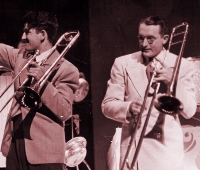
Today we get to spend some time learning about one of the most prolific songwriters in the television industry: Earle Hagen. Earle was born in the Midwest in 1919, in Chicago, but moved with his family to Los Angeles. He began playing the trombone in junior high school.

At age 16 he left home to play with some of the best big bands in the country: Tommy Dorsey, Benny Goodman, Ray Noble.

hagen2earlhagen.net

Photo: earlehagen.net

During his time with Noble, when he was only 20, Hagen composed the song “Harlem Nocturne” as a tribute to Duke Ellington and Johnny Hodges. It would be recorded by numerous musicians over the years and later was adopted as the theme for both Mickey Spillane’s Mike Hammer and The New Mike Hammer.

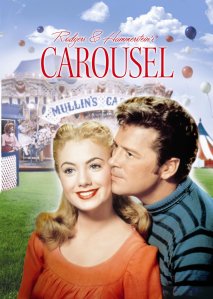
In 1940 Earle was hired by CBS as a staff musician. Like many of the composers we have been learning about, Hagen enlisted in the military for World War II. When he came home, he became an orchestrator and arrangement writer for 20th Century Fox. He worked on a variety of films including Gentlemen Prefer Blondes and Carousel.

In 1943 he married Lou Sidwell, a big band singer. They would remain married until she passed away in 2002 and produce two sons.

When Earle accepted the Irwin Kostal Tribute Award in 2000, he explained that “In 1953, the studios committed to large screen production and we went from 38 pictures a year to one. There were other pictures on the planning board but not immediate enough to support the huge studio staffs. So, along with 1199 other people, I migrated to television.”

The first show he worked on was a short-lived series, It’s Always Jan which was on the air from 1955-56.

Then Hagen met Sheldon Leonard. As he says, “There again my good fortune held. I teamed up with Danny Thomas and Sheldon Leonard at a time when they were starting a string of hits that lasted 17 years.” Earle wrote the theme for Make Room for Daddy.

Those 17 years were busy. Leonard initiated the practice of using original music for sitcoms, so a lot of background music was required. Hagen said that during that era, the composer was part of the creative team. His opinion was asked for and respected in pre-production, production, and post-production.

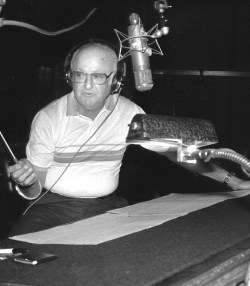
He loved working in television. He said that there was “something about the immediacy of TV that I enjoyed. It was hard work, with long hours and endless deadlines, but being able to write something one day and hear it a few days later appealed to me. I think a statistic of which I am most proud is that in the 33 years I spent in television I was associated with some three thousand shows. Every one of them was recorded in Los Angeles with a live orchestra.”

His work continued with Leonard, and he wrote the theme song for The Dick Van Dyke Show.

hagen6

Photo: brioux.tv

Then Sheldon asked him to come up with a theme for a show about some gentle town folks and their sheriff. Earle said he struggled a while trying to come up with the perfect theme. As he described the process: It’s like “peeling an onion. Half of coming up with something good is throwing away what’s not.” Finally, he had a brainstorm and “he simply whistled the catchy tune which entered his head.” It’s the whistling of Hagen we hear on The Andy Griffith Show when we hear “The Fishin’ Hole.” Despite the difficulty of coming up with the theme song, Hagen enjoyed his time with The Andy Griffith Show. He said, “I guess my favorite show . . . was The Andy Griffith Show. It covered the spectrum from warmth to complete zaniness. It also was easy to write. Worthwhile, when you are doing four or five different series a week.”

hagen5

Photo: mtairynews.com

He went on to work on several shows in the 1960s, including The Bill Dana Show, That Girl, Accidental Family, Gomer Pyle USMC, Mayberry RFD, and The Mod Squad. Hagen based the Mod Squad theme on Schoenberg’s 12-tone scale which added some tension to the scenes, along with a jazzy theme song.

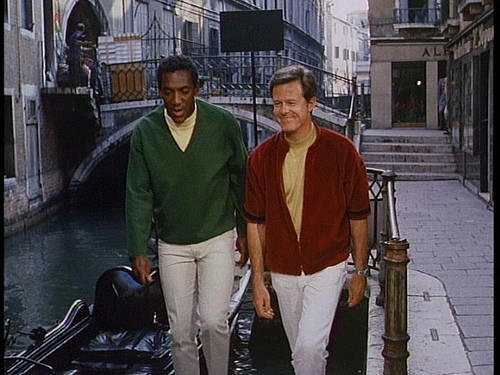
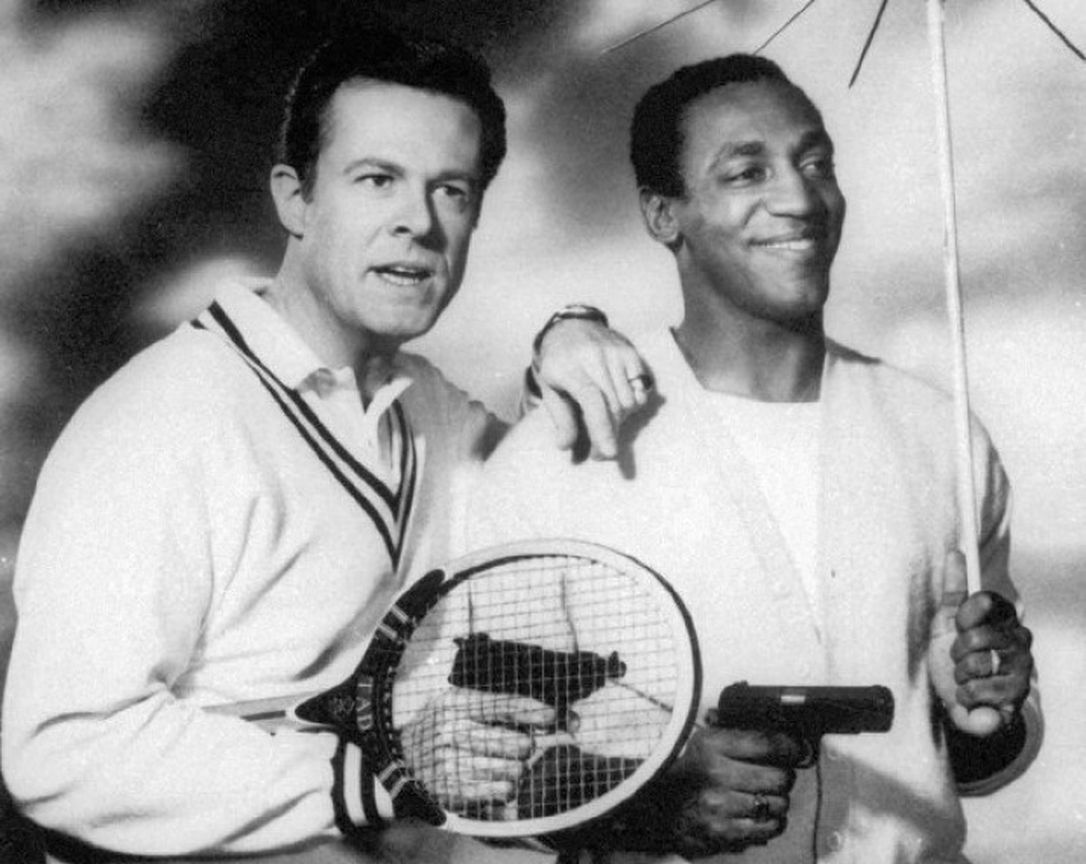
Hagen’s songs are some of the most recognizable ones in television. However, his most innovative and beautiful scores were done for a show that is not remembered much today, I Spy. Leonard wanted original soundtracks for each episode. This humorous spy show was filmed in locations all around the world, so the music had to vary as well.

hagen9

This was the first show to star an African American. Bill Cosby and Robert Culp were spies who took on assignments around the globe. I would like to say that the reason for the lack of the show being rerun is due to Bill Cosby and the poor personal choices he made which has resulted him being sentenced to jail and the shows he was involved with disappearing from television schedules. However, I rarely remember this show being available even before Cosby’s criminal trials, and I’m not sure why that is. In 2008, all three seasons of DVDs were released.

On the website earlehagen.net, we read that “During the run of the series he amassed one of the most comprehensive collections of ethnic music in existence at that time–some of it on commercial records bought in the countries he visited with the production team, but much of it taped live in situ with local musicians. These recordings containing priceless material of musical genres never before recorded, and in some cases, now extinct, were then mixed into the background music produced by the studio orchestra in Los Angeles.  The result was what has been deemed ‘the richest musical palette ever composed for any American television series.’ ”

hagen10

Photo: desertnews.com

Sheldon relied on Hagen to literally scout the world for filming locations. The couple visited Japan, Hong Kong, Bangkok, India, Israel, Greece, Italy, France, and New York. Hagen discussed this trip. “Before the show started, at Sheldon Leonard’s invitation, Lou (my wife of 58 years so far), and I were invited to go on a `round the world trip with the Leonard’s scouting locations for the upcoming series, I Spy. On that 52-day trip we traveled first class, stayed in first class accommodations and at every airport were met by a car, driver, and interpreter, who stayed with us as long as we were in the country.”

Earle wanted viewers to remember that these were US spies so he named his music “semi jazz,” which fused local world cultures with American jazz music.

Deborah Young-Groves discusses the variety of music Hagen used in her article, Creating the Perfect Vibes for “I Spy.”

“And who could forget the frantic–almost joyous–chase across the University of Mexico in ‘Bet Me A Dollar’–Spanish brass–almost Copeland-esque (remember ‘El Salon Mexico’?), too loud to ignore but erratic and happy. And yet, like Copeland, Hagen only scored where he deemed appropriate. In that very same episode the child, who urgently seeks help for Kelly, runs in utter silence.  We hear only his pounding feet and his sobbing gasps.

But the two best episodes for music are ‘Home to Judgment’ and ‘The Warlord,’ for equally fascinating reasons. ‘The Warlord’ borrows heavy oriental imagery for the action sequences (always punctuated by that American jazz – but it works) using snare drums and brass.  How Hagen can get a trumpet to sound Asian simply by a jagged sequence of notes is still a mystery to me!

Then he changes completely and takes a plangent delicate note for the love theme between Chuang Tzu and Katherine, caught between their separate worlds.  It is somber, powerful and almost painful – one of the saddest pieces of music I have ever heard.”
hagen11

Photo: thestar.com

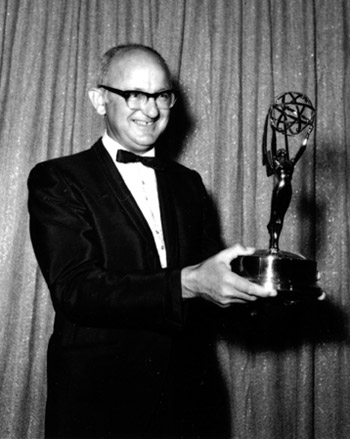
I Spy was on the schedule for three seasons. Hagen was nominated for an Emmy all three years for his work on the show, and he won it the last year the show aired. When asked about his favorite episodes, Hagen said, “Some of the shows of course stand out in memory: ‘Tatia,’ ‘Laya,’ ‘Home to Judgment’ ‘Warlord,’ and one of my favorites, ‘Mainly on The Plains.’ ”
hagen3

Photo: planetoftheapes.com

The music was so memorable on this show, that Hagen was able to record two albums from the series. The first album was recorded by Warner Brothers and the second was Capitol. He said he enjoyed the Capitol album more only because he was able to work on in the off season, so he had more time to devote to it.

hagen1

Earle would continue with his work on television throughout the 1970s, working on a variety of shows, including The New Perry Mason, Eight is Enough, and Mary Hartman, Mary Hartman. In the 1980s, he worked on Dukes of Hazard.

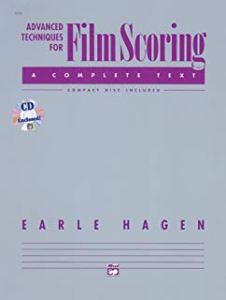
During the last decades of his life he taught and wrote books on scoring and music arrangements. He wrote the textbook, Scoring for Films: A Complete Text. In 2000, he published his autobiography, Memoirs of a Famous Composer Nobody Ever Heard Of.

In 2005, he married his second wife, Laura Roberts. Hagen died from natural causes in 2008.

In 2011, he was inducted into the Television Academy Hall of Fame.

Perhaps his website sums up his career best: “When one considers the vast range Earle Hagen’s career has covered, and just where he was at each stage in his life—playing trombone in the big bands during the 30s, writing arrangements for Frank Sinatra, working at 20th Century Fox during the reign of Alfred Newman, creating TV themes and scores for Sheldon Leonard shows, not to mention teaching brilliant young composers the art of scoring, and publishing the top texts in his field—it can truly be said that he lived through the best times in each of these worlds.”

hagen4

Photo: themusicsover.com

Earle Hagen was another one of the great pioneers in the golden age of television and he should be celebrated for his amazing career.