Don Adams: Always Smart

This month our blog series is titled “All About The Bill Dana Show.” The first week in March we learned about the show and now we have been spending time with some of the cast. We end our series with Don Adams.

Adams was born Donald James Yarmy in Manhattan in 1923. Don was a blend of cultures, Hungarian Jewish on his dad’s side and Irish-American on his mom’s. Don was raised Catholic while his brother Dick was raised Jewish. I could not find out what their sister decided to do. She later became a writer under the name Gloria Burton and wrote a script for Get Smart. His brother was also an actor. Dick has about 50 acting credits and appeared in many of the most popular sitcoms during the sixties and seventies, including three appearances on Get Smart.

Adams dropped out of high school and went to work as a theater usher. In 1941 he joined the US Marine Corp. At one point he was injured during a Japanese assault on Tulagi. He was the only survivor from his platoon. While recovering, he came down with blackwater fever, a side effect from malaria and was evacuated to New Zealand. He was not expected to recover, but when he did, he was sent back to the US as a Marine drill instructor.

After his discharge, he moved to Florida to work as a comedian. He refused to do material he considered “blue” and was fired.

In 1947 he married Adelaide Efantis, and her stage name was Adelaide Adams. Don decided to take the name Adams as well for his stage name. He worked as a commercial artist and cashier to support their family.

In 1954, Don was the winner of Arthur Godfrey’s Talent Scouts with a comedy act written by Bill Dana. He began making appearances on The Steve Allen Show, where Dana was a writer. In 1961 he became a regular on the Perry Como Show.

About this time, Don and Adelaide divorced, and Adams married Dorothy Bracken, another actress. They split up in 1977 when he married Judy Luciano, also an actress but that marriage also ended in divorce. (I could only find one credit for his last two wives; Bracken was on Get Smart, while Luciano appeared on The Love Boat.)

While discussing his marriages, Don said “I’m no longer independently wealthy. I guess it’s the result of too many wives, too many kids and too much alimony. I’ve been paying alimony since I was 14 and child support since 15. That’s a joke, but not by much. . . I like getting married, but I don’t like being married.”

In 1963 Adams was offered the role of Byron Glick, hotel detective on The Bill Dana Show. As we’ve discussed this month, the show was on the air for a season and a half. While working on the show, Don was also the voice of cartoon Tennessee Tuxedo which he continued doing until 1973.

During those years he also made an appearance on The Danny Thomas Show and on Pat Paulsen’s Comedy Hour.

In 1965 he was offered the role of Maxwell Smart in a new spy satire, Get Smart.

The sixties saw westerns being overtaken by spy shows such as The Man From U.N.C.L.E., I Spy, The Pink Panther, and The Avengers. Mel Brooks and Buck Henry decided to try their hand at writing a campy sitcom and Get Smart was born.

The role of Smart was created for Tom Poston, but ABC turned it down, and NBC said yes. They had Adams under contract, so he got the part. Rounding out the cast was Edward Platt as the Chief and Barbara Feldon as Agent 99.

Smart and 99 had great chemistry and married in a later season. Feldon and Adams remained life-long friends.

One of the most memorable parts of the show was all the catch phrases Adams created on the show including “Sorry about that Chief,” “Would you believe,” and “Missed it by that much.”

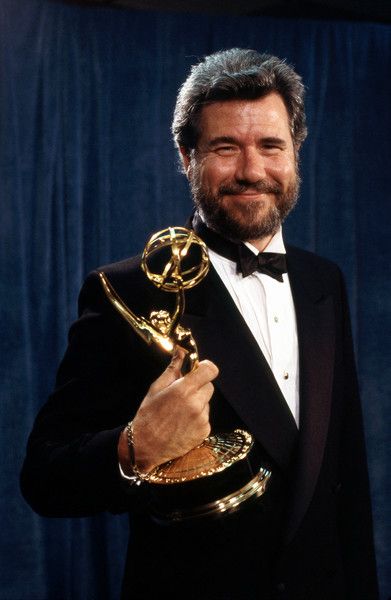
In addition to acting, Adams worked as a producer and director on the show. He was nominated for an Emmy from 1966-1969. He won three of those, losing to William Windom for the little-remembered one-season show, My World and Welcome to It. Lloyd Haynes from Room 222 and Bill Cosby for The Bill Cosby Show were also nominated that year.

The show moved to CBS for the final season, but the ratings never recovered, and the show was canceled after that year.

Like so many of our successful actors with unusual characters, Adams suffered from typecasting after the show ended. He did become part of two additional sitcom casts during his career.

In 1971 he was on The Partners. According to imdb.com, the plot is that “Lennie Crooke and George Robinson are inept detectives teamed up to solve crimes. Captain Andrews is their exasperated boss, Sgt. Higgenbottom is a smarmy co-worker, and Freddy confesses to most of the neighborhood crimes.” Adams played Crooke, but the show only produced 20 episodes.

In 1985, Adams tried a sitcom again on Check it Out. This one was about a grocery store and its employees. Adams played Howard Bannister. The show lasted three seasons, ending in 1988. The show was not very popular in the US but was a hit in Canada.

In between those two shows, Adams appeared in a handful of series including Fantasy Island, The Fall Guy, The Love Boat, Empty Nest, and Nick Freno: Licensed Teacher. He made most of his salary appearing in nightclubs. He also had his Smart character resurrected in several big screen films and television series.

Because of the typecasting, he returned to animation and found a lot of success, especially with Inspector Gadget which he voiced from 1983-1999.

He also tried his hand at a game show. Called Don Adams’ Screen Test, it had an interesting concept. The show was filmed in two 15-minute parts; Adams would randomly select an audience member to recreate a scene from a Hollywood movie such as From Here to Eternity with Adams as director. It ended after 26 episodes.

In his spare time, it sounds like he visited the racetracks, betting on horses. He also spent a night a week at the Playboy Mansion playing cards with Caan and Rickles. He loved history and studied Abraham Lincoln and Adolf Hitler in depth. He also wrote poetry and painted.

Don passed away in 2005 from a lung infection and lymphoma. The eulogists at his funeral included James Caan, Bill Dana, Barbara Feldon, and Don Rickles.

It’s hard to know what to make of Adams’ career. Obviously, he was hard working, an excellent Marine, and a man of many interests. He was fired for not performing blue material but then put horse racing and gambling above the needs of his family, according to several of his friends. He created the amazing role of Maxwell Smart, one of the best characters in television history, but that feat kept him from achieving other great roles in the following decades due to typecasting. It sounds like Check It Out was very popular in Canada, so maybe if he had been given a few chances to create characters different from Smart in a couple other sitcoms, it would have helped.

I feel bad for those actors who are so successful in the characters they help create that they are barred from future jobs, but then again, those characters are some of the best actors in television: George Reeves as Superman, Ray Walston as My Favorite Martian, Henry Winkler from Happy Days, Frank Cady from Green Acres, and Jack Klugman from The Odd Couple. I guess you trade being warmly remembered for fewer quality roles.

Apart from Get Smart, I knew little about Adams before writing this blog, so it was fun to get to know him a bit.

Not Anyone Can Pull a Stunt Like This

Since this month is a Potpourri Month, I thought it might be fun to look at the career of stuntmen on television. I’m calling this one “Propourri” because you have to be well trained to do these types of stunts.

Left to right: stuntmen Bob Miles, Bob Herron, Whitey Hughes, actor Michael Dunn, stuntman John Hudkins, Bill Shannon, and actor Quintin Sondergaard. Photo: famousfix.com

A stuntman or stuntwoman is a person who performs dangerous action sequences in a movie or television show. They have usually had extensive training to do these perilous moves safely. Sometimes they are hired as a team with a stunt crew, rigging coordinator, and special effects coordinator.

Stuntmen like Evel Knievel are daredevils who perform for a live audience. If someone fills in for a specific actor all the time, they are stunt doubles. So, what type of stunts do these professionals perform? Sometimes it’s car crashes, explosions, fights, or falls.

The first stuntmen to entertain audiences were performers who traveled around, often in circuses. Later these types of performers worked with Buffalo Bill and in shows that celebrated the Old West.

Today we are going to concentrate on television performers. Currently, stunt professionals must be certified to obtain the insurance producers need to obtain.

The Academy of Television Arts and Sciences now awards Emmys for stunt coordinators but there is no Oscar for this work.

Life-threatening injuries are not uncommon in this work and sadly, deaths do still occur. While most of my research found stuntmen killed in movies, I only found one relating to television. In 1985, Reid Rondell was killed in a helicopter explosion filming Airwolf.

I thought it would be fun to look at the careers of a few stuntmen from the golden age of television. Most of these men made their money in films, but all three of them had  successful careers working on television shows as well.

Whitey Hughes

Photo: findagrave.com

Whitey Hughes was born in 1920 in Arkoma, Oklahoma. He grew up on a farm, so in addition to working with plows and horse teams, he learned to break horses with his father. When he was sixteen, the family moved to Los Angeles. After graduating from high school, Whitey became a Screen Actors Guild member in 1947.

Whitey began his movie career in 1946. During the fifties, he worked on a lot of western films. Hughes said that in the early part of his career, he often had to be a double for the leading lady. (We’ll come back to this subject later in the blog.) He did stunt work for a variety of actresses including Anne Baxter, Rita Hayworth, Barbara Hershey, Virginia Mayo, Stephanie Powers, and Lana Turner.

Photo: westernclippings.com

Speaking of women, one of the roles, Whitey loved best was being the husband of Dotti; they were married for seventy years.

During the fifties, Whitey worked on a lot of westerns including Cheyenne. In the sixties, you would see him on Rawhide or as Kurt Russell’s double on The Magical World of Disney. If you want to see him in action, the best show to watch would be The Wild Wild West; his crew did some amazing things on that show and Whitey coordinated the stunt work for 1965-1968.

The eighties found him in Fantasy Island, Wonder Woman, and BJ and the Bear while in the nineties he was part of Little House on the Prairie and The Fall Guy. His last work was in a movie in 1998. In 2009, Whitey died in his sleep. It is good he died peacefully; I can’t imagine the toll that this type of work took on his body for fifty years.

Hal Needham

Photo: themoviedatabase.com

Hal Needham was born in 1931 in Memphis, Tennessee. He served as a paratrooper in the US Army during the Korean War. After the war, he worked as an arborist doing tree-topping services. He was also the billboard model for Viceroy Cigarettes while he was trying to establish his career in Hollywood.

Hal’s first big job was the stunt double for Richard Boone on Have Gun, Will Travel. From 1957-63 he was in 225 episodes. During the sixties, he would show up in many television series including Laramie, Wagon Train, Laredo, The Wild, Wild West, Star Trek, Gunsmoke, Big Valley, and Mannix.

Hal was the highest-paid stuntman in the world. That seems fitting because during his career he broke 56 bones, broke his back twice, punctured a lung, and lost a few teeth.

Needham was responsible for wrecking hundreds of cars, fell from many buildings, was dragged by horses, perfected boat stunts and was the first human to test the car airbag.

He revolutionized the work of stuntmen and worked to get his craft recognized and appreciated. He mentored up-and-coming professionals.

With Burt Reynolds Photo: youtube.com

His career transitioned from a stuntman to a stunt coordinator to a second unit director to a director. In all, he would work on 4500 television episodes and in 310 films, according to imdb.com. He made his directing debut on a movie he wrote called Smokey and the Bandit with Burt Reynolds and would go on to direct Hooper and The Cannonball Run for Reynolds among other series and films.

In 1977 Gabriel Toys debuted the Hal Needham Western Movie Stunt Set with a cardboard saloon movie set, lights, props, a movie camera, and an action figure that could break through a balcony railing, break a table and crash through the window. They have become highly collectible.

Photo: pinterest.com

Needham owned a NASCAR race team. He also set a Guinness World Record as the financier and owner of the Budweiser Rocket Car which is now on display at the Smithsonian’s National Air and Space Museum.

He also managed to win both an Emmy and an Oscar. Reynolds and Needham were close friends; Needham lived in Reynold’s guest house for 12 years and their relationship was used as the basis for the plot in Once Upon a Time in Hollywood.

Bob Herron

Bob Herron was born in 1924 in California. When his parents divorced, he moved to Hawaii with his father. The swimming and high diving he did there was a boost to his stunt career. His mother married Ace Hudkins who was a supplier of horses to the movie industry. Herron helped his stepfather in this business before enlisting in the Navy.

Photo: imdb.com

In 1950 he began doing stunt work. His first job was on Rocky Mountain with Errol Flynn and he was shot off horses. This would be a piece of cake compared to his role in Oklahoma Crude where he fell 55 feet from the top of an oil derrick into a stack of boxes.

In the sixties, he began his stunt work on television. He was in Gunsmoke, I Spy, I Dream of Jeannie, The Man from UNCLE, The Girl from UNCLE, Star Trek, Mission Impossible, Get Smart, and Bonanza. He doubled for Ross Martin in The Wild, Wild West. During the seventies, he appeared on Petrocelli, Little House on the Prairie, Marcus Welby, The Mary Tyler Moore Show, The Rockford Files, Kojak, and Charlie’s Angels among other shows. He was still going in the eighties doing his stunts on Hart to Hart, Magnum PI, Remington Steele, the Dukes of Hazzard, Matt Houston, Airwolf, The A-Team, and MacGyver. Despite being almost seventy, he continued in the nineties on shows like Father Dowling’s Murder Mysteries, The Wonder Years, and Murder She Wrote.

I did smile a bit to see shows like I Dream of Jeannie and The Mary Tyler Moore Show on this list. The Jeannie episode is one where she brings her great-grandfather to Cocoa Beach to show Tony how to desalinate water and the Mary episode is one where Sue Anne falls in love with someone who doesn’t return the feelings. I guess it proves you never know where a stunt person will show up.

I don’t know how he managed to survive sixty years performing dangerous stunts but he must have been in amazing physical shape.

I did promise to come back to men having to double for women in the forties and fifties. Thankfully, that is no longer the case, and women’s numbers are increasing among the 3400 stunt performers in SAG.

Former gymnast Shauna Duggins did the hard fighting work in Jennifer Garner’s show Alias. Because pay is determined by union contracts, stuntwomen do not suffer from the pay discrimination that sometimes shows up in the industry. Stunt performers are paid a minimum of $1005 for one day of work and they can negotiate higher pay based on their experience.

Shauna Duggins and Jennifer Garner
Photo: broadwayworld.com

Duggins was at the University of California Davis when she first thought about being a stuntwoman. She learned more about martial arts and spent hours working out in gyms after graduation. In 2000 she auditioned for stunt work in The X Files as Krista Allen’s double and got the job. Then she was in Charlie’s Angels for Kelly Lynch and Cameron Diaz.

It was after that movie that she got the role on Alias where she worked for five years. To protect these women, SAG has a 24/7 hotline for performers to phone if they feel they have been the victim of sexual abuse.

In 2018 Duggins won an Emmy after twenty years in the business. Her advice to young women who decide to make this their career: “train as much as you can in various skills. Go to different gyms with stunt performers, train with all of them and just learn from each other.”

I’m glad we took some time to learn about the tough and dangerous job these performers do. It was so interesting to learn a little bit about some of these industry stars.

Orson Bean Likes to Tell the Truth

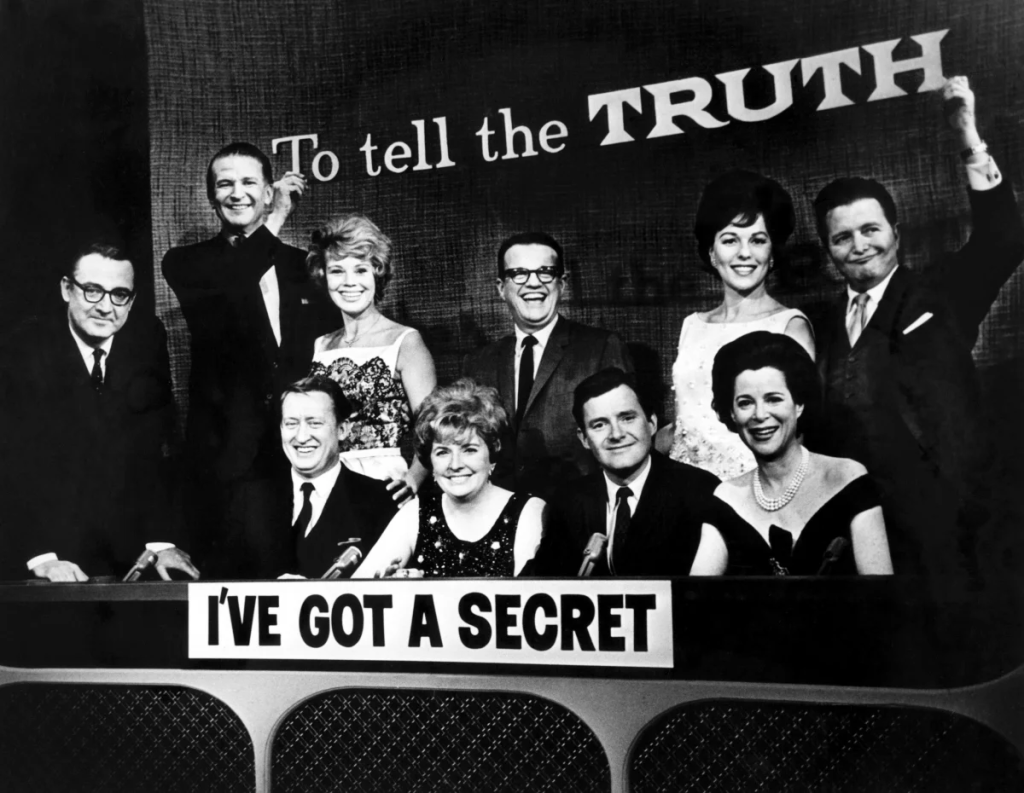
This month we are looking back at a few of the game show celebrities from To Tell the Truth. These are four individuals who were stars in their own right before they did the game show circuit. Although I know the game shows were typically at the end of their illustrious careers, for better or worse, it is how most of us know these interesting personalities.

Photo: globalnews.ca

We are beginning the month with Orson Bean. Bean expressed the sentiment I was discussing above by saying that the was a “neocelebrity,” someone who is famous for being famous for his appearances on prime-time game shows. While I agree with this conclusion, part of what I want us to learn today is why he is a memorable star even without the game show fame.

Bean was born in 1928 in Vermont as Dallas Frederick Burrows. Silent Cal Coolidge was a first cousin twice removed. His father was one of the founding members of the ACLU and chief of police on the Harvard campus. When Bean was sixteen, his mother committed suicide, and he left home.

On Broadway Photo: broadway.com

Bean attended the Rindge Technical School in Massachusetts, and after graduation, he joined the army and was sent to Japan. He spent some time at the HB Studio in New York, studying drama. After returning to the US, Bean began working as a stage musician before trying his hand at stand-up comedy in the early fifties.

Bean tells a fun story about how he came up with his stage name on The Tonight Show. When he was performing at a nightclub in Boston, the piano player would give him a different silly name to use every night. One night it was Orson Bean, and it went over great with the crowd.
In 1952 Bean started his radio career with an appearance on The Chamber Music Society of Lower Basin Street. When the show was renewed for 13 weeks, Bean was the full-time host.

In 1954 he was the house comedian at the Blue Angel Comedy Club in New York. Unfortunately, Bean was dating a girl who was a member of the Communist Party, and he was blacklisted as well. Ed Sullivan canceled his appearance on his show; he did later book him years later for five different episodes.

In 1956 Bean married Jacqueline de Sibour (stage name Rain Winslow). They had one child before divorcing in 1962.

In the fifties and sixties, Orson also was a regular on the Broadway stage. His first production was Will Success Spoil Rock Hunter with Walter Matthau and Jayne Mansfield. He continued on Broadway shows throughout the sixties, getting a Tony nomination for Best Featured Actor in a Musical for “Subways Are for Sleeping.”

The Twilight Zone Photo: wikimediacommons.com

It was also during this decade that Bean began appearing on television where he earned 84 acting credits. He started in the many drama and playhouse series that were on television in the fifties and sixties. He also had his fair share of sitcoms including The Phil Silvers Show, Love American Style, Will and Grace, Becker, Two and A Half Men, How I Met Your Mother, and Modern Family. His dramatic appearances included The Twilight Zone, Ellery Queen, The Fall Guy, Murder She Wrote, Diagnosis Murder, and Seventh Heaven. During his career he was a regular cast member on Doctor Quinn Medicine Woman, Normal Ohio, and Desperate Housewives.

In 1965 he tried marriage again to fashion designer and actress Carolyn Maxwell. They had three children before they divorced in 1981.

The same year he married Maxwell, he entered into another new relationship. He was one of the founding members of The Sons of the Desert, an international organization that was started to share information about the lives of Stan Laurel and Oliver Hardy and to preserve their films.

In 1966 Bean founded the 15th Street School, a primary school in New York City. It was modeled on the Summerhill School in England.

He also showed up on the big screen for 23 movies, the two-best known being Innerspace in 1987 and Being John Malkovich in 1999.

In the 1970s, Bean moved his family to Australia to live in a commune with a hippie lifestyle. They later became bored and returned to the US where he resumed his career.

Orson was popular on the talk and variety shows. In addition to Ed Sullivan, he appeared on The Mike Douglas Show, The Dick Cavett Show, The David Frost Show, The Merv Griffin Show, and was on The Tonight Show more than 200 times.

With wife Alley Mills Photo: soaphub.com

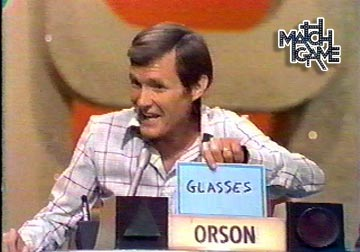
Bean was a competitor on many game shows including I’ve Got a Secret, What’s My Line, Super Password, Tattletales, $10,000 Pyramid, and Match Game. He was best known for being a regular on To Tell the Truth. In addition to being in 317 episodes of To Tell the Truth with Peggy Cass, the two were also regulars on two other game shows: Keep Talking and Call My Bluff.

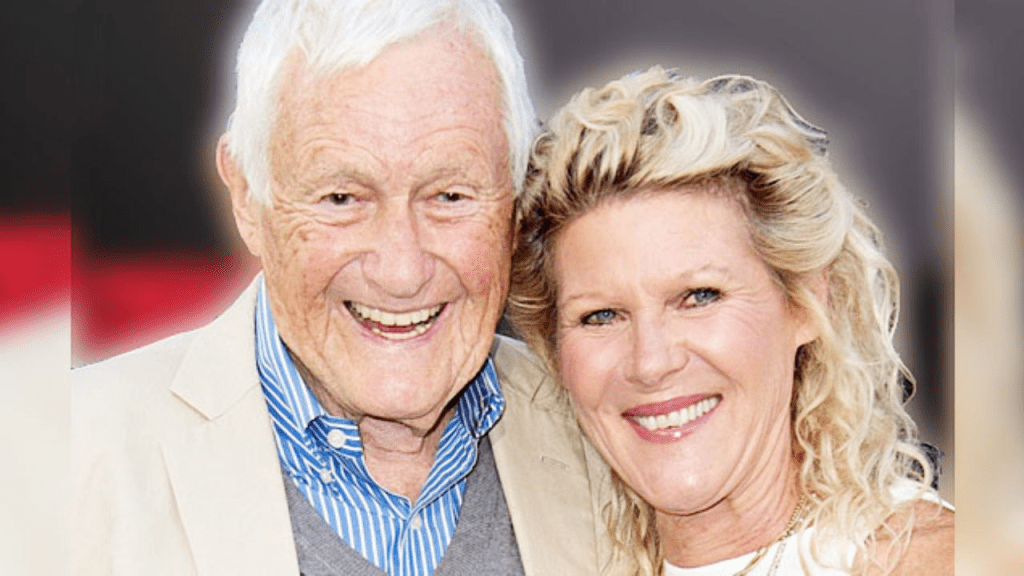
In 1993, Bean tried marriage again. He wed Alley Mills, best known as the mom on The Wonder Years. They were married until his death. The couple were members of the First Lutheran Church in LA and participated in the church’s annual production of “A Christmas Carol.”

On Match Game Photo:jackpendarvis.com

Bean had a terrible death. In February of 2020 when he was 91, he was crossing Venice Boulevard when he was struck by a car. He fell down and a driver of another vehicle, distracted by people trying to tell him to slow down, hit him again before realizing what they were trying to tell him and that hit caused Bean’s death.

Certainly, game shows were only a small part of this celebrity’s career. However, I admit before I wrote this blog, I only knew him for his To Tell the Truth appearances. Now I have a much better appreciation for his long and successful career. I’m glad we are getting a chance to know some panelists from that show this month in more detail.

Laughing Every Day with Beverly Archer

As we continue looking at some of our favorite actresses, today we get to spend some time with Beverly Archer. Beverly was born in Oak Park, Illinois in 1948 but grew up in California.

See the source image
Photo: behindthevoiceactors.com

Beverly knew she wanted to enter the acting profession and studied at both San Francisco State University and UC Santa Barbara where she majored in drama. But once she graduated, she decided acting wasn’t for her. She worked for Wells Fargo for two weeks and then accepted a job with Abbey Rents in Los Angeles where she worked for three years. She says she was lonely and not having fun, so she started taking acting classes again and working with theater groups.

Unlike a lot of actors who have to spend decades before nabbing their first series, the first two television roles Beverly received were regulars. However, Beverly paid her dues working in commercials before appearing on a series. She said they gave her confidence that she could make a living acting, so she was able to quit her job.

See the source image
The Nancy Walker Show
Photo: memorabletv.com

In 1976, she appeared on The Nancy Walker Show. She played Nancy’s daughter,  Lorraine. In a recent interview with Sitcoms Online, Beverly said she ran into a guy she had done some theater with who had become an agent. He signed her and got her the audition for the show. Archer was reading the script with several other actresses but apparently, she was the only one who found the scene very funny. Nancy then read with her and the producers felt they could be family. She says she was in the right place at the right time.

See the source image
With Oliver Clark on We’ve Got Each Other
Photo: sitcomsonline.

Unfortunately, the show only lasted one season, but in 1977, Beverly was offered the role on We’ve Got Each Other. The plot for this show was that Stuart Hibbard (Oliver Clark) worked at home, cleaning and cooking while his wife Judy (Archer) worked in LA for photographer Damon Jerome (Tom Poston). Stuart had to deal with domestic situations and his next-door neighbor Ken (Martin Kove) while Judy dealt with work situations and secretary Donna (Renn Woods). Like her first show, this sitcom only lasted one season as sell.

In 1976 she accepted another permanent role as Mrs. Robert Bernard. She met her husband through an acting teacher. He was also an actor, doing a lot of voice-over work.

During the 1980s, she would receive offers to play recurring characters on four shows.

See the source image
Photo: tumblr.com

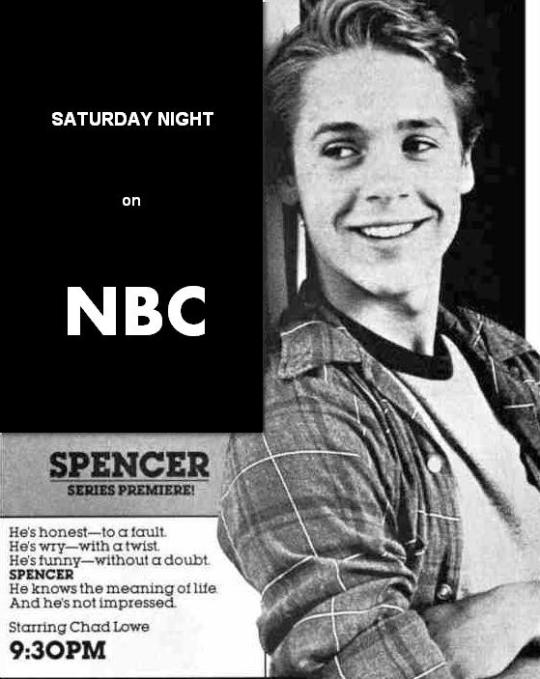
On Spencer, she played Miss Spier, a divorced friend of Spencer’s mother. Most episodes show Spencer, played by a very young Chad Lowe, humorously dealing with the drama of high school.

In 1985 she was on ten episodes of Washingtoon. This is a little-remembered show that aired on Showtime. The plots centered around a senator who wasn’t too bright and Archer was his secretary on the show.

In 1988, she appeared on ALF as neighbor Mrs. Byrd.

See the source image
Photo: sitcomsonline.com

One of her best-known roles occurred on Mama’s Family. Beverly portrayed Iola Boylen from 1986-1990. In the Sitcoms Online interview, Archer talked about being on Mama’s Family. She explained that the network version was cancelled, and Joe Hamilton decided to recreate it in syndication. At that time, no one really did syndication shows. Archer says he was a pioneer in the field. Betty White and Rue McClanahan moved over to Golden Girls, so there was a gap for a new character and Archer was hired for the syndicated show. She says some of her favorite moments on the show were working with Ken Berry. She described him as the funniest person on the planet.

See the source image
Photo: tumblr.com

Beverly tried her hand at writing and received credits for scripts for Mama’s Family, Working Girl and ALF.

In addition to these regular roles, she guest starred on a variety of shows, including It Takes Two, Family Ties, The Fall Guy, and My Sister Sam.

See the source image
Photo: allstarpics.famousfix.com

During the decade of the nineties, Beverly was again lucky enough to gain a recurring role on five additional shows: Married . . . with Children, Aahh Real Monsters, Jumanji, The Young and the Restless, and Major Dad. On Married . . . with Children, she was a sexually repressed librarian who falls in love with Bud.

On Major Dad, she played the role of Alva Bricker, gunnery sergeant. During an interview with Jerry Buck in 1992, Archer says she used John Wayne for her role model for Alva because he was the only Marine she could remember. Describing her character on the show, Archer says “She’s the best Marine on the base. I think the driving force behind the characters is that she’s the best. But the personal stuff is fun to play. She has a wild sex life, but the crux is that she’s incredibly efficient as administrative chief of the commanding general’s office.”

See the source image
Photo: ebay.com

After portraying so many school-marm types of characters, she was happy to have a different sort of character to work with. Beverly says Gunny has a macho-style to her femininity. She treated relationships the way men typically did. She didn’t want to be tied down to one man.

Beverly joined the cast in season two. Once again, she benefitted from the fact that several characters from the first season were let go. The show was produced by Rick Hawkins who also worked with her on Mama’s Family. Archer loved the fact that Gunny was so different from Iola on that show.

She also guest starred on nine shows, including Full House, Love and War, and Grace Under Fire throughout the 1990s.

See the source image
Photo: avelyman.com

In 1995 she was part of the fun, satire, The Brady Bunch Movie, playing a teacher who gets caught stealing.

Beverly accepted that she was typecast in many of her roles. As she described it, “Nobody’s going to let me play a normal human being, certainly not a lead. Certainly not a normal next-door neighbor. I’m there to add a character twist. That’s my living and with this mug, what do you expect?”

See the source image

Beverly retired in 2002. Beverly may have retired, but she was not sitting around the house twiddling her thumbs. She opened an antique shop in the Catskills in upper New York which she ran for about eight years, spending half the year in New York and half in California. She finally moved the shop to California to eliminate the bicoastal living.

Photo: Xiem Gallery

She also wanted to do a lot of traveling. Now she is sculpting with clay and getting to travel. She studied her craft in Italy. In 2008, Beverly had an exhibit at the Xiem Gallery in Pasadena, CA, entitled “2008: A Year of the Pig: A Beginner’s Journal.” The exhibit included some of her thoughts on her art:

“There was so much to learn.
Despite the fact that I began with 365 pigs I never thought back then that I would be able to count on two hands the number of pieces I have made that are not critters. I cannot seem to divorce myself from them. Nor do I want to.
Our relationship to other animals is quite a complex one, of course. We tend to imbue them with attributes and feelings we admire. We find our domestic companions delightful, amusing, courageous and intelligent…..all attributes we would like to see in ourselves. We even find the critters we eat to be companionable as well as useful.
Perhaps I will branch out eventually. Perhaps to wild animals. We think them fascinating, noble and mysterious. And yet, we threaten them, hunt them or ignore them and fail them constantly.
One can’t know for certain but I imagine that in years hence I will still be working on the animal form.
There is so just much to learn.”

While I’m sad, her retirement took her out of our living rooms, she seems to have found a wonderful new career. Since writing my blog, and writing in general, has become my almost-retirement career, I understand the passion and satisfaction she is experiencing in her new art life.

See the source image
Photo: famousbirthdays.com

When asked about the type of roles she wanted to play or would like to have if she had not retired, Beverly responded that “I loved doing comedy, and there is no greater gift than coming to work laughing every day.” I hope she is still laughing every day, and I thank her for the many days of laughter she provided for us.

Let the Record Show That Night Court Was a Hit

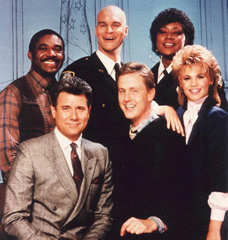
In July we learned about Sirota’s Court which Night Court seemed to be a clone of. Debuting on NBC in January of 1984, Night Court ran for nine seasons until May of 1992. The series was supposed to begin in fall of 1983, but the executives at NBC were concerned about Harry Anderson’s lack of experience as an actor. They delayed the show; every show that debuted in fall of 1983 was cancelled, so Night Court was put on the schedule mid-season.

Photo: tvseriesfinale.com

Thursday nights on NBC were part of “Must See Thursday.” The schedule featured The Cosby Show, Family Ties, and Cheers followed by Night Court.

An unconventional judge, Harry Stone (Harry Anderson) presided over a Manhattan night court overseeing petty crime and dealing with a lot of wacky clients, odd coworkers, and bizarre situations. The role of Judge Stone was originally offered to Robert Klein, but he could not come to an agreement on the salary with NBC.

The main characters include Judge Stone, a public defender, a prosecutor, a couple bailiffs, and a clerk of court.

No Merchandising. Editorial Use Only. No Book Cover Usage. Mandatory Credit: Photo by NBC-TV/Kobal/REX/Shutterstock (5882810g) Harry Anderson Night Court – 1984-1992 NBC-TV TV Portrait

Harry Stone is a humorous judge (and magician). Although he was young, he was appointed because when the outgoing mayor called prospective judges, Harry was the only one who answered the phone. Stone likes old movies, Jean Harlow and adores Mel Tormè. The show’s creator Reinhold Weege discusses Stone’s admiration for Tormè on the DVD commentary. He said Tormè said he began to notice a younger audience at his concerts which he attributed to the Night Court references and happily appeared on an episode of the show.

Photo: wikia.com

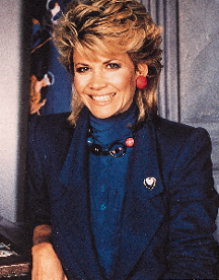
The public defender role went through several changes during the course of the show. Gail Strickland was Sheila Gardner in the pilot. Paula Kelly was Liz Williams during the first season. Ellen Foley was brought on board for season 2 as a possible romantic interest for Judge Stone. Markie Post showed up for season 3 as Christine Sullivan and stuck around for the next seven seasons. Post was the first choice for the role in 1984 but was committed to The Fall Guy. When that show was cancelled, she was hired. Christine  was a bit naïve and committed to helping others. She was a fan of the royal family and collected Princess Diana memorabilia as well as porcelain thimbles.

Photo: pinterest.com

The prosecutor was Dan Fielding (John Larroquette). He was a sex-obsessed, somewhat witty, egotistical and greedy man. However, at times he could display compassion for others but not for long. He was always trying to get Christine to go out with him, but there was always a romantic tension between her and Stone.

Photo: pinterest.com

Nostradamus “Bull” Shannon (Richard Moll) was on the show for its entire run.  He came off as a bit dim-witted but was patient, kind, and devoted to Judge Stone.

Photo: amazon.com

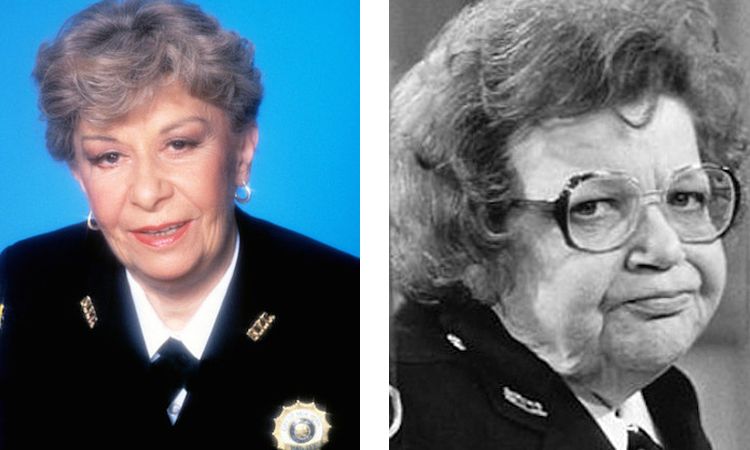
For the first two seasons, he worked with Selma Hacker (Selma Diamond), a chain-smoking older bailiff who had been married six times. Diamond was diagnosed with cancer after season 2 and passed away shortly after. Florence Kleiner (Florence Halop) came on for season 3. Older like Selma, they had similar personalities. “Flo” loved motorcycles and heavy metal music. Halop also was diagnosed with and died from cancer after season 3. Rosalind Russell (Marsha Warfield) began in season four and stayed for the duration of the show. She was a practical, no-nonsense woman.

Roz Russell Photo: ebay.com

Clerk Lana Wagner (Karen Austin), was asked to leave the show after only ten episodes. I could not substantiate it, but she claims it was her diagnosis of Bell’s palsy that ended in her being asked to resign. Macintosh “Mac” Robinson (Charles Robinson) would take over in season two for the rest of the series. A Vietnam veteran, he was easy going and funny and always wore a cardigan, plaid shirt and knit tie.

Photo: lastagetimes.com

Weege also mentioned in a DVD commentary that he named a lot of the pimps and hookers on the show after friends of his.

Although there were a lot of great crooks on the show, one of the most interesting episodes featured Seinfeld’s Kramer, Michael Richards. He appeared as a burglar who thought he was invisible and showed up naked in court. He was one of the funniest criminals on the show.

Photo: screenrant.com

Like many of the 1980s shows, Night Court had a jazz instrumental theme song. This one was written by Jack Elliott and featured Ernie Watts on saxophone.

Critics loved the show. It was nominated for Outstanding Comedy Series in the Emmy awards in 1985, 1987, and 1989. In 1985, the show was up against Kate and Allie and the rest of the shows that was part of the Must-See Thursday with The Cosby Show winning. In 1987 it was up against the same slate except Kate and Allie was replaced with The Golden Girls which won. In 1989 it lost to The Wonder Years. Larroquette, who was the most popular character in the show, won the Emmy for Best Supporting Actor four years in a row and then asked that his name be taken out of consideration. Overall, the show was nominated for 31 Emmys and won 7 of those. In an aside, Larroquette was offered his own spin-off show, but he turned down the offer.

Photo: pinterest.com

Anderson received credit for writing five of the episodes and Anderson, as well as Larroquette and Robinson directed several episodes of the series.

After season seven, the show began losing its audience. The cast members were getting tired of their characters, and the writers had a hard time coming up with new plots. Season eight was supposed to be the last one. Among other character wrap-ups, Harry and Christine would get married and Dan would become a priest. However, at the last minute, NBC renewed the show for another season, so the marriage did not take place and Dan ended up with Christine in the finale. The cast was offered more money to return for a tenth season, but they declined.

Mel Torme on Night Court Photo: wikia.com

In doing a bit of research, I learned that New York’s real night court operates from 5 pm to 1 am. Because of the crazy goings on that happen there, it has become a tourist attraction. It’s the only place where courts operate during these hours. One reporter wrote that “At 12:30 am on a freezing Wednesday morning, it’s not just New York City’s famously 24/7 bar and club scene that’s a hive of activity. Deep in the heart of Manhattan, a man in handcuffs is standing in front of a judge, listening to a string of firearm and assault charges as a crowd of lawyers hum around him and solemn family members watch from the benches. This is night court, an operation that has become a strange kind of tourist attraction for visitors in New York looking for something a little out of the ordinary.”

This show was based on characters rather than plots, and the wrong actors would have made the show a disaster. This cast was able to pull it off. They were quirky but still allowed the audience to get to know them and like them. The fact that the show was set in the same setting for most of the nine seasons and did not seem to be repeating plots over and over again is pretty impressive. I don’t think they should have done a season 9 but hindsight is always 20/20 as they say. The show holds up well after almost four decades. It’s worth watching just to see how the main characters interact and grow during the run of the show.

Where Did They Go? Television Characters Who Simply Vanished

It’s the Case of the Missing Character. While it sounds like a Perry Mason episode, it’s not unusual for television shows to suddenly have a cast member simply disappear without a trace, and no one seems to notice. Let’s look at some of our favorite shows where a character simply vanished.

The Brady Bunch

When it comes to disappearing characters, Oliver is often mentioned on The Brady Bunch. Oliver is a cousin who came to live with the Bradys during the final season while his parents were in South America. While it was weird that Oliver was around for a few episodes and then he was gone, someone could easily assume he went back home. However, I thought a bigger vanishing act was their dog Tiger. Tiger was involved in many plots during the first two seasons. When the show returned for the third season, no Tiger. In real life, the dog who portrayed Tiger was hit by a car; it seems as though we could have gotten an explanation about why the family suddenly lost their beloved pet.

Photo: imdb.com
Bonding with Tiger

The Doris Day Show

I have talked about the plot variations in The Doris Day Show several times in my blogs. The original concept in 1968 was that widow Doris Martin and her two sons left the city to move back to her dad’s ranch. In the second season, Doris drives back and forth from San Francisco to the ranch after getting a job as a secretary at Today’s World magazine. Rose Marie plays Myrna Gibbons her friend at work. In season three, the family moves into an apartment in San Francisco that is rented from the Palluccis who own a restaurant on the ground floor. Billy de Wolfe played their neighbor, a cranky bachelor who doesn’t like noise, especially made by children. However, he has a soft spot and becomes close to the family. In the fourth and fifth seasons, there is no mention of the father, the kids, Myrna, or the Palluccis! Doris is now a single person and is a staff writer for Today’s World.

Photo: sitcomsonline.com
Say goodbye Dad, boys, and Myrna

Family Matters

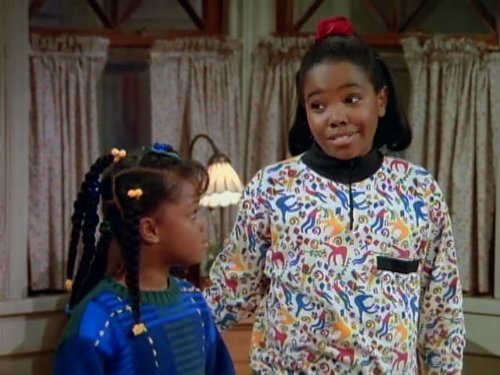
Family Matters featured the Winslows, a working-class family who lived next door to an annoying kid named Steve Urkel, and it aired for nine years. For the first four seasons, the Winslows have three children: two daughters and a son. During season five, Judy disappears. One source said that Judy asked for more money, and the network called her bluff and wrote her off the show. The Winslows talked about their two children; perhaps they had amnesia and just forgot they ever had a third child.

Photo: imdb.com
When there were two Winslow girls

Friends

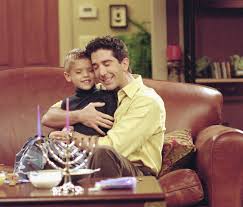
Ben was Ross’ son from his first marriage on Friends. He was very precocious and cute. During the first season, Ross talks about him all the time, and Ben spends time with both Ross and his ex-wife Carol, living close to Ross. By season two Ross rarely saw him, and did not really seem to spend much time worrying about that. Ben was so neglected on the show that when Ross and Rachel had a daughter, Ben never even met his own stepsister. His last appearance was in season 8. Apparently, Ross’s dad forgot about him too. He mentions Emma being his first grandchild. The character of Ben appears in only 18 of the 236 episodes.

Photo: thesun.co.uk
Before Emma

Happy Days

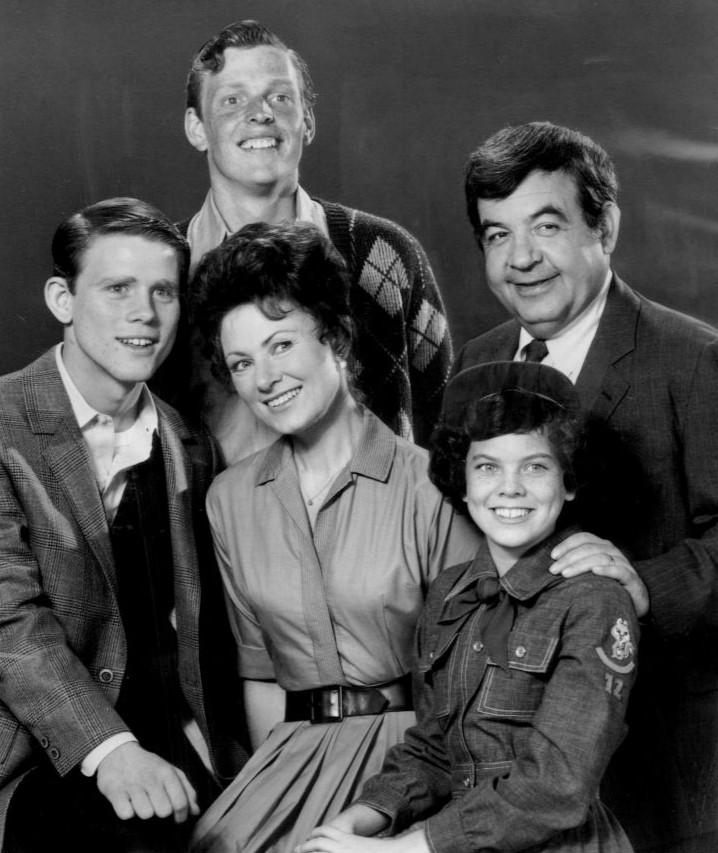
I remember watching “Love and the Happy Days” (a/k/a Love and the Television Set) when it aired on Love American Style in 1972. That episode became the pilot for the television series which began airing in 1974. Several characters were played by different actors in the pilot. Harold Gould played Howard Cunningham and Susan Neher played Joanie. Tom Bosley would take over the role of Howard and Erin Moran would play Joanie in 1974. Marion Ross as Marion, Ron Howard as Richie, and Anson Williams as Richie’s friend Potsie carried over to the new show.

Photo: wikipedia.com
With Chuck unless he photoshopped himself into the picture

What people might not remember is that in the pilot, Joanie and Richie had an older brother Chuck played by Ric Carrott. When the show began airing in 1974, Chuck was still around until he wasn’t. Gavan O’Herlihy played Chuck originally and was replaced by Randolph Roberts. After 11 episodes he just never showed up again, and none of the Cunninghams ever talked about him. At least on My Three Sons when Mike got married and moved away, the other characters mentioned him from time to time. Like the Winslows, whenever Mr. and Mrs. C mentioned their kids, they only had two.

King of Queens

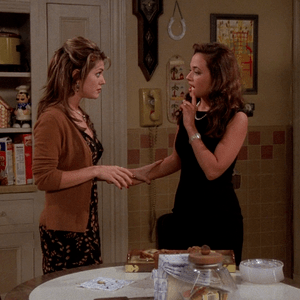
Although this show was about a married couple, Doug and Carrie Heffernan, Carrie’s sister Sara (Lisa Rieffel) lives with them when the show begins. She is an aspiring actress, but by the sixth episode, she was just not around. Did she get a role in an off-Broadway play? Decide to go to Hollywood? We don’t know, but her father later talked about Carrie being an only child. Apparently, the writers couldn’t decide how to develop her character, so they just didn’t.

Photo: wiki-fandom.com
Taking sibling to new heights.

MASH

We fondly recall many spats in the Swamp between Pierce and Winchester. We also remember both Hunnicutt and Trapper, but do you remember Oliver Harmon Jones? Timothy Brown played Spearchucker Jones, a neurosurgeon who lived with Trapper, Hawkeye and Frank Burns during the first season. But then he just disappears with no explanation after six episodes.

In discussing the sudden disappearance of Jones on an online posting, Larry Gelbart replied “There were no black surgeons attached to MASH units in Korea.” However, research has indicated that there were at least two black surgeons in MASH units during the Korean war. Other reasons given for his removal was that budgetary cuts mandated getting rid of characters, and one source mentioned that the network did not want to deal with his nickname which could be taken as a racial slur. Spearchucker Jones was in both the original novel MASH and the movie which the television series was based on.  

Photo: pinterest.com
What did they do to Frank?

Again, this is a show about war; surely, the writers could have found a creative solution for his being gone. Other characters who left the show were involved in crashes or just simply went home.

Mission Impossible

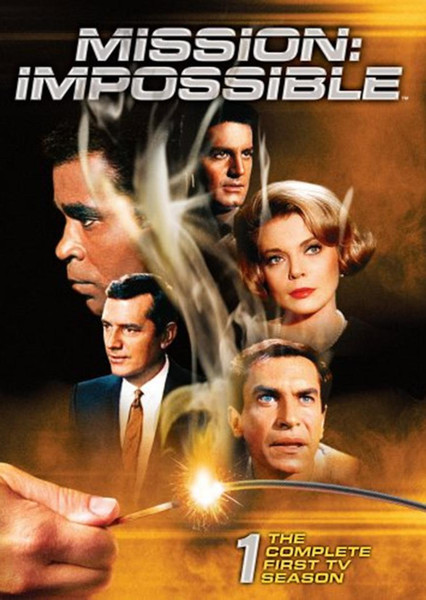
During the 1960s Mission Impossible was quite popular with its “your mission should you decide to accept it” plots. Dan Briggs played by Steven Hill led the team. Hill didn’t come back for the second season. He was an orthodox Jew and unable to work during the Jewish Sabbath which was making life difficult for the rest of the crew. Suddenly in season two, Jim Phelps is leading the team, but no one talks about what happened to Dan. Come on – this was a spy show; could we not have learned about a mission gone wrong which explained his disappearance. Actually, Briggs resurfaced on Law and Order thirty years later, so perhaps he was just hiding out for a few decades to protect his cover.

Photo: mycast.io
Life before Peter Graves

Night Court

Night Court had a tough time finding a public defender who could hold their own against Dan Fielding, played by John Larroquette. Ellen Foley played Billie Young for season one and most of season two. When the third season aired, the public defender was suddenly played by Markie Post. Post had been the first choice for the role originally, but she had a conflict with her contract in The Fall Guy. When that show was cancelled and she became available, Foley was simply replaced with no explanation as to why.

Photo: imdb.com
Perhaps Harry thinks if he can’t see Billie, he won’t know she was replaced.

Star Trek

If you watched the earliest Star Trek episodes, you’ll see Janice Rand, Captain Kirk’s secretary. Grace Lee Whitney was hired to play Janice. She was supposed to be a romantic interest for Kirk. She was a popular character during the first season, but in season two she just didn’t exist anymore.

Photo: youtube.com
Janice Rand

There were a couple of reasons for her disappearance. First of all, the network didn’t want Kirk tied down; they wanted him to be free to get involved with a variety of characters the crew met from week to week. Also, the show was too expensive and was forced to make some budget cuts, so she was let go. I understand the reasons why they let her go, but of all shows, couldn’t Star Trek come up with some interesting plot twist to explain her disappearance. Maybe she asked Scotty to beam her up but he waited too long and she’s just floating around somewhere in outer space.

Teachers Only

In its first incarnation (April to June 1982), the setting of this show was Millard Fillmore High School in Los Angeles. Diana Swanson played by Lynn Redgrave is an English teacher. Ben Cooper is the school principal, Michael Dreyfuss and Gwen Edwards are fellow teachers, Mr. Brody is the assistant principal, and Mr. Pafko is the janitor. Most of the scenes occurred in the faculty lunchroom and lounge from which students were excluded. When the show returned in February, the school was now Woodrow Wilson High School in Los Angeles with a new cast. Samantha Keating and Michael Horne are teachers, Spud Le Boone is the gym teacher and Shari is the principal’s secretary. What was even weirder is that Diana is now a guidance counselor, but the principal is still Mr. Cooper played by Norman Fell. I would give the writers a big, red “D” because they forgot to include a transition paragraph in their work.

Photo: wikipedia.com
Don’t put it in the yearbook–it could change before then!

For whatever reasons, sometimes producers think they are perfectly justified in simply eliminating characters without any type of explanation. In never seems like it was a great idea and, in the age of syndication, it makes even less sense. Let me know if you can think of other characters who just disappeared from the airwaves.