We are winding up the Sibling Rivalry series, and as promised, we are coming back to a comedy. In fact, this show had so much sibling rivalry, that could have been the title.
📷tvwunschliste.com
In 2015, CBS ordered a pilot called Life in Pieces, and it was on the schedule that fall. It was on the air for four seasons until it was canceled. This was a fast-paced and interesting show because it included four different stories each week. The show features the Short family who live in LA. Each episode breaks down into four “short” stories, and the fourth one tied them all together. Sometimes a story will go back in time, so we begin to understand the siblings’ relationships better.
The show was blessed with a wonderful cast. John Doe Short (James Brolin) is a retired airline pilot. Joan (Diane Wiest), his wife, is a therapist. They are a bit quirky and may have lived in a commune in the sixties for a year or two too long. They have three kids: Heather (Betsy Brandt) who is married to Tim, a doctor (Dan Bakkedahl), with two daughters and a son; Matt (Thomas Sadoski) who is recently divorced and dates and then marries Colleen (Angelique Cabral) during the series; and Greg (Colin Hanks) who is married to Jen (Zoe Lister-Jones) with two kids.
📷goodhousekeeping.com
Heather and Tim are typical parents of teens and preteens. Matt is the stereotypical middle child. He lives in his parents’ garage and never seems to grow up. Even when he tries to do the right thing, it seldom works out that way. Greg is the most normal kid, but when he gets around his siblings, he often becomes dysfunctional.
Greg’s wife Jen is my favorite character. She is the ”realistic” relative and often makes asides and assumptions about the situations they find themselves in that we can relate to. She shares exactly what is on her mind, and we typically agree with her. My second favorite character is the other in-law, Tim. He just can’t do things the easy way. He ruins the Thanksgiving turkey, removes most of his eyebrow, and seems to screw up in a new way every week. But he is fun and easy-going and fits into the family.
Some of the characters had worked together before. Weist and Brolin played a married couple in the film Sisters in 2015. The Brolin-Hanks family must like working together. James Brolin appeared with Tom Hanks in Catch Me If You Can in 2002; their sons Josh Brolin and Colin Hanks were in W. in 2008, and then Brolin and Colin teamed up for this show.
There were many recurring characters on the show as well. My favorites were Gigi, Joan’s mother, played by Ann Guilbert; Martin Mull who plays a neighbor of John and Joan’s and is president of their HOA; and Professor Sinclair Wilde (Cary Elwes) who is Joan’s creative writing teacher.
📷entertainmentweekly.com
Season one found the show highly rated, just behind The Big Bang Theory, but by season three, the ratings had dropped significantly and early in season four, the network canceled the show but aired the remaining nine episodes that had been filmed. Many fans blamed the network because of the scheduling. Season one began in September, but the rest of the seasons kept getting pushed later and later. Season four didn’t air the first show of the series until April which means fans had not seen the show for almost a year. The network justified the cancellation because it saw declining ratings, was refused an ownership stake in the show, and wanted to bring in four new sitcoms for the next season.
Many of the complaints I read about this show said it was just a clone of Modern Family. I don’t agree at all. While this show had some of the best one-liners I ever heard in a television series, the humor was not consistent and sometimes, especially when it featured Joan and John, it was just weird. Jay and Gloria were not John and Joan. Modern Family had it all: good writing, fun characters, realistic plots. The Short family had it all but never in the same episode. Sometimes the writing was good, sometimes the characters were fun, and sometimes the plots worked. While I didn’t mind watching this show, especially to catch those ultimate one-liners, I never felt bad when I didn’t see it. I knew that I had missed a fun part of the week if I missed Modern Family. I could connect to the characters on the show in a way I only connected with Jen and Tim with on Life in Pieces.
Just to give you an idea of what this show was like, I’ll summarize the first episodes of each season below.
In season one, Matt walks in on Joan and John in an intimate moment; Joan attempts to lead a group therapy session; Jen hires a breast-feeding consultant couple; and Heather and Tim move into a new home, using a company that employs ex-cons.
Season two was Heather and Tim ask Clementine’s parents (their son’s girlfriend) to convince Clementine and Tyler to get an annulment; Tommy moves in with Colleen to the dismay of her roommate; John takes the wrong dose of medication which leads to several complications.
For season three Tim and Heather move into John and Joan’s home after their kitchen is destroyed; Matt and Colleen expect a monetary settlement from Colleen’s fall; and John tries to get Sophia (his granddaughter) back on track when she begins acting up.
📷gamerant.com
Last, but not least, season four began with the Shorts vacationing in the Yucatan; the accommodations are not what they expected; Heather is overprotective of Sophia; Jen and Greg learn that Matt and Colleen have been lying to the family.
If I am honest, I think the network did not do the show any favors by messing up the schedule, but it was not destined to last more than the few seasons it was on the air. However, if you disagree with me, I would love to hear your reasons for loving the show.
As we wrap up our “Duos to Love” blog series, we finish with a couple that is always fun to hang out with: Dharma and Greg. This show aired for five years, teaching us that opposites do indeed attract.
Before we get into hearing more about this quirky show, I want to take a minute to thank all of you who read my blog. This month, I published my 365th article. That means many of us have now been spending time together every week for more than seven years. I’m not sure how long the run will last, but I can tell you that I have at least four more years scheduled, so just a big THANK YOU!
So onto Dharma and Greg. Created by executive producers Dottie Dartland and Chuck Lorre, this sitcom debuted on ABC in September of 1997. Chuck Lorre would go on to create other popular shows including Two and a Half Men, Mike and Molly, and The Big Bang Theory. Dartland had been a producer on Caroline in the City and Grace Under Fire.
Spontaneous free spirit Dharma Finkelstein (Jenna Elfman) is a yoga instructor; organized and conservative Greg Montgomery (Thomas Gibson) is an attorney. Educated at Harvard and Stanford, Greg’s family was very Republican and very wealthy. Dharma’s parents, who home-schooled her, sort of, are not wealthy and definitely not Republican, having lived as hippies.
Kitty (Susan Sullivan) and Edward (Mitchell Ryan) Montgomery are socialites who expected a very different type of woman for their daughter-in-law. Edward is a bit eccentric who deals with his wife by consuming martinis and Scotch. Abigail O’Neil (Mimi Kennedy) and Larry Finkelstein (Alan Rachins) are not married, although they have been together for decades. Abigail is a devoted vegan. Myron loves conspiracy theories; but he has a lot of other interests. He always tells people that he is wanted by the FBI.
Photo: promipool.com
Rounding out the cast was Jane (Shae D’lyn), Dharma’s friend who hates men and gradually disappears from the show by the last season; Peter, (Joel Murray) Greg’s best friend and colleague who is a bit lazy and is not a good attorney at all. Marcie (Helen Greenberg) and Susan (Susan Chuang) are friends of Dharma’s from the Co-op.
The theme song was written and performed by Dennis C. Brown. He created several other theme songs, including Grace Under Fire, Mike and Molly, and Two and a Half Men.
For the first three seasons, the show was in the top 25 on Wednesday nights. It had some competition from Beverly Hills 90210 on Fox for the first two seasons. It moved to Tuesdays during season three and ratings increased. However, in season four, ratings began to decline and never really picked up. Its competition that night was Will and Grace. Unfortunately, in season six it was on against Frasier; by the last season, they lost too many viewers but when Fraiser moved nights, they had to take on #14 JAG. The highest-rated show was during season three with 20 million viewers while the finale episode only attracted 6.8 million.
Photo: nextepisode.com
Dharma and Greg did make a return, however. In season nine, episode one, they showed up as Dharma and Greg taking a tour of Charlie Harper’s house after his death in Two and a Half Men.
Elfman received three Emmy nominations. In 1998 and 1999, she lost to Helen Hunt for Mad About You and to Patricia Heaton for Everybody Loves Raymond in 2000
The shows had a nice blend of humor and warm fuzzy moments. Eventually, the parents learn to respect and like each other even if they would not choose each other as friends. Let’s take a look at several episodes that show this blend of heart-warming and comic elements.
Photo: sharetv.com
In season one, episode 9, “He Ain’t Heavy, He’s My Father,” Greg has to have background checks done on both his and Dharma’s family. The results come back revealing that Larry is not, and never was, wanted by the FBI. Dharma knows that this will devastate him rather than make him happy. So, the pair stages a “crime” where Larry steals his file and then assumes the only reason that he is no longer wanted is that his file is missing.
In season two, episode 8, “Like, Dharma’s Totally Got a Date,” Dharma accepts the invitation of a neighbor boy to go to a dance at his high school. Because she was home-schooled, she was never able to attend a school dance. Dharma convinces Donald to find someone his own age at the dance and then is a bit lonely, only to realize Greg has shown up and the two of them have a special moment dancing together.
Photo: imdb.com
And, in season two, episode 20, “Dharma Drags Edward Out of Retirement,” Dharma needs investing help in her job and convinces Edward to help her get things figured out. Kitty does not like the fact that he is spending all his time working again and tells Dharma know she is unhappy. At the end of the show, Kitty joins Edward on the project and the two of them enjoy working together.
These episodes display why the show was so good. While the cast could have so easily been stereotyped and shallow, everyone truly learns to like and respect each other despite their differences. That is not something we have become used to in our divisive society. Maybe we should all watch a few seasons and remember how easy that is to do if we give everyone a chance.
Today we are winding up our “I Robot” blog series. We began our journey with Buck Rogers in the 25th Century, an outer space drama that was not that successful. Today we are at the other end of the universe spectrum, discussing Star Trek: The Next Generation. You will be very familiar with this show if you were a teen or young adult in the late eighties and early nineties or if you were a devoted fan of The Big Bang Theory.
The Cast Photo startrek.com
Gene Roddenberry, the creator of Star Trek, brought Star Trek: The Next Generation to the small screen two decades later; this show would stay on the air for seven seasons, producing 178 episodes. The series is set in the 24th century; the original show was set in the 23rd. Earth belongs to the United Federation of Planets, and this show features a Starfleet ship, the USS Enterprise, as it explores the Milky Way.
Roddenberry served as executive producer, as did Maurice Hurley, Rick Berman, Michael Piller, and Jen Taylor. The show focuses on the mission and the personal lives of the crew members: Captain Jean-Luc Picard (Patrick Stewart), William Riker (Jonathan Frakes), Worf (Michael Dorn), Geordi La Forge (LeVar Burton), Deanna Troi (Marina Sirtis), Tasha Yar (Denise Crosby), Wesley Crusher (Wil Wheaton), Dr. Beverly Crusher (Gates McFadden), and our major concern today, Data (Brent Spiner).
Photo: startrek.com
The show was very popular, and by its fifth season, reached 12 million viewers. The show would go on to spur other Star Trek series and movies, as well as novels and comic books.
Critics also liked the show, and it received 19 Emmy Awards and a Peabody. In 1994 it became the first syndication show to be nominated for an Outstanding Drama Series Emmy.
The theme was also a nod to the original series, combining Alexander Courage’s original piece with Jerry Goldsmith’s theme for Star Trek: The Motion Picture released in 1979.
In an unusual deal, Paramount decided to broadcast the show in first-run syndication on independent networks. As a “barter syndication,” the show was offered to local stations for free. The station got five minutes of commercial time to sell to local businesses, and Paramount sold seven minutes to national advertisers. Stations had to agree to purchase reruns in the future, and only those stations that participated in this deal were able to purchase reruns of the original series which was still extremely popular.
Some sites stated that Paramount received $1 million for advertising for every episode; by 1992 the studio received $90 million a year and the episodes cost $2 million each to produce.
The show debuted in 1987. The first season did not start off so well. The show had a $1.3 million per episode budget. The staff had a lot of creative freedom, but many of the writers had disagreements with Roddenberry and left the show. They felt that Roddenberry was too strict with the themes and the characterizations. It’s hard to argue with his vision too much because it won several Emmys and was extremely popular.
Photo: treknews.com
Season two brought some critical changes to the series. Beverly Crusher was replaced by Chief Medical Officer Katherine Pulaski (Diana Muldaur). Whoopi Goldberg guest starred in her first episode. The plots were more sophisticated and there were some comic elements sprinkled throughout the drama.
Personnel changes were made for season three. Head writer Hurley was let go. Roddenberry suffered from some health issues which necessitated his stepping back and Berman took over more production chores. Season four had eight episodes nominated for Emmys. The episode “Family” was the only one that did not feature Data. Crusher left the show in season four as well.
Roddenberry passed away during season five. During season six, astronaut Mae Jemison came on board as Lt. Palmer, and Stephen Hawking appeared in the season six cliffhanger.
Photo: tor.com
The final season introduced themes that would carry into Star Trek: Deep Space Nine and Star Trek: Voyager. The finale of the show was filmed in Toronto where thousands of people watched in person.
The cast was surprised that the seventh season was the last one, because they had contracted for eight seasons. Paramount wanted to make several films and felt that the movies would be less successful if the television show was still airing. The cast must have been close because they claimed to be life-long friends, and in 1992 when Burton married, Spiner was best man and Stewart, Frakes, and Dorn were ushers.
Data was an android who served as lieutenant commander. Data’s perspective on humanity was similar to Spock’s in the original show. Spiner would also be cast as Data in 2020 in Picard. Data was found by Starfleet in 2338. He was the sole survivor on Omicron Theta in the rubble of a colony left after an attack from the Crystalline Entity.
Dr. Noonian Soong built Data on Omicron Theta. He had an evil twin, (who doesn’t have one on television?), named Lore. Eventually, Data dismantled Lore. One resource I read said that Data was destroyed during the Enterprise E’s battle with the Scimitar in 2378. I have to take their word for that because my Star Trek trivia is not advanced enough to confirm or deny it.
In 1974 Roddenberry created a project for television called The Questor Tapes. The show centered around an android who was studying humanity. When The Next Generation was proposed, Roddenberry reinvented this android and combined it with Xon, the curious Vulcan from Star Trek: Phase II and came up with Data. However, Spiner said he modeled Data after Disney’s Pinocchio.
Photo: aniandizzy.com
Fun fact, since we started with Buck Rogers in this month’s blog, Data has a positronic brain—in 1981, Buck Rogers used this same term in one of their episodes. They both were honoring Isaac Asimov who first used the term in his story “Runaround” in 1942.
According to Spiner, Data was pronounced “dat-uh” but Stewart, being British, said “day-tah.” On the show Data has a pet cat named Spot. Spiner was not fond of that idea because he was not a cat fan at all.
Data was supposed to be the Chief Science Officer, the same position Spock had on the original show. The uniform for that position was blue. Unfortunately, the blue clashed with his make-up. He was transferred to the Chief Operations Officer with a gold uniform. I never really understood why the Chief Science Officer could not wear a gold uniform. This was a new generation and I did not think that there were other shows from that century that made it impossible to portray that officer in gold? I mean, sports teams change their colors from time to time. However, if I am missing something, please feel free to enlighten me.
Obviously, comparing Buck Rogers to Star Trek: The Next Generation, it is easy to see why the Next Generation was on the air so much longer and attracted so many more fans.
Photo: startrek.com
Data was a fun character. While he can blink and age, we are reminded that he is not human. His duties with the crew included navigation and systems control. Because androids don’t sleep, he was able to take the night shift. Data was interested in literature and the humanities. He likes mysteries. Like Spock, with his lack of emotions, love is very hard, if not impossible, for him. He does make many friends though. He can’t get sick which is convenient if the rest of the crew is affected, but computer viruses can damage him. While he can process data in a millisecond, his inability to read human emotions is troubling for him. Although he does feel a bit arrogant; as he said “I am superior, sir, but I would gladly give it up to be human.” I can’t argue with his claim of superiority when I look around at some of the things humans have been doing the past three or four years.
If I had to go through life with a robot, based on the four we discussed this month, Data would definitely be my choice. I hope you had fun with this series.
We are in the third blog of our series “The Men of November.” Born Charles Thomas Aldrich Jr. in 1906, Gale Gordon is remembered fondly for being Lucille Ball’s nemesis on several of her television sitcoms.
Photo: oldtimeradio.com
Both his parents were entertainers, and they traveled to England to perform when he was only one. For eight years, he lived in England. After returning to the United States for a few years, Gordon returned to London to complete his education at the Woodbridge School in Suffolk.
Gale at 19 Photo: lucyfan.com
Gale followed in his parents’ footsteps, and his first theatrical job was as an extra in “The Dancers” in 1923. Richard Bennett (father of Constance and Joan Bennett) starred in the stage production. Gordon worked as Bennett’s dresser, and Bennett taught him all about make-up, mentored him as an actor, and helped him to develop his voice.
By 1925, Gordon traveled to Hollywood, tackling roles in stage, film, and radio. Gordon talked about his first radio performance: “They asked me to come to a Hollywood studio in 1926 and try this new thing called ‘radio.’ They didn’t pay me, of course. They just wanted to fill up some time. So, I sang, ‘It Ain’t Gonna Rain No More, No More’ and accompanied myself on the ukulele. You might say I almost killed radio before it was born. I haven’t played an instrument on the air since.”
Photo: radiospirits.com
In seven short years, Gordon became the highest-paid actor in radio in Hollywood. He was the male lead for Mary Pickford in her serial. He was on almost every popular show on the air. It wasn’t unusual for him to appear on three or more programs in a week. Gordon was the first actor to play Flash Gordon in 1935.
His radio work also provided some other benefits. While appearing on an episode of Death Valley Days in New York, he met Virginia Curley. They married in 1937.
Gale and Virginia Photo: lucyfan.com
In 1941, after playing primarily dramatic roles, Gordon became a regular on Fibber McGee and Molly. Playing Mayor LaTrivia, Gale was on the show for a dozen years. There was a brief interruption in 1942 when he left the show and enlisted in the US Coast Guard for three years. He rose to the rank of Petty Officer First Class, and his service took him around the world to many dangerous places.
One of the roles he is best known for was Principal Osgood Conklin on Our Miss Brooks. Gordon described Conklin in a TV Guide interview: “There was nothing subtle about Osgood. No nuances. Just a lot of very satisfying acid, bluster, and bellowing, with an occasional weak moment of cordiality thrown in for leavening. It was practically impossible to overplay him. Even when he was being cordial, he was like an elephant trying to waltz.”
In 1950, he could be heard as John Granby on Granby’s Green Acres which later became the sitcom Green Acres.
With Bea Benederet Photo: wikipedia.com
While trying to reign in the chaos at Madison High School as Osgood Conklin, Gale was also the refined banker, Rudolph Atterbury, on My Favorite Husband, Lucille Ball’s radio comedy. Atterbury’s wife was played by Bea Benederet.
As television gained popularity, it was inevitable that some of radio’s favorite shows would make the transition to the small screen. While it was entirely possible to play several different characters on the radio, television production didn’t offer the same flexibility. When My Favorite Husband was retooled for television as I Love Lucy, Ball planned on bringing Gordon and Benederet along with her. However, Gale was committed to Our Miss Brooks, and Bea was playing a major role on Burns and Allen on television.
Asked about those days, Gale described himself as “a quiet, reserved, pipe-smoking homebody.” He said he always had a good balance of professional and personal interests. In addition to acting, he wrote books (Nursery Rhymes for Hollywood Babies and Leaves from the Story Trees), painted, and maintained a ranch. He and Virginia bought a 150-acre property about three hours away from Hollywood. They grew carob trees. Gordon was not a rancher in name only; he raised the trees, built the house, installed the plumbing, completed carpentry and handiwork, put in a swimming pool, and built a two-story building that served as garage and studio.
Our Miss Brooks Photo: amazon.com
In 1952, Eve Arden decided to take Our Miss Brooks to television. While Gale continued his role as Conklin on the show, he also guest starred on a couple of I Love Lucy episodes. Our Miss Brooks had a successful run for four years.
When the show ended in 1956, CBS was quick to sign Gordon on for another show. They paired him with Bob Sweeney in The Box Brothers (sometimes called The Brothers). Unfortunately, the series only lasted for 26 weeks.
The Box Brothers Photo: imdb.com
In 1958, Gordon was a regular on Sally where he played department store owner Bascomb Bleacher. He also appeared with Walter Brennan on The Real McCoys.
In 1959, December Bride which aired from 1954-1959, went off the air, spinning off a new show Pete and Gladys starring Harry Morgan and Cara Williams. Morgan appeared as Pete Porter on December Bride. On the new show, Gale played Pete’s Uncle Paul.
Dennis the Menace Photo: pinterest.com
In 1962 he was cast as Mr. Wilson on Dennis the Menace. At the same time, Lucille Ball was creating a new show, The Lucy Show. She wanted Gordon to appear as Mr. Barnsdahl, a banker. When he was not available, Lucille turned to Charles Lane. She said she loved working with Lane, but always wanted to work with Gale again, so when Dennis the Menace was cancelled, she quickly signed Gordon; Lane moved over to Bea Benederet’s new sitcom, Petticoat Junction, as the despicable Homer Bedloe. And thus Theodore J. Mooney was born.
Photo: welovelucy.com
For the next eleven years, through several different series titles, Lucy and Gale worked together. They would both retire in 1974. When describing his time on Lucy’s shows, Gale related in a Good Morning America interview in 1982 that “I always had a wonderful feeling of anticipation going to work every week, which is very, very rare. I don’t care what business you are in. But to really look forward to getting into the nitty gritty and working hard for four days—which is all the time we had to do the show—is really unique. To look forward to it for eleven years, that’s doubly unique.” He went on to praise Lucy for her work ethic: “Her attitude has never changed. Every show she ever did was always the most important show of her life. And I think that is the secret of her success.”
Photo: oldtimeradio.com
One surprising thing I learned was that Gordon was known for his ability to do cartwheels. He can be seen doing them on several episodes of Here’s Lucy. At the time, he was earning $25,000 an episode. Compare that to today when the stars of The Big Bang Theory received a million dollars an episode.
Gale and Virginia enjoyed twenty years of retirement. Virginia would pass away in 1995 at Red Terrace Health Center in Escondido, California. One month later, Gordon died from lung cancer at the same facility.
In 1999, Gale was inducted into the Radio Hall of Fame. Known for playing a variety of gruff, formal professionals, everyone knew that the bellow and bluster his characters spewed was great acting. In real life, Gale was one of the sweetest, kindest men around. He once said, “I am never nasty—unless I get paid for it.”
Photo: wikipedia.com
It’s hard to describe the influence Gale Gordon has had on generations of actors and the number of hours of entertainment he has provided to generations of television and radio fans. It’s always fun to listen or watch Connie Brooks trying to pull a fast one over on Osgood Conklin or Lucy Carmichael trying Mr. Mooney’s patience with her latest scatter-brained plan. Thank you Gale Gordon!
From 1972-1978 we were able to benefit from the sage advice of Dr. Robert Hartley from the comfort of our own living rooms. Created by David Davis and Lorenzo Music, and produced by MTM Enterprises, The Bob Newhart Show gifted us with 142 episodes for us treat ourselves to after the show left the air.
Photo: tvtropes.com
In an online article by Marc Freeman in April of 2018, Dave Davis discussed the evolution of the sitcom. “Lorenzo and I wrote a segment for Bob on Love American Style. Bob wasn’t available. So, we got Sid Caesar. A few years later, we did a script for Bob for the Mary Tyler Moore Show. Again, Bob wasn’t available. After we became story editors on Mary’s show, MTM Enterprises decided to branch out and asked Lorenzo and me to do a pilot. We knew exactly what we wanted to do. We wanted a show with Bob.”
Photo: wikipedia.com
When Bob Newhart was approached about starring in the show, he required two changes from the original concept. First, he wanted his character to be a psychiatrist instead of a psychologist. This seems like a minor request, but he was very wise because he did not want anyone to think the show was making fun of mental illness. He also insisted that his character not have children. The “father doesn’t know best but thinks he does” underlying concept was not one he wanted the show to focus on. Bob was careful when creating the character of Bob Hartley. Newhart once said “the key to building a show around a stand-up is maintaining the integrity of the persona you create.” This was definitely true for the Bob Newhart Show.
Photo: connectcollectorz.com
The show has a very simple premise in that we see Bob dealing with the same everyday problems the rest of us did. It was grounded in reality. Bob was the straight man. He was surrounded by all these quirky characters, but they were believable and likeable.
Photo: sitcomsonline.com
The show moves back and forth between Bob’s practice and his home; we get to know his co-workers and his friends and family. At work, he shares his floor and receptionist Carol Kester (Marcia Wallace) with orthodontist Jerry Robinson (Peter Bonerz) and urologist Bernie Tupperman (Larry Gelman). Carol and Jerry become two of his best friends. We also get to know some of his regular patients including Elliot Carlin (Jack Riley), Emile Peterson (John Fiedler), and Mrs. Bakerman (Florida Friebus).
Photo: imdb.com
Bob is married to Emily (Suzanne Pleshette) who is a school teacher. Across the hall is the apartment of their friend and neighbor Howard Borden (Bill Daily), an airline navigator. Although Bob insisted on no children, in many ways, Howard was Bob and Emily’s child.
Photo: sitcomsonline.com
In season four of the show, Howard meets and begins dating Bob’s sister Ellen (Pat Finley) and they eventually marry, making Howard a legal family member.
Photo: thefrog’seyebrows blogspot.com
Bob and Emily were the only characters to appear in all 142 episodes. Suzanne Pleshette was asked to play Emily after she appeared on The Tonight Show Starring Johnny Carson one night. She was seated next to Bob, and the producers thought the two of them had great chemistry. In real life Bob and Suzy, as he called her, were best friends. He spoke at her funeral. When he recalled their time together, he said “Her laugh. Her laugh. We just laughed. We just had a great time. We all loved each other and respected each other and we got paid for it.” Bob also remains close friends with Marcia Wallace.
Photo: nytimes.com
They worked so well as a couple because Emily is very bright and funny. She and Bob argued because they were both a bit stubborn, but they always found a way to compromise at the end of the day. Bob often shared his wisdom through stories. He would do a bit of a monologue that related to what was happening on the show. It was referred to as the “Emily, sit down” moment.
Photo:kennethinthe212.com
The phone is also important on the show. If you are familiar with Newhart’s career, you realize some of the first skits that escalated his stand-up career were phone conversations. On this show, we often hear a one-sided conversation when he chats with friends or patients. One example of this is:
Bob: “Yes, this is Dr. Hartley. What can I do for you?
Well, Mr. Johnson, smiling and whistling while you work doesn’t seem to be a problem you should – you should see a psychologist about.
You drive a hearse?”
Although all the major characters on the show were like family to the Hartleys, the mailman on the show was truly family. Bill Quinn who played the postman was Bob Newhart’s father-in-law.
Photo: imdb.com
Bonerz who played Jerry became interested in directing. He ended up directing 29 episodes of this show and then went on to a successful career as a director. He directed episodes on a variety of shows including E/R, Alf, Wings, Murphy Brown, Friends, and Home Improvement. His view of the importance of the show was that “the most interesting thing about the show and why its successful is that it brings up things that come up in your life. That’s what art’s supposed to do. That’s what TV should be doing. When it does, people remember it and reflect how much they like it.”
Photo: allmovie.com
The show was on Saturday nights. For the first five seasons, it followed The Mary Tyler Moore Show airing at 9:30 EDT and its competition on NBC was Saturday Night at the Movies. For season five, the show was changed to earlier in the evening against Starsky and Hutch on ABC. For its final year, The Mary Tyler Moore Show was off the air and Bob’s show aired at 8 pm Saturday opposite Fish and The Bionic Woman. The sitcom placed in the top 20 for the first three seasons and the top 30 for season four.
Photo: blogspot.com, holiday film reviews
Bob had requested the network move the show to a different night. That didn’t happen, and the television executives wanted Emily to have a baby, even though Bob had specified that not be part of the plot. So, he ended the show after six years. When asked about ending the show, he said, “I could see what was coming in situation comedy, and I didn’t want to be a part of it. If we’d gone another year, they’d have had the guy and two girls living in the apartment above us, a Martian living on the same floor next door to three girl detectives. The floor below us would have been occupied by a fraternity and a sorority.”
If you read my blog on Bob Newhart recently, you know how incensed I was that this show never won an Emmy, and was only nominated once, and Newhart never received an Emmy for any of his sitcoms in the seventies and eighties. It would take his recurring role on The Big Bang Theory as Professor Proton for him to win the Emmy.
However, the show was ranked ninth and fiftieth on “TV Guide’s 100 Greatest Episodes of All Times in 1997.”
Photo: flickr.com
In 2004, TV Land picked this show as one of the series it commemorated with a sculpture. A statue of Newhart seated in a chair facing an empty couch is located in the Navy Pier entertainment complex.
I have to admit I was not a big fan of the finale of The Bob Newhart Show. Bob closes his practice in Chicago and accepts a teaching position at a small college in Oregon. I just don’t picture Bob and Emily being happy in a small Oregon town. However, the finale for Bob Newhart’s sitcom, Newhart, more than makes up for this ending.
Photo: pinterest.com
Bob Newhart credits his wife Ginnie with coming up with the idea for the finale of Newhart. Newhart is set in Vermont where Bob and his wife Joanna run a historic inn. They have to deal with some wacky locals and their maid and handy man. This show ran eight years. In the finale, Bob wakes up in bed. We hear him restless and wanting to talk about his dream. Suddenly we realize he and Emily Hartley are in bed together. Part of their conversation is:
Emily: All right, Bob? What is it?
Bob: I was an innkeeper in this crazy little town in Vermont.
Emily: No more Japanese food before you go to bed.
Another great television moment occurred on Murphy Brown in 1994. Bonerz was the director of the sitcom. Of course, we remember how fast Murphy went through secretaries. She found fault with all of them. In this episode, Marcia Wallace appears as Carol Kester. She is Murphy’s 66th secretary. Murphy thinks Carol is a wonderful secretary, and she is finally satisfied. However, Bob Newhart shows up as Bob Hartley, begging Carol to come back to work for him.
Photo: pinterest.com
One of the iconic lines from the show was “Hi Bob.” Howard Borden said it 118 times, Jerry said it 43, Carol came in at 36, and Emily at 17. Even minor characters would utter the line from time to time, and Bob said it once himself. College students turned this into a drinking game watching the reruns, taking a shot whenever the line occurred.
Photo: dailyherald.com
The best evidence that this was one of the best sitcoms ever produced is that people still love it today, more than four decades after it went off the air. The comedy is timeless. Let’s give Bob Newhart the final word about what the show meant to him. As he reflected the show’s legacy, he said, “I’m very proud of the show, the cast and the writing. Look at how long it’s lasted and how long people have enjoyed it. I run into people more and more who come up to me and say, ‘We used to sit as a family and watch your show.’ They look upon it as a wonderful time in their life. It’s very real to them and an important part of their life. It’s nice to be remembered that you made people laugh.”
This month I wanted to honor one of our most beloved television comedians: Bob Newhart. Next week we’ll spend some time learning more about The Bob Newhart Show.
Photo: spotify.com
Newhart was born George Robert Newhart in 1929 in Oak Park, IL. He grew up in a typical midwestern family where his father was part owner of a plumbing and heating supply company, and his mom was a housewife. As a young boy, he always wanted to be called Bob. He had a Catholic education and went on to Loyola University of Chicago in 1947. Graduating in 1952 with a business degree, he was soon drafted into the US Army in the Korean war where he stayed until 1954. He considered getting a law degree and went back to Loyola. He decided not to pursue that; some sources site that he was asked to behave unethically during an internship which led him down a different career path.
He worked as an accountant and as an unemployment office clerk. In 1958 he was hired as a copywriter for Fred Niles who was a television producer in Chicago. It was while working here that Newhart and a colleague began entertaining each other by making telephone calls about absurd scenarios. They sent these to radio stations as audition tapes. A radio station disc jockey Dan Sorkin introduced Newhart to a Warner Brothers Records executive who signed him in 1959 based on those recordings. Bob then began creating stand-up routines which he performed at nightclubs.
Photo: discogs.com
He released an album in 1960 which changed his life. Titled, The Button-Down Mind of Bob Newhart, the comedy album made number one on the Billboard charts, and he won a Grammy for best new artist. A follow-up album, The Button-Down Mind Strikes Back was released soon thereafter. He would continue releasing comedy albums in 1961, 1962, 1964, 1965, 1967, 1971, and 1973.
During a 2005 interview for American Masters on public television, Bob stated that his favorite routine was Abe Lincoln vs Madison Avenue which was on his first album. A promoter for Abraham Lincoln has to deal with his reluctance to boost his image. A tv director named Bill Daily suggested the routine to him. Daily would be known later as Howard Borden on The Bob Newhart Show (as well as Roger Healey on I Dream of Jeannie).
The success of that first album led to a variety show titled The Bob Newhart Show. It only lasted a year, but it did receive both an Emmy nomination and a Peabody award. Apparently, he didn’t enjoy his time during the show so much. Halfway through the season he wanted to quit, but his agent explained that being under contract meant that was not possible. At a later date, he referred to his first show, saying “It won an Emmy, a Peabody Award, and a pink slip from NBC. All in the same year.”
He began making the rounds on television shows, appearing on The Dean Martin Show 24 times and The Ed Sullivan Show 8 times. He guest hosted The Tonight Show Starring Johnny Carson 87 times. When discussing his appearances on Johnny’s show, he stated “I remember once when I emceed The Tonight Show in New York, I arrived with my manager’s son. After a while, they asked, ‘When are the rest of your people coming?’ I had to say, ‘This is it.’”
Photo: huffingtonpost.com
In 1962 Newhart accepted his first movie role, Hell is for Heroes, starring Steve McQueen. He would continue to do movie roles throughout his career including the Christmas classic Elf, but the small screen would make him famous.
In 1963 Buddy Hackett introduced Bob to Virginia Quinn, whose father was character actor Bill Quinn. They wed in January of 1963 and 57 years later are still happily married.
Photo: zimbio.com
For the next decade, he continued to accept movie and television roles. In 1972, television history was made when The Bob Newhart Show debuted. Until 1978, Newhart played Bob Hartley, psychologist, and we got to know his unusual patients, quirky co-workers, and eccentric friends, including neighbor Howard Borden. Bob chose a psychologist based partly on his old telephone routines. As he said, “Much of my humor comes out of reaction to what other people are saying. A psychologist is a man who listens, who is sympathetic.”
Photo:epiguides.com
In 1982, Bob gave television another go for another eight years. Simply titled Newhart, the show featured Bob as Dick Loudon, an innkeeper and author from Vermont. He still had quirky co-workers and eccentric friends.
Photo: austenauthors.net
On cue a decade later in 1992, Bob showed up in a new show even more simply titled, Bob as Bob McKay a comic book writer and artist who had retired long ago and was trying to get back into the workplace. Unfortunately, after 33 episodes the show was canceled due to low ratings.
Photo: imdb.com
In 1997, Newhart starred in his last sitcom, George and Leo. As George Stoody, a bookstore owner, Newhart offers a temporary home to a full-time magician and part-time criminal who recently robbed a Mafia-owned casino. The series failed to catch on with viewers, and it was canceled after a season as well.
Photo: listosaur.com
Though he never took on another sitcom, Newhart has made appearances with recurring characters in several shows. In 2003, he showed up on ER as Ben Hollander. In 2005, he was Morty on Desperate Housewives. As Judson, he guest starred on The Librarians.
Photo: thewrap.com
Perhaps, younger audiences know him best as Arthur Jeffries or Professor Proton on The Big Bang Theory. He had been Sheldon’s boyhood hero who played the professor on television. Sheldon idolized the professor while the professor tolerated Sheldon.
Photo: upi.com
It’s hard to believe with all of his years being a successful television comedian, but Newhart won his first Emmy in 2013 for his role of Professor Proton. I can’t argue with the nominees for most of the 1970s during the airing of The Bob Newhart Show–names like Tony Randall, Jack Klugman, Alan Alda, and Hal Linden. Even with my bias of Norman Lear shows, I get nominating Carroll O’Connor every single one of those years. I understand the tough competition. What I don’t understand is the fact that he was never nominated during that eight-year period. When Jack Albertson wins, and Bob Newhart is not even nominated that is wrong. During the Newhart years, he was at least nominated three times. But I don’t understand it when John Ritter wins for Three’s Company or Richard Mulligan for Soap and no nomination for Bob Newhart. What especially appalls me is the fact that The Bob Newhart Show was only nominated one year; I can accept the fact that it got beat out by The Mary Tyler Moore Show. I cannot accept is that during this same time, Three’s Company, Mork and Mindy, and Welcome Back Kotter received nominations, and The Bob Newhart Show did not. Anyway, this blog is not about the television academy and its procedures, so let’s move on.
Photo: flickr.com
Even though he was never awarded with an Emmy for his time as Bob Hartley, TV Land placed a life-sized statue of Newhart in front of Navy Pier, complete with an empty couch. He was best friends with Suzanne Pleshette, his wife from the show, and spoke at her funeral. He remembered their time together, “Her laugh. Her laugh. We just laughed. We just had a great time. We all loved each other and respected each other and we got paid for it.” Bob also remains close friends with Marcia Wallace who played his receptionist Carol on the show.
Photo: sitcomsonline.com
While Bob has appeared as different characters throughout his career, he has also remained the same character. With his deadpan delivery and slight stammer, he perfected the straight-man role, surrounding himself with wacky castmates. He has often cited George Gobel and Bob and Ray as influences in his comedy career. When discussing his career choice, he explained “I like the humor to come out of character. When you’re going for a joke, you’re stuck out there if it doesn’t work. There’s nowhere to go. You’ve done the drum role and the cymbal clash and you’re out on the end of the plank.”
Photo: barnesandnoble.com
In 2006, he released a book I Shouldn’t Even Be Doing This. It’s a memoir with some of his classic comedy routines. Actor David Hyde Pierce reported that “the only difference between Bob Newhart on stage and Bob Newhart offstage is that there is no stage.”
Photo: parade.com
I am so appreciative of those stars who agree to entertain us for our entire life, such as Betty White, Carol Burnett, and Bob Newhart. They are classic comedians who can make us laugh no matter what. Bob’s view on comedy was that “laughter gives us distance. It allows us to step back from an event, deal with it and then move on.” What an amazing career and what an amazing man. With all its negatives and sometimes destructive tendencies, television can be a harmful place, but a comedian like Bob Newhart demonstrates what a positive and uplifting experience television can be when done right. Thanks for doing it right for sixty years.
In our quest to go behind the scenes during this month of blog posts, today we learn a bit about set decoration. There are several job positions available on the set of a television show. The set decorator is responsible for buying or renting the set items, the storage of items, placement and monitoring the budgets. The assistant set decorator reports to the set decorator. They often do research before planning for the various sets. The set buyer also reports to the set decorator. They take care of purchasing or renting the individual items needed for the set. Buyers create relationships with stores and antique vendors. The lead dresser carries out tasks assigned by the set decorator. The onset dresser takes care of props, cleans items, places items in relationship to the camera lens.
Beth
Kushnick, the set decorator for The Good
Wife shares some advice for set design: do your research, create a
decorating workbook, choose an item that sets the tone of the room, carry a
tape measure with you at all times, try out different furniture placement, and consider
using unusual paint colors.
Maggie Masetti wrote an article in 2012 about chatting with Ann Shea, set decorator for The Big Bang Theory. Ann says “she is the set decorator, and so usually once I get the plans and the walls are built is when I start my work of providing the furniture and the plants and the artwork and all the cool objects, the floor coverings and the practical lights.” She has a variety of sources she uses to shop including prop houses, online shops, and retail stores. She said once the sets are developed, she continues to be busy. Sets are put up and taken down over and over and they have to be just right. Also, if a show is on for an extended time period, subtle changes are necessary just like our homes.
Ann said once she determined the set for the comic book store, she was happy, but then a producer said that it had to change every episode like a real store with inventory in and out—as viewers we don’t think about all the work that goes into sometimes more minor settings. I’m thinking about how much a set designer would have to learn to create an astrophysicist’s office/lab. A couple of her favorite items that show up on the show include the DNA sculpture, the WMAP beach ball, and the periodic table shower curtain.
Photo: spotern.com
One of the
things I hadn’t considered was that designers have to fill closets and drawers
in the main sets, so everything is realistic.
I thought it would be fun to consider some of the sets from shows that are a bit more unique and then look at shows that had to be more realistic. Let’s take a look at a few shows that had unusual sets: The Munsters, Gilligan’s Island, and Green Acres. Then we’ll compare some apartments of some of our favorite television characters including Mary Richards, Bob and Emily Hartley, and Frasier Crane.
Photo: gilliganfandom.com The girls’ hut which you can tell by the flower box in the window.
Photo: gilliganfandom.com The Howells’ hut with its orange door
Gilligan’s Island sounds like an easy set to create. Just throw a few huts up on amid trees and jungle greenery, right? However, you have to personalize each hut with basic items to give each one its own personality. There is also that fine line that is often crossed on the show about how much stuff the castaways actually have with them. I am not surprised they had an accident and were wrecked; I don’t think the storm had anything to do with it, I think it was the thousands of pounds of luggage they apparently took on board.
Photo: gilligan’sisland.org
First, we have the Howell’s hut. Flowered red curtains frame the window. There are a number of knick-knacks setting about including Mr. Howell’s polo stick. There are twin beds with elaborate headboards, several wicker chairs, a writing desk, several tables, and a bamboo hutch. Of course, Mr. Howell installed a hidden safe for his valuables and money. A second room was built to store their luggage and clothing.
Photo: youtube.com
Gilligan and the Skipper share a hut with hammocks. There is a window for each of them at the front entrance. A bamboo telescope resides under one of the windows. Decorations are minimal but include a photo of the Skipper, several shells, a couple of candles, a small table and chair and a crate for Gilligan’s personal items. Gilligan and the Skipper don’t appear to have any other clothes than their uniforms.
Photo: youtube.com
Mary Ann and Ginger also share a hut. A heavy wooden door and one window face the front. A flower box hangs on that. Flowery curtains make it look more “girly.” Each girl has her own cot and here are two tables, one for writing and one for make-up.
I’m assuming the Professor stays in the supply hut. This hut stores supplies, food, water, items salvaged from the SS Minnow and the Professor’s crudely designed laboratory. Like the girls’ hut, it has a heavy door and window out front and includes a smaller window as well. Boxes and crates are placed here and there as is the Professor’s equipment.
Photo: mentalfloss.com
The huts help define the characters who live there. In addition, we learn a lot about them by their clothing with the Howells appearing in designer clothing, Ginger in gowns, Mary Ann in informal rural outfits, the Professor in plain shirts and slacks, and Gilligan and the Skipper in their nautical attire.
Photo: pinterest.com
From the airy, tropical setting, let’s flip to the dark and dingy interior of The Munsters. The Munsters are said to live in an average neighborhood, but their home is anything but average. Located in Universal City, the house was rumored to cost a million dollars to outfit in 1963.
Although Herman works at the local undertakers and Eddie goes to school with the other kids, when friends come over, it is definitely not one of the cookie cutter homes in the neighborhood. There are cobwebs all over the house, and the windows are covered in curtains that let very little light in.
Photo: pinterest.com
Lily’s bedroom looks more like a setting for a horror movie than a family sitcom, but she and Herman are quite comfortable in their master bedroom.
Photo: pinterest.com
Although it appears to have been abandoned for quite some time, this is where the family gathers nightly. The furniture is heavy, dark and very Victorian. There is little in the way of knick-knacks.
Photo: pinterest.com
After open and sunny and then closed and dreary, let’s combine the two and look at the Douglas home on Green Acres. In New York City, Lisa and Oliver were wealthy and lived in a penthouse apartment with expensive furnishings. Their house in Hooterville is anything but exclusive.
Photo: hobbydo.com
The walls are falling down, the wallpaper is peeling off the walls, and one of their bedroom walls is open to the outside elements which makes it easy for them to climb the telephone pole when they need to make a phone call.
Photo: pinterest.com
Although they are in a rural setting, Lisa continues to wear her designer gowns and negligees and brought all her expensive items from her apartment.
Lisa and Oliver brought all their expensive artwork and furniture with them from their New York penthouse. Somehow it does not seem out of place for the Douglases. Lisa even uses her fine china and crystal daily.
While it’s fun to see some unique designs that set the stage for some of our favorite characters, now we switch gears to analyze three apartments that had more realistic designs. Often, we watch sitcoms and somehow in the middle of a city like New York, someone has a large apartment that we all realize they could not afford. In order to be more believable, set designers must rely on what a character could afford for their home and interior items on their salary.
Let’s take a look at three apartments and see how they change as we increase the salaries the characters have. The one thing all three have in common is a great terrace with a view.
Photo: chicagotribune.com
Mary Richards’ apartment on The Mary Tyler Moore Show is an iconic one. Growing up, most girls dream of having an apartment just like this one. Located in a classic Victorian home in Minneapolis, her home was affordable but cute and practical.
Photo: pinterest.com
Mary paid
$130 a month for her home. Mary often complains about having enough but not any
extra money, so she needs to be a bit frugal with her funds. This is a studio
apartment so her living room and bedroom share the same space. Usually this is
not an issue, but it’s tough to have company stay with her. One night after Mary
has settled down for the night, Rhoda and her date stop by and we see Mary
quickly trying to fold her bed back into the couch, so they don’t have to sit
on her bed and realize they woke her up.
Her rooms are outfitted with great storage options. In her sunken living room, there are shelves running around part of the room where she stores books and knick-knacks. A cozy little area with a chair and table is in front of her terrace window—a fun space where she can read or have coffee with a great view.
Photo: pinterest.com
A little
wood-burning fireplace sets off the kitchen, making the room cozy.
She has a functional but little kitchen. A decorative shade allows Mary to open up the area between the kitchen and living room or close it off if she doesn’t want people to see a mess in the sink.
Photo: imdb.com
To the left of the living room is a door. When it’s open, we see Mary’s closet and we know that if you keep going, you’ll find her bathroom. I don’t recall ever seeing the bathroom during the series, however.
Photo: hookedonhouses.com
While the
furniture is nice, it probably is not new, and Mary may have picked the items
up at used furniture stores or antique shops. Her larger pieces include her sofa
bed, a wicker coffee table, an armoire, and a table and chairs. Her personal
items strewn around the apartment tell us a bit about Mary. Most people
remember the large “M” that hangs on her wall. She has a Ben Shahn poster on
her wall in the first season and a Toulouse-Lautrec poster, Jane Avril, in
other years. A Laurel lamp is near the reading chair, a pop of sixties
modernism that Mary might have had in school in her room. We see her Samsonite
luggage that is good quality and probably was a present from her parents. The
pumpkin cookie jar adds a bit of color to the kitchen. These items tell us Mary
was sentimental, educated about art but could not afford the real thing, and was
an individual, learning her style now that she was living alone for the first
time.
From Minneapolis, we travel down the interstate to Chicago where we find Bob and Emily Hartley’s apartment on The Bob Newhart Show. Bob and Emily are doing well, but we learn from their furnishings that they don’t care about things much. Bob is a psychologist but seems content to keep a small practice. Emily is a teacher and she and Bob debate about whether she should work or if she should work, so her salary is not necessary to their lifestyle.
Photo: xiguamovies.cf
They have a
beautiful apartment with a terrace and a view of Lake Michigan. It’s close to
the Thorndale station.
Like Mary, they have a sunken living room with the kitchen located off of it. The kitchen is bigger than Mary’s but still small. Much of the time they eat out or have something easy. Neither Bob nor Emily are gourmet cooks, but Bob grills on the terrace often.
Photo: dailymotion.com
A table between the two rooms is where they take their meals unless they are eating in front of the television. The television is on wheels and Bob can move it back and forth between the living room and the bedroom.
Photo: Ithinkthereforeireview.com
To the left of the living room is their large bedroom and bathroom. To the right is Bob’s den and another bathroom that does not have a tub or shower.
Photo: sitcomsonline.com
Like Mary, Bob and Emily enjoy art and have several pieces on their living room walls. They switch out their furniture a lot and we see three different sofas in their home: brown, white and royal blue.
Photo: dailymotion.com
My guess is
that they save a lot of their money and what they spend, they spend on travel,
books, and eating out.
Heading 32
hours west of Chicago, we arrive in Seattle, the home of Frasier Crane. Frasier
is also a psychologist like Bob. He is a well-known doctor and has his own
radio show, garnering him more money than Bob.
Frasier lives in Elliott Bay Towers and doesn’t have a view; he has “the” view. The backdrop for the terrace shows the Space Needle which cannot be seen in reality from these apartments. The cost for the backdrop was about $55,000 to construct. It seems very expensive for a prop, but it goes back to making sure everything about the apartment was the best Frasier could obtain.
Photo: thrillist.com
This was a very expensive set to design. According to the book, Frasier: A Cultural History, by siblings Kate and Joseph Darowki, the architecture and set building cost $250,000 and the total overall for the furnishings and other items came in at about a million dollars. A security guard was on site during shooting.
Photo: pinterest.com
According to Thrillist.com,
Frasier’s apartment today would cost about three million dollars. We realize
pretty quickly that Frasier is all about the good life and the image he wants
people to have of him as a successful, wealthy person.
Like the other two apartments, he has a small kitchen, but it is well equipped and stylish. Set designer Roy Christopher outdid himself by capturing Frasier’s personality in his home.
Photo: pinterest.com
There are quite a few bedrooms in the apartment. Frasier has a large one with an expansive master bath, that features a sauna and a whirlpool. His father and Daphne both have their own bedrooms and bathrooms as well.
Frasier’s apartment is ultra-modern and is filled with expensive, high-end furniture and collectibles. His furniture is a replica, although shorter version, of Coco Chanel’s sofa. He has Eames and Wassily chairs and often throws around the designer labels he enjoys. The rooms are filled with decorative architectural details and expensive finishes. Much was made of the artwork scattered around the apartment.
Photo: pinterest.com
The Dale Chihuly glass bowl on a table near the fireplace was made specifically for the show and reproduced for an exhibit. A Mark Rothko painting was in Frasier’s master bath. Some of the other art included a Nick Berman floating ball, a Pastoe curved sideboard, Le Corbusier lamp, a Steinway grand piano, a Rauschenberg painting in the hall, and a variety of Pre-Columbian and African art.
Photo: pinterest.com
While Bob and
Emily didn’t care much about their furniture as long as it was comfortable; Frasier
cares dearly about every item in his apartment, except for his father’s Barcalounger
which is a reminder of the design element he does not want in his apartment. It
becomes the centerpiece of the apartment. The prop department did not think it
was “hideous” enough when they located it, so they added some dirt smudges and
duct tape to it. It’s a brilliant juxtaposition. We understand that despite the
expensive items surrounding him, Martin is quite comfortable in Frasier’s
house. His easy-going, but gruff, personality is not off-put by the sophisticated
design nor is he impressed by the expensive art. During the course of the show,
Frasier must learn to be as comfortable in his home as his father is.
It’s been fun
to view some of the spaces our television friends inhabited and take a closer
look at what helped reflect more about the characters as we take an in-depth analysis
of the items they chose to surround themselves with. Take a look around your own
space and see what it says about you to others and how it would help define you
as a sitcom character.
April does begin with April Fool’s Day, so this month we take a look at a few shows I call oddly wonderful. Some of them may be odd, some wonderful and some oddly wonderful. You get to decide. These are shows that were very different but popular hits.
In 1963, My Favorite Martian came to earth to live with a news reporter, Tim O’Hara. In 1978, Mork landed on earth from Ork and lived with Mindy. In 1986, ALF, aka Gordon Shumway, crashed into the Tanners’ garage and moved in with the family. In all three series, the extraterrestrial tries to adapt to earthly ways and causes a lot of complications for the people he lives with.
Photo: slate.com
ALF aired in September of 1986 on NBC. Producer Bernie Brillstein was asked to catch Paul Fusco’s show with his puppet character. Brillstein had managed Jim Henson, so he knew something about this type of comedy. He thought ALF was hilarious and could be the center of a new sitcom. The company was Alien Productions; Fusco became a co-producer and Tom Patchett helped create the series, wrote the scripts, and directed the episodes. ALF produced 99 episodes (in syndication, it was 102 since there were three one-hour episodes during its time on the air).
ALF was one of the first sitcoms to use Dolby surround sound. The show was one of the most expensive sitcoms to produce because of the technical elements surrounding the puppet and the long tapings that developed. To try to help out with the expenses, ALF was licensed for a variety of toys, foods, and other types of merchandise. One fun fact is that every episode was the name of a song. Some of the shows were named, “Hungry Like the Wolf”, “Stayin’ Alive”, and “Gotta Be Me.”
Photo: semestertimes.com
ALF (alien
life form) was a sarcastic, sometimes overbearing, character from Melmac. The Tanners
take him in to protect him after he crashes into their garage. Willie Tanner
(Max Wright) is married to Kate (Anne Schedeen) and they had two children, Lynn
(Andrea Elson) and Brian (Benji Gregory). The plan is for ALF to repair his
spaceship and then leave. Later ALF learns that his planet was destroyed by
nuclear war. Eventually he becomes part of the family as he develops affection
for them and vice versa.
Of course, ALF causes no end of trouble for the Tanners. In one episode, Brian is building a model of the solar system as we know it. ALF reveals to him that there are two planets past Pluto which Brian includes and then gets in trouble for.
Photo: noiselesschatter.com
Like Mork, as ALF becomes closer to the family, he is exposed to several of their friends and family. He is friends with Willie’s brother Neal (Jim Bullock), gets to know a psychologist Larry (Bill Daily), has a love-hate relationship with Kate’s mom, Dorothy (Anne Meara), and builds a relationship with a blind woman, Jody (Andrea Covell), who never realizes that ALF is not human.
ALF meant well and often was trying to help someone else when he caused many of his problems.
When Anne Schedeen became pregnant in real life, a baby was written into the show named Eric. ALF temporarily lives in the laundry room but eventually he and Willie convert the attic into a small apartment.
Photo: popdust.com
ALF often talks about eating cats. On Melmac, cats are raised for food. However, he bonds with the Tanners’ cat Lucky and, when Lucky dies, he becomes very sad. He has one heart that is located in his right ear, and he has eight stomachs. ALF claims he came from a large family, his best friend growing up was Malhar Naik, his girlfriend was Rhonda, he attended high school for 122 years, and was captain of his bouillabaisseball team. The sport was played on ice but used fish parts as bats and balls, requiring nose plugs on warm days. Melmac apparently had blue grass, a green sky, and a purple sun.
Photo: metv.com
Despite the funny scripts and fond remembrances viewers had, it was a difficult show to work on. The human actors had trouble playing second fiddle to a puppet, and there were a lot of complications trying to film with ALF. The set was on high tension alert all the time. When the final scene was filmed, Max Wright, who had the hardest time adjusting to working with ALF, walked off the set and left without saying good-bye to anyone. Schedeen said “There was no joy on that set . . . it was a technical nightmare—extremely slow, hot and tedious.” A thirty-minute show could take 20-25 hours to shoot. Schedeen said she was fond of her screen children, but some adults on the show had difficult personalities. Later in life, Wright said he found out the show brought a lot of enjoyment to people and felt better about his time portraying Willie.
One of the issues was that the set was built on a four-foot platform with trap doors all over so ALF could appear anywhere. He was operated from underneath the set and the doors and holes could be treacherous. To avoid wear and tear on the real puppet, a stand-in was used to rehearse named RALF (rehearsal alien life form).
Photo: noiselesschatter.com
Luckily, none of all the problems behind the scenes leaked out to the public. The show was popular in season one. In season two, it reached number five. It continued to hold its own in season three, with tenth place. However, season four saw a sharp decline and the show came in at 39th. In March of 1990, NBC moved the show from Monday to Saturday, but the ratings continued to decline.
The show had one of the most interesting endings in sitcom history. The production team hoped by having a cliffhanger at the end of season four, they could convince the network to bring it back for a fifth season, but it did not work that way. The Tanners take ALF to a field where an aircraft is going to reclaim him. Suddenly he’s circled by a group of military automatons. No one knew if he would be taken to Area 51 or escape. Viewers were left wondering what happened to ALF. NBC executive Brandon Tartikoff later admitted to Fusco they had cancelled the show prematurely.
Photo: horrorgeeklife.com
Six years later, ABC aired a movie, Project: ALF. None of the original cast was in the film. The movie was not well received.
Photo: hobbydb.com
However, the
movie was not the end of ALF. The character has had more lives than all the
cats he ever ate combined. Marvel Comics developed a series of books in 1987
which ran for four years with 50 issues. An animated cartoon that aired Saturday
mornings which was a prequel to the show also ran for a couple of years.
One of the most unexpected outcomes of the show and, in my opinion, one of the funniest, was ALF’s talk show which aired on TV Land. ALF was a talk show host with none other than Ed McMahon as his sidekick. It was on for only seven episodes but featured guests like Drew Carey and Merv Griffin.
Photo: nathanrabin.com
Believe it or not, it didn’t end there. In 1987 while the show was still on the air, ALF appeared on an episode of Matlock. He was in an episode of Blossom when he denies her entrance to heaven in a dream. He was the only extra terrestrial to appear on The Love Boat: The Next Wave. He was a regular on Hollywood Squares. In addition to a bunch of other shows, he appeared on Good Morning America in 2011, on The Simpsons several times, twice on Family Guy, once in Young Sheldon, and a stuffed animal ALF was in a Big Bang Theory show. The guys buy a box at a garage sale after following someone they think could be Adam West. One of the items in the box is the ALF doll.
Photo: bigbangtheorywiki.wikinfofoundry.com
In addition
to shows, ALF appeared in a variety of commercials including telephones, Delta
Airlines, Super Bowl XLV, and Radio Shack.
If all that is not enough, in August of 2018, Variety reported that there was a possible ALF reboot coming from Warner Brothers. One of the rumored ideas is that ALF would emerge from Area 51 into a world that has drastically changed, somewhat like Austin Powers, I guess.
Photo: noiselesschatter.com
I’m not sure
that it would be a good idea to bring ALF back. The original is a classic and
extremely funny if you aren’t aware of all the background tension. I think we’ll
let the show speak for itself. Here is a typical example of the conversations
that Willie and ALF had around the breakfast table.
Willie: You
can’t vote, ALF, you’re not a citizen.
ALF: I’ll
apply for a green card.
Willie: That’s
only if you want a job.
ALF: Pass. (After a pause) I know, I’ll marry Lynn, become a citizen, and then drop her like a hot potato.
Willie: ALF .
. .
ALF: Sure, it
will be hard on her at first. She’ll cry, drink a little too much, join up with
a bongo player named Waquine.
Willie: ALF
ALF: You’d
like Waquine, he doesn’t like beets.
Willie:
Neither you nor Waquine may marry my daughter and you may not vote.
ALF: Fine, I
won’t have a voice in government. Waquine will get deported, and they’ll make
him eat beets.
Willie: How
many cups of coffee have you had today?
Happy National Hair Day. I’m not sure why we need a National Hair Day, but it gives me a good reason to discuss hair styles on my blog.
Hair is pretty amazing. Black is the most common color, and red is the most rare color. About 90% of the hairs on your scalp are growing and 10% are resting. Each of these hairs has a lifespan of five years or so. And, if you decide to grow this hair out, it takes three years to reach your shoulders and seven to reach your waist.
Hairstyles are easy things to change compared to eye color, nose shape, or cheekbone structure. We also have a very personal feeling about our hair style. A bad hairstyle can make or break our day. Most of us can relate that if we think our hair looks sloppy, it can make us feel dowdy no matter how well dressed.
Hair, along with clothing styles, can easily date a look. Take a glance at the photos below. Most of us will be able to immediately recognize the time period they represent.
I thought it would be fun to give out some hair style awards to deserving tv celebrities. There are a ton of television stars who inspired us to change our looks. Before we get to the awards, I wanted to recognize some honorable mentions. These people are stars, but they are not necessarily television stars; however, they have all appeared regularly on television.
Honorable Mention 1: Tiny Tim. If you grew up in the 1960s, you probably remember Tiny Tim marrying Miss Vicki on the Tonight Show, playing his ukulele and singing “Tiptoe Through the Tulips.”
Honorable Mention 2: Dorothy Hamill. When Dorothy Hamill appeared in her new wedge haircut, it created a national sensation. I can’t tell you how many people rushed to their salon to mimic the look.
Honorable Mention 3: Fabio. Parents were appalled when their sons grew their hair long in the 1960s, but by the 1990s when Fabio came along, it was considered sexy.
Honorable Mention 4: Clay Matthews. After Fabio, long hair began showing up on sports stars. One of the athletes who commanded a lot of attention for his hair was our own Green Bay Packers’ Clay Matthews.
So, let’s get on with the awards.
Award 1: The Elegant But Fun Look – Carol Burnett. Carol always kept her red hair, and her style typically featured a shorter cut. I’m sure this worked well for her show, so she could easily don a wig to appear as different characters in skits. However, she always managed to look elegant no matter what type of pratfall she was taking to get a laugh.
Award 2: The Natural Look – Keri Russell. Keri inspired many copycats on her show, Felicity, with her curly locks.
Award 3: The Most Recognized Cartoon Hairstyle – Marge Simpson. Her look truly is unique. I don’t know of anyone else sporting a bright blue beehive hairdo.
Award 4: Best Bad Boy Haircut – John Travolta. During his time as a sweathog, John Travolta as Vinnie Barbarino looked exceptionally handsome . . . until he opened his mouth. Looks aren’t everything, but apparently, they are something, because he sold a lot of posters.
Award 5: Most Unique Hairdo Worn With Confidence – Katey Sagal. Ok, I admit, this one did not inspire a lot of look-a-likes, but Peg carried off her style with flair.
Award 6: Best Short Male Style – George Clooney. There is a reason that George Clooney was chosen Sexiest Man of the Year numerous times. His haircut helped in that choice.
Most Recognizable Female Star’s Hairstyle: Whoopi Goldberg. Whether her hair was long or short, whether she was appearing in a movie, a television series, a talk show, or a commercial, Whoopi was always recognized by her hairdo. She varied it a bit, but was pretty loyal to her look.
The Character Whose Hair Continued to Evolve with the Role: Marlo Thomas. As That Girl, Marlo changed her hair style each season. You can see just by looking at the two photos, she started life on her sitcom a little naïve and expectant of great things and ended the show more sophisticated and wiser. She still expected great things, but she now understood she had to work hard to get them.
The Television Character Whose Hair Was the Talk of the Water Cooler: Jennifer Aniston. Jen, as Rachel Green on Friends, had a lot of cute hairstyles, but the famous “Jennifer cut” in this photo was discussed ad nauseum and copied by thousands.
The Television Character Whose Hair Created the Biggest “Buzz”: Kaley Cuoco. When Penny in The Big Bang Theory cut her long hair, everyone had an opinion. Some loved it; some hated it.
The Television Cast With the Best Haircuts for Everyone: The Partridge Family. Yes, people loved Marcia Brady’s hair and lots of people wanted Laura Petrie’s style, but the entire Partridge family had a cool haircut.
The Star Who Had the Most Different Styles: Oprah Winfrey. During the decades her talk show was on the air, Oprah featured many different looks. Here are a few of them.
The Cast With the Most Beautiful Hair of All Time: Charlie’s Angels. While Jaclyn Smith, Kate Jackson, and Cheryl Ladd all had beautiful hair, the addition of Farrah Fawcett to this cast, meant it is the runaway for best hair on any show. John Travolta may have sold a lot of posters, but his are not in the Smithsonian. Farrah had the best hair of anyone featured on television, no comparison.
I realize there were a lot of stars left out of this blog, but I only have so much room. Share your thoughts on your favorites who did not make the “cut.”
One thing I realized putting this topic together was the lack of style occurring on television currently. I could not really find a star whose haircut stood out the way a Rachel Green or Jill Munroe did. Most decades seem to have that look that parents abhorred and kids loved, but I don’t see that style in the 2010s. Everyone seems to have similar hair. I’m still trying to decide if that is good or bad, but it is fun to look back at television history to see what was popular at different times.
Along with Labor Day this year, September 3 is Bowling League Day. It’s also a good reason for me to put together a list of my favorite bowling episodes. Bowling has been a staple on television since shows first started airing. Let’s look at a few of the best ones.
Tom and Jerry
One of the first programs to be set in a bowling alley was Tom and Jerry in “The Bowling Alley Cat” from 1942. It was originally seen in theaters and later debuted on television. A play on the phrase “alley cat,” the animated show is directed by William Hanna and Joseph Barbera.
This is a fun setting to watch the duo’s antics. Jerry hides in a bowling ball and then skates down the alley. Tom slips trying to catch him. Eventually Jerry makes it to the end of the lane and waves from behind a pin. Tom tries to throw a ball to hit him as Jerry has to jump behind different pins to keep from getting hit. Jerry bats one of the balls back to Tom using the pin as a bat. Tom’s thumb gets stuck in a ball as he tries to release it and he is propelled all the way down the lane. Quickly acting, Jerry pulls the pin setter down and Tom looks like one of the pins. Tom drops a ball on his foot at one point trying to get Jerry out of one of the holes. These escapades continue until Tom is sent down the alley again knocking over all the pins. Jerry hops onto the desk and records a strike on his scorecard.
Ozzie and Harriet
In 1953, in an episode titled “Bowling Alley,” the Nelsons are sitting around the living room. David and Ricky decide to go play basketball. Ozzie and Harriet are discussing how many people have colds. Harriet thinks Ozzie is coming down with one. He feels fine, but then her friend Mary stops by. The girls decide to go to the Emporium shopping. When Harriet asks Ozzie to drive them, honest Ozzie feigns a cold to get out of taking them. His neighbor Thorny stops by and convinces him to go bowling because the high scorer for the day gets a case of Ginger Ale. It’s not Thorny’s night, and Ozzie beats him four games in a row, winning a whopping $.20. Just as the guys are changing their shoes, Thorny spies Harriet, and they make a quick get-away. Relieved, they get home before her and no one is the wiser. Of course, Ozzie is the high scorer and the next day when the pop is delivered to the Nelson home, Ozzie confesses. He calls everyone he knows to brag about his achievement. Harriet doesn’t have the heart to tell him that the high score was her game.
The Flintstones
One of the most famous bowling scenes is from The Flintstones’ third season, “Bowling Ballet.” Wilma has her work cut out for her getting Fred off to his job. When the lunch whistle blows, Fred meets Barney to practice bowling. Fred feels he is out of rhythm and his timing is off. After driving into a fence, dropping a rock on a truck at work, and having a bowling ball hit his toe, he decides he needs help. Mr. Slate tells him the employees are betting double that his team will win the bowling championship. That night Fred sees a commercial for the Bedrock Dance Studio airing the promise to help someone get their rhythm back. Fred signs up for classes. A few days later, Fred calls in sick. The girls spy him ballet dancing in the basement. Wilma assumes he’s been seeing another woman since he’s been gone every night. Betty promises that Barney will follow him that night to make sure it’s not another woman. When Barney calls Wilma and Betty to say Fred is dancing, they assume he’s with another woman and go to check it out. Fred’s secret is out. The night of the big championship, the team faces the Rockland Rockets. Fred’s first ball is a gutter ball. Barney puts on some music so Fred can bowl while dancing ballet, and he gets a strike. The Water Buffaloes take home the first prize.
That Girl
That Girl’s “This Little Piggy Had a Ball” episode aired in 1967. The show begins with a group throwing their friend Sharon a surprise party for an award she won. However, Sharon has been called to Hollywood for an audition, so she chooses Ann to accept the award for her. Don and Ann are supposed to go bowling, so Don agrees to write an acceptance speech for her while they’re there. While Don is writing, Ann reads a bowling magazine and reads an article about a man who bowls with his feet. While demonstrating, she gets her big toe stuck in the ball. No matter what they try, the bowl stays stuck. The owner throws away the magazine because Ann is the fourth person to get a ball stuck on their foot that week. He puts axle grease on her toe but nothing he does helps her. Ann is sure the fire department can help her. The crew was at a fire, and the underwater diver who was at the station cannot find a way to help her either. Ann makes Don take her to the hospital emergency room. The doctor she sees is convinced that his doctor friend set him up and this is a prank. When he is convinced that she is a real patient, he diagnoses her with an excited toe and gives her muscle relaxers to help her toe come loose. She is supposed to take one every half hour but her neighbor Leon, an obstrician, realizes she took three in the first hour and he decides to cut off the bottom half of the ball so there is a flat surface and put a cast over the the rest of it, so she can walk, and they sober her up. Rob Reiner and Terri Garr show up at the banquet as acting friends and give Ann a hard time about her cast. Sharon wins the prize, and when Ann goes up to accept the award, the ball and cast fall off.
The Odd Couple
In 1974 the question was “To Bowl or Not to Bowl.” Felix and Oscar’s bowling team, the Bon Vivants, are battling the Kingpins for the championship game. This is the first time in five years the Bon Vivants have had an opportunity to be in the final game. The episode begins with Oscar telling everyone they need to practice every night and complaining to Murray and Vinnie about how bad they were. Felix hates the pressure and quits the team. Oscar makes it clear he’s mad at Felix, and Felix tries to get him to talk it over. When Felix still says he won’t bowl, Oscar refuses to discuss it. The other team sticks to the rule that a bowler cannot be replaced. The next night, the boys play poker. Oscar decides to play without competition to teach Felix a lesson. Felix wins the round but since there is no competition, the next round goes back to even and no one wins any money. The guys discuss the fact that Felix always has an ailment when a competition is on the line. They decide his real problem is psychological. Murray brings a healer to talk to Felix whose back is hurting. After the guys leave for the bowling alley, Felix decides to go and bowl with the team. The other team is also short a man because on of their players is getting married, so they decide each of them can substitute someone but they can’t agree on two people they can use. Part way into the game both Felix and the groom show up to finish bowling with their teams. They are down to the final frame. Felix can win with his final ball, but as he gets ready to let it go, his back goes out and the teams start arguing. Felix lectures everyone. He rolls the ball down the aisle while laying down. He wins and the team is so excited they all run off so the losing team can buy them a drink, but they forget about Felix who can’t move and has to crawl off the lane.
Laverne and Shirley
In another season 1 episode, “Bowling for Razzberries,” the girls are in the championship game in 1976. Laverne dislikes Karen, who gives tours at the brewery and torments her. Shirley convinces her to get even with Karen by beating her team at the company bowling night. Laverne coaches the girls about their abilities during practice. Laverne doesn’t criticize Shirley because she always over reacts and takes it personally. Shirley convinces Laverne to give her some tips and when she does, Shirley quits. Shirley realizes Laverne is coming down with a cold and tries to convince her not to practice with her fever. Leonard shows up with a pink ball and his fingers were stuck in there. He made a comment about Karen’s body, and she slammed the ball on his hand. On the day of the championship, Carmine stops by to tell them he, Lennie and Squiggy bet on their team to win. Shirley calls the doctor to stop by and see Laverne. The doctor is young and good-looking. Laverne puts on lipstick while he scrubs up. He gives her some cold medicine and tells her she needs bed rest till Monday. To keep Laverne inside, Shirley hides all her clothes while Laverne is sleeping and joins the team again. A sergeant comes collecting clothes for the needy. Laverne tells her she has no clothes, and the sergeant gives her her clothing, keeping her cape and hat. The Hot Shotz are playing the Big Shotz. Shirley finds and old lady from the brewery to fill in for Laverne. In order to participate in the game, Laverne decides to take the medication which leaves her muscles jerky. She shows up at the bowling alley in the sergeant’s clothing. Laverne gets worse as the night goes on. In the last frame, she needs six pins to win. Squiggy, Carmine, and Lenny carry her in her chair to the lane. She wins the game for her team but is too tired to tell Karen what she thinks of her. She asks Shirley to do it and Shirley congratulates her, using good sportsmanship. The next day, Laverne tries to convince Shirley to go to Karen’s house and give her the “razzberry” Laverne wanted to the night before. Shirley calls her on the phone and does so, making Laverne proud. There are a lot of similarities between this episode and TheOdd Couple episode discussed above. That’s not too surprising since Garry Marshall produced both shows.
Ellen
In “Bowl, Baby, Bowl” in 1996, the cast ends up at the bowling lane. Paige and Spencer decide to meet at the bookstore since it’s located half way between the hospital and her studio. Before Paige gets there, Spencer gets called back to the hospital. To reward the employees for their good work at the store, Ed decides to take everyone bowling. Ed is very competitive and names his bowling ball “Rolling Thunder.” The rest of them are just there to have fun, and they goof around more than bowl seriously. They attract a crowd and in the last frame, despite her lack of skills, Ellen wins. After Ellen beats him, Ed gets mad. He cancels Ellen’s day off. When she tries to talk to him, he challenges her to a game of pool at his house the next day. That morning, Paige shows up at Ellen’s to surprise Spencer with breakfast. Before they can eat, Paige has to go to the studio and Spencer gets a page from the hospital. At Ed’s house, Ellen trash talks while playing pool. Ed wins, but Ellen is a bad loser. The next morning at the bookstore, Ellen challenges Ed to who can drink the hot coffee the quickest. After burning their mouths, they decide on a final game of bowling to break the tie. Ed’s young daughter Emily asks to bowl for Ellen in the final frame. After saying no, Ellen gives in and hands her the ball, talking about the fact that winning is not the important thing, how you play is. Emily granny rolls the ball and wins for Ellen. Ed and Ellen call a truce but when Ed’s wife takes the girls to the arcade, the game is back on as those two run to the arcade to beat each other. The show ends with Spencer and Paige finally getting some time together.
Modern Family
In “Knock ‘Em Down” in 2015, Jay agrees to sub for Cam’s bowling team. Cam conveniently forgets to mention that it’s an all-gay league. Cam wants to beat his nemesis Martin Sherman. Gloria and Mitchell are bragging about how late they will stay out since they are going out on a night on the town with Haley. Cam and Jay bet them $10 that they’ll be home before they are. As Mitchell and Gloria begin dancing, Cam tells them they’re dancing to the Antique Roadshow theme. When Cam tells Jay everyone has to be gay on the team, Jay says no one will ever believe he is gay. Martin approaches Cam and tells him he’ll beat him again and hopes to see Cam try to throw a chair that is bolted down like last year which hurt his back. Jay dislikes Martin and agrees to bowl. Martin questions Jay’s being gay, so Cam tells him to “up his gay game.” Cam tells Martin Jay is acting a bit weird because he has a crush on Martin. Jay really plays up to Martin to throw him off his game. Near the last frame, Martin tries to ask Jay out and he turns him down which keeps Martin from bowling well. After they win the game, Jay talks to Martin and tells him he turned him down because he’s not gay. Martin thanks him for revealing it and then has Cam’s team disqualified.
MODERN FAMILY – Series 6, Episode 20 “Knock ’em Down”
Meanwhile, Phil can’t sell a house in the neighborhood because the house across the street has an obscene statue in the front yard. All the neighbors hate it, including the new neighbors whom Phil and Claire dislike. That couple ask Phil and Claire to go out to dinner, and they can’t find a nice way to say no. Phil and Claire consider the couple a bit “low class.” Phil and Claire are embarrassed that the neighbors they don’t like brought their own wine. But when they wave the waiter over for glasses and he takes it out of the bag, it’s a very expensive bottle that the restaurant doesn’t have. Then they mention their son is going to Julliard for piano playing and composing. The neighbors say they can tie rope around the statue and haul it away. Phil gets in the car and tries to stop them. As he pulls off, he doesn’t realize he’s in reverse and he backs over the statue. A policeman stops by to talk about the statue; luckily Phil knows him and they aren’t questioned.
Meanwhile, Haley tells Gloria and Mitch that they can’t go out for a few hours because no one goes out till 10 and the band sometimes doesn’t go on till midnight. As Mitchell and Gloria wait to go out they are already falling asleep. They start dancing to stay awake. When Haley comes back with wristbands they are sound asleep. They get up and go to the club with her but realize they can’t stay up any longer and leave.
These episodes are a handful of the shows that aired during the 75 years between 1942 and 2015, but they are my favorites. Other shows that featured fun bowling episodes are Happy Days,Looney Tunes, Mike and Molly, Roseanne, The Big Bang Theory, and TheBrady Bunch.
If you can’t find any of these great shows to watch today, gather a few of your friends together and get a game of bowling in. Have a ball! Just keep your toes out of it.
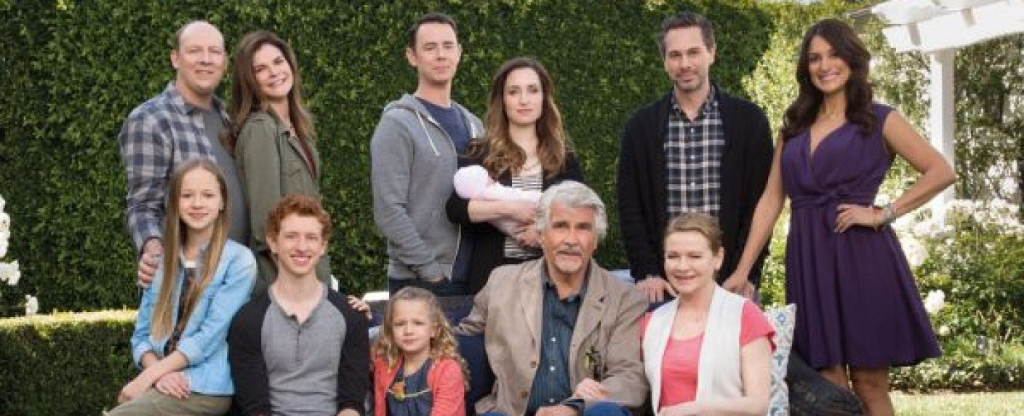
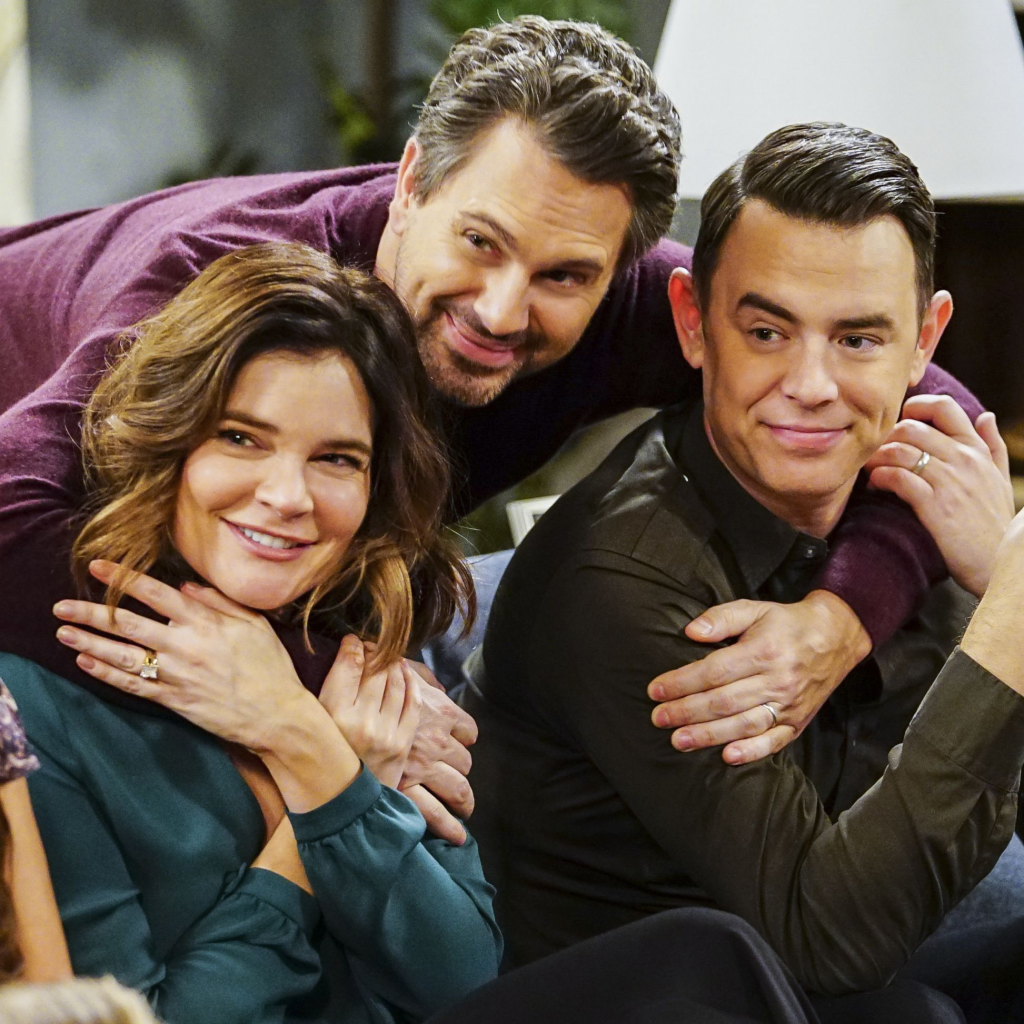
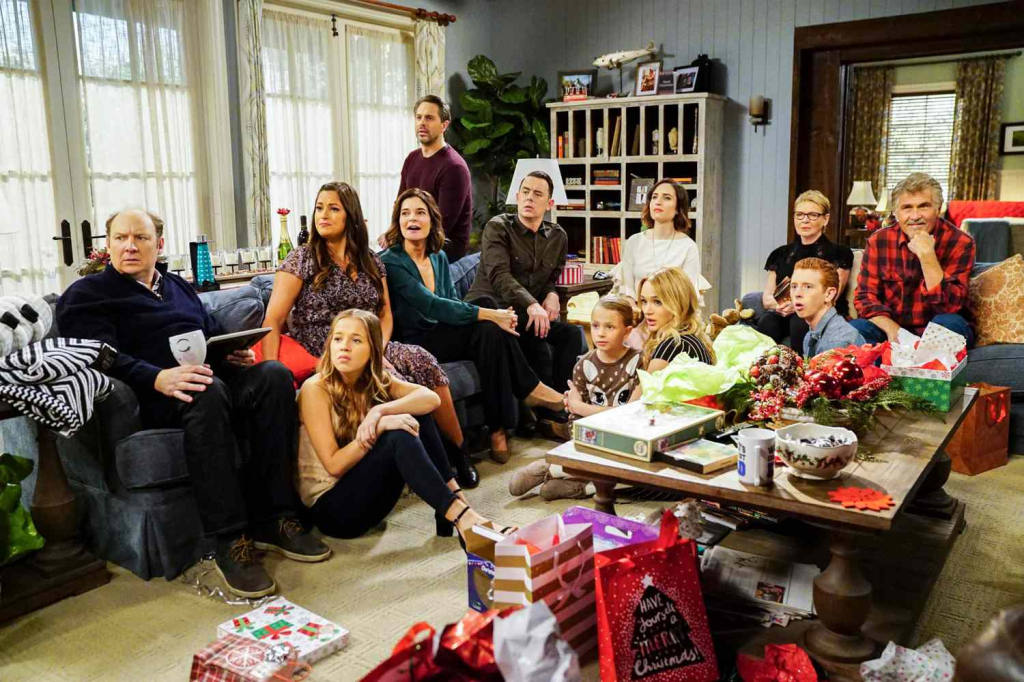
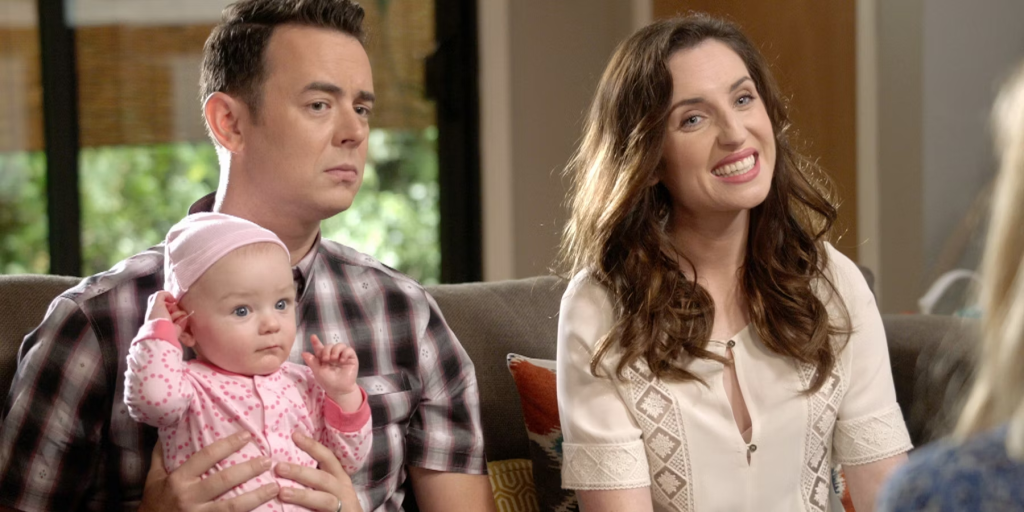
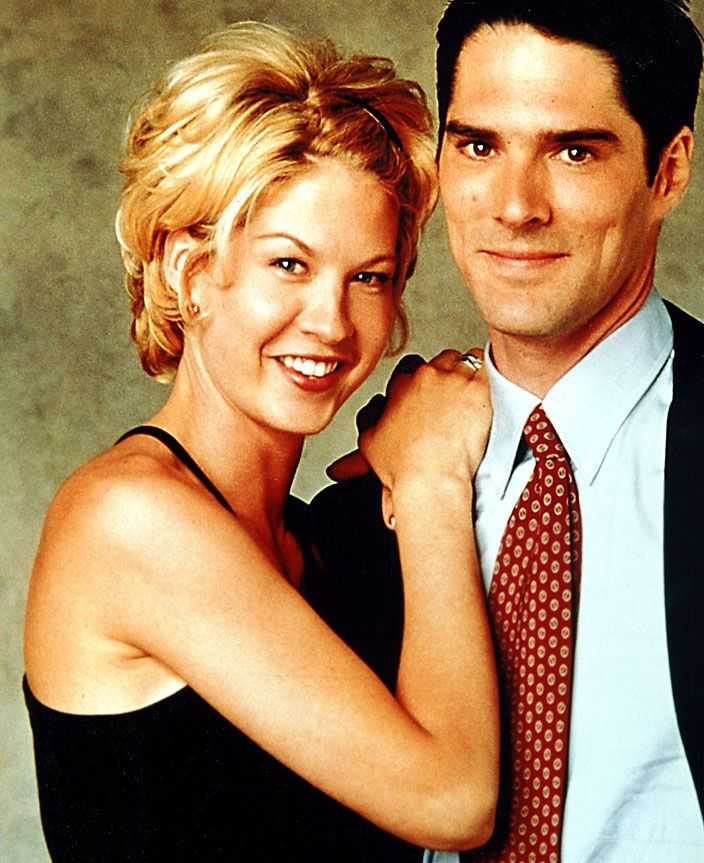



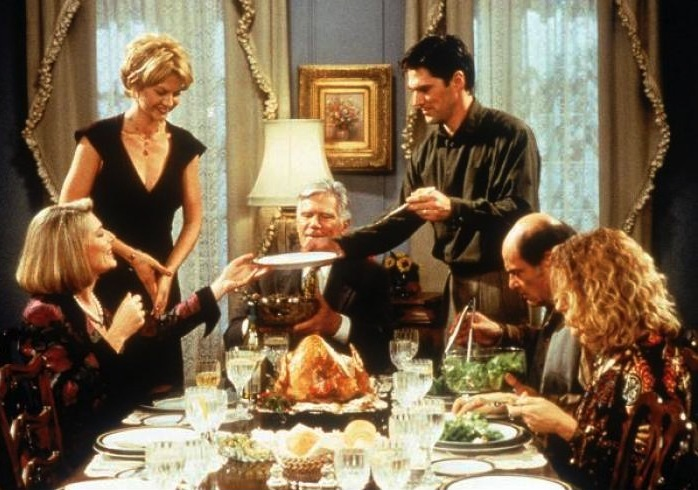




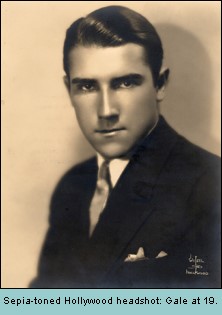


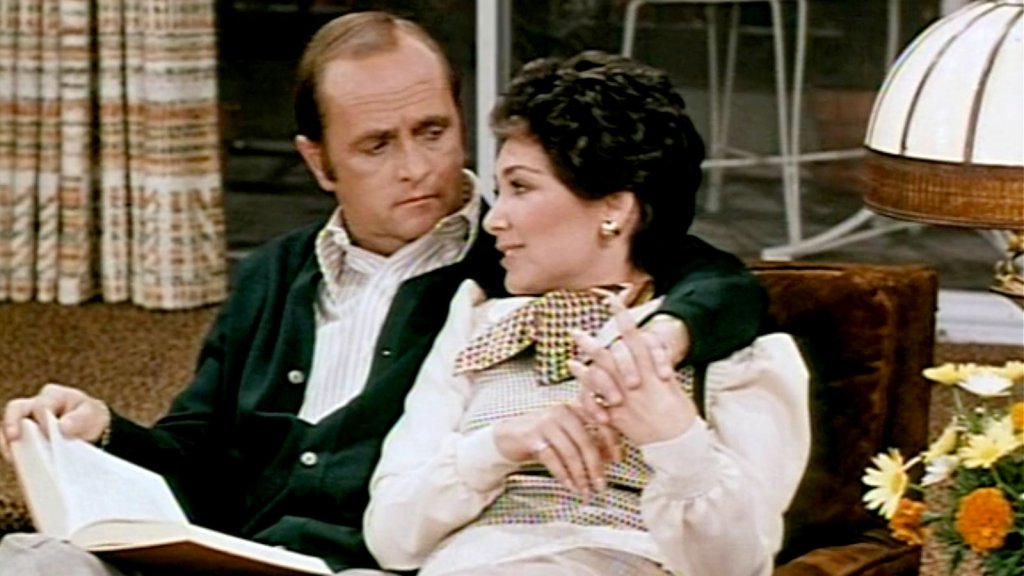


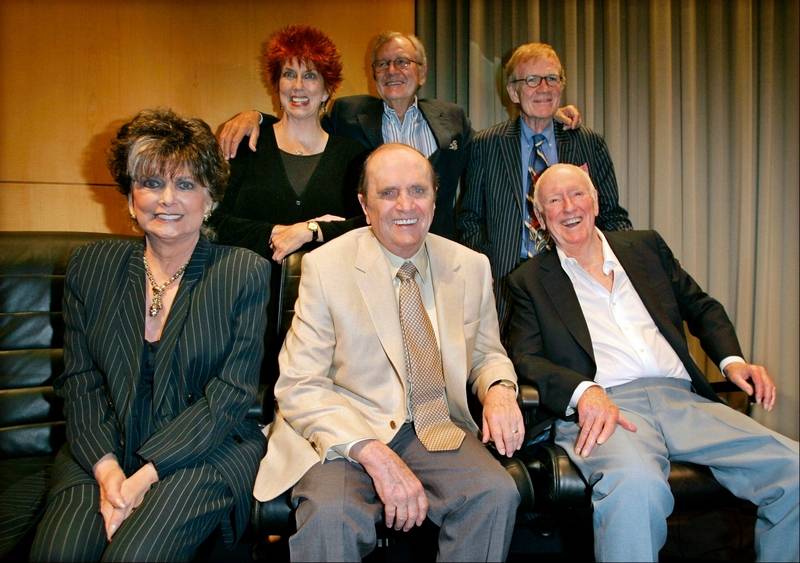
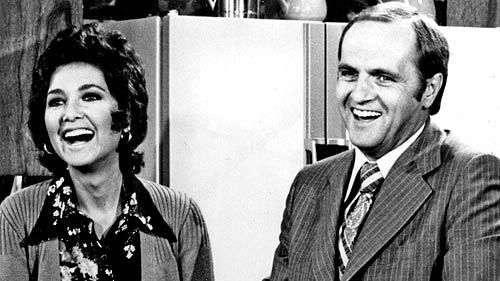
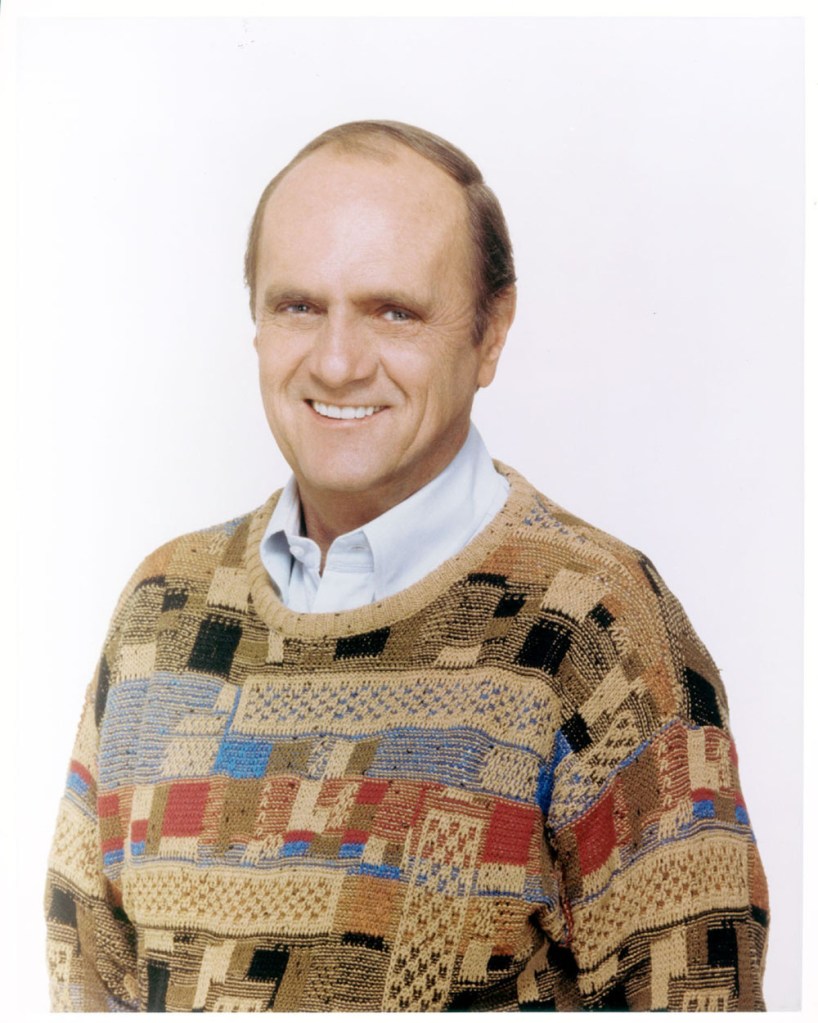


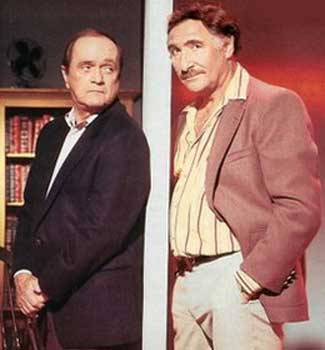


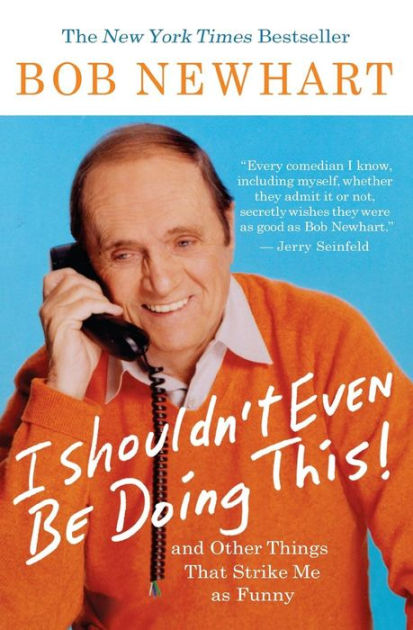
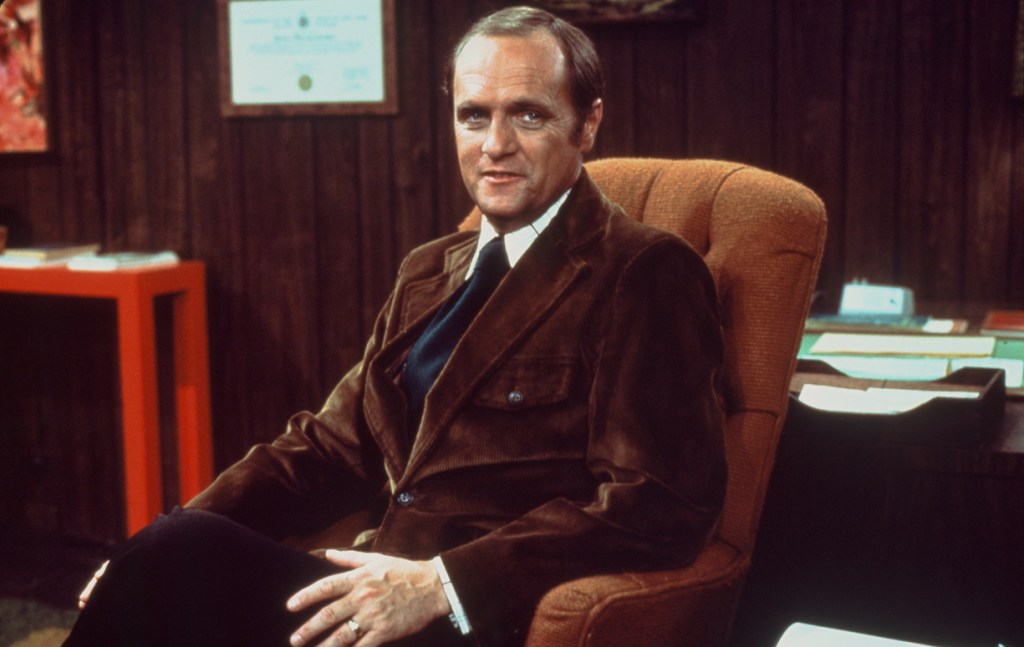
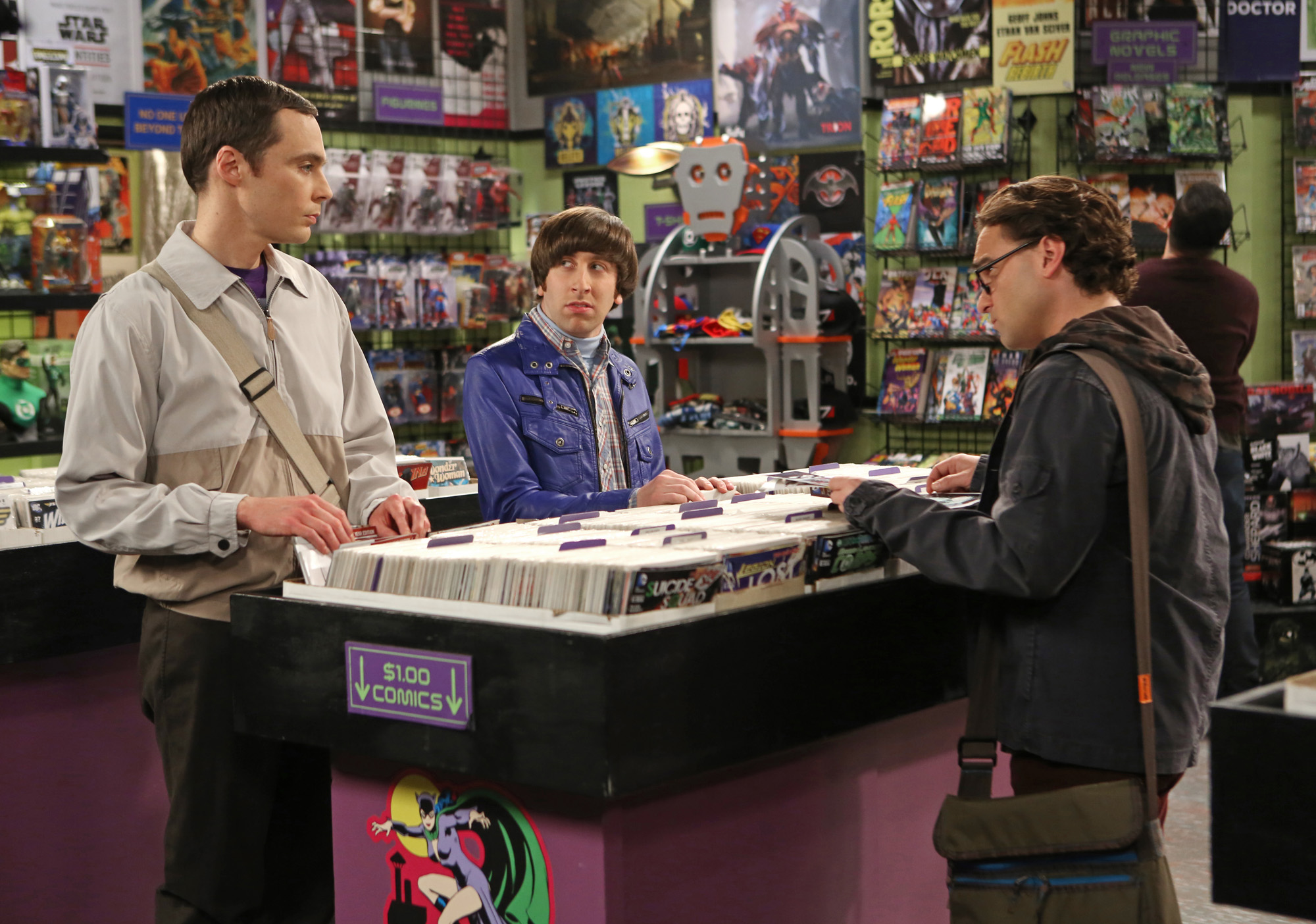

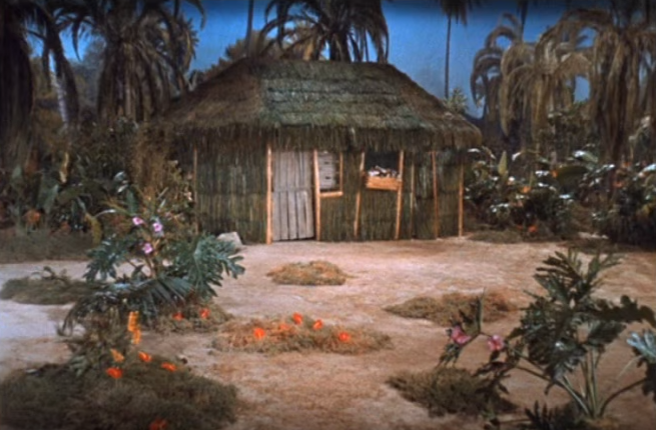
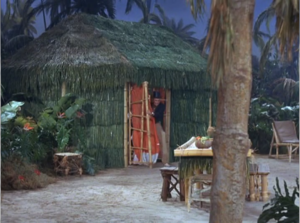

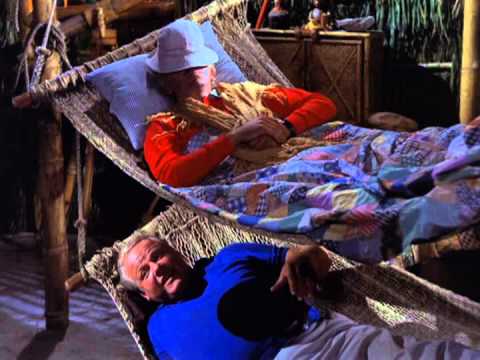
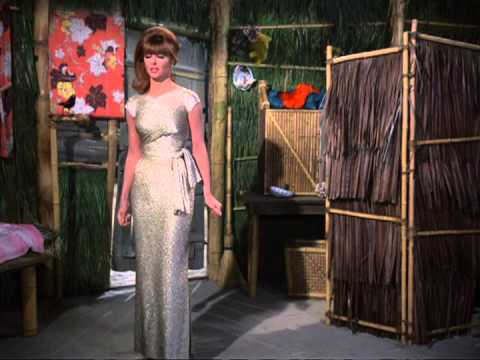
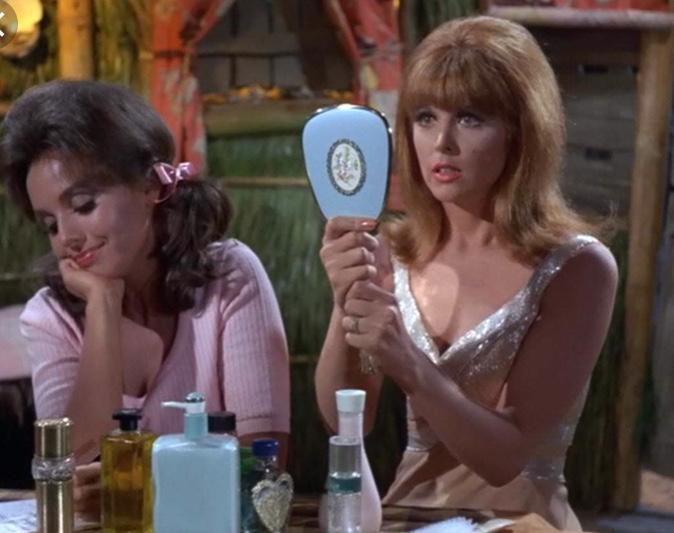

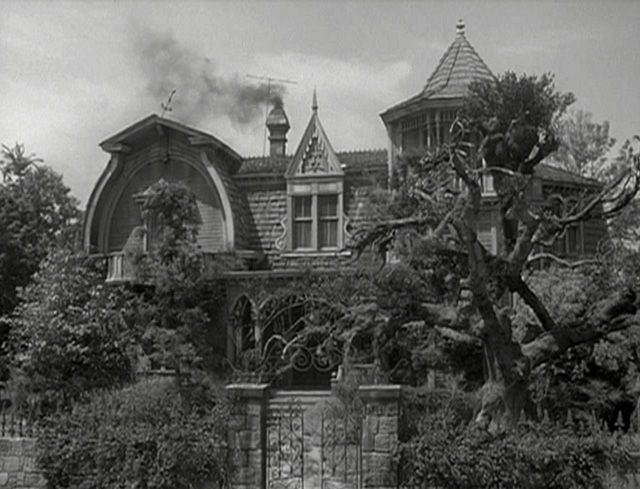
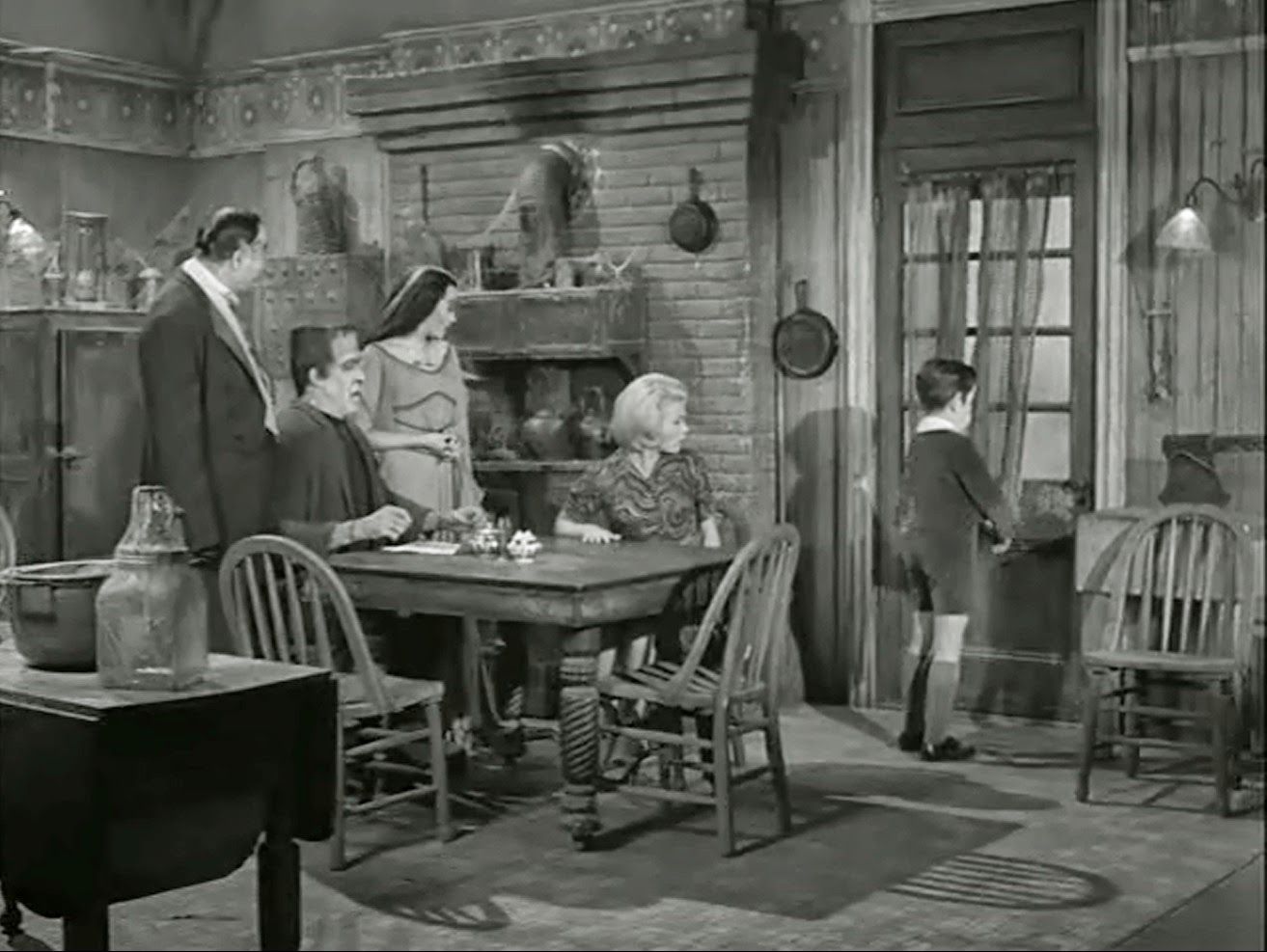
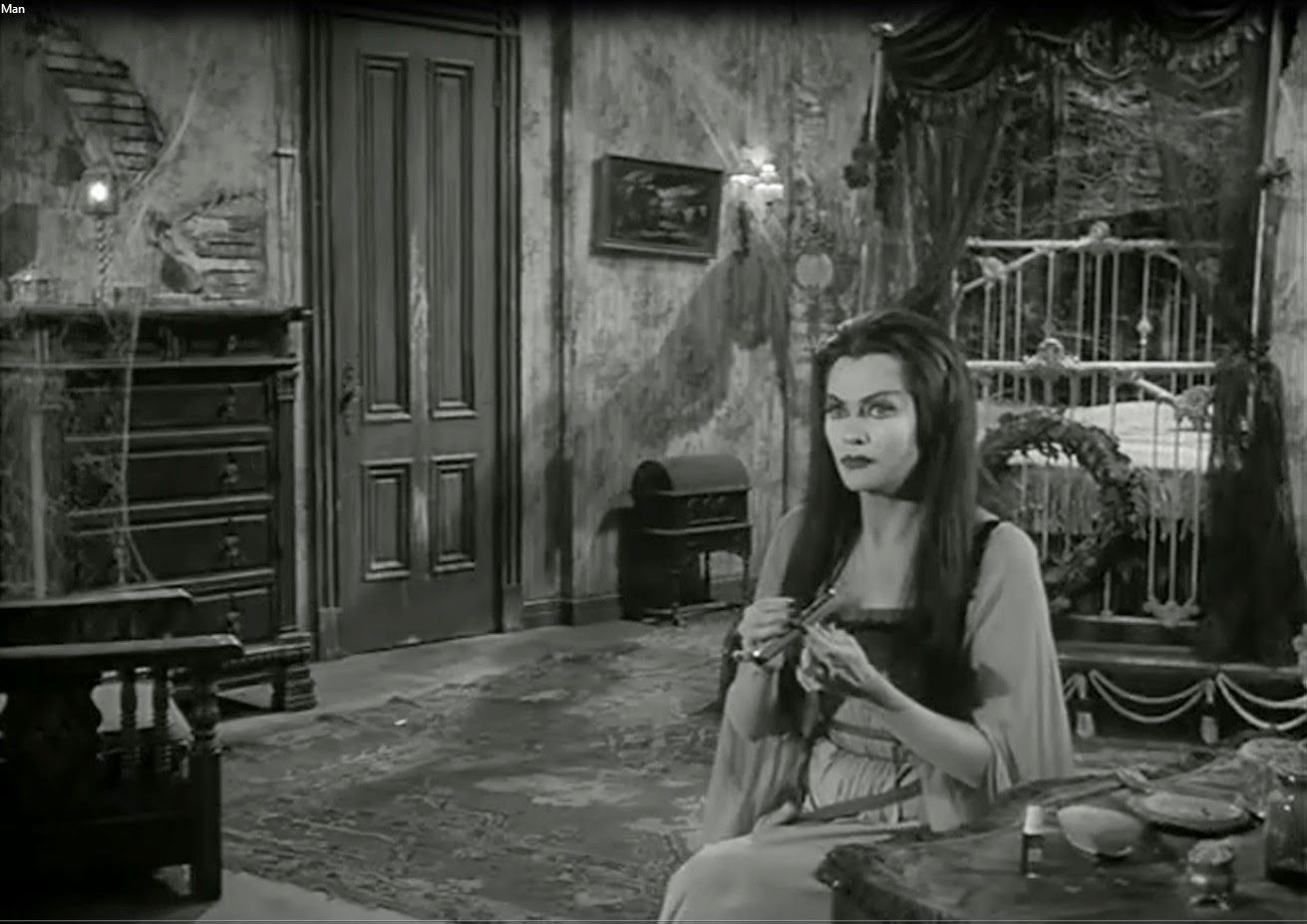
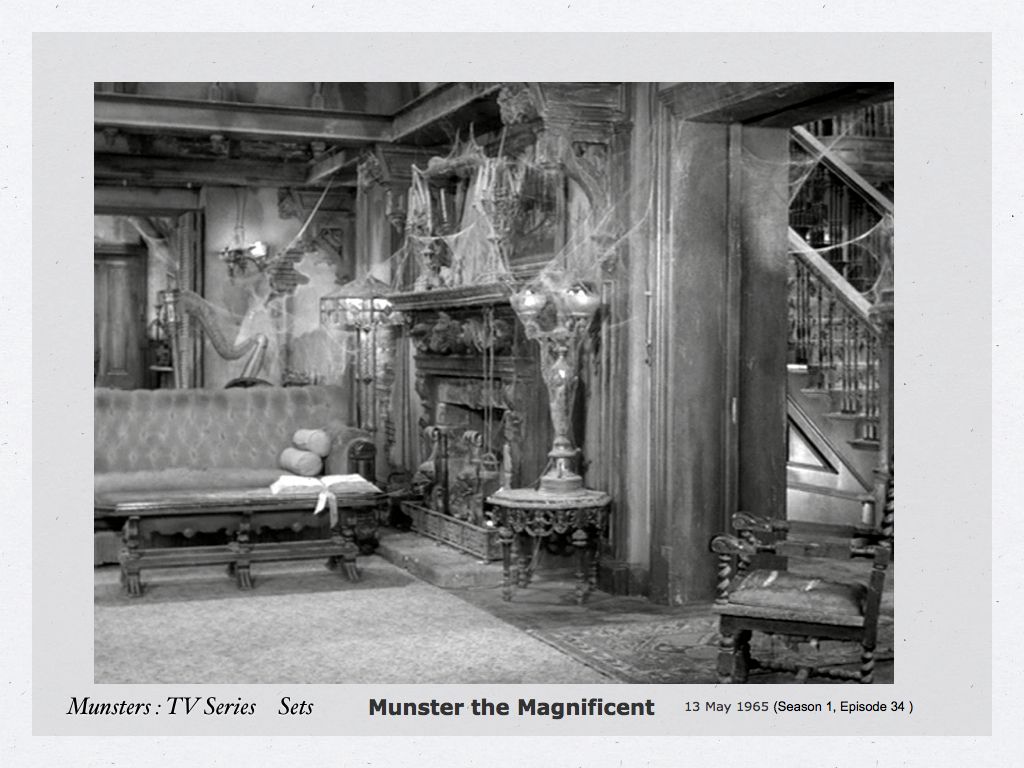




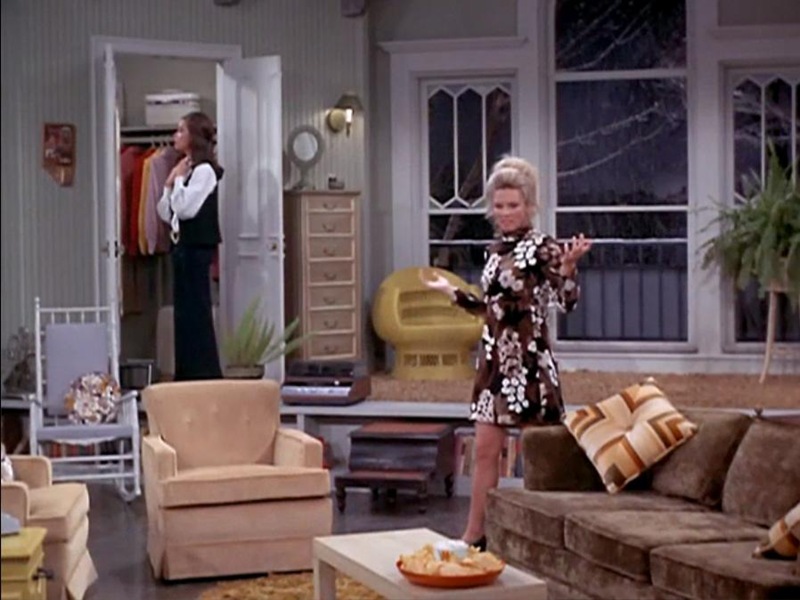
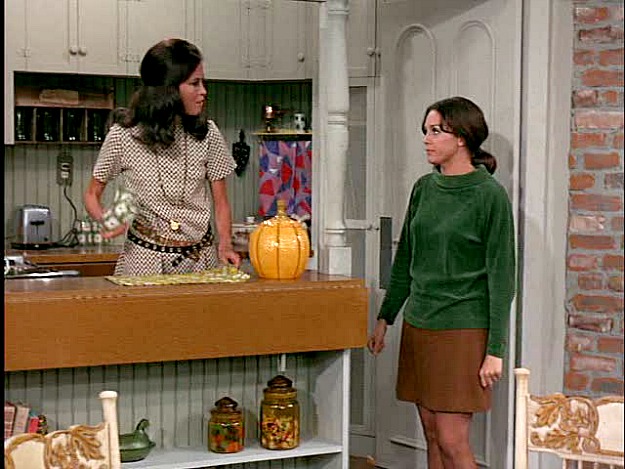

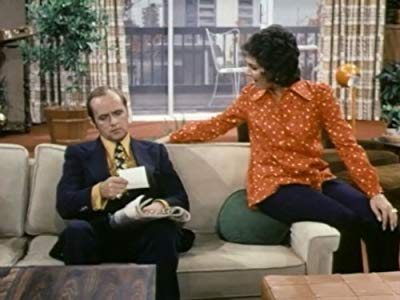



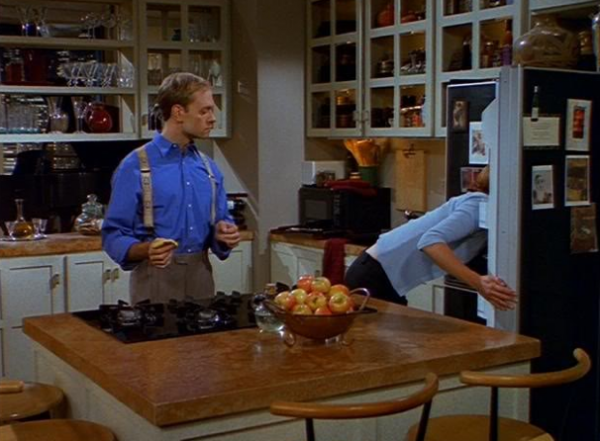

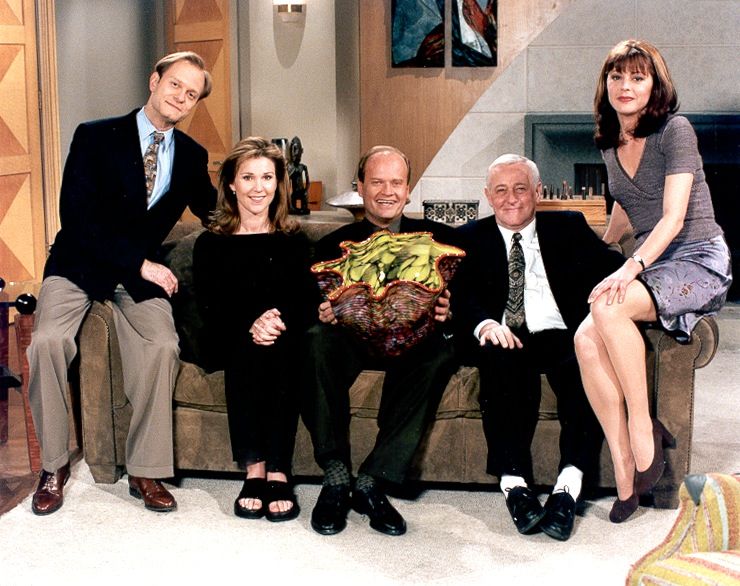


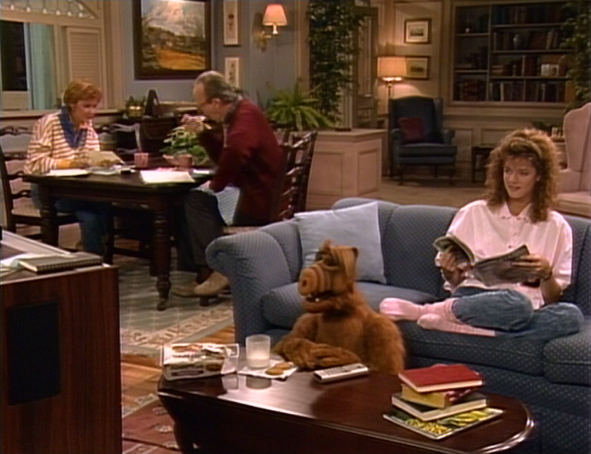

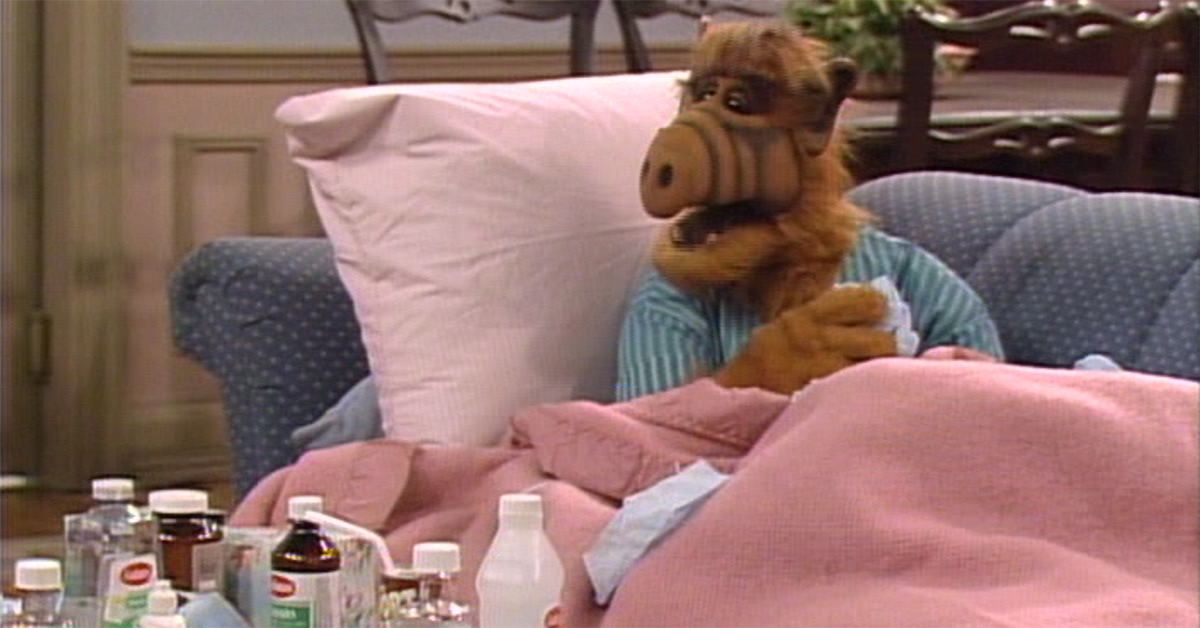
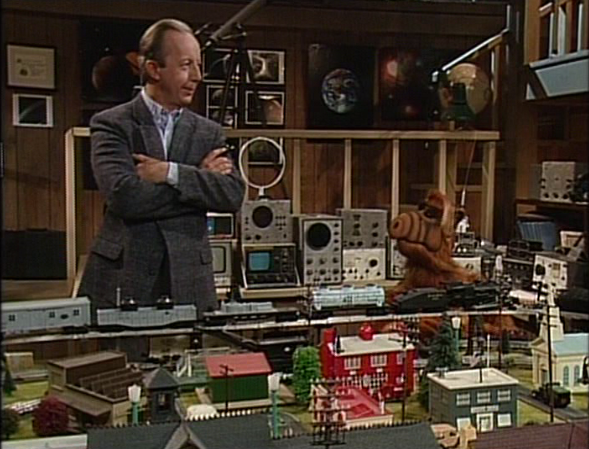



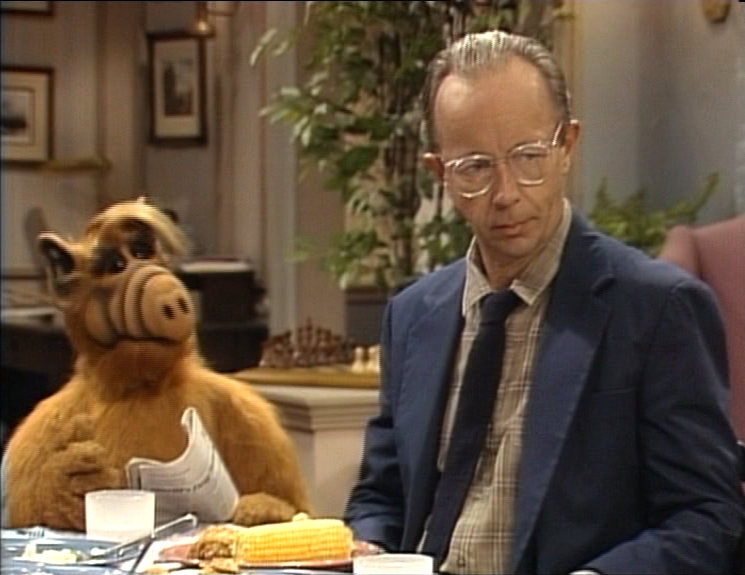


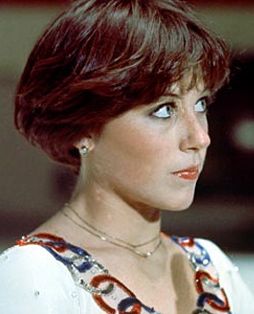
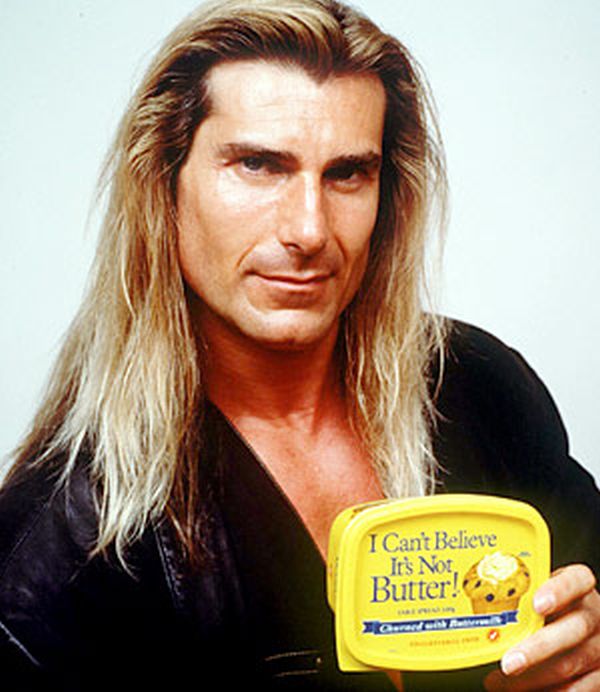




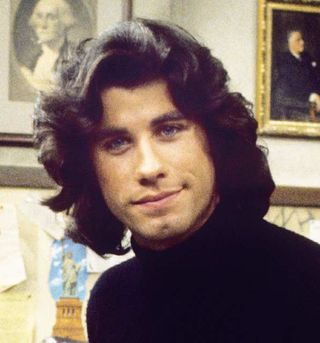







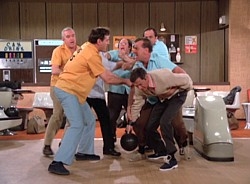


 thewritelife61