Burgess Meredith: America’s Favorite Villain

Bam! Pow! It’s Batman Villain Month. We will be looking at the career of an actor who played a Batman baddie every week this month. We are beginning with my favorite, The Penguin, played by Burgess Meredith.

đź“·pinterest.com

Oliver Burgess Meredith was born in Cleveland, Ohio in 1907. His father was a physician, and his mother was born into a family of Methodist revivalists. Burgess followed his Methodist faith for his entire life. After high school, he enrolled at Amherst College, until 1932 when he became a reporter for the Stamford Advocate. He worked in a variety of jobs while getting started in acting including retail, an editor, a merchant marine, and a runner on Wall Street.

He joined Eva Le Gallienne’s Civic Repertory Theatre in New York City. His Broadway debut was in this company’s “Romeo and Juliet” in 1930. His film debut came in 1935 in Winterset. Later in his career, he would return to Broadway as a director. He shared a Tony Award with James Thurber for their collaboration on “A Thurber Carnival” in 1960, and he earned a Tony nomination for his staging of “Ulysses in Nighttown” in 1974. In the late seventies, he directed Fionnula Flanagan’s one-woman play, “James Joyce’s Women” which toured for several years.

Meredith had more success in acting than marriage. Helen Derby Merrien Burgess was his wife from 1932-1935. His marriage to actress Margaret Perry only lasted two years, ending in 1938.

In 1942, Burgess enlisted in the US Army Air Forces for WWII, reaching the rank of captain. He was discharged in 1945. Meredith married another actress, Paulette Goddard, and they were together from 1944-1949. However, in 1951 he married Kaja Sundsten and they were together until his death.
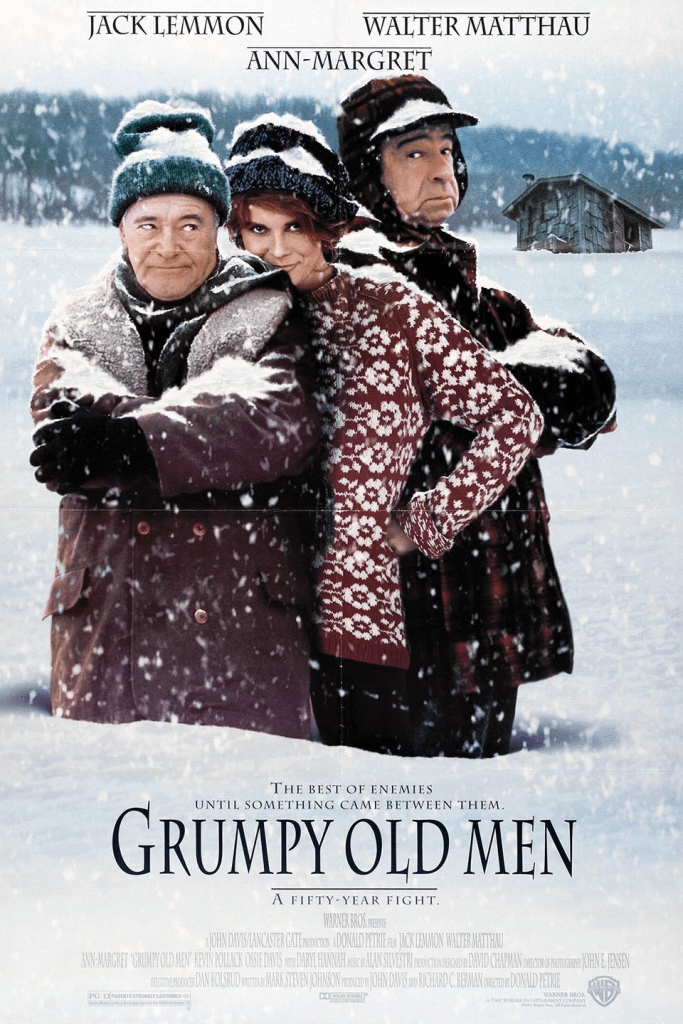
Meredith would appear in 80 movies during his career, as well as a number of made-for-television movies. He might be best known in the past few decades for Grumpy Old Men and Grumpier Old Men in the 1990s.

However, it was television where he found the most acclaim. His first appearances came in 1949 on the Ford Theater Hour and The Silver Theater. Throughout the fifties he continued receiving offers for theatric roles on these types of programs. During the early sixties, he was everywhere. You could catch his appearances on dramas such as The Naked City, Ben Casey, The Twilight Zone, The Bold Ones, Room 222, Ironside, and Mannix. He rode onto many western sets including Wagon Train, Rawhide, The Wild, Wild West, Bonanza, Daniel Boone, and The Virginian. He found his way onto several comedies such as Please Don’t Eat the Daisies and The Monkees.

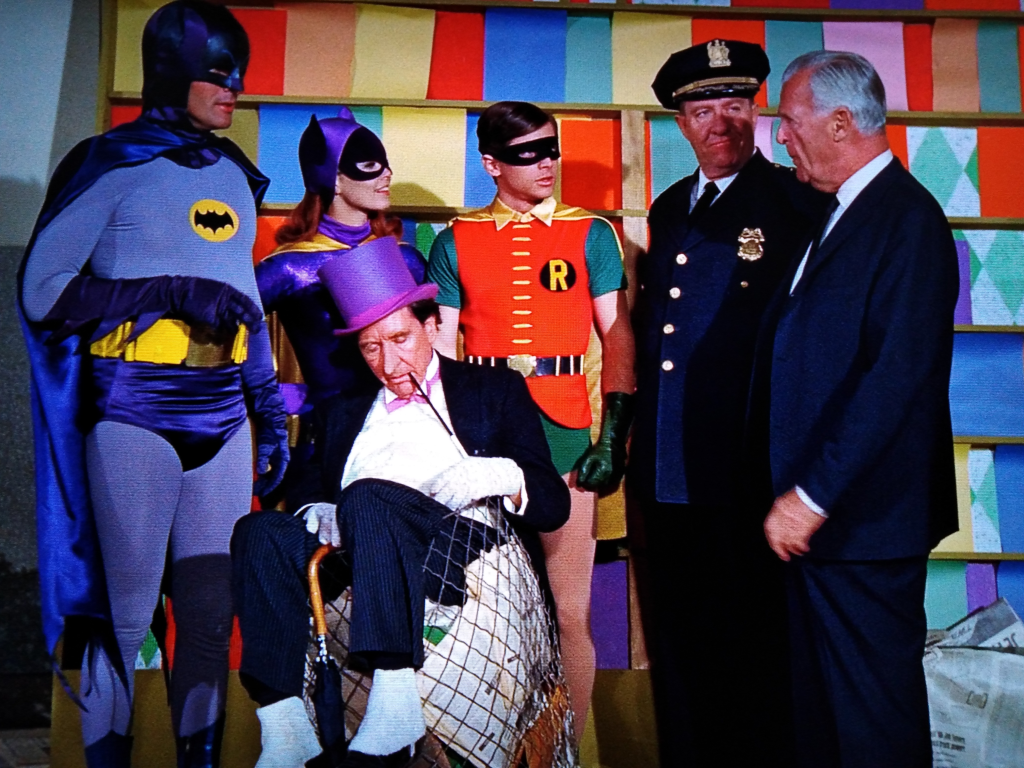
Given the astounding number of drama shows that he chose roles on, it is a bit surprising that one of his best-known roles was the campy, humorous 1960s series Batman. From 1966-1968, he made 21 appearances as the Penguin. When he appeared on The Monkees, it was also as the Penguin. Originally the producers wanted Spencer Tracy for the role of Penguin. Tracy said he would not accept the offer unless his character was allowed to kill Batman. So, Meredith got the role. The cast loved him, and the producers made sure there was always a Penguin script waiting so whenever Burgess was free, it could be filmed.

đź“·dcdatabase.com

He was perfect for the role with his raspy voice and that iconic Penguin laugh. The laugh came about because Burgess had given up smoking but had to smoke for his role on Batman. When he coughed, he covered it up with his trademark laugh. When asked why he did Batman, he replied that he did it “for two reasons, one of which was the salary. The other was that, after the first few episodes, Batman became the in-thing to do. Everybody would either play a villain or appear as himself in that cameo showcase where a celebrity would poke his head through the window of a building that Batman and Robin were climbing. Actually, we didn’t get as much money from the show as you might think, although we were paid decent money for the feature film version. The main impetus to continue appearing on Batman—beyond the desire to get some TV work—was that it was fashionable.”

Later in his career, Burgess continued appearing on the big screen and provided voice-over work and a bit of animation. Unfortunately, he was named as an unfriendly witness by the House Un-American Activities Commission which ended his studio work for several decades. Burgess also did commercial work and was known for his roles for Skippy Peanut Butter and United Air Lines.
đź“·imdb.com

Meredith was a life-long Democrat and was generous to the Democratic party. He was an environmentalist and tried to end pollution. He was also fascinated by intelligent animals, especially dolphins. One night he said he felt a dolphin needed help while staying at a friend’s beach house. He ran out to the beach and found a dolphin caught in a net under a dock and was able to save its life. He was nominated for two Academy Awards, both for Supporting Actor in Rocky and The Day of the Locust. A 21-acre park in Pomona, New York was named for him; he provided the funding to incorporate the village.

In 1997, Meredith died from complications of Alzheimer’s. His former Batman costar, Adam West, spoke at his memorial service.

While almost all of the bad guys on Batman were memorable, the Penguin and Cat Woman were by far my favorites. We will look at the career of Julie Newmar next week.
Don’t Blink: Shows That Received Pink Slips by the Holidays

One thing I have learned doing blogs the past four years is how many shows don’t make it. Although every year has its share of flops, some years are just notorious for having weak programming. The late 1970s was a period of just truly awful shows. Bob Newhart who starred in The Bob Newhart Show decided to quit in 1978. When asked about ending the show, he said, “I could see what was coming in situation comedy, and I didn’t want to be a part of it. If we’d gone another year, they’d have had the guy and two girls living in the apartment above us, a Martian living on the same floor next door to three girl detectives. The floor below us would have been occupied by a fraternity and a sorority.” As bad as that sounds, the shows that the networks put on the air during this time were even worse. Let’s take a look at some of the programming that didn’t make it through a season in the late 1970s.

A Year at the Top

Photo: imdb.com
Note the young Paul Shaffer

Believe it or not, in 1976 Norman Lear teamed up with Don Kirshner of Rock Concert fame for a sitcom about the music business. This show was supposed to begin in January of that year but was delayed until summer with an entirely different cast. Two young pop stars Greg and Paul (Greg Evigan and Paul Shaffer—yes the Paul Shaffer from David Letterman) move to LA for their big break. They meet a potential agent named Hanover (Gabriel Dell) who agrees to sign them if . . . and if you think the concept is weird so far, get this: Hanover is the devil’s son, and they need to sign over their souls to become famous. The pair never actually sign the contract. It might have taken a year to get on the air but it only lasted five weeks.

Quark

Photo: newyorktimes.com

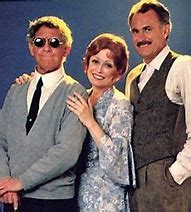
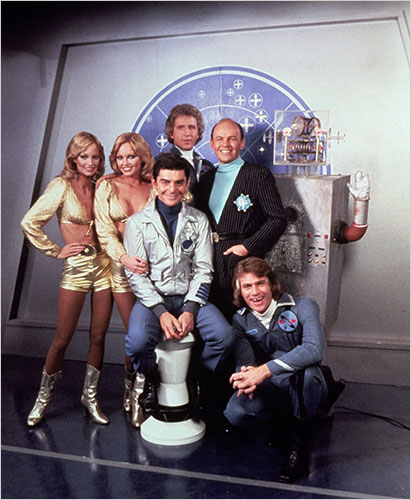
This show’s concept was also a bit of a reach. It took place on Perma 1, a space station in 2222. Adam Quark (Richard Benjamin) had a mission to clean up all the trash in outer space. Quark took orders from a giant disembodied head called, what else, The Head, along with Perma 1’s architect Otto Palindrome (Conrad Janis). If you think this sounds crazy, wait till you learn about Quark’s crew: a part fish/part fowl first officer, a humanoid vegetable named Ficus, clones Betty 1 and Betty 2, and Andy the Robot, a walking junk pile. I was surprised not that it was cancelled after two months, but that it lasted two months. I was also surprised to learn that Buck Henry was the creative force behind this series.

Sanford Arms

Photo: humormillmag.com

A year later in 1977 we have another interesting set-up. When Redd Foxx and Demond Wilson, the two stars, the only stars, left the show Sanford and Son, Norman Lear was left with a show title only. Aunt Esther (LaWanda Page) had been one of the cast members on Sanford and Son and suddenly she was at the hub of this new show. Phil Wheeler (Theodore Wilson) a widower with teenagers buys the house, the junkyard and Esther’s rooming house and tries to start a residential hotel. A month or so later, before he could even make his first payment, the show was done.

Another Day

Photo: wikipedia.com

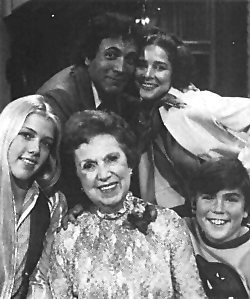
David Groh (who had played Rhoda’s husband) is Don Gardner, a struggling businessman who can’t make ends meet. His wife Ginny (Joan Hackett) has to get a job, and they both had to deal with their introverted son Mark (Al Eisenmann) and their extroverted daughter Kelly (Lisa Lindgren), as well as Don’s mom Olive (Hope Summers who had played Clara on The Andy Griffith Show) who is critical of all of them. Don struggled through a few episodes and was finished.

Apple Pie

Photo: wikipedia.com

A lonely hairdresser played by Rue McClanahan named Ginger-Nell Hollyhock placed ads in the newspaper for a family. The family that she “found” included a daughter (Caitlin O’Heaney) who tap-danced, a son (Derrel Maury) who wanted to fly like a bird, an elderly grandfather (Jack Gilford), and con-artist Fast Eddie (Dabney Coleman). The show was set in Kansas City in 1933. It took place during the Depression and depression is what anyone watching felt, although the pain was fleeting. After one episode the network decided no one wanted this family.

Hanging In

This one was so bad they didn’t want any evidence so there are no photos.

Another flop came along with a star who had been another star’s spouse. Bill Macy who played Maude’s long-suffering husband starred in this show as Louis Harper, a former football hero who did not have the right credentials to be a university president. He has a desire to help the underprivileged, but the rest of the faculty is more concerned about raising money. Other cast members included high-pressure dean Maggie Gallager (Barbara Rhoades), PR man Sam Dickey (Dennis Burkley), and housekeeper Pinky Nolan (Nedra Volz). No finals for this series; it was cancelled after a few weeks.

Hizzoner

Photo: imdb.com

David Huddleston plays Mayor Cooper who runs a small Midwestern town. The cast included the mayor’s secretary Ginny (Diana Muldaur), the mayor’s daughter (Kathy Cronkite, yes Walter’s daughter) and several other quirky characters. While the mayor is quite conservative, his children are left-wing liberals. Apparently, the mayor broke out into song at least once an episode. I guess, he was singing the blues because the show was cancelled after 7 episodes.

In the Beginning

Photo: collectors.com

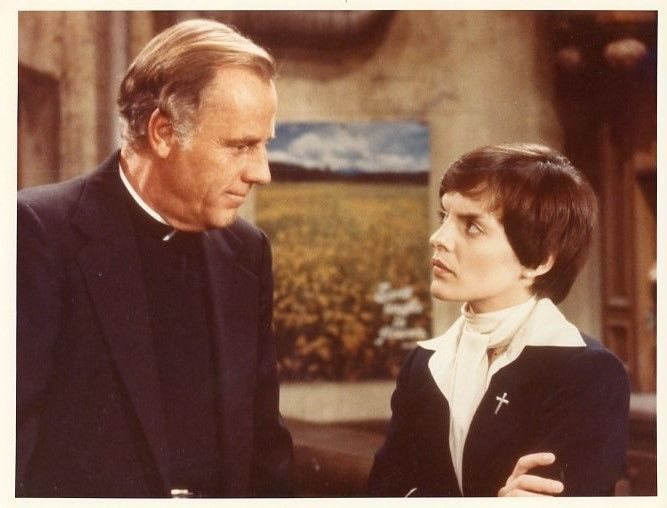
The year 1978 just keeps getting worse for television series. Father Daniel Cleary, played by McLean Stevenson, works in a community center in the heart of Baltimore. Sister Agnes (Priscilla Lopez) works with him. She loves her neighborhood; Father Cleary does not. She is fairly liberal and he is not. It ended almost before it began after seven episodes.

Miss Winslow & Son

Photo: sitcomsonline.com

In this one, an unmarried woman (Darleen Carr) who is an art designer, decides rather than marry a man whom she doesn’t love, she will become a single mother after getting pregnant. Her next-door neighbor Mr. Neistadter (Roscoe Lee Browne) hates kids. Her wealthy and snobby parents are divided about her situation; her father (Elliot Reed) is much more sympathetic than her mother (Sarah Marshall). Before the baby had its first check-up, the show was off the air.

13 Queen’s Boulevard

Photo: sitcomsonline.com

This show was about “a hilarious group of tenants in a garden complex in Queens, New York.” In the first episode, one of the tenants, Felicia Winters (Eileen Brennan) decides to host a class reunion and invites her best friend and spouse, her ex-husband, the class “sexpot,” Fat Hughie, and the class photographer. I don’t know what could possibly go wrong; however, not much went right since it was gone within two months.

Turnabout

Photo: bionicdisco.com

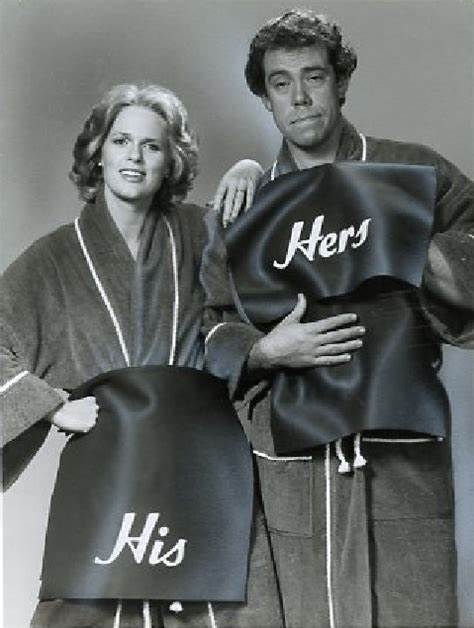
I get Freaky Friday, but in this series the husband and wife switch places. A magic statue allows them to inhabit each other’s bodies.  Sam Alston (John Schuck) is a sportswriter and his wife Penny (Sharon Gless) is a cosmetics executive. The couple tries to live both their own life and their spouse’s life whenever they switch back and forth. They also must focus on keeping the switch a secret. We never know who is who, and all the audience knew is they didn’t like either one of them, and the show was cancelled after a few weeks.

Waverly Wonders

Photo: sitcomsonline.com

NBC decided Joe Namath would be a good person to build a sitcom around. However, he’s not a football player in this show; he’s a former pro basketball player, Joe Casey, who now teaches history at Waverly High in Wisconsin. Linda Harris (Gwynne Gilford) is the principal and Mr. Benton, who they call “Old Prune Face” (Ben Piazza) was the former coach. The only problem is Joe Casey is a bad history teacher and a bad coach. That apparently makes for a bad show because it was cancelled after three episodes aired, although nine were made.

Struck by Lightning

Photo: metershow.com

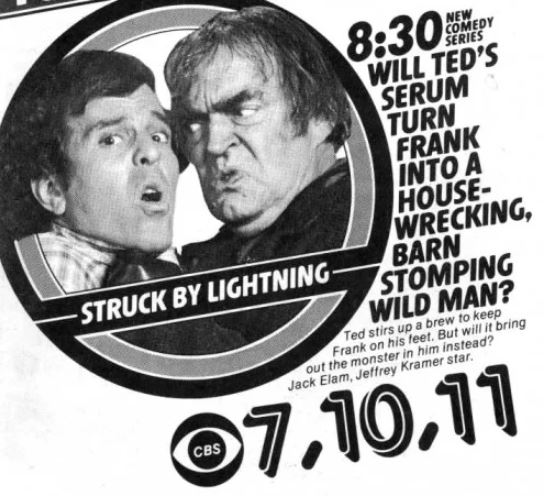
If you think the concept of some of these shows was weird, wait to you hear about this one. Frank (Jack Elam) is the caretaker of an old inn in Massachusetts. A science teacher, Ted Stein (Jeffrey Kramer) inherits the inn and decides to sell it. Then he realizes that Frank was really a 231-year-old Frankenstein monster. Ted just happens to be the great-great-grandson of the original Dr. Frankenstein. So, they decide to run the inn together. Rounding out the cast was Glenn (Bill Erwin) who had been living there forever, Nora (Millie Slavin) who managed the inn before Ted came, Nora’s son Brian (Jeff Cotler), and real estate agent Walt (Richard Stahl). Apparently, the only thing “great” about the show was Ted’s relationship to Frankenstein because the network canceled it after five episodes.

So, you might be wondering with all these awful shows, what made it on the air more than a couple of months during the late 1970s. In 1977 the only shows that made it to the next season were Three’s Company and Soap. In 1978 Mork and Mindy and Taxi were the “classics” followed by Diff’rent Strokes and WKRP in Cincinnati. Without Robin Williams, Mork and Mindy would probably have been another concept that would have lasted a couple of weeks. In 1979, out of 21 shows that debuted that fall, Facts of Life was the only one that returned for a second season. With the exception of Taxi and WKRP, I would not rate any of these shows true classics, although you could make a good case for Soap. Anyway, the bar was set pretty low for success during the late 1970s.

At least television viewers could go to the movies for a bit of entertainment.  This was the era of Animal House, Annie Hall, Close Encounters of the Third Kind, Grease, Kramer vs Kramer, Rocky, Saturday Night Fever, and Smokey and the Bandit. Things stayed pretty glum on the small screen until 1982 when Cheers, Newhart, and Family Ties saved us.