Book ’em Danno: Hawaii Five-O or 0

This month we are looking at some recent reboots of popular shows from the the past. We are ending our series with what I think was the best of the reboots in recent history: Hawaii Five-O.

Originally, one source said the show was developed with a house detective for a chain of Hawaiian hotels. Someone on the production team thought it would limit the plots too much, so it was expanded to crime throughout Hawaii.

📷imdb.com

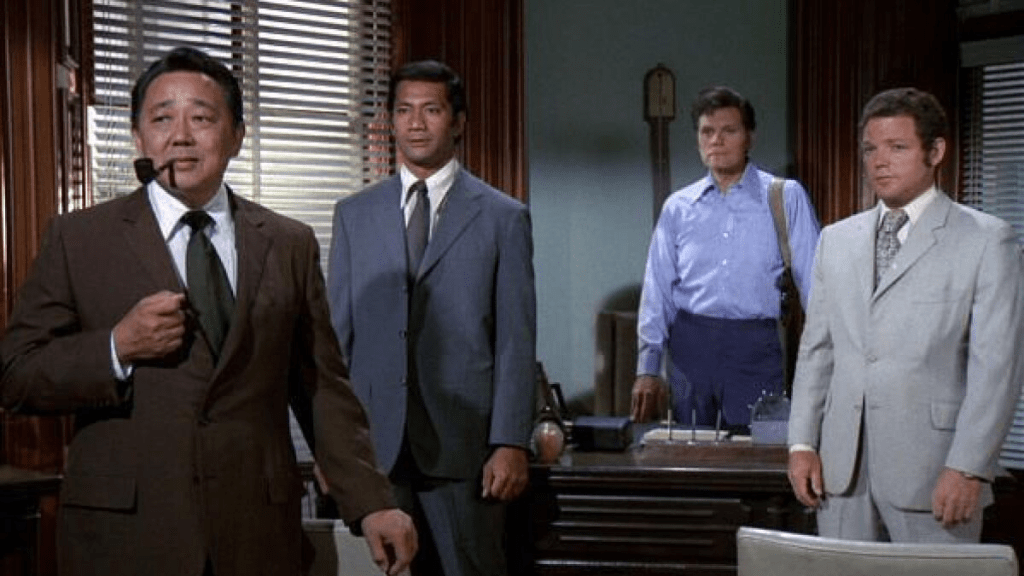
From 1968 to 1980, Hawaii Five-O was on CBS. Created by Leonard Freeman and set in Hawaii, it starred Jack Lord as Captain Steve McGarrett, former Korean War veteran. McGarrett heads a special task force appointed by the governor. His team includes Danny Williams (James MacArthur), Chin Ho Kelly (Kam Fong), Kono Kalakaua (Zulu). Police officer Duke Luekla (Herman Wedemeyer) lent a hand often. The task force is run out of offices at the Iolani Palace.

Richard Boone was offered the part of McGarrett, but he turned it down. Gregory Peck was also in consideration for the role. Eventually, Jack Lord auditioned on a Wednesday, received the part, and was in Hawaii filming on Monday. Lord was the only actor to appear in all 281 episodes of the series. A couple members of the cast came on board with little-to-no acting experience. Zulu, who played Kono, was a beach boy and local DJ. Fong, who played Kelley, had been a police officer in Honolulu for sixteen years before retiring to work in real estate.

McGarrett and his team investigated crimes by international secret agents, organized crime syndicates, and ordinary criminals. Some of the villains were played by celebrities including Gavin MacLeod, Ross Martin, and Ricardo Montalban.

📷internetmoviefirearmsdatabase.com

McGarrett’s ongoing battle throughout much of the series is with Wo Fat (Ihigh Dhiegh), a rogue intelligence officer from China. In the finale, “Woe to Wo Fat,” McGarrett is finally able to land him in jail. However, the series ends with Wo Fat retrieving a file from his boot, making us wonder if we might be able to escape. The name “Wo Fat” came from a restaurant in downtown Honolulu.

In the original show, little time was given to the personal lives of the team; the plots all centered around solving the crime of the week.

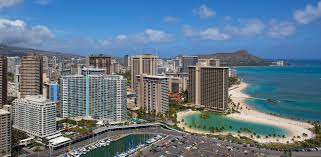
The show was filmed in Hawaii: the first location was in Pearl City in a hut where the roof leaked and rats gnawed at cables; then it moved to Fort Ruger and for the final four seasons, a set was built at Diamond Head. Hawaii had only been a state for nine years when the series started, so most Americans were not familiar with the islands.
📷instrumentationengineering.com

Fans often talked about the beauty of the scenery for the show. They also appreciated the intelligent writing and believable plots.

Many locals were used in the show, partly because the television and movie industry was not well represented in Hawaii, so everyone learned along the way. This made the cast much more diverse than most shows in the sixties.

The show was known for its theme song written by Morton Stevens. The Ventures recorded the theme, and it reached No. 4 on the Billboard Hot 100 chart. It was popular with high school and college bands across the country; when I was a majorette in the mid-seventies, it was one of the songs our band performed.

One of the most popular catchphrases from the seventies was “Book ‘em Danno,” a phrase used sparingly in the reboot.

The original Five-O was the longest-running crime show until Law & Order surpassed it in 2002. In began on Thursdays but moved to Wednesdays later in the year. From 1971-1974 it aired on Tuesdays. In 1975 it started out on Friday nights, moving to Thursdays where it stayed till 1979. That December it moved to Tuesdays for two months before switching to Saturdays for the rest of its run. This doesn’t seem like a great strategy for keeping fans.
📷facebook.com

While the show was popular with viewers, its only two Emmy wins were for music composition. It received ten nominations, but the only person to be nominated for acting was a special guest appearance by Helen Hayes in 1976. There were no nominations for acting, writing, or best series.

A one-hour pilot for a reboot was made in 1996 but never aired on television. Written by Stephen J. Cannell, it starred Gary Busey and Russell Wong as the Five-O team along with MacArthur who returned as Danny Williams, now governor of Hawaii.
📷releasedate.me

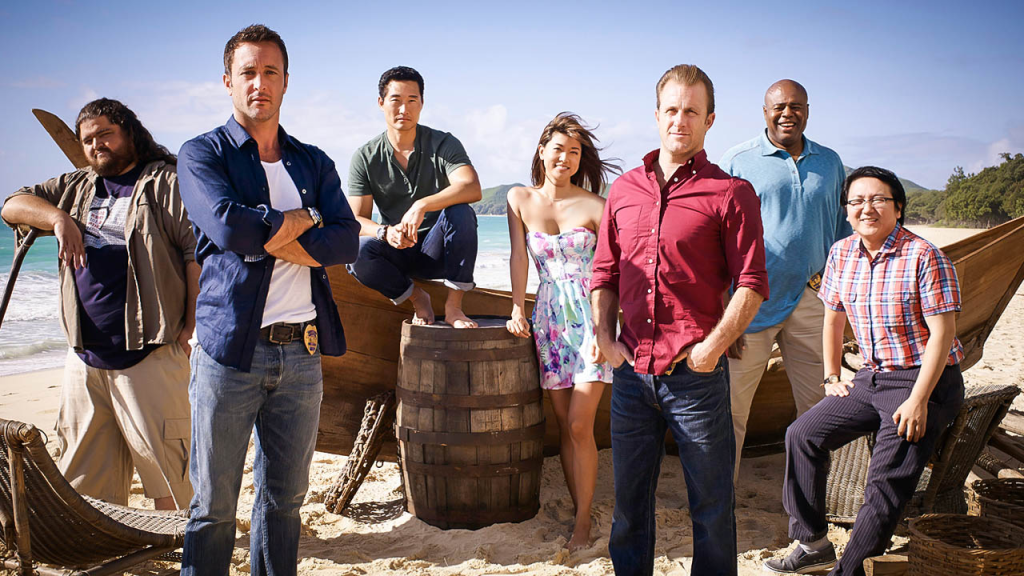
The reboot we are discussing today began in 2010, also on CBS. To distinguish it from the original show, it was Hawaii Five-0 (using a zero in place of a capital letter O). Most of the characters are similar to the original. They are still a special task force appointed by the governor who is now a woman, Pat Jameson (Jean Smart). Steve McGarrett (Alex O’Louglin), a former Navy SEAL and son of Jack Lord’s character, partners with Danny Williams (Scott Caan) in this version. Other teammates included Chin Ho Kelly (Daniel Dae Kim) and Kono Kalakaua (Grace Park). Kono’s gender switched from the a male to bring a female perspective to the team.

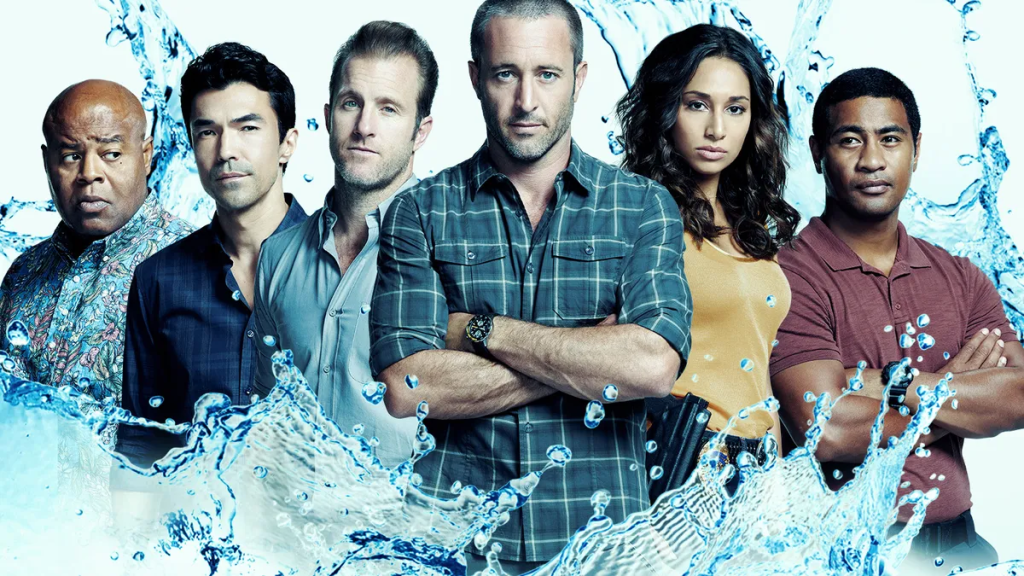
For the eighth season Tani Rey (Meaghan Rath) and Junior Reigns (Beulah Koale) came on board. Several other regulars during the years included Lou Grover (Chi McBride), medical examiner Max Bergman (Masi Oka), Jerry Ortega (Jorge Garcia), Chin’s classmate and a local conspiracy theorist whose vast knowledge often comes in handy, and Sgt Duke Lukela (Dennis Chun) is still around from the original show.
📷tvguide.com

A season or two into the show, Steve’s girlfriend, Lt. Catherine Rollins (Michelle Borth) works with the team and Adam Noshimuri (Ian Anthony Dale) joins the group. When Dr. Bergman heads overseas, he is replaced by Noelani Cunha (Kimee Balmilero). Another member of the surrogate family is Kamekona (Taylor Wily) who owns a food stand. He often helps the team because he knows almost everyone and has great intel for Steve and Danny. In this version, Steve’s father was a cop and Steve is still hunting down Wo Fat to avenge his father’s death. Chin and Kono are cousins and eventually Kono and Adam marry.

O’Loughlin was born in Canberra, Austrialia on August 24, 1976, and Caan was born in Los Angeles on August 23, 1976, but since Australia is twenty-four hours ahead of the US time, they were essentially born on the same day. Perhaps that’s why they had such great chemistry. Their witty bantering is fun to listen to. They remind me of an older couple who have been married a long time. They know each other so well, and can afford to be critical, because you know they have each other’s backs and would die for each other if they needed to.

This new version continued to show the beauty of the Hawaiian Islands. Viewers learned more about the culture of the state.

📷spoilertv.com

In the reboot we also got to know the characters much better; half the show concentrated on their personal lives and how those lives sometimes had an effect on what they did as detectives, right or wrong.

Peter M. Lenkov, who was one of the creators of this reboot, was also part of the team that debuted MacGyver and Magnum PI reboots, all of which are set in Hawaii.

The show was popular with viewers when it returned to the schedule. The Honolulu Advertiser wrote that “a smart script, slick production values and maybe a splash of nostalgia got the remake of Hawaii Five-0 placed on the CBS prime-time lineup this fall.”

One fun carryover from the original series was the character of August March. Played by Ed Asner in the original show in season two, March was a jeweler who was arrested by Lord’s character. In season three of the reboot, August March is back played by Asner again.
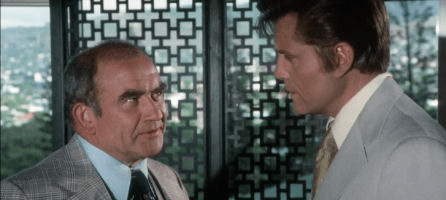
📷inner toob.com Asner on the original . . . and

The series debuted on Monday nights. Season four found it on Fridays where it stayed for the final seven seasons.

Viewers had strong reactions to the theme song. For the early shows, the original theme song was used but updated which fans did not appreciate, so the original theme was used for most of this series as well.
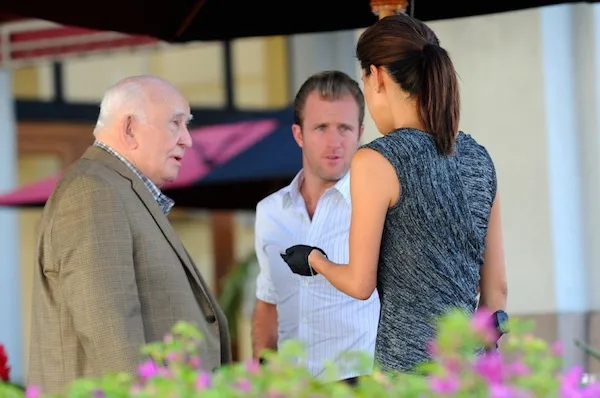
the reboot. 📷tvline.com

The new show had a positive impact on Hawaii’s economy. Businesses that were featured on the show saw an increase in visitors. When McGarrett mentioned Kona Brewing Company beers were his choice of beverage, sales shot up 60%.

One fun fact for those car collectors is that Jack Lord drove a Mercury Marquis in several seasons of the first show. On this edition, Steve works on his father’s car. The owner, stuntman John Nordlum, allowed the show to use the car, which still has its old license plate of F6-3958.

📷micoope.com

Comparing these shows is a little tough because television culture and shows changed so much during the 42 years that the show was off the air. The original series had 281 episodes while the reboot comes in with 240. I remember watching the original as a kid, and it was just another police drama to me. Personally, I like the reboot. Continuing to portray the culture as another character adds a lot of charm to the show. I would rather see the personal lives of the characters especially because they spend a lot of time out of work together and that adds to their team chemistry. I also like the banter between Steve and Danny.

There have been many reboots of classic shows, especially on other streaming services, and most of them do not live up to the original standards at best and can be plain awful at worst. This is one of the few that did it right and succeeded for all the right reasons. If you never saw the original, check out a season or two and compare the shows for yourself.
Welcome to Fantasy Island

📷yoursretro.com

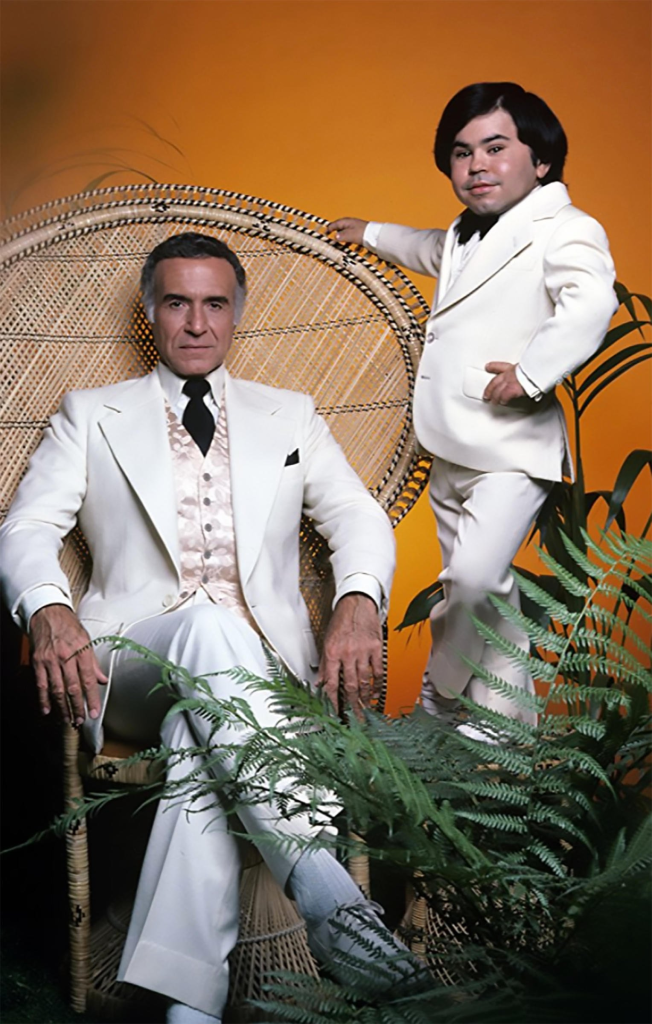
This month our theme is Casting Celebrities. We are looking at a few shows that relied on a cast of famous stars for their weekly episodes. The world of island drama with Mr. Roarke and Tattoo was on television from 1977 to 1984 on Fantasy Island. Ricardo Montalban was Mr. Roarke and Herve Villechaize was his assistant Tattoo.

Instead of a vacation cruise, guests paid to travel to the island for their fantasy of choice.

Before airing as a regular series, the plot was developed for two made-for-tv movies in 1977 and 1978. The show was put on the fall schedule in 1978. All we knew about the island is that it was a mysterious place located somewhere near Devil’s Island in the Atlantic Ocean. (Most descriptions locate it in the Pacific Ocean but the show references being near Devil’s Island which is in the Atlantic.)

Even if you did not watch the show, you probably quoted Tattoo’s weekly comment, “De plane! De plane!” which is what he shouted when he rang the bell to indicate that the guests arrived. In 1981 Wendy Schaal joined the cast as Roarke’s assistant Julie, and we later learned she was his goddaughter. Villechaize was replaced in the fifth season by Lawrence (Christopher Hewett from Mr. Belvedere) who took on the role of an English butler type of character. Apparently Villechaize caused problems for the producers. He continually propositioned women and quarrelled with the staff. When he demanded the same salary as Montalban, he was fired.

📷imdb.com

Once the guests departed the plane, Roarke gathered them around and explained to his assistant what the nature of their fantasy was. He then lifted his glass and said, “My dear guests, I am Mr. Roarke, your host. Welcome to Fantasy Island.”

The writers were a bit secretive about Roarke’s age. Some episodes mention he was friends with Helen of Troy and Cleopatra; others discuss the fact that he knew mermaids, ghosts, genies and even the devil (played by Roddy McDowall).

Most of the time, the guests’ fantasies did not work out quite the way they had planned. Roarke tried to use this as a life lesson. However, Roarke did make it clear that he had no way of interfering in a fantasy once it began, and the guests had to finish out the story.

According to the first television movie, guests paid $50,000 to live out their fantasy which would be about $175,000 today. Somehow a few people who were not well off won trips or Roarke accepted much less money, even $10, from one young girl.

📷womensworld.com

The plots of these fantasies varied quite a bit. Sometimes, someone was reunited with an old love. Sometimes they tracked down someone who had hurt, or even killed, a family member. Some had a tinge or more of supernatural elements.

The executive producer was Aaron Spelling. Spelling related a story that he and Leonard Goldberg were pitching some series ideas to ABC’s Brandon Stoddard. When he rejected all their ideas, a frustrated Spelling said, “What do you want? An island that people can go to for all their sexual fantasies will be realized?” Stoddard surprised them by saying yes.

The show was aired Saturday nights after The Love Boat for its entire run another Spelling show, which we’ll talk about next week.

📷giggster.com

Despite the exotic location, most of the series was filmed in Burbank, California.

The theme song behind the show was composed by Laurence Rosenthal.

The part of Roarke was first offered to Orson Wells, but Spelling put the kibosh on that because he knew Wells could be temperamental.

Like Love American Style, rather than each episode having a title, each individual fantasy story had its own title, which made for a lot of confusion.

📷dailymail.com

Unfortunately, the show doesn’t hold up as well today as Love American Style or The Love Boat. It screams 1980s with the fashions and content echoing other shows of the era like Dynasty. Often lines were insensitive to specific people groups and cultural standards.

If I had to rate the four shows we are learning about this month, I have to admit that Fantasy Island would be the last one I would opt for. But if you have never seen the show, you should check out at least a couple episodes.

Dr. Kildare: The “Perfect” Doctor

Photo: collectors.com

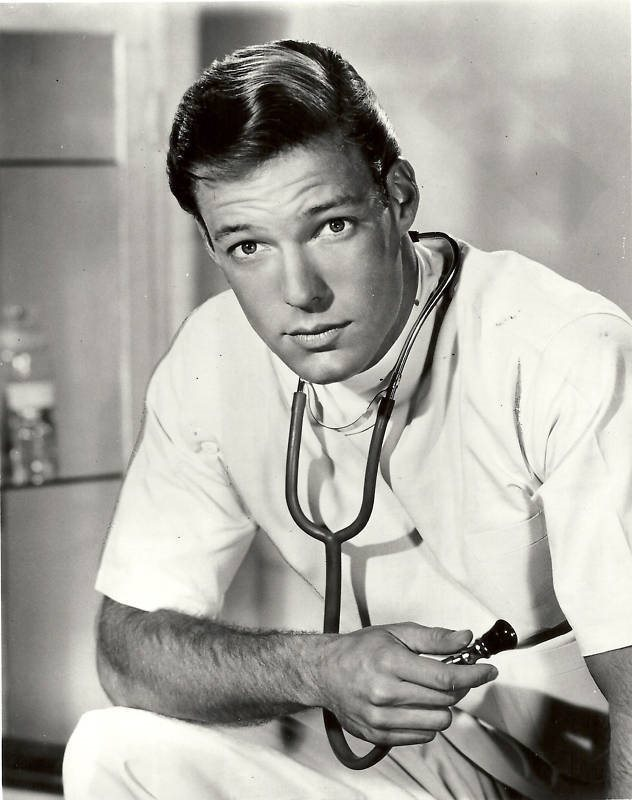
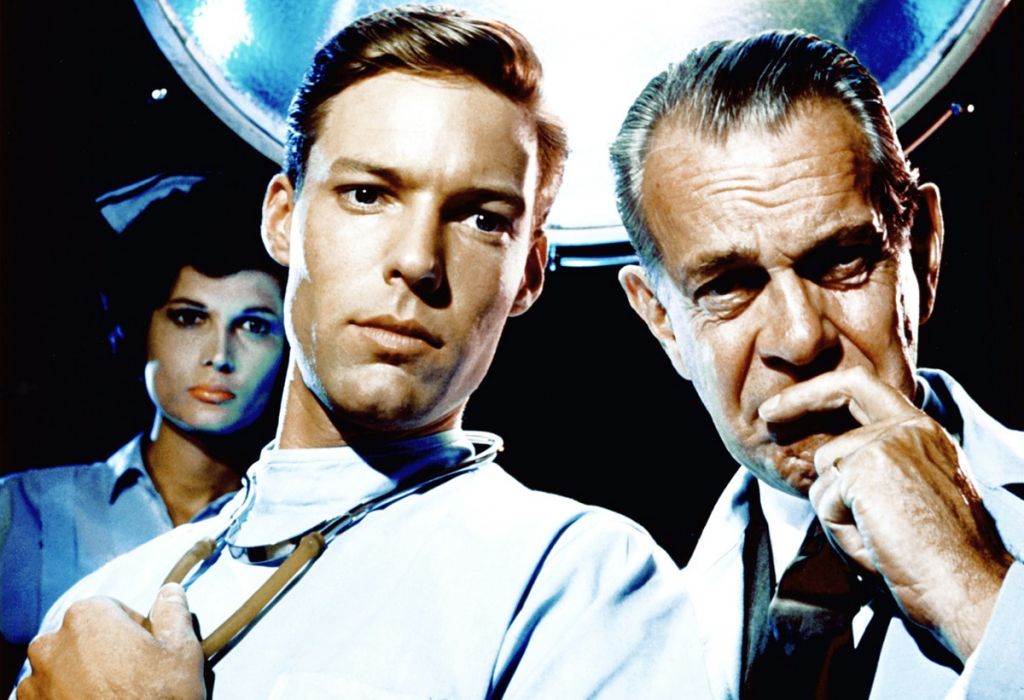
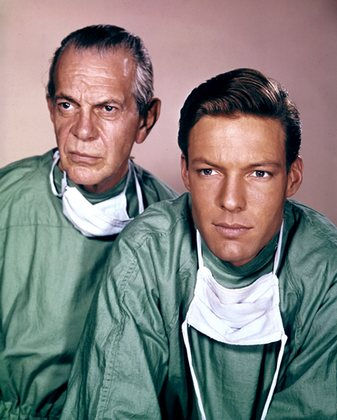
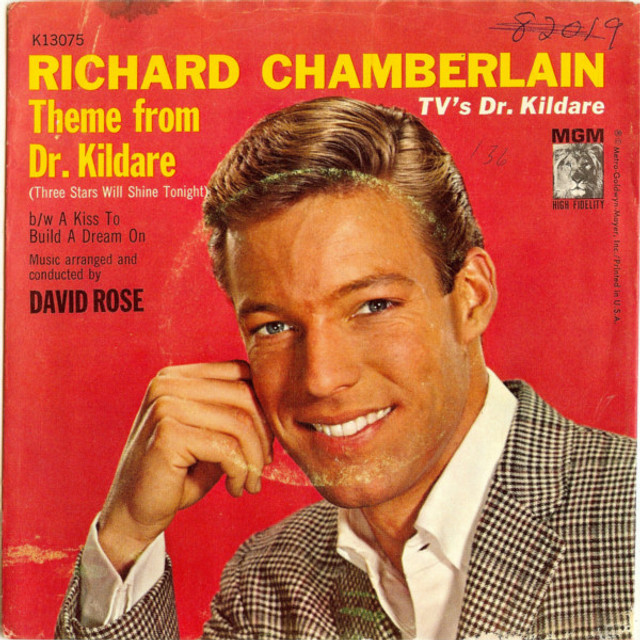
This month we are checking out a few favorites in a blog series: “Examining Our Favorite Medical Shows.” Last week we learned a bit about Ben Casey. Today we are looking at a similar show to Ben Casey, although in many ways it was very different: Dr. Kildare.  Dr. Kildare was also on the air from 1961-66. MGM produced this show created by Max Brand in the 1930s. The show had previously been a movie and a radio series. Unlike Ben Casey who seemed to argue with everyone, Dr. Kildare (Richard Chamberlain) was a respectful intern at Blair General Hospital. He wants to help his patients and listens to his mentor, Dr. Leonard Gillespie (Raymond Massey). In season three, Kildare became a resident, and the episodes focused more on the stories about the patients.

In 1960 a pilot was filmed with Joseph Cronin in the Kildare role and Lew Ayres as Gillespie which did not sell. The role of Kildare was offered to William Shatner and James Franciscus who both turned it down. In 1961, a new pilot was produced with Chamberlin and Massey. One of the reasons Massey accepted the role is because he was certain the show would only last one season, and he wanted to continue with his movie career. The popularity of the show put his film career on hold for five years.

Photo: medium.com

Other cast members who appeared on the show included Dr. John Kapish (Ken Berry), Nurse Fain (Jean Inness), Dr. Agurski (Eddie Ryder), Dr. Gerson (Jud Taylor), Dr. Lowry (Steve Bell) Nurse Conant (Jo Helton), and Nurse Lawton (Lee Kurty).

The guest stars on this show were amazing. I feel like this should be read in auctioneer mode but here goes: Eddie Albert, Jack Albertson, Fred Astaire, Ed Asner, Lauren Bacall, Ed Begley, Joan Blondell, Tom Bosley, Beau Bridges, Charles Bronson, James Caan, Robert Culp, Ossie Davis, Ruby Dee, Angie Dickinson, Olympia Dukakis, Barbara Eden, Linda Evans, Douglas Fairbanks Jr., Peter Falk, Beverly Garland, Ron Howard, Kim Hunter, Celeste Holm, Carolyn Jones, James Earl Jones, Brian Keith, Ted Knight, Harvey Korman, Cloris Leachman, Jack Lord, Walter Matthau, Gavin McLeod, Ricardo Montalban, Harry Morgan, Jack Nicholson, Leonard Nimoy, Carroll O’Connor, Suzanne Pleshette, Basil Rathbone, Robert Redford, Robert Reed, Cesar Romero, Gena Rowlands, William Shatner, Jean Stapleton, Gloria Swanson, Rip Torn, Sam Waterston, Dennis Weaver, and Robert Young. For a show that was only on five years, it was an impressive guest cast.

Photo: imdb.com

To add more realism to the show, writer E. Jack Neuman spent several months working with interns in a large hospital. Technical advice was provided by the American Medical Association.

The show was realistic in portraying all the drama that is truly found in a city hospital. The plots involved a lot of medical and social issues including smallpox, physician competency, drug addiction, malpractice, and euthanasia. Neuman definitely captured what life in a large, city hospital was like. Kildare makes about $60 a month, or $500 in today’s terms, works long hours, rotates through the various medical departments and has senior physicians overrule his diagnoses.

Just like Ben Casey, the first seasons produced stand-alone episodes and after the success of Peyton Place, storylines carried over from one show to another to entice the audience to tune in again the next week.

The theme music for the series was composed by Jerry Goldsmith. A CD set was released in 2009 which included the theme, the original music from the 1960 pilot, Richard Chamberlain’s recording of “Three Stars Will Shine Tonight,” and musical scores from the five seasons by Hurr Sukman, Richard Markowitz, Morton Stevens, Lalo Schifrin, John Green, and Burt Bacharach.

Airing on Thursday nights, the show was in the top ten during season one and the top twenty for seasons two and three. The show received about 12000 fan letters weekly, and, in addition, Chamberlain received letters personally asking for medical advice.

The network moved the show to Tuesday nights against Red Skelton and McHale’s Navy for season five and the viewers did not follow. The ratings declined, and the show was canceled.

This show really changed Chamberlain’s career. He had always been a small-role guy before this show, but he suddenly became a teen idol. He received more than 35,000 fan letters a month. Onscreen the idealistic Kildare and the wise, sometimes cantankerous, Gillespie don’t always agree but they had great chemistry on the set and apparently off the set as well. Unlike Ben Casey, the cast on this show did get along and Chamberlain mentioned that he always enjoyed working with Massey.

Richard said he grew up in a family where they all pretended to be perfect. So, he went through life trying to be perfect too. He said that philosophy did not work well for his life, but it did work well for Dr. Kildare.

Following the show he would take a turn on Broadway, in big-screen movies, and back on television where he specialized in mini-series like Shogun and The Thorn Birds, both in the 1980s.

One fact I found interesting was that the DVD release of the show included a never-aired pilot from a different medical show, The Eleventh Hour in 1962. The episode originally was written for Dr. Kildare. Drs. Kildare and Gillespie assist Dr. Bassett (Wendell Corey), a psychiatrist diagnosing one of his patients Ann (Vera Miles). Instead of airing on Dr. Kildare, Chamberlain and Massey were cut out of the film and it was submitted as a pilot for the show, with the title “Ann Costigan: a Duel on a Field of White.”

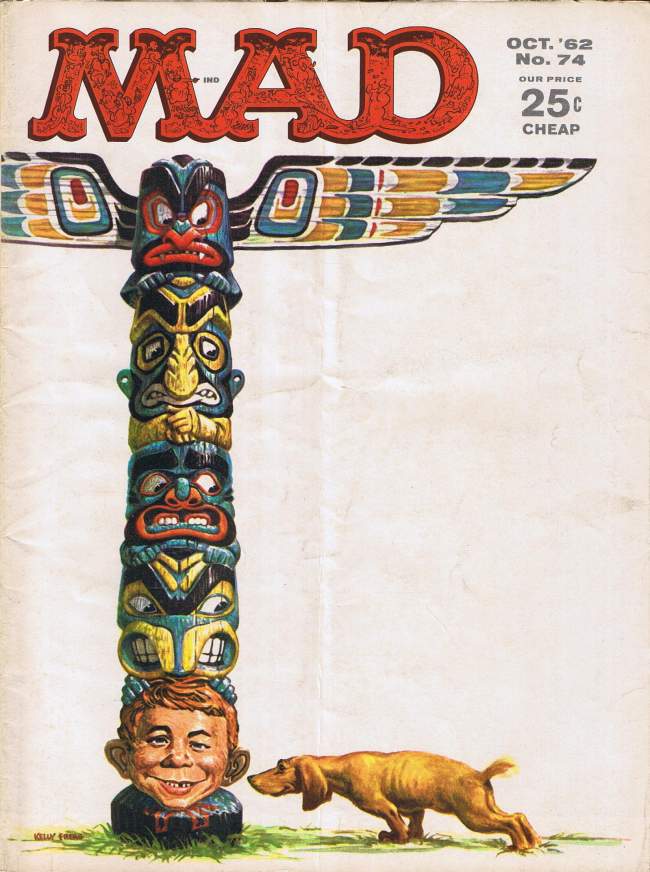
Even Mad Magazine got on the Kildare bandwagon. The 1962, #74 issue, featured “Dr. Killjoy,” a parody of the show.

Everyone seemed to like this show. Then again, what is not to like? You have a handsome doctor, exhilarating drama, a fun guest star every week, and realistic stories. The show would go on to inspire the talents behind a variety of medical series including Marcus Welby MD, ER, House, and Grey’s Anatomy.

The Man From UNCLE: What Happens When James Bond Comes Out of the Cold and Into TV

We are in the midst of our Murder, Mystery, and Mayhem series this month. In the mid-1960s, westerns were still the most popular show on television with rural sitcoms coming on the scene. Crime shows still had their fair share of air time, but spy shows were non-existent. With the end of the Cold War, Bond movies, and books like The Spy Who Came in From the Cold, these types of thrillers were bound to hit the small screen. From 1964-1968, The Man from UNCLE took us behind the scenes to observe the dangerous life of special agents.

Photo: booktrib.com

Beginning on Tuesday nights on NBC, the show was produced by Metro Goldwyn Mayer. The creator, Norman Felton, asked Ian Fleming to act as a consultant. (Some sources list Felton as the sole creator; some credit Sam Rolfe as a co-creator.) The book The James Bond Films mentions that Fleming suggested two characters: Napoleon Solo and April Dancer. Napoleon Solo became one of the main characters on The Man from UNCLE, and we will learn more about April Dancer later. Solo was also a villain in the movie Goldfinger. Originally titled “Solo,image of ” the popularity of the film led to a title change in the television show to The Man from Uncle.

Photo: filmandfurniture.com

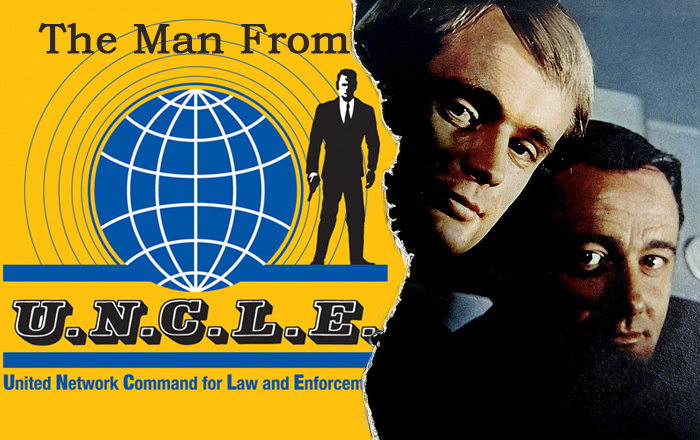
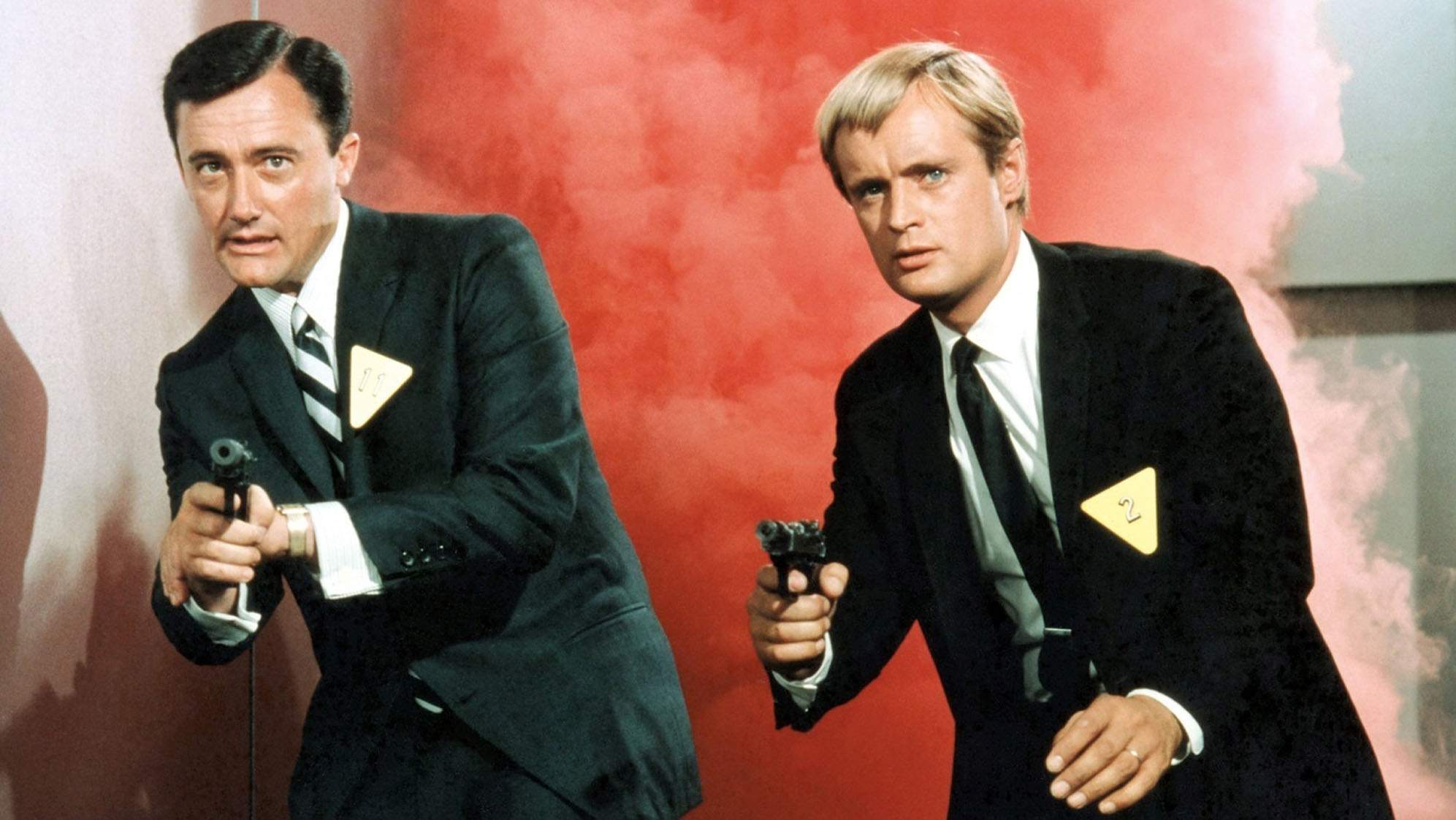
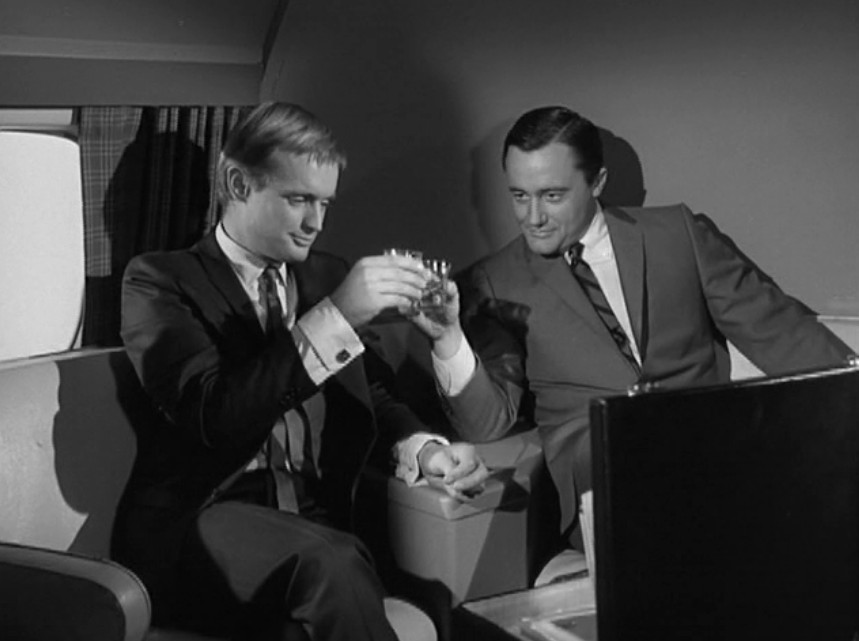
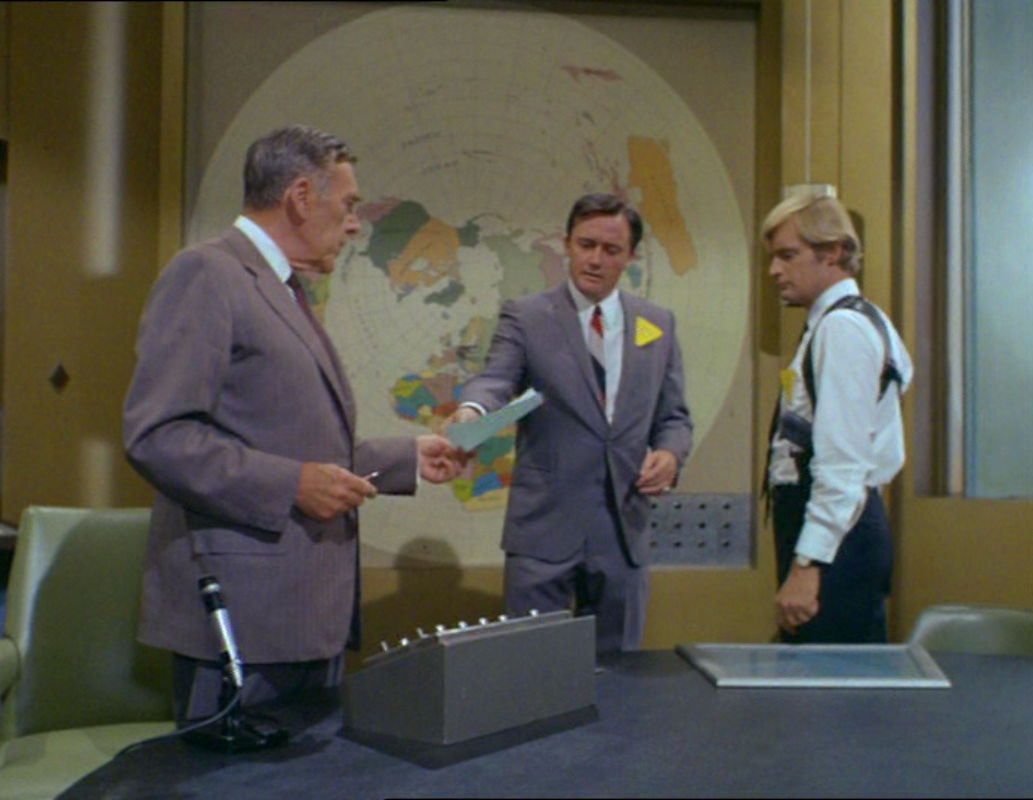
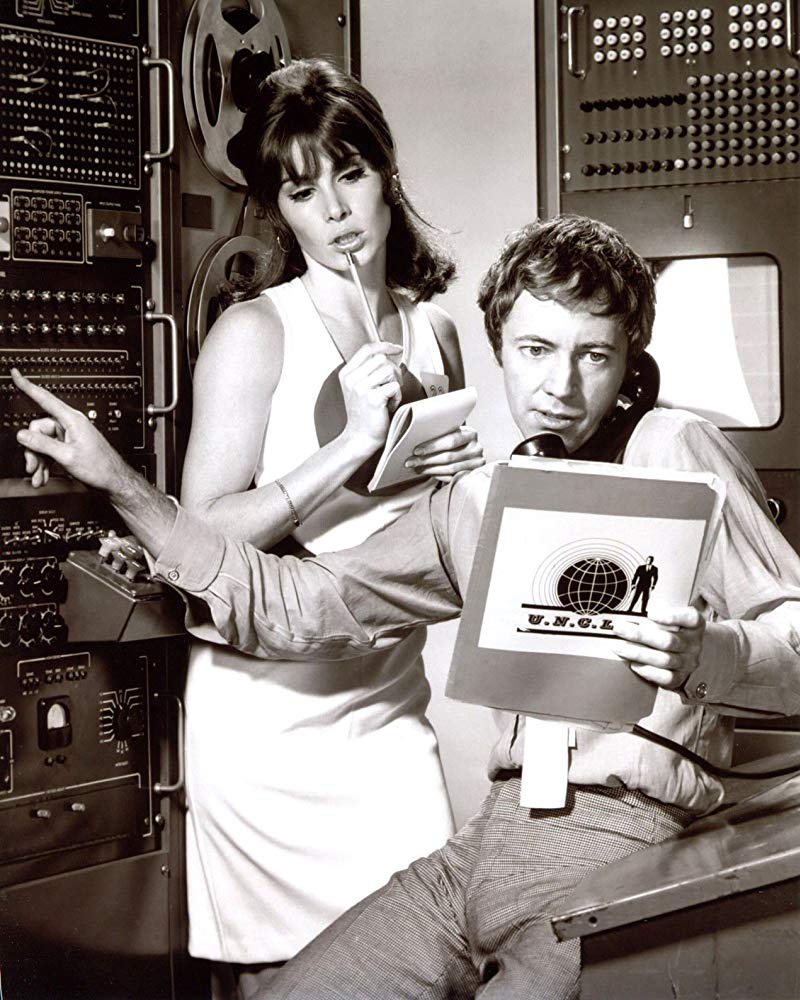
Solo (Robert Vaughn), being an American, was set up in a partnership with a Russian, Illya Kuryakin (David McCallum). The duo would take on multinational secret intelligence work under UNCLE, The United Network Command for Law and Enforcement. They sometimes worked with Alexander Waverly (Leo G. Carroll) who headed up an English organization. They frequently went up against THRUSH. We never learned who was part of THRUSH or what their goals were, apart from taking over the world of, course.

Photo: ebay.com
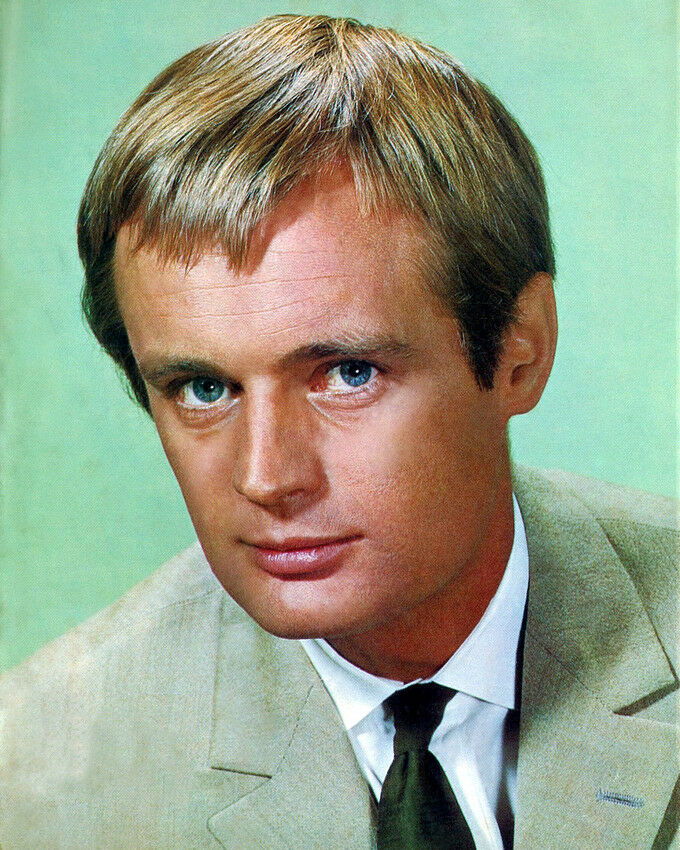
David McCallum

Solo was supposed to be the typical ladies’ man, with Kuryakin being the intelligent, funny, and loyal partner, but McCallum turned into an instant celebrity. Hysterical fans attended promotional appearances and magazines gave he and his wife Jill Ireland little peace and quiet. One article I read discussed an incident in Baton Rouge, LA when McCallum was locked in a bathroom so the police could clear out the screaming women. When he was supposed to do a spot in a Macy’s store in New York, police had to disperse 15,000 screaming women who made it too dangerous for him to appear and did “a colossal amount of damage” to the store.

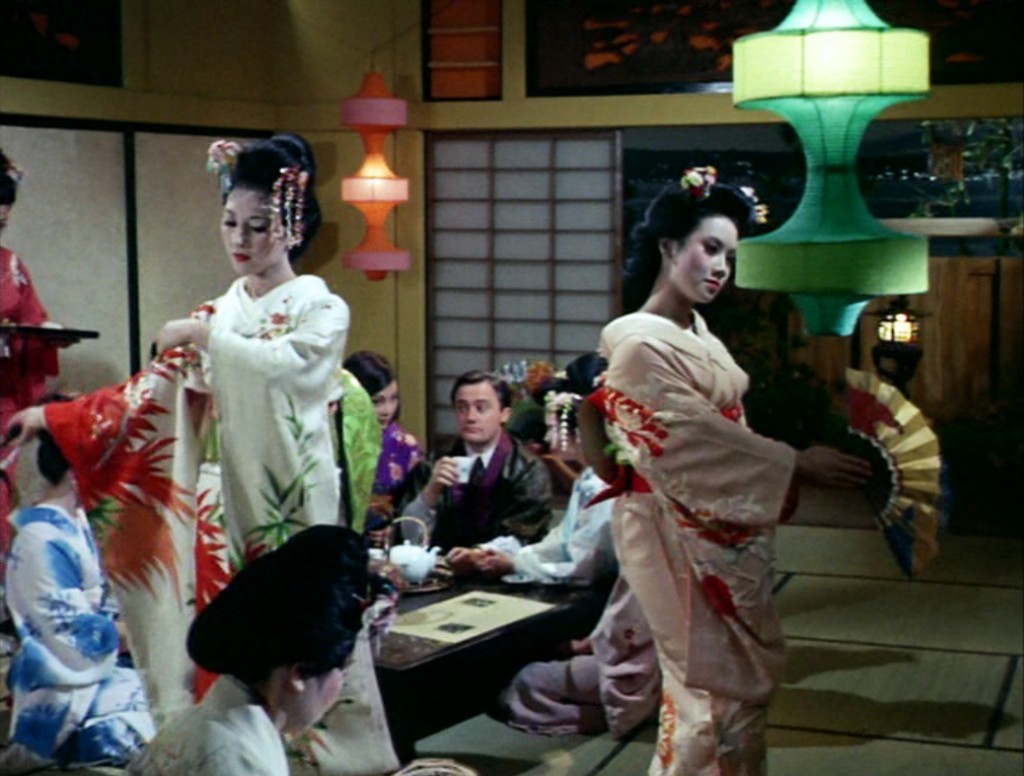
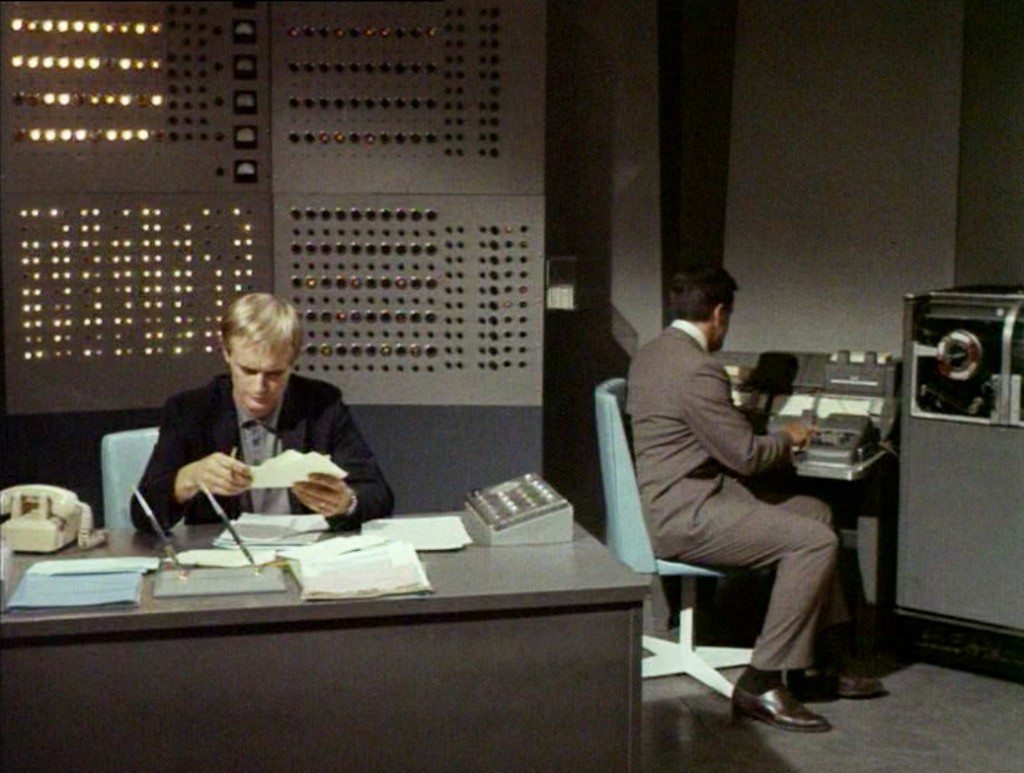
Solo and Kuryakin accessed their secret headquarters through a tailor’s shop, Del Floria’s.

Photo: filmandfurniture.com

In an interesting twist, the creators decided to feature an “innocent character,”–a Joe Doe or Jane Smith who the viewers could identify with—in every episode.

The theme music was created by Jerry Goldsmith, changing slightly each season as new composers came on board, eight in all.

Photo: imdb.com

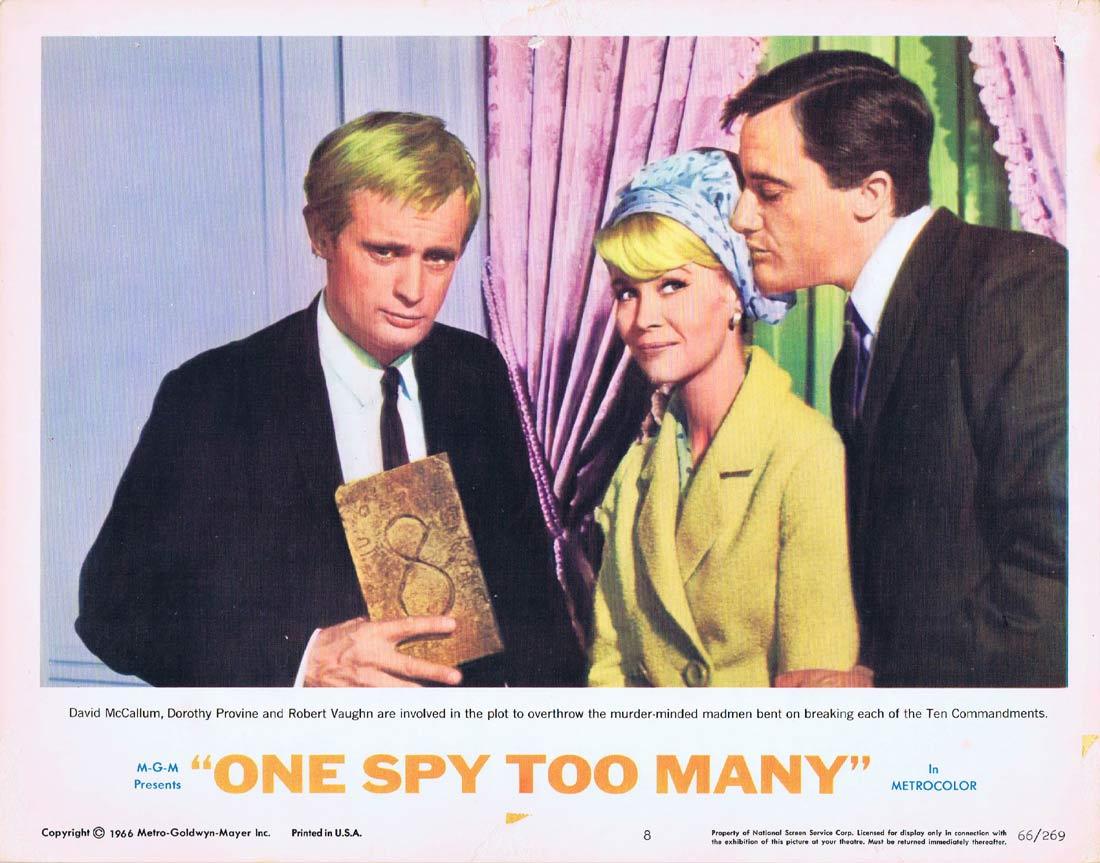
With the exception of one show, the episodes were titled “The ______ Affair.” Every year at least one two-part show was aired. The pair of shows became theatrical films released in Europe. Additional footage was added to the movies. Some of these films were later seen on American television and include To Trap a Spy (1964), The Spy with My Face (1965), One Spy Too Many (1966), The Spy in the Green Hat (1967), and How to Steal the World (1968), among others.

Photo: imdb.com

Although stuntmen were hired for the two leads, they also did their own stunts. Typically, the actor and stuntman did each stunt, and the final version combined the best of them. However, McCallum tried to avoid heights, and Vaughn disliked water scenes.

Like Get Smart, the recurring characters were a small group, and guest stars were necessary for each episode. Both high-profile and up-and-coming actors were eager to appear on the show. William Shatner and Leonard Nimoy can be seen together in “The Project Strigas Affair” two years before they starred on Star Trek. Other actors who appeared include Judy Carne, Joan Collins, Yvonne Craig, Broderick Crawford, Robert Culp, Chad Everett, Barbara Feldon, Anne Francis, Werner Klemperer, Janet Leigh, June Lockhart, Jack Lord, Ricardo Montalban, Leslie Nielsen, Carroll O’Connor, Vincent Price, Cesar Romero, Kurt Russell, Sonny and Cher, and Telly Savalas.

Photo: theunclefiles.com

Of course, spies need technological gadgets to get a leg up on the competition. Some of their communication devices included a security badge and a business card. They could also communicate with a portable satellite disguised as a cigarette case or fountain pen.

Like all good crime fighters, the duo needed a car, and theirs was a Piranha Coupe, based on the Chevrolet Corvair.

Photo: tvguide.com

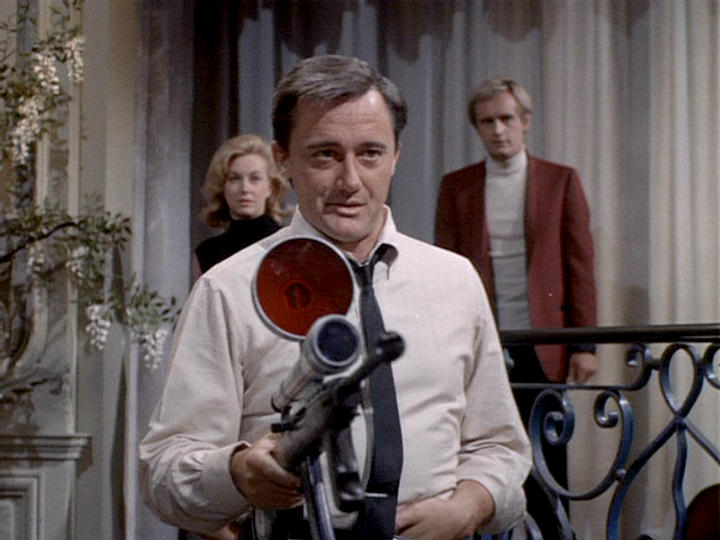
Weapons were also a necessity in their line of work. The UNCLE Special was a semi-automatic weapon which was useful except at night when THRUSH had access to a “sniperscope” which allowed the villains to shoot in total darkness.

The gadgets, props, and clothing for the show were so popular that they are exhibited in the Ronald Reagan Presidential Library. The CIA also exhibits some of the show’s items.

Season 1 was a great success even though partway through the season, the show moved from Tuesdays to Mondays. With season 2 came more “tongue-in-cheek” dialogue, and the series switched from black and white to full color. Athough the show was moved to Friday nights, its popularity continued.

Photo: mtv.com

Season 3 added a campy element, a la the Batman and The Monkees craze, against the stars’ wishes. The ratings decreased and the show never attained the same quality and ratings again. It was renewed for a fourth season but cancelled partway through when there was no increase in viewership.

Although the show was only extremely popular for two years, it garnered eight Emmy nominations and five Golden Globe nominations, including a win for David McCallum as best star in 1966.

Photo: filmandfurniture.com

Of course, like all popular shows from the 1960s, a tv movie was made a few years later and a big-screen remake came decades later.

The Return of the Man from UNCLE: The Fifteen Years Later Affair was seen on CBS, not NBC, in 1983 with both Vaughn and McCallum reprising their roles. At the beginning of the movie, we learn that although THRUSH was obliterated with the arrest of its leader, he has now escaped from prison. Rather than stick with the chemistry of the two leads, the tv movie pairs each lead with a younger agent.

In 2015, Guy Ritchie’s big-screen The Man from UNCLE was set in the 1960s featuring Solo (Henry Cavill), Kuryakin (Armie Hammer), and Gaby Teller (Alicia Vikander). The trio must work together in a joint mission to stop an evil organization from using Gaby’s father’s expertise in science to build a nuclear bomb. All the while, they don’t totally trust each other, and secretly put their own country’s agendas first. As far as reboots go, the film was actually a good rendition of the original show.

Photo: worthpoint.com

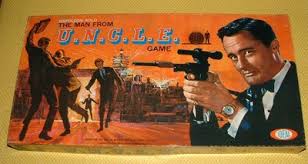
Of course, there was no limit to the merchandising in connection with the show. Several comic books based on the series were published, as well as two dozen novels. In addition to membership cards, viewers could show their love

for the show with board games, action figures, model kits, lunch boxes, and toy guns.

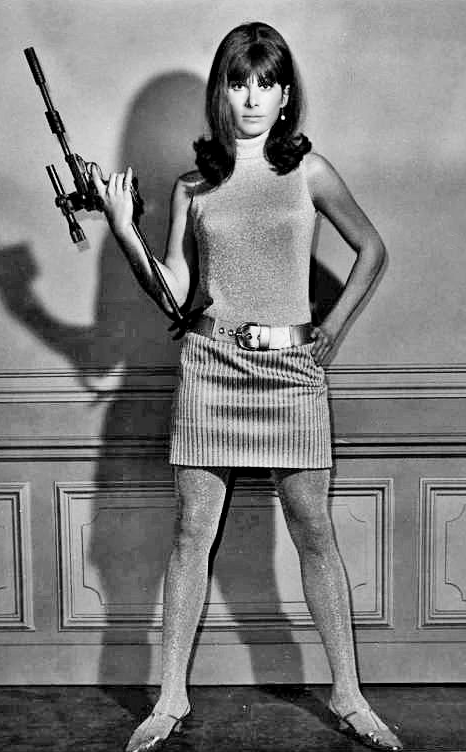
I did promise to get back to April Dancer. Halfway through The Man from UNCLE series, the network released a spin-off, The Girl from UNCLE starring Stefanie Powers as April Dancer. Not as popular as the original, it was cancelled after one season.

Photo: sixtiescity.net

Dancer works with British agent Mark Slate (Noel Harrison). Leo G. Carroll appeared as Mr. Waverly in this series also. Luckily Powers was fluent in several languages, because Dancer often went undercover with a foreign accent.

Photo: business.facebook.com

Unfortunately, Dancer reeled in the bad guys, but Slate was the one who got to kill them. However, April did get some cool gadgets such as a perfume atomizer that sprayed gas and exploding jewelry.

This show also used Goldsmith’s theme music in an arrangement by Dave Grusin.

Both The Girl from UNCLE and The Man from UNCLE are available on DVD.

Although The Man from UNCLE was only hugely popular for two years and The Girl from UNCLE never attained a fan base, the shows ’ concept spawned a huge pop culture obsession. At one point, more than 10,000 letters a week were delivered to the network. The show sparked an interest in spy shows that would pave the way for future shows such as Mission Impossible; The Wild, Wild West; I Spy; and Get Smart. Like The Man from UNCLE, each of these shows would result in reboot big-screen movies in later decades, as well as a large output of memorabilia.

Photo: oldies.com

It’s interesting that this show feels dated now with the current technology, yet Get Smart continues to be a hit. I think the humor and campiness of Get Smart keeps it relevant which is ironic, because that is what basically brought about the end of The Man from UNCLE. Despite its current non-relevancy, it was an important part of pop culture and deserves to be celebrated for its cult status in the mid-sixties and the realistic portrayal of spies to generations of viewers.