Sylvia Field: What a Character

We are in the middle of our blog series for November, “What a Character!” Today we get to meet the delightful Sylvia Field.

Born Harriet Louisa Johnson in 1901 in Allston, Massachusetts, Field always knew she wanted to act. When she was ten, she saw Maude Adams in “Peter Pan,” and she decided that would be her career as well. After being diagnosed with diphtheria, she was not allowed to attend school for a while. So, when she was feeling better, she ventured down the street to a motion picture company that was filming movies. She was allowed to join the cast and became the “leading lady of the extras.”  

📷facebook.com

Eventually she decided to move to New York. At only 17, she made her Broadway debut in “The Betrothal.” She never did go back to school.

📷wikipedia.com 1927 Broadway shot

A decade later she got her first shot at the big screen in The Home Girl. She was signed by Fox Studios in 1939. Her last acting credit was also for a film, The Cruz Brothers and Miss Malloy in 1980. While she fit a few movies in her career, most of her appearances were on television.

After she began her film career, she married Robert Frowhlich in 1924; they were only married five years. In 1930 she tried marriage again with Harold Moffat; he passed away eight years later. In 1941 she married Ernest Truex, and they remained together until his death in 1973.

Truex had an interesting background. He was born in Kansas where his father was a doctor. In exchange for medical services, one of his father’s patients gave Ernest acting lessons. Ernest performed Shakespeare as a five-year-old child, and was given the nickname, “The Youngest Hamlet.” As a nine-year-old, he and his mother toured the country while he performed. Before he was a decade old, he was in his first Broadway show with Lillian Russell.
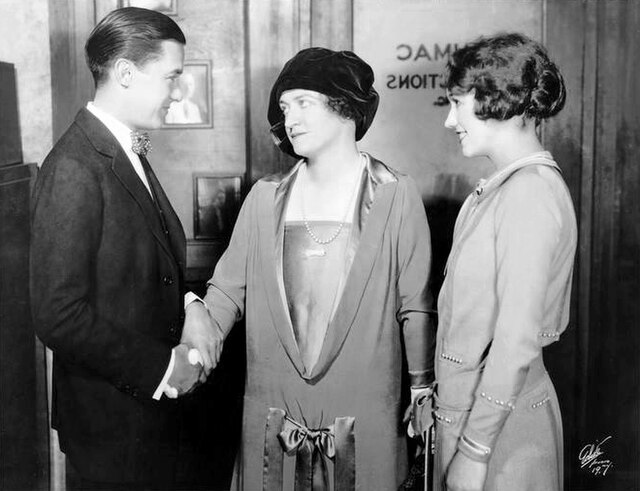
📷wikipedia. The Butter and Egg Man by George Kaufman

In the movies he played the quiet, ineffectual boss. Like Field, he was also a regular cast member in three shows. His were Jamie, Mister Peeper, and The Ann Sothern Show.

Field and Truex traveled around the country in plays together before starring in a local New York series featuring members of their family. The couple had a blended family with Field’s daughter Sally Moffat and Truex’s three sons. All four of the kids became actors. I’m guessing it was like The Adventures of Ozzie and Harriet. The show was on the air for three years before Truex and Field decided to move to California.

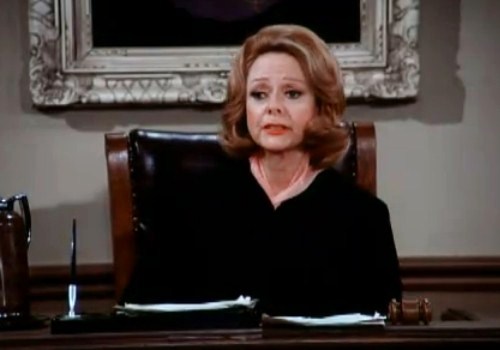
Sylvia’s first television appearance was on the Chevrolet Tele-Theater in 1948. She continued accepting roles on many of the drama shows through the mid-fifties. In 1952 she got her first cast role as Mrs. Remington on Mister Peepers. Ernest Truex was also part of the cast, playing Mr. Remington. They played the parents of Nancy, the school nurse, Mister Peepers’ fiancé. (Field and Truex would work together again on a 1966 episode of Petticoat Junction, “Young Love,” as well as in The Ann Sothern Show.)

📷who’sdatedwho.com Field and Truex

After Mister Peepers was canceled, she accepted a few spots on current shows including The Ann Sothern Show, Father Knows Best, Perry Mason, and The Thin Man.

In 1958 Sylvia received another cast offer to become Aunt Lila on both Annette and The Mickey Mouse Club. These shows shared cast members, so if you were cast on one of them, it was a buy one, get one deal.

Aunt Lila only lasted a year, which was a good thing, because Field was free to accept the role of Martha Wilson on Dennis the Menace, beginning in 1959. She defended Dennis to her husband George for almost four seasons.

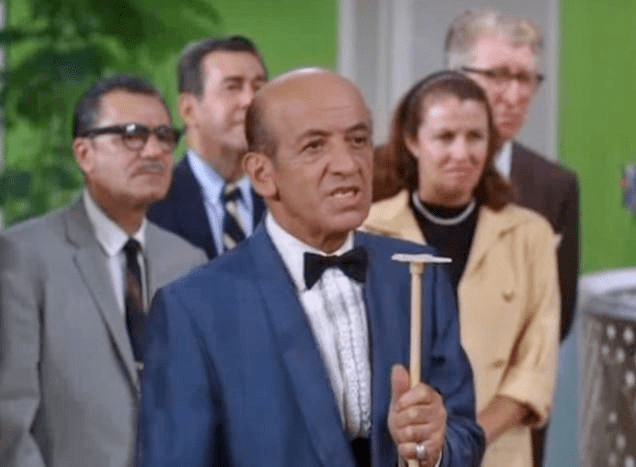
Before the 1962 season, her tv husband Joseph Kearns passed away. For the season, Gale Gordon was brought in as George’s brother John, who was staying with Martha while George was away on personal business. However, the next year, Field was written out of the show, and John’s wife Eloise took her place, played by Sara Seegar. John and his wife bought the house from George and Martha, and no explanation was given to why they moved away. Sylvia and Jay North, who played Dennis, remained friends for the rest of her life.

📷WPRI.com Field, North, and Kearns

For the rest of her career, she would show up on television shows including Hazel, Occasional Wife, and Lassie. After Truex’s death, Sylvia accepted a couple of roles but spent much of her time fishing, golfing, watching baseball, and taking care of her avocado orchard. Eventually she had to move to a nursing home where she passed away in 1998.

I always enjoyed Martha Wilson. She and George took on the role of Dennis’s pseudo grandparents. While George was gruff, everyone knew he loved Dennis. Martha was more affectionate and always waiting with cookies, ready to hear about his latest exploits. Field seemed to have a great life. She had a prolific career and then was able to enjoy retirement which so many actors find impossible to do.

Burt Mustin: What a Character

This month we are looking at some of our favorite character actors. As we wrap up the series, we are ending on a high note with the amazing Burt Mustin. Like Charles Lane, Mustin had a prolific career in Hollywood and television. However, unlike Lane, Mustin was offered his first acting job at age 67 after he had retired.

📷Widener University Archives

Mustin was born in Pittsburgh in 1884. His father was a stockbroker. After high school, Mustin enrolled in the Pennsylvania Military College (now Widener University) with a degree in civil engineering. During his college career he played trombone in the band and played goalie for his hockey team.

After graduation, Mustin toured Europe, planning to work at his father’s brokerage firm. However, a financial panic destroyed the company.

One of Burt’s university classmates was Charles Spinney. According to Burt, Spinney displayed lots of photographs of young ladies from his hometown of Memphis, Tennessee. One day, he was showing them to Burt when he spotted the photo of what he referred to as “the prettiest girl in the room.” Mustin traveled to Memphis to meet her and in 1915 he married Frances Robina Woods. The couple had no children and remained together for their entire lives, with Frances passing away in 1969.

📷imdb.com

After working as an engineer for a few years, Mustin decided to try to sell automobiles. In an interview, Mustin admitted, “I was the worst engineer the school turned out.” He began selling Oakland Sensible Sixes and later Franklins, Lincolns, and Mercurys. WWII put an end to car sales for a few years, so Mustin began working for the Better Business Bureau and then the Chamber of Commerce. He stayed in Pittsburgh until he retired.

He did a bit of amateur acting and continued his passion for music. He was part of the oldest Gilbert and Sullivan troupe in the country, the Pittsburgh Savoyards; the Pittsburgh Opera; and an officer in the Society for the Preservation and Encouragement of Barbershop Quartet Singing in America. 

He was a founding member of the Pittsburgh Lions Club in 1921 and a life member in the Fellows Club of Pittsburgh. Mustin served as an announcer for the first weekly variety show on radio station KDKA.

📷that’sentertainment.com

After retiring, Mustin and his wife moved to Tucson, Arizona for her health where he continued acting. William Wyler saw him in a stage production of “Detective Story” and told Mustin to let him know if he ever wanted to pursue a film career. When Wyler was casting for Detective Story in 1951, Mustin reached out to him. The couple later moved to Los Angeles. Mustin would appear in 67 films overall.

In 1968 Mustin was cast in Speedway with Elvis and Nancy Sinatra. In one scene the stars have a lover’s quarrel in a coffee shop. When they make up, Elvis sings a song for his girl. Mustin is in the background cleaning the café and working at the counter. The producers felt the scene needed something else. That something else ended up being Mustin singing and dancing with a mop. No one on the set realized that Burt could sing before that adlibbed scene.

1951 was also the year that Mustin appeared on television in The Adventures of Kit Carson. He would find a new career in television for the next two decades, appearing in more than 130 series (which would equal more than 400 actual episodes).

📷imdb.com

During the fifties, he would be attracted to many westerns and dramas; however, he found his way onto a few comedies including The Great Gildersleeve, December Bride, and Our Miss Brooks.

If I listed half of the 1960s shows he appeared on, you would still be reading this blog next Monday when my new one is dropped. Take my word for it that he was on almost every popular sixties’ sitcom, including 14 episodes as Gus the fireman on Leave it to Beaver. Other sixties hits you can find him on include The Many Loves of Dobie Gillis, The Dick Van Dyke Show, The Joey Bishop Show, The Jack Benny Show, The Beverly Hillbillies, Get Smart, The Andy Griffith Show, The Lucy Show, Bewitched, Gomer Pyle USMC, Petticoat Junction, and My Three Sons, not to mention many dramas and westerns including Bonanza and Gunsmoke. He was no less busy in the seventies where we could catch him in Marcus Welby, The Mary Tyler Moore Show, The Brady Bunch, Love American Style, Adam-12, All in the Family, and Phyllis.

📷imdb.com

Johnny Carson loved having Mustin on The Tonight Show, where he was a fan favorite. He shared a lot of fun stories on the show. One of them was about him being at the first World Series for baseball in 1903 when the Pittsburgh Pirates played the Boston Red Sox. Unfortunately for Burt, Boston came back to win the series, but as a bonus he did get to see Honus Wagner play on the diamond.

Mustin passed away eight years after his wife at the age of 92. He left a gift to the college he was loyal to his entire life, enabling Widener University to renovate their theater. It is now named the Burton H. Mustin Theatre and Lecture Hall.

It’s hard to wrap your head around what a busy film and television career Mustin had. He was an actor for the last 25 years of his life, and with 67 movies and more than 400 episodes, that means that he accumulated about 20 credits per year which is almost two a month from age 67 to 92. Talk about an amazing career. Mustin proved that it’s never too late to find your next passion. Thanks for so many great memories Burt Mustin.

The Marilyn Monroe of Television

📷elcinema.com

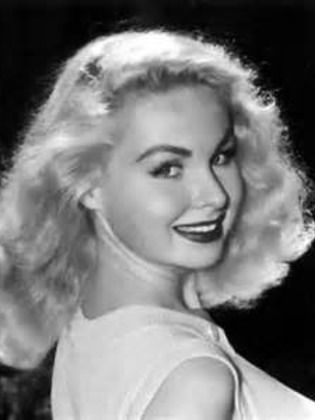
We are winding down our What a Character blog, about character actors in classic television shows. Today we are learning about Joyce Renee Brown, better known as Joi Lansing.

Lansing was born in Utah in 1929. Her father was a shoe salesman and orchestra musician, and her mom was a housewife.

Her parents divorced when she was young, and her stepfather Vernon Loveland adopted her. In 1940, the family moved to Los Angeles. Joi began modeling at 14 and was signed to an MGM contract, attending school at the studio.

Lansing began her film career in 1947, appearing in When a Girl’s Beautiful and Linda Be Good. She had uncredited roles in Easter Parade and Singing in the Rain, among others. Almost half of her 106 acting credits were for shorts and big-screen films.

📷rottentomatoes.com

Her first three marriages lasted less than some of her films. At 17 she was married for less than a year. In 1950 her marriage to Jerome Safron was annulled after four months, and her marriage to Lance Fuller in 1951 ended in divorce in 1953.

Her first television role came in 1952 in Racket Squad. This was a show I had not run across before, but it was on the air for three years. It had a Dragnet-like feel to it with the main character Captain Braddock explaining “What you are about to see is a real-life story, taken from the files of the police racket and bunco squads, business protective associations and similar sources around the country. It is intended to expose the confidence game – the carefully worked-out frauds by which confidence men take more money each year from the American public than all the bank robbers and thugs with their violence.

📷tumblr.com

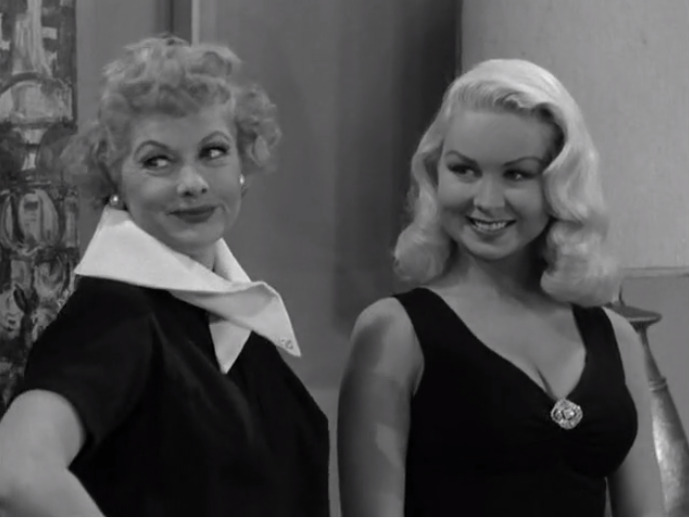
The early fifties kept her busy in drama series. In the the mid-to-late fifties, she appeared on I Love Lucy, The Gale Storm Show, December Bride, Perry Mason, Maverick, The Jack Benny Show, and Richard Diamond, Private Eye.

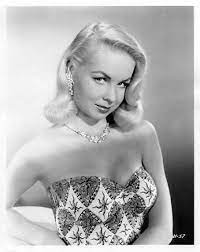
From 1955-59 she had a recurring role on The Bob Cummings Show with 24 appearances as Shirley, a model. While she was attending UCLA, a writer for the show spotted her. After being cast as pinup girls and stereotyped as a beautiful bombshell, this series proved Lansing had acting abilities, and it propelled her to receiving offers for better scripts.

In 1960, Lansing married Stan Todd and they remained married until her death. However, they had been separated for years.

Lansing was also a recording star. In the early sixties, she performed with Xavier Cugat and Les Paul. She recorded several songs during the sixties.

📷wikiwand.com Klondike

The sixties were split between film and television work. She accepted roles on ten shows including Klondike (7 episodes as Goldie), The Untouchables, The Joey Bishop Show, The Adventures of Ozzie and Harriet (12 episodes as various characters), Petticoat Junction, and The Beverly Hillbillies (6 episodes as Gladys Flatt, wife of musician Lester Flatt).

Lansing was in her last movie, Bigfoot, and last television role, The Governor and JJ, in 1970. While on the set of Bigfoot, she met Alexis Hunter who was playing a monkey in the film. Obviously, this was not a film to highlight on the resume. According to Hunter, the two fell in love and were together for three years until Joi’s death. Same-sex relationships were forbidden in Hollywood at the time, so they told people they were sisters. They had similar looks, so they got away with it.

Joi died from breast cancer in 1972 at only 43 years of age. Joi had been diagnosed with both breast and ovarian cancer in 1970 but went into remission. As a disclaimer, Bigfoot was the only acting role Hunter was credited with, and the revelation of her relationship with Lansing was only known from a book that Hunter wrote in 2015. I could not find any other documentation to back up her claim.

📷facebook.com

I am torn about Lansing’s career. She certainly had a successful career on paper, but she never got the break she deserved with the right acting role. Considering that she had 106 credits and passed away at only 43, one has to wonder how many more credits she could have amassed if she had worked for another two decades. I know there is a fine line of Hollywood actresses who might have the looks but not the talent, but for those who have both, Hollywood is not often fair, stereotyping them into “dumb blonde” or “pinup” roles. I had only been familiar with Lansing from The Bob Cummings Show, so it was interesting to learn more about her and her career.

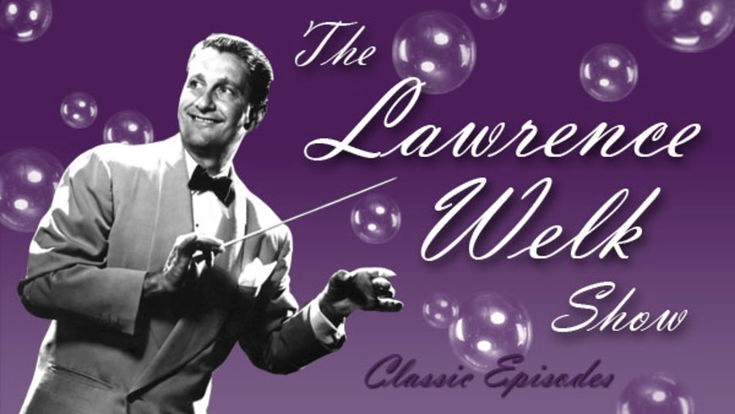
Lawrence Welk: A Bubbly Personality

📷pinterest.com

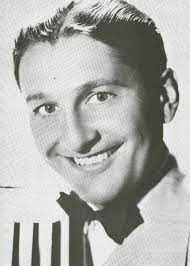
When I started thinking about icons from the 1950s, Lawrence Welk was the first person who came to mind. I was very lucky in having grandmothers that were about 11 years apart in age, and I received different knowledge and experiences from each of them. I always remember one weekend when I was at my maternal grandmother’s house and we watched Ike and Tina Turner in Central Park. Later at my paternal grandmother’s house, we watched The Lawrence Welk Show.

Let’s learn a bit about Lawrence and then take a closer look at his television show. Welk was born in 1903 in North Dakota. His parents settled there after leaving Odessa, part of the Russian Empire, now Ukraine.

The house where Welk grew up is now a tourist attraction. Their life there was not easy. Their first winter was spent living in an upturned wagon covered in sod. Welk quit school in the fourth grade to work on the family farm. The community spoke Russian, and Welk did not learn English very well until he was 21.

Somehow, when he was 17, Lawrence convinced his father to buy him an accordion for $400 (about $5500 today). He later said that he “wanted a good accordion because the reeds kept breaking on those cheap accordions all the time. And I told my father if he would buy me the real good accordion, the best accordion that’s available, I would stay on the farm until I was 21 years of age.”

📷mobituaries.com

After turning 21, Welk performed with a variety of bands in North and South Dakota. In 1927, Welk graduated from the MacPhail School of Music in Minneapolis. He formed an orchestra which became the band for WNAX in Yankton, South Dakota. From 1927-1936, they were on a daily radio show which led to a lot of engagements throughout the Midwest. During the thirties, Welk had a big band that specialized in dance music playing “sweet” music, unlike Benny Goodman who played more rhythmic big bands.

When the band was playing at the William Penn Hotel in Pittsburgh, a dancer referred to their music as “light and bubbly as champagne.” Welk took on the phrase to describe his music for the rest of his career.

In 1931 Welk married Fern Renner; they would remain married until his death.

In the forties, Welk’s band began a ten-year commitment at the Trianon Ballroom in Chicago. It was not unusual to have thousands of people come to watch them play.

In 1941, Decca Records signed Welk. He would later record for Mercury Records and Coral Records before moving to Dot Records in 1959. In 1967, Welk bought back all his masters from Dot and Coral and joined Randy Wood in a new venture, Ranwood Records. In 1979, Welk bought out Wood.

📷pinterest.com

Welk moved to Los Angeles in 1951, so his family could have a stable home life. He produced a show called “The Lawrence Welk Show” on KTLA there which was broadcast from the Aragon Ballroom in Venice Beach. Four years later, ABC moved it to television. For the television show, the crew created a bubble machine to produce large bubbles that floated across the stage. It went through several variations until the soapy film did not land on instruments. Eventually, the machine was just used in the opening and closing of the show.

To appeal to a wider audience, Welk featured current songs as well as big band standards. Welk had a cast of performers who were on the show every week. Myron Floren played the accordion, Dick Kesner played the violin, Buddy Merrill was on guitar, and Pete Fountain took up the clarinet.

Some of those performers talked about their show in a 2021 article, https://www.kxnet.com/news/lawrence-welk-70-years-on-television/

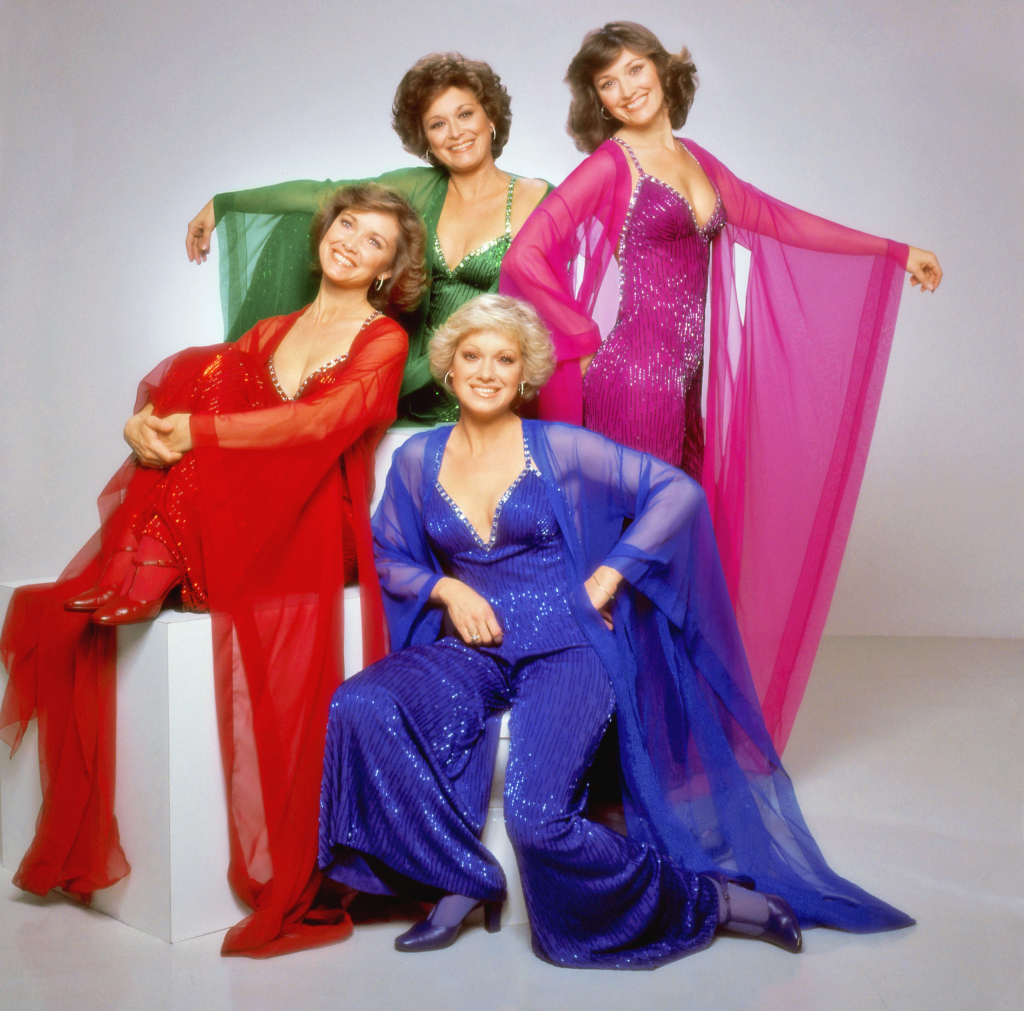
📷womensinternationalmusicnetwork.com The Lennon Sisters

There were a lot of regulars on the show. The Lennon Sisters auditioned at Welk’s home. Kathy Lennon remembered that “Mrs. Welk was there . . . Mr. Welk came out and he indeed was sick. He had on a maroon, satin smoking jacket and velvet slippers. I mean it was like out of a movie somewhere. And he came, sat down on the couch, looked at us, and said, ‘Sing,’ just like that. So, we went over and hit the key on the piano and we sang . . . And he said, ‘Wow. Would you be on my Christmas show?’ And we were on every Saturday night after that for thirteen years.”

Bobby Burgess was one of the original Mouseketeers. He joined the troupe as a dancer in 1961. His dance partners included Barbara Boylan, Elaine Balden, and the one I remember, Cissy King. Burgess said that now he can enjoy watching the show. “I just love to watch the show now, because I was so focused on my dance routines that I never really got to sit down and enjoy it. Now I can turn on the reruns and enjoy Norma Zimmer or [husband and wife] Guy [Hovis] and Ralna [English].”

Ralna English said that “it was all beautiful music, beautiful sets, beautiful costumes and if you didn’t like something, wait a second.”

📷showbizdavid.com Bobby and Cissy

Other well-known performers included Jo Ann Castle, Gail Farrell, Joe Feeney, Larry Hooper, Sandy Griffiths, Mary Lou Metzger, Jimmy Roberts, and Tanya Falan Welk, Lawrence’s daughter-in-law. Norma Zimmer, mentioned above, was the Champagne Lady.

From 1955-1982, the show aired on Saturday nights. Until 1971 it was on ABC, and then the network canceled the show in the famous “rural purge” that got rid of Green Acres and Petticoat Junction, as well as a handful of other shows. Welk put his show into syndication for the next eleven years until his retirement. The show increased in viewership during that decade.

Welk took care of his money and expanded his business career. His company, Teleklew, Inc. invested in music publishing, recordings, and real estate. After the show ended, the corporation was renamed The Welk Group and included the Welk Music Group and the Welk Resort Group.

Lawrence also received four patents, including a musically themed restaurant menu, an accordion tray for serving food, and an accordion ashtray.

In 1992, Welk passed away from pneumonia.

As I mentioned, on Saturday nights, you can still tune in to PBS to catch a glimpse of what this show was all about, and maybe it will bring back some memories of your grandparents.


Virginia Sale: What a Character

We are learning about some of our favorite female character actresses. Today we are learning more about the life of Virginia Sale.

📷champaigncounty
history museum.com

Virginia was born in 1899 in Illinois. Her father Frank was a dentist, and her mother Lillie Belle was a poet and truant officer for the Urbana Illinois School District. After graduation, she attended the University of Illinois for two years and then transferred to the American Academy of Dramatic Arts in New York where she graduated in the early twenties. Her brother Charles was a vaudeville comic, and he persuaded her to go to Hollywood to pursue a film career.

She began her career in Hollywood as an extra. In 1931, she did an interview for the Kansas City Star where she said “I had known an assistant director [named Ned] when I lived in New York. He introduced me to King Vidor, then casting for The Crowd. He gave me quite a good bit in the picture, although it lasted only five days. When asked how much salary I wanted, Ned told me to say $350 a week. ‘Well, I think you ought to work for us for $25 a day’ the casting director said. ‘That’s an awful comedown I protested,’ trembling in my boots. ‘All right then, let’s compromise on $35 a day,’ he said. I was awfully glad to get it.” That would be almost $600 a day currently.

📷x.com

During her first two years in Hollywood, Virginia lived at the Hollywood Studio Club. She appeared in 54 films between 1930 and 1935.

The Hollywood Studio Club was created as a safe place for starlets to live. Mary Pickford, along with several other women, was trying to raise money to construct a new building to house actresses. Will Hays gave $20,000 and soon after the studios contributed. Julia Morgan was hired as the architect. She designed an Italian Renaissance Revival style building that opened in 1926. The first floor had a spacious lobby, a library, writing rooms, a dining room, and a stage. The upper stories were single, double, and triple rooms. Men were only allowed to be on the first floor. You had to be between 18-35 years old, be seeking work as an actress, and could stay a maximum of three years. A hundred women lived there, paying $10-15 a week for room and board.

📷mayberrywikifandom.com

Barbara Hale, Donna Reed, Dorothy Malone, Ann B. Davis, Barbara Eden, Sharon Tate, and Sally Struthers were just a few of the women who lived there. The most famous resident was Marilyn Monroe. After the culture shift in the sixties and seventies, the residents decreased until the Club could no longer financially exist. In 1975 the doors were closed, and the contents were auctioned off.

In Hollywood Sale was often cast as an older woman, even though she was still in her twenties. She entered the movie entertainment business just as silent films were ending. Her first role was in Legionnaires in Paris in 1927. During her film work, she met actor and studio executive Sam Wren, and they married in 1935. In 1936 they had twins named Virginia and Christopher.

In the thirties, Virginia developed a one-woman show based on her life growing up in Illinois which she called “American Sketches.” She performed the piece more than 6000 times throughout the thirties, forties, and fifties, even touring Europe during WWII. This sounds like it would have been a fun show to see. Some of the different pieces of the performance included: “Traveling on the Illinois Central” where she portrays a mother trying to keep her son under control after a visit with relatives; “Life of the Party” where she is a giggling, talkative woman who annoys a young man she is trying to impress;
“Mealtime in Indiana” where she impersonates a housewife trying to get ready for the Ladies Guild while preparing supper for her family; “Three O’Clock in the Morning” as a weary hostess trying to get her guests to go home, and “I Remember Abraham Lincoln” where she is Grandma Willoughby reminiscing about her encounters with Lincoln.

📷rottentomatoes.com

She also received some radio work, including a serial, For Those We Love, playing Martha the maid every Sunday for eight years.

Her film career continued to develop during those decades and she appeared in Topper, When Tomorrow Comes, They Died with Their Boots On, and Night and Day.

Sam served in WWII as part of the Air Corps. When he returned home, he had a six-year position as executive secretary for the Actor’s Equity. He was an executive at both Warner Brothers and Columbia studios.

📷imdb.com Topper

In 1949 as television was developing, she and Sam created a sitcom, Wren’s Nest which featured the life of the Wrens starring Virginia, Sam, and the twins. The show aired three times a week. Virginia took over writing duties on the show. Many of her scripts were based on real events that happened to the family. The series contained 47 episodes.

During the fifties, Sale took a break from the big screen, focusing on television shows and commercials. She appeared in several series in the fifties, but she hit her stride during the sixties. If you watch a lot of television from that decade, you can catch her in a variety of shows including The Many Lives of Dobie Gillis, Ben Casey, The Beverly Hillbillies, Wild Wild West, The Andy Griffith Show, Green Acres, and I Spy. She had a recurring role on Petticoat Junction where she played several characters. Her final television role was in Police Woman in 1975.

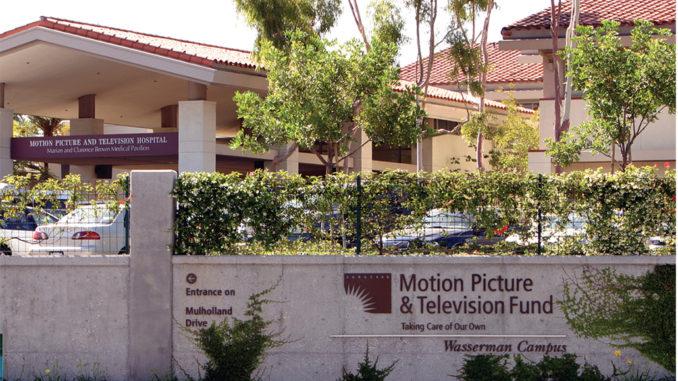
Sam passed away in 1962, and Virginia lived another thirty years, dying in 1992 from heart failure. Both Sam and Virginia are buried in Arlington National Cemetery. She spent her final years at the Motion Picture and Television Country Hospital in Woodland Hills, California.

📷

Sale could thank Mary Pickford for her home once again. Pickford was part of the Motion Picture Relief Fund which she founded with Joseph Schenck and Reverend Neal Dodd. When several former Hollywood stars died destitute in the thirties, 48 acres were purchased in the San Fernando Valley to build a Motion Picture Country House. In 1948, the Motion Picture Hospital was dedicated on the grounds. Later television actors were invited to live there as well. By that time, the site included a retirement community with individual cottages, administrative offices, and a hospital. Fees are based on the ability to pay. Actors, artists, backlot men, cameramen, directors, extras, producers and security guards are all eligible to live there. To live there, residents must be at least 70 and have worked in the entertainment industry for at least 20 years.

It was fun to learn not only about Virginia Sales but also the places she lived at the beginning and the end of her career.

Herbie Faye: What a Character – Just an Average Guy Whose Performance Was Anything But

September is What a Character month, and today we end our series with a look at the career of Herbie Faye. Faye was born in 1899 in New York City. He began working with Mildred Harris in vaudeville in 1928. Phil Silvers was one of the supporting cast members, and their friendship would prove fruitful for his future television career.

Photo: imdb.com

In the forties and fifties, Faye tried his luck on Broadway, appearing in a variety of shows including “Wine, Women, and Song” in 1942 and “Top Banana” in 1951.

He also began a career on the big screen in the fifties. His first film was the movie version of Top Banana in 1954. He would appear in 17 movies; in fact, his last acting credit was the movie Melvin and Howard in 1980. In between, he appeared in a variety of genres including Requiem for a Heavyweight starring Anthony Quinn, The Thrill of It All with Doris Day, and The Ghost and Mr. Chicken with Don Knotts.

In 1950, at the age of 51, Faye made his first television appearance. He appeared in two episodes of Cavalcade of Stars. You would have also seen him in Our Miss Brooks, The Goldbergs, and Hennessey in the fifties.

Photo: papermoonloveslucy.com

When Phil Silvers got his own show in 1955, he hired Faye to play Corporal Sam Fender which he did for 139 episodes between 1955 and 1959. This was a hilarious show and hasn’t lost its charm with time. In addition to the primary characters, there was a group of about a dozen secondary characters who appeared along with Faye. Eventually, the costs became too high, and the show was canceled.

Phil Silvers Show Photo: alchetron.com

Faye was extremely busy in the sixties. He must have been good at his job because he was cast in more than one show on several of the series he worked for. He was four different characters on The Danny Thomas Show, six on The Dick Van Dyke Show, five on The Joey Bishop Show, two on My Favorite Martian, two on Bewitched, three on The Andy Griffith Show, four on The Gomer Pyle Show, two on I Dream of Jeanne, two on That Girl, four on Petticoat Junction, two on Mayberry RFD, two on Jack Benny as well as 27 other shows all in the sixties. On top of all those appearances, he was part of the cast for two additional television shows: The New Phil Silvers Show from 1963 to 1964 as Waluska and as Irv on Accidental Family in 1967.

In November of 2018, KJ Ricardo spotlighted Faye in her You Tube channel show about The Dick Van Dyke Show. Herbie was Willie, the deli owner who delivered lunch to the comic writers on the show. He appeared in six of the shows. In his first appearance, Rob is trying to leave the office because he thinks Mary is in labor but every time he tries to leave, the Danish cart is in the way. On the third and fourth episode, he starts critiquing the ideas the writers have and making

Willie Photo: televisonsnewfrontier.blogspot.com

comments on what works and what doesn’t. They are pretty funny.

He continued his busy career throughout the seventies when he made one-time appearances in eleven different shows including The Mary Tyler Moore Show, The Bob Newhart Show, Love American Style, Happy Days, and Barney Miller. He made multiple appearances on several other shows including Mod Squad (3), Here’s Lucy (4), The New Dick Van Dyke Show (4), The Odd Couple (6). He also had a recurring role on Doc where he played Ben Goldman from 1975-76.

Faye passed away in Las Vegas in 1980.

Herbie Faye was a very funny guy.  He was just an average guy, but he had a way of focusing the viewers’ attention just on him for the brief time he appeared; he made the episodes he was in even better. I guess that is the ultimate definition of a great character actor.

Maudie Prickett: What a Character – Prim and Proper

As we look at some of our favorite character actors, today we learn more about Hazel’s friend Rosie: Maudie Prickett. Prickett had a prolific career with more than 300 credits between the stage, film, and television.

Photo: bewitchedwikifandom.com

Maudie was born in 1914 in Oregon. Her birth name was Maudie Marie Doyle; she married Charles Fillmore Prickett II in 1941 and used her married name for her career. Charles was the co-founder and manager of the Pasadena Playhouse and later became an orthopedic surgeon. They remained married until his death in 1954 and had two children.

Prickett would amass 64 movie credits, with her first being Gold Mine in the Sky in 1938. Her last three movies were made in 1969: The Maltese Bippy, Rascal, and Sweet Charity. She typically played maids, secretaries, spinsters, or nosy neighbors. One of her most recognized movie roles was as Elsie the Plaza Hotel maid in North by Northwest.

In 1952 she received her first television roles, appearing on This is the Life, Hopalong Cassidy, The Doctor, and The Adventures of Superman. While most people are familiar with Hopalong Cassidy and Superman, they may not recognize the other shows. This is the Life was a religious show that began in 1952 and ended in 1988; each episode was a mini-drama that ends with someone becoming a Christian. The Doctor was a medical show where Warner Anderson as the doctor presented a story and then provided comments after the episode. Most of the series dealt with some type of emotional problem.

The look we were used to with Maudie Photo: imdb.com

For the next two decades, Maudie was quite busy with her television career. She often made multiple appearances on a show as different characters. She had a nice blend of both dramas and comedies on her resume.

In 1961 she married Dr. Eakle Cartwright who died in 1962. In 1966 she would try marriage one more time when she wed the mayor of Pasadena, Cyril Cooper who lived five more years.

While watching your favorite classic television shows, you will see her on westerns including Wagon Train, Bonanza, and Gunsmoke. She made her mark on medical series including Ben Casey and Marcus Welby MD. She also appeared in quite a few dramas including The Millionaire, The Untouchables, Lassie, Daniel Boone, The Mod Squad, and McMillan and Wife.

However, it was the sitcom genre that kept her busiest. During the fifties, she could be seen on Topper, Father Knows Best, Leave It to Beaver, and The Donna Reed Show. The sixties found her on Dennis the Menace, Bachelor Father, The Danny Thomas Show, Mister Ed, My Three Sons, Petticoat Junction, The Andy Griffith Show, The Doris Day Show, Gomer Pyle USMC, and Get Smart. During the seventies, she took roles on Mayberry RFD, Bewitched, Love American Style, and Room 222.

Best Friends – with Shirley Booth on Hazel Photo: pinterest.com

All of her recurring roles were on sitcoms: Date with the Angels, The Jack Benny Show, and Hazel. Date with the Angels was Betty White’s second sitcom, and Maudie played Cassie Murphy, a neighbor of the newlyweds. On The Jack Benny Show, she played Mrs. Gordon, the secretary of the Jack Benny Fan Club. Many people remember Prickett from Hazel where she played Rosie. Hazel and Rosie were best friends and always came through for each other but were also very competitive, especially when an eligible bachelor was involved.

In 1976, Maudie passed away from uremic poisoning at the young age of 61. Uremia occurs when there is an increase of toxins in the blood and usually occurs when the kidneys no longer filter them out. It can be treated with medication, dialysis, and transplant surgery, but for some reason, hers must have been untreated which lead to her death.

On Bewitched Photo: sitcomsonline.com

Maudie was a very busy lady, accumulating 164 acting credits between 1938 and 1974. I’m not sure if she was okay with being typecast or if she would have liked some other types of roles, but she certainly made the roles her own. You have to wonder how much more she would have accomplished if she had lived another twenty or thirty years. Her personal life was sad, having three husbands die before her and then she herself dying as middle age was beginning.

I know you read this comment a lot if you follow my blog, but we have another one of those character actors I wish we knew more about. The Television Academy rarely interviews them, and it is tough to find much information beyond their professional resume. One day I will make good on my promise and write a book about these wonderful people who made classic television so fun and believable.

Jay Sommers Figured Out the Formula for Good Writing

I thought it might be fun to look at some unique aspects of writing for sitcoms in this blog series. This month we’ll take a look at a variety of writing subjects.

To begin this series, I wanted to learn a bit about a classic sitcom writer, and Jay Sommers came to mind immediately. He wrote more than 400 scripts.

Sommers was born in 1917 in New York City. Before veering into comedy, he attended the City College of New York and studied the not-so-funny topic of chemistry. Apparently, he had good chemistry with his girlfriend’s father who thought he was pretty funny. The dad was an executive with Bristol Myers and the company sponsored many radio shows.

Photo: rusc.com

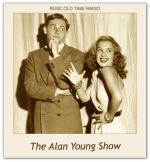
In 1940 his relationship with his then girlfriend’s dad led to Sommers receiving an offer to write for Milton Berle’s radio show. Jay did not keep the girl, but he kept the career. He would go on to write for a variety of radio shows including The Alan Young Show, Eddie Cantor, Spike Jones, Lum and Abner, and Red Skelton.

In 1950 he became the producer, director, and writer for a show called Granby’s Green Acres. It only ran for two months, but it would inspire him to create Green Acres for television a decade later. The show was based on a book by S.J. Perelman titled Acres and Pains. The premise of the show was that a wealthy banker wants to become a farmer, so he and his wife move to the country. The banker was played by Gale Gordon and his wife was Bea Benardaret.

Gordon and Benardaret Photo: wikiwand.com

Sommers’ first job as a writer on television was for The Peter Lind Hayes Show in 1950; the episode starred Gloria Swanson. In 1951 he wrote for the Colgate Comedy Hour, along with an episode of the Buster Keaton Show.

1953 brought him recognition for an episode of Our Miss Brooks (“Clay City Chaperone”). He became busier in 1954 writing for My Friend Irma, The Red Skelton Hour, and The Great Gildersleeve.

In the late fifties, he contributed to Blondie, Bachelor Father, and The Donna Reed Show.

Sommers really came into his own as a writer in the sixties. Along with a few screenplays, he wrote for The Adventures of Ozzie and Harriet, The Jim Backus Show, Dennis the Menace, The Beverly Hillbillies, and Grindl.

Sommers enjoyed the most lucrative part of his career from 1964 to 1970, working on Petticoat Junction and Green Acres. Paul Henning had created The Beverly Hillbillies and Petticoat Junction for CBS. In 1965, the network asked Henning to come up with a new sitcom and said he did not have to film a pilot or give a pitch; they trusted him to develop whatever he wanted. Sommers suggested a television version of his old radio show, Granby’s Green Acres. With Gale Gordon and Bea Benardaret already committed to other shows, the hunt began for two new stars for Green Acres.

Tom Lester, last-surviving 'Green Acres' cast member, dies at 81 - National  | Globalnews.ca
Photo: globalnews.com Cast of Green Acres

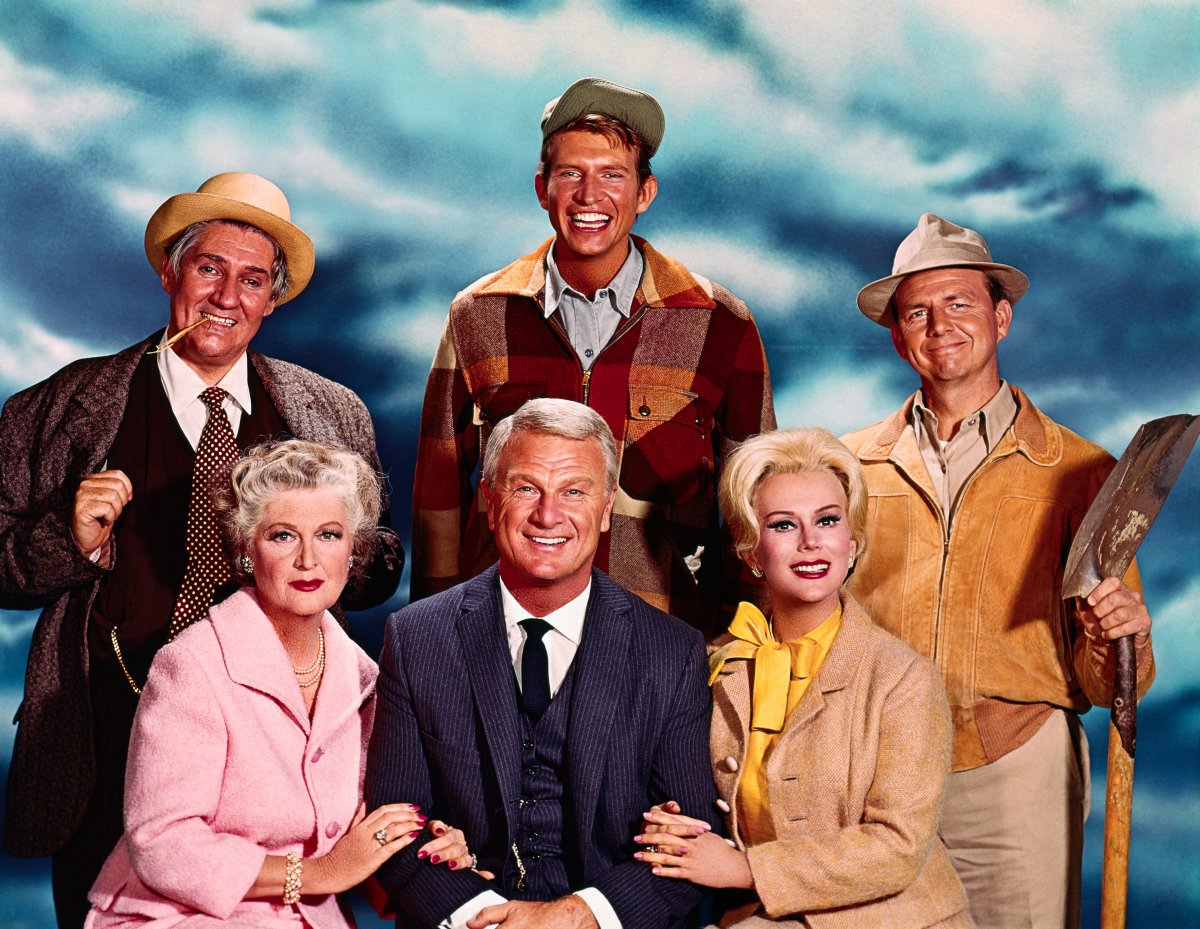
In the television show starring Eva Gabor and Eddie Albert, the banker is replaced by an attorney. Oliver Wendell Douglas and his wife Lisa leave glamorous Manhattan and move to a run-down farm in Hooterville. Lisa considers their handyman Eb their son and they bond with all the neighbors including Fred and Doris Ziffel and their pet pig Arnold, general store owner and postmaster Sam Drucker, and the folks from Petticoat Junction.

During an interview with the Television Academy, Paul Henning said his contribution was casting, and he let Jay do most of the writing and producing. The show resulted in 170 episodes and was canceled in 1971 when CBS decided to do a “rural purge” and get rid of any shows that fit that theme.

In another Television Academy interview with Richard L. Bare, who directed Green Acres, he said that he was the only director, Jay was the only producer, and that Jay and Dick Chevillat did all the writing. He said that the only other person on staff was a secretary. And, he said things worked out great. He said today there are way too many people on the set and it gets confusing. 

More Hooterville favorites Photo: sitcomsonline.com

Jay continued writing in the seventies, but he did not write a lot. His shows that decade included Hot L Baltimore, Good Times, Ball Four, Alice, and Hello Larry.

Jay passed away in 1985 in Los Angeles from a heart ailment. It was very hard to find much personal information about Jay and no photos. I do know that at some point he married Barbara and they had several children. So sad that we don’t know a lot about some of the people who contributed so much to the golden age of television.

Jay Sommers left us much too early. He came out of a chemistry background, proving you don’t have to teach someone to be funny. He wrote for some of my favorite shows including The Adventures of Ozzie and Harriet, The Donna Reed Show, and Bachelor Father.

Photo: findagrave.com

Sommers worked on three of the most iconic television sitcoms in the 1960s: The Beverly Hillbillies, Petticoat Junction, and Green Acres. If you have been with me for a while, you know I never really cared for The Beverly Hillbillies. I really enjoy Petticoat Junction and I think it’s well written, but I think Green Acres was one of the best-written sitcoms on television. It’s not easy to write about quirky characters without them seeming unbelievable, but Jay did it. He created characters we fell in love with and truly liked. He produced and wrote brilliant scripts week after week for more than five years. They were clever, witty, and sophisticated without being over the top. His grave marker sums it up, “WRITER.” Thank you, Jay Sommers for introducing us to the good folks in Hooterville.

June Lockhart Rocked the Acting Profession

As we check out some of my favorite actresses this month, this week we learn about one of the most prolific actresses on the small screen. With more than 170 credits between 1938 and 2004, June Lockhart had a very successful career.

See the source image
Photo: ebay.com

Perhaps destiny planned for June to become an actress. Both her parents, Canadian-born Gene and English-born Kathleen Lockhart, were actors and she traveled with them as a young child while they performed. Although she was born in New York City in 1925, she was brought up in Beverly Hills.

See the source image
June with her parents
Photo: mesquitelocalnews.com

She was only 8 when she took the role of Mimsey in “Peter Ibbetson” at the Metropolitan Opera.

In 1938, at age 13, June made her film debut in A Christmas Carol with her parents. She appeared in more than thirty movies, including Meet Me in St. Louis, Sergeant York, All This and Heaven Too, and The Yearling.

Meet Me in St. Louis, 1944 ~ June Lockhart, Judy Garland & Lucille Bremer |  Judy garland, Hollywood, Holiday movie
Photo: pinterest.com Meet Me in St. Louis

In 1948, she won a Tony for Outstanding Performance by a Newcomer for her role in “For Love or Money.”

Although her appearances in film and on Broadway would have been a lucrative career n themselves, it was in television that she found most of her fame. In 1949 she accepted a role on The Ford Theater Hour. During the 1950s she would make 56 appearances on drama theater shows. In addition, she was in Gunsmoke, Have Gun Will Travel, Rawhide, and Wagon Train.

In 1951 she married John Maloney. In 1959 they divorced and that same year, she married John Lindsay whom she was married to until 1970.

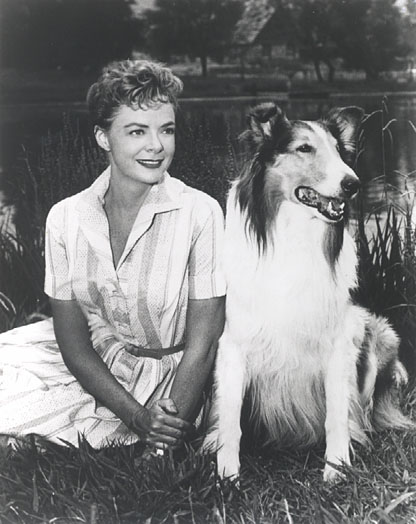
But it was in the television show, Lassie from 1958-1964 that she became a household name as Ruth Martin, Timmy’s (Jon Provost) mother. The show was about the Martin family’s life on the farm and the heroics of Timmy’s dog Lassie.

See the source image
Photo: pinterest.com

The 1960s continued to be very productive for her as an actress. She appeared in a variety of television shows, including the dramas Perry Mason, The Man from UNCLE, and The Alfred Hitchcock Hour and the comedies Bewitched, Family Affair, and The Beverly Hillbillies.

See the source image
Photo: thenewyorktimes.com

She also starred in two long-lasting sitcoms. From 1965-1968 she was Maureen Robinson on Lost in Space. On the show, a family with three children travel with Major Don West to colonize a new planet.  Dr. Zach Smith is a stowaway who tried to sabotage their mission by throwing their ship off course and ends up having to live with the people he thought were his enemies.

See the source image
With Bill Mumy
Photo: uncleoldiescollectible.com

In an interview with Bill Mumy who played her son Will on Lost in Space, he said that Lockhart always made time for the kids on the set. He said she kept them occupied between takes which she didn’t need to do. He said “she spent a lot of time nurturing Angela’s and my developing thought processes. Teaching us.”
See the source image
Photo: thedailyissue.com

In 1968 she was offered a role as Dr. Janet Craig for the final two seasons of Petticoat Junction. Bea Benaderet, the star, passed away in 1968, and Janet filled in as a “mother” to the girls.

Although she would not take on any additional regular roles for sitcoms, she continued to keep busy through the 1970s, 1980s, 1990s, and 2000s. During these decades , she could be seen on Love American Style, Marcus Welby, Adam-12, Police Story, Ellery Queen, Happy Days, Magnum PI, Falcon Crest, Quincy, Murder She Wrote, Full House, Roseanne, Drew Carey, Grey’s Anatomy, and in Beverly Hills 90210 where she had a recurring role, along with 33 other series.

See the source image
On Happy Days
Photo: sitcomsline.com

Her last acting role was an animation movie, Bongee Bear and the Kingdom of Rhythm, in 2016.

See the source image
Photo: famousbirthdays.com

Lockhart is an interesting person as well as a successful actress. She hosted the Tournament of Roses parade for eight years and the Macy Thanksgiving parade for five years.

During my research, I learned several surprising things about her. She was an Ambassador for the California State Parks system. She won the NASA award for Exceptional Public Achievement Medal for inspiring the public about space exploration in 2013. She served as a panelist with several White House correspondents on a quiz show Who Said That in the fifties. That job provided her with an open invitation to attend White House briefings which she did and said were fun.

See the source image
Photo: flickr.com

Her hobbies included gold mining, antique motorcars, lighter-than-air aircraft, and learning about the Old West. She kept medical texts near her bed for nighttime reading. She was a member of a kite-flying club. She also loved old steam engines.

See the source image
Photo: blogspot.com

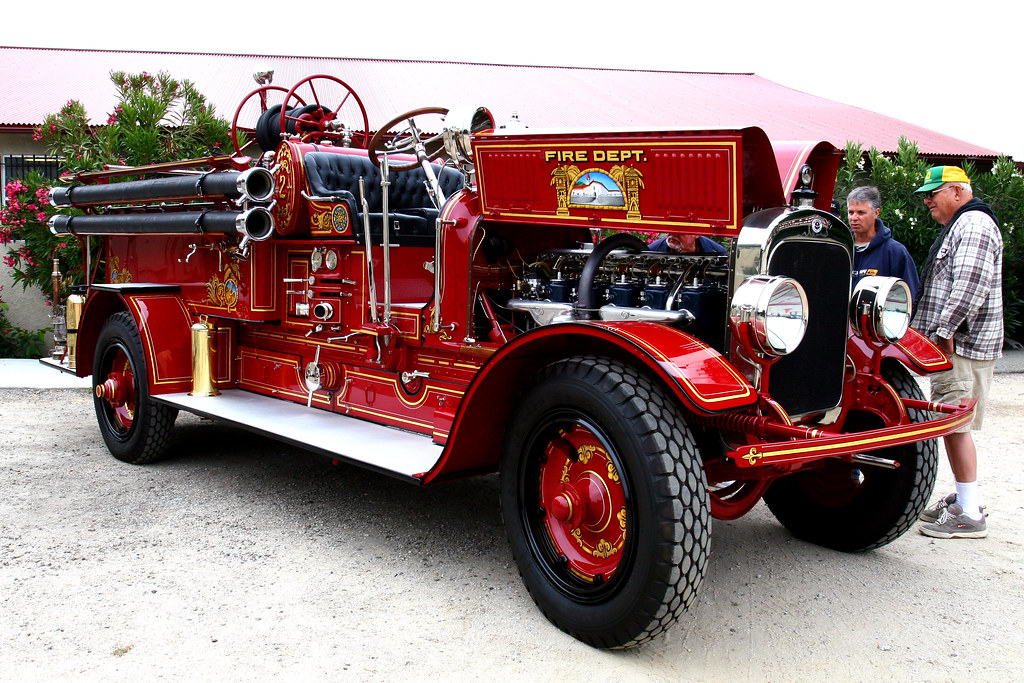
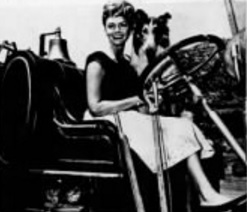
Her husband bought her a 1923 Seagrave pumper fire engine named “Cordelia Delilah Lindsay” which she drove around even though it got two miles to the gallon. She actually had the largest parking space at the studio.
If all those facts aren’t interesting enough, in an interview with Bill Mumy by the Archive of American Television, he relayed that she loved rock and roll. In 1967, she hired the Allman Brothers Band (then called Hour Glass) to play at her house. She took Angela Cartwright and Bill to the Whiskey-A-Go-Go. He also said that “in the 1980s she carried a picture of only one person in her wallet and it was David Bowie.”

See the source image
Photo: pinterest.com

I’m truly impressed that with as busy as she was as an actress, she made time for both her two daughters and her television children, and enjoyed a ton of hobbies as well. It seems she had a joy for learning about new things and continued to add interests to her life. She is a great role model for all of us.

.

Here’s Lucy . . . and Gale Gordon

We are in the third blog of our series “The Men of November.” Born Charles Thomas Aldrich Jr. in 1906, Gale Gordon is remembered fondly for being Lucille Ball’s nemesis on several of her television sitcoms.

See the source image
Photo: oldtimeradio.com

Both his parents were entertainers, and they traveled to England to perform when he was only one. For eight years, he lived in England. After returning to the United States for a few years, Gordon returned to London to complete his education at the Woodbridge School in Suffolk.

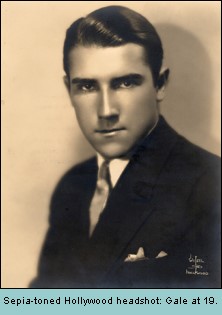
Gale at 19 Photo: lucyfan.com

Gale followed in his parents’ footsteps, and his first theatrical job was as an extra in “The Dancers” in 1923. Richard Bennett (father of Constance and Joan Bennett) starred in the stage production. Gordon worked as Bennett’s dresser, and Bennett taught him all about make-up, mentored him as an actor, and helped him to develop his voice.

By 1925, Gordon traveled to Hollywood, tackling roles in stage, film, and radio. Gordon talked about his first radio performance: “They asked me to come to a Hollywood studio in 1926 and try this new thing called ‘radio.’ They didn’t pay me, of course. They just wanted to fill up some time. So, I sang, ‘It Ain’t Gonna Rain No More, No More’ and accompanied myself on the ukulele. You might say I almost killed radio before it was born. I haven’t played an instrument on the air since.”

Photo: radiospirits.com

In seven short years, Gordon became the highest-paid actor in radio in Hollywood. He was the male lead for Mary Pickford in her serial. He was on almost every popular show on the air. It wasn’t unusual for him to appear on three or more programs in a week. Gordon was the first actor to play Flash Gordon in 1935.

His radio work also provided some other benefits. While appearing on an episode of Death Valley Days in New York, he met Virginia Curley. They married in 1937.

Gale and Virginia
Photo: lucyfan.com

In 1941, after playing primarily dramatic roles, Gordon became a regular on Fibber McGee and Molly. Playing Mayor LaTrivia, Gale was on the show for a dozen years. There was a brief interruption in 1942 when he left the show and enlisted in the US Coast Guard for three years. He rose to the rank of Petty Officer First Class, and his service took him around the world to many dangerous places.

One of the roles he is best known for was Principal Osgood Conklin on Our Miss Brooks. Gordon described Conklin in a TV Guide interview: “There was nothing subtle about Osgood. No nuances. Just a lot of very satisfying acid, bluster, and bellowing, with an occasional weak moment of cordiality thrown in for leavening.  It was practically impossible to overplay him. Even when he was being cordial, he was like an elephant trying to waltz.”

In 1950, he could be heard as John Granby on Granby’s Green Acres which later became the sitcom Green Acres.

With Bea Benederet
Photo: wikipedia.com

While trying to reign in the chaos at Madison High School as Osgood Conklin, Gale was also the refined banker, Rudolph Atterbury, on My Favorite Husband, Lucille Ball’s radio comedy. Atterbury’s wife was played by Bea Benederet.

As television gained popularity, it was inevitable that some of radio’s favorite shows would make the transition to the small screen. While it was entirely possible to play several different characters on the radio, television production didn’t offer the same flexibility. When My Favorite Husband was retooled for television as I Love Lucy, Ball planned on bringing Gordon and Benederet along with her. However, Gale was committed to Our Miss Brooks, and Bea was playing a major role on Burns and Allen on television.

Asked about those days, Gale described himself as “a quiet, reserved, pipe-smoking homebody.” He said he always had a good balance of professional and personal interests. In addition to acting, he wrote books (Nursery Rhymes for Hollywood Babies and Leaves from the Story Trees), painted, and maintained a ranch. He and Virginia bought a 150-acre property about three hours away from Hollywood. They grew carob trees. Gordon was not a rancher in name only; he raised the trees, built the house, installed the plumbing, completed carpentry and handiwork, put in a swimming pool, and built a two-story building that served as garage and studio.

Our Miss Brooks Photo: amazon.com

In 1952, Eve Arden decided to take Our Miss Brooks to television. While Gale continued his role as Conklin on the show, he also guest starred on a couple of I Love Lucy episodes. Our Miss Brooks had a successful run for four years.

When the show ended in 1956, CBS was quick to sign Gordon on for another show. They paired him with Bob Sweeney in The Box Brothers (sometimes called The Brothers). Unfortunately, the series only lasted for 26 weeks.

The Box Brothers Photo: imdb.com

In 1958, Gordon was a regular on Sally where he played department store owner Bascomb Bleacher. He also appeared with Walter Brennan on The Real McCoys.

In 1959, December Bride which aired from 1954-1959, went off the air, spinning off a new show Pete and Gladys starring Harry Morgan and Cara Williams. Morgan appeared as Pete Porter on December Bride. On the new show, Gale played Pete’s Uncle Paul.

Dennis the Menace Photo: pinterest.com

In 1962 he was cast as Mr. Wilson on Dennis the Menace. At the same time, Lucille Ball was creating a new show, The Lucy Show. She wanted Gordon to appear as Mr. Barnsdahl, a banker. When he was not available, Lucille turned to Charles Lane. She said she loved working with Lane, but always wanted to work with Gale again, so when Dennis the Menace was cancelled, she quickly signed Gordon; Lane moved over to Bea Benederet’s new sitcom, Petticoat Junction, as the despicable Homer Bedloe. And thus Theodore J. Mooney was born.

Photo: welovelucy.com

For the next eleven years, through several different series titles, Lucy and Gale worked together. They would both retire in 1974. When describing his time on Lucy’s shows, Gale related in a Good Morning America interview in 1982 that “I always had a wonderful feeling of anticipation going to work every week, which is very, very rare. I don’t care what business you are in. But to really look forward to getting into the nitty gritty and working hard for four days—which is all the time we had to do the show—is really unique. To look forward to it for eleven years, that’s doubly unique.” He went on to praise Lucy for her work ethic: “Her attitude has never changed. Every show she ever did was always the most important show of her life. And I think that is the secret of her success.”

See the source image
Photo: oldtimeradio.com

One surprising thing I learned was that Gordon was known for his ability to do cartwheels. He can be seen doing them on several episodes of Here’s Lucy. At the time, he was earning $25,000 an episode. Compare that to today when the stars of The Big Bang Theory received a million dollars an episode.

Gale and Virginia enjoyed twenty years of retirement. Virginia would pass away in 1995 at Red Terrace Health Center in Escondido, California. One month later, Gordon died from lung cancer at the same facility.

In 1999, Gale was inducted into the Radio Hall of Fame. Known for playing a variety of gruff, formal professionals, everyone knew that the bellow and bluster his characters spewed was great acting. In real life, Gale was one of the sweetest, kindest men around. He once said, “I am never nasty—unless I get paid for it.”

See the source image
Photo: wikipedia.com

It’s hard to describe the influence Gale Gordon has had on generations of actors and the number of hours of entertainment he has provided to generations of television and radio fans. It’s always fun to listen or watch Connie Brooks trying to pull a fast one over on Osgood Conklin or Lucy Carmichael trying Mr. Mooney’s patience with her latest scatter-brained plan. Thank you Gale Gordon!