The Felony Squad: They Were Men Against Evil

This month we are taking a look at some of our favorite “Crime Solvers of the Past.” Today we wrap up the blog series with The Felony Squad which ran three seasons, debuting on ABC in 1966.

📷blu-ray.com

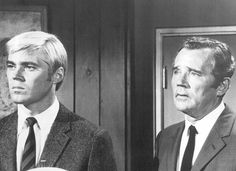
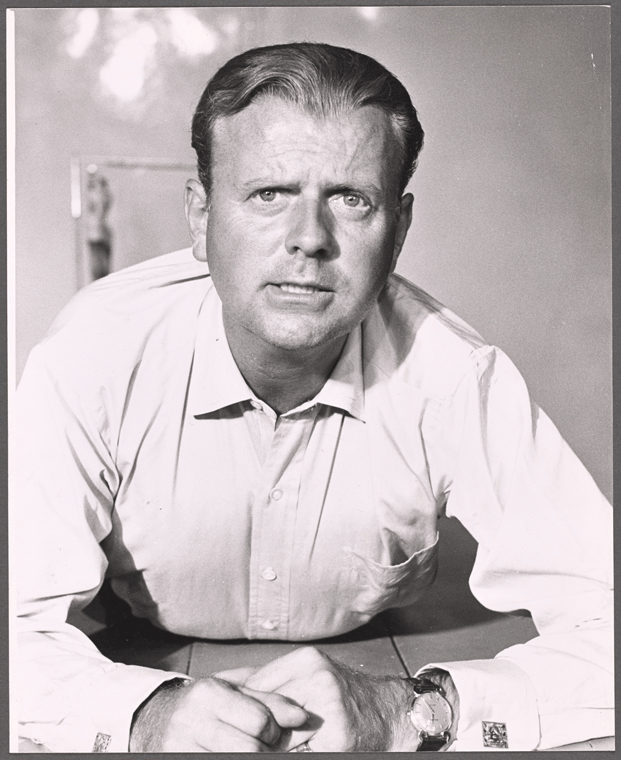
Originally titled “Men Against Evil,” the show was going to be more of a soap opera feel which was broadcast twice a week. However, by the time the show aired, most of the personal relationships had been taken out of the plot. The series focused on Sergeant Sam Stone (Howard Duff) and Rookie Detective Jim Briggs (Dennis Cole). Rounding out the cast was Desk Sergeant Dan Briggs (Ben Alexander), also known as Dad to Jim and District Attorney Adam Fisher (Len Wayland). The first seasons included Captain Frank Nye (Barney Phillips) while later seasons featured Captain Ed Franks (Robert DoQui).

The show was known for having some big names in directing, writing, and guest stars. Many of the directors racked up more than 75 credits each and included George McCowan who worked on The Mod Squad and Cannon, Allen Reisner known for Hawaii Five-0, Lee Katzin who directed Mission Impossible, Laslo Benedek known for work on Perry Mason, and Vincent McEveety who directed stars in Murder She Wrote, Heat of the Night, and Simon & Simon. Howard Duff jumped behind the camera in season two to direct “Deadly Abductors” after directing seven episodes of Camp Runamuck a couple of years earlier.

Crafting scripts for the show were writers such as Richard Murphy who was the creator of this show, Don Brinkley who worked on Trapper John and Medical Center, Jack Turley who wrote for Cannon and The Man from UNCLE, and John Kneubuhl who also wrote for the Wild Wild West.

📷pinterest.com

A handful of the guest stars included Ed Asner, Richard Dreyfuss, Robert Duvall, Roddy McDowell, Ricardo Montalban, George Takei, Vic Tayback, and Cicely Tyson.

The Felony Squad theme was composed by Pete Rugolo. Rugolo had 83 credits in the business including writing music for a wide variety of television genres including Leave It to Beaver, The Fugitive, and Family. This theme was an instrumental and very reminiscent of a sixties action movie.

I couldn’t find a lot of reviews, but the New York Times’ Jack Gould described it as “a very old-fashioned and conventional yarn about tight-lipped detectives doing a day’s work.”

The series was on Monday nights until 1968 when it was moved to Fridays. The first two seasons the show was up against The Andy Griffith Show which was in the top ten. For the final season, the show moved to the weekend where it was up against an Andy Griffith Show spinoff, Gomer Pyle USMC, which was also a top ten.

The show obviously did well to stay on the air three years when it faced such tough competition. I wonder if being a 30-minute show as opposed to an hour was part of its downfall. No matter how great the writers are, it’s tough to get sophisticated and detailed enough with a plot to wrap up in half an hour. The show certainly found talented directors, writers, cast members, and guest stars. The show was shot in color and had a different feel to it, more realistic. The action is right in your face like you’re on set instead of watching from far off. Considering it maintained decent ratings before it was moved, it would have been interesting to see what would have happened if this show had been the competition with a newer show to see how it fared. Fans loved it, so if you want to see something different, check out a few episodes. I’m not sure why this series isn’t seen more, but YouTube is your best bet to find the most available episodes. Also, as a fun aside, if you want to see Stone, check out Batman’s second season episode, “The Impractical Joker,” when Duff as Stone peers out the window while watching the Dynamic Duo climb the wall.

Jo Anne Worley: What a Character

📷imdb.com

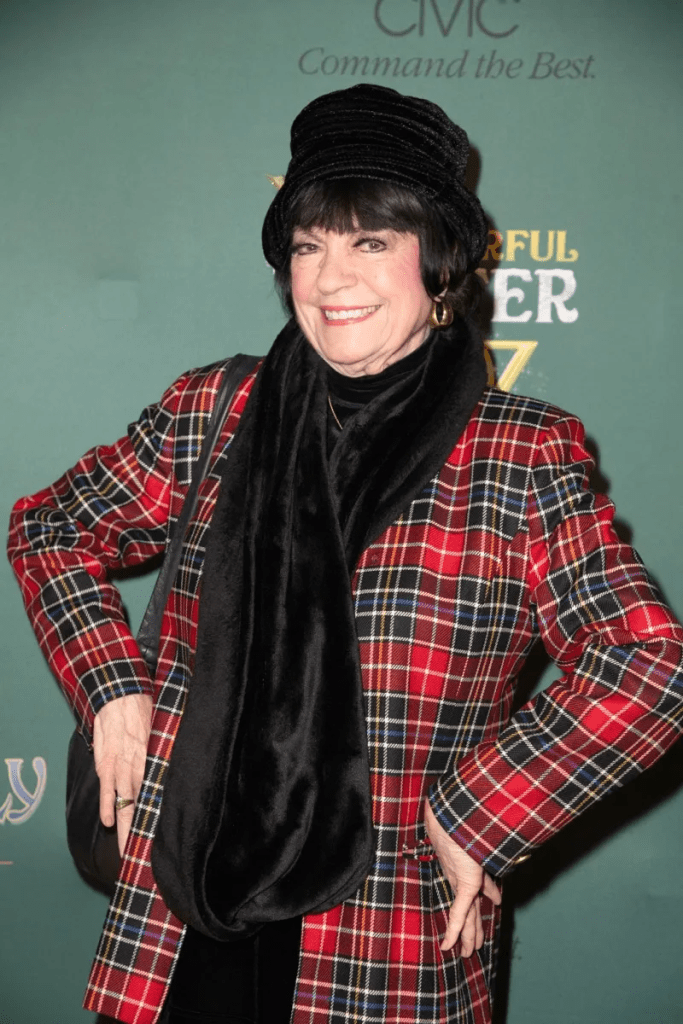
We are winding up a blog series about Supportive Women. One of the women I wanted to include was Jo Anne Worley. I didn’t know much about her apart from her appearances on Rowan & Martin’s Laugh-In and being in my favorite made-for-television movie, The Feminist and the Fuzz.

Jo Anne was born in 1937 in Lowell, Indiana. Her loud voice was not an acting tool. She always felt she was loud. She said, “I have a big mouth, and I’m sorry to say I’ve always had one. When I was young, in church, I never sang with everybody else. I only mouthed the hymns, so I wouldn’t drown anyone else out. I have my quiet moments. But I don’t have many.” She was named school comedienne at her high school.

In one interview with a Lowell reporter, she said “I’ll never forget the place I’d work every summer while in high school. It was called Robert’s Hotel, Gas and Café, and it was at the intersection of US 41 and Highway 2. They had an old juke box in the café where I worked, and I’d sing and joke around whenever the business was slow, which seemed like most of the time.”

After graduation, Worley moved to Blauvelt, New York to work with the Pickwick Players. She was later offered a scholarship to Midwestern State University in Wichita Falls, Texas. After two years at the school, she moved to Los Angeles City College and enrolled at the Pasadena Playhouse. Her first musical role was in “Wonderful Town.”

📷hellodolly.com

In 1961 she was in the off-Broadway musical show “Billy Barnes Revue” with Charles Nelson Reilly and Larry Hovis (who was Carter on Hogan’s Heroes). The original show in 1959 featured Bert Convy, Joyce Jameson, Patti Regan, Ken Berry, Ann Guilbert, Jackie Joseph, and Len Weinrib.

Jo Anne was in two episodes of The Many Loves of Dobie Gillis in 1961-2. During the rest of the sixties, she was offered several big-screen roles.

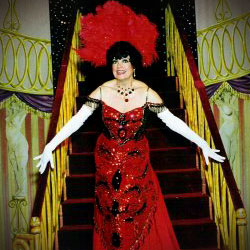
In 1964 she was given a role in “Hello, Dolly.” A year later she developed her own comedy and singing act in Greenwich Village where she was discovered there by Merv Griffin.

📷palmspringslife.com Laugh-In

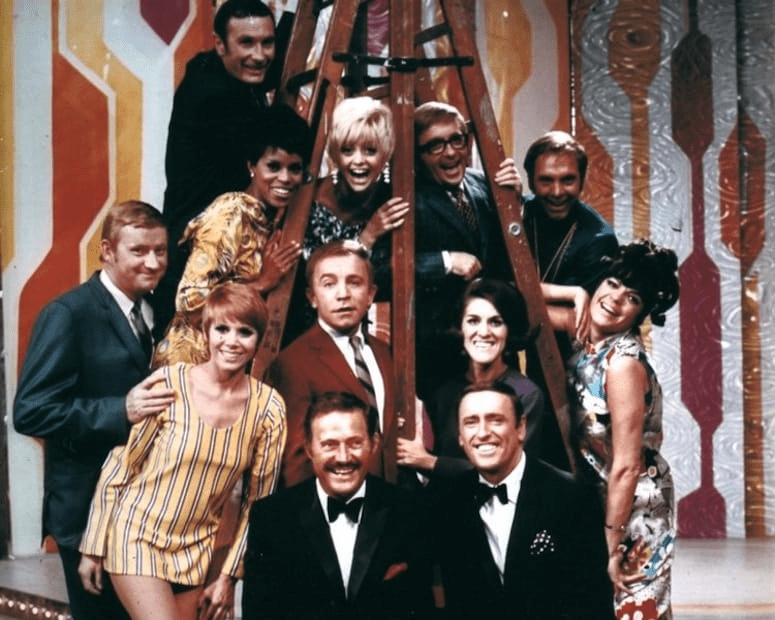
Griffin encouraged her to appear on his show which she did forty times. Like Marcia Wallace, who we learned about last week, her appearance on Merv Griffin was seen by someone who recommended her for a new show. In this case, George Schlatter cast her in Rowan & Martin’s Laugh-In.

Worley left the show in 1970. She made guest appearances on The Tonight Show Starring Johnny Carson. She also appeared on several game shows, including Super Password, Hollywood Squares, and many versions of Pyramid.

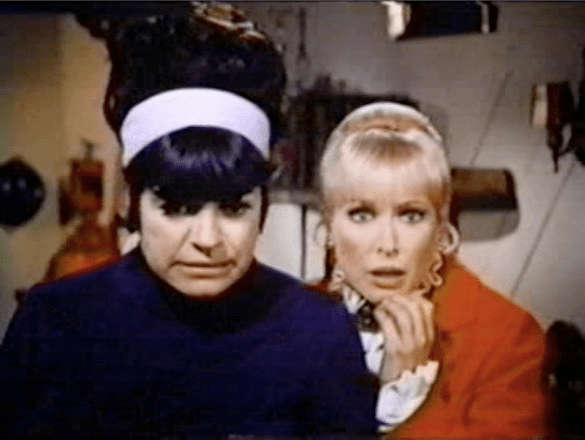
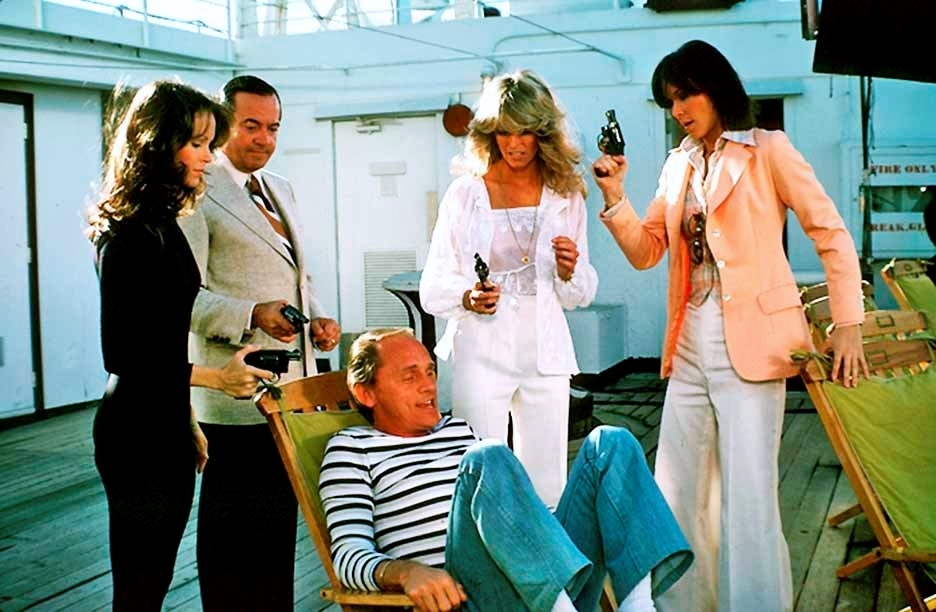
In 1971 she made the television movie I discussed above, The Feminist and the Fuzz. It starred David Hartman, Barbara Eden, Farrah Fawcett, Worley, Julie Newmar, and Henry Morgan. I would love to see it again.

For most of her career, Worley would be providing voices for animation. However, she appeared in a handful of shows during the seventies and eighties, including Adam 12, Love American Style, Hawaii Five-0, CHiPs, Murder She Wrote, The Love Boat, Mad About You, Curb Your Enthusiasm, and The Middle.

📷modcinema.com Feminist and the Fuzz

In 1975, Worley married Roger Perry. They would stay together for 25 years, divorcing in 2000. Perry has 95 acting credits and appeared in many popular shows in the seventies, eighties, and nineties. He was also in The Feminist and The Fuzz. After divorcing Worley, he would marry actress Joyce Bulifant.

During the seventies and eighties, Worley did a lot of regional theater in Milwaukee and several cities in California.

In the 1990s she got involved with Disney and provided her voice for Beauty and the Beast and A Goofy Movie. She also was on several Disney series including Kim Possible and the Wizards of Waverly Place.

📷bestlife.com

She was in a limited run of a musical production of “The Wizard of Oz,” playing the wicked witch of the west in 1999. In 2007, she appeared on Broadway as Mrs. Tottendale in “The Drowsy Chaperone,” and she reprised the role in 2015 at The Cape Playhouse. She was also cast in “Wicked” as Madame Morrible in 2008.

Jo Anne Worley once said, “my goal in life is to be the kind of person my dog thinks I am.” That seems to be good advice for all of us. It was fun getting to know a little more about this funny woman. We love her as much as her dog did.

Marcia Wallace: What a Character

📷matchgamewikifandom.com

When trying to decide who to include in our Supportive Women blog series this month, Marcia Wallace was a no-brainer. Carol was one of my favorite characters on television on The Bob Newhart Show, and I love the fact that her role carried over into an episode of Murphy Brown.

Marcia Wallace was born in 1942 in Iowa. Her father owned a general store where she and her siblings often worked. After performing in a school play, one of her teachers encouraged her to pursue an acting career. After graduation, Marcia enrolled in Parsons College in Fairfield, Iowa where she received a full scholarship. She majored in English and Theater.

Upon her college graduation, Marcia decided to move to New York. The country gal had $148 in her savings. When she arrived in the Big Apple, she took on a variety of part-time jobs including typing scripts and substitute teaching. She joined a summer stock company and did a few commercials. She worked in a Greenwich Village nightclub for a year before creating an improv group, The Fourth Wall, with several friends. While she kept the friends, she lost 100 pounds.

Eventually, Wallace was offered a job with The Merv Griffin Show. When Merv decided to move to LA, he asked Wallace to move with them. She was able to obtain a few roles in series after moving to California. During the sixties and early seventies, she was on Bewitched, The Brady Bunch, Columbo, and Love American Style.

📷tvinsider.com

After Bill Paley had seen her on Merv Griffin, Grant Tinker (producer) called her to offer her a role on a new sitcom, The Bob Newhart Show. The role of Carol was written specifically for her.

Marcia loved her time on the sitcom. She said Bob was the Fred Astaire of comedy, making it look so easy. She also praised Bob for being a treasure. Because of the way the scripts were written, the show doesn’t date itself. It was about human relationships and people struggling to make them work and make life better.

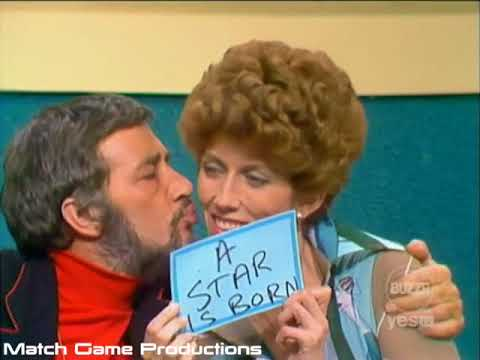
When The Bob Newhart Show went off the air six years later, Marcia jumped on the game show circuit. Shecould be seen on Password Plus; Super Password; Hollywood Squares; Crosswits; Hot Potato; The $25,000 Pyramid; Win, Lose, or Draw; Tattletales; To Tell the Truth; Family Feud; Card Sharks; and my favorite, Match Game.

📷youtube.com

Like so many actresses and actors who perform their role so well, Marcia was typecast after the show ended. In an interview, she said that “I have heard ‘You’re too recognizable for this part.’ I remember once, I desperately wanted to be on the series Nine to Five and they just weren’t going to see me because of that. Every once in a while, something would break my heart.”

Wallace also made appearances on The Love Boat and Fantasy Island in the seventies. During the eighties she would show up on CHiPs, Magnum PI, Taxi, Murder She Wrote, Night Court, and ALF, among other shows.

One of my favorite appearances of Wallace’s occurred in the mid-nineties on Murphy Brown. If you were a fan of that show, you know Murphy could not keep a secretary. There was even a support group that started of her former secretaries. However, when Carol Kester came to work for her, she was overjoyed. Carol was the role Wallace played on The Bob Newhart Show. Unfortunately for Murphy, at one point during the show, Bob Newhart shows up and convinces Carol to return to work for him and Jerry and Murphy lost her perfect assistant.

Most of Wallace’s work after 2000 was for voice work with one exception. In 2009, she had a recurring role on The Young and the Restless as Annie Wilkes for 14 episodes.

In 1985 Marcia was diagnosed with breast cancer. She survived it and became an activist and lecturer on the topic. In 2007, she won the Gilda Radner Courage Award for her work in this area.

In 1986 Marcia married Dennis Hawley in a Buddhist ceremony. Dennis renovated and managed hotels. The couple adopted a little boy, but Dennis passed away three years later.

📷imdb.com

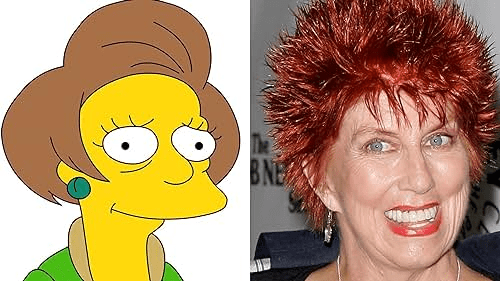
In 1989, a new type of show debuted called The Simpsons. Marcia was asked to provide the voice of Edna Krabappel, school teacher. She probably did not realize she would be associated with that role for another 24 years. Her role as Edna did not end until her passing.

In addition to her television work, Wallace performed on stage. She produced and starred in “An Almost Perfect Person,” a female version of “The Odd Couple,” “Same Time, Next Year” and many others.

In 2004, Wallace published an autobiography, Don’t Look Back, We’re Not Going That Way. She honestly discussed her breast cancer, the loss of her husband, her nervous breakdown, being a single mother, and the ups and downs of her career.

Marcia died from pneumonia and sepsis in 2013. Her coworkers commented on her passing. Yeardley Smith, who voices Lisa on The Simpsons, said “Heaven is now a much funnier place because of you, Marcia.” Bob Newhart said that “Marcia’s death came as quite a shock, she left us too early. She was a talented actress and dear friend.”

📷onceuponascreen.com

I’m so sad that Marcia was typecast and unable to get the roles that she wanted. The networks were very shortsighted during those decades. They didn’t give television fans enough credit for being resilient enough to love the character of Carol while being able to love another character played by Wallace. You saw the same things happen to Adam West, Alan Alda, and Henry Winkler. If that perspective had continued, we never would have had Mary Richards on The Mary Tyler Moore Show or Jay Pritchett from Modern Family. If someone could be a hit as Al Bundy and then go on to star in another show, anyone can get beyond being stereotyped. Marcia Wallace proved that anyone could survive life’s disappointments with determination and a sense of humor, and perhaps that was her greatest role for us.

Vera Miles: What a Character

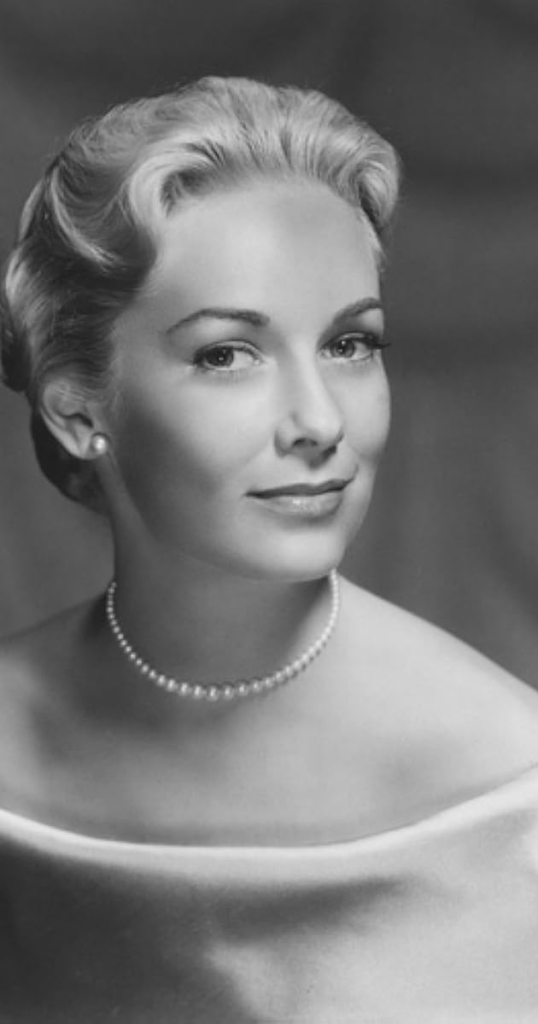
During this month of Supportive Women, I am excited to learn more about Vera Miles. For four decades, Miles appeared in our homes as well as on the big screen. With 162 credits, she may have visited your living room more than most of your family members.

📷facts.net

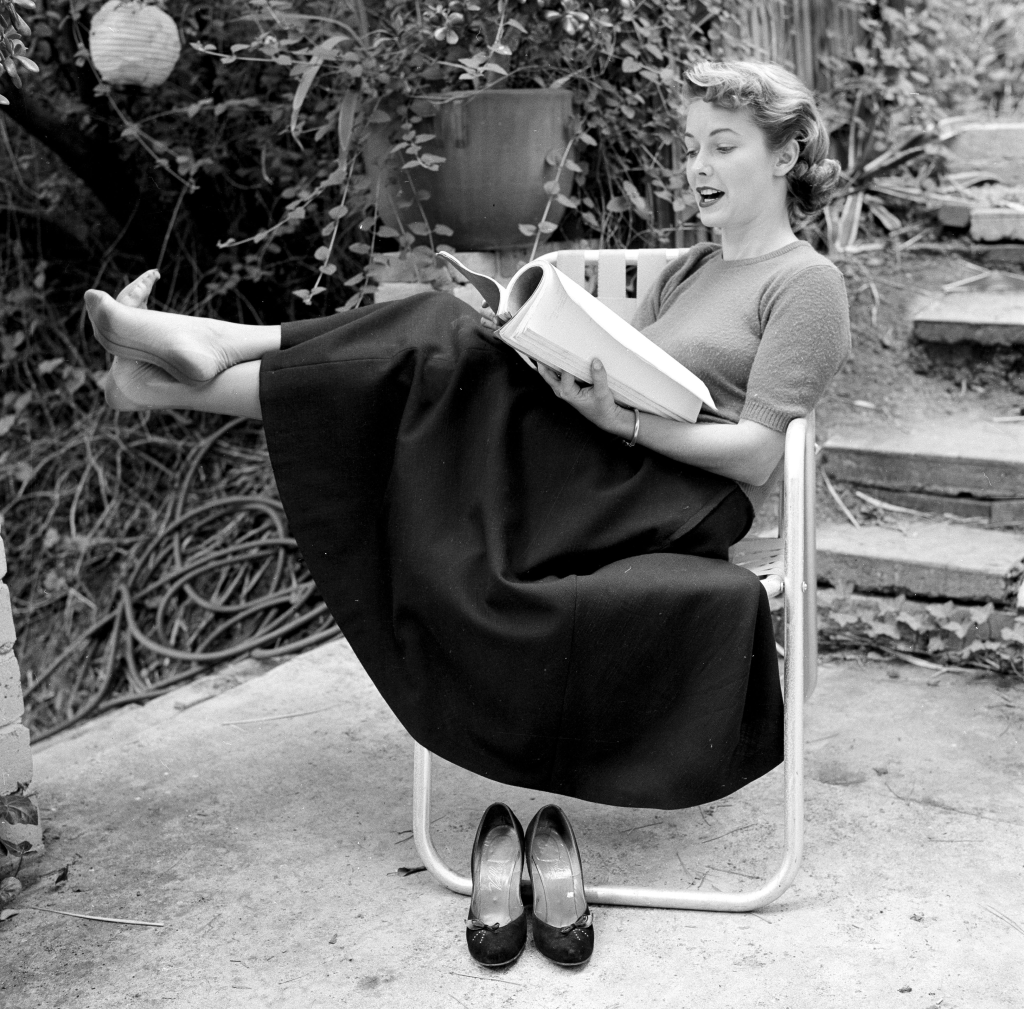
Vera Ralston was born in Boise City, Oklahoma in 1929. She grew up in Pratt, Kansas, and later she moved to Wichita where she graduated from high school and worked nights as a Western Union operator-typist. In 1948 she won the Miss Kansas pageant and was third runner-up in the Miss America contest that year. Miss Minnesota won the crown.

A year later she moved to Los Angeles to pursue a career in television and movies. Not long after arriving in Hollywood, Vera married photographer and stuntman Bob Miles. One source said that she enrolled at UCLA, hoping to become a teacher.

Bob Miles has 13 acting credits and 14 stuntman credits. The cast of Bonanza must have liked him because he appeared as a stuntman 99 times and as an actor on the show 76 times.

📷photos.com

After the birth of her children, she began doing some modeling and taking on a few roles to help provide income. Vera used her husband’s last name because there was already a Vera Ralston in the industry.

She appeared as a contestant in a 1951 episode of You Bet Your Life with Groucho Marx. Along with her partner, she won $8 in the quiz portion of the show but gave the wrong response to the De Soto-Plymouth question which was “Who was the first Chief Justice of the Supreme Court?” When Groucho asked her what titles she had held as a beauty contestant, in addition to Miss Kansas, she mentioned that she was Miss Chamber of Commerce, Miss Wichita, Miss Texas Grapefruit, and Miss New Maid Margarine.

She received her first movie role in 1950 and her first credit in 1952. In The Rose Bowl Story, a romantic comedy, she played a Tournament of Roses Queen. She would appear in about 40 additional movies during her career and quite a few made-for-television movies as well. She often worked with Alfred Hitchcock and was cast in Psycho.

In 1951 she appeared on Fireside Theater, her first television role. While she had more than 100 credits performing on television, surprisingly she never starred in a series. The only recurring character she had was Ernestine Coulter on My Three Sons.

📷fotogrammas.com

In 1956 she married Gordon Scott after divorcing Miles in 1954. They also divorced in 1960. Scott appeared to only work in Hollywood for a five-year period according to imdb.com. From 1960-1971 she tried marriage again with Keith Larsen, but their marriage also ended in divorce. Since the third time was not the charm, for two years in the mid-seventies, she wed Robert Jones but that ended in divorce as well.

During the fifties, she fit roles around her movie appearances, and you can see her in episodes of dramatic theater shows. In the sixties, she had no trouble finding work and she showed up on The Twilight Zone, Route 66, Wagon Train, I Spy, The Man from UNCLE, The FBI, and Mannix. Work did not slow down in the seventies, and you can spot her in a variety of shows including Gunsmoke, Hawaii 5-O, Bonanza, Cannon, Columbo, and Barnaby Jones. She might have taken thing a bit easier in the eighties, but she still worked on four or five shows a year, including Magnum, PI; Little House on the Prairie; The Love Boat; Hotel; and Murder She Wrote. Her last credit was for a movie titled Separate Lives in 1995.

📷imdb.com

Miles was a member of the Church of Jesus Christ of Latter-Day Saints and visited Salt Lake City quite often.

Early in her career, Miles appeared to be almost a clone of Grace Kelly but that never materialized into a movie star career. Hitchcock hired her for Vertigo with Jimmy Stewart, but her pregnancy caused her to back out of the movie, and Kim Novak received the starring role. Perhaps, that movie would have changed the trajectory of her film career. I’m surprised that she was never given an opportunity to star in a television show. With 162 credits, she had a prolific and busy career. I will definitely try to spot her when I watch some of my favorite classic shows.

..

My Sister Sam: Sisters in Every Way

This month our blog is all about Sibling Rivalry. It’s a bit unusual because it features two sitcoms and two dramas. I thought it might be fun to start and end with the sitcoms, and today we are learning all about My Sister Sam.

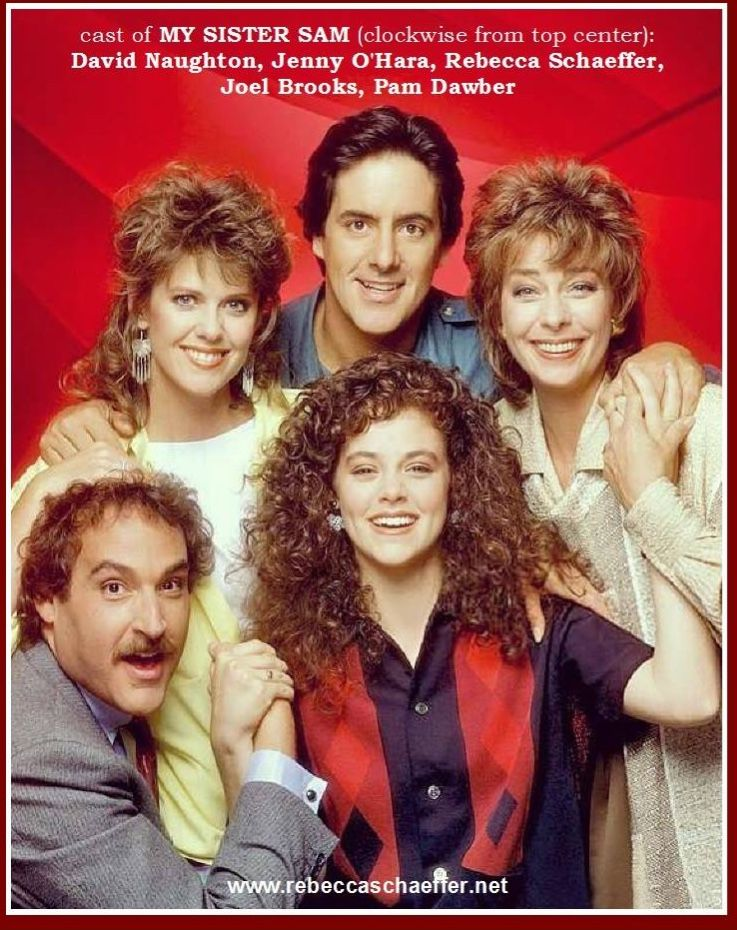
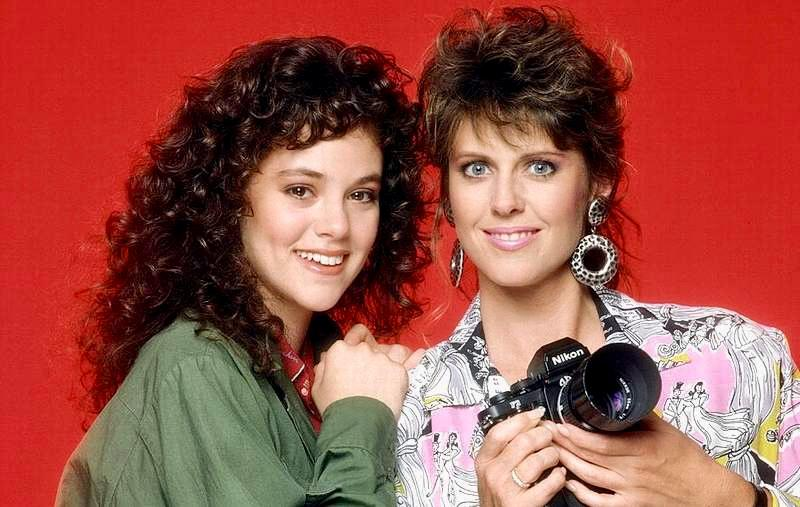
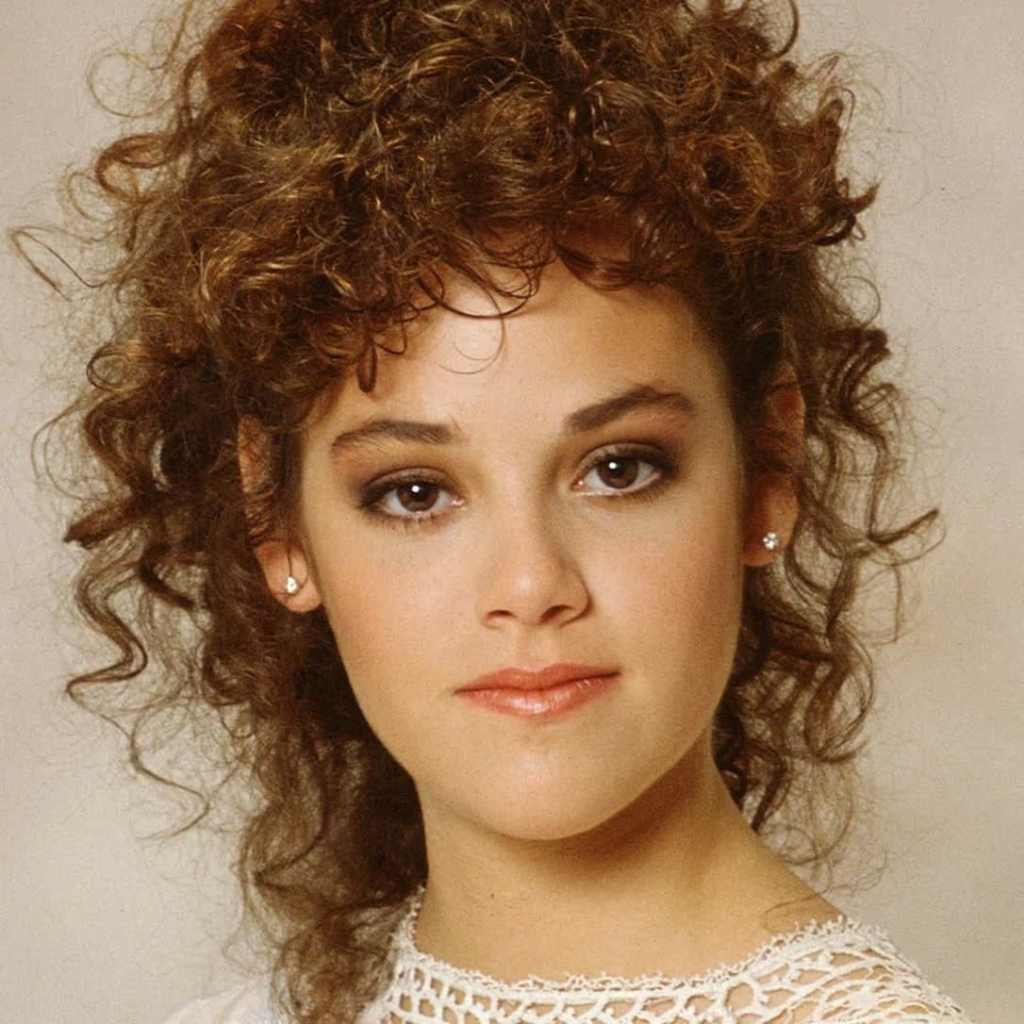
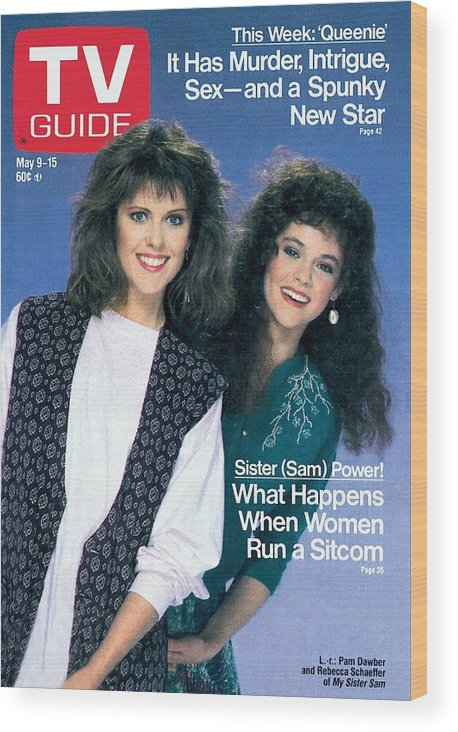
From 1986 to 1988, My Sister Sam aired on CBS.  Samantha Russell (Pam Dawber) is a freelance photographer who lives in San Franciso. Her life is turned upside down when her 16-year-old sister Patti (Rebecca Schaeffer) shows up on her doorstep to live with her. They are 13 years apart in age, and Patti had been living with their aunt and uncle in Oregon since the death of their parents. In real life, Schaeffer grew up in Oregon.

The cast is rounded out by coworkers Jordan Lucas, Sam’s agent (Joel Brooks); her assistant Dixie (Jenny O’Hara); and neighbor/photojournalist Jack (David Naughton), who is a ladies’ man.

The sisters have great chemistry, but they have very different personalities. Sam is a bit uptight and alphabetizes her juices in the refrigerator. Patti is a Valley girl, very laid back and a wanna-be rock star who plays the guitar.

In a Chicago Tribune interview in 1987, Dawber gave her philosophy of the show: “I see Sam as a woman who’s successful, who has a beautiful apartment but who doesn’t have the answers. Plus, she has to cope with a teenager who’d put her sister on a pedestal—she moved in because she thought Sam’s life was perfect—but finds out that she’s pretty neurotic. I mean, here is a woman, for openers, who’s compulsively neat, who needs to have control in her life.”

📷imdb.com

Their personal relationship mirrored their television one. Dawber said she considered Schaeffer a sister. She mentored her and even invited her to move into her home in LA where Dawber lived with Mark Harmon, her then-boyfriend, now husband. Dawber said that “We just kind of fell into this sisterly thing, . . . Cause I’d had a sister. My sister passed away when she was 22 and I was 25. And so having another young girl in the house was something I was very comfortable with. It was good for us.”

Pam Dawber’s production company, Pony Productions, developed the show created by Stephen Fischer. The screenplay was written by Fischer and Diane English. Dawber wanted to base her character a bit on Mindy from Mork and Mindy. She said that she was “not a comedian. I’m a reactor to all the zany people who revolve around me.” English and Mimi Weber took on the producer role, with the show filmed at The Burbank Studio. English would go on to write for Murphy Brown.

The theme song, which I admit I don’t remember, was called “Room Enough for Two,” and it was written by Steve Dorff and John Bettis. Kim Carnes, who had a hit with “Betty Davis Eyes,” sang the song. Dorff later was the composer for Murphy Brown and Murder She Wrote. Bettis worked on The Godfather, Part III and Star Trek V.

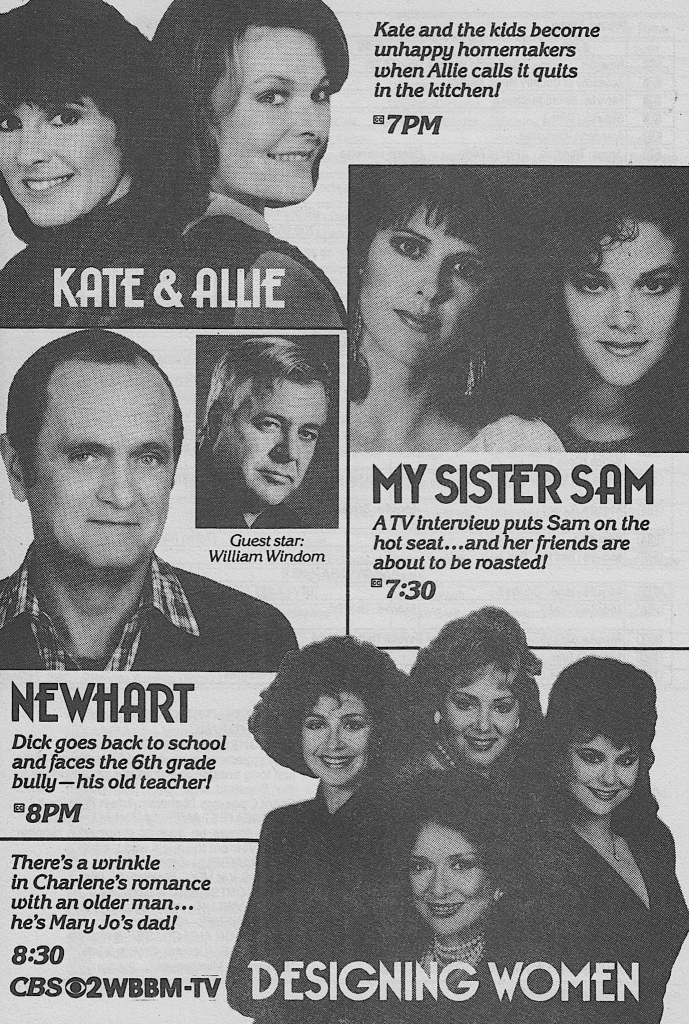
The show had a great time slot between Kate and Allie and Newhart on Monday nights. It ranked 21 overall. Of course, the networks rarely leave well enough alone, so they moved the show to Saturday nights opposite The Facts of Life. The end of the second season found the show down 50 points at 71overall. The network was toying with canceling the show, but after receiving a lot of fan letters, they brought it back in March of 1988. It moved to Tuesday nights and the ratings increased. However, the ratings did not stay that high, probably because the competition was Who’s the Boss and Matlock. In April, CBS canceled it outright, leaving 12 unaired episodes.

Sadly, a year after the show was canceled, Schaeffer was murdered in her home by an obsessed fan. After living with Pam, Schaeffer got her own place. She was living in West Hollywood when she was killed. Dawber said she told Schaeffer not to put her real name on her mailbox. Dawber had a scare with a stalker earlier in her career, and she learned not to put her real address on her driver’s license or anything that a fan could track you down with. Schaeffer didn’t listen and her name was on her mailbox.

The man who killed her, Robert Bardo, said he saw her in a promo in 1986 and began watching the show. He sent her fan letters. At one point, he flew from Arizona to LA to the studio to look for her. He took gifts to the studio several times, but studio security always stopped him. Bardo returned to Arizona. After the show was canceled, Schaeffer took on several movie roles which were very different from her role as Patti. One love scene enraged Bardo. Bardo was stopped from buying a gun due to mental health issues. He convinced his brother to buy him one for target practice. Then he boarded a bus to LA. He hired a private detective to find Schaeffer’s address; the detective located it through the Department of Motor Vehicles.
One morning Schaeffer was waiting for delivery of a script of The Godfather III for an audition with Francis Ford Coppola. Bardo rang her bell, and she answered thinking it was the delivery person. He introduced himself and told her she had sent him a card and photo after receiving fan mail. She explained she was busy that day, so he went to a local diner. He returned to her house, and she said he was wasting his time expecting any relationship with her. Then he shot her point blank. He got away and returned to Tucson but was apprehended a day later after running in and out of traffic, shouting that he was the one who killed Rebecca Schaeffer.
📷plex.com

Dawber was filled with grief and anger. She reunited with the cast of My Sister Sam for a Public Service Announcement for gun control, and she testified before Congress for stricter gun laws. After Schaeffer’s death, California passed an anti-stalking law in 1990. Now all fifty states have one on the books. Bardo was sent to California where he was found guilty of first-degree murder. He was sentenced to life in prison without the possibility of parole.

My Sister Sam was a ground-breaking show having women in so many of the critical roles. During the Chicago Tribune interview, Dawber said that “the significant thing is that My Sister Sam is a show about women that is run by women. . . . Not only are three of our five regular cast members women, but we have a female executive producer, two writer-producers, and a director. It really wasn’t intentional. It just happened that way.”

It would have been interesting to see how the show fared if it had kept its original time slot and the plots that would have been written as Patti became an adult. Did she begin to resemble her sister more or did she keep her carefree personality? And would her sister adopt some of her less serious traits? Almost every review I read about the show said it was genuinely funny, adorable, relatable, etc. With all the moving around the schedule and “is it on the air or not” decisions, only 44 episodes were created, so there aren’t enough for syndication or DVDs.

And of course, it’s devastating what happened to Rebecca Schaeffer. She was a rising star, and you have to wonder what type of career she would have had if she had lived more than 22 years. Dawber had to experience the death of another sister much too young to die. I’m glad a lot of laws came out of the experience, but it was such a brutal murder. Now, 35 years later, our country is still dealing with devastating murders because not enough laws have been created.

Leslie Nielsen: Always One to Let ‘er Rip

In this last blog in our series of Supportive Men, today’s actor might not be someone most people expect to see when talking about television. When most people think about Leslie Nielsen, they think of Airplane! and some of his other movies. While he did have a prolific movie career, he also has a well-deserved place in television. This guy amassed 259 (150 in television) acting credits during his six-decade long career.

📷tmdb.com

Nielsen was born in Saskatchewan, Canada in 1926. His mother was from Wales, and his father was a Royal Canadian Mounted Policeman. His older brother served in politics, being a Canadian Member of Parliament, a cabinet minister, and a Deputy Prime Minister of Canada. I read several sources that said his father was abusive, and Leslie wanted to move out as soon as possible.

Leslie enlisted in the Royal Canadian Air Force, serving until the end of WWII. He was legally deaf, wearing hearing aids most of his life, but he was able to train as an aerial gunner.

After the war, he worked as a disc jockey in Calgary, Alberta before enrolling at the Lorne Greene Academy of Radio Arts in Toronto. He was offered a scholarship at the Neighborhood Playhouse in New York.

📷wikipedia.com Bonanza

He made five television appearances in 1950 with the first being on The Actor’s Studio. He continued working in television, primarily on dramatic theater series, through the 1950s. In 1956, he had his first big-screen roles, appearing in four movies that year including Ransom, Forbidden Planet, The Vagabond King, (Nielsen later referred to this film as the “Vagabond Turkey”) and The Opposite Sex.

Leslie discussed his role in Forbidden Planet: “Supposedly a science fiction version of Shakespeare’s The Tempest . . . The Trekkies today regard it as the forerunner of Star Trek. I just had to wear a tight uniform and make eyes at Anne Francis. I was pretty thin back then.”

He became an American citizen in 1958 but continued to be proud of his Canadian citizenship as well.

While most of his credits for the late fifties were movies, he jumped back into television in the sixties, appearing in forty different shows. Many of them were dramatic theater roles, but you can spot him in Alfred Hitchcock Presents, Route 66, Wagon Train, Daniel Boone, The Wild Wild West, Dr. Kildare, Bonanza, The Man From U.N.C.L.E., and Gunsmoke. His only recurring role during this decade was on Peyton Place where he played Kenneth and Vincent Markham in 18 episodes.

📷pinterest.com on M*A*S*H

The seventies were almost a repeat of the sixties. His recurring role was on The Bold Ones. He also appeared in Medical Center, Mod Squad, M*A*S*H, Barnaby Jones, Hawaii Five-0, Kojak, Columbo, and The Love Boat.

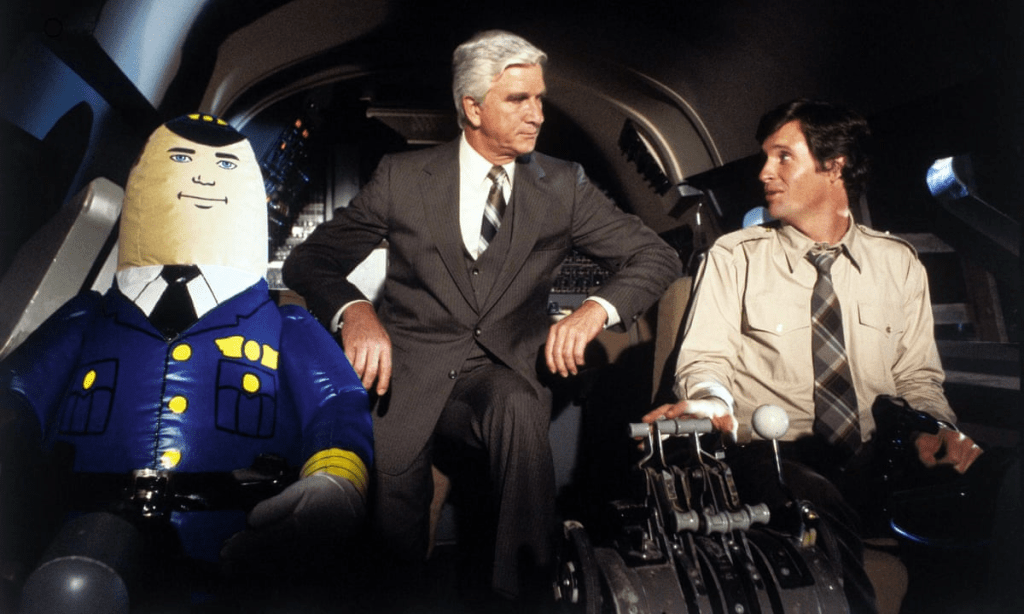
1980 brought him the role of Dr. Rumack on Airplane!. Nelson’s deadpan delivery of lines in that movie is what most fans today remember about his career. Of course, his response to the line of “Surely you can’t be serious?” of “I am serious. And don’t call me Shirley” is still repeated today. Leslie said, “he was pleased and honored that he had a chance to deliver that line.” Film critic Roger Ebert once called him “the Laurence Olivier of spoofs.”

📷themoviebuff.com Airplane!

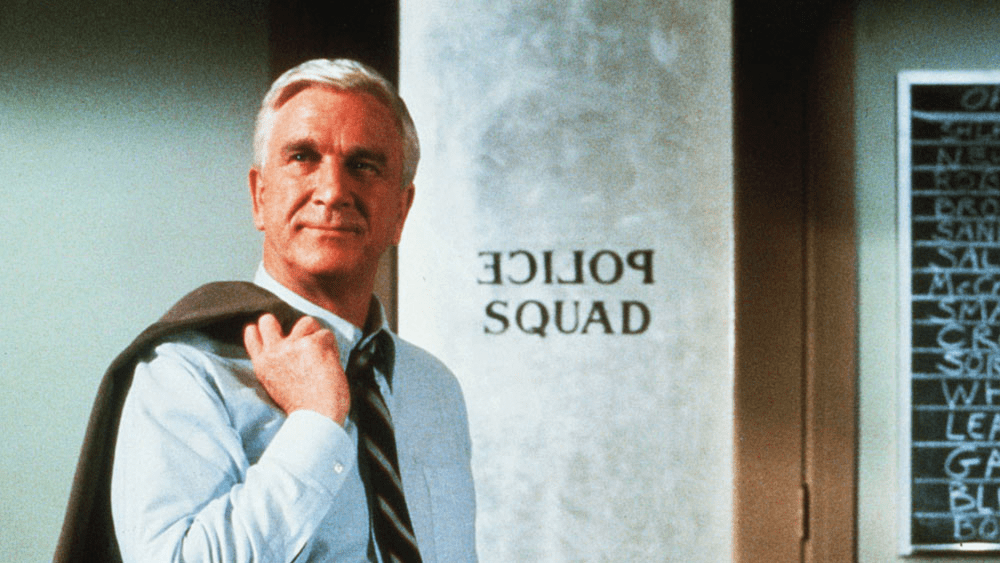
He continued in these types of roles in Police Squad and Naked Gun and the sequels. His movie roles increased in the eighties and nineties, but he continued to accept television roles off and on. You can catch him on Murder She Wrote, Highway to Heaven, Who’s the Boss, The Golden Girls, and Evening Shade.

His roles continued throughout the 2000s until his death, but the last decade included fewer memorable shows, although he worked less overall. When reflecting on this, Neilsen said that “I’m afraid if I don’t keep moving, they’re going to catch me . . . I am 81 years old, and I want to see what’s around the corner, and I don’t see any reason in the world not to keep working. But I am starting to value my down time a great deal because I am realizing there might be other things to do that I am overlooking.”

📷npr.org Police Squad

While Nielsen was very successful in his career, he was not as successful with his marriages. From 1950-56, he was married to Monica Boyar. His longest relationship was with wife Alisande Ullman from 1958-1973. He then married Brooks Oliver for two years from 1981-83 and then Barbaree Earl from 2001-2010.

One of his hobbies was golfing, and he later did some humorous instruction videos about the sport. He once said, “I have no goals or ambition. I do, however, wish to work enough to maintain whatever celebrity status I have so that they will continue to invite me to golf tournaments.”

Nielsen died in his sleep in 2010 from pneumonia.

He received two Walk of Fame stars: one in Hollywood in 1988 and one in Toronto in 2001. Nielsen was known for his flatulence gags, especially on movie sets, and his tombstone says “Let ‘er Rip.”

While Nielsen’s career is impressive, what I loved most about him is that he seemed to thoroughly enjoy life. That’s a great reminder for us all. Our best role should be enjoying life to the best of our ability.

Dick Van Patten: He Was Enough

We are discussing some of our favorite actors who were typically supporting actors. In the case of today’s subject, he did star in a television show, but he was so great in other assisting roles, we are including him here as well. Today we get to know Dick Van Patten.

📷nypldigitalcollections.com Off Broadway

Van Patten was born in 1928 in Queens, New York. His father was an interior decorator, and his mother worked in advertising. Joyce Van Patten is his sister. Van Patten began working as a model and actor while he was still a child. He was only four when he joined John Robert Powers, a modeling agency, where made $5 an hour.

His first Broadway appearance was in “Tapestry in Gray” when he was seven, and he appeared in many plays by the time he graduated from the Professional Children’s School in New York City.

At that time, he moved to Hollywood. In 1949 he accepted the role of Nels Hansen on the early sitcom, Mama, about a Norwegian family living in San Francisco. The show was on the air until 1957, for a total of 327 episodes.

In 1954 Van Patten married Patricia Poole. She was a professional dancer, part of the June Taylor Dancers on The Jackie Gleason Show. Their son Vincent was on Apple’s Way in the mid-seventies, with 65 credits to his name. He is married to Eileen Davidson, who is Ashley Abbot in The Young and the Restless.

📷wikipedia.com On the set with friend Dick Van Dyke

Van Patten’s sister Joyce also began her career as a child. With 160 acting credits, she also has been very busy for decades, starring in The Good Guys. She was married to Martin Balsam from 1957-1962, another prolific actor. Van Patten’s niece Talia, who has also amassed more than 100 acting credits, was married to George Clooney and then John Slattery, star of several shows including Mad Men. So, this is a well-known family in entertainment.

In the fifties and sixties, most of Van Patten’s roles on television were in dramas and a few westerns. In the seventies, he took on his first comedy roles, appearing on I Dream of Jeannie, The Governor and JJ, Arnie, That Girl, Sanford and Son, The Doris Day Show, The Paul Lynde Show, Love American Style, The New Dick Van Dyke Show, Maude, Phyllis, Happy Days, and One Day at a Time, among others. He also accepted a few drama roles on shows such as Cannon, Adam-12, The Streets of San Francisco, Medical Center, and Barnaby Jones. After appearing on The New Dick Van Dyke Show in 1971, Van Patten and Van Dyke became life-long friends.

He appeared in 36 movies, his first being Violent Midnight in 1963. Spaceballs, Robin Hood: Men in Tights, and High Anxiety, all with Mel Brooks, were probably his best-known films. In 2014, Van Patten said working with Brooks was “great. It’s like a game. It’s not like work. He keeps you laughing the full day on the set. He’s just a funny man.” Van Patten also accepted 28 made-for-tv movie roles.

In 1977, he took on the role that would make him a household name: that of Tom Bradford on Eight is Enough. He played a newspaper publisher with eight kids. His wife dies early in the series, and Tom remarries.

Van Patten auditioned for the role of Tom Bradford but was not given the part. When the producers watched the first day of shooting, they scrapped the entire production. Fred Silverman then hired Van Patten.

📷showbizcheatsheet.com Cast of Eight is Enough

It’s interesting to wonder what his career would have been like if he had declined Eight is Enough and accepted the role he was offered of Dr. Adam Brinker on The Love Boat. Since he had already agreed to appear on Eight is Enough, the role went to Bernie Kopell.

In an interview with the St. Petersburg Times in 1989, Van Patten discussed his character on Eight is Enough: “Tom Bradford is a lot like the real me. He’s a man who always put his career second to his family. As long as everything was OK at home, he was OK too.”

Sadly, the cast did not learn of the cancellation of Eight is Enough from the network. Van Patten said “nobody called me to tell me it was canceled. I read it in the paper.”

Van Patten never received a starring role again, but he did keep very busy in the eighties and nineties appearing in many popular shows, including Love Boat, Murder She Wrote, The Facts of Life, Growing Pains, and Diagnosis: Murder.

He was in a handful of shows in the 2000s with Hot in Cleveland in 2011 being his last appearance on television.

He published a book in 2009 titled Eighty is Not Enough!, his memoir. He had also written Launching Your Child in Show Biz: A Compete Step-By-Step Guide and Totally Terrific TV Trivia. In 2001, he was honorary mayor of Sherman Oaks, California.

Van Patten was an animal advocate, and he created Natural Balance Pet Foods and the National Guide Dog Month to raise awareness and money for nonprofit guide dog schools.

Van Patten also participated in a variety of hobbies. Like Tom Bradford, he loved spending time with this family. He also owned thoroughbreds and attended horse racing events. He enjoyed playing poker, golf, swimming and reading. Most Sundays he headed to the tennis courts to meet Alan Alda, Mel Brooks, and Gene Wilder.

📷latimes.com

In 2006, Van Patten suffered a diabetic stroke. He made a full recovery and lived another nine years, passing away in 2015 from diabetes complications. He was still married to Patricia.

His son Tommy on Eight is Enough, Willie Aames, said Van Patten “was truly a gem who will be missed.” His second wife, Abby, on the show played by Betty Buckley, recalled that “every day on the set he was a happy, jovial person, always generous and ready to play, tease, and always keep us laughing. He was the consummate professional, a wonderful actor, master of comedy, and a kind and generous human being.”

📷imdb.com

Van Patten had an extremely successful career. For more than seven decades he was part of the entertainment community. In addition to his stage productions, films, and television work, he appeared in more than 600 radio show episodes and was in Weird Al Yankovic’s music video “Smells Like Nirvana.” He said that he had “fun doing this and going through my life. I’ve had a great life. It was exciting. I worked with the most interesting people, and I traveled all over the country.”

His reflection on his work is great advice for all of us. Van Patten said that he wanted to express the “single idea that has governed my entire life, that every moment of life is precious, that every step we take is an adventure, that every day on earth is a gift from God.” Thanks, Dick Van Patten, for leaving us with this inspiration and for taking your gifts and presenting them to us in the form of many wonderful memories.

Cesar Romero: Batman’s Most Joy-Filled Villain

We are winding up our series: Bam! Pow! Batman Villains. Today it’s all about The Joker: Cesar Romero.

📷turnerclassicmovies.com

Romero was born in New York City in 1907. His father was an import/export merchant, and his mother was a concert singer. He grew up in Bradley Beach, New Jersey. His father lost most of his money during the 1929 Wall Street Crash.

Romero teamed up with dancer Lisbeth Higgins and they formed a professional dance partnership, appearing in nightclubs and theaters throughout New York City including the Ambassador Roof and the Montmartre Café. Although he had no professional training, he was often compared to Fred Astaire. He also was cast in several off-Broadway productions including “Stella Brady” and “Dinner at Eight.”

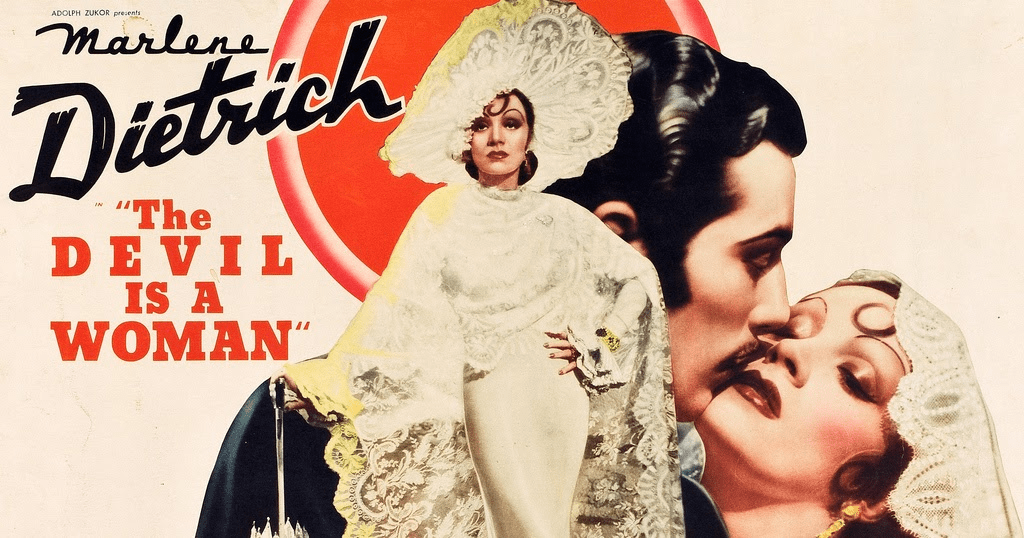
Later Romero would refer to himself as the Latin from Manhattan and he provided for his family members who followed him to Hollywood. He played the stereotypical Latin lover during the thirties and forties, including The Devil is a Woman with Marlene Dietrich in 1935. However, he also made westerns and did a bit of dancing during these decades on the big screen.

His friendship with Frank Sinatra brought him roles in Around the World in 80 Days, Pepe, Marriage on the Rocks, and Oceans’ 11.

📷imdb.com Wagon Train

In 1942, Cesar enlisted in the US Coast Guard, serving in the Pacific Theater of Operations. After his military career ended, Romero returned to his acting career.

His television career began in 1948 in the show, Variety. During the fifties he was primarily appearing on dramas, but he did show up on Private Secretary with Ann Sothern and continued his western roles on Wagon Train, Zorro, and Death Valley Days.

The sixties kept him extremely busy on television. He kept people laughing on Pete and Gladys, The Ann Sothern Show, Get Smart, and Here’s Lucy. He rode the range on Stagecoach West, Bonanza, Rawhide, and Daniel Boone. He stayed dramatic on shows including 77 Sunset Strip, Dr. Kildare, and Ben Casey.

📷wallpaper.com

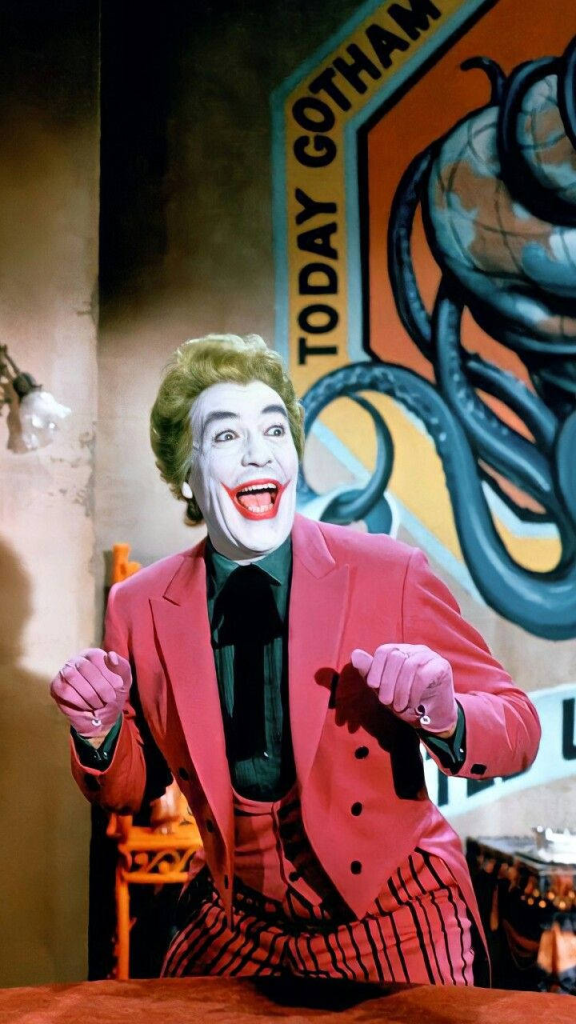
However, the show he was best known for in the sixties, is the show that made him part of my blog series this month, Batman. He had to endure a long time in the make-up chair. He refused to shave his mustache for the role, so white face makeup was smeared all over his face until it was hidden.

Romero admitted that this role reinvigorated his career. When he was offered the role of the Joker, he was 59 years old. Romero said the role was “the kind of part where you can do everything you’ve been told not to do as an actor. You can be as hammy as you want.”

He discussed how surprised he was when William Dozier called him about the show. He said Dozier told him that “the important characters were all villains. They had done the first two with the Riddler and the Penguin with Frank Gorshin and Burgess Meredith, and now they were ready to do the third, and the villain was the Joker. He said, ‘I would like you to play the part.’ So, I said I would like to read the script and know what it is all about. He said, ‘Come on over to the studio, and I will show you the film of the first episode.’ Of course, it was great. I said, ‘Let me read this Joker part, and if it is as good as the first one, hell yes, I will do it.’ So I read the script, and I thought it was a gas, and I said, ‘Sure, I’ll do it.’”

No serious villain, the Joker was cheerful and extroverted. He oozed goofiness and always appeared to be having a great time carrying out his nefarious activities. Dressed in his famous purple costume, he had his own automobile that could rival the Batmobile.

📷facebook.com

While most of the villains saw Batman and Robin as roadblocks in their evil schemes and problems to take care of, the Joker found great joy in taking down the superheroes. In one episode he says “Oh, but I must, I must! Why, outwitting Batman is my sole delight, my heaven on earth, my very paradise!”

You couldn’t miss him if you watched almost any television in the 1970s and 1980s. He appeared on a ton of shows, just a few of which included Bewitched, Nanny and the Professor, Love American Style, The Love Boat, Night Gallery, Mod Squad, Ironside, Medical Center, Charlie’s Angels, and Hart to Hart.

From 1985-88, he was a regular on Falcon Crest. Earl Hamner Jr., the creator of The Waltons, created this show featuring the Gioberti family, owners of Falcon Crest Winery. Romero played the love interest of matriarch Angela Channing, played by Jane Wyman.

He finished his career in the 1990s. He was in his eighties when he appeared on The Golden Girls, and Murder She Wrote, his last television role.

Romero also played a role in politics. As a registered Republican, he was very involved in many campaigns. He worked for Nixon-Lodge in 1960 and later supported Lodge in his run for President. When Lodge did not get the results that he hoped for, Romero turned his support to Barry Goldwater for the general election. He also worked for his friend George Murphy in his run in the California senate race. He later helped Ronald Reagan in his gubernatorial runs in California as well as his presidential campaigns.

It was reported in many articles that Romero had 30 tuxedos and more than 500 suits. That is not surprising because he had a clothing line, Cesar Romero Ltd. He was also a model and spokesperson for Petrocelli suits in the sixties.

Romero stopped acting in 1990. He remained busy though with several ventures including hosting classic movie programs on television. In 1994, Romero died from complications of a blood clot on New Year’s Day. He was being treated for bronchitis and pneumonia.

I enjoyed getting to know a bit more about Cesar Romero, but, I have to admit, that I don’t feel like I know him much better than I did before. He seemed to have been stereotyped as a Latin lover and then again as the Joker. I would like to go back and watch some of his appearances on westerns. It was hard to find much information about Romero beyond his career and political interests.

📷etsy.com

I know The Joker was not his most challenging role, but he will always have a place in America’s heart for the work he did on Batman as will these fun super villains we got to know this month.

Frank Gorshin: Batman’s Most Puzzling Villain

This month, our theme is Bam! Pow! Batman Villains. We have learned a bit about the careers of the Joker and Cat Woman, and today we are spending some time with the Riddler, portrayed by Frank Gorshin.

📷imdb.com

Gorshin started out as an impressionist and comedian before transitioning into acting.

Frank was born in Pittsburgh in 1933 into a blue-collar, middle-class family. His mom was a seamstress, and his father was a railroad worker. His paternal grandparents arrived in the US from Slovenia and his mother was born in Slovenia, coming to the Pittsburgh area as a young girl; his parents were very involved in the Slovenian community, both singing with the Preseren, a Slovenian singing society.

When he was 15, Gorshin got a part-time job as an usher at the Sheridan Square Theatre. He studied the mannerisms of the actors he watched in those movies and developed an impressionist act. Some of his favorite actors to mimic included James Cagney, Cary Grant, Al Jolson, and Edward Robinson. After entering a talent contest in 1951, he won a week-long engagement at the Carousel nightclub in New York.

Sadly, Gorshin’s older brother was hit by a car two days before and died. His parents convinced him to keep his performance schedule and sent him to New York.

After high school, Gorshin enrolled at the Carnegie Tech School of Drama (now Carnegie Mellon University).

📷imdb.com

At age 20, Frank was drafted into the US Army and sent to Germany. He was an entertainer in Special Services for a year and a half. When Gorshin left the Army, he began his acting career, appearing in four movies and on television in Alfred Hitchcock Presents.

I can’t imagine the horror Gorshin’s parents felt when getting a call in 1957 that their son had fallen asleep while driving from Pittsburgh to Hollywood, a 39-hour trip for a screen test. With their other son passing away from a car crash six years earlier, now they had to deal with the fact that their other son was in a coma with a fractured skull. Luckily, he made a full recovery.

Another big event occurring in 1957 was his marriage to Christina Randazzo. They had a son and separated later in life, but they never did divorce as far as I could tell.

Until his death, Gorshin would appear in more than sixty big-screen films. During the fifties, he only appeared in a handful of television series, but that would change in the 1960s. Some of the most memorable shows included The Defenders, The Munsters, Star Trek, and The High Chapparal. With his comedy act, he visited The Ed Sullivan Show four times. The first time he did his impressionist act on the series, he would be scheduled with this new band called The Beatles.

📷metv.com

The sixties also found him on Batman, his reason for being in this month’s blog series. He said that he developed a fiendish laugh at Hollywood parties. “I listened to myself laugh and discovered that the funniest jokes brought out the high-pitched giggle that I use on the show. With further study, I came to realize that it wasn’t so much how I laughed as what I laughed at that created the sense of the menace.”

He did not love the unitards that many of the comic book villains wore, so he asked for a green business suit and bowler hat, covered with question marks since he always left riddles for Batman and Robin to solve. He often said “Riddle me this, Batman” which became a catchphrase of the mid-sixties.

Gorshin said “When I was first approached to play the Riddler, I thought it was a joke. Then I discovered the show had a good script and agreed to do the role. Now I am in love with the character.”

📷imdb.com

Gorshin was the only villain to be nominated for an Emmy. He got the nod in 1966 for the episode “Hi Diddle Riddle.” He had some tough competition, going against Werner Klemperer as Colonel Klink on Hogan’s Heroes, Morey Amsterdam on The Dick Van Dyke Show, and winner Don Knotts on The Andy Griffith Show.

Gorshin was in ten episodes of the show, but after appearing numerous times, he was unavailable, and the producers replaced him with John Astin. I realized hindsight is 20/20 as they say, so the producers were never considering the effect the show would have on pop culture and the decades it would be a fan favorite, but that switch seems extreme. However, they did it with Julie Newmar and Eartha Kitt as well, so maybe they figured if you have to replace a villain, let’s replace them with someone very different from the original. Gorshin, however, was not a fan of being replaced but did get over it enough to accept his tenth episode role in season three and appeared as Riddler in the 1979 made-for-television movie Legends of the Superheroes.

Frank made his Broadway debut in 1969 in the musical biography, “Jimmy” which was about the controversial life of New York mayor Jimmy Walker.

Gorshin was very busy in the seventies and eighties. Among the twenty plus shows he appeared on were The Virginian, Martin and Rowan’s Laugh In, Ironside, Hawaii Five-0, Charlie’s Angels, and Murder She Wrote.

In the last three decades of his life, he spent more time making big-screen films. One thing I found surprising is that Gorshin appeared in three soap operas, all at different times in his career: General Hospital in 1963, The Edge of Night in 1982, and The Bold and the Beautiful in 1999.

In the early 2000s, Gorshin did a one-man Broadway show, portraying George Burns. He was reunited with his Batman cast in a made-for-tv movie, Return to the Batcave: The Misadventures of Adam and Burt. His last appearance was on CSI: Crime Scene Investigation on “Grave Danger” on which he played himself. The episode was directed by Quentin Tarantino and was dedicated to Gorshin.

📷discogs.com

Unfortunately, Gorshin was a heavy smoker throughout his life. Adam West once said that “Frank could reduce a cigarette to ash with one draw” and his nightclub performances warned patrons they would be exposed to a lot of second-hand smoke if they attended. Not surprisingly, he died from lung cancer, complicated by emphysema and pneumonia.

I enjoyed getting to know Frank Gorshin in this blog. While I was much more familiar with the careers of Burgess Meredith and Julie Newmar, Gorshin and Cesar Romero are actors I knew very little about. I hope you are also enjoying getting to know these fun “villains.”

Eddie Albert: The John Muir of Hollywood

This month we are looking at some of our favorite classic television actors. If you are a big fan of Oklahoma or Green Acres, you will be well acquainted with our star today, Eddie Albert. Let’s learn a bit more about his life and career.

Photo: imdb.com

Eddie was born Edward Albert Heimberger in 1906 in Illinois. When he was one, his family moved to Minneapolis. When he was six, he became a paper boy. He and his schoolmate, Harriet Lake, were in the drama club. Harriet would later change her name to Ann Sothern. After graduating in 1926, Albert enrolled at the University of Minnesota to major in business.

He began his career in earnest, but the stock market crash derailed his job search. He worked a variety of jobs including singer, trapeze artist, and insurance salesman.

Photo: closerweekly.com

In 1933 he moved to New York City and cohosted a radio show called “The Honeymooners-Grace and Eddie Show,” with costar Grace Bradt. He was on the show three years and then Warner Brothers offered him a contract.

Albert also had an early career on Broadway with lead roles in “Room Service” and The Boys From Syracuse.” He also began working on television. In 1936, NBC hosted a play of his “The Love Nest” on their experimental television station W2XBS, now WNBC.

His first movie role occurred in 1938 in Brother Rat. He would make 25 additional films during the next decade and then another 50 big-screen movies before his career ended, with his last one being the Narrator in Death Valley Days in 1995.

During his odd-job era, Albert had toured Mexico as a clown and trapeze artist with the Escalante Brother Circus while working for the US Army intelligence, photographing German boats in Mexican harbors. In 1942, he enlisted in the US Coast Guard. In 1943, he resigned in order to accept an offer as a lieutenant in the US Naval Reserve. He rescued 47 marines under heavy enemy fire in 1943 and was awarded a Bronze Star.

Eddie and Margo Photo: facebook.com

After returning from the War, Albert married Mexican actress, Margo. Their son also became an actor and their daughter took on the role of Eddie’s business manager. His son had more than 130 credits, the first being in 1963. You probably saw him on many of your favorite shows. Unfortunately, he passed away from lung cancer only a year after his father died.

During the late forties to the early sixties, Albert returned to Broadway for roles in “Miss Liberty,” “The Seven-Year Itch,” and “The Music Man.”

Albert had a long and active television career. During the fifty years that he was working in the industry, he appeared in almost 100 different shows. His first appearance was in the Ford Theater Hour in 1948.

Throughout the fifties, Eddie showed up in many of the early drama series on television. The sixties found him, along with most other actors of that decade, showing up on a variety of westerns, including Laramie, Tales of West Fargo, The Virginian, and Wagon Train. He was offered roles in several dramas as well, including Dr. Kildare, The Outer Limits, and The Man From U.N.C.L.E.

Photo: cinemacats.com

In 1965 he received the starring role of Oliver Douglas in Green Acres. For six seasons, he extolled the virtues of farming over the big city rat race. While Oliver had a harder time fitting into Hooterville life, his elegant wife Lisa was accepted immediately. If you have been reading my blog for a while, you know I love this show. I am more impressed with it now, fifty years later. There is so much sophisticated humor and wit in the show and I love getting to know the quirky characters who live in the Hooterville community. As Oliver Douglas, Albert was also on The Beverly Hillbillies and Petticoat Junction. The show was purged with the other rural comedies, even though the ratings were still quite high.

The seventies and eighties kept Albert busy on television and in films. He appeared on many shows including Columbo, McCloud, Here’s Lucy, Simon & Simon, Hotel, Murder She Wrote, and thirtysomething.

He opted to star in one more television series in Switch from 1975-78. He starred as ex-cop Frank McBride who started a detective agency with ex-con Pete Ryan (Robert Wagner).

Much of Eddie’s life was spent as an activist for social and environmental causes. He participated in the first Earth Day. He founded the Eddie Albert World Trees Foundation and was national chairman for the Boys Scouts of America’s conservation program. From 1985-1993, he was the spokesperson for the National Arbor Day Foundation. He was a trustee of the National Recreation and Park Association and became a member of the U.S. Department of Energy’s advisory board.

In addition, he was involved with Meals for Millions and was a consultant for the World Hunger Conference. Meals for Millions was a project that created nutritional meals for three cents each! They were sent to 129 different countries and added up to more than 6.5 million pounds of food. He and Albert Schweitzer participated in a documentary about malnutrition in Africa, and he often campaigned against DDT. He was also a director for the U.S. Council on Refugees and promoted organic gardening. Albert was also the founder of City Children’s Farms, a program to get inner-city kids involved in gardening.

I’m not sure when he had any other time for leisure and recreation, but he loved jogging, swimming, golfing, traveling, sculpting, beekeeping, sailing, reading, making wine, gardening, and playing guitar.

Photo: classicmoviehub.com

He 1995, Albert was diagnosed with Alzheimer’s disease. His son temporarily retired from acting to care for his father. In 2005, Eddie passed away from pneumonia.

When Albert passed away, we lost much more than an actor, although we did lose a great actor. I was so impressed with how much he did for the economy. He told a great story about his former costar Eva Gabor. She loved her fashion. They were great friends and like any couple, married or not, they had their differences. She never understood his passion for wildlife conservation. She asked him, “Every time you hear about a sick fish, you make a speech, vy?” And he patiently explained that we needed to preserve nature and save wild animals. A few days later she showed up in a gown made of feathers. He told her she should not be wearing it, and she said it was so chic. Albert told her that she was a role model, and when other women saw her gown, they would want one and many birds would die just to supply the feathers. Lisa just laughed and seriously said, “But Eddie, feathers don’t come from birds.” So he asked her where they did come from and she said, “Dahlink, Pillows! Feathers come from pillows.” In addition to being a great actor and an amazing activist, he was also a good and patient friend.