Earlier in the year we looked at some kids shows on PBS. This month it’s the adults turn. You can learn so many fun facts and become inspired on PBS. Up today is a show that has now been on a quarter of a century. Antiques Roadshow began on the BBC as a special in 1977. In 1979 it became a regular series in Great Britain. The American version was produced under a BBC license at WGBH in Boston in 1996 and began airing in 1997.

Traveling around the country to different cities, antique owners bring in their personal items to be discussed and appraised on the show.
Chris Jussel was the host for the first four seasons. Contemporary art expert Dan Elias took over from 2001-2003. Lara Spencer, who had been a correspondent on Good Morning America, moved into the seat for seasons 8 and 9. Actor and game show host Mark Walberg became the host after she left.
For the first nineteen seasons. the hour-long episode began with the host introducing the location. Most cities had three programs devoted to their location. The format showed a variety of items being evaluated by a variety of appraisers with knowledge of different categories of collectibles. Throughout the show, you would see shorter segments at the tables where a very brief appraisal was given for a couple of items. Halfway through the show, the host would explain more about the city or location where the show was being filmed. Often, shows were held in city convention centers or hotel ballrooms. The show ended with taped comments from the Feedback Booth where people discussed what they learned about their items. Some episodes would then have a Hidden Treasures segment where one or two items that were more rare or expensive or old would be given a more thorough appraisal.
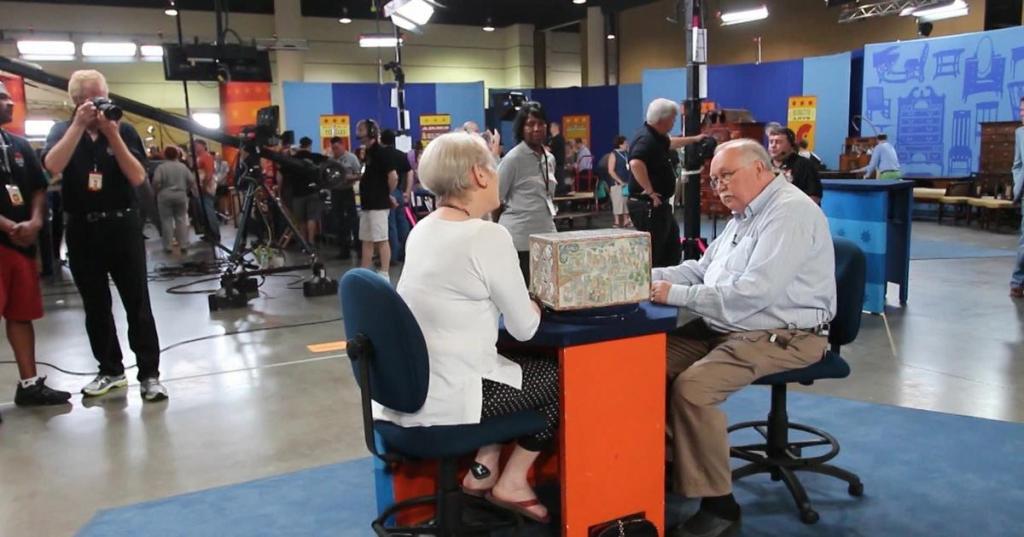
In season 16, a few small changes occurred to the format. New logos,as well as opening and closing credits were designed. A new set was created. Most of the host’s appearances including the halfway segment were dropped. Beginning in season 23, more shows were filmed at historic sites and parks, rather than city or commercial buildings. Walberg left the show in season 23, and Coral Pena took over the voiceover duties.

Of course, the COVID-19 pandemic affected the television industry and Antiques Roadshow was no exception. The limited number of episodes that aired in 2021 were conducted with celebrities instead of a variety of antique owners. I thought they were very interesting shows. Four celebrities were included in each hour: my favorite collections were with Jay Leno, Jason Reynolds, S. Epatha Merkerson, Marc Brown, and Nancy Kerrigan.
Tickets are free but are provided on a random basis. Viewers must fill out a form on the website and if you receive a ticket, you also receive a free appraisal whether your segment makes it on the air or not. Keep in mind, if you wear clothing with a business logo, you are automatically not appearing on television; the show cannot take time to contact all business owners for permission.
On the filming day, visitors check in at designated times and wait in line to see an appraiser. About 150 of the appraisals are taped, and approximately 30 of them make it on the final show. What if you live alone and want your antique dresser appraised? If the show thinks the item is interesting, they will move it free. If you receive a ticket, you can submit photos of your furniture to the producers and they will pick it up and return it in a 60-mile radius of the host city. However interesting some items are, there are several types of collectibles that the show won’t appraise including cars, stamps, currency, coins, fossils, tools, ammunition, and explosives.
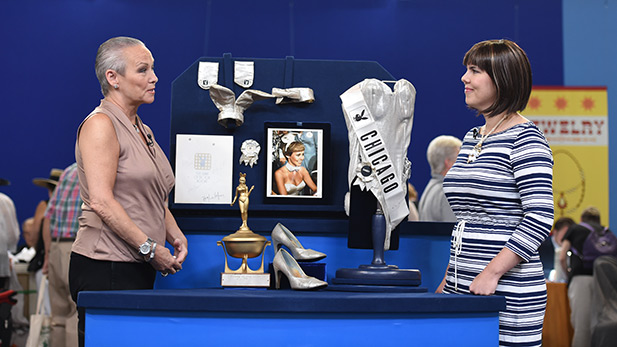
Typically. there are about seventy people appraising at each site. Antiques Roadshow uses volunteer appraisers and does not pay them or cover travel expenses. However, they do receive a few free meals that day. While they cannot buy or sell any items that day, they do get national exposure. To learn more about the appraisers, you can go to pbs.org and find the Antiques Roadshow page. You can also learn their rules and the cities that they will be visiting, along with a lot of other interesting information.

While items are often identified as fakes or reproductions, there have been some very significant finds on Antiques Roadshow. The most expensive appraisal never made it on the air. The owner preferred not to let America see who had this rare collection. It was a collection of autographs from every Presidential cabinet member from Washington to Franklin Roosevelt and was valued at a million dollars.
Some of the other fun collectibles included: a set of Chinese cups carved from rhinoceros horns from the late 17th century, valued at over a million dollars; sports appraiser Leila Dunbar valued a Bost Red Stockings 1870s memorabilia set at a million dollars in 2015; a never-worn Rolex Oyster Daytona Chronograph watch was valued at $500,000-700,000; and a set of Charles Schulz Peanuts comic art at $450,000. A New Jersey woman bought a card table at a garage sale for $25 and sold it for half a million.
The show draws about 8 million viewers a week and is very popular with PBS financial supporters.
Antiques Roadshow has been nominated for more than 19 Emmys. It has won more nominations than any other reality show, but it has never won an award.
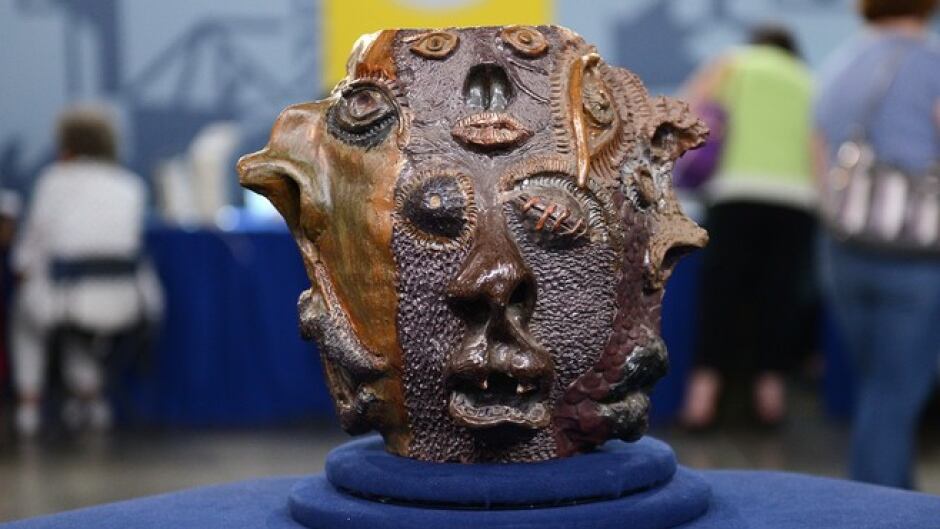
I could not find too many mishaps on the show, so either the network keeps them very quiet or they have been very lucky. One vase was appraised for $50,000 which later turned out to be made by a local high school student and valued much, much, much less. One man collapsed and fell after learning the value of his object, but I’m sure it was embarrassing for him so I won’t share the location and item from that incident.
While I have always loved history, I remember seeing the show as a parent of toddlers and thinking it had some interesting pieces but seemed like “an old person’s show” and about ten years ago, I began to watch it regularly so I either misjudged it or I am now an old person; if you have an opinion, I’ll let you keep it to yourself!
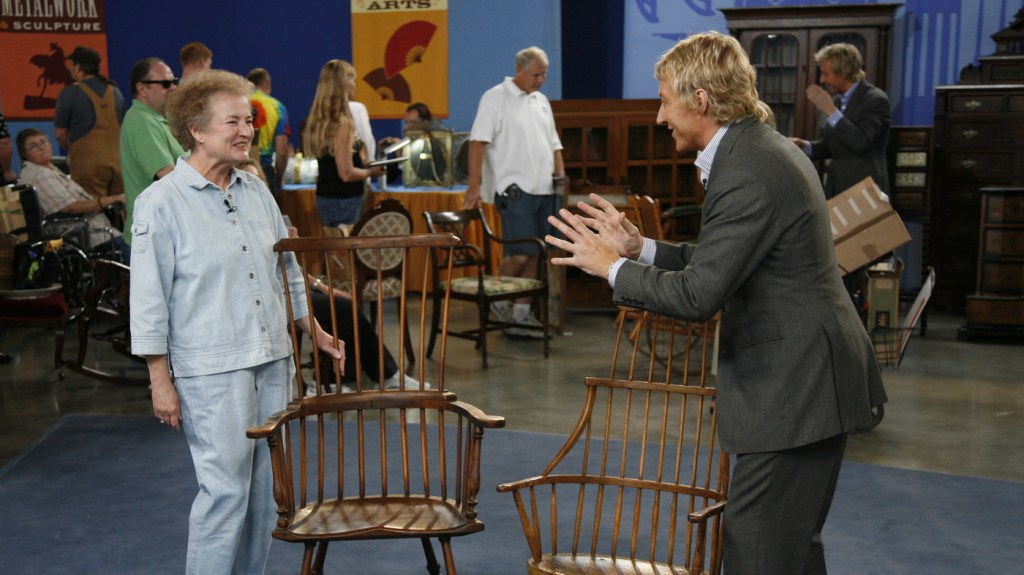
As a museum curator, I have learned some valuable information that I have been able apply to items in our collection. What I love most about the show is that there is something for everyone: handmade furniture, first-edition books, beautiful pottery, sports memorabilia, clothing from the entertainment field, and on and on. There is a reason the show has been on the air for 25 years so if you have never seen it, check it out this year.







 thewritelife61