Henry Winkler: Simply Amazing

Today we are learning about the career of Henry Winkler. Although he was typecast for many years following Happy Days, he managed to continue his career with a variety of roles.
Photo: wikifandom.com

His parents were German Jews who lived in Berlin during the occupation of Nazi Germany. His father knew they would not be safe there and left in 1939. Winkler described what happened in an interview with Terry Gross on NPR in 2019: “My father knew that it was time. He got a six-week visa from Germany to come and do work in New York but was expected to come right back. I have told this story–that he took his mother’s jewelry, bought a box of chocolate, melted the chocolate down, put the pieces of jewelry in the chocolate box, melted–poured the chocolate over the jewelry, put the box under his arm, so when he was stopped by the Nazis and they said, are you taking anything of value out of Germany, he said, no, you can open every bag; we’ve got nothing. And the jewelry that he encased in chocolate, he sold when he came out of Ellis Island into New York and was able to start a new life here, slowly but surely. I have the actual letters from the government each time my father requested to stay a little longer, and they would say yes. And I was born.”

Photo: goodhousekeeping.com

Although his family did not keep kosher, Henry and his sister Beatrice were raised with the traditions of Conservative Judaism.

Winkler struggled with his studies but he was popular and very funny. His parents were frustrated by his inability to learn. Apparently, his father spoke eleven languages and could easily do math in his head. Henry’s self-esteem began to suffer during these years. Because his grades weren’t better, he was banned from most theater productions, which was what he was most interested in. He was able to appear in “Billy Budd” in eighth grade and in “Of Thee I Sing” in high school.

Henry Winkler - IMDb
Photo: imdb.com

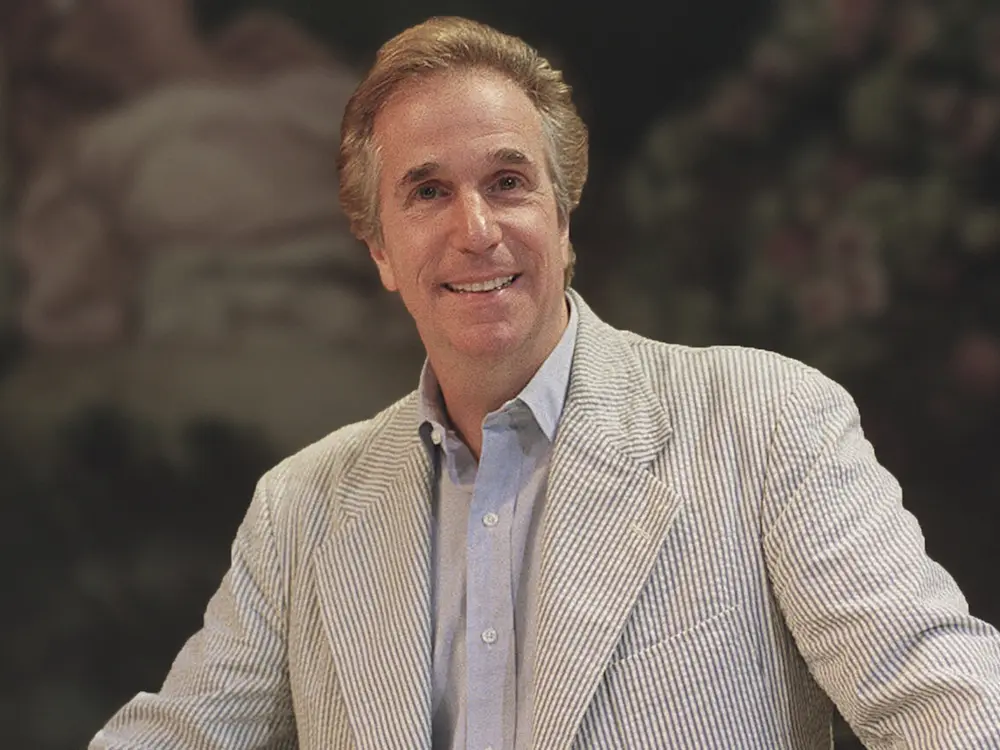
When Winkler gave a talk at the Yale Center for Dyslexia and Creativity, he tried to describe what it had been like for him in school: “You want so badly to be able to do it and you can’t. And no matter how hard you try, it’s not working . . . I would study my words.  I would know them cold. I would know them backwards and forwards. I would go to class. I would pray that I had retained them. Then I would get the test and spend a lot of time thinking about where the hell those words went. I knew them. They must have fallen out of my head. Did I lose them on the street? Did I lose them in the stairwell? Did I lose them walking through the classroom doorway? I didn’t have the slightest idea of how to spell the words that I knew a block and a half away in my apartment the night before.”
Henry Winkler Talks About His Dyslexia in CBS Interview | Understood - For  learning and thinking differences
Photo: understood.org

After high school, he attended Emerson College to study theater. He applied to 28 colleges but his grades kept him from being accepted at 26 of them. He majored in theater and minored in child psychology. During his time there he was a member of the Alph Pi Theta fraternity. He had a role in “Peer Gynt” as Peer Gynt. Although he also struggled with college courses, he stayed the course for four years and graduated in 1967. He was admitted to the Yale School of Drama in 1967. He appeared in a number of productions there. He received his MFA in 1970. Twenty-six years later he spoke at Graduation Day at Yale.

He began doing commercials in New York after graduation and starred in The Lords of Flatbush and Crazy Joe, two independent films. He appeared one day on Broadway; the show opened and closed on the same day. He also performed with an improv group, Off the Wall in New York.

Bomber Happy Days Fonzie Jacket - Jackets Creator
Photo: usajacket.com

In 1973 he moved to California. His first role there was on The Mary Tyler Moore Show. Although he paid his dues in New York, he was hired as Arthur Fonzarelli on Happy Days his second week in Hollywood. He would portray the Fonz for a decade. The part was originally written a minor role on the show. Winkler did not want to portray the character as a stereotyped role which is probably why he became so popular. He was allowed to wear a black leather jacket only on his motorcycle the first year. Winkler never drove the cycle because the first time he tried, he crashed. His motorcycle on the show was the same one Steve McQueen used in the last scene of The Great Escape in 1963.

During his time on the show, he was diagnosed with dyslexia, explaining his tough time at school.

During the middle of season two, his character became a regular cast member. Many fans attribute to his performance in the episode “Guess Who’s Coming to Christmas.” By season three, he was considered one of the leads in the show.

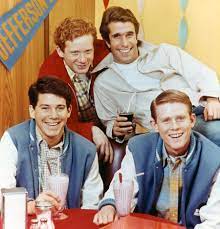
Both Ron Howard who played Richie and Winkler told writer Stephanie Nolasco of Fox News how they felt about each other and their time on Happy Days. Winkler had a hard time dealing with his sudden fame, and Howard was able to provide some grounding for him. Winkler described this time, “It’s unnatural—the human condition does not prepare you for stardom. That’s just the way it is. So, you have to hold on to yourself and then you’ve got friends like Ron who doesn’t take it all seriously. I learned from him; he was my teacher. And Garry Marshall never took bad behavior from anybody. He was a father figure. He was very funny and very idiosyncratic, and then he was very strict.”

With Ron Howard Photo: decider.com

Winkler also discussed his friendship with Howard. “I think people gravitate to the Fonzie/Richie relationship because Ron and I are ten years apart. He was 19 and I was 27. We had a connection that you cannot describe in real life, and it was similar off-camera. He gave me my first mitt; I’d never played baseball before. He’s my brother.”

Howard echoed the sentiments. “We were fast friends from the beginning. It continues all these years later. It was exciting for me to work with Henry because he was really a trained actor who attended Yale Drama School; just a trained New York actor. And, I’d grown up sort of through the Hollywood television system, so for me to work with this guy who was so thoughtful, so creative, and yet so hilarious, was really an opportunity for me to learn and grow and we just clicked, you know.”
Happy Days Photo: ew.com

The sudden fame for Fonzie might have damaged the friendship Winkler had with Ron Howard, but they were both professionals and never had their egos inflated. They honestly discussed what was happening and while Howard had a harder transition with the show, he understood that Fonz had become a national icon. Even now decades after the show ended, people recognize his “Ayyy” and “correctamundo” catch phrases and his thumb’s up gesture.

After the show was canceled, his leather jacket was acquired by the Smithsonian Institution for the National Museum of American History. A bronze statue of the Fonz was erected in Milwaukee in 2008 along the Milwaukee Riverwalk.

Photo: ew.com

Fonzie was adored by many kids, especially kids who needed some extra help or attention. Marshall was asked if the show could do something to help kids realize how important reading was. In one of the episodes, The Fonz went to the library and checked out a book, saying “Everybody is allowed to read.” That week, library card registrations increased by 500%. In another situation, one day a call came to Paramount Studios. It was from a teenage boy who was contemplating suicide. He wanted to talk to Fonzie. Winkler picked up the call and gave the boy hope, convincing him not to take his life.

Tom Bosley and Marion Ross Photo: ebay.com

He received 50,000 letters a week. He also received $50,000 an episode. Winkler described The Fonz as his alter ego; he said that Fonz was everything he had always wanted to be: in charge, confident, and adored by others. Winkler credits Marion Ross and Tom Bosley, Mr. and Mrs. Cunningham on Happy Days, with being his acting mentors. He loved them for what they taught him and for being great people. When Bosley died, Winkler said “Tom was a family member, both on and off the sound stage. We acted together, traveled together, and played charades together. He was a loving husband, a doting father, and a fantastic grandfather.”

During his years on Happy Days, Winkler was able to tackle several other roles in the off season. He was a Vietnam War vet with PTDS in Heroes for which he received a Golden Globe nomination. He was in Carl Reiner’s The One and Only and in Ron Howard’s Night Shift.

Stacey Weitzman + Henry Winkler: Inside the Fonz's Real Life Love Story
Henry and Stacey Photo: wideopencountry.com

He also tackled the role of husband, when he married Stacey in 1978. After two years of dating, they married in the same synagogue where Winkler had his bar mitzvah. Together they raised three children, and they have been involved with a variety of children’s charities including the Children’s Action Network, the Annual Cerebal Palsy Telethon, the Epilepsy Foundation of America, the Toys for Tots, the National Committee for Arts for the Handicapped, and Special Olympics.

Even with these roles and several other television appearances under his belt, when Happy Days ended, Winkler was typecast and could not get quality roles. Winkler went the route of producer and director. He was one of the developers of MacGyver and produced and directed Sabrina the Teenage Witch. He worked on two movies: Memories of Me with Billy Crystal and Cop and a Half with Burt Reynolds. He also had appearances in Scream in 1996 and The Waterboy in 1998 and on television in The Practice in 1997 and Arrested Development in 2003.
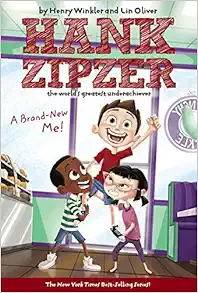
In 2003, he added writer to his resume, creating a new series of children’s books, Hank Zipzer about a dyslexic boy, with co-author Lin Oliver. The BBC televised the series, and Winkler appeared as Mr. Rock in the show. Winkler and Oliver went on to create Here’s Hank, the Ghost Buddy series and the Alien Superstar series. Queen Elizabeth appointed him Honorary Officer of the Order of the British Empire in 2011, and he was named one of the United Kingdom’s Top Ten Literary Heroes in 2013. In 2019, he was awarded the Bill Rosendahl Public Service Award for Contributions to the Public Good for his book series. In 2016, the award was renamed after Bill Rosendahl, a progressive political leader, Los Angeles’ first openly gay City Council member, an educator, a Vietnam veteran, an award-winning host of thousands of public affairs programs, and president of the Los Angeles Press Club.

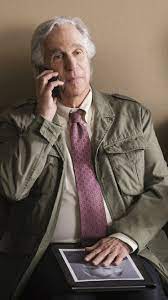
In 2016 he joined the ranks of actors participating in reality shows on Better Late Than Never. During season two, Winkler traveled to Berlin and shared his family’s story. This was a quirky 12-episode reality show. NBC described it as: “This hilarious fish-out-of-water comedy/reality show follows cultural icons Henry Winkler, William Shatner, Terry Bradshaw and George Foreman on their greatest adventure yet. Deciding it’s Better Late Than Never, these four national treasures embark on the journey of a lifetime, traveling across Asia on their own with no schedule and no itinerary. The only “help” will come from Jeff Dye, a young, strong, tech-savvy comedian with an agenda of his own – who isn’t above leading the men off track. Each stop is packed with hilarious cultural experiences, heartwarming spectacles and unexpected twists as our legends take on this unforgettable adventure.”

Better Late Than Never art features Henry Winkler, William Shatner, Terry  Bradshaw, George Foreman | EW.com
Photo: entertainmentweekly.com
Photo: vanityfair.com

In 2018, Winkler starred in the show Barry and won his first Outstanding Supporting Actor in a Comedy Series Emmy. The plot features a hit man from the Midwest who moves to Los Angeles and becomes fascinated with the city’s theater life.

The show was on HBO for two seasons and Bill Hader, one of the creators and star of the show, wanted Henry for the part of acting teacher Gene Cousineau. Winkler mentioned he was 27 when he got the regular role on Happy Days and 72 when he got the role on Barry. Stage 19 of Paramount was where Barry was filmed; it was also the same sound stage used for Happy Days. Hader wrote Cousineau as a dark, cold character and while he could humiliate his students, Winkler brought some warmth to the character as well.

Winkler is a loyal Democrat and has campaigned for, and financially supported, Jimmy Carter, Bill Clinton, Al Gore, John Kerry, and Barack Obama.

Happy Days': Henry Winkler Revealed How He and John Ritter Met
With Friend John Ritter Photo: outsider.com

In addition to being lifelong friends with Ron Howard, Winkler was a close friend of John Ritter. They met at an ABC party in 1978 and became close friends. Winkler was actually on the set of John’s show when he collapsed and had to be taken to the hospital shortly before his death.

I do like to add some personal stories to my blogs when possible. I found a fun article in New York Magazine that looked at what famous people like to buy. One of the pieces was about Henry Winkler from October 2021. So, what did the famous Mr. Winkler purchase?:

Gotham_5lb_bag_Brooklyn-Blend.jpg

Penn Ultra-Blue racquetballs to play with his dog Sadie. ($4); A Sony Alpha a6000 Mirrorless Camera ($650); Landmark Theatre Gift Cards ($5); Katz’s Pastrami and Rye food boxes ($155), a reminder of his youth; Munster Cheese from The Cheese Store of Beverly Hills ($15); Winston Boron fly fishing rod ($825); Knudsen’s heavy whipping cream ($4); Gotham Coffee Roasters Brooklyn Blend Coffee ($18) which needs the above cream, no half ‘n half for Henry; and Lavley I’d Rather Be Fly Fishing socks ($12), because no one likes the socks where the elastic stops working after two wash cycles. A bit of fun trivia about an icon’s shopping list.

Perhaps one of the best stories that displays the importance of Henry Winkler comes from journalist Anderson Cooper. Cooper is also dyslexic and said that one of the books that influenced his life was The Fonz: The Henry Winkler Story. He keeps it in his office at CNN. He also mentioned that in meeting Winkler in person as an adult, he realized what a kind and gracious person he is. That is something I read over and over; everyone described Winkler as kind, level-headed, grounded, unbelievably nice, and many other similar sentiments.
Henry Winkler Shares Insights at Vital Ayyy-ging Conference | News | San  Diego County News Center
Photo: sandiegocountynews.com

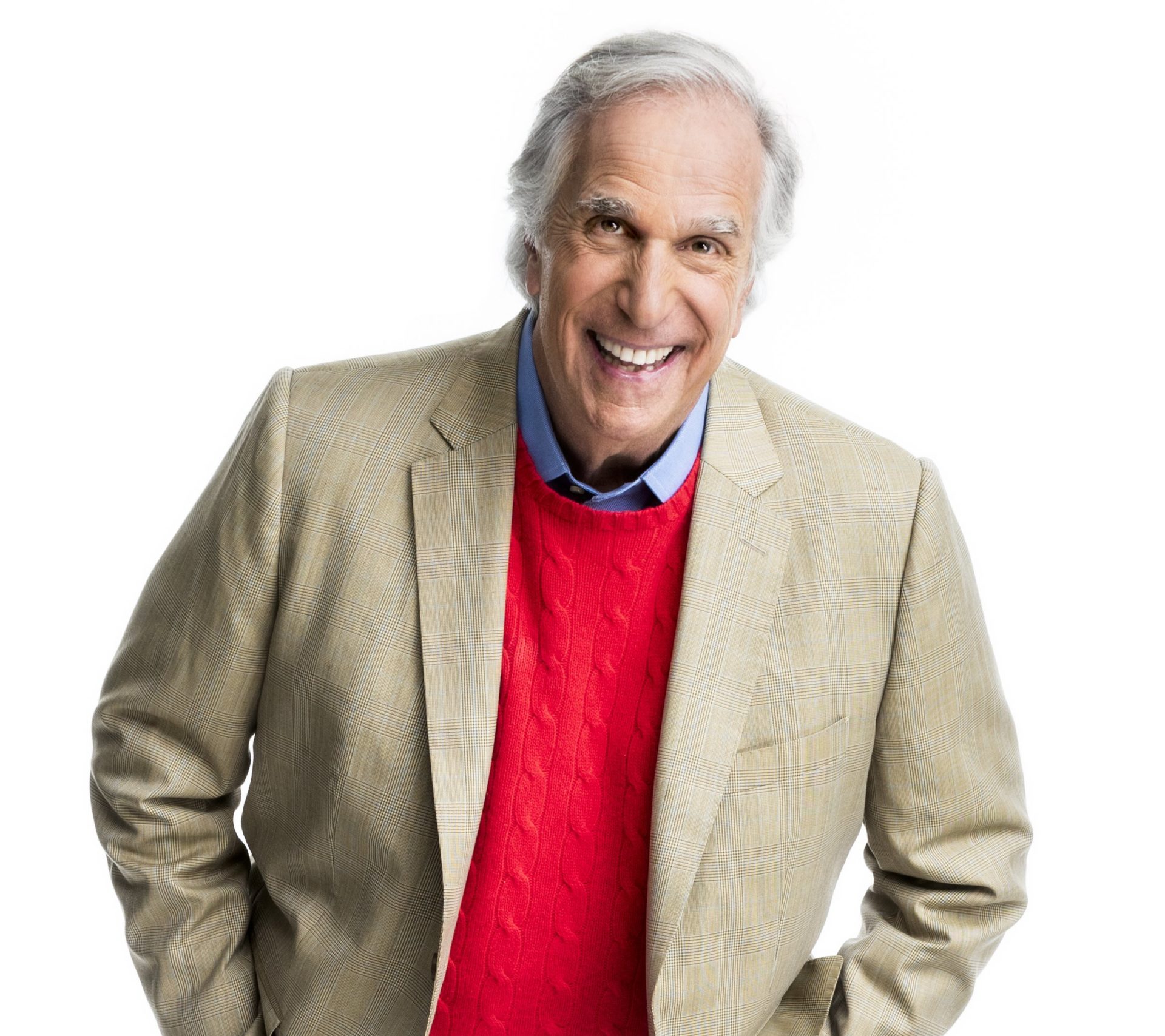
Henry Winkler would be amazing just based on what he did with the character of The Fonz. He would be amazing just based on what he has done for his children’s charity work. He would be amazing just based on how seriously he takes his roles as husband and father. He would be amazing just based on his directing and producing work. He would be amazing just based on his later roles on Arrested Development and Barry. He would be amazing just based on his friendships with coworkers including Ron Howard, Marion Ross, Tom Bosley, Adam Sandler, and John Ritter. He would be amazing just based on his book series as an author. And he would be amazing just based on the work he has done to help others understand dyslexia. Put them all together and add the fact that no one can talk about him without describing what a genuine and kind person he is, and he is well, just simply amazing. Thank you, Henry Winkler, for all the ways you have amazed us over the decades.

We’re Asking for “Anything But Love”

Later Cast Photo: imdb.com

This month, we are taking a look at some of our favorite duos from the eighties and nineties in “Duos to Love.” I decided to begin with a show that was on when my two oldest boys were babies. I was able to watch a bit more television at night because they slept pretty well. One of the shows we watched was Anything But Love. You don’t hear a lot about it anymore, but it starred Jamie Lee Curtis and Richard Lewis. While usually the pilot has different actors and the premise stays the same with different stars, this show was the opposite. In the pilot, Hannah and Marty are involved in a love triangle with D.W. Moffett. Hannah is a well-respected editor. The network liked the characters but not the plot. After viewing the pilot, the network makes Hannah a researcher, Lewis a reporter, and Moffett is sent on his way.

John Ritter can’t get between them Photo: imdb.com

The sitcom began airing on ABC in the spring of 1989 and continued until June of 1992. Lewis plays Marty Gold and Curtis is Hannah Miller. They work for a Chicago magazine and realize that they are attracted to each other but want to keep their relationship on a professional basis.

Wendy Kout created the show and it was produced by Adam Productions, a company of John Ritter’s.

Rounding out the cast were editor Norman Kell (Louis Giambalvo), assistant editor Jules Kramer (Richard Frank), writer Pamela Peyton-Finch (Sandy Faison), and Marty’s current girlfriend Alice (Wendie Malick). Hannah gets deeply philosophical articles to write, like her first assignment, which is “The Tortilla Wars: Does Chicago Prefer Corn or Flour?” At the end of season one, Alice dumps Marty.

The second season tweaked a few things. The magazine has a new owner in Catherine Hughes (Ann Magnuson) who promotes Hannah from researcher to writer. TV critic Brian Allquist (Joseph Maher) comes on board as does Harold (Billy Van Zandt) and Kelly (Jame Milmore) as new office personnel. In order to talk about her feelings for Marty, Hannah’s landlord and best friend, Robin (Holly Fulger), joined the show. At the end of season two, Hannah admits her feelings to Marty who acknowledges that he also has the same feelings for her.

Photo: GQ.com

The third season had a delayed airing and came back on the air in February. While Hannah and Marty explore their relationship, a new photographer, Patrick (John Ritter), gets a special assignment. Hannah and Patrick work together and they start to have feelings for each other as well. Hannah has to decide if she wants to accompany him to Africa for a new assignment when she realizes he has some ideas she could never approve and their relationship ends.

The fourth season finds Hannah thinking she is pregnant, and she and Marty decide to get married. Not long before the ceremony, the clinic calls to say the test was negative. Hannah and Marty call off the wedding but not the romance. They decide to continue dating and getting to know each other better.

The show began its life airing on Tuesday nights. It was up against The Tuesday Night Movie and Moonlighting. Considering Moonlighting had a very similar theme but complex and sophisticated plots, this didn’t seem like a great idea. The second season found it on Wednesday nights. It was opposite Jake and the Fatman on CBS and a variety of shows that cycled through that time slot on NBC. Ratings began to decline. When it had a delayed return for season three, viewers drifted to other shows, and the network had a hard time luring them back. For season four, they still faced Jake and the Fatman, but now on NBC a show called Seinfeld was scheduled which insured that the ratings would not be likely to improve.

However, ABC did not cancel the series; 20th Century Fox which produced the show with Ritter’s company guessed that the show would not have a sixth season and decided that there were not enough episodes or interest for syndication, so rather than putting more money into the show, they were ready to move on.

Critics seemed to like the show. Rick Kogan, TV critic for the Chicago Tribune described it as “a charming, quirky, witty and intelligent show. . . a member in good standing of that small club of quality shows. But for reasons that have alarmed many in the TV biz, the series is being killed.”

The theme song was “Anything but Love”; it was written and performed by J.D. Souther. Beginning in the second season, it changed to an instrumental version. Souther worked on a variety of soundtracks for shows and even received twelve acting credits for shows and movies including recurring characters on thirtysomething and Nashville.

Considering that the critics liked it, fans liked it before it began moving and going through delays, it starred Lewis and Curtis, and it was on the air for four years, I am always surprised it is not discussed more. This is the opinion of a reviewer on imdb.com: “This was such a lovely show and I miss that sort of thing that isn’t on television anymore. It was very smart, very silly and combined slapstick and clever dialogue well. The show reminded me in some respects of films from the thirties that had witty dialogue and a screwball sensibility and the chemistry between Jamie Lee Curtis and Richard Lewis was endearing and believable. One was given the impression that everyone enjoyed what they were doing. A favorite episode of mine involved someone running into an ex at a restaurant and the three four different stories of how the situation occurred. The best was a Fellini-like observation of the event. It is one of those clever obscure shows that deserves to be on DVD just for my sake.”

The good news is that the first two seasons are included in Volume 1 of a DVD, and it’s only $10 on Amazon. The bad news is that seasons three and four don’t exist. The first two seasons were definitely the best, but it is too bad you can’t watch the entire series. Ratings are very good on Amazon. It would be well worth paying $10 for that much good writing. I’ll close with this review on the DVD from George: “First, about the show. It is wonderful, and holds up well after 30 years. Snappy lines, young Jamie Lee Curtis is excellent in her role, as is the always quirky Richard Lewis. Many guest appearances, good writing (which has become rather rare in TV shows, riddled nowadays with “reality” TV). The DVD includes a couple of nice extras too. Four to five stars for the show.”

Everyone is Welcome on The Waltons

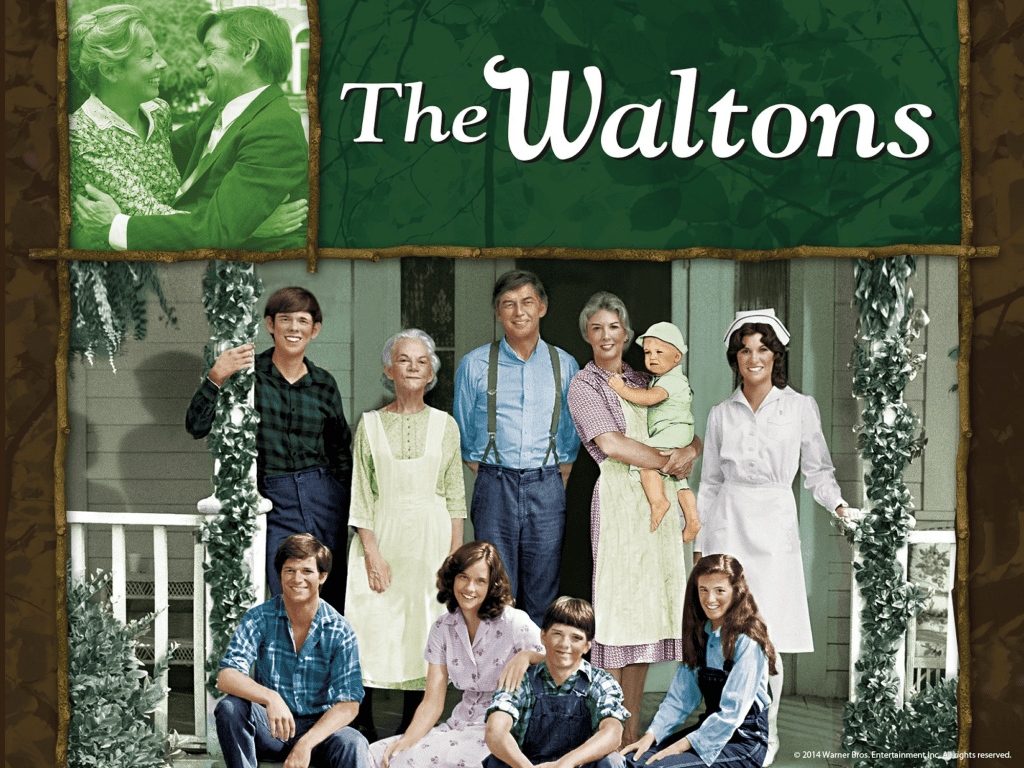
As we celebrate some of our favorite families, The Walton family has to be on the list. Those of us who were kids in the seventies grew up with the Walton kids. Debuting in 1971, the show was canceled a decade later.

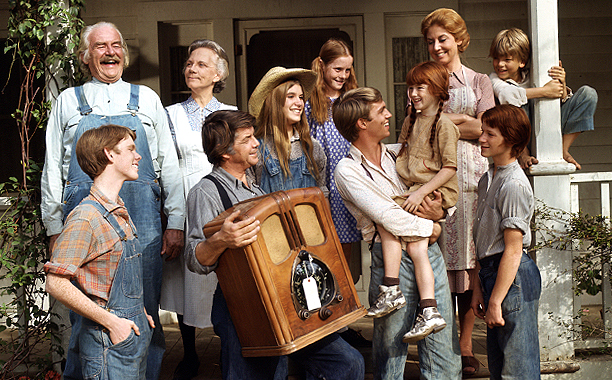
The Cast of The Waltons Photo: theguardian.com

The show was listed as a historical drama, but it had a lot of humor in it as well. Based on the book Spencer’s Mountain by Earl Hamner Jr. from 1961, the show was incredibly popular. In 1963 a movie was released based on the book. Hamner created the book from his childhood memories, and many of the plots and characters were based on real events and people. The ending of the episodes has often been parodied, and even if you never watched the show, you recognize the ending when the kids all said “Goodnight John Boy”, “Goodnight Ben”, “Goodnight Erin”, etc until they were told to go to sleep. Hamner said this was a regular activity in his home, and he did have six siblings.

In 1971 a made-for-tv movie called The Homecoming: A Christmas Story received great ratings, so the show was ordered by CBS for a new series. It was produced by Lorimar Productions and distributed by Warner Bros. Domestic Television Distribution in syndication. After the show went off the air, both CBS and NBC aired a total of six sequel movies.

The Waltons have a big family. John (Ralph Waite) and Olivia (Michael Learned) live with John’s parents Zebulon (Will Geer) and Esther (Ellen Corby). The couple has seven children: John Boy (Richard Thomas), Jason (Jon Walmsley), Mary Ellen (Judy Norton Taylor), Erin (Mary Elizabeth McDonough), Ben (Eric Scott), Jim Bob (David W. Harper), and Elizabeth (Kami Cotler).

The story was set in Virginia in Walton’s Mountain, a fictional town based on Spencer’s hometown of Schuyler. During the years that the show was on television, it covered 1933 to 1946. John runs a lumber mill, and the family does some farming. Halfway through the series, Grandma Walton has a stroke and Grandpa Walton passes away; in real life Corby did have a stroke and Geer died that year.

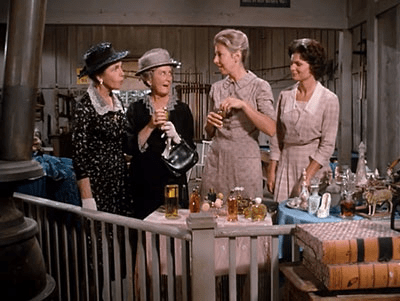
The Baldwin Sister Photo: thewaltons.com

During the run of the show, we get to know a lot of the community members including The Baldwin sisters, Emily and Mamie (Mary Jackson, Helen Kleeb), who sell Papa’s recipe, otherwise known as moonshine; Ike Godsey (Joe Conley) who runs the general store; Flossie Brimmer (Nora Marlow), a widow who owns a boarding house and communicates the town gossip; Yancy Tucker (Robert Donner), a local handyman; Sheriff Ep Bridges (John Crawford), and Reverend Fordwick (John Ritter).

Although the Depression is hard for the family to navigate, WWII caused even more hardship in their community. All four Walton boys serve in the military as does Mary Ellen’s husband. John Boy’s plane is shot down, and Curtis (Tom Bower), Mary Ellen’s husband, a physician, was sent to Pearl Harbor and believed to have died. However, years later Mary Ellen learns he has been alive the entire time, and she finds him living under an assumed name, depressed from his wounds. They divorce, and she later finds love and marries a second time. In later seasons, Olivia volunteers at the VA hospital and is not an active member of the series. She later is said to develop TB and moves to a sanitarium in Arizona. Her cousin Rose (Peggy Rea) moves into the house to help take care of the family, and a couple of years later, John moves to Arizona as well. The sequel movies took place in 1947, 1963, 1964, and 1969.

John Boy grows up to be a journalist and a novelist; he narrates the opening and closing of each episode, and the voice of the adult John Boy is Earl Hamner, the author. He is able to attend Boatwright University in a nearby town before moving to New York to begin his writing career. Jason is interested in music, and Mary Ellen becomes a nurse.

Walton’s Mountain was part of the Hollywood Hills range near the Warner studios in Burbank, and the town was built at the studio as well. Because the original set was destroyed when the show was canceled, later sequels had to recreate the home. That building is still being used and became the Dragonfly Inn on Gilmore Girls.

Photo: entertainment weekly.com

Although the network did not think the show would last, the show was very popular with both the viewers and critics. The networks had just done the “rural purge” where they canceled all shows with rural themes even those like Green Acres that were receiving high ratings. However, congressional hearings were held to discuss the moral compass of programming on television, and President Bush wanted more family shows, so the network gave it a go. I’m guessing they did not want the show to do well considering it was definitely a rural show, and they put it up against The Flip Wilson Show and Mod Squad. Ralph Waite did not want to be tied to a series long term but his agent told him not to worry about it, the show would never sell.

When Thomas was asked about the show’s popularity, he said, “It was kind of a miracle and a mystery. Certainly, the last thing any of us expected was that it would be embraced the way it was. I think our competition on Thursday night was Flip Wilson and Mod Squad, which were hugely popular and terrific shows for people. I think we premiered in 34th place and finished the season in first. It was just this steady climb. The critical community certainly came and went to bat for us.”

In 1973 the series won the Emmy for Outstanding Drama Series. That same year Richard Thomas won the Emmy for Lead Actor. Michael Learned received the Emmy in 1973, 1974, and 1976. Will Geer and Ellen Corby also were presented with awards: Corby won for Supporting Actress in 1973, 1975, and 1976 while Geer received the honor in 1975 as well.

The show’s ratings began declining in the late seventies. I’m not sure why Learned left the show; I do know she admits she suffered from alcoholism during those years. Waite was let go to save money for the series. The network wanted the show to concentrate on the younger viewers, but apparently, it was too late, or the show had come to the natural end of its life.

In the finale episode, the Walton family members and the Godseys attend a party at the Baldwin sisters’ mansion. If you look closely, you will see several unknown guests in the group–they included Hamner and other cast and crew members.

If you want to experience the life of this show, I have two suggestions for you. You can watch several seasons of the show on DVD, or you can check out John & Olivia’s Bed & Breakfast Inn which is located just behind the boyhood home of Hamner. It’s a five-bedroom, five-bathroom home inspired by the depression-era home of the Waltons.

Photo: amazon.com

It’s hard to explain the popularity that The Waltons had in the 1970s. I’m trying to come up with a show that was as critically acclaimed and was watched by the entire family for almost ten years. The only shows I can compare it to are Bonanza which aired for fourteen years and Little House on the Prairie which was on the air for nine years. Viewers embraced the characters and the values of the Walton’s Mountain community. We all felt we knew the family intimately and cared about what happened to them. It left a legacy, and I’m sure it influenced many people currently in the television industry. If you have never seen the show, you definitely want to watch a couple of seasons and if you grew up with it, you might want to revisit your old friends.

The Dating Game: I’ll Take Bachelor Number 4

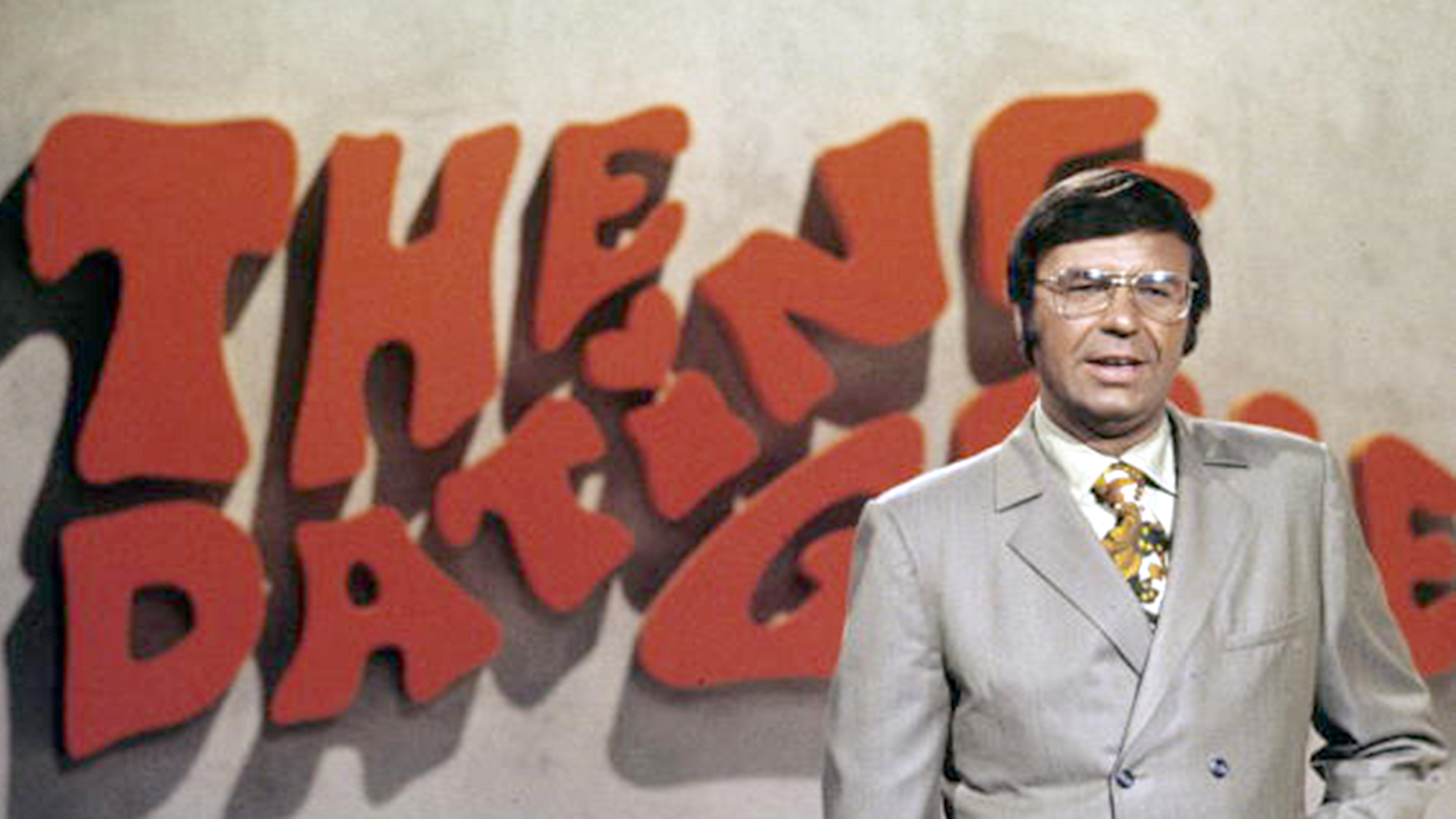
This month we are taking a look back at some of the game shows on television in the fifties and sixties. If you grew up in that era you will definitely remember The Dating Game. Airing in December of 1965, it was created by Chuck Barris who would create many game shows and might be known best for The Gong Show.

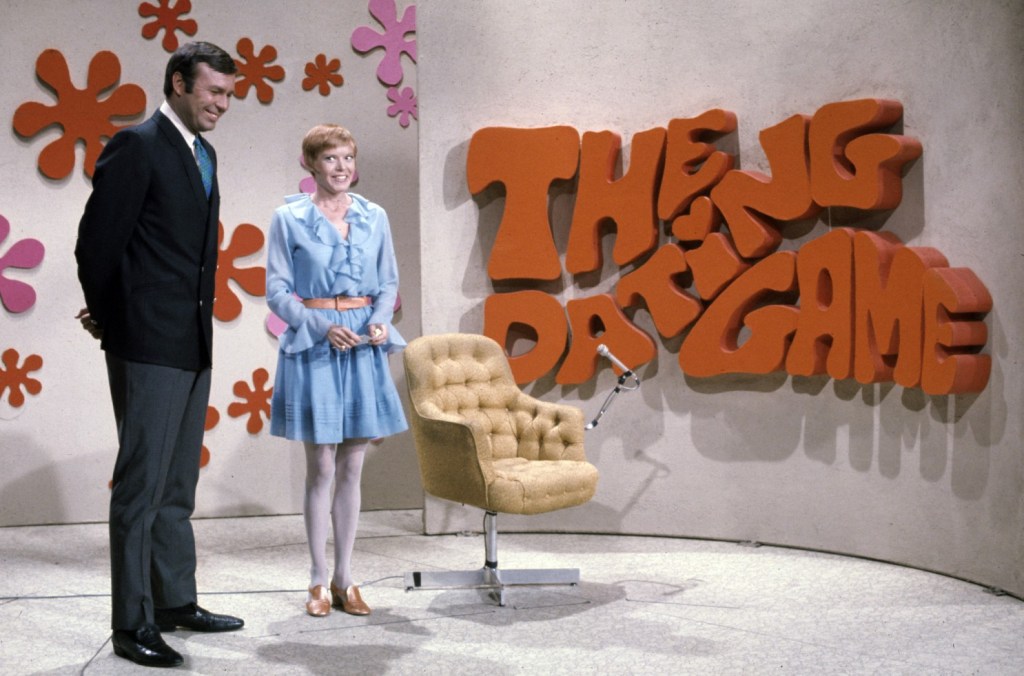
Photo: latimes.com

The original host was Jim Lange. The show was revived several times, a trend we continue to see with Match Game and the 100,000 Pyramid among other shows that have appeared in different decades. The original series was on the air until 1973. Jim Lange continued to host for the syndicated version in 1973 which only lasted a year and again in 1978 without the participation of Barris. Johnny Jacobs was the announcer with Lange. In 1986 the show was rebooted with Elaine Joyce as host, followed by Jeff MacGregor for 1987 and 1988. The show popped up again in 1996 with Brad Sherwood hosting, again followed by Chuck Woolery for two years.

The Newlywed Game, which we’ll discuss next week, was often packaged with The Dating Game for an hour of programming beginning in 1966.

9 Actors Who Appeared On 'The Dating Game' Before They Were Famous
Photo: throwback.com

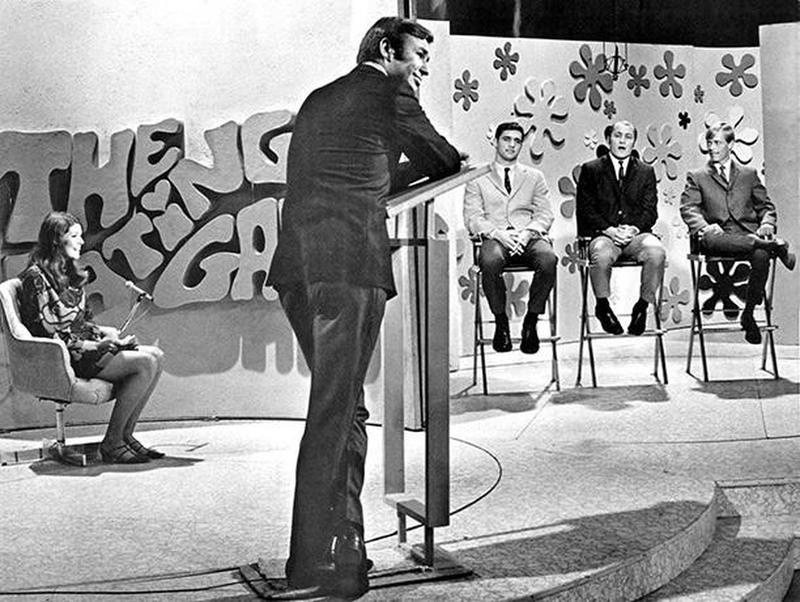
If you are not familiar with the show, three bachelors would sit on stools behind a wall and a bachelorette on the other side asked the three men questions. Every once in a while, things would reverse with the man asking questions to three women. She referred to them as Bachelor No. 1, 2, and 3. At the end of the question-and-answer period, the bachelorette would choose one of the three and the pair would go on a date with the show paying the expenses. The dates began as expensive dinners, but when the show went to primetime in 1966 exotic locations like Paris or Hawaii were the destinations, and the couples were chaperoned.

That chaperone would have been very important in the case of Rodney Alcala, one of the bachelors chosen for a date in 1978. Jim Lange introduced him as a successful photographer. At that time, there was no technology available to conduct background checks which would have already flagged him as potentially dangerous. Cheryl Bradshaw, the bachelorette, found him creepy and refused to go on the date. It was later learned that by the time he made his appearance on the show, he had killed at least two women in California and two in New York. After the episode aired, he continued his serial killing career and killed between 8-120 women in a nine-year time span. He was on death row at San Quentin Prison and is currently serving his time at the Corcoran State Prison with his execution postponed due to a moratorium on the death penalty in the state.

Bradshaw was not the only contestant who refused to go on the date. Many contestants chose to skip that once they met in person.

How to Make a Decision. - Thin. Rich. Happy.
Photo: thewisdomdaily.com

Barris had a problem with the show in that so many of the responses were not appropriate to put on the air. Often, they were crude or had sexual connotations. Finally, he came up with a creative solution. He hired an actor to dress like an enforcement official. He appeared in the dressing room before the bachelors were sent to the set. He told them any profanity or sexual references would be a violation of the FCC policy which was a federal offense, and it could lead to jail time. This was not true, but the bachelors did not know that, and Barris said the threat took care of his problem.

Suzanne Somers Photo: groovyhistory.com

While I do remember seeing Mel Harris as a contestant on Pyramid reruns, and I’m sure that happens sometimes on game shows, this show really hit the jackpot with contestants who later became celebrities including Yvonne Craig, Farrah Fawcett, Leif Garrett, Phil Hartman, Don Johnson, Andy Kaufman, Steve Martin, Lee Majors, Burt Reynolds, Michael Richards, John Ritter, Tom Selleck, Suzanne Somers, and Lindsay Wagner.

Photo: pinterest.com

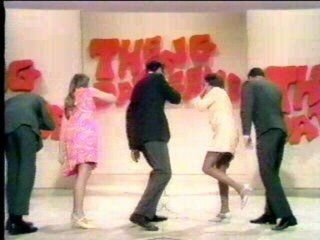
The set screamed 1960s with colorful daisy-like shapes on the wall designed by Art Director George Smith. The flowers were vivid sixties colors. The show ended with the winning contestants and Lange blowing kisses to the audience.

The music was also easily identifiable with the show. Herb Alpert and the Tijuana Brass songs were used in the three different parts of the show. “Spanish Flea” before introducing the bachelor, “Whipped Cream” when introducing the bachelorette, and “Lollipops and Roses” when the couple first meets.

The show was a hit from the beginning. Airing during the day in 1965, in 1966 it switched to primetime.

If watching the show was not enough excitement, you could play at home. Hasbro released three different games based on the show. In 1968, an album was recorded called The Dating Game Party Pak. Jim Lange narrated the album and packaged with it were invitations, name tags, and scorecards.

As for “happy ever afters,” I could only find two mentions of potential marriage from the show, and I could not verify either one of them. Barris said the network told him he needed to have at least one couple end up together; one couple discussed marriage and the network was involved with it but they called it off right beforehand; the other was a reporter who Barris knew would not give the show favorable publicity, so he apparently had three call girls as contestants and asked the reporter to be on the show. The reporter and one of the prostitutes went on their date, hit it off, and apparently, married. Happy ever after?  Who knows?

Like Laugh In, this was a show that could only have come out of the late sixties and early seventies. While I do remember watching the show often, I think it was probably because my parents were watching it. I’ll take Jeopardy, Concentration, or Sale of the Century any day.

Bob Newhart: Laughing Through Life

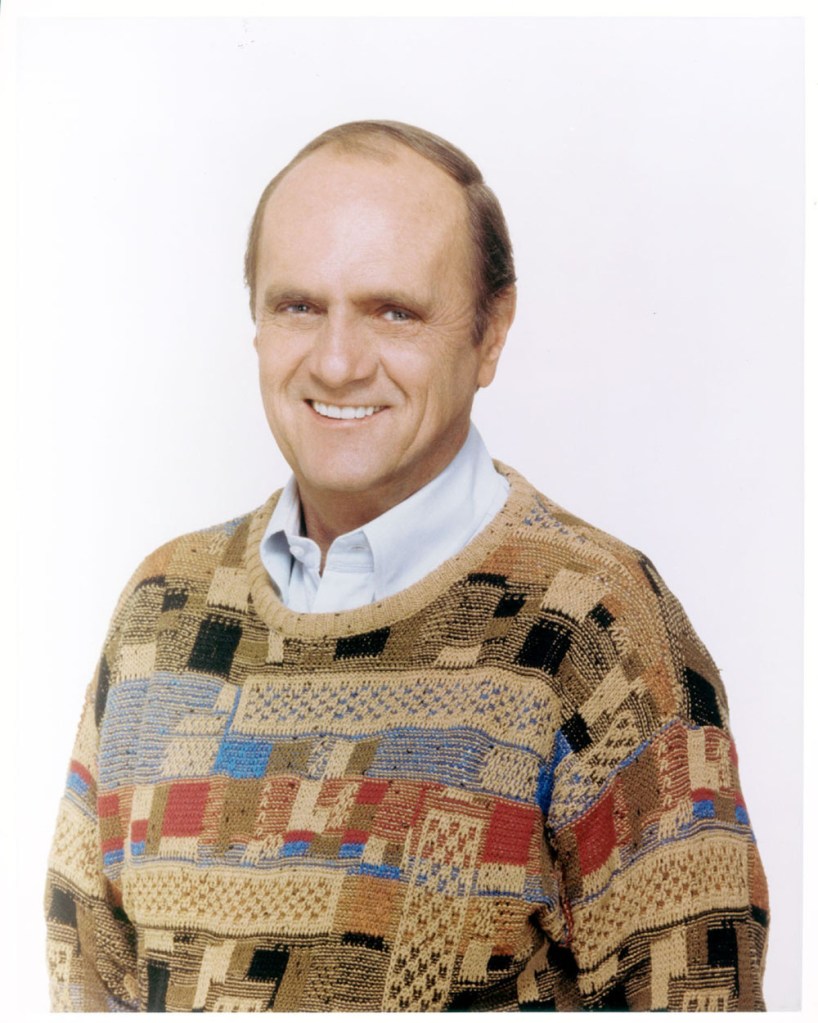
This month I wanted to honor one of our most beloved television comedians: Bob Newhart. Next week we’ll spend some time learning more about The Bob Newhart Show.

Photo: spotify.com

Newhart was born George Robert Newhart in 1929 in Oak Park, IL. He grew up in a typical midwestern family where his father was part owner of a plumbing and heating supply company, and his mom was a housewife. As a young boy, he always wanted to be called Bob. He had a Catholic education and went on to Loyola University of Chicago in 1947. Graduating in 1952 with a business degree, he was soon drafted into the US Army in the Korean war where he stayed until 1954. He considered getting a law degree and went back to Loyola. He decided not to pursue that; some sources site that he was asked to behave unethically during an internship which led him down a different career path.

He worked as an accountant and as an unemployment office clerk. In 1958 he was hired as a copywriter for Fred Niles who was a television producer in Chicago. It was while working here that Newhart and a colleague began entertaining each other by making telephone calls about absurd scenarios. They sent these to radio stations as audition tapes. A radio station disc jockey Dan Sorkin introduced Newhart to a Warner Brothers Records executive who signed him in 1959 based on those recordings. Bob then began creating stand-up routines which he performed at nightclubs.

Photo: discogs.com

He released an album in 1960 which changed his life. Titled, The Button-Down Mind of Bob Newhart, the comedy album made number one on the Billboard charts, and he won a Grammy for best new artist. A follow-up album, The Button-Down Mind Strikes Back was released soon thereafter. He would continue releasing comedy albums in 1961, 1962, 1964, 1965, 1967, 1971, and 1973.

During a 2005 interview for American Masters on public television, Bob stated that his favorite routine was Abe Lincoln vs Madison Avenue which was on his first album. A promoter for Abraham Lincoln has to deal with his reluctance to boost his image. A tv director named Bill Daily suggested the routine to him. Daily would be known later as Howard Borden on The Bob Newhart Show (as well as Roger Healey on I Dream of Jeannie).

The success of that first album led to a variety show titled The Bob Newhart Show. It only lasted a year, but it did receive both an Emmy nomination and a Peabody award. Apparently, he didn’t enjoy his time during the show so much. Halfway through the season he wanted to quit, but his agent explained that being under contract meant that was not possible. At a later date, he referred to his first show, saying “It won an Emmy, a Peabody Award, and a pink slip from NBC. All in the same year.”

He began making the rounds on television shows, appearing on The Dean Martin Show 24 times and The Ed Sullivan Show 8 times. He guest hosted The Tonight Show Starring Johnny Carson 87 times. When discussing his appearances on Johnny’s show, he stated “I remember once when I emceed The Tonight Show in New York, I arrived with my manager’s son. After a while, they asked, ‘When are the rest of your people coming?’ I had to say, ‘This is it.’”

Photo: huffingtonpost.com

In 1962 Newhart accepted his first movie role, Hell is for Heroes, starring Steve McQueen. He would continue to do movie roles throughout his career including the Christmas classic Elf, but the small screen would make him famous.

In 1963 Buddy Hackett introduced Bob to Virginia Quinn, whose father was character actor Bill Quinn. They wed in January of 1963 and 57 years later are still happily married.

Photo: zimbio.com

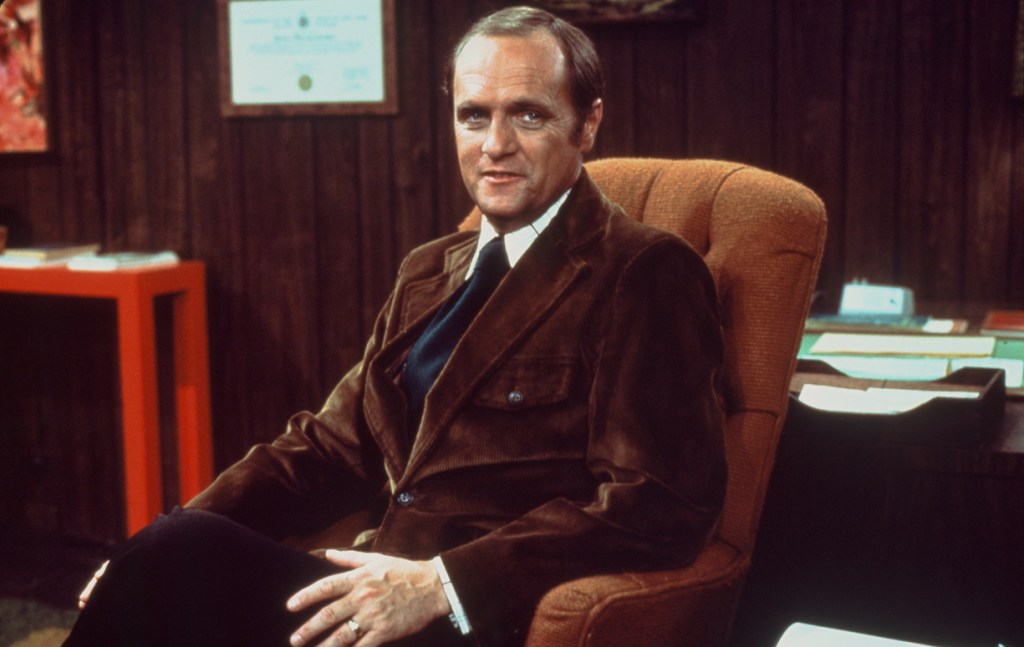
For the next decade, he continued to accept movie and television roles. In 1972, television history was made when The Bob Newhart Show debuted. Until 1978, Newhart played Bob Hartley, psychologist, and we got to know his unusual patients, quirky co-workers, and eccentric friends, including neighbor Howard Borden. Bob chose a psychologist based partly on his old telephone routines. As he said, “Much of my humor comes out of reaction to what other people are saying. A psychologist is a man who listens, who is sympathetic.”

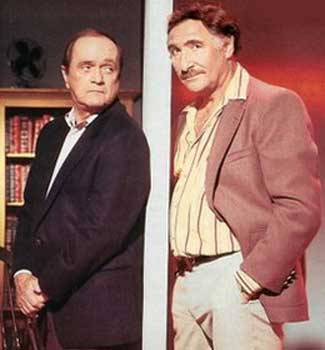
Photo:epiguides.com

In 1982, Bob gave television another go for another eight years. Simply titled Newhart, the show featured Bob as Dick Loudon, an innkeeper and author from Vermont. He still had quirky co-workers and eccentric friends.

Photo: austenauthors.net

On cue a decade later in 1992, Bob showed up in a new show even more simply titled, Bob as Bob McKay a comic book writer and artist who had retired long ago and was trying to get back into the workplace. Unfortunately, after 33 episodes the show was canceled due to low ratings.

Photo: imdb.com

In 1997, Newhart starred in his last sitcom, George and Leo. As George Stoody, a bookstore owner, Newhart offers a temporary home to a full-time magician and part-time criminal who recently robbed a Mafia-owned casino. The series failed to catch on with viewers, and it was canceled after a season as well.

Photo: listosaur.com

Though he never took on another sitcom, Newhart has made appearances with recurring characters in several shows. In 2003, he showed up on ER as Ben Hollander. In 2005, he was Morty on Desperate Housewives. As Judson, he guest starred on The Librarians.

Photo: thewrap.com

Perhaps, younger audiences know him best as Arthur Jeffries or Professor Proton on The Big Bang Theory. He had been Sheldon’s boyhood hero who played the professor on television. Sheldon idolized the professor while the professor tolerated Sheldon.

Photo: upi.com

It’s hard to believe with all of his years being a successful television comedian, but Newhart won his first Emmy in 2013 for his role of Professor Proton. I can’t argue with the nominees for most of the 1970s during the airing of The Bob Newhart Show–names like Tony Randall, Jack Klugman, Alan Alda, and Hal Linden. Even with my bias of Norman Lear shows, I get nominating Carroll O’Connor every single one of those years. I understand the tough competition. What I don’t understand is the fact that he was never nominated during that eight-year period. When Jack Albertson wins, and Bob Newhart is not even nominated that is wrong. During the Newhart years, he was at least nominated three times. But I don’t understand it when John Ritter wins for Three’s Company or Richard Mulligan for Soap and no nomination for Bob Newhart. What especially appalls me is the fact that The Bob Newhart Show was only nominated one year; I can accept the fact that it got beat out by The Mary Tyler Moore Show. I cannot accept is that during this same time, Three’s Company, Mork and Mindy, and Welcome Back Kotter received nominations, and The Bob Newhart Show did not. Anyway, this blog is not about the television academy and its procedures, so let’s move on.

Photo: flickr.com

Even though he was never awarded with an Emmy for his time as Bob Hartley, TV Land placed a life-sized statue of Newhart in front of Navy Pier, complete with an empty couch. He was best friends with Suzanne Pleshette, his wife from the show, and spoke at her funeral. He remembered their time together, “Her laugh. Her laugh. We just laughed. We just had a great time. We all loved each other and respected each other and we got paid for it.” Bob also remains close friends with Marcia Wallace who played his receptionist Carol on the show.

Photo: sitcomsonline.com

While Bob has appeared as different characters throughout his career, he has also remained the same character. With his deadpan delivery and slight stammer, he perfected the straight-man role, surrounding himself with wacky castmates. He has often cited George Gobel and Bob and Ray as influences in his comedy career. When discussing his career choice, he explained “I like the humor to come out of character. When you’re going for a joke, you’re stuck out there if it doesn’t work. There’s nowhere to go. You’ve done the drum role and the cymbal clash and you’re out on the end of the plank.”

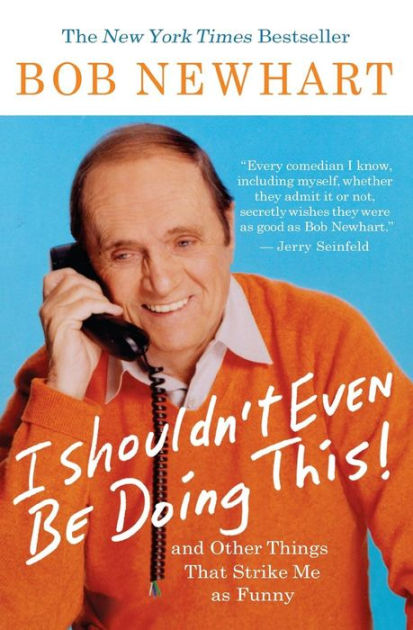
Photo: barnesandnoble.com

In 2006, he released a book I Shouldn’t Even Be Doing This. It’s a memoir with some of his classic comedy routines. Actor David Hyde Pierce reported that “the only difference between Bob Newhart on stage and Bob Newhart offstage is that there is no stage.”

Photo: parade.com

I am so appreciative of those stars who agree to entertain us for our entire life, such as Betty White, Carol Burnett, and Bob Newhart. They are classic comedians who can make us laugh no matter what. Bob’s view on comedy was that “laughter gives us distance. It allows us to step back from an event, deal with it and then move on.” What an amazing career and what an amazing man. With all its negatives and sometimes destructive tendencies, television can be a harmful place, but a comedian like Bob Newhart demonstrates what a positive and uplifting experience television can be when done right. Thanks for doing it right for sixty years.