Book ’em Danno: Hawaii Five-O or 0

This month we are looking at some recent reboots of popular shows from the the past. We are ending our series with what I think was the best of the reboots in recent history: Hawaii Five-O.

Originally, one source said the show was developed with a house detective for a chain of Hawaiian hotels. Someone on the production team thought it would limit the plots too much, so it was expanded to crime throughout Hawaii.

đŸ“·imdb.com

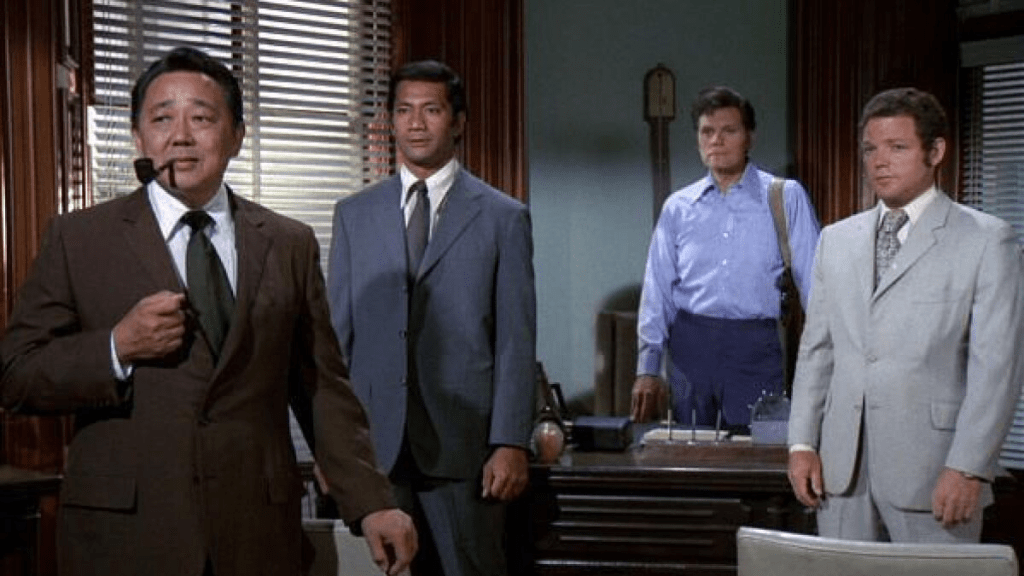
From 1968 to 1980, Hawaii Five-O was on CBS. Created by Leonard Freeman and set in Hawaii, it starred Jack Lord as Captain Steve McGarrett, former Korean War veteran. McGarrett heads a special task force appointed by the governor. His team includes Danny Williams (James MacArthur), Chin Ho Kelly (Kam Fong), Kono Kalakaua (Zulu). Police officer Duke Luekla (Herman Wedemeyer) lent a hand often. The task force is run out of offices at the Iolani Palace.

Richard Boone was offered the part of McGarrett, but he turned it down. Gregory Peck was also in consideration for the role. Eventually, Jack Lord auditioned on a Wednesday, received the part, and was in Hawaii filming on Monday. Lord was the only actor to appear in all 281 episodes of the series. A couple members of the cast came on board with little-to-no acting experience. Zulu, who played Kono, was a beach boy and local DJ. Fong, who played Kelley, had been a police officer in Honolulu for sixteen years before retiring to work in real estate.

McGarrett and his team investigated crimes by international secret agents, organized crime syndicates, and ordinary criminals. Some of the villains were played by celebrities including Gavin MacLeod, Ross Martin, and Ricardo Montalban.

đŸ“·internetmoviefirearmsdatabase.com

McGarrett’s ongoing battle throughout much of the series is with Wo Fat (Ihigh Dhiegh), a rogue intelligence officer from China. In the finale, “Woe to Wo Fat,” McGarrett is finally able to land him in jail. However, the series ends with Wo Fat retrieving a file from his boot, making us wonder if we might be able to escape. The name “Wo Fat” came from a restaurant in downtown Honolulu.

In the original show, little time was given to the personal lives of the team; the plots all centered around solving the crime of the week.

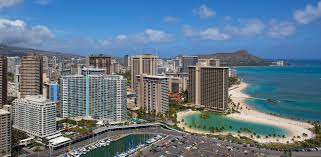
The show was filmed in Hawaii: the first location was in Pearl City in a hut where the roof leaked and rats gnawed at cables; then it moved to Fort Ruger and for the final four seasons, a set was built at Diamond Head. Hawaii had only been a state for nine years when the series started, so most Americans were not familiar with the islands.
đŸ“·instrumentationengineering.com

Fans often talked about the beauty of the scenery for the show. They also appreciated the intelligent writing and believable plots.

Many locals were used in the show, partly because the television and movie industry was not well represented in Hawaii, so everyone learned along the way. This made the cast much more diverse than most shows in the sixties.

The show was known for its theme song written by Morton Stevens. The Ventures recorded the theme, and it reached No. 4 on the Billboard Hot 100 chart. It was popular with high school and college bands across the country; when I was a majorette in the mid-seventies, it was one of the songs our band performed.

One of the most popular catchphrases from the seventies was “Book ‘em Danno,” a phrase used sparingly in the reboot.

The original Five-O was the longest-running crime show until Law & Order surpassed it in 2002. In began on Thursdays but moved to Wednesdays later in the year. From 1971-1974 it aired on Tuesdays. In 1975 it started out on Friday nights, moving to Thursdays where it stayed till 1979. That December it moved to Tuesdays for two months before switching to Saturdays for the rest of its run. This doesn’t seem like a great strategy for keeping fans.
đŸ“·facebook.com

While the show was popular with viewers, its only two Emmy wins were for music composition. It received ten nominations, but the only person to be nominated for acting was a special guest appearance by Helen Hayes in 1976. There were no nominations for acting, writing, or best series.

A one-hour pilot for a reboot was made in 1996 but never aired on television. Written by Stephen J. Cannell, it starred Gary Busey and Russell Wong as the Five-O team along with MacArthur who returned as Danny Williams, now governor of Hawaii.
đŸ“·releasedate.me

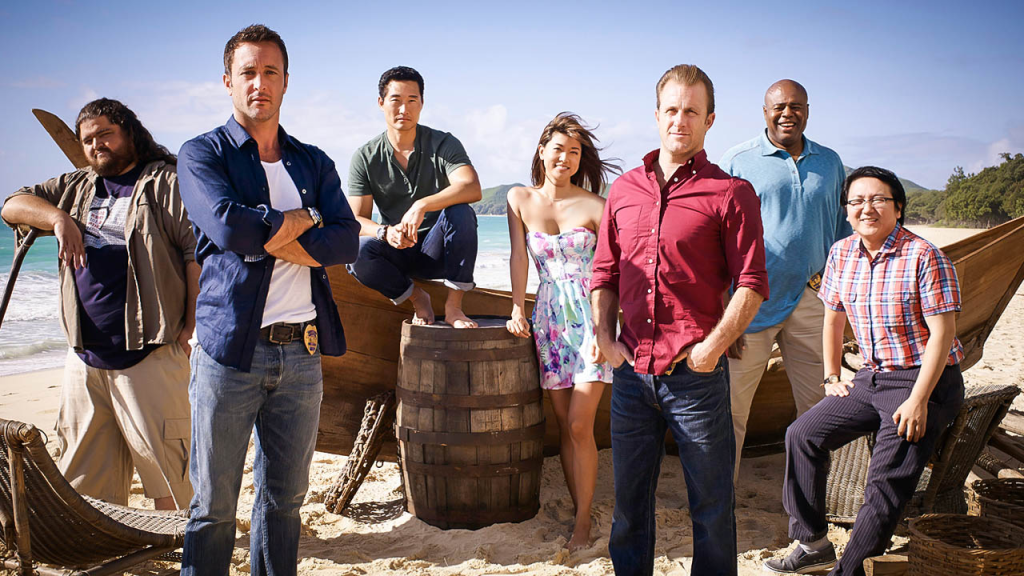
The reboot we are discussing today began in 2010, also on CBS. To distinguish it from the original show, it was Hawaii Five-0 (using a zero in place of a capital letter O). Most of the characters are similar to the original. They are still a special task force appointed by the governor who is now a woman, Pat Jameson (Jean Smart). Steve McGarrett (Alex O’Louglin), a former Navy SEAL and son of Jack Lord’s character, partners with Danny Williams (Scott Caan) in this version. Other teammates included Chin Ho Kelly (Daniel Dae Kim) and Kono Kalakaua (Grace Park). Kono’s gender switched from the a male to bring a female perspective to the team.

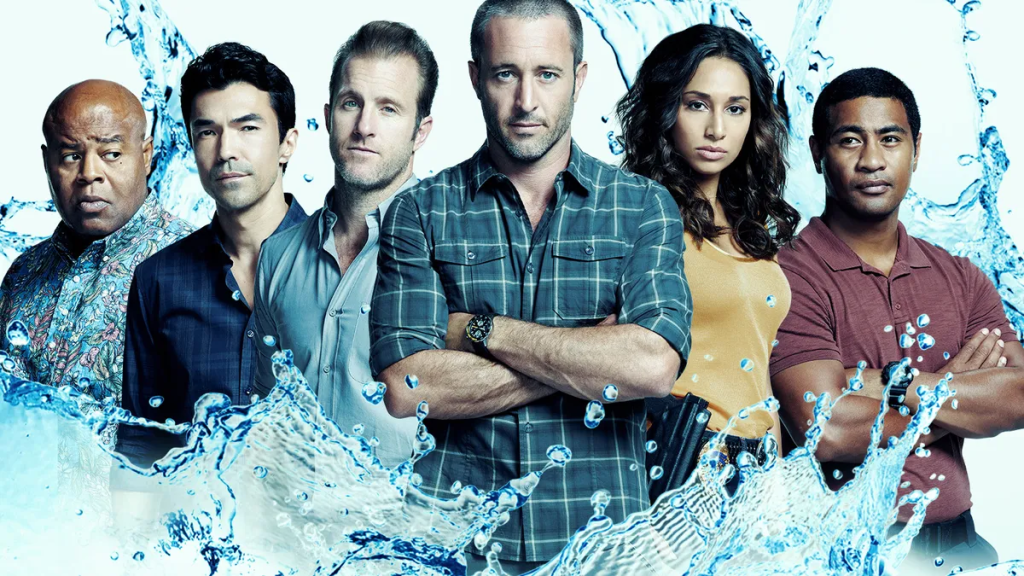
For the eighth season Tani Rey (Meaghan Rath) and Junior Reigns (Beulah Koale) came on board. Several other regulars during the years included Lou Grover (Chi McBride), medical examiner Max Bergman (Masi Oka), Jerry Ortega (Jorge Garcia), Chin’s classmate and a local conspiracy theorist whose vast knowledge often comes in handy, and Sgt Duke Lukela (Dennis Chun) is still around from the original show.
đŸ“·tvguide.com

A season or two into the show, Steve’s girlfriend, Lt. Catherine Rollins (Michelle Borth) works with the team and Adam Noshimuri (Ian Anthony Dale) joins the group. When Dr. Bergman heads overseas, he is replaced by Noelani Cunha (Kimee Balmilero). Another member of the surrogate family is Kamekona (Taylor Wily) who owns a food stand. He often helps the team because he knows almost everyone and has great intel for Steve and Danny. In this version, Steve’s father was a cop and Steve is still hunting down Wo Fat to avenge his father’s death. Chin and Kono are cousins and eventually Kono and Adam marry.

O’Loughlin was born in Canberra, Austrialia on August 24, 1976, and Caan was born in Los Angeles on August 23, 1976, but since Australia is twenty-four hours ahead of the US time, they were essentially born on the same day. Perhaps that’s why they had such great chemistry. Their witty bantering is fun to listen to. They remind me of an older couple who have been married a long time. They know each other so well, and can afford to be critical, because you know they have each other’s backs and would die for each other if they needed to.

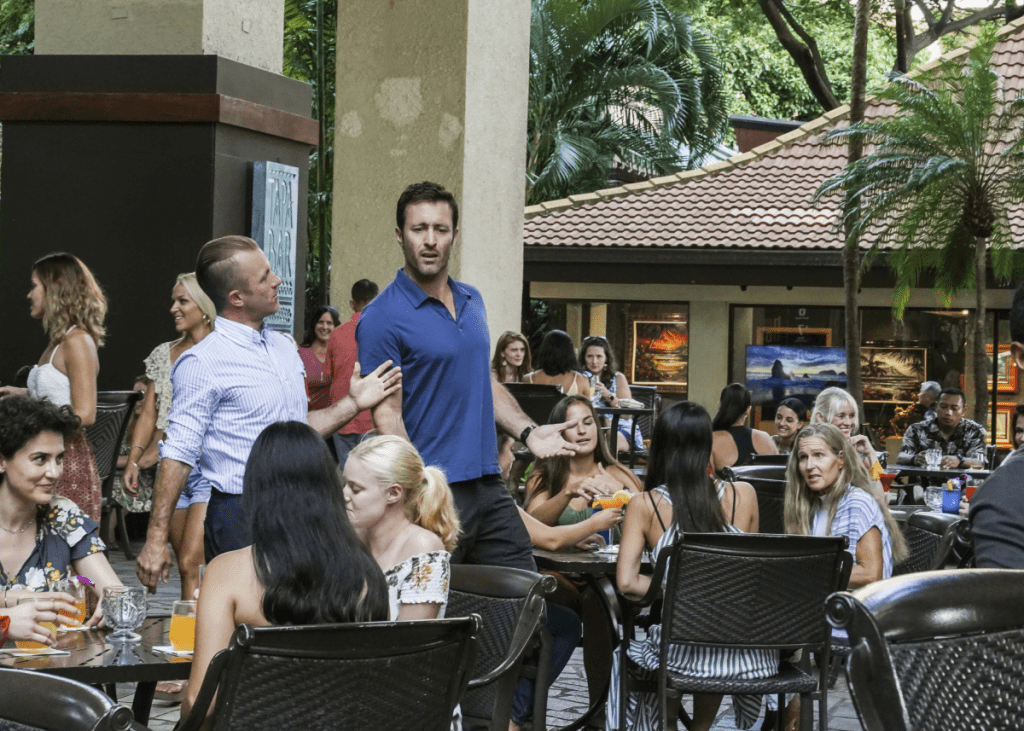
This new version continued to show the beauty of the Hawaiian Islands. Viewers learned more about the culture of the state.

đŸ“·spoilertv.com

In the reboot we also got to know the characters much better; half the show concentrated on their personal lives and how those lives sometimes had an effect on what they did as detectives, right or wrong.

Peter M. Lenkov, who was one of the creators of this reboot, was also part of the team that debuted MacGyver and Magnum PI reboots, all of which are set in Hawaii.

The show was popular with viewers when it returned to the schedule. The Honolulu Advertiser wrote that “a smart script, slick production values and maybe a splash of nostalgia got the remake of Hawaii Five-0 placed on the CBS prime-time lineup this fall.”

One fun carryover from the original series was the character of August March. Played by Ed Asner in the original show in season two, March was a jeweler who was arrested by Lord’s character. In season three of the reboot, August March is back played by Asner again.
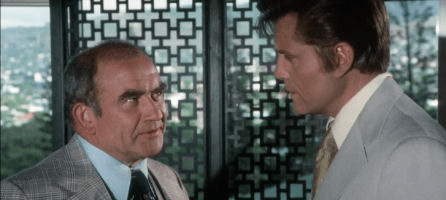
đŸ“·inner toob.com Asner on the original . . . and

The series debuted on Monday nights. Season four found it on Fridays where it stayed for the final seven seasons.

Viewers had strong reactions to the theme song. For the early shows, the original theme song was used but updated which fans did not appreciate, so the original theme was used for most of this series as well.
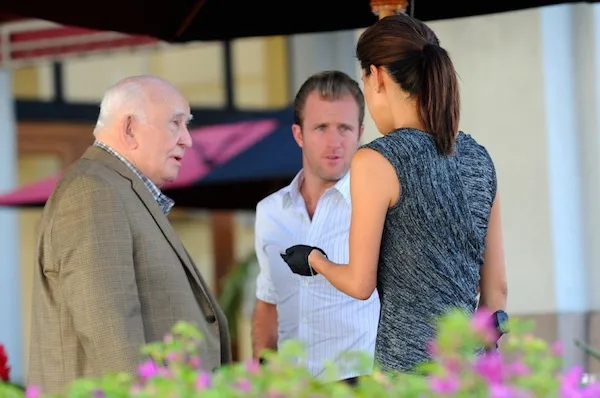
the reboot. đŸ“·tvline.com

The new show had a positive impact on Hawaii’s economy. Businesses that were featured on the show saw an increase in visitors. When McGarrett mentioned Kona Brewing Company beers were his choice of beverage, sales shot up 60%.

One fun fact for those car collectors is that Jack Lord drove a Mercury Marquis in several seasons of the first show. On this edition, Steve works on his father’s car. The owner, stuntman John Nordlum, allowed the show to use the car, which still has its old license plate of F6-3958.
đŸ“·micoope.com

Comparing these shows is a little tough because television culture and shows changed so much during the 42 years that the show was off the air. The original series had 281 episodes while the reboot comes in with 240. I remember watching the original as a kid, and it was just another police drama to me. Personally, I like the reboot. Continuing to portray the culture as another character adds a lot of charm to the show. I would rather see the personal lives of the characters especially because they spend a lot of time out of work together and that adds to their team chemistry. I also like the banter between Steve and Danny.

There have been many reboots of classic shows, especially on other streaming services, and most of them do not live up to the original standards at best and can be plain awful at worst. This is one of the few that did it right and succeeded for all the right reasons. If you never saw the original, check out a season or two and compare the shows for yourself.

Lofty Aspirations by Designing Women

This month we begin a new series—“Girls, Girls, Girls.” I am celebrating sitcoms that are based primarily on the relationships of women. We begin with a series that ran for seven years, resulting in 163 episodes. It revealed the joyful, disheartening, and disturbing details that occur in a long-term friendship. Today we learn more about Designing Women.

In September of 1986 a show debuted about not only friendship, but also about running a business, becoming independent, trusting in yourself, and living a truly southern lifestyle. We had watched shows about sisters before, about a workplace staff and how women rely on each other, but this show put it all in one place. Had this show been set in Chicago, Salt Lake City, or Boston, it would have been a totally different show.

Photo: pinterest.com

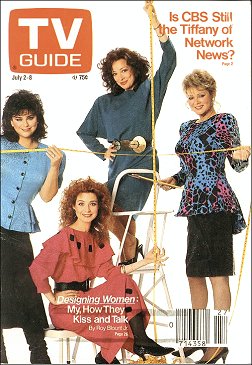
Julia Sugarbaker (Dixie Carter) owns a design firm and runs it from her house. Her shallow sister Suzanne (Delta Burke), who was a beauty queen and is still a diva, works there too, along with a divorced mother Mary Jo (Annie Potts), a naïve country girl Charlene (Jean Smart) and a black ex-con man named  Anthony (Meshach Taylor) who not only delivers furniture for the business but delivers his unique viewpoint as a male among women. For the seven seasons the show was on the air we got to know each of the characters intimately. We saw them fall in and out of love, get married, get dumped, love each other, hate each other, and learn about themselves as they went through all these changes together.

While Julia is the face of the company, Suzanne is a silent partner, Mary Jo is the head designer, Charlene is the office manager, and Anthony takes on a variety of duties that need to be tended to.

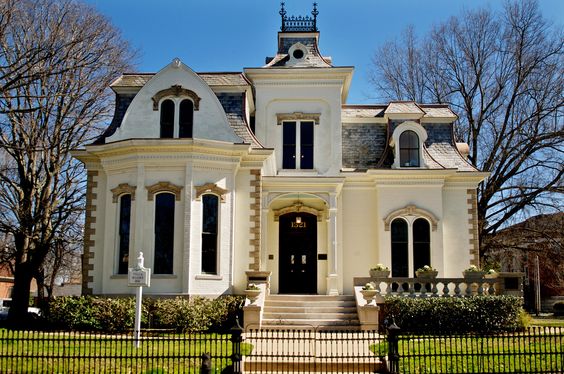
The famous exterior of the home/business was The Villa Marre, a Victorian mansion from 1981 that was located in the MacArthur Park Historic District in Little Rock, Arkansas. You can still drive by it today, and it’s listed in the National Registry of Historic Places.

Photo: pinterest.com

The Golden Girls (which we’ll look at in a couple of weeks), had premiered the year before Designing Women. You can definitely see a similarity in the two shows. Both were set in the south, the business was in Julia’s house while the older women friends lived in Blanche’s home. You can compare Dorothy to Julia and Charlene to Rose and, with a little stretching, Suzanne to Blanche. With a lot of stretching, Anthony and Mary Jo can be compared to Sophia; they’re more practical and always willing to offer advice, requested or not.

The sitcom was created by Linda Bloodworth-Thomason. She wrote about half of the episodes and was determined to include topics women were concerned about such as extra-marital relationships, body image, racial inequality, and terminal diseases. Although the show tackled many controversial issues, it was never preachy or judgmental. Linda’s husband Harry was an executive producer, so he also influenced the topics. The couple were friends with Bill and Hillary Clinton and voiced a decidedly more liberal viewpoint. This was especially tough on Dixie Carter who was a committed Republican.

Photo: sitcomsonline.com

Although the show was beloved by fans, critics weren’t on board, at least at first. Below is an excerpt from a New York Times article that ran September 29, 1986:

Like NBC’s “Golden Girls,” the new series “Designing Women,”tonight at 9:30, features four women with wisecracks to spare. Although they don’t live together in Florida, these women spend most of their time working together in a Victorian-type house in Atlanta. They are in the business of interior decorating.

The show was created by, and this evening’s premiere written by, Linda Bloodworth-Thomason, who also shares the executive-producer credit with her husband, Harry Thomason. The fictitious firm of Sugarbaker & Associates is headed by Julia Sugarbaker, a glamorous widow who is far from ready to become a blue-haired little old lady. Dixie Carter plays Julia as a graduate of the Beatrice Arthur-Elaine Stritch school of dripping sarcasm. Julia’s three partners are her man-hungry sister Suzanne (Delta Burke), whose alimony checks are filed alphabetically; the recently divorced Mary Jo (Annie Potts), who refused alimony, thinking capital punishment would be more appropriate, and dizzy but shrewd Charlene (Jean Smart), whose latest boyfriend is named Shadow and, for some unexplained reason, is walking around with a bullet hole in his pants.

This, then, is the basic mix, no less promising than any other in a season that continues to give white, middle-class parents to all sorts of minority children. Tonight, Suzanne discovers that her gynecologist is retiring. “Let him go,” advises Julia, “he’s paid his dues.” As it happens, Mary Jo’s former husband is a gynecologist. Suzanne visits his office and promptly returns with the news that they have fallen in love. Julia observes: “If sex were fast food, there’d be an arch over your bed.’” . . .

Ms. Bloodworth-Thomason is no Susan Harris, whose crackling humor keeps “The Golden Girls” popping steadily from week to week. On the other hand, “Designing Women” has a first-rate cast.  . .

Now, it’s all a matter of figuring out where “Designing Women” goes from here. Mary Jo’s first husband, a major character this evening, isn’t even mentioned in next week’s episode, which revolves around not interior design but beauty pageants. And sure enough, Julia gets another scene in which she witheringly tells off another icky character. Already the show looks like four terrific actresses in search of a workable sitcom.

I was surprised to learn that none of the actresses auditioned for their roles. Bloodworth-Thomason had the four lead actresses in mind when she wrote the pilot. Smart was the only non-Southern native, having been raised in Seattle. Anthony was not intended to be a regular. He was supposed to have a one-time role but when asked to improvise with the lead characters, the producers were so impressed with the result that he was written into the show, becoming the first cast member to receive an Emmy nomination. All in all, the show would earn eighteen nominations.

Photo: amazon.com

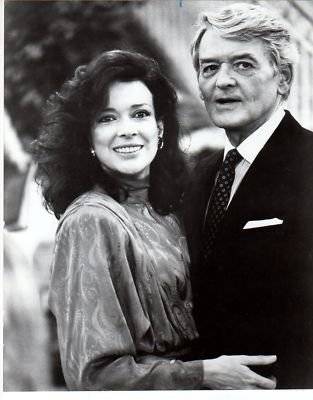
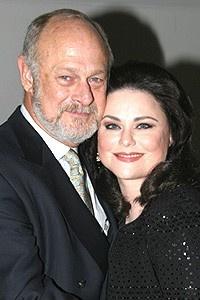
The cast members’ real marriages intertwined with the character’s relationships. Hal Holbrook played Reese on the show, Julia’s beau, and the two were married in real life. Gerald McRaney beat out John Ritter for the role of Suzanne’s ex-husband Dash.

Photo: broadway.com

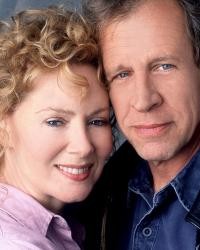
Although they were exes on the show, they married in real life. Richard Gilliland won the role of Mary Jo’s boyfriend J.D., but he won the heart of Jean Smart whom he married in 1987.

Photo: zimbio.com

The show began its run on Monday nights on CBS, following Newhart, and it got decent ratings. For whatever reason, CBS began moving the show all over the place. The ratings went down when it was moved to Thursdays against Night Court and then Sundays up against the movie of the week on both ABC and NBC. CBS was planning on cancelling the show but a public letter-writing campaign saved it from its fate. After receiving 50,000 letters, the network returned it to the Monday night slot again. It was often in the top 20, and always in the top 30 through mid-1992. In late 1992, the network moved the show to Fridays where it again decreased its ratings. The network then cancelled the show in 1993.

It was hard to blame the network for its eventual cancellation though. The cast went through too many changes and the show lost its original charm and focus with so many replacements. In 1990, Delta Burke appeared on a Barbara Walters special and stated that the set was not a happy one. She accused the Thomasons of manipulating her. After that Burke began showing up late and sometimes not at all. The writers had to write two different scripts, one with her and one without her. Some people blamed it on McRaney’s influence, but whatever the reason, her co-stars took the brunt of her difficulties, having to learn two scripts while continuing to fulfill their contracts. They decided as a cast that they could not continue working with her, and she was let go. Julia Duffy, Jan Hooks, and Judith Ivey were all brought onto the show as possible characters, but they were not popular with the audience.

Photo: greginhollywood.com

Burke and Carter had been close friends up to this point and the situation destroyed their friendship, at least temporarily. Later they were able to somewhat repair the strained relationship.

I know it sounds like déjà vu, but as I have to add in many blogs, there is a rumor of a revival of the show for 2020. This past August, CBS confirmed that the show will be debuting again next year.

Like most shows, Designing Women had its highs and lows. Once Burke became difficult to work with, the chemistry on the show was never recaptured. When it was good, it was very good.

Photo: fanpop.com

While Julia was a proper southern lady, once her fiery rage was aroused, she could put anyone in their place and she did it well over the years. During season two, the firm is hired by a gay man who is dying of AIDS and wants help designing his funeral. The staff become close to him and learn a lot about HIV. A wealthy client of the firm tells Julia that AIDS is “killing all the right people” which earns him one of her most scathing put-downs. While episodes like this one are heart-breaking, many episodes are just hilarious. In a very funny moment in season three, it is not Julia’s tongue that gets the laughs, it is another body part. As she is participating in a charity fashion show, her dress gets caught in her pantyhose, and she ends up mooning 1200 of Atlanta’s most prestigious citizens, including the mayor. Not many series can excel with such a range of topics, emotions, and comedy skills.

DESIGNING WOMEN. Dixie Carter as Julia Sugarbaker. Image dated 1987. Copyright © 1987 CBS Broadcasting Inc. All Rights Reserved. Credit: CBS Photo Archive.

If you find yourself with a free week-end or a night with no plans, take some time to watch this award-winning show. Just stick to the first four seasons, so you don’t have to watch its disappointing decline.