Good Times Doesn’t Always Mean Good Show

Last week we looked at shows that debuted in 1973, fifty years ago in our “Potpourri” blog series. Today we are concentrating on one of the successful shows of that 1973 class (and there were not a lot of them): Good Times and I’m am considering this blog “Flopourri” for Florida Evans.
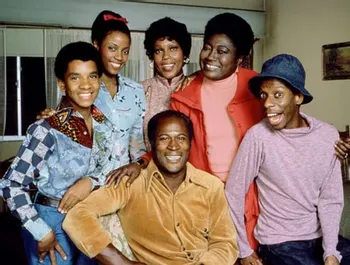
Cast of Good Times Photo: tvtropes.com

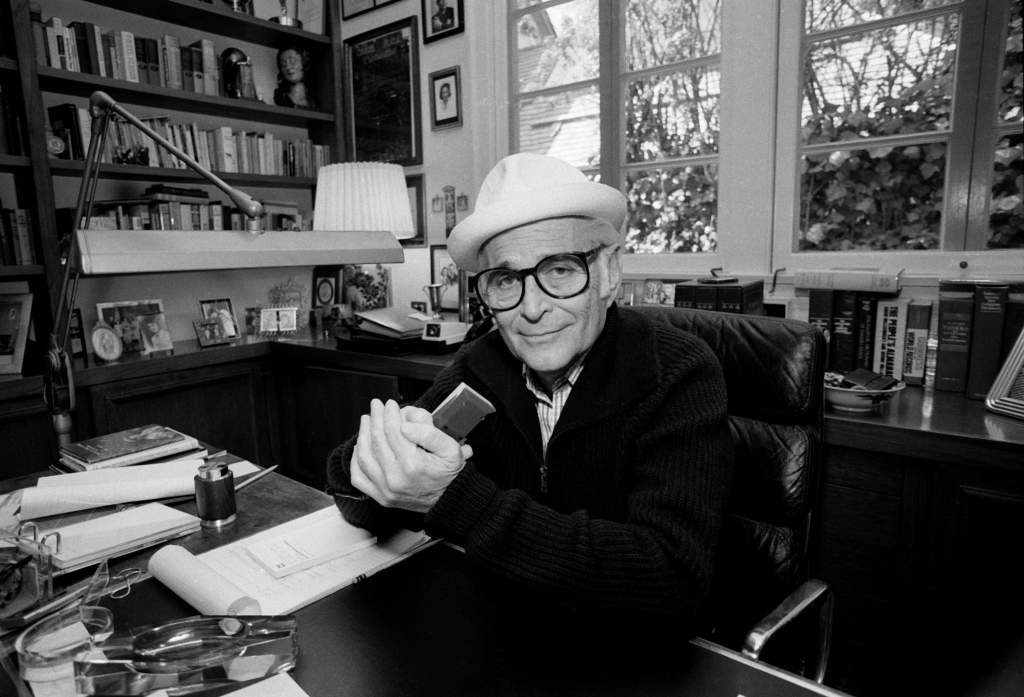
For those of you who have been with me for the past six and a half years. You may be surprised to find me featuring a Norman Lear show. I readily admit that I have a Norman Lear bias. It’s nothing personal with Norman, but I just did not enjoy most of his shows: All in the Family, The Jeffersons, Maude, Diff’rent Strokes, Sanford and Son, and Carter Country, among others. I did think that Mary Hartman, Mary Hartman was an interesting concept, just too hard to sustain, and I admit that I liked Fernwood Tonight. I still bypass these shows on MeTV and Antenna TV when they are on the schedule. However, I will be the first to say that they were important historical shows in the evolution of television. They were relevant shows that changed the way sitcoms were written and presented a lot of important topics for people to debate.

So, whether I enjoyed watching Good Times or not, and it was not, it was an important show that gained a devoted following and was on for six seasons, producing 133 episodes. The show was produced by Lear and created by Eric Monte and Mike Evans. Evans played Lionel Jefferson on The Jeffersons. He left the show to work on this series and when Good Times was canceled, he returned to The Jeffersons.

Florida Evans (Esther Rolle) was Maude’s maid. Maude was a spinoff from All in the Family and Good Times was a spinoff from Maude, so this was the first show to be created from a spinoff.

Photo: showbizzcheatsheets.com

The Evans family lives in the Chicago projects. The area is not named but the opening and closing credits show photos of Cabrini-Green. The family consisted of Florida, her husband James (John Amos), their kids JJ, 17 (Jimmie Walker), Thelma, 16 (BerNadette Stanis), and Michael, 13 (Ralph Carter). The show also featured Florida’s best friend Willona (Ja’Net DuBois) and Nathan Bookman (Johnny Brown), the building superintendent. The family never has enough money. James is often out of work, but he also works two jobs when he gets a chance to bring in money for their family. He is a proud man and does not believe in handouts.

Many of the shows deal with gang warfare, financial issues, muggings, unemployment, rent parties, racism, and evictions. It was one of the first shows to have an almost all-black cast. Florida and James are good parents who try to teach their children values and ethical behavior. Michael was an especially interesting character who was intelligent, an advocate who loved African American history, and tried his best to make the world a better and more fair place to live.
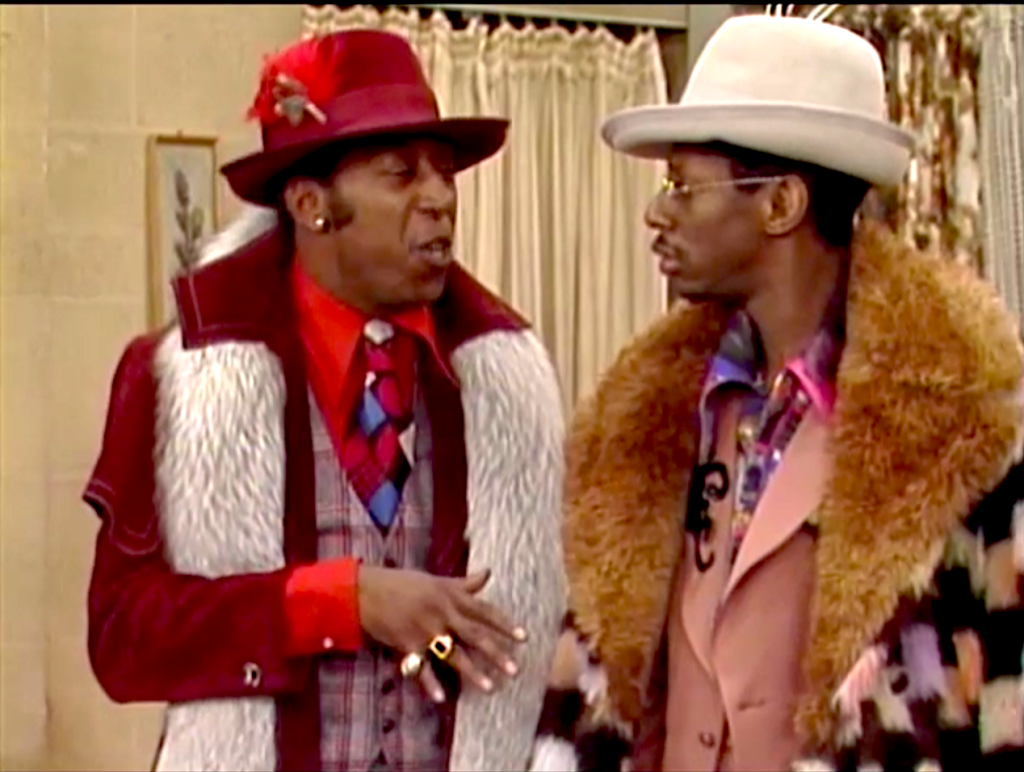
Photo: JacksonUpperco.com

Other recurring characters include Ned the Wino (Raymond Allen), who often can be seen in their building. In one episode, JJ, an artist, paints Ned as Jesus and, in another, well-meaning Michael tries to reform him by letting him stay at their house but it does not work out. Carl Dixon (Moses Gunn) is a shop owner in the area. After James’ death, Florida begins dating him and eventually they marry and move to Arizona. Esther tells Willona in a later season that Carl died from lung cancer. Pimp Marion Williams (Theodore Wilson) is a neighbor who is known for his flashy clothing and jewelry. Lenny (Dap Sugar Willie) is the neighborhood hustler who sells stolen items. Wanda (Helen Martin) runs a women’s support group in their building. Alderman Fred C. Davis (Albert Reed Jr.) is a politician with a shady past.

A lot of celebrities appeared on the show during its run including Debbie Allen, Sorrell Booke, Rosalind Cash, William Christopher, Gary Coleman, Alice Ghostley, Ron Glass, Robert Guillaume, Gordon Jump, Jay Leno, Charlotte Rae, Philip Michael Thomas, and Carl Weathers.

The theme, a gospel-sounding song with a choir in the background, was composed by Dave Grusin and the lyrics were written by Alan and Marilyn Bergman. It talked about the hard living conditions the family had to endure which was not thought of as “Good Times.” Performed by Jim Gilstrap and Blinky Williams, the lyrics were:

Good Times.
Any time you meet a payment. – Good Times.
Any time you need a friend. – Good Times.
Any time you’re out from under.
Not getting hassled, not getting hustled.
Keepin’ your head above water,
Making a wave when you can.

Temporary lay offs. – Good Times.
Easy credit rip offs. – Good Times.
Scratchin’ and surviving. – Good Times.
Hangin in a chow line – Good Times.
Ain’t we lucky we got ’em – Good Times.

Photo: thatsentertainment.com

One of my favorite things about the show was the use of nicknames, maybe because my family is fond of nicknames as well. James called Thelma “Baby Girl” and referred to Michael as the “Militant Midget” for his activism. Willona’s name for Michael was “Gramps,” while JJ called him “Miguel.” The other residents also got their own monikers including Willona as “The Rona Barrett of the Projects” and Wanda as “Weeping Wanda.”

Good Times was created as a show that focused on Rolle and Amos. Both stars expected the show to deal with serious topics even though it was a comedy. They also wanted the characters to be positive role models.

JJ began to be featured in more of the episodes. “Dynomite” became his catchphrase and he said it at least once in every episode. As the writers focused more on his character and the way he behaved, important topics were put on the back burner sometimes.

Both Rolle and Amos felt that the character of JJ and the way he was being developed as more of a foolish and unintelligent person was creating a negative role model. Both stars became disillusioned with the direction of the show and voiced their criticism, Amos more often. They thought the uneducated, slacker type of behavior that JJ expressed was harmful to young viewers. Lear finally fired Amos at the end of the third season because of his negative opinions. The cast had no idea that he had been fired until they read the script where he passed away. Rolle quit at the end of season four.

Walker didn’t see it the same way. He said in an interview that he does not remember saying one word to Amos or Rolle that was not part of the script. He defended his character saying that he didn’t commit overly criminal acts on the show and compared his character to the Fonz on Happy Days. He does have a point. He was deeply hurt that Amos and Rolle, along with many black community members, considered his character a “perpetuation of negative stereotypes.”

Photo: showbizcheatsheet.com

Perhaps part of the controversy came from Walker’s own personality. He considered himself a comedian, not an actor. He said he was never comfortable with the dramatic storylines. Lear wanted Jimmie to take acting classes but he refused. Rolle, Amos, and Carter were dramatic actors and took their roles more seriously. When Rolle died in 1998, Walker was the only cast member who did not attend her funeral.

In season five, Janet Jackson joined the cast as Penny, an abused girl abandoned by her mother, adopted by Willona. Ratings began to decline. With Rolle’s absence, the essence of the show was gone.

Producers asked Rolle to come back even as a guest role. Rolle rejoined the cast for season six after she was promised higher-quality scripts. She also wanted the character of Carl Dixon written out of the show. She felt Florida would not have remarried so quickly, but that was how writers depicted her absence from the show when she left.

However, it was too late and the show continued to decline in ratings. The continual moving of the show on the schedule also didn’t help things. The show began on Friday nights for season one; moved to Tuesdays for seasons two and three; had two different time slots on Wednesdays for seasons four and five; and ended up moving three different times for season six: Saturday at 8 for episode one, Saturday at 8:30 for episodes 2-10, and Wednesdays at 8:30 for episodes 11-22.
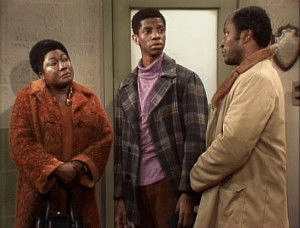
Photo: pinterest.com

The series finale in 1979 gave each character a happy-ever-after. JJ becomes a comic book artist. Michael begins college and moves into the dorms. Thelma and her husband move to the Gold Coast when he gets an offer from the Chicago Bears. Thelma is pregnant and they ask Florida to move with them to help care for the baby. Coincidentally, Willona becomes head buyer for her boutique and moves into the same luxury apartments with Penny.

Unfortunately, the show is remembered now more for its controversy than anything else. Amos talked about his “early departure from the show, I felt that with two younger children—one of whom aspired to become a Supreme Court Justice . . . and the other a surgeon . . . there was too much emphasis being put on J.J. and his chicken hat saying ‘Dynomite!” every third page when just as much emphasis and mileage could have been gotten out of my other two children and the concomitant jokes and humor that could have come out of that.” He later said in an interview with VladTV that the scripts on the show led to “an inaccurate portrayal of African-Americans. Their perception or their idea of what a Black family would be and what a Black father would be was totally different from mine, and mine was steeped in reality.”

He did have good things to say about Rolle and her character: “Florida was the glue that kept the family together. It showed a Black family that had the same trials and tribulations as the rest of America, especially those who were financially challenged . . . it told the story of who we were on a comedic basis. And I’ve always contended, as some of my mentors taught me, the best way to get a message across to people is through humor.”
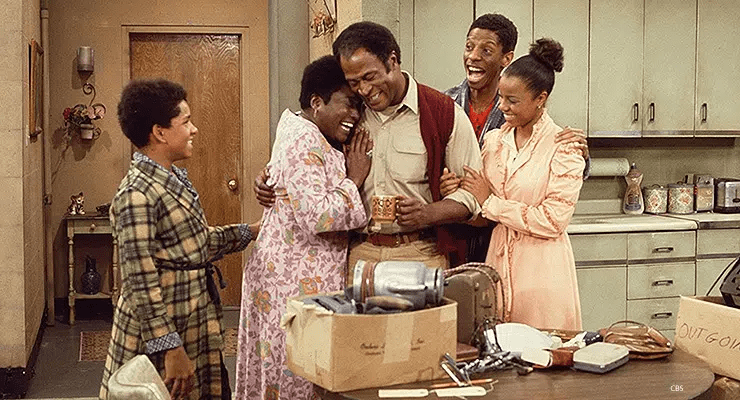
Photo: urbanhollywood411.com

Rolle concurred as she told Ebony in 1975 about JJ: “He’s eighteen and he doesn’t work. . . He can’t read or write. He doesn’t think. The show didn’t start out to be that. Michael’s role of a bright, thinking child has been reduced.”

Walker was interviewed at age 70 by Rebeka Knott and still disagrees with his costars. In that interview, he said that his co-stars, “killed the goose that laid the golden egg. These people, anytime you said anything, they get crazy, they get upset. They don’t get it man.”

So, what are we to make of the show and its success or failure? It still remains an important program in television history. It featured a black cast and focused on a family that struggles with many issues both white and black low-income families could identify with. If Michael had appeared in a reality show as an adult, perhaps it would have been The Cosby Show. A lot of families, black and white, could identify with the issues of that show as well. And, hopefully, they understood where the success of that second generation came from–parents who worked hard and taught their children important values and emphasized hard work and goals that allowed the next generation to have more success than the previous one.
Norman Lear Photo: vibe.com

It’s actually what any good television show does. Regardless of the setting and the characters, it teaches us about how other people live and provides plots many of us can identify with or teaches us about other characters whom we can appreciate and learn more about their individual struggles and journeys whether they follow the same path we do or take a different fork in the road.

It would be interesting to talk with Rolle and Amos today to get their perspective. They were right to ask for better scripts and to showcase their other children who had bigger dreams and hopes. But perhaps Walker is also not that far off. He did portray a different type of character– one that obviously many people identified with or enjoyed spending time with. Don’t most families have a combination of good and not-so-good role models? Hopefully, we learn as much from the characters in our lives who make poorer decisions as we do from those who choose wisely. I’ll leave it up to you whether you think the tv show is worth watching today or not.

Antiques Roadshow: Inspiration for Your Collecting Passion

Earlier in the year we looked at some kids shows on PBS. This month it’s the adults turn. You can learn so many fun facts and become inspired on PBS. Up today is a show that has now been on a quarter of a century. Antiques Roadshow began on the BBC as a special in 1977. In 1979 it became a regular series in Great Britain. The American version was produced under a BBC license at WGBH in Boston in 1996 and began airing in 1997.

Pottery segments are some of my very favorites Photo: kpbs.com

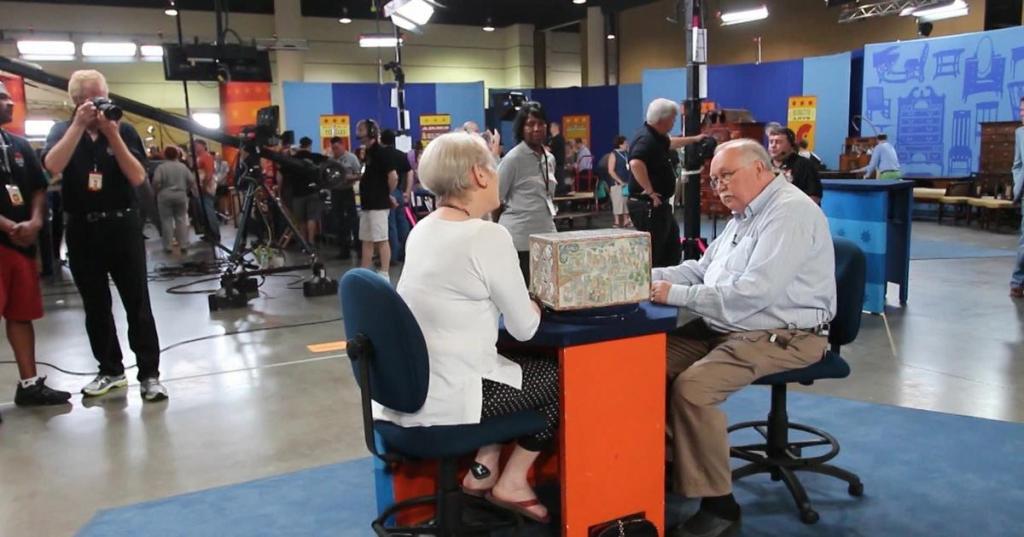
Traveling around the country to different cities, antique owners bring in their personal items to be discussed and appraised on the show.

Chris Jussel was the host for the first four seasons. Contemporary art expert Dan Elias took over from 2001-2003. Lara Spencer, who had been a correspondent on Good Morning America, moved into the seat for seasons 8 and 9. Actor and game show host Mark Walberg became the host after she left.

For the first nineteen seasons. the hour-long episode began with the host introducing the location. Most cities had three programs devoted to their location. The format showed a variety of items being evaluated by a variety of appraisers with knowledge of different categories of collectibles. Throughout the show, you would see shorter segments at the tables where a very brief appraisal was given for a couple of items. Halfway through the show, the host would explain more about the city or location where the show was being filmed.  Often, shows were held in city convention centers or hotel ballrooms. The show ended with taped comments from the Feedback Booth where people discussed what they learned about their items. Some episodes would then have a Hidden Treasures segment where one or two items that were more rare or expensive or old would be given a more thorough appraisal.

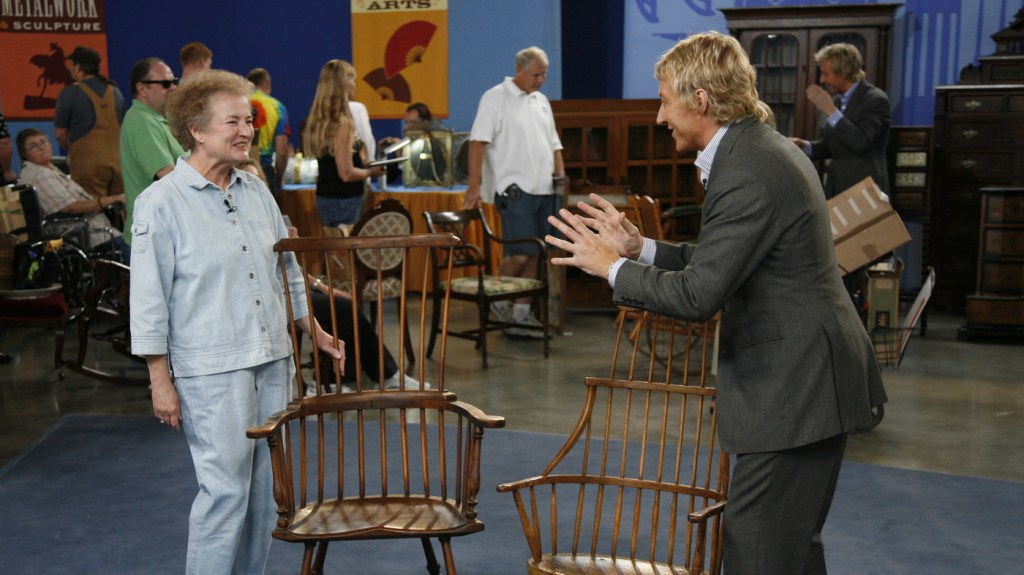
Behind the scenes Photo: pbs.org

In season 16, a few small changes occurred to the format. New logos,as well as  opening and closing credits were designed. A new set was created. Most of the host’s appearances including the halfway segment were dropped. Beginning in season 23, more shows were filmed at historic sites and parks, rather than city or commercial buildings. Walberg left the show in season 23, and Coral Pena took over the voiceover duties.

Author Jason Reynolds on celebrity edition Photo: pbs.org

Of course, the COVID-19 pandemic affected the television industry and Antiques Roadshow was no exception. The limited number of episodes that aired in 2021 were conducted with celebrities instead of a variety of antique owners. I thought they were very interesting shows. Four celebrities were included in each hour: my favorite collections were with Jay Leno, Jason Reynolds, S. Epatha Merkerson, Marc Brown, and Nancy Kerrigan.

Tickets are free but are provided on a random basis. Viewers must fill out a form on the website and if you receive a ticket, you also receive a free appraisal whether your segment makes it on the air or not. Keep in mind, if you wear clothing with a business logo, you are automatically not appearing on television; the show cannot take time to contact all business owners for permission.

On the filming day, visitors check in at designated times and wait in line to see an appraiser. About 150 of the appraisals are taped, and approximately 30 of them make it on the final show. What if you live alone and want your antique dresser appraised? If the show thinks the item is interesting, they will move it free. If you receive a ticket, you can submit photos of your furniture to the producers and they will pick it up and return it in a 60-mile radius of the host city. However interesting some items are, there are several types of collectibles that the show won’t appraise including cars, stamps, currency, coins, fossils, tools, ammunition, and explosives.

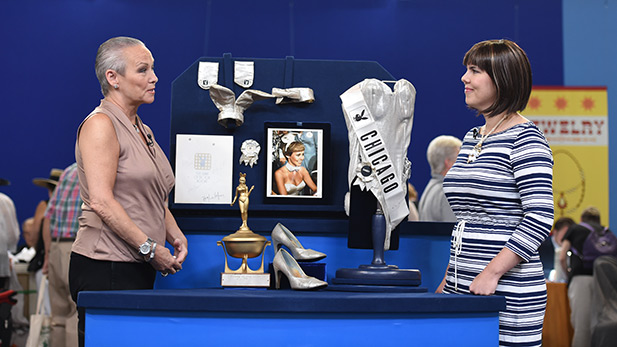
Former Playboy Bunny items appraised by Laura Woolley Photo: arizonapublicmedia.com

Typically. there are about seventy people appraising at each site. Antiques Roadshow uses volunteer appraisers and does not pay them or cover travel expenses. However, they do receive a few free meals that day. While they cannot buy or sell any items that day, they do get national exposure. To learn more about the appraisers, you can go to pbs.org and find the Antiques Roadshow page. You can also learn their rules and the cities that they will be visiting, along with a lot of other interesting information.

Sports are always popular Photo: leiladunbar.com

While items are often identified as fakes or reproductions, there have been some very significant finds on Antiques Roadshow. The most expensive appraisal never made it on the air. The owner preferred not to let America see who had this rare collection. It was a collection of autographs from every Presidential cabinet member from Washington to Franklin Roosevelt and was valued at a million dollars.

Some of the other fun collectibles included: a set of Chinese cups carved from rhinoceros horns from the late 17th century, valued at over a million dollars; sports appraiser Leila Dunbar valued a Bost Red Stockings 1870s memorabilia set at a million dollars in 2015; a never-worn Rolex Oyster Daytona Chronograph watch was valued at $500,000-700,000; and a set of Charles Schulz Peanuts comic art at $450,000. A New Jersey woman bought a card table at a garage sale for $25 and sold it for half a million.

The show draws about 8 million viewers a week and is very popular with PBS financial supporters.

Antiques Roadshow has been nominated for more than 19 Emmys. It has won more nominations than any other reality show, but it has never won an award.

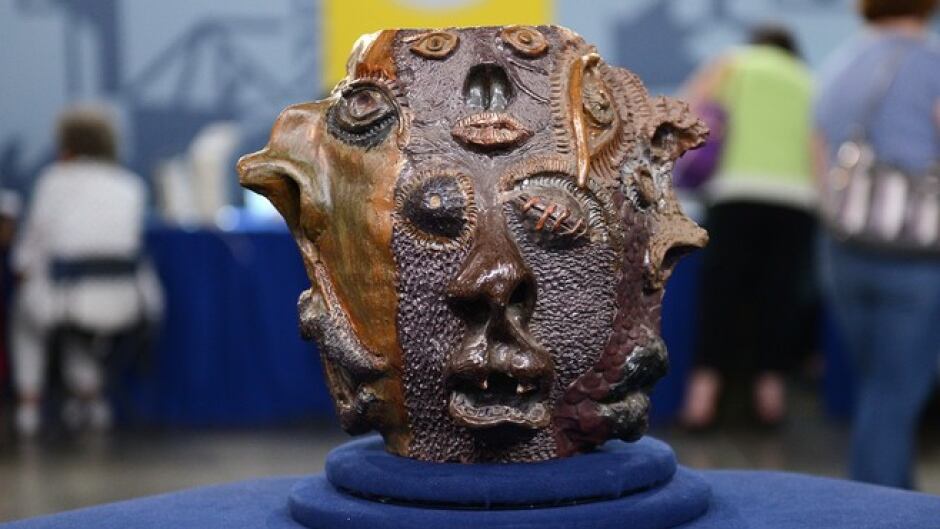
Not worth $50,000 (except to her parents) Photo: cbc.ca

I could not find too many mishaps on the show, so either the network keeps them very quiet or they have been very lucky. One vase was appraised for $50,000 which later turned out to be made by a local high school student and valued much, much, much less. One man collapsed and fell after learning the value of his object, but I’m sure it was embarrassing for him so I won’t share the location and item from that incident.

While I have always loved history, I remember seeing the show as a parent of toddlers and thinking it had some interesting pieces but seemed like “an old person’s show” and about ten years ago, I began to watch it regularly so I either misjudged it or I am now an old person; if you have an opinion, I’ll let you keep it to yourself!

The always popular Keno brothers Photo: npr.org

As a museum curator, I have learned some valuable information that I have been able apply to items in our collection. What I love most about the show is that there is something for everyone: handmade furniture, first-edition books, beautiful pottery, sports memorabilia, clothing from the entertainment field, and on and on. There is a reason the show has been on the air for 25 years so if you have never seen it, check it out this year.

“Time to Get Things Started”

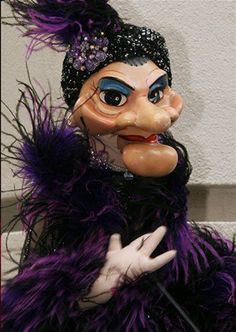
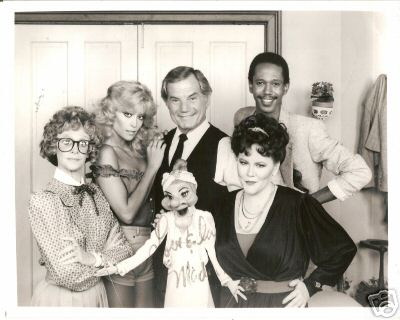
John Lennon said, “Reality leaves a lot to the imagination.”  That is especially true when looking at our two television shows today.  We are going to explore two shows that mixed reality and fantasy, or humanity and puppets more accurately.  Madame’s Place and The Muppets are both what they now call a mockumentary. Both shows featured a puppet hosting a late-night tv show, interacting with humans.  On Madame’s Place, Madame was the only non-human, while The Muppets blended muppets and humans throughout the show. We’ll also take a quick peek at the men behind the fantasy: Wayland Flowers and Jim Henson.

Madame’s Place debuted in 1982 while The Muppets began in 2015, 33 years apart.  Both shows lasted one season and featured celebrities interacting with the characters.  Both Madame and Miss Piggy had Jay Leno on their show. Both shows also went beyond the professional lives of their stars, featuring their personal lives as well.

Madame’s Place

madame9

Madame lived in a large mansion. All 51 episodes included her three-person staff:  Bernadette Van Gilder (Susan Tolsky) who was her secretary; Walter Pinkerton (Johnny Haymer) who was an ex-boxer, now butler; and her niece Sara Joy Pitts (Judy Landers) who was a bit of a dumb blonde.   A young Corey Feldman appeared in half the shows as Buzzy St. James, the next-door neighbor boy.

madame4

Madame clad herself in feathers and sequins. Madame was never described as politically correct, and she did not mince words with her staff or her nightly guests. She always had a witty comeback.

Some of the guests on her show included Frankie Avalon, Joyce Brothers, Scatman Crothers, Phyllis Diller, Eva Gabor, George Gobel, Arsenio Hall, Pee-Wee Herman, Jay Leno, Anthony Newley, Charles Nelson Reilly, Debbie Reynolds, John Schneider, William Shatner, Toni Tenille, Betty White, and Fred Willard.

I was surprised to learn that Wayland Flowers was actually born Wayland Parrott Flowers in Georgia in 1939.  He passed away in 1988 in California from cancer. He always performed with Madame, and their first break happened when they were cast on The Andy Williams Show in the mid-1960s.  They appeared on Laugh-In, The Hollywood Squares, and The Mike Douglas Show, as well as four years on Solid Gold.

wayland

Flowers once said that Madame had a mind of her own, and sometimes what she said shocked him.

If you wish to see Madame in action, there are several youtube videos of her. Madame’s Place s0le13 is an episode where Madame holds a contest to determine her next (and 7th) husband.

The Muppets

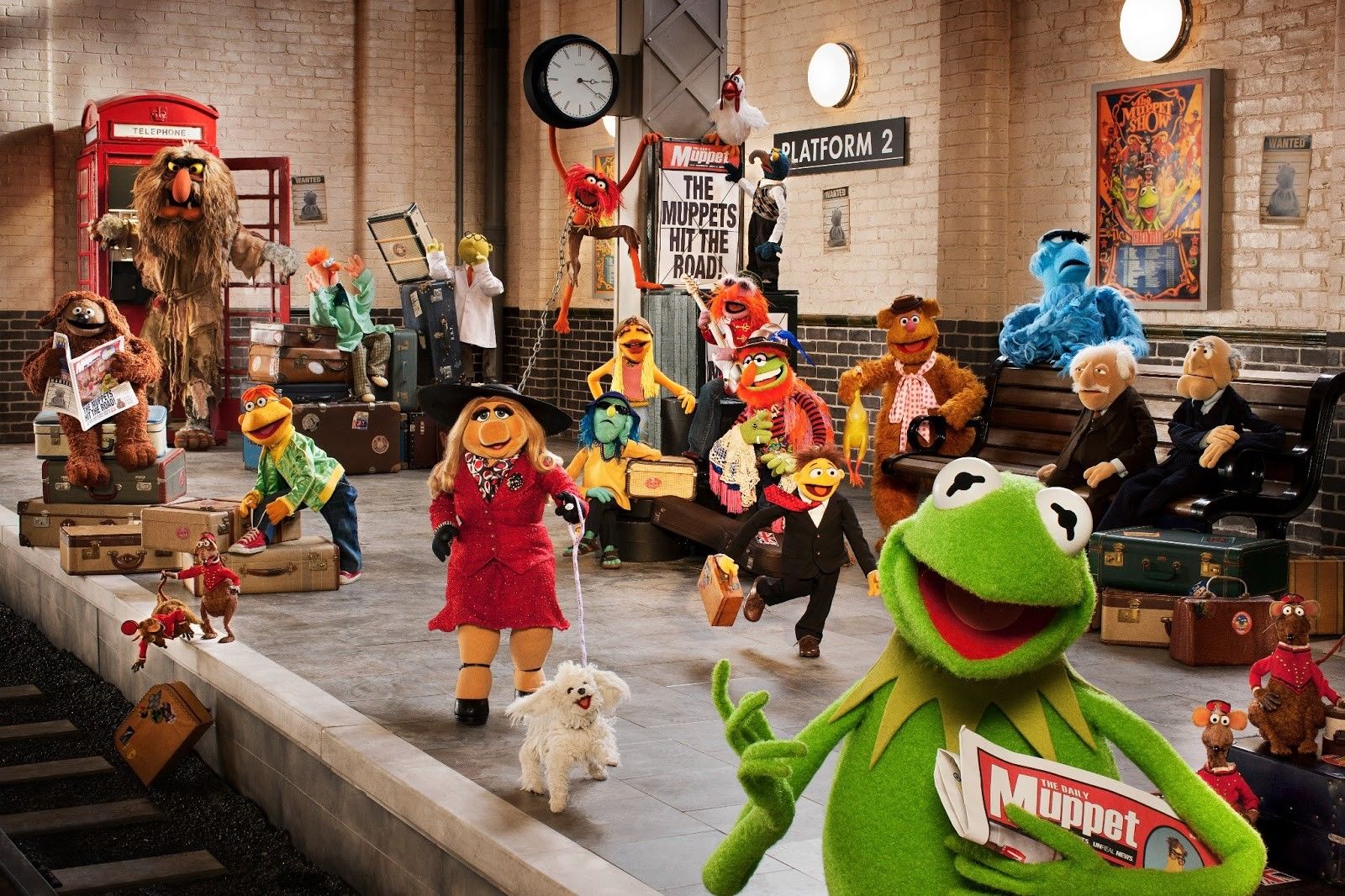
Like Madame’s Place, The Muppets showed life on a late-night talk show.  The gang is all here. Kermit and Miss Piggy have ended their relationship, but it is obvious they still have feelings for each other.  The show is Up Late with Miss Piggy. Before the show went live, Kermit always said, “Time to get things started.”

Kermit is the executive producer; his best friend, Fozzy Bear, is the co-host; Gonzo is the head writer with fellow writers Rizzo the Rat and Pepe the King Prawn; Scooter is in charge of talent, Bobo is the stage manager; Dr. Bunsen Honeydew and Beaker are the prop handlers; Uncle Deadly is in charge of Miss Piggy’s wardrobe; Sam the Eagle is in charge of the network’s Standards and Practices; Denise, another Pig, and Kermit’s current girlfriend, is in charge of marketing; the house band is the Electric Mayhem; and we’re not totally sure what the Swedish Chef actually does. Rowlf the Dog owns a bar across the street and many of the characters retire there after the show to talk about the evening’s performances.

The show mixes humans and muppets.  For example, Fozzy is dating a human girl, and her parents don’t approve.

The show cleverly made fun of a lot of the late-night shows. Some of the guests who came to dish with Piggy included Christina Applegate, Elizabeth Banks, Jason Bateman, Jere Burns, Kristen Chenoweth, Laurence Fishburn, Josh Groban, Joan Jett, Mindy Kaling, Jay Leno, Willie Nelson, and Reese Witherspoon.

The show was cancelled after one year.  A lot of people complained about The Muppets living as adults in adult situations.  This was unfair criticism because the Muppets began as a show aimed at adults.

Jim Henson was born in Mississippi in 1936 and died in New York in 1990. He began creating puppets in high school.  While at the University of Maryland, he created a show starring Kermit among other now-unknown puppets called Sam and Friends, an adult show.  The show appeared in television in the Washington, DC area from 1955-1961.The puppets lip-synched popular songs and acted in sketches spoofing television shows.  Henson founded Muppets, Inc. in 1958. The Muppets then appeared on late night talk shows.

henson

In 1969, the Muppets moved to Sesame Street where they became famous. The Muppet Show was on television from 1976-81, and the crew made several movies including The Muppet Movie, The Great Muppet Caper, and The Muppets Take Manhattan.

muppets3

In the 1980s, Disney became involved with the Muppets and several television shows occurred (The Jim Henson Hour in 1989 and Muppets Tonight from 1996-98), along with a couple more movies. In 2004, Disney acquired all rights to the Muppets and made additional movies.

I’m not sure why neither of these shows made it to year two.  Maybe people just couldn’t accept the interaction of puppets and humans.  With The Muppets, I think some people who would have liked the show assumed it was for kids while people who assumed it was for kids were unhappy it was an adult show.

I found both shows a lot of fun.  They didn’t take themselves or celebrities too seriously. Another show I fell in love with that put kids’ characters into modern situations was the New Looney Tunes, but that’s a show we’ll explore in detail in a future blog.


I could not find an author for the following quote:  “It’s not reality that shapes us, but the lens through which your brain views the world that shapes your reality.” I don’t know about you, but in watching the news and reading newspapers (ok, almost no one reads newspapers anymore), I find reality is not a fun place to dwell in.  I will happily add a bit of fantasy.  It seems to produce a lot of great one-liners.

Piggy: I’m telling you this because we’re friends: we are no longer friends.

********************************************************************

Fozzie: I knew you wouldn’t approve it so I went over your head.
Kermit: I’m the boss.
Fozzie: Oh that’s right. So I went behind your back.

********************************************************************************

Cousin Charlie: Well, if you need me I’ll be in my dressing room practicing my collection of one-liners.
Madame: Well, be sure to do a good job darling. They’re all in your face.
*********************************************************************************

Madame: These are my Summer Diamonds. Some are diamonds, some are not.