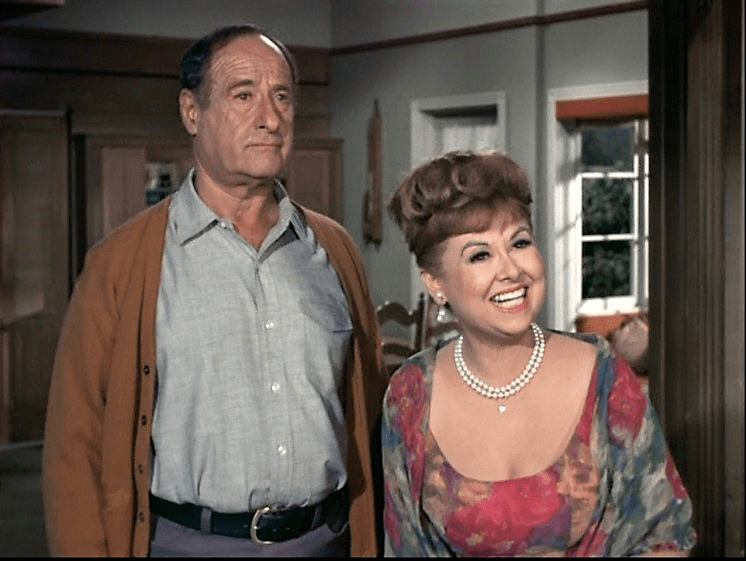
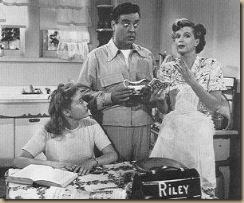
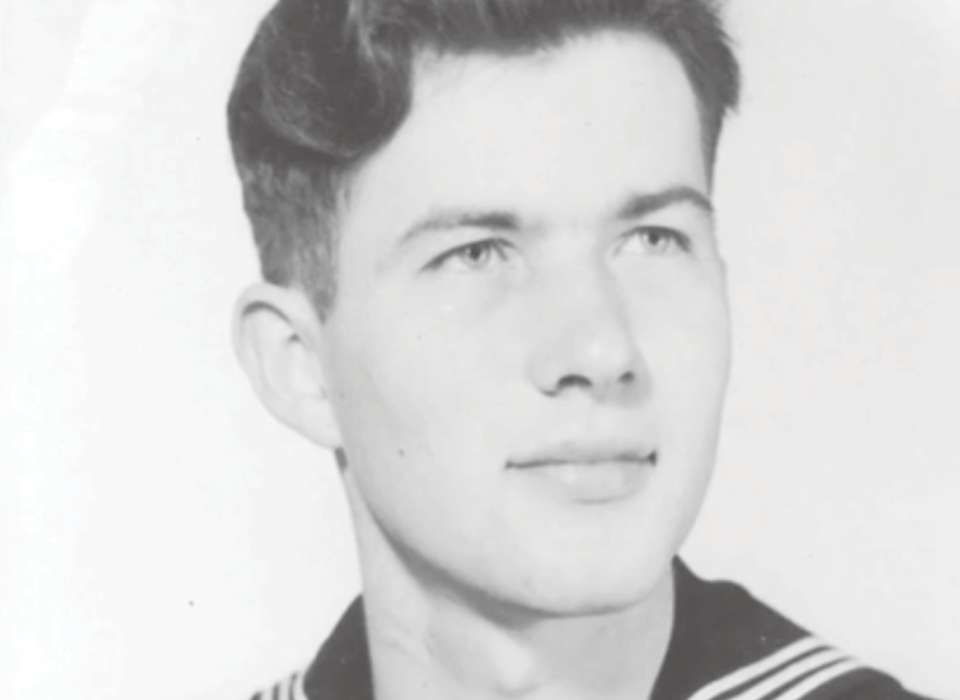
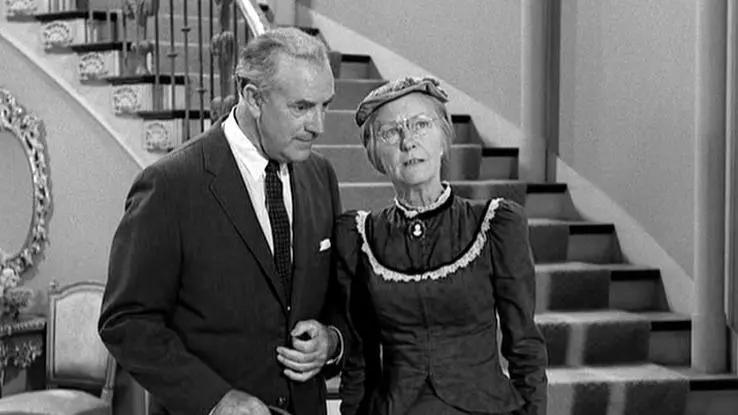
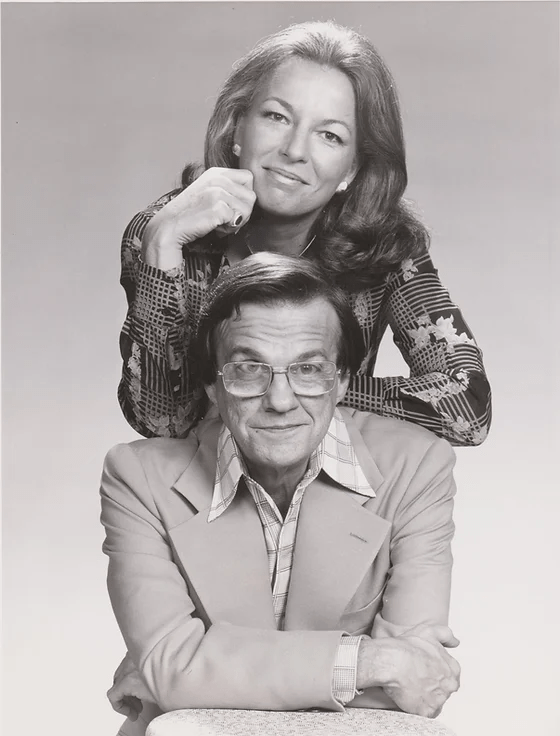
Sandra Gould: What a Character

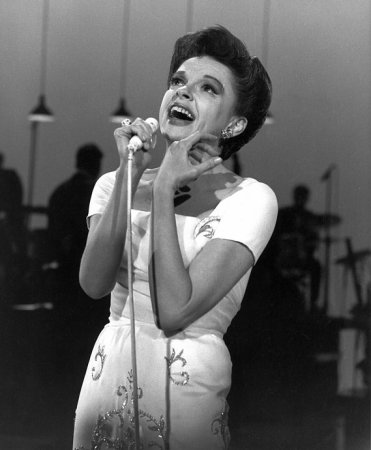
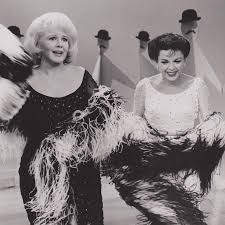
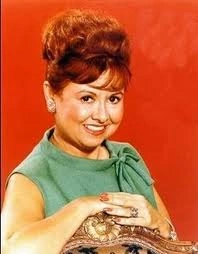
We are winding up our blog series “What a Character” with Sandra Gould. I have to be honest, I had an unfair bias against Sandra Gould.  I didn’t know a lot about her career, I just knew that she replaced Alice Pearce as Gladys Kravitz, and it was a bad replacement. It wasn’t Sandra’s fault—I blame the show’s producers.

📷pinterest.com

Some actors truly are irreplaceable. Eartha Kitt, while a great Cat Woman, just wasn’t Julie Newmar. Imagine trying to replace Henry Winkler as the Fonz halfway into the show. Can you picture tuning into MASH and finding Hawkeye was now played by someone other than Alan Alda?  Pearce was perfect in that role and, despite her being nosy and annoying, she was likable and that is hard to do. Gould’s Gladys was loud and brash, and I felt like I heard fingernails on a chalkboard whenever she was in a scene.

As long as I’m oversharing, I never cared for Dick Sargent either. While he was able to replace Dick York in some ways, York was just Darrin. Okay, I’m done and ready to talk about the good aspects of Sandra Gould and her long career.

Gould was born in Brooklyn in 1916. She entered the entertainment business early becoming a kid dancer in the Cat Skills by age 13.

📷threads.com

Gould found a lot of success on radio, appearing on “My Friend Irma” and “Duffy’s Tavern.” Her first radio job came along when she was only 9 on “The Danny Thomas Show.” Gould was with Jack Benny for almost fifteen years.

In 1938 she married Larry Berns, a broadcasting executive. They were married until his death in 1965. Berns joined CBS in 1942 writing and producing radio and TV series including Our Miss Brooks. He later worked on McHale’s Navy and Broadside.

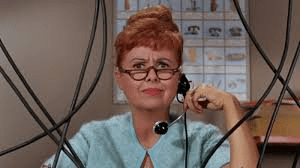
Sandra’s first role was in the big screen T-Men in 1947. Most of her roles were inept or gabby women, typically a telephone operator, nurse, receptionist, landlady, or saleswoman. Gould once mentioned that she played an operator more than any other actress. I did notice 10-15% of her roles mentioned switchboard operators.

📷facebook.com

While she continued to appear in movies, most of her acting credits came on television. She appeared in Oboler Comedy Theater in 1949. In the early days of television, many of the series were drama or comedy reenactments of movies or plays. Sometimes, new stories were written for these episodes. Gould continued with these roles into the mid-fifties.

From 1952-55 she appeared as Mildred on I Married Joan. This series starred Joan Davis and Jim Backus. He was a judge, and she was another “Lucy Ricardo” always getting into mischief or causing hardships for her husband.

📷tumblr.com

Gould was kept very busy with offers during the end of the fifties and throughout the sixties. She could be seen doing comedy on Our Miss Brooks, I Love Lucy, The Jack Benny Program, My Three Sons, The Brady Bunch, and I Dream of Jeannie among others. She also tried western life on Wagon Train. Her drama performances included Hawaiian Eye and I Spy. She even dipped her toe into animation on The Flintstones.

At the end of the sixties, she was given the Glady Kravitz role. Pearce and Gould split the character’s appearances: Pearce had 27 episodes with Gould having 29.

Gould had stepped away from acting for a time. She published two books for girls: Always Say Maybe and Sexpots and Pans. They both seem quite dated today in their advice to girls to get the right type of husband. At the time she accepted the role of Gladys she said she had gone through a very rough year. Her husband died. Then her writing partner Peter Barry died. Then Alice Pearce, who was a good friend of hers. She had no desire to take over the role, but George Tobias who played Abner and was also a friend, called her to come in for an audition.

📷imdb.com

I could not find any information about she and Barry collaborating. One article specifically mentioned that they wrote scripts for Honey West, Tammy, and The John Forsythe Show, but I don’t see either of their names as writers for these shows. Barry is listed as a writer for 23 shows in the late fifties and early sixties, and he was a radio scriptwriter. Perhaps they had written some scripts that were never filmed.

I guess I am in the minority on the Bewitched issue because most sites I visited described her role similarly, usually something like Hollywood Spotlight’s description: “her over-the-top performance and shrill voice were popular with viewers, and she succeeded ultimately in making the character her own.” She also reprised her role as Gladys in the sitcom Tabitha in 1977 which was about Darrin and Samantha’s daughter as an adult.

Some time during her stint on Bewitched, she got married again to Hollingsworth Morse, and they were together until his death in 1988. Hollingsworth was a director and assistant director on almost 90 programs and movies including McHale’s Navy, Dukes of Hazzard, and Mork and Mindy.

The seventies and eighties found her primarily in drama roles, although she could be spotted in a handful of sitcoms. You can catch her on Columbo, Marcus Welby MD, Ironside, Crazy Like a Fox, and MacGyver. During the nineties, she took on roles that were described as “old lady” on Friends and on her last appearance which was Boy Meets World in 1999.

📷bewitched wiki.com

Not long after filming this episode, Gould passed away from a stroke following heart surgery.

Gould had a long and successful career and certainly made the nosy, gabby character her own. I’m glad the job on Bewitched helped her get through a very sad and difficult time in her life. However, I still am claiming she was not right for Gladys who should have been written off the show and just replaced with a new neighbor. But I respect Gould and the characters she made her own on the big and little screens.

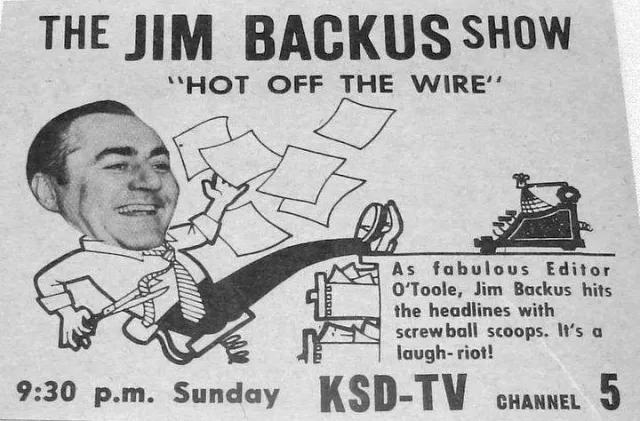
The Jim Backus Show: It Was Hot Off the Wire

This month we are in a blog series, “It’s Their Show.” Today we are taking a closer look at The Jim Backus Show. Most people know Backus today as Mr. Howell on Gilligan’s Island. While he did show up on several television series, cartoons, and made-for-tv movies for Gilligan’s Island, Backus had a long and successful career without any Gilligan appearances. He started in the movies in 1948 and wound up his career with an amazing 253 credits.

📷thrillingdaysofyesteryear.com

In addition to being the voice of Mr. Magoo, Backus starred in several other series including I Married Joan and Blondie.

In 1960, The Jim Backus Show debuted.  It was one of the first syndicated shows, so it’s hard to gauge how it did against its competition. However, I will say what I can tell you is that there were still 13 westerns on the air during the week, so while the influence of the Plains was waning, it was still very popular. It was also a year that lots of stars had made the plunge to dip their toe into the television industry. There were 11 stars with their own shows that year in addition to Backus, including Jack Benny, Ann Sothern, Danny Thomas, Andy Griffith, and Donna Reed. 

The series had a great cast. They had several good directors, including Gene Reynolds who produced MASH and Lou Grant and a lot of good writers, including Jay Somers who would go on to create and write Green Acres. However, they had 14 directors and more than 40 writers to produce those 39 episodes. They also had a great line up of guest stars including Ken Berry, Charles Lane, Jayne Meadows, Zasu Pitts, Tom Poston, and Bill Quinn.

📷youtube.com

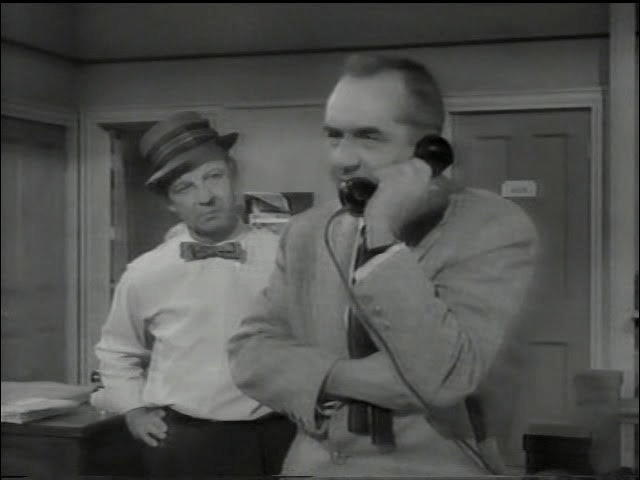
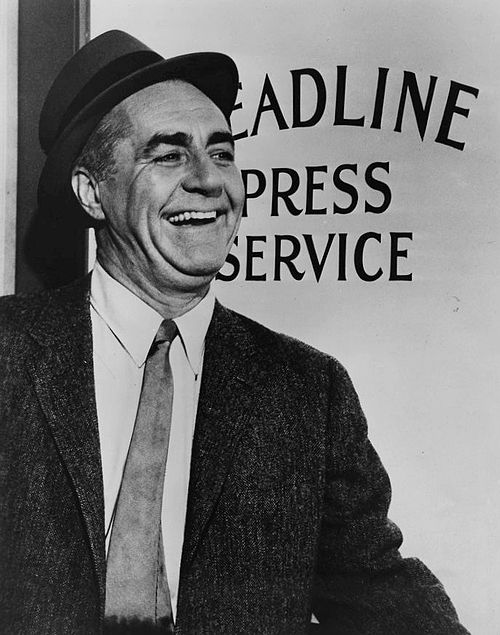
Backus is Mike O’Toole, the editor and owner of a news service struggling to make a go of it. He often doesn’t have the money to pay his rent or his staff’s salaries. Working with O’Toole are reporters Dora (Nita Talbot) and Dave (Bill McLean) as well as Sidney (Bobs Watson), their office boy. When they weren’t working, they spent some time at Heartless Harry’s, a bar downstairs that was popular with newspaper people. He truly was heartless, because he wouldn’t let anyone from Mike’s company in the bar unless they put down a $10 deposit.

One of the episodes I watched for this blog was #5, “No Help Wanted.” The opening pans the big city before moving down to the office of the wire service with Mike in the window joined by Dora.

The episode begins with Mike and Dora’s car breaking down in the middle of nowhere. There’s a large estate in the distance, but Mike won’t let Dora ask them for help until he’s tried to fix the problem himself.

Directed by Gene Reynolds and written by Dick Chevillat and Jay Sommers, the plot is that a retired stage actress, Catherine Lyden (Linda Watkins), has lots of money and loves living a normal life. Her former agent keeps trying to lure her back into show business. She decides to clean the maid’s house so she can hire someone, but when Dora and Mike meet her, they recognize her, and they think she is destitute and try to help her. After they get back to the office, they buy her some groceries and clothes. She tries to tell them that she has plenty of things and she doesn’t need their help. O’Toole writes a story about her having to work as a maid to make ends meet and puts a photo in the paper with her holding a pail and looking disheveled. When the article appears, several people contact her to try to help her out. When Mike and Dora get her contract from the playwright who is trying to hire her, they tell her that it’s a form to get a retraction from the paper.

After she signs it,  they tell her the truth, that it’s a five-year contract and she begins to cry. Surprisingly they never do find out she wasn’t down and out. They think she is crying from gratitude, and they leave.

📷internetarchive.com

There were some fun bits of dialogue especially between Dora and Mike, and the filming was very different from most sitcoms, but I was drawn in by it. One of the things that I found most interesting about this episode is the soundtrack. There is some laughter in the background, but you hear birds, the office machinery running, and the sounds of the city. It’s like you’re right in the location with the cast and hear what they would hear.

This was a tough episode for me though. First of all, I kept waiting for Lyden to be touched by the fact that they were trying to help her and maybe that made her realize the public missed her. However, she never cared that they were spending their hard-earned money on her. She truly was upset when they tricked her, and I found it tough to watch because they never learn she was not destitute and truly was happy and they have now made her miserable for five years. It just didn’t have that feel-good ambiance we expect our sitcoms to feature.

📷wikipedia.com

The series produced 39 episodes before being canceled. I’m guessing the fact that it didn’t make it had something to do with the fact that it was on different nights and times across the country.

Sometimes these shows are hard to find. They all had two names. The Tom Ewell Show was known as The Trouble with Tom, The Phyllis Diller Show was known as The Pruitts of South Hampton, and The Jim Backus Show went by Hot Off the Wire.  With so much competition from other stars trying to vie for their spot on the schedule and being a syndicated show, I’m guessing it was hard to lure enough fans to make it worthwhile to produce a second season of the show.

Shirley’s World: Doomed to Fail

As we ponder the What in the World? blog series this month, today we are taking a look at Shirley’s World.

This sitcom starred Shirley MacLaine as a photographer. For a variety of reasons, this show was doomed to fail. Let’s learn why that was the case.

📷imdb.com

ABC aired this show in 1971. It was co-produced by ITC Entertainment, a British company and American producer Sheldon Leonard. As I’ve said many times, Sheldon is one of my favorite classic television people. When he did a show, quality was guaranteed. In this sitcom, Shirley Logan (Shirley MacLaine) worked at World Illustrated magazine and her editor Dennis Croft (John Gregson) sent her around the world on assignments. However, Shirley always managed to find herself in dangerous situations while trying to help clients she was only supposed to photograph. One site described it as “the indomitable and highly resourceful Shirley met more than her share of high drama and intrigue—meeting would-be Soviet defectors, interviewing film stars, and even becoming a circus clown—with a few hilarious moments along the way.”

The opening of the show is very confusing. It’s a collage of photos one after another of Shirley with her camera out and about. If you didn’t know what the show was about, and it sounds like a lot of the crew and cast never did figure that out, you would assume this was a documentary or a mystery show. It does not read as a comedy.

There is a similarity to Sheldon Leonard’s series I Spy with shows set around the world. Rather than being videotaped, this series was shot on film. Because it was set all over, the producers decided against a laugh track or live audience. This gave the sense of a mini film; although laugh tracks can be annoying, the lack of laughter was also a detriment for a sitcom.

📷rewatchclassictv.com

I could not determine what set things off, but MacLaine and her British crew had what was often described as a “mutual loathing” of each other. She also seemed to have issues with the writers. After voicing often how much she disliked some of the scripts, she was banned from seeing them until 48 hours before shooting began. Eleven writers were credited with scripts, including Rob Reiner. From what I read about “fans,” the writing did leave a lot to be desired.

The show aired Wednesday nights. It was up against the second half of Medical Center and the NBC Mystery Movie which included Columbo, McMillan and Wife, and McCloud. So not only was it against two shows in the top 20, but if someone began watching either of those two shows, they were not switching halfway through the episode to watch Shirley’s World.

David Hofstede reviewed the show in his Comfort TV blog in February of 2023 (https://comforttv.blogspot.com/2023/02/shirley-you-cant-be-serious-visiting.html). As he tells us, “I gave up after ten episodes because all of them suffered from the same flaws. There’s nothing here for a viewer to follow that seems at all credible. Shirley MacLaine’s acting talent is unquestionable, from The Apartment to Sweet Charity to Terms of Endearment. Yet here she doesn’t seem to know what to do with the character or the situations she encounters. She laughs in serious moments—is that because she didn’t know what else to do?”

📷rewatchclassictv.com

Another review mentioned that apart from one small reference to Shirley being from Idaho, we don’t know anything about her.

In the early decades of television, we saw many stars who made that transition to television beautifully—Burns and Allen, Jack Benny, Debbie Reynolds, but there are also plenty like Henry Fonda and Jimmy Stewart who didn’t.

I understand 20/20 is everything as we look back in time, but it’s hard to understand how this show even got on the air. We have a great film star in MacLaine and an amazing producer in Leonard, and that is about it for the positives.

The show was expensive to create due to overseas locations and untypical filming techniques, it was poorly written, the character was never developed, the bi-nation crew didn’t get along, it was put on the schedule against two top-twenty shows that were an hour long, and never seemed to figure out if it was a sitcom, a drama, or a mystery.

Some things are just not meant to be, and Shirley’s World appears to be one of them.

Jess Oppenheimer: The Brains Behind I Love Lucy

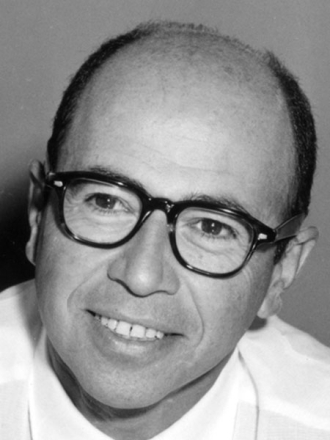
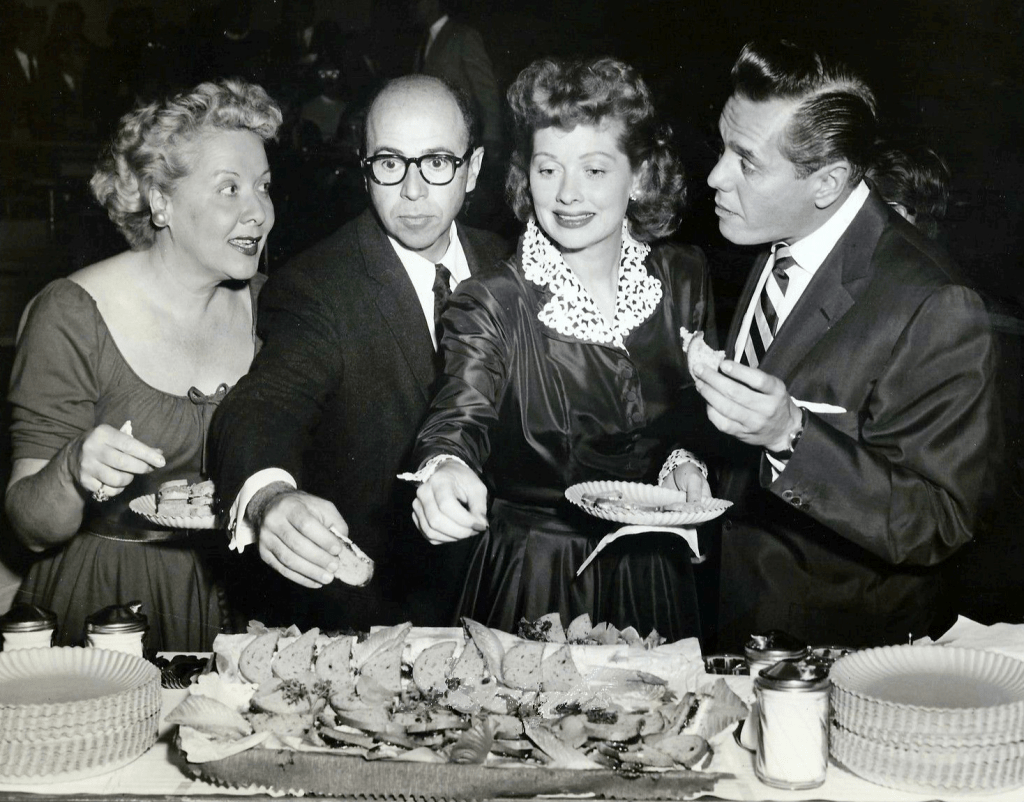
As we are learning all about Lucille Ball and her shows this first month of 2025, the month would not be complete without getting to know Jess Oppenheimer, the man Lucy called “the brains” behind I Love Lucy. He was also the producer and head writer of the show. Director William Asher said “he was the field general. Jess presided over all the meetings and ran the whole show. He was very sharp.”

📷televisionacademy.com

Oppenheimer was born in San Francisco in 1913. He took part in a study of gifted children in Stanford Professor Lewis Terman’s project. Ironically, one of Terman’s quotes about Jess was that he “could detect no signs of a sense of humor.” Jess’s father James owned the largest luggage store in San Francisco, but he died in an accident when Jess was 16.

Oppenheimer went on to attend Stanford in the 1930s. He started to spend a lot of his free time at radio station KFRC and performed in a comedy sketch he wrote for the show “Blue Monday Jamboree.”

In 1936 he moved to Hollywood and was hired as a writer on Fred Astaire’s radio show. He later went to work for Jack Benny as well as Edgar Bergen and Charlie McCarthy, George Burns and Gracie Allen, Bing Crosby, Marlene Dietrich, Judy Garland, Bob Hope, and Ginger Rogers.

When World War II began, Oppenheimer joined the US Coast Guard where he met Jack Dempsey and Cesar Romero. While he was there, he was diagnosed with double vision which had bothered him his entire life but had never been addressed.

Agent Ray Stark was Fanny Brice’s son-in-law and later Stark recruited him to write for her Baby Snooks Show based on his reputation in the Coast Guard.

In 1942, Oppenheimer met Estelle Weiss, an employee of Wallichs Music City. They married in 1947 and were together for the rest of his life.

📷wikipedia.com

In 1948, CBS hired Oppenheimer to write a script for a new radio show, “My Favorite Husband.” Several of the scripts portrayed the wife, played by Lucille Ball, as a sophisticated socialite. When Jess added slapstick comedy and transitioned her to a childlike, impulsive, naïve wife, the show was a big success.

In 1950, CBS moved the show to television to star Lucy and her real-life husband Desi Arnaz. Lucy demanded that Oppenheimer stay in charge. Jess suggested doing a show “about a middle-class working stiff who works very hard at his job as a bandleader and likes nothing better than to come home at night and relax with this wife who doesn’t like staying home and is dying to get into show business.” He suggested the title “I Love Lucy.”

For the first five seasons, Oppenheimer was the producer and head writer, with help from Madelyn Pugh and Bob Carroll Jr. as other writers. As part of his contract, Oppenheimer received 20% of the ownership in the show. He gave Pugh and Carroll each 5% of that amount.

A wannabe actor, Oppenheimer appeared on I Love Lucy in two episodes. In #6, “The Audition,” he was one of three TV executives who audition Desi and in #127, “The Tour,” he walks in front of the bus before Ethel and Lucy board it. In one of the more famous episodes, #30, “Lucy Does a TV Commercial,” Jess is the voice that tells Lucy to go ahead and begin her commercial.

📷

In 1956, Oppenheimer moved to NBC where he became a producer of special shows.

During the sixties, Oppenheimer created and produced three other sitcoms. In 1960 he worked with Annie Farge and Marshall Thompson on Angel; in 1963 with Glynis Johns on Glynis, and with Debbie Reynolds on The Debbie Reynolds Show. He also was listed as writer, producer, and director for the 1967 season of Get Smart.

Oppenheimer received two Emmys and seven nominations. His Emmys were for Producer for Best Situation Comedy, I Love Lucy, in 1953 and 1954. He was also nominated for Producer for Best Situation Comedy, I Love Lucy, in 1952 and 1955; for Best Comedy Writer, I Love Lucy, in 1955 and 1956; for Best Single Program of the Year, General Motors 50th Anniversary Show in 1958; Program of the Year, The Danny Kaye Show with Lucille Ball in 1963; and Outstanding Program Achievement in Humor, The Danny Kaye Show with Lucille Ball in 1963.

He was also an inventor with 18 patents. One of his inventions was an in-the-lens teleprompter.

In 1962, Lucille Ball brought a new sitcom to television; however, Oppenheimer sued the show, claiming that Lucy Carmichael was Lucy Ricardo, his character, He received a financial settlement, and the character was changed, but unfortunately, it ruined the friendship between Oppenheimer and Ball.

The Oppenheimer family lived on Burlingame Avenue in Los Angeles. In a funny twist, Jess bought the house from MGM hairstylist Sydney Guilaroff; he was the person who turned Ball into a redhead for the 1943 movie, DuBarry was a Lady.

📷instagram

Jess’s best friends were Mel Blanc, Hans Conried, and Jerry Hausner, who had played Ricky’s agent on I Love Lucy.

In 1988, Oppenheimer had an intestinal surgery; he died shortly after from heart failure. At his death, Lucille Ball said he was “a true genius” and said that “she owed so much to his creativity and his friendship.”

I love hearing stories about people like Jess Oppenheimer and Sheldon Leonard who are creative geniuses and are the influence and inspiration for so many of the classic television shows.

The Elegance of What’s My Line

This month, we are looking at popular fifties stars and shows. While the show we are talking about today outlasted the fifties by almost another decade, it gained its popularity during the 1950s. Today we are learning about What’s My Line.

📷wikipedia.com

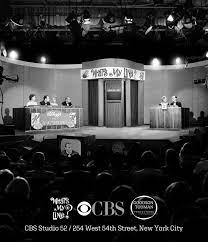
This panel game show was on CBS. It debuted in 1950 and ran until 1967. The show was produced by Mark Goodson and Bill Todman, and the working title was Occupation Unknown. Perhaps the title should have been What’s My Schedule. The show began on Thursday nights as a live show. Later in season one, it switched to every other Wednesday and then moved to every other Thursday. In October of 1950, it landed on Sunday nights where it would remain throughout the rest of its life.

The original series, which was usually broadcast live, debuted on Thursday, February 2, 1950, at 8:00 p.m. ET. After airing alternate Wednesdays, then alternate Thursdays, finally on October 1, 1950, it had settled into its weekly Sunday 10:30 p.m. ET slot where it would remain until the end of its network run on September 3, 1967.

📷imdb.com

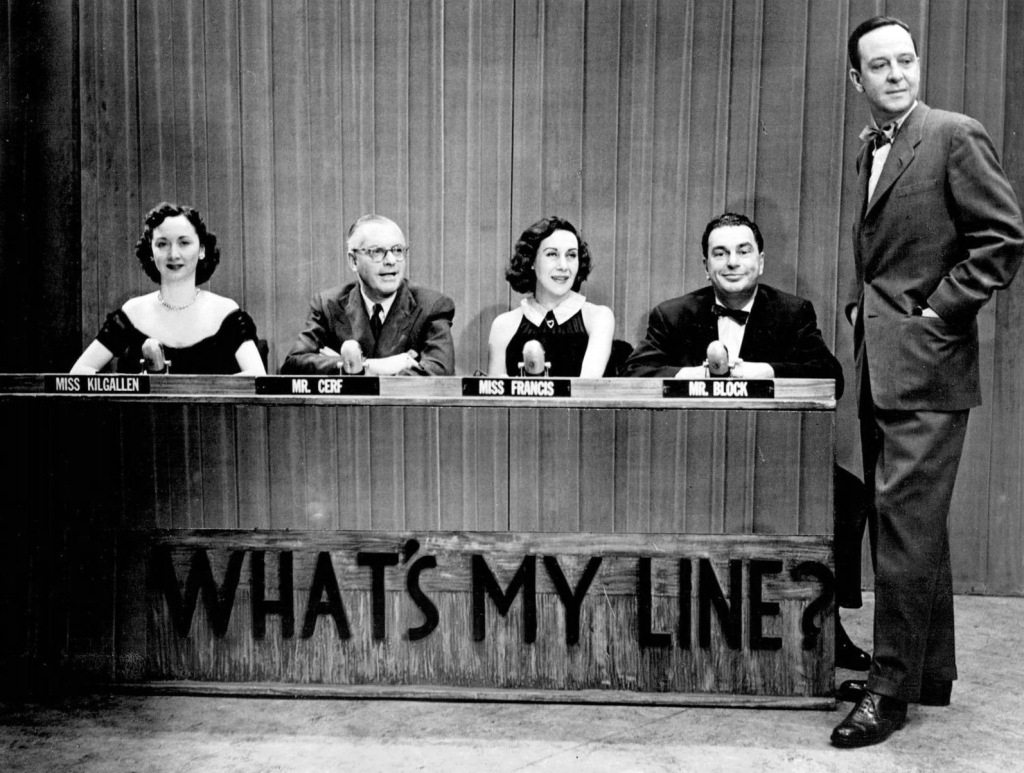
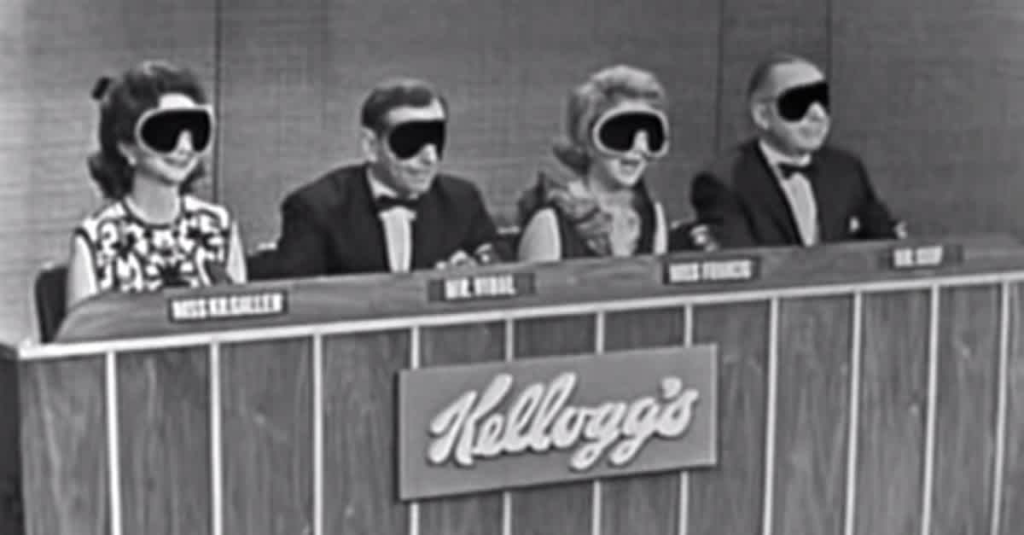
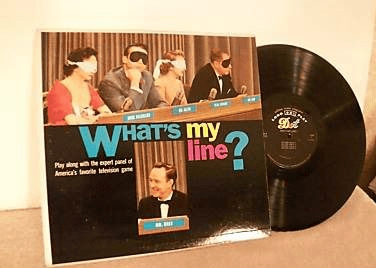
Celebrity panelists ask contestants questions to figure out their occupation. While most of the contestants were not famous, there was a “mystery guest” segment. The panelists were blindfolded for this segment and asked questions to determine the celebrity. People enjoyed watching the panelists banter with each other and the sophisticated humor they shared with us.

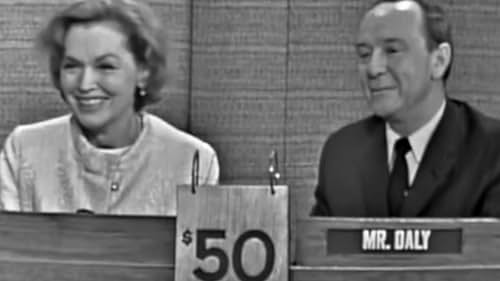
Each episode had four panelists. The most famous panelists were Dorothy Kilgallen, Arlene Francis, and Bennett Cerf. John Daly was the moderator. The first show in the series featured New Jersey governor Harold Hoffman, Kilgallen, poet Louis Untermeyer, and psychiatrist Richard Hoffman. Later in season one, Arlene Francis came  on board with Kilgallen, Untermeyer and writer Hal Block. In season two, Cerf replaced Untermeyer and Steve Allen took over for Block in season three. When Steve Allen left to host The Tonight Show, comedian Fred Allen was part of the panel from 1954 until his death in 1956. Kilgallen was killed in 1965 and her replacement varied for two years. Her death is a mystery itself and well worth reading about. Many people think she was killed because of her investigation into JF Kennedy’s assassination.

📷facebook.com

The panelists started the series wearing business clothing, but by 1953 they shifted to formal attire with the men showing up in suits and ties and women in formal gowns and gloves. Unfortunately, we never got to see the beautiful colors of these clothes. Until 1966 everything was filmed in black and white. In the final season, the show was broadcast in color, but the kinescopes were saved in black and white.

Both critics and television viewers liked the show, and it won an Emmy for Best Quiz or Audience Participation Show in 1952, 1953, and 1958.

Because it was a game show, most of the 700 episodes were on kinescope, 16 mm filming. Because many original shows in that era were recorded via kinescope onto silver nitrate film, many networks destroyed recordings to recover the silver. After learning that the network was not keeping the recordings, Goodson and Todman offered to pay for the broadcast and retained the recordings from season three on, however many of those were also lost along the way. A variety of the episodes are stored at different archive centers around the country. My home state houses one from 1951 at the University of Wisconsin Center for Film and Theater Research in Madison.

📷facebook.com

The remaining kinescopes which have been digitized have been seen on television on the Game Show Network and 757 of them exist on YouTube.

Many of us remember the reruns and seeing the contestant come on stage and write their name on a chalkboard as Daily said “Will you enter and sign in please.” The very first contestant was Pat Finch who was a hat check girl at the Stork Club.

The first mystery guest was New York Yankees shortstop Phil Ruzzuto. Many of these guests used fake voices to answer questions. Some of the mystery guests who appeared on the show included Julie Andrews, Louis Armstrong, Lucille Ball, Jack Benny, James Cagney, Gary Cooper, Joan Crawford, Salvador Dali, Sammy Davis Jr., Doris Day, Aretha Franklin, Ava Gardner, Judy Garland, Jackie Gleason, Alfred Hitchcock, Bob Hope, Ginger Rogers, Roy Rogers, Eleanor Roosevelt, James Stewart, Elizabeth Taylor, and John Wayne.

📷littlethings.com Blindfolds come out for a mystery guest

The emcee would choose a panelist who could ask yes or no questions. If the answer was yes, they could continue until they got a no response and then the next panelist would be able to pose questions. If the contestants answered no, Daily flipped a card; when the contestant had ten cards, they won $50.

If you have heard of or even used the term “Is it bigger than a breadbox?,” you might want to know that it came from the show. Steve Allen asked the question in 1953, and it became a standard question after that night. In fact, on one episode, the guest was a breadbox maker, and when Daly could not help laughing at the question, Allen figured it out.

In 1967 The New York Times broke a story that CBS was canceling many of their game shows. None of the panelists had been told that the show was not renewed. Despite the fact that the low costs of the game shows made them profitable, the low ratings led the network to conclude that game shows were no longer suitable for prime-time schedules.

After the show was canceled in 1967, it did go into syndication five days a week. Soupy Sales joined Francis and Cerf on the panel of the reboot. A variety of other panelists took the fourth seat including Joyce Brothers, Jack Cassidy, Bert Convy, Joel Grey, Meredith MacRae, Henry Morgan, Gene Rayburn, and Nipsey Russell. The show ended in 1974. Cerf died during the run of the syndicated series.

It’s hard to believe, but Colonel Harland Sanders was on the show as founder of Kentucky Fried Chicken, although he was not easily recognized at the time, so he was not a mystery guest. While no president ever appeared while in office, Ford, Carter, and Reagan all appeared on the show.

📷youtube.com We switched to a first-name basis in the 70s

It would be fun to see this show on television today, but I’m afraid it would not be the same. In the way that Dick Cavett had a manner of interacting with guests to ask amazing questions with his humor and intelligence, this game show had that same atmosphere. Today, I think the banter would border more on crudeness than wit. There is something charming about a panel of very intelligent people talking with each other, trying to determine the identities of the people they were interviewing while being dressed to the nines that was fun to sit in on and be a part of. I guess that’s why this show is in our series where we are saluting the fifties because that was the era where it could shine.

The Life of Riley: A Series of Revoltin’ Developments

This month we are talking about classic television shows. Because it was early in the history of television, many of these shows began on the radio. Our series today was no different. It had a lot of lives. Like Ozzie and Harriet Nelson or Our Miss Brooks, it went from radio to television to film. However, in addition to those different genres, this show probably has the record for the first reboot. Today we learn all about The Life of Riley.

📷wikipedia.com

The Life of Riley began on the radio. Throughout the forties, you could tune in to hear Chester Riley, voiced by William Bendix, getting into a lot of different trouble while his long-suffering wife Peg (Paula Winslow), tried to help him. He had two kids, Babs (Barbara Eller) and Junior (Tommy Cook, Bobby Ellis, Scotty Beckett). His best friend Jim Gillis was often in the middle of the screw-ups with him. Another recurring character favorite was Riley’s friend Digby O’Dell, local undertaker, played by John Brown.

The family lived in California, and Riley was a blue-collar worker; he was a riveter at the Cunningham Aircraft plant.  Riley is stubborn and opinionated, and knows his way is the right way. His family and neighbors think otherwise.

The original radio concept was created to star Groucho Marx, but the sponsor could not see Marx in a sitcom role. Gummo Marx who had become an agent, worked with the original sponsors, The American Meat Institute, to develop the show. Later the show was sponsored by Proctor and Gamble and then by Pabst Blue Ribbon Beer.

In 1949 in a weird twist, there was a film version coming out as well as an ABC Blue Network television sitcom. Bendix had signed on for the film, so that prevented him from playing Riley on television. The film did well, earning $1.6 million.

📷iamachildoftelevision.com The Jackie Gleason Riley

Jackie Gleason took on that role with Rosemary DeCamp as Peg. Gloria Winters was Babs, Larru Reese was Junior, Sid Tomack was Gillis, and Brown continued to play O’Dell. It only was on the air from October 1949 to March 1950. I’m not sure why it disappeared from the schedule so quickly. Producer Irving Brecher and Pabst Brewing Co. could not agree on extending the series to a 39-episode season. Apparently, the ratings were not high enough for the sponsor to want to continue with the series. It competition was a Feature Theater on Dumont and Suspense on CBS. Suspense also began in 1949 and began as a radio show. It was an anthology series that often featured literature adapted for television. It was on the air until 1954, although the radio show was on the air from 1942-1962. However, it won the first Emmy Award for Best Film Made For and Shown on Television. Six shows were nominated, but the only other show remembered today was The Lone Ranger.

📷imdb.com

In 1953, a reboot was made for NBC. William Bendix was back as Riley and this series continued on the air for six seasons. In this second, better-known series, Marjorie Reynolds was Peg, Lugene Sanders was Babs, and Wesley Morgan was Junior. Gillis was played by Tom D’Andrea and his wife Honeybee was played by Gloria Blondell. Digger O’Dell was not mentioned. John Brown had been named on the Hollywood Blacklist during the McCarthy debacle years, so he was prevented from taking the role. Many people use Riley’s catch phrase, even if they are not sure where it was originally from: “What a revoltin’ development this is.” Riley made $59 a week, and money was often one of his concerns.

Four of the six seasons found the show in the top 30, and 217 episodes were produced. Oddly, season five was filmed and broadcast in color, while season six was back to black and white. The show was on Friday nights for its entire run. The first three seasons it faced its biggest competition against Topper for two years and Our Miss Brooks for season three.

Dell Comics featured the show in one of its comic books in 1958. It was included in the Four Color series. It has held its value with most editions going for about $200-$300 online.

While I have watched a fair number of episodes of The Life of Riley, I have to admit it was never one of my favorites. Shows from this era are very hit or miss with me. I do like all the versions of Our Miss Brooks, and I love Burns and Allen and Jack Benny, but I got quickly got tired of the circumstances Riley continually found himself in and his mispronunciation of words and his lack of knowledge which he never realized. I am also in the small, small minority of people who felt the same way about I Love Lucy. I can watch one or two episodes here and there but not on a regular basis, although the scripts and acting on I Love Lucy carried it much further than Life of Riley.

However, Life of Riley was popular in the fifties and is still well-known today, so it found its audience of fans. If you want to try it out, there are limited opportunities. Interestingly, there is a DVD of the Gleason episodes and there are several recordings available of the radio show. However, for the Bendix television series, I could only find one option and half the shows are Our Miss Brooks so it is not even an entire season, just two episodes. I could not find any networks currently streaming the show either.

Raymond Bailey: Banking On a Starring Role

Photo: rottentomatoes.com

This month’s blog series is “Time for Some Texas Tea.” We are learning about some of the stars of The Beverly Hillbillies. Today we are banking on getting to know Milburn Drysdale, also known as Raymond Bailey.

Bailey was born Raymond Thomas Bailey in 1934 in San Francisco, California. When he was only a teenager he made the trek to Hollywood to try his hand at acting. He had a tougher time breaking into the business and worked a lot of odd jobs including day laborer in a silent movie theater where he was fired after sneaking into a mob scene which I found pretty funny and creative. He also worked as a stockbroker and a banker which would come in handy later in his career.

Photo: thenationalwwiimuseum.com

When things did not seem to be working out, he moved to New York City. He had no better luck on the east coast than on the west coast, so he joined the crew as a merchant seaman and toured the world, including China, Japan, the Philippines, the Mediterranean, and Hawaii. While in Hawaii, he also worked on a pineapple plantation, acted in the community theater, and sang for a local radio station.

He decided to give Hollywood a second chance in 1938, and he actually began getting some small movie parts. His first credited role was in SOS Tidal Wave. He was Mr. West in The Green Hornet in 1940. He appeared in 30 movies before Pearl Harbor was struck. When the US entered WWII, he joined the US Merchant Marine. After his time was up, he returned to Hollywood.

In 1951, Bailey married Gaby George and they would remain married until his death. I could not learn much about Gaby, but she was born in another country, and they were married in Manhattan. I’m not sure if she came here earlier in her life or met Bailey while he was traveling the world. She would have been 37 when they married, and I believe she received naturalization papers when she was 55.

The Alfred Hitchcock Show “Breakdown” Photo: completehitchcock.com

Raymond continued receiving big-screen roles, and in 1952 he had his first television appearance in Tales of Tomorrow as Congressman Burns. He appeared in forty-six additional series during the decade of the fifties, including The Donna Reed Show, Jack Benny, Burns and Allen, Gunsmoke, and Private Secretary. His movie career continued with roles in 26 films including Sabrina, Picnic, King Creole, and Vertigo. In the mid-fifties, he also explored Broadway with roles in four plays.

While Bailey didn’t abandon his film career, the sixties found him on the small screen the majority of the time. In the early sixties, he could be seen on a variety of shows including Lassie, The Ann Sothern Show, Bachelor Father, Perry Mason, Bonanza, My Three Sons, and Mister Ed. In 1961, he was offered his first regular role as Mr. Beaumont on My Sister Eileen. He appeared in 25 of the 27 episodes of the show.

Photo: ask.com

In 1962 he was offered the role he would become a household name for: Milton Drysdale on The Beverly Hillbillies. His time as a banker helped him manage millions of dollars in the Clampett accounts. Much to his wife’s chagrin, Drysdale talks the Clampetts into buying the mansion right next to his so he can keep a better eye on them and their money. He was their mentor as they adjusted from country life to city life as much as they could adjust.

Unfortunately, Bailey developed Alzheimer’s, and the symptoms began just as the show was ending. The Beverly Hillbillies was canceled during the “Rural Purge” when all country-related shows were ended by the network in 1971. After the series was canceled, Ray only had two acting credits; they were both in Disney movies that came out in the mid-seventies: Herbie Rides Again and The Strongest Man in the World.

With Nancy Kulp Photo: imdb.com

Baily then became a bit of a recluse until his death in 1980 from a heart attack. It sounds like the only non-family member he kept in touch with was Nancy Kulp who played his secretary Jane on The Beverly Hillbillies.

It was fun to learn more about the career of Raymond Bailey. He certainly defined the word “perseverance.” I’m glad he was able to do what he had a passion for. It would have been interesting to see how he would have done in another comedy series. His Alzheimer’s diagnosis probably ended his career twenty years earlier than it would have. It sounds like he found love and a fulfilling career and that is certainly a success no matter what your profession is.

Donna Douglas: Southern Girl at Heart

The Beverly Hillbillies' Star Donna Douglas Dies - ABC News
Photo: abcnews.com

This month’s blog series is “Time for Some Texas Tea,” stars of The Beverly Hillbillies. We begin our series with Elly May Clampett, played by Donna Douglas. Born Doris Ione Smith in Baton Rouge, Louisiana in 1932, Douglas’s upbringing could not have prepared her for her most famous role of Elly May Clampett any better, because she was a tomboy and loved animals. She had eight male cousins, and she wore their hand-me-downs, went fishing with them, and pitched on an all-boy softball team. In high school, she played softball and basketball, but did switch to cheerleading as she got older. Like many of her classmates during that era, she married shortly after high school. After she had a son, she and her husband Roland Bourgeois divorced three years after their wedding.

Donna Douglas - IMDb
Photo: imdb.com

Donna won Miss Baton Rouge and Miss New Orleans. She then made the move to New York. She was offered a job as an illustration model for toothpaste ads. She began taking acting lessons while in the city.

In 1958, at age 27 she began her television career. That year she would appear on The Phil Silvers Show, but she was credited with the name Doris Bourgeois, her married name. In 1959 she would appear on The Steve Allen Show, Tightrope, US Marshal, and Bachelor Father.

Her movie career began the same year. She appeared in Career and would go on to show up in six movies before 1970 including Bells Are Ringing, Lover Come Back, and Frankie and Johnny which she starred in with Elvis Presley. Although they remained friends, and Elvis once visited the cast when they were in Memphis filming, I read a few different sources that relate that Donna fell in love with Elvis and was heartbroken he did not feel the same way. Her last big-screen appearance in 2013, Chronicles of Life Trials, was also her last acting credit of her professional life.

With the debut of the sixties, her career took off, and she received roles on twenty television shows in the first half of the decade. You can catch her in a variety of series including Route 66, The Sunset Strip, Hennessey, Pete and Gladys, Dr. Kildare, Jack Benny, Mister Ed, and The Joey Bishop Show.

Alan Hale Jr. (Skipper), and Donna Douglas (Ellymay) once played a married  couple on "Mr. Ed" : r/mildlyinteresting
With Alan Hale Jr. on Mister Ed Photo: reddit.com

She had a recurring role on Checkmate in 1961 as Barbara Simmons. The plot of the show was that two friends, Don Corey (Anthony George) and Jed Sills (Doug McClure) operate a high-priced detective agency called Checkmate, Inc. in San Francisco. A British criminologist, a former Oxford professor named Carl Hyatt (Sebastian Cabot) helps them. 

Photo of Donna Douglas and William D. Gordon The Twilight Zone image 1
Photo: etsy.com

In 1960 and 1962 she was in The Twilight Zone in two memorable appearances: I remember watching “Eye of the Beholder” when I was younger and the horror of watching it never left me. In the episode, Douglas is a patient in a hospital having plastic surgery to make her more beautiful. The tension is built as they get ready to unwrap her face. You hear the nurses and doctors talking, but no one’s face can be seen After reminding her that the surgery was not guaranteed to be successful, they finally remove the bandages. We suddenly see the beautiful Donna Douglas. A nurse hands her a mirror and Douglas screams hysterically. Then things move back in the shot and as we see the medical personnel around her, we see they look a bit hideous in our standards, and Donna is devastated that she has to remain so “ugly.”

Donna Douglas, Elly May On 'The Beverly Hillbillies,' Dies At 81 | KUNR
Photo: kunr.com

In 1962, Paul Henning was developing a new show about a group of hillbillies who strike oil and move to Beverly Hills to buy a mansion and live the good life. They have a hard time adjusting to the California lifestyle and being millionaires. Douglas beat out hundreds of actresses to get the part of Elly May.

Donna said that she was never allowed to change her lines in the script and that now actors have that freedom, but back then producers were in charge instead of the actors.

Douglas received more fan mail than any other cast member on The Beverly Hillbillies, and she spent hours autographing photos and responding to her fans.

Apart from the spat between Nancy Kulp and Buddy Ebsen later in life, the cast of the show was very close. Douglas, Baer, and Ebsen attended Ryan’s memorial service. Irene Ryan put on a huge Christmas spread for the show’s cast and their families every year.

Donna Douglas, aka May Clampett, Has Died
With Max Baer Photo: kroc-am.com

Douglas and Max Baer Jr. remained close friends for the rest of their lives Baer said “I spoke to her on a semi-regular basis. We weren’t the kind of people who would text, but we would call each other when there was something to share.” During the time of her death, one of Donna’s comments was, “Tell Maxie I thought I was going to get better.”

Max and Donna both visited Ebsen the week before he died, and Douglas gave a eulogy at his funeral. Later, when she discussed their relationship, she said he “was a wonderful man very much like my own father, a quiet, reserved, and caring person.”

After The Beverly Hillbillies was canceled, Donna took on a few roles in the seventies and could be seen on Night Gallery, Love American Style, Adam 12, and McMillan and Wife. During this decade she also tried marriage again with Robert Leeds, who had been the director for The Beverly Hillbillies. They married in 1971 and divorced in 1980. We only see Douglas once in the eighties on The Nanny, where she played herself.

Donna had two issues affecting her offers for television roles. After portraying Elly May Clampett for nine years, she was typecast in the role and her religious beliefs prevented her from appearing in anything in bad taste, immoral, or with nudity. She said she only wanted to do high-quality work and many of the scripts did not meet that criterion for her.

Ken Turner and Donna Douglas - Ken Turner and Donna Douglas - Here Come the  Critters - Amazon.com Music

After her acting career, Douglas transitioned into gospel singing, real estate, and motivational speaking. She did not do much with her realty work, because she said while she told her clients all the things that were good about the homes, she also felt it necessary to tell them all the things that were bad about them which was not part of the corporate culture in LA at that time. She did perform frequently as a gospel singer and often gave talks for church youth groups, camps, and colleges. She recorded her first gospel album in 1982. Her gospel albums included “Back on the Mountain” and “Donna Douglas Sings Gospel I & II.” She also released several country records. This same year Donna enrolled at Rhema Bible Training Center in Broken Arrow, OK; she graduated in 1984 with a children’s ministry degree.

Douglas also penned a few books. She wrote Donna’s Critters and Kids: Children’s Stories with a Bible Touch and had an accompanying coloring book. In 2011 she wrote Miss Donna’s Mulberry Acres Farm. In 2013, she released a cookbook, Southern Favorites with a Taste of Hollywood. She included recipes from some of her acting friends including Max Baer, Pat Boone, Buddy Ebsen, Loretta Lynn, Gavin MacLeod, Dolly Parton, and Debbie Reynolds.

Amazon.com: Barbie Collector Beverly Hillbillies Ellie May Doll : Toys &  Games

In a 2003 interview with “Confessions of a Pop Culture Addict,” she discussed her role of Elly May: “Elly May was like a slice out of my life. She is a wonderful little door opener for me because people love her, and they love the Hillbillies. Even to this day, it’s shown every day somewhere. But, as with any abilities, she may open a door for you, but you have to have substance or integrity to advance you through that door.” Donna also made the rounds for several fan conventions for the Beverly Hillbillies.

In 2011, Donna sued Mattel when they released an Elly May Barbie doll without her permission to use her likeness. It was settled behind closed doors, but you can still find the doll which came out in 2010 with a Samantha doll from Bewitched and a Jeannie doll from I Dream of Jeannie.
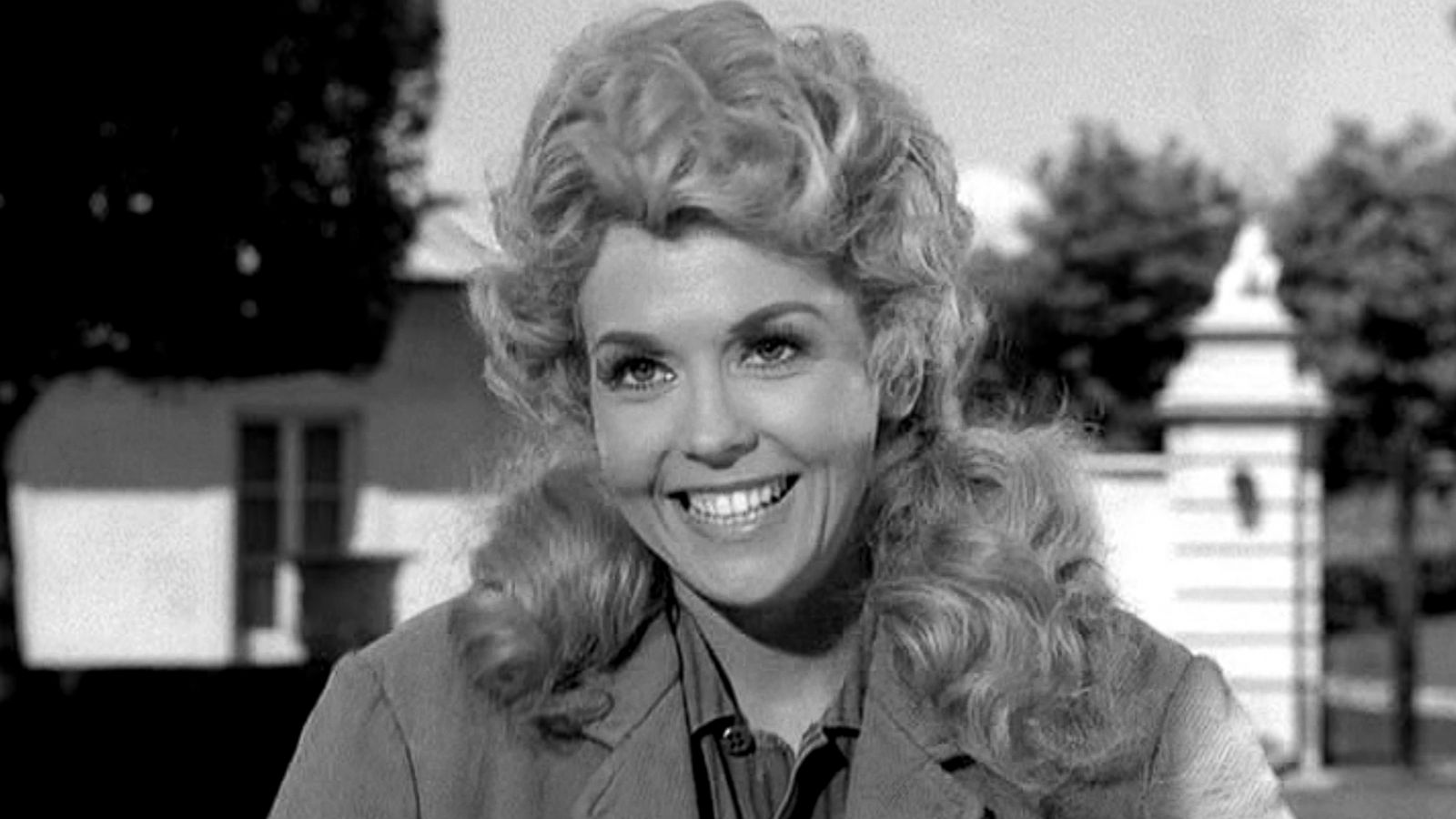
Donna also enjoyed gardening, responding to fan mail, and spending time with her friends and family. She moved back to Baton Rouge in 2005, and in 2015, she died from pancreatic cancer.

Some people might consider her career unlucky after the Beverly Hillbillies, because she was not able to attain the roles she really wanted to do. However, she was able to create new goals for herself, try out different careers in which she became successful.

Donna Douglas - Turner Classic Movies
Photo: tcm.com

As her life was moving from middle to older age, she was able to return home and spend the rest of the years in the place she loved and the place where her roots were. I think that is a successful and healthy life. She also chose to help raise money for charities and give back when she could have justified just enjoying her private life.

She is a great role model for all of us: strive for your dreams, adjust life when necessary, do your very best, give back to others, and remember where you came from. Pretty good advice and she walked the talk! Thank you for being you, Donna Douglas.

Bill Cullen Wants to Tell the Truth

We have come to our final blog post about four interesting To Tell the Truth panelists. Today we are concentrating on Bill Cullen, who many of us associate with game shows during the era we grew up in.
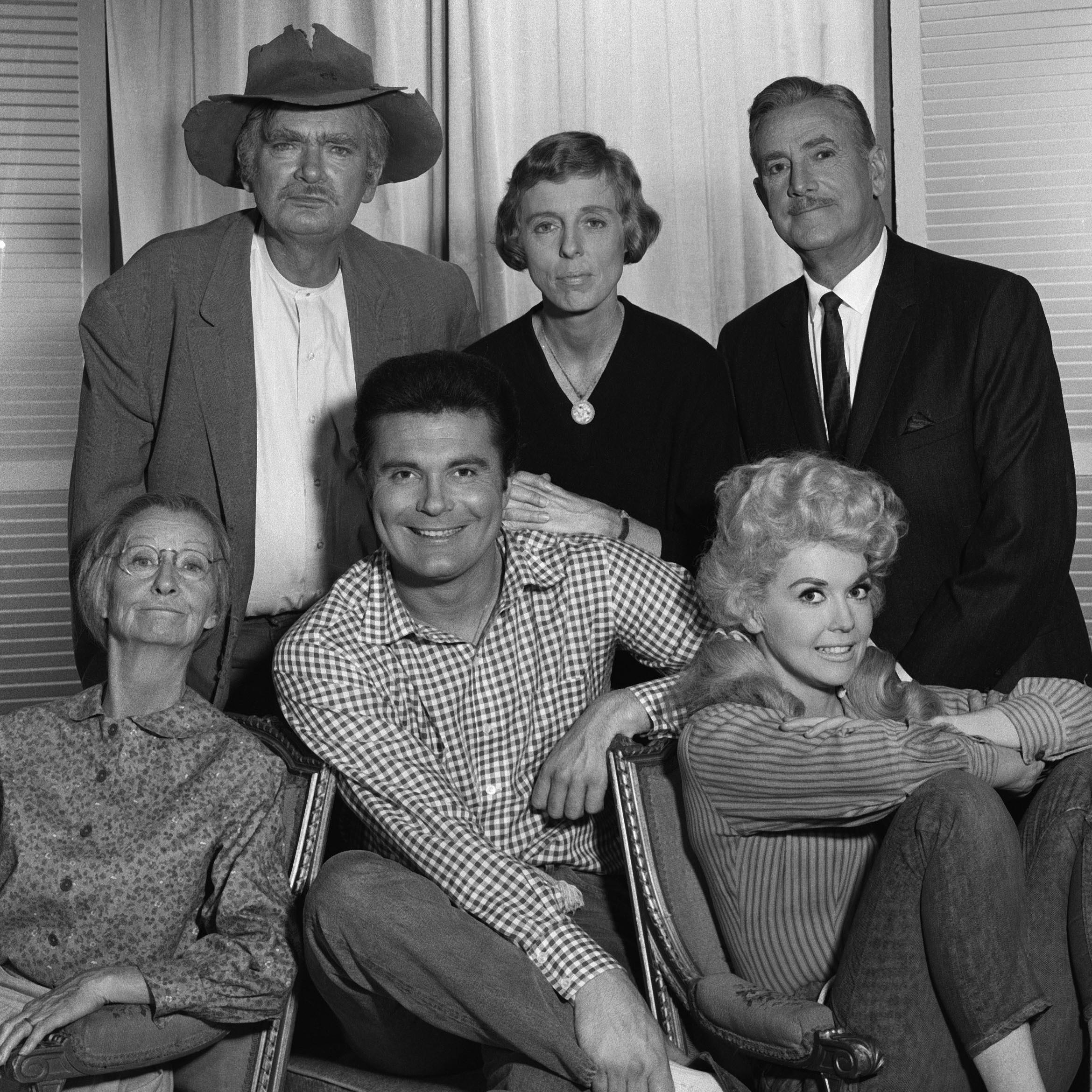
Born William Cullen in 1920 in Pittsburgh, Pennsylvania, he was an only child. His father owned a Ford dealership there. Like many children in that era, he was diagnosed with polio which left him with physical issues to deal with for the rest of his life. The combination of the effects of polio and a motorcycle accident in 1939, that left him hospitalized for nine months, made it difficult for him to stand or walk for long periods of time.

He was originally a pre-med student but had to leave school because of financial problems. After a break to earn some money, he later returned to college to earn a degree in Fine Arts.

During this time, Cullen was married to Ruth Harrington; the two would divorce in 1948.

In 1939, Cullen worked at WWSW, a Pittsburgh radio station. He was a disc jockey and a play-by-play announcer with Joe Tucker for the Steelers and the Hornets (an earlier hockey team). In 1943 he was hired by KDKA. In 1944 he moved to New York where he got a job as an announcer at CBS.

While working on CBS, he tried his hand at joke writing, supplying Arthur Godfrey, Danny Kaye, and Jack Benny with his humor. He also obtained a writing job for the radio show Easy Aces.

Photo: whosdatedwho.com

During WWII Cullen became a pilot and served in the Civil Air Patrol as an instructor. He had become a pilot at age 13, and it remained one of his great passions his entire life.

In 1945 he was hired as the announcer for a radio quiz show called Give and Take. In 1952, he worked with Mark Goodson and Bill Todman on Winner Take All. This relationship would bring him a lot of work during his gameshow career, and he would host numerous game shows during the late forties and early fifties.

In 1948, Bill tried marriage again, wedding singer Carol Ames. They were married seven years before calling it quits.

Photo: Hudson Theater – Facebook

In 1952, Cullen made the move to television where he would become a household name. During the fifties, he hosted The Bill Cullen Show, Bank on the Stars, Place the Face, Name That Tune, and The Price is Right. Cullen beat out Dick Van Dyke as host of The Price is Right. Later it was determined the demands were too high for him when the show moved to prime time, and he was replaced by Bob Barker.

Not long after his divorce from Ames, Bill married dancer and model Ann Macomber. They would remain married until his death. She passed away in 2018.

He also appeared as a panelist on I’ve Got a Secret from 1952-1967, on To Tell the Truth from 1969-1978, What’s My Line, The Cross Wits, Password, Match Game, and Tattletales.

Not one to sit around, he also hosted Eye Guess, Three on a Match, Blankety Blanks, The 25,000 Pyramid, Chain Reaction, Blockbusters, and The Joker’s Wild. After his stint with The Joker’s Wild, he retired.

After retirement, he was able to spend more time on his hobbies including photography, interior decorating, model airplanes, painting, magic tricks, raising fish, writing plays and poetry, learning the saxophone and guitar, and flying.

In 1969, Cullen got very ill and was diagnosed with pancreatitis that required surgery. The surgery and recuperation took quite a toll on him and left him 30 pounds lighter.

1962 TV Guide

In a TV Guide interview in 1984, Cullen said he was just lucky with game show offers. He said “This is how it happens every time. A known packager comes up with the idea for a new show. The network says do a run-through. They do. The network likes it, and they say, we’ll give you a pilot. Then the network says ‘Who are we going to get to host it?’ Then he says they have the discussion about hiring someone new or someone gets mentioned who didn’t work out on another show. They hire the staff and weeks before the pilot is scheduled, they say, ‘Let’s just go with Bill Cullen.’”

Cullen was nominated for an Emmy three times but only won for Three on a Match in 1973. It was said he hosted more than 25,000 episodes of television during his career. Cullen often filled in for other people including The Tonight Show when Johnny Carson took vacation, for To Tell the Truth when Garry Moore had throat cancer, and for Allen Ludden on Password when he was ill. During the 1960s, he was the first game show announcer to be working on all three networks at the same time. He was also the first game show host to appear on the cover of TV Guide in 1954, and he would go on to have six more covers.

With wife Ann Photo: billcullenarchives.com

It sounds like Cullen was more than satisfied with his career and had no desire to be a television star. With his limp and horn-rimmed glasses with thick lens, he said “I often ask myself, ‘How am I working? I’m certainly not the guy who appeals to women between the ages of 18 and 35.’” When asked if he had frustrations about his career, his response was, “If anything, the industry has treated me better than I deserve. If you don’t have high aspirations—and I don’t—it’s terrific. I like my niche. I’m never under great pressure, and I’ve made a lot of money over the years doing what I enjoy.”

If that isn’t a definition of success, then I’m not sure what is. I have to admit that I think being a panelist on a game show would be a pretty fun gig. I really enjoyed learning about the four panelists of the To Tell the Truth that I remembered watching on television when I was a youngster.

Say Jell-o to Don Wilson

As we continue with our “They Call Me Wilson” series, today we learn about the career of Don Wilson.  With 33 movie credits, he only starred in seven television shows, but if you were a fan of Jack Benny or Batman, you will recognize him immediately.

Photo: oldtimeradio.com

Wilson was born in 1900 in Nebraska. Not much is known about his early life, but in one interview in 1980, he mentioned he went to high school in Boulder, CO. He played football at the University of Colorado and was an excellent golfer.

Denver was also the place he began his radio career, singing on KFEL in 1923. Wilson talked about a group he was part of, the Columbia Trio, in Denver beginning in 1925; they played on the radio and appeared in clubs when they needed a late substitute. One of their clients for commercials was for Piggly Wiggly and the store brought the three musicians to California when the company decided to open up new stores in California and renamed them the Piggly Wiggly Trio.

By the end of the decade, he was working full time at station KFI and later at KHJ both in Los Angeles. In an interview later in his life, he said he bought a Packard from Earle C. Anthony, and the Cadillac sponsor Don Lee, who owned KFI did not take it kindly and fired Wilson.

Apparently, he couldn’t decide which direction he wanted his career to go. During the early thirties, he worked as a sportscaster and covered the opening of the 1932 Summer Olympics for NBC. He also announced five Rose Bowls. He was mentored by Ted Hussey and said he was the greatest sports announcer bar none as well as a generous and knowledgeable man.

He took on Broadway roles in 1932 and 1934. He also began radio announcing for programs in the mid-thirties, first working with Benny in 1934.

Being perhaps indecisive, he also had a hard time with his love life. His first marriage was to Lucy Saufley in 1927; in 1940, he divorced Saufley and he married Peggy Kent whose father was president of 20th Century Fox. In 1942, the same month his divorce became final , he married a Polish countess, Marusia Radunska and this relationship lasted seven years. When he married his fourth wife, Lois Corbett in 1950, he finally found a lifetime partner.

He would be a member of the Jack Benny television family for 31 years, but when he was hired, although it was as a permanent cast member, he was at least the fourth announcer in two years to work on the show. Wilson said he thinks he was chosen partly because he laughed at all the right lines. He said luckily, in person, Benny was much more generous with his salary than was portrayed on the show.

When Benny made the foray into television in 1950, Wilson went along and would continue to costar on the show until it ended in 1965.

The cast of The Jack Benny Show-Photo: tvtropes.com

Although Don was listed as announcer for the Benny show, like Harry Von Zell on Burns and Allen, he was really part of the cast. His good-natured, friendly manner and booming Midwestern voice made him a pleasant person who often took the brunt of jokes by Benny, often due to his 6 foot, 300-pound physique. Wilson’s wife Lois appeared as his wife on the show for fifteen years, so it was a family affair. She also acted on other radio shows.

Benny producer Irving Fein, said Don “was a great foil for Jack. He was the hearty announcer who tried to get the commercial on the air and Jack would try to thwart him. Sometimes Don would have the Sportsmen Quartet sneak in the commercial. Don would tell Jack the Sportsmen were going to do a song. Then they would sing a chorus of a song and the final chorus would be the commercial.” The first commercial Wilson pitched on the show was for General Tires. Jell-O, part of General Foods, sponsored the show for ten years, and Lucky Strike then took over for another fifteen years.

Photo: jackbennypodcast.com

His coworkers said he rarely misspoke his lines, but when he did, they took advantage of it. In an interview on speakingofradio.com, Don told a story that during one 1950 broadcast, he relayed a bunch of information and Jack asked him when he learned all that and Don said he read it in columnist Drew Pearson’s article, but he mistakenly said Dreer Pooson. Later during the murder-mystery story, Benny approached Frank Nelson and asked, “Pardon me, are you the doorman?” Instead of the written line, Nelson asked, “Well who do you think I am, Dreer Pooson?” That line got a lot of applause and laughter.

He said Benny was a quiet listener and preferred to stay in the background reacting to other actors. However, Wilson said that “when he was eventually on, he could top everybody. . . He wasn’t a one-liner comedian . . . he was a real thoroughbred professional, start to finish.  He always demanded the very, very best that he could possibly get and if ever there was an irreplaceable man, Jack Benny would be that man.”

Wilson with Jack Benny and Dennis Day–Photo: radiospirits.info

Don discussed how the show worked. He said “Jack’s philosophy was that the bigger he could make the supporting people, the bigger the Jack Benny Show became and the bigger Jack Benny therefore became.”  Wilson said he was thoughtful and generous and would not allow anything off-color in the show, so it was fit for family watching. He said in one episode, Benny sat off to one side and the cast spoke to him, but he didn’t actually utter a line until the last few minutes of the show. He said Jack often came up with the idea for a show but then turned it over to the writers and let them do their part.

He said some of his most enjoyable shows were when he traveled with Jack performing for military audiences. Jack would try to move the brass, so the enlisted men could have front-row seats.

Wilson did announcing work for a variety of programs in the heyday of radio. He worked with Bing Crosby, Fanny Brice, and Alan Young. He also worked for Chesterfield when they sponsored a show with Glenn Miller.  When Miller went into the war, Harry James took over that spot, and Don continued working with him.

Wilson said in the early years of television, they did two live presentations, one for the east coast and one for the west coast.  In between they would tweak lines and rehearse those changes. Eventually, the show was taped, so the cast did not have to do two live performances.

Radio Guide, in addition to other award groups, awarded Don the Announcer of the Year Award for fifteen years straight.

While on Benny’s show, Don also made several appearances on other television shows in the fifties and sixties. He showed up on Screen Directors Playhouse in 1955 and on The Red Skelton Show in 1959. He was a preacher on Death Valley Days in 1959.

Photo: radiospirits.com

In the sixties, he could be seen in the Mel-O-Toons in 1960 which presented short, five-minute stories often based on fairy tales. He was also on Harrigan and Son in 1961. His last role was after Jack Benny went off the air. He was Walter Klondike, a newscaster spoof on Walter Kronkite, on Batman in 1966.

Watch Batman Season 2 Episode 18 - Dizzoner the Penguin Online Now
Photo: yidio.com

Don passed away due to a stroke in 1982.

I really enjoyed listening to several interviews with Don. He was so appreciative of his career and the people he was able to work with during his entertainment opportunities. Listening to someone who was able to get in on the beginning of radio and then do the same thing with television was very interesting and informative. I hope he realizes how much we all appreciated him.