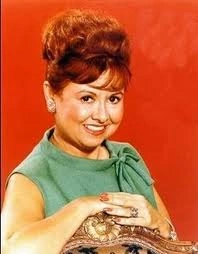
Sandra Gould: What a Character

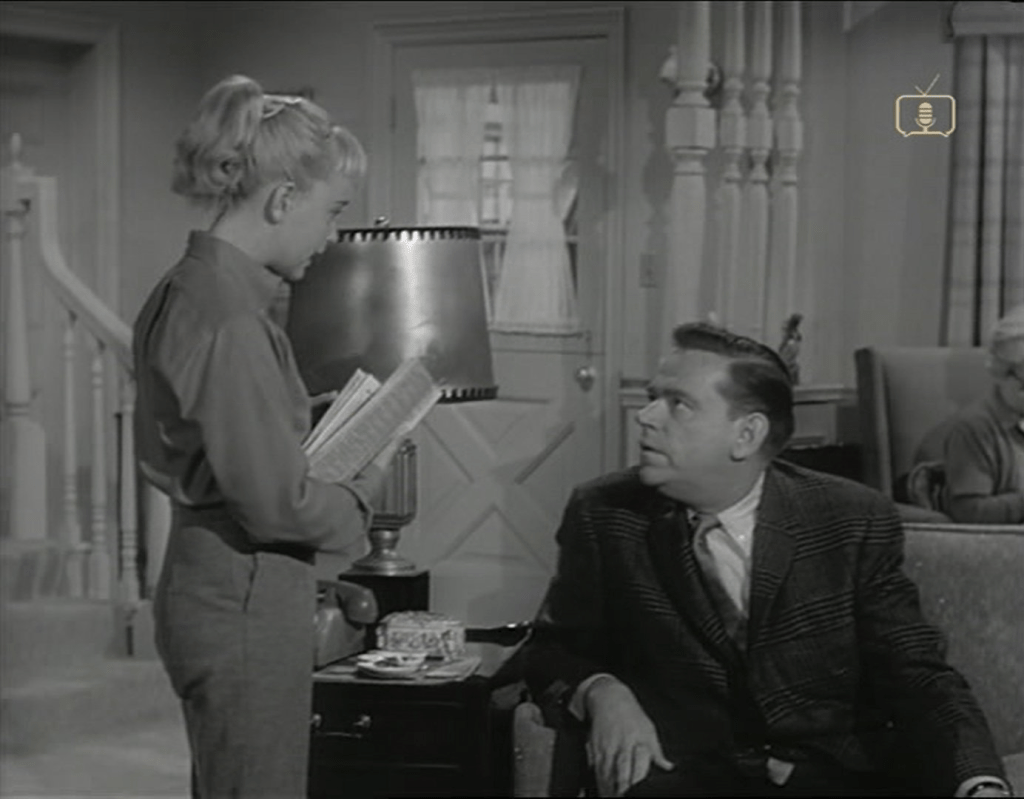
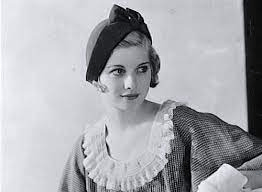
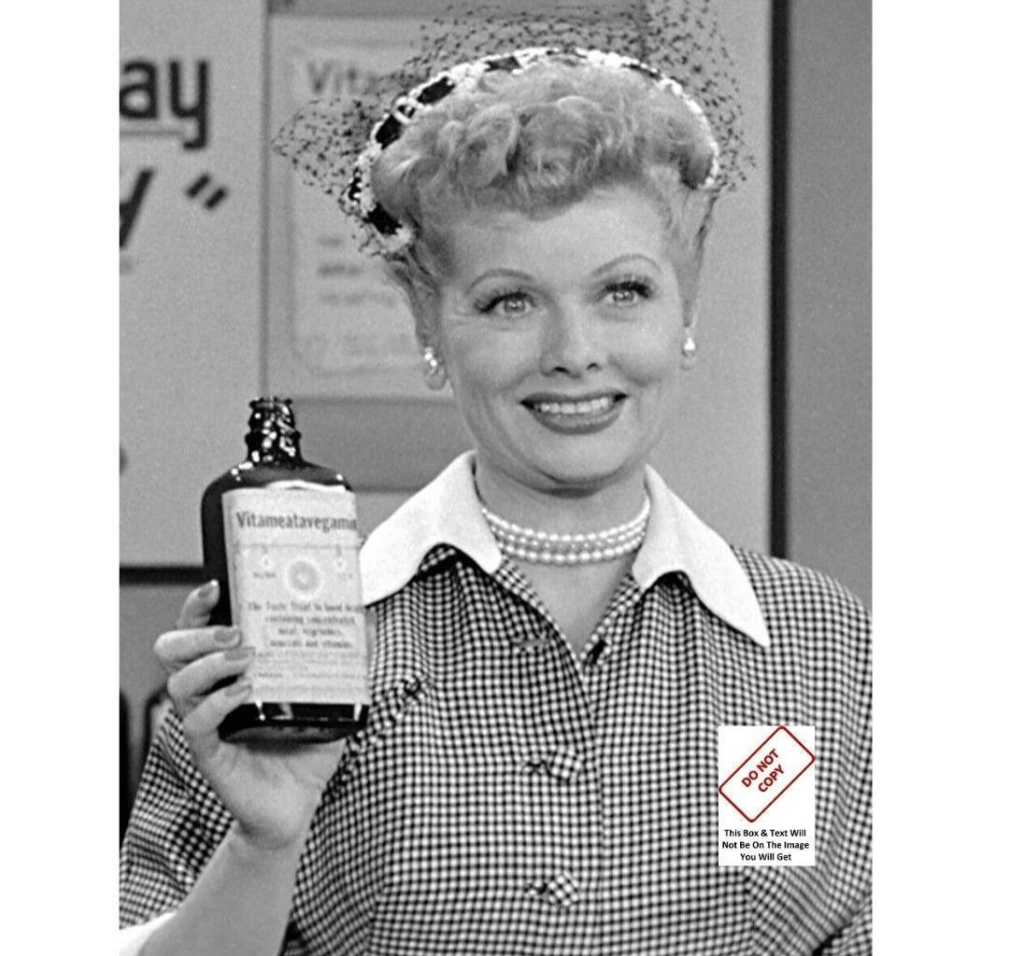
We are winding up our blog series “What a Character” with Sandra Gould. I have to be honest, I had an unfair bias against Sandra Gould.  I didn’t know a lot about her career, I just knew that she replaced Alice Pearce as Gladys Kravitz, and it was a bad replacement. It wasn’t Sandra’s fault—I blame the show’s producers.
📷pinterest.com

Some actors truly are irreplaceable. Eartha Kitt, while a great Cat Woman, just wasn’t Julie Newmar. Imagine trying to replace Henry Winkler as the Fonz halfway into the show. Can you picture tuning into MASH and finding Hawkeye was now played by someone other than Alan Alda?  Pearce was perfect in that role and, despite her being nosy and annoying, she was likable and that is hard to do. Gould’s Gladys was loud and brash, and I felt like I heard fingernails on a chalkboard whenever she was in a scene.

As long as I’m oversharing, I never cared for Dick Sargent either. While he was able to replace Dick York in some ways, York was just Darrin. Okay, I’m done and ready to talk about the good aspects of Sandra Gould and her long career.

Gould was born in Brooklyn in 1916. She entered the entertainment business early becoming a kid dancer in the Cat Skills by age 13.

📷threads.com

Gould found a lot of success on radio, appearing on “My Friend Irma” and “Duffy’s Tavern.” Her first radio job came along when she was only 9 on “The Danny Thomas Show.” Gould was with Jack Benny for almost fifteen years.

In 1938 she married Larry Berns, a broadcasting executive. They were married until his death in 1965. Berns joined CBS in 1942 writing and producing radio and TV series including Our Miss Brooks. He later worked on McHale’s Navy and Broadside.

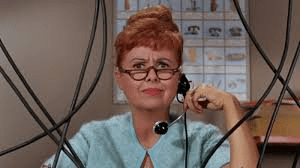
Sandra’s first role was in the big screen T-Men in 1947. Most of her roles were inept or gabby women, typically a telephone operator, nurse, receptionist, landlady, or saleswoman. Gould once mentioned that she played an operator more than any other actress. I did notice 10-15% of her roles mentioned switchboard operators.
📷facebook.com

While she continued to appear in movies, most of her acting credits came on television. She appeared in Oboler Comedy Theater in 1949. In the early days of television, many of the series were drama or comedy reenactments of movies or plays. Sometimes, new stories were written for these episodes. Gould continued with these roles into the mid-fifties.

From 1952-55 she appeared as Mildred on I Married Joan. This series starred Joan Davis and Jim Backus. He was a judge, and she was another “Lucy Ricardo” always getting into mischief or causing hardships for her husband.

📷tumblr.com

Gould was kept very busy with offers during the end of the fifties and throughout the sixties. She could be seen doing comedy on Our Miss Brooks, I Love Lucy, The Jack Benny Program, My Three Sons, The Brady Bunch, and I Dream of Jeannie among others. She also tried western life on Wagon Train. Her drama performances included Hawaiian Eye and I Spy. She even dipped her toe into animation on The Flintstones.

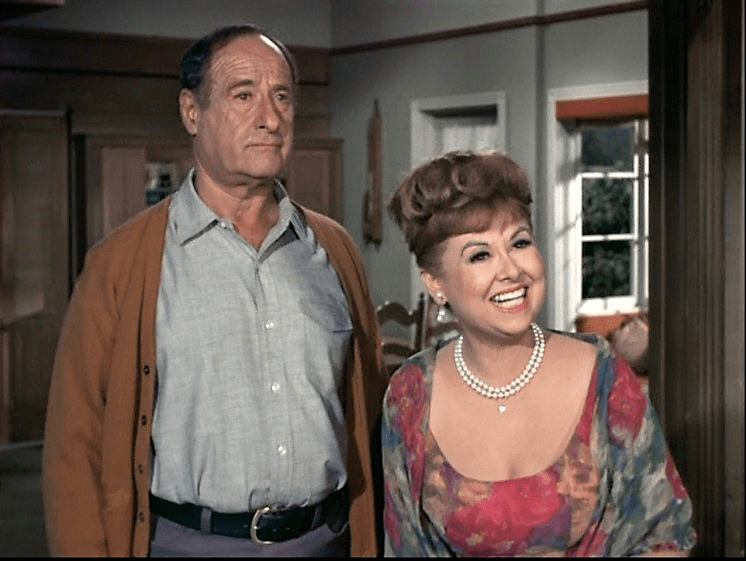
At the end of the sixties, she was given the Glady Kravitz role. Pearce and Gould split the character’s appearances: Pearce had 27 episodes with Gould having 29.

Gould had stepped away from acting for a time. She published two books for girls: Always Say Maybe and Sexpots and Pans. They both seem quite dated today in their advice to girls to get the right type of husband. At the time she accepted the role of Gladys she said she had gone through a very rough year. Her husband died. Then her writing partner Peter Barry died. Then Alice Pearce, who was a good friend of hers. She had no desire to take over the role, but George Tobias who played Abner and was also a friend, called her to come in for an audition.
📷imdb.com

I could not find any information about she and Barry collaborating. One article specifically mentioned that they wrote scripts for Honey West, Tammy, and The John Forsythe Show, but I don’t see either of their names as writers for these shows. Barry is listed as a writer for 23 shows in the late fifties and early sixties, and he was a radio scriptwriter. Perhaps they had written some scripts that were never filmed.

I guess I am in the minority on the Bewitched issue because most sites I visited described her role similarly, usually something like Hollywood Spotlight’s description: “her over-the-top performance and shrill voice were popular with viewers, and she succeeded ultimately in making the character her own.” She also reprised her role as Gladys in the sitcom Tabitha in 1977 which was about Darrin and Samantha’s daughter as an adult.

Some time during her stint on Bewitched, she got married again to Hollingsworth Morse, and they were together until his death in 1988. Hollingsworth was a director and assistant director on almost 90 programs and movies including McHale’s Navy, Dukes of Hazzard, and Mork and Mindy.

The seventies and eighties found her primarily in drama roles, although she could be spotted in a handful of sitcoms. You can catch her on Columbo, Marcus Welby MD, Ironside, Crazy Like a Fox, and MacGyver. During the nineties, she took on roles that were described as “old lady” on Friends and on her last appearance which was Boy Meets World in 1999.

📷bewitched wiki.com

Not long after filming this episode, Gould passed away from a stroke following heart surgery.

Gould had a long and successful career and certainly made the nosy, gabby character her own. I’m glad the job on Bewitched helped her get through a very sad and difficult time in her life. However, I still am claiming she was not right for Gladys who should have been written off the show and just replaced with a new neighbor. But I respect Gould and the characters she made her own on the big and little screens.
The Tom Ewell Show: Surrounded by Women

Thanks for joining me today. We are having fun with this month’s blog series, “It’s Their Show,” and today we are taking a closer look at The Tom Ewell Show. The shows we are delving into this month were all movie stars jumping from the big screen to the small screen. Some of them landed on their feet and some didn’t.

📷ebay.com

While most of the shows we are covering have a star we all know, Tom Ewell is no longer a household name. His first movie was in 1940, and he’s probably best known for The Seven-Year Itch with Marilyn Monroe. He did become a television fixture, starring in the soap Search for Tomorrow as well as a cast member of Baretta in the seventies and Best of the West in the eighties.

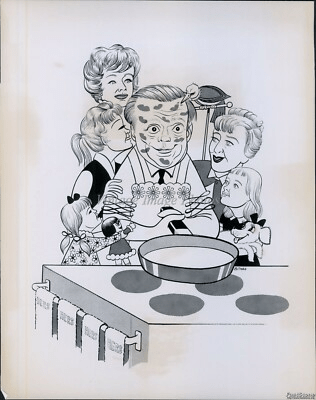
The Tom Ewell Show debuted on CBS in 1960 and was on for one season. The premise is about a guy who has to navigate life with a lot of women: his wife (Marilyn Erskine), daughters (Cynthia Cherault,  Sherry Alberoni and Eileen Chesis), mother-in-law (Mabel Albertson), and a female dog and a parakeet.

Tom Potter is described as a “bumbling” father. I’m not sure why so many shows in the early days featured a wife who caused complications for her husband or a bumbling husband. Potter was a real estate agent. Rounding out the cast are friends pharmacist Howie Fletcher (Norman Fell) and Jim Rafferty (Barry Kelley).

Potter loves sports, but the rest of his household is not too interested. Often, he is watching a sporting event on television while telling his family about the high points when they obviously could care less.

📷imdb.com

The concept of the show was set up in the opening which showed Tom looking around and then being put into a house before seeing the house overrun by women.

The show was created by Madelyn Pugh Davis and Bob Carroll Jr. who wrote for I Love Lucy. Pugh Davis said she based the show on her family. Her family had all girls and a mother-in-law in the house.

Ewell owned the production company in partnership with Davis and Carroll and Four Star Productions. Quaker Oats and Proctor and Gamble alternated sponsorship of the show.
Time reviewed the show after its debut and said “The Tom Ewell Show leads a relentless parade of situation comedies, all designed to show that American family life is as cute as a freckle on a five-year-old. The show, which might also be titled Father Knows Nothing, presents the comic with the excavated face as a bumbler named Potter who is trapped in the customary format: Harassed Man Beaten Down by Wife, Three Daughters, Mother-in-Law. In the opening episode, Ewell could find no better way to outsmart his spendthrift women than closing his bank account and ruining his own credit. For those who may have tuned out early, the women were all set to start spending again.” Not a great review.

📷imdb.com

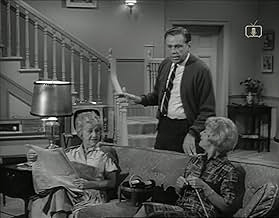
This makes the female characters sound very unappealing, but on the show, his wife and daughters were delightful. His mother-in-law liked him and they often bantered back and forth; I think it’s worth watching the show just to see Mabel Albertson in action. However, the plots left a bit to be desired: Tom teaching his wife to drive a car, his daughter learning to play the tuba; and the typical sibling issues of everyone wanting to use the phone and the bathroom at the same time.

The show struggled finding viewers. Associated Press television critic Cynthia Lowry interviewed Ewell that fall, and he said that he had read both the positive and negative reviews of the show. He agreed with the critics who felt that Potter was too inept, and the comedy centered more on that and their family life. He said for December episodes, that issue would be addressed in the writing, and the family dog and parakeet were being dropped from the show. Unfortunately, it was not enough to attract viewers, and the show was canceled after one season.

📷youtube.com “Spelling Bee”

In an episode I watched, “The Spelling Bee,” from late November, Tom is trying to interest his family in golf. When he finally got them to watch a golf match, the females were more interested in what the golf spectators were wearing. And then his youngest daughter ran in and turned the station to a kid’s show. One of his girls is practicing her spelling to try to win a trip to Washington DC by winning the all-state spelling bee.

When Tom leaves the house, he continues to run into fathers and sons who are playing baseball, going fishing, working together, or talking about sports. Tom daydreams he has three boys, but we realize that he is holding a skein of yarn for his daughter while he does so. He tries to talk his oldest girl into going into the real estate business. Later he tries to talk his middle daughter Debbie into giving up spelling for golf. He also tries to get his wife to go bowling with him. When Tom realizes that one of his friends has a son trying to win the spelling bee as well, he turns it into a big sports event and is determined to beat them.

He buys a bunch of dictionaries and then gets up early to “train” Debbie. However, she had already left the house and when she returns, he finds out she’s been on the driving range practicing her golf, so they can be in a father and child golf match. He drills her on spelling the rest of the day. That night Debbie comes down with laryngitis.

📷imdb.com

Her grandmother gives her honey and lemon. The following night they attend the spelling bee, and Tom gives Debbie a pep talk, but then he reminds her he loves her no matter what. Of course, the final two contestants are Debbie and the son of Tom’s friend. She wins, and she and her dad get to travel to Washington, DC where they meet the President. The show ends with Tom telling his friend about all the great non-sport talents his girls have. It was a cute show, and the characters were all likable. There were a few great one-liners. It would not make my top 25 shows, but it was much better than many of the sitcoms in the sixties.

The show had a decent time slot. It was on Tuesday nights at nine, competing with Stagecoach West and Thriller. While both of those shows garnered decent ratings, neither of them was in the top thirty. The primary director was Hy Averback, who would later direct twenty episodes of MASH. So, they had the right elements in place, but the show just could never find its fans.

Larry Rhine talked about writing for the show. Rhine said Ewell was a nice man, but he said Ewell didn’t think the kids should be involved in the show much because they didn’t have the caliber of other actors. Rhine told Ewell they could consider them more as props which seems like a strange concept for a family show, considering that the episode I watched revolved around the daughters.

📷imdb.com

Rhine said Ewell found the show was over when he was on the set one day and he was called to the telephone about a trip he was supposed to take with CBS, and he was told that he was no longer part of the group because he had been fired.

I’m guessing part of the problem with this show getting renewed is that it debuted when westerns were still king and many of the television schedule spots were already filled with them. While it was definitely not a terrible show, the sixties were on the cusp of introducing very different sitcoms than the family-based ones that filled the fifties’ slots. By 1965 we would be tuning into Batman, Honey West, Hogan’s Heroes, The Smothers Brothers Show, and I Dream of Jeannie. However, that said, there are worse ways to spend a weekend than viewing a season of The Tom Ewell Show.

We Still Love Lucy

We have been learning a lot about Lucille Ball this month. We delved into I Love Lucy and why it was so important to American culture. We got to know Lucy as a person. And we discussed Jess Oppenheimer and the influence he had on her. Today we are finishing up the month by checking out three shows she starred in after I Love Lucy went off the air: they all debuted in the sixties.

The first show, the Lucy-Desi Comedy Hour, was an extension of I Love Lucy. It spun out thirteen one-hour specials that aired between 1957 and 1960. Five of them debuted during the 1957-58 season of I Love Lucy. The other eight were shown on the Westinghouse Desilu Playhouse and they featured the same cast as I Love Lucy.

Desi tried to talk the network into doing these specials the first year just to keep some freshness in the series, but he was denied the chance. By the last season, they agreed it might work.

During the final season of the series, both the Mertzes and the Ricardos move to the Connecticut suburbs. Apparently, the two couples were running an egg farm to make their living and Fred was Ricky’s manager.

Despite their move out of the City, many of these episodes feature Lucy’s meetings with famous guest stars. For example, in “Lucy Takes a Cruise to Havana,” Lucy meets Hedda Hopper. Production costs were estimated to be $350,000 but with the guest stars, these costs increased and rather than do ten episodes the first year, Arnaz was forced to spread them out over three years.

Ratings were good in the beginning but with the news of Lucy and Desi’s marriage in trouble, both this series and I Love Lucy started to lose viewership. By the time the last episode was filmed, the couple could not even talk without a fight erupting and they communicated by messages. The day after filming, Ball filed for divorce.

The theme song of the series was used with a bit of updating. That symbolizes all ten episodes. It was the same series, but it wasn’t. Had this type of programming happened throughout the original series it might have been more popular but coming on the heels of the ending of the show and the fans being aware that “Ethel and Fred” could barely tolerate each other in real life and then learning “Lucy and Ricky” were ready for divorce took a lot of the fun out of watching the show.

From 1962-68, Lucy attempted another sitcom. While Vivian Vance was no longer Ethel, she was a co-star for the first three seasons of the show. Gale Gordon who had been Lucy’s first choice for Fred Mertz in the early fifties was no longer under contract in 1962 and appeared in this series beginning in season two.

While Arnaz and Ball had divorced two years before this series debuted, they were still in business together. Their company, Desilu Productions, was struggling with the end of I Love Lucy. In 1961 four of their shows were canceled. By spring of 1962, only The Untouchables was still on the air.

Desi approached Lucy about returning to a weekly sitcom. She agreed if it could take the time slot on Mondays that I Love Lucy had, and if Vivian Vance was part of the cast, and the I Love Lucy writers were brought back. The new show, The Lucy Show, debuted Monday, October 1, 1962.

Lucy Carmichael lives with her two kids (Candy Moore and Jimmy Garrett) and Vivian Bagley (Vivian Vance), a divorced friend, and her son (Ralph Hart). Vivian was the first woman to be divorced on television. Her husband had left her a trust fund, so Lucy had to approach the bank often for funding for some of her harebrained projects and purchases. In season two, Gale Gordon took on the role of banker Mr. Mooney. The show had decent ratings and continued in its format until 1965. Lucy moves from New York to Los Angeles when her daughter goes to college in California. Vivian remarries and stays in New York. Lucy meets a new best friend, Mary Jane Lewis (Mary Jane Croft). When Lucy learns that Mr. Mooney is being transferred to the LA bank, their relationship continues, and eventually she works for him.

At the end of the second season, a dispute occurred between Lucy and the writers over a script Ball felt was not up to their standard, and the writers left. In 1964 Desi had resigned as head of Desilu, so Ball took over as president. Most specials, sports shows, and cartoons on CBS were now in color, but they refused to broadcast most of their series in color. Ann Sothern began appearing on the show as a countess to fill in the gaps of Vance being absent.

For the 1966 season, the show dropped all references to Lucy’s children, her trust fund and her life in New York. I don’t know why shows think viewers will just go along with these strange format revamps. Doris Day did the same on her show when her former life and children just disappeared one day and were never mentioned again. Because the show was set in California, a lot of guest stars were featured on the show, many of them bank customers.

During the last season of the show, Gary Morton, Ball’s second husband, was named executive producer of the show. He actually seemed to do well in this role. For this year, Ball was nominated and won an Emmy for the star of the show, the show was nominated for Emmys for best comedy show (but lost to Get Smart) and for the writing and for Gale Gordon as supporting comedy actor (who lost to Werner Klemperer of Hogan’s Heroes). The show was #2 in the ratings.

Surprisingly, this is when Lucy decided to end the show and put it into syndication. Even odder is the fact that she began a new show with a similar plotline that same year. Lucy and her real-life kids, Lucie and Desi Jr. joined the cast which included Croft, and Gordon with Vance making appearances during the run of the show. This show, like the other two, was on the air for six seasons.

Ball as Lucy Hinkley Carter is living in LA, a widow with two children Kim and Craig, played by her own two kids. She works for her brother-in-law Harry Carter, played by Gale Gordon but now they are at an unemployment agency. Vance made six guest appearances on the show.

Again in this show, a number of famous guest stars showed up including Ann-Margret, Milton Berle, Carol Burnett, George Burns, Liberace, Eva Gabor, Helen Hayes, Dean Martin, Vincent Price, Ginger Rogers, Dinah Shore, Danny Thomas, Lawrence Welk, and Flip Wilson.

In 1973 the show fell out of the top ten, the first Lucille Ball show to ever do so. Lucy did a sixth season and then ended the show.

Lucille Ball deserved a break after this show ended. She had been on the air for 23 years. Little Ricky, or little Desi, had been born early in I Love Lucy history and now he was off on his own acting career. After 1974 when this show went off the air until her death in 1989, most of her projects were connected with I Love Lucy, although she was listed as executive producer for several shows including Mission Impossible and Mannix.

None of these post-I Love Lucy shows were much different from each other, but it proved that America still wanted to watch Lucy on the air. Television looked very different in 1974 than it did in 1951, and Lucille Ball influenced and inspired much of that change. I wonder if Lucy would be surprised to learn that fifty years after her final show ended its production, she is just as popular as ever and Lucy merchandise is unending. It says a lot about just how true it was that everyone loves Lucy.

Jess Oppenheimer: The Brains Behind I Love Lucy

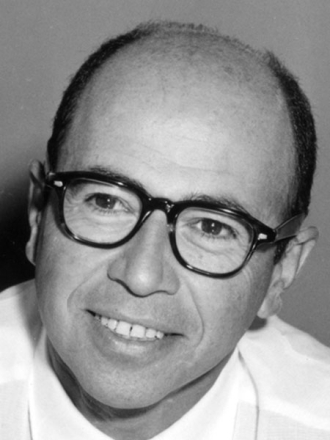
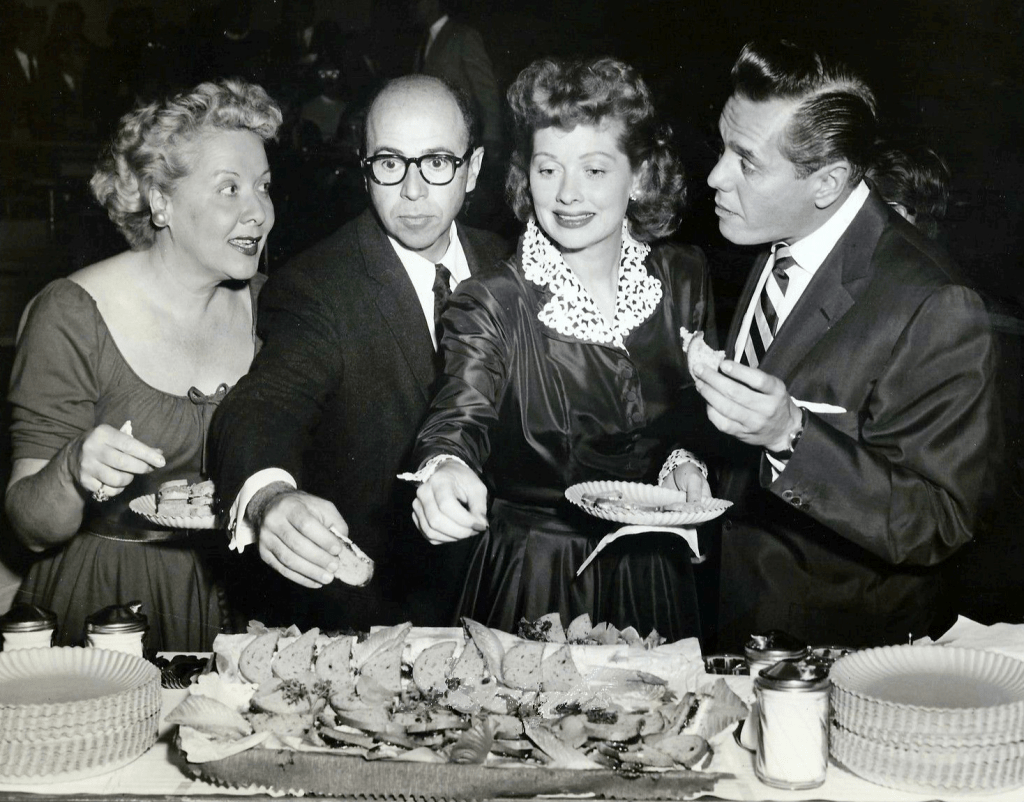
As we are learning all about Lucille Ball and her shows this first month of 2025, the month would not be complete without getting to know Jess Oppenheimer, the man Lucy called “the brains” behind I Love Lucy. He was also the producer and head writer of the show. Director William Asher said “he was the field general. Jess presided over all the meetings and ran the whole show. He was very sharp.”

📷televisionacademy.com

Oppenheimer was born in San Francisco in 1913. He took part in a study of gifted children in Stanford Professor Lewis Terman’s project. Ironically, one of Terman’s quotes about Jess was that he “could detect no signs of a sense of humor.” Jess’s father James owned the largest luggage store in San Francisco, but he died in an accident when Jess was 16.

Oppenheimer went on to attend Stanford in the 1930s. He started to spend a lot of his free time at radio station KFRC and performed in a comedy sketch he wrote for the show “Blue Monday Jamboree.”

In 1936 he moved to Hollywood and was hired as a writer on Fred Astaire’s radio show. He later went to work for Jack Benny as well as Edgar Bergen and Charlie McCarthy, George Burns and Gracie Allen, Bing Crosby, Marlene Dietrich, Judy Garland, Bob Hope, and Ginger Rogers.

When World War II began, Oppenheimer joined the US Coast Guard where he met Jack Dempsey and Cesar Romero. While he was there, he was diagnosed with double vision which had bothered him his entire life but had never been addressed.

Agent Ray Stark was Fanny Brice’s son-in-law and later Stark recruited him to write for her Baby Snooks Show based on his reputation in the Coast Guard.

In 1942, Oppenheimer met Estelle Weiss, an employee of Wallichs Music City. They married in 1947 and were together for the rest of his life.

📷wikipedia.com

In 1948, CBS hired Oppenheimer to write a script for a new radio show, “My Favorite Husband.” Several of the scripts portrayed the wife, played by Lucille Ball, as a sophisticated socialite. When Jess added slapstick comedy and transitioned her to a childlike, impulsive, naïve wife, the show was a big success.

In 1950, CBS moved the show to television to star Lucy and her real-life husband Desi Arnaz. Lucy demanded that Oppenheimer stay in charge. Jess suggested doing a show “about a middle-class working stiff who works very hard at his job as a bandleader and likes nothing better than to come home at night and relax with this wife who doesn’t like staying home and is dying to get into show business.” He suggested the title “I Love Lucy.”

For the first five seasons, Oppenheimer was the producer and head writer, with help from Madelyn Pugh and Bob Carroll Jr. as other writers. As part of his contract, Oppenheimer received 20% of the ownership in the show. He gave Pugh and Carroll each 5% of that amount.

A wannabe actor, Oppenheimer appeared on I Love Lucy in two episodes. In #6, “The Audition,” he was one of three TV executives who audition Desi and in #127, “The Tour,” he walks in front of the bus before Ethel and Lucy board it. In one of the more famous episodes, #30, “Lucy Does a TV Commercial,” Jess is the voice that tells Lucy to go ahead and begin her commercial.

📷

In 1956, Oppenheimer moved to NBC where he became a producer of special shows.

During the sixties, Oppenheimer created and produced three other sitcoms. In 1960 he worked with Annie Farge and Marshall Thompson on Angel; in 1963 with Glynis Johns on Glynis, and with Debbie Reynolds on The Debbie Reynolds Show. He also was listed as writer, producer, and director for the 1967 season of Get Smart.

Oppenheimer received two Emmys and seven nominations. His Emmys were for Producer for Best Situation Comedy, I Love Lucy, in 1953 and 1954. He was also nominated for Producer for Best Situation Comedy, I Love Lucy, in 1952 and 1955; for Best Comedy Writer, I Love Lucy, in 1955 and 1956; for Best Single Program of the Year, General Motors 50th Anniversary Show in 1958; Program of the Year, The Danny Kaye Show with Lucille Ball in 1963; and Outstanding Program Achievement in Humor, The Danny Kaye Show with Lucille Ball in 1963.

He was also an inventor with 18 patents. One of his inventions was an in-the-lens teleprompter.

In 1962, Lucille Ball brought a new sitcom to television; however, Oppenheimer sued the show, claiming that Lucy Carmichael was Lucy Ricardo, his character, He received a financial settlement, and the character was changed, but unfortunately, it ruined the friendship between Oppenheimer and Ball.

The Oppenheimer family lived on Burlingame Avenue in Los Angeles. In a funny twist, Jess bought the house from MGM hairstylist Sydney Guilaroff; he was the person who turned Ball into a redhead for the 1943 movie, DuBarry was a Lady.

📷instagram

Jess’s best friends were Mel Blanc, Hans Conried, and Jerry Hausner, who had played Ricky’s agent on I Love Lucy.

In 1988, Oppenheimer had an intestinal surgery; he died shortly after from heart failure. At his death, Lucille Ball said he was “a true genius” and said that “she owed so much to his creativity and his friendship.”

I love hearing stories about people like Jess Oppenheimer and Sheldon Leonard who are creative geniuses and are the influence and inspiration for so many of the classic television shows.

Having a “Bawl” with I Love Lucy

This month we are learning to love Lucy. We have looked at the career of Lucille Ball, and today we are taking a peek back at the well-loved sitcom, I Love Lucy.

📷pinpage.com

The show starred Lucille Ball, Desi Arnaz, Vivian Vance, and William Frawley. The series featured a young housewife, Lucy Ricardo, who lived with her husband Ricky, a nightclub bandleader. Their landlords, Fred and Ethel Mertz, were also their best friends. Lucy and Ethel get involved in a variety of schemes to get into show business. Lucy relies on Ethel and Fred who were in vaudeville earlier in their career. Eventually Lucy and Ricky have a son which coincided with the birth of their son Desi Jr. Lucy and Ethel try Desi’s patience often with their antics. When he gets upset, he starts speaking Spanish. Fred doesn’t have much time for the women’s plots either. After living through the Depression, he is considered cheap and doesn’t tolerate nonsense. In season six, the quartet move to Connecticut.

In 2012, ABC News and People did a joint survey, listing I Love Lucy as the Best TV Show of All Time.

The theme music was composed by Eliot Daniel with lyrics by Harold Adamson.

The show had three directors: Marc Daniels was director from 1951-53; William Asher, who would later produce Bewitched among other shows, was director from 1952-57, and James V. Kern directed 39 episodes from 1955-57.

Jess Oppenheimer was producer for the first 153 episodes; Desi Arnaz was executive producer for the first 124 episodes and producer for the final 26.

Oppenheimer was credited with writing for seasons 1-5, Madelyn Pugh Davis and Bob Carroll Jr. assisted him.

📷📷wikipedia.com Best Friends

Lucille Ball had been starring in “My Favorite Husband” on the radio and in 1950, CBS wanted her to transition to television. Richard Denning had been her costar on the radio, but now she wanted to do a series with her real-life husband, Desi Arnaz. CBS did not think visitors would buy in to Lucy, the all-American girl, married to a Cuban musician. To prove them wrong, Lucy and Desi created a vaudeville act written by Carroll and Pugh that they performed with Arnaz’s orchestra in New York. The act was a big hit, so Harry Ackerman approved the couple doing the show.

The pilot was ordered in 1951. Oppenheimer, Pugh, and Carroll also made the move from radio to television. Philip Morris decided to sponsor the show. Ball wanted to continue her film career along with television show which was set to air biweekly. Philip Morris wanted the show to air weekly, and they wanted it filmed in New York. Because Lucy and Desi were expecting their first child, they wanted to stay in Hollywood. The couple agreed to reduce their pay by a $1000 a week in order to stay in California and cover the additional expenses of filming. They asked for 80% ownership in the films, with the remaining 20% going to Oppenheimer who shared 5% with Pugh and 5% with Carroll. Desilu (combining Desi and Lucy) became their production company.

The couple hired Carl Freund, who had worked on many big-screen movies, to film the show. He uniformly lit the set so all three cameras would pick up the same quality of the image. He also pioneered “flat lighting,” which lit everything with bright lights to get rid of shadows. The three-camera method became the standard sitcom technique.

📷rottentomatoes.com

A live audience produced a more authentic laugh than the canned laughter some shows used. Both Desi and Lucy’s mothers’ laughter can be detected in these early episodes.

When Lucy needed some rest after having her baby, the company could not finish their 39-episode commitment, so Oppenheimer and Desi decided to rebroadcast some of their favorite episodes instead. This out-of-the-box thinking proved to be so popular that it eventually led to the syndicated market.

When Lucy decided to transition her show from radio to television, Gale Gordon and Bea Benaderet were offered the roles of Fred and Ethel. However, both of them were already transitioning from radio to other televisions series. Gordon had already committed to Our Miss Brooks and Benaderet had agreed to star in The George Burns and Grace Allen Show.

The role of Ethel was then offered to Barbara Pepper, who was a good friend of Lucy’s. However, she was known to have a drinking problem; Wiliam Frawley also was a heavy drinker, so the production staff did not feel comfortable having two cast members with alcoholic issues, so the offer to Pepper was rescinded. Pepper would appear quite often in I Love Lucy and eventually she settled in Hooterville, married to Fred Ziffel.

📷pinterest.com

Frawley never appeared drunk during filming or caused any problem on the show. I did think it was funny though that he had a clause in his contract that he did not have to film when and if the New York Yankees were in the World Series. They made it to the big show every year the series ran except for 1954.

Mary Wickes was then offered the role, but she was afraid working with Lucy would harm their friendship. Director Marc Daniels suggested Vivian Vance who was performing in “The Voice of the Turtle.” Oppenheimer and Arnaz went to watch her performance and hired her on the spot. Lucy was not thrilled with the idea of Vance. She thought she was prettier than her vision of what Ethel would look like. Vance was only two years older than Ball, but the producers agreed to dress her in frumpier clothing. Eventually Ball and Vance became good friends. Vance was the first actress to win an Emmy for Outstanding Supporting Actress. When I Love Lucy ended, Ball asked Vance to star in her new series, The Lucy Show.

Unfortunately, Vance and Frawley never warmed to each other the way she and Lucy did. They barely tolerated each other, although they were both always professional on the set.

Lucy and Desi had several miscarriages and when they were able to sustain a pregnancy which resulted in daughter Lucie, they filmed Lucy without ever mentioning that she was pregnant. The sponsors thought it would be in poor tasted to talk about pregnancy. However, in the second season, they were pregnant once again, and the pregnancy was written into the show. They had to use the word “expecting” when talking about the baby. The episode “Lucy Goes to the Hospital” in 1953 was watched by almost 72% of families with televisions, the highest rating for quite some time. It was surpassed by Elvis Presley’s first appearance on The Ed Sullivan Show.

The show was on for from 1951-1957 on CBS, resulting in 180 episodes.

I Love Lucy aired on Mondays for its first run. In 1967 the network began offering the show in syndication and it has never been off the air.

📷pinterest.com

I Love Lucy was nominated for Best Comedy/Sitcom in 1952, 1953, 1954, and 1955, winning in 1953. Ball was nominated for Best Comedienne in 1953-1958, winning in 1953 and 1956. Vance was nominated for Best Supporting Actress in 1954, 1955, 1957 and 1958, winning in 1954. Frawley was also nominated for his role in 1954-1958. He never won but he lost to some great actors including Art Carney and Carl Reiner. Only Arnaz was denied a nomination for his comedy skills.

In 1957, Lucille Ball decided to end the show. She and Desi created a new show that wasn’t really new. It took the four main characters from I Love Lucy and moved them to Connecticut. Arnaz changed the format and length of the show, now an hour long, because he said he wanted to change it up before people got tired of the characters. He said this format kept the cast intact but also allowed for a celebrity guest star for Lucy to meet in every episode. In 1960 the show ended, the same year the couple’s real life marriage ended.

Unfortunately, the couple’s marriage dissolved in 1960, and in 1962, Lucy bought Desi’s shares of Desilu becoming the sole owner. She sold the company to Gulf+Western who owned Paramount Pictures.

We all remember the merchandising that accompanies shows in the sixties and seventies like dolls, board games, lunch boxes, etc, but I Love Lucy had more than its share of memorabilia. In 1952 a baby doll was released. Believe it or not, you could purchase an I Love Lucy bedroom set for $199 in the fifties, as well as I Love Lucy his and her pajamas.

The way it ended, I Love Lucy never had a proper finale. I wish I had the time to devote to how much this show changed the course of television, but a weekly blog just can’t contain as much history as there is to tell. I’m sure Lucy would be amazed if she knew that more than seventy years after the show began, we are still watching it and talking about it. Legacy doesn’t get any better than that.

Lucille Ball: A Force To Be Reckoned With

This month we are learning why We All Love Lucy. We’ll delve into her sitcoms and get to know Jess Oppenheimer and hear about his role in her television life. But today, we are starting with the woman herself, Lucille Ball.

📷facebook. A young Lucille Ball

Lucille Desiree Ball was born August 6, 1911, in Jamestown, New York. She was the only daughter of Henry Durrell Ball, a lineman for Bell Telephone, and Desiree Evelyn Hunt Ball. They lived at 60 Stewart Avenue. The family belonged to the Baptist Church there, and many of her relatives were among some of the first European settlers in Massachusetts.

The family moved frequently for her father’s career, but Jamestown always had a claim on Lucy, and they celebrate her in many ways there. The family lived in Montana, New Jersey, and Michigan before her father passed away from typhoid fever at age 27 in 1914.

Her mother returned to New York, living in Celoron, a summer resort on Chautauqua Lake. The road she grew up on is now named Lucy Lane. Celoron had an amusement park with a boardwalk, the Pier Ballroom, a roller coaster, a bandstand, and a stage.

📷Good Housekeeping

Lucy’s mother remarried four years later. It was her stepfather who encouraged Lucy to audition for his Shriner’s chorus line, which gave her the first taste of what it would be like to be in show business. When she was 16 the family returned to Jamestown.

When Lucy was only 14, she was dating a 21-year-old hoodlum. Her mother was devastated by the situation and finally enrolled Lucy in the John Murra Anderson School for Dramatic Arts in New York City to encourage her in her theater career. Ball did not love the school, and her instructors told her she would not be successful in the entertainment business. Luckily, Lucy did not take their comments to heart. She later said that “one of the things I learned the hard way was that it doesn’t pay to get discouraged. Keeping busy and making optimism a way of life can restore faith in yourself.”

In an attempt to prove the school wrong, Lucy began working as an in-house model for Hattie Carnegie. This was where she first changed her hair. Being a brunette, Carnegie taught Ball to bleach her hair blonde. Her modeling was interrupted for two years when she dealt with the effects of rheumatic fever.

At the ripe old age of 21, Ball returned to New York City to pursue an acting career. She went back to the Carnegie agency and became the Chesterfield Cigarette Girl.

📷Brittanica

In 1933 she was in Roman Scandals as a Goldwyn Girl; while playing a slave girl, she had to have her eyebrows entirely shaved off, and they never grew back. Some of the things an actor goes through for roles is crazy. After that movie she moved to Hollywood to try a film career. After becoming a contract player for RKO Radio Pictures, she received a decent amount of work. At this time, she met the Marx Brothers, appearing in Room Service. She also worked with Fred Astaire and Ginger Rogers in several musicals.

When she registered to vote in 1936, both she, her brother, and her mother registered as Communists. During that year she signed a document as a Communist supporting Emil Freed for assembly and was appointed delegate to the State Central Committee of the Communist Party of California.

Ball later claimed she never had a strong political affiliation. In 1944, Lucy can be seen in a newsreel fund raising for Franklin Roosevelt. She also mentioned that she voted for Eisenhower in 1952 when he was on the Republican docket. In 1953 Ball met with HUAC and gave a sealed testimony. She said that she voted Communist at her grandfather’s insistence and did not know she had been appointed a delegate. Before filming episode 68 of their show, her husband and co-star Desi addressed the audience and said Lucy was not a Communist; she was just influenced by her grandfather. He joked that “the only thing red about Lucy is her hair, and even that is not legitimate.”

📷pinterest

In the late thirties, she dabbled in radio to earn some additional money. She was a regular on “The Phil Baker Show” and on “The Wonder Show” where she met announcer Gale Gordon.

In 1940 Lucy met Desi Arnaz when they both appeared in the movie Too Many Girls. They fell in love immediately, and before the year was out, they eloped. Arnaz was drafted in 1942, but a knee injury kept him from active service, and he was placed in Hollywood organizing and performing USO shows for wounded GIs.

Lucy finally got her big break in 1943. Arthur Freed was making a movie based on the play “DuBarry Was a Lady”; he bought it for Ann Sothern, but when she turned it down, she recommended her best friend, Lucille Ball.

In 1944, Ball filed for divorce, but the couple reconciled before it went through. Lucy and Desi had Lucie in 1951 when Lucy was almost 40, and son Desi was born during the series and written into the scripts in 1953. Mom and son appeared on the first cover of TV Guide which came out in 1953.

📷HollywoodHistoricPhotos.com

Ball continued to make movies throughout the forties and kept a foot in radio. In 1948 she was cast as Liz Cooper on the radio show, “My Favorite Husband” on CBS.

When CBS wanted to transition the show to television, Lucy wanted Desi to be her television husband. CBS said no, so the couple went on the road with an act to prove the popularity of the them working together and CBS backed down.

The show was incredibly successful. (If you want to learn more details about the series and all the history that it produced, keep an eye out for my blog which will post January 13, 2025.) The couple created their own production company and had many “firsts” with technology producing their show. During filming breaks of the show, Lucy and Desi made two movies: The Long, Long Trailer in 1954 and Forever, Darling in 1956.

After years of turmoil and ups and downs in their marriage, the couple divorced. However, they continued to remain in each other’s lives through their children and their relationship. Later in life, Lucy said “Desi was the great love of my life. I will miss him until the day I die.”

📷closerweekly.com Ball and Vance

Lucy bought Desi’s share in the production company which produced a variety of shows including Mission: Impossible, Star Trek, and The Untouchables. In 1967 Lucy sold her shares to Gulf+Western, owned by Paramount, for $17 million, which would translate into $138 million today.

Lucy married Gary Morton in 1961. At the time, Morton was a comedian 13 years younger than Lucy. He said he had never seen an episode of I Love Lucy. Ball hired Morton for her production company, teaching him the television business.

For the next decade, Lucy worked on a number of television specials. She also tried sitcom life again. She starred in The Lucy Show from 1962-68 and in Here’s Lucy from 1968-1974. We’ll discuss these shows the last week of January. Many of Lucy’s friends appeared on these shows. Her close friends included Mary Jane Croft, Judy Garland, Ethel Merman, Barbara Pepper, Ginger Rogers, Ann Sothern, Vivian Vance, and Mary Wickes.

📷ebay.com

Ball kept busy acting during the early 1980s. Desi Arnaz passed away in 1986. In 1988 Lucy had a mild heart attack. She appeared at the 1989 Academy Awards show and she and co-presenter Bob Hope were given standing ovations. She died a month later. Lucy had been a heavy smoker, and her cause of death was abdominal aortic aneurysm which is seen more in smokers.

Lucy always sent flowers to Carol Burnett on her birthday. The day before she died, she ordered them, and they were delivered a few hours after Carol learned of her death.

Lucy was cremated and her ashes were interred in Forest Lawn Cemetery with her mother’s remains. In 2002, both women’s remains were moved to the Hunt family plot in Jamestown. In Jamestown you can find the Lucille Ball Desi Arnaz Museum & Center for Comedy and the Lucille Ball Little Theater.

In 2009 a statue of Lucy was erected in Celoron. Many people called it “scary,” and it became known as “Scary Lucy,” which I totally endorse. In 2016, a more lifelike statue was created to replace Scary, but the scary statue had become so popular, it was left on display with the new one as its neighbor.

📷youtube.com The different sides of Lucy

Those two statues symbolize my relationship with the show. I appreciate the show and everything it did to create the classic age of television. Whether it’s technical filming strategies, the writing, the way the business was run, everything was important in this show. However, I have to admit, it’s not a show I choose to watch. It changed the entire course of television in similar ways that All in the Family would do a few decades later, but I honestly don’t enjoy watching either of these series. That might be a fault in my genes, but I also have to be honest.

However, Lucy Ricardo, while we may think of her as naïve and sophisticated, traditional and unconventional, submissive and disobedient, was an important icon in the way that women thought about themselves in the fifties.

Women had been brought in to work and gain independence while so many men were overseas fighting, and then they were asked to give it all up and go back to a domestic and tranquil life. Leslie Feldman, a political scientist and author of The Political Theory of I Love Lucy, writes that Lucy was “a transitional figure—she’s on the cutting edge.  . . Are [women] going to stay home and be wives and mothers? Are they going to go to work? Or are they going to do both? And what if they really do better and earn more money than their husbands? What about that? That’s an element of Lucy too.”

📷biography.com

Lucy was a force in show business. While she was not alone in taking control of her own career—Donna Reed, Betty White, and Ann Sothern were also powerhouses in establishing their own companies and running them—Lucy did it with the nation watching her. Even the choices she made about whether to divorce Desi or not were all done in the public eye and were sending messages whether people chose to receive them or not.

Lucille Ball was an amazing actress and an amazing business person. Apart from whether I enjoy watching the show or not, it changed the history of television and the way sitcoms were written, cast, and remembered. Thank you, Lucille Ball, for not listening when your instructors told you that you would never make it in show business. You not only made it in television, you truly made television what it is today.

We Never Really Left Leave It to Beaver

This month we are learning about America’s favorite families. Today we are spending some time with the Cleaver family. In the past we have talked quite a bit about The Brady Bunch, and in some ways, Leave It to Beaver is like that show. The Brady Bunch portrayed the 1970s and although they have been on the air since that first episode debuted, the show never cracked the top twenty. The Cleavers taught us about the 1950s. That show also never got into the top thirty during its six-season run but has been on the air most of the past 65 years.

📷thetodayshow.com

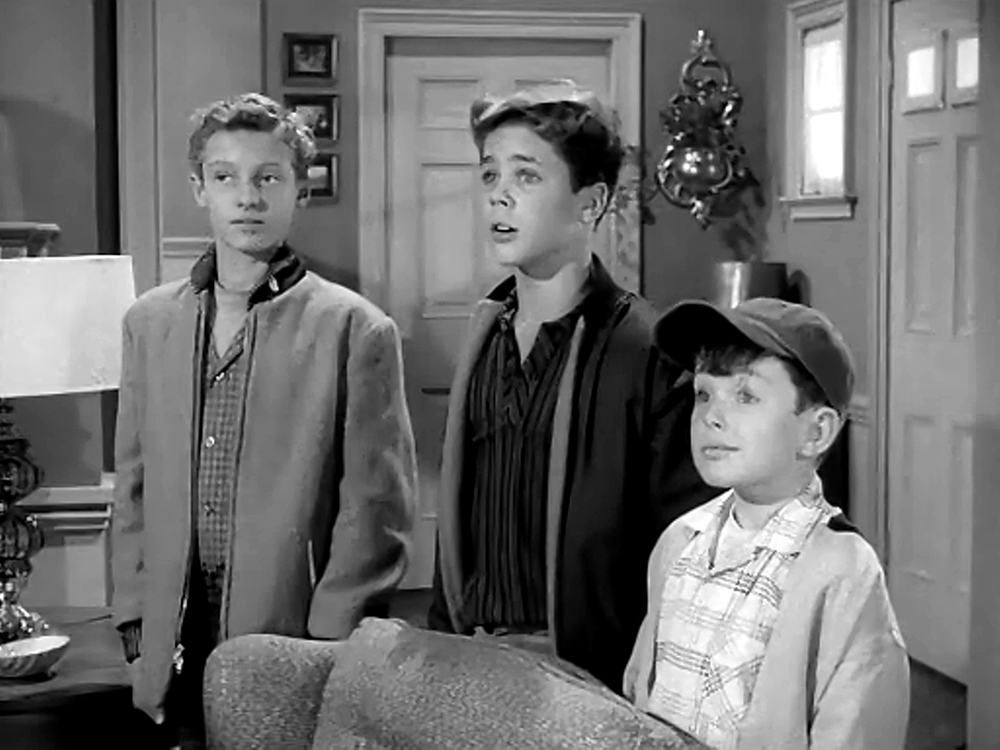
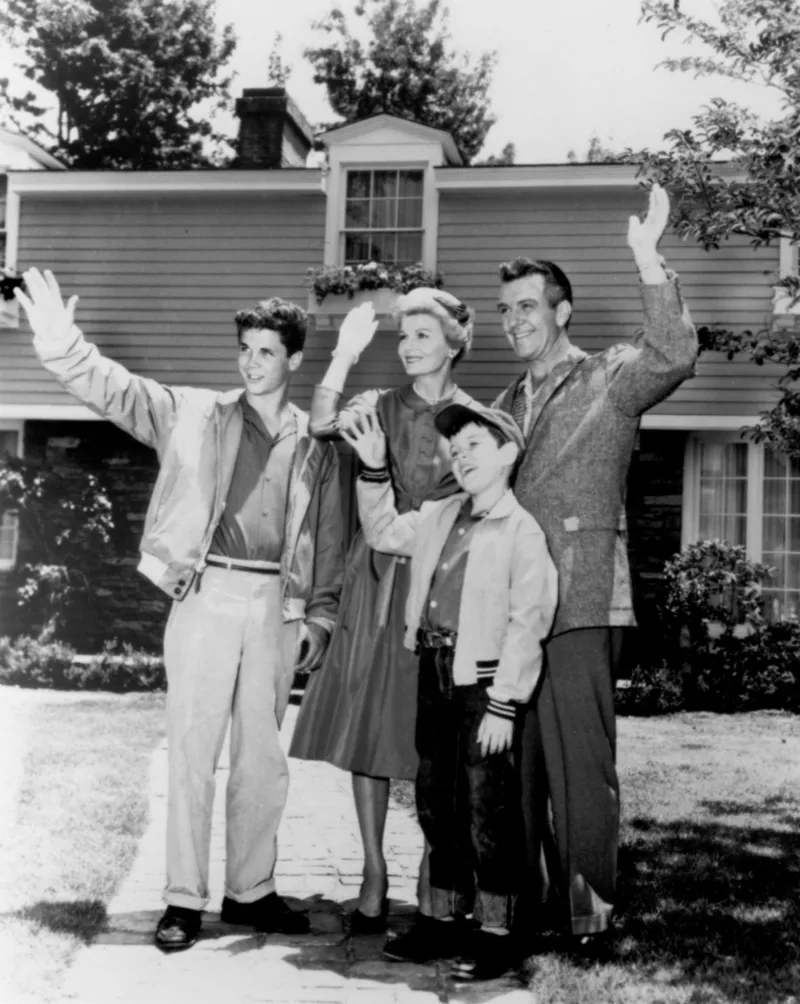
The show was originally written to feature Theodore or Beaver played by Jerry Mathers. Beaver gets into a lot of mischief, but he is a good kid and always means well. He has an older brother Wally, played by Tony Dow. His parents are Ward (Hugh Beaumont) and June (Barbara Billingsley). I thought it was interesting that all four of the stars appeared in every single episode of the show, 234 of them.

We also got to know some of the boys’ best friends as well. Beaver hangs out with Larry Mondello (Rusty Stevens) and Gilbert Bates (Stephen Talbot). He also spends time with Gus an old fireman played by Burt Mustin who seemed old even then. Wally is often with Clarence “Lumpy” Rutherford (Frank Bank) whose father is friends with Ward and Eddie Haskell (Ken Osmond). Eddie is overly polite to Ward and June who are never fooled by his manners; he often picks on Beaver.

Mathers said that when he went to the audition, he went in his Cub Scout uniform because he didn’t want to be late for the den meeting. He was so honest and innocent about wanting to get to his Scout meeting that the producers hired him.

📷imdb.com With Eddy Haskell

Tony Dow never planned on getting a part. He had been in one commercial but no television series. He was an athlete and a diving champion and great swimmer. He had been working out at the Hollywood athletic club and a lifeguard there asked Dow’s mom if Tony could go with him to the audition. Dow ended up getting the part. Mathers later corroborated the story in his blog, saying that the actor who was in the pilot grew five inches the following year and was as tall as Beaumont, so they decided to hire another kid for the role. They wanted someone who looked like an athlete, so they chose Dow.

Beaumont took some inspiration from his studies to be a wise and caring father. He held a Master of Theology degree from USC and was an ordained minister. In addition to acting, Beaumont wrote one entire episode, contributed to several others, and directed 23 episodes.

While Beaumont contributed to the scripts, the show was primarily created by Joe Connelly and Bob Mosher, and many of the plots were based on their children.

📷metacritic.com

CBS put Leave It to Beaver on the air Wednesday nights in 1957. I can see where the ratings might suffer because the show was on during the last half of both Wagon Train and Disneyland, so a lot of viewers were watching another show at the time.

The network decided to drop the show at the end of the year, but ABC picked it up and extended its run for five more years. The new network aired it Thursday nights up against repeats of I Love Lucy and a show I know nothing about called Jefferson Drum. The description is that a widowed father starts a newspaper in a western town. The next season the show appeared on Friday nights with another move the following year to Saturday nights. In its fifth season it stayed on Saturday nights but switched times and the sixth season found it on Thursday nights against Perry Mason and Dr. Kildare. At that point, Jerry Mathers wanted to have a normal high school life, and the show ended.

The theme of the show is probably one of the best-known television themes. It was “The Toy Parade” composed by David Kahn, Melvyn Leonard, and Mort Greene.

📷dvnet.com Still the Beaver

In 1983, “Still the Beaver” aired to catch us up on the Cleaver family. Beaumont had passed away, but the rest of the cast showed up for the reunion. It led to a reboot that ran for four years from 1985-89 called The New Leave It to Beaver. Beaver and Lumpy run Ward’s business. Beaver lives in their family home. June is still living there, taking care of Beaver’s two boys. Eddie Haskell is still in Mayfield with his son Freddie. Wally is now a lawyer living in town, married and expecting his first child.

Ward and June took a lot of heat for being stereotypical parents in the show. While there was definitely some unrealistic behavior, fans continued to flock to the show for decades and now, almost 70 years after the first airing, it is still on the air and gaining new generations of viewers. June gets made fun of for wearing pearls and high heels, but when she was asked about that, she admitted that she wore the pearls because she had an indentation on her neck that she thought did not look good on film and the pearls covered it up. She said she wore heels because she had to be taller than the boys.

📷latimes.com

Mathers is the only remaining primary cast member; the rest of the crew has passed away. He has admitted that the family on television was also close off the air. Mathers became good friends with Ken Osmond. When Dow passed away, Matters wrote, “It is with the utmost sadness I learned this morning of my costar and lifelong friend Tony Dow’s passing. He was not only my brother on tv but in many ways in life as well. Tony leaves an empty place in my heart that won’t be filled. He was always the kindest, most generous, gentle, loving, sincere, and humble man, that it was my honor and privilege to know. Of Beaumont, he said, “we had a good chemistry and . . . I was very glad that he was picked for the role and we had a wonderful friendship for his entire life until he passed away from a heart attack. Hugh and my dad had become friends and he occasionally came to our house to play cards with my father and his friends.” He also had fond words for Billingsley, that she was “a good friend and an even better mentor. . . I was lucky enough to work with her for six years and have a life-long relationship with her. She was a very kind woman and a generous philanthropist who supported many charities.”

Like some of the Brady kids, Mathers thought once he left the show, he left show business behind him. He attended Notre Dame High School in Sherman Oaks, California and had a typical teenage life. He enlisted in the US Air Force Reserves, attaining the rank of sergeant. He also was in a band called Beaver and the Trappers. After graduation, he worked as a loan officer at a bank and got involved in real estate. At the end of the 1970s, he decided to star with Dow in a stage production of “Boeing, Boeing” in Kansas City and afterward, the two of them toured in “So Long, Stanley” for 18 months. In 1981, Mathers began working as a DJ and, not long after, the reunion movie and reboot of the tv show was offered to him.

📷heraldweekly.com

I will admit that I have never been a huge fan of Leave It to Beaver. I never thought of it as a bad show, but I was just interested in other shows more. It is pretty incredible that it has been on the air for so many decades and still finds new viewers. I think I gravitate more to The Brady Bunch because it reflects the decade that I grew up in. It must be very strange for a person to live a role for six years, walk away at age 15 or so and then come back to it two decades later. From everything I read, both Mathers and Dow came away from their acting careers unscathed from so much of what you read other child actors had to endure. Along with Ron Howard, they seem to have been able to have a fairly normal life off the set. I think it’s great that Hugh Beaumont became friends with Mather’s father. They seem to have experienced the same great relationships with their tv parents that Patty Duke, Shelley Fabares, and Paul Petersen did. It’s always nice to hear that a show about a favorite American family in pop culture is also a great family away from the set.

The Life of Riley: A Series of Revoltin’ Developments

This month we are talking about classic television shows. Because it was early in the history of television, many of these shows began on the radio. Our series today was no different. It had a lot of lives. Like Ozzie and Harriet Nelson or Our Miss Brooks, it went from radio to television to film. However, in addition to those different genres, this show probably has the record for the first reboot. Today we learn all about The Life of Riley.

📷wikipedia.com

The Life of Riley began on the radio. Throughout the forties, you could tune in to hear Chester Riley, voiced by William Bendix, getting into a lot of different trouble while his long-suffering wife Peg (Paula Winslow), tried to help him. He had two kids, Babs (Barbara Eller) and Junior (Tommy Cook, Bobby Ellis, Scotty Beckett). His best friend Jim Gillis was often in the middle of the screw-ups with him. Another recurring character favorite was Riley’s friend Digby O’Dell, local undertaker, played by John Brown.

The family lived in California, and Riley was a blue-collar worker; he was a riveter at the Cunningham Aircraft plant.  Riley is stubborn and opinionated, and knows his way is the right way. His family and neighbors think otherwise.

The original radio concept was created to star Groucho Marx, but the sponsor could not see Marx in a sitcom role. Gummo Marx who had become an agent, worked with the original sponsors, The American Meat Institute, to develop the show. Later the show was sponsored by Proctor and Gamble and then by Pabst Blue Ribbon Beer.

In 1949 in a weird twist, there was a film version coming out as well as an ABC Blue Network television sitcom. Bendix had signed on for the film, so that prevented him from playing Riley on television. The film did well, earning $1.6 million.

📷iamachildoftelevision.com The Jackie Gleason Riley

Jackie Gleason took on that role with Rosemary DeCamp as Peg. Gloria Winters was Babs, Larru Reese was Junior, Sid Tomack was Gillis, and Brown continued to play O’Dell. It only was on the air from October 1949 to March 1950. I’m not sure why it disappeared from the schedule so quickly. Producer Irving Brecher and Pabst Brewing Co. could not agree on extending the series to a 39-episode season. Apparently, the ratings were not high enough for the sponsor to want to continue with the series. It competition was a Feature Theater on Dumont and Suspense on CBS. Suspense also began in 1949 and began as a radio show. It was an anthology series that often featured literature adapted for television. It was on the air until 1954, although the radio show was on the air from 1942-1962. However, it won the first Emmy Award for Best Film Made For and Shown on Television. Six shows were nominated, but the only other show remembered today was The Lone Ranger.

📷imdb.com

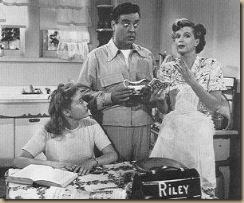
In 1953, a reboot was made for NBC. William Bendix was back as Riley and this series continued on the air for six seasons. In this second, better-known series, Marjorie Reynolds was Peg, Lugene Sanders was Babs, and Wesley Morgan was Junior. Gillis was played by Tom D’Andrea and his wife Honeybee was played by Gloria Blondell. Digger O’Dell was not mentioned. John Brown had been named on the Hollywood Blacklist during the McCarthy debacle years, so he was prevented from taking the role. Many people use Riley’s catch phrase, even if they are not sure where it was originally from: “What a revoltin’ development this is.” Riley made $59 a week, and money was often one of his concerns.

Four of the six seasons found the show in the top 30, and 217 episodes were produced. Oddly, season five was filmed and broadcast in color, while season six was back to black and white. The show was on Friday nights for its entire run. The first three seasons it faced its biggest competition against Topper for two years and Our Miss Brooks for season three.

Dell Comics featured the show in one of its comic books in 1958. It was included in the Four Color series. It has held its value with most editions going for about $200-$300 online.

While I have watched a fair number of episodes of The Life of Riley, I have to admit it was never one of my favorites. Shows from this era are very hit or miss with me. I do like all the versions of Our Miss Brooks, and I love Burns and Allen and Jack Benny, but I got quickly got tired of the circumstances Riley continually found himself in and his mispronunciation of words and his lack of knowledge which he never realized. I am also in the small, small minority of people who felt the same way about I Love Lucy. I can watch one or two episodes here and there but not on a regular basis, although the scripts and acting on I Love Lucy carried it much further than Life of Riley.

However, Life of Riley was popular in the fifties and is still well-known today, so it found its audience of fans. If you want to try it out, there are limited opportunities. Interestingly, there is a DVD of the Gleason episodes and there are several recordings available of the radio show. However, for the Bendix television series, I could only find one option and half the shows are Our Miss Brooks so it is not even an entire season, just two episodes. I could not find any networks currently streaming the show either.

The Thin Man, Minus the Witty Banter

This month we are discussing Classic TV Shows. Many of our series this month were adapted from books, movies, or radio. Today’s show is no exception. Join me as we learn about the television series, The Thin Man.

📷rogerebert.com The original Nick and Nora

The Thin Man was introduced in 1933 by Dashiell Hammett. It became a big-screen film feature in 1934 starring Myrna Loy and William Powell. In 1957, it showed up on television where it would air for two years on NBC. The show was a half-hour show scheduled on Friday nights, producing 72 episodes.

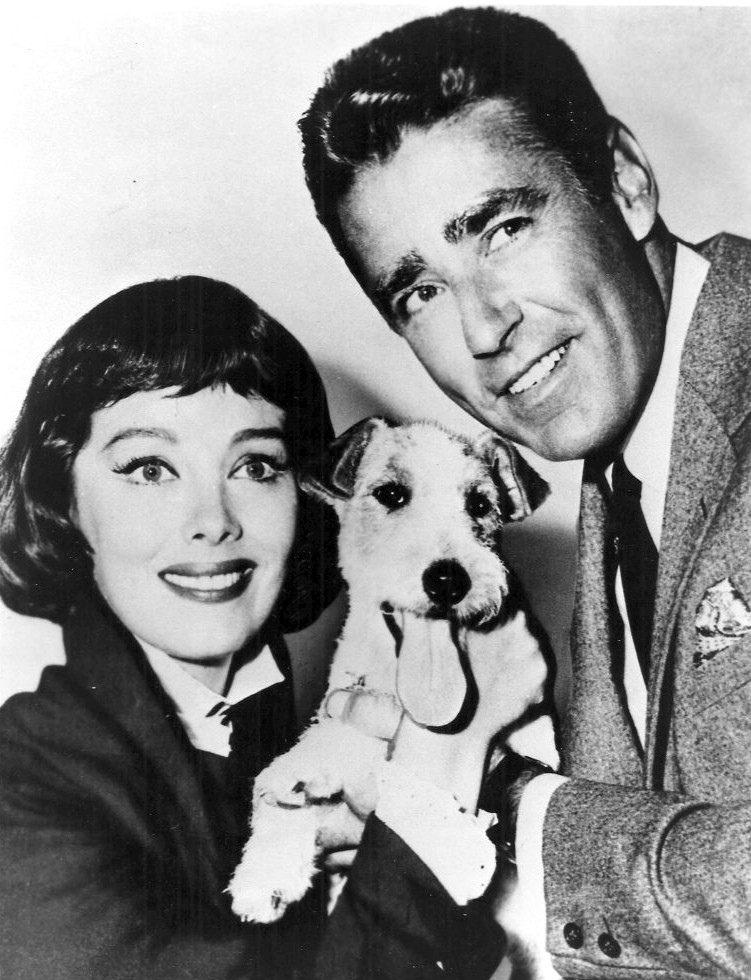
Peter Lawford took over Powell’s role of Nick Charles with Phyllis Kirk stepping in for Myrna Loy as Nora. (In the years after this show, Kirk only had five other acting credits; Lawford, on the other hand, was known for his friends, The Rat Pack and would go on to act in more than sixty additional shows during his career.) Their famous dog Asta was played by three different dogs during the run of the show.

📷wikipedia.com Lawford and Kirk

Rounding out the cast was Jack Albertson as Lt. Harry Evans of the NYPD, Patricia Donahue played the Charles’ neighbor Hazel, and Nita Talbot was Beatrice Dane, a criminal who often got Nick and Nora involved in awkward or criminal situations. Before he was Chief O’Hara on Batman, Stafford Repp showed up in NY as Lt. Ralph Raines.

Nick was a former private detective who got out of crime and became a mystery editor in Manhattan. He has an eye for the ladies, and the ladies definitely have an eye for him. Hazel and Beatrice both hit on Nick often much to Nora’s chagrin. Nora is heir to a family fortune. The couple seems to get pulled into crimes and can never resist solving the mystery. Both Raines and Evans agree to help the duo out. Unfortunately for Lawford and Kirk, the show just could not compete with the Powell-Loy banter and wit. After two seasons, the show was canceled.

One of the directors on this show was William Asher. Asher would go on to direct many shows, including I Love Lucy and Bewitched.

📷bryanRxm.com

By the early fifties, most of the movie studios had realized that television was here for good, and they began creating quality shows for the industry. However, MGM refused to believe that television would cause any threat to the film world. In order to prove that, they resisted getting into television until the very last minute. As television continued to grow, and big-screen films lost their domination in the entertainment business, the drowning company finally began searching for a life preserver. However, it was too little too late. By recycling a movie series that had been loved by millions and starred actors who were still alive, and then not putting the quality into the new series that would make it a hit, MGM almost guaranteed that the show would fail. However, the concept would be recycled several times during television history, most notably in Hart to Hart where the glamorous couple solved crimes that seemed to draw them like a magnet.

Apparently, the episodes have never been released on DVD, and I could not find out why. However, even if they existed, I would advise you to watch the Powell-Loy films instead. Most of our television recollections are about shows we love, but there are plenty of shows that did not work, and I like to reflect on those shows as well, and why they did not fare so well. Sometimes it’s just the timing of their introduction; other times, it was just because the shows lacked quality and that seems the case here.

Give Me a Sarsaparilla: Hopalong Cassidy

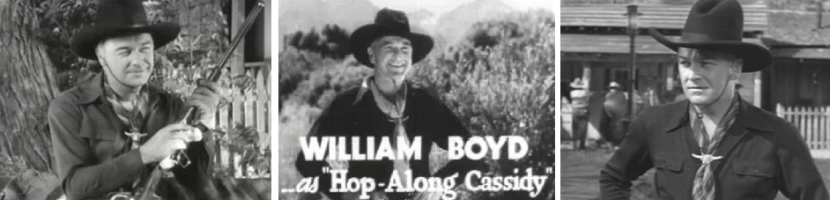
We are celebrating Classic TV for the first month of 2024. Our first choice is a western many kids never missed: Hopalong Cassidy.

📷wideopencountry.com Bill Boyd with Topper

Hopalong Cassidy was introduced to the world by Clarence E. Mulford in 1904 in short stories, and a book was released in 1906. Originally the character had a wooden leg which resulted in his nickname. The first big-screen Hopalong Cassidy film aired in 1935. His nickname was now attributed to a gunshot wound. It starred Bill Boyd, a forty-year-old actor. Boyd’s Hopalong was quite different from the book character. This film Hopalong was a clean-cut hero who drank only sarsaparilla and never took the first shot. By 1948, 66 original movies had been made with ten different sidekicks. That seems like a lot, but from just 1950-1959, about 700 western films were made.

Producer Harry Sherman had become tired of the films. So Boyd invested all of this money buying the rights to the character from Mulford and the rights to the earlier films from Sherman.

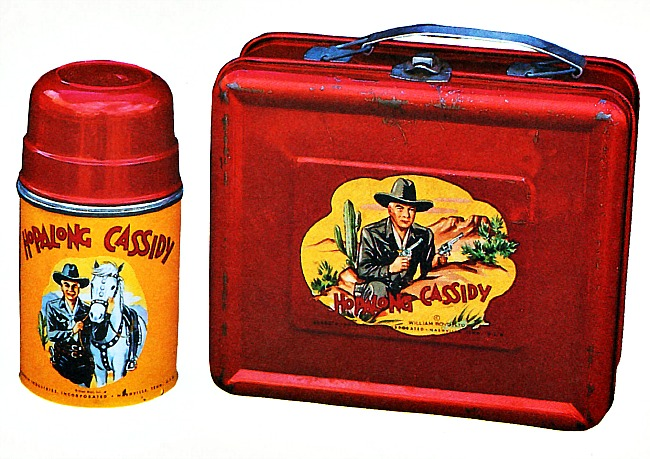
In 1949, NBC began showing the older movies on television. Westerns were huge on television, in movies, and in literature in the fifties, and Hopalong became very popular again. Boyd received all the revenue from the merchandise being sold.

📷imdb.com Boyd with Buchanan

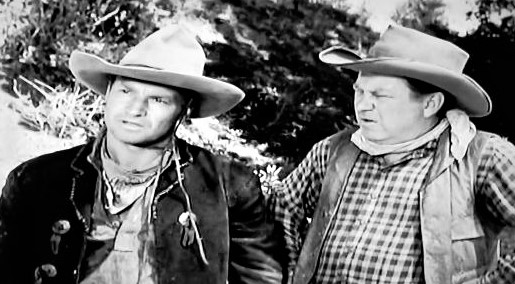
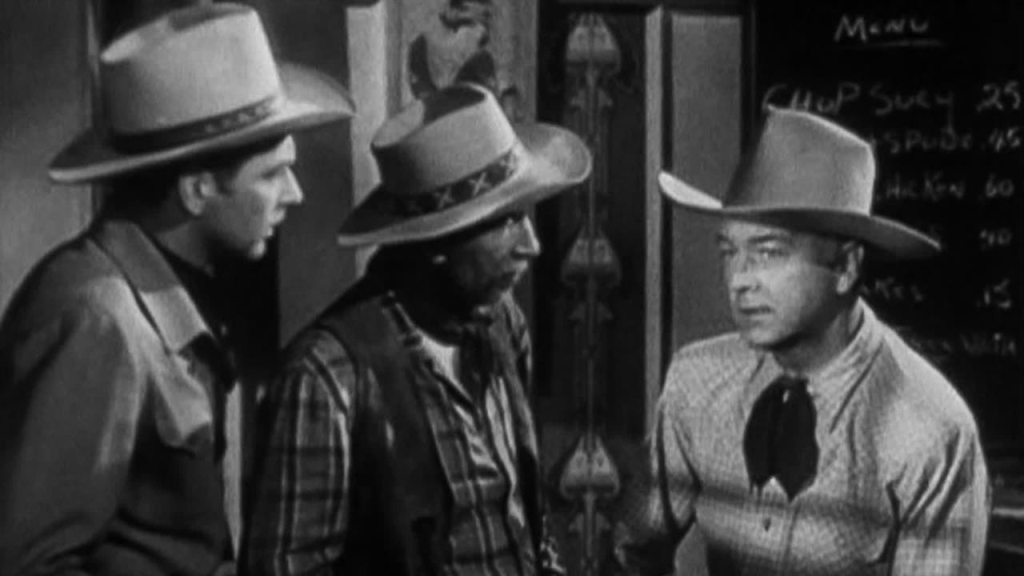
Boyd was offered another show in 1952. From 1952-1955, the show was on the air. There was a different format for the new show. Instead of the typical two companions from the films, Edgar Buchanan took on the role of Red Connors. It was Buchanan’s first television role, but it would not be his last. Boyd provided voiceover for the series. He was now a US Marshal instead of foreman of the Bar 20 ranch. Hopalong still fought crime riding his horse, Topper.

The new series was composed of 40 new episodes, along with 12 older theatrical features that were cut down to 30-minute episodes.

📷crackle.com

One of the reviewers on imdb discussed the show as “being a couple of notches above most of the contemporaries in quality.” He said outdoor scenes were actually filmed outside. He acknowledged that both Boyd and Buchanan were good actors, and Edgar provided both comic relief and dramatic support. The relationship the actors had, along with good writing, produced several really good episodes. He went on to provide information about three of his favorite shows:

“1. Grubstake–A terrific half-hour mystery. Prospector Percy Helton has struck gold. He was grubstaked by five partners. Two have been murdered. A third is Red. Who is the murderer? There is a slew of suspects in a movie-level cast–Christopher Dark, Michael Fox, Robert Paquin, and Timothy Carey(!). Gladys George steals the show as a flighty landlady engaged in a humorous romance with old codger Helton. The solution to the mystery is first rate.

2. The Feud–Two ranchers are bitter enemies. The son of one is murdered from ambush. Suspician naturally falls on his old enemy, B stalwart Steve Darrell, but foreman Hugh Beaumont, soon to become Beaver’s dad, is the culprit. He is having an affair with Darrell’s wife and hopes to get both her and the ranch when Darrell is lynched for the murder. There are some bitter scenes between the jealous Darrell and his unfaithful wife, and even a hot and heavy one between the woman and Beaumont. Perhaps not original, but certainly an adult slant compared to a typical Lone Ranger or Gene or Roy plot.

3. Lawless Legacy–An ordinary plot but given a big lift by Lone Ranger on vacation Clayton Moore as a vicious murderer.”

The series propelled Boyd back into stardom, and he became a famous celebrity, giving talks around the world. Although Hopalong is not as well known today as The Lone Ranger or the Cartwright Boys, his television show is still considered a classic. In 2009, the US Postal Service issued twenty postage stamps honoring early television programs. In this series, which included The Adventures of Ozzie and Harriet, Dragnet, I Love Lucy, Lassie, The Lone Ranger, Perry Mason, The George Burns and Gracie Allen Show, Boyd was pictured sitting on his horse Topper.

In addition to the films and television series, there were 104 radio shows and hundreds of comic books.

By 1955, Boyd was tired of his role and ready to retire. While he was ready to step out of the entertainment business, he wanted to ensure that his staff would continue to have jobs. CBS was getting ready to air a little show they thought might be successful, and his entire crew moved to that series, Gunsmoke, which continued to provide employment for another two decades.

Hopalong Cassidy’s films on television introduced westerns to an entirely new generation and kept westerns in the spotlight for the decade. By March of 1959, eight of the top ten shows were westerns and the television schedule featured thirty different western shows.

📷wordpress.com

I think Boyd was smart to purchase the rights and he was definitely in the right place at the right time to benefit during the fifties. And kudos to him for taking care of his cast and crew.