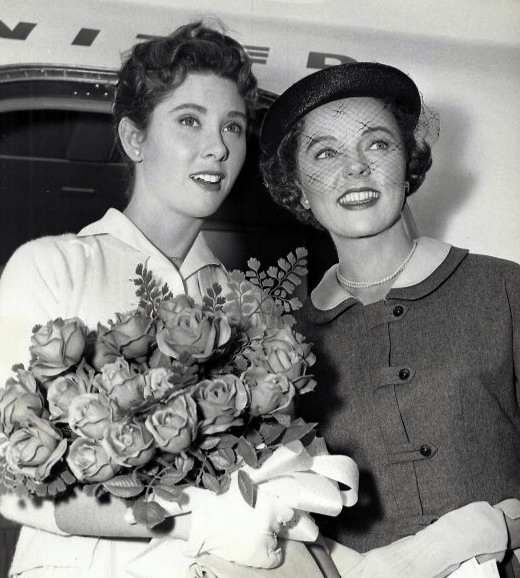
Sandra Gould: What a Character

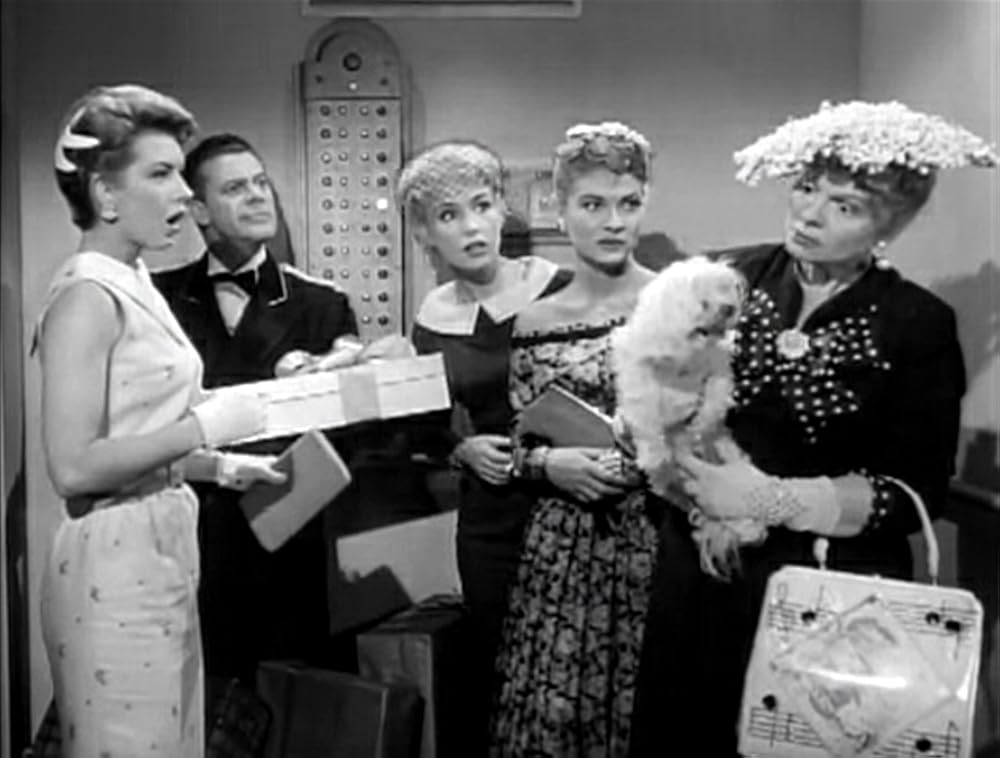
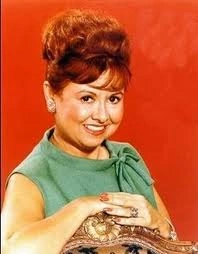
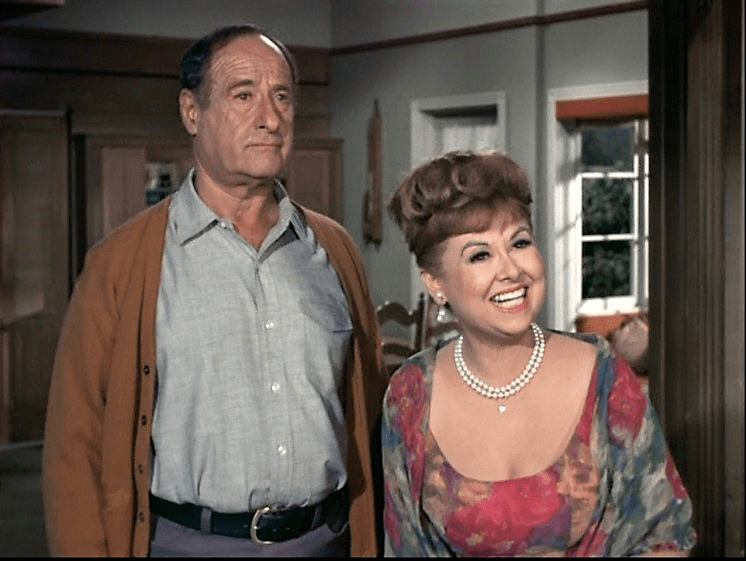
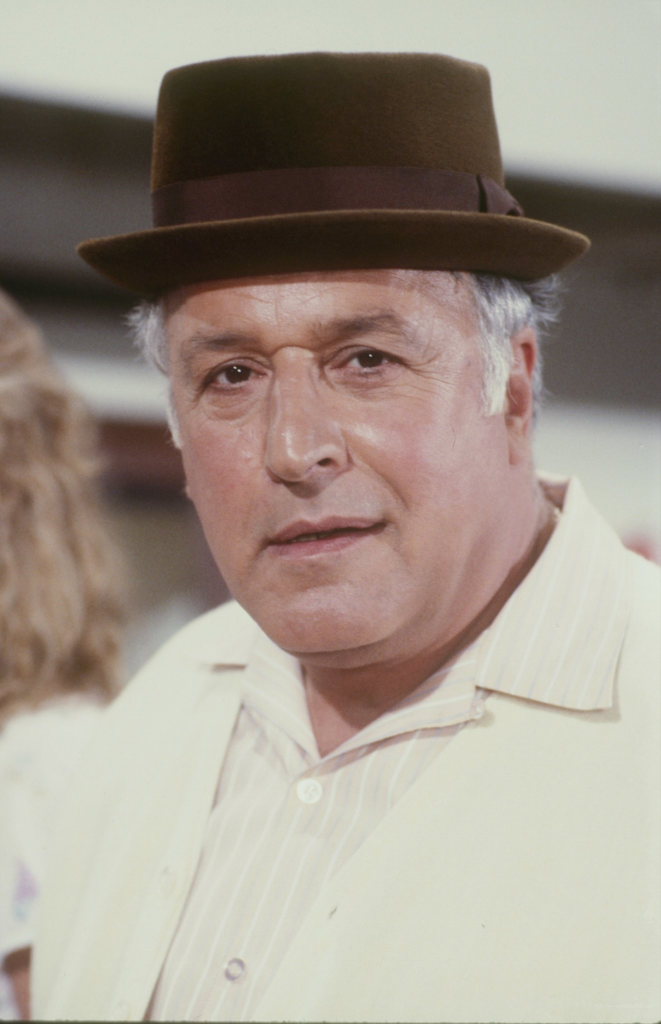
We are winding up our blog series “What a Character” with Sandra Gould. I have to be honest, I had an unfair bias against Sandra Gould.  I didn’t know a lot about her career, I just knew that she replaced Alice Pearce as Gladys Kravitz, and it was a bad replacement. It wasn’t Sandra’s fault—I blame the show’s producers.

📷pinterest.com

Some actors truly are irreplaceable. Eartha Kitt, while a great Cat Woman, just wasn’t Julie Newmar. Imagine trying to replace Henry Winkler as the Fonz halfway into the show. Can you picture tuning into MASH and finding Hawkeye was now played by someone other than Alan Alda?  Pearce was perfect in that role and, despite her being nosy and annoying, she was likable and that is hard to do. Gould’s Gladys was loud and brash, and I felt like I heard fingernails on a chalkboard whenever she was in a scene.

As long as I’m oversharing, I never cared for Dick Sargent either. While he was able to replace Dick York in some ways, York was just Darrin. Okay, I’m done and ready to talk about the good aspects of Sandra Gould and her long career.

Gould was born in Brooklyn in 1916. She entered the entertainment business early becoming a kid dancer in the Cat Skills by age 13.

📷threads.com

Gould found a lot of success on radio, appearing on “My Friend Irma” and “Duffy’s Tavern.” Her first radio job came along when she was only 9 on “The Danny Thomas Show.” Gould was with Jack Benny for almost fifteen years.

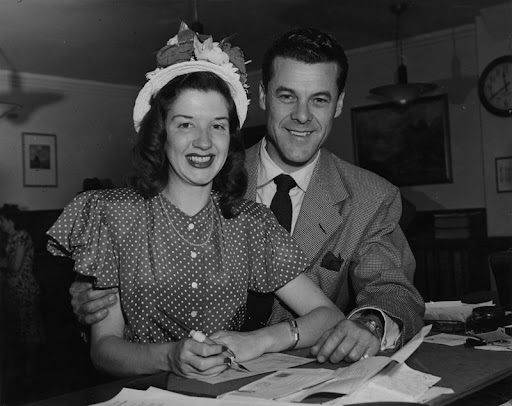
In 1938 she married Larry Berns, a broadcasting executive. They were married until his death in 1965. Berns joined CBS in 1942 writing and producing radio and TV series including Our Miss Brooks. He later worked on McHale’s Navy and Broadside.

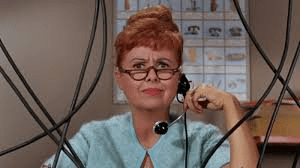
Sandra’s first role was in the big screen T-Men in 1947. Most of her roles were inept or gabby women, typically a telephone operator, nurse, receptionist, landlady, or saleswoman. Gould once mentioned that she played an operator more than any other actress. I did notice 10-15% of her roles mentioned switchboard operators.

📷facebook.com

While she continued to appear in movies, most of her acting credits came on television. She appeared in Oboler Comedy Theater in 1949. In the early days of television, many of the series were drama or comedy reenactments of movies or plays. Sometimes, new stories were written for these episodes. Gould continued with these roles into the mid-fifties.

From 1952-55 she appeared as Mildred on I Married Joan. This series starred Joan Davis and Jim Backus. He was a judge, and she was another “Lucy Ricardo” always getting into mischief or causing hardships for her husband.

📷tumblr.com

Gould was kept very busy with offers during the end of the fifties and throughout the sixties. She could be seen doing comedy on Our Miss Brooks, I Love Lucy, The Jack Benny Program, My Three Sons, The Brady Bunch, and I Dream of Jeannie among others. She also tried western life on Wagon Train. Her drama performances included Hawaiian Eye and I Spy. She even dipped her toe into animation on The Flintstones.

At the end of the sixties, she was given the Glady Kravitz role. Pearce and Gould split the character’s appearances: Pearce had 27 episodes with Gould having 29.

Gould had stepped away from acting for a time. She published two books for girls: Always Say Maybe and Sexpots and Pans. They both seem quite dated today in their advice to girls to get the right type of husband. At the time she accepted the role of Gladys she said she had gone through a very rough year. Her husband died. Then her writing partner Peter Barry died. Then Alice Pearce, who was a good friend of hers. She had no desire to take over the role, but George Tobias who played Abner and was also a friend, called her to come in for an audition.

📷imdb.com

I could not find any information about she and Barry collaborating. One article specifically mentioned that they wrote scripts for Honey West, Tammy, and The John Forsythe Show, but I don’t see either of their names as writers for these shows. Barry is listed as a writer for 23 shows in the late fifties and early sixties, and he was a radio scriptwriter. Perhaps they had written some scripts that were never filmed.

I guess I am in the minority on the Bewitched issue because most sites I visited described her role similarly, usually something like Hollywood Spotlight’s description: “her over-the-top performance and shrill voice were popular with viewers, and she succeeded ultimately in making the character her own.” She also reprised her role as Gladys in the sitcom Tabitha in 1977 which was about Darrin and Samantha’s daughter as an adult.

Some time during her stint on Bewitched, she got married again to Hollingsworth Morse, and they were together until his death in 1988. Hollingsworth was a director and assistant director on almost 90 programs and movies including McHale’s Navy, Dukes of Hazzard, and Mork and Mindy.

The seventies and eighties found her primarily in drama roles, although she could be spotted in a handful of sitcoms. You can catch her on Columbo, Marcus Welby MD, Ironside, Crazy Like a Fox, and MacGyver. During the nineties, she took on roles that were described as “old lady” on Friends and on her last appearance which was Boy Meets World in 1999.

📷bewitched wiki.com

Not long after filming this episode, Gould passed away from a stroke following heart surgery.

Gould had a long and successful career and certainly made the nosy, gabby character her own. I’m glad the job on Bewitched helped her get through a very sad and difficult time in her life. However, I still am claiming she was not right for Gladys who should have been written off the show and just replaced with a new neighbor. But I respect Gould and the characters she made her own on the big and little screens.

The Tom Ewell Show: Surrounded by Women

Thanks for joining me today. We are having fun with this month’s blog series, “It’s Their Show,” and today we are taking a closer look at The Tom Ewell Show. The shows we are delving into this month were all movie stars jumping from the big screen to the small screen. Some of them landed on their feet and some didn’t.

📷ebay.com

While most of the shows we are covering have a star we all know, Tom Ewell is no longer a household name. His first movie was in 1940, and he’s probably best known for The Seven-Year Itch with Marilyn Monroe. He did become a television fixture, starring in the soap Search for Tomorrow as well as a cast member of Baretta in the seventies and Best of the West in the eighties.

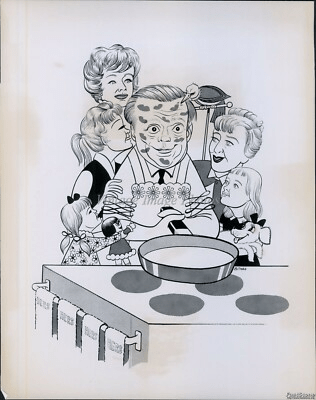
The Tom Ewell Show debuted on CBS in 1960 and was on for one season. The premise is about a guy who has to navigate life with a lot of women: his wife (Marilyn Erskine), daughters (Cynthia Cherault,  Sherry Alberoni and Eileen Chesis), mother-in-law (Mabel Albertson), and a female dog and a parakeet.

Tom Potter is described as a “bumbling” father. I’m not sure why so many shows in the early days featured a wife who caused complications for her husband or a bumbling husband. Potter was a real estate agent. Rounding out the cast are friends pharmacist Howie Fletcher (Norman Fell) and Jim Rafferty (Barry Kelley).

Potter loves sports, but the rest of his household is not too interested. Often, he is watching a sporting event on television while telling his family about the high points when they obviously could care less.

📷imdb.com

The concept of the show was set up in the opening which showed Tom looking around and then being put into a house before seeing the house overrun by women.

The show was created by Madelyn Pugh Davis and Bob Carroll Jr. who wrote for I Love Lucy. Pugh Davis said she based the show on her family. Her family had all girls and a mother-in-law in the house.

Ewell owned the production company in partnership with Davis and Carroll and Four Star Productions. Quaker Oats and Proctor and Gamble alternated sponsorship of the show.

Time reviewed the show after its debut and said “The Tom Ewell Show leads a relentless parade of situation comedies, all designed to show that American family life is as cute as a freckle on a five-year-old. The show, which might also be titled Father Knows Nothing, presents the comic with the excavated face as a bumbler named Potter who is trapped in the customary format: Harassed Man Beaten Down by Wife, Three Daughters, Mother-in-Law. In the opening episode, Ewell could find no better way to outsmart his spendthrift women than closing his bank account and ruining his own credit. For those who may have tuned out early, the women were all set to start spending again.” Not a great review.

📷imdb.com

This makes the female characters sound very unappealing, but on the show, his wife and daughters were delightful. His mother-in-law liked him and they often bantered back and forth; I think it’s worth watching the show just to see Mabel Albertson in action. However, the plots left a bit to be desired: Tom teaching his wife to drive a car, his daughter learning to play the tuba; and the typical sibling issues of everyone wanting to use the phone and the bathroom at the same time.

The show struggled finding viewers. Associated Press television critic Cynthia Lowry interviewed Ewell that fall, and he said that he had read both the positive and negative reviews of the show. He agreed with the critics who felt that Potter was too inept, and the comedy centered more on that and their family life. He said for December episodes, that issue would be addressed in the writing, and the family dog and parakeet were being dropped from the show. Unfortunately, it was not enough to attract viewers, and the show was canceled after one season.

📷youtube.com “Spelling Bee”

In an episode I watched, “The Spelling Bee,” from late November, Tom is trying to interest his family in golf. When he finally got them to watch a golf match, the females were more interested in what the golf spectators were wearing. And then his youngest daughter ran in and turned the station to a kid’s show. One of his girls is practicing her spelling to try to win a trip to Washington DC by winning the all-state spelling bee.

When Tom leaves the house, he continues to run into fathers and sons who are playing baseball, going fishing, working together, or talking about sports. Tom daydreams he has three boys, but we realize that he is holding a skein of yarn for his daughter while he does so. He tries to talk his oldest girl into going into the real estate business. Later he tries to talk his middle daughter Debbie into giving up spelling for golf. He also tries to get his wife to go bowling with him. When Tom realizes that one of his friends has a son trying to win the spelling bee as well, he turns it into a big sports event and is determined to beat them.

He buys a bunch of dictionaries and then gets up early to “train” Debbie. However, she had already left the house and when she returns, he finds out she’s been on the driving range practicing her golf, so they can be in a father and child golf match. He drills her on spelling the rest of the day. That night Debbie comes down with laryngitis.

📷imdb.com

Her grandmother gives her honey and lemon. The following night they attend the spelling bee, and Tom gives Debbie a pep talk, but then he reminds her he loves her no matter what. Of course, the final two contestants are Debbie and the son of Tom’s friend. She wins, and she and her dad get to travel to Washington, DC where they meet the President. The show ends with Tom telling his friend about all the great non-sport talents his girls have. It was a cute show, and the characters were all likable. There were a few great one-liners. It would not make my top 25 shows, but it was much better than many of the sitcoms in the sixties.

The show had a decent time slot. It was on Tuesday nights at nine, competing with Stagecoach West and Thriller. While both of those shows garnered decent ratings, neither of them was in the top thirty. The primary director was Hy Averback, who would later direct twenty episodes of MASH. So, they had the right elements in place, but the show just could never find its fans.

Larry Rhine talked about writing for the show. Rhine said Ewell was a nice man, but he said Ewell didn’t think the kids should be involved in the show much because they didn’t have the caliber of other actors. Rhine told Ewell they could consider them more as props which seems like a strange concept for a family show, considering that the episode I watched revolved around the daughters.

📷imdb.com

Rhine said Ewell found the show was over when he was on the set one day and he was called to the telephone about a trip he was supposed to take with CBS, and he was told that he was no longer part of the group because he had been fired.

I’m guessing part of the problem with this show getting renewed is that it debuted when westerns were still king and many of the television schedule spots were already filled with them. While it was definitely not a terrible show, the sixties were on the cusp of introducing very different sitcoms than the family-based ones that filled the fifties’ slots. By 1965 we would be tuning into Batman, Honey West, Hogan’s Heroes, The Smothers Brothers Show, and I Dream of Jeannie. However, that said, there are worse ways to spend a weekend than viewing a season of The Tom Ewell Show.

Camp Runamuck: Campers Loved It More than Viewers

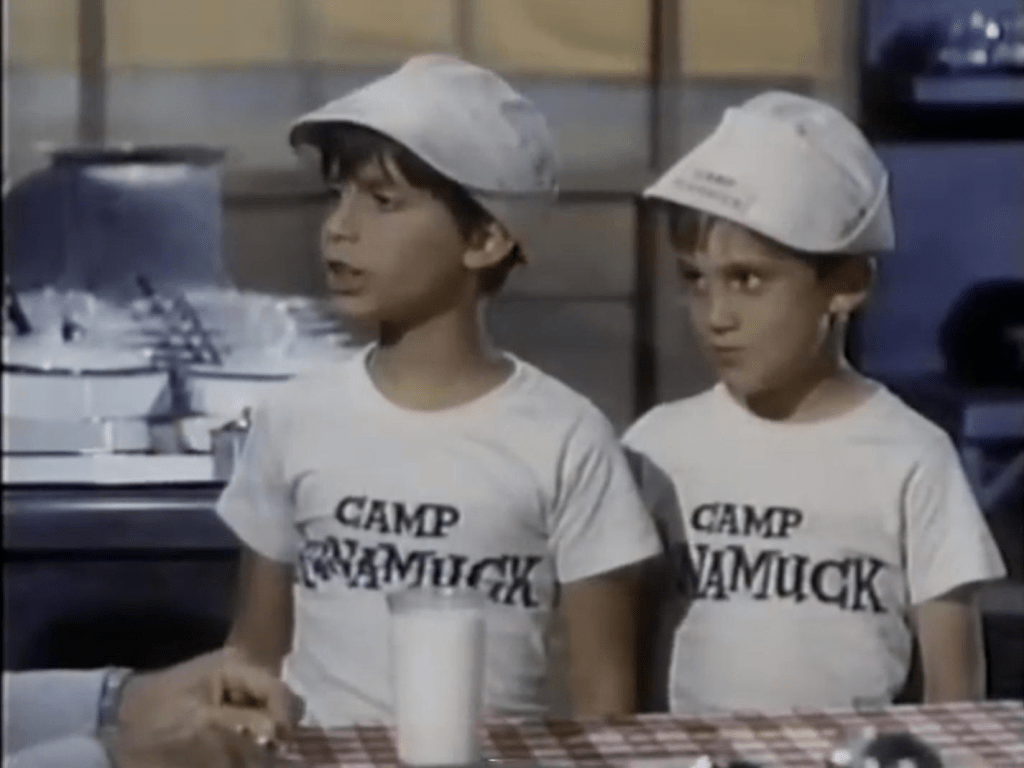
This month we are checking out a few sitcoms that are rarely remembered anymore. Today we are exploring the show Camp Runamuck. It debuted on NBC in 1965 and featured campers for 26 weeks before being cancelled.

📷imdb.com

Dave Madden was counselor Pruett; Commander Wivenhoe was played by Arch Johnson, and senior counselor Spiffy was played by David Ketchum. In the pilot, one of my favorites, Frank DeVol, played Doc Joslyn but illness forced him to hand over the part to Leonard Stone. Bobby Darrin sang the theme song.

If you are a fan of The Partridge Family, you will appreciate that this show was the introduction of actor Dave Madden, later Rueben who would manage the Partridges. Johnson began on television in the fifties, but this was his first cast role. Ketchum started his career a decade after Johnson and this was his second starring role after being in I’m Dickens, He’s Fenster in 1962. One camper who is featured in two of the 26 episodes is Maureen McCormick. This was the year she started her acting career, also appearing in Bewitched, The Farmer’s Daughter, and Honey West. Before becoming Marcia Brady, she would also show up in My Three Sons and I Dream of Jeannie.

Wivenhoe was an interesting camp leader. He didn’t like kids, didn’t like to part with his money, and didn’t appreciate the 6am morning wake-up song sung by the girls across the lake accompanied by a bugle. He did like playing golf and enjoying a quince for breakfast.

Across the lake was Camp Divine owned by Eulalia (Hermione Baddeley) who was helped by counselors Mahalia May (Alice Nunn) and Caprice Yeudleman (Nina Wayne).

The opening featured a peppy tune with fifes and you see the lake and hear the music before you see the camp counselors leading the campers (all in white; the poor laundry crew) marching down the road.

📷youtube.com

Most of the plots featured the counselors as opposed to the campers. Typical plots were the female campers being ordered to steal Wivenhoe’s bathtub so they could take a real bath and the boys getting it back. In another episode, the campers learn a civics lesson. They are given the task of electing a camp commander. However, the candidate who gets in becomes a dictator and tries to put everyone who had been in charge, namely the adults, in jail. This sounds vaguely familiar from the recent news.

In the credits I learned Cal Howard was in charge of visual gags. I never had seen that designation before in a sitcom. Howard, who was born in 1911 and passed away in 1993, had a long career as an actor and writer. He received 178 writing credits, mostly in animation. He worked for Walter Lanz and Walt Disney and wrote a few Bugs Bunny and Alvin and the Chipmunks episodes.

Just to add a sense of weirdness and whimsy to the series, two bears named Irving and Virginia would share their opinions of what was going on around the camp.

The series was up against The Wild Wild West and The Flintstones, pretty tough competition for the time. First of all it was on Friday nights when many viewers might be starting their weekend celebrations. The Flintstones was originally written for adults, but by 1965 families were watching the show together. The Wild Wild West was new, but immediately hit the top 30, and it was followed by another new CBS show, Hogan’s Heroes, and then Gomer Pyle, USMC, so most television fans were glued to that network Friday nights. Other new NBC shows included Get Smart, I Dream of Jeannie, and I Spy so competition was tough to retain a schedule spot. ABC didn’t have a lot of hits that year but they did debut three shows that I liked but all faded away within two seasons: Batman, Honey West, and Gidget.

Camp Runamuck might have gotten a second season if it didn’t have so much competition to deal with. If you loved camp as a kid, or hated camp as a kid, it might be worthwhile to watch a few shows and see what you think.

Noam Pitlik: What a Character

📷imdb.com

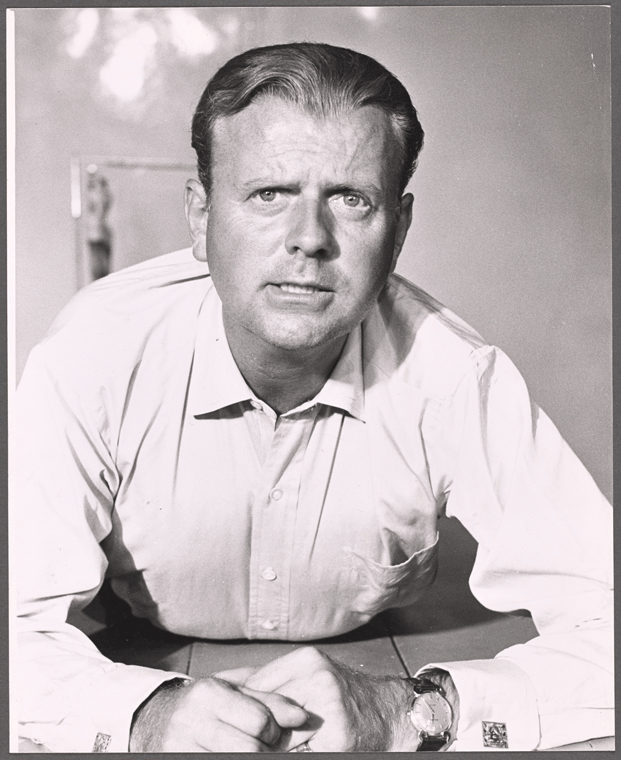
This month we are right in the middle of one of my favorite blog series, What a Character. This week we are delving into the career of Noam Pitlik; in addition to his acting, he won an Emmy for his work as a director. Which show? Let’s find out.

Pitlik was born in Philadelphia in 1932. After graduating from high school, he enrolled at Gratz College and later was a theater major at Temple University in 1954. Pitlik had a two-year stunt in the Army and earned a master’s degree in theater at New York University.

He began his acting career on WCAU in a western. In 1951, he was hired for the set design and construction crew for the Philadelphia Experimental Theater. He carried a bit of his hometown with him when he was part of the Summer Theater Guild in Indiana, Pennsylvania in the “Philadelphia Story.” He was hired for his Broadway debut in an off-Broadway production of The Threepenny Opera.”

📷imdb.com

In 1961 he moved to Los Angeles and received his first television roles, appearing on Cain’s Hundred and Dr. Kildare. Cain’s Hundred was not a show I remembered hearing much about. It was about a former underworld lawyer who works with the federal government to bring the top 100 criminals to justice. The show lasted one season. Pitlik had a variety of offers for shows throughout the sixties. Most of them were dramas and westerns, but we also see him on My Favorite Martian, The Munsters, Gidget, The Flying Nun, The Monkees, The Andy Griffith Show, The Doris Day Show, Get Smart, That Girl, and I Dream of Jeannie.

During the sixties, he married for the first time. His marriage with Jesse Blostein in 1967 would only last three years.

Pitlik also appeared in fourteen films and eight made-for-tv movies. The most memorable films are The Graduate, Fitzwilly, and The Fortune Cookie.

📷famousfix.com

The seventies were his most prolific decade of acting. He appeared in 26 different series, often in 2-5 different episodes. You’ll see Pitlik in reruns in a variety of genres including Hogan’s Heroes, Room 222, Bewitched, Love American Style, All in the Family, The FBI, Cannon, Mannix, The Partridge Family, The Bob Newhart Show, The Odd Couple, and Barney Miller. His last acting appearance was in Becker in 1998.

The seventies were also when he tried the role of husband again, marrying Linda Hirsch in 1974; this marriage also lasted three years.

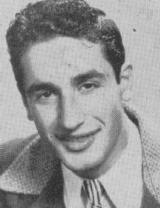
He began directing in the seventies and obtained 39 directing credits throughout the next two decades.
📷imdb.com

In an interview with Temple University for the Alumni Review in 1979, Pitlik said that the switch in his career was not “a case of my needing to change functions for economic reasons.  I used to figure out what I made a day as an actor, and it was obscene. I changed for emotional reasons. I had become very frustrated by the kinds of things I was doing in acting, and I was looking for a change in my life that would be more challenging. I enjoyed acting, but I never seemed to get enough to do.” His first episode as director was on The New Dick Van Dyke Show. He directed 12 episodes for The Practice and 11 for Taxi.

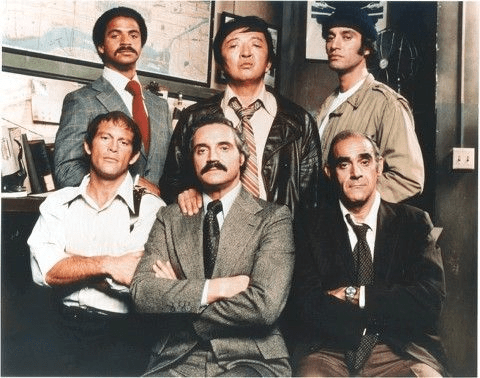
However, Barney Miller was where he perfected his skill as director for 102 of its 171 episodes. In 1979, he won an Emmy as Director for the show. He beat out Paul Bogart for All in the Family, Alan Alda and Charles Dubin for M*A*S*H, and Jay Sandrich for Soap. He also received a Peabody Award and a Directors Guild of America Award for his work on Barney Miller. He lost the Emmy in 1981 to James Burrows for Taxi. His co-nominees included Jerry Paris for Happy Days, Linda Day for Archie Bunker’s Place, Burt Metcalfe and Alan Alda for M*A*S*H, and Rod Daniel for WKRP in Cincinnati.
📷tumblr.com Cast of Barney Miller

In the Temple interview, Pitlik said that his “main responsibility is to create an atmosphere in which each of the people involved in the production can conform to their best work. Although a director oversees all aspects of the production, there are many people involved, and he’s dependent on all of them. There’s no more collaborative business than the television business. Each person contributes to the success or failure of a show whether he or she is a writer, actor, cameraman, or whatever.”

In 1995 he began directing episodes of The Home Court and did so for 14 of the 20 episodes. I must admit I do not remember this show at all. The synopsis was Sydney Solomon was a family court judge who had to deal with the toughest prosecuting attorneys and repeat offenders. However, her biggest challenges came when dealing with her kids, four boys aged 11-19.
📷pinterest.com

Pitlik had better luck with his third marriage to Susan Whittaker which lasted from 1986 until his death in 1999. Whittaker was a television producer. Noam passed away from lung cancer at age 66.

Like Jerry Paris, Pitlik had a very successful acting career before finding his passion behind the camera. If you are responsible for directing a series, Barney Miller is a great accomplishment. It was fun to learn more about his career both in front of and behind the camera.

Dick Schaal: What a Character

📷wikipedia.com

Today we began our “What a Character” blog series. Typically, when we discuss character actors, we are looking at actors who were busy in the forties, fifties, and sixties, but in the past sixty years, there have been a lot of great character actors as well. Today we are looking at the career of Richard Schaal.

Schaal was born in Chicago in 1928. His dad was a machinist, and his mom was a telephone operator. After he graduated, he ran a construction company before joining the Second City comedy troupe in 1959, not long after it began.

In 1950 he married Lois Treacy. I could not find a divorce date, but it was some time before 1964. They had a daughter Wendy who is also an actress.

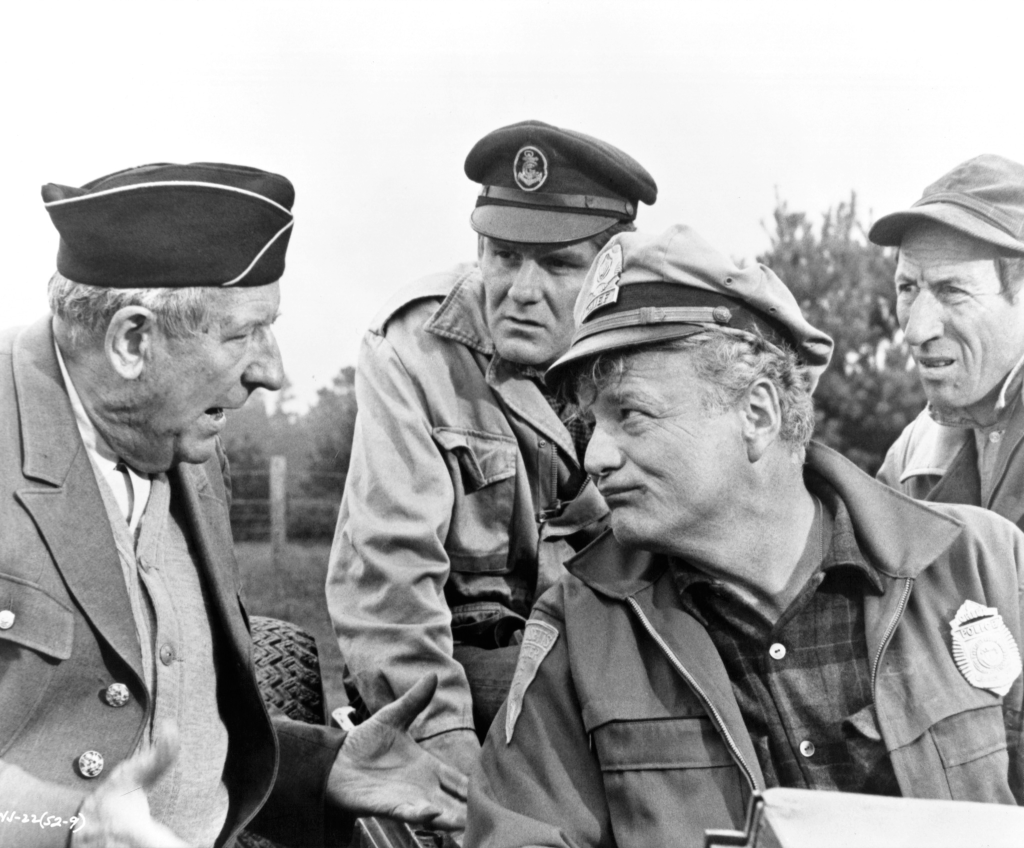
Eventually he made his way to California. He had seventeen film credits on his resume; most of them were not too memorable, but he was in The Russians Are Coming, The Russians Are Coming and Slaughterhouse Five.

📷imdb.com

Television is where he made most of his acting appearances. He began his TV career in 1964 in East Side/West Side. This was a show I had not heard of before. Apparently, it was on for one year and starred George C. Scott as a social worker trying to help his clients in the mix of cultures that makes up New York City.

Schaal would find a few more roles in the sixties on several shows including The Dick Van Dyke Show, That Girl, and I Dream of Jeannie.

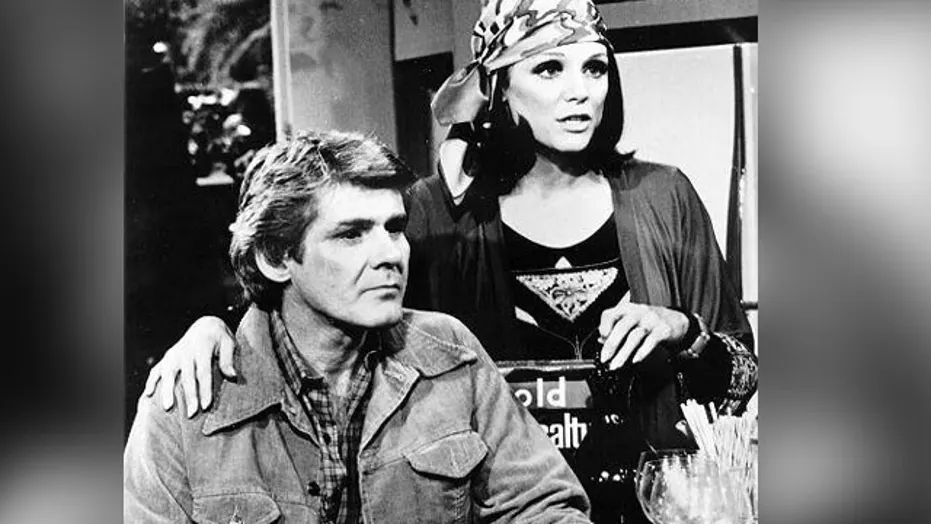
In the sixties, Schaal met Valerie Harper and they married in 1964.

During the seventies, he collected roles on many sitcoms including The Doris Day Show, The Partridge Family, Love American Style, The Bob Newhart Show, and The Mary Tyler Moore Show.

📷foxnews.com

On The Mary Tyler Moore Show, he played Howard Arnell, Paul Arnell, Chuckles the Clown, and Dino. Not surprisingly, he made appearances on Rhoda and Phyllis.

In 1970, Schaal and Harper wrote a script for Love American Style for “Love and the Visitor” which aired on season two, episode 5 where a bridegroom ends up in the wrong girl’s bedroom. Harper said they were part of the Writers Guild, but their hearts were in acting and once she got the part of Rhoda, the writing stopped.

Harper discussed Schaal during an interview with the Television Academy. She describes him as her former husband and good friend. She said she and Schaal hosted a talk show with Skitch Henderson for about a year in the mid-sixties. They did interviews and sketches. She said after that they decided to move to Los Angeles.

📷imdb.com The Russians Are Coming The Russians Are Coming

The seventies were also a busy time for Schaal who continued to find roles on television. You can see him on dramas such as Nero Wolfe and Hardcastle and McCormick. He also was on sitcoms including Harper Valley PTA and Just Our Luck. He had a recurring role during this decade on Trapper John MD from 1981-85. The show was a sequel of M*A*S*H and portrayed Trapper later in life. Schaal played Dr. David Sandler. He also accepted a role on It’s a Living in 1980. His daughter Wendy was part of the cast. She has a very successful career and has appeared in many popular series. From 2005-2023, she was one of the voices in American Dad.

In 1980 he tried marriage a third time with Tasha Brittain. They would divorce in 1989.

📷pinterst.com

Schaal retired in 1990 and passed away in 2014 in Los Angeles. No cause of death was provided. He did have spinal surgery in the late 90s and was in a wheelchair after that.

Sadly, I could not find a lot of information about Schaal or his personal life. He had a successful career, but it’s too bad there wasn’t more improvisational work at the time. It sounds like he was very gifted in that area. He didn’t have as much luck in love, but at least, according to Valerie Harper, he was a great guy and they remained good friends. He was one of those character actors who added so much to the television industry, especially in the sixties and seventies.


Vic Tayback: Cooking Up Some Fun

This month we are celebrating some of our favorite Supportive Men, actors who usually are not the star of a show but add the special flavor only they can to some of our favorite shows.

Before we move on to our topic today, can I just say a huge THANK YOU to all of you who have joined me on this journey through classic television. Today is my 400th blog and it has been so much fun. Next week will be 401, but for today we are looking at the career of Vic Tayback.

📷graduation photo

Most of us probably know him best as Mel on Alice; he played Mel Sharples in both the original movie, Alice Doesn’t Live Here Anymore, as well as the television show that was on for nine years.

Tayback was born in Brooklyn in 1930. His parents settled there after leaving Aleppo, Syria. During his teenage years, the family moved to California where he attended Burbank High School. He loved sports and played on a variety of teams, his favorite being football.

After high school, he enrolled at Glendale Community College. He also spent some time with the US Navy.

With his love of sports, he decided to attend the Frederick A. Speare School of Radio and TV Broadcasting to be a sports broadcaster. While there he was required to perform in a production of “Stalag 17” for one of his classes. He wasn’t thrilled about doing so, but he realized that he loved making people laugh and decided to switch his career to acting. While trying to break into the industry, he paid his dues driving a cab and working as a bank teller.

📷embarrassingtreasures.com Family Affair

The first of Tayback’s astounding 151 acting credits occurred in 1958 in a little-remembered series, Buckskin. This western was set in Annie O’Connell’s boarding house in Buckskin, Montana in 1880 and the stories were told by ten-year-old Jody. Vic continued to receive a few other appearances on television in the late fifties, as well as two films.

In the sixties, Tayback’s career took off. He would show up on 32 television episodes and 9 big-screen films, including With Six You Get Eggroll with Doris Day and Brian Keith. His tv roles were in comedies such as F-Troop, I Dream of Jeannie, Family Affair, Get Smart, The Monkees, and That Girl. He also could be seen in a variety of dramas that included 77 Sunset Strip, Dr. Kildare, Rawhide, Cimarron Strip, Star Trek, and Mission Impossible.

📷newyorkdailynews.com The Cheap Detective

The sixties also found Vic in the role of groom. In 1963, Tayback married Sheila Barnard, and they remained married until his death.

During the seventies, his appearances escalated to more than forty television series and ten movies. Some of his television shows included Bonanza, The Mary Tyler Moore Show, Bewitched, Columbo, Mannix, Ironside, Mod Squad, The Partridge Family, All in the Family, Barney Miller, Cannon, Medical Center, Family, and Hawaii Five-0. His movies included a few genres running from Disney’s The Shaggy DA to Papillon (Papillon was the story of a French convict who befriends a fellow criminal in South America in the 1930s, and he plans an escape).

It was during the mid-seventies that he was offered the role of Mel Sharples. In 1974 the movie was released, and the television show aired in 1976. The show was very popular with viewers. Vic said he and Mel were somewhat similar characters. While people still quote Flo on the show with her “Kiss my grits,” Tayback had his own tagline on the show, “Stow it.”

📷imdb.com Alice

If you didn’t see the show, it featured a greasy-spoon diner in Phoenix, Arizona. Alice moves there after the death of her husband with her son Tommy. She becomes a waitress at Mel’s along with sassy Flo and shy, gullible Vera. Despite the bad food, they have a lot of regulars who come in for a meal. If you want to visit the restaurant, the building it was based on is at 1747 NW Grand Ave in Phoenix and was called Pat’s Family Restaurant. (It was also featured in American Graffiti.) It is now called Mel’s Diner. According to Trip Advisor, it is ranked #448 out of 1795 restaurants in Phoenix.

📷imdb.com

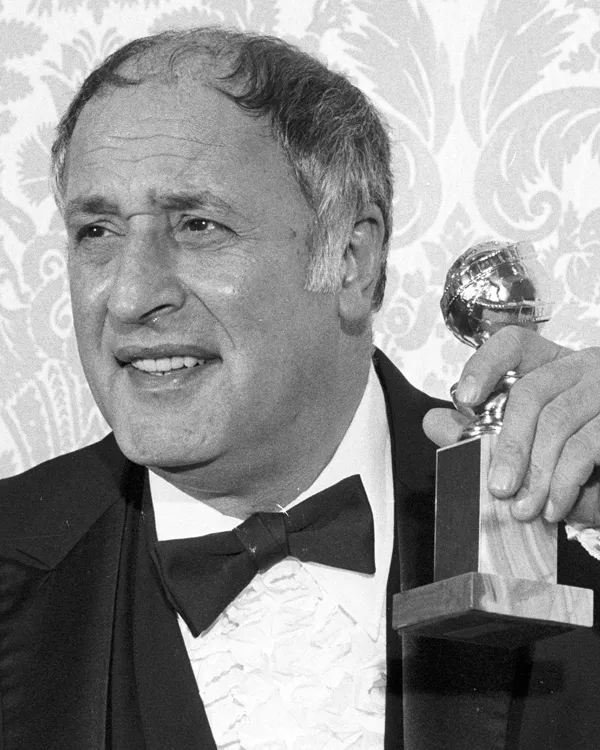
The role of Mel won Tayback Golden Globe awards in both 1979 and 1980. In 1978 he was nominated for an Emmy as Supporting Actor in a Comedy. While he did not win, he was in some amazing company. That year, fellow nominees included Harry Morgan and Gary Burghoff for M*A*S*H, Tom Bosley in Happy Days, and Rob Reiner from All in the Family, who took home the win that year.

The series aired on Saturday nights and the first year was in the top thirty. In 1977, its second season, it was moved to Sunday nights, following All in the Family where it rose into the top ten. In 1979, All in the Family left the airwaves, and Alice then followed One Day at a Time. Seasons three-five, it continued to be in the top thirty. In 1981, the show was moved to Monday nights up against M*A*S*H where it fell out of the top 30. However, season seven found it back on Sundays following The Jeffersons where it rose back into the top thirty. However, it took another dive in ratings the next year and then was cancelled. I think it probably stayed on the air a year or two beyond when it should have. However, interestingly enough, the year it was cancelled, CBS introduced 15 new shows. I’m not sure most people have ever heard of any of them; they were all gone by 1986 with the exception of The Twilight Zone (reboot) and West 57th, which was a news show aimed at younger audiences.

Vic was also an avid horse-racing fan and owned quite a few thoroughbreds. On Alice, Mel was also a track fan, and sometimes the writers asked Mel for names of horses they could use, and he often gave them names of his horses.

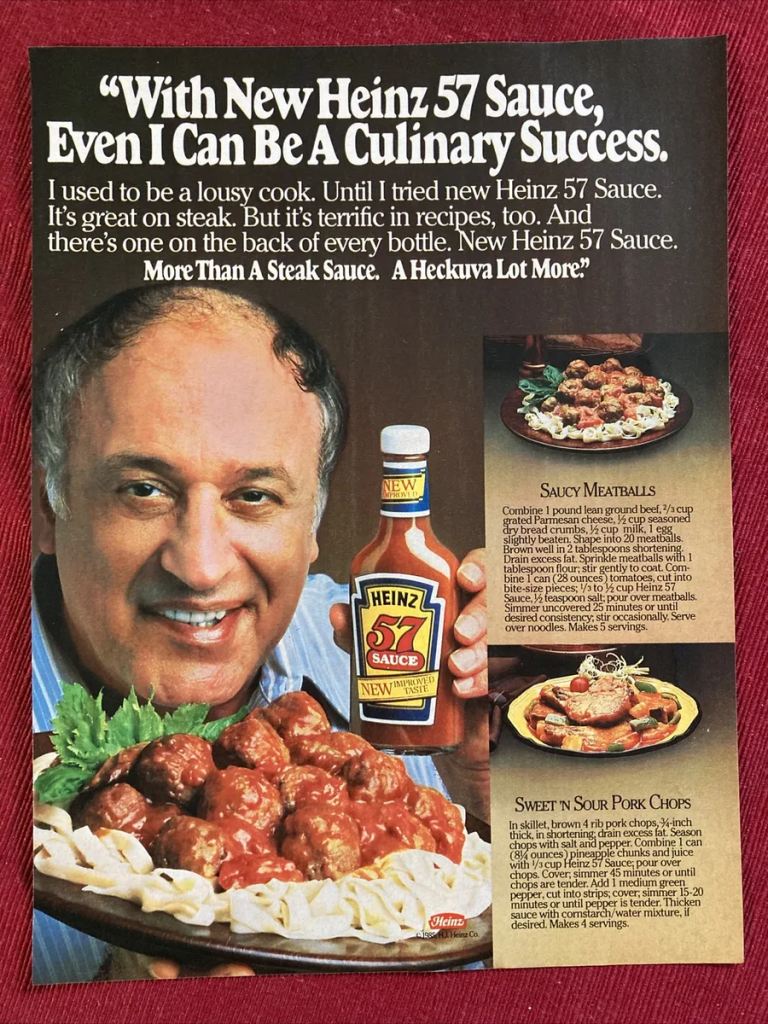
On the show, Vic was often made fun of for his bad cooking. In a 1985 interview he said, “If I walked into a restaurant, the other diners would look around and say, ‘I hope you’re not cooking.’” Heinz then offered him the role of spokesperson for their Heniz 57 sauce and his line in the commercials, was “I used to be a lousy cook.” He was also remembered for an Aqua Velva commercial he did with Pete Rose.

Unfortunately, Tayback was a heavy smoker which caused heart trouble for him. While doing Alice, he had a triple-bypass surgery. While he did try to quit numerous times, he just could never kick the habit. In 1990, he died from a heart attack at age 60.

📷goldenglobes.com

While we were cheated of several decades of performances from Vic with his early death, he did leave an amazing legacy in the Company of Angels theater in Los Angeles. According to its website, “In 1959, a group of actors, including Tayback, Leonard Nimoy, Richard Chamberlin, and Vic Morrow founded the theater to provide a space for actors and other theater artists to work on their craft free of commercial constraints.”

Thank you, Vic Tayback, for deciding to make people laugh in your career and investing in the future of acting so those memories continue in the future.

Dick Van Patten: He Was Enough

We are discussing some of our favorite actors who were typically supporting actors. In the case of today’s subject, he did star in a television show, but he was so great in other assisting roles, we are including him here as well. Today we get to know Dick Van Patten.

📷nypldigitalcollections.com Off Broadway

Van Patten was born in 1928 in Queens, New York. His father was an interior decorator, and his mother worked in advertising. Joyce Van Patten is his sister. Van Patten began working as a model and actor while he was still a child. He was only four when he joined John Robert Powers, a modeling agency, where made $5 an hour.

His first Broadway appearance was in “Tapestry in Gray” when he was seven, and he appeared in many plays by the time he graduated from the Professional Children’s School in New York City.

At that time, he moved to Hollywood. In 1949 he accepted the role of Nels Hansen on the early sitcom, Mama, about a Norwegian family living in San Francisco. The show was on the air until 1957, for a total of 327 episodes.

In 1954 Van Patten married Patricia Poole. She was a professional dancer, part of the June Taylor Dancers on The Jackie Gleason Show. Their son Vincent was on Apple’s Way in the mid-seventies, with 65 credits to his name. He is married to Eileen Davidson, who is Ashley Abbot in The Young and the Restless.

📷wikipedia.com On the set with friend Dick Van Dyke

Van Patten’s sister Joyce also began her career as a child. With 160 acting credits, she also has been very busy for decades, starring in The Good Guys. She was married to Martin Balsam from 1957-1962, another prolific actor. Van Patten’s niece Talia, who has also amassed more than 100 acting credits, was married to George Clooney and then John Slattery, star of several shows including Mad Men. So, this is a well-known family in entertainment.

In the fifties and sixties, most of Van Patten’s roles on television were in dramas and a few westerns. In the seventies, he took on his first comedy roles, appearing on I Dream of Jeannie, The Governor and JJ, Arnie, That Girl, Sanford and Son, The Doris Day Show, The Paul Lynde Show, Love American Style, The New Dick Van Dyke Show, Maude, Phyllis, Happy Days, and One Day at a Time, among others. He also accepted a few drama roles on shows such as Cannon, Adam-12, The Streets of San Francisco, Medical Center, and Barnaby Jones. After appearing on The New Dick Van Dyke Show in 1971, Van Patten and Van Dyke became life-long friends.

He appeared in 36 movies, his first being Violent Midnight in 1963. Spaceballs, Robin Hood: Men in Tights, and High Anxiety, all with Mel Brooks, were probably his best-known films. In 2014, Van Patten said working with Brooks was “great. It’s like a game. It’s not like work. He keeps you laughing the full day on the set. He’s just a funny man.” Van Patten also accepted 28 made-for-tv movie roles.

In 1977, he took on the role that would make him a household name: that of Tom Bradford on Eight is Enough. He played a newspaper publisher with eight kids. His wife dies early in the series, and Tom remarries.

Van Patten auditioned for the role of Tom Bradford but was not given the part. When the producers watched the first day of shooting, they scrapped the entire production. Fred Silverman then hired Van Patten.

📷showbizcheatsheet.com Cast of Eight is Enough

It’s interesting to wonder what his career would have been like if he had declined Eight is Enough and accepted the role he was offered of Dr. Adam Brinker on The Love Boat. Since he had already agreed to appear on Eight is Enough, the role went to Bernie Kopell.

In an interview with the St. Petersburg Times in 1989, Van Patten discussed his character on Eight is Enough: “Tom Bradford is a lot like the real me. He’s a man who always put his career second to his family. As long as everything was OK at home, he was OK too.”

Sadly, the cast did not learn of the cancellation of Eight is Enough from the network. Van Patten said “nobody called me to tell me it was canceled. I read it in the paper.”

Van Patten never received a starring role again, but he did keep very busy in the eighties and nineties appearing in many popular shows, including Love Boat, Murder She Wrote, The Facts of Life, Growing Pains, and Diagnosis: Murder.

He was in a handful of shows in the 2000s with Hot in Cleveland in 2011 being his last appearance on television.

He published a book in 2009 titled Eighty is Not Enough!, his memoir. He had also written Launching Your Child in Show Biz: A Compete Step-By-Step Guide and Totally Terrific TV Trivia. In 2001, he was honorary mayor of Sherman Oaks, California.

Van Patten was an animal advocate, and he created Natural Balance Pet Foods and the National Guide Dog Month to raise awareness and money for nonprofit guide dog schools.

Van Patten also participated in a variety of hobbies. Like Tom Bradford, he loved spending time with this family. He also owned thoroughbreds and attended horse racing events. He enjoyed playing poker, golf, swimming and reading. Most Sundays he headed to the tennis courts to meet Alan Alda, Mel Brooks, and Gene Wilder.

📷latimes.com

In 2006, Van Patten suffered a diabetic stroke. He made a full recovery and lived another nine years, passing away in 2015 from diabetes complications. He was still married to Patricia.

His son Tommy on Eight is Enough, Willie Aames, said Van Patten “was truly a gem who will be missed.” His second wife, Abby, on the show played by Betty Buckley, recalled that “every day on the set he was a happy, jovial person, always generous and ready to play, tease, and always keep us laughing. He was the consummate professional, a wonderful actor, master of comedy, and a kind and generous human being.”

📷imdb.com

Van Patten had an extremely successful career. For more than seven decades he was part of the entertainment community. In addition to his stage productions, films, and television work, he appeared in more than 600 radio show episodes and was in Weird Al Yankovic’s music video “Smells Like Nirvana.” He said that he had “fun doing this and going through my life. I’ve had a great life. It was exciting. I worked with the most interesting people, and I traveled all over the country.”

His reflection on his work is great advice for all of us. Van Patten said that he wanted to express the “single idea that has governed my entire life, that every moment of life is precious, that every step we take is an adventure, that every day on earth is a gift from God.” Thanks, Dick Van Patten, for leaving us with this inspiration and for taking your gifts and presenting them to us in the form of many wonderful memories.

Father Knows Best: We All Grew Up in Springfield

Our last two shows are both set in Springfield, and we might do a bit of comparison and contrast next week. This week we are checking out the Anderson family on Father Knows Best.

📷wikimedia.com

The show debuted on NBC radio in 1949. For five years it was sponsored primarily by General Foods. None of the television cast members were part of the radio show, but you would recognize the voice of Jean Vander Pyl from The Flintstones.

A couple of months before the show ended on radio, it made its move to television. This was not all that unusual in the early days of television, but the show began on CBS for a year, then it was picked up by NBC for three years, and then it returned to CBS for two years.

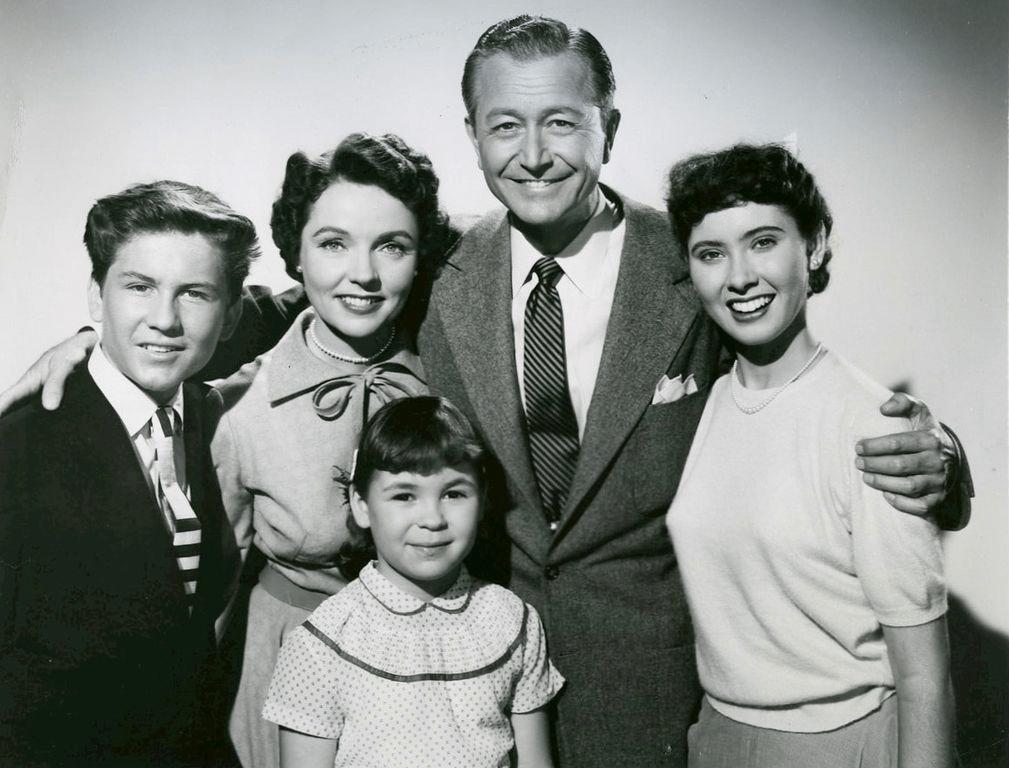
The pilot aired on an episode of The Ford Television Theatre and was called “Keep It in the Family.” While the show was picked up, only Robert Young was retained from the original cast. Joining him were Jane Wyatt as Margaret, Elinor Donahue as Betty, Bill Gray as Bud, and Lauren Chapin as Kathy.

📷evergreenarchives.com

I think we all have this stereotyped vision of the Anderson family in our memories. In fact, the US Department of the Treasury requested a 30-minute episode of the show that was never aired on television. It was distributed to schools, churches, and civic groups to promote the sale of savings bonds. However, when I watch the show today, I think it got some unfair criticism. There are several episodes when Margaret has just had it with cleaning and cooking for an ungrateful family. The kids are sometimes portrayed as thoughtless and self-absorbed. The three children often disappoint their parents and sometimes the parents are not good role models. I don’t say that in a negative way—it’s a realistic description of a lot of us as teenagers and parents at times.

📷imdb.com

Robert Young and his business partner Eugene B. Rodney developed the show with Screen Gems. Casting was not an easy task. One of the things they were trying to avoid was stereotyping. They wanted Bud to be absorbed but not flip. Young and Rodney mentioned that it was not easy to do the gags in the right tone, but they knew they had their Bud in Gray in a scene where Jim is worried about Betty getting too serious. Rodney relayed the following story: “As an example”, said Mr. Rodney, “when Jim, worried about Betty’s going steady, reads aloud a newspaper story about a girl eloping and taking $200 with which her aunt was to buy a TV set, our Bud had to be able to look up and ask seriously, ‘What size screen, dad?’ Billy Gray was the only actor that could do it the way we wanted.”

Kathy was a bit harder to cast for; seventy-eight girls auditioned for the role. Chapin had no acting experience before the show, but she seemed more like a regular kid. They wanted Betty to be attractive but not sophisticated. Donahue talked about her auditions in a Television Academy interview. She auditioned once and had to hop out of the tub and run to the audition with her hair a bit of a mess, and they told her she was too young for the part. Her agent got her hair cut, dressed her in a suit with heels and got another tryout for her, but they said she was too old. Her agent kept pestering them to give her one more shot and they did not want to, but finally Rodney agreed if her agent would quit calling him, so they brought her in again. She was all nerves and very anxious and Young tried to calm her down and she auditioned again and felt that she had embarrassed herself and that she had made a terrible impression. However, they called a month later to say that she had been hired.

📷wikimediacommons.com

Jane Wyatt was offered the role of Margaret and rejected it. She wanted to do a show in New York, but when they sent her the script and she read it, she loved it and agreed to the part.

The show began on Sunday nights. It seems a bit odd today that this wholesome family show on Sunday nights was sponsored by Lorillard’s Kent cigarettes. The show became popular with America, but the ratings were not high enough for Kent Cigarettes, and they decided not to extend the 26-episode contract. Fans sent letters, and television columnists got in on the action, encouraging fans to write the president of the CBS network. Kent canceled and Scott Paper then picked it up. Scott moved the show to NBC. By the second season, more than 19 million households watched the show on Wednesday evenings. In 1958 NBC decided to cancel the show, but CBS took it up again for two more years. In 1960 there was a writers’ strike and it lasted long enough that Robert Young decided he was ready to move on in his career. Jane Wyatt was also ready to retire and enjoy her family. The sad thing was that they were never able to say goodbye to each other or wind up the show.

📷imdb.com

Good scripts were critical for both Rodney and Young. They wanted character motivation. Roswell Rogers and Paul West, the primary writers for the show, took a lot of their material from their own lives. The two writers had seven children between them and included moral lessons built in.

The two major directors were Peter Tewksbury and William D. Russell. As co-owner of the show, Rodney served as producer. He knew everything about the characters. Jane Wyatt related an incident when she asked Rodney what she could do to improve her characterization of Margaret. Rodney told her to love her children as much as her husband. Wyatt realized at that moment that she had been concentrating on the relationship between Jim and Margaret more than her motherly feelings.

📷pinterest.com

If you are a pop culture fan, you will recognize the house as the home of Mr. Wilson on Dennis the Menace and Major Nelson on I Dream of Jeannie. If you pay close attention, sometimes you can see the house in episodes of Bewitched, Hazel, The Monkees, and The Partridge Family. Gracie Allen would have approved of the show’s interior. She liked to do the activity that she was supposed to be doing on the show, and the Andersons had working appliances in their kitchen. While the bedrooms were interchangeable so they could film any of the characters’ rooms, the kitchen had red wallpaper, white cabinets, and blue countertops. Every morning, coffee and sweet rolls were served, and lunches were kept in the refrigerator.

The theme song was titled “Waiting.” It had lyrics but they were never used on the show. It was written by Don A. Ferris and Irving Friedman.

The show was nominated for an Emmy 20 times with 6 wins: Robert Young won for Best Actor in 1957 and 1958, Jane Wyatt won for Best Actress in 1958, 1959 and 1960, and the show received Best Direction for A Single Episode in 1959.

📷closerweekly.com

The Andersons had a special place in the heart of many kids growing up during the fifties and in 1977, two reunion movies were made: Father Knows Best Reunion in May and Father Knows Best: Home for Christmas in December. We learn that Betty is a widow with two daughters, Bud is married with one son, and Kathy is recently engaged to a doctor.

Despite the abrupt ending of the show, the cast kept in touch. Donahue said that she really loved Robert Young and considered him her father figure. She, Chapin, and Gray all were in families without a father, although Gray saw his occasionally, so Robert did become a father for them. She said he never had a cross word for any of them and if they were behaving unprofessionally or causing trouble, he would take off his glasses and look down and that was their cue to do better. Perhaps that is why the show rings true for so many people. On the set, their “father” truly did know best.

Not Anyone Can Pull a Stunt Like This

Since this month is a Potpourri Month, I thought it might be fun to look at the career of stuntmen on television. I’m calling this one “Propourri” because you have to be well trained to do these types of stunts.

Left to right: stuntmen Bob Miles, Bob Herron, Whitey Hughes, actor Michael Dunn, stuntman John Hudkins, Bill Shannon, and actor Quintin Sondergaard. Photo: famousfix.com

A stuntman or stuntwoman is a person who performs dangerous action sequences in a movie or television show. They have usually had extensive training to do these perilous moves safely. Sometimes they are hired as a team with a stunt crew, rigging coordinator, and special effects coordinator.

Stuntmen like Evel Knievel are daredevils who perform for a live audience. If someone fills in for a specific actor all the time, they are stunt doubles. So, what type of stunts do these professionals perform? Sometimes it’s car crashes, explosions, fights, or falls.

The first stuntmen to entertain audiences were performers who traveled around, often in circuses. Later these types of performers worked with Buffalo Bill and in shows that celebrated the Old West.

Today we are going to concentrate on television performers. Currently, stunt professionals must be certified to obtain the insurance producers need to obtain.

The Academy of Television Arts and Sciences now awards Emmys for stunt coordinators but there is no Oscar for this work.

Life-threatening injuries are not uncommon in this work and sadly, deaths do still occur. While most of my research found stuntmen killed in movies, I only found one relating to television. In 1985, Reid Rondell was killed in a helicopter explosion filming Airwolf.

I thought it would be fun to look at the careers of a few stuntmen from the golden age of television. Most of these men made their money in films, but all three of them had  successful careers working on television shows as well.

Whitey Hughes

Photo: findagrave.com

Whitey Hughes was born in 1920 in Arkoma, Oklahoma. He grew up on a farm, so in addition to working with plows and horse teams, he learned to break horses with his father. When he was sixteen, the family moved to Los Angeles. After graduating from high school, Whitey became a Screen Actors Guild member in 1947.

Whitey began his movie career in 1946. During the fifties, he worked on a lot of western films. Hughes said that in the early part of his career, he often had to be a double for the leading lady. (We’ll come back to this subject later in the blog.) He did stunt work for a variety of actresses including Anne Baxter, Rita Hayworth, Barbara Hershey, Virginia Mayo, Stephanie Powers, and Lana Turner.

Photo: westernclippings.com

Speaking of women, one of the roles, Whitey loved best was being the husband of Dotti; they were married for seventy years.

During the fifties, Whitey worked on a lot of westerns including Cheyenne. In the sixties, you would see him on Rawhide or as Kurt Russell’s double on The Magical World of Disney. If you want to see him in action, the best show to watch would be The Wild Wild West; his crew did some amazing things on that show and Whitey coordinated the stunt work for 1965-1968.

The eighties found him in Fantasy Island, Wonder Woman, and BJ and the Bear while in the nineties he was part of Little House on the Prairie and The Fall Guy. His last work was in a movie in 1998. In 2009, Whitey died in his sleep. It is good he died peacefully; I can’t imagine the toll that this type of work took on his body for fifty years.

Hal Needham

Photo: themoviedatabase.com

Hal Needham was born in 1931 in Memphis, Tennessee. He served as a paratrooper in the US Army during the Korean War. After the war, he worked as an arborist doing tree-topping services. He was also the billboard model for Viceroy Cigarettes while he was trying to establish his career in Hollywood.

Hal’s first big job was the stunt double for Richard Boone on Have Gun, Will Travel. From 1957-63 he was in 225 episodes. During the sixties, he would show up in many television series including Laramie, Wagon Train, Laredo, The Wild, Wild West, Star Trek, Gunsmoke, Big Valley, and Mannix.

Hal was the highest-paid stuntman in the world. That seems fitting because during his career he broke 56 bones, broke his back twice, punctured a lung, and lost a few teeth.

Needham was responsible for wrecking hundreds of cars, fell from many buildings, was dragged by horses, perfected boat stunts and was the first human to test the car airbag.

He revolutionized the work of stuntmen and worked to get his craft recognized and appreciated. He mentored up-and-coming professionals.

With Burt Reynolds Photo: youtube.com

His career transitioned from a stuntman to a stunt coordinator to a second unit director to a director. In all, he would work on 4500 television episodes and in 310 films, according to imdb.com. He made his directing debut on a movie he wrote called Smokey and the Bandit with Burt Reynolds and would go on to direct Hooper and The Cannonball Run for Reynolds among other series and films.

In 1977 Gabriel Toys debuted the Hal Needham Western Movie Stunt Set with a cardboard saloon movie set, lights, props, a movie camera, and an action figure that could break through a balcony railing, break a table and crash through the window. They have become highly collectible.

Photo: pinterest.com

Needham owned a NASCAR race team. He also set a Guinness World Record as the financier and owner of the Budweiser Rocket Car which is now on display at the Smithsonian’s National Air and Space Museum.

He also managed to win both an Emmy and an Oscar. Reynolds and Needham were close friends; Needham lived in Reynold’s guest house for 12 years and their relationship was used as the basis for the plot in Once Upon a Time in Hollywood.

Bob Herron

Bob Herron was born in 1924 in California. When his parents divorced, he moved to Hawaii with his father. The swimming and high diving he did there was a boost to his stunt career. His mother married Ace Hudkins who was a supplier of horses to the movie industry. Herron helped his stepfather in this business before enlisting in the Navy.

Photo: imdb.com

In 1950 he began doing stunt work. His first job was on Rocky Mountain with Errol Flynn and he was shot off horses. This would be a piece of cake compared to his role in Oklahoma Crude where he fell 55 feet from the top of an oil derrick into a stack of boxes.

In the sixties, he began his stunt work on television. He was in Gunsmoke, I Spy, I Dream of Jeannie, The Man from UNCLE, The Girl from UNCLE, Star Trek, Mission Impossible, Get Smart, and Bonanza. He doubled for Ross Martin in The Wild, Wild West. During the seventies, he appeared on Petrocelli, Little House on the Prairie, Marcus Welby, The Mary Tyler Moore Show, The Rockford Files, Kojak, and Charlie’s Angels among other shows. He was still going in the eighties doing his stunts on Hart to Hart, Magnum PI, Remington Steele, the Dukes of Hazzard, Matt Houston, Airwolf, The A-Team, and MacGyver. Despite being almost seventy, he continued in the nineties on shows like Father Dowling’s Murder Mysteries, The Wonder Years, and Murder She Wrote.

I did smile a bit to see shows like I Dream of Jeannie and The Mary Tyler Moore Show on this list. The Jeannie episode is one where she brings her great-grandfather to Cocoa Beach to show Tony how to desalinate water and the Mary episode is one where Sue Anne falls in love with someone who doesn’t return the feelings. I guess it proves you never know where a stunt person will show up.

I don’t know how he managed to survive sixty years performing dangerous stunts but he must have been in amazing physical shape.

I did promise to come back to men having to double for women in the forties and fifties. Thankfully, that is no longer the case, and women’s numbers are increasing among the 3400 stunt performers in SAG.

Former gymnast Shauna Duggins did the hard fighting work in Jennifer Garner’s show Alias. Because pay is determined by union contracts, stuntwomen do not suffer from the pay discrimination that sometimes shows up in the industry. Stunt performers are paid a minimum of $1005 for one day of work and they can negotiate higher pay based on their experience.

Shauna Duggins and Jennifer Garner
Photo: broadwayworld.com

Duggins was at the University of California Davis when she first thought about being a stuntwoman. She learned more about martial arts and spent hours working out in gyms after graduation. In 2000 she auditioned for stunt work in The X Files as Krista Allen’s double and got the job. Then she was in Charlie’s Angels for Kelly Lynch and Cameron Diaz.

It was after that movie that she got the role on Alias where she worked for five years. To protect these women, SAG has a 24/7 hotline for performers to phone if they feel they have been the victim of sexual abuse.

In 2018 Duggins won an Emmy after twenty years in the business. Her advice to young women who decide to make this their career: “train as much as you can in various skills. Go to different gyms with stunt performers, train with all of them and just learn from each other.”

I’m glad we took some time to learn about the tough and dangerous job these performers do. It was so interesting to learn a little bit about some of these industry stars.

If We Were the Prop Master: Our Favorite Items On TV

    This month is our blog series is “Potpourri Month” and we have a sub-theme every day; today’s is Propourri” for the pro who handles props. When you think of your favorite shows, there are props included in those great memories: the couch at Central Perk, Fonzie’s leather jacket, or the cereal boxes on Seinfeld’s refrigerator. First let’s learn a little about the Props Master and then we’ll take a look at some of our most-loved props.

The Fonz’s jacket Photo: ebay.com

    The Prop Master heads up the Props Department. They are charged with acquiring, organizing, and safely handling the props for the shows.

    Each episode has a list of props that will be needed for the show. The props master reviews the scripts and has meetings with various department heads to ensure everything that is needed is on the list.

    Sometimes the props master does research to see what would be appropriate for a specific era or place. Cars were quite different in the fifties than the eighties. A grocery store does not look the same in China as it does in Atlanta.

    During filming, the props master has to keep track of props and make sure everything is put back in its place.

    So, what are some of the props that have become synonymous with our favorite series? Let’s put together a prop list that includes props from our favorite shows.

    Living rooms have a lot of cool furniture. When you think of comfortable places to sit, you have to think of Modern Family’s couch, Archie’s chair from All in the Family, Chandler and Joey’s Barcaloungers from Friends, and Martin Crane’s duct-taped, worn chair on Frasier.

The Bunkers’ Chairs Photo: comparativemediastudies.com

Many of the Modern Family characters are interviewed on their couch which sits in front of their stairs to the second floor right as you enter the front door. The walls are Benjamin Moore’s Labrador Blue. The couch itself is from Sofu-U-Love and the primary-colored striped pillows are from Pottery Barn just in case you want an interview sofa of your own.

Archie Bunker’s chair is from the 1940s. It’s covered in an orange and yellow woven fabric. The props master purchased the chair from a thrift store in Southern California. Whenever anyone but Archie sits in the chair, it is made obvious to them that they need to find another seat.

The barcaloungers Joey and Chandler use were originally made in Buffalo New York, named after the company that made them. They have moving parts to allow for footrests and reclining. Joey’s Barcalounger is brown leather and he calls it “Rosita.”

Martin Crane’s chair is in the same color family as Archie Bunker’s. The prop department made it, so it’s a one-of-a-kind piece. It’s striped and quite unattractive looking especially with Frasier’s expensive tastes echoing in the rest of the room, but Martin loves it and Frasier loves Martin so it stays. In the first episode, a guy carries in the chair when Martin and his dog Eddie move in with Frasier. On the last episode, the same guy carries the chair out when Martin gets married and moves out. The chair is really almost a character during the run of the series.

Jeannie in her bottle Photo: blazenfluff.com

There are a lot of fun accessories from our favorite living rooms. Just a couple include Jeanne’s bottle from I Dream of Jeanne, the “M” that was on the wall in Mary Richard’s apartment on The Mary Tyler Moore Show, and the Chihuly sculpture from Frasier. Who can remember The Dick Van Dyke Show without thinking about the ottoman Rob Petrie might trip over?

Jeannie uses her Arabian glass bottle to sleep in and to hide in when someone other than Tony and Roger is in the house. The bottle has a long, purple couch with her blankets and pillows. She also has an Arabian candle, a photo of Tony, a mirror, and her book about genies.

Mary’s “M” stood for so much more than her first name. We knew that an independent, smart woman lived in that apartment. Everyone wanted to grow up and be able to put their own initial on the wall just like the brass one Mary had. When she moved to her newer, more modern apartment, the M went with her.

Martin’s chair on Frasier Photo: jacksonville.com

In contrast to Martin’s puke-colored chair on Fraiser, Frasier had so many expensive items scattered around his home. One of them was Dale Chiuly’s Macchia. This blown-glass vase was green and brown. It was worth $30,000 at the time, and the props master locked it up after filming each episode.

We all recall the opening of The Dick Van Dyke Show. Will he or won’t he? I think most of us remember him falling over the ottoman, but do you know sometimes he walked around it? Reiner wanted a clever opening for the show and while talking with John Rich, the director, they decide Rob will fall. But then Reiner suggested a variation, so they filmed him not tripping. No one ever knew from episode to episode if he would fall or not.

Burns and Allen have their closet adjoining the living room. While Fibber McGee and Molly have a ton of items in their closet, whenever Gracie opens hers, we see a collection of hats that men have left when they are in a hurry to get out of the Burns house after dealing with Gracie’s logic.

When I think of some of my favorite kitchen items, I think about Jerry Seinfeld’s refrigerator with its revolving display of cereals. I know if I visited My Three Sons, I would get to sit around the kitchen table where all the action happens on the show. And Gracie would definitely take me into her kitchen to have some coffee from the pot she almost always kept full for her and Blanche to talk over.

Jerry always has cereal in his cupboard. Some sources say he had up to seventeen at a time. Knowing that cereal doesn’t last all that long, he ate a lot of cereal. I’m hoping Fruit Loops was one of those choices.

My Three Sons’ table Photo: pinterest.com

While as viewers we love that the kitchen was the heart of the Douglas home. From the first episode when Steve got Chip to help him with the dishes to talk to him about “love,” to the grown boys gulping down orange juice at the table to leave early for their busy day, we spent a lot of time in that room. Uncle Charlie’s bedroom was just off the area, so he could come and talk with someone getting warm milk in the middle of the night. The actors might not have had the same warm, fuzzy feelings. Barry Livingston discussed their filming schedule because Fred MacMurray did all his filming in two short groups of days. He said sometimes, “you would sit at the kitchen table all day long and they would do close-ups. You would be sitting in the same place at the same table and you would do a close-up from 12-15 different episodes. All you would do was change your shirt because they couldn’t see anything below.”

Burns and Allen Photo: pinterest.com

Gracie and Blanche always made time to have coffee to talk over things. Whether it was 7 am, 1 pm, or 7 pm, the coffee pot was always on. Burns and Allen also did coffee ads for Maxwell House, so I am assuming that it was Maxwell House the friends drank daily on Burns and Allen.

I know if I explained every item to you in detail, we would still be on this blog next week, so I’ll just some up the rest of the categories.

Bedrooms: Beds are definitely the focal point. We have the Petries’ twin beds that are not convenient for a married couple. Lisa and Oliver Douglas had a very large bed on Green Acres; unfortunately, it was open to the outside where anyone could come in or out. Oscar Madison had a bed on The Odd Couple, but no one knew it because his room was so messy. We definitely remember Bob and Emily Hartley’s bed because not only was it important in The Bob Newhart Show but it was in the finale of Newhart. It is also hard not to recall Alex Keaton’s Ronald Regan poster that took up one of his bedroom walls on Family Ties.

Batman with bust and phone Photo: batnews.com

Libraries and Dens.  Three specific rooms come to mind. On Batman, we had the Shakespeare bust that hid the bat phone in their library. We had George Burn’s television on Burns and Allen where he could watch was going on during the show without the other characters knowing he was listening in. Finally, we think back to The Brady Bunch where the six kids fought over what to watch on television and did their homework after school.

Garages: The Jetsons they kept their flying car in the garage, Last Man Standing where Tim kept his antique car, and The Adventures of Ozzie and Harriet, where they kept everything but the car. Ozzie was always out there looking for something.

Workplace: When characters go to work, we get a whole new scene full of fun props. Who would visit Dunder Mifflin without stopping by to see Pam at the front reception desk? Rob Petrie had a couch where the writers worked their magic. Central Perk featured the orange couch everyone remembers from Friends. The sofa was so beloved that replicas of it went on a world tour in 2019 for the shows’s 25th anniversary. The actual sofa used on the set was sold at auction in 2011 and it went for about $5000. Of course, Cheers would not have been the same without the stools for Norm and Cliff. Get Smart had so many fun props, it’s hard to choose; the Cone of Silence was certainly fun for everyone who could hear what was said inside by characters who thought they were speaking where no one could hear them. And Hogan’s Heroes also had a lot of fun items including the coffee pot that could relay anything said in Colonel Klink’s office.

Laverne Photo: pinterest.com

Clothing: While I love almost everything they wore on Burns and Allen, The Brady Bunch, and The Partridge Family, there are a few other pieces that really stand out. Who would not want to wear Fonzie’s leather jacket? Columbo’s coat might be a bit rumpled but it had been around to solve a lot of mysteries. Sally on McMillan and Wife had the San Francisco jersey that she wore to bed. And talk about special clothing, Laverne’s wardrobe with her iconic “L” on everything was a big part of Laverne and Shirley.

Unusual Items: Last, but definitely not least, we have those special objects that belong to specific characters. When you think about Radar on M*A*S*H, don’t you also think about his teddy bear? Barney Fife would never leave the house without his silver bullet. Half the plots would disappear if Gilligan’s Island did not have a radio for the Professor to try to repair and hear about the world outside the island. Buffy’s Mrs. Beasley on Family Affair was very popular; the doll was sold for decades after the show went off the air. Kojak’s lollipops had to be on the list. Also, if you are talking about “things,” how could we not include the “Thing” from The Addams Family?

I hope you enjoyed getting to know something about some of our favorite furniture and recalling special props from well-loved shows. If you want to see a couple of these items, visit The Smithsonian Museum in Washington D.C. where you can see Archie’s chair and Fonzie’s leather jacket. I’d love to hear your favorites.