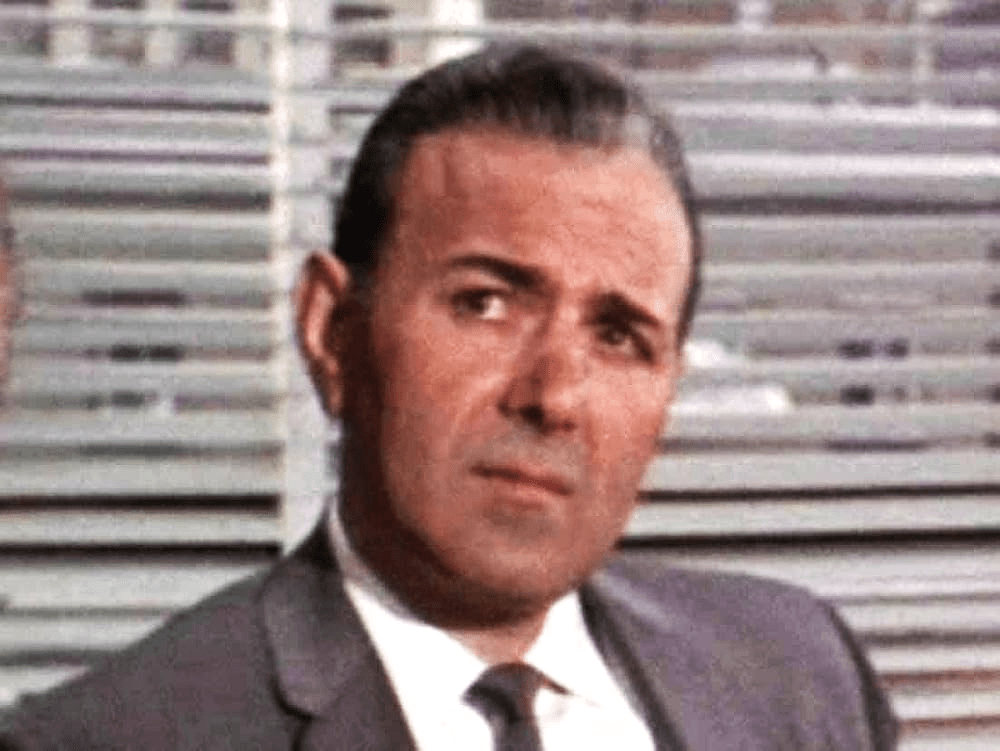
It’s November and it’s time for one of my favorite blog series, “What a Character.” Up today is Cosmo Sardo. Born in 1909 in Boston, he was lucky to keep his foot after an accident at age 14 when a car hit his bike and ran over his foot. After high school he majored in theatrical arts at the University of Massachusetts. Sardo began his career as a model in print ads for many companies including Sears Roebuck, Eddie Bauer, and Pepsi Cola.
📷imdb.com
Sardo made a reputation for himself in Boston theatrical circles before being cast in Oscar Wilde’s “The Importance of Being Earnest” in a downtown Los Angeles Theater in 1934.
In 1939 he made his way to Hollywood where he began a career in the film industry. If you can think of a profession, he probably played it: bartenders, retail clerks, postmen, bankers, waiters, detectives, reporters, businessmen, con artists, butlers, tailors, military men, cosmetologists, and barbers, which he perfected in real life. He even played a corpse in The Corpse Came COD.
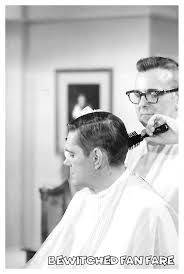
Sardo’s father told him if he moved to Hollywood, he had to have a trade to fall back on. He got a job at John’s Barbershop which just happened to be located under Central Casting. And one day it paid off when he was offered a job. Sardo had always wanted to be an actor, so he left his barbershop to take acting classes. He said that his wife thought he was crazy and left him, but I could never find any source showing his marriage. I’m guessing this is one of those articles publicists made up. He signed with Warner Brothers in 1946 to play a barber in Humoresque because they knew he had owned a barber shop.
📷facebook.com Cosmo cutting Dick York’s hair
Later, he opened Cosmo’s Hairstyling Salon of Hollywood where so many famous clients were taken good care of. It was around the corner from Schwab’s Drugstore, the famous spot where so many careers were apparently launched. He would cut hair between his acting assignments. In an interview in the sixties, he said that most actors “usually don’t want their hair cut. They want it trimmed. I can make a man look like he never had a haircut at all.” Sardo also offered massage, face contouring, and mud packs.
This guy had an amazing 578 acting credits. His first job was the big-screen film Brother Orchard in 1940. His last was as a priest in Hill Street Blues in 1984.
His first television appearance was in 1952 in The Adventures of Superman. He would go on to make tons of appearances on shows. He never was a regular cast member for a show, but he often starred as many different characters on many episodes for the most popular shows. For example, he appeared on Charlie’s Angels 6 times, Columbo 7 times, The Love Boat 10 times, Bewitched 13 times, Batman and Man from UNCLE 14 times, The Untouchables and Have Gun Will Travel 15 times, and a whopping 81 Bonanza appearances where he often portrayed a bartender.
📷wikipedia.com
When he wasn’t cutting hair or making movies or television episodes, he could be found instructing at the Pasadena Playhouse, worshiping at his Catholic church, working for the Democratic party, and dining or golfing at the Los Angeles Country Club.
After his death, his biography said that he never married, so he devoted his retirement to help charitable and religious organizations. He passed away in 1989.
It is frustrating trying to tell the stories of these great character actors. There is almost no personal information about them apart from their birth, their death, and their career. As a barber, I’m sure Cosmo had a lot of great stories he could share.
I don’t know how many haircuts he gave, but with 578 acting credits which translated into 878 individual appearances, this was one busy man. How fun that he had a trade and attained his dream job and kept doing both successfully until his retirement.
Today we are winding up our blog series, “Examining Some of Our Favorite Medical Shows.” Six years seems to be the magic number of seasons for many medical shows and it was no different for our series today: St. Elsewhere.
Photo: starstills.com
St. Elsewhere was created by Joshua Rand and John Falsey. It aired on NBC from 1982-88. It was produced by MTM Enterprises, Mary Tyler Moore’s company that also produced Hill Street Blues; both shows had large casts, realistic plots, and continuing storylines.
The show was talked about a lot, but I was surprised to learn that it never ranked higher than 47th in the Nielsen ratings, and that was in the final season. The reason it stayed on the air so long despite lower ratings was that it did very well with the 18-49 year age group with the networks were trying to appeal to. It did win 13 Emmys for writing, acting, and directing. (Overall the show won 13 Emmys out of 62 nominations.)
St. Elsewhere was set in St. Eligius Hospital, a rundown Boston teaching hospital. Its elevators don’t work and they still use an ancient tube system to send messages from one floor to another. Apparently “St. Elsewhere” was a slang term that referred to not well-equipped hospitals that served patients who were turned away from more well-respected institutions. The building that served as the hospital façade was the Franklin House on East Newton Street in Boston, which was originally a hotel for women. Young working women lived there including Faye Dunaway after she graduated from Boston University.
The show intertwined the professional and private lives of the medical staff and patients. It dealt with many cutting-edge social issues including heart transplants, artificial hearts, AIDS, religious conflicts, suicide, and gender identities.
Photo: people.com
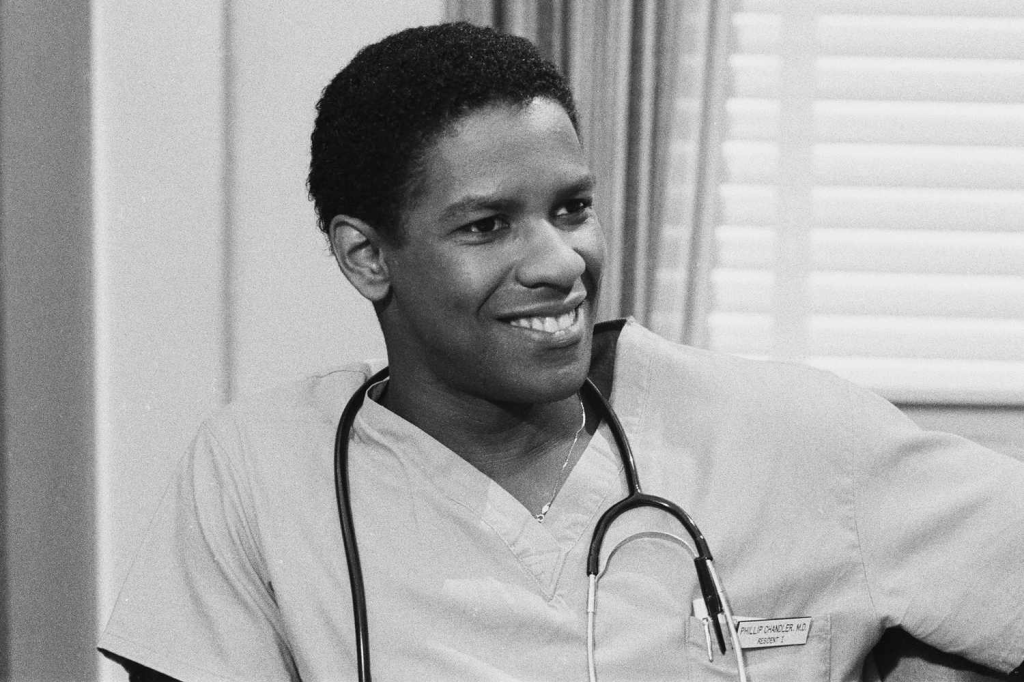
Surgeon Dr. Mark Craig (William Daniels) informs the staff that their hospital was considered a “dumping ground.” Craig helped train the interns along with Dr. Donald Westphall (Ed Flanders) and Dr. Auschlander (Norman Lloyd). Flanders was a popular character and the role was originally offered to Hal Linden who turned it down. Other members of the stellar cast included Ed Begley Jr. (playing Dr. Ehrlich), David Birney (playing Dr. Samuels), Mark Harmon (playing Dr. Caldwell), Ronnie Cox (playing Gideon), Helen Hunt (playing Clancy Williams), Howie Mandel (playing Dr. Fiscus), Christina Pickles (playing Nurse Rosenthal), and Denzel Washington (playing Dr. Chandler). This was a fitting role for Denzel who was a pre-med student in college.
Daniels was sent five scripts. He thought the writing was wonderful and having so many scripts displayed how the ensemble cast would be used. He might have a large part one week and then three weeks with small parts. He said Dr. Craig was like him in many ways. He ran the gamut from angry to nice in minutes. It fit his temperament and was wonderful to play him.
Daniels met a surgeon and followed him around the hospital, including in the operating room for an open-heart surgery procedure. He said he used some of the medical information, but he did not like the surgeon as a person and did not model Dr. Craig on him. He said using so much medical jargon was difficult and he had to learn about it before he went in to rehearse. He said that Dr. Craig had some funny lines in the show. He said he did not have any input with the writers on his character; in fact, they never really saw the writers.
Photo: ebay.com
Among the many guest stars were James Coco and Doris Roberts who both picked up Emmys as a mentally challenged boyfriend and a bag lady. It was an interesting storyline where two couples are followed through their medical care. One couple is upper middle class and the other has no money. Nothing is said; there are only observations of the action. The wealthier woman leaves the hospital with no cure but a high hospital bill for many tests. The bag lady, Cora, learns she needs to have both feet amputated because of gangrene, but she needs to take care of Arnie, her mentally challenged boyfriend, so she refused the surgery.
Roberts was asked about her role on the show in a Television Academy interview. She said Coco had received the script and called her to say she needed to audition for the role of his girlfriend. When Doris reached out, they declined, so she reached out to Bruce Paltrow, who was a producer and writer for the show, and she was hired. She did a lot of research watching homeless people. She realized that most people squatted because they did not want to lie down because they were worried about having things stolen. This is how her character got gangrene. When asked about what she thought happened to the character she said she thinks she died shortly after. Roberts got emotional discussing the role and said it still makes her cry. She said it was the best dramatic role she ever played.
Doris said one funny moment came at the Emmy Awards. When they called her name, she did not know what to do with her purse, so she handed it to Jimmy Coco. The next name called was his so he came on stage with the purse and mentioned he didn’t use one often but it came from Doris. Then a few nights later he was on the Tonight Show, and when he came on stage he had her purse and in it was a cigar, a half-eaten sandwich, and a few other items.
Photo: ebay.com
The show was classified as a drama, but it included comedy, as well as inspiring moments of interaction and care. One of these scenes is when Jack, a resident, has to deal with his wife’s death. She is an organ donor, and her heart is given to a female patient. Jack sneaks into the patient’s room when she is sleeping so he can listen to his wife’s heart.
Jazz musician Dave Grusin composed the theme. Grusin won twelve Grammys. He won an Academy Award for his score of The Milagro Beanfield War in 1988. He also scored some popular films including The Graduate, On Golden Pond, The Fabulous Baker Boys, and Tootsie. Before writing the theme for St. Elsewhere, he cowrote the themes for Good Times and Baretta.
One of the most interesting things about the writing on St. Elsewhere was the number of allusions to other television shows and movies and several cross-overs. There are many of these but some of the most fun ones for me included (1) the public loudspeakers often page characters from other television shows, (2) one of the characters on The White Shadow, Warren Coolidge, becomes an orderly and sometimes wears Carver high school shirts, (3) a psychiatric patient who watches The Mary Tyler Moore Show believes that he is Mary Richards and has an encounter with Betty White, and she says she is not Sue Anne Nivens, (4) Dr. Craig once mentions serving in Korea with B.J. Hunnicutt, and (5) the teaching doctors are seen at the bar at Cheers in one episode.
Photo: imdb.com
The hour-long show started on Tuesday nights. The show was canceled after the first year. Then Grant Tinker changed his mind and they were back on the air. For the second season, it was moved to Wednesdays where it remained until it was canceled.
The finale of this show gets talked about almost as much as Newhart. However, while fans loved the Newhart ending, there was a lot of controversy over the ending of St. Elsewhere.
Warning: This is a spoiler alert if you haven’t seen the show and want to watch it. After wrapping up several storylines, the final scene is a much younger Dr. Westphal and his son Tommy (Chad Allen) who has autism. Westphal is obviously a construction worker. Dr. Auschlander appears to be Westphal’s father. Tommy is playing with a snow globe and the two “doctors” discuss the fact that Tommy spends much of his day staring at the snow globe. They set the globe down and when the camera goes in close, we see St. Eligius inside.
We are left to assume that the entire series had been Tommy’s imagination. In other words, the show was fiction but the fiction was also fiction inside someone’s mind. Viewers understandably were confused and upset.
Photo: paleymatters.com
Later the cast did a special on Entertainment Weekly and was asked to share their thoughts about the finale. Here are a few of the comments. Chad Allen said, “From the mind of a young person whose fantasies were coming to life before him, it was neat.” William Daniels said he was “shocked, actually. I had no idea of their plans to do that. . . it was a provocative ending. A surprise to everybody.” Ed Begley Jr. felt that “it was quite fitting for what they had done the previous six years. They always tried to be out there, beyond the limits of what was being done before. They tried to think outside the box. . . . It was bold and shocking and upset some people. . . . It was highly unpredictable, just like every episode.” Howie Mandel knew it would offend half the viewers and appeal to the other half, but he described it as “ahead of its time, pretty ingenious, and creative and not like anything else.” Mark Harmon had been killed off earlier in the series, but said, “It made me smile when I heard about what they did because it was so them. They made a choice. and the choice is interesting.” Noman Lloyd said he “never bought it. I said at the time we were shooting, ‘This is a cheat.’ For me, it was a cheat.”
I will admit this was not a show I regularly watched. I find the entire philosophy of the ending fascinating. Many felt they had been cheated by getting pulled into the lives of characters for six years that never existed. However, if they are on a television series, did they ever exist? It shows how real characters become to us when we invest in a show and invite these people into our homes every week.
If you didn’t watch the show in the eighties, you can find it on Hulu and make your own decision about the finale. I do admit that I never look at snow globes the same way anymore.
Today in our Supportive Women blog series, today we are delving into the career of Stefanie Powers.
Photo: themoviestore.com
Stefania Zofya Paul was born in 1942 in Hollywood, California, Her parents divorced when she was little, and she rarely saw her father again. At age fifteen, she began dancing for Jerome Robbins. During her career she has appeared on the stage many times, the first time in 1964 in “Under The Yum-Yum Tree.” She also appeared on the British stage in several productions including “The King and I.”
She graduated from Hollywood High, although she was given her first contract at age 16 with Columbia Pictures. She made 15 films in those early years with some of the great stars including James Caan, Bing Crosby, Sammy Davis, Ava Gardner, Maureen O’Hara, Roger Moore, Lana Turner, and John Wayne.
Her first role was in the made-for-tv movie Now is Tomorrow in 1958. Out of her 118 acting credits, 25 would be big-screen movies with 37 made-for-tv movies. The other half of her appearances were on television series.
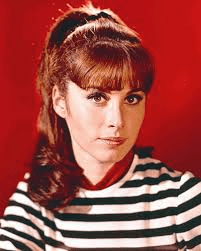
The Girl From U.N.C.L.E. Photo: pinterest.com
In the 1960s she showed up in many shows including the sitcoms The Ann Sothern Show and Please Don’t Eat the Daisies and dramas including Bonanza and Route 66.
In the middle of the decade, she was cast in her first starring television role as April Dancer on The Girl From U.N.C.L.E. Although it would only last one season, she became well known for her spy missions on the series.
In 1966 Stefanie married Gary Lockwood, another actor; with 95 credits, he also had a long and successful career. They divorced in 1972. Shortly after her divorce, she met William Holden and they were together until his death in 1981; Powers described them as soul mates.
Powers was kept busy in the seventies, making appearances on a variety of shows including Love American Style; The FBI; Owen Marshall, Counselor at Law; The Mod Squad; Barnaby Jones; McCloud; Marcus Welby, MD; Medical Center; Cannon; The Rockford Files; and McMillan and Wife.
Although she made a few random appearances on small screen series, her last three major roles were as a regular cast member on three shows: The Feather and Father Gang, Hart to Hart, and TheDoctors.
The Feather and the Father Gang is not a show I remember at all. She starred with Harold Gould as a con man and she was his daughter, a lawyer, who helped him solve crimes.
Hart to Hart Photo: thetelegraph.com
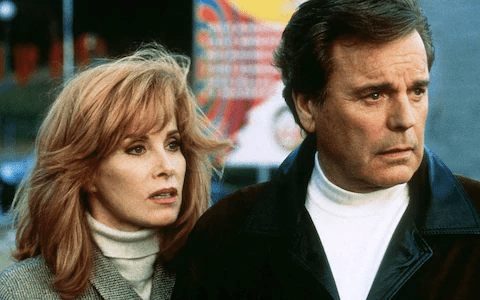
Jennifer Hart is the role that Powers was best known for. She starred with Robert Wagner as her husband Jonathan on Hart to Hart. They are a wealthy married couple similar to Nick and Nora Charles on The Thin Man who continued to get mixed up in murders wherever they go. The show was on the air for five years from 1979 to 1984. Stefanie received two Emmy nominations for her role of Jennifer Hart. In 1981 she was beat out by Barbara Babcock for Hill Street Blues and in 1982 she was beat out by Michael Learned for Nurse.
Wagner lobbied for Powers to be cast as his wife because she had worked with him in an earlier show of his in 1968, To Catch a Thief.
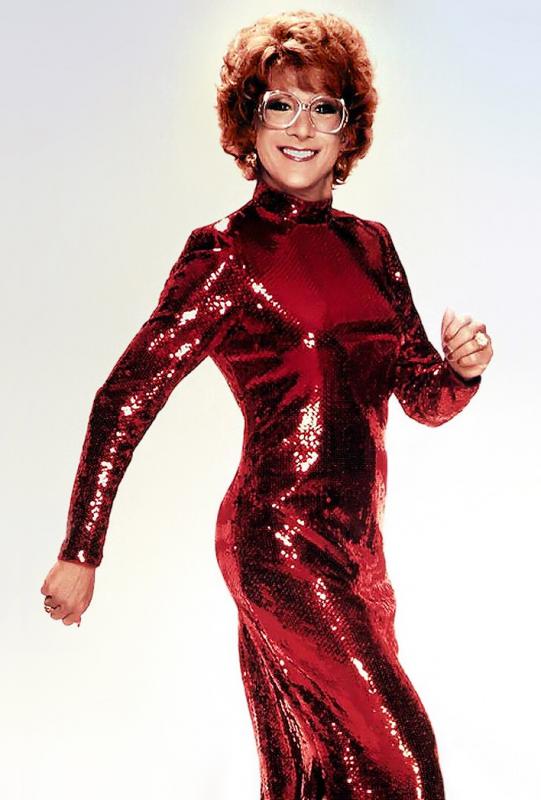
Several other actresses who were being considered for the role were Lindsay Wagner and Suzanne Pleshette. Fun fact, if you watch Tootsie with Dustin Hoffman, you will see him wearing a red, sequenced dress that was worn by Powers as Jennifer two years earlier in the episode “Color Jennifer Dead” in 1980.
After the show was canceled, they paired up again for eight made-for-tv movies about the Harts. The couple also starred in a stage production of “Love Letters” at the Chicago Theater in 1993.
Ironically, Powers was in the same ballet class with Natalie Wood and Jill St. John. While Powers played Robert Wagner’s wife on the show, Wood and St. John were married to him in real life.
In 1993 she tried marriage again with Patrick Houitte de La Chesnais. They were together for six years before divorcing.
Powers has kept busy in the last two decades. In 2003, she released a CD, “On the Same Page,” songs from the great composers. She is a polo player and was one of the first foreign members of the Royal County of Berkshire Polo Club; in 2005 she competed in the Joules United Kingdom National Women’s Championship which was held in Ascot.
In 1982, Stefanie founded the William Holden Wildlife Foundation and became a director of the Mount Kenya Game Ranch and Wildlife Conservancy in Kenya. She and Holden were passionate about wildlife conservation. She also works with the Cincinnati and Atlanta zoos.
Powers spends her time in residences in Los Angeles, London, and Kenya. She apparently speaks six different languages.
With Soulmate William Holden Photo:tumblr.com
After smoking for twenty years, Powers was diagnosed with alveolar carcinoma, a type of lung cancer. She underwent surgery to remove part of her lung in 2009.
She was cast in a movie, Prism, that is in pre-production currently. It was apparently inspired by true events—as imdb describes it, “the infiltration of the Sinaloa Cartel and the inner sanctum of Joaquin El-Chapo Guzman by a US task force detective who goes deep undercover to expose Chapo and his criminal empire.”
Powers has had an amazing career and an even more amazing life. She is able to live on three different continents, enjoys a variety of activities, has a purpose in her life, and found her soul mate. Her life could easily become a movie script but if she was not available, I’m not sure who they would get to play her.
This month we are taking a close-up of five famous television male stars. If you were a television fan in the sixties, you will remember Larry Hagman as Tony on I Dream of Jeannie. If you watched Dallas in the eighties, you will remember him as the cad J.R. Ewing. However, Hagman had more than 100 acting credits and several other television starring roles, as well as credits as a producer and director. We’ll learn more about his career and these forgotten shows in this blog.
Photo: Idreamoflarry.com
Hagman was born in 1931 in Texas. His father was an accountant and lawyer who became a DA. His mother was the famous actress, Mary Martin. His parents divorced when he was five. When his mother received a Paramount contract, he lived with his maternal grandmother in Texas and California.
When Larry was nine, his mother married Richard Halliday. The couple had a baby in 1941, but Larry was sent to an academy, Black Foxe Military Institute and later to Woodstock Country School in Vermont.
His mother resumed her Broadway career in New York City, so Larry lived with his grandmother in California until she passed away when he was sent to live with his mother.
Photo: hollywoodreporter.com
Larry moved to back to Weatherford, his home town, to attend high school, and he graduated from there. Larry’s father wanted him to become a lawyer and join his practice. Larry worked for an oilfield equipment manufacturer for a summer, but was drawn to the acting profession. In the fall of 1949, he enrolled in Bard College in New York to major in drama and dance but he dropped out after his freshman year.
In 1950, Larry took on acting roles at Margaret Webster’s school, The Woodstock Playhouse in New York. The summer after his freshman year, he worked in Dallas as a production assistant and did some acting in Margo Jones’s theater company. He then traveled a bit with the St. John Terrell’s Music Circus. From 1951-1952, he appeared in “South Pacific” with his mother in London.
The following year, Hagman received his draft notice and enlisted in the Air Force. He was stationed in London and spent most of his military service entertaining troops in Europe.
Photo: tvseriesfinale.com
In 1954, Larry married Maj Axelsson. She grew up in Sweden and they met in London. They had two children and were longtime residents of Malibu, California. They were married until his death.
When he left the Air Force in 1956, he returned to New York City, appearing in a couple of off-Broadway plays. His wife made costumes for a variety of productions. In 1957, Hagman received his first television roles, appearing in West Point, Goodyear Playhouse, Studio One, and Omnibus. His Broadway debut was in “Comes a Day” in 1958.
Larry continued his dual Broadway and television careers through the remainder of the fifties. One of his roles was on Decoy, which was the first crime drama to star a female police officer (Beverly Garland) and he portrayed three different characters on Sea Hunt.
Searching for Tomorrow Photo: pinterest.com
In 1960 he had his first recurring role as Cliff Williams on Search for Tomorrow.
In 1964, he made began receiving offers to act on the big screen. He appeared in The Cavern, Ensign Pulver, and Fail Safe that year.
Hagman had been a heavy smoker but quit in 1965. He later became the chairman of both the American Cancer Society and the Great American Smokeout.
The next year, he received the role that made him a household name: Captain Anthony Nelson on I Dream of Jeannie. He rejoined the Air Force, but this time in a fictional service. The show was on the air for five seasons.
Photo: amazon.com
Two reunion movies were made later (I Dream of Jeannie: 15 Years Later in 1985 and I Still Dream of Jeannie in 1991), but Hagman was not in the cast. I read that he was busy with Dallas and family vacations during the times the movies were filmed. They did not replace his character; they focused more on Roger, Jeannie, and Tony’s son with Tony being unavailable on assignment. However, Hagman did appear with Bill Daily and Barbara Eden in several reunion-type shows, and he and Eden remained good friends.
When the show ended, Hagman took on various guest spots on shows including Love American Style. A year later, he again tried a sitcom role. He was cast as Albert Miller in The Good Life. He starred with Donna Mills as a couple who pose as servants. The show lasted a season before being canceled.
A year later there was a repeat of the cycle when he starred in Here We Go Again with Diana Baker as a newlywed couple moves into a home located near both their former spouses’ homes. Again, it lasted one season.
I read that his mother was forced to kick him out of the house when he lived with her and his stepfather because of his heavy drinking. After the cancellation of this show, his father passed away and he reconciled with his mother.
For most of the seventies, he continued guest starring in television shows including Marcus Welby, Barnaby Jones, MacMillan and Wife, and TheRockford Files and big-screen movies including Harry and Tonto and Superman.
Photo: nytimes.com
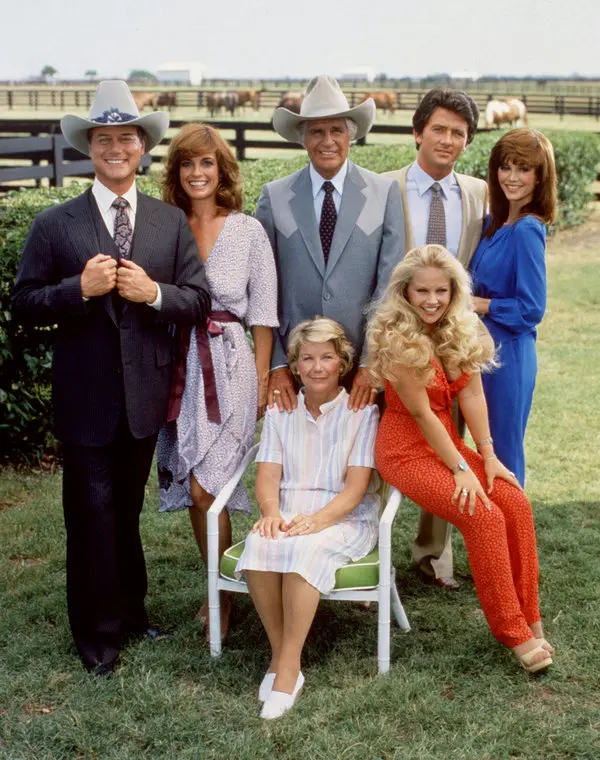
An entire new group of fans began watching Larry from 1978-1991 when he appeared as one of the major characters on Dallas. Two of the most-watched television episodes were the cliffhanger episode, “A House Divided” from 1980 when JR was shot (but viewers did not know who did it) and “Who Done It” when it was revealed that the shooter was his sister-in-law and mistress, Kristin.
Hagman was nominated for two Emmy Awards for his portrayal of JR in 1980 and 1981. He was beat out by Ed Asner for Lou Grant in 1980 and Daniel J. Travanti for Hill Street Blues in 1981.
Unlike I Dream of Jeannie, when reunion Dallas movies were made in 1996 and 1998, Hagman was part of the cast and listed as producer.
Larry always said Dallas was his favorite show, and he loved being a part of it. Both his children appeared on the show. His old costar Barbara Eden joined the cast for the final season as Lee Ann, fittingly as a character from JR’s past. The show was filmed at Southfork Ranch in Texas and after his death, Larry’s ashes were scattered there.
In an unusual reboot, Hagman reprised his role of Ewing on a new Dallas from 2012-2013.
Between the original and reboot of Dallas, Hagman once again received offers to star in two new series. One was Orleans in 1997 when he played Judge Luther Charbonnet. Unfortunately, the series only lasted for eight episodes, but he received some of the best reviews of his career for the role. In 2006, he took on the role of Burt Landau on Nip and Tuck which lasted one season.
Photo: latimes.com
Hagman also wore a directing hat. He began directing three episodes of I Dream of Jeannie in 1967. He would also direct two episodes of The Good Life, 32 episodes of Dallas (he also was listed as producer for 74 episodes), seven episodes of In The Heat of the Night in the early nineties starring one of his best friends Carroll O’Connor, and one feature film: Beware! The Blob which was a sequel to the cult classic 1958 horror film, The Blob. He produced a made-for-tv movie in 1993 called Staying Afloat which he also starred in. The plot was that Alex, a millionaire’s son, has trouble managing money so his father cuts him off. The IRS is pursuing him, and he has a lot of debt when an FBI agent offers to help with his financial issues if Alex becomes a government informant to take down a man who once burned Alex and he happily agrees.
In 1995, Hagman had a liver transplant after being diagnosed with liver cancer. He also had cirrhosis of the liver which was a result of heavy drinking. He had stopped drinking earlier in his life, but the damage was done.
In 2001, Larry added author to his resume after writing Hello Darlin’: Tall (And Absolutely True) Tales About My Life. In 2007, he gave an interview, sharing his passion for alternative energy creation. He and his wife had a solar-powered, energy-efficient home named “Heaven” in Ojai, California, where they promoted a green lifestyle. The couple also owned a home in Sundsvall, Sweden, her hometown and they visited there often.
In 2008, Maj was diagnosed with Alzheimer’s disease. Hagman cared for her as long as possible, but she required 24-hour nursing care by 2010.
The following year, Hagman learned he had Stage 2 throat cancer. He had the tumor removed and went into remission. In 2012, he was diagnosed with myelodysplastic syndrome, a preleukemia condition. The actor died in November from acute myeloid leukemia.
Hagman with Eden Photo: startsat60.com
His friend Barbara Eden said, “Larry was one of the most intelligent actors I ever worked with.” Later she said that their on-screen chemistry on the set of Jeannie was not just work and their timing was right. She could not explain it; it was wonderful.
Two of his Dallas castmates were at his bedside when he passed away. Linda Gray who played his wife on the show said Larry was “her best friend for 35 years” and that “he brought joy to everyone he knew. He was creative, generous, funny, loving, and talented and I will miss him enormously. He was an original and lived life to the fullest.” His brother on the show was played by Patrick Duffy who said “Friday I lost one of the greatest friends to ever grace my life. The loneliness is only what is difficult, as Larry’s peace and comfort is always what is important to me.”
Hagman with Gray and Duffy Photo: huffpost.com
Fans reported that Hagman often had people who requested his autograph tell him a joke or sing him a song first.
Hagman said his idols were Jack Benny, John Wayne, Dick Powell, and his future Dallas castmates, Barbara Bel Geddes and Jim Davis. He credited his good friend Carrol O’Connor as his acting mentor, saying that, “Carroll is really my mentor. He knows more about show business than any other actor I know.” During his Dallas years, he paid that back by mentoring several coworkers including Charlene Tilton.
Hagman also enjoyed hunting, backpacking, fishing, skiing, sailing, golfing, and collecting canes, hats, flags, and art. I’m so glad that he was not typecast as Tony and was able to continue his career with several other sitcoms and that he truly enjoyed his many years associated with Dallas. When you love what you are doing, people love you for doing it.
Continuing our series about “Valerie,” today we look at a slice of American life from the 1970s. It’s hard to emphasize how much the movie Saturday Night Fever changed American culture. In the movie, a high school graduate played by John Travolta, escapes his hard life by dancing at the local disco. The hippie culture of the late 1960s and early ‘70s was shoved aside by the bold and brash disco era. It was hard to go anywhere without the background soundtrack of the movie being heard. Extravagant clothing and three-piece suits were back in style, along with platform shoes and blingy jewelry.
Photo: ebay.com Saturday Night Fever, the movie that started it all
A year after the movie debuted, a new show called Joe and Valerie appeared in April of 1978. Joe (Paul Regina) works at his father’s plumbing store. He meets Valerie (Char Fontane) at the disco and they get romantically involved. However, Joe’s roommates, Paulie (David Elliott), a hearse driver, and Frankie (Bill Beyers/Lloyd Alan), a spa worker and chauvinist, have their opinions on the romance as does Valerie’s divorced mother Stella (Arlene Golonka). Rounding out the cast were Robert Costanzo as Joe’s father Vincent and Rita/Thelma (Donna Ponterotto), Valerie’s best friend.
Photo: moviepictures.org
The series was produced by Bob Hope’s production company, Hope Enterprises, and his daughter Linda served as executive producer. Bill Persky, who had been one of the forces behind That Girl, directed the first episode.
The writers for the show included Howard Albrecht, Hal Dresner, Bernie Kahn, and Sol Weinstein. Kahn and Dresner also served as producer for an episode each. Art direction was credited to Bruce Ryan and shop coordinator to Edwin McCormick.
Photo:ebay.com The chic couple: Makes a person wonder doesn’t it
The series was divided into two parts; in 1978 the episodes show Joe and Valerie meeting, falling in love and planning their future. Jumping to January 1979, the episodes center around the couple beginning their married life. Four half-hour episodes aired in April and May of 1978. Four half-hour episodes were set to air in January, but only three did; the final episode never was played on the air.
Episode 1, “The Meeting” aired April 24, 1978. Joe and Valerie meet at the disco and fall in love when Joe bets his roommates that he can take Valerie away from her dancing partner.
Episode 2, “The Perfect Night” aired May 1, 1978. Valerie arranges dates for Frank and Paulie. She sets up Frank with her best friend Thelma and the date is a disaster. The woman she set Paulie up with ended up getting married the night before, so Valerie is frantically looking for a substitute. Albrecht and Weinstein were credited as writers.
Episode 3, “Valerie’s Wild Oat” aired May 3, 1978. Joe and Valerie’s romance hits a potential roadblock when Valerie finds out that her new boss at the store is her ex-boyfriend Ernie (Marcus Smythe).
Photo: backdrops.com.au The Village People, a big part in the disco fad
Episode 4, “The Commitment” aired May 10, 1978. When Valerie’s mother is unexpectedly called away for the weekend, Joe and Valerie face the prospect of spending their first night together. Joe loves Valerie too much to stay but worries how his roommates will react if he doesn’t.
Episode 5, “The Engagement” aired January 5, 1979. Joe and Valerie break the news to their parents that they are going to live together and looking for a place to live through a rental service which adds to the confusion.
Photo: blogspot.com Disco fashion
Episode 6, “The Wedding Guest” aired January 12, 1979. Joe and Valerie learn that a gangster’s funeral has been scheduled at the same time as their wedding at the church.
Episode 7, “The Wedding” aired January 19, 1979. The newly married couple look back at the events that occurred around their wedding. Some of the problems included Vince wanting Valerie to wear his wife’s old-fashioned wedding dress, Frank and Paulie fighting over who is best man, and Valerie’s mother threatening to stay away from the wedding if her ex-husband comes.
The final episode, “Paulie’s First Love,” was never aired.
This was a bad year for series’ debuts. A number of shows flopped during this year including Hizzoner, Sweepstakes, and Supertrain, none of them making it to more than nine episodes.
Photo: celebritybio.com Char Fontane
Char Fontane (also listed as Fontaine occasionally) was born in California in 1952. She passed away from breast cancer in 2007. Before being cast in Joe and Valerie, she appeared on a variety of tv series in the 1970s and a couple after: LoveAmerican Style (1972), The FBI (1973), Barnaby Jones (1979), Supertrain (1979), Sweepstakes (1979), The Love Boat (1979), and Nero Wolfe (1981). In the mid-1980s she took a role in a made-for-tv movie, The Night the Bridge Fell Down and two movie roles: Too Much (1987) and The Punisher (1989). She was not credited with any roles after the 1989 movie.
Photo: weebly.com Char Fontane in The Night the Bridge Fell Down
Paul Regina was born in Brooklyn in 1956 and passed away from liver cancer in 2006.
Photo: snipview.com
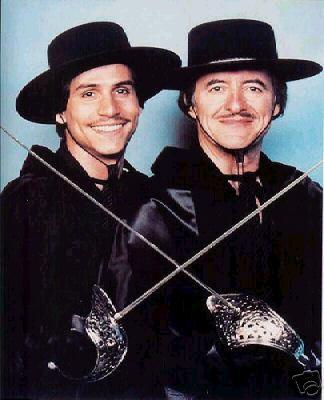
Before his role on Joe and Valerie, he had parts in The Hardy Boys/Nancy Drew Hour and Police Woman both in 1978. After the show ended, his career stayed fairly busy. Throughout the 1980s and 1990s, he could be seen on many popular television shows including Benson, Gimme a Break, TJ Hooker, Hunter, and EmptyNest. He would be cast in three series: Zorro and Son in 1983, Brothers from 1984-89, and The Untouchables in 1993-94. He also had a recurring role as a lawyer on LA Law between 1988-1992.
Photo: waytoofamous.com
Post 2000 before his death he was in Law and Order several times as well as two movies, The Blue Lizard and Eddie Monroe.
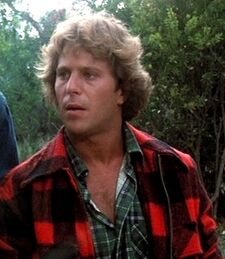
David Elliott had a successful career going when he received the role of Paulie. He began with several roles on tv including a mini-series, Pearl, that Char Fontane was also in. From 1972-1977, he had a role in The Doctors in 272 episodes. Before beginning Joe and Valerie, he had a role on Angie in 1979.
OLYMPUS DIGITAL CAMERA Photo: imdb.com
After the show ended, he continued showing up in television series including TJHooker, St. Elsewhere, Simon and Simon, and Murder She Wrote. He ended his credited acting career with seven movies in the 1990s.
He is an interesting guy. After dropping out of high school, he drove a cab in New York. He was a professional boxer, ran a PI business in Hollywood, received his pilot’s license, sat on the board of a major labor union, and traveled extensively through every continent except Africa and Antarctica. Recently he earned a certificate in both long and short fiction from the UCLA Writer’s program and has written a novel, The Star Shield, about a body guard trying to rescue a kidnapped movie star. Currently he is working on a collection of short stories.
The role of Frankie was played by two different actors, Bill Beyers in 1978 and Lloyd Alan in 1979.
Photo: headhuntersholo.com Bill Beyers
Bill Beyers was born in New York in 1955 and died in 1992 in Los Angeles. His first role was that of Frankie on Joe and Valerie. Following the end of that show he was cast in several series including Barnaby Jones, Quincy ME, The Incredible Hulk, CHiPs, Too Close for Comfort, and Murder She Wrote. He had a recurring role on Capitol, appearing in 24 episodes from 1982-1987.
Photo: ztams.com
Lloyd Alan was in 1952. He might have had the shortest career of the cast. Before being cast in Joe and Valerie, he was in an episode of Eight is Enough. After he appeared in The Love Boat, Knight Rider, and Baywatch. His last credited acting job was 1998. I was unable to locate a photo of Lloyd Alan.
The actors with the longest careers were Robert Costanzo who played Joe’s father Vince; Arlene Golonka who was Stella, Valerie’s mother; and Donna Ponterotto who played Rita/Thelma, Valerie’s best friend.
Donna Ponterotto had a successful career following the cancellation of Joe and Valerie. She came to the show having appeared on The Police Story, Happy Days, and Rhoda.
Photo: imdb.com
Following the show, she appeared on Trapper John MD, Laverne and Shirley, TheLove Boat, Who’s the Boss, Murder She Wrote, Night Court, Murphy Brown, ER, Mad About You, Third Rock from the Sun, and NYPD Blue among others. Her last film was Sharkskin in 2015.
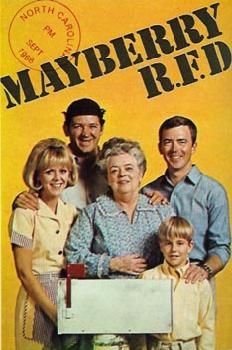
Arlene Golonka grew up in Chicago where she was born in 1936. She began taking acting classes when she was quite young. At age 19, she headed for New York and began a career on Broadway. In the 1960s she relocated to Los Angeles. She continued to appear in movies and appeared in dozens of television programs during the next three decades. While she is probably best known as Millie on Mayberry R.F.D., she has appeared in many respected series.
Photo: blogspot.com
Golonka came into Joe and Valerie with a strong resume. She had made appearances in shows such as The Naked City, Car 54 Where Are You, The Flying Nun, Big Valley, Get Smart, I Spy, That Girl, M*A*S*H, All in the Family, Barnaby Jones, Alice, The Rockford Files, and Love American Style. She made five appearances on The Doctors with David Elliott.
Photo: pinterest.com
After Joe and Valerie, she continued to receive many roles including on FantasyIsland, The Love Boat, Simon and Simon, Benson, and Murder She Wrote. Her last appearance was on The King of Queens in 2005, and she is now retired.
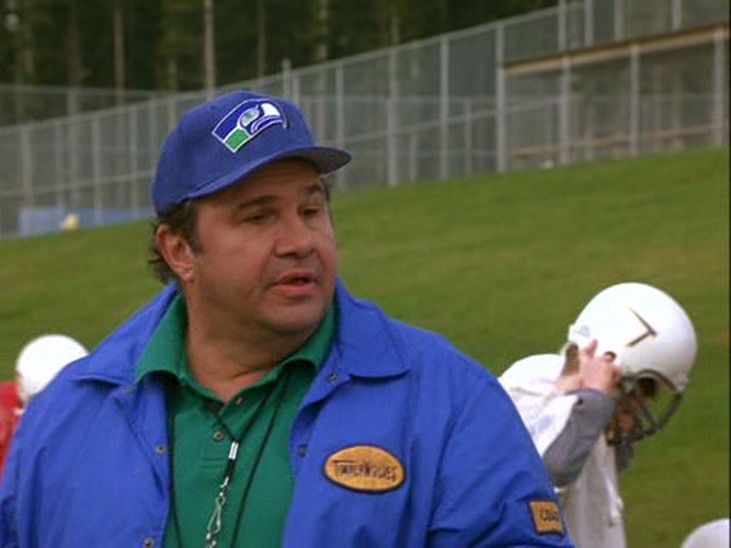
Robert Costanzo was born in New York in 1942. He also came into the show with a very strong string of shows, having been in Rhoda, The Bob Newhart Show, and Lou Grant. He also was in several profitable movies including Dog Day Afternoon, The Goodbye Girl, and Saturday Night Fever.
Photo: pinterest.com
Following the end of Joe and Valerie, he would continue his successful career. Costanzo has been cast in recurring roles in ten shows: Last Resort, Checking In, The White Shadow, Hill Street Blues, LA Law, 1st Ten, Glory Days, NYPD Blue, Charlie and Grace, and Champions. He has continued to take roles on other series including Barney Miller, Alice, Who’s the Boss, Family Ties, St. Elsewhere, The Golden Girls, Friends, and Murder She Wrote.
His movie career has also been very successful, and he is remembered for his roles in Used Cars, Total Recall, Die Hard 2, and Air Bud.
Currently Costanzo is still acting and has several movies debuting in the next couple of years.
Photo: sitcomsonline.com
I have to admit I do not remember Joe and Valerie, and obviously I did not watch it, but I don’t think I missed much. It’s fun to learn about some of the more obscure shows that had a brief flicker in television history. There are many more shows that lasted for less than 20 episodes than there are the classics we remember today. If nothing else, the show captures a unique time in American history.






















 thewritelife61