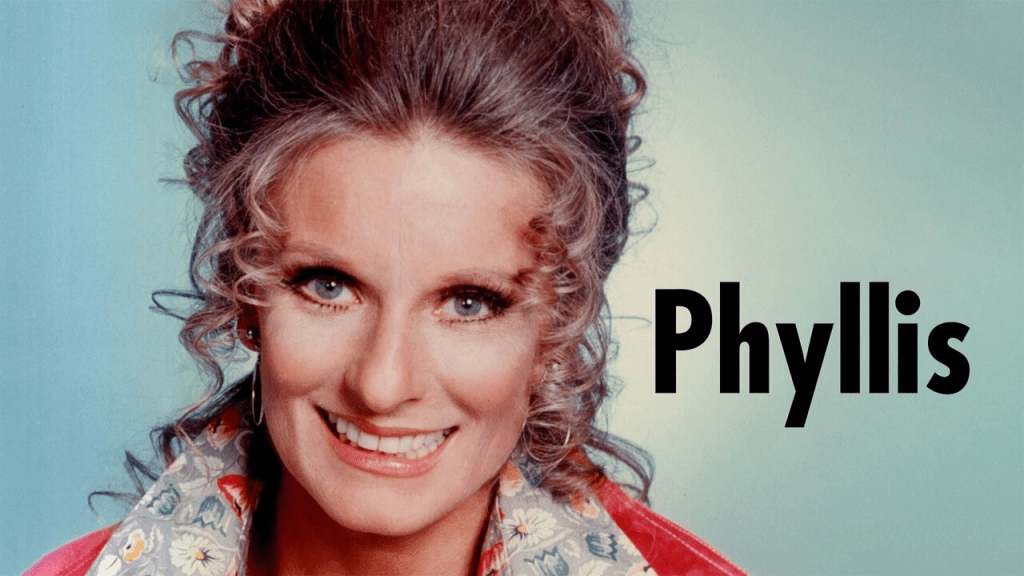
This month we are looking back at one-named sitcoms, and we can’t forget Phyllis. A spinoff from The Mary Tyler Moore Show, it aired in the fall of 1975 and ran for two seasons. James Brooks, The MTM producer, was involved slightly as a consultant but Ed Weinberger and Stan Daniels were in charge.
📷TVInsider.com
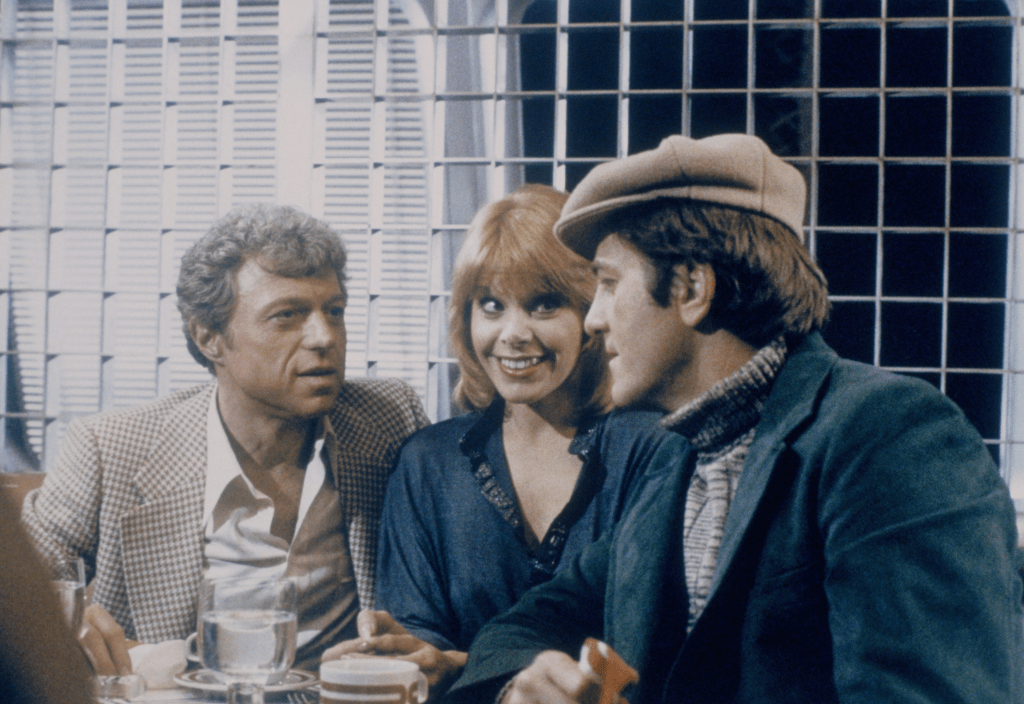
In this series, Phyllis Lindstrom (Cloris Leachman) and her daughter Bess (Lisa Gerritsen) leave Minneapolis and move to San Francisco after Phyllis’ husband passes away. Her in-laws still live out west in the area where she and Lars lived as newlyweds. Even though Lars was a doctor, his death left his family broke. Life is interesting with three generations under one roof. Lars’ father Judge Jonathan Dexter (Henry Jones), Lars’ mother Audrey (Jane Rose), and Phyllis and her daughter navigate life with their grief, new surroundings, and complicated life situations.
Phyllis applies for an assistant in a photography studio. Her first boss is Julie (Barbara Colby). After Colby was murdered, Liz Torres took on the role and Valerie Harper’s (who played Rhoda on the MTM show) ex-husband Richard Schall plays Leo, a photographer at the studio who doesn’t make life easy for anyone. Phyllis is not only used to being pampered and not working, she also never was shy about sharing her opinions with anyone around her.
The network scheduled the show on Monday nights after Rhoda and before All in the Family, so it became an instant top ten hit. Leachman was nominated for lead actress in a comedy but lost the Emmy to Mary Tyler Moore. In addition to Moore, Leachman’s competition included her previous coworker Valerie Harper for Rhoda, Lee Grant for Fay, and Bea Arthur for Maude.
Once again, as we’ve seen a few times this month, when ratings began to slip a bit, the network turned the show upside down. For season two, the photography studio was sold, and Phyllis was without a job again. She then goes to work for the San Francisco City Supervisor and is put into the middle of political chaos. Rhoda was also having some trouble with ratings and was rehabbed. Their competition was Little House on the Prairie which continued to rake in lots of viewers.
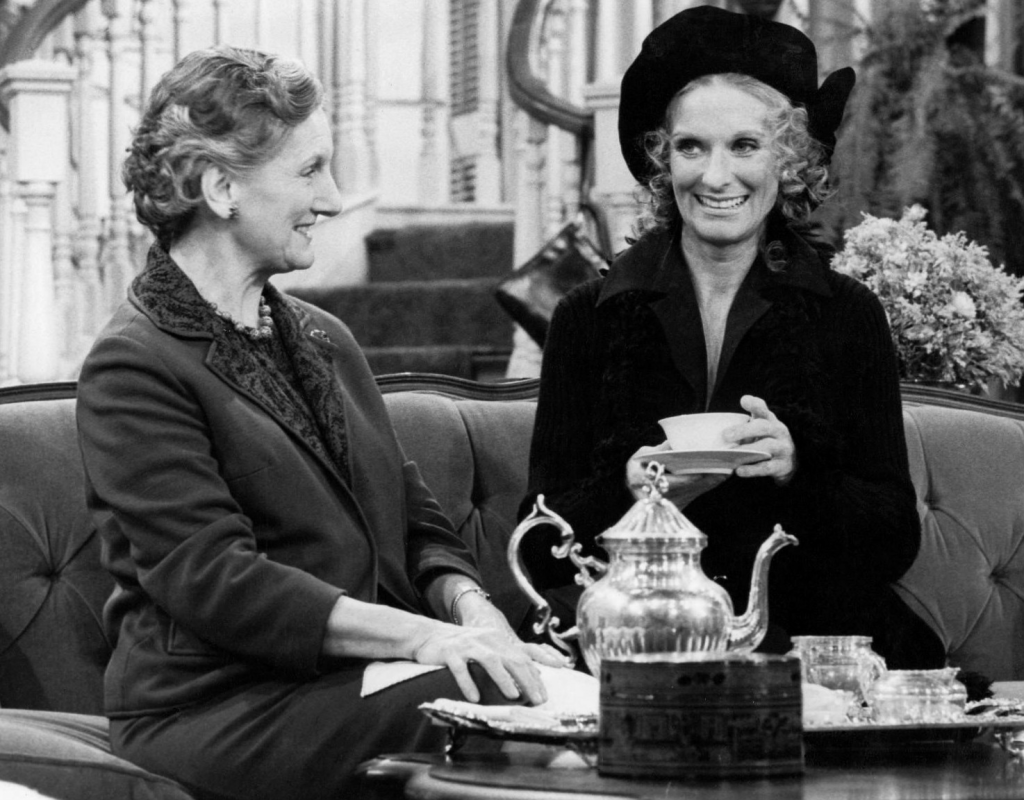
By 1976, Rhoda had regained many of its viewers, but Phyllis was continuing to decline. It was dropped for the next season. At one point, Mother Dexter (Judith Lowry), the judge’s mother, has a boyfriend Arthur Lanson played by Burt Mustin who later becomes her husband. Henry Jones and Burt Mustin’s scenes are probably the highlights of the shows.
📷tvseriesfinale.com
Alan Burns discussed casting the role of Phyllis on The Mary Tyler Moore Show. He said Leachman’s instincts were terrific, and she made the role amazing. James Brook said that Marlin Brando called Leachman the best actor he ever saw come out of The Actor’s Studio. Obviously, the character of Phyllis was a successful and popular one. I think that The Mary Tyler Moore Show was so well loved for the ensemble cast. Pulling Phyllis out of that “family,” and placing her across the country probably wasn’t the formula for a successful spinoff. They would have been better off to give her a brand new show of her own which could feature her highly rated acting ability.
We are winding up our series, Casting Celebrities. This month we have looked at several shows that relied on stars for their characters every week. We’ve checked out Love American Style, Fantasy Island, and The Love Boat. If you don’t remember today’s show, don’t beat yourself up about it. It was on the air for less than three months. That said, they still had a lot of stars show up. While Love American Style had 109 episodes, Fantasy Island claims 154, and The Love Boat includes 250, this show had 9!
Supertrain debuted on NBC in February of 1979. Here is part of the problem: it was described as a science fiction-adventure-drama. Sounds like a show that isn’t sure what it is.
📷imdb.com
Instead of an exotic island or a cruise ship, this show takes place aboard a nuclear-powered high-speed super train. However, it might as well have been a cruise ship. You could swim in the pool, go to the gym, or the library. There was plenty of shopping and nightlife including a discotheque. It ran between New York City and Los Angeles, with stops in Chicago, Denver, and for some strange reason, a fictional town of Desert Junction in Texas.
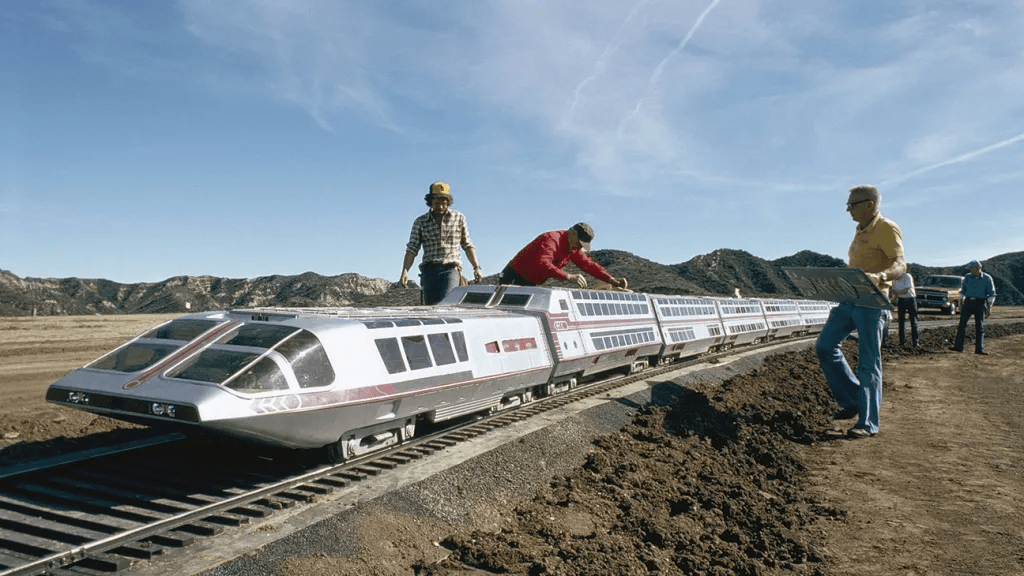
Problem number two for the show: it was the most expensive series to be produced at that time. NBC paid $10 million for three trains. There was a full-size train with passenger cars and two model trains for exterior shots.
Ned Parsons was brought on as art director to build the train. Parsons moved from his home in Newport Beach to the MGM studio lot for three months. He was on call 24 hours a day, supervising 200 construction workers who covered three shifts. The costs to do this averaged $60,000 a day for building materials. The lumber used for the set could have built 22 homes.
📷thehollywoodreporter.com
Before the show even aired, it was reported that the network had spent $12 million dollars. And despite the high cost of the train, there were a lot of complaints about it being unattractive and unrealistic. It was described as dark and dingy; one article said it was more of a superbus than a supertrain. Although they publicized this train as a high-speed one, viewers asked if it goes 200 mph, why does it take so long to go from New York to Los Angeles?
Problem number three: it was heavily advertised but received poor reviews and low ratings. More people tuned in to watch a 2-hour episode of Charlie’s Angels than the 2-hour debut of this show.
Problem number four: to help the quality and ratings, the producer was replaced, the cast was cut in half and some of them switched jobs, and it became more of a sitcom , and it was moved from Wednesdays to Saturdays. What? Remember this show only lasted nine episodes.
Once the cast shake up took place, five remaining characters were left. Dr. Dan Lewis (Robert Alda), nurse Rose Casey (Nita Talbot), conductor Harry Flood (Edward Andrews), relations officer Dave Noonan (Patrick Collins), and chief porter George Boone (Harrison Page). Seems like an experienced and quality cast, so I don’t think any of the blame falls on them.
The BBC bought the show for $25,000 an episode before it was shown on American television. Their plan was to begin airing the show in the fall of 1979, but remember by May of 1979 the show was off the network so BBC never aired any of the episodes.
One bright spot coming through the tunnel for the show was the music, with the exception of the second theme song which was listed as blah. Bob Cobert provided the primarily disco music. Cobert won an Emmy for his music in War and Remembrance.
Supertrain has been called one of the greatest television flops ever and that’s not an exaggeration. Here are a few of the reactions critics had to the show in 1979. A Variety review said “it’s a Love Boat on wheels which has yet to get on track.”
📷imdb.com
TV Guide reviewer Robert MacKenzie said that “in the long two-hour premiere, Steve Lawrence was a talent agent and gambling addict in debt to a gangster named Big Ed. Aboard the Supertrain, someone kept trying to put Lawrence away by planting a suitcase bomb in his room, dumping him into a pool when he was unconscious, and locking him in a steam room with friend Don Meredith. Our attention was called to several suspects . . . sometime in the second hour I wanted to get off and catch a bus home.”
Telefilm Review shared that “NBC’s highly promoted show Supertrain features a slick new train of tomorrow, with a script from yesterday . . . it seeks to overwhelm but underwhelms instead.”
Nothing I read gives me any reason to contradict any of these reviews. One fun story I could take away from this debacle was building the train and then what happened to such a behemoth and the model trains? We know one of the model trains crashed and was ruined during the show’s production. Were the others scrapped to recoup at least a small cost? Nope.
📷theherald-mail.com
According to a Herald-Mail article from July of 2018, Ben Thoburn went to Hagerstown to pick up a jukebox he purchased and saw an old train in the guy’s barn. It was much bigger than a typical model railroad set. Plexiglass served as windows and it had a futuristic design.
Thoburn bought the train and then set about researching it. Jack Morrissey was a LA film producer who bought the train from Thoburn. According to Thoburn, NBC sold the model train to a manufacturer in Philadelphia. When the company went bankrupt (maybe the train is cursed), the train was left in its headquarters. A cabinet maker eventually bought the building and sold the train to the man Thorburn bought it from. Because some other items were stacked on some of the cars, there was a little bit of damage. Morissey didn’t have specific plans for the train; he just wanted a piece of television history. At least something good was salvaged from this otherwise not-good show.
📷losangelestimes.com bill barty
While we are finished with our exploration of the four shows that featured stars in their casts, I did promise to provide one more fun fact. There are a lot of stars who were on Fantasy Island and The Love Boat. When you add in Love American Style, that number is still quite high. However, remember Supertrain was only one the air for nine episodes. So what stars appeared on all four of these series? Let’s find out.
elaine joyce
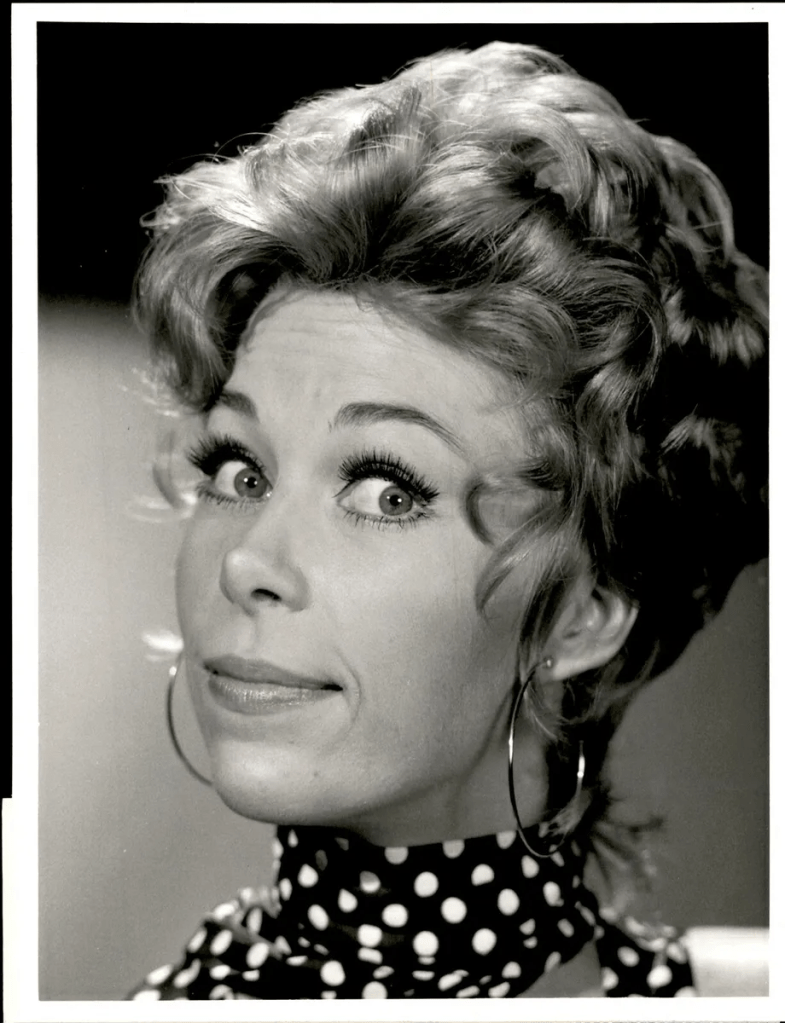
That roster includes eleven stars. None of the crew or staff appeared on all four shows. Regular cast members Edward Andrews and Nita Talbot both appeared on all four shows. Henry Jones shows up on all of them, but I do have a disclaimer that he was on The New Love American Style, a reboot that happened in 1985. We are left with Billy Barty, Hans Conried, Steve Franken, Elaine Joyce, Bernie Kopell, Roddy McDowell, Abe Vigoda, and Keenan Wynn as the remaining stars who can be found on all four shows. Equally as fascinating was the fact that Ron Delaney, Al Hansen, Disco Flo, Michael Minor, Chris Moriana, Bob Shaw, and Annie Starr only appeared on Supertrain and they have no other acting credits at all. Was their affiliation with the show so bad they quit acting? Who knows without a lot more research.
I hope you enjoyed learning more about these celebrity shows and learning which stars managed to get jobs on all four of these shows.
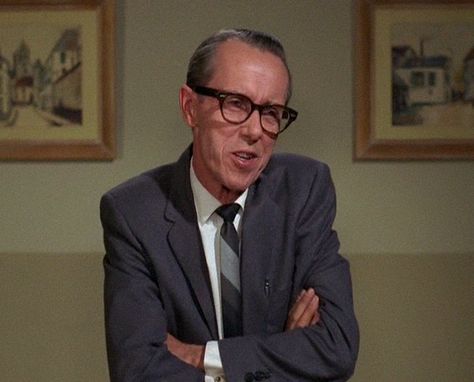
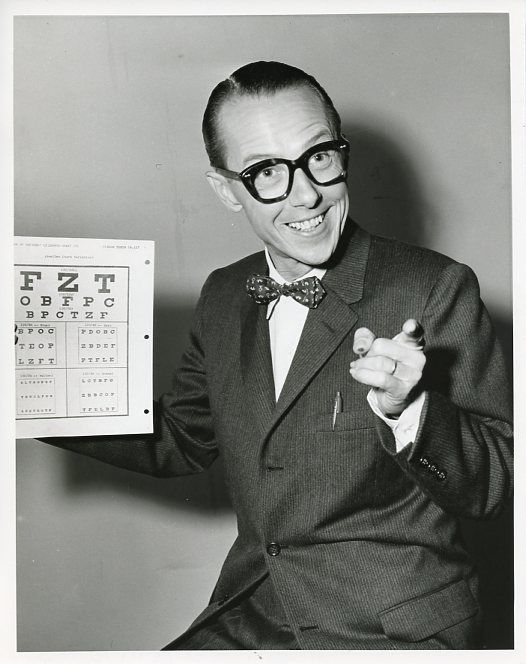
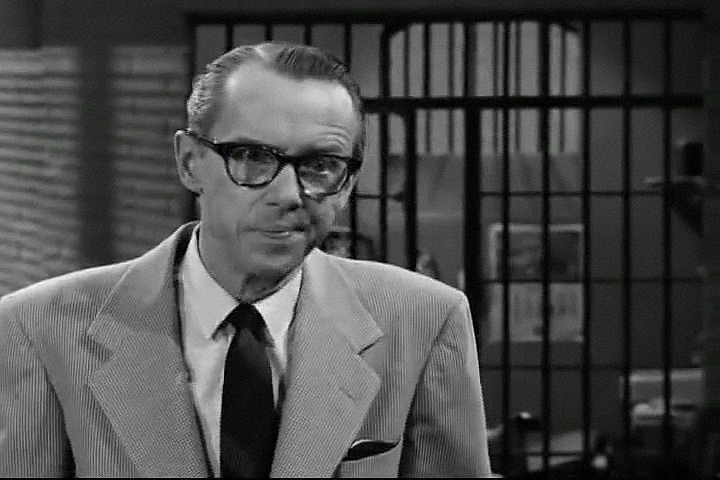
My series, “Just a Couple of Characters” continues with Part 3 today. This month, we learn more about actors we recognize but may not know much about. This week Henry Jones and Olan Soule are on the hot seat.
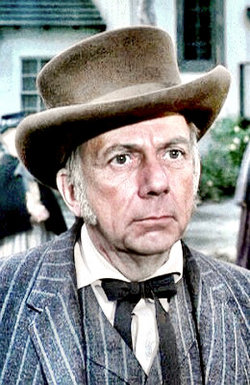
Henry Jones
Photo: en.wikipedia.org
Born in New Jersey in 1912 and raised in Pennsylvania, his grandfather was a first-generation Prussian immigrant who became a Representative. Henry went to St. Joseph’s College, a Jesuit school. He landed his first Broadway show in 1938, playing Reynaldo and a grave digger in “ Hamlet. ” Like many of the actors in the late 30s and early 40s, Henry joined the Army for World War II. He was a private. During his service, he was cast as a singing soldier, Mr. Brown, in Irving Berlin’s “This is the Army.”
When he came back to the US, he married Yvonne Sarah Bernhardt Buerger in 1942. Sadly she passed away at age 22. This information was supplied by a blog reader, and I appreciate receiving the updated information because several sources refer to his divorce which is not the case. Yvonne’s father was a renowned surgeon. One of his patients had been Sarah Bernhardt which is where Yvonne go her middle name from.
Jones continued his stage roles and began a movie career. He had bit parts in 35 films, including The Bad Seed, Will Success Spoil Rock Hunter?, Vertigo, and Butch Cassidy and the Sundance Kid. He won a Supporting Actor Tony in 1958 for his performance of Louis Howe in “Sunrise at Campobello.”
Photo: fanpix.famousfix.com
In 1948 he
married Judith Johnson. They had two children (one is actress Jocelyn Jones) but
divorced in 1961.
Bridging the
gap of television and film, he starred in seventeen tv movies as well.
Although his movie career kept him somewhat busy, it was nothing compared to his television work. Jones was credited with 205 acting appearances, meaning he had roles in 153 different television series. Jones was able to tackle a wide range of roles, being believable as a judge, a janitor, a murderer, or a minister. Jones had no illusions about becoming a romantic lead. He once said that “casting directors didn’t know what to do with me. I was never tall enough or good looking enough to play juvenile leads.”
Photo: findagrave.com
His first television appearance was in drama series, Hands of Mystery, in 1949. His work in the 1950s was primarily in theater shows about dramas. He also appeared in the George Burns and Gracie Allen Show and Father Knows Best.
Photo: michaelstvtray.com
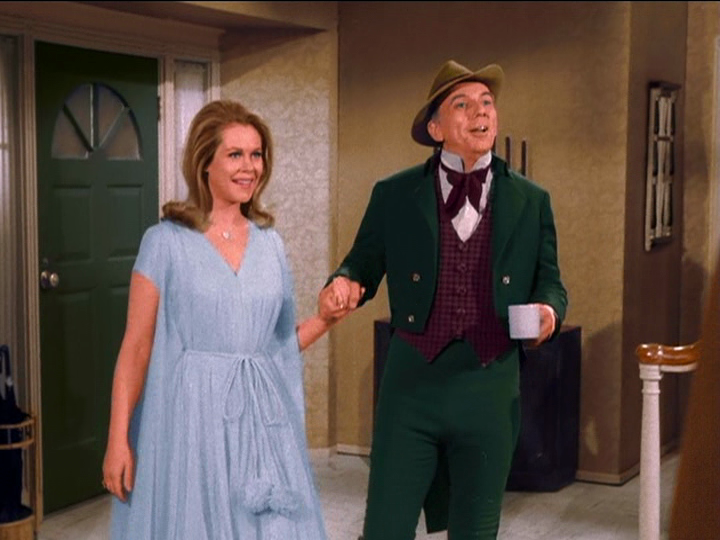
He continued his drama roles into the 1960s. He also appeared in 3 episodes of The Real McCoys and westerns including Wagon Train, The Big Valley, and Daniel Boone. He showed up on mysteries such as the Man from U.N.C.L.E. and The Name of the Game. He also found work on unique shows including Lost in Space, Route 66, and the Alfred Hitchcock Show. Hitchcock liked his work and used him five times. He also appeared in several comedies, Bewitched and That Girl. He starred in Channing in 1963-64. Jones played Fred Baker, a dean who mentors Professor Joe Howe who teaches English at Channing College while he writes his memoir about the Korean War.
During the 1970s, he continued to work on a variety of genre shows. We see him on westerns, The Virginian, Gunsmoke, and Bonanza. We see him in thrillers like The Mod Squad; McMillan and Wife; Owen Marshall, Counselor at Law; and The Six Million Dollar Man, on which he had a recurring role as Dr. Jeffrey, a scientist who built robots. However, comedies continued to be his mainstay, and he appeared in many of them including Nanny and the Professor, the Mary Tyler Moore Show, The Paul Lynde Show, The Doris Day Show, the Partridge Family, and Barney Miller.
commons.wikimedia.org
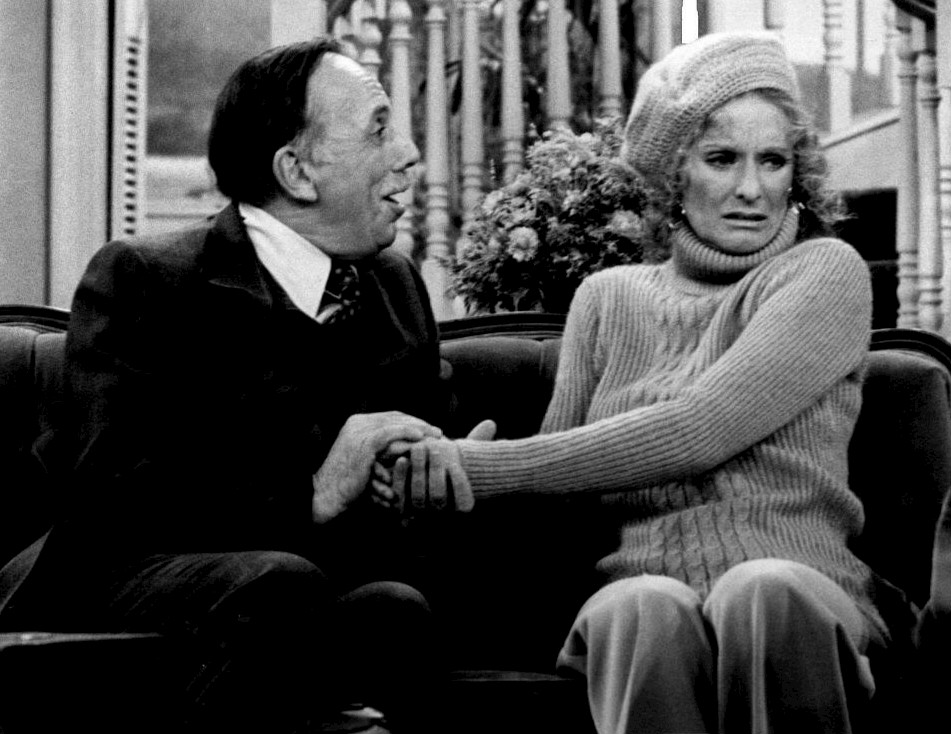
In addition to all his guest spots, he was cast in three shows during this decade. In The Girl with Something Extra, he played Owen Metcalf in 1973. The role he was best remembered for was Judge Johnathan Dexter on Phyllis. He was Phyllis’s father-in-law from 1975-1977. As Josh Alden, he appeared on Mrs. Columbo for thirteen episodes.
Photo: totallykate.com
Recurring roles comprised most of his television appearances in the 1980s. He continued to accept guest roles on such shows as Quincy ME, Cagney and Lacey, Magnum PI, Murder She Wrote, The Love Boat, and Mr. Belvedere. He would make regular appearances on Gun Shy, Code Name: Foxfire, Falcon Crest, and I Married Dora.
Jones continued to appear in shows in the 1990s, including Coach and Empty Nest. In 1999, he passed away after suffering from complications from an injury from a fall.
Olan Soule
Photo: pinterest.com
Olan Soule’s timeline
was similar to Jones. He was born in Illinois in 1909, growing up in Iowa, and
he passed away in 1994. While Jones’ grandfather arrived in America, Soule’s ancestors
included three Mayflower passengers. He began his acting career on the radio.
In 1929 he
married Norma Miller. They would be married until her death in 1992 and they
had two children.
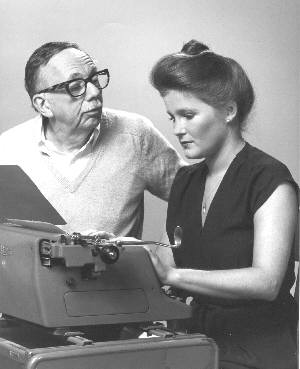
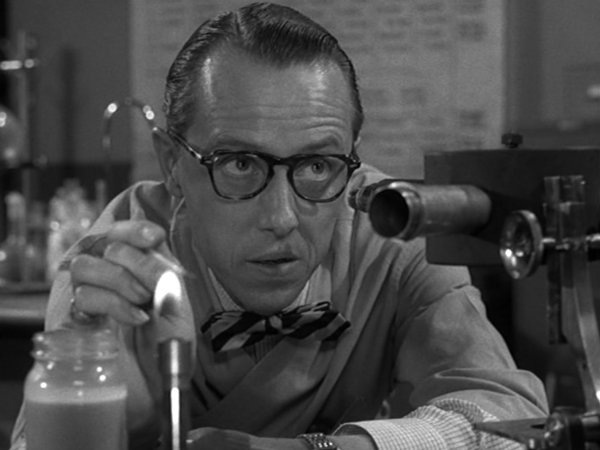
For eleven years, he was part of the cast of the soap, “Bachelor’s Children.” His roles changed when he transitioned to television. On radio, he could play any role, but his 135-pound frame prohibited him from getting many roles he played on radio. He told the Los Angeles Times during an interview that “People can’t get over my skinny build when they meet me in person after hearing me play heroes and lovers on radio.”
Photo: tralfaz.blogspot.com
However, he
certainly was not lacking in roles. Soule is credited with more than 7000 radio
episodes and commercials, 60 films, and 200 television series.
The 1950s found him appearing in many sitcoms, including George Burns and Gracie Allen, I Married Joan, I Love Lucy, December Bride, the Ann Sothern Show, and Dennis the Menace.
Photo: complete-hitchcock.com
He would appear regularly in Dragnet from 1952-59 and in Captain Midnight from 1954-56.
Photo: riflemanconnors.com
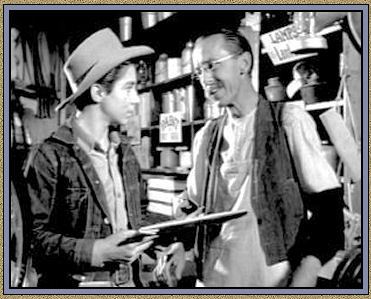
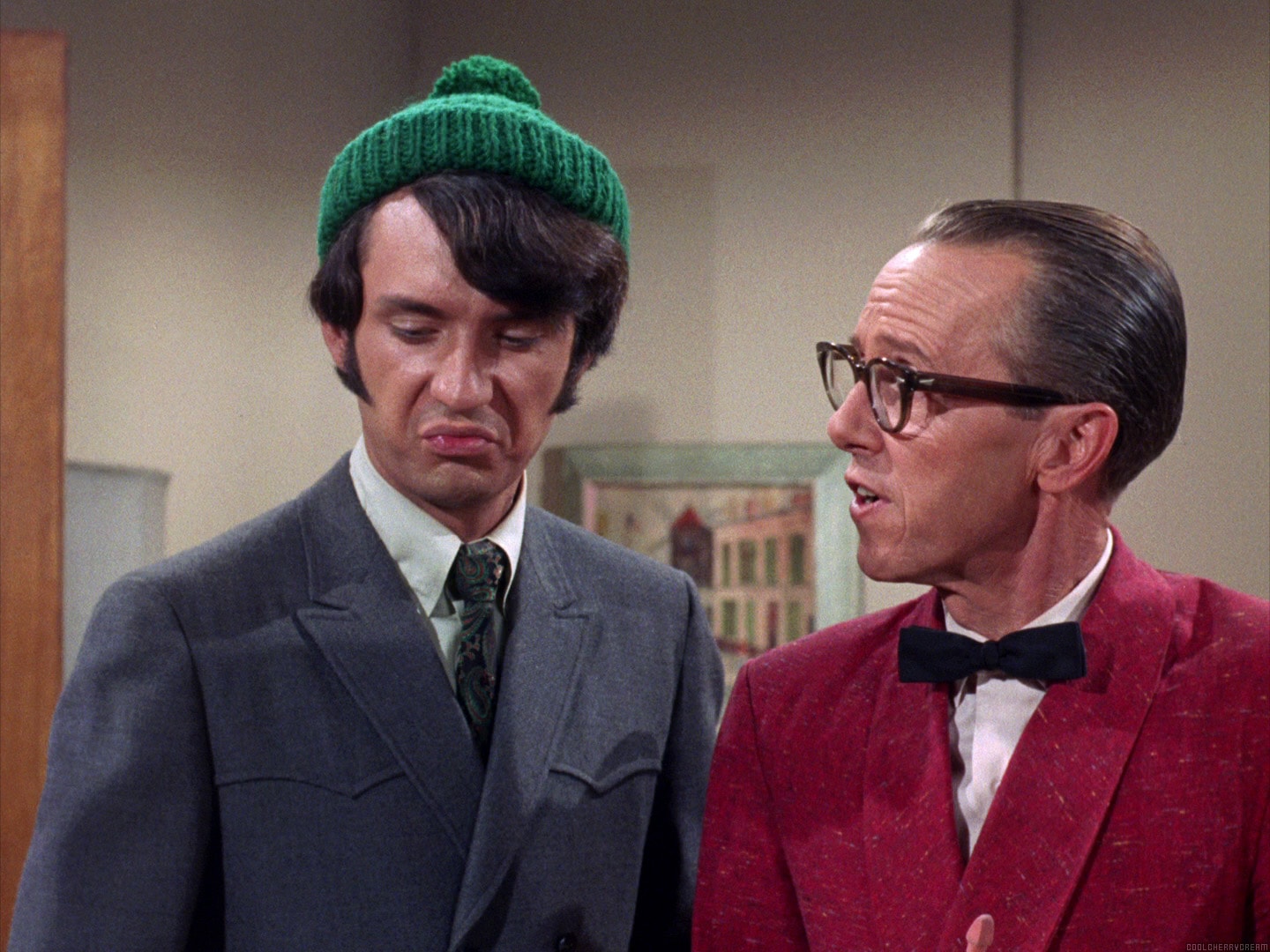
He got even busier in the 1960s, working nonstop. The only show he had a recurring role on was The Andy Griffith Show where he played choir director and hotel clerk John Masters. Other comedies he appeared on included The Jack Benny Show, Pete and Gladys, Bachelor Father, Make Room for Daddy, Mister Ed, My Favorite Martian, The Addams Family, The Monkees, Petticoat Junction, and That Girl. He also took on roles in suspense shows including One Step Beyond, the Alfred Hitchcock Show, and the Twilight Zone. He also specialized in westerns, including Maverick, Stage Coach West, Have Gun Will Travel, The Rifleman, Bonanza, Gunsmoke, and The Big Valley.
Photo: pinterest.com
He started the 1970s continuing to show up on series such as Family Affair, My Three Sons, McMillan and Wife, Cannon, Police Woman, and a recurring role on the comedy Arnie.
Photo: monkees.coolcherrycream.com
In the mid-1970s he began appearing on Battlestar Galactica and Project UFO. Most of his career in the decade was spent providing voiceovers for animated shows, primarily Batman.
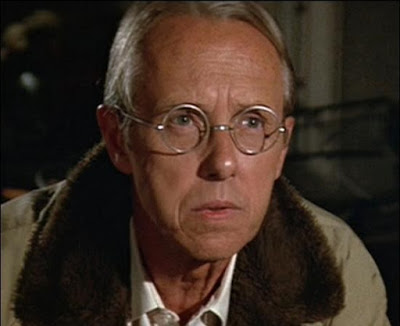
The Towering Inferno
Director: John Guillermin
US Premiere: 10 December 1974
Copyright 1974 Twentieth Century Fox Film Corporation and Warner Bros. Inc.
In 1994,
Soule died from lung cancer at age 84.
Both Soule and Jones were prolific actors who had long and successful careers. Neither one of them were the leading men type of actors, but they could tackle a wide range of roles. Soule once said, “Because of my build and glasses, I’ve mostly played lab technicians, newscasters, and railroad clerks.” Not a bad life for someone who loves acting. If you watch Antenna or Me Tv, chances are you will see these two characters pop up quite often.





 thewritelife61