It’s 2026! And it’s January, so we are starting the year off with “Worth a Million.” This month we are learning about the careers of several of the cast members from How to Marry a Millionaire. This show debuted in 1957 and aired for two years.
📷tmdb.com The first year cast of women
According to imdb.com, the plot is “Motherly Mike, ditzy but sexy Loco, and sensible Greta move to the big city to find themselves wealthy men to turn into husbands. After the first year Greta gets married with Gwen moving in as the new roommate in this syndicated series.”
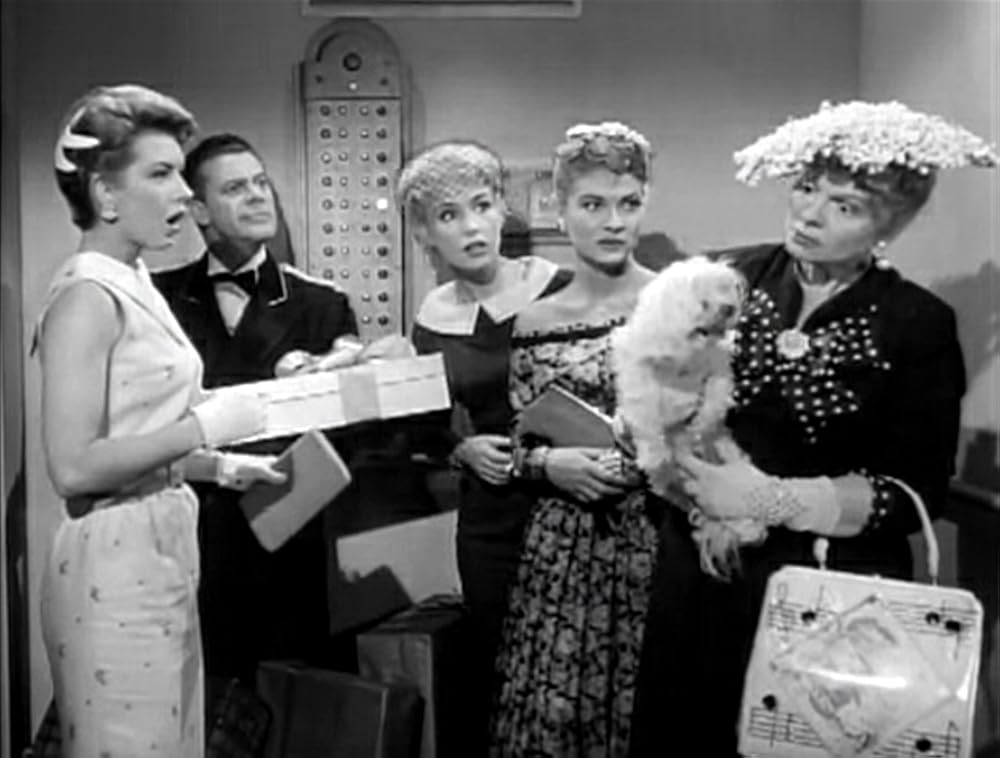
The six members of the cast included Merry Anders (Mike), Lori Nelson (Greta), Barbara Eden (Loco), Jimmy Cross (Jesse), Lisa Gaye (Gwen), and Joseph Kearns (Mr. Tobey). During the past decade, we have learned a lot about Barbara Eden, best known as Jeannie in I Dream of Jeannie and Kearns who we remember as Mr. Wilson in Dennis the Menace. So, this month we are learning about the four remaining stars, and we begin today with Jimmy Cross.
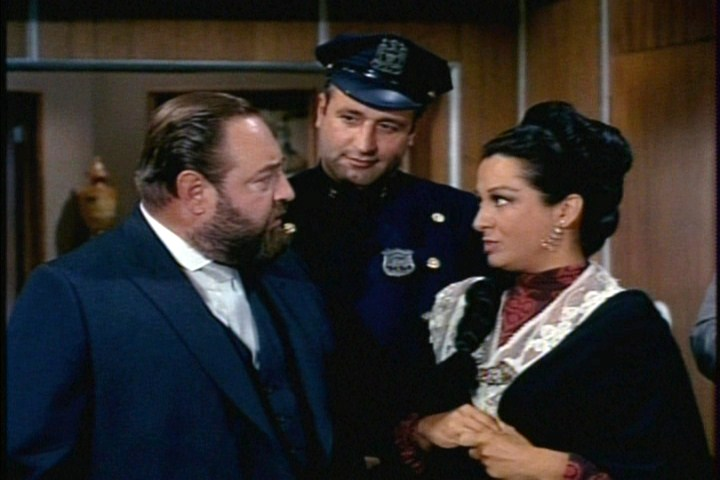
📷imdb.com Cross as elevator attendant
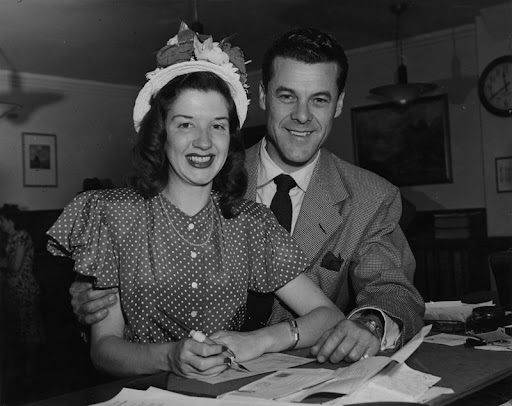
Cross was born in 1907 in New York. At age 40, he married actress Peggy Ryan, but they divorced after the seven-year itch. Ryan was a popular face for a while. She and Donald O’Connor were supposed to be the next Judy Garland/Mickey Rooney couple. Ryan’s parents were Vaudeville dancers, and she was on stage by age two. She was an amazing dancer and singer. After she and Cross divorced, she tried another short-term marriage to Ray McDonald before meeting Eddie Sherman whom she was with for almost fifty years. You might remember her as Jenny, Steve McGarrett’s secretary on the original Hawaii Five-0.
On How to Marry a Millionaire, Cross played the elevator man, at age 50, who worked in the apartment building where the girls lived. He sometimes helps and sometimes hinders the trio with their get-rich-husband schemes.
This was the only series he costarred in, but he did show up on The Red Skelton Show 46 times.
Cross typically played a background role, often a bartender, drunk, or photographer. However, he was busy and appeared on almost every popular show during the sixties and seventies, garnering almost 100 credits during those decades. His last role was in BJ and the Bear in 1979, two years before his death.
📷thevalleytimes.com With Wife Peggy Ryan
Cross also had a decent movie career. Again, he was not front and center but had some fun parts and if you look quickly, you will see him in several popular movies including North by Northwest, Bells Are Ringing, Hello Dolly, and The Poseidon Adventure.
I wish I knew more about Cross. There just isn’t much information out there considering how long he worked in the entertainment industry. This is one of those cases where his work might have to speak for itself. That said, this show got a lot of good reviews when it came out and Cross, while not being a star, added a fun element to the episodes he was in.
Welcome to this month’s blog series, “Crime Solvers of the Past.” Before there was Hawaii Five-0 or Magnum PI, there was Hawaiian Eye.
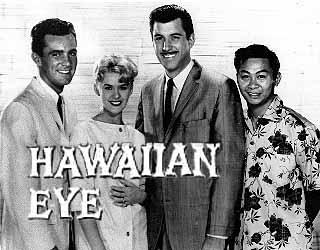
📷wikipedia.com
Warner Brothers was looking for possible television series to create. They sent one of their story editors, Jack Emanuel, to Hawaii to get some inspiration for a crime series, and Hawaiian Eye was born.
The show debuted on ABC in the fall of 1959 and continued until April 1963. Like the above-mentioned shows, this one also features a partnership. Tom Lopaka (Robert Conrad) and Tracy Steele (Anthony Eisley) own a detective agency that also provides security services, and it’s called Hawaiian Eye. The Hawaiian Village Hotel is one of their biggest clients and they provide an office/living space for the firm. Rounding out the cast was Cricket Blake (Connie Stevens), a local photographer and singer who helps the guys out; Kim Quisado (Poncie Ponce), a cab driver who plays the ukelele; Greg McKenzie (Grant Williams), a former engineer who helps out and later joins the firm, and Philip Barton (Troy Donahue), the hotel social director. Lt. Danny Quon (Mel Prestidge) also shows up off and on when the boys need help from the local police force.
Sprinkled among the 134 episodes, you’ll find lots of great character actors and guest stars popping up.
📷facebook.com
Robert Wagner was originally chosen for Lopaka, but he turned it down to continue his movie work. Warner Brothers produced this one, so there was a bit more feel of a movie set.
Ponce was the only cast member actually born in Hawaii, and when the show aired, his entire hometown shut down in order to watch their local boy. Ponce only ended up with 8 acting credits, one in Speedway with Elvis Presley. Most of his career was spent in the music side of the entertainment business singing and playing. While he played a uke on the show, in his personal life this talented guy also played piano, trumpet, sax, and harmonica. In fact, he was seen by William Orr, head of Warner Brothers as a singing waiter. Orr was so impressed he signed him for the show. However, he was not as impressed with his waiting abilities, so he became a cab driver!
Connie Stevens also started and ended her career in the music business. She was part of a cast for three television shows but garnered 72 acting credits during her career.
📷fanpix.net
The opening of the show was a voiced over with a narrator introducing the cast who is frolicking around in the water and on the beach. In the background a chorus sings “Hawaiian Eye” repeatedly.
The plots seem fun for the time. The duo helped a woman who thinks her husband is trying to kill her, chased down a former spy, investigated hotel crime, and there is a bit of a Love Boat feel to the show where one of the partners falls in love, and lots of women are strolling around the island.
It was not shot in Hawaii but in Burbank, in black and white film; the fact that it often takes place at the hotel, it’s not noticeable we’re not on the Island. It’s just missing the lush scenery the later series feature.
📷tvtime.com
The show aired Wednesday nights with its primary competition The Perry Como Show and I’ve Got a Secret which were top thirty shows the first season but had fallen out of the top thirty by season two, so maybe Hawaiian Eye gained some of their viewers. Season three, in addition to Perry Como, the show was up against The Dick Van Dyke Show. For its final season, it moved to Tuesday nights and was on at the same time as The Red Skelton Show and The Jack Benny Show which were in the top twenty and ten respectively. That seemed to end any hopes the show had to continue, and it was cancelled.
Unfortunately, I can’t find anywhere the DVD set was released but there are streaming services with it and a few private sellers with sketchy quality. If you enjoyed Hawaii Five-0 or Magnum, check out some of the episodes on YouTube. From everything I could find, the show had a great cast with a lot of chemistry, some interesting music performances, comic relief from Ponce, and good writing, everything you want to see in a popular series.
This month we are taking a look at some classic sitcoms that many people don’t remember anymore.
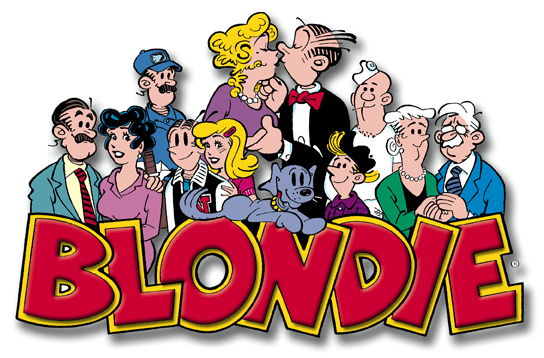
Blondie is one of those shows. It was based on the Chic Young comic strip and debuted on NBC in 1957, lasting one year. The series was resurrected in 1968 and the reboot also lasted a season.
📷wikipedia.com The 1957 version
Blondie had become very popular with fans. Beginning in 1938, 28 movies were made starring Penny Singleton and Arthur Lake. Blondie also showed up on the radio from 1939 to 1950. Many products had been based on the characters including comic books, coloring books, lunch boxes, and board games.
The 1957 series starred half the movie duo. Lake took on his role of Dagwood Bumstead, but Pamela Britton was offered the role of Blondie Bumstead. Their kids, Cookie and Alexander, were played by Ann Barnes and Stuffy Singer. Florenz Ames was boss J.C. Dithers with Elvia Allmana as his wife Cora. Rounding out the cast was Harold Peary as neighbor Herb Woodley.
📷imdb.com The 1968 version
A decade later Will Hutchins and Patricia Harty play Dagwood and Blondie, Jim and Henny Backus play the Dithers, and Pamelyn Ferdin and Peter Robbins are their kids. The only advantage this series had over the original was color.
The comic strip, movies, radio show and both sitcoms all encompassed the familiar Bumstead elements: Dagwood being physically and socially awkward; their dog Daisy, and Dagwood’s love of napping and huge sandwiches.
The reboot was produced by Joe Connelly and Bob Mosher, the faces behind Leave It to Beaver and The Munsters. There was room in the schedule after the network cancelled He and She, a sitcom starring real life spouses Paula Prentiss and Richard Benjamin. The show is described on imdb.com as “Dick and Paula Hollister are a couple living in New York. Dick is a comic-book artist who has become famous for creating a superhero called Jetman, which has been turned into a TV show starring egocentric actor Oscar North.” During its one season of 26 episodes, the show received seven Emmy nominations, including a win for writing. It’s too bad that show was given the axe and Blondie moved in because the Prentiss-Benjamin show was much more creative and felt new, while Blondie felt extremely old.
No surprise, the ratings were not great. This is even worse when you see what the show was in competition with: The Ugliest Girl in Town, which would also be gone by 1969, and Daniel Boone. The one new 1968 show to return on CBS was Hawaii Five-0 which seems so much more sophisticated than Blondie; it’s hard to believe they both debuted the same year.
📷yahoo.com Hawaii Five-0
Perhaps the fans didn’t tune in because the critics panned the show before it aired. The Milwaukee Journal’s Wade Mosby said it was “a horrendously contrived piece of fluff that should have never been snatched from the comic pages.” Don Page of the Los Angeles Times called it “an unmitigated disaster,” and Cynthia Lowry of the Associated Press described it as “dismal.”
By November, rumors were that the show was already cancelled, and its last episode aired in January. The show probably relied too much on slapstick and unsophisticated humor; things that might have been fine in the 1930s but were passe by the 1960s. Sometimes a show is cancelled just because it’s a badly written and executed show. It seems Blondie fell into this category not once but twice.
Off the top of my head, I can only recall two comic strips becoming popular television shows: The Archies and The Addams Family. Because the Blondie characters were not very dimensional and got into the same situations over and over, they just never were able to translate into sustainable television characters. I think there’s a good reason that many people don’t remember this show and perhaps it’s better that way.
This month we are looking at some recent reboots of popular shows from the the past. We are ending our series with what I think was the best of the reboots in recent history: Hawaii Five-O.
Originally, one source said the show was developed with a house detective for a chain of Hawaiian hotels. Someone on the production team thought it would limit the plots too much, so it was expanded to crime throughout Hawaii.
📷imdb.com
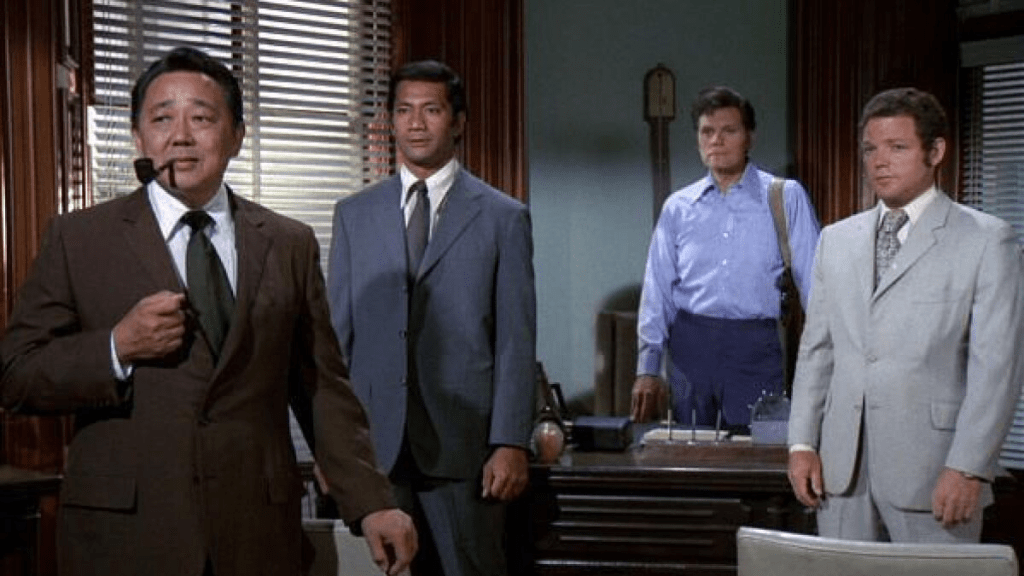
From 1968 to 1980, Hawaii Five-O was on CBS. Created by Leonard Freeman and set in Hawaii, it starred Jack Lord as Captain Steve McGarrett, former Korean War veteran. McGarrett heads a special task force appointed by the governor. His team includes Danny Williams (James MacArthur), Chin Ho Kelly (Kam Fong), Kono Kalakaua (Zulu). Police officer Duke Luekla (Herman Wedemeyer) lent a hand often. The task force is run out of offices at the Iolani Palace.
Richard Boone was offered the part of McGarrett, but he turned it down. Gregory Peck was also in consideration for the role. Eventually, Jack Lord auditioned on a Wednesday, received the part, and was in Hawaii filming on Monday. Lord was the only actor to appear in all 281 episodes of the series. A couple members of the cast came on board with little-to-no acting experience. Zulu, who played Kono, was a beach boy and local DJ. Fong, who played Kelley, had been a police officer in Honolulu for sixteen years before retiring to work in real estate.
McGarrett and his team investigated crimes by international secret agents, organized crime syndicates, and ordinary criminals. Some of the villains were played by celebrities including Gavin MacLeod, Ross Martin, and Ricardo Montalban.
📷internetmoviefirearmsdatabase.com
McGarrett’s ongoing battle throughout much of the series is with Wo Fat (Ihigh Dhiegh), a rogue intelligence officer from China. In the finale, “Woe to Wo Fat,” McGarrett is finally able to land him in jail. However, the series ends with Wo Fat retrieving a file from his boot, making us wonder if we might be able to escape. The name “Wo Fat” came from a restaurant in downtown Honolulu.
In the original show, little time was given to the personal lives of the team; the plots all centered around solving the crime of the week.
The show was filmed in Hawaii: the first location was in Pearl City in a hut where the roof leaked and rats gnawed at cables; then it moved to Fort Ruger and for the final four seasons, a set was built at Diamond Head. Hawaii had only been a state for nine years when the series started, so most Americans were not familiar with the islands.
📷instrumentationengineering.com
Fans often talked about the beauty of the scenery for the show. They also appreciated the intelligent writing and believable plots.
Many locals were used in the show, partly because the television and movie industry was not well represented in Hawaii, so everyone learned along the way. This made the cast much more diverse than most shows in the sixties.
The show was known for its theme song written by Morton Stevens. The Ventures recorded the theme, and it reached No. 4 on the Billboard Hot 100 chart. It was popular with high school and college bands across the country; when I was a majorette in the mid-seventies, it was one of the songs our band performed.
One of the most popular catchphrases from the seventies was “Book ‘em Danno,” a phrase used sparingly in the reboot.
The original Five-O was the longest-running crime show until Law & Order surpassed it in 2002. In began on Thursdays but moved to Wednesdays later in the year. From 1971-1974 it aired on Tuesdays. In 1975 it started out on Friday nights, moving to Thursdays where it stayed till 1979. That December it moved to Tuesdays for two months before switching to Saturdays for the rest of its run. This doesn’t seem like a great strategy for keeping fans.
📷facebook.com
While the show was popular with viewers, its only two Emmy wins were for music composition. It received ten nominations, but the only person to be nominated for acting was a special guest appearance by Helen Hayes in 1976. There were no nominations for acting, writing, or best series.
A one-hour pilot for a reboot was made in 1996 but never aired on television. Written by Stephen J. Cannell, it starred Gary Busey and Russell Wong as the Five-O team along with MacArthur who returned as Danny Williams, now governor of Hawaii.
📷releasedate.me
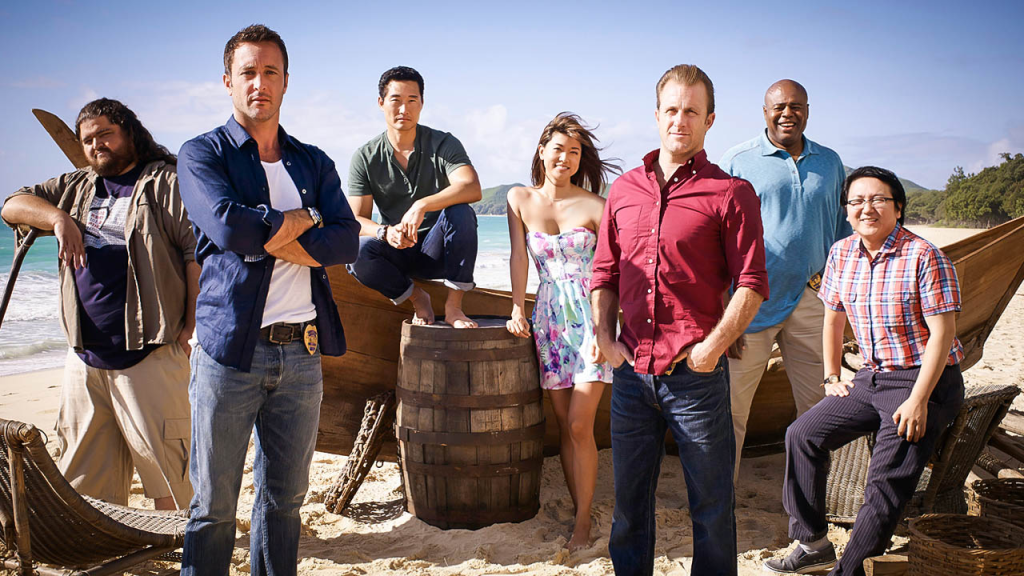
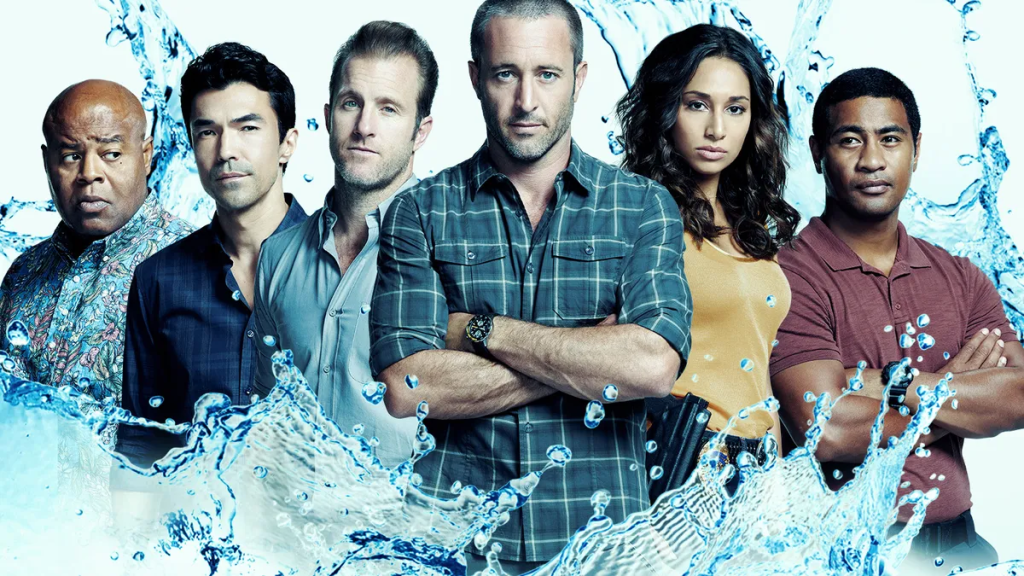
The reboot we are discussing today began in 2010, also on CBS. To distinguish it from the original show, it was Hawaii Five-0 (using a zero in place of a capital letter O). Most of the characters are similar to the original. They are still a special task force appointed by the governor who is now a woman, Pat Jameson (Jean Smart). Steve McGarrett (Alex O’Louglin), a former Navy SEAL and son of Jack Lord’s character, partners with Danny Williams (Scott Caan) in this version. Other teammates included Chin Ho Kelly (Daniel Dae Kim) and Kono Kalakaua (Grace Park). Kono’s gender switched from the a male to bring a female perspective to the team.
For the eighth season Tani Rey (Meaghan Rath) and Junior Reigns (Beulah Koale) came on board. Several other regulars during the years included Lou Grover (Chi McBride), medical examiner Max Bergman (Masi Oka), Jerry Ortega (Jorge Garcia), Chin’s classmate and a local conspiracy theorist whose vast knowledge often comes in handy, and Sgt Duke Lukela (Dennis Chun) is still around from the original show.
📷tvguide.com
A season or two into the show, Steve’s girlfriend, Lt. Catherine Rollins (Michelle Borth) works with the team and Adam Noshimuri (Ian Anthony Dale) joins the group. When Dr. Bergman heads overseas, he is replaced by Noelani Cunha (Kimee Balmilero). Another member of the surrogate family is Kamekona (Taylor Wily) who owns a food stand. He often helps the team because he knows almost everyone and has great intel for Steve and Danny. In this version, Steve’s father was a cop and Steve is still hunting down Wo Fat to avenge his father’s death. Chin and Kono are cousins and eventually Kono and Adam marry.
O’Loughlin was born in Canberra, Austrialia on August 24, 1976, and Caan was born in Los Angeles on August 23, 1976, but since Australia is twenty-four hours ahead of the US time, they were essentially born on the same day. Perhaps that’s why they had such great chemistry. Their witty bantering is fun to listen to. They remind me of an older couple who have been married a long time. They know each other so well, and can afford to be critical, because you know they have each other’s backs and would die for each other if they needed to.
This new version continued to show the beauty of the Hawaiian Islands. Viewers learned more about the culture of the state.
📷spoilertv.com
In the reboot we also got to know the characters much better; half the show concentrated on their personal lives and how those lives sometimes had an effect on what they did as detectives, right or wrong.
Peter M. Lenkov, who was one of the creators of this reboot, was also part of the team that debuted MacGyver and Magnum PI reboots, all of which are set in Hawaii.
The show was popular with viewers when it returned to the schedule. The Honolulu Advertiser wrote that “a smart script, slick production values and maybe a splash of nostalgia got the remake of Hawaii Five-0 placed on the CBS prime-time lineup this fall.”
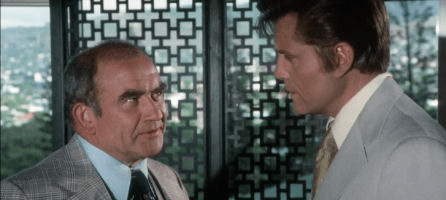
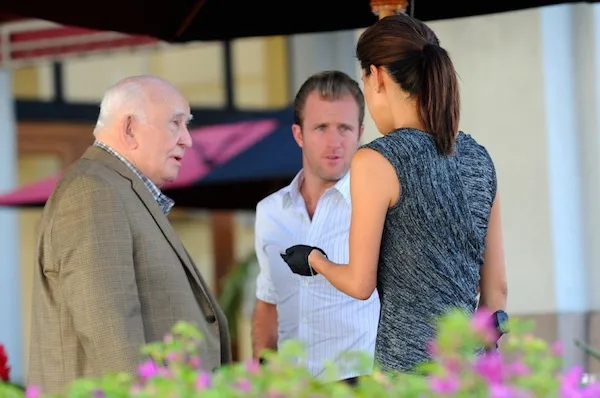
One fun carryover from the original series was the character of August March. Played by Ed Asner in the original show in season two, March was a jeweler who was arrested by Lord’s character. In season three of the reboot, August March is back played by Asner again.
📷inner toob.com Asner on the original . . . and
The series debuted on Monday nights. Season four found it on Fridays where it stayed for the final seven seasons.
Viewers had strong reactions to the theme song. For the early shows, the original theme song was used but updated which fans did not appreciate, so the original theme was used for most of this series as well.
the reboot. 📷tvline.com
The new show had a positive impact on Hawaii’s economy. Businesses that were featured on the show saw an increase in visitors. When McGarrett mentioned Kona Brewing Company beers were his choice of beverage, sales shot up 60%.
One fun fact for those car collectors is that Jack Lord drove a Mercury Marquis in several seasons of the first show. On this edition, Steve works on his father’s car. The owner, stuntman John Nordlum, allowed the show to use the car, which still has its old license plate of F6-3958.
📷micoope.com
Comparing these shows is a little tough because television culture and shows changed so much during the 42 years that the show was off the air. The original series had 281 episodes while the reboot comes in with 240. I remember watching the original as a kid, and it was just another police drama to me. Personally, I like the reboot. Continuing to portray the culture as another character adds a lot of charm to the show. I would rather see the personal lives of the characters especially because they spend a lot of time out of work together and that adds to their team chemistry. I also like the banter between Steve and Danny.
There have been many reboots of classic shows, especially on other streaming services, and most of them do not live up to the original standards at best and can be plain awful at worst. This is one of the few that did it right and succeeded for all the right reasons. If you never saw the original, check out a season or two and compare the shows for yourself.
In this last blog in our series of Supportive Men, today’s actor might not be someone most people expect to see when talking about television. When most people think about Leslie Nielsen, they think of Airplane! and some of his other movies. While he did have a prolific movie career, he also has a well-deserved place in television. This guy amassed 259 (150 in television) acting credits during his six-decade long career.
📷tmdb.com
Nielsen was born in Saskatchewan, Canada in 1926. His mother was from Wales, and his father was a Royal Canadian Mounted Policeman. His older brother served in politics, being a Canadian Member of Parliament, a cabinet minister, and a Deputy Prime Minister of Canada. I read several sources that said his father was abusive, and Leslie wanted to move out as soon as possible.
Leslie enlisted in the Royal Canadian Air Force, serving until the end of WWII. He was legally deaf, wearing hearing aids most of his life, but he was able to train as an aerial gunner.
After the war, he worked as a disc jockey in Calgary, Alberta before enrolling at the Lorne Greene Academy of Radio Arts in Toronto. He was offered a scholarship at the Neighborhood Playhouse in New York.
📷wikipedia.com Bonanza
He made five television appearances in 1950 with the first being on The Actor’s Studio. He continued working in television, primarily on dramatic theater series, through the 1950s. In 1956, he had his first big-screen roles, appearing in four movies that year including Ransom, Forbidden Planet,The Vagabond King, (Nielsen later referred to this film as the “Vagabond Turkey”) and The Opposite Sex.
Leslie discussed his role in Forbidden Planet: “Supposedly a science fiction version of Shakespeare’s The Tempest . . . The Trekkies today regard it as the forerunner of StarTrek. I just had to wear a tight uniform and make eyes at Anne Francis. I was pretty thin back then.”
He became an American citizen in 1958 but continued to be proud of his Canadian citizenship as well.
While most of his credits for the late fifties were movies, he jumped back into television in the sixties, appearing in forty different shows. Many of them were dramatic theater roles, but you can spot him in Alfred Hitchcock Presents, Route 66, Wagon Train, DanielBoone, The Wild Wild West, Dr. Kildare, Bonanza, The Man From U.N.C.L.E., and Gunsmoke. His only recurring role during this decade was on Peyton Place where he played Kenneth and Vincent Markham in 18 episodes.
📷pinterest.com on M*A*S*H
The seventies were almost a repeat of the sixties. His recurring role was on The Bold Ones. He also appeared in Medical Center, Mod Squad, M*A*S*H, Barnaby Jones, Hawaii Five-0, Kojak, Columbo, and The Love Boat.
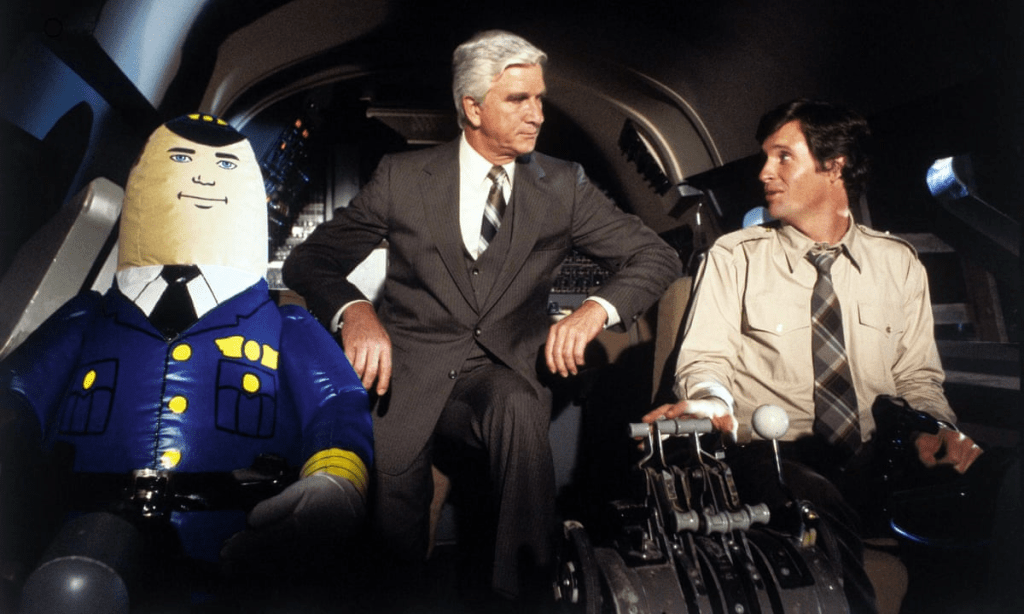
1980 brought him the role of Dr. Rumack on Airplane!. Nelson’s deadpan delivery of lines in that movie is what most fans today remember about his career. Of course, his response to the line of “Surely you can’t be serious?” of “I am serious. And don’t call me Shirley” is still repeated today. Leslie said, “he was pleased and honored that he had a chance to deliver that line.” Film critic Roger Ebert once called him “the Laurence Olivier of spoofs.”
📷themoviebuff.com Airplane!
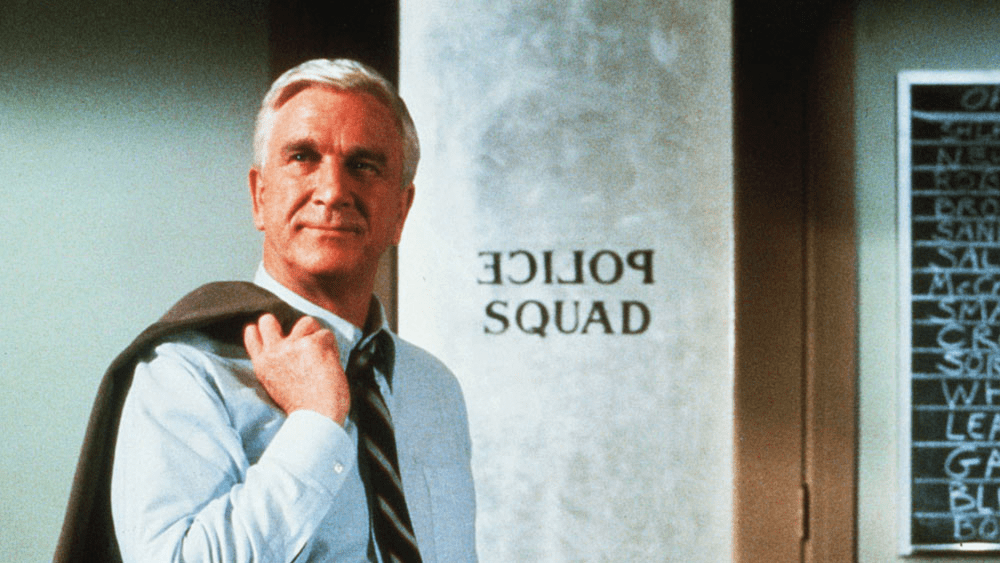
He continued in these types of roles in Police Squad and Naked Gun and the sequels. His movie roles increased in the eighties and nineties, but he continued to accept television roles off and on. You can catch him on Murder She Wrote, Highway to Heaven, Who’sthe Boss, The Golden Girls, and Evening Shade.
His roles continued throughout the 2000s until his death, but the last decade included fewer memorable shows, although he worked less overall. When reflecting on this, Neilsen said that “I’m afraid if I don’t keep moving, they’re going to catch me . . . I am 81 years old, and I want to see what’s around the corner, and I don’t see any reason in the world not to keep working. But I am starting to value my down time a great deal because I am realizing there might be other things to do that I am overlooking.”
📷npr.org Police Squad
While Nielsen was very successful in his career, he was not as successful with his marriages. From 1950-56, he was married to Monica Boyar. His longest relationship was with wife Alisande Ullman from 1958-1973. He then married Brooks Oliver for two years from 1981-83 and then Barbaree Earl from 2001-2010.
One of his hobbies was golfing, and he later did some humorous instruction videos about the sport. He once said, “I have no goals or ambition. I do, however, wish to work enough to maintain whatever celebrity status I have so that they will continue to invite me to golf tournaments.”
Nielsen died in his sleep in 2010 from pneumonia.
He received two Walk of Fame stars: one in Hollywood in 1988 and one in Toronto in 2001. Nielsen was known for his flatulence gags, especially on movie sets, and his tombstone says “Let ‘er Rip.”
While Nielsen’s career is impressive, what I loved most about him is that he seemed to thoroughly enjoy life. That’s a great reminder for us all. Our best role should be enjoying life to the best of our ability.
This month we are celebrating some of our favorite Supportive Men, actors who usually are not the star of a show but add the special flavor only they can to some of our favorite shows.
Before we move on to our topic today, can I just say a huge THANK YOU to all of you who have joined me on this journey through classic television. Today is my 400th blog and it has been so much fun. Next week will be 401, but for today we are looking at the career of Vic Tayback.
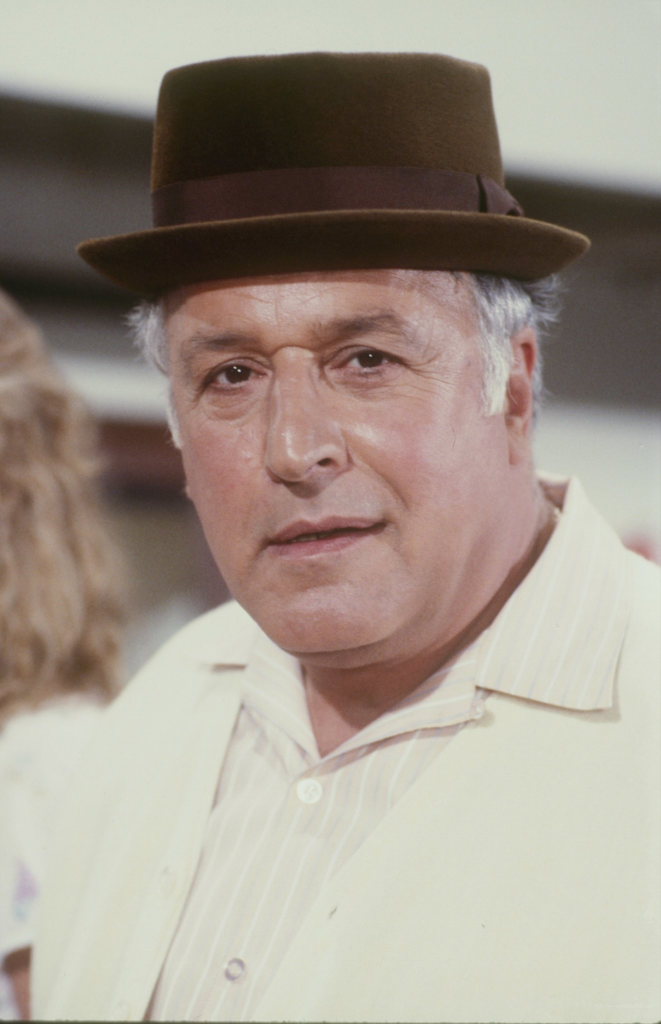
📷graduation photo
Most of us probably know him best as Mel on Alice; he played Mel Sharples in both the original movie, Alice Doesn’t Live Here Anymore, as well as the television show that was on for nine years.
Tayback was born in Brooklyn in 1930. His parents settled there after leaving Aleppo, Syria. During his teenage years, the family moved to California where he attended Burbank High School. He loved sports and played on a variety of teams, his favorite being football.
After high school, he enrolled at Glendale Community College. He also spent some time with the US Navy.
With his love of sports, he decided to attend the Frederick A. Speare School of Radio and TV Broadcasting to be a sports broadcaster. While there he was required to perform in a production of “Stalag 17” for one of his classes. He wasn’t thrilled about doing so, but he realized that he loved making people laugh and decided to switch his career to acting. While trying to break into the industry, he paid his dues driving a cab and working as a bank teller.
📷embarrassingtreasures.com Family Affair
The first of Tayback’s astounding 151 acting credits occurred in 1958 in a little-remembered series, Buckskin. This western was set in Annie O’Connell’s boarding house in Buckskin, Montana in 1880 and the stories were told by ten-year-old Jody. Vic continued to receive a few other appearances on television in the late fifties, as well as two films.
In the sixties, Tayback’s career took off. He would show up on 32 television episodes and 9 big-screen films, including With Six You Get Eggroll with Doris Day and Brian Keith. His tv roles were in comedies such as F-Troop, I Dream of Jeannie, Family Affair, Get Smart, The Monkees, and That Girl. He also could be seen in a variety of dramas that included 77 Sunset Strip, Dr. Kildare, Rawhide, Cimarron Strip, Star Trek, and Mission Impossible.
📷newyorkdailynews.com The Cheap Detective
The sixties also found Vic in the role of groom. In 1963, Tayback married Sheila Barnard, and they remained married until his death.
During the seventies, his appearances escalated to more than forty television series and ten movies. Some of his television shows included Bonanza, TheMary Tyler Moore Show, Bewitched, Columbo, Mannix, Ironside, Mod Squad, The Partridge Family, All in the Family, Barney Miller, Cannon, Medical Center, Family, and Hawaii Five-0. His movies included a few genres running from Disney’s The Shaggy DA to Papillon (Papillon was the story of a French convict who befriends a fellow criminal in South America in the 1930s, and he plans an escape).
It was during the mid-seventies that he was offered the role of Mel Sharples. In 1974 the movie was released, and the television show aired in 1976. The show was very popular with viewers. Vic said he and Mel were somewhat similar characters. While people still quote Flo on the show with her “Kiss my grits,” Tayback had his own tagline on the show, “Stow it.”
📷imdb.com Alice
If you didn’t see the show, it featured a greasy-spoon diner in Phoenix, Arizona. Alice moves there after the death of her husband with her son Tommy. She becomes a waitress at Mel’s along with sassy Flo and shy, gullible Vera. Despite the bad food, they have a lot of regulars who come in for a meal. If you want to visit the restaurant, the building it was based on is at 1747 NW Grand Ave in Phoenix and was called Pat’s Family Restaurant. (It was also featured in American Graffiti.) It is now called Mel’s Diner. According to Trip Advisor, it is ranked #448 out of 1795 restaurants in Phoenix.
📷imdb.com
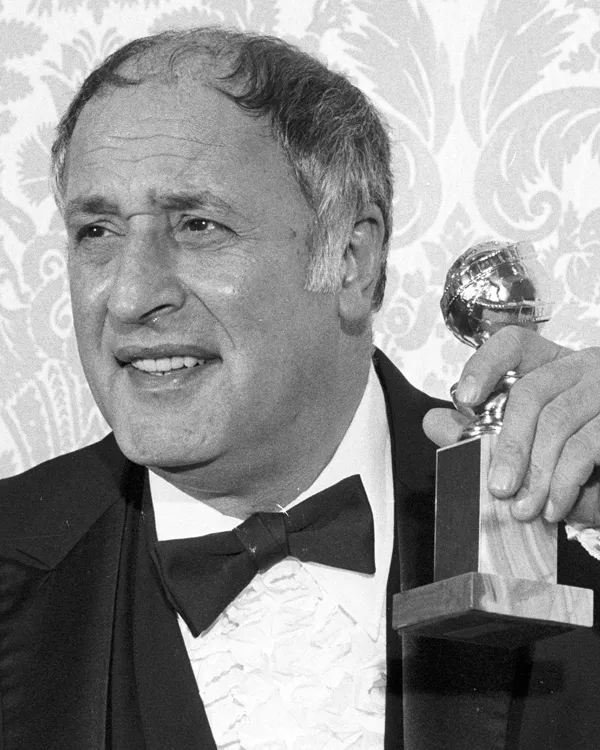
The role of Mel won Tayback Golden Globe awards in both 1979 and 1980. In 1978 he was nominated for an Emmy as Supporting Actor in a Comedy. While he did not win, he was in some amazing company. That year, fellow nominees included Harry Morgan and Gary Burghoff for M*A*S*H, Tom Bosley in Happy Days, and Rob Reiner from All in the Family, who took home the win that year.
The series aired on Saturday nights and the first year was in the top thirty. In 1977, its second season, it was moved to Sunday nights, following All in the Family where it rose into the top ten. In 1979, All in the Family left the airwaves, and Alice then followed One Day at a Time. Seasons three-five, it continued to be in the top thirty. In 1981, the show was moved to Monday nights up against M*A*S*H where it fell out of the top 30. However, season seven found it back on Sundays following The Jeffersons where it rose back into the top thirty. However, it took another dive in ratings the next year and then was cancelled. I think it probably stayed on the air a year or two beyond when it should have. However, interestingly enough, the year it was cancelled, CBS introduced 15 new shows. I’m not sure most people have ever heard of any of them; they were all gone by 1986 with the exception of The Twilight Zone (reboot) and West 57th, which was a news show aimed at younger audiences.
Vic was also an avid horse-racing fan and owned quite a few thoroughbreds. On Alice, Mel was also a track fan, and sometimes the writers asked Mel for names of horses they could use, and he often gave them names of his horses.
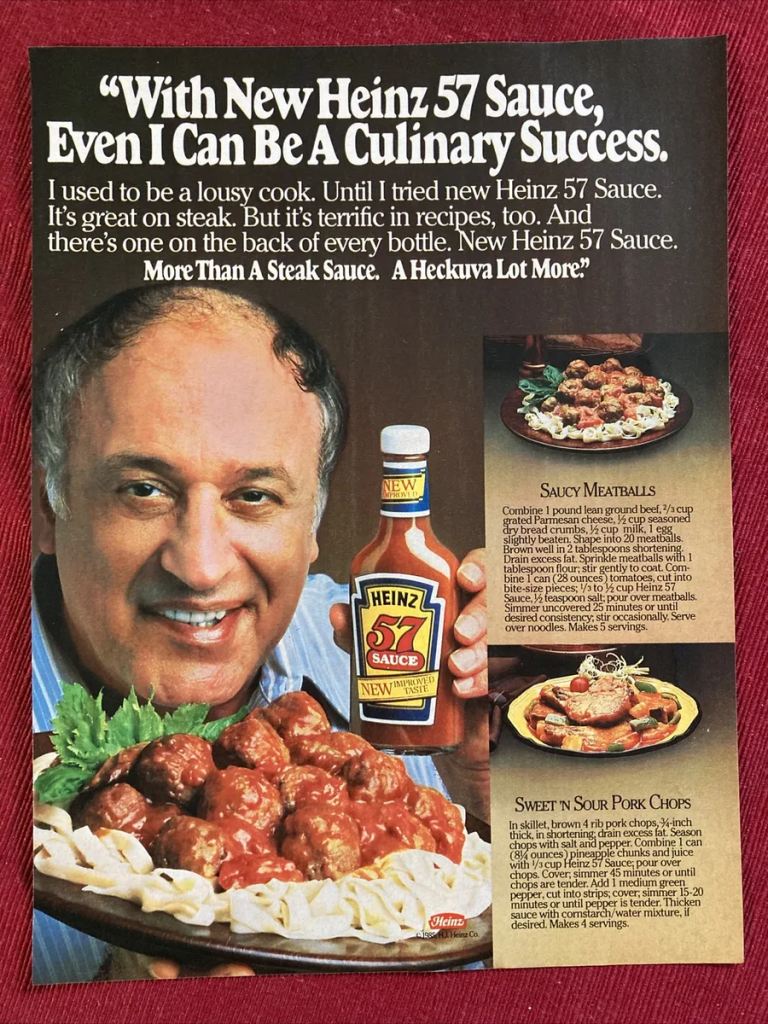
On the show, Vic was often made fun of for his bad cooking. In a 1985 interview he said, “If I walked into a restaurant, the other diners would look around and say, ‘I hope you’re not cooking.’” Heinz then offered him the role of spokesperson for their Heniz 57 sauce and his line in the commercials, was “I used to be a lousy cook.” He was also remembered for an Aqua Velva commercial he did with Pete Rose.
Unfortunately, Tayback was a heavy smoker which caused heart trouble for him. While doing Alice, he had a triple-bypass surgery. While he did try to quit numerous times, he just could never kick the habit. In 1990, he died from a heart attack at age 60.
📷goldenglobes.com
While we were cheated of several decades of performances from Vic with his early death, he did leave an amazing legacy in the Company of Angels theater in Los Angeles. According to its website, “In 1959, a group of actors, including Tayback, Leonard Nimoy, Richard Chamberlin, and Vic Morrow founded the theater to provide a space for actors and other theater artists to work on their craft free of commercial constraints.”
Thank you, Vic Tayback, for deciding to make people laugh in your career and investing in the future of acting so those memories continue in the future.
This month, our theme is Bam! Pow! Batman Villains. We have learned a bit about the careers of the Joker and Cat Woman, and today we are spending some time with the Riddler, portrayed by Frank Gorshin.
📷imdb.com
Gorshin started out as an impressionist and comedian before transitioning into acting.
Frank was born in Pittsburgh in 1933 into a blue-collar, middle-class family. His mom was a seamstress, and his father was a railroad worker. His paternal grandparents arrived in the US from Slovenia and his mother was born in Slovenia, coming to the Pittsburgh area as a young girl; his parents were very involved in the Slovenian community, both singing with the Preseren, a Slovenian singing society.
When he was 15, Gorshin got a part-time job as an usher at the Sheridan Square Theatre. He studied the mannerisms of the actors he watched in those movies and developed an impressionist act. Some of his favorite actors to mimic included James Cagney, Cary Grant, Al Jolson, and Edward Robinson. After entering a talent contest in 1951, he won a week-long engagement at the Carousel nightclub in New York.
Sadly, Gorshin’s older brother was hit by a car two days before and died. His parents convinced him to keep his performance schedule and sent him to New York.
After high school, Gorshin enrolled at the Carnegie Tech School of Drama (now Carnegie Mellon University).
📷imdb.com
At age 20, Frank was drafted into the US Army and sent to Germany. He was an entertainer in Special Services for a year and a half. When Gorshin left the Army, he began his acting career, appearing in four movies and on television in Alfred Hitchcock Presents.
I can’t imagine the horror Gorshin’s parents felt when getting a call in 1957 that their son had fallen asleep while driving from Pittsburgh to Hollywood, a 39-hour trip for a screen test. With their other son passing away from a car crash six years earlier, now they had to deal with the fact that their other son was in a coma with a fractured skull. Luckily, he made a full recovery.
Another big event occurring in 1957 was his marriage to Christina Randazzo. They had a son and separated later in life, but they never did divorce as far as I could tell.
Until his death, Gorshin would appear in more than sixty big-screen films. During the fifties, he only appeared in a handful of television series, but that would change in the 1960s. Some of the most memorable shows included The Defenders, The Munsters, Star Trek, and The High Chapparal. With his comedy act, he visited The Ed Sullivan Show four times. The first time he did his impressionist act on the series, he would be scheduled with this new band called The Beatles.
📷metv.com
The sixties also found him on Batman, his reason for being in this month’s blog series. He said that he developed a fiendish laugh at Hollywood parties. “I listened to myself laugh and discovered that the funniest jokes brought out the high-pitched giggle that I use on the show. With further study, I came to realize that it wasn’t so much how I laughed as what I laughed at that created the sense of the menace.”
He did not love the unitards that many of the comic book villains wore, so he asked for a green business suit and bowler hat, covered with question marks since he always left riddles for Batman and Robin to solve. He often said “Riddle me this, Batman” which became a catchphrase of the mid-sixties.
Gorshin said “When I was first approached to play the Riddler, I thought it was a joke. Then I discovered the show had a good script and agreed to do the role. Now I am in love with the character.”
📷imdb.com
Gorshin was the only villain to be nominated for an Emmy. He got the nod in 1966 for the episode “Hi Diddle Riddle.” He had some tough competition, going against Werner Klemperer as Colonel Klink on Hogan’s Heroes, Morey Amsterdam on The Dick Van Dyke Show, and winner Don Knotts on The Andy Griffith Show.
Gorshin was in ten episodes of the show, but after appearing numerous times, he was unavailable, and the producers replaced him with John Astin. I realized hindsight is 20/20 as they say, so the producers were never considering the effect the show would have on pop culture and the decades it would be a fan favorite, but that switch seems extreme. However, they did it with Julie Newmar and Eartha Kitt as well, so maybe they figured if you have to replace a villain, let’s replace them with someone very different from the original. Gorshin, however, was not a fan of being replaced but did get over it enough to accept his tenth episode role in season three and appeared as Riddler in the 1979 made-for-television movie Legends of the Superheroes.
Frank made his Broadway debut in 1969 in the musical biography, “Jimmy” which was about the controversial life of New York mayor Jimmy Walker.
Gorshin was very busy in the seventies and eighties. Among the twenty plus shows he appeared on were The Virginian, Martin and Rowan’s Laugh In, Ironside, Hawaii Five-0, Charlie’s Angels, and Murder She Wrote.
In the last three decades of his life, he spent more time making big-screen films. One thing I found surprising is that Gorshin appeared in three soap operas, all at different times in his career: General Hospital in 1963, The Edge of Night in 1982, and The Bold and the Beautiful in 1999.
In the early 2000s, Gorshin did a one-man Broadway show, portraying George Burns. He was reunited with his Batman cast in a made-for-tv movie, Return to the Batcave: The Misadventures of Adam and Burt. His last appearance was on CSI: Crime Scene Investigation on “Grave Danger” on which he played himself. The episode was directed by Quentin Tarantino and was dedicated to Gorshin.
📷discogs.com
Unfortunately, Gorshin was a heavy smoker throughout his life. Adam West once said that “Frank could reduce a cigarette to ash with one draw” and his nightclub performances warned patrons they would be exposed to a lot of second-hand smoke if they attended. Not surprisingly, he died from lung cancer, complicated by emphysema and pneumonia.
I enjoyed getting to know Frank Gorshin in this blog. While I was much more familiar with the careers of Burgess Meredith and Julie Newmar, Gorshin and Cesar Romero are actors I knew very little about. I hope you are also enjoying getting to know these fun “villains.”
As we wind up our blog series, “Time for Some Texas Tea,” we are also reading the last blog of the year. We have been learning about the careers of several actors who appeared on The Beverly Hillbillies and today we have saved Buddy Ebsen who had the most successful career of the cast.
Ebsen was born Christian Ludolf Ebsen Jr. in 1908 in Illinois. He was the only son of four children born to his parents who had immigrated from Germany. His father was a choreographer and owned a dance studio. He was also a physical fitness advocate and operated a gym for the local school district. His mother was a painter.
Davy Crockett Photo: ebay.com
When Buddy was ten, his family moved to Florida for this mother’s health, eventually ending up in Orlando where he took dance at his father’s studio. Ebsen was a member of the swim team all four years and became a Florida State Champion. He graduated in 1926. Originally, he chose a career in medicine and attended the University of Florida at Gainesville. He transferred to Rollins College in Winter Park for a year to be closer to home and save money. They had no science courses, so his mom suggested he take an acting class. When the Florida land boom crashed, Ebsen could no longer afford his tuition and he had to drop out.
He moved to New York City and worked at a soda fountain to get by. Ebsen began his career in the entertainment industry as a dancer. He and his sister were known as The Baby Astaires and they performed in supper clubs and on vaudeville. They were booked at the Palace Theater in New York City after Walter Winchell saw them perform in Atlantic City and gave them a rave review.
In 1933 Buddy married Ruth Cambridge; their marriage ended in divorce in 1945 after having two daughters.
His first film was Broadway Melody of 1936. In that same year, he danced with Shirley Temple in Captain January. In 1938 he appeared with Judy Garland as his dance partner. Walt Disney brought Ebsen in to be filmed dancing in front of a grid so the animators could use it to draw the Silly Symphonie with Mickey Mouse.
Photo: wikipedia.com
MGM offered Buddy an exclusive contract but he turned it down, and Louis Mayer told him he would never work in Hollywood again. In 1939 the same MGM cast him as the Scarecrow in The Wizard of Oz. Ebsen and Ray Bolger swapped roles and Buddy became the Tin Man. He recorded the songs, went through all the rehearsals, and then began filming the movie. He began experiencing body aches, cramps, and shortness of breath which eventually landed him in the hospital. Doctors diagnosed him with an allergy to the aluminum dust in the makeup, and he had to give up the role and was replaced by Jack Haley.
Ebsen took up sailing after he recovered and learned it so well that he taught it to naval officer candidates. He was turned down every time he tried to enlist in the Navy. The US Coast Guard did accept his application, and he was made a lieutenant, junior grade. He served on the USS Pocatello which was a weather ship, recording weather 1500 miles west of Seattle. He was honorably discharged in 1946.
Photo: mycoastguard.com
Ebsen received permission from the Pocatello’s commanding officer to bring aboard costumes, props, and musical instruments. He wrote, cast, and directed vaudeville shows, concerts, and plays while on the sea. Rehearsals were held in the cramped steering room.
In 1945, Ebsen married fellow lieutenant Nancy Wolcott. They had four daughters and a son. Their marriage lasted 39 years but also ended in divorce.
In 1949, he made his television debut on The Chevrolet Tele-Theater. During the fifties, he continued to make films and to appear on television series.
Breakfast at Tiffany’s Photo: pinterest.com
During the decade of the sixties, he was very busy in both mediums. He made four big-screen films including Breakfast at Tiffany’s. He appeared primarily on television, with appearances on a variety of shows including Maverick, The Twilight Zone, The Andy Griffith Show, Gunsmoke, Bonanza, and Rawhide.
From 1962-71, Buddy became Jed Clampett, the head of the family who moves them to Beverly Hills after they earn millions from oil on their Tennessee land. The critics did not like The Beverly Hillbillies one bit. However, the viewers made the number one show several times. I have to side with the critics. Although the show still had high ratings in 1971, it was canceled by the network because they wanted to move their shows in a more “urban” direction.
Photo: allposters.com
Nancy Kulp seemed to be close to most of the cast especially Irene Ryan as Granny and Raymond Bailey, and Ebsen seemed to be close to most of the cast, especially Donna Douglas and Max Baer. However, Kulp and Ebsen were definitely not close. He was very much a conservative and she was decidedly liberal. Donna Douglas related that “they had a different view, so they had some heated discussions about that. They would go on for weeks.” In 1994, Kulp ran for US House of Representatives in her native Pennsylvania. Ebsen not only supported her opponent, he offered to make commercials talking about how liberal she was. He had no connection with Pennsylvania at the time. She claims he was just being spiteful, and he claims she did not know the issues.
After the cancellation of The Beverly Hillbillies, Ebsen appeared in Hawaii Five-0 and then in quite a run of made-for-television movies. In 1973, Buddy was offered his second starring role in a show as Barnaby Jones, a detective who comes out of retirement to investigate the death of his son. Lee Meriwether played his widowed daughter-in-law Betty. Barnaby Jones stayed out of retirement until 1980 when the show was canceled. The show was still receiving decent ratings, but Buddy decided he was ready for retirement.
Barnaby Jones Photo: ebay.com
When asked about Ebsen, Meriwether said, “He really worked at being at the top of his game. You had to keep up with him. I adored him. I think he had feelings for me too.” She later said that “he loved the idea of being a detective. We had CSI-type equipment in the office on the set and he liked doing his own tests.”
Despite a rumored relationship with Meriwether, in 1985, Ebsen married his third wife, Dorothy Knott, and they remained together until his death.
Except for a few credits here and there, Ebsen did not have a lot of acting credits after the mid-eighties. He did accept a recurring role on Matt Houston during season three of that show when he played Matt’s uncle for 22 episodes.
His last movie was a cameo in the big-screen film, The Beverly Hillbillies, and he played Barnaby Jones. His last acting role as a person was Burke’s Law in 1994. His last television appearance was a voice only for King of the Hill in 1999.
In addition to sailing, Ebsen had a lot of other interests. He was an avid coin collector. He also wrote several novels and books. He also released three albums, The Beverly Hillbillies with Irene Ryan in 1993, Buddy’s Originals in 2001, and Buddy Ebsen Says Howdy in 2003.
If that was not enough, he played the guitar, golfed, rode horses, painted, gardened, fished, and traveled.
Ebsen passed away in 2003. His Coast Guard papers are stored at the US Coast Guard Historian’s Office in Washington DC.
Photo: guideposts.com
Many of the rest of his records were given to the University of Wyoming American Heritage Center by his wife after he passed away. The gift included papers from all stages of his career, artwork created by him, his sailing trophies, and athletic medals among other items. The AHC has a large Hollywood and entertainment collection.
In October of 2022, a new exhibit was unveiled, “The Entertaining Life of Buddy Ebsen.” He certainly did have an entertaining life. While Jed Clampett made him famous, his career was much more interesting than that one role.
Thanks for getting to know Buddy Ebsen better and for taking this journey in 2023 to learn more about classic television and all the people who were important in that evolution.
As we wind up our up close and personal blog series, we are focusing on Gavin MacLeod. I have mentioned Gavin MacLeod’s name a lot in my blogs, but I have never devoted an entire to blog to him, so today is the day. Gavin had an impressive career; he starred in three sitcoms but those three garnered him almost 500 episodes. In addition, he took on more than a hundred guest roles on both the small and big screen.
MacLeod was born Allan George See in 1931 in New York. His mother worked for Reader’s Digest, and his father was an electrician. In 1952, MacLeod graduated from Ithaca College with a bachelor’s degree in fine arts, studying acting.
On Perry Mason Photo: imdb.com
He served in the US Air Force where he wrote, produced, and directed plays. After his service, he moved to New York City. While tackling acting auditions, he worked at Radio City Music Hall. While working as an usher there, he met Joan Rootvik, a Rockette. They married in 1955 and had four children. About this time, he took on the name Gavin MacLeod. MacLeod was a tribute to his acting coach at Ithaca, Beatrice MacLeod.
His movie career began with three movies in 1958. He would make 20 more before 2005, including Operation Petticoat and The Gene Krupa Story.
His television appearances began in 1957 on The Walter Winchell File. He would make another lucky 13 performances during the fifties including The Thin Man and Whirlybirds.
On Hogan’s Heroes Photo: pinterest.com
The sixties kept him busy. He took on comedy in The Dick Van Dyke Show, The Munsters, Gomer Pyle USMC, The Andy Griffith Show, My Favorite Martian, The Flying Nun, and several different characters on Hogan’s Heroes. Westerns called him for Rawhide, The Iron Horse, Death Valley Days, and The Big Valley. He landed dramas including The Man from UNCLE, Perry Mason, Ironside, Hawaii Five-0, and Ben Casey.
From 1962-1964 he starred as Happy in McHale’s Navy. The show continued until 1966, but Gavin left the show halfway through. He was dealing with alcoholism, and he received an offer to make the movie The Sand Pebbles with Steve McQueen. However, he remained close friends with Ernest Borgnine, the star of the show, until his death in 2012. (He quit drinking in 1974.)
Murray and Mary Photo: showbizcheatsheet.com
During the 1970s, he appeared on Love American Style, Charlie’s Angels, and Wonder Woman, but the character we loved best during that decade was Murray Slaughter on The Mary Tyler Moore Show. From 1970-1977, Murray sat next to Mary, helping her through the ups and downs of life. Gavin was originally auditioning for the role of Lou Grant, but ended up reading for Murray. He and Ted Baxter were enemies on the show, but he and Ted Knight were dear friends in real life. They had lived near each other before being cast in the show.
During the run of the show, Gavin and his first wife divorced, and he married his second wife Patti Steele. That marriage also ended in divorce in 1982. Patti became part of a Bible Study group after their divorce and became a Christian. Gavin reached out to her, also became a Christian, and they remarried in 1985.
Photo: travelweekly.com
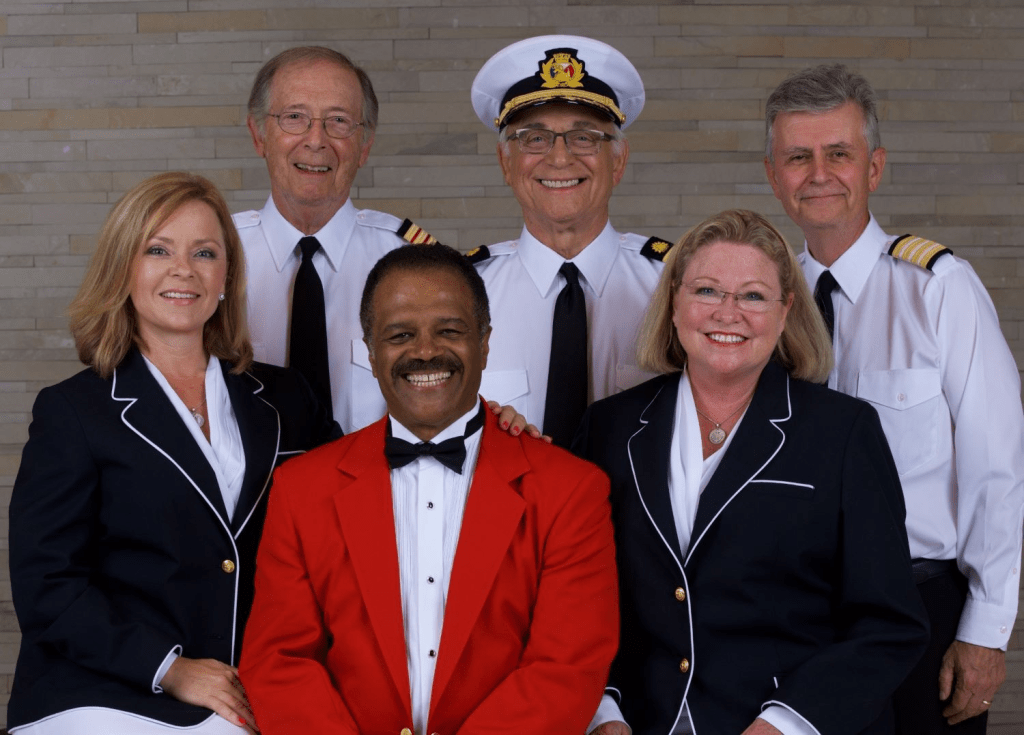
Upon the ending of Mary’s show, he was immediately hired as Captain Stubing on The Love Boat. This time he was in charge of his coworkers. One of his best friends was Bernie Kopell who played Dr. Adam Bricker on the show. Gavin was on the seas for a decade. His best friend Telly Savalas (the lollipop-loving Kojak star) popped up on The Love Boat; the two were very close until Telly’s death in 1994.
When the show ended in 1987, he got a well-deserved break, but he still managed to find time to tour with Michael Learned in “Love Letters.”
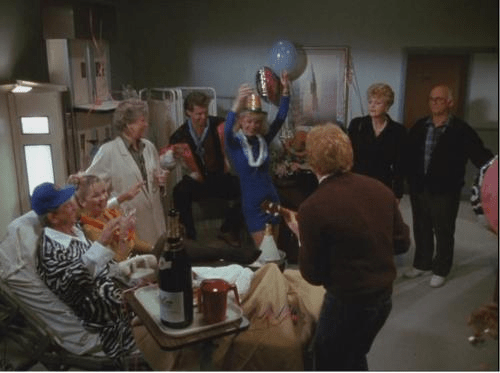
Celebrating on Murder She Wrote Photo: imdb.com
He landed a variety of television show appearances in the 1990s and 2000s, including Murder She Wrote, King of Queens, JAG, and That 70s Show. His final appearance was in 2014 on The Comeback Kids; then he decided to retire. He also did several musicals after The Love Boat including “Gypsy,” “Annie Get Your Gun,” and “Gigi.”
MacLeod and his wife hosted a show on marriage on Trinity Broadcasting Network for 17 years. He also served as the honorary mayor of Pacific Palisades from 2006-2011 when Sugar Ray Leonard took over.
The Love Boat was a big part of his life. Instead of being bitter about being typecast, he embraced the role. He celebrated his 80th birthday in 2011 aboard the Golden Princess with his family, celebrating with a 3D replica cake of The Pacific Princess, his boat on the show.
Photo: princesscruises.com
In 2013, MacLeod joined his former coworkers on The Talk for a cast reunion. Several members of the cast including Gavin took part in The Rose Bowl Parade in 2015.
The cast apparently was very close. Ted Lange who played bartender Isaac Washington mentioned the crew in an interview in 2017 with “The Wiseguyz Show,” saying “Oh yeah, sure, Gavin was wonderful. Gavin lives down here in Palm Springs and we’re still tight, all of us, Gavin and Bernie and Jill; we still see each other. Fred [who played Gopher] lives in a different state, we’re still close, we’re still good friends.”
In his spare time, Gavin enjoyed traveling, playing tennis, dancing, golfing, sailing, reading the Bible, and watching movies. Gavin passed away in May of 2021 at his home.
Photo: twitter.com
During the past decade, he released a memoir, This is Your Captain Speaking: My Fantastic Voyage Through Hollywood, Faith & Life. He explained his goal for writing this book: “My life has taken one incredible turn after another,” writes MacLeod. “I’ve gotten to do what I wanted to do. I’ve been a captain! I’ve been given this incredible gift of life and now I want to use it to give back. That’s why I’m sharing my story here, the fun parts and even some not-so-fun parts, in the hopes that maybe someone will take a nice walk down memory lane with me – and maybe I’ll even give someone a little bit of hope.”
Good memories and a little bit of hope is all we can ask for; thanks, Gavin, for giving that to us.
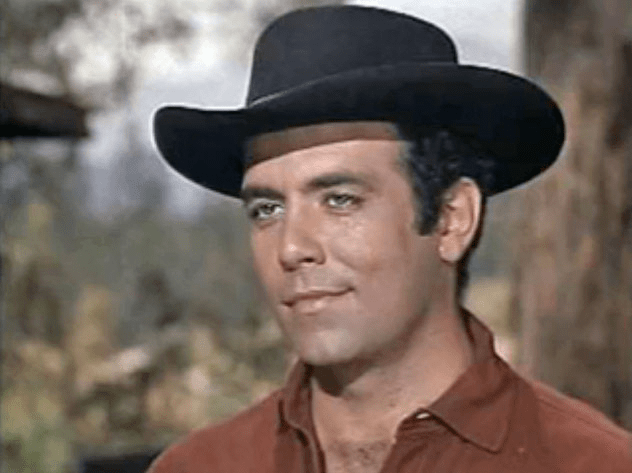
We are up close and personal this month with some of our favorite male television stars, and Pernell Roberts is definitely on that short list. Pernell Roberts was well known to television viewers in the early sixties and the early eighties. Some fans might not even realize the two characters he was best known for, Adam Cartwright on Bonanza and Dr. John McIntyre on Trapper John, MD were played by the same man.
The Family of Bonanza Photo: toledoblade.com
Pernell Elven Roberts Jr. was born an only child in 1928. He was named for his father who was a Dr. Pepper salesman. During high school, Roberts played the horn, acted in several school and church plays, played basketball, and sang in the local USO shows. He enrolled at Georgia Tech but then enlisted in the US Marine Corps. He played both the tuba and horn in the Marine Corps Band while sometimes tackling the sousaphone and percussion parts. After his time in the Marines, he enrolled at the University of Maryland where he enjoyed participating in classical theater. He left college to continue his acting career.
In 1949, he had his professional stage debut in “The Man Who Came to Dinner” with Moss Hart and Kitty Carlisle. He then took on several roles in Philadelphia.
In 1951, Roberts married Vera Mowry; she was a professor of theatre history at Washington State University. They divorced in 1959. They had one son who was killed in a motorcycle accident in 1989.
In 1952, Roberts made the big move to New York City appearing in off-Broadway shows. Several of his costars were Joanne Woodward and Robert Culp. He performed several Shakespeare roles.
In 1956, Roberts made his television debut in Kraft Theatre. In 1957, he signed with Columbia Pictures. His first big-screen role was as Burl Ives’ son in Desire Under the Elms. His second role was with Glenn Ford and Shirley MacLaine in The Sheepman.
Roberts continued to accept television roles with ten appearances in 1958 and six in 1959.
Photo: simple.wikipedia.org
From 1959-1965 he would portray Adam Cartwright, Ben’s oldest son on Bonanza. Each of the brothers had a different mother, and Adam was the only Cartwright to attend college, studying architectural engineering. After acting in classical theater for so much of his early career, the transition to a weekly series was a difficult one for Roberts. He thought it a bit ridiculous that the independent sons had to get their father’s permission for everything they did. He wanted to act in a show with greater social relevance. So, although the show would continue until 1973, he left in 1965 after appearing in 202 episodes. The storyline was that Adam was traveling in Europe or living on the east coast. Bonanza producer David Dortort said Roberts was “rebellious, outspoken . . . and aloof, but could make any scene he was in better.”
The Odd Couple Photo: sitcomsonline.com
During this time on the show, Roberts married again in 1962; he wed Judith Roberts and they would divorce in 1971.
After leaving Bonanza, Roberts returned to theater, playing a variety of roles. He toured with many musicals including “The King and I”, “Kiss Me Kate”, “Camelot”, and “The Music Man.”
Pernell also became involved in the civil rights movement, joining Dick Gregory, Joan Baez, and Harry Belafonte in the sixties demonstrations including the March on Selma.
On Mission Impossible Photo: ebay.com
From 1972-1996, Roberts was married to Kara Knack. They also divorced.
Throughout the late sixties and seventies, Pernell continued appearing in television series and made-for-tv movies. You’ll see him in westerns such as Gunsmoke, The Big Valley, and The Virginian; spy genres including Wild Wild West, Mission Impossible, and The Girl from U.N.C.L.E.; crime shows including Hawaii Five-0, Mannix, Police Story, Ironside, Cannon, and TheRockford Files; and several medical series—Marcus Welby, West SideMedical, and Quincy. He even showed up on The Twilight Zone and The OddCouple.
Photo: televisionacademy.com
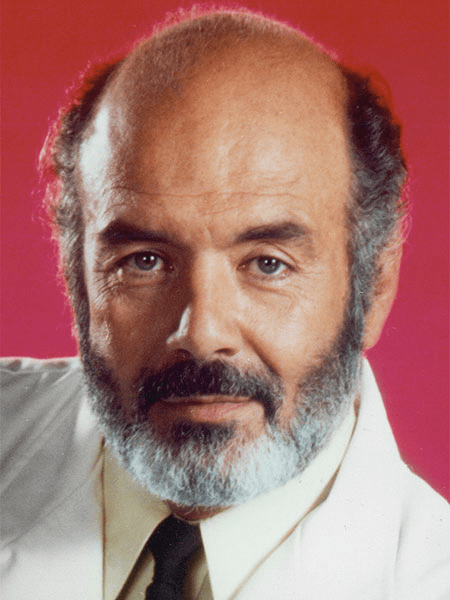
Perhaps he enjoyed those medical shows because he returned to television to star in his own series in 1979, playing Trapper John, MD. The plot was featured Trapper John from M*A*S*H later in his career at San Francisco Memorial Hospital where he was Chief of Surgery. He worked with a young surgeon who had also served in a MASH unit, Alonzo “Gonzo” Gates (Gregory Harrison). The series lasted seven seasons.
In 1979, he told TV Guide that he chose to return to a weekly show because he had “seen his father age and realized it was a vulnerable time to be without financial security.” Roberts felt the role allowed him to use his dramatic range of acting skills and to address important social issues.
In the 1990s, Roberts took on very few television appearances; his last television performance was in Diagnosis: Murder in 1997.
Roberts would attempt marriage one last time in 1999 when he wed Eleanor Criswell. When Pernell passed away in 2010 from pancreatic cancer after being diagnosed in 2007, they were still together.
Photo: Facebook.com
Pernell also enjoyed golfing, swimming, playing tennis, running, reading, cooking, and singing. He appeared on two record albums during his career. The cast of Bonanza recorded an album in 1959 and he released a folk music album in 1962, titled “Come All Ye Fair and Tender Ladies.”
He certainly had a long and varied career: music, movies, Broadway, and television. He also used his fame to help causes he believed in. I don’t think he is remembered as well as he should be. Maybe it’s because he left Bonanza too early to be included on a lot of the memorabilia that came out of that show or because there was such a gap between his two series that he starred in. Whatever the reason, I hope this blog has helped recall some of our memories of the three decades he spent entertaining us.




























 thewritelife61