Dick Schaal: What a Character

📷wikipedia.com

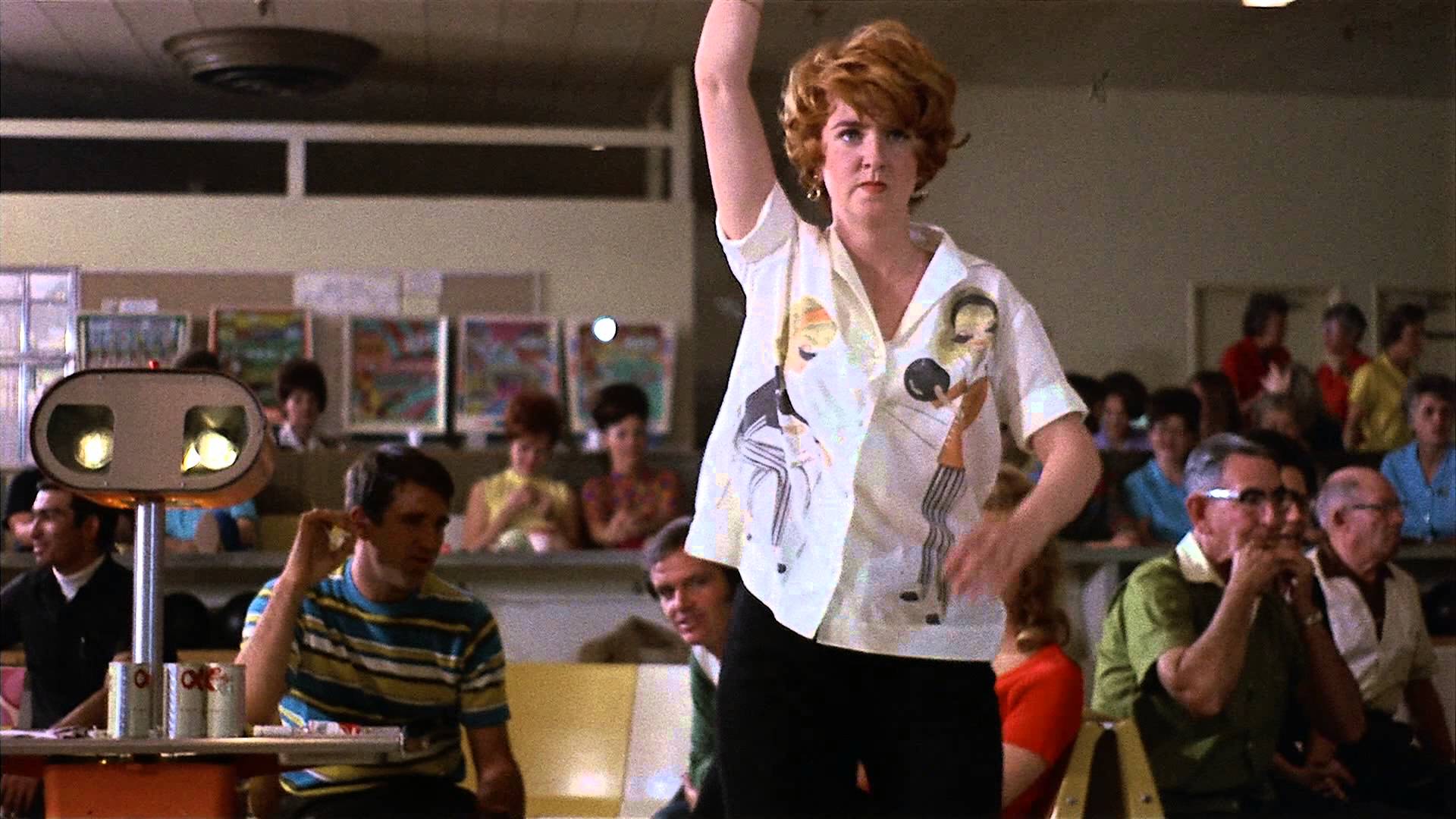
Today we began our “What a Character” blog series. Typically, when we discuss character actors, we are looking at actors who were busy in the forties, fifties, and sixties, but in the past sixty years, there have been a lot of great character actors as well. Today we are looking at the career of Richard Schaal.

Schaal was born in Chicago in 1928. His dad was a machinist, and his mom was a telephone operator. After he graduated, he ran a construction company before joining the Second City comedy troupe in 1959, not long after it began.

In 1950 he married Lois Treacy. I could not find a divorce date, but it was some time before 1964. They had a daughter Wendy who is also an actress.

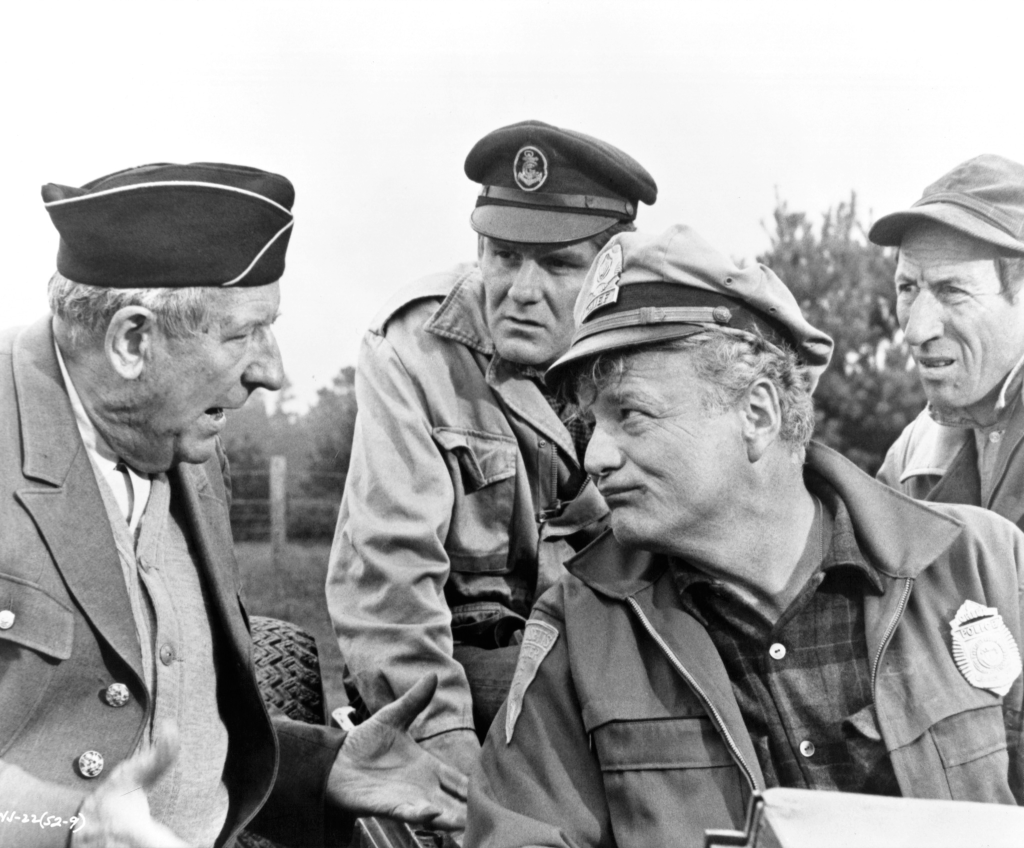
Eventually he made his way to California. He had seventeen film credits on his resume; most of them were not too memorable, but he was in The Russians Are Coming, The Russians Are Coming and Slaughterhouse Five.

📷imdb.com

Television is where he made most of his acting appearances. He began his TV career in 1964 in East Side/West Side. This was a show I had not heard of before. Apparently, it was on for one year and starred George C. Scott as a social worker trying to help his clients in the mix of cultures that makes up New York City.

Schaal would find a few more roles in the sixties on several shows including The Dick Van Dyke Show, That Girl, and I Dream of Jeannie.

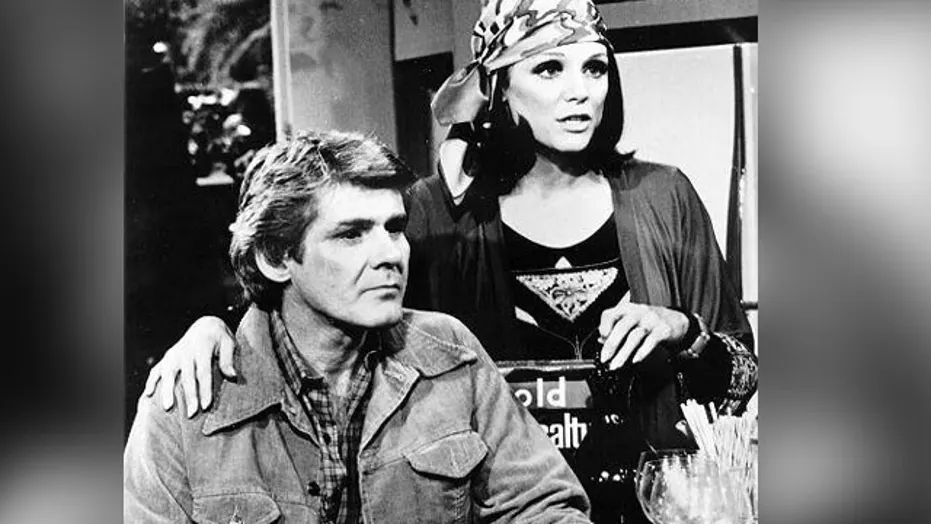
In the sixties, Schaal met Valerie Harper and they married in 1964.

During the seventies, he collected roles on many sitcoms including The Doris Day Show, The Partridge Family, Love American Style, The Bob Newhart Show, and The Mary Tyler Moore Show.

📷foxnews.com

On The Mary Tyler Moore Show, he played Howard Arnell, Paul Arnell, Chuckles the Clown, and Dino. Not surprisingly, he made appearances on Rhoda and Phyllis.

In 1970, Schaal and Harper wrote a script for Love American Style for “Love and the Visitor” which aired on season two, episode 5 where a bridegroom ends up in the wrong girl’s bedroom. Harper said they were part of the Writers Guild, but their hearts were in acting and once she got the part of Rhoda, the writing stopped.

Harper discussed Schaal during an interview with the Television Academy. She describes him as her former husband and good friend. She said she and Schaal hosted a talk show with Skitch Henderson for about a year in the mid-sixties. They did interviews and sketches. She said after that they decided to move to Los Angeles.

📷imdb.com The Russians Are Coming The Russians Are Coming

The seventies were also a busy time for Schaal who continued to find roles on television. You can see him on dramas such as Nero Wolfe and Hardcastle and McCormick. He also was on sitcoms including Harper Valley PTA and Just Our Luck. He had a recurring role during this decade on Trapper John MD from 1981-85. The show was a sequel of M*A*S*H and portrayed Trapper later in life. Schaal played Dr. David Sandler. He also accepted a role on It’s a Living in 1980. His daughter Wendy was part of the cast. She has a very successful career and has appeared in many popular series. From 2005-2023, she was one of the voices in American Dad.

In 1980 he tried marriage a third time with Tasha Brittain. They would divorce in 1989.

📷pinterst.com

Schaal retired in 1990 and passed away in 2014 in Los Angeles. No cause of death was provided. He did have spinal surgery in the late 90s and was in a wheelchair after that.

Sadly, I could not find a lot of information about Schaal or his personal life. He had a successful career, but it’s too bad there wasn’t more improvisational work at the time. It sounds like he was very gifted in that area. He didn’t have as much luck in love, but at least, according to Valerie Harper, he was a great guy and they remained good friends. He was one of those character actors who added so much to the television industry, especially in the sixties and seventies.


Sherwood Schwartz: A Brand New Look

Sherwood Schwartz was born in November of 1916 in New Passic, New Jersey. The Pawnshop starring Charlie Chaplin was showing in theaters. These silent films would lead to radio and television developments that would change the course of Schwartz’s life.

shel9

Photo: charliechaplin.com

After getting his undergrad degree in New York, Sherwood moved to California to attend school and get his Masters in Biology. His goal was to have a career in endocrinology doing research. Unfortunately, he was put on a waiting list because the medical schools he applied to had a quota for the number of Jewish students they would accept. It was suggested that he change his name and religion. He refused and never did get into medical school.

shel7

Photo: tvparty.com

While waiting, he submitted jokes to Bob Hope for his radio show. He picked Hope’s show specifically because his brother Al worked for the show. (Al wanted to be a comedy writer, but his parents made him get a degree first. After passing the bar, he informed them he was off to California.) Bob Hope asked Sherwood to join his brother on staff and he accepted. He honed his comedy skills writing for four years with Bob Hope.

In 1941 he married Mildred Seidman and they had a family of four children. Sherwood also wrote for the Alan Young Show on radio.
shel10

Photo: tvseriesfinale.com

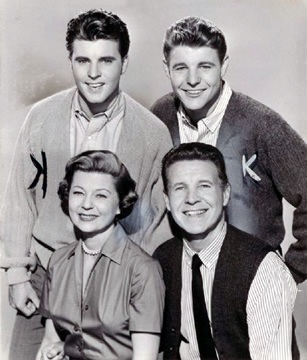
During World War II, he wrote for the Armed Forces Radio and when the war was over, he joined the staff of The Adventures of Ozzie and Harriet. Ozzie Nelson has a reputation for being a perfectionist. When Schwartz was asked about this, he gave the following example: “Oh absolutely. Absolutely true. That is the only man I know who, after his show was in reruns would take the reruns and re-edit them because he wasn’t happy with something. When it was too late to do anything with them, he still did it.”

shel11

Photo: wikipedia.org

In the 1950s, Schwartz made the move to television. He took a position with the writers on I Married Joan starring Joan Davis and Jim Backus. He described the difficulty in writing for her show. “She refused to do the show unless a writer was on the set. She wanted to be able to say I need a better line and have that provided to her right then and there. Since there were only three writers for the show, one had to be on the set while the other two continued working on upcoming scripts.” As he put it, “The stage would be quiet for a moment, 75 production people were scattered around the stage and you had to get a better line or a better blackout. That’s enormous pressure for a writer. It was a rough week (when it was his turn to be on set).”

He became the head writer on The Red Skelton Show where he also worked with his brother. He did not enjoy working with Skelton. Skelton had a reputation for treating writers badly. Schwartz received an Emmy for his work on the show. The final straw was when Sherwood was listening to an interview with Skelton. He was asked why his show was so successful, and he replied, “Every week, when I get those lousy scripts from the writers I yawn. And the voice of God tells me how to fix things.” Sherwood decided the pay was not worth the grief of working for Skelton, so he left the series.
shel12

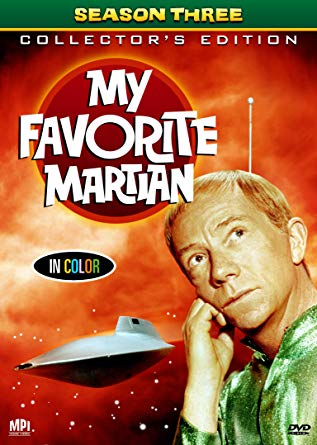
He was then hired to retool My Favorite Martian in 1963 co-starring Bill Bixby and Ray Walston. CBS asked him to do some “reconstruction” work for the series, and he worked on seven episodes. He said the pilot was a great blueprint, but the writers were not following it as well as they should have. They were concentrating on Tim and his problems when the show needed to feature the challenges the Martian was having adapting to life on earth.

During this time, he was thinking about his own series. When he and his brother worked in the radio industry, they came up with an idea for a show called Help, about seven servants who work for a rich family. He now began to take that idea and expand it. What if he took seven people from all different walks of life–but how to get them in one place was the stumbling block.
shel13

Photo:mgtow.com

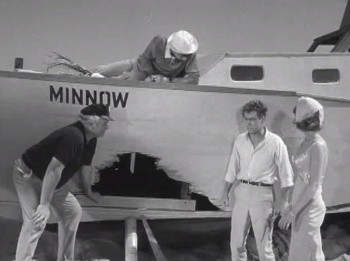
It began to come together when he placed them on a deserted island. Later that year the pilot was shot with a movie star, a professor, a millionaire and his wife, a farm girl, a skipper, and his first mate inhabiting an island while waiting to be rescued. It was not an elite or snobby show to be sure. FCC chairman Newton Minnow is the person who called television a “vast wasteland,” and in his honor, the Skipper’s boat was christened The SS Minnow.

Viewers always loved the show, but critics not so much. Schwartz said the critics never understood “the big picture” of what the characters represented. The San Francisco Chronicle’s Terrence O’Flaherty wrote that “It is difficult for me to believe that Gilligan’s Island was written, directed and filmed by adults.” UPI’s Rick DuBrow wrote “It is impossible that a more inept, moronic or humorless show has ever appeared on the home tube.” Ouch!

Schwartz said he was not “disheartened by the reviews . . . only a bit angry with the lack of understanding of what was being attempted.” As he continued, “these are the same men who are forever saying ‘For heaven’s sake, won’t somebody give us something other than the wife and the husband and the two children?’”

He once admitted “I honestly think I could sit down and write a show tonight that the critics would love, and I know it would be canceled within four weeks. I know what the critics love. We write and produce for people, not for critics.”

shel2

Photo: latimes.com

The show also gave him a new skill as a lyric writer. Along with George Wyle, he wrote the theme song for Gilligan’s Island.

Although the show was popular with viewers, executive William Paley never liked it. The show was being moved around the schedule, and in order to move Bonanza to a different time spot, he cancelled Gilligan’s Island. Gilligan’s Island was on the air for three years, but it established Schwartz’s reputation as a producer and writer.

Apparently, many people felt the show was realistic. A coast guard colonel called Sherwood and later showed him letters from people who were concerned about the castaways being stranded on the island and asking the coast guard to rescue them.

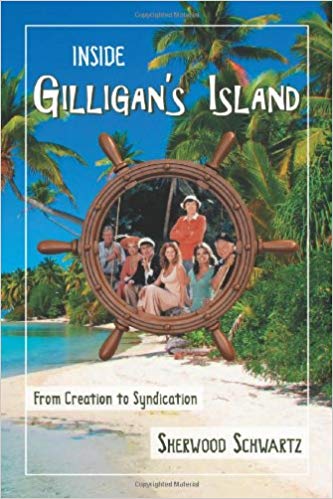
Although the show was cancelled, it never really went away. Two animated series and three TV movies would spin off the show. It has also been on air in reruns since 1967. In 1988, Sherwood wrote a book, Inside Gilligan’s Island.
shel19

With the cancellation of Gilligan’s Island, Sherwood began work on another new show. He had read an article that reported nearly one-third of American households included at least one child from a previous marriage. He decided to feature this sociological change and wrote a script about a woman with three daughters who marries a man with three sons. The networks all liked the idea but were asking for some major changes which he refused to make.

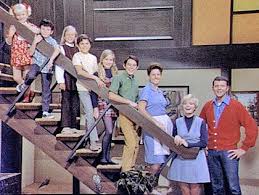
In 1968 the movie, Yours, Mine and Ours came out about a blended family and the networks now wanted the show. The series, starring Robert Reed and Florence Henderson as Mike and Carol Brady, aired on ABC from 1969 to 1974. The Brady kids were played by Maureen McCormick, Barry Williams, Eve Plumb, Susan Olsen, Christopher Knight, and Mike Lookinland. Ann B. Davis played Alice, the housekeeper.
shel3

Photo: boston.cbslocal.com

Again, the critics dismissed the show. What surprised me was that The Brady Bunch never did as well as Gilligan’s Island in the ratings. When it debuted, I was eight, and we all looked forward to Friday night when we would plant ourselves to watch The Brady Bunch and beginning in 1970, The Partridge Family, The Odd Couple, and Love American Style.

While the critics wrote the show off as unrealistic, many of the scripts were taken from the Schwartz family’s life. His daughter said she was not thrilled to watch the show and see a story about her life as part of the plot.

Similarly to Gilligan, once again, Schwartz wrote The Brady Bunch theme song, this time with Frank DeVol.
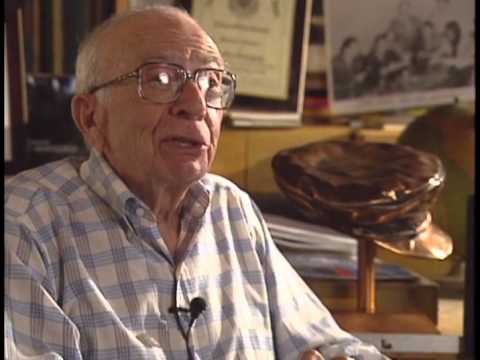
shel8

Photo: youtube.com

There are a lot of rumors that Robert Reed and Sherwood did not get along. After a lot of research, I’ve determined that Reed was never happy about what he saw as an inferior role. I think he wanted to do Shakespeare-quality shows in a time when there was not a need for that type of show. He seemed to nitpick the scripts too much and was too literal. Although I’ve read some memos where I totally agree with his interpretation, you can only spend so much time dissecting everything. On one show, he walks into the kitchen where the women are cooking strawberries and his line is, “This smells like strawberry heaven.” He wasted time writing a memo about the fact that he researched what strawberries smell like cooking and determined that they had no smell. He needed to learn to pick his battles, I guess.

In another similarity to Gilligan’s Island, not only did The Brady Bunch never leave the air after it was cancelled, but it too resulted in many other versions. An animated series, The Brady Kids, appeared on Saturday morning. Several TV movies, including The Brady Girls Get Married and A Very Brady Christmas were produced in the 1980s. That movie spawned a reboot of the original tv series which didn’t last long on the air. Finally, Sherwood also produced a movie for Paramount, A Very Brady Sequel, a satire of the original television show, in 1994.

shel20

Sherwood’s son Lloyd helped produce and write the tv movies and the Paramount film. In addition, they wrote a book together, Brady, Brady, Brady: The Complete Story of The Brady Bunch as Told by the Father/Son Team Who Really Knew. The reviews of Sherwood’s book about Gilligan’s Island are mostly positive. This book had very mixed reviews. Most fans seemed to enjoy the first part of the book told by Sherwood, but the majority of readers dismissed the second part, primarily written by Lloyd, as insensitive and egotistical. Few people had any positive comments about Lloyd’s involvement.

Although Schwartz would never repeat the success he had with The Brady Bunch or Gilligan’s Island, he did create several other series.
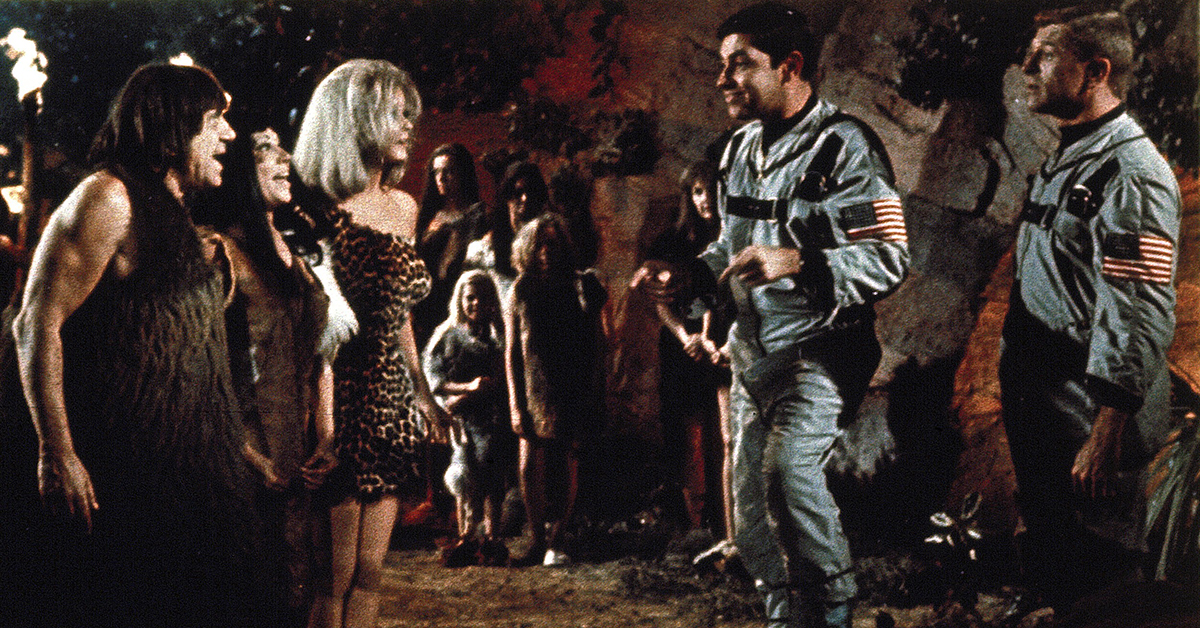
IT'S ABOUT TIME, Joe E. Ross, Imogene Coca, Mary Grace,  Jack Mullaney, Frank Aletter, 1966-67

Photo: metv.com

In 1966 after Gilligan ended, he produced It’s About Time where two astronauts end up in a prehistoric era and must learn to live with the natives. This show lasted one year, and 26 episodes were written.
shel6

Photo: metv.com

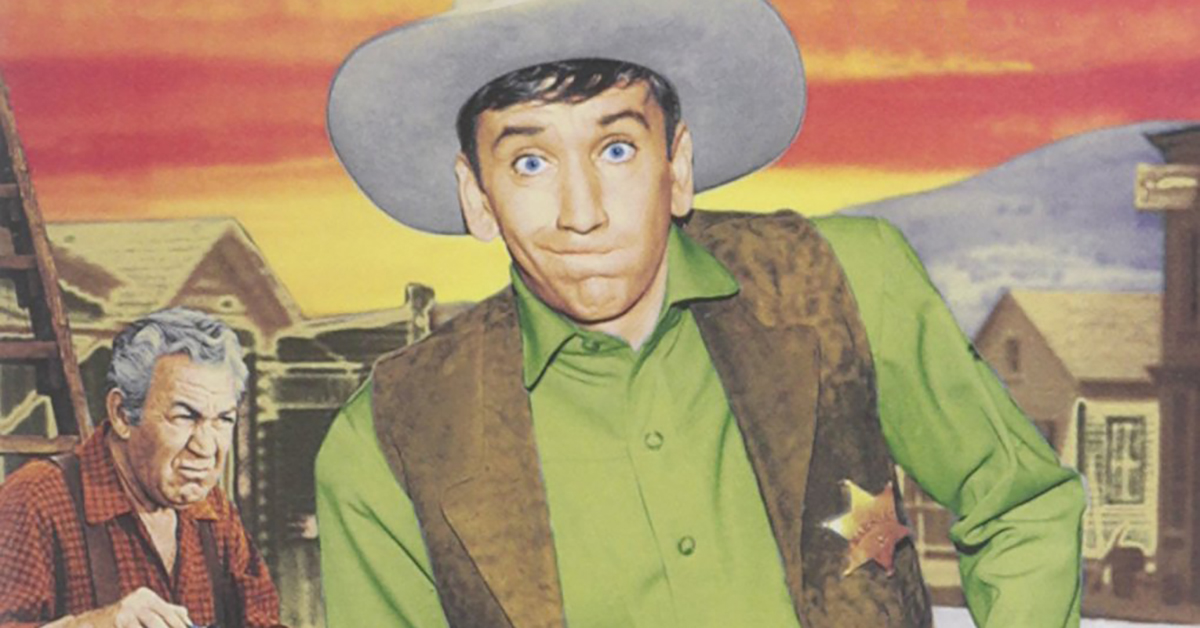
In 1973, Bob Denver again worked with Leonard in Dusty’s Trail. Seven travelers similar to the castaways get separated from their wagon team heading west and must work together to try to catch up to their group. Sounds rather familiar. Season one ended up with 27 episodes.
shel14

Photo: lockerdome.com

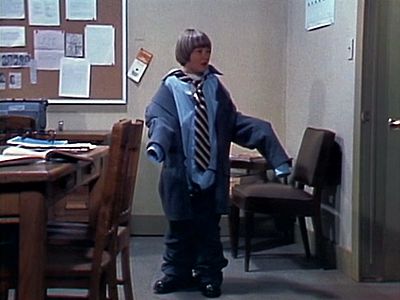
Big John, Little John aired in 1976 and was a situation comedy on Saturday mornings featuring a man who turns into a 12-year-old after drinking from the fountain of youth. Only 13 episodes were produced.

shel15

Photo: sitcomsonline.com

Finally, in 1981, Schwartz took the song “Harper Valley PTA” and turned it into a series with Barbara Eden and Fanny Flagg. Once again, Sherwood wrote the theme song. The show was on the air for two years and produced 30 episodes.
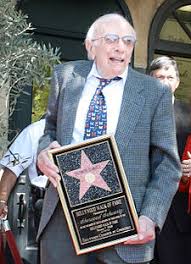
shel1

Photo: wikipedia.org

In 2008 he was awarded both a star on the Hollywood Walk of Fame and inducted into the Television Hall of Fame.

In 2011, Sherwood died peacefully in his sleep from natural causes. Although he and Reed may not have been close, the rest of his cast seem to have nothing but good things to say about him.
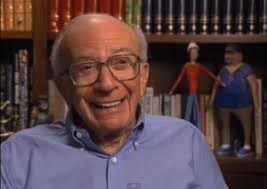
shel4

Photo: emmytvlegends.org

Florence Henderson quoted, “Sherwood was a wonderful writer and producer, but more importantly he was a wonderful husband, father, grandfather and friend. I don’t ever remember him losing his temper. Ultimately, he was a wonderful teacher in life and again, in death, he taught us how to leave with dignity and courage.”

Barry Williams who played Greg, the oldest Brady, said, “As much as Robert Reed was like a dad to me, Sherwood was like a grandpa.”

shel17

Photo: today.com

Oldest daughter Marcia played by Maureen McCormick, noted that “My mom, father and I would all go to Sherwood for advice because he always had a great answer.”

Tina Louise, Ginger from Gilligan’s Island, said he “brought laughter and comfort to millions of people. Gilligan’s Island was a family, He will be in our hearts forever.”

2nd Annual TV Land Awards - Show

Photo: tabletmag.com

Bob Denver who always had wonderful things to say about him, summed up working with him on a radio interview he did with Peter Anthony from Montreal radio station CJAD 800 AM on January 6, 1994. “Sherwood, as a producer, he was one of the best writer producers. It’s amazing. That man was just amazing. We never knew there were any problems when we were shooting. He kept all the network craziness away from us. He was writing scripts literally four months in advance, so that special effects and props always got them in plenty of time . . . you just memorized your words and went down there and had a great time. It wasn’t until afterwards when I left that I realized that not everybody was in the same situation. So, every time I had a chance to work with him, I did.”

Schwartz had two unbelievably successful television series. But more than that, he knew how to use their brand and marketing to keep them going. Here we are 50 years later, and kids today still understand references to both shows. They have both been on the air continuously since they were first cancelled. Generations have watched the shows. The two theme songs, co-written by him, are two of the best-known songs from television history.
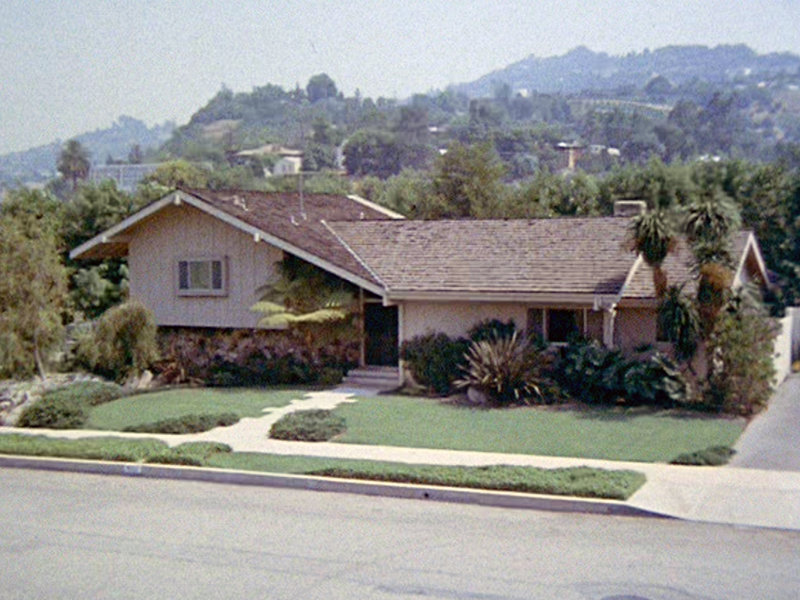
shel16

Photo: npr.org

I thought Paul Lieberstein (producer of The Office) summed up Schwartz’s influence best. In an email to Vulture, he wrote, “There was no one who shaped my childhood more. I could easily draw you a map of Gilligan’s Island and a floor plan of the Brady Bunch house—and I’m not even sure if my own childhood home had two stories.” And speaking of that blueprint, in 2019, exactly 50 years since The Brady Bunch debuted, HGTV has bought the house used for exterior shots for The Brady Bunch and will be renovating it. Once again generations will be watching The Brady Bunch cast with HGTV and learning about the show as the brand continues.
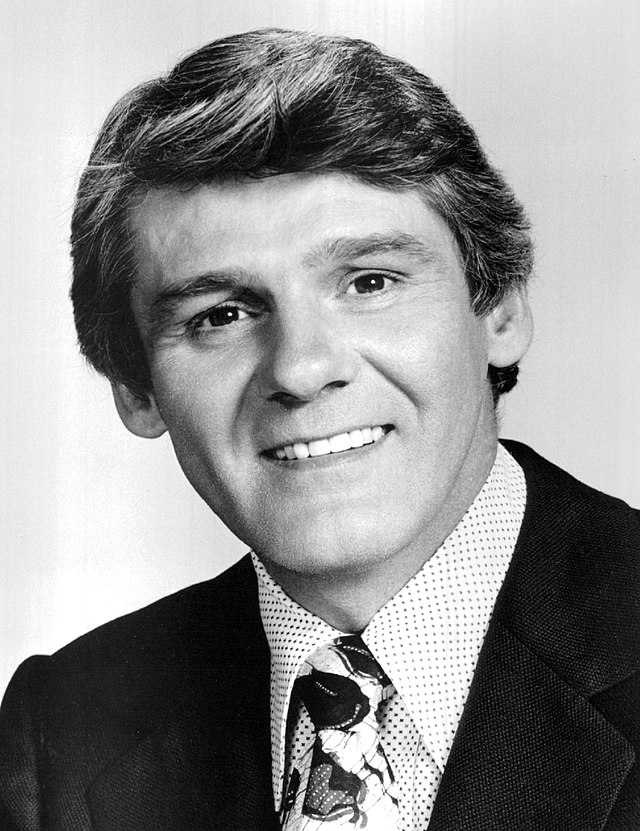
“Don’t give up before the miracle happens.” ― Fannie Flagg, I Still Dream About You

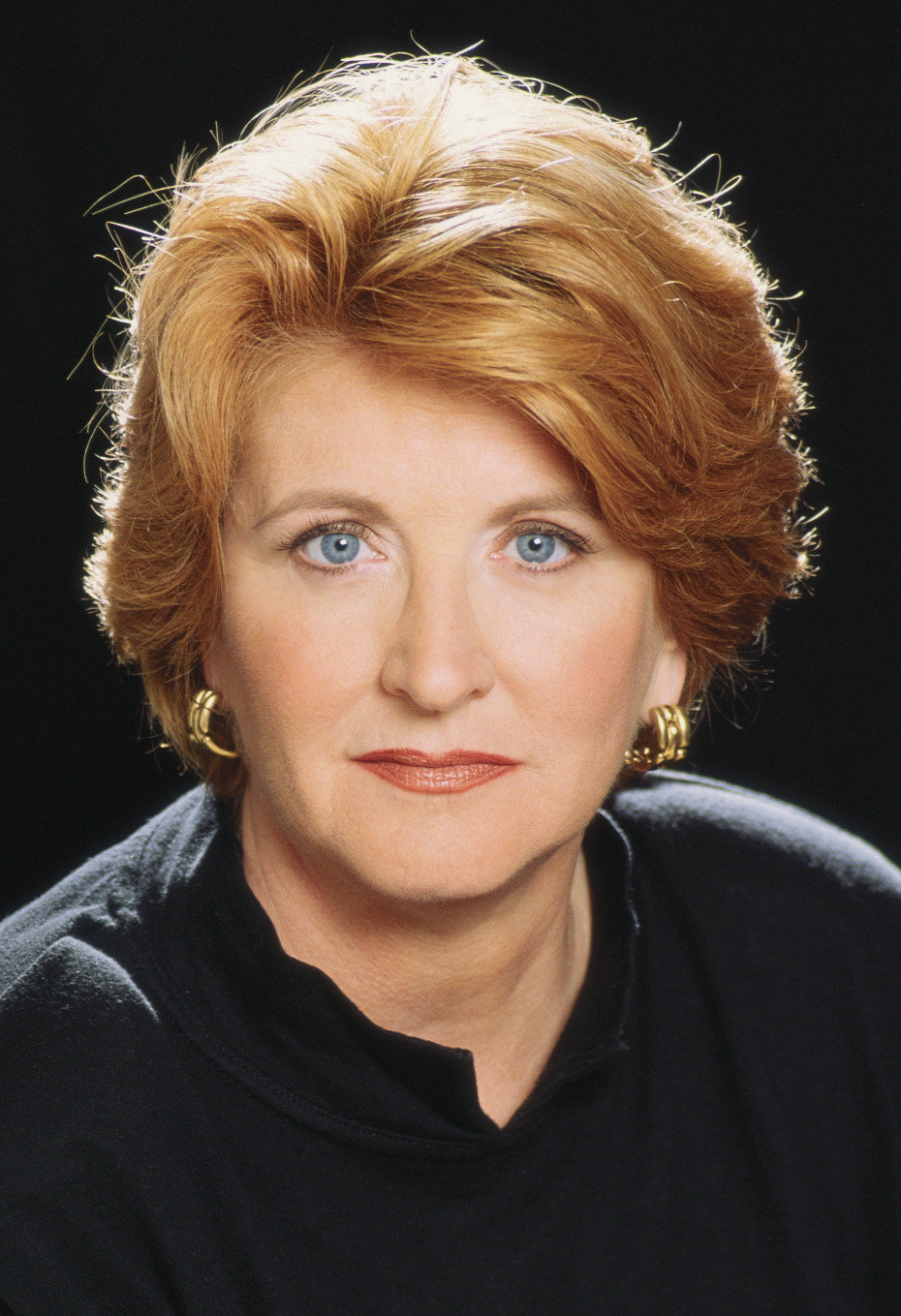
Fannie Flagg is one of those performers who I have seen all my life but know little about. I thought it would be fun to learn about her show business career. Like me, she started writing later in life as her second career.  I wanted to know how that whole dream fulfillment came about. Let’s get to know Fannie Flagg.

fannie5

She was born Patricia Neal in Alabama in 1944. Flagg, of Finnish ancestry, spent most of her childhood in the Birmingham area. It sounds like she had a “normal” childhood. Although she liked writing, she had problems because she was dyslexic which she did not realize until she was an adult. She was an archery champion at age 12. By age fifteen, she thought about entering a convent. Luckily for us she didn’t. In high school she was a cheerleader and a saxophone player in the band.

As a teen, she entered the Miss Alabama pageant, where she won a scholarship to the Pittsburgh Playhouse Theater Acting School. Acting might have been in her blood because both her father and her grandfather were motion picture machine operators. The summer she returned home, the woman who cohosted the Morning Show in Birmingham was leaving, so Fannie was able to replace her.

Who knows what direction Flagg’s career would have taken if the head of WBRC-TV were not so tight-fisted. Flagg asked for a raise and they denied it, so she quit her job and moved to New York City. She had to take on a new name since there was already a quite famous Patricia Neal in show business. Her grandfather suggested “Fannie” because so many comediennes used the name and a friend came up with “Flagg.”

fannie18

Her first television job was on CBS Repertoire Workshop in 1964. During this time, Fannie recorded two comedy albums with various skits that included parodies of famous women. She appeared on a variety of talk shows including The Joey Bishop Show, The Dick Cavett Show, The Merv Griffin Show, The Johnny Cash Show, Dinah!, and The Rosie O’Donnell Show.

fannie17

Flagg got her first film role in 1970 in Five Easy Pieces with Jack Nicholson. The next year she appeared in Some of My Best Friends Are.

five easy pieces

It was also in 1971 that she received an offer for her first series. Fannie says she stumbled into the role.  She had been doing concerts and performing with stock companies. She was on the west coast and stopped in at her agent’s California office to meet the staff.  A man came in and looked her up and down and then left. The next day she learned she was given the part of Dick Van Dyke’s sister on The New Dick Van Dyke Show. The man in the office the day before had been looking for someone who could pass for Dick’s sister in real life.

fannie2

The New Dick Van Dyke Show was on the air from 1971 till 1973. Carl Reiner created the series for Van Dyke. Van Dyke was Dick Preston, a local talk show host. Van Dyke was signed to a three-year contract and given permission to film in Arizona where he lived. Hope Lange was his wife Jenny, Angela Powell their daughter Annie, Flagg his sister Mike, David Doyle was his boss Ted, and Marty Brill and Nancy Dussault were their best friends Bernie and Carol Davis.

The show began its life on Saturday night with All in the Family, Funny Face, and The Mary Tyler Moore Show.  The series didn’t garner very high ratings, so the second season found the show on Sunday nights when ratings decreased drastically. Flagg was mentioned by several critics as being very funny in her role. Fannie credited Dick Van Dyke as her acting mentor, as well as one of her best friends.

Because Dick had a three-year contract, rather than cancel the show, CBS changed the structure. Dick gets a role on a soap opera, so he and his family move to Hollywood. They changed out most of the cast members so Flagg moved on. The show followed Here’s Lucy. The ratings improved significantly, but after the third year, Dick quit to go back to Arizona.

fannie12

Throughout the 1970s, Fannie continued to get both television and film offers. She appeared on Love American Style, The New Candid Camera, Wonder Woman, and Fernwood Tonight. She was also in several films including both Rabbit Test and Grease in 1978.

During the 1970s, Flagg was a fixture on game shows. She is best known for Match Game where she usually sat next to Richard Dawson.  With all the different versions of Match Game, she appeared in 529 episodes of the show. She is famous for wearing unusual tops on Match Game. It was while on the game show that Fannie received a note from a teacher who noticed a particular pattern in her misspellings on the show. She mentioned she might have dyslexia which is when Flagg first began to investigate and learn she did indeed suffer from the disease. When asked about two her costars on Match Game, namely Charles Nelson Reilly and Brett Somers, Flagg said, “Besides being hilarious, Brett and Charles were two of the smartest people I have ever known. On “Match Game,” they got such a big kick out of each other! They razzed one another and everybody else on the panel mercilessly, and they were particularly relentless on the people they really liked. It was never mean or hurtful, and they loved it when you razzed them back.”

She continued, One of the happiest times in my life was in 1980 when I was doing “The Best Little Whorehouse in Texas” on Broadway, and Charles, Brett and I were staying at the Wyndham Hotel at the same time. Every day at around 4 o’clock in the afternoon they would come to my room for cocktails. Many is the time I would come home from after the show and they would still be sitting there having a good time. The only thing that changed was the position of Charles’ toupee.”

In addition to “Best Little Whorehouse in Texas,” Flagg toured with Come Back to the Five and Dime, Jimmy Dean, Jimmy Dean.”

Fannie continued her acting career into the 1980s. From 1981-1982 she took a role as Cassie Bowman on Harper Valley PTA starring Barbara Eden. The show was based on the hit song, “Harper Valley PTA” by Jeannie Riley. Sherwood Schwartz produced the first eleven episodes.  The show moved around a bit from Thursdays at 8 to Saturdays at 8 to Saturdays at 8:30. Barbara played Stella, a mom who ignores Southern small-town standards by wearing mini skirts and speaking her mind. She reveals the hypocrisy of the other PTA members, making her a target of their comments. The show did not last long enough to accumulate enough episodes for syndication, but it occasionally shows up on independent networks.

Flagg was on The George Burns Comedy Week series and on The Love Boat three times. Her final films were done at the beginning and end of the 1990s. Her last movie was Crazy in Alabama in 1999 written by her friend Mark Childress.

fried-green-tomatoes with cafe -- horizontal

She also had a cameo in 1991 in Fried Green Tomatoes, a movie based on her novel, Fried Green Tomatoes at the Whistle Stop Café. She co-wrote the screenplay and received an Oscar nomination. The book is told in the past and the present by Ninnie Threadgoode and Evelyn Crouch who talk about the town of Whistle Stop, Alabama and the bonds the women forged in the 1920s and 1930s. The novel, published in 1987, was on the New York Times bestseller list for 36 weeks. This was her most famous novel, but it was not her first.

Flagg felt a pull toward writing as a child. She had written a play when she attended Catholic school. Because her father worked at the cinema, she had seen a lot of movies. She wrote a play about two career girls who lived in an apartment over the Copacabana nightclub in New York City. A man named Mr. Truman called and asked to come for tea. The girls assume it’s President Truman and go all out getting ready and inviting their friends. It turns out to be an insurance salesman. Her teacher phoned her mother to say the nuns were concerned because she used the word “martini” 16 times. Her mother had to explain that Fannie watched a lot of movies and the family was not sitting around drinking martinis every night.

She won first prize at the county fair for an essay titled, “Why I Want to Be Bald Headed.” She wrote it because she hated her mother braiding her hair so tightly every morning.

In the 1960s, Flagg wrote skits for a night club in New York—Upstairs at the Downstairs. She filled in for a sick actress one night when Allen Funt was in the audience. He invited her to become a staff writer on Candid Camera where she acted as well.

fannie9

Flagg decided to attend a conference in 1978 to see Eudora Welty. She had to write a short story for a contest based on the word “childhood.” As Flagg tells it,

“I went to the grocery store, and I bought one of those spiral notebooks. I wrote a story called Daisy Fay and the Miracle Man about something that had actually happened to me in childhood,” says Flagg. “I wrote it as an 11-year-old child, and I thought that if they saw any mistakes, they would think I did it on purpose.”

Flagg won the contest. “I couldn’t believe it. I was thrilled, but at the same time I felt like such a cheat and a liar,” says Flagg. An editor there said that he wanted to talk with her about her writing a fleshed-out novel based on her short story. Flagg burst into tears and said, “I’m so sorry, but I can’t write a book.” When he asked her why, she replied, “Because I can’t spell.” Flagg says the editor looked at her like she was crazy and said, “What do you think we have editors for?”

She’s been writing ever since.

Fannie Flagg has found her niche.  Since that first novel, she has continued to write, publishing ten books in all. Her most recent release was The Whole Town is Talking in 2016. In 2012 she won the Harper Lee Distinguished Alabama Author award and presented it to Fannie in person.

As an adult, Fannie collects lamps from the 1940s and 1950s. She loves going on cruise ships, which might explain her three appearances on The Love Boat.  If you were a Match Game fan, it will not surprise you to learn that she loves wearing stripes with polka dots.

Fannie just seems like a delightful and fun person to be around.  She is on my list of people to have dinner with. I have recently began reading her books and I love them.  She writes about quirky, not strange, characters who seem true to life. It’s been fun getting to know a bit more about her life and career.

fannie1


Life Changes in the Blink of an Eye: The Career of Barbara Eden

Many baby boomers equate Barbara Eden with I Dream of Jeannie.  While she never escaped her iconic role as Jeannie, she has had a long and full career.

beden1

Barbara Jean Morehead was born in Tucson, Arizona in August of 1931. Her parents divorced when she was three, and she then took her stepfather’s last name of Huff. Moving to California, she went to high school in San Francisco and then studied at the San Francisco City College, the San Francisco Conservatory of Music, and the Elizabeth Holloway School of Theatre. In 1951, she was crowned Miss San Francisco.

She began working in television in 1956, and her career has been going strong ever since. In 1958, she married actor Michael Ansara.  They had a son in 1965 who passed away from a drug overdose.  Eden said of his struggle, “He won a lot of battles, but he lost his personal war.”  She and Ansara divorced in 1974. From 1977-1983 she was married to Charles Donald Fegert.  In 1991, she married her current husband, Jon Eicholtz, and they live in Beverly Hills.

In addition to her screen and television career, she performed in Lake Tahoe, Las Vegas, and Atlantic City. She had an album produced in 1967 and performed on many variety shows.  She traveled with Bob Hope and starred in many musicals and plays.

beden30

She received a Walk of Fame star in 1998.

In 2011, she wrote her autobiography, Jeanne Out of the Bottle.

beden2

She has used her celebrity status to help many nonprofits, raising money for The Trail of the Painted Ponies Breast Cancer Research, the American Cancer Society, the Wellness Community, Make-A-Wish Foundation, the March of Dimes, the American Heart Association, Save the Children, and Childhelp, USA.

Her television career can be divided into three phases, each including a major series.

She began her acting career making appearances in many shows from 1956-1958 including West Point, Highway Patrol, I Love Lucy, The Millionaire, Crossroads, Perry Mason, Gunsmoke, Bachelor Father, December Bride, Father Knows Best, and The Lineup.

In 1957, she received her first starring role in a sitcom, 52 episodes of How to Marry a Millionaire. Based on a movie (starring Marilyn Monroe, Lauren Bacall, and Betty Grable), she starred as Loco Jones, a model. Her friends were Michele Page (Merry Anders), a secretary, and Greta Lindquist (Lori Nelson), a quiz host.  The three women lived together in Manhattan, all sharing the goal of finding a wealthy husband.

beden14

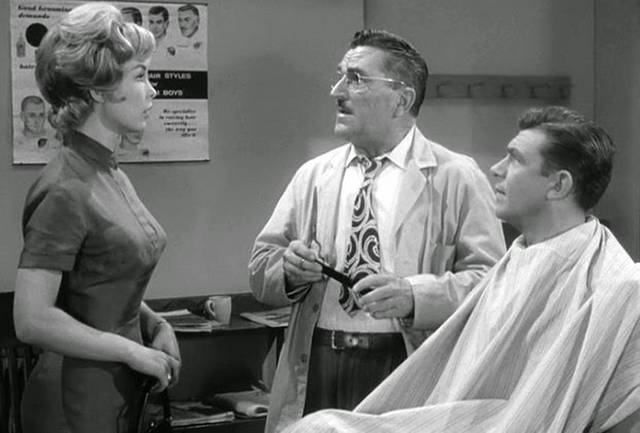
In the 1960s, she made appearances in many more well-known shows including Adventures in Paradise, The Andy Griffith Show, Target: The Corruptors, Cain’s Hundred, Saints and Sinners, Dr. Kildare, Route 66, The Virginian, Rawhide, Burke’s Law, Slattery’s People, The Rogues, and Off to See the Wizard.

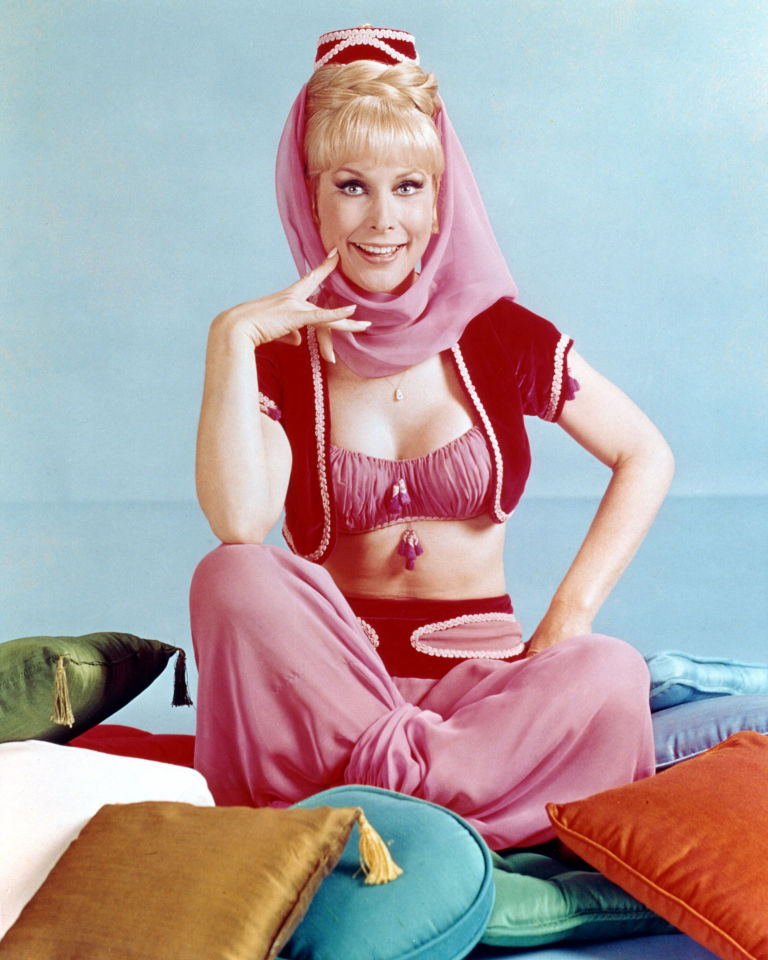
In 1965, she took on her role of Jeannie in I Dream of Jeannie.  The show lasted five years, filming 139 episodes. Captain Tony Nelson (Larry Hagman) finds a bottle when he crash lands on a deserted island in the South Pacific. When he opens it, Jeannie emerges.  He brings her home and tries to keep her a secret from NASA. His best friend Roger (Bill Daily) finds out, and he and Tony perform a lot of stunts to avoid anyone else figuring it out.  In the final year of the show, Jeannie and Tony get married, exposing her to the rest of the crew at NASA who know something is different but never figure out what it is. Personally, I like the Jeannie in the first year who is mischievous and intelligent. While the show was only on for five years, certainly not one of the longest-running shows, it defined Eden because since it debuted, it has been on television continually in reruns.

After I Dream of Jeannie, her television career continued as she appeared on NBC Special Treat, Condominium, A Brand New Life, Dallas, Team Supremo, Sabrina the Teenage Witch, George Lopez, and Army Wives.

beden8

Based on the song by Jeannie C. Riley and a movie also starring Eden, she took on the role of Stella Johnson in Harper Valley PTA from 1981-82 with costar Fannie Flagg. The show lasted for 30 episodes. Stella is a widow who moves to Harper Valley with her 13-year-old daughter which is a town filled with hypocrites.  The other women severely criticize her for wearing miniskirts, and not acting like they thought a mother should.  Meanwhile, the board members were always trying to find ways to discredit her.  Fannie Flagg was the beauty shop owner Cassie Bowman.  The show never really caught on with the public. Maybe Stella was too drastic of a role change from Jeannie.

Along with her range of television acting jobs, Eden also was in 26 movies, including Flaming Star in 1960 with Elvis Presley, Voyage to the Bottom of the Sea in 1961, The Brass Bottle in 1964 which led to the idea for the sitcom I Dream of Jeannie, and Harper Valley PTA in 1978 which led to her third series.

In The Brass Bottle, Tony Randall plays Harold Ventimore, an architect who buys an antique urn that houses a djinn played by Burl Ives.  Grateful for being released, the djinn tries to help Harold to show his gratitude.  However, being unfamiliar with contemporary times, he causes a lot of trouble for Harold, especially with his girlfriend Sylvia, played by Eden.

She also starred in 28 made-for-tv movies.  My favorite was The Feminist and the Fuzz which you never see aired on television anymore.

beden9

The Feminist and the Fuzz aired in 1971.  I remember watching this movie when it originally aired.  The story was about a scientist played by Eden and a cop played by David Hartman.  They both end up at an apartment at the same time and have lost so many apartments that they decide to share it until one of them can find somewhere else to live. She is a feminist, and he dates a playboy bunny played by Farrah Fawcett.  One night, the women’s libbers raid the bunny club, and while most of them are being arrested, Hartman carries Eden to a waiting police car and tells him to get her home.  Fawcett, watching this, realizes they have feelings for each other, even though they don’t acknowledge it themselves yet.  The movie had a great cast with Joann Worley, Herb Edelman, Julie Newmar, John McGiver, and Harry Morgan.

If her television show jobs and movie roles were not enough, Barbara appeared as herself on 177 different television variety and game shows from 1961-2016.

At 85, Eden continues her career with credit in Shimmer and Shine in 2016. She has also been to the Mayberry Conventions to meet her fans. She continued her friendship with Larry Hagman up to his death.

One might assume that Eden would want to distance herself from Jeannie and rely on her other body of work, but that is not the case.  Some actors develop a dislike for the character they are unable to shake off, but Eden’s advice to actors is:  “I would embrace the character, because it won’t do any good if you don’t. And another thing: Don’t whine or talk trash about it. I don’t think you ever demean to your public what you’ve done. You’re insulting them if you demean your work.”

beden6

While Jeannie certainly provided Barbara Eden with a lot of fame, future work opportunities, and money (although probably not so much from the tv show directly), taking a survey of her career proves just how versatile of an actress she was.  No one-hit wonder here.  She accumulated a wealth of roles both on television and in the movies. She traveled around the country appearing in musicals and plays. She sang and danced, performing at some of the top clubs in the country.  She appreciated her fans and never demeaned Jeannie in their eyes.  She used her celebrity to raise money for great causes. She had a full career any actress could be proud of.