We Still Love Lucy

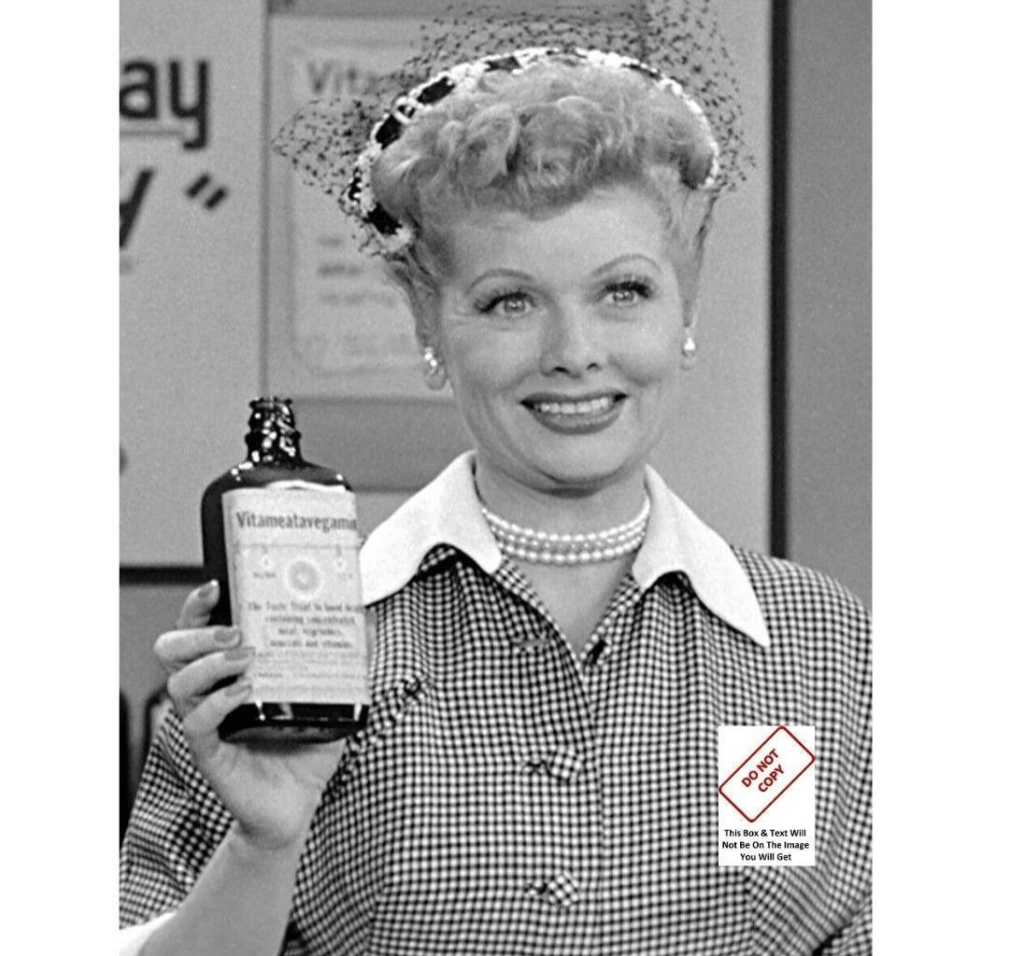
We have been learning a lot about Lucille Ball this month. We delved into I Love Lucy and why it was so important to American culture. We got to know Lucy as a person. And we discussed Jess Oppenheimer and the influence he had on her. Today we are finishing up the month by checking out three shows she starred in after I Love Lucy went off the air: they all debuted in the sixties.

The first show, the Lucy-Desi Comedy Hour, was an extension of I Love Lucy. It spun out thirteen one-hour specials that aired between 1957 and 1960. Five of them debuted during the 1957-58 season of I Love Lucy. The other eight were shown on the Westinghouse Desilu Playhouse and they featured the same cast as I Love Lucy.

Desi tried to talk the network into doing these specials the first year just to keep some freshness in the series, but he was denied the chance. By the last season, they agreed it might work.

During the final season of the series, both the Mertzes and the Ricardos move to the Connecticut suburbs. Apparently, the two couples were running an egg farm to make their living and Fred was Ricky’s manager.

Despite their move out of the City, many of these episodes feature Lucy’s meetings with famous guest stars. For example, in “Lucy Takes a Cruise to Havana,” Lucy meets Hedda Hopper. Production costs were estimated to be $350,000 but with the guest stars, these costs increased and rather than do ten episodes the first year, Arnaz was forced to spread them out over three years.

Ratings were good in the beginning but with the news of Lucy and Desi’s marriage in trouble, both this series and I Love Lucy started to lose viewership. By the time the last episode was filmed, the couple could not even talk without a fight erupting and they communicated by messages. The day after filming, Ball filed for divorce.

The theme song of the series was used with a bit of updating. That symbolizes all ten episodes. It was the same series, but it wasn’t. Had this type of programming happened throughout the original series it might have been more popular but coming on the heels of the ending of the show and the fans being aware that “Ethel and Fred” could barely tolerate each other in real life and then learning “Lucy and Ricky” were ready for divorce took a lot of the fun out of watching the show.

From 1962-68, Lucy attempted another sitcom. While Vivian Vance was no longer Ethel, she was a co-star for the first three seasons of the show. Gale Gordon who had been Lucy’s first choice for Fred Mertz in the early fifties was no longer under contract in 1962 and appeared in this series beginning in season two.

While Arnaz and Ball had divorced two years before this series debuted, they were still in business together. Their company, Desilu Productions, was struggling with the end of I Love Lucy. In 1961 four of their shows were canceled. By spring of 1962, only The Untouchables was still on the air.

Desi approached Lucy about returning to a weekly sitcom. She agreed if it could take the time slot on Mondays that I Love Lucy had, and if Vivian Vance was part of the cast, and the I Love Lucy writers were brought back. The new show, The Lucy Show, debuted Monday, October 1, 1962.

Lucy Carmichael lives with her two kids (Candy Moore and Jimmy Garrett) and Vivian Bagley (Vivian Vance), a divorced friend, and her son (Ralph Hart). Vivian was the first woman to be divorced on television. Her husband had left her a trust fund, so Lucy had to approach the bank often for funding for some of her harebrained projects and purchases. In season two, Gale Gordon took on the role of banker Mr. Mooney. The show had decent ratings and continued in its format until 1965. Lucy moves from New York to Los Angeles when her daughter goes to college in California. Vivian remarries and stays in New York. Lucy meets a new best friend, Mary Jane Lewis (Mary Jane Croft). When Lucy learns that Mr. Mooney is being transferred to the LA bank, their relationship continues, and eventually she works for him.

At the end of the second season, a dispute occurred between Lucy and the writers over a script Ball felt was not up to their standard, and the writers left. In 1964 Desi had resigned as head of Desilu, so Ball took over as president. Most specials, sports shows, and cartoons on CBS were now in color, but they refused to broadcast most of their series in color. Ann Sothern began appearing on the show as a countess to fill in the gaps of Vance being absent.

For the 1966 season, the show dropped all references to Lucy’s children, her trust fund and her life in New York. I don’t know why shows think viewers will just go along with these strange format revamps. Doris Day did the same on her show when her former life and children just disappeared one day and were never mentioned again. Because the show was set in California, a lot of guest stars were featured on the show, many of them bank customers.

During the last season of the show, Gary Morton, Ball’s second husband, was named executive producer of the show. He actually seemed to do well in this role. For this year, Ball was nominated and won an Emmy for the star of the show, the show was nominated for Emmys for best comedy show (but lost to Get Smart) and for the writing and for Gale Gordon as supporting comedy actor (who lost to Werner Klemperer of Hogan’s Heroes). The show was #2 in the ratings.

Surprisingly, this is when Lucy decided to end the show and put it into syndication. Even odder is the fact that she began a new show with a similar plotline that same year. Lucy and her real-life kids, Lucie and Desi Jr. joined the cast which included Croft, and Gordon with Vance making appearances during the run of the show. This show, like the other two, was on the air for six seasons.

Ball as Lucy Hinkley Carter is living in LA, a widow with two children Kim and Craig, played by her own two kids. She works for her brother-in-law Harry Carter, played by Gale Gordon but now they are at an unemployment agency. Vance made six guest appearances on the show.

Again in this show, a number of famous guest stars showed up including Ann-Margret, Milton Berle, Carol Burnett, George Burns, Liberace, Eva Gabor, Helen Hayes, Dean Martin, Vincent Price, Ginger Rogers, Dinah Shore, Danny Thomas, Lawrence Welk, and Flip Wilson.

In 1973 the show fell out of the top ten, the first Lucille Ball show to ever do so. Lucy did a sixth season and then ended the show.

Lucille Ball deserved a break after this show ended. She had been on the air for 23 years. Little Ricky, or little Desi, had been born early in I Love Lucy history and now he was off on his own acting career. After 1974 when this show went off the air until her death in 1989, most of her projects were connected with I Love Lucy, although she was listed as executive producer for several shows including Mission Impossible and Mannix.

None of these post-I Love Lucy shows were much different from each other, but it proved that America still wanted to watch Lucy on the air. Television looked very different in 1974 than it did in 1951, and Lucille Ball influenced and inspired much of that change. I wonder if Lucy would be surprised to learn that fifty years after her final show ended its production, she is just as popular as ever and Lucy merchandise is unending. It says a lot about just how true it was that everyone loves Lucy.
Jess Oppenheimer: The Brains Behind I Love Lucy

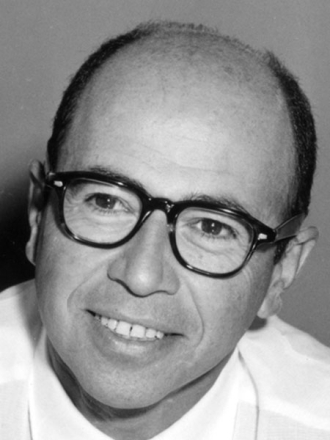
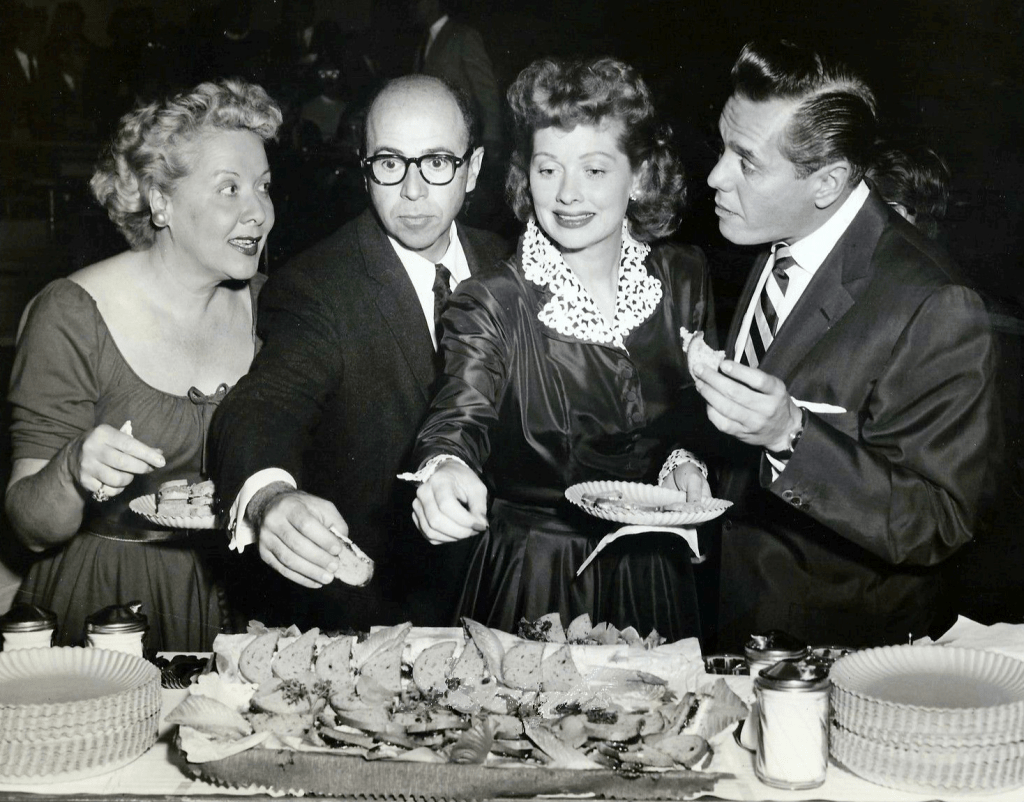
As we are learning all about Lucille Ball and her shows this first month of 2025, the month would not be complete without getting to know Jess Oppenheimer, the man Lucy called “the brains” behind I Love Lucy. He was also the producer and head writer of the show. Director William Asher said “he was the field general. Jess presided over all the meetings and ran the whole show. He was very sharp.”
📷televisionacademy.com

Oppenheimer was born in San Francisco in 1913. He took part in a study of gifted children in Stanford Professor Lewis Terman’s project. Ironically, one of Terman’s quotes about Jess was that he “could detect no signs of a sense of humor.” Jess’s father James owned the largest luggage store in San Francisco, but he died in an accident when Jess was 16.

Oppenheimer went on to attend Stanford in the 1930s. He started to spend a lot of his free time at radio station KFRC and performed in a comedy sketch he wrote for the show “Blue Monday Jamboree.”

In 1936 he moved to Hollywood and was hired as a writer on Fred Astaire’s radio show. He later went to work for Jack Benny as well as Edgar Bergen and Charlie McCarthy, George Burns and Gracie Allen, Bing Crosby, Marlene Dietrich, Judy Garland, Bob Hope, and Ginger Rogers.

When World War II began, Oppenheimer joined the US Coast Guard where he met Jack Dempsey and Cesar Romero. While he was there, he was diagnosed with double vision which had bothered him his entire life but had never been addressed.

Agent Ray Stark was Fanny Brice’s son-in-law and later Stark recruited him to write for her Baby Snooks Show based on his reputation in the Coast Guard.

In 1942, Oppenheimer met Estelle Weiss, an employee of Wallichs Music City. They married in 1947 and were together for the rest of his life.

📷wikipedia.com

In 1948, CBS hired Oppenheimer to write a script for a new radio show, “My Favorite Husband.” Several of the scripts portrayed the wife, played by Lucille Ball, as a sophisticated socialite. When Jess added slapstick comedy and transitioned her to a childlike, impulsive, naïve wife, the show was a big success.

In 1950, CBS moved the show to television to star Lucy and her real-life husband Desi Arnaz. Lucy demanded that Oppenheimer stay in charge. Jess suggested doing a show “about a middle-class working stiff who works very hard at his job as a bandleader and likes nothing better than to come home at night and relax with this wife who doesn’t like staying home and is dying to get into show business.” He suggested the title “I Love Lucy.”

For the first five seasons, Oppenheimer was the producer and head writer, with help from Madelyn Pugh and Bob Carroll Jr. as other writers. As part of his contract, Oppenheimer received 20% of the ownership in the show. He gave Pugh and Carroll each 5% of that amount.

A wannabe actor, Oppenheimer appeared on I Love Lucy in two episodes. In #6, “The Audition,” he was one of three TV executives who audition Desi and in #127, “The Tour,” he walks in front of the bus before Ethel and Lucy board it. In one of the more famous episodes, #30, “Lucy Does a TV Commercial,” Jess is the voice that tells Lucy to go ahead and begin her commercial.

📷

In 1956, Oppenheimer moved to NBC where he became a producer of special shows.

During the sixties, Oppenheimer created and produced three other sitcoms. In 1960 he worked with Annie Farge and Marshall Thompson on Angel; in 1963 with Glynis Johns on Glynis, and with Debbie Reynolds on The Debbie Reynolds Show. He also was listed as writer, producer, and director for the 1967 season of Get Smart.

Oppenheimer received two Emmys and seven nominations. His Emmys were for Producer for Best Situation Comedy, I Love Lucy, in 1953 and 1954. He was also nominated for Producer for Best Situation Comedy, I Love Lucy, in 1952 and 1955; for Best Comedy Writer, I Love Lucy, in 1955 and 1956; for Best Single Program of the Year, General Motors 50th Anniversary Show in 1958; Program of the Year, The Danny Kaye Show with Lucille Ball in 1963; and Outstanding Program Achievement in Humor, The Danny Kaye Show with Lucille Ball in 1963.

He was also an inventor with 18 patents. One of his inventions was an in-the-lens teleprompter.

In 1962, Lucille Ball brought a new sitcom to television; however, Oppenheimer sued the show, claiming that Lucy Carmichael was Lucy Ricardo, his character, He received a financial settlement, and the character was changed, but unfortunately, it ruined the friendship between Oppenheimer and Ball.

The Oppenheimer family lived on Burlingame Avenue in Los Angeles. In a funny twist, Jess bought the house from MGM hairstylist Sydney Guilaroff; he was the person who turned Ball into a redhead for the 1943 movie, DuBarry was a Lady.

📷instagram

Jess’s best friends were Mel Blanc, Hans Conried, and Jerry Hausner, who had played Ricky’s agent on I Love Lucy.

In 1988, Oppenheimer had an intestinal surgery; he died shortly after from heart failure. At his death, Lucille Ball said he was “a true genius” and said that “she owed so much to his creativity and his friendship.”

I love hearing stories about people like Jess Oppenheimer and Sheldon Leonard who are creative geniuses and are the influence and inspiration for so many of the classic television shows.

Lucille Ball: A Force To Be Reckoned With

This month we are learning why We All Love Lucy. We’ll delve into her sitcoms and get to know Jess Oppenheimer and hear about his role in her television life. But today, we are starting with the woman herself, Lucille Ball.

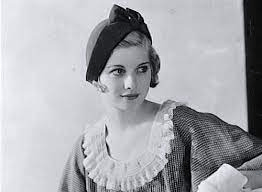
📷facebook. A young Lucille Ball

Lucille Desiree Ball was born August 6, 1911, in Jamestown, New York. She was the only daughter of Henry Durrell Ball, a lineman for Bell Telephone, and Desiree Evelyn Hunt Ball. They lived at 60 Stewart Avenue. The family belonged to the Baptist Church there, and many of her relatives were among some of the first European settlers in Massachusetts.

The family moved frequently for her father’s career, but Jamestown always had a claim on Lucy, and they celebrate her in many ways there. The family lived in Montana, New Jersey, and Michigan before her father passed away from typhoid fever at age 27 in 1914.

Her mother returned to New York, living in Celoron, a summer resort on Chautauqua Lake. The road she grew up on is now named Lucy Lane. Celoron had an amusement park with a boardwalk, the Pier Ballroom, a roller coaster, a bandstand, and a stage.

📷Good Housekeeping

Lucy’s mother remarried four years later. It was her stepfather who encouraged Lucy to audition for his Shriner’s chorus line, which gave her the first taste of what it would be like to be in show business. When she was 16 the family returned to Jamestown.

When Lucy was only 14, she was dating a 21-year-old hoodlum. Her mother was devastated by the situation and finally enrolled Lucy in the John Murra Anderson School for Dramatic Arts in New York City to encourage her in her theater career. Ball did not love the school, and her instructors told her she would not be successful in the entertainment business. Luckily, Lucy did not take their comments to heart. She later said that “one of the things I learned the hard way was that it doesn’t pay to get discouraged. Keeping busy and making optimism a way of life can restore faith in yourself.”

In an attempt to prove the school wrong, Lucy began working as an in-house model for Hattie Carnegie. This was where she first changed her hair. Being a brunette, Carnegie taught Ball to bleach her hair blonde. Her modeling was interrupted for two years when she dealt with the effects of rheumatic fever.

At the ripe old age of 21, Ball returned to New York City to pursue an acting career. She went back to the Carnegie agency and became the Chesterfield Cigarette Girl.

📷Brittanica

In 1933 she was in Roman Scandals as a Goldwyn Girl; while playing a slave girl, she had to have her eyebrows entirely shaved off, and they never grew back. Some of the things an actor goes through for roles is crazy. After that movie she moved to Hollywood to try a film career. After becoming a contract player for RKO Radio Pictures, she received a decent amount of work. At this time, she met the Marx Brothers, appearing in Room Service. She also worked with Fred Astaire and Ginger Rogers in several musicals.

When she registered to vote in 1936, both she, her brother, and her mother registered as Communists. During that year she signed a document as a Communist supporting Emil Freed for assembly and was appointed delegate to the State Central Committee of the Communist Party of California.

Ball later claimed she never had a strong political affiliation. In 1944, Lucy can be seen in a newsreel fund raising for Franklin Roosevelt. She also mentioned that she voted for Eisenhower in 1952 when he was on the Republican docket. In 1953 Ball met with HUAC and gave a sealed testimony. She said that she voted Communist at her grandfather’s insistence and did not know she had been appointed a delegate. Before filming episode 68 of their show, her husband and co-star Desi addressed the audience and said Lucy was not a Communist; she was just influenced by her grandfather. He joked that “the only thing red about Lucy is her hair, and even that is not legitimate.”

📷pinterest

In the late thirties, she dabbled in radio to earn some additional money. She was a regular on “The Phil Baker Show” and on “The Wonder Show” where she met announcer Gale Gordon.

In 1940 Lucy met Desi Arnaz when they both appeared in the movie Too Many Girls. They fell in love immediately, and before the year was out, they eloped. Arnaz was drafted in 1942, but a knee injury kept him from active service, and he was placed in Hollywood organizing and performing USO shows for wounded GIs.

Lucy finally got her big break in 1943. Arthur Freed was making a movie based on the play “DuBarry Was a Lady”; he bought it for Ann Sothern, but when she turned it down, she recommended her best friend, Lucille Ball.

In 1944, Ball filed for divorce, but the couple reconciled before it went through. Lucy and Desi had Lucie in 1951 when Lucy was almost 40, and son Desi was born during the series and written into the scripts in 1953. Mom and son appeared on the first cover of TV Guide which came out in 1953.

📷HollywoodHistoricPhotos.com

Ball continued to make movies throughout the forties and kept a foot in radio. In 1948 she was cast as Liz Cooper on the radio show, “My Favorite Husband” on CBS.

When CBS wanted to transition the show to television, Lucy wanted Desi to be her television husband. CBS said no, so the couple went on the road with an act to prove the popularity of the them working together and CBS backed down.

The show was incredibly successful. (If you want to learn more details about the series and all the history that it produced, keep an eye out for my blog which will post January 13, 2025.) The couple created their own production company and had many “firsts” with technology producing their show. During filming breaks of the show, Lucy and Desi made two movies: The Long, Long Trailer in 1954 and Forever, Darling in 1956.

After years of turmoil and ups and downs in their marriage, the couple divorced. However, they continued to remain in each other’s lives through their children and their relationship. Later in life, Lucy said “Desi was the great love of my life. I will miss him until the day I die.”

📷closerweekly.com Ball and Vance

Lucy bought Desi’s share in the production company which produced a variety of shows including Mission: Impossible, Star Trek, and The Untouchables. In 1967 Lucy sold her shares to Gulf+Western, owned by Paramount, for $17 million, which would translate into $138 million today.

Lucy married Gary Morton in 1961. At the time, Morton was a comedian 13 years younger than Lucy. He said he had never seen an episode of I Love Lucy. Ball hired Morton for her production company, teaching him the television business.
For the next decade, Lucy worked on a number of television specials. She also tried sitcom life again. She starred in The Lucy Show from 1962-68 and in Here’s Lucy from 1968-1974. We’ll discuss these shows the last week of January. Many of Lucy’s friends appeared on these shows. Her close friends included Mary Jane Croft, Judy Garland, Ethel Merman, Barbara Pepper, Ginger Rogers, Ann Sothern, Vivian Vance, and Mary Wickes.

📷ebay.com

Ball kept busy acting during the early 1980s. Desi Arnaz passed away in 1986. In 1988 Lucy had a mild heart attack. She appeared at the 1989 Academy Awards show and she and co-presenter Bob Hope were given standing ovations. She died a month later. Lucy had been a heavy smoker, and her cause of death was abdominal aortic aneurysm which is seen more in smokers.

Lucy always sent flowers to Carol Burnett on her birthday. The day before she died, she ordered them, and they were delivered a few hours after Carol learned of her death.

Lucy was cremated and her ashes were interred in Forest Lawn Cemetery with her mother’s remains. In 2002, both women’s remains were moved to the Hunt family plot in Jamestown. In Jamestown you can find the Lucille Ball Desi Arnaz Museum & Center for Comedy and the Lucille Ball Little Theater.

In 2009 a statue of Lucy was erected in Celoron. Many people called it “scary,” and it became known as “Scary Lucy,” which I totally endorse. In 2016, a more lifelike statue was created to replace Scary, but the scary statue had become so popular, it was left on display with the new one as its neighbor.

📷youtube.com The different sides of Lucy

Those two statues symbolize my relationship with the show. I appreciate the show and everything it did to create the classic age of television. Whether it’s technical filming strategies, the writing, the way the business was run, everything was important in this show. However, I have to admit, it’s not a show I choose to watch. It changed the entire course of television in similar ways that All in the Family would do a few decades later, but I honestly don’t enjoy watching either of these series. That might be a fault in my genes, but I also have to be honest.

However, Lucy Ricardo, while we may think of her as naïve and sophisticated, traditional and unconventional, submissive and disobedient, was an important icon in the way that women thought about themselves in the fifties.

Women had been brought in to work and gain independence while so many men were overseas fighting, and then they were asked to give it all up and go back to a domestic and tranquil life. Leslie Feldman, a political scientist and author of The Political Theory of I Love Lucy, writes that Lucy was “a transitional figure—she’s on the cutting edge.  . . Are [women] going to stay home and be wives and mothers? Are they going to go to work? Or are they going to do both? And what if they really do better and earn more money than their husbands? What about that? That’s an element of Lucy too.”

📷biography.com

Lucy was a force in show business. While she was not alone in taking control of her own career—Donna Reed, Betty White, and Ann Sothern were also powerhouses in establishing their own companies and running them—Lucy did it with the nation watching her. Even the choices she made about whether to divorce Desi or not were all done in the public eye and were sending messages whether people chose to receive them or not.

Lucille Ball was an amazing actress and an amazing business person. Apart from whether I enjoy watching the show or not, it changed the history of television and the way sitcoms were written, cast, and remembered. Thank you, Lucille Ball, for not listening when your instructors told you that you would never make it in show business. You not only made it in television, you truly made television what it is today.

The Elegance of What’s My Line

This month, we are looking at popular fifties stars and shows. While the show we are talking about today outlasted the fifties by almost another decade, it gained its popularity during the 1950s. Today we are learning about What’s My Line.

📷wikipedia.com

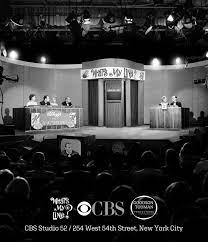
This panel game show was on CBS. It debuted in 1950 and ran until 1967. The show was produced by Mark Goodson and Bill Todman, and the working title was Occupation Unknown. Perhaps the title should have been What’s My Schedule. The show began on Thursday nights as a live show. Later in season one, it switched to every other Wednesday and then moved to every other Thursday. In October of 1950, it landed on Sunday nights where it would remain throughout the rest of its life.

The original series, which was usually broadcast live, debuted on Thursday, February 2, 1950, at 8:00 p.m. ET. After airing alternate Wednesdays, then alternate Thursdays, finally on October 1, 1950, it had settled into its weekly Sunday 10:30 p.m. ET slot where it would remain until the end of its network run on September 3, 1967.

📷imdb.com

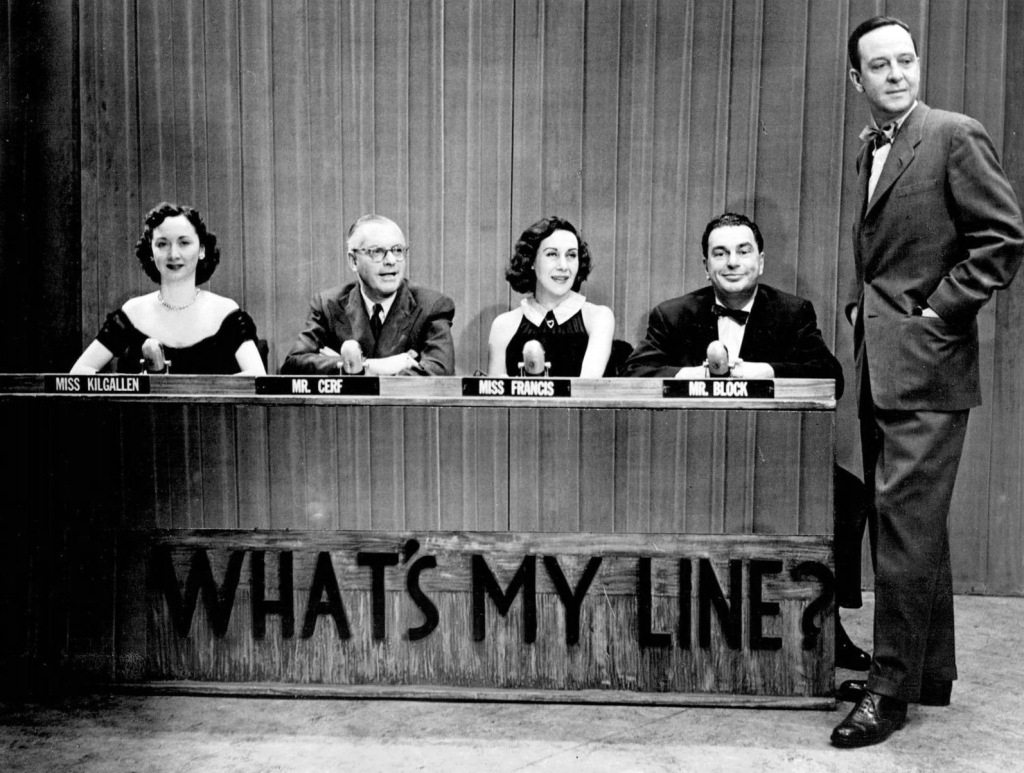
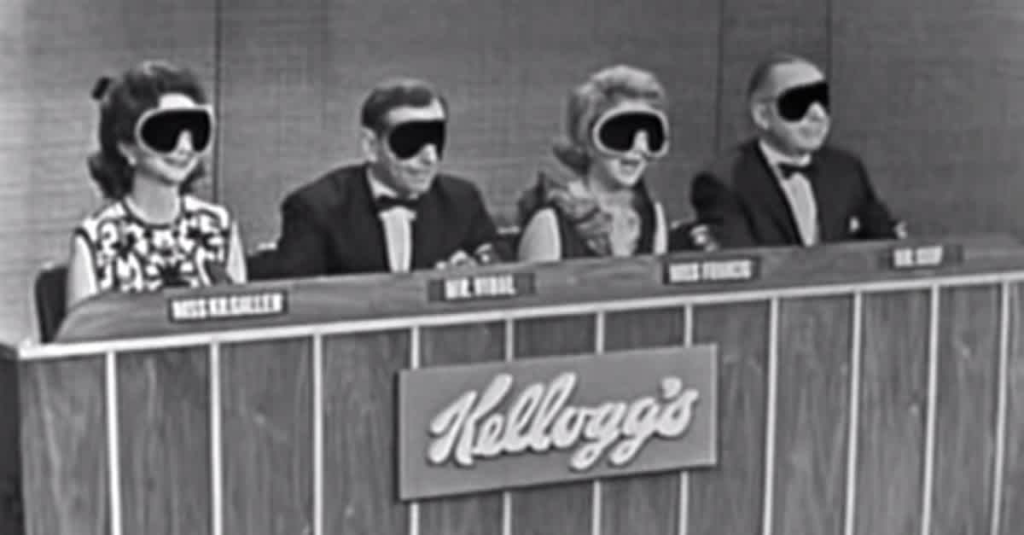
Celebrity panelists ask contestants questions to figure out their occupation. While most of the contestants were not famous, there was a “mystery guest” segment. The panelists were blindfolded for this segment and asked questions to determine the celebrity. People enjoyed watching the panelists banter with each other and the sophisticated humor they shared with us.

Each episode had four panelists. The most famous panelists were Dorothy Kilgallen, Arlene Francis, and Bennett Cerf. John Daly was the moderator. The first show in the series featured New Jersey governor Harold Hoffman, Kilgallen, poet Louis Untermeyer, and psychiatrist Richard Hoffman. Later in season one, Arlene Francis came  on board with Kilgallen, Untermeyer and writer Hal Block. In season two, Cerf replaced Untermeyer and Steve Allen took over for Block in season three. When Steve Allen left to host The Tonight Show, comedian Fred Allen was part of the panel from 1954 until his death in 1956. Kilgallen was killed in 1965 and her replacement varied for two years. Her death is a mystery itself and well worth reading about. Many people think she was killed because of her investigation into JF Kennedy’s assassination.

📷facebook.com

The panelists started the series wearing business clothing, but by 1953 they shifted to formal attire with the men showing up in suits and ties and women in formal gowns and gloves. Unfortunately, we never got to see the beautiful colors of these clothes. Until 1966 everything was filmed in black and white. In the final season, the show was broadcast in color, but the kinescopes were saved in black and white.

Both critics and television viewers liked the show, and it won an Emmy for Best Quiz or Audience Participation Show in 1952, 1953, and 1958.

Because it was a game show, most of the 700 episodes were on kinescope, 16 mm filming. Because many original shows in that era were recorded via kinescope onto silver nitrate film, many networks destroyed recordings to recover the silver. After learning that the network was not keeping the recordings, Goodson and Todman offered to pay for the broadcast and retained the recordings from season three on, however many of those were also lost along the way. A variety of the episodes are stored at different archive centers around the country. My home state houses one from 1951 at the University of Wisconsin Center for Film and Theater Research in Madison.

📷facebook.com

The remaining kinescopes which have been digitized have been seen on television on the Game Show Network and 757 of them exist on YouTube.

Many of us remember the reruns and seeing the contestant come on stage and write their name on a chalkboard as Daily said “Will you enter and sign in please.” The very first contestant was Pat Finch who was a hat check girl at the Stork Club.

The first mystery guest was New York Yankees shortstop Phil Ruzzuto. Many of these guests used fake voices to answer questions. Some of the mystery guests who appeared on the show included Julie Andrews, Louis Armstrong, Lucille Ball, Jack Benny, James Cagney, Gary Cooper, Joan Crawford, Salvador Dali, Sammy Davis Jr., Doris Day, Aretha Franklin, Ava Gardner, Judy Garland, Jackie Gleason, Alfred Hitchcock, Bob Hope, Ginger Rogers, Roy Rogers, Eleanor Roosevelt, James Stewart, Elizabeth Taylor, and John Wayne.

📷littlethings.com Blindfolds come out for a mystery guest

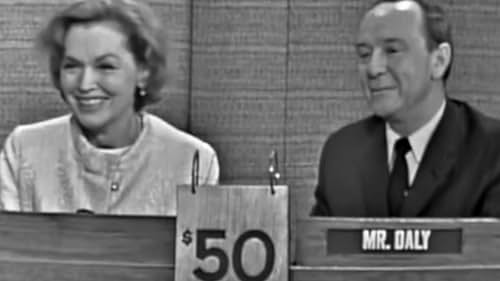
The emcee would choose a panelist who could ask yes or no questions. If the answer was yes, they could continue until they got a no response and then the next panelist would be able to pose questions. If the contestants answered no, Daily flipped a card; when the contestant had ten cards, they won $50.

If you have heard of or even used the term “Is it bigger than a breadbox?,” you might want to know that it came from the show. Steve Allen asked the question in 1953, and it became a standard question after that night. In fact, on one episode, the guest was a breadbox maker, and when Daly could not help laughing at the question, Allen figured it out.

In 1967 The New York Times broke a story that CBS was canceling many of their game shows. None of the panelists had been told that the show was not renewed. Despite the fact that the low costs of the game shows made them profitable, the low ratings led the network to conclude that game shows were no longer suitable for prime-time schedules.

After the show was canceled in 1967, it did go into syndication five days a week. Soupy Sales joined Francis and Cerf on the panel of the reboot. A variety of other panelists took the fourth seat including Joyce Brothers, Jack Cassidy, Bert Convy, Joel Grey, Meredith MacRae, Henry Morgan, Gene Rayburn, and Nipsey Russell. The show ended in 1974. Cerf died during the run of the syndicated series.

It’s hard to believe, but Colonel Harland Sanders was on the show as founder of Kentucky Fried Chicken, although he was not easily recognized at the time, so he was not a mystery guest. While no president ever appeared while in office, Ford, Carter, and Reagan all appeared on the show.

📷youtube.com We switched to a first-name basis in the 70s

It would be fun to see this show on television today, but I’m afraid it would not be the same. In the way that Dick Cavett had a manner of interacting with guests to ask amazing questions with his humor and intelligence, this game show had that same atmosphere. Today, I think the banter would border more on crudeness than wit. There is something charming about a panel of very intelligent people talking with each other, trying to determine the identities of the people they were interviewing while being dressed to the nines that was fun to sit in on and be a part of. I guess that’s why this show is in our series where we are saluting the fifties because that was the era where it could shine.

Dinah Shore: Fifties Icon

This month we are taking a look at some of the biggest shows and personalities from the 1950s. We are beginning with Dinah Shore, a household name in the fifties.

📷smithsonianinstitution.com

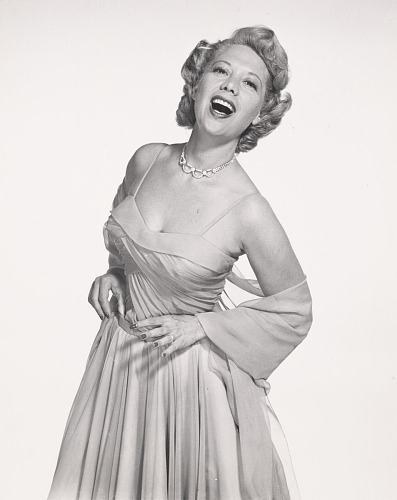
Frances Rose Shore was born in 1916 in Tennessee. Her parents were Russian-Jewish shopkeepers. At eighteen months old, she was diagnosed with polio. The only treatment at the time was bed rest. She recovered under her mother’s nursing but retained a deformed foot and a limp. She loved to sing and often performed for customers at her parents’ store. Despite her limp, Dinah became active in athletics and was a cheerleader in high school.

She enrolled at Vanderbilt University, graduating in 1938 with a degree in sociology. Singing was still her passion, and she visited the Grand Ole Opry, making her radio debut on WSM, a Nashville station. She moved to New York, auditioning for many roles. She often sang the song “Dinah,” and when DJ Martin Block couldn’t remember her name, he asked for the Dinah girl and Dinah became her stage name. She sang with Frank Sinatra at WNEW in New York and performed with the Xavier Cugat orchestra in 1940. That year she also became a regular on “Time to Smile,” Eddie Cantor’s radio show. He taught her to develop comedic timing and how to connect with an audience.

📷thepophistorydig.com

In 1948 she was offered her own radio show, “Call for Music.” She also performed for the troops during WWII.

Shore married actor Robert Montgomery in 1943, and they were married almost twenty years. Sinatra’s valet claimed Shore and Sinatra had a long-term affair throughout the 1950s but I could never verify that.

During the fifties, Shore signed on with RCA Victor to record her music. “Love and Marriage” and “Whatever Lola Wants” were top 20 hits in 1955. In 1959 she went to Capitol Records for three years.

“The Dinah Shore Show” aired on radio on NBC in 1950. She was a very popular singer and entertainer throughout the fifties and sixties. The seventies transitioned her to television where she hosted Dinah’s Place from 1970-74, Dinah and Friends in syndication from 1974-1980. She talked with celebrities and interviewed experts about wellness, exercise, and home décor. Frank Sinatra shared his famous spaghetti sauce recipe, and Ginger Rogers showed her how to throw a clay pot. Tina Turner, David Bowie, and Iggy Pop all performed on her show. Shore won six Emmys for her television work.

📷closerweekly.com

During the sixties, Shore was romantically involved with Dick Martin, Eddie Fisher, and Rod Taylor and had a short marriage with Maurice Smith, a tennis player. She and Burt Reynolds had a well-known relationship for four years during the early seventies.

From 1989-1992 she hosted one additional show, A Conversation with Dinah on cable TNN.

In later years she was also able to spend more time on her hobbies of painting and cooking.

Shore was diagnosed with ovarian cancer in 1993 and passed away in 1994 from the disease. Her Palm Springs mid-century modern home was purchased by Leonard DeCaprio in 2014.

While Shore was seen on television more in the seventies, in the fifties she was beloved for her singing career and that’s when she became a household name.

The Love Boat: Overflowing with Celebrities

📷themeanderingtraveler.com

This month in Casting for Celebrities, we are looking at some of the shows that used television and movie stars in their casts every week. The Love Boat was on the water from 1977 until 1986. An extension of the show, The Love Boat: The Next Wave, was on from 1998-1999 with many of the original characters.  There were also four three-hour specials aired in 1986, 1987, and 1990.

If you are one of the five people in America that have never seen the show, it aired on ABC on Saturday nights. It was another Aaron Spelling production like Fantasy Island which we discussed last week.

A book, The Love Boats, by Jeraldine Saunders who was a cruise director for a passenger cruise line was used as the basis for the original made-for-tv movie in 1976.

The stars on this show played guests (and occasionally themselves) on the MS Pacific Princess run by Captain Merrill Stubing (Gavin MacLeod). His crew included Dr. Adam Bricker (Bernie Kopell), Purser Gopher Smith (Fred Grandy), bartender Isaac Washington (Ted Lange), and cruise director Julie McCoy (Lauren Tewes). In season three, Stubing’s daughter Vickie (Jill Whelan) came aboard. During the last three seasons, photographer Ace Covington Evans (Ted McGinley) joined the group and Judy McCoy (Patricia Klous) who was Julie’s sister took her place for the final two seasons.

📷julienslive.com

Lucky crew, this series was sometimes set on board the Pacific Princess or the Island Princess, depending on their schedules. A handful of other boats were used in several episodes and movies as well. Many of the shows were filmed in California. Unfortunately, both the Pacific Princess and the Island Princess were sold for scrap in 2013 and 2015 respectively.

Each episode contained several stories and all three titles are combined in one series title; for example “Captain & the Lady/Centerfold/One If by Land.”

Jack Jones sang The Love Boat theme. (Note: Dionne Warwick recorded the song for the final season, but I never learned why.) The lyrics were written by Paul Williams and the music was composed by Charles Fox. The words were:

Love, exciting and new
Come aboard, we’re expecting you
Love, life’s sweetest reward
Let it flow, it floats back to you

Love Boat soon will be making another run
The Love Boat promises something for everyone
Set a course for adventure
Your mind on a new romance

Love won’t hurt anymore
It’s an open smile on a friendly shore
Yes, love
It’s love

Love Boat soon will be making another run
The Love Boat promises something for everyone
Set a course for adventure
Your mind on a new romance

Love won’t hurt anymore
It’s an open smile on a friendly shore
It’s love, it’s love, it’s love
It’s the Love Boat, it’s the Love Boat

📷reddit.com

For its first seven seasons, the show was very successful. It usually ranked in the top twenty. However, after falling out of the top thirty and then the top fifty the next year, the show was canceled after nine years.

Spelling offered McLeod the role of Captain Stubing. Ted Lange did not have to audition. He was offered the role after being seen on a previous show, That’s My Mama. Spelling’s first choice for Dr. Bricker was Dick Van Patten but because he was involved with Eight is Enough, Kopell got the role. Lauren Tewes was chosen from a group of more than a hundred actresses auditioning for the role.

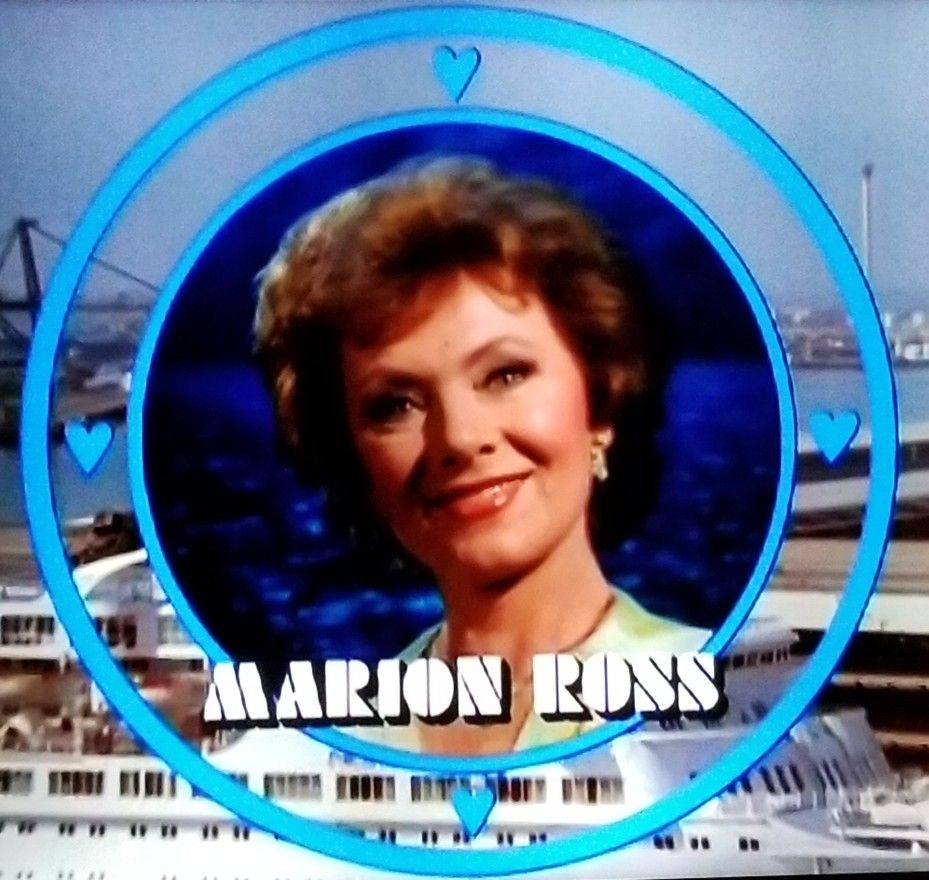
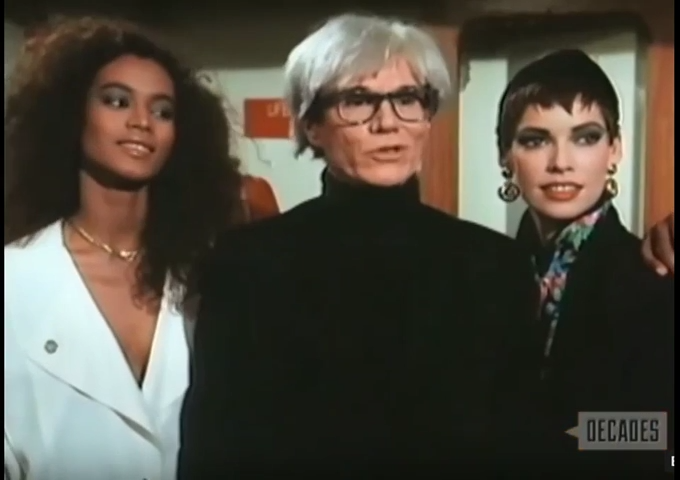
More than 550 guest stars appeared on the show during its run. There were movie stars like Gene Kelly, Ginger Rogers, and Joan Fontaine. There were Broadway stars including Ethel Merman and Robert Goulet. TV stars abounded like Don Adams, Lorne Greene, Florence Henderson, and Eve Arden. Music was represented by The Pointer Sisters, Cab Calloway, and Janet Jackson. Sports stars were on board including Dick Butkus and Joe Namath. And then there were the celebrities like Bob Mackie and Andy Warhol. Marion Ross holds the record with 14 appearances.

📷boingboing.com

For some reason, The Love Boat does not have the same “time warp” problems as Fantasy Island. It’s been translated into more than 29 different languages and appeared in more than 93 countries. It’s very popular in syndication.

Before the Hallmark Channel debuted, this is where you went to watch people fall in love every week. It’s hard to remember how many people just happened to run into an ex on the ship or meet the perfect soul mate after being mistreated.

Apparently, the cast is still close. In a recent interview, Lange said his experience on The Love Boat was life changing. He also said that the beauty of the show was that they are all still friends. “I just directed Fred in ‘Give ‘em Hell Harry’ in Indiana and I’m going to New York to stay with Bernie and his wife. . . . Bernie is more like my brother, and Fred is like my best friend.”

Whelan described McLeod as an “incredible, protective man. He was just like a dad.”

If you need a reminder that love is still alive and well, you can check out the show on DVD or on ME TV on Sundays.

What do You Wear to Eat Beans and Franks with Arnold Ziffel?

There is a lot that happens behind the scenes to help make a show a hit. In previous blogs (see the December 2018 blogs about Earl Hagen and Jay Livingston), we learned about composers. This month we’ll take a look at the costumers and the set designers. The wardrobe department has the responsibility to make sure the characters are wearing the appropriate clothing for their character.

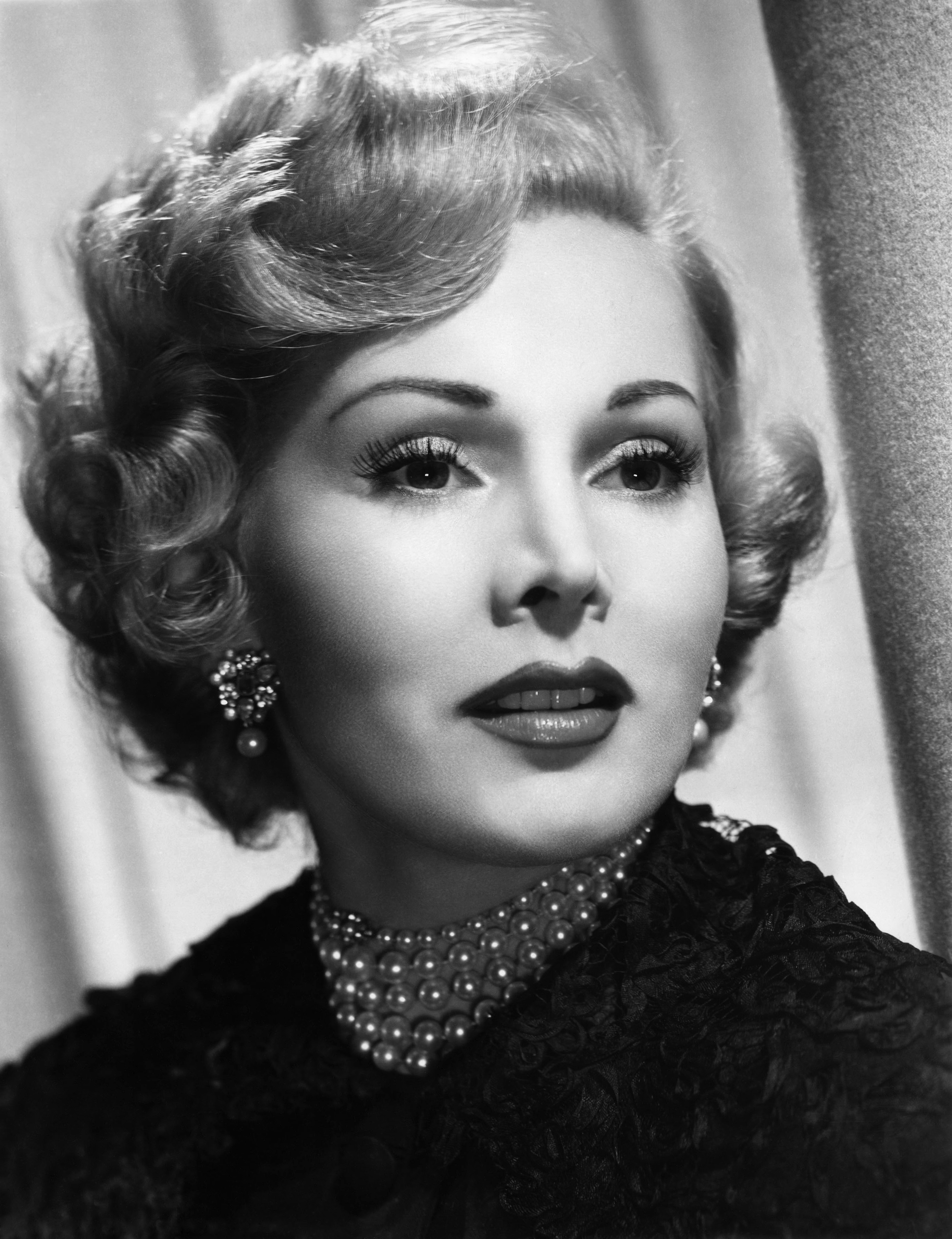
Zsa Zsa Gabor, ca. 1952
Photo: quotesgram.com

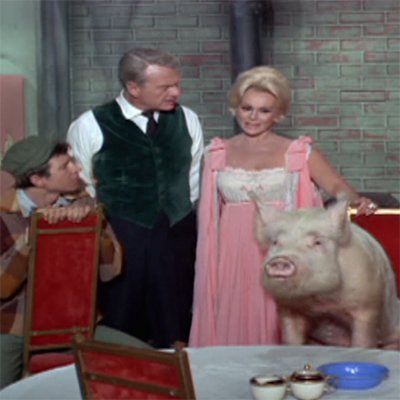
Green Acres presented a challenge for the wardrobe department. Most of the citizens were farmers, so overalls and house dresses fit the bill. Sam Drucker was the grocer, postman, and newspaperman for Hooterville, among other jobs. He always wore a blue shirt with a tie and had his postman vest or grocery apron on. Lisa and Oliver Douglas played an attorney and his wife who relocated from New York City and the social scene to rural Hooterville to run a farm. Oliver often wore suits on his tractor, looking somewhat silly and questioned by the locals. Lisa also continued to wear her glamorous outfits, but somehow, she was accepted by everyone and fit in wherever she went.

Photo: metv.com

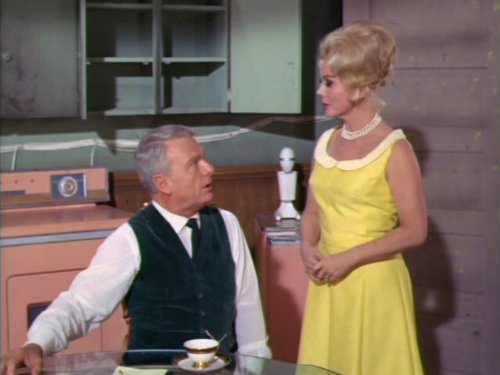
Lisa Douglas could wear anything and look good. She often wore her negligees around the house without being thought a hussy. She could show up in a sequined gown for a local band performance and was just one of the crowd. She wore gowns of boldly colored prints, but she was just as likely to show up in a single-colored sheath dress with a simple strand of pearls.

Photo: imdb.com

With her lavish updo hairstyle and her extensive collection of jewelry, Lisa was fun to outfit. Three designers were responsible for the majority of Lisa’s wardrobe: Jean Louis, Lucie Ann Claire Sandra, and Nolan Miller.

Jean Louis

Born Jean Louis Berthault in 1907 in Paris, France, he was an Academy Award winner for The Solid Gold Cadillac in 1956 starring Judy Holliday. (Jean was nominated for 13 Academy awards.)

Photo: pinterest.com

He attended the School of Decorative Arts and then went to work for Agnes Drecoll, courtier. In 1935, he moved to New York city where he worked for Hattie Carnegie before going to Hollywood. While working there he began gathering a large clientele, including Wallis Simpson and Irene Dunne.

Photo:
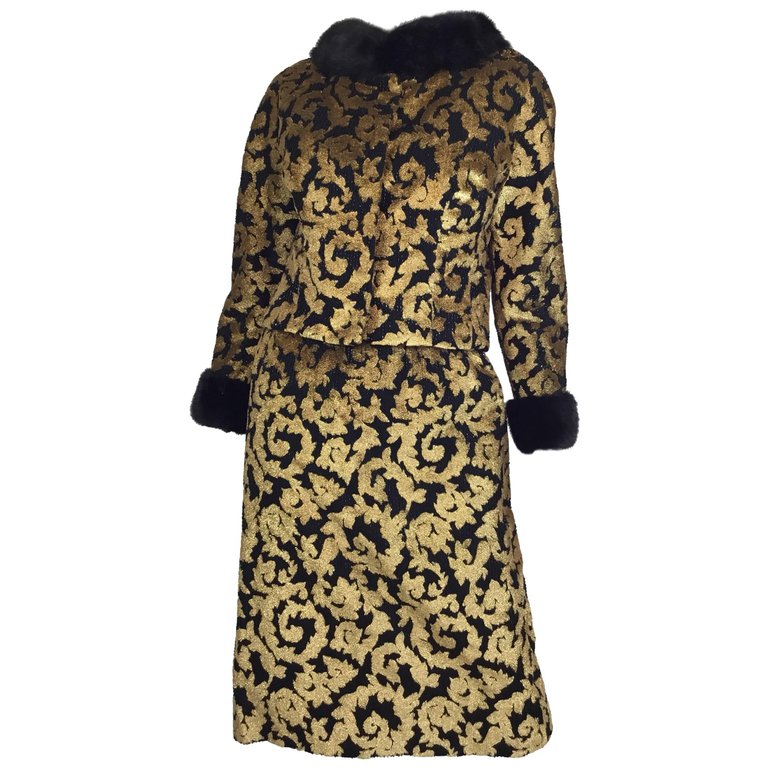
Black gown -1960s Jean Louis Silk Tiered Gown

From 1944-1958, he was head designer for Columbia Pictures. Some of his most creative designs included Rita Hayworth’s black satin dress from Gilda, the beaded gowns worn by Marlene Dietrich, and the sheer, sparkling dress Marilyn Monroe displayed when she sang “Happy Birthday” to John F. Kennedy. He also was the primary designer for Kim Novack.

Photo:
Gold and black lame dress

In 1958 he moved over to Universal. There he began a working relationship with Doris Day, with Pillow Talk, their first collaboration. Journalist Tom Vallance described his work:- “He created a sophisticated allure for Doris that launched a new phase of her career.” James Garner, who also starred with Doris in several films said she “exuded sex appeal while still maintaining her All-American Girl next door image.” Jean Louis also worked with Lana Turner during this era, putting together her colorful wardrobe in Imitation of Life. Jean’s daughter said her father “had the most amazing discerning eye for color. It was a sixth sense for him.”

Jean Louis had designed the clothing for The Loretta Young Show from 1953-1961. She was a close friend of Jean and his wife Maggie. After Maggie passed away, he and Young married in 1993. She was considered one of, if not the best, well-dressed stars. He also designed clothing for Ginger Rogers, Vivian Leigh, Julie Andrews, Katherine Hepburn, and Judy Garland.

Jean began to freelance in 1960. He opened a boutique in Beverly Hills and sold his label, “Jean Louis, Inc.” at better department stores all over the country. During this time, he also updated the United Airlines stewardess uniforms.

Photo: metv.com

From 1965-1967 he designed Lisa Douglas’s dresses on Green Acres. He was the perfect designer for her. Gifted with a great sense of humor, he could undoubtedly relate to the humor on the show.

Photo: thewritelife61.com

As he said during a Vogue interview, “You can use marvelous fabrics, have wonderful, impossible embroidery—in fact, be superluxe and superluxe is what the couture is all about.”

Photo: tumblr.com

In the 1970s, he opened a boutique in France and launched his first fragrance. His career was still flourishing with clients like Jacqueline Kennedy, Sophia Loren, and Bianca Jagger.

Jean Louis passed away in 1997. His influence continues to be felt among designers today. Some of the fashion icons who admit being influenced by him include Michael Kors, Vera Wang, Giorgio Armani, and Zac Posen.

Photo: imdb.com

Lucie Ann-Claire Sandra

Lucie Ann vintage nightgowns are among the most glamorous and desirable negligees ever made. Lucie Onderwyzer founded the fashion company in 1947 in Beverly Hills. Known for bold color and exuberant details like pompoms, bows, rosettes, and rhinestones, she designed for many stars including Elizabeth Taylor.

Photo: pinterest.com
A few of Lisa’s gowns in the background

She designed all the peignoir sets worn by Eva Gabor in Green Acres. Her designs were also featured in other television shows and movies. In one episode of Bewitched, Darrin goes to the store to purchase a Lucie Ann for Samantha.

Photo: pinterest.com
Darrin shopping for Samantha

Lucie passed away in 1988 and her company was bought by Deena Lingerie Co and later Lady Ester Lingerie Company which is still making them today.

Norman Miller

Norman Miller was a wardrobe consultant for Eva on Green Acres.

At www.emmytvlegends.org/interviews/people/nolan-miller, Miller described his relationship with Eva.

 “I adored Eva. We worked together for many years. Later on, our working relationship became a friendship that I really valued. She wasn’t silly. She was a very smart lady. Not so smart with the men of her life. Her home was incredibly elegant. Anything that she needed I would do.” Miller shares about the time when Eva discovered a store called Loehmann’s; the store would buy designer samples and pack them up in huge boxes for stars to pick from. “Eva was a size 8 and the sample sizes were 2, and she’d simply ask me to do my magic and tailor them to her size. I smile at that as Eva could get anyone to change things around for her. I sometimes wonder whether she did understand fully well what was entailed in changing a size 2 into an 8 just like what was entailed in coming up with an animation idea tailor-made for her. She’d bat her eyelashes and sprinkle in a few ‘darlings’ and you find yourself doing what she wanted.”

Photo: pinterest.com
A pink chiffon sleeveless floor-length Nolan Miller dress with accompanying chiffon and ostrich feather wrap worn by Eva Gabor on the television series Green Acres.

Miscellaneous

These three designers were the major forces behind Lisa Douglas’s beautiful fashion style on Green Acres. Gabor had an amazing fashion sense and was well known for her private wardrobe. She also was a successful business woman, owning a multi-million-dollar wig company.

Photo: newyorksocialdiary.com

Eddie Albert tells a great story about Gabor and her fashion. At her funeral, he said he probably saw more of Gabor than any of her five real-life husbands did. And, like any couple, married or not, they had their differences. She, for example, never quite understood his passion for wildlife conservation. “Every time you hear about a sick fish, you make a speech. Vy?,” Albert recalled his co-star saying. “And I would tell her, ‘I think we ought to preserve nature, save wild animals,’ and so on. Well, one day she showed up in a gown made of feathers, and I asked her not to wear it. ‘But so chic!’ she said. And I said, ‘Yes, and ladies will see it and want one, and thousands of birds will die.’ And she said, ‘But, Eddie, feathers don’t come from birds.’ ‘Well,’ I asked, ‘where do they come from?’ And she said, ‘Dahlink. Pillows! Feathers come from pee-lowz!’ ”

Perhaps there was more of Eva Gabor in Lisa Douglas than we realized.

Photo: sitcomsonline.com