Our theme for March is “Variety is the Spice of Life.” We are looking at several variety shows that debuted in the sixties and seventies. Today we are learning about Judy Garland’s show. It’s hard to even know what to call this show. There was constant turmoil during the season it was on the air. It changed personnel, titles, formats, and all this after Garland and CBS had been at odds on past projects before this one even began.
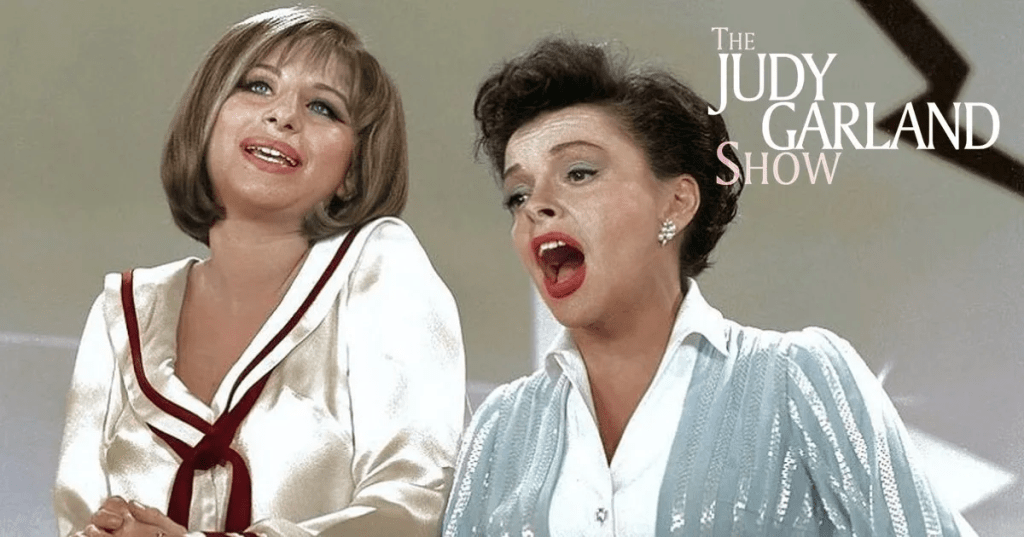
Garland had not been comfortable committing to a weekly series, but she ran into some financial difficulties that forced her to rethink her views on television. When this show was being planned, Garland and CBS had been feuding for five years. Garland had been given a $300,000 contract with CBS to produce three specials. The first special in 1956 had great ratings, but then things fell apart. Garland’s husband and manager Sid Luft could not find any common ground with the network on the format of the second special. Garland filed a lawsuit for libel and breach of contract.
In 1961, as a negotiation of sorts, Garland and CBS agreed to try the specials again. In 1962 her special with Dean Martin and Frank Sinatra aired and received four Emmy nominations. At that point, CBS and Garland began to talk about a weekly series beginning in 1963. The third special with Phil Silvers and Robert Goulet was a pilot for the new series. It also received an Emmy nomination.
The show was cancelled after 26 episodes. Those 26 episodes had three different producers.
George Schlatter produced the first five episodes of the series. The job was originally offered to Bob Banner, but he declined because he was producing a series for Garry Moore and he didn’t want to move from California to New York. When he said no, Bob Finkel was approached, and he declined for the same reason. To make it more complicated, the network offered the job to a local guy, Bill Hobin, who worked with Sing Along with Mitch and was already on the east coast. He accepted the offer, only to learn that people associated with the show had also offered the job to George Schlatter who was willing to move to New York, and he had also accepted the position. It was settled with Schlatter retaining the producer role and Hobin becoming director, an awkward way to begin.
Schlatter got busy hiring. He brought on Mort Lindsey as orchestra conductor, Gar Smith as art director, Edith Head as costume designer, Mel Torme as musical arranger, and Danny Daniels as choreographer.
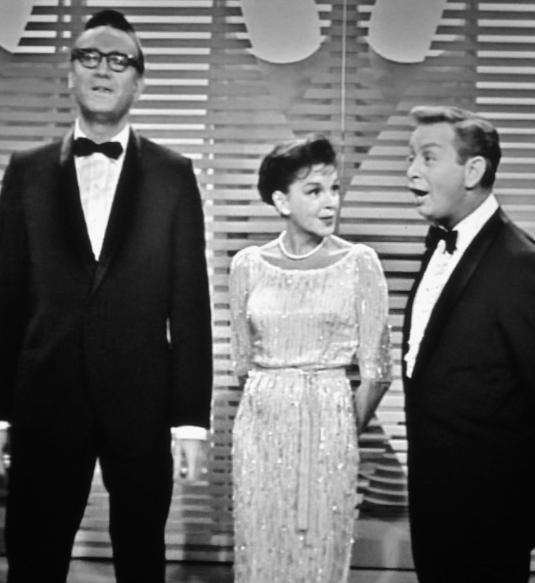
Schlatter hired Jerry Van Dyke as a series regular, and a few recurring pieces were created. In addition to performing, Garland had a segment “Born in a Trunk” where she told stories about her career. She also had a chat with a “surprise” guest every week. Van Dyke did some stand up and also showed up in sketches throughout the show with Judy. “Maybe I’ll Come Back” was chosen as the closing song over CBS objections, preferring her iconic “Over the Rainbow.”
I’m not sure why it changed after all the hoopla about trying to make producers move, but the show was taped at Studio 43 in Los Angeles. The studio underwent a $100,000 renovation for the show. Some of the changes were necessary and some were silly. A revolving stage was created and raised a bit which made sense. Judy’s dressing room was a replica of her Brentwood home which seems unnecessary and the hallway from her room to the stage was the yellow brick road.
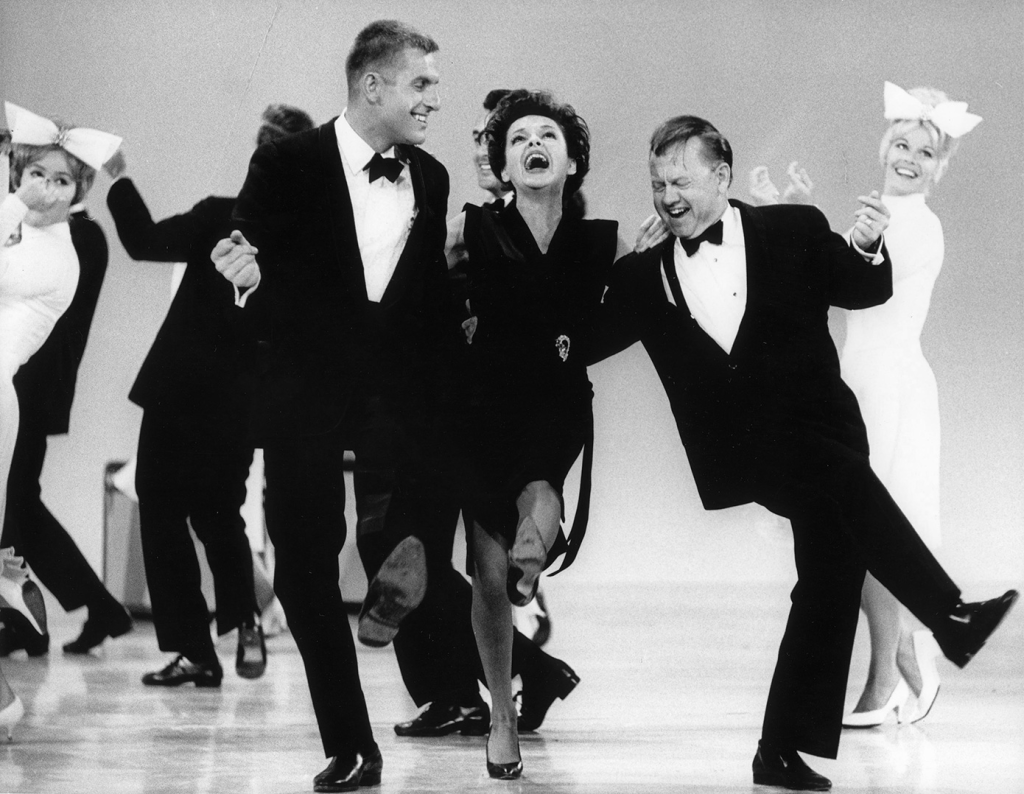
Judy did put her foot down about who her first guest would be; she wanted her old partner Mickey Rooney. It was filmed that way, but the way the episodes were aired made it look like the tenth episode. The seventh show taped with Donald O’Connor was the first episode that aired.
The taping of the first show with Rooney included a star-studded audience including Lucille Ball, Jack Benny, Clint Eastwood, Agnes Moorehead, Dick Van Dyke, Natalie Wood and gossip columnists Hedda Hopper and Louella Parsons. For this opening, Judy wanted to have Cary Grant in the audience as well and introduce her with his iconic “Judy! Judy! Judy!.” Grant, however, passed because he had never actually said this line in any movie and he was tired of everyone associating it with him.
Schlatter was fired after a month and a half. Norman Jewison came in for the next eight shows which he indicated was all he was willing to do.
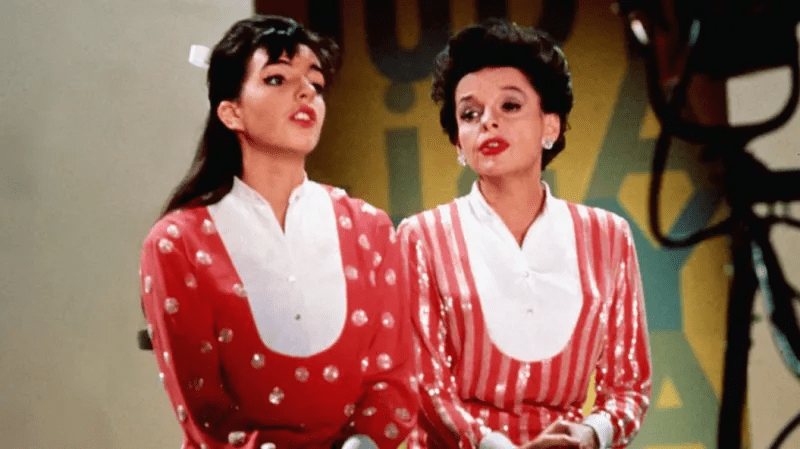
He had not liked Van Dyke’s jokes about Garland’s shortcomings, and he introduced a segment “Be My Guest” which Mel Torme wrote to allow Garland and her guest to perform together. Van Dyke was not popular with viewing audiences, so he was also gone as were many of the writers and the choreographer.
Bill Colleran jumped in as producer for episode 14 while the other episodes were still airing. He would remain with the show until it was canceled. Once again, the format was changed, focusing on Garland’s musical performances. Sometimes comedy was part of the show but only when the guest star was a comic like Bob Newhart or Shelley Berman.
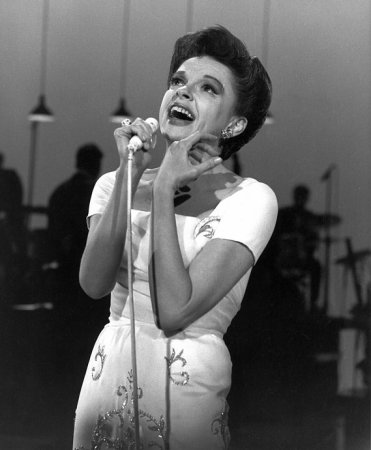
Ratings had not increased through all of these massive changes, and the show was canceled before the end of January. The final seven shows were taped after the crew knew the show was done. At this point, the show was basically just Judy or Judy and a guest singing for sixty minutes, and the title became Judy Garland in Concert.
Torme stuck with the show through the entire mess and then was fired after 22 episodes when everyone knew there were only four left, and he was replaced by Bobby Cole, someone Garland had just met. He filed for breach of contract and included the details in his memoir. Fans reported they loved Garland, they just didn’t like anything else about the show.
Critics were of differing opinions. The San Francisco Chronicle characterized the show as “tasteful, elegant and exciting.” while the New York Herald Tribune wrote that “Miss Garland is fine, just fine. The rest of the show, however, needs help.”
Fans of the show formed a “Save The Judy Garland Show committee” and organized an early letter-writing campaign on behalf of the series, but their efforts were not enough to prevent the show from being cancelled. The final Judy Garland Show, another concert episode, was broadcast on March 29, 1964.
Schlatter discussed his time on The Judy Garland Show. He was hired after working for the Dinah Shore Show. He said he encouraged the child in her to come out and the two of them had a lot of fun. He said the first five shows were filmed on time and under budget, but he got fired after they were done. CBS told him the shows were “too special.” They wanted Garland to show more warmth which Schlatter thought she already did. After he left, the show featured her sitting on stools and talking more rather than performing.
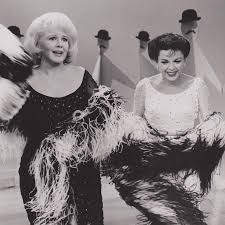
There seem to be a lot of reasons why the show only lasted one season. There was the revolving door with cast, writers, producers, and a lot of turmoil about the format of the show. CBS president James Aubrey was said to “intensely dislike” Judy for some reason and did not keep that a secret. The show was up against Bonanza on NBC which almost insured its demise. Bonanza was in the top ten, a very popular program. And, this was during a time when the family probably had one television and the family often gathered to watch it together Sunday nights. Most families are going to choose Bonanza over The Judy Garland Show.
While Judy needed the money, the pressures and stress filming this show did not help her mental health. As someone who had experienced addiction issues for a while, she had trouble dealing with the infighting and criticism of her show although most critics went out of their way to give her positive feedback. Sadly, within five years of the show being canceled, Garland was dead from an overdose of sleeping pills. It’s too bad that this show which might have brought her financial comfort and happiness just added to her stress in the entertainment business.

 thewritelife61