Our theme for March is “Variety is the Spice of Life.” We are looking at several variety shows that debuted in the sixties and seventies. After discussing three shows that weren’t super successful on television, today we look at a long-running show: The Dean Martin Show.
📷chrisnersinger.com
Debuting in 1965 and lasting nine seasons, The Dean Martin Show was on NBC. His theme song was the iconic “Everybody Loves Somebody.” For most of its life, it was on Thursday nights. Season nine brought a change of nights as well as a new format.
Like Judy Garland, whose show we learned about last week, Martin was not sure he wanted to commit to a television schedule, feeling as though he would not be able to take on his favorite movie roles and nightclub performances. So, he asked for a “list of musts” that he knew NBC would not agree to. He asked for a lot of money, a one-day-a-week work schedule of Sunday, and permission for him to only announce ads and sing when he felt like it. Imagine his surprise when they agreed to every demand.
Martin always presented as a shy, drunk playboy, and he continued with this image for the television show. He made it obvious that he was reading his lines from cue cards and if he goofed, it became part of the taped show.
📷imdb.com
The show had a few recurring features every week. Martin typically sang two songs per show. Sometime during the show, a knock on the closet door led to Martin opening the door to reveal a celebrity guest and Martin himself didn’t know who would be on the other side of the door. The show usually ended with a production number featuring Martin and his guests.
Cast members were hired who did sketches throughout the show. These stars included Tom Bosley, Rodney Dangerfield, Dom DeLuise, Kay Medford, Charles Nelson Reilly, and Nipsey Russell. In later seasons, The Golddiggers appeared. This was a group of chorus girls who first started on the summer replacement show. Not only were Martin’s goofs part of the show, but Charles Nelson Reilly once told a story that on the way to rehearsal, he was driving a convertible, and the script flew out of the car. He wasn’t too concerned though because he said the way the show was done, the script really didn’t matter much.
If you name a celebrity, they were probably on this show. Just a small sampling includes Eddie Albert, Steve Allen, Louis Armstrong, Lucille Ball, Tony Bennett, Rosemary Clooney, Sammy Davis Jr., Phyllis Diller, Duke Ellington, Ella Fitzgerald, Bob Hope, Ethel Merman, Bob Newhart, Dinah Shore, and Frank Sinatra.
The show was nominated for an Emmy 12 times including best variety, music or comedy series in 1968, 1969, and 1970.
📷wordpress.com Golddiggers
The show had decent ratings for the first year but after that it was never great, never awful. It was up against The Thursday Night Movie on CBS and a variety of different shows on ABC which changed from year to year all eight seasons. For the final season, the show was moved to Friday nights, against the popular Love American Style. From 1973-1974 it was titled The Dean Martin Comedy Hour and episodes were celebrity roasts.
The Television Academy did an interview with Greg Garrison, producer and director for The Dean Martin Show. He said there was some turmoil in the first year trying to figure out what this show was. He said they had Bertha the Elephant on one episode, and no adults were interested in that at 10 pm.
Garrison said Martin was extremely generous. Every year he gave Garrison a ten percent ownership in the show until he had 50%. Garrison then told him to stop offering him more because 50% was the most he would agree to. He described Martin as the kindest, nicest, and most generous man he knew. Garrison said he was able to do whatever he wanted to on the show and Martin never second-guessed him. Garrison said one of the hardest decisions he made was cutting Zsa Zsa Gabor’s sketch. He said she gave him no end of trouble, so he finally said they were done, and the sketch was cut. She protested and he told her she would get her check, but the skit was done and it was.
📷wikipedia.com
This was a successful show for almost a decade. It’s hard to find a lot of information about it though. Unlike The Carol Burnett Show where everyone was working together all the time, Martin only showed up on Sundays and most of the time it was the rest of the cast, so perhaps not as many stories were shared.
I watched an episode from 1970, and it was typical of a variety show for the time. Martin began by telling jokes like he put his contacts in backwards and looked at himself all night, so he got no sleep. He talked about going back to his neighborhood where the mayor had a car waiting for him, but luckily, he got out of the way just in time before getting hit. He also mentioned that he and his dog went to school together for years until they had to part because the dog graduated.
He then sang a song all the while holding onto his cigarette. In most of his appearances on the show he had a cigarette or a glass of apple juice purported to be alcohol. Ann Margaret and Bob Newhart were the guest stars in this one. He then went into a skit with Newhart. The show held up pretty well for being more than fifty years old. I admit I feel spoiled after watching The Carol Burnett Show, which I think is impossible to compete with for almost any other variety show, but Martin came across as likeable and the show was better than I anticipated. If you want to check out a few of them, you can get the “Best Of” his shows on Amazon.
Our theme for March is “Variety is the Spice of Life.” We are looking at several variety shows that debuted in the sixties and seventies. Today we are learning about Judy Garland’s show. It’s hard to even know what to call this show. There was constant turmoil during the season it was on the air. It changed personnel, titles, formats, and all this after Garland and CBS had been at odds on past projects before this one even began.
📷barbaraarchives.com
Garland had not been comfortable committing to a weekly series, but she ran into some financial difficulties that forced her to rethink her views on television. When this show was being planned, Garland and CBS had been feuding for five years. Garland had been given a $300,000 contract with CBS to produce three specials. The first special in 1956 had great ratings, but then things fell apart. Garland’s husband and manager Sid Luft could not find any common ground with the network on the format of the second special. Garland filed a lawsuit for libel and breach of contract.
In 1961, as a negotiation of sorts, Garland and CBS agreed to try the specials again. In 1962 her special with Dean Martin and Frank Sinatra aired and received four Emmy nominations. At that point, CBS and Garland began to talk about a weekly series beginning in 1963. The third special with Phil Silvers and Robert Goulet was a pilot for the new series. It also received an Emmy nomination.
📷leighwiener.com
The show was cancelled after 26 episodes. Those 26 episodes had three different producers.
George Schlatter produced the first five episodes of the series. The job was originally offered to Bob Banner, but he declined because he was producing a series for Garry Moore and he didn’t want to move from California to New York. When he said no, Bob Finkel was approached, and he declined for the same reason. To make it more complicated, the network offered the job to a local guy, Bill Hobin, who worked with Sing Along with Mitch and was already on the east coast. He accepted the offer, only to learn that people associated with the show had also offered the job to George Schlatter who was willing to move to New York, and he had also accepted the position. It was settled with Schlatter retaining the producer role and Hobin becoming director, an awkward way to begin.
Schlatter got busy hiring. He brought on Mort Lindsey as orchestra conductor, Gar Smith as art director, Edith Head as costume designer, Mel Torme as musical arranger, and Danny Daniels as choreographer.
📷imdb.com
Schlatter hired Jerry Van Dyke as a series regular, and a few recurring pieces were created. In addition to performing, Garland had a segment “Born in a Trunk” where she told stories about her career. She also had a chat with a “surprise” guest every week. Van Dyke did some stand up and also showed up in sketches throughout the show with Judy. “Maybe I’ll Come Back” was chosen as the closing song over CBS objections, preferring her iconic “Over the Rainbow.”
I’m not sure why it changed after all the hoopla about trying to make producers move, but the show was taped at Studio 43 in Los Angeles. The studio underwent a $100,000 renovation for the show. Some of the changes were necessary and some were silly. A revolving stage was created and raised a bit which made sense. Judy’s dressing room was a replica of her Brentwood home which seems unnecessary and the hallway from her room to the stage was the yellow brick road.
Judy did put her foot down about who her first guest would be; she wanted her old partner Mickey Rooney. It was filmed that way, but the way the episodes were aired made it look like the tenth episode. The seventh show taped with Donald O’Connor was the first episode that aired.
📷variety.com
The taping of the first show with Rooney included a star-studded audience including Lucille Ball, Jack Benny, Clint Eastwood, Agnes Moorehead, Dick Van Dyke, Natalie Wood and gossip columnists Hedda Hopper and Louella Parsons. For this opening, Judy wanted to have Cary Grant in the audience as well and introduce her with his iconic “Judy! Judy! Judy!.” Grant, however, passed because he had never actually said this line in any movie and he was tired of everyone associating it with him.
Schlatter was fired after a month and a half. Norman Jewison came in for the next eight shows which he indicated was all he was willing to do.
He had not liked Van Dyke’s jokes about Garland’s shortcomings, and he introduced a segment “Be My Guest” which Mel Torme wrote to allow Garland and her guest to perform together. Van Dyke was not popular with viewing audiences, so he was also gone as were many of the writers and the choreographer.
Bill Colleran jumped in as producer for episode 14 while the other episodes were still airing. He would remain with the show until it was canceled. Once again, the format was changed, focusing on Garland’s musical performances. Sometimes comedy was part of the show but only when the guest star was a comic like Bob Newhart or Shelley Berman.
📷imdb.com
Ratings had not increased through all of these massive changes, and the show was canceled before the end of January. The final seven shows were taped after the crew knew the show was done. At this point, the show was basically just Judy or Judy and a guest singing for sixty minutes, and the title became Judy Garland in Concert.
Torme stuck with the show through the entire mess and then was fired after 22 episodes when everyone knew there were only four left, and he was replaced by Bobby Cole, someone Garland had just met. He filed for breach of contract and included the details in his memoir. Fans reported they loved Garland, they just didn’t like anything else about the show.
Critics were of differing opinions. The San Francisco Chronicle characterized the show as “tasteful, elegant and exciting.” while the New York Herald Tribune wrote that “Miss Garland is fine, just fine. The rest of the show, however, needs help.”
Fans of the show formed a “Save The Judy Garland Show committee” and organized an early letter-writing campaign on behalf of the series, but their efforts were not enough to prevent the show from being cancelled. The final Judy Garland Show, another concert episode, was broadcast on March 29, 1964.
Schlatter discussed his time on The Judy Garland Show. He was hired after working for the Dinah Shore Show. He said he encouraged the child in her to come out and the two of them had a lot of fun. He said the first five shows were filmed on time and under budget, but he got fired after they were done. CBS told him the shows were “too special.” They wanted Garland to show more warmth which Schlatter thought she already did. After he left, the show featured her sitting on stools and talking more rather than performing.
📷instagram.com
There seem to be a lot of reasons why the show only lasted one season. There was the revolving door with cast, writers, producers, and a lot of turmoil about the format of the show. CBS president James Aubrey was said to “intensely dislike” Judy for some reason and did not keep that a secret. The show was up against Bonanza on NBC which almost insured its demise. Bonanza was in the top ten, a very popular program. And, this was during a time when the family probably had one television and the family often gathered to watch it together Sunday nights. Most families are going to choose Bonanza over The Judy Garland Show.
While Judy needed the money, the pressures and stress filming this show did not help her mental health. As someone who had experienced addiction issues for a while, she had trouble dealing with the infighting and criticism of her show although most critics went out of their way to give her positive feedback. Sadly, within five years of the show being canceled, Garland was dead from an overdose of sleeping pills. It’s too bad that this show which might have brought her financial comfort and happiness just added to her stress in the entertainment business.
This month we are taking a look at some of the biggest shows and personalities from the 1950s. We are beginning with Dinah Shore, a household name in the fifties.
📷smithsonianinstitution.com
Frances Rose Shore was born in 1916 in Tennessee. Her parents were Russian-Jewish shopkeepers. At eighteen months old, she was diagnosed with polio. The only treatment at the time was bed rest. She recovered under her mother’s nursing but retained a deformed foot and a limp. She loved to sing and often performed for customers at her parents’ store. Despite her limp, Dinah became active in athletics and was a cheerleader in high school.
She enrolled at Vanderbilt University, graduating in 1938 with a degree in sociology. Singing was still her passion, and she visited the Grand Ole Opry, making her radio debut on WSM, a Nashville station. She moved to New York, auditioning for many roles. She often sang the song “Dinah,” and when DJ Martin Block couldn’t remember her name, he asked for the Dinah girl and Dinah became her stage name. She sang with Frank Sinatra at WNEW in New York and performed with the Xavier Cugat orchestra in 1940. That year she also became a regular on “Time to Smile,” Eddie Cantor’s radio show. He taught her to develop comedic timing and how to connect with an audience.
📷thepophistorydig.com
In 1948 she was offered her own radio show, “Call for Music.” She also performed for the troops during WWII.
Shore married actor Robert Montgomery in 1943, and they were married almost twenty years. Sinatra’s valet claimed Shore and Sinatra had a long-term affair throughout the 1950s but I could never verify that.
During the fifties, Shore signed on with RCA Victor to record her music. “Love and Marriage” and “Whatever Lola Wants” were top 20 hits in 1955. In 1959 she went to Capitol Records for three years.
“The Dinah Shore Show” aired on radio on NBC in 1950. She was a very popular singer and entertainer throughout the fifties and sixties. The seventies transitioned her to television where she hosted Dinah’s Place from 1970-74, Dinah and Friends in syndication from 1974-1980. She talked with celebrities and interviewed experts about wellness, exercise, and home décor. Frank Sinatra shared his famous spaghetti sauce recipe, and Ginger Rogers showed her how to throw a clay pot. Tina Turner, David Bowie, and Iggy Pop all performed on her show. Shore won six Emmys for her television work.
📷closerweekly.com
During the sixties, Shore was romantically involved with Dick Martin, Eddie Fisher, and Rod Taylor and had a short marriage with Maurice Smith, a tennis player. She and Burt Reynolds had a well-known relationship for four years during the early seventies.
From 1989-1992 she hosted one additional show, A Conversation with Dinah on cable TNN.
In later years she was also able to spend more time on her hobbies of painting and cooking.
Shore was diagnosed with ovarian cancer in 1993 and passed away in 1994 from the disease. Her Palm Springs mid-century modern home was purchased by Leonard DeCaprio in 2014.
While Shore was seen on television more in the seventies, in the fifties she was beloved for her singing career and that’s when she became a household name.
I admit that this month I may be a bit out of my element. We are going to learn about the soap opera genre in a series called “I Met My Twin When I Married My Mother’s Neighbor’s Uncle’s Grocer’s Best Friend’s Attorney Who is Also My Fourth Cousin Once Removed.” While my best friend Bonnie and I eagerly tuned in to The Young and the Restless when it began in seventh grade, and I popped in and out for a decade or so afterward, most of my soap opera memories involve my mother. I remember her ironing in the living room while watching As the World Turns. She also kept up with the events on Days of Our Lives and may have watched a few others off and on.
Photo: mubi.com
First in our series is one of the earliest television operas: we are traveling to Peyton Place.
This soap began on ABC in September of 1964 and was on the air for five years.
It was based on the novel Peyton Place by Grace Metalious. The first couple of years were in black and white and the second half of the shows were in full color.
A lot of the cast went on to be very active in television: Mia Farrow, Ryan O’Neal, Barbara Parkins, Christopher Connelly, David Canary, Mariette Hartley, and Lana Wood.
The show had a rocky beginning. Producer Paul Monash wanted to bring the show to prime time based on the success that the show Coronation Street had in England. He refused to call it a soap opera, preferring the term “high-class anthology drama.” A pilot was shot in 1962; after several changes, the pilot finally aired in 1964. The early episodes were taken from the novel and the 1957 film that was also based on the book. However, eventually, new stories had to be created. The setting was changed from an unknown location in the 1940s to present-day Massachusetts.
Peyton Place Archives, Camden ME Photo: camdenpubliclibrary.com
The opening credit included a photo of a church steeple and the words “Peyton Place” on screen while the bells rang. Announcer Dick Tufeld said, “This is the continuing story of Peyton Place.” Suddenly we see the town square, a rolling stream, and cast members while a summary of the previous episode is related.
Peyton Place was an immediate hit. It began life airing twice a week but then increased to three episodes in June of 1965. Dorothy Malone, one of the stars, had emergency surgery, so she was replaced with Lola Albright until she fully recovered.
In the first season, Dr. Michael Rossi (Ed Nelson) arrives in town from New York City to open his medical practice. Newspaper editor Matthew Swain (Warner Anderson) is a new friend. Matthew’s cousin Allison MacKenzie (Mia Farrow) is in love with his older brother Rodney (Ryan O’Neal). We understand that her mother Constance (Dorothy Malone) highly disapproves of the relationship. The town was named for Martin Peyton, the Peyton Mill owner, who was Rodney’s grandfather.
Rodney disapproves of his father Leslie’s (Paul Langton) relationship when he catches him with his secretary Julie (Kasey Rogers). Rodney has been dating her daughter Betty (Barbara Parkins). He breaks up with Betty and begins seeing Allison. Betty discovers that she is pregnant and then miscarries. Rodney marries her not knowing about the miscarriage. We also learn that Elizabeth Carson was murdered in a beachfront home.
The movie version 1957 Photo: dailymotion.com
Dr. Rossi becomes closer to Constance although he butts heads with Dr. Morton (Kent Smith). Dr. Morton threatens to destroy Rossi’s career when Catherine, Rodney’s mother, dies; then he learns that the pathologist made a huge error which actually caused the death. Betty decides to become a nurse and is hired as an aide at the hospital. Her father George (Henry Beckman) has a nervous breakdown and is admitted to a local sanitarium. Barbara Parkins told a reporter that when she met Bette Davis, the famous actress asked her, “When are you going to let go of Rodney Harrington?”
Elliot Carson (Tim O’Connor), Alison’s birth father who had been in prison for 18 years, returns to Peyton Place. He had been accused of murdering his wife Elizabeth, but we know that Catherine had been responsible. Once Elliott’s name is cleared he marries Constance and they explain to Allison that he is her father. Norman falls in love with a local girl Rita (Patricia Morrow) whose mother owns a local tavern.
Photo: pinterest.com
Steven Cord (James Douglas) is an attorney who moves to town. Dr. Morton’s daughter Claire (Mariette Hartley) gets divorced and returns to Peyton Place to practice medicine. She becomes interested in Dr. Rossi. When Matt decides to retire, he sells the local paper to Elliot.
If you are confused after reading these plots, don’t despair. I read through numerous times and still feel like I’m reading War and Peace. There are other subplots as well; these were just the major ones. Whew! I guess we know when someone says their life is like a soap opera, we know now what that means.
I won’t get into all the plot twists that happen during the rest of the series, but rest assured that there are murders, accidents, affairs, betrayals, addictions, and financial shenanigans.
When Mia Farrow became more popular, Dorothy Malone was written off the show after complaining about Farrow getting a bigger role, She sued 20th Century Fox for breach of contract; the case was settled out of court.
They didn’t have the only feud however. Ruth Warwick did not care for working with Ryan O’Neal. She said he was someone “who was so in love with himself it was pitiable.”
Mia Farrow left in 1966 and ratings began to decrease. In her memoir, Farrow said that she never expected this show to succeed. Once it became popular, she tried to get out of her contract. Her husband, Frank Sinatra, used his clout to get her out of it two years later, so she could travel with him.
The writers’ script had Allison run away from the town; two years later a new character showed up with a baby she claimed was Allison’s.
The Miles Family Photo: pinterest.com
The show went back to two episodes a week. By 1968 most of the original characters had left the show. Today it is not unusual for soap opera characters to come and go, but that was not the original plan.
In the same year, the show developed several non-white characters played by Ruby Dee, Percy Rodriguez, and Glynn Turman. The series brought several black writers aboard as well as Ruby’s husband Ossie Davis as a consultant.
In an effort to increase ratings, new characters were brought on board and new subjects were added to scripts like the war, the draft, riots, music, and belief in God. The ratings never recovered, and the show was canceled in June of 1969.
The series was revived as a daytime serial in 1972 but after less than a year, Return to Peyton Place was also canceled.
In 1977 NBC aired Murder in Peyton Place. It was advertised as a reunion movie and it focused on the deaths of Rodney and Allison. In 1985, Peyton Place: The Next Generation was produced to stir up interest for a new series, but that never happened.
I’m not sure why people were so enthralled with Peyton Place. I guess it’s the same reasons we have Fifty Shades of Gray decades later. Metalious, the author of the original novel, explained the genesis of her book: “To a tourist, these towns look as peaceful as a postcard picture. But if you go beneath that picture, it’s like turning over a rock with your foot-all kinds of strange things crawl out.”
During the five years it was on the air, Peyton Place had more than 100 actors on the show and 20 writers. The set expanded from a few homes around a town square to a more vibrant town with shops, a factory, a hospital, a fire station, and a wharf. Plots got more complex.
The show was eventually sold to fifty different countries with eight million viewers in Great Britain. Apparently, many Europeans based their idea of what an American town was like on this show.
Soap operas certainly had a spot in America’s hearts for decades. Just this past year, the last daytime soap opera moved to a streaming service and people were up in arms. I don’t know about you, but when I want to walk in nature it is to see the trees, listen to the birds, and smell the flowers. I tend to leave rocks alone. Maybe I am focusing on a fake façade, but I’m content not to see what is crawling around beneath the surface.
Dick Cavett made a career of being a talk show host. He began on ABC in March of 1968 and ended on TCM in 2007. In between, he showed up during the day, in prime time, late at night, on PBS, in syndication, and on CNBC. The Dick Cavett Show seems to refer to all the shows as a collected whole, so that’s how I will present it in my blog.
Photo: chicagotribune.com
If you have ever seen Cavett in action, he has such a smooth, polite manner that sometimes you forget he may be asking an invasive question. Some of the most memorable shows were conversations with Christine Jorgenson (who walked off the show in 1968); Groucho Marx (1969); Jimi Hendrix (1969); The Woodstock Show (1969); Eric Clapton (1970); Alfred Lunt, Lynn Fontanne and Noel Coward (1970); Orson Welles (1970); Salvador Dali (1971); John Kerry debating on Vietnam (1971); Watergate and Beyond (1974); Angela Davis (1972); Jackie Robinson (1972); Marlon Brando (1973); Katharine Hepburn (1973); Carol Burnett (1974); and Mohammad Ali (several shows). As you can see, in addition to entertainers, Cavett interviewed influential authors, politicians, athletes, and newsmakers.
Talking to the Great One: Ali Photo: latimes.com
Cavett often had several guests on each show, but sometimes he devoted the entire night to one person such as Laurence Olivier, Judy Garland, Bette Davis, Janis Joplin, Alfred Hitchcock, Fred Astaire, Gloria Swanson, Lucille Ball, Bob Hope, and David Bowie.
Politics were often covered by Cavett, and over the years, he interviewed many including political guests including Carl Bernstein and Bob Woodward, Walter Cronkite, John Ehrlichman, John Dean, Gerald Ford, Barry Goldwater, Henry Kissinger, and G. Gordon Liddy.
In various interviews of his own, Cavett mentioned different shows that were memorable or brought in a lot of mail. Early in the show’s history, Cavett was interviewing Peter Falk, Ben Gazzara, and John Cassavetes about a movie they were in. Cassavetes was so drunk and incoherent, Cavett walked off the stage.
Laughing with Katharine Hepburn Photo: dangerousminds.com
Georgia governor Lester Maddox appeared in a panel with Truman Capote and Jim Brown about segregation. Cavett made a reference to “bigots” who supported Maddox. When Maddox demanded an apology, Cavett apologized to Georgians who supported him without being a bigot. Maddox left the studio. However, later Maddox relented and made another appearance, and Cavett walked off the set as a joke.
One memorable episode was something no host wants to encounter. Publisher J. I. Rodale was on the show. Cavett was talking to another guest when Rodale seemed to be snoring, but everyone soon realized something was wrong. He actually died there on the set. The audience didn’t even realize it until Cavett called for a doctor. The program was taped but not aired.
Director Ingmar Bergman did few television interviews and no US interviews, but he made an exception for Dick Cavett.
With David Bowie Photo: nostalgiacentral.com
So, what types of things might you have learned from Cavett’s show? Well, Hitchcock explained how some of his most ingenious special effects worked. Gale Sayers talked about the movie Brian’s Song (maybe he could have given me a hint how not to cry every single time I see the movie.). BB King revealed what his name stands for. Jack Benny demonstrated how to play the violin. Melba Moore told what it was like to open at the Apollo Theater. James Garner explained how he accidentally broke co-star Doris Day’s ribs, and Jacques Cousteau discussed the mystery of manatees.
And finally, I had to find out who was Cavett’s favorite interview, and who were the ones that got away? The two he never got to interview but always wished he had was an easier answer to find: Cary Grant and Frank Sinatra.
Photo: WBUR
It was a lot harder to answer the first question. If you read the other three blogs in this series, you know the other talk show hosts (Mike Douglas, Phil Donahue, and Tom Snyder) began careers in Ohio. I was hoping to find an Ohio link for Dick, and that’s when I found the answer to my question of his favorite interviewee. Cavett landed in Cleveland at the end of his career, which seems fitting since he is ending this series.
He was talking about an upcoming show at The Nightclub in Cleveland and mentioned Jack Paar was his mentor. (Cavett wrote for The Tonight Show when Paar hosted it, and Paar began his career in Canton, Ohio; I know it’s one coincidence after another.) Jack told him he didn’t need humor, singing, or anything except a desire to have a conversation. Then Cavett said, “I watch clips from the shows when I’m invited to give a talk and they show them, and I’m always surprised by the number of little delightful moments I’ve forgotten. I watched a moment the other night when Groucho was on the show with [zoologist] Jim Fowler. And Fowler brought a sloth on the stage, and Groucho said, ‘That’s the lousiest-looking dog I’ve ever seen.’ I’d forgotten that. That was the same night Groucho proposed marriage to Truman Capote. . . .’I love to do Q&A with the audience, but there’s only one forbidden question, and it doesn’t have anything to do with sex or politics,’ he said. ‘The forbidden question is, Who has been your most interesting guest?’ . . . But then he went on to say that ‘If pushed to the wall, I have to admit that Groucho was the guest who meant the most to me.’ Cavett said that ‘In a letter from Miriam, Groucho’s daughter, she wrote, ‘My father thought the world of you.’ It gets me even now when I say that out loud.’”
The unique Groucho Marx Photo: pinterest.com
In 2005 several box sets were released of some of Cavett’s shows. They are collected by theme of the interviewee such as The Rock Icons, etc. The network Decades, which recently went off the air, broadcast these shows also. Before the network was disbanded, I was able to watch about ten of these episodes, and they were as good as I had hoped for.
I have really enjoyed reviewing these talk show hosts and their guest interviews this month. It makes me want to invite a bunch of friends over, one at a time, for coffee and conversation. Just be forewarned, if I invite you over, I may have a list of questions I’ll want to be asking you.
We are right in the middle of “The Men of November” series where we learn about some of our favorite actors from the classic age of television. Today we focus on a comedian who is best known for his role of a family band manager—Dave Madden.
Photo: discogs.com
Madden was an American born in Ontario, Canada in 1931. He spent his early childhood in Port Huron, Michigan and then was sent to live with his aunt and uncle in Terre Haute. His father had died and his mother had a job where she had to travel. When he was 13, he had a very bad bike accident which left him immobilized. He had a head-on collision with a car going about 45 mph. He broke his leg and fractured his skull. They pumped him with penicillin which saved his life. He was in the hospital for about three months because they had to keep breaking his leg. During the months he spent recuperating, he learned about magic from a book his aunt brought him called 101 Tricks You Can Do, and he later developed a comedy act that featured magic.
Appropriately enough, he served as the joke editor for his high school paper, writing his own material. He attended Indiana State Teachers College for a semester and then dropped out to enlist in the Air Force. He was assigned to Special Forces and sent to Libya where he entertained the troops. He even performed a magic show for the King of Libya.
When his time in the Air Force was over, he attended the University of Miami, majoring in communications and graduating in 1959.
Madden took his comedy act on the road. His manager booked him in Palm Springs during the Palm Springs Golf Classic, and the Rat Pack came in one night. After the show, Frank Sinatra went backstage and asked if Madden would be his opening act in Lake Tahoe in July.
Photo: trafaz.com
He and Sinatra hung out and one night in his bungalow he said Madden should be on The Ed Sullivan Show and picked up the phone and called Ed in New York. That call resulted in Sullivan booking him for three episodes.
His manager had a club in Beverly Hills, The Ye Little Club, and he called Madden who was in town because his regular singer was sick. Madden helped him out, and a Screen Gems writer, Jerry Davis, was in the audience with Nat King Cole’s manager. Nat was Madden’s favorite singer and his manager asked if he would do an eight-week tour with him. Unfortunately, Cole died soon after and Madden never even got to meet him.
Photo: ebay.com
Jerry Davis called Madden and asked him if he was interested in filming a pilot which led to an offer for a regular role on Camp Runamuck which debuted in 1965. The show lasted a season with 26 episodes. Madden had never acted before, and he said it was a great experience. The show was primarily about the camp counselors. Madden met Dave Ketchum on the show and they became friends. Later, the role of Reuben Kincaid was narrowed down to Dave Ketchum and Madden.
Photo: dailymail.com
A year later, Madden was offered a spot on Laugh-In. Rowan and Martin had seen his act in Reno and invited him on the show. Madden said that filming the show was not much fun. He said apart from the opening and closing jokes and cocktail party, most of the segments were individual ones. He described a day where he might go in at 10 am, and there would be 2 cameramen, a director and a light man. He would film a dozen skits which would be shown over the course of the season. None of the rest of the cast would be there. So, it was long and boring work.
Photo: washingtonpost.com
After two years with the wacky cast, he accepted the role that would make him a household name. As Reuben Kincaid, he managed the Partridge family on a new series based on the life of The Cowsills. The show aired Friday nights following The Brady Bunch and was on the air from 1970 till 1974.
Some of the scenes I loved the most on the show was when Reuben would lay on the couch to watch tv with the family or hold Shirley’s yarn while she knitted—just everyday family activities. Unfortunately, he and Shirley were not as close as they could have been because Madden and Shirley’s husband Marty Ingels did not hit it off.
Photo: jafosnews.com
Filming The Partridge Family was not always fun either. He said it could be very boring. The cast might have three to four pages of scripts that take place in the dining room. The whole family would sit around the table and they would have to change the lighting every time someone else spoke. He said you could arrive at 7 am and leave at 3 pm and never leave the dining room.
Photo:
While one of the running gags on the show was that Reuben and Danny had a battle of wits ongoing, in their personal lives, Reuben took Bonaduce into his home when his house was not a safe place. He said Danny’s mother was worried about Danny being home on the weekends when his father was home, so she asked Madden if Danny could stay with him at his bachelor pad on weekends. Madden said he didn’t drink and had small groups of people over, so it was not a problem to have Danny staying there.
Photo: starcasm.com
Madden said that he learned that The Partridge Family was cancelled because someone in his apartment building read it in the newspaper—a crummy way to learn you no longer had a job.
During this time period, Madden was on two episodes of Love American Style which was also part of the Friday night schedule and two episodes of Bewitched. When Madden recalled his time on Bewitched, he said he was with the same secondary actor for both episodes, Herb Ellis. He said that Elizabeth Montgomery was very gracious.
After the end of The Partridge Family, Madden appeared on an episode of Happy Days. In 1976, he would have a part in Eat My Dust!, a movie developed by Ron Howard who played Richie Cunningham on Happy Days. It was one of only two big screen features Madden was in. The other movie Madden had a role in was the family favorite, Charlotte’s Web in 1973. Madden was the voice of the ram.
In the late seventies, Madden could be seen on a variety of shows including Starsky and Hutch, Barney Miller, The Love Boat, and Fantasy Island.
In 1975, Madden took a break from his acting schedule to marry Nena Arnold. They had two children and divorced ten years later.
Photo: facebook.com
In the late seventies, he would be offered another recurring role. He began eating at Mel’s Diner on Alice from 1978-1985, as Earl Hicks. He was also Alice’s son’s basketball coach. The Hicks character was meant to be a guest shot, but the producers liked his interaction so much that he ended up doing 35 episodes. He really enjoyed working on the show because it was done before a live audience. He said it was like doing a one-act play every week. The cast rehearsed for a few days and then shot the show at one time.
In the late eighties, Madden also joined the cast of Focus on the Family’s Adventures in Odyssey. In 1990 he created his own character, curmudgeonly window washer Bernard Walton, which he would voice until 2008.
From 1970 or so on, Madden did a lot of voice-over work. When he had more time for it, it was very profitable. He said he made more money between 1985-1990 doing that then all four television series combined; he was making more than $250,000 a year just in voice work.
He stayed busy throughout the 1990s, showing up on The New Leave it to Beaver, Life with Lucy, Ben Stiller, Married . . . with Children, and Boy Meets World. His last credited role was on Sabrina the Teen-age Witch in 1998, where he appeared with other Laugh-In cast members.
He had another memorable event in 1998 when he married his former college girlfriend Sandy Martin.
Photo: pinterest.com
If you watched The Partridge Family, you might remember the episode where Danny and Reuben have a bet to see if Danny can lose weight and if Reuben can quit smoking. Madden was a long-time smoker in real life and that episode inspired him to quit, although he had been thinking about quitting for a while.
Madden had always been interested in cameras, buying his first one in the service. He began to experiment with photography on the set of The Partridge Family. He said it was illegal to bring a camera to the set, so he began taking photos of the crew when they were filming away from the regular set. He then made gifts for the crew and then began filming the director. By that time, people were so used to him having a camera around, no one called him out on photographing the cast. He would bring his camera to work with him, taking photos of the cast and crew. It turned into a life-long hobby.
Margaret Hamilton Photo: sharetv.com
One of the benefits of working in the industry was meeting so many beloved actors like Lucille Ball. On The Partridge Family, Madden enjoyed working with Ray Bolger who played Shirley’s dad and Margaret Hamilton who played Reuben’s mother. He said he would chat with Ray between takes and hear stories from Hamilton about The Wizard of Oz. He said Hamilton was a real pro and they were both very nice people.
With Gale Gordon on Life with Lucy Photo: tumblr.com
During retirement in 2007, he wrote his memoirs, Reuben on Wry: The Memoirs of Dave Madden.
In January of 2014, he passed away in hospice care, suffering from complications of myelodysplastic syndrome, a disorder that results from poorly formed or dysfunctional blood cells.
For someone who began his first magic performance because of a serious injury and was hired for a sitcom without ever having acted, Dave Madden had a very fun and successful career. I must admit, I have many great memories of him as Reuben Kincaid. He seemed to be a very nice and easy-going individual who worked hard and enjoyed his life. You can’t ask for more than that. Thanks for the memories Dave Madden.
Although the Rat Pack have all passed on, their influence still surrounds us. We can listen to Frank Sinatra’s music channel on Sirius. Jerry Lewis and Dean Martin movies still play late at night. Sammy Davis Jr. and Peter Lawford can both be seen on a variety of sitcom reruns. One member we don’t see as often is Joey Bishop. While he is not as well known as the other friends, he actually was the only one of the group who starred in his own sitcom.
Photo: mentalfloss.com
Two series went by the name “The Joey Bishop Show.” One was a sitcom and aired from 1961-1965, producing 125 episodes. For most of the run, Joey played a talk show host named Joey Barnes. The other show was an actual talk show that he hosted which ran from 1967-1969 and produced 682 episodes.
Photo: amazon.com
This blog looks at the sitcom created by Danny Thomas and Louis F. Edelman specifically for Joey Bishop. Danny served as executive producer, and the show was filmed at Desilu Studios before a live audience. When it debuted in 1961, it was filmed in black and white. One episode was shot in color and then the second and third seasons followed suit. NBC canceled the show after season three and CBS picked it up but filmed that season in black and white again. I imagine fans of the show weren’t happy to go from color to gray tones again; it would be like visiting Oz and then being sent back to Kansas.
Photo: tumblr.com Version 2
Like The Andy Griffith Show, the pilot was an episode of the Danny Thomas Show. Joey played Joey Mason who was an incompetent public relations staffer. Danny arrives in Los Angeles exhausted but has no place to stay and is forced to sleep at Joey’s house with his parents and his two sisters, the younger one being Stella, an aspiring actress played by Marlo Thomas.
Photo: wikimedia.com
Before airing the next fall, the pilot had some revisions. Now Joey’s last name was Barnes. His father was dropped from the cast but two family members were added: a younger brother named Larry (Warren Berlinger) and a brother-in-law Frank (Joe Flynn) who was married to Betty (Virginia Vincent), the older sister. His mother continued to be played by Madge Blake who would go on to play Aunt Harriet on Batman.
Joey continued his public relations career and supports his family. The secretary at the PR firm, Barbara (Nancy Hadley) is his girlfriend. A lot of the plots revolve around family members taking advantage of Joey’s influence which they think is significant but is really almost nonexistent.
The show didn’t do well in the ratings, so it was retooled once again. Betty, Frank, and Barbara were all dropped from the show. The series was renewed for a second season, but the show would change its format again.
Photo: newsfromme.com Newly married
From season two on, Bishop became the host of a New York City talk show. The cast from the first season disappeared altogether in this fourth reincarnation. Abby Dalton plays Joey’s wife Ellie. The couple now live in a posh apartment building and, at the end of the second season, they have a baby boy. Hilda (Mary Treen) is the Barnes’ maid and baby nurse, and she often trades insults with Joey similar to the banter Florence and George had on The Jeffersons a decade later. The Jillsons (Joe Besser and Maxine Semon) are the superintendents of the building. Like Howard’s mother on The Big Bang, Maxine is heard but not seen. Guy Marks played Freddie, Joey’s manager.
Photo: akaguymarks.weebly.com Version 3
There were some rumors that Joe Flynn had been let go the prior season because he was too popular; this would mean that Bishop was so insecure that he was willing to totally revamp his show to get rid of one character. That doesn’t seem to make sense. However, Cynthia Lowry’s column in The Evening Independent from September of 1963 reported that “Actor’s feuds can be very fierce. Joe Flynn, who now plays the sarcastic Captain Binghamton in McHale’s Navy still is so annoyed with The Joey Bishop Show that he doesn’t even mention it in his list of acting credits – although he included brief appearances on Hawaiian Eye, Ozzie and Harriet, and The Eddie Fisher Show. Flynn played a sharp-tongued ne’er do well brother-in-law during the first year of the Bishop comedy, a role that was swept away with a lot of others when the series was completely revamped.”
One review for the second season by Bob Thomas, AP Movie-TV Writer in the Ocala Star-Banner from August of 1962 stated:
“About the only resemblance between last season’s Joey Bishop show and the coming season’s is the name. It’s still The Joey Bishop Show, NBC having vetoed the comedian’s suggestion to call it The New Joey Bishop Show. Bishop fans may be startled to find their hero is no longer a press agent but a late-night television comic. Furthermore, he has jettisoned his mother, bless her heart, for a curvy wife. And he has acquired a whole new bunch of pals. That Joey was able to make these changes is one the minor miracles of television. Just about everyone, Joey especially, agreed that something was wrong with last season’s shows. When a series pulls a wrongo, it is usually yanked at the first sign of spring. But the series had somehow managed to best its competition on ABC and CBS and rack up an impressive rating. So, when Joey promised a clean sweep in format for the next season, NBC went along. I found Joey in the midst of his fourth show, and absolutely happy – for him. That is, he smiled every 15 minutes. I asked what went wrong the first season. ‘I showed up,’ he replied. But on a more analytical basis, he continued: ‘We did many things wrong. We didn’t have enough time to prepare. We violated a very basic concept in comedy. When you have a clever comedian -and in modesty I think I am-you surround him with funny people. When you have a funny comedian, you surround him with clever people. I made the mistake of working with clever people,’ he said. ‘Now I am working with funny people – Guy Marks, who is a bright young comedian; Joe Besser, who can get laughs just walking on stage; and Abby Dalton from the ‘Hennessy Show, a brilliant talent.’”
Photo: sitcomsonline.com
Another review a few weeks later agreed: “Joey Bishop also returned to NBC – on Saturday night. This season he is more poised, more famous, and a successful established night club comedian. He also picked up a wife on the show. The first show involved one of those typical newlywed situations that television situation comedies specialize in. High point of the show, however, was an imitation by Guy Marks, who plays Joey’s manager, of a flamingo. Don’t ask how they managed to get that in, but it was very funny! —-”
Photo: youtube.com Despite the rumors, Bishop proves he’s a team player
Once again there was talk of feuding between the star and a cast member, this time Guy Marks, because he was receiving great reviews. Marks was around for the first 18 episodes and when he left, Corbett Monica came on board as Larry Corbett, Joey’s head writer.
The Montreal Gazette in January of 1963 featured an article by Dorothy Kilgallen that explained, “It’s no secret that the parting between Joey Bishop and Guy Marks was far from friendly, but no one revealed that they were close to the fisticuffs stage.” Some cast members sided with Marks. Other cast members claimed Joey was not egotistical and wanted everyone to succeed. I was not able to determine whose version was closer to the truth, but it is not surprising that the show didn’t last as long as it could have between constant cast changes and in-fighting on the set.
There were also some controversies regarding the writing on the show. In the book Sitcom Writers Talk Shop by Paula Finn, Irma and Austin Kalish who wrote for many great sitcoms in the sixties and seventies were interviewed. She asked the pair if they ever recycled stories for show. They responded no, and continued with this story:
“IK: We were once writing The Joey Bishop Show, and we went in to pitch shows to the story editor.
AK: We pitched five shows to him.
IK: And he said, ‘Those sound like good ideas, but you know, I have to pitch them to Joey first.’ And then our agent called and told us he got word that Joey didn’t like any of those ideas. Fine.
AK: Five weeks later–week after week after week after week after week–
IK: Our ideas came on.
AK: Our ideas were stolen. Eventually that guy, the story editor on The Joey Bishop Show, came to us for a job. Needless to say, what goes around comes around.”
Another great writer, Joel Rapp, shared another story about this series. “We had a contract for six Joey Bishop Shows and we wrote the first one, and then we went to watch the taping. And there were about three words of our script left in what they finally shot. We asked the producer what happened, and he said ‘Joey got hold of the script, and he changed everything.’ But we still got the writer credit, which was fine. So then we wrote a second script, and the same thing happened. So for the third script, we turned in thirty-six blank pages, and we were fired. And it was fine with us. We were making plenty of money and had other jobs.”
Of course, many guest stars appeared on the show as themselves being interviewed by Joey, including The Andrews Sisters, Edgar Bergen, Milton Berle, Willie Davis, Don Drysdale, Robert Goulet, Don Knotts, Jerry Lewis, Jack Paar, and Andy Williams.
Photo: sitcomsonline.com
Other guest stars who appeared on the show in roles other than themselves included Jack Albertson, Parley Baer, Frank Cady, Jackie Coogan, Nancy Kulp, Sue Ane Langdon, Howard McNear, Barbara Stanwyck, and Dawn Wells.
The theme song was also axed from the first season. “Sometimes I’m Happy” by Irving Caesar and Vincent Youmans was exchanged for “Joey” by Sammy Cahn and Jimmy Van Huesen.
Photo: allstarpicsfamousfix.com
During the third season, one episode was filmed but never shown. John F. Kennedy was a friend of the Rat Pack. On November 15, 1963 Vaughn Meader, who often impersonated the President, was filmed in an episode as the impersonator of President Kennedy. A week later the assassination in Dallas occurred, and the episode was never seen live or in syndication. Most of the sources I consulted could never determine if the episode had been archived or destroyed.
Following all the changes, the ratings had increased during season two but season three saw lower ratings once again, and NBC decided not to renew the show. At the same time, Danny Thomas decided not to return for a twelfth season in his show, so CBS picked up Joey’s show. However, the show went up against the much-loved Bonanza, and the ratings never recovered, so CBS then canceled the show after the fourth season.
Photo: commons.wikimedia.com
Chuck Rothman, who wrote a blog about the show May 28, 2017 on blogspot.com, described it as “filled with gentle comedy. The jokes may have worn a little thin, but the stories hold up surprisingly well. Barnes is a decent guy with a sense of humor and Bishop’s relaxed and subtle style—he never appeared to work to be funny—was charming to watch.”
Another viewer on imdb wrote that “personally, I failed to see the humor of the situations in this show that centered around a dull, middle-aged man who was still living with his mother . . . who was repeatedly being fired from his job.”
Obviously, they were describing two different versions of the show, but there certainly was a difference of opinion.
If you never had a chance to watch the show, Antenna TV began airing it in 2017; the network even transferred the first season’s 35mm film to a more modern technology so it can also be aired. Currently, you can view the show on Antenna TV at 7-8 am (EST) weekdays and 3-4 am (EST) Saturdays.
Photo: commons.wikimedia.org
I have watched a few of the shows on Antenna TV and enjoyed them. All the episodes I was able to watch were during the final three seasons, but it would be interesting to catch a couple from the first year and compare them.
As I finish 1980s Rewind today, I chose a heart-warming show that followed the typical formula by standing it on its head, Who’s the Boss. The show was created by Martin Cohan and Blake Hunter. Cohan was a producer and writer for The Bob Newhart Show and wrote for many other shows including The Mary Tyler Moore Show. Hunter wrote and produced episodes of WKRP in Cincinnati.
Photo: cbsnews.com
Instead of the successful senator who hires a housekeeper like The Farmer’s Daughter, on this show Angela Bower (Judith Light), an advertising executive, hires Tony Micelli (Tony Danza), a former baseball player (St. Louis Cardinals) to be her housekeeper. Instead of Uncle Charlie like My Three Sons, the show has Mona (Katherine Helmond), Angela’s mother giving wise advice and sarcastic comments. Tony has a daughter Samantha (Alyssa Milano) and Angela has a son Jonathan (Danny Pintauro). All together they form one typical family unit. The show was on ABC for eight years from 1984-1992, so viewers literally watched the kids grow up. Tony is laid back and flexible, while Angela is a bit more uptight and organized. Angela and Tony functioned as parents on the show, but they also had the possibility of a romance between them.
Photo: imdb.com
After a shoulder injury, Tony is forced to change careers. He wants his daughter to experience a better life. The Bowers live in Connecticut in an upscale neighborhood. Originally, the show was titled “You’re the Boss,” but it was changed to plant a question of who really ran the house. However, viewers all realized that the kids were really the bosses.
WHO’S THE BOSS? – “Angela Gets Fired: Part II” – Airdate: September 30, 1986. (Photo by ABC Photo Archives/ABC via Getty Images)ALYSSA MILANO;DANNY PINTAURO;KATHERINE HELMOND
The cast jelled very well together. They had their differences of opinion, but they grew close and experienced the normal family ups and downs when five very different people spend so much time together. Mona’s wit and targeted observations kept things light and funny.
Photo: sonypicturesmuseum.com
Photo: pinterest.com
During most of the series, Tony and Angela try to avoid the romance developing between them. They both date other people. They also become best friends, relying on each other as a husband and wife would. They often discuss issues the kids are having. They both “parent” each of the kids. They both grow and change during the course of the series. Angela becomes less tense and risks opening her own firm. Tony enrolls in college. Producers always seem to waiver “between should they get together or not.” Shows like Castle, That Girl, and Friends struggled with keeping the magic alive and keeping the show realistic. Somehow the producers and writers for Who’s the Boss kept the tension and potential romance alive for seven years. During the last season, they realize they are in love with each other.
Photo: mentalfloss.com
There were many stars who appeared on the show during the years including Frank Sinatra, Ray Charles, Mike Tyson, and Leslie Nielsen. One of the episodes was when Robert Mandan appeared on a few episodes as Mona’s love interest. Mandan had played her husband on the show Soap.
Photo: eonline.com
The theme song lyrics were written by creators Cohan and Hunter. Titled “Brand New Life,” the music was composed by Larry Carlton and Robert Kraft. Three different versions were used over the years: Larry Weiss sang it from 1984-1986; Steve Wariner from 1986-1989; and Jonathan Wolff from 1989-1992.
WHO’S THE BOSS? – “Samantha’s Growing Up” – Season One – Airdate: January 8, 1985. (American Broadcasting Companies, Inc.)
ALYSSA MILANO, JUDITH LIGHT, KATHERINE HELMOND, TONY DANZA
Early reviews were lukewarm. Critics liked it but they were a bit dismissive of it being a real hit. Viewers didn’t agree. They loved the show. During its tenure, the show was nominated for more than forty awards, including ten Primetime Emmys and five Golden Globes. From 1985-1989, it ranked in the top ten.
Photo: fatsaloon.com
Photo: eonline.com
The show aired on Tuesday nights for the first seven years. In the fall of 1991, the network moved the show to Saturday nights against The Golden Girls. The ratings went down after the move and the network decided to cancel the show. There was a great debate about whether Tony and Angela should marry in the finale. Sam had married earlier in the season and Tony and Angela admitted they were in love. However, Danza was opposed to the marriage and there was a concern that if a wedding took place, it might affect the syndication options. Instead of a wedding, Tony and Angela break up. But in the last scene, Tony is at Angela’s house applying for the job of housekeeper, very similar to the very first episode of the show.
The show created a spinoff but in a far-reaching definition of spinoff. In one episode, Leah Remini was a friend of Sam’s, a homeless model. Beginning and ending in 1989, the show Living Dolls starred Remini, Michael Learned, and Halle Berry.
Photo: cbsnews.com
While Tony went back to school during the series, Danza emulated him in real life. He graduated with an education degree. He wrote a book, I’d Like to Apologize to Every Teacher I Ever Had: My Year as a Rookie Teacher at Northeast High. He taught English at a school in Philadelphia.
Photo: celebritynooz.com
Photo: etcanada.com
The cast of Who’s the Boss was a close-knit one, and they still keep in touch almost twenty years later. Light commented that they are all still close and she said she probably kept in touch with Tony the most. “He checks in all the time just to see how the kids are doing, he’s very sweet.” Danza once discussed how emotional it was for him to give Milano away as a bride on the show. “She was like my little girl, you know. She started on this show when she was 10. Now she’s 19, we married her off. I mean, it’s easy to get emotional, it really is.”
Photo: people.com
Photo: imdb.com
Milano was also very close to Light. A couple of years ago, the two stars ran into each other for an event, and Milano tweeted, “Nothing makes me happier than seeing Judith Light. Nothing.”
Photo: pinterest.com
They were all saddened by the death of Katherine Helmond in March of 2019. Danza also discussed Helmond in an interview. “Katherine Helmond was a remarkable human being and an extraordinary artist; generous, gracious, charming and profoundly funny.” After her death, he commented that “She was such an influence on me. No matter what problem I had, I could go to her. Very few people could match her. She was a consummate professional. She never made a mistake and she always got the laugh. She was the sexy older lady who could keep up with the young people. She just had a way about her.”
Editorial use only. No book cover usage.
Mandatory Credit: Photo by Moviestore/REX/Shutterstock (1646629a)
Who’s The Boss , Katherine Helmond, Tony Danza
Film and Television
Light also discussed Helmond. “She taught me so much about life and inspired me indelibly by watching her work. Katherine was a gift to our business and to the world and will be deeply missed.”
Photo: spm.com
Her television grandchildren also remembered her fondly. Milano paid the following tribute to her: “My beautiful, kind, funny, gracious, compassionate rock. You were an instrumental part of my life. You taught me to hold my head above the marsh! You taught me to do anything for a laugh! What an example you were!” Pintauro said she was “the best TV grandmother a boy could ask for. Even still, I’m just as devastated as I was when I lost my real grandma. A beautiful soul has left us for the next chapter, may you make them laugh Katherine!”
Photo: youtube.com
This is another one of those undervalued shows. Although there were some really great shows on television during the mid and late 1980s, some of the top-rated shows on in this decade included Knot’s Landing, Charles in Charge, Diff’rent Strokes, Silver Spoons, and Facts of Life. Who’s the Boss was a much better written and acted show than any of these. The show combined the best elements of sitcoms and created a fresh approach to a family comedy.
For some reason, the group including Frank Sinatra, Dean Martin, Joey Bishop, Peter Lawford, and Sammy Davis Jr. have been referred to the Rat Pack since the 1960s. The original rat pack was coined by Lauren Bacall about a group who gathered at her home whom she referred to as a pack of rats. The group we know as the Rat Pack preferred to call themselves the Clan or the Summit. Whatever they chose to call themselves, they had a hip, cool aura.
When one of the members of the group was scheduled to perform at Las Vegas, another one or two of the Clan would often show up as well. Because concert goers knew this, their shows tended to sell out. The Sands marquee promoted the possibility during one of Dean Martin’s shows when they put up “DEAN MARTIN – MAYBE FRANK – MAYBE SAMMY.”
I thought it would be fun to look at
the Rat Pack on television and see how much influence this group had. Let’s
start with Old Blue Eyes.
FRANK SINATRA
Frank began
his film career in the 1940s. In 1953 he had one of his most famous roles in From Here to Eternity. I was surprised
to learn that he began appearing on television in the mid-1950s as well. He
showed up in The Colgate Comedy Hour
in 1954, The Producer’s Showcase in
1955, and The Thin Man in 1958.
In the 1970s
we find Frank showing up on Laugh-In
for several appearances.
He also sang
a few lullabies on Make Room for
Granddaddy, Danny Thomas’ revival of his hit show Make Room for Daddy from the 1950s. I was amazed at the talent of
actors who guest starred on the reboot considering the short time it was on the
air, but that is a topic for a future blog. On this episode, he bumps into
Danny. His wife Kathy is not happy Danny is bringing home a guest for dinner on
“hamburger night” but then she learns it’s Frank. He sings “All the Way” and
“Baa Baa Black Sheep” for Danny’s grandson, Michael.
Photo: imdb.com
Jumping ahead a decade, we find Frank’s last two television roles, one as himself and one as a New York cop.
Frank had met
Tom Selleck in Hawaii on one of his trips. In 1987 Frank appeared as Michael
Doheny, a retired police sergeant on Selleck’s show, Magnum PI. Frank and his entourage traveled to Hawaii (although he
worked for scale) and took over a floor at The Colony Surf in Diamond Head. In
this episode he returns to help find the men who kidnapped his granddaughter.
There were plans for Sinatra to return in season eight as well but Selleck cut
back on the number of episodes he was filming, and the show was never written.
Photo: kiwireport.com
In 1989 Sinatra showed up on Who’s the Boss as himself. Angela is invited to an exclusive party, but she gets waylaid by a work issue. Mona and Tony decide to take the tickets, but they can’t get in when they get there and then Angela shows up, which results in all three of them being thrown out of the gala. As Frank is showing up to sing, Tony gets to meet him and tell him he is his idol.
DEAN MARTIN
Not surprisingly Dean’s first appearance on television was on Make Room for Daddy in 1958. He portrayed himself. Danny calls on Dean to help him out with his daughter Terry who has been not very nice to a boy at school who likes her. Danny learns she is ignoring the boy because she has a crush on Dean. The plan works, and she and Donald get together.
Photo: youtube.com
During the same year, Dean shows up on The Phil Silvers Show. Bilko (Silvers) is sent to Yucca Flats to work on a nuclear test program. Ritzik is amazed by one of the scientist’s machines. They skip the base and head for Las Vegas, so Rupert can demonstrate his gambling skills. Dean Martin is an unnamed gambler they run into.
In 1964 Martin got on the western bandwagon, appearing in Rawhide. Martin is stalking Hispanic cattlemen. His wife wants him to drop the assignment and retire to her family’s plantation with her, but he refuses, and she seeks help from Gil Favor, the boss of a never-ending cattle drive.
We see Martin
pop up on a Bob Hope special in 1968 and a Red Skelton show in 1970.
Photo: vegasmagazine.com
In 1978 Martin made an appearance on a show that surprised me: Charlie’s Angels. Martin plays the owner of the Tropicana Casino who hires the Angels to investigate several suspicious deaths that he thinks are part of a plot to make him think he’s going crazy. This was a two-part season opener and instead of singing, Martin got to display his magic skills. Naturally, he becomes romantically involved with one of the Angels, Sabrina played by Kate Jackson.
Fittingly,
Dean’s last appearance was in the show Vega$
in 1979 as himself.
JOEY
BISHOP
Bishop’s first role was not much of a stretch. He played a
comedian on RichardDiamond in 1959. Bishop’s plays Joey
Kirk and hires Diamond to determine who is following him and why, leading to a complicated
murder plot.
He appeared in the DuPont
Show of the Month in 1960 and The
Dick Powell Theater in 1963.
Like most of the Rat Pack, Bishop made an appearance on Make Room for Daddy in 1961. As Joey
Mason, he helps out Danny. Danny has flown from the east coast to the west
coast and took two sleeping pills. However, there are four conventions in town
and his assistant forgot to make him a reservation.
In 1965 he is Fred Jackson on an episode of Valentine’s Day starring Tony Franciosa
and Jack Soo about a young eligible bachelor who lives with his valet, a
poker-playing con artist who saved his life while they were in the Army.
Photo: tvtropes.com
From 1961-1965, Joey stars in The Joey Bishop Show as Joey Barnes. Barnes is the host of a talk show. He has to deal with his personal and professional life as a celebrity. A lot of guest stars show up playing themselves as guests on his show or friends of his. The show produced 125 episodes. I have recently been watching it on Antenna TV where it now is shown every morning.
In 1967, Joey had a cameo on Get Smart. Max and 99 are sent on an assignment to rescue Don
Carlos, the dictator of San Saludos. A general has imprisoned him and wants to
marry his daughter. Max and 99 try to disguise themselves as flamenco dancers.
When they are also thrown in jail, a guard, played by Bishop, attempts to bribe
the firing squad.
In the 1970s we find Joey on Chico and the Man in 1976. He plays an inept burglar and when Ed
doesn’t press charges, every lowlife crook appears at the business.
In 1981 Bishop appears as Dr. Burton on Trapper John MD.
Photo: basementrejects.com
In 1985 Bishop again takes on the role of a comedian on Hardcastle and McCormick. That same year he also played another comedian on Murder She Wrote.
PETER LAWFORD
Drama
shows were very popular in the early days of television. Lawford appeared in
quite a few of these shows from 1953-1965.
Photo: en.wikipedia.org
In 1954 he took on the role of Bill Hastings on Dear Phoebe. The show was on the air for two years, resulting in 32 episodes. Hastings works for a daily newspaper in a large city. He becomes the author of a lonely hearts column and advises his readers as “Phoebe” while trying to deal with his own issues in his personal life.
Photo: sitcomsonline.com
From 1957-1959, he was Nick Charles on the television version of The Thin Man. The show was very popular with 723 episodes filmed. Similar to the films, Nick marries Nora and lives in a luxurious Park Avenue apartment in New York. He was previously a private detective and many of his underworld friends get him involved in mysteries he has to solve.
Lawford
appeared as himself on an episode of Jack Benny’s show in 1961.
He also played himself on The Patty Duke Show in 1965. Patty is selected to find a star to perform at the high school prom. Sammy Davis Jr. also guest stars on the episode.
Photo: imdb.com
Apparently,
Sammy and Peter enjoyed working together because they guest starred on an
episode of The Wild Wild West in 1966.
Lawford is a wealthy ranch owner and Davis is a hired hand Jeremiah.
While Bishop showed up on Get Smart, Lawford chose the more realistic I Spy in 1967.
Like
Sinatra, he also appeared on Laugh-In
but must have enjoyed it more because he was on ten different episodes.
During
the 1970s, Lawford shows up on a variety of television show genres. He would be
on the western The Virginian in 1971,
Born Free about Elsa the lion in
1974, The Love Boat and Fantasy Island, the bizarre comedy High Cliffe Manor, the crime drama Hawaii Five-0, the dramady Supertrain, and The Jeffersons.
Photo: pinterest.com
In addition, he was featured on Bewitched in 1972. Lawford played Harrison Woolcott, a client of Darrin and Larry’s. Sam’s cousin Serena decides she wants to date him and try the mortal life for a while.
Photo: pinterest.com
He made several appearances during seasons four and five of The Doris Day Show. As Dr. Peter Lawrence, he begins a romance with Doris in 1972-1973.
SAMMY
DAVIS JR
Sammy probably appeared in the most television shows. Like
Peter, he began in drama shows and guest starred in several episodes of General Electric Theater.
He then appeared in The
Lawman in 1961, Frontier Circus,Cain’s Hundred, 77 Sunset Strip, The Rifleman,
and Hennessey in 1962.
In 1963 he was on Ben
Casey.
Like the other Rat Pack actors, he was on Make Room for Daddy in 1963 and the
revival Make Room for Granddaddy in
1970.
As mentioned before, he guest starred in The Patty Duke Show in 1965 and The Wild Wild West in 1966, both with
Peter Lawford.
Photo: pinterest.com
In 1967, he showed up on I Dream of Jeannie as himself. Tony tries to get Sammy Davis Jr to sing for General Peterson’s party. When he is already booked, Jeannie tries to help by duplicating himself, so he can be in two places at one time.
Davis also took a role in The Beverly Hillbillies in 1969.
Photo: tvinsider.com
The same year he took on his first of three roles on Mod Squad. His first role was a black priest who becomes the target of a bad guy after the church suspends him. The hood is afraid he will reveal his confession now that he no longer is part of the church. The next episode he appeared on was in the role of Billy Lee Watson, a recovered drug addict. He runs a half-say house and is accused of rape of a man’s daughter who he has been trying to help. Her father accused Billy of the rape and after investigating, it turned out Billy was her actual father. The last episode of Mod Squad he appeared on in 1970 had Davis portraying Willie Rush and actor and friend of Linc’s. He says someone is trying to kill him.
Photo: tumblr.com
The 1970s continued to be a productive time for Davis on television. He would go on to appear in The Name of the Game in 1970, The Courtship of Eddie’s Father in 1972, nine episodes of Laugh-In, and like his friend Dean Martin, an episode of Charlie’s Angels in 1977. He plays himself on Charlie’s Angels. When he hosts a charity event that includes a celebrity look alike contest, an attempt is made to kidnap him. The Angels take on the job of his bodyguards and Bosley becomes his chauffeur.
The 1980s were also busy times for him. He appeared as
himself on several Norman Lear shows including Archie Bunker’s Place and The
Jeffersons. He also could be seen on Fantasy
Island, Pryor’s Place, Gimme a Break, The Cosby Show and Hunter
in the 1980s.
Photo: atlantablackstar.com
One thing that surprised me was his roles on One Life to Live and General Hospital. I have seen a few stars like Carol Burnett who chose to appear on a soap opera. Davis had a recurring role on General Hospital; he didn’t seem to me to be the type of actor who would be interested in a soap opera, but he did receive an Emmy nomination for his role on General Hospital. Sammy was also nominated for an Emmy for his work on The Cosby Show.
While Joey Bishop hosted some of the Emmy Award shows, I
did not find any nominations for the other members of the Rat Pack.
Photo: peoplequiz.com
Overall, I was surprised how extensive the television careers were for the Summit members. I think of them more in their performing or movie careers and did not expect them to see that they guest starred in so many shows and starred in some of their own television series. Check out some of these shows or make a batch of popcorn and watch the ensemble in the original Ocean’s Eleven.
This week I’m excited to learn more about one of my favorite entertainers—Bea Benardaret. Bea had a long and successful career in radio and television, as well films. Nick-named Busy Bea, she would get credit for making more than 1000 radio and television appearances.
Born in 1906 in New York City, she was raised in San Francisco. Her first radio appearance occurred when she was 12 years old in Beggar’s Opera. While still in high school, Bea went to work for radio station KFRC where she acted, sang, wrote, produced, and announced. She went on to the Reginald Travis School of Acting.
She married Jim Bannon in 1938. Their marriage would last until 1950 and produce two children, Maggie and Jack. She later married Gene Twombly in 1958 and remained married until her death. Jack tells a story about when his mother was very pregnant with his sister. While exiting a cab, she fell and broke her pelvis. It was so traumatic that her brunette locks turned white. At that time, she began dyeing her hair the blonde color we would all recognize once she transitioned to television.
Bea’s son Jack became an actor who has 91 credits for television and movie work. He appeared on Petticoat Junction 15 times, but was best known for his role of Art Donovan on Lou Grant. He was married to Ellen Travolta and passed away in the fall of 2017.
Bea could probably win the award of most-often misspelled name. You can find her name spelled Benardaret correctly or Benederet or Benadaret. On several episodes of Burns and Allen, you can even find credits spelling her first name “Bee.”
After graduation, she entered the radio business full time. She moved to Hollywood in 1936 and found work on The Jack Benny Show and shortly after with Orson Welles’ Mercury Theater in 1937. She was featured in 36 different radio shows with her most famous roles being Gertrude Gearshift on The Jack Benny Show, Eve Goodwin on The Great Gildersleeve, Millicent Carstairs on Fibber McGee and Molly, Gloria the maid on The Adventures of Ozzie and Harriet, and Iris Atterbury on My Favorite Husband. She received a starring role in Granby’s Green Acres, the forerunner of the Green Acres Show.
In 1943, she became one of the primary voices of Warner Brothers Merrie Melodies and Looney Toons cartoons. She met Mel Blanc during this time and they remained friends for life.
Bea also received roles in six films including a government clerk in Notorious (1946), one of two women Gene Kelley and Frank Sinatra encounter on the subway in On the Town (1949), and Tender is the Night (1962).
Bea’s first television role was my favorite character—Blanche Morton on the George Burns and Gracie Allen Show. Bea had appeared on their radio show and when the duo transitioned into television, she made the move with them. From 1950-1958 she was Gracie’s best friend and long-suffering wife of Harry Morton. Bea credited George Burns for teaching her about comedy. Bea was awarded two Emmy nominations for her portrayal of Blanche.
Not long after she was obligated to play Blanche, Lucille Ball offered her the role of Ethel Mertz on her new show I Love Lucy. Bea had to decline, but she did make an appearance on the show in 1952. Her “husband” on My Favorite Husband and Granby’s Green Acres was Gale Gordon. He, too, was approached to play Fred Mertz; however, similarly to Bea’s situation, he had already agreed to transition from radio to television on Our Miss Brooks. He too would costar on the show and later he was able to work with Lucille Ball again on her other television shows.
In 1960 Bea accepted the role of the housekeeper on Peter Loves Mary. That same year she agreed to provide the voice for Betty Rubble when The Flintstones debuted on Friday nights. She would provide voices on The Flintstones for 112 episodes.
Paul Henning was one of the writers for Burns and Allen. He and Bea became friends in the 1940s, and in 1962 he created a show called The Beverly Hillbillies. He brought in Bea for the role of Granny, but when Bea saw Irene Ryan’s audition, she told Paul he had definitely found his Granny. He then created the role of Pearl Bodine for Bea. She would appear in 22 episodes. Donna Douglas, who played Elly May, said that “watching her timing is like watching a ballerina. She’s so effortless.”
When Henning created a spin-off in Petticoat Junction, the role of Kate Bradley was written specifically for Bea. She appeared in 179 of the episodes of the show that aired from 1963-1969. Henning’s wife’s family ran the Burris Hotel in Eldon, Missouri that catered to salesmen traveling by railroad, and those stories became the basis for Petticoat Junction. Kate, a widow, runs the hotel with help of her Uncle Joe who is often busier trying to avoid work than helping out. She has three daughters Billie Jo, Bobby Jo, and Betty Jo. (During the show’s run, there would be three Billie Jo’s, and two Bobby Jo’s but only one Betty Jo, who was portrayed by Linda Kay Henning, Paul’s daughter.)
Charley Pratt and Floyd Smoot run the Cannonball, a train that enables the Bradleys to travel to Pixley and Hooterville. Cut off from the main railroad twenty years earlier in a trestle demolition, the train caters to local residents, often stopping to move cows or let someone visit a neighbor between official stops. Sam Drucker runs the general store in Hooterville and is always the center of local society. Though it was never made too obvious, Kate and Sam had a special relationship, and we always assumed that once the girls were grown and gone, and Sam was ready for retirement, he and Bea would end up together. The old-fashioned hotel offers home cooking and a nostalgic feel. Other titles considered were Ozark Widow, Dern Tootin’, and Whistle Stop. When Steve Elliott, the crop duster, came to town, he dated Billie Jo. They made a glamorous couple, but a season or two later, he realized he truly loved Betty Jo, the youngest and the tomboy who helped in repair his plane. They married and had a daughter, Kathy Jo.
In 1967 Smiley Burnette (Charley) passed away. In 1968 Bea became ill and died that year from lung cancer and pneumonia. Bea’s second husband, Gene Twombly, passed away four days later from a heart attack. June Lockhart was brought on to the show as Dr. Janet Craig to help be a mother figure to the girls. Ratings declined in season 6 with the loss of Bea; however, the network renewed the show for another year so there would be five years of colored episodes for syndication. Ratings increased during the last year, but in 1969 when the new administration cancelled all the rural shows, Petticoat Junction received its walking papers too.
There were always rumors that there would be a reunion from the show, but that never happened, although the cast did take on both the Brady Bunch and Leave it toBeaver crews on Family Feud in 1983.
Bea was known for her laugh. By all accounts, she was a kind woman and extremely professional in all her roles. While I enjoy Petticoat Junction, I adore Gracie Allen, and am always happy to indulge myself watching Burns and Allen Show episodes. Bea holds her own on the show and makes a wonderful practical counterpart to Gracie’s illogical logic. If I had a time machine, one of the first visits I would make would be back to 1950 to enjoy a cup of coffee with Gracie and Blanche.
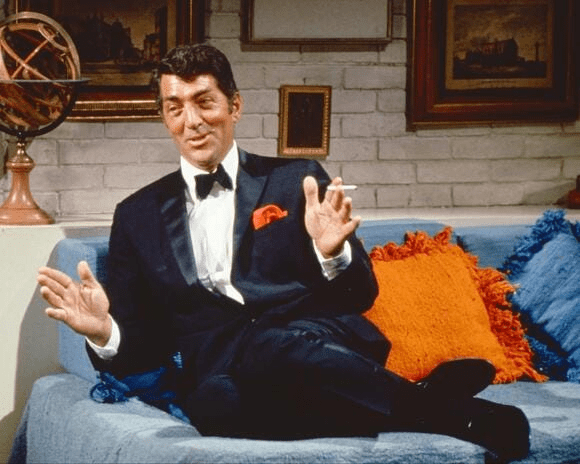
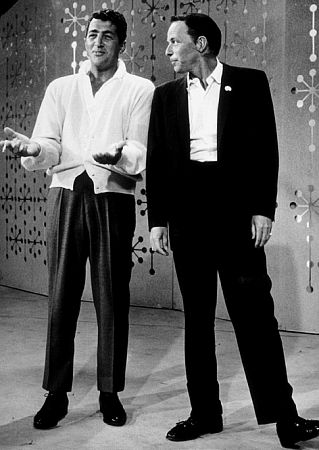
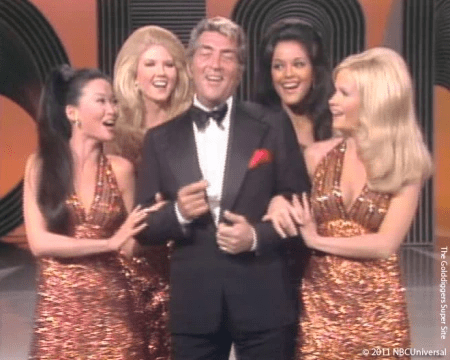
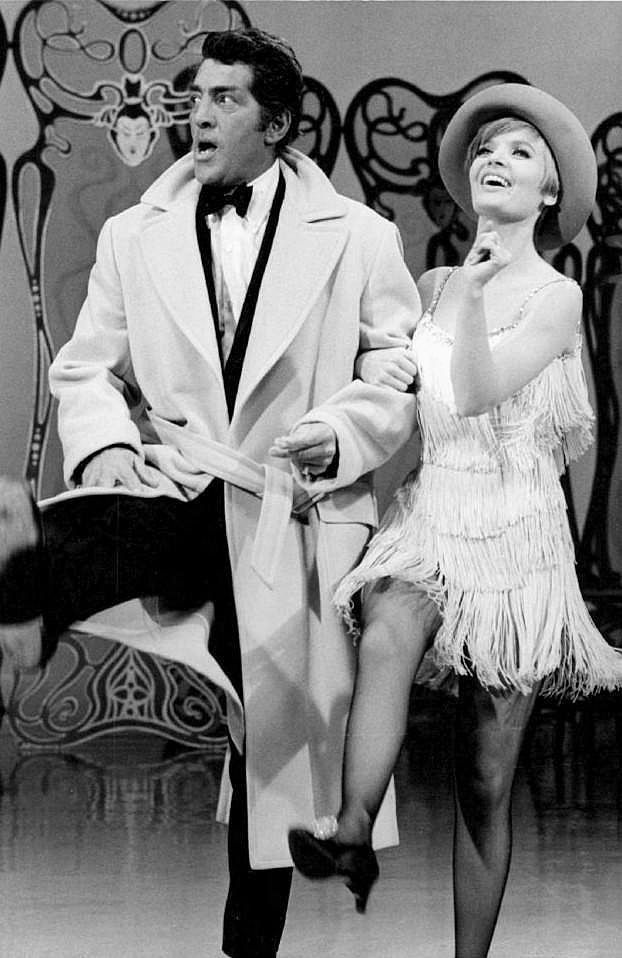
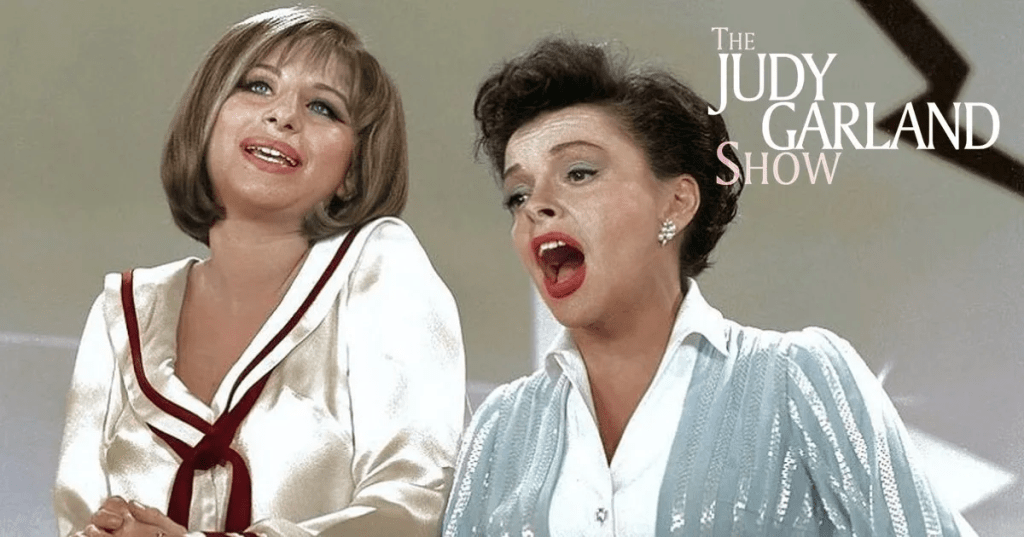
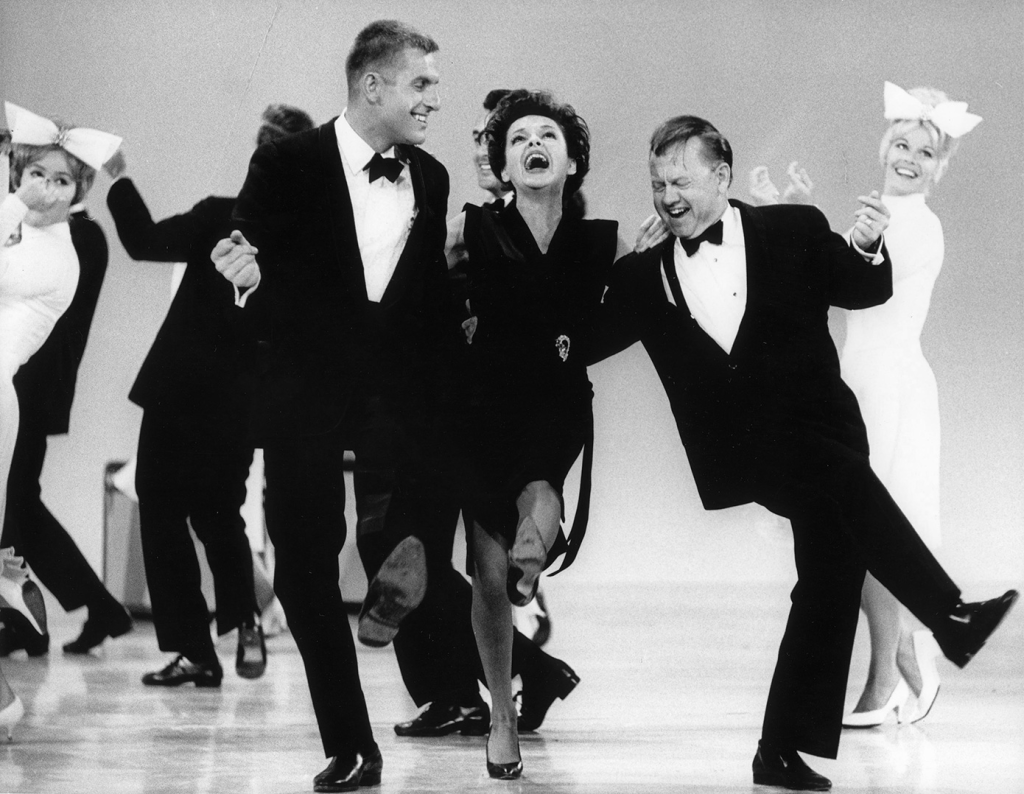
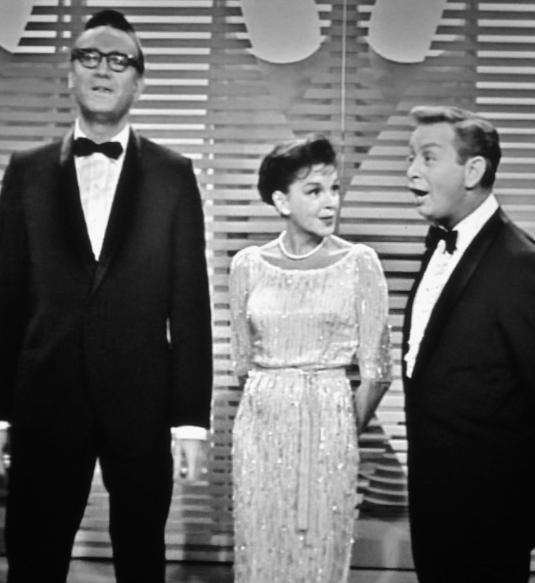
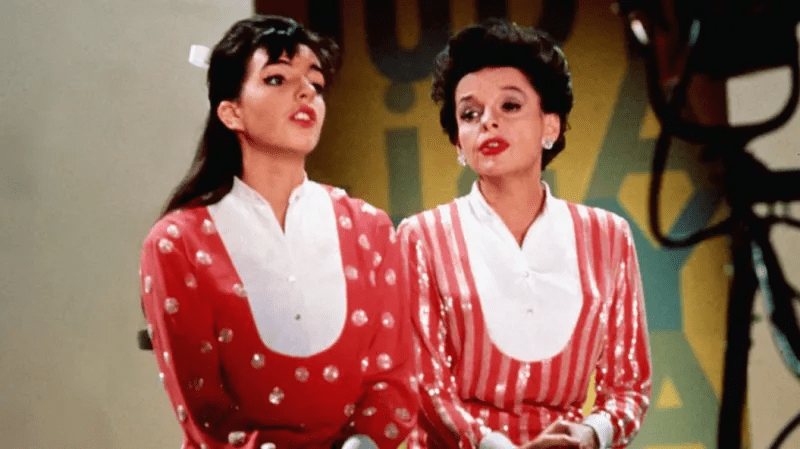
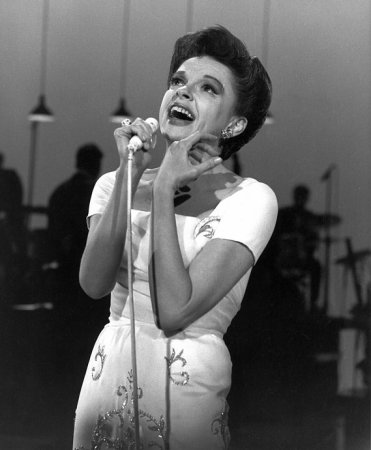
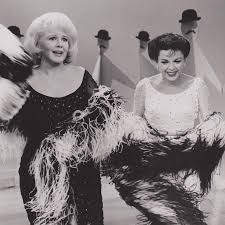
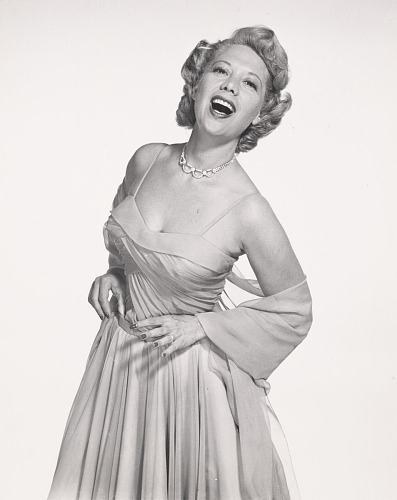

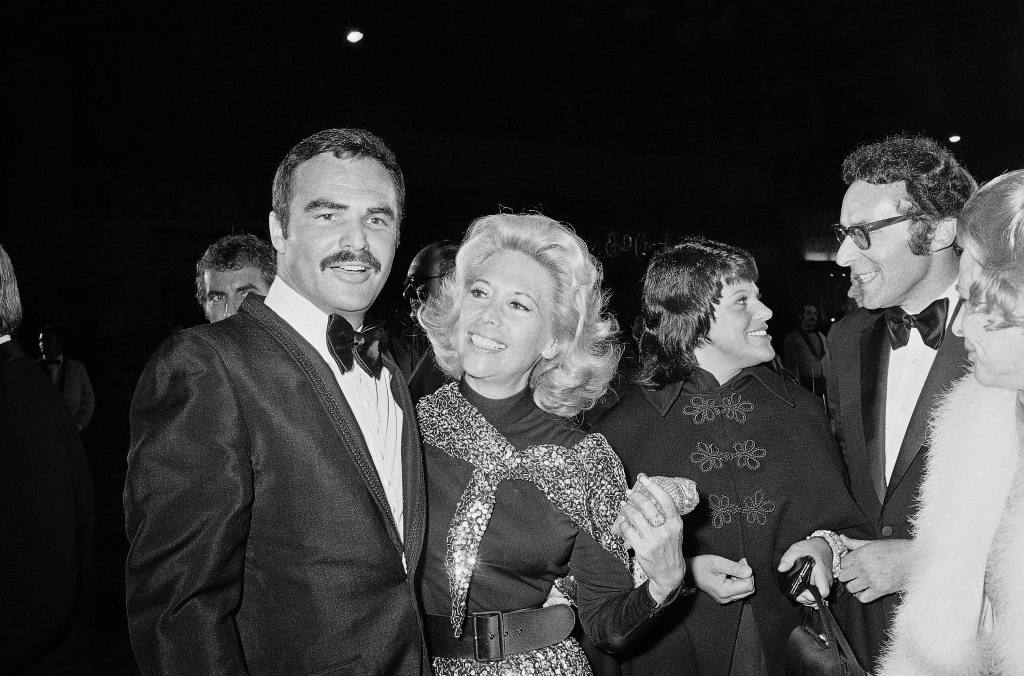


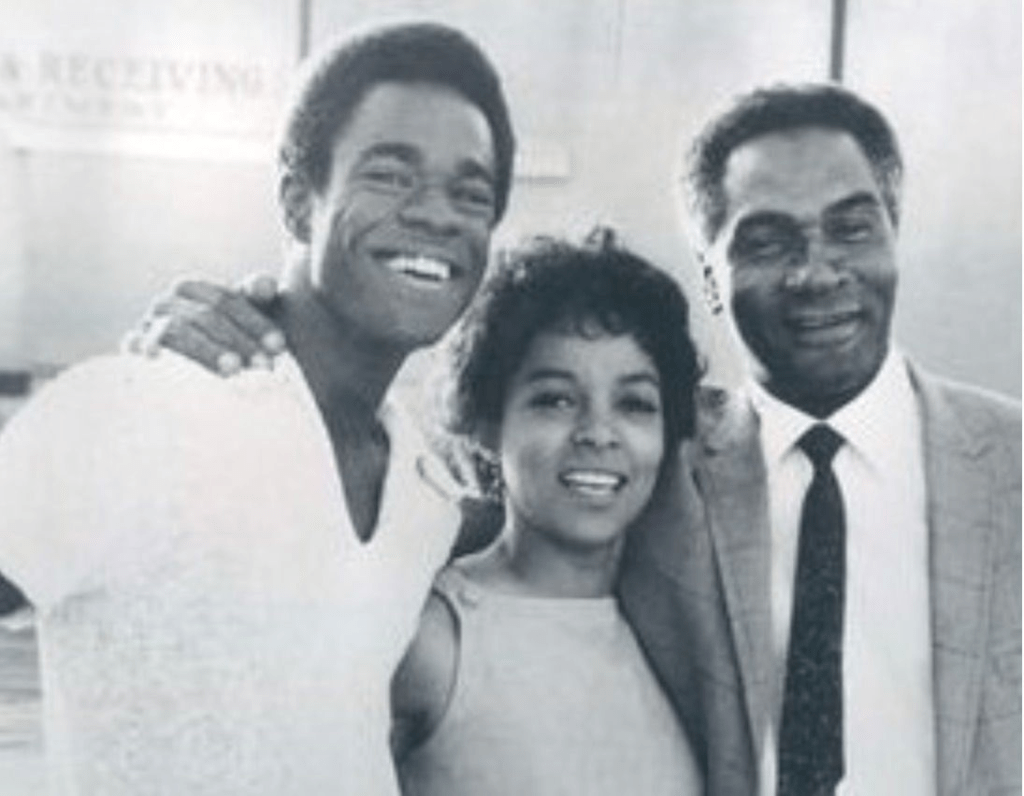


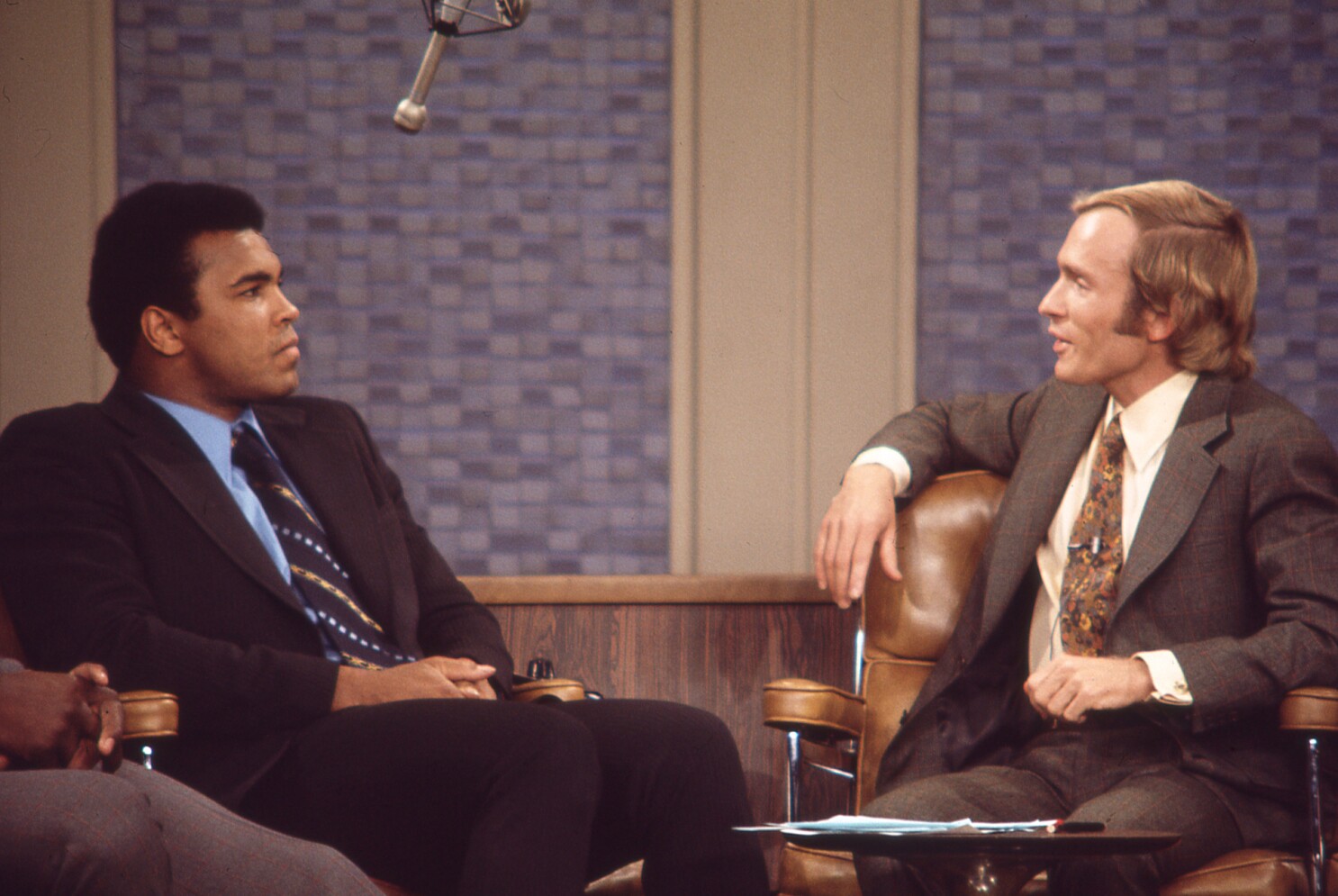
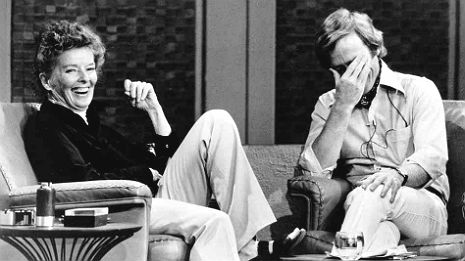


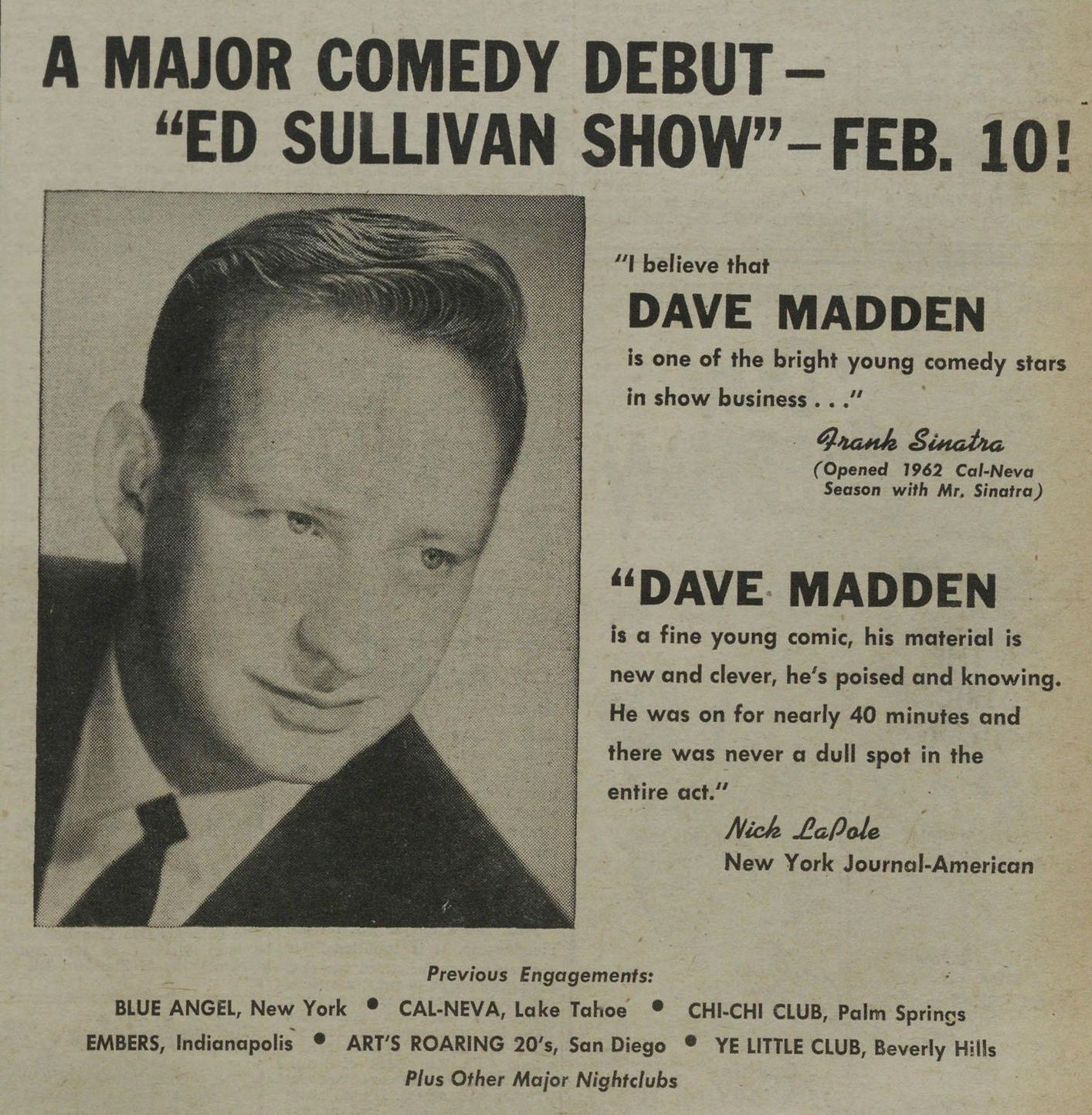
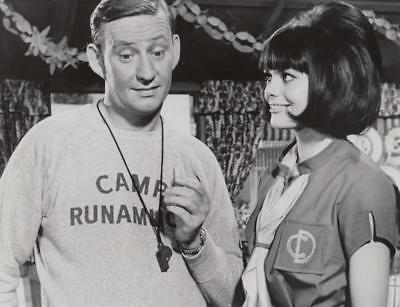
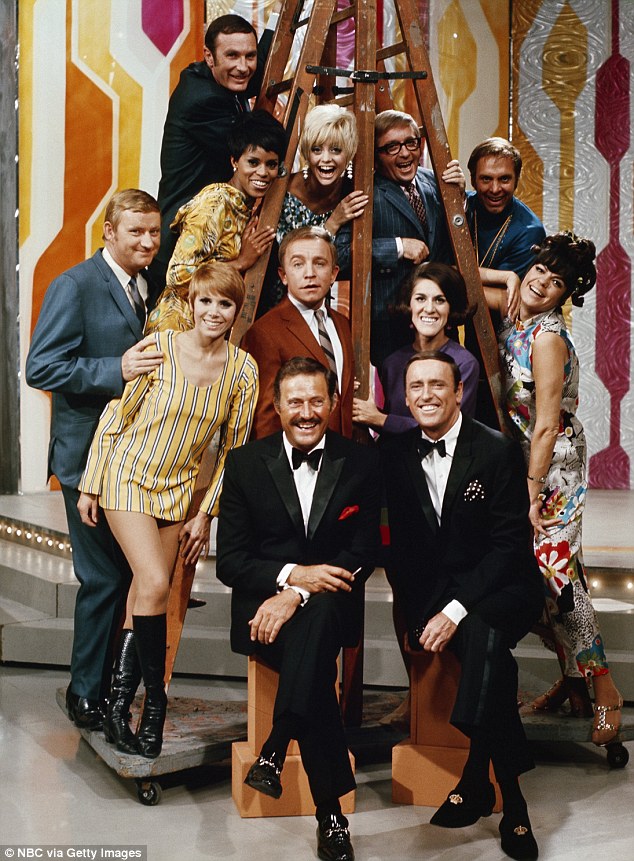


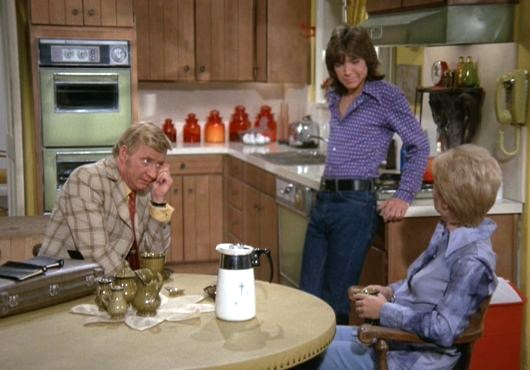


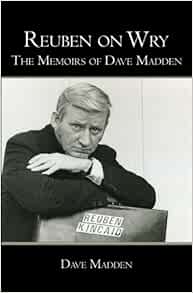
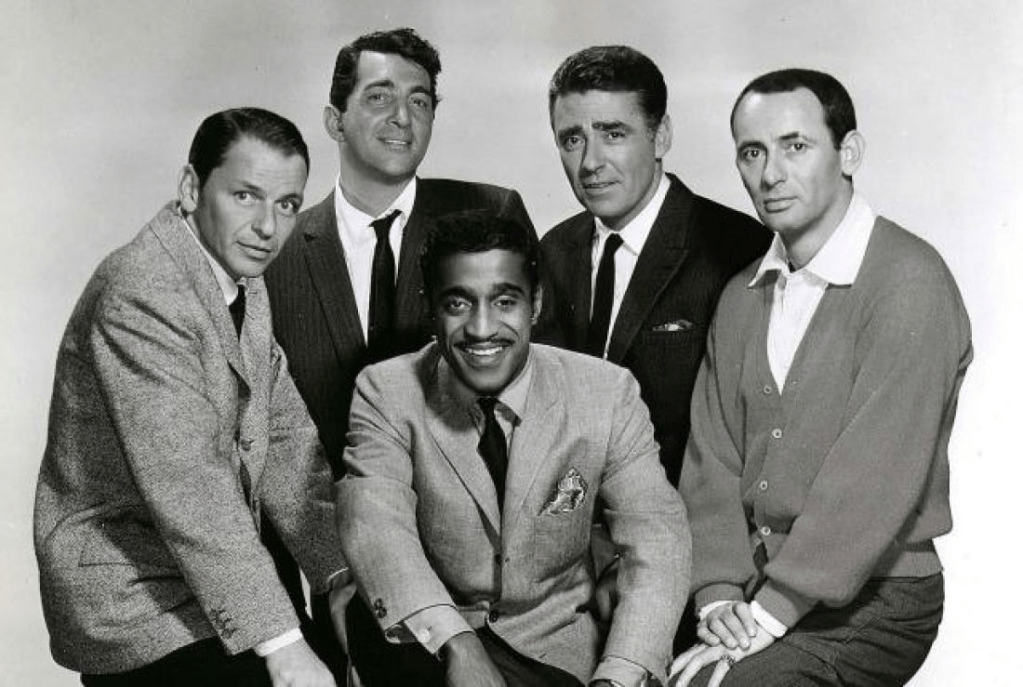


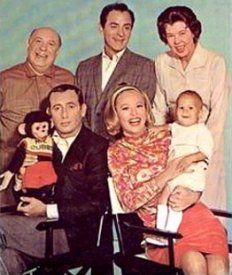


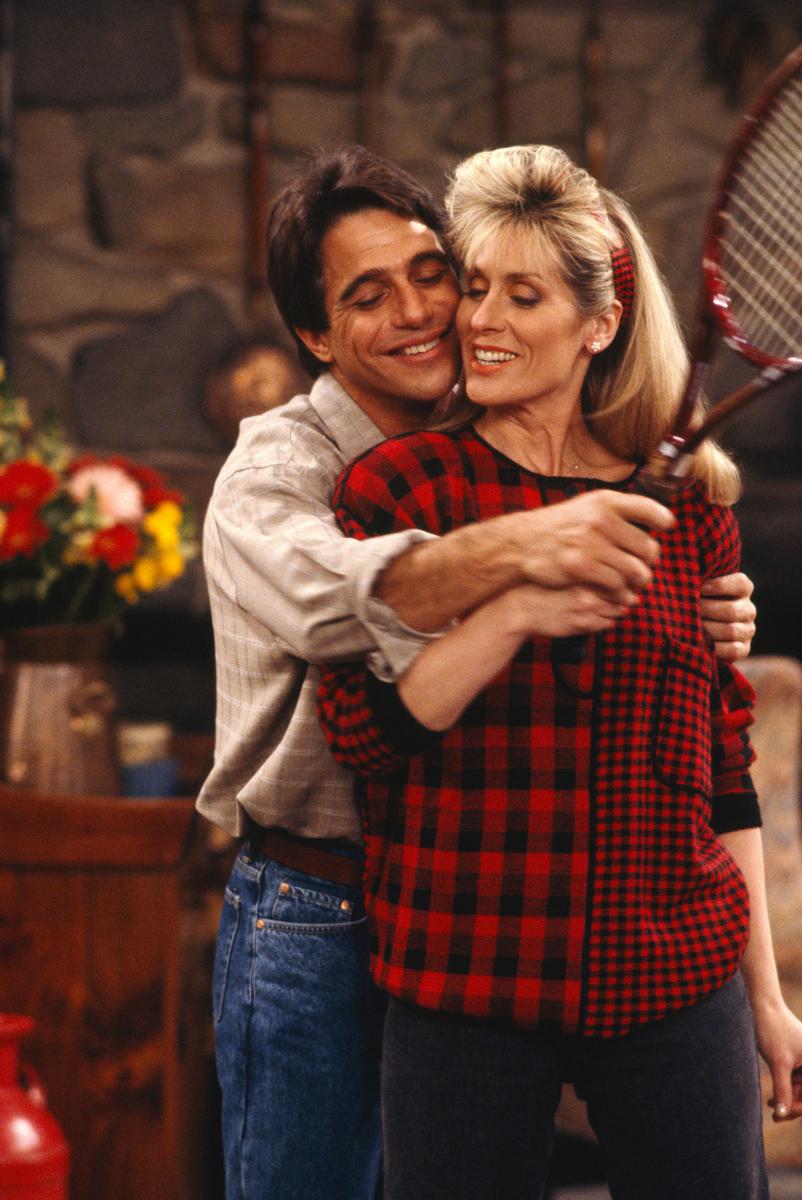
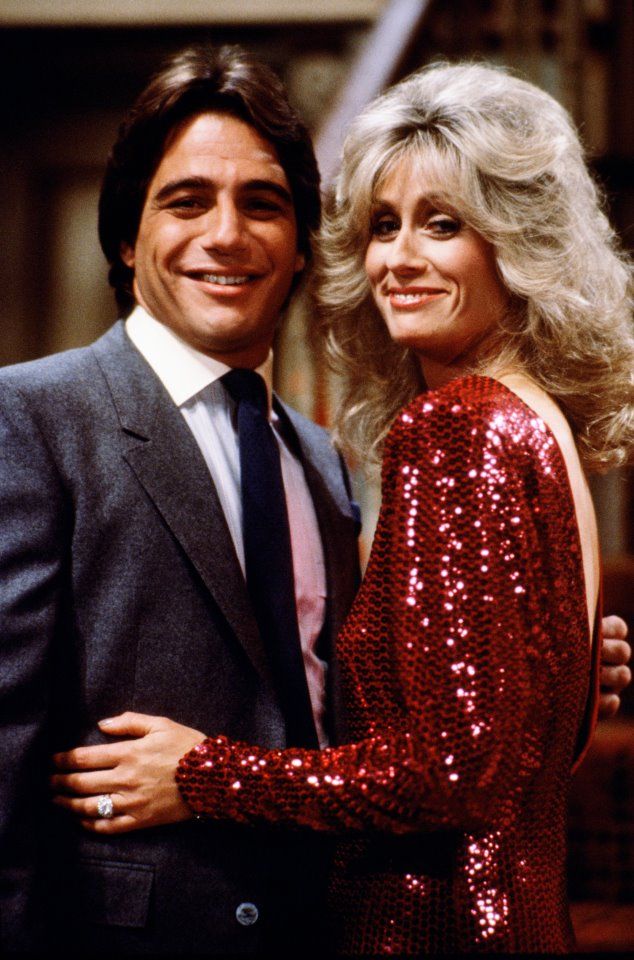


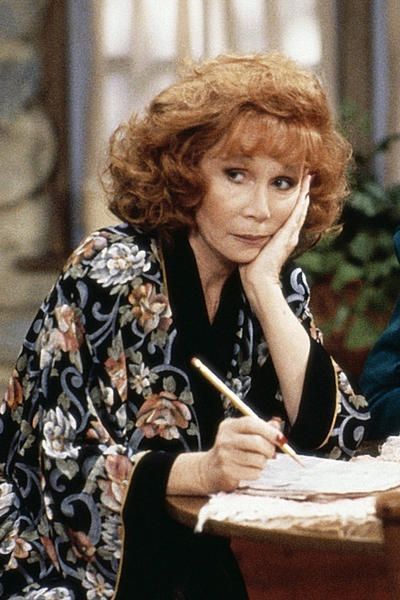

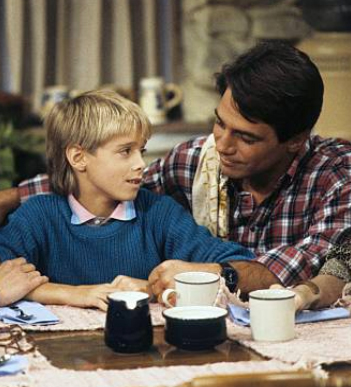


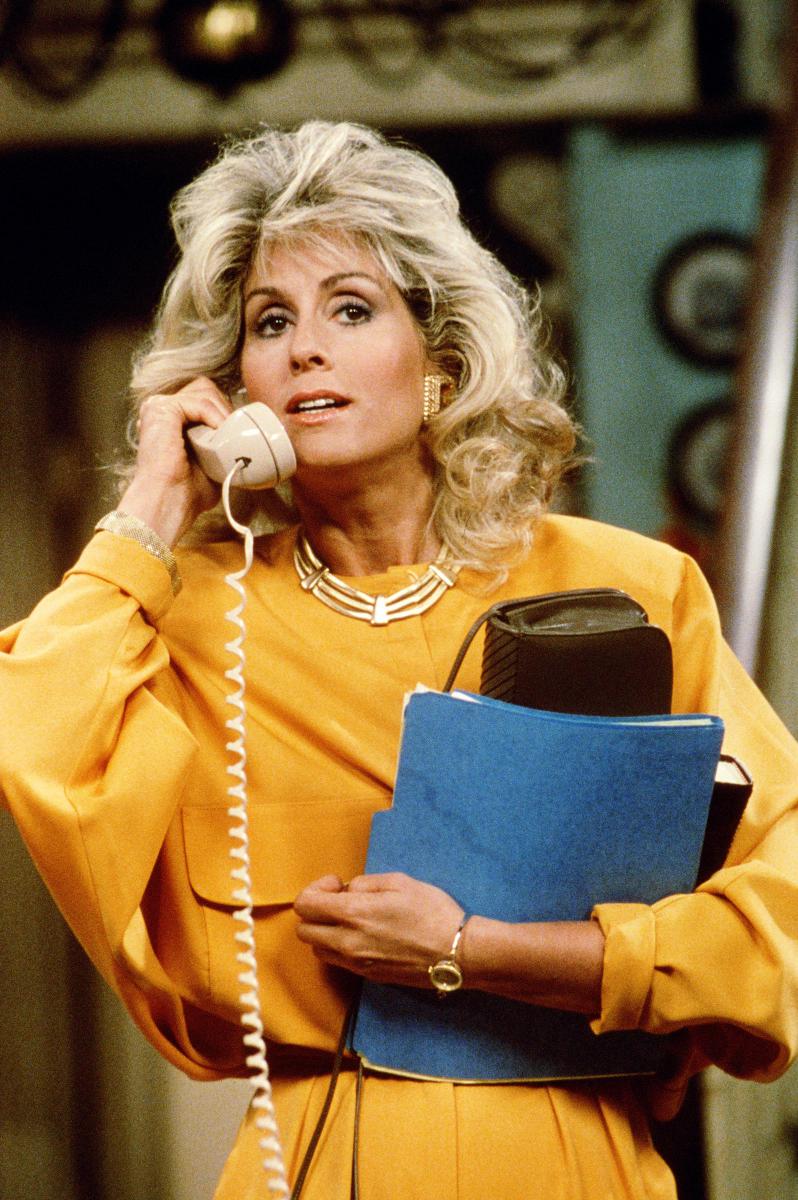

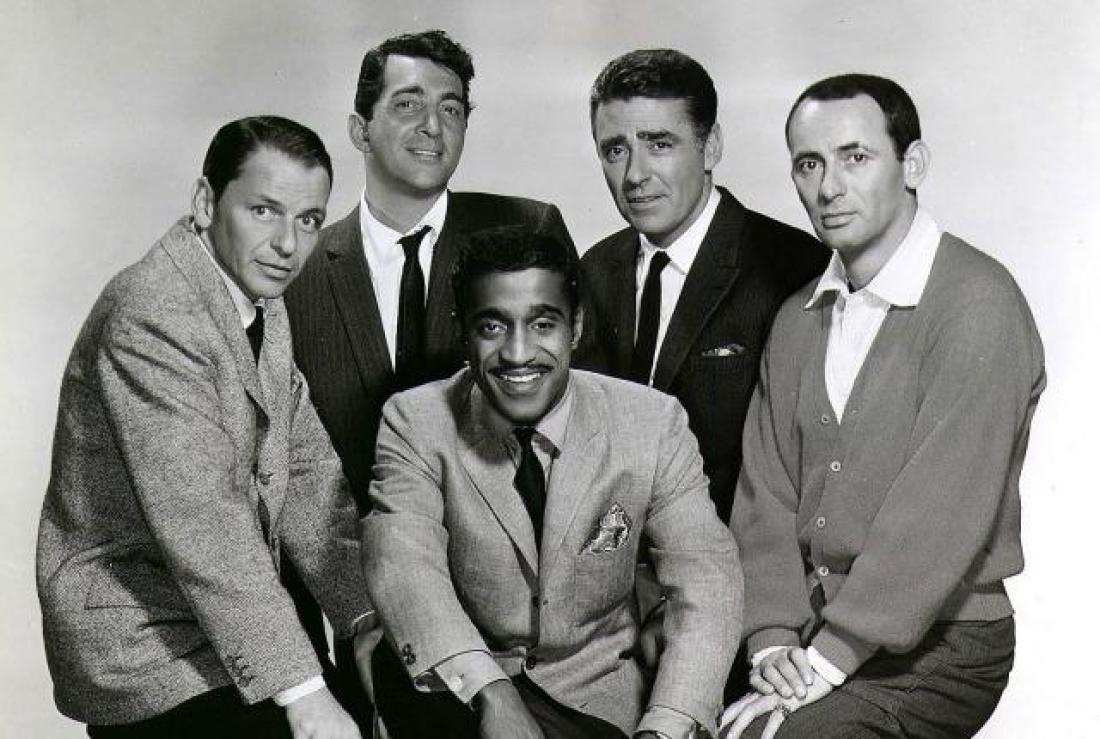


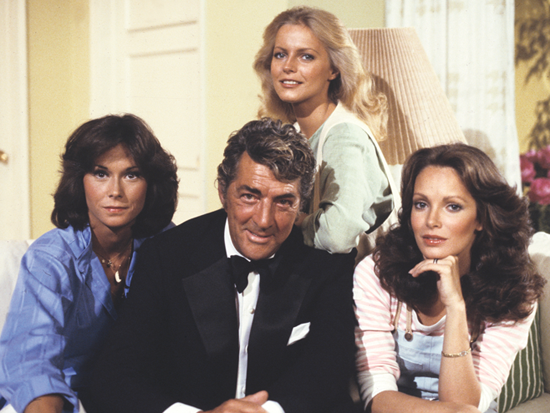


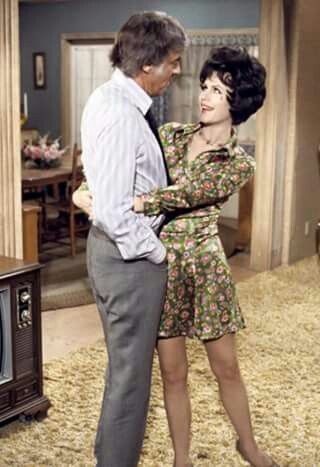

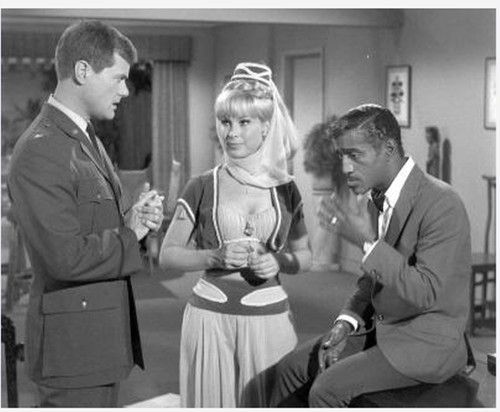


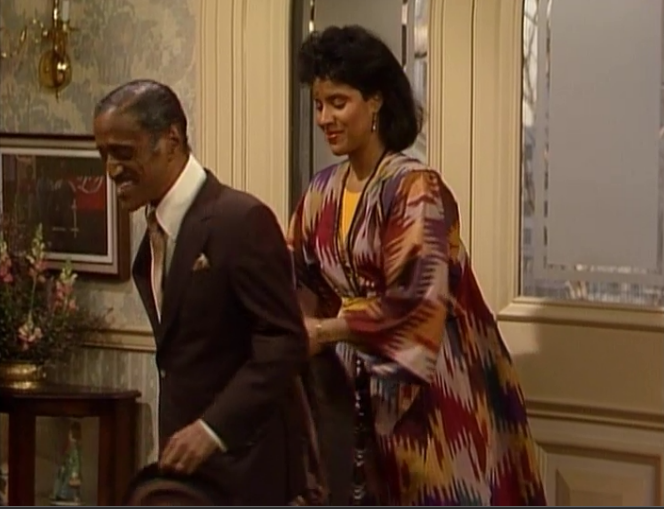
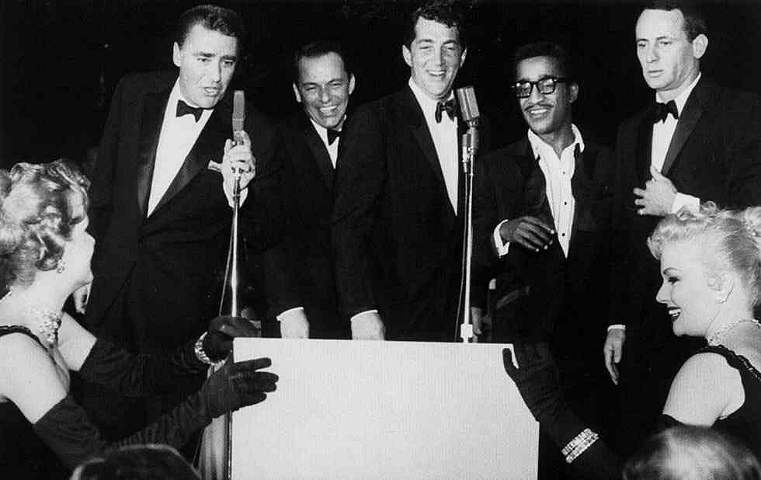
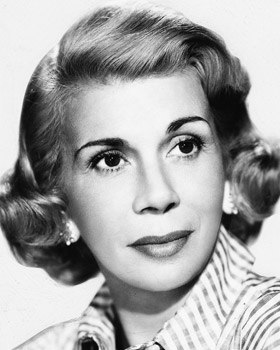

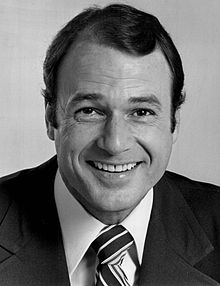
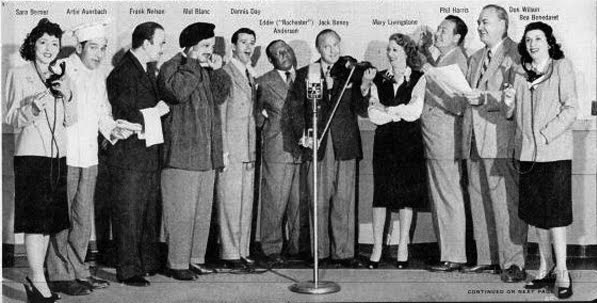

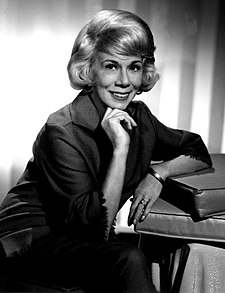


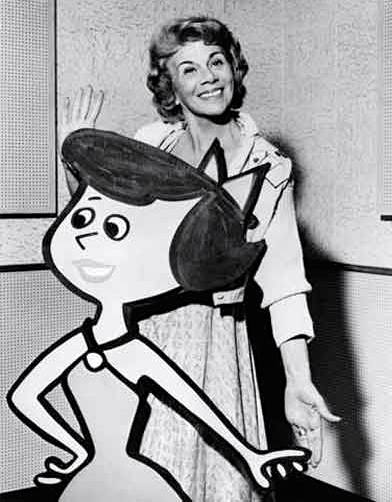
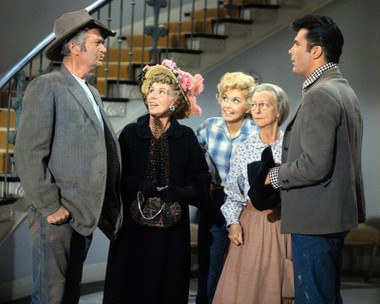


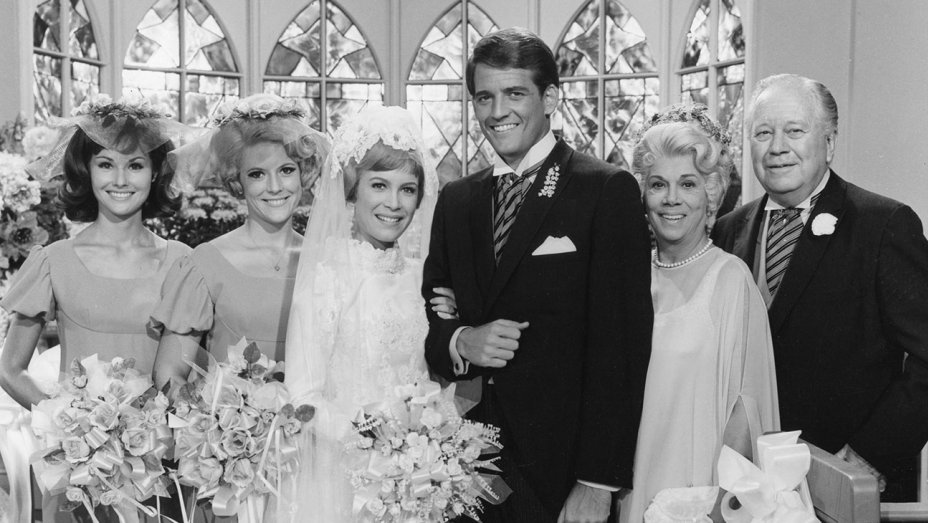


 thewritelife61