Good Times Doesn’t Always Mean Good Show

Last week we looked at shows that debuted in 1973, fifty years ago in our “Potpourri” blog series. Today we are concentrating on one of the successful shows of that 1973 class (and there were not a lot of them): Good Times and I’m am considering this blog “Flopourri” for Florida Evans.
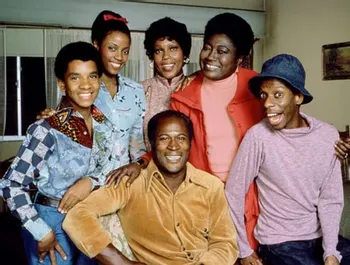
Cast of Good Times Photo: tvtropes.com

For those of you who have been with me for the past six and a half years. You may be surprised to find me featuring a Norman Lear show. I readily admit that I have a Norman Lear bias. It’s nothing personal with Norman, but I just did not enjoy most of his shows: All in the Family, The Jeffersons, Maude, Diff’rent Strokes, Sanford and Son, and Carter Country, among others. I did think that Mary Hartman, Mary Hartman was an interesting concept, just too hard to sustain, and I admit that I liked Fernwood Tonight. I still bypass these shows on MeTV and Antenna TV when they are on the schedule. However, I will be the first to say that they were important historical shows in the evolution of television. They were relevant shows that changed the way sitcoms were written and presented a lot of important topics for people to debate.

So, whether I enjoyed watching Good Times or not, and it was not, it was an important show that gained a devoted following and was on for six seasons, producing 133 episodes. The show was produced by Lear and created by Eric Monte and Mike Evans. Evans played Lionel Jefferson on The Jeffersons. He left the show to work on this series and when Good Times was canceled, he returned to The Jeffersons.

Florida Evans (Esther Rolle) was Maude’s maid. Maude was a spinoff from All in the Family and Good Times was a spinoff from Maude, so this was the first show to be created from a spinoff.

Photo: showbizzcheatsheets.com

The Evans family lives in the Chicago projects. The area is not named but the opening and closing credits show photos of Cabrini-Green. The family consisted of Florida, her husband James (John Amos), their kids JJ, 17 (Jimmie Walker), Thelma, 16 (BerNadette Stanis), and Michael, 13 (Ralph Carter). The show also featured Florida’s best friend Willona (Ja’Net DuBois) and Nathan Bookman (Johnny Brown), the building superintendent. The family never has enough money. James is often out of work, but he also works two jobs when he gets a chance to bring in money for their family. He is a proud man and does not believe in handouts.

Many of the shows deal with gang warfare, financial issues, muggings, unemployment, rent parties, racism, and evictions. It was one of the first shows to have an almost all-black cast. Florida and James are good parents who try to teach their children values and ethical behavior. Michael was an especially interesting character who was intelligent, an advocate who loved African American history, and tried his best to make the world a better and more fair place to live.
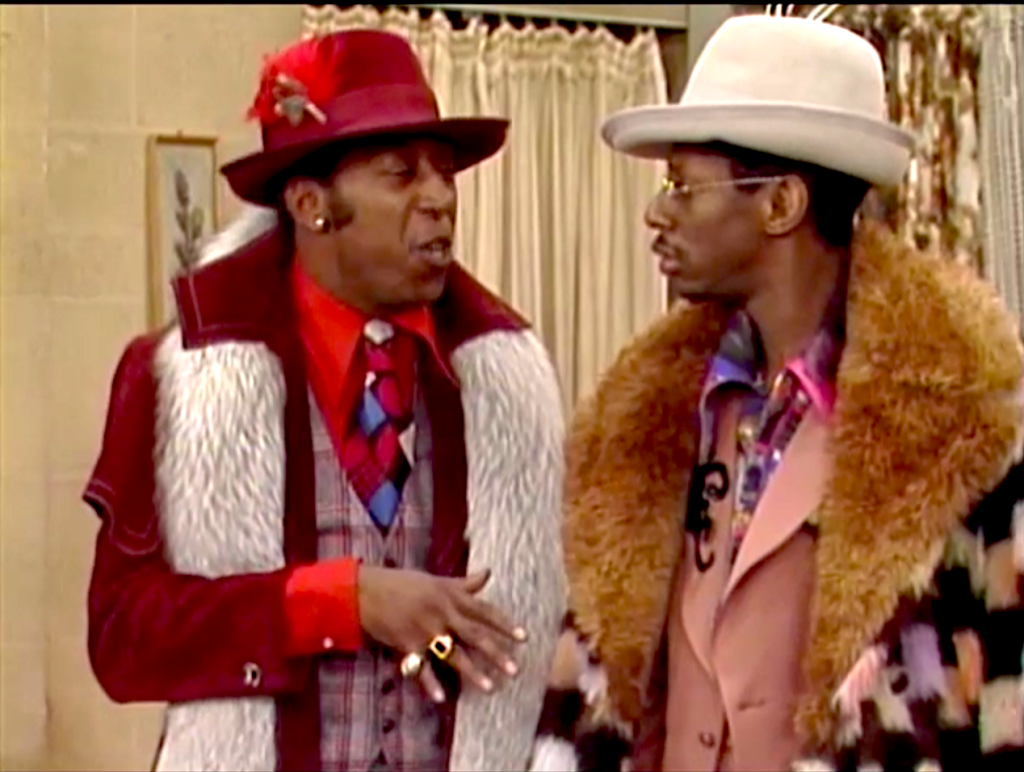
Photo: JacksonUpperco.com

Other recurring characters include Ned the Wino (Raymond Allen), who often can be seen in their building. In one episode, JJ, an artist, paints Ned as Jesus and, in another, well-meaning Michael tries to reform him by letting him stay at their house but it does not work out. Carl Dixon (Moses Gunn) is a shop owner in the area. After James’ death, Florida begins dating him and eventually they marry and move to Arizona. Esther tells Willona in a later season that Carl died from lung cancer. Pimp Marion Williams (Theodore Wilson) is a neighbor who is known for his flashy clothing and jewelry. Lenny (Dap Sugar Willie) is the neighborhood hustler who sells stolen items. Wanda (Helen Martin) runs a women’s support group in their building. Alderman Fred C. Davis (Albert Reed Jr.) is a politician with a shady past.

A lot of celebrities appeared on the show during its run including Debbie Allen, Sorrell Booke, Rosalind Cash, William Christopher, Gary Coleman, Alice Ghostley, Ron Glass, Robert Guillaume, Gordon Jump, Jay Leno, Charlotte Rae, Philip Michael Thomas, and Carl Weathers.

The theme, a gospel-sounding song with a choir in the background, was composed by Dave Grusin and the lyrics were written by Alan and Marilyn Bergman. It talked about the hard living conditions the family had to endure which was not thought of as “Good Times.” Performed by Jim Gilstrap and Blinky Williams, the lyrics were:

Good Times.
Any time you meet a payment. – Good Times.
Any time you need a friend. – Good Times.
Any time you’re out from under.
Not getting hassled, not getting hustled.
Keepin’ your head above water,
Making a wave when you can.

Temporary lay offs. – Good Times.
Easy credit rip offs. – Good Times.
Scratchin’ and surviving. – Good Times.
Hangin in a chow line – Good Times.
Ain’t we lucky we got ’em – Good Times.

Photo: thatsentertainment.com

One of my favorite things about the show was the use of nicknames, maybe because my family is fond of nicknames as well. James called Thelma “Baby Girl” and referred to Michael as the “Militant Midget” for his activism. Willona’s name for Michael was “Gramps,” while JJ called him “Miguel.” The other residents also got their own monikers including Willona as “The Rona Barrett of the Projects” and Wanda as “Weeping Wanda.”

Good Times was created as a show that focused on Rolle and Amos. Both stars expected the show to deal with serious topics even though it was a comedy. They also wanted the characters to be positive role models.

JJ began to be featured in more of the episodes. “Dynomite” became his catchphrase and he said it at least once in every episode. As the writers focused more on his character and the way he behaved, important topics were put on the back burner sometimes.

Both Rolle and Amos felt that the character of JJ and the way he was being developed as more of a foolish and unintelligent person was creating a negative role model. Both stars became disillusioned with the direction of the show and voiced their criticism, Amos more often. They thought the uneducated, slacker type of behavior that JJ expressed was harmful to young viewers. Lear finally fired Amos at the end of the third season because of his negative opinions. The cast had no idea that he had been fired until they read the script where he passed away. Rolle quit at the end of season four.

Walker didn’t see it the same way. He said in an interview that he does not remember saying one word to Amos or Rolle that was not part of the script. He defended his character saying that he didn’t commit overly criminal acts on the show and compared his character to the Fonz on Happy Days. He does have a point. He was deeply hurt that Amos and Rolle, along with many black community members, considered his character a “perpetuation of negative stereotypes.”

Photo: showbizcheatsheet.com

Perhaps part of the controversy came from Walker’s own personality. He considered himself a comedian, not an actor. He said he was never comfortable with the dramatic storylines. Lear wanted Jimmie to take acting classes but he refused. Rolle, Amos, and Carter were dramatic actors and took their roles more seriously. When Rolle died in 1998, Walker was the only cast member who did not attend her funeral.

In season five, Janet Jackson joined the cast as Penny, an abused girl abandoned by her mother, adopted by Willona. Ratings began to decline. With Rolle’s absence, the essence of the show was gone.

Producers asked Rolle to come back even as a guest role. Rolle rejoined the cast for season six after she was promised higher-quality scripts. She also wanted the character of Carl Dixon written out of the show. She felt Florida would not have remarried so quickly, but that was how writers depicted her absence from the show when she left.

However, it was too late and the show continued to decline in ratings. The continual moving of the show on the schedule also didn’t help things. The show began on Friday nights for season one; moved to Tuesdays for seasons two and three; had two different time slots on Wednesdays for seasons four and five; and ended up moving three different times for season six: Saturday at 8 for episode one, Saturday at 8:30 for episodes 2-10, and Wednesdays at 8:30 for episodes 11-22.
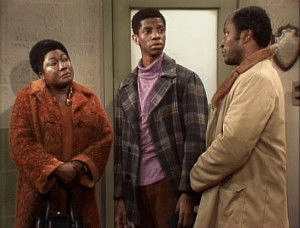
Photo: pinterest.com

The series finale in 1979 gave each character a happy-ever-after. JJ becomes a comic book artist. Michael begins college and moves into the dorms. Thelma and her husband move to the Gold Coast when he gets an offer from the Chicago Bears. Thelma is pregnant and they ask Florida to move with them to help care for the baby. Coincidentally, Willona becomes head buyer for her boutique and moves into the same luxury apartments with Penny.

Unfortunately, the show is remembered now more for its controversy than anything else. Amos talked about his “early departure from the show, I felt that with two younger children—one of whom aspired to become a Supreme Court Justice . . . and the other a surgeon . . . there was too much emphasis being put on J.J. and his chicken hat saying ‘Dynomite!” every third page when just as much emphasis and mileage could have been gotten out of my other two children and the concomitant jokes and humor that could have come out of that.” He later said in an interview with VladTV that the scripts on the show led to “an inaccurate portrayal of African-Americans. Their perception or their idea of what a Black family would be and what a Black father would be was totally different from mine, and mine was steeped in reality.”

He did have good things to say about Rolle and her character: “Florida was the glue that kept the family together. It showed a Black family that had the same trials and tribulations as the rest of America, especially those who were financially challenged . . . it told the story of who we were on a comedic basis. And I’ve always contended, as some of my mentors taught me, the best way to get a message across to people is through humor.”
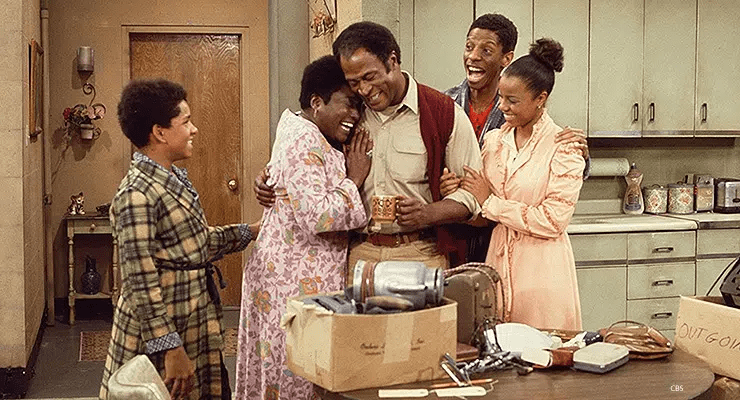
Photo: urbanhollywood411.com

Rolle concurred as she told Ebony in 1975 about JJ: “He’s eighteen and he doesn’t work. . . He can’t read or write. He doesn’t think. The show didn’t start out to be that. Michael’s role of a bright, thinking child has been reduced.”

Walker was interviewed at age 70 by Rebeka Knott and still disagrees with his costars. In that interview, he said that his co-stars, “killed the goose that laid the golden egg. These people, anytime you said anything, they get crazy, they get upset. They don’t get it man.”

So, what are we to make of the show and its success or failure? It still remains an important program in television history. It featured a black cast and focused on a family that struggles with many issues both white and black low-income families could identify with. If Michael had appeared in a reality show as an adult, perhaps it would have been The Cosby Show. A lot of families, black and white, could identify with the issues of that show as well. And, hopefully, they understood where the success of that second generation came from–parents who worked hard and taught their children important values and emphasized hard work and goals that allowed the next generation to have more success than the previous one.
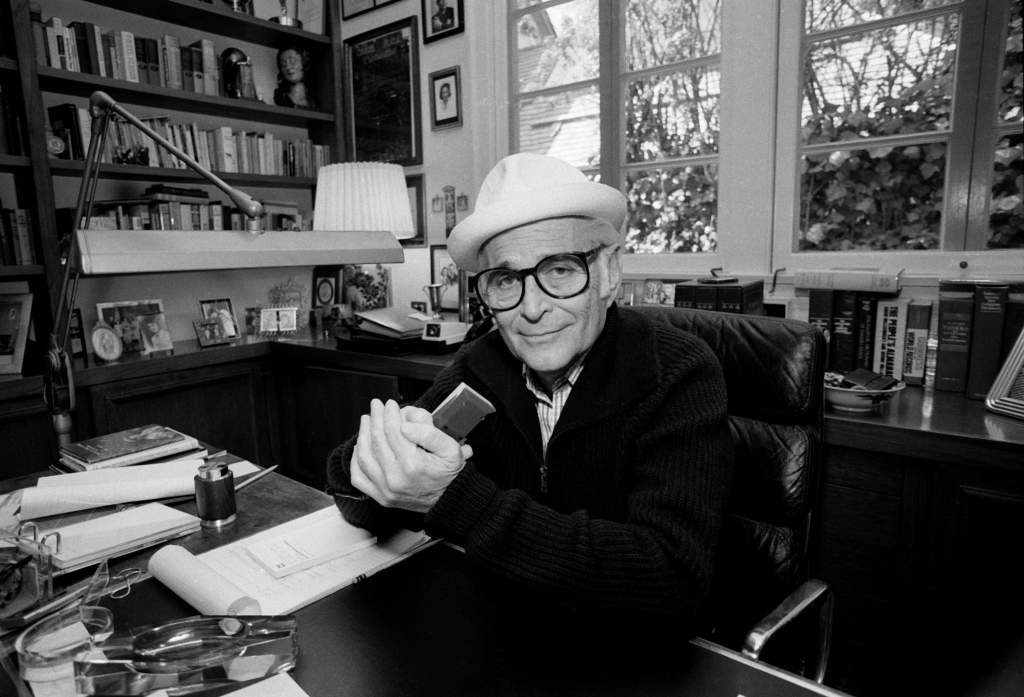
Norman Lear Photo: vibe.com

It’s actually what any good television show does. Regardless of the setting and the characters, it teaches us about how other people live and provides plots many of us can identify with or teaches us about other characters whom we can appreciate and learn more about their individual struggles and journeys whether they follow the same path we do or take a different fork in the road.

It would be interesting to talk with Rolle and Amos today to get their perspective. They were right to ask for better scripts and to showcase their other children who had bigger dreams and hopes. But perhaps Walker is also not that far off. He did portray a different type of character– one that obviously many people identified with or enjoyed spending time with. Don’t most families have a combination of good and not-so-good role models? Hopefully, we learn as much from the characters in our lives who make poorer decisions as we do from those who choose wisely. I’ll leave it up to you whether you think the tv show is worth watching today or not.
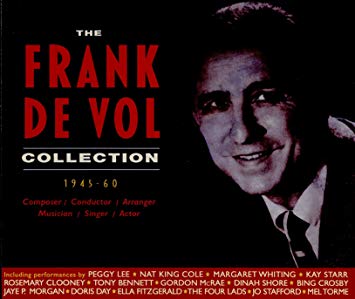
Who Writes The Songs?: Good Question–Lots of People Including Frank De Vol, Jay Livingston, and Ray Evans.

At this time of year, we tend to watch a lot of football bowl games. Most of the attention centers on the coaches, the quarterbacks, and a handful of other star players like running backs, wide receivers, and occasionally kickers. While these positions influence the games, there is an entire team behind them which determines whether they get a win or a loss. This year I will be trying to look at some of the behind-the-scenes players in the television industry.

Today we look at three composers who often influenced shows, even though many viewers never heard of the song writers.

devol1

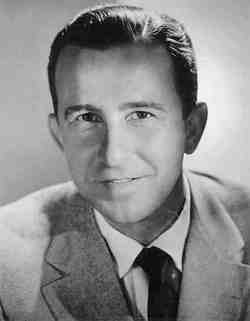
Frank Denny De Vol was born in West Virginia in 1911. His family moved to Canton, Ohio where he grew up. His mother owned a sewing shop, and his father was in charge of the pit orchestra at a local movie theater. He graduated from McKinley High School in 1929 and started at Miami of Ohio University but quit after six weeks. His parents were hoping he would pursue his law degree, but he was set on a career in music.

This wasn’t surprising because he had become a member of the musicians’ union at age 14. He worked for his father at the theater and played the saxophone and violin.

Once he left college, he joined Emerson Gill’s orchestra and traveled around Ohio. Later he became a musician with Horace Heidt’s band, and Horace let him try his hand at arranging. He would then travel with Alvino Rey’s band which led to a long-life friendship with the King Family.

During his career as a traveling musician he married his wife, Grayce McGinty in 1935. The couple’s 54-year-long marriage would produce two daughters.

During the 1940s, he would write arrangements for many of the country’s top performers including Tony Bennett, Nat King Cole, Vic Damone, Doris Day, Ella Fitzgerald, Dinah Shore, and Sarah Vaughn. His version of “Nature Boy” for Nat King Cole went to number 1 in 1948.

In 1943 he moved to California and started his own band. He appeared on the radio on KHJ and accompanied many stars including Jack Carson.


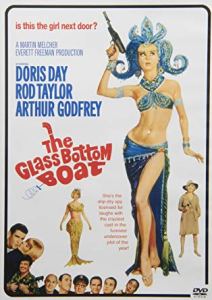
In the 1950s, he moved into movie composing and worked on more than 50 film scores including What Ever Happened to Baby Jane, The Glass Bottom Boat, The Dirty Dozen, and several Herbie movies. He received Academy Award nominations for his work on Pillow Talk (1959), Hush . . . Hush Sweet Charlotte (1964), Cat Ballou (1965), and Guess Who’s Coming to Dinner (1967).


During the 1950s, his orchestra also was frequently seen at the Hollywood Palladium as “Music of the Century.”

devol3


It seems natural that De Vol would ease into television work as well. He composed the jingle for Screen Gems’ “Dancing Sticks,” which appeared on all television series produced by Columbia Pictures.


devol26

Photo: pinterest.com

Frank became the musical director on Edgar Bergen’s game show Do You Trust Your Wife? His orchestra was featured on a variety of musical shows including The Lux Show Starring Rosemary Clooney.


devol21

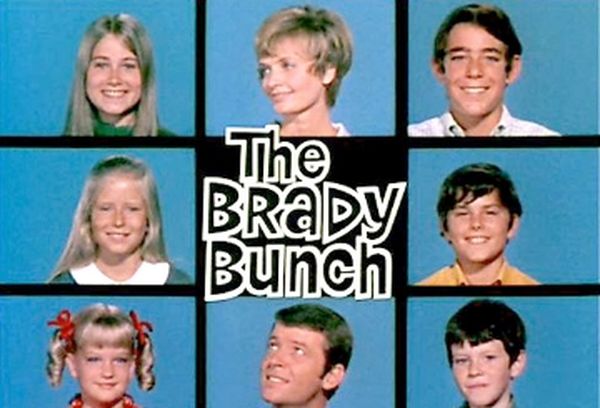
Today De Vol might be best known for his work as a composer for television series. He wrote the music for My Three Sons, Family Affair, The Brady Bunch, and The Smith Family. My Three Sons theme song was a hit single in 1961 by Lawrence Welk, more musically complex than many sitcom themes of the time. He would continue his work for My Three Sons for all 380 episodes.


devol23

Sherwood Schwartz, the creator of The Brady Bunch, first turned to George Wyle to create the Brady theme. Wyle and Schwartz had composed the theme for Gilligan’s Island. With Wyle already committed to The Andy Williams Show, he approached De Vol. De Vol would provide music for 117 episodes of the original show, as well as music for The Brady Girls Get Married, The Brady Brides, The Bradys, and A Very Brady Sequel.

Frank was credited as composer for 37 movies and television series and listed as part of the music department for 87 total.


devol25

Photo: sitcomsonline.com

Not only was he musical composer for these shows, but you can see him acting in many of the shows he worked on as well. His first acting appearances were on Betty White’s Show, Life with Elizabeth where he played a variety of roles.


devol28

Photo: aveleyman.com

He then appeared on several television series including State Trooper, My Favorite Martian, The Farmer’s Daughter, Gidget, Please Don’t Eat the Daisies, Bonanza, Petticoat Junction, Get Smart, That Girl, and I Dream of Jeannie (37 different shows in all).

While composing on My Three Sons, he would actually portray a bandleader on the show and a father on The Brady Bunch.


devol2imagenesmy.coom

Photo: imagenesmy.com

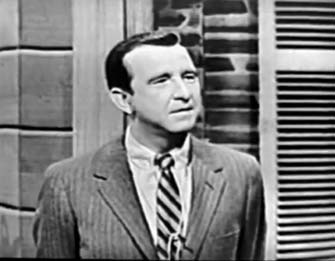
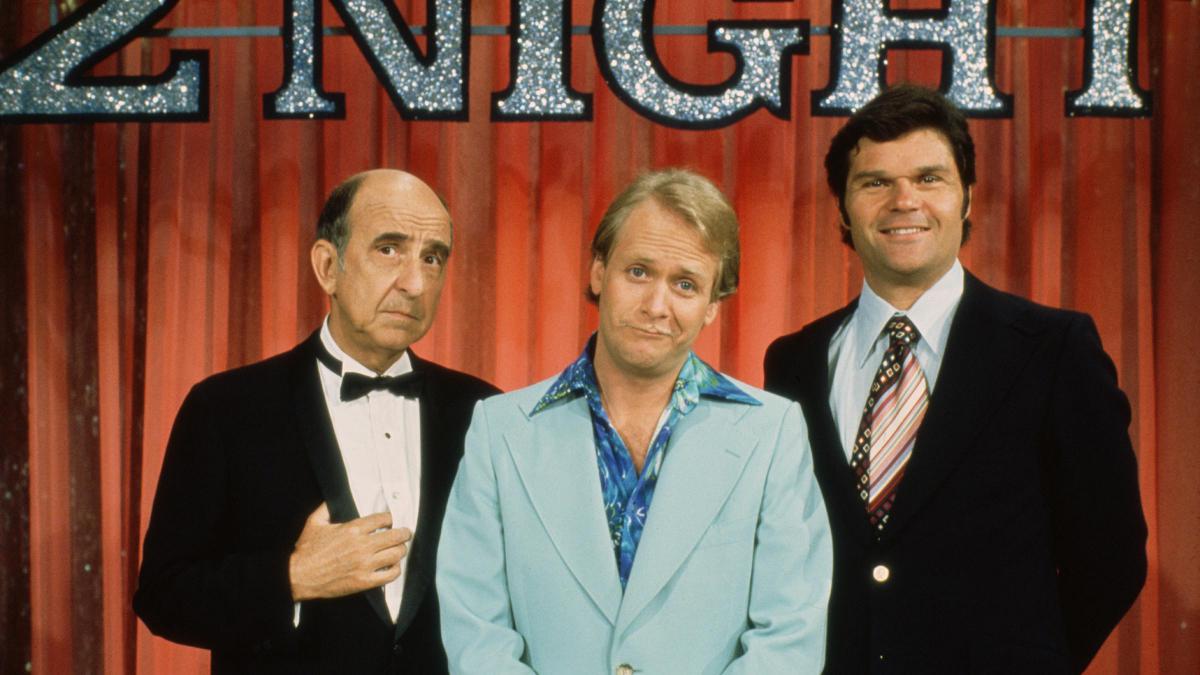
Many people will remember him as the dour-faced band leader Happy Kyne on Fernwood Tonight and America 2-Night, shows starring Martin Mull in the late 1970s.


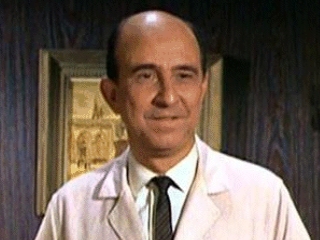
One of my favorite roles of his was the head of the boys’ camp on the original Parent Trap.

devol27

Photo: tcm.com

His last acting role would be on Charles in Charge, the Scott Baio comedy from 1990.

When he was in his 80s, Frank was still active with the Big Band Academy of America. About this time, he married Helen O’Connell who had been a big band singer and actress. (His first wife passed away in 1989.)

Helen passed away in 1993, and Frank died from congestive heart failure in 1999.


devol24

Photo: pinterest.com

Like so many of these stars of the classic television era, he was a multi-talented guy. He could sing, he could play instruments, he could compose, he could arrange, and he could act. Sadly, when he does his job right, the music is so attuned to the shows that we almost don’t realize it’s there but try listening to a show with no background noise. Thank you Frank De Vol for not becoming an attorney.


We also take a look at a song-writing team of the golden age, Jay Livingston and Ray Evans.

living4


Livingston was born in McDonald, Pennsylvania in 1915. After studying piano with Harry Archer in Pittsburgh, he attended the University of Pennsylvania, majoring in journalism but also studying composition and orchestration.

Ray Evans was born in Salamanca, New York the same year. He also ended up at the University of Pennsylvania, receiving a degree in Economics.

Livingston organized a dance band at the University that played on campus as well as at local nightclubs and even cruise ships during their summer breaks.  One of those band mates was Ray Evans. Evans and Livingston became a partnership and they wrote some of the most iconic songs from film and television.


evans1

Photo: filmmusicsociety.org

After their graduation in 1937, the duo moved to New York City to work in Tin Pan Alley. They wrote for Broadway productions, including special material for Ole Olsen and Chic Johnson.


evans8

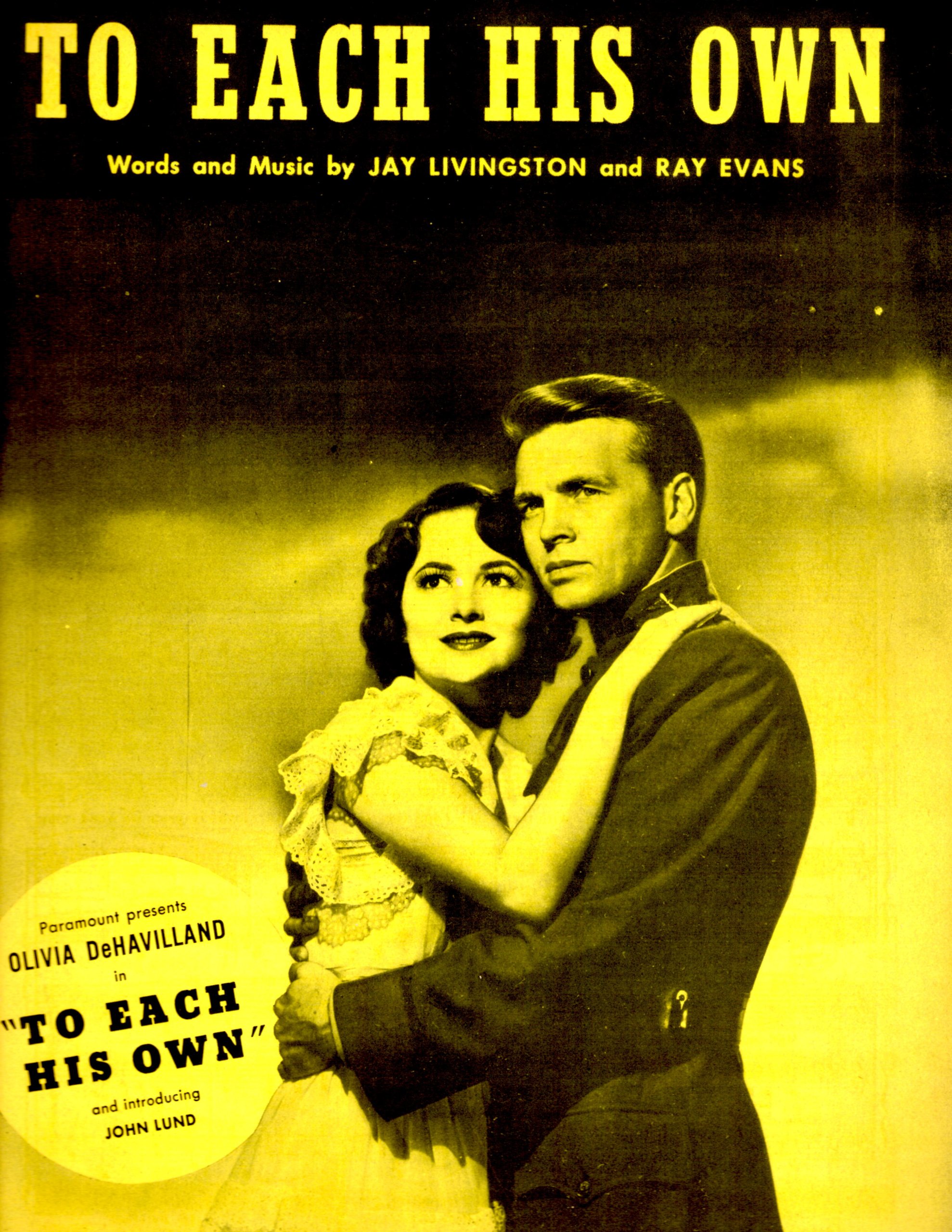
Livingston joined the Army when World War II began while Evans went to work for an aircraft company. When Jay came back home in 1945, he and Evans decided to try their luck in Hollywood. They received a contract from Paramount Pictures, and the team would stay with the company for a decade. Their first film was To Each His Own, starring Olivia DeHaviland, and they were nominated for an Academy Award.

During this time at Paramount, Livingston married Lynne Gordon. It must have been a happy marriage because they were married until 1991 when she passed away.

The exact same year, Evans married Wyn Ritchie. They were married until her death in 2003.

In 1947 the team began writing for Bob Hope for his personal appearances. Throughout the 1940s and 1950s, they would write many tunes that became jukebox favorites and popular songs. In Warren Craig’s book The Greatest Songwriters of Hollywood, he called them “the last of the great songwriters in Hollywood.”


evans2

Photo: pinterest.com

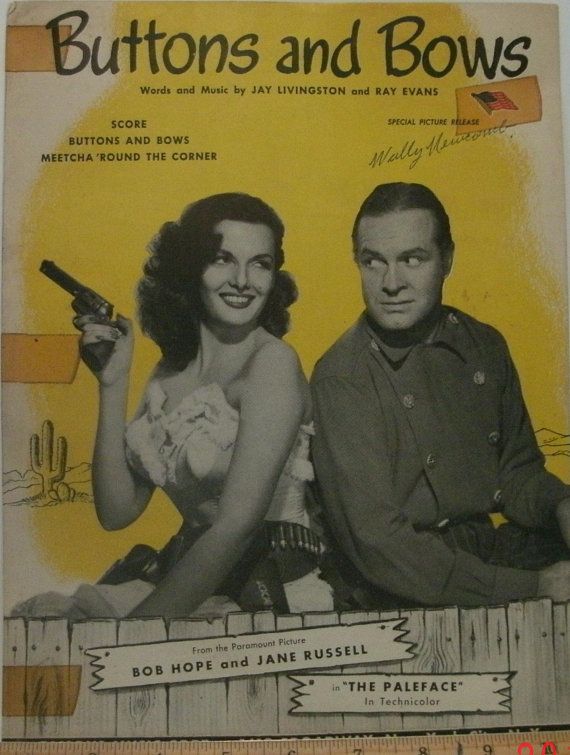
The year 1948 brought them their first Oscar win for “Buttons and Bows,” from Bob Hope’s western comedy, The Paleface. The jukebox version was recorded by Dinah Shore.


evans7

In 1950, they scored their second Academy Award for “Mona Lisa,” written for the movie Captain Carey, USA but made famous by Nat King Cole.


evans10

Photo: moviemovieblogblog.wordpress.com

Evans and Livingston would appear in Sunset Boulevard this same year at the New Year’s Eve party scene.


evans3

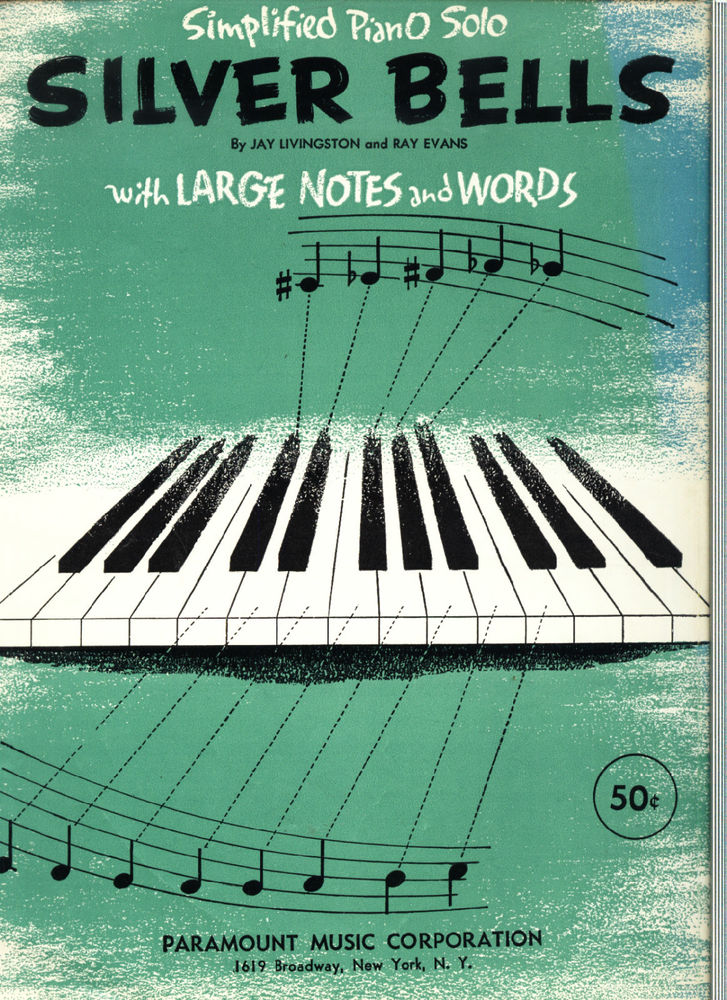
We can all smile and thing of Livingston and Evans each Christmas when we hear “Silver Bells.” The song, originally titled “Tinkle Bells” was written for The Lemon Drop Kid in 1951, also starring Bob Hope. Thankfully, they decided “tinkle” had other connotations and “Silver Bells” it became. (Some sources credits Jay’s wife Lynne with the name change.)

When their Paramount contract ended in 1955, they became free lancers and wrote both individual songs and complete scores for a variety of movies. They would receive ten additional Oscar nominations during their career.


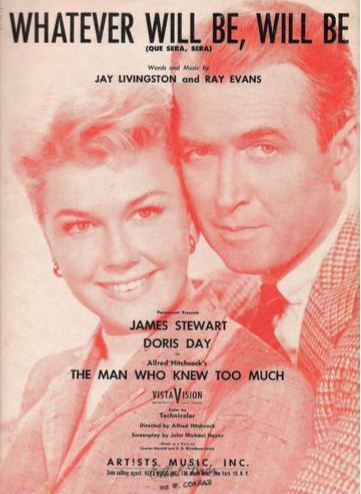
Doris Day had a huge hit in 1956 with “Que Sera, Sera” from The Man Who Knew Too Much with Jimmy Stewart and that hit would win them a third Oscar. The song would also become Doris’s theme song for her television show in 1968.

evans5


In 1957 they began writing the music for the Tammy movies that would be a staple of that era, beginning with Tammy and the Bachelor.

Jay and Ray would return to Broadway in 1958. They were nominated for a Tony for Oh, Captain! They also wrote songs for Let It Ride in 1961, a musical comedy adaptation of Three Men On a Horse, and Sugar Babies in 1979.


evans6

Photo: tidal.com

Though most of their work was in the film industry, the team is probably best known for their television compositions. In 1959, they were asked by Desi Arnaz to write a song for a Western show being developed. The show, thought likely to last a year, didn’t have money for a weekly salary, but he allowed them to keep the rights to the song. Luckily for them, that show, Bonanza, made them millions, and would be on television until 1973.

In 1960 they composed the theme song for The Bugs Bunny Show, “This is it.”


evans4

Photo: deezer.com

In 1961, Mister Ed debuted. Livingston and Evans not only wrote the well-known song, but Livingston is the one singing the line “I am Mister Ed.”

After Lynne’s passing, Jay would marry Shirley Mitchell in 1992.

Livingston and Evans were presented with a star on the Hollywood Boulevard Walk of Fame in 1995.

In 2001, at the age of 86, Jay Livingston died from pnuemonia. Ray Evans lived until 2007 when he passed away from heart failure.


evans9

Photo: rayevans.com

It’s fun to see a friendship and partnership span six decades and be so successful. Although they were born in the same year in the same area of the country and married the same year and their marriages would last decades until the death of a spouse, the two men were very different. In an interview with the Los Angeles Times in 1985, Evans said “I’m nuts about sports, play baseball and tennis every weekend. Jay couldn’t care less. He’s restrained and quiet. I’m more outward going. Jay is a marvelous musician. I have a tin ear. But our tastes are similar, and we both like good music and song.” The duo had 26 songs that sold more than a million records and their total record sales has exceeded 400 million dollars.

Michael Feinstein released an album in 2002 devoted to the team. He said, “they had a strong work ethic and they wrote a lot of plays that have wonderful and sophisticated songs that are quite different from movie songs.”

Like Frank De Vol, most viewers today have probably never heard of Jay Livingston and Ray Evans, although they recognize much of their work. It’s good to look behind the scenes of and dig deeper into the television industry to learn more about all the pioneers who made the era so great.


“Don’t give up before the miracle happens.” ― Fannie Flagg, I Still Dream About You

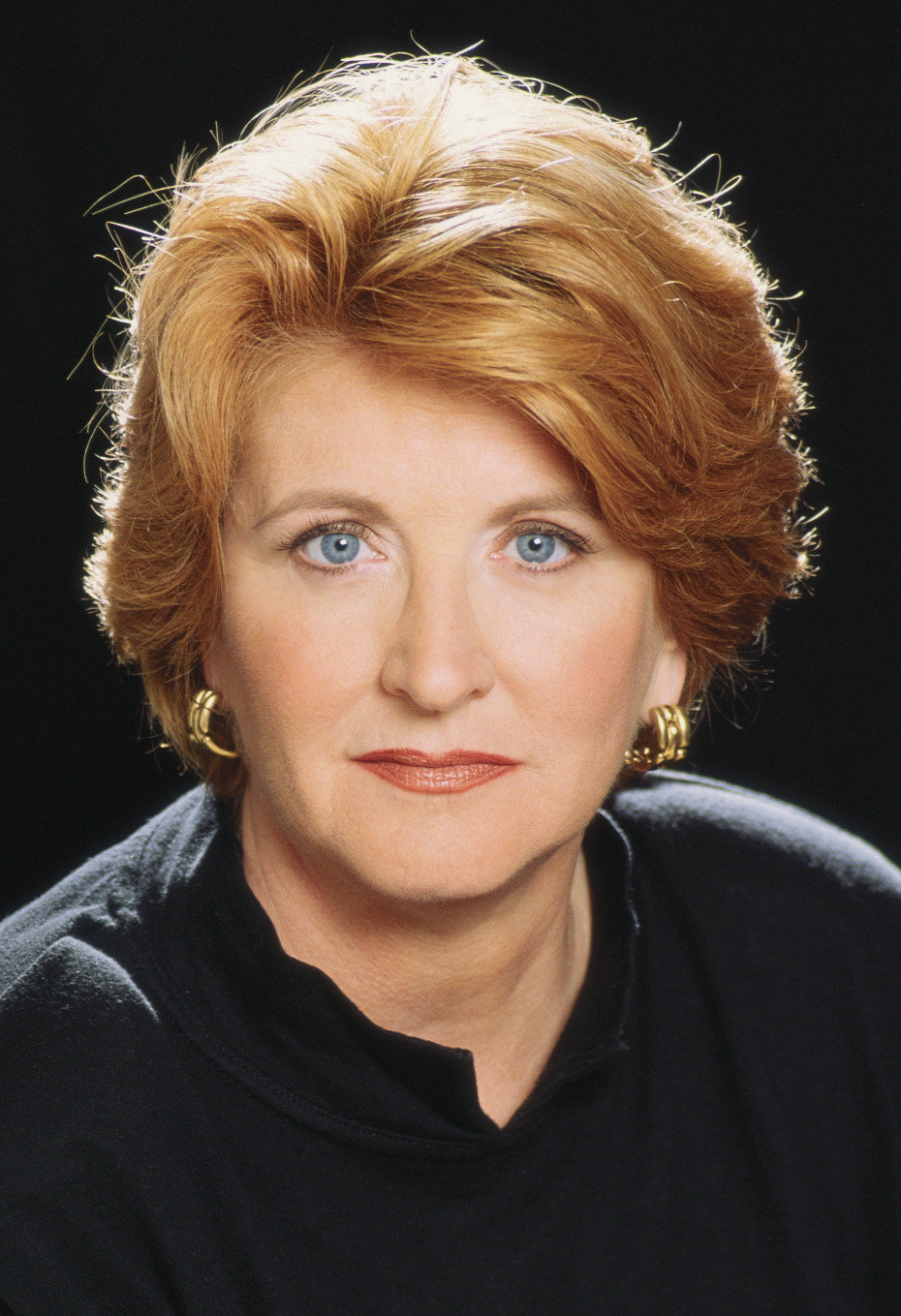
Fannie Flagg is one of those performers who I have seen all my life but know little about. I thought it would be fun to learn about her show business career. Like me, she started writing later in life as her second career.  I wanted to know how that whole dream fulfillment came about. Let’s get to know Fannie Flagg.

fannie5

She was born Patricia Neal in Alabama in 1944. Flagg, of Finnish ancestry, spent most of her childhood in the Birmingham area. It sounds like she had a “normal” childhood. Although she liked writing, she had problems because she was dyslexic which she did not realize until she was an adult. She was an archery champion at age 12. By age fifteen, she thought about entering a convent. Luckily for us she didn’t. In high school she was a cheerleader and a saxophone player in the band.

As a teen, she entered the Miss Alabama pageant, where she won a scholarship to the Pittsburgh Playhouse Theater Acting School. Acting might have been in her blood because both her father and her grandfather were motion picture machine operators. The summer she returned home, the woman who cohosted the Morning Show in Birmingham was leaving, so Fannie was able to replace her.

Who knows what direction Flagg’s career would have taken if the head of WBRC-TV were not so tight-fisted. Flagg asked for a raise and they denied it, so she quit her job and moved to New York City. She had to take on a new name since there was already a quite famous Patricia Neal in show business. Her grandfather suggested “Fannie” because so many comediennes used the name and a friend came up with “Flagg.”

fannie18

Her first television job was on CBS Repertoire Workshop in 1964. During this time, Fannie recorded two comedy albums with various skits that included parodies of famous women. She appeared on a variety of talk shows including The Joey Bishop Show, The Dick Cavett Show, The Merv Griffin Show, The Johnny Cash Show, Dinah!, and The Rosie O’Donnell Show.

fannie17

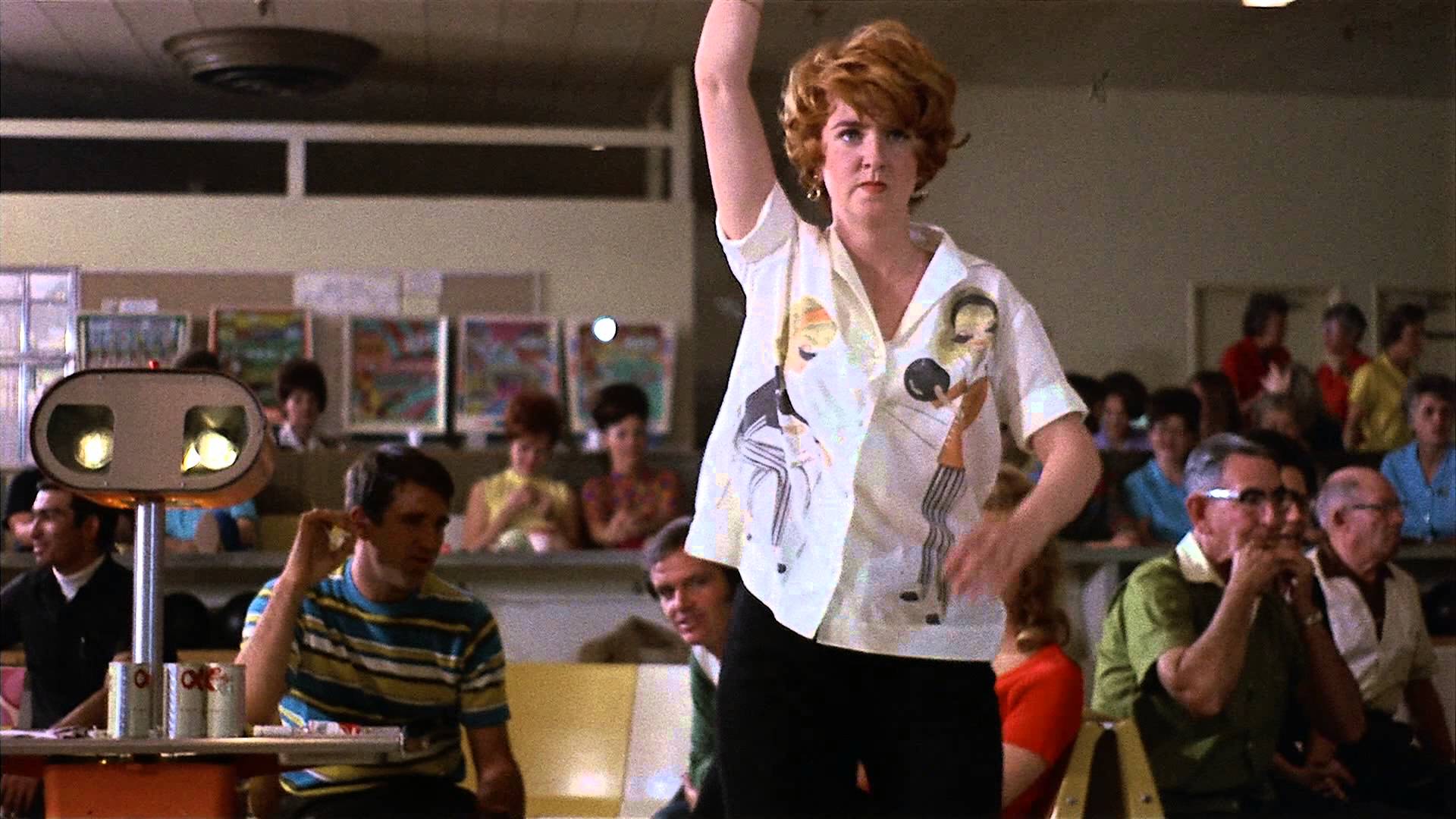
Flagg got her first film role in 1970 in Five Easy Pieces with Jack Nicholson. The next year she appeared in Some of My Best Friends Are.

five easy pieces

It was also in 1971 that she received an offer for her first series. Fannie says she stumbled into the role.  She had been doing concerts and performing with stock companies. She was on the west coast and stopped in at her agent’s California office to meet the staff.  A man came in and looked her up and down and then left. The next day she learned she was given the part of Dick Van Dyke’s sister on The New Dick Van Dyke Show. The man in the office the day before had been looking for someone who could pass for Dick’s sister in real life.

fannie2

The New Dick Van Dyke Show was on the air from 1971 till 1973. Carl Reiner created the series for Van Dyke. Van Dyke was Dick Preston, a local talk show host. Van Dyke was signed to a three-year contract and given permission to film in Arizona where he lived. Hope Lange was his wife Jenny, Angela Powell their daughter Annie, Flagg his sister Mike, David Doyle was his boss Ted, and Marty Brill and Nancy Dussault were their best friends Bernie and Carol Davis.

The show began its life on Saturday night with All in the Family, Funny Face, and The Mary Tyler Moore Show.  The series didn’t garner very high ratings, so the second season found the show on Sunday nights when ratings decreased drastically. Flagg was mentioned by several critics as being very funny in her role. Fannie credited Dick Van Dyke as her acting mentor, as well as one of her best friends.

Because Dick had a three-year contract, rather than cancel the show, CBS changed the structure. Dick gets a role on a soap opera, so he and his family move to Hollywood. They changed out most of the cast members so Flagg moved on. The show followed Here’s Lucy. The ratings improved significantly, but after the third year, Dick quit to go back to Arizona.

fannie12

Throughout the 1970s, Fannie continued to get both television and film offers. She appeared on Love American Style, The New Candid Camera, Wonder Woman, and Fernwood Tonight. She was also in several films including both Rabbit Test and Grease in 1978.

During the 1970s, Flagg was a fixture on game shows. She is best known for Match Game where she usually sat next to Richard Dawson.  With all the different versions of Match Game, she appeared in 529 episodes of the show. She is famous for wearing unusual tops on Match Game. It was while on the game show that Fannie received a note from a teacher who noticed a particular pattern in her misspellings on the show. She mentioned she might have dyslexia which is when Flagg first began to investigate and learn she did indeed suffer from the disease. When asked about two her costars on Match Game, namely Charles Nelson Reilly and Brett Somers, Flagg said, “Besides being hilarious, Brett and Charles were two of the smartest people I have ever known. On “Match Game,” they got such a big kick out of each other! They razzed one another and everybody else on the panel mercilessly, and they were particularly relentless on the people they really liked. It was never mean or hurtful, and they loved it when you razzed them back.”

She continued, One of the happiest times in my life was in 1980 when I was doing “The Best Little Whorehouse in Texas” on Broadway, and Charles, Brett and I were staying at the Wyndham Hotel at the same time. Every day at around 4 o’clock in the afternoon they would come to my room for cocktails. Many is the time I would come home from after the show and they would still be sitting there having a good time. The only thing that changed was the position of Charles’ toupee.”

In addition to “Best Little Whorehouse in Texas,” Flagg toured with Come Back to the Five and Dime, Jimmy Dean, Jimmy Dean.”

Fannie continued her acting career into the 1980s. From 1981-1982 she took a role as Cassie Bowman on Harper Valley PTA starring Barbara Eden. The show was based on the hit song, “Harper Valley PTA” by Jeannie Riley. Sherwood Schwartz produced the first eleven episodes.  The show moved around a bit from Thursdays at 8 to Saturdays at 8 to Saturdays at 8:30. Barbara played Stella, a mom who ignores Southern small-town standards by wearing mini skirts and speaking her mind. She reveals the hypocrisy of the other PTA members, making her a target of their comments. The show did not last long enough to accumulate enough episodes for syndication, but it occasionally shows up on independent networks.

Flagg was on The George Burns Comedy Week series and on The Love Boat three times. Her final films were done at the beginning and end of the 1990s. Her last movie was Crazy in Alabama in 1999 written by her friend Mark Childress.

fried-green-tomatoes with cafe -- horizontal

She also had a cameo in 1991 in Fried Green Tomatoes, a movie based on her novel, Fried Green Tomatoes at the Whistle Stop Café. She co-wrote the screenplay and received an Oscar nomination. The book is told in the past and the present by Ninnie Threadgoode and Evelyn Crouch who talk about the town of Whistle Stop, Alabama and the bonds the women forged in the 1920s and 1930s. The novel, published in 1987, was on the New York Times bestseller list for 36 weeks. This was her most famous novel, but it was not her first.

Flagg felt a pull toward writing as a child. She had written a play when she attended Catholic school. Because her father worked at the cinema, she had seen a lot of movies. She wrote a play about two career girls who lived in an apartment over the Copacabana nightclub in New York City. A man named Mr. Truman called and asked to come for tea. The girls assume it’s President Truman and go all out getting ready and inviting their friends. It turns out to be an insurance salesman. Her teacher phoned her mother to say the nuns were concerned because she used the word “martini” 16 times. Her mother had to explain that Fannie watched a lot of movies and the family was not sitting around drinking martinis every night.

She won first prize at the county fair for an essay titled, “Why I Want to Be Bald Headed.” She wrote it because she hated her mother braiding her hair so tightly every morning.

In the 1960s, Flagg wrote skits for a night club in New York—Upstairs at the Downstairs. She filled in for a sick actress one night when Allen Funt was in the audience. He invited her to become a staff writer on Candid Camera where she acted as well.

fannie9

Flagg decided to attend a conference in 1978 to see Eudora Welty. She had to write a short story for a contest based on the word “childhood.” As Flagg tells it,

“I went to the grocery store, and I bought one of those spiral notebooks. I wrote a story called Daisy Fay and the Miracle Man about something that had actually happened to me in childhood,” says Flagg. “I wrote it as an 11-year-old child, and I thought that if they saw any mistakes, they would think I did it on purpose.”

Flagg won the contest. “I couldn’t believe it. I was thrilled, but at the same time I felt like such a cheat and a liar,” says Flagg. An editor there said that he wanted to talk with her about her writing a fleshed-out novel based on her short story. Flagg burst into tears and said, “I’m so sorry, but I can’t write a book.” When he asked her why, she replied, “Because I can’t spell.” Flagg says the editor looked at her like she was crazy and said, “What do you think we have editors for?”

She’s been writing ever since.

Fannie Flagg has found her niche.  Since that first novel, she has continued to write, publishing ten books in all. Her most recent release was The Whole Town is Talking in 2016. In 2012 she won the Harper Lee Distinguished Alabama Author award and presented it to Fannie in person.

As an adult, Fannie collects lamps from the 1940s and 1950s. She loves going on cruise ships, which might explain her three appearances on The Love Boat.  If you were a Match Game fan, it will not surprise you to learn that she loves wearing stripes with polka dots.

Fannie just seems like a delightful and fun person to be around.  She is on my list of people to have dinner with. I have recently began reading her books and I love them.  She writes about quirky, not strange, characters who seem true to life. It’s been fun getting to know a bit more about her life and career.

fannie1