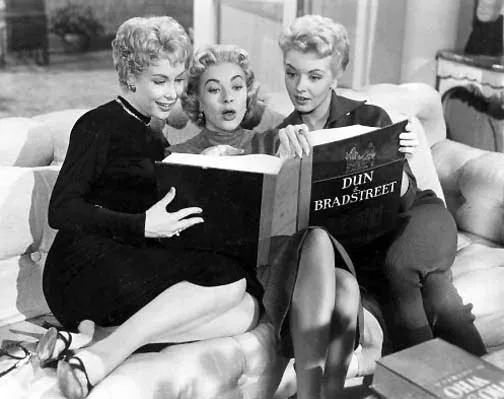
We started the year off with “Worth a Million,” learning about the careers of several of the cast members from How to Marry a Millionaire. This show debuted in 1957 and aired for two years. Today we focus on Merry Anders.
📷pinterest.com
According to imdb.com, the plot of the show is “Motherly Mike, ditzy but sexy Loco, and sensible Greta move to the big city to find themselves wealthy men to turn into husbands. After the first year Greta gets married with Gwen the new roommate in this syndicated series.”
Merry Anders, who played Mike, also had a small part as a model in the 1953 Marilyn Monroe movie that the series was based on.
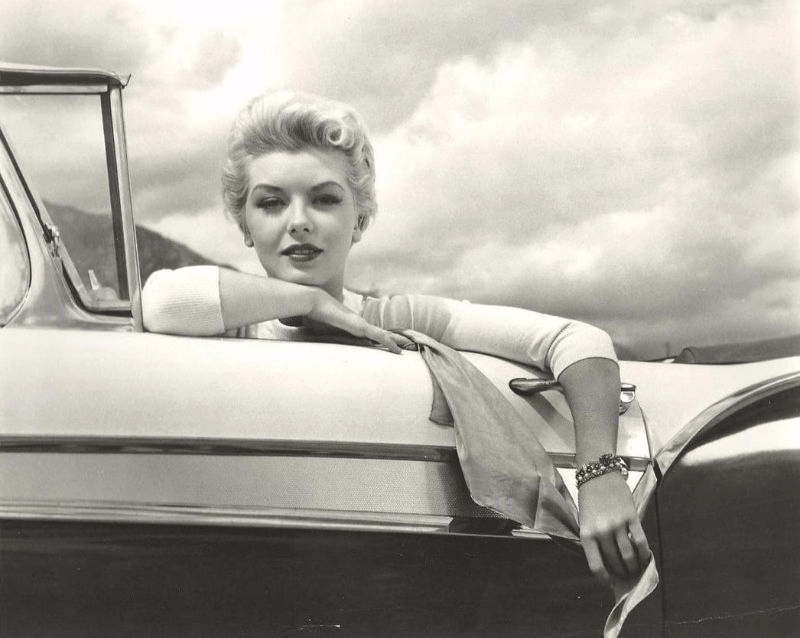
Anders was born Merry Anders in Chicago in 1934. When she was 15, she and her mother visited Los Angeles for two weeks and never left. Former actress Rita Leroy encouraged her to begin a modeling career, and Anders studied acting at the Ben Bard Playhouse. A talent scout spotted her there, signing her to a film contract for 20th Century Fox in 1951.
📷vintageeveryday.com
Her first film was Golden Girl that same year. She continued with small roles on the big screen and various offers on television before being offered a cast role in It’s Always Jan in 1955. When it was canceled, she took the part of Mike on How to Marry a Millionaire. Her next cast role came a decade later on Dragnet.
Anders was married to John Stephens, a producer, but they separated after four months. He was abusive, and when she found out she was pregnant, she divorced him.
By 1968 it was clear that her career was in a rut, and she accepted a job as a receptionist at Litton Industries. Her last role was a two-part Gunsmoke story which aired in 1971. In 1972, she officially retired from acting. She became a customer relations coordinator at Litton where she remained for another twenty years.
📷wikipedia.com On Gunsmoke
She shared that she had a couple of years where she only grossed about three thousand dollars, and she couldn’t make a living. She said, “her dad wrote her a letter and said, ‘Get out of that movie business, get yourself a decent job, girl!’ I was divorced and it’s hard to raise a child, have a nice home, put up the appearance of success, drive a car in perfect running shape and everything when you’re on unemployment.”
In 1986 Anders married again, this time to engineer Richard Benedict and they were together until his death in 1999. Anders passed away in 2012, but no cause was shared. Before her retirement, she was in 45 big-screen films including Three Coins in theFountain, Desk Set, and Airport. Add another 46 television shows including The Ann Sothern Show; Richard Diamond, Private Detective; Bonanza; Perry Mason; and Get Smart. Overall, she racked up 91 credits in two decades which is impressive. I hope she enjoyed her life after acting and was able to share lots of great stories with her family and friends.
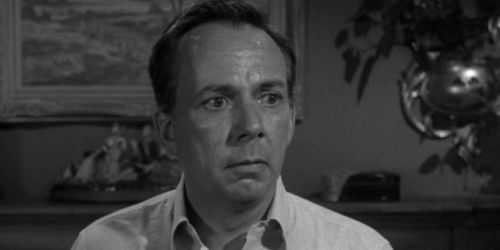
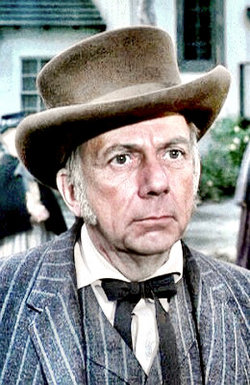
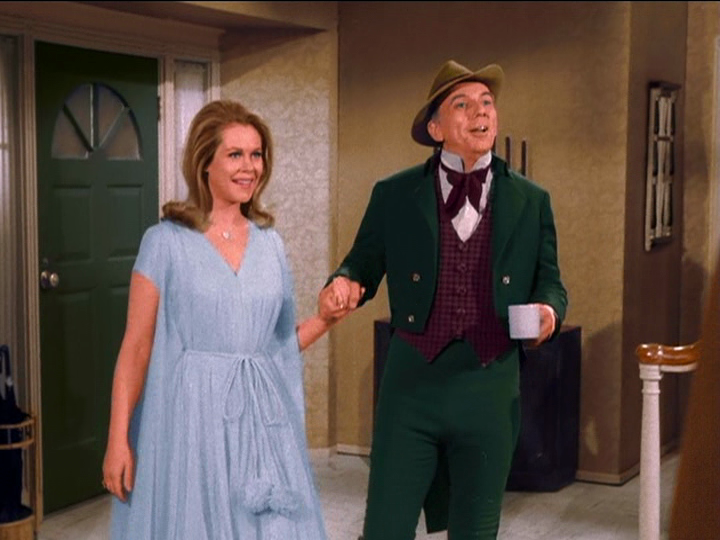
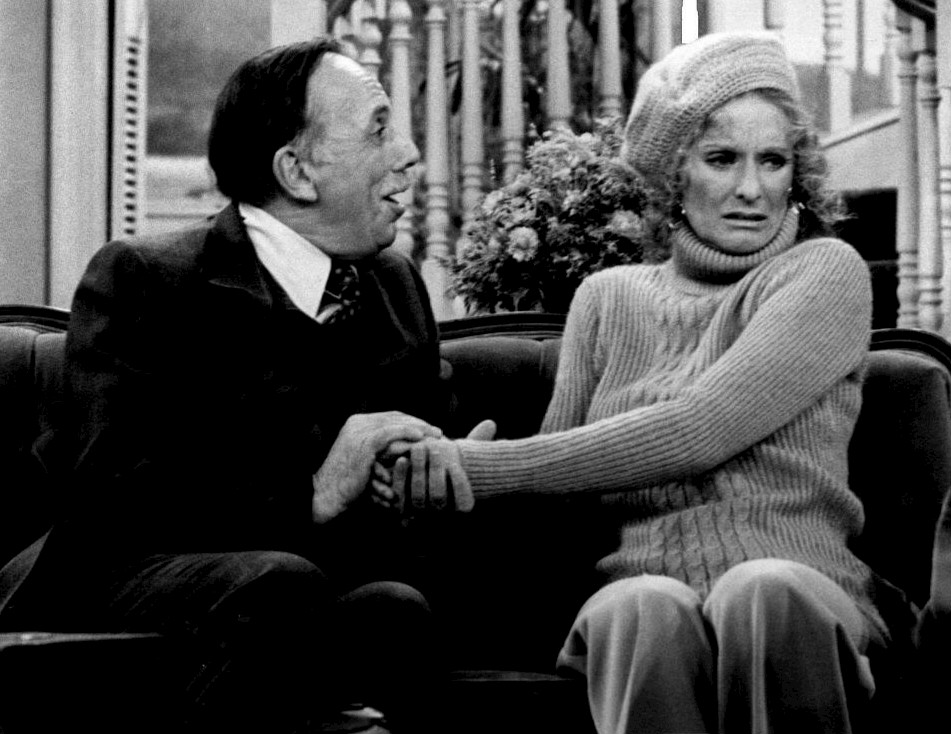
This month is all about our favorite characters. Richard Slattery definitely fits the bill.
📷bewitchedwiki.com
Born in New York in 1925, Slattery attended Blessed Sacrament grade school and then graduated from All Hallows High School before attending Fordham University under a track and football scholarship. At one point, he seriously considered attending seminary to become a Jesuit priest. During WWII, he left school to join the US Air Force, serving as a lieutenant in the Pacific Theater.
After returning home, he became a police officer in 1947, working in New York until 1958. His father was a policeman, so it was a natural fit for him. He worked in several precincts including the tough 41st station in the Bronx and as a plainclothes man for a vice squad.
He appeared in a few police academy training films at a community theater in the Bronx which gave him the acting bug. While working as a cop, he also appeared in several off-Broadway productions, finally making it to a Broadway show in 1961. About that time he asked for a year’s leave of absence from his police duty to see if he could make acting a paid profession. He never returned to the force.
📷worthpoint.com
For three decades from the sixties through the eighties, you could see him on many of your favorite shows. His first television episode was Deadline in 1959 and his last was in Dragnet in 1990. In between he appeared in 82 different series.
Most of his roles were as policemen. Forty-eight of his 108 credits were for a policeman or military man including the three shows he joined as a cast member. In 1962 he was Sgt McKenna on The Gallant Men for 26 episodes. The description for this show on imdb is “The 36th infantry is fighting its way through Italy under the spirited leadership of Captain Jim Benedict. His men include flirt D’Angelo, who carries his guitar along, plus pals Lucavich and Hanson. McKenna is the free-wheeling Sergeant.”
In 1965 he took on Captain Morton for 30 episodes on Mister Roberts, which is described as “Lt. Roberts is far from the war action while stationed on The Reluctant, a cargo ship. While trying to get transferred he must also deal with irascible Captain Morton while trying to reign in the impulsive Ensign Pulver.”
📷dodgerthoughts.com
His last regular role was in 1977 when he joined CPO Sharkey as Captain Buckner for 22 episodes. This one starred Don Rickles as an acid-tongued officer who is verbally abusive to his men, a band of misfits, even though it’s obvious he cares for them and wants them to succeed. I remember watching, or trying to watch this one, when it aired. It was just too hard hitting for me, at least at that time. However, Rickles was always too vicious for me as a comic also.
Another role Slattery was known for was Murph the gas station attendant for Union 76 gasoline station ads for 17 years.
Slattery followed the formula of the third time being the charm in his marriages. In 1958 he married actress Pegeen Rose, and they were together for a decade. In 1970 he tried again with Mary Shelquist, and they made it 9 years. In 1988 he married Helene Vergauwen and they were together until his death nine years later. He was buried at sea off the coast of Catalina Island.
📷historicimages.com
Catalina Island was his home for the last decade or so of his life. He and his wife owned several shops including Sea Rags and Driftless gift stores, Boots and Straps shoe store, and Murph’s Wok Away Chinese take out. He was part of the men’s club and the theater on the Island. He also was an avid golfer and is often mentioned in the paper at celebrity tournaments or golfing with friends. The one sport he didn’t do on the Island was boating! He got sea sick and did not even own a boat.
While he definitely was often typecast as a policeman, it is what he did for his first career for more than a decade. I’m glad he got the chance to become an actor. I’m even more glad that although he died at a young 71 years of age, he was able to enjoy life on the Island after his retirement.
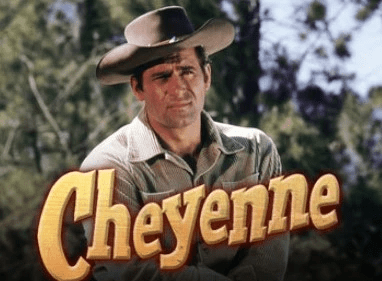
In June, we are advising “Go West Young Man” as we peek back at a few of our favorite westerns. First up is Cheyenne. Cheyenne debuted in 1955; it was the first hour-long Western. It would remain on the air for eight years, producing 108 episodes.
📷rewatchclassictv.com
Clint Walker starred as Cheyenne Bodie, a cowboy who explores the wild west after the Civil War. Early in the show, we learn that Bodie’s parents were killed by an unknown Native American tribe. A Cheyenne tribe found him and raised him till he was 12 when they sent him to live with a White family.
Because Cheyenne is traveling, guest stars change from week to week. The series was part of Warner Brothers Presents which alternated a weekly show with Cheyenne, Casablanca, and Kings Row.
For the first four seasons, the show was on Tuesday nights; then it moved to Mondays for the final four years. It was in the top thirty, and often the top twenty, for most of its television life, despite being up against The Phil Silvers Show; Richard Diamond, Private Detective; Dragnet; and the game shows To Tell the Truth and I’ve Got a Secret. Because Warner Brothers was used to making movies, the television show was produced with a movie feel to it.
In 1958, Walker went on strike. His contract stipulated that he had to give Warner Brothers 50% of his personal appearance fees, and he could only record music with the Warner Brothers label. He wanted 100% of his fees and to be able to record wherever he chose. I never learned what they settled on, but Walker returned to the show.
📷wikipedia.com
During his travels, Cheyenne often advocates for justice in the places he visits, sometimes working as a sheriff or deputy. Another theme of the show is the distrust of Native Americans. Cheyenne is sympathetic to their plight and is loyal to the Cheyenne tribe that raised him. Many of the plots were taken directly from Warner Brothers movies of the past and reworked a bit.
The theme song was composed by William Lava and Stanley Davis Jones. They both worked on The Mickey Mouse Club with Jones composing for the Spin and Marty shorts. Lava also provided music for Zorro, The Twilight Zone, and 77 Sunset Strip.
During Clint Walker’s interview with the Television Academy, he talked about his time on the show. He said he became aware of how many people liked the show when they sent him out to functions, and he started to realize how many fans he had in each town and then thinking of all the towns in the United States. He received a lot of fan mail from people who liked the values of the show. Some young men told him they no longer had fathers or uncles, and he was their role model.
📷imdb.com James Garner
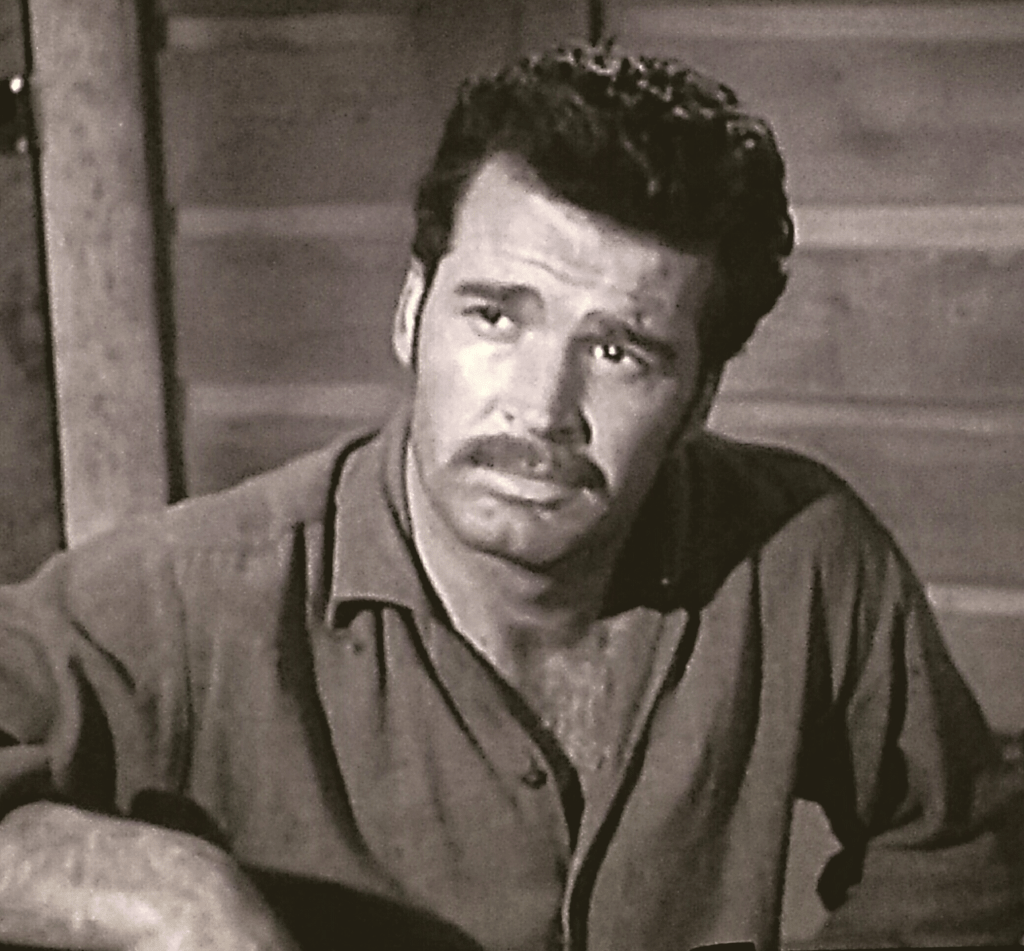
I also heard a fun story about casting during this show. Richard Bare explained during his interview that he was in a bar one night and a friend introduced him to an actor. The next day a meeting was called where Jack Warner informed them that he wanted some new faces introduced during the show. Bare remembered the young actor he met at the bar the night before but couldn’t remember his name. He called the bar and was told that the actor’s name was Jim Baumgartner, so he asked them to tell him to come to the studio when he showed up again. Finally, Baumgartner called Bare the day before they began shooting. He came in and did an audition. The crew was going on location the next day, so they had to decide immediately if he was part of the show. When Jack Warner saw the clips, he said to give that kid a seven-year contract, and that’s how James Garner started working in westerns.
There is no doubt Cheyenne was a popular show. It was interesting enough to keep viewers’ attention for an hour. The episodes seem to be well written. In an era when there were tons of westerns to watch, this one was in the top section of that list. The show still can be streamed on several places. If you want to live in the Old West for a bit, why not join Cheyenne and see what it was like.
We are in the midst of a month of blogs that feature sitcoms we don’t hear much about anymore. Today’s series is Occasional Wife.
In September 1966, the show debuted on Tuesday nights on NBC.
📷wikipedia.com
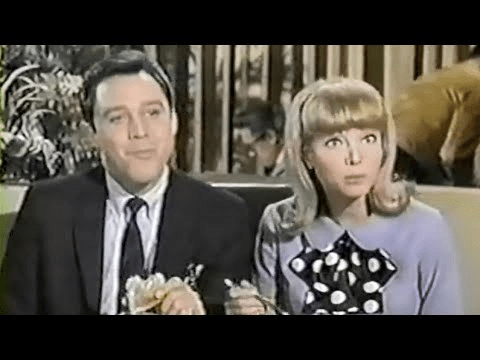
The show was about Peter, a junior New York business executive (Michael Callahan). When he realized married men are more likely to be promoted at his company, Brahms Baby Food, he asks hat check girl Greta (Patricia Harty) to pose as his wife for company functions. When he offers to pay for her rent and art lessons, she agrees, thinking it will be an occasional performance, but every time someone from the office drops by, Peter runs upstairs to bring her down to his apartment until they leave. One of the funniest parts of the show was the tenant played by Bryan O’Byrne who watches Peter and Greta running up and down the fire escape.
If you wondered if the name Patricia Harty sounds familiar, yes it does. She was Blondie and we talked about her in the first blog of this series.
📷imdb.com
The opening is reminiscent of Dragnet with its introduction “There are eight million stories in the Naked City. Some are violent, some sad, but one of them is just plain cuckoo. This is a modern fable about two young people who make a bargain only to find out they were going to get a lot more than they bargained for. We call our fable Occasional Wife and it stars Michael Callan and Patricia Harty.”
The series was created by Lawrence J. Cohen and Fred Freeman. Vin Scully, legendary sportscaster, provided the narration for the show. It started off ranked 18th but by the end of the season, it had dropped to 64th and was cancelled.
The show was up against The Red Skelton Hour and The Rounders. If you have been reading my blog any amount of time, you probably have heard me complaining about Red Skelton. I honestly could not stand watching the show and did not find it at all funny, but I also have read way too many accounts of what a jerk he was to his writers, cast members, and anyone else who he worked with. However, at this time, his show was in the top ten. The Rounders on the other hand, probably didn’t take many viewers away from this sitcom. The premise of the show, according to imdb.com, was that Howdy Lewis and Ben Jones are in debt to Jim Ed Love, second richest man in the state. They find some happiness with girlfriends Ada and Sally at the Longhorn Cafe.
📷popculturereferences.com
It sounds like Peter and Greta were flat characters and the comedy only relied on the situation of the fake marriage. Viewers would probably have liked to see some chemistry between the two and allow them to struggle with getting closer instead of both being happily single. There must have been some chemistry there because the actors married after the show ended. Just like their sitcom, their marriage failed to last two years.
This sitcom was one of the first series to eliminate the use of a laugh track. Now canned laughter is an industry standard, but they decided to can the canned laughter and not invite a live audience. I wonder if this might have affected viewers whether they knew it or not.
📷youtube.com
Bob Claver discussed his time producing this show in a Television Academy interview. Claver thought the show was funny and peppy, but he said they couldn’t make it a hit, even with Harry Ackerman as executive producer.
As with the other two series we discussed this month, Blondie and My Sister Eileen, you might be better off to run up or down your own fire escape and skip watching the show to get in a few extra steps.
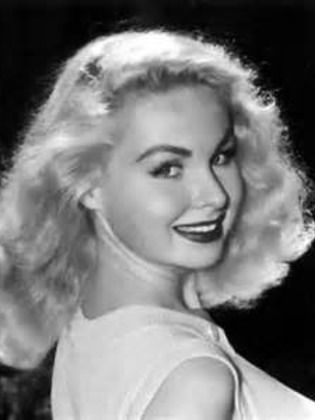
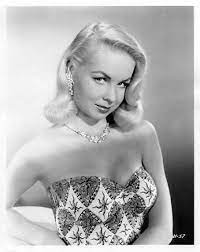
We are winding down our What a Character blog, about character actors in classic television shows. Today we are learning about Joyce Renee Brown, better known as Joi Lansing.
Lansing was born in Utah in 1929. Her father was a shoe salesman and orchestra musician, and her mom was a housewife.
Her parents divorced when she was young, and her stepfather Vernon Loveland adopted her. In 1940, the family moved to Los Angeles. Joi began modeling at 14 and was signed to an MGM contract, attending school at the studio.
Lansing began her film career in 1947, appearing in When a Girl’s Beautiful and Linda Be Good. She had uncredited roles in Easter Parade and Singing in the Rain, among others. Almost half of her 106 acting credits were for shorts and big-screen films.
📷rottentomatoes.com
Her first three marriages lasted less than some of her films. At 17 she was married for less than a year. In 1950 her marriage to Jerome Safron was annulled after four months, and her marriage to Lance Fuller in 1951 ended in divorce in 1953.
Her first television role came in 1952 in Racket Squad. This was a show I had not run across before, but it was on the air for three years. It had a Dragnet-like feel to it with the main character Captain Braddock explaining “What you are about to see is a real-life story, taken from the files of the police racket and bunco squads, business protective associations and similar sources around the country. It is intended to expose the confidence game – the carefully worked-out frauds by which confidence men take more money each year from the American public than all the bank robbers and thugs with their violence.
📷tumblr.com
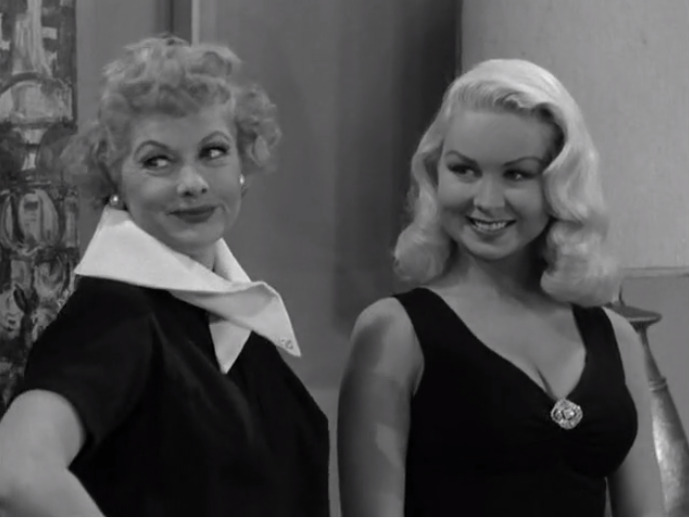
The early fifties kept her busy in drama series. In the the mid-to-late fifties, she appeared on I Love Lucy, The Gale Storm Show, December Bride, Perry Mason, Maverick, TheJack Benny Show, and Richard Diamond, Private Eye.
From 1955-59 she had a recurring role on The Bob Cummings Show with 24 appearances as Shirley, a model. While she was attending UCLA, a writer for the show spotted her. After being cast as pinup girls and stereotyped as a beautiful bombshell, this series proved Lansing had acting abilities, and it propelled her to receiving offers for better scripts.
In 1960, Lansing married Stan Todd and they remained married until her death. However, they had been separated for years.
Lansing was also a recording star. In the early sixties, she performed with Xavier Cugat and Les Paul. She recorded several songs during the sixties.
📷wikiwand.com Klondike
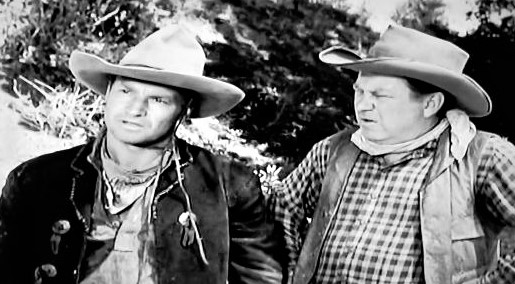
The sixties were split between film and television work. She accepted roles on ten shows including Klondike (7 episodes as Goldie), The Untouchables, The Joey Bishop Show, The Adventures of Ozzie and Harriet (12 episodes as various characters), Petticoat Junction, and The Beverly Hillbillies (6 episodes as Gladys Flatt, wife of musician Lester Flatt).
Lansing was in her last movie, Bigfoot, and last television role, The Governor and JJ, in 1970. While on the set of Bigfoot, she met Alexis Hunter who was playing a monkey in the film. Obviously, this was not a film to highlight on the resume. According to Hunter, the two fell in love and were together for three years until Joi’s death. Same-sex relationships were forbidden in Hollywood at the time, so they told people they were sisters. They had similar looks, so they got away with it.
Joi died from breast cancer in 1972 at only 43 years of age. Joi had been diagnosed with both breast and ovarian cancer in 1970 but went into remission. As a disclaimer, Bigfoot was the only acting role Hunter was credited with, and the revelation of her relationship with Lansing was only known from a book that Hunter wrote in 2015. I could not find any other documentation to back up her claim.
📷facebook.com
I am torn about Lansing’s career. She certainly had a successful career on paper, but she never got the break she deserved with the right acting role. Considering that she had 106 credits and passed away at only 43, one has to wonder how many more credits she could have amassed if she had worked for another two decades. I know there is a fine line of Hollywood actresses who might have the looks but not the talent, but for those who have both, Hollywood is not often fair, stereotyping them into “dumb blonde” or “pinup” roles. I had only been familiar with Lansing from The Bob Cummings Show, so it was interesting to learn more about her and her career.
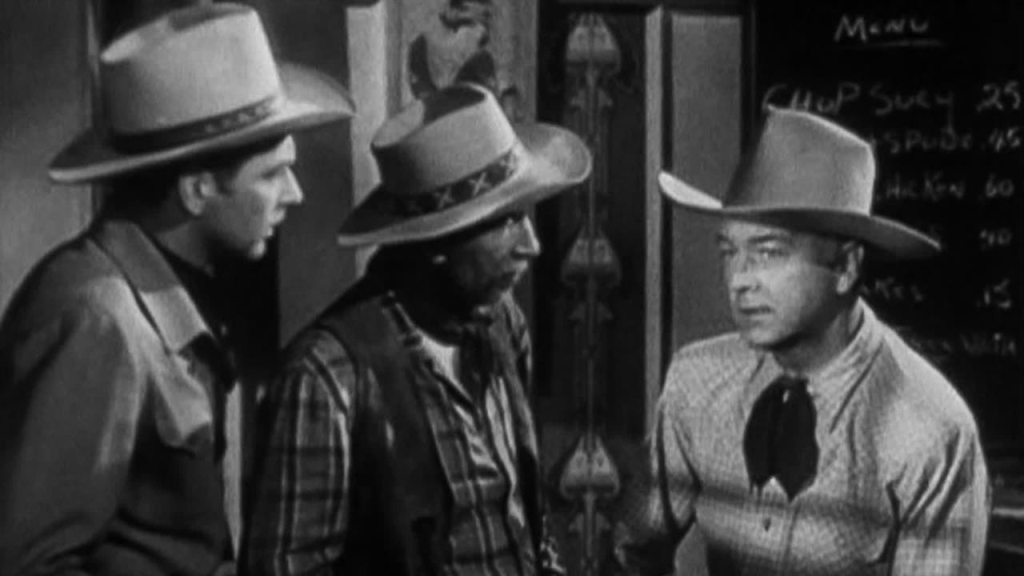
We are celebrating Classic TV for the first month of 2024. Our first choice is a western many kids never missed: Hopalong Cassidy.
📷wideopencountry.com Bill Boyd with Topper
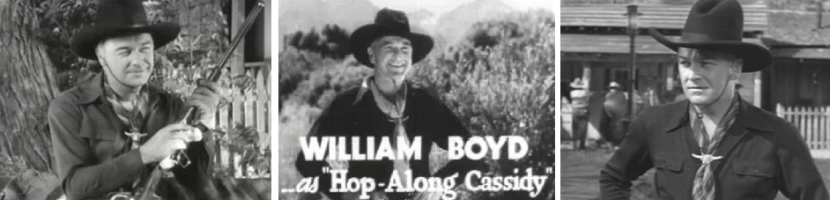
Hopalong Cassidy was introduced to the world by Clarence E. Mulford in 1904 in short stories, and a book was released in 1906. Originally the character had a wooden leg which resulted in his nickname. The first big-screen Hopalong Cassidy film aired in 1935. His nickname was now attributed to a gunshot wound. It starred Bill Boyd, a forty-year-old actor. Boyd’s Hopalong was quite different from the book character. This film Hopalong was a clean-cut hero who drank only sarsaparilla and never took the first shot. By 1948, 66 original movies had been made with ten different sidekicks. That seems like a lot, but from just 1950-1959, about 700 western films were made.
Producer Harry Sherman had become tired of the films. So Boyd invested all of this money buying the rights to the character from Mulford and the rights to the earlier films from Sherman.
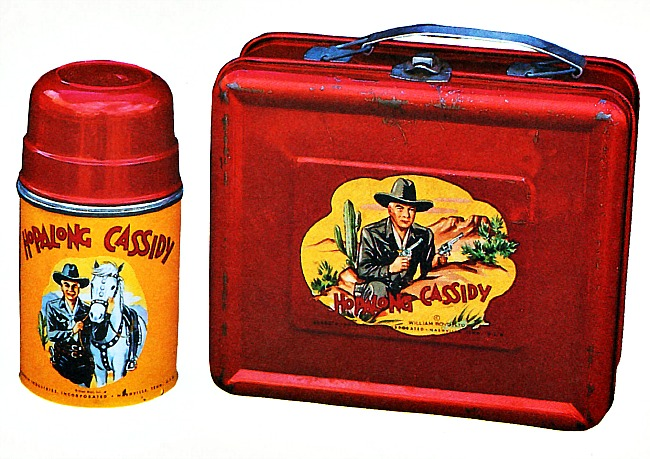
In 1949, NBC began showing the older movies on television. Westerns were huge on television, in movies, and in literature in the fifties, and Hopalong became very popular again. Boyd received all the revenue from the merchandise being sold.
📷imdb.com Boyd with Buchanan
Boyd was offered another show in 1952. From 1952-1955, the show was on the air. There was a different format for the new show. Instead of the typical two companions from the films, Edgar Buchanan took on the role of Red Connors. It was Buchanan’s first television role, but it would not be his last. Boyd provided voiceover for the series. He was now a US Marshal instead of foreman of the Bar 20 ranch. Hopalong still fought crime riding his horse, Topper.
The new series was composed of 40 new episodes, along with 12 older theatrical features that were cut down to 30-minute episodes.
📷crackle.com
One of the reviewers on imdb discussed the show as “being a couple of notches above most of the contemporaries in quality.” He said outdoor scenes were actually filmed outside. He acknowledged that both Boyd and Buchanan were good actors, and Edgar provided both comic relief and dramatic support. The relationship the actors had, along with good writing, produced several really good episodes. He went on to provide information about three of his favorite shows:
“1. Grubstake–A terrific half-hour mystery. Prospector Percy Helton has struck gold. He was grubstaked by five partners. Two have been murdered. A third is Red. Who is the murderer? There is a slew of suspects in a movie-level cast–Christopher Dark, Michael Fox, Robert Paquin, and Timothy Carey(!). Gladys George steals the show as a flighty landlady engaged in a humorous romance with old codger Helton. The solution to the mystery is first rate.
2. The Feud–Two ranchers are bitter enemies. The son of one is murdered from ambush. Suspician naturally falls on his old enemy, B stalwart Steve Darrell, but foreman Hugh Beaumont, soon to become Beaver’s dad, is the culprit. He is having an affair with Darrell’s wife and hopes to get both her and the ranch when Darrell is lynched for the murder. There are some bitter scenes between the jealous Darrell and his unfaithful wife, and even a hot and heavy one between the woman and Beaumont. Perhaps not original, but certainly an adult slant compared to a typical Lone Ranger or Gene or Roy plot.
3. Lawless Legacy–An ordinary plot but given a big lift by Lone Ranger on vacation Clayton Moore as a vicious murderer.”
The series propelled Boyd back into stardom, and he became a famous celebrity, giving talks around the world. Although Hopalong is not as well known today as The Lone Ranger or the Cartwright Boys, his television show is still considered a classic. In 2009, the US Postal Service issued twenty postage stamps honoring early television programs. In this series, which included The Adventures of Ozzie and Harriet, Dragnet, I Love Lucy, Lassie, The Lone Ranger, Perry Mason, The George Burns and Gracie Allen Show, Boyd was pictured sitting on his horse Topper.
In addition to the films and television series, there were 104 radio shows and hundreds of comic books.
By 1955, Boyd was tired of his role and ready to retire. While he was ready to step out of the entertainment business, he wanted to ensure that his staff would continue to have jobs. CBS was getting ready to air a little show they thought might be successful, and his entire crew moved to that series, Gunsmoke, which continued to provide employment for another two decades.
Hopalong Cassidy’s films on television introduced westerns to an entirely new generation and kept westerns in the spotlight for the decade. By March of 1959, eight of the top ten shows were westerns and the television schedule featured thirty different western shows.
📷wordpress.com
I think Boyd was smart to purchase the rights and he was definitely in the right place at the right time to benefit during the fifties. And kudos to him for taking care of his cast and crew.
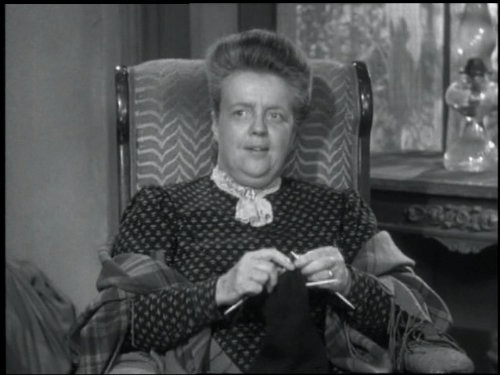
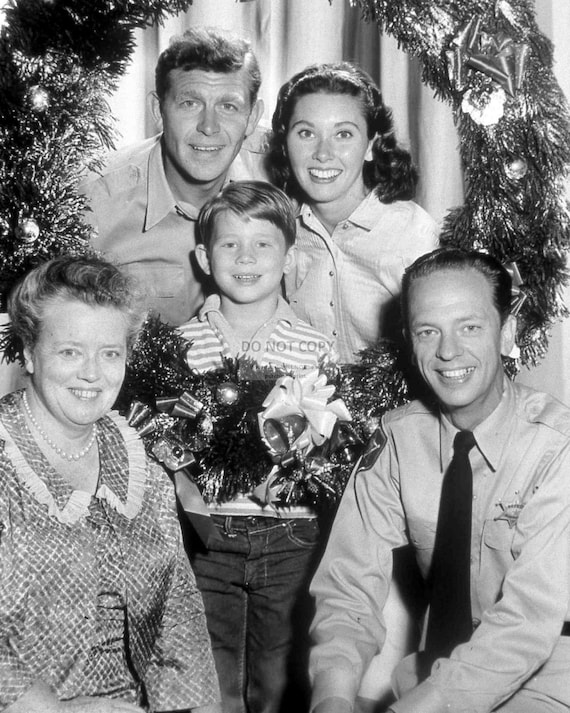
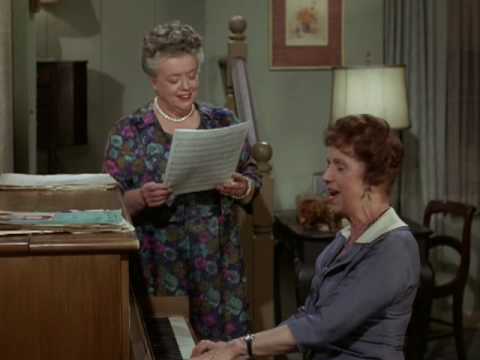
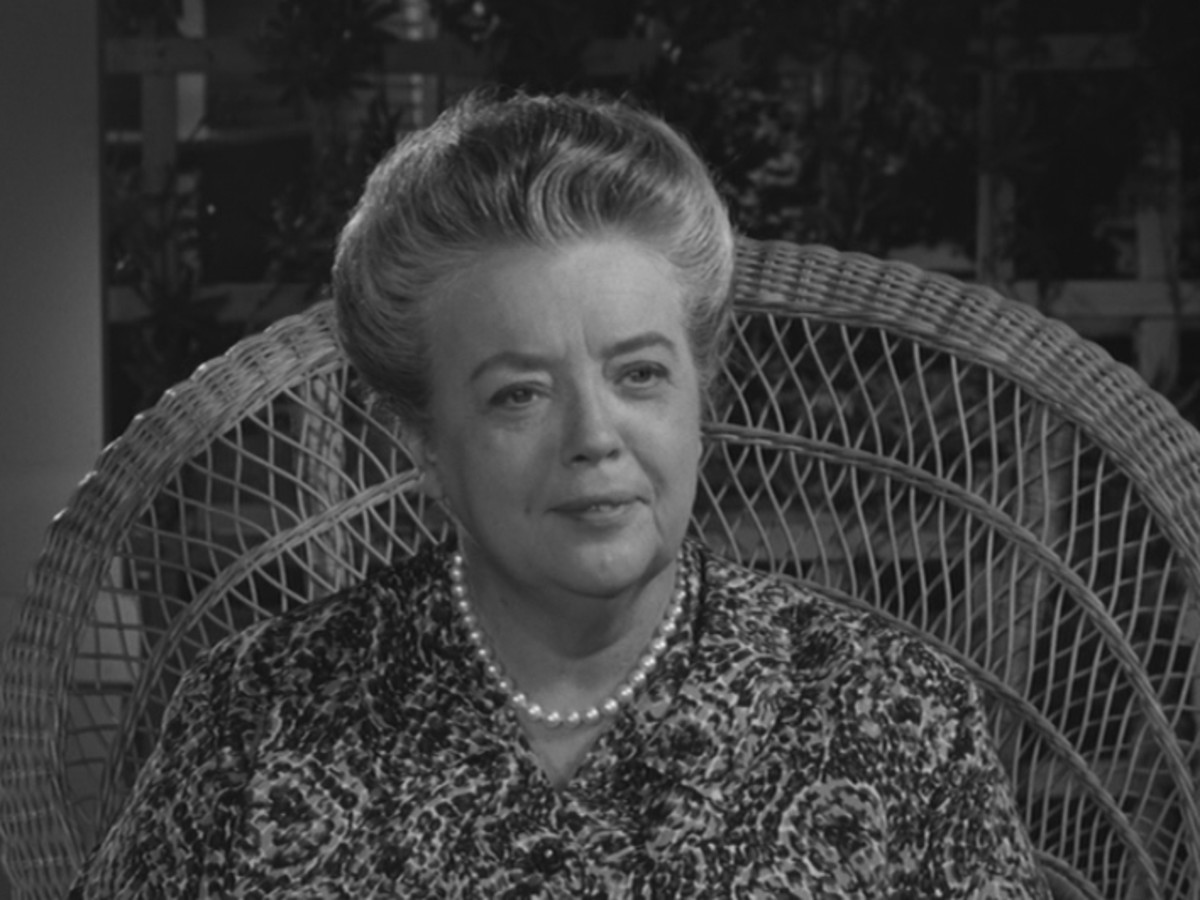
We are kicking off the new year learning about some of our favorite women from the golden age of television. Today we learn about an actress who was often described as difficult to work with personally but a consummate actress. Today let’s meet Frances Bavier, everyone’s favorite aunt.
Photo: mayberryfandom.com
Born in a traditional brownstone in New York City in 1902, Frances planned on becoming a teacher and attended Columbia University. However, she felt drawn to the stage and found herself enrolled at the American Academy of Dramatic Arts. Graduating in 1925, she received her first Broadway role the same year, appearing in “The Poor Nut.” Her big break came in the production of “On Borrowed Time.” Her last Broadway appearance was in 1951 with Henry Fonda in “Point of No Return.”
A young Frances image: Twitter
Bavier would be part of the Broadway scene for a few decades before moving into films. Perhaps her best-known silver screen role was Mrs. Barley in The Day the Earth Stood Still. Bavier would continue to appear in movies throughout her career including her last performance which was in Benji in 1974.
In 1928 Frances married Russell Carpenter, a military man, and they divorced in 1933. During WWII Frances toured with the USO to entertain the troops. Frances reflected on her marriage later in life and said that he was a very charming man but did not understand her need to be an actress. She said as much as she loved him, she loved acting more.
Her first television roles were in drama series such as Ford Television Theater, Chevron Theater, and Pepsi Cola Playhouse among others in the early fifties. The mid-fifties found her in a variety of series, including Duffy’s Tavern, The Lone Ranger, Dragnet, The Ann Sothern Show, Perry Mason, and Wagon Train.
On the Lone Ranger Photo: imdb.com
Frances would be offered two recurring roles in sitcoms during this time. From 1954-56, she was one of the cast members of It’s a Great Life as Amy Morgan who ran a boarding house. When that show ended, she was cast on The Eve Arden Show as Nora, Eve’s mother and housekeeper.
In 1960 she happened to be cast as Henrietta Perkins in an episode of Make Room for Daddy with Danny Thomas. That particular show featured a little town called Mayberry where Danny and his boys were pulled over for speeding and met Sheriff Andy Taylor. When that episode became its own show, Henrietta Perkins transitioned to Aunt Bee.
Aunt Bee was a major character in The Andy Griffith Show, and Bavier continued with the show when it became Mayberry R.F.D. with Ken Berry as the star. Bavier was nominated and won the Emmy for her role in 1967.
An early season with Ellie Walker Photo: etsy.com
Fans loved the relationship Andy and Aunt Bee had, although in real life Andy and Frances were not close. The entire staff was cautious in their approach when working with her because she was easily offended. Ron Howard, always tactful, was pressed on his relationship with her and just replied that “I just don’t think she enjoyed being around children that much.” Producer Sheldon Leonard commented, “[She] was a rather remote lady. Highly professional and a fine comedienne, fine actress with very individual character. She was rather self-contained and was not part of the general hi-jinks that centered upon Andy on the set.”
Producer Richard Linke commented that “She was very touchy and moody due to her age, and you had to be very careful how you treated her and what you said around her. I think Andy offended her a few times, but they became very close friends.”
“I think Frances thought I was a gentleman,” mused actor Jack Dodson, who played Howard Sprague on the show. “I’m not, really, not any more so than anybody else. Since I had fewer scenes to do with her, I had fewer opportunities to swear in front of her, which is why we never had any difficulties. Frances was temperamental and moody, but she kept 99 percent of that to herself. Once in a while, she would get mad at someone. She was the only person in the whole company whose feelings you had to be careful not to hurt.”
Pop culture historian Geoffrey Mark, wrote, “She was a very talented lady, but she was very difficult to work with, and nobody could really figure it out. Eve Arden had trouble with her on The Eve Arden Show. That’s the earliest I can point to where Frances was already getting to be persnickety. I can only repeat what I was told, but on The Andy Griffith Show, Howard Morris, who played Ernest T. Bass on the show and directed episodes of it, said that directing Frances was like stepping on a landmine. If you would ask her to move three inches to the right to get in the proper frame, or, ‘Could you stand up when you say that line?’, she’d blow a fuse and refuse. It was, like, ‘I’m an actress and I know what I’m doing. How dare you try to tell me when to walk and where?’ It’s like yes, you are an actress, but an actress takes direction from the director. Why in the world would you make what is already a stressful situation more stressful?”
Emmy with Don Knotts Photo: 99.9 kekb
However, Andy mentioned during a Larry King interview that Frances phoned him four months before her death and apologized to him for being difficult to work with. Perhaps being alone and reflecting on her past behavior gave her some perspective on the situation, because she told a reporter with the Times Record in Troy, NY that “I don’t have a lot of friends. I don’t see how anyone my age working as hard as I do can have a big social life. I get very annoyed with people and the older I get, the crankier I am. This work has had an effect on my personality. I’m impatient with people and oriented to action.”
In 1972, Bavier retired. She bought a home in Siler City, North Carolina. The stately house is a three-story brick home with stone accents and located at 503 West Elk St. The house was built in 1951 by a local doctor. When asked about her choice of retirement, she said that she “fell in love with North Carolina, all the pretty roads and trees.”
Photo: newsobserver.com
It must have been a bit of a lonely life though. She was pretty much a recluse and lived with 14 house cats. She had no children, and there was no family living nearby. She promoted both Easter Seals and Christmas Seals and often wrote letters to her fans. In an interview with the San Bernardino County Sun, she talked about one of her hobbies: launching imaginary expeditions to remote corners of the world via her collection of maps. During the production of TheAndy Griffith Show, Frances mentioned in an interview in the Charlotte News that when she felt lonely, she went to a supermarket and somebody would always look at her and smile and say “Why, hello, Aunt Bee.”
With Hope Summers in Mayberry Photo: youtube.com
Frances realized the 3700 residents of Siler City had a difficult job relating to her as well. As she put it during a local TV interview, she was “a 70-year-old lady that probably wants to be alone and they’re having a problem with trying to be friendly and show their friendliness, and at the same time not intrude. That makes it very difficult for them. Living here has been a difficult adjustment for me. I have a great deal to learn from Siler City and North Carolina. It’s an entirely different and new way of life.”
Photo: classicmoviehub.com
When she passed away in 1989, she left a trust fund of $100,000 to the police department in Siler City that would provide an annual bonus to all police personnel. Most of her $700,000 estate was left to the hospital foundation. She was buried in her adopted hometown, and her tombstone reads “Aunt Bee. To live in the hearts of those left behind is not to die.”
Frances mentioned in several interviews that she loved the character of Bee, but it was hard to be stereotyped in one role. She told The Charlotte News that “Once in a while I get a hankering to play a really bad woman. . . I was really vicious in a Lone Ranger episode, but so many people wrote in outraged at what I was doing, I guess it was a mistake. Sometimes it gets me down to think I’ve lost my own identity as an actress. But other times I get a lift when I realize that I’m really doing quite well.
I can’t imagine having to become another person for so much of my life and always having to be that person to so many people that you would feel like people didn’t really know you as you. The Andy Griffith Show is one of those shows that you read about where the cast truly had a special bond and formed close ties, and Frances must have felt bad that she was not part of that group even if it was her own choice to be excluded. She must have developed a love for Mayberry since she decided to find a small town similar to it where she could live out the rest of her life. Even though she says she never got over her homesickness for New York, she chose to be buried in Siler City as well. I’d like to think she finally found her own Mayberry where she could live and bond with the community as Frances instead of Bee, but it sounds like that continued to be a struggle for her. I hope she realizes how many people loved her character and the joy she has brought to so many fans in the past six decades.
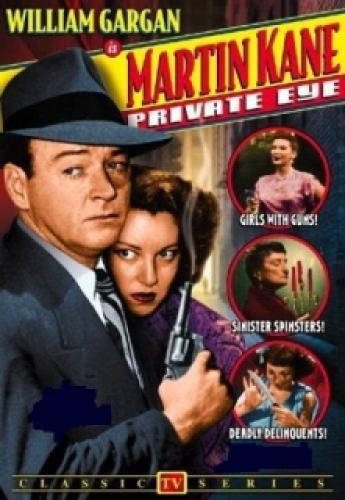
This month we are looking at “It Was the First” in the golden age of television. We start off with the first television crime drama: Martin Kane, Private Eye.
Martin Kane, like so many other early television shows, started life as a radio show. Sponsored by the United States Tobacco Company, it was on the radio from 1949-1952 and aired on television from 1949-1954, resulting in 75 episodes.
The show was directed and produced by Frank Burns. A variety of writers provided scripts, but Alvin Boretz and Donald Sanford wrote the most. Boretz would go on to write scripts for many shows during the sixties, seventies, and eighties. Sanford was also a prolific writer during those decades; he is best known for writing all 194 episodes of The Plainclothesman which aired the same years as Kane, 1949-1954.
Considering it was only on for five years, four different actors played the title role: William Gargan, Lloyd Nolan, Lee Tracy, and Mark Stevens. Gargan played the role till 1951 when Nolan took over. Nolan would have a long, acting career, best known for his starring role on Julia as Dr. Chegley. Tracy accepted the role in 1953 and Stevens became the star for the last year. After this show ended, Stevens went right into another crime series, Big Town which was written from the perspective of the press. He would make appearances in movies and television through the late eighties.
Martin Kane works in New York. Originally, Kane was a sweet-talking detective who called women “doll face.” Depending on which actor was playing the detective, his personality could be smooth and suave or gruff and aggressive. Kane seemed to become tougher as the series continued. Sometimes he received full cooperation from the police; other seasons, they were more difficult to work with.
Rounding out the cast were Frank M. Thomas playing Captain Burke, King Calder was Lieutenant Gray, Nicholas Saunders portrayed Sergeant Ross, Loring Smith was Captain Evans, and Sergeant Strong was played by Michael Garrett.
The early years of television had their share of mishaps. Watching these early shows you can see botched cues, falling scenery, missed lines, and other bloopers.
It was immensely popular both on the radio and television; in its second season, it was 12th in the ratings and would go on to the top ten.
The United States Tobacco Company also sponsored the television version. Martin Kane could be seen entering his favorite tobacco shop in the middle of the show where he discussed his pipe and cigarette tobacco with store owner Happy McMann played by Walter Kinsella. The sponsor’s products were prominently on display in the shop and Kane paid $.15 a pouch for his tobacco.
Charles Paul provided the music for the show. After this show went off the air, Paul spent the rest of his career composing music for soap operas, contributing to almost 2500 different episodes through the eighties.
NBC aired the show on Thursday nights at 10 ET. It was a half-hour show for the first four seasons, switching to a 60-minute format for the final year.
The show was nominated for Best Mystery, Action, or Adventure Program in 1953, but it was beat out by Dragnet.
A 1950 comic book was based on the show; it was illustrated by Wally Wood, Joe Orlando, and Martin Rosenthal. (Wood became one of Mad’s first cartoonists, and Orlando also worked on Mad and was the VP of DC Comics and his career spanned six decades in the business.)
In his biography, Why Me, William Gargan talks about working on this show:
“Very soon in the game, I realized our stories were nothing to rave about. How much well plotted story line and genuine character development can you accomplish in a half-hour? So, I made the program a showcase for me. After all, that was what we were selling – Martin Kane. I developed a tongue-in-cheek style, a spoof of the hard-boiled detective, a way of silently saying, Don’t blame me for the lousy stories, I didn’t write them. And anyway, what’s the difference?
It was nothing staggering, my decision. It only made sense. Bogart’s movie version of Sam Spade applied the same ground rules. We gave the audience a good time, and if all the threads were not tightly tied in a half-hour, we swept them under the bed. Have fun. And the show, for whatever reason, took hold. . . . The show had charm, and its charm held together the lunacy, the feeble character development, the limited camera work.
It also had a producer I could not abide. . . . He used the show for a flesh parade. The result was we had pretty, empty-headed girls on the show. blowing lines all over the lot.
The show began to slide downhill. In desperation, I began to mug a little more, to cover up the new holes, and the script writers began to write more blatantly. You get into a terrible rut this way. Everybody works harder to undo the damage, and the result is more screeching, more overacting, overwriting, which starts to drive the viewers away and to get them back you come up with more and more desperate gimmickery.”
A new show was created in 1957 with Kane working in London, starring Gargan, but it never was popular and was cancelled after a year.
parkcircus.com Gargan with Brian Reece and unnamed actress
The show might not have been the best crime detective show ever written, but it was popular, nominated for an Emmy by its peers, and set the tone for future dramas.
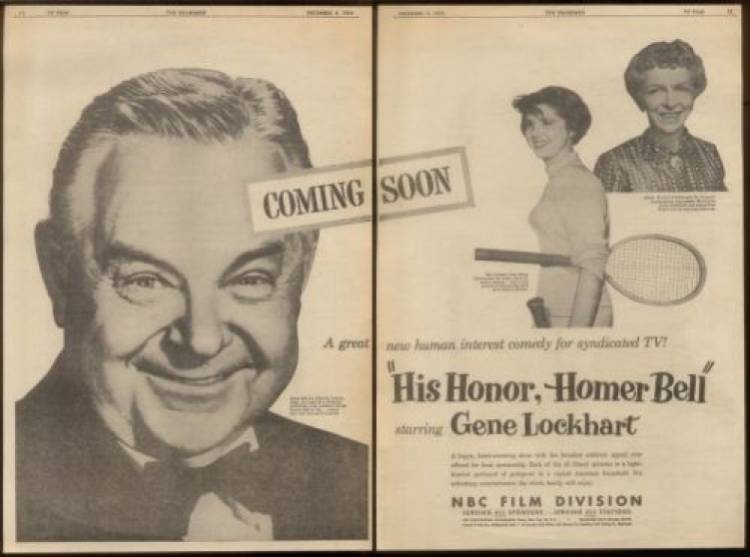
As we continue our “Don’t Judge Me” series, we check out a show full of mystery: His Honor, Homer Bell.
Photo: sitcomsonline.com
This show seemed to be unsure what genre it wanted to be. Was it a drama? A comedy? A western? Some shows were written by Si Rose who wrote for Bachelor Father and McHale’s Navy, but other writers included Michael Cramroy, a Dragnet writer and Jerome Coopersmith who wrote for Hawaii Five-0.
It also didn’t have a definite home. The show was made to go directly into syndication by NBC Films and taped in Brooklyn. There are different statistics about how many episodes were made of the show. Imdb lists only one episode. Some other sites indicate 38 episodes were made. To the best of my research ability, I believe there were 39 episodes including the pilot. It had a budget of one million dollars and episodes were listed in TV Guide.
Those TV Guide descriptions lead to another mystery. The show talks about being in the West but it must be a more contemporary west. In one episode, Judge Bell tries to acquire tickets for a sold-out football game and in another one he delivers a speech to the town traffic commission.
Photo: sitcomsonline.com
What we do know for sure is that the show debuted in 1955. The show followed the ups and downs of Homer Bell (Gene Lockhart) who was a respected and much-loved justice of the peace living in a small western town of Spring City. Bell was a widower who lived with Casey (Mary Lee Dearing) and their housekeeper Maude (Jane Moultrie).
Adding to the mystery is whether Casey was his daughter or an orphaned niece he was raising. I found several descriptions listing both cases. However, Casey was a tomboy, and her antics often caused problems for the judge. He was a caring man who went to great lengths to help others. He relied more on good old common sense than legal technicalities to make his decisions. The show was produced by Hy Brown and directed by Derwin Abbe.
Photo: sitcomsonline.com
Gene Lockhart, father of actress June Lockhart, transitioned from the big screen to the small screen for this series.
He was born in Ontario, Canada in 1891. His father was musical, and when a band he played with went overseas on tour, he took his family along with him. During most of that time, Gene went to school in London. When the family returned to Canada, Gene’s mother encouraged him to try out for a Broadway play. He moved to New York and received his first offer in 1917 as part of the cast in “The Riviera Girl.” He also began to write for the stage. One of his projects, “The Pierrot Players” toured Canada.
In 1924, Gene married Kathleen Arthur, an English actress and musician. Gene stayed busy. He continued to appear on the stage, he could be heard on radio, he became a writer for theatrical magazines, and he lectured on drama techniques at the Julliard School of Music.
Photo: imdb.com
In 1933, he was offered the role of Uncle Sid in “Ah, Wilderness.” His great reviews in the play led to a contract with RKO Pictures. While he occasionally returned to Broadway, notably in 1949 as Willy Loman in “Death of a Salesman,” he found his true calling as a Hollywood actor. He appeared in more than 125 films and was nominated for an Oscar for his work in Algiers in 1938. With 146 acting credits, he had about ten appearances on theater shows in the fifties on television.
Lockhart suffered a heart attack in his sleep in 1957.
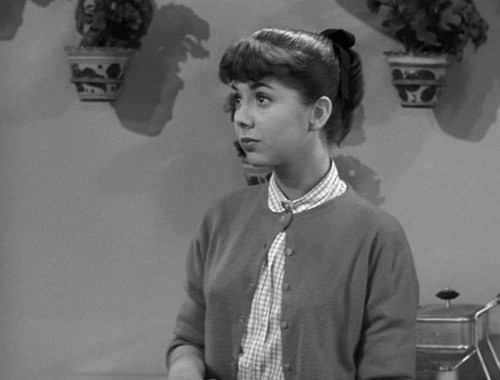
Mary Lee Dearing (another mystery was her last name; most places credit her as “Dearing” but I’ve seen “Dearring” and “Deering”) was born in 1939 in New York City. She only has eight acting credits in addition to Homer Bell. She began her career on several theater dramas in the fifties, was on The Dick Van Dyke Show, The Danny Thomas Show, and The Brian Keith Show. I could find very little about her; most of her fame stems from appearing on the episode of Dick Van Dyke as a babysitter when Rob talks Laura into going to a party, leaving a sick Richie with the sitter.
Photo: sitcomsonline.com Mary Lee Dearing as Janie on The Dick Van Dyke Show
Very little is known about Mary Moultrie as well. She was born in 1903 in Los Angeles. Her only other acting credits occurred in the fifties in several theater drama shows and on Mister Peepers and The Goldbergs.
By this time, you might be asking yourself—If there is more unknown than known about this show, why even write about it? We are losing so much information about the classic age of television. My philosophy is that if we keep the shows in the conversation, they won’t become totally lost. If anyone has any of the answers to the many questions about this show, I would love to hear from you. Besides, what television fan doesn’t love a mystery?
Note: In January of 2021, I received this information in an email from Diane Dearring and wanted to share it with you for an update on Mary:
I found the info on your site about Mary Lee Dearring (https://thewritelife61.com/tag/mary-lee-dearing/). Mary Lee was my dad’s first cousin. You mentioned on your site that you couldn’t find much info about her, so I thought I would share what I have with you. Her maiden name was indeed Dearring. However the spelling was originally Doering. Her ancestors came to the US from Germany in 1853 and settled in Ohio, Her father, my grandfather’s brother, was Ernest “Ernie” Dearring and her mother was Lene (Belisario) Dearring. They owned a dance studio in NYC. I haven’t been able to find out any information on the dance studio, but would dearly love to know more. Mary Lee married Wallace Foster Tracy in 1966. They had no children.
My series, “Just a Couple of Characters” continues with Part 3 today. This month, we learn more about actors we recognize but may not know much about. This week Henry Jones and Olan Soule are on the hot seat.
Henry Jones
Photo: en.wikipedia.org
Born in New Jersey in 1912 and raised in Pennsylvania, his grandfather was a first-generation Prussian immigrant who became a Representative. Henry went to St. Joseph’s College, a Jesuit school. He landed his first Broadway show in 1938, playing Reynaldo and a grave digger in “ Hamlet. ” Like many of the actors in the late 30s and early 40s, Henry joined the Army for World War II. He was a private. During his service, he was cast as a singing soldier, Mr. Brown, in Irving Berlin’s “This is the Army.”
When he came back to the US, he married Yvonne Sarah Bernhardt Buerger in 1942. Sadly she passed away at age 22. This information was supplied by a blog reader, and I appreciate receiving the updated information because several sources refer to his divorce which is not the case. Yvonne’s father was a renowned surgeon. One of his patients had been Sarah Bernhardt which is where Yvonne go her middle name from.
Jones continued his stage roles and began a movie career. He had bit parts in 35 films, including The Bad Seed, Will Success Spoil Rock Hunter?, Vertigo, and Butch Cassidy and the Sundance Kid. He won a Supporting Actor Tony in 1958 for his performance of Louis Howe in “Sunrise at Campobello.”
Photo: fanpix.famousfix.com
In 1948 he
married Judith Johnson. They had two children (one is actress Jocelyn Jones) but
divorced in 1961.
Bridging the
gap of television and film, he starred in seventeen tv movies as well.
Although his movie career kept him somewhat busy, it was nothing compared to his television work. Jones was credited with 205 acting appearances, meaning he had roles in 153 different television series. Jones was able to tackle a wide range of roles, being believable as a judge, a janitor, a murderer, or a minister. Jones had no illusions about becoming a romantic lead. He once said that “casting directors didn’t know what to do with me. I was never tall enough or good looking enough to play juvenile leads.”
Photo: findagrave.com
His first television appearance was in drama series, Hands of Mystery, in 1949. His work in the 1950s was primarily in theater shows about dramas. He also appeared in the George Burns and Gracie Allen Show and Father Knows Best.
Photo: michaelstvtray.com
He continued his drama roles into the 1960s. He also appeared in 3 episodes of The Real McCoys and westerns including Wagon Train, The Big Valley, and Daniel Boone. He showed up on mysteries such as the Man from U.N.C.L.E. and The Name of the Game. He also found work on unique shows including Lost in Space, Route 66, and the Alfred Hitchcock Show. Hitchcock liked his work and used him five times. He also appeared in several comedies, Bewitched and That Girl. He starred in Channing in 1963-64. Jones played Fred Baker, a dean who mentors Professor Joe Howe who teaches English at Channing College while he writes his memoir about the Korean War.
During the 1970s, he continued to work on a variety of genre shows. We see him on westerns, The Virginian, Gunsmoke, and Bonanza. We see him in thrillers like The Mod Squad; McMillan and Wife; Owen Marshall, Counselor at Law; and The Six Million Dollar Man, on which he had a recurring role as Dr. Jeffrey, a scientist who built robots. However, comedies continued to be his mainstay, and he appeared in many of them including Nanny and the Professor, the Mary Tyler Moore Show, The Paul Lynde Show, The Doris Day Show, the Partridge Family, and Barney Miller.
commons.wikimedia.org
In addition to all his guest spots, he was cast in three shows during this decade. In The Girl with Something Extra, he played Owen Metcalf in 1973. The role he was best remembered for was Judge Johnathan Dexter on Phyllis. He was Phyllis’s father-in-law from 1975-1977. As Josh Alden, he appeared on Mrs. Columbo for thirteen episodes.
Photo: totallykate.com
Recurring roles comprised most of his television appearances in the 1980s. He continued to accept guest roles on such shows as Quincy ME, Cagney and Lacey, Magnum PI, Murder She Wrote, The Love Boat, and Mr. Belvedere. He would make regular appearances on Gun Shy, Code Name: Foxfire, Falcon Crest, and I Married Dora.
Jones continued to appear in shows in the 1990s, including Coach and Empty Nest. In 1999, he passed away after suffering from complications from an injury from a fall.
Olan Soule
Photo: pinterest.com
Olan Soule’s timeline
was similar to Jones. He was born in Illinois in 1909, growing up in Iowa, and
he passed away in 1994. While Jones’ grandfather arrived in America, Soule’s ancestors
included three Mayflower passengers. He began his acting career on the radio.
In 1929 he
married Norma Miller. They would be married until her death in 1992 and they
had two children.
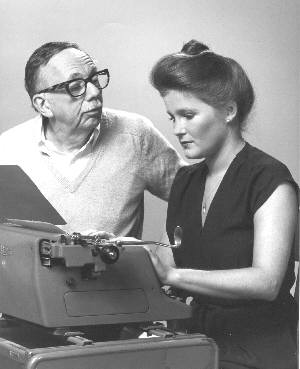
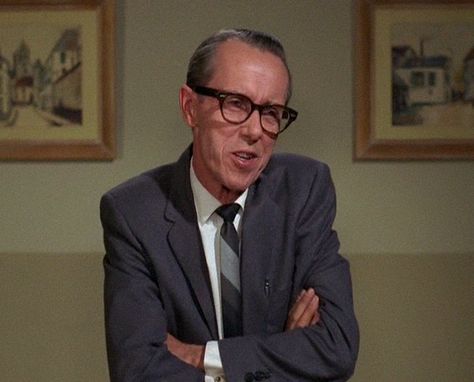
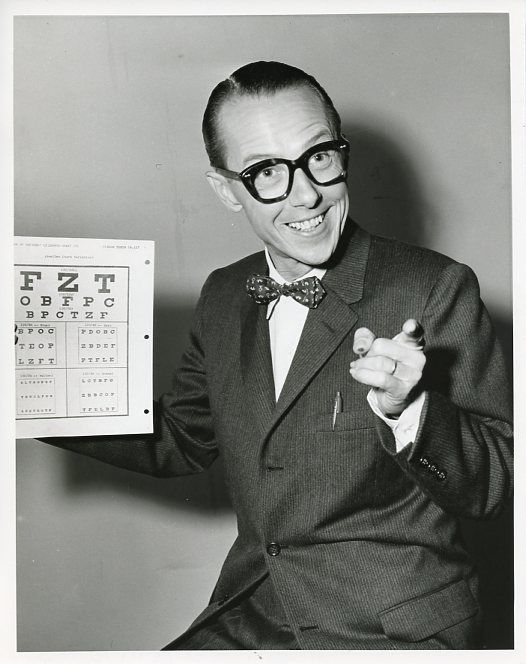
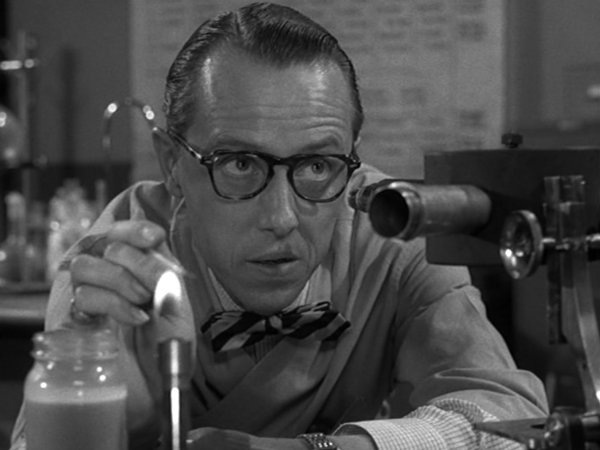
For eleven years, he was part of the cast of the soap, “Bachelor’s Children.” His roles changed when he transitioned to television. On radio, he could play any role, but his 135-pound frame prohibited him from getting many roles he played on radio. He told the Los Angeles Times during an interview that “People can’t get over my skinny build when they meet me in person after hearing me play heroes and lovers on radio.”
Photo: tralfaz.blogspot.com
However, he
certainly was not lacking in roles. Soule is credited with more than 7000 radio
episodes and commercials, 60 films, and 200 television series.
The 1950s found him appearing in many sitcoms, including George Burns and Gracie Allen, I Married Joan, I Love Lucy, December Bride, the Ann Sothern Show, and Dennis the Menace.
Photo: complete-hitchcock.com
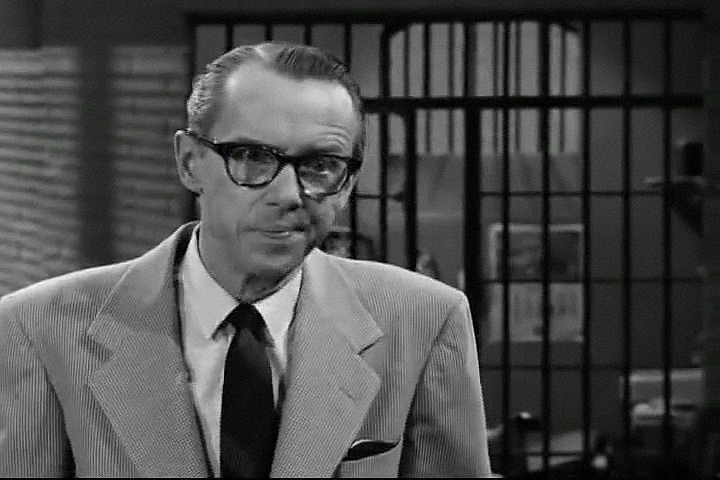
He would appear regularly in Dragnet from 1952-59 and in Captain Midnight from 1954-56.
Photo: riflemanconnors.com
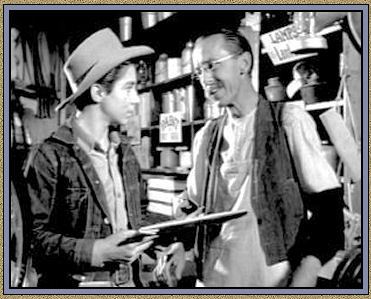
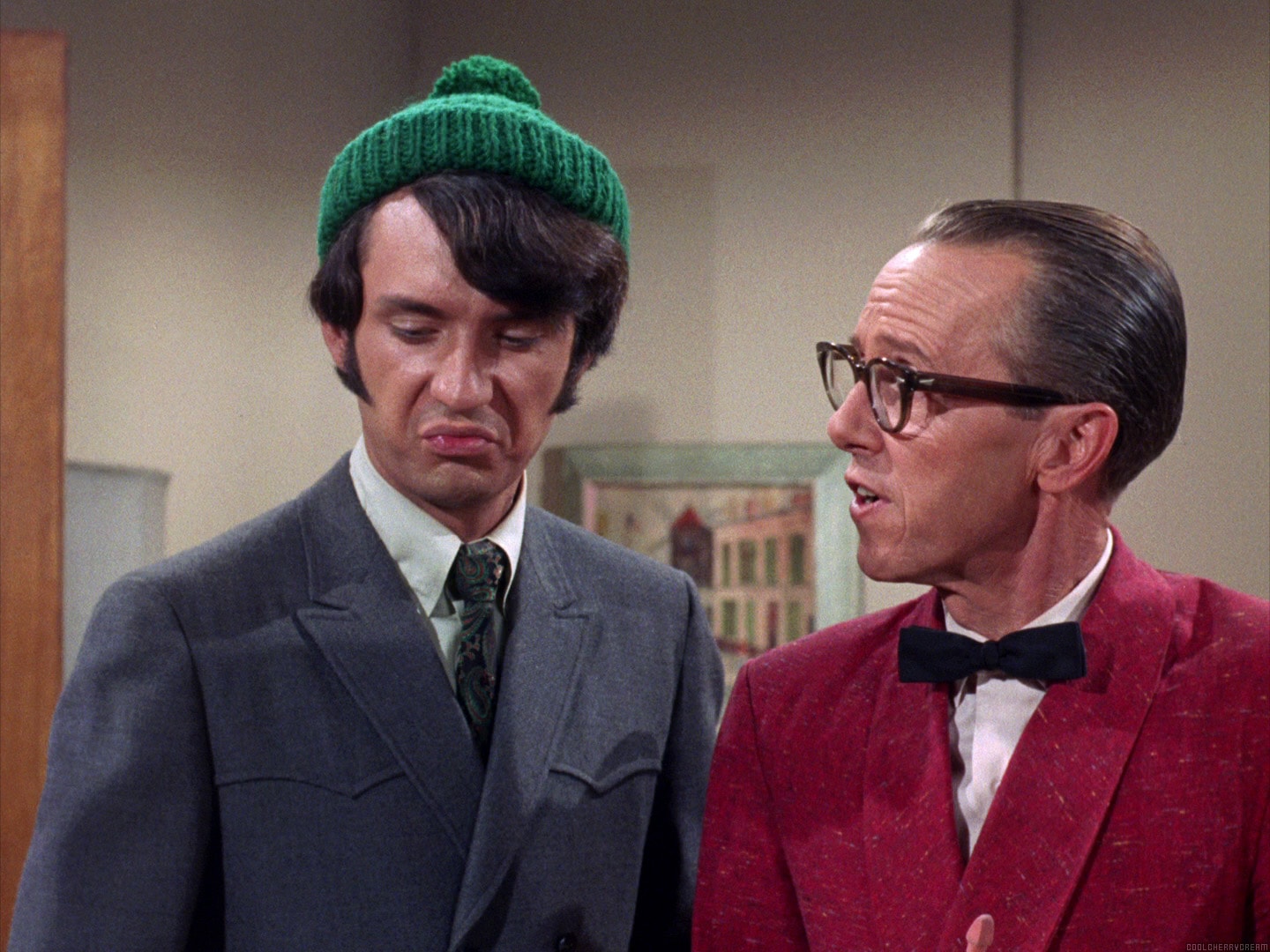
He got even busier in the 1960s, working nonstop. The only show he had a recurring role on was The Andy Griffith Show where he played choir director and hotel clerk John Masters. Other comedies he appeared on included The Jack Benny Show, Pete and Gladys, Bachelor Father, Make Room for Daddy, Mister Ed, My Favorite Martian, The Addams Family, The Monkees, Petticoat Junction, and That Girl. He also took on roles in suspense shows including One Step Beyond, the Alfred Hitchcock Show, and the Twilight Zone. He also specialized in westerns, including Maverick, Stage Coach West, Have Gun Will Travel, The Rifleman, Bonanza, Gunsmoke, and The Big Valley.
Photo: pinterest.com
He started the 1970s continuing to show up on series such as Family Affair, My Three Sons, McMillan and Wife, Cannon, Police Woman, and a recurring role on the comedy Arnie.
Photo: monkees.coolcherrycream.com
In the mid-1970s he began appearing on Battlestar Galactica and Project UFO. Most of his career in the decade was spent providing voiceovers for animated shows, primarily Batman.
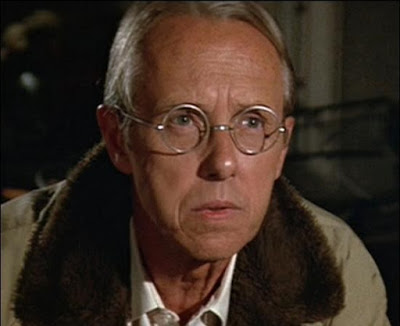
The Towering Inferno
Director: John Guillermin
US Premiere: 10 December 1974
Copyright 1974 Twentieth Century Fox Film Corporation and Warner Bros. Inc.
In 1994,
Soule died from lung cancer at age 84.
Both Soule and Jones were prolific actors who had long and successful careers. Neither one of them were the leading men type of actors, but they could tackle a wide range of roles. Soule once said, “Because of my build and glasses, I’ve mostly played lab technicians, newscasters, and railroad clerks.” Not a bad life for someone who loves acting. If you watch Antenna or Me Tv, chances are you will see these two characters pop up quite often.
















 thewritelife61