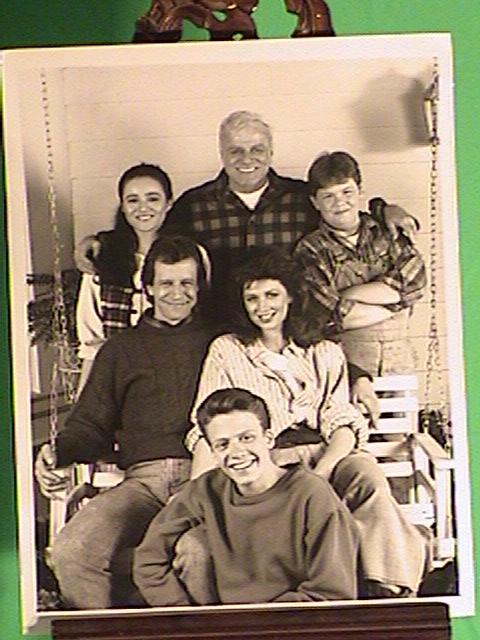
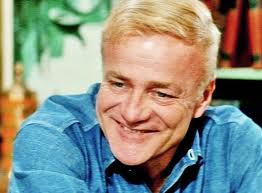
Good Morning World: Tune In

As we are in the middle of our What in the World? blog series, today it’s a forgotten sitcom from the sixties: Good Morning World.

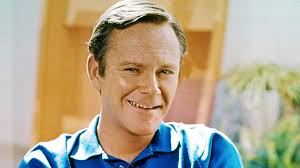
📷wikipedia.com

This series was created by Sam Denoff and Bill Persky, the team behind That Girl. The concept was based on Persky and Denoff’s time as writers for a New York radio station in the fifties.

In fact, William B. Williams, a WNEW DJ was given screen credit because the title was based on his daily greeting, “Hello, World.” William B. Williams was quite a character and an icon in the world of music. He was born in 1923 and after attending the University of Syracuse, he got a job with WAAT in New Jersey. He filled in for a DJ who failed to come to work but then was fired for, believe it or not, wearing red socks to work. He was hired by WNEW in New York City. He became a beloved radio icon. The radio station said at his funeral there was a huge crowd outside which included taxi drivers, sanitation workers, bookies, waitresses, singers, songwriters, politicians, housewives, first responders, and even the Rockettes.

📷radiohalloffame.com William B. Williams

According to the radio station’s website, “William B. Williams respected singers and songwriters, music and musicians, and it showed. He had a permanent, perhaps profound, effect on the lexicon of pop music.

He bestowed the ‘Count’ on Basie and the ‘Duke’ on Ellington. Billie Holiday was ‘Lady Day.’ Ella Fitzgerald was the ‘First Lady of Song.’ Louis Armstrong was ‘Pops.’ Sinatra was ‘Francis Albert,’ the ‘Chairman of the Board.’ Nat ‘King’ Cole was simply ‘Nathaniel.’”

The show was produced by Sheldon Leonard and Carl Reiner. Looking at that alone and you would expect it to be a hit.

The premise was two radio disc jockeys who have a morning show, “Lewis and Clarke,” in Los Angeles. Dave Lewis is happily married, and Larry is a lady’s man and party boy.

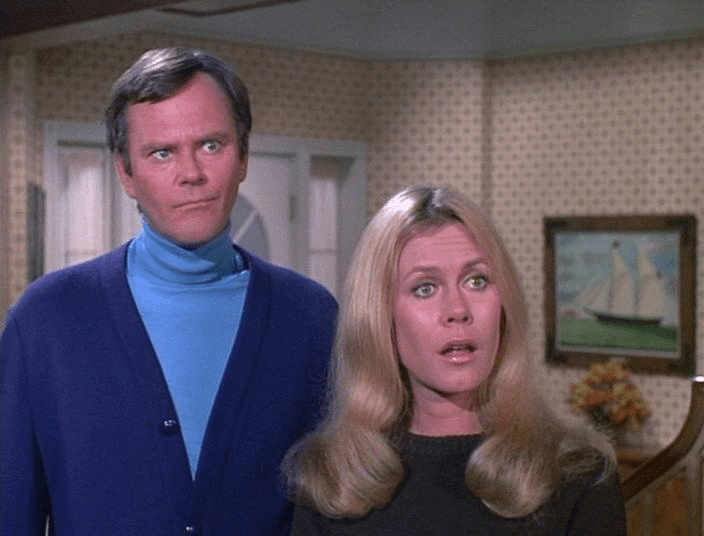
They had some problems casting this show. Roddy McDowell and Sharon Farrell were cast as the married couple. Then Ron Rifkin replaced McDowell. Then they were both let go and David Lewis was played by Joby Baker, his wife Linda was played by Julie Parrish, and Ronnie Schell was cast as Larry Clarke.

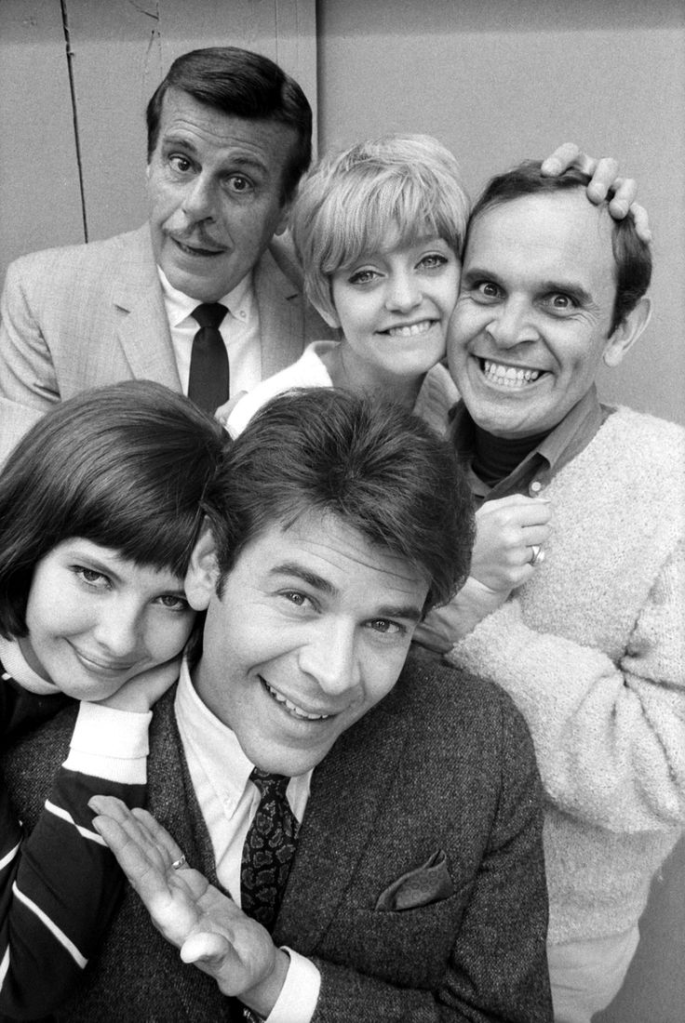
📷pinterest

Billy de Wolfe and Goldie Hawn were fun additions to the cast. De Wolfe played Roland Hutton, the stuffy station manager. Hawn was Linda’s best friend Sandy Kramer.

The series debuted on CBS in 1967. It was on Tuesday nights, sponsored by Procter and Gamble. It was competing with N.Y.P.D., a police crime show and Tuesday Night at the Movies which began half an hour before Good Morning World.

Given that the talent behind The Dick Van Dyke Show was contributing to this show as well, it’s not surprising that it seems to be a mixture of The Dick Van Dyke Show and the later Mary Tyler Moore Show. Like Dick Van Dyke, the show features the DJs’ home and work life; like Mary Tyler Moore, you have a Lou Grant-type manager, and we learn about life at a radio station.

The theme music was by David Grusin. The opening was a different look for a sitcom. It’s a bouncy theme that begins with an alarm clock ticking, the guys quickly getting ready, morning traffic, life in LA, and the two DJs barely getting into their chairs before the show started.

The show was not awful in ratings, but the network had two concerns. They still were not sure Baker and Parrish were the right actors to play the married couple, and Parrish had some health concerns that affected the show. They were also concerned that the show did not pull in more of the viewers who were watching The Red Skelton Show which was on before Good Morning World. I don’t think that is surprising. I’m guessing people who enjoyed watching Red Skelton would not love this show as much and vice versa. Full disclosure, I am not a Red Skelton fan. I didn’t find his humor funny, and I have read too many stories shared by actors and writers who experienced his ego and lack of respect dealing with coworkers.

📷imdb.com

The network made the decision not to renew the show for a second season. Schell, who had been playing a private on Gomer Pyle: USMC, another Leonard/Reiner show, returned to military life with a promotion to corporal.

Goldie Hawn was free to accept an offer to appear on Martin and Rowan’s Laugh In which was a turning point for her career. De Wolfe became part of the cast of his close friend Doris Day’s show.

Baker never starred in another show, but he was a busy character actor. Parrish was later cast in Return to Peyton Place and also stayed busy in television; she later had a recurring role on Beverly Hills 90210.

This would be an easy series to binge watch with 26 episodes available. S’more Entertainment released the series on DVD in 2006 and its’ on Roku, so viewers can check it out for free.

We Still Love Lucy

We have been learning a lot about Lucille Ball this month. We delved into I Love Lucy and why it was so important to American culture. We got to know Lucy as a person. And we discussed Jess Oppenheimer and the influence he had on her. Today we are finishing up the month by checking out three shows she starred in after I Love Lucy went off the air: they all debuted in the sixties.

The first show, the Lucy-Desi Comedy Hour, was an extension of I Love Lucy. It spun out thirteen one-hour specials that aired between 1957 and 1960. Five of them debuted during the 1957-58 season of I Love Lucy. The other eight were shown on the Westinghouse Desilu Playhouse and they featured the same cast as I Love Lucy.

Desi tried to talk the network into doing these specials the first year just to keep some freshness in the series, but he was denied the chance. By the last season, they agreed it might work.

During the final season of the series, both the Mertzes and the Ricardos move to the Connecticut suburbs. Apparently, the two couples were running an egg farm to make their living and Fred was Ricky’s manager.

Despite their move out of the City, many of these episodes feature Lucy’s meetings with famous guest stars. For example, in “Lucy Takes a Cruise to Havana,” Lucy meets Hedda Hopper. Production costs were estimated to be $350,000 but with the guest stars, these costs increased and rather than do ten episodes the first year, Arnaz was forced to spread them out over three years.

Ratings were good in the beginning but with the news of Lucy and Desi’s marriage in trouble, both this series and I Love Lucy started to lose viewership. By the time the last episode was filmed, the couple could not even talk without a fight erupting and they communicated by messages. The day after filming, Ball filed for divorce.

The theme song of the series was used with a bit of updating. That symbolizes all ten episodes. It was the same series, but it wasn’t. Had this type of programming happened throughout the original series it might have been more popular but coming on the heels of the ending of the show and the fans being aware that “Ethel and Fred” could barely tolerate each other in real life and then learning “Lucy and Ricky” were ready for divorce took a lot of the fun out of watching the show.
From 1962-68, Lucy attempted another sitcom. While Vivian Vance was no longer Ethel, she was a co-star for the first three seasons of the show. Gale Gordon who had been Lucy’s first choice for Fred Mertz in the early fifties was no longer under contract in 1962 and appeared in this series beginning in season two.

While Arnaz and Ball had divorced two years before this series debuted, they were still in business together. Their company, Desilu Productions, was struggling with the end of I Love Lucy. In 1961 four of their shows were canceled. By spring of 1962, only The Untouchables was still on the air.

Desi approached Lucy about returning to a weekly sitcom. She agreed if it could take the time slot on Mondays that I Love Lucy had, and if Vivian Vance was part of the cast, and the I Love Lucy writers were brought back. The new show, The Lucy Show, debuted Monday, October 1, 1962.

Lucy Carmichael lives with her two kids (Candy Moore and Jimmy Garrett) and Vivian Bagley (Vivian Vance), a divorced friend, and her son (Ralph Hart). Vivian was the first woman to be divorced on television. Her husband had left her a trust fund, so Lucy had to approach the bank often for funding for some of her harebrained projects and purchases. In season two, Gale Gordon took on the role of banker Mr. Mooney. The show had decent ratings and continued in its format until 1965. Lucy moves from New York to Los Angeles when her daughter goes to college in California. Vivian remarries and stays in New York. Lucy meets a new best friend, Mary Jane Lewis (Mary Jane Croft). When Lucy learns that Mr. Mooney is being transferred to the LA bank, their relationship continues, and eventually she works for him.

At the end of the second season, a dispute occurred between Lucy and the writers over a script Ball felt was not up to their standard, and the writers left. In 1964 Desi had resigned as head of Desilu, so Ball took over as president. Most specials, sports shows, and cartoons on CBS were now in color, but they refused to broadcast most of their series in color. Ann Sothern began appearing on the show as a countess to fill in the gaps of Vance being absent.

For the 1966 season, the show dropped all references to Lucy’s children, her trust fund and her life in New York. I don’t know why shows think viewers will just go along with these strange format revamps. Doris Day did the same on her show when her former life and children just disappeared one day and were never mentioned again. Because the show was set in California, a lot of guest stars were featured on the show, many of them bank customers.

During the last season of the show, Gary Morton, Ball’s second husband, was named executive producer of the show. He actually seemed to do well in this role. For this year, Ball was nominated and won an Emmy for the star of the show, the show was nominated for Emmys for best comedy show (but lost to Get Smart) and for the writing and for Gale Gordon as supporting comedy actor (who lost to Werner Klemperer of Hogan’s Heroes). The show was #2 in the ratings.

Surprisingly, this is when Lucy decided to end the show and put it into syndication. Even odder is the fact that she began a new show with a similar plotline that same year. Lucy and her real-life kids, Lucie and Desi Jr. joined the cast which included Croft, and Gordon with Vance making appearances during the run of the show. This show, like the other two, was on the air for six seasons.

Ball as Lucy Hinkley Carter is living in LA, a widow with two children Kim and Craig, played by her own two kids. She works for her brother-in-law Harry Carter, played by Gale Gordon but now they are at an unemployment agency. Vance made six guest appearances on the show.

Again in this show, a number of famous guest stars showed up including Ann-Margret, Milton Berle, Carol Burnett, George Burns, Liberace, Eva Gabor, Helen Hayes, Dean Martin, Vincent Price, Ginger Rogers, Dinah Shore, Danny Thomas, Lawrence Welk, and Flip Wilson.

In 1973 the show fell out of the top ten, the first Lucille Ball show to ever do so. Lucy did a sixth season and then ended the show.

Lucille Ball deserved a break after this show ended. She had been on the air for 23 years. Little Ricky, or little Desi, had been born early in I Love Lucy history and now he was off on his own acting career. After 1974 when this show went off the air until her death in 1989, most of her projects were connected with I Love Lucy, although she was listed as executive producer for several shows including Mission Impossible and Mannix.

None of these post-I Love Lucy shows were much different from each other, but it proved that America still wanted to watch Lucy on the air. Television looked very different in 1974 than it did in 1951, and Lucille Ball influenced and inspired much of that change. I wonder if Lucy would be surprised to learn that fifty years after her final show ended its production, she is just as popular as ever and Lucy merchandise is unending. It says a lot about just how true it was that everyone loves Lucy.

The Elegance of What’s My Line

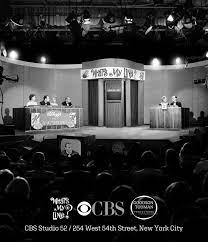
This month, we are looking at popular fifties stars and shows. While the show we are talking about today outlasted the fifties by almost another decade, it gained its popularity during the 1950s. Today we are learning about What’s My Line.

📷wikipedia.com

This panel game show was on CBS. It debuted in 1950 and ran until 1967. The show was produced by Mark Goodson and Bill Todman, and the working title was Occupation Unknown. Perhaps the title should have been What’s My Schedule. The show began on Thursday nights as a live show. Later in season one, it switched to every other Wednesday and then moved to every other Thursday. In October of 1950, it landed on Sunday nights where it would remain throughout the rest of its life.

The original series, which was usually broadcast live, debuted on Thursday, February 2, 1950, at 8:00 p.m. ET. After airing alternate Wednesdays, then alternate Thursdays, finally on October 1, 1950, it had settled into its weekly Sunday 10:30 p.m. ET slot where it would remain until the end of its network run on September 3, 1967.

📷imdb.com

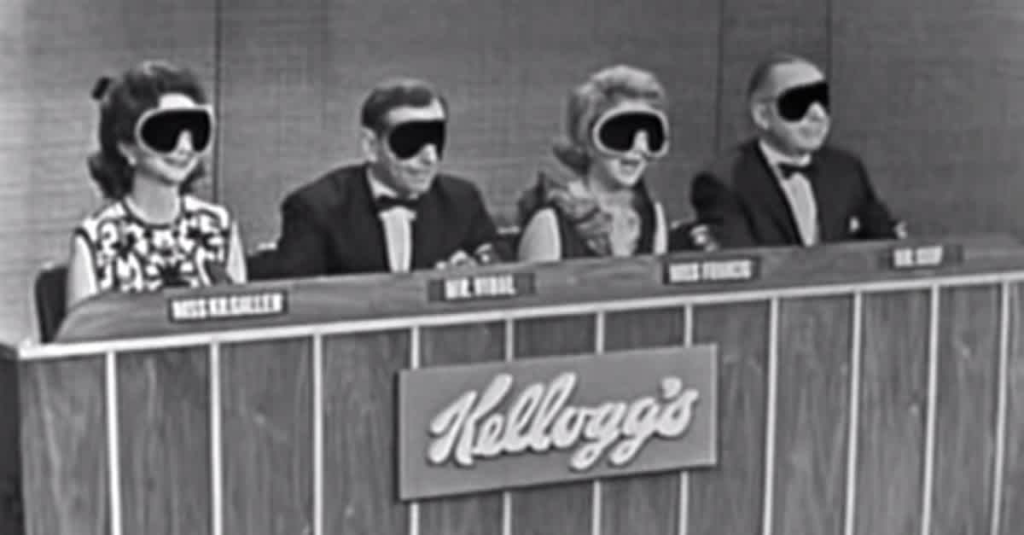
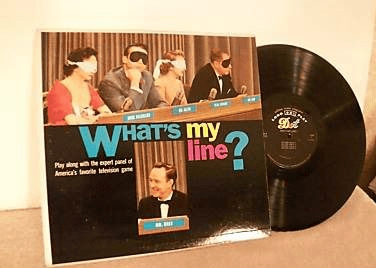
Celebrity panelists ask contestants questions to figure out their occupation. While most of the contestants were not famous, there was a “mystery guest” segment. The panelists were blindfolded for this segment and asked questions to determine the celebrity. People enjoyed watching the panelists banter with each other and the sophisticated humor they shared with us.

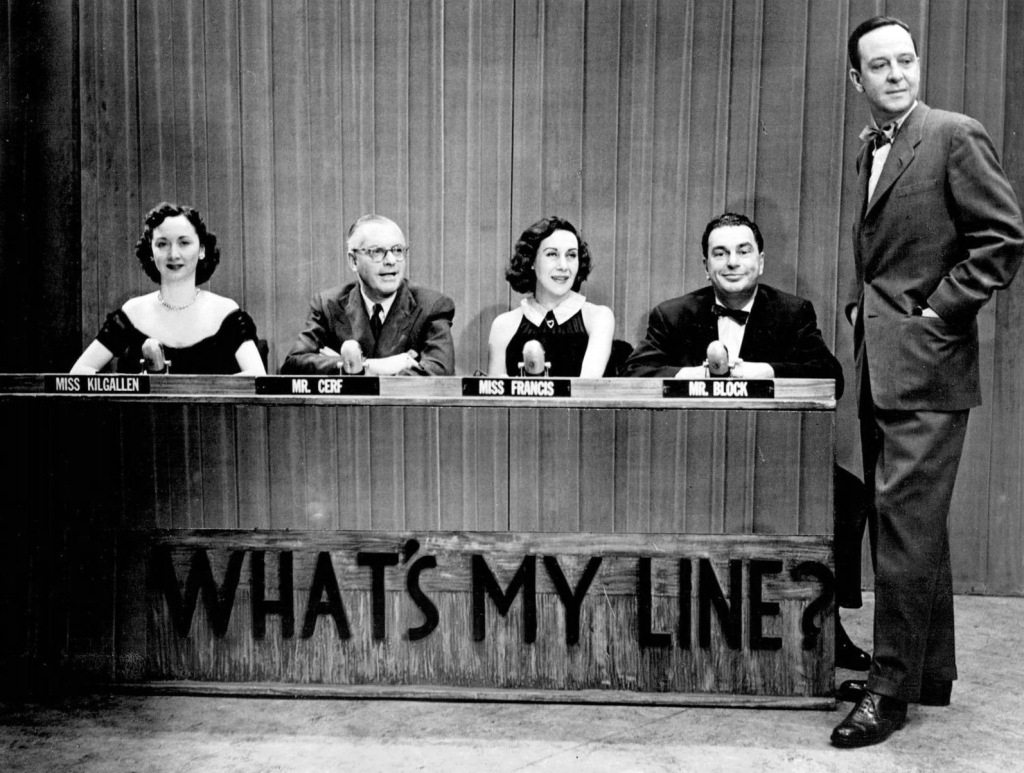
Each episode had four panelists. The most famous panelists were Dorothy Kilgallen, Arlene Francis, and Bennett Cerf. John Daly was the moderator. The first show in the series featured New Jersey governor Harold Hoffman, Kilgallen, poet Louis Untermeyer, and psychiatrist Richard Hoffman. Later in season one, Arlene Francis came  on board with Kilgallen, Untermeyer and writer Hal Block. In season two, Cerf replaced Untermeyer and Steve Allen took over for Block in season three. When Steve Allen left to host The Tonight Show, comedian Fred Allen was part of the panel from 1954 until his death in 1956. Kilgallen was killed in 1965 and her replacement varied for two years. Her death is a mystery itself and well worth reading about. Many people think she was killed because of her investigation into JF Kennedy’s assassination.

📷facebook.com

The panelists started the series wearing business clothing, but by 1953 they shifted to formal attire with the men showing up in suits and ties and women in formal gowns and gloves. Unfortunately, we never got to see the beautiful colors of these clothes. Until 1966 everything was filmed in black and white. In the final season, the show was broadcast in color, but the kinescopes were saved in black and white.

Both critics and television viewers liked the show, and it won an Emmy for Best Quiz or Audience Participation Show in 1952, 1953, and 1958.

Because it was a game show, most of the 700 episodes were on kinescope, 16 mm filming. Because many original shows in that era were recorded via kinescope onto silver nitrate film, many networks destroyed recordings to recover the silver. After learning that the network was not keeping the recordings, Goodson and Todman offered to pay for the broadcast and retained the recordings from season three on, however many of those were also lost along the way. A variety of the episodes are stored at different archive centers around the country. My home state houses one from 1951 at the University of Wisconsin Center for Film and Theater Research in Madison.

📷facebook.com

The remaining kinescopes which have been digitized have been seen on television on the Game Show Network and 757 of them exist on YouTube.

Many of us remember the reruns and seeing the contestant come on stage and write their name on a chalkboard as Daily said “Will you enter and sign in please.” The very first contestant was Pat Finch who was a hat check girl at the Stork Club.

The first mystery guest was New York Yankees shortstop Phil Ruzzuto. Many of these guests used fake voices to answer questions. Some of the mystery guests who appeared on the show included Julie Andrews, Louis Armstrong, Lucille Ball, Jack Benny, James Cagney, Gary Cooper, Joan Crawford, Salvador Dali, Sammy Davis Jr., Doris Day, Aretha Franklin, Ava Gardner, Judy Garland, Jackie Gleason, Alfred Hitchcock, Bob Hope, Ginger Rogers, Roy Rogers, Eleanor Roosevelt, James Stewart, Elizabeth Taylor, and John Wayne.

📷littlethings.com Blindfolds come out for a mystery guest

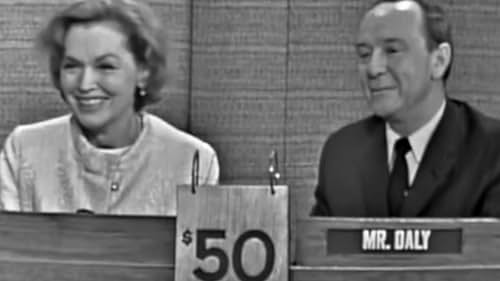
The emcee would choose a panelist who could ask yes or no questions. If the answer was yes, they could continue until they got a no response and then the next panelist would be able to pose questions. If the contestants answered no, Daily flipped a card; when the contestant had ten cards, they won $50.

If you have heard of or even used the term “Is it bigger than a breadbox?,” you might want to know that it came from the show. Steve Allen asked the question in 1953, and it became a standard question after that night. In fact, on one episode, the guest was a breadbox maker, and when Daly could not help laughing at the question, Allen figured it out.

In 1967 The New York Times broke a story that CBS was canceling many of their game shows. None of the panelists had been told that the show was not renewed. Despite the fact that the low costs of the game shows made them profitable, the low ratings led the network to conclude that game shows were no longer suitable for prime-time schedules.

After the show was canceled in 1967, it did go into syndication five days a week. Soupy Sales joined Francis and Cerf on the panel of the reboot. A variety of other panelists took the fourth seat including Joyce Brothers, Jack Cassidy, Bert Convy, Joel Grey, Meredith MacRae, Henry Morgan, Gene Rayburn, and Nipsey Russell. The show ended in 1974. Cerf died during the run of the syndicated series.

It’s hard to believe, but Colonel Harland Sanders was on the show as founder of Kentucky Fried Chicken, although he was not easily recognized at the time, so he was not a mystery guest. While no president ever appeared while in office, Ford, Carter, and Reagan all appeared on the show.

📷youtube.com We switched to a first-name basis in the 70s

It would be fun to see this show on television today, but I’m afraid it would not be the same. In the way that Dick Cavett had a manner of interacting with guests to ask amazing questions with his humor and intelligence, this game show had that same atmosphere. Today, I think the banter would border more on crudeness than wit. There is something charming about a panel of very intelligent people talking with each other, trying to determine the identities of the people they were interviewing while being dressed to the nines that was fun to sit in on and be a part of. I guess that’s why this show is in our series where we are saluting the fifties because that was the era where it could shine.

Vic Tayback: Cooking Up Some Fun

This month we are celebrating some of our favorite Supportive Men, actors who usually are not the star of a show but add the special flavor only they can to some of our favorite shows.

Before we move on to our topic today, can I just say a huge THANK YOU to all of you who have joined me on this journey through classic television. Today is my 400th blog and it has been so much fun. Next week will be 401, but for today we are looking at the career of Vic Tayback.

📷graduation photo

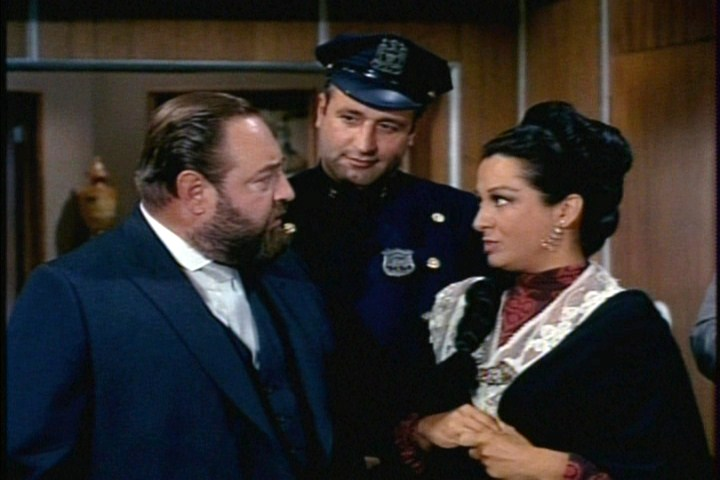
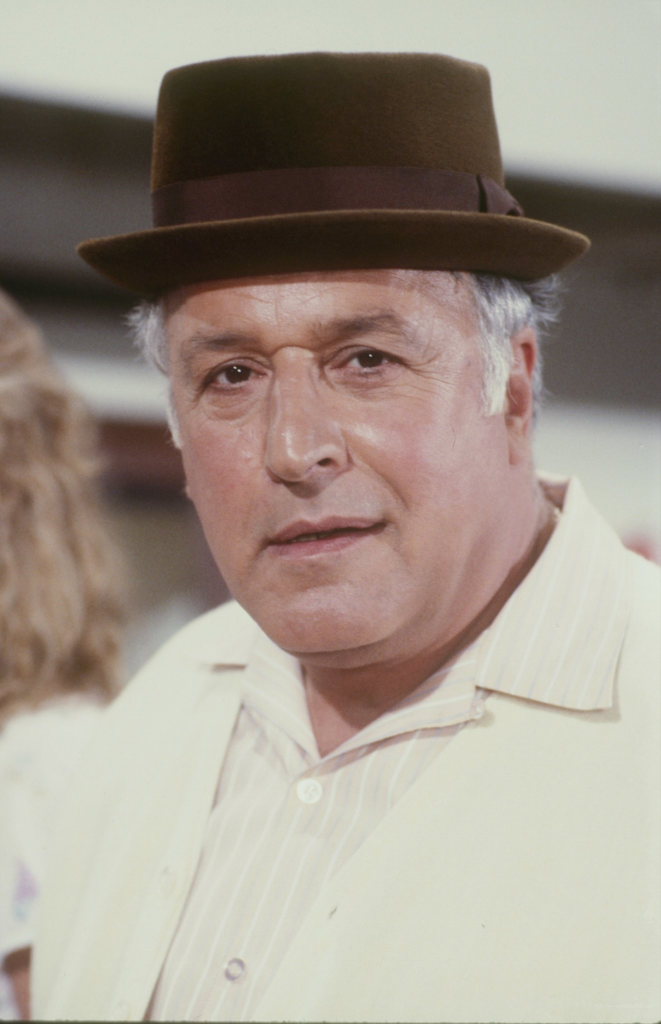
Most of us probably know him best as Mel on Alice; he played Mel Sharples in both the original movie, Alice Doesn’t Live Here Anymore, as well as the television show that was on for nine years.

Tayback was born in Brooklyn in 1930. His parents settled there after leaving Aleppo, Syria. During his teenage years, the family moved to California where he attended Burbank High School. He loved sports and played on a variety of teams, his favorite being football.

After high school, he enrolled at Glendale Community College. He also spent some time with the US Navy.

With his love of sports, he decided to attend the Frederick A. Speare School of Radio and TV Broadcasting to be a sports broadcaster. While there he was required to perform in a production of “Stalag 17” for one of his classes. He wasn’t thrilled about doing so, but he realized that he loved making people laugh and decided to switch his career to acting. While trying to break into the industry, he paid his dues driving a cab and working as a bank teller.

📷embarrassingtreasures.com Family Affair

The first of Tayback’s astounding 151 acting credits occurred in 1958 in a little-remembered series, Buckskin. This western was set in Annie O’Connell’s boarding house in Buckskin, Montana in 1880 and the stories were told by ten-year-old Jody. Vic continued to receive a few other appearances on television in the late fifties, as well as two films.

In the sixties, Tayback’s career took off. He would show up on 32 television episodes and 9 big-screen films, including With Six You Get Eggroll with Doris Day and Brian Keith. His tv roles were in comedies such as F-Troop, I Dream of Jeannie, Family Affair, Get Smart, The Monkees, and That Girl. He also could be seen in a variety of dramas that included 77 Sunset Strip, Dr. Kildare, Rawhide, Cimarron Strip, Star Trek, and Mission Impossible.

📷newyorkdailynews.com The Cheap Detective

The sixties also found Vic in the role of groom. In 1963, Tayback married Sheila Barnard, and they remained married until his death.

During the seventies, his appearances escalated to more than forty television series and ten movies. Some of his television shows included Bonanza, The Mary Tyler Moore Show, Bewitched, Columbo, Mannix, Ironside, Mod Squad, The Partridge Family, All in the Family, Barney Miller, Cannon, Medical Center, Family, and Hawaii Five-0. His movies included a few genres running from Disney’s The Shaggy DA to Papillon (Papillon was the story of a French convict who befriends a fellow criminal in South America in the 1930s, and he plans an escape).

It was during the mid-seventies that he was offered the role of Mel Sharples. In 1974 the movie was released, and the television show aired in 1976. The show was very popular with viewers. Vic said he and Mel were somewhat similar characters. While people still quote Flo on the show with her “Kiss my grits,” Tayback had his own tagline on the show, “Stow it.”

📷imdb.com Alice

If you didn’t see the show, it featured a greasy-spoon diner in Phoenix, Arizona. Alice moves there after the death of her husband with her son Tommy. She becomes a waitress at Mel’s along with sassy Flo and shy, gullible Vera. Despite the bad food, they have a lot of regulars who come in for a meal. If you want to visit the restaurant, the building it was based on is at 1747 NW Grand Ave in Phoenix and was called Pat’s Family Restaurant. (It was also featured in American Graffiti.) It is now called Mel’s Diner. According to Trip Advisor, it is ranked #448 out of 1795 restaurants in Phoenix.

📷imdb.com

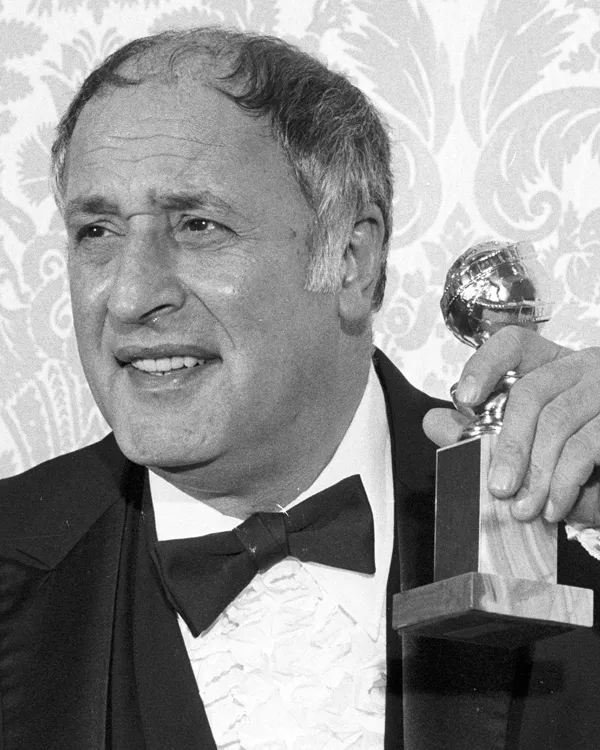
The role of Mel won Tayback Golden Globe awards in both 1979 and 1980. In 1978 he was nominated for an Emmy as Supporting Actor in a Comedy. While he did not win, he was in some amazing company. That year, fellow nominees included Harry Morgan and Gary Burghoff for M*A*S*H, Tom Bosley in Happy Days, and Rob Reiner from All in the Family, who took home the win that year.

The series aired on Saturday nights and the first year was in the top thirty. In 1977, its second season, it was moved to Sunday nights, following All in the Family where it rose into the top ten. In 1979, All in the Family left the airwaves, and Alice then followed One Day at a Time. Seasons three-five, it continued to be in the top thirty. In 1981, the show was moved to Monday nights up against M*A*S*H where it fell out of the top 30. However, season seven found it back on Sundays following The Jeffersons where it rose back into the top thirty. However, it took another dive in ratings the next year and then was cancelled. I think it probably stayed on the air a year or two beyond when it should have. However, interestingly enough, the year it was cancelled, CBS introduced 15 new shows. I’m not sure most people have ever heard of any of them; they were all gone by 1986 with the exception of The Twilight Zone (reboot) and West 57th, which was a news show aimed at younger audiences.

Vic was also an avid horse-racing fan and owned quite a few thoroughbreds. On Alice, Mel was also a track fan, and sometimes the writers asked Mel for names of horses they could use, and he often gave them names of his horses.

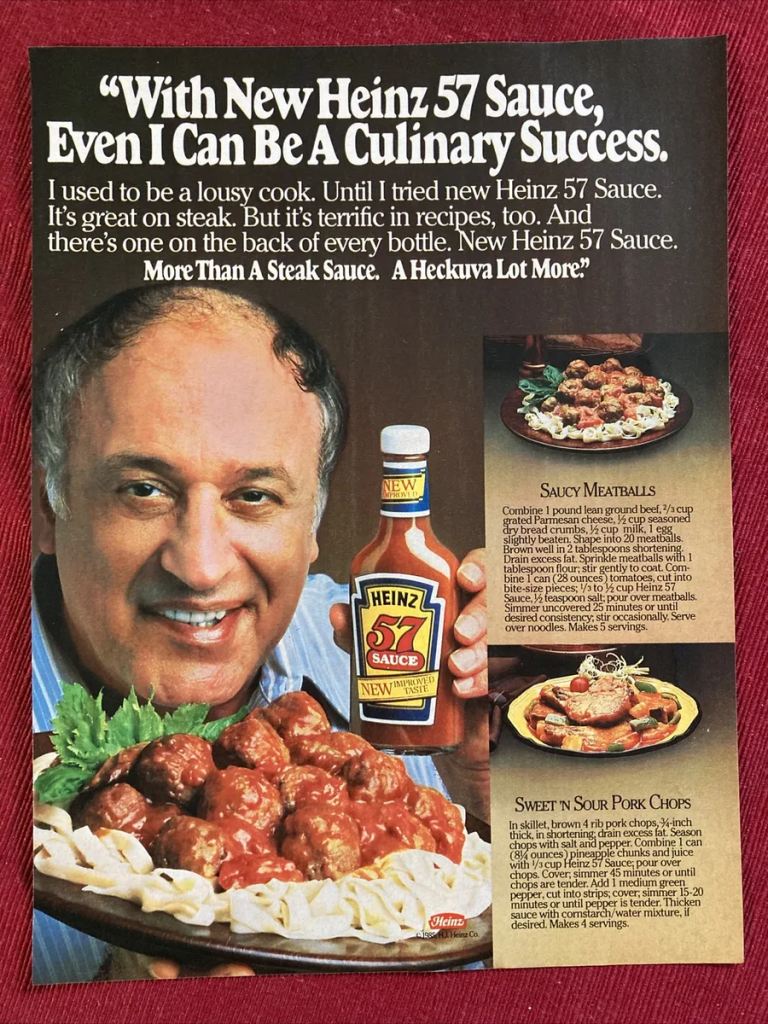
On the show, Vic was often made fun of for his bad cooking. In a 1985 interview he said, “If I walked into a restaurant, the other diners would look around and say, ‘I hope you’re not cooking.’” Heinz then offered him the role of spokesperson for their Heniz 57 sauce and his line in the commercials, was “I used to be a lousy cook.” He was also remembered for an Aqua Velva commercial he did with Pete Rose.

Unfortunately, Tayback was a heavy smoker which caused heart trouble for him. While doing Alice, he had a triple-bypass surgery. While he did try to quit numerous times, he just could never kick the habit. In 1990, he died from a heart attack at age 60.

📷goldenglobes.com

While we were cheated of several decades of performances from Vic with his early death, he did leave an amazing legacy in the Company of Angels theater in Los Angeles. According to its website, “In 1959, a group of actors, including Tayback, Leonard Nimoy, Richard Chamberlin, and Vic Morrow founded the theater to provide a space for actors and other theater artists to work on their craft free of commercial constraints.”

Thank you, Vic Tayback, for deciding to make people laugh in your career and investing in the future of acting so those memories continue in the future.

The Dick Cavett Show: Television’s Classiest Talk Show Host

Dick Cavett made a career of being a talk show host. He began on ABC in March of 1968 and ended on TCM in 2007. In between, he showed up during the day, in prime time, late at night, on PBS, in syndication, and on CNBC. The Dick Cavett Show seems to refer to all the shows as a collected whole, so that’s how I will present it in my blog.

Image result for images of dick cavett
Photo: chicagotribune.com

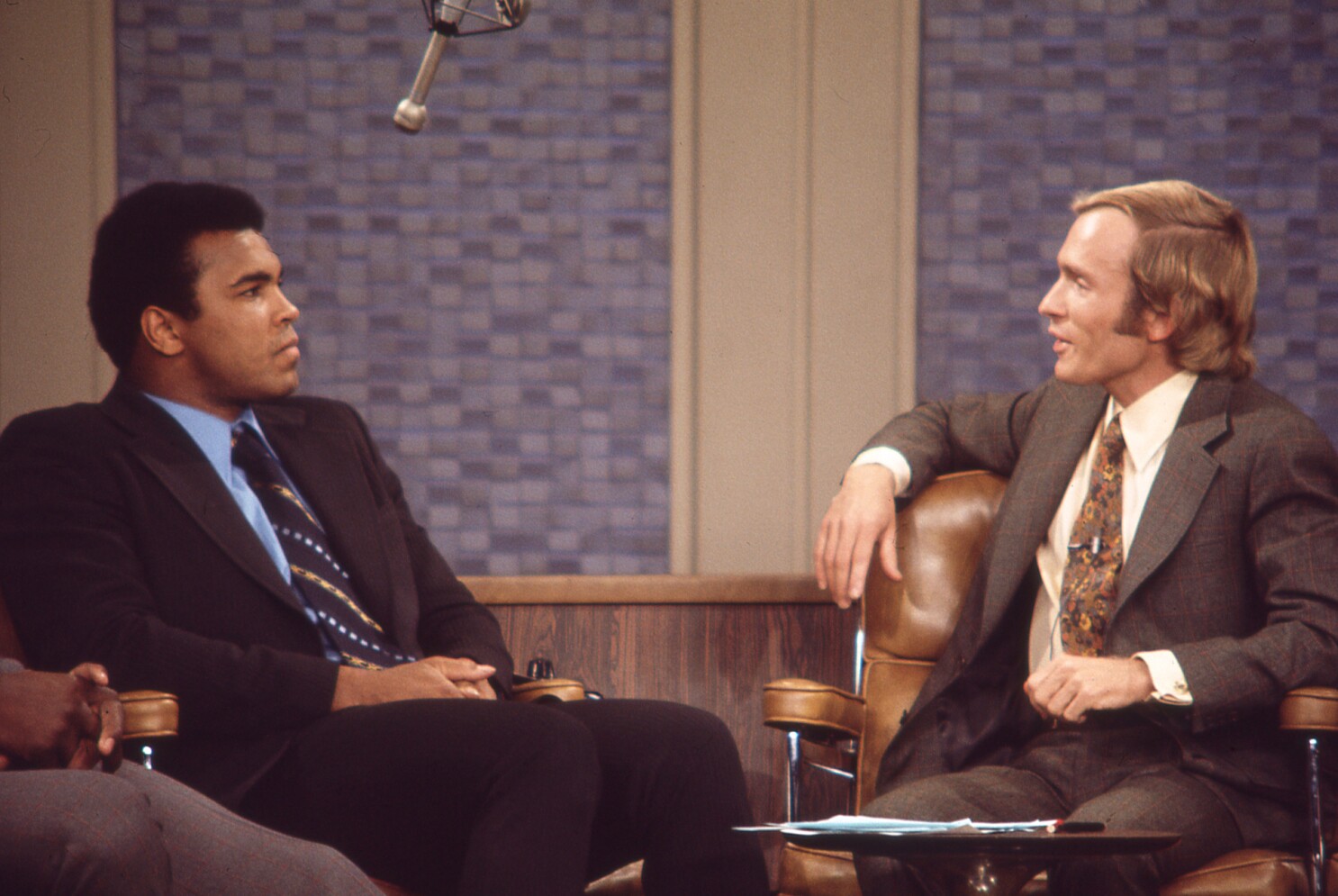
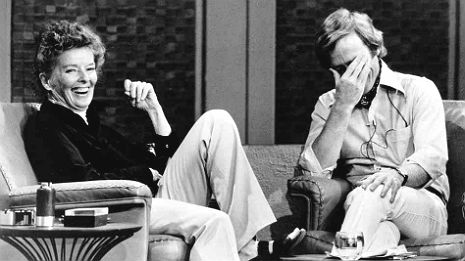
If you have ever seen Cavett in action, he has such a smooth, polite manner that sometimes you forget he may be asking an invasive question. Some of the most memorable shows were conversations with Christine Jorgenson (who walked off the show in 1968); Groucho Marx (1969); Jimi Hendrix (1969); The Woodstock Show (1969); Eric Clapton (1970); Alfred Lunt, Lynn Fontanne and Noel Coward (1970); Orson Welles (1970); Salvador Dali (1971); John Kerry debating on Vietnam (1971); Watergate and Beyond (1974); Angela Davis (1972); Jackie Robinson (1972); Marlon Brando (1973); Katharine Hepburn (1973); Carol Burnett (1974); and  Mohammad Ali (several shows). As you can see, in addition to entertainers, Cavett interviewed influential authors, politicians, athletes, and newsmakers.

Image result for images of dick cavett
Talking to the Great One: Ali Photo: latimes.com

Cavett often had several guests on each show, but sometimes he devoted the entire night to one person such as Laurence Olivier, Judy Garland, Bette Davis, Janis Joplin, Alfred Hitchcock, Fred Astaire, Gloria Swanson, Lucille Ball, Bob Hope, and David Bowie.

Politics were often covered by Cavett, and over the years, he interviewed many including political guests including Carl Bernstein and Bob Woodward, Walter Cronkite, John Ehrlichman, John Dean, Gerald Ford, Barry Goldwater, Henry Kissinger, and G. Gordon Liddy.

In various interviews of his own, Cavett mentioned different shows that were memorable or brought in a lot of mail. Early in the show’s history, Cavett was interviewing Peter Falk, Ben Gazzara, and John Cassavetes about a movie they were in. Cassavetes was so drunk and incoherent, Cavett walked off the stage.

Image result for images of dick cavett
Laughing with Katharine Hepburn Photo: dangerousminds.com

Georgia governor Lester Maddox appeared in a panel with Truman Capote and Jim Brown about segregation. Cavett made a reference to “bigots” who supported Maddox. When Maddox demanded an apology, Cavett apologized to Georgians who supported him without being a bigot. Maddox left the studio. However, later Maddox relented and made another appearance, and Cavett walked off the set as a joke.

One memorable episode was something no host wants to encounter. Publisher J. I. Rodale was on the show. Cavett was talking to another guest when Rodale seemed to be snoring, but everyone soon realized something was wrong. He actually died there on the set. The audience didn’t even realize it until Cavett called for a doctor. The program was taped but not aired.

Director Ingmar Bergman did few television interviews and no US interviews, but he made an exception for Dick Cavett.

Image result for images of dick cavett
With David Bowie Photo: nostalgiacentral.com

So, what types of things might you have learned from Cavett’s show? Well, Hitchcock explained how some of his most ingenious special effects worked.  Gale Sayers talked about the movie Brian’s Song (maybe he could have given me a hint how not to cry every single time I see the movie.).  BB King revealed what his name stands for. Jack Benny demonstrated how to play the violin. Melba Moore told what it was like to open at the Apollo Theater. James Garner explained how he accidentally broke co-star Doris Day’s ribs, and Jacques Cousteau discussed the mystery of manatees.

And finally, I had to find out who was Cavett’s favorite interview, and who were the ones that got away? The two he never got to interview but always wished he had was an easier answer to find: Cary Grant and Frank Sinatra.

Image result for images of dick cavett and groucho marx
Photo: WBUR

It was a lot harder to answer the first question.  If you read the other three blogs in this series, you know the other talk show hosts (Mike Douglas, Phil Donahue, and Tom Snyder) began careers in Ohio. I was hoping to find an Ohio link for Dick, and that’s when I found the answer to my question of his favorite interviewee.  Cavett landed in Cleveland at the end of his career, which seems fitting since he is ending this series.

He was talking about an upcoming show at The Nightclub in Cleveland and mentioned Jack Paar was his mentor. (Cavett wrote for The Tonight Show when Paar hosted it, and Paar began his career in Canton, Ohio; I know it’s one coincidence after another.) Jack told him he didn’t need humor, singing, or anything except a desire to have a conversation. Then Cavett said, “I watch clips from the shows when I’m invited to give a talk and they show them, and I’m always surprised by the number of little delightful moments I’ve forgotten. I watched a moment the other night when Groucho was on the show with [zoologist] Jim Fowler. And Fowler brought a sloth on the stage, and Groucho said, ‘That’s the lousiest-looking dog I’ve ever seen.’ I’d forgotten that. That was the same night Groucho proposed marriage to Truman Capote. . . .’I love to do Q&A with the audience, but there’s only one forbidden question, and it doesn’t have anything to do with sex or politics,’ he said. ‘The forbidden question is, Who has been your most interesting guest?’ . . . But then he went on to say that ‘If pushed to the wall, I have to admit that Groucho was the guest who meant the most to me.’ Cavett said that ‘In a letter from Miriam, Groucho’s daughter, she wrote, ‘My father thought the world of you.’ It gets me even now when I say that out loud.’”

Image result for images of dick cavett and groucho marx
The unique Groucho Marx Photo: pinterest.com

In 2005 several box sets were released of some of Cavett’s shows. They are collected by theme of the interviewee such as The Rock Icons, etc. The network Decades, which recently went off the air, broadcast these shows also. Before the network was disbanded, I was able to watch about ten of these episodes, and they were as good as I had hoped for.

I have really enjoyed reviewing these talk show hosts and their guest interviews this month.  It makes me want to invite a bunch of friends over, one at a time, for coffee and conversation.  Just be forewarned, if I invite you over, I may have a list of questions I’ll want to be asking you.

Honoring National West Virginia Day with Don Knotts

As we continue with our National State Day Celebrations, this week finds us in West Virginia. Who else can we pick but Don Knotts?

See the source image
Photo: amazon.com

Born in 1924 in Morgantown, WV, Don Knotts was the youngest of four boys. Don had a rough youth. His parents were farmers and his mother was 40 when he was born. His father suffered from mental illness, and Don’s birth led to a nervous breakdown. His father died when he was 13 and his mother made her living running a boarding house after that. At an early age, Don began performing as a ventriloquist and comedian at church and school functions.

After graduation, Knotts began college but then enlisted in the army, serving during WWII from 1943-1946. He toured the Pacific Islands entertaining the GIs as a comedian. In 1948 he graduated from West Virginia University with a major in education, a member of the honor society.

See the source image
Photo: pinterest.com

Before graduating, Knotts married Kathryn Metz. They would remain married until 1964 when they divorced. After college, the couple moved to New York to pursue a career in the entertainment industry.

See the source image
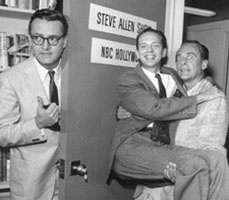
Steve Allen, Knotts, and Louis Nye–Photo: ebay.com

Believe it or not, his first role was in the soap opera Search for Tomorrow, and he would become part of the cast from 1953-1955. In 1956, he got his big break on the Steve Allen Show, playing a nervous man. He stayed with the show until 1959. The Tonight Show relocated to Hollywood with Jack Paar as host in 1959, and Don went with him. However, during his time on the show, he had a role in the play “No Time for Sergeants” and then in the film version with Andy Griffith.

See the source image
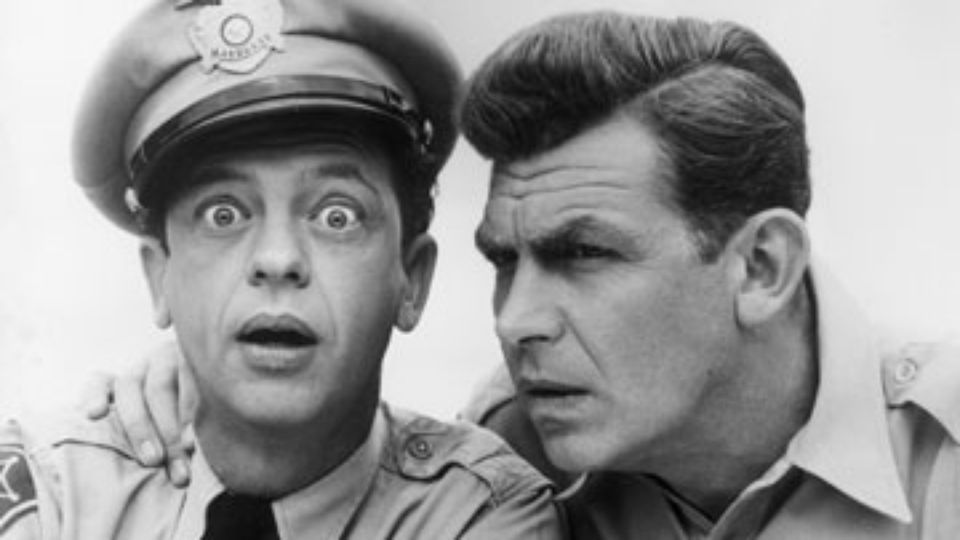
Andy Griffith and Knotts-Photo: tvseriesfinales.com

In 1960 Andy Griffith was putting together his own sitcom, The Andy Griffith Show, and he offered Knotts the role of Barney Fife, deputy. During his time as Barney, Knotts received five Emmy awards (three during his first five years).

See the source image
Photo: bobshideout.com

The Museum of Broadcast Communications sums up Barney’s character perfectly:

“Self-important, romantic, and nearly always wrong, Barney dreamed of the day he could use the one bullet Andy had issued to him, though he did fire his gun on a few occasions. He always fired his pistol accidentally while still in his holster or in the ceiling of the court house, at which point he would sadly hand his pistol to Andy. This is why Barney kept his one very shiny bullet in his shirt pocket. In episode #196, Andy gave Barney more bullets so that he would have a loaded gun to go after a bad guy that Barney unintentionally helped escape. While Barney was forever frustrated that Mayberry was too small for the delusional ideas that he had of himself, viewers got the sense that he couldn’t have survived anywhere else. Don Knotts played the comic and pathetic sides of the character with equal aplomb.”

See the source image
Mayberry Family: Knotts, Ron Howard, Griffith, Frances Bauvier–
Photo: tvtropes.com

Originally, Don was supposed to be the straight man to Andy’s character, but Griffith quickly realized the reverse would make the show more successful. Andy always said he wanted to be done after five years. During that fifth year, Knotts began to search for his next job. He signed a five-film contract with Universal Studios. Then, Andy decided not to quit after season five, but since Knotts was already committed, he left the show in 1965.

See the source image
Knotts with Betty Lynn–Photo: mesquitelocalnews.com

From everything I’ve read, it seems like the cast of TAGS got along very well. Although Frances Bavier seemed to take things more personally than others, the actors seemed to enjoy working together. Betty Lynn who played Barney’s girlfriend Thelma Lou described Knotts as “a very quiet man. Very sweet. Nothing like Barney Fife.” Mark Evanier, a television writer, called him “the most beloved person in all of show business.”

See the source image

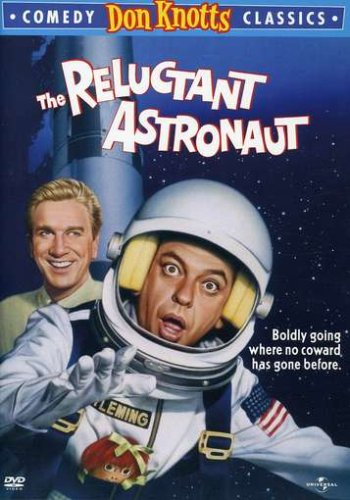
Knotts family-viewable films were very popular including It’s a Mad, Mad, Mad, Mad World; The Incredible Mr. Limpet; The Ghost and Mr. Chicken; The Reluctant Astronaut; The Shakiest Gun in the West; The Love God?; and How to Frame a Figg.

One of my favorite roles of Don’s was as the shoe salesman in the Doris Day-James Garner movie, Move Over Darling.

He also returned to Mayberry for several episodes. (Two of his Emmys came from these guest spots.)

See the source image
Doris Day and Knotts–
Photo: pinterest.com

Knotts also kept busy on other television shows including appearances on The Bill Cosby Show, Here’s Lucy, Fantasy Island, The Love Boat, Newhart, and That Seventies Show.

Also, during these years, Knotts tried marriage again wedding Loralee Czuchna in 1974. The couple called it quits in 1983.

He received his second starring role in 1979 as Mr. Furley on Three’s Company. Knotts replaced Stanley and Helen Roper (Norman Fell and Audra Lindley) who left for their own spin-off show.

See the source image
Suzanne Somers and Knotts–
Photo: history garage.com

He became the new landlord for the trio upstairs. He would stay with the show until it ended in 1984, racking up 115 episodes. I will admit that I did not enjoy the show, and I felt Knott’s performance was over the top and too stereotyped; I felt that way about the other characters also.

Don and Andy remained close friends throughout their lives. When Andy returned to television as Matlock, Knotts also received a role on the show as Les Calhoun, Matlock’s neighbor from 1988-1992.

See the source image
Knotts and Griffith in later years–
Photo: sitcomsonline.com

Don suffered from macular degeneration, and eventually it caused him to become virtually blind. In 2002 Don married a third time when Frances Yarborough became his wife.

Knotts died in 2006 from pulmonary and respiratory complications from pneumonia related to lung cancer.

Off screen, Knotts seemed to be a very funny guy. His daughter Karen said, “Here’s the thing about my dad. He had this funniness that was just completely, insanely natural.”

See the source image
Photo: directexpose.com

He told his daughter his high school years were some of his happiest. His home town loved him too, and a statue honoring him was unveiled in 2006 in front of the Metropolitan Theatre. The statue was designed by local artist Jamie Lester, another West Virginia native.

See the source image
Photo: guardianlv.com

Don Knotts had a spectacular career. As a young man, he got a job in a chicken factory and spent his days pulling feathers off dead chickens because he was told he had no future in the acting profession. It would have been hard for him to imagine at the time the legacy of performances he would leave—television shows and movies that generations of fans would watch. More than sixty years after Barney Fife put that bullet in his pocket for the first time, viewers continue to watch and love the Mayberry residents as they go about life in their small town. And the fact that the place where he first learned about life cared enough to fundraise and build a memorial to honor him says a lot. Thank you Don Knotts for showing us the importance of humor and following your dreams!


Please Don’t Eat the Daisies and Other Parenting Advice

We are in the middle of our series, “The Movie Came First,”and today we look at a show from the mid-sixties, Please Don’t Eat the Daisies.

Based on a book by humorist Jean Kerr, Please Don’t Eat the Daisies was featured on the big screen in 1960. Doris Day and David Niven star in this movie about a former professor who becomes a drama critic named Larry McKay and his wife Kate. The couple, along with their four sons, moved from Manhattan to an older home in the country. Kate settles into the community, warmly received by the local citizens while Larry continues his social life in New York City. Their lifestyles clash when she thinks he is having an affair and he has to figure out his priorities. In real life, Jean Kerr’s husband Walter was a theater critic for the New York Herald Tribune, and they did indeed have four boys.

Photo: pinterest.com

If you have wondered where the title comes from, it’s a song Doris Day sings to a group of kids in the original movie.

Photo: fanpop.com

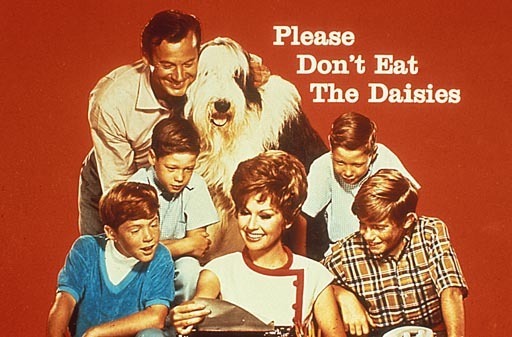
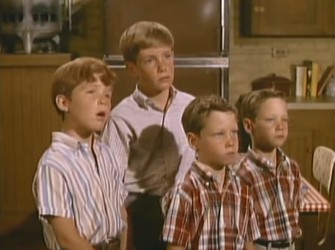
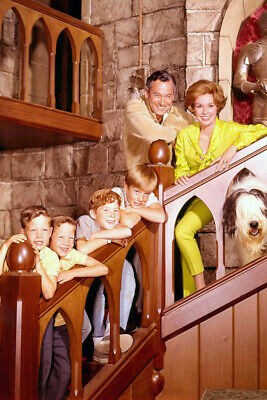
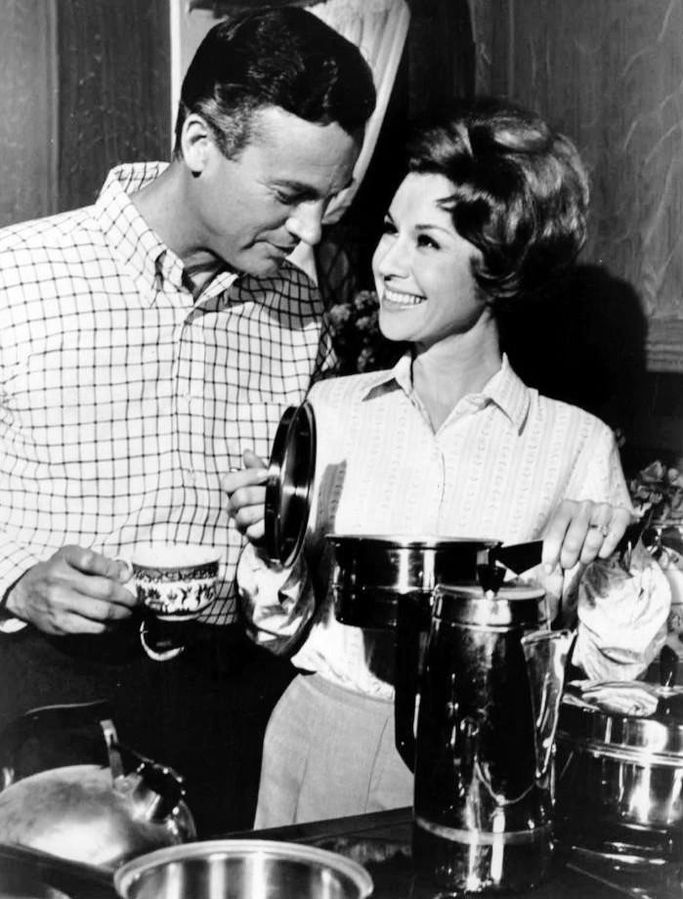
The television series which aired in 1965 was loosely based on the movie. In this version, the Nashes live in Ridgemont, New York. Jim (Mark Miller) is a college English professor and Joan (Patricia Crowley) is a newspaper columnist. The four boys are played by Kim Tyler, Joel Nash, Jeff Fithian, and Joe Fithian, the latter two being twins. Rounding out the cast was neighbor Marge (Shirley Mitchell) and the Nashes’ huge sheep dog, Ladadog.

Joan was not the happy homemaker many sitcom wives were during this era; she actually disliked housework and her column was a humorous look at family life. Her four mischievous boys gave her a lot of material.

Photo: fineartamerica.com

The episodes had some funny moments but were pretty typical for 1960s television. In one episode, the Nash family is the subject of a University-produced show, “At Home with the Faculty.” Joan wants to decrease their normal confusion and chaos by creating an unrealistic look for the family. Another episode, “Just While You’re Resting,” features Joan trying to please too many community residents by getting involved in too many organizations. Ellen Corby as the housekeeper makes one of her first appearances on the show trying to maintain order in the Nash household.

The Nash Family Four Years Before the Brady Bunch
Photo: ebay

The show was on NBC for two years and produced 58 episodes. In season one it was on Tuesday nights against Rawhide and Combat!. It did well in the ratings which makes sense to me considering the other two shows probably split the same audience. For season two, the network moved the show to Saturday nights where it was up against The Jackie Gleason Show on CBS and The Newlywed Game on ABC. When the ratings fell, NBC cancelled the show.

I always wonder a bit when I see a show that had 58 episodes but 40 writers. Kerr was given credit for all 58 episodes, but I could not find anything to indicate if she just received credit because of her book or if she actually participated in the writing. Of the other 39 writers, only 3 of them worked on more than two episodes and 80% of them only wrote one storyline. While I think having a community of writers for a show is a good idea, when you have that many different voices in two years, I think the scripts become more plot driven than character driven and we don’t get to know the characters intimately.

A rare quiet moment
Photo: 50plusworld.com

I do remember watching reruns of this show when I was younger and I remember liking it, but it was not one I specifically made time to watch. When I watched the opening on YouTube, I was immediately taken back to my childhood hearing the bouncy theme music. It begins with an animated sheepdog and then introduces each of the family members, landing back on the animated dog again. I could not find anywhere to watch the original episodes or buy DVDs of the show.

I admit I love all the Doris Day comedies, and Please Don’t Eat the Daisies is no exception. I feel like this is a running refrain this month, but all the movies we are looking at for this series were successful and fun-to-watch movies, so you’ll never feel that you wasted time watching these big screen treasures instead of their television cousins.

The Many Roles of Brian Keith

We are right in the middle of our “Men of November” blog series, and today we spend some time getting to know a prolific television and film star, Brian Keith.

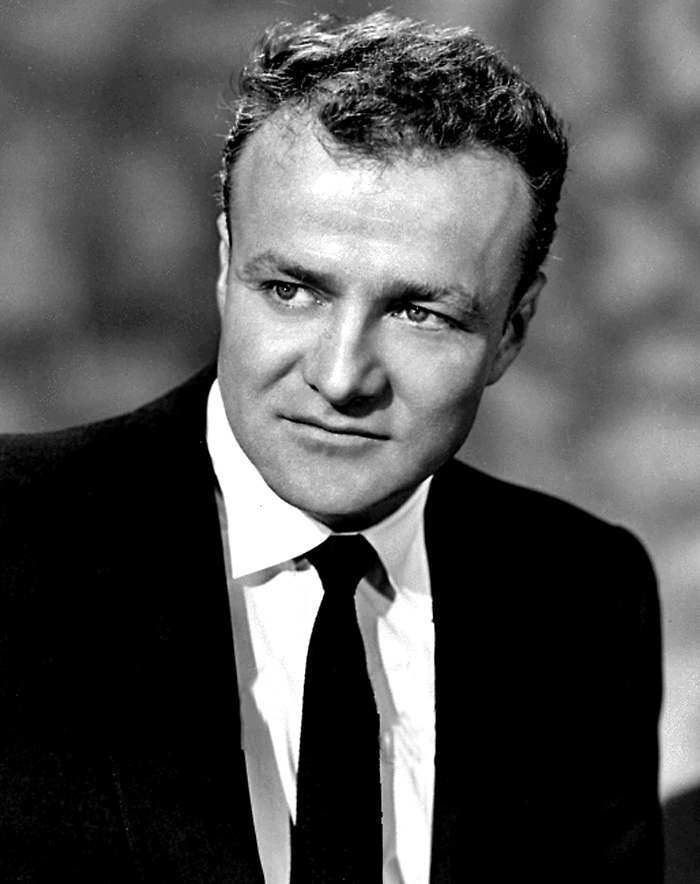
Photo: wikipedia.com

Brian Keith (Robert Alba Keith) was born in 1921 in New Jersey. His parents were both actors. They divorced shortly after his birth and at age 2, he moved to Hollywood and made his acting debut in a silent film, Pied Piper Malone, at the age of three.

While his mother was relocating for stage and radio work, his grandmother raised him on Long Island, New York.

His father remarried in 1927, but his second wife, Peg Entwistle, was involved in a tragic incident which is one of the Hollywood legends. She committed suicide by jumping of the H of the iconic Hollywood sign.

See the source image
Photo: pinterest.com

After high school graduation, Keith joined the US Marine Corps from 1942-5. He served as a machine gunner and received an Air Medal.

In an interview with the Press and Sun-Bulletin in 1966, Keith related that he had no intention of becoming an actor. He had a passion for a career at sea and wanted to go to school at the Merchant Marine Academy. He said unfortunately, “You can’t be a ship’s officer without passing a few math courses and I came up with a big fat zero in algebra. In fact, no matter how many times I repeated the course, it still came up zero. So, it was goodbye Navy career.”

After the war, Brian decided to follow in his parents’ footsteps and made his Broadway debut in 1948 in Mister Roberts. His father played Doc in the same production.

While working on television, Keith also began appearing on the big screen. During his career, he would he would make 65 movies. In the fifties he was in Storm Center with Bette Davis and The Young Philadelphians with Paul Newman.

Crusader Photo: sitcomsonline.com

While continuing to appear on the stage, television was starting to pull him in that direction. He was given his first television role in 1951 in Hands of Mystery. He did a variety of television work in the 1950s, starting off in more dramas and ending the decade in westerns. Last week we learned a bit about Gale Gordon. If you remember, Gale starred in a short-lived series called The Box Brothers, and Brian happened to be in one of those episodes in 1957. From 1955-56, he received a regular role on Crusader, making 52 episodes. He starred as Matt Anders, a journalist who, in the aftermath of his mother’s death in a Nazi concentration camp during World War II, travels the world to battle injustice.

The Westerner Photo: nostalgiacentral.com

Moving into the sixties, Keith continued his western appearances and was given the lead in Sam Peckinpah’s television series, The Westerner. Unfortunately, it only lasted for 13 episodes. Keith said that “only four or five of those were any good, but those four or five were as good as anything anybody has ever done.” He played Dave Blassingame, a cowboy drifter who sometimes does questionable things trying to earn enough money to buy a ranch, but in the end, always does the right thing.

The Parent Trap Photo: pinterest.com

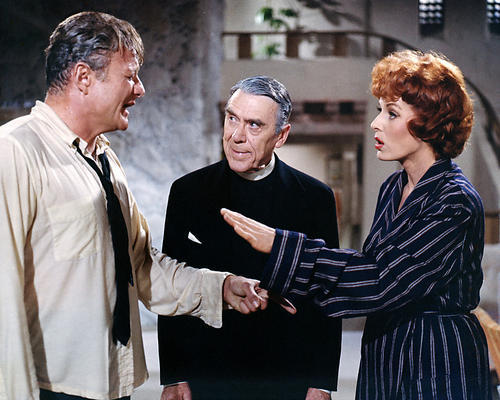
It was also in the sixties that he began his connection with Disney, starring in The Parent Trap in 1961.

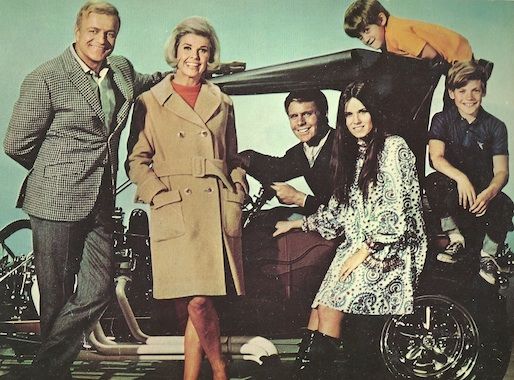
During this decade, he was offered a show of his own that he is probably best known for—Family Affair. From 1966-1971, he appeared as Bill Davis, an engineer, who takes in his two nieces and nephew when their parents are killed. Kathy Garver, Anissa Jones, and Johnny Whitaker played the kids and Sebastian Cabot was Mr. French, who helped raise the children. Keith received three Emmy nominations for Best Actor in a Comedy Series, but lost to Don Adams for Get Smart from all three years, 1967-1969, (In 1968 Sebastian Cabot was also nominated for Best Actor and the show was nominated for Best Comedy in 1968 and 1969, losing to Get Smart.)

Photo: dailytimes.com

Brian received the same type of contract as Fred MacMurray did in My Three Sons. It allowed him to tape his work in two-three months, leaving three-quarters of the year for traveling, relaxation, and film work.

With Six You Get Eggroll Photo: pinterest.com

During the series’ run, he continued to make films including With Six You Get Eggroll with Doris Day.

The Brian Keith Show Photo: pinterest.com

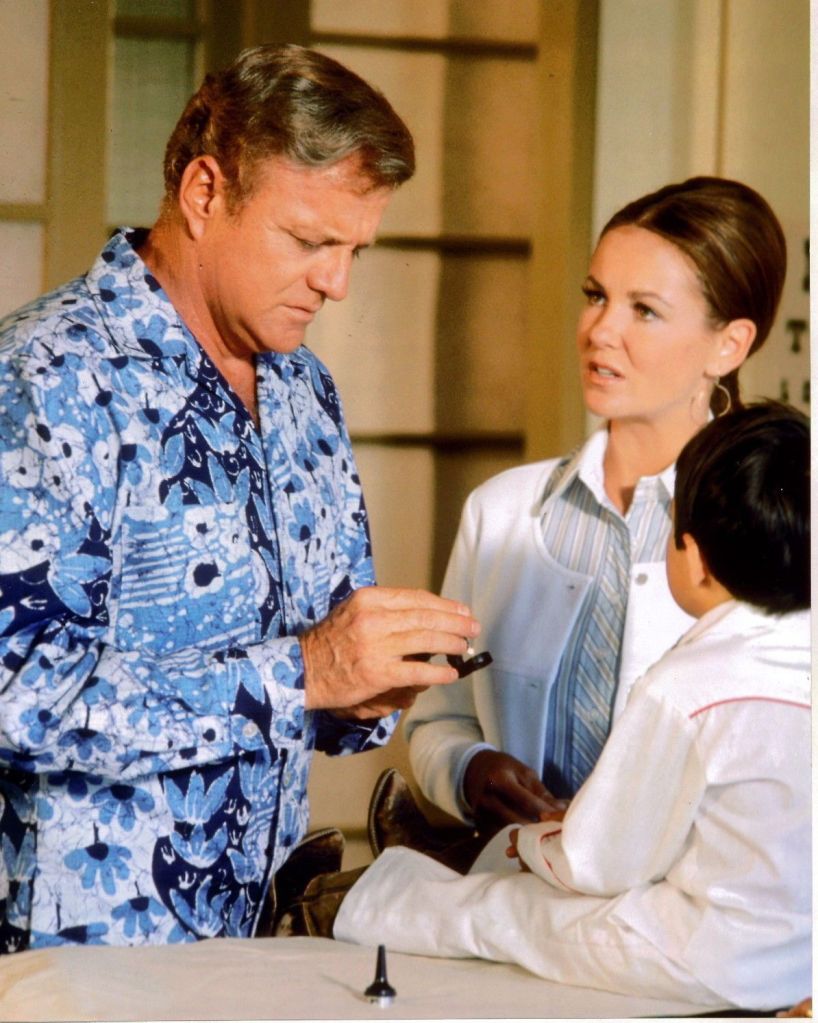
When Family Affair ended, it set off a rapid production of shows starring Keith, most of them with short runs. The Brian Keith Show was on air from 1972-74; Keith was pediatrician Dr. Sean Jamison and worked with his daughter played by Shelly Fabares. Keith said he accepted the role because the show was produced by Garry Marshall and it was shot in Hawaii.

Photo: amazon.com

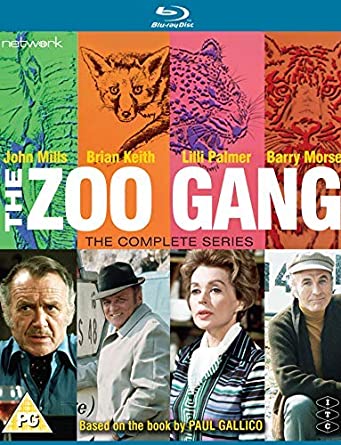
In 1974 he accepted the lead in a six-part miniseries, The Zoo Gang about a group of underground French resistance fighters. In 1975 we saw him in Archer, a television series about a detective which also ran only six episodes. Keith described Archer as “an underdog. He gets beaten. He’s no superhuman. He drives a broken-down Mustang. He’s not particularly fond of the finer things in life. Music is noise to him, painting is decoration, sculpture is ‘that stuff’ and he doesn’t read books.”

Hardcastle and McCormick
Photo: pinterest.com

In 1983, Keith co-starred with Daniel Hugh Kelly in Hardcastle and McCormick. Keith portrayed a retired judge Milton Hardcastle while Kelly was ex-con Mark McCormick. The duo team up because the ex-judge was tired of people getting off on technicalities. The show was on the air for three years.

Photo: sitcomsonline.com

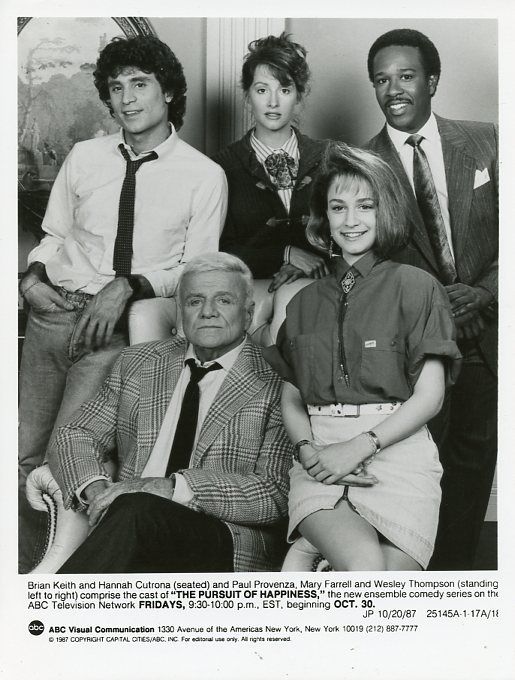
The following year, he began a stint on The Pursuit of Happiness which only lasted for ten episodes. In a different role for him, he played Professor Roland Duncan who taught at a small college in Philadelphia.

Photo: sitcomsonline.com

1989 found him on Heartland which was also cancelled after ten episodes. On this show, Keith played BL McCutcheon, an older farmer who loses his farm and moves in with this daughter and her family, a bit of a rural Archie Bunker.

During the 1990s, Keith showed up on a variety of shows including Young Riders, Evening Shade, Major Dad, Cybill, Pacific Blue, and Walker Texas Ranger. He tried his hand at one more sitcom, starring in Walter and Emily. After 13 episodes, the show was finished. Keith is Walter Collins. He and his wife Emily (Cloris Leachman) help raise their grandson while their son Matt travels for his sports writing career.

Keith lived on a 200-acre ranch in Redlands, California. Brian had a lot of hobbies including golfing, swimming, cooking, sailing, horseback riding, spending time with his family, painting, and reading. When asked about whether he wanted to live a long life, he said, “If I live to be a hundred—and I hope I do—I won’t have time to read all the books I want to read or talk to the people I want to know. Not party talk. That’s a waste of time. Real talk.”

While Keith had a successful career, his personal life was not as sunny. He was married three times to Frances Helm from 1948 to 1954, to Judy Landon, an actress who made an appearance on Family Affair from 1954 till 1969, and to Victoria Young, another actress who showed up on The Brian Keith Show as a nurse, from 1970 till his death.

See the source image
Photo: pinterest.com

He also suffered from several physical problems. He had been a long-time smoker, and suffered from both emphysema and lung cancer. He had been a spokesperson for Camel Cigarettes in the 1950s but quit smoking in the late 80s.

Brian’s son, Michael died from pneumonia when he was eight. In 1997, his daughter Daisy committed suicide when she was 27. Daisy had also entered the acting profession and worked with her dad on Heartland. Daisy’s death and financial problems pulled Keith into a depression and he committed suicide in June of 1997.

Early in his career, Keith established a stereotype as the handsome, burly guy with the gruff voice, but he transitioned into that character who also had moments of warmth and humor.

See the source image
Photo: amazon.com

I love his performance in The Parent Trap, and I like to picture Keith as being Mitch in real life, a guy who loves his kids and his ranch and takes pleasure in a variety of outdoor activities but also savors reading on the porch.

Keith remained close to Maureen O’Hara, his costar in the Parent Trap as well as with Kathy Garver and Johnny Whitaker. (Anissa Jones died from a fatal overdose in 1976 at age 18.)

See the source image
Photo: pinterest.com

With more than 166 acting credits, Keith had a full and successful career and brought a lot of enjoyment to generations of fans during his six decades as an actor. He had to endure a lot of heartache off the camera. Both Family Affair and Hardcastle and McCormick are worth watching if you have a free weekend. You can also see a lot of amazing performances of his on the large screen.

A Tribute to Doris Day

In my tribute to television stars who passed away in 2019, I chose to end the series and the year with Doris Day. I have been a fan of hers for decades, and my heart was very sad when she left us in May. She died on a Monday; the day before was Mother’s Day, and we happened to watch Pillow Talk that day which I thought became a fitting tribute.

Although Doris Day is a huge star, she only has 45 acting credits, and 43 of them are movies. Of her two television appearances, one was for her voice only on The Governor and JJ. However, because her star was so bright, her five seasons of The Doris Day Show allows her to be included in the television star category.

As a disclaimer, I have to say that while I adored her in her movies, especially the comedies, I was not as big a fan of the television show. It was not a bad show, but it took a lot of liberties with format, as I mentioned in my Kaye Ballard blog earlier this month.

Photo: pinterest.com

Doris had a lot of valleys as well as mountains in her life journey. Born in 1922 as Doris Mary Ann Kapelhoff, she wanted to be a dancer. At 14 she had formed a dancing act with Jerry Doherty. When they won $500 at a local contest, they traveled to Hollywood to check out the possibilities there. They were optimistic about a career for them in California, so they returned home to pack up their belongings and make the move permanent. Unfortunately, the night before they were scheduled to leave, Doris was involved in an accident when a train hit a car she was a passenger in. Her dancing career ended before it really began.

Photo: rollingstone.com

Her parents had divorced when she was young and her father was a music teacher and choir master. One of her brothers died before she was born and the other one, Paul, was a bit older than her. Following in her father’s footsteps, she took singing lessons, and by age 17 was touring with the Les Brown Band. The trombonist, Al Jorden, captured her heart and they married in 1941. Her two years of marriage was a deep valley; Al was abusive and soon after the birth of their son, Doris asked for a divorce. Her second marriage to George Weidler lasted less than a year.

Photo: nbcnews.com

Doris’s agent convinced her to make that trek to Hollywood again to tape a screen test for Warner Brothers. She was immediately signed to a contract. Her first role was in Romance on the High Seas in 1948. They kept her busy. She made two films in 1949, three in 1950 and five in 1951. Audiences were attracted to her “girl-next-door” personality, beauty, and singing ability.

In 1951 she met Marty Melcher. They married, and he adopted her son Terry who would become a successful record producer. Her marriage to Marty seemed happy, but the union would also have its tragedies. Her brother Paul passed away in 1958.

Photo: claytondavis.com
Pillow Talk, one of my favorite’s

She continued starring in movies throughout the fifties and in 1959, Pillow Talk, with co-star Rock Hudson, debuted and catapulted her to a new level. Melcher, who had become her agent, signed her to an unrealistic amount of work which led to her being diagnosed with exhaustion about this time. During the 1960s he had signed deals for Please Don’t Eat the Daisies (1960), Midnight Lace (1960), Lover Come Back (1961), That Touch of Mink (1962), Billy Rose’s Jumbo (1962), The Thrill of It All (1963), Move Over Darling (1963), Send Me No Flowers (1964), Do Not Disturb (1965), The Glass Bottom Boat (1966), Caprice (1967), The Ballad of Josie (1967), Where Were You When the Lights Went Out? (1968), and With Six You Get Eggroll (1968).

Photo: blogspot.com
That Touch of Mink

It was a grueling schedule, but Day was always the perfectionist and a professional, so she gave 100% to each production. Melcher had mentioned she could star in a television show which she objected to. Shortly after their discussion, Melcher passed away. To her shock, Doris was informed not only did he sign her to the television deal despite her refusal, but he had squandered millions of dollars, and she was basically broke. (Later she was awarded $22 million in court against an investor Melcher had worked with.)

She had no choice but to tackle the television series to try to recoup some of her money.

From 1968-1973 she would star in The Doris Day Show, which was almost like three different shows. The original concept was that widow Doris Martin and her two sons left the city to move back to her dad’s ranch. The theme song was “Que Sera Sera,” the song that would become synonymous with Doris.

Photo: Wikipedia.com

In the second season, Doris drives back and forth from San Francisco to the ranch after getting a job as a secretary at Today’s World magazine. Rose Marie plays Myrna Gibbons, her friend at work.

Photo: fox4kansascity.com

In season three, the family moves into an apartment in San Francisco that is rented from the Palluccis who own a restaurant on the ground floor. Doris got to work with Billy de Wolfe again. He played her neighbor, a cranky bachelor who doesn’t like noise, especially made by children. However, he has a soft spot and becomes close to the family.

Photo: michaelstvtray.com

In the fourth and fifth seasons, there is no mention of the father, the kids, or the Palluccis! Doris is now a single person and is a staff writer for Today’s World.

Photo: sitcomsonline.com

When this show was good, it was really good, but often it was so-so; however,  the skill of actors involved in the show kept it at a higher level. The first season was a bit corny with life down on the ranch. The second season felt like everyone was almost ready to break into song to celebrate the decency and clean-living of the country versus the corrupt city life. Season three it started coming into its own. Even though some of the characters were a bit stereotyped, the stars carried it.

Photo: articlesvally.com

The final two seasons were probably what the concept of the show should have been all along. After all, we viewed Doris as the country girl who moved to the city. She knew just what life would be like there and wanted to experience it all but retained just enough of her wholesomeness and morals to be likable and a bit innocent.

However, the ratings don’t really support my thesis. The show came in at #30 for season 1, #10 for season 2, #20 for season 3, #23 for season 4 and #37 for season 5. I’m guessing the real issue behind the lower-than-expected ratings was a result of scheduling and the constant changing of formats. The show began Tuesday nights against The Red Skelton Show and 60 Minutes. Season 2 it landed on Monday nights where it would remain. Season 2 and 3 it was opposite Mayberry RFD and The Carol Burnett Show. Season 4 it went against Here’s Lucy and The Sonny and Cher Show, and the last season was also Here’s Lucy and then the debut of The New Bill Cosby Show. The targeted audience was probably split. The same group who watched Doris Day would also be a fan of Carol Burnett, Red Skelton, and Lucille Ball. These three shows were all in the top 15 during this time.

Photo: monstersandcritics.com

I’m not sure why the show ended. Some references claim Day was tired and quit; others say the network cancelled the show. Either way, I think Doris was ready for retirement and certainly deserved it. One thing that doesn’t vary is that all the reviews I read, even those that criticized the format changes or the corniness of some situations, said it was a great show and that Doris Day made it fun and believable. I didn’t read any reviews that were negative about the show overall. Sometimes the quarterback truly does carry the team. And to be clear, there were many great teammates on the series during its run.

Photo: pinterest.com

Doris gave marriage one more try in 1976 when she wed Barry Comden but they divorced in 1982. After that Doris settled into Carmel, California where she devoted her energies to animal rights. She and her son owned a boutique hotel, Cypress Inn.  

Although Doris was never happy in marriage, she developed life-long, satisfying friendships with several men. Her costar Rock Hudson and she were very close. He called her Eunice just because he said when he thought of her as a Eunice, it made him laugh.

Photo: retrokimmer.com

She was also very close to Billy de Wolfe. They first worked together in 1950 on the set of Tea for Two. He told her he didn’t see Doris Day when he looked at her; he saw Clara Bixby, and that remained his nickname for her from then on.

Photo: dorisday.net
The great Billy de Wolfe

While The Doris Day Show can’t compete with Pillow Talk, it shouldn’t have to. It was what it was, and considering it wasn’t a show Doris even wanted to take on, she did her best with the crazy format changes and made it something worth revisiting. It may not be her best work, but it is far better than many television shows.

Photo: enews.com

Doris was a truly great star. She was a consummate performer, gave everything she had to her scripts, and was never a diva or complainer. She worked hard for three decades and then earned a long retirement. Although I was sad when she was taken from us, she lived a long and full life, with its share of tragedy and joy. She left us an amazing variety of movies to remember her by. Thank you Doris for leaving us a legacy of comedy and drama to enjoy in our retirement.

Murder She Wrote: Cabot Cove, the Murder Capital of the World

We are kicking off a new series: Murder, Mystery and Mayhem. Perhaps no person represents this theme better than Jessica Fletcher, the crime solver behind Murder She Wrote.

Photo: crimereads.com

Airing on CBS from 1984-1996, Jessica (Angela Lansbury) is one of our longest-running sleuths on television, averaging more than 30 million viewers a week in its prime. The series produced 264 episodes and four made-for-television films. The title was a play on words from Agatha Christie’s Miss Marple story, Murder She Said from 1961.

Although it’s hard to picture anyone else in the role, Lansbury was not the first choice for the part; both Jean Stapleton and Doris Day turned down the role.

The creative team who worked on Murder She Wrote was the same team behind Columbo—Richard Levinson, William Link, and Peter S. Fischer. While Columbo’s tag line is “Just one more thing,” Jessica’s is “I couldn’t help but notice.”

Photo: tvseriesfinale.com

Jessica lived in Cabot Cove, Maine. (Spoiler alert: the show was actually filmed in Mendocino, CA.) She was a widow and retired English teacher who becomes a successful mystery writer. Her first novel was The Corpse Danced at Midnight. Although she has no children, she has a network of friends and extended family in her small hometown. She had four siblings but only Marshall, a doctor, was seen on the show.

Photo: christmastvhistory.com

We get to know many of the town folk. Dr. Seth Hazlitt (William Windom) is the local doctor and one of Jessica’s best friends and a potential romance. Sheriff Amos Tupper (Tom Bosley) works with Jessica often on crime cases. Sheriff Mort Metzger (Ron Masak) takes over when Tupper retires and moves to Kentucky. Jessica’s nephew Grady (Michael Horton) seems to get in trouble with the law often despite his aunt’s influence. Jean O’Neil (Madlyn Rhue) is the local librarian. Sam Booth (Richard Paul) is the mayor and is voted in every year because he promises to do nothing and that is exactly what he does. Eve Simpson (Julie Adams) is the local realtor and gossip extraordinaire. Loretta Speigel (Ruth Roman), keeps up with Simpson’s gossiping and is a hairdresser. Ethan Cragg (Claude Akins) is a fisherman.

Photo: eonline.com

Of course, none of us would want to live in Cabot Cove because there was a huge number of murders occurring there over a twelve-year span. In fact, the term “Cabot Cove Syndrome” was coined to describe the constant appearance of dead bodies in remote locations. During season eight, Jessica rents an apartment in New York City to teach criminology and participate in more murder cases.

The police around the town never seem to learn. They are always ready to arrest the wrong person until Jessica solves the case. Some officers appreciate her help, knowing her skill for deducing the murderer while other officers dread seeing her show up at a crime scene.

Photo: pinterest.com

Several characters who Jessica worked with regularly included insurance investigator Dennis Stanton (Keith Mitchell); private investigators Harry McGraw (Jerry Orbach) and Charlie Garrett (Wayne Rogers); British agent Michael Haggerty (Len Cariou); and NYPD detective Artie Gelber (Herb Edelman).

Cabot Cove was almost another character on the show. Viewers loved getting to know the charming town with a population of 3650. Jessica never drove a car around town; she biked or took a cab.

Photo: hookedonhouses.net

With twelve years’ worth of shows, it is not surprising that the guest star list is formidable. Just a smattering of stars include Ernest Borgnine, George Clooney, Neil Patrick Harris, Buddy Hackett, Janet Leigh, Julianna Marguiles, Leslie Nielsen, and Joaquin Phoenix

In its final season, the show was moved from its Sunday night slot with loyal viewers to Thursday night against Mad About You and Friends. The show went from 8th to 58th in the ratings and was cancelled. Although Lansbury considered retirement several times during the show’s airings, she was blindsided by the move. In a Los Angeles Times article, she was quoted as sharing “I’m shattered. What can I say? I feel very emotional about it. I just felt so disappointed that after all the years we had Sunday night at 8, suddenly it didn’t mean anything. It was like gone with the wind.”

Photo: irishtimes.com

Obviously, the show was popular with viewers staying on the air for twelve years, but it was also popular with critics. Lansbury received an Emmy nomination for best lead actress in a drama every single season the show was on the air. Unfortunately, she never won.

Often when you picture a crime solver, it’s someone who is young and sexy, such as the cast on Charlie’s Angels or Magnum PI. Jessica Fletcher does not pretend to be young or anything other than a middle-aged woman from Maine. But she does like to travel, she has romantic relationships with men, and has interests and a career. What you see is what you get. Perhaps that was the biggest reason for her popularity during those twelve years.

Photo: pinterest.com

The show continues to do well in syndication, appearing on WGN mornings and the Hallmark Mystery and Movie Channel at night. Spend some time with the good folks in Cabot Cove and watch Jessica Fletcher solve a few murder mysteries. No one embodies murder, mystery, and mayhem more than she does.