Bill Dana: Actor? Script Writer? Author? Talent Agent? Yep

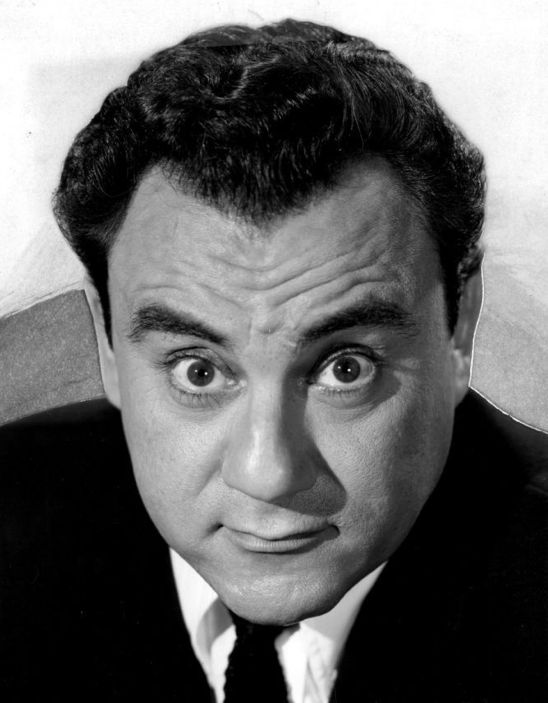
This month we are exploring The Bill Dana Show for our blog series. Last week we talked a bit about the show itself, and for the rest of the weeks, we are looking at some of the other cast members’ careers. Today we begin with Bill Dana himself.

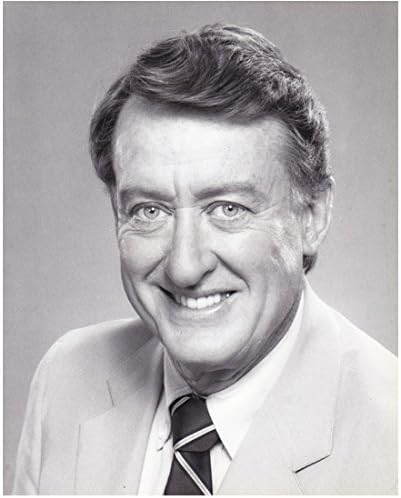
📷findagrave.com

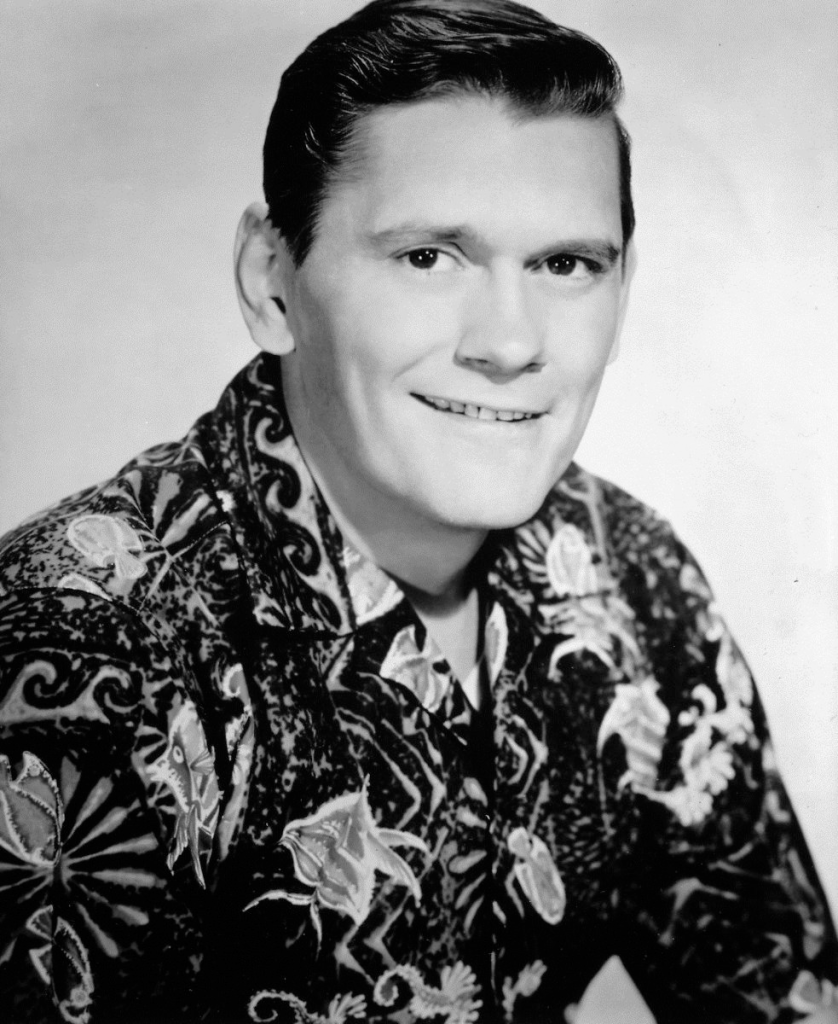
Dana was born William Szathmary in Quincy, Massachusetts in 1924. He was the youngest of six children. His older brother Arthur was fluent in several languages and inspired Bill to learn different accents.

Dana served with the US Army during WWII as a machine gunner and was awarded the Bronze Star Medal.

After the war, Bill enrolled at Emerson College. After graduation, he was hired as a page at NBC’s Studio 6B, or 30 Rock.  He was also trying to break into comedy performing around New York. During the fifties he appeared on The Imogene Coca Show. He also did some writing and producing for The Spike Jones Show.

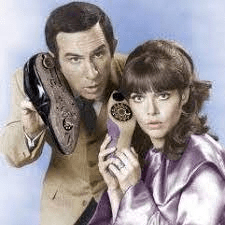
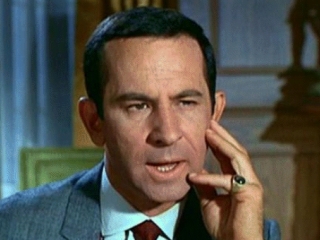
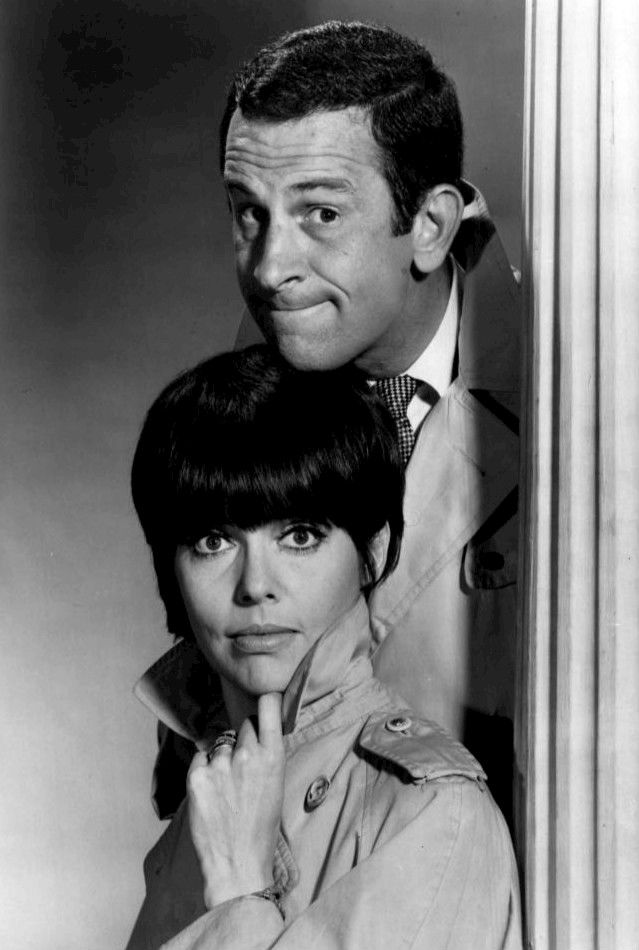
He met Don Adams and began writing routines for him in the fifties. He and Don would be part of each other’s lives for a bit. Don would be one of the cast members on The Bill Dana Show. Dana would appear on Adams’ show Get Smart, and Dana’s older brother Irving was the composer of the Get Smart theme song. Bill would also cowrite the script for the Get Smart film The Nude Bomb.

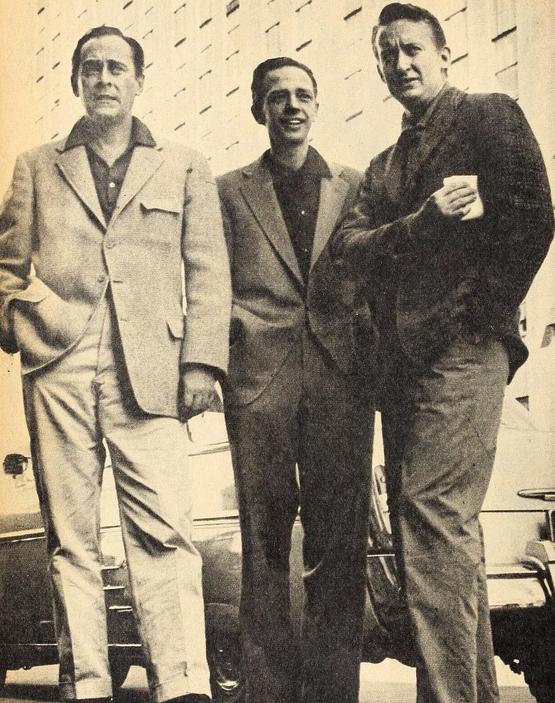
📷thenewyorktimes.com

In the late fifties, Steve Allen hired Dana as a writer. Bill created a character, Jose Jimenez, for the “Man in the Street” segments of Allen’s show. Soon Jose became his alter ego. He made appearances as Jose on The Red Skelton Show, The Spike Jones Show, The Danny Thomas Show, and The Ed Sullivan Show. He even had a comedy album featuring the character.

Dana told a story on Ed Sullivan’s show that some people truly thought he was Jose Jimenez. One lady who met him out and about asked if his birth name was Jose Jimenez and he told her, “No, it’s Bill Szathmary.” She said “Wow, no wonder you changed it to Jimenez.”

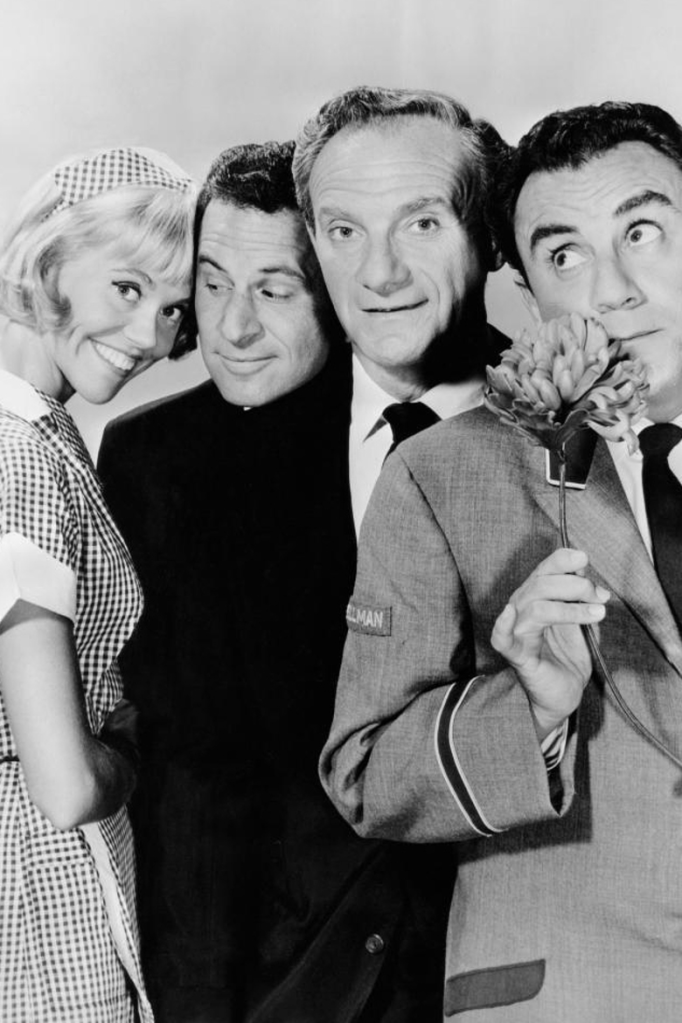
In 1961, Dana began a recurring role on The Danny Thomas Show. He played Jimenez as an elevator operator. People responded so well that Danny Thomas and Leonard Sheldon spun off the character, now a bellhop at a luxury New York hotel, and The Bill Dana Show was created. In addition to Adams, Jonathan Harrison was part of the cast and Maggie Peterson joined them in season two. The show was on the air for one and a half seasons.
As we discussed last week, some people saw Jimenez as a hard-working immigrant who noticed some of the crazy things Americans did, and others saw him as a stereotyped Latino caricature. The pre-show Jimenez fit the second description better and the show Jimenez leaned more toward the first portrayal. However, as the character developed, viewers were not flocking to the show. It was also up against Lassie which at the time was a huge family show on Sunday nights.
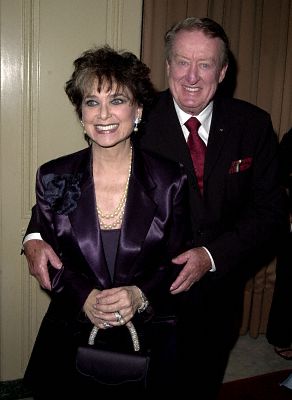
📷wikipedia.com

The last time Jimenez was on the screen as a character was a 1966 episode of Batman in a cameo on the famous wall. Later Dana apologized for his caricature of Jimenez and became a bit of an activist for Latino causes. The National Hispanic Media Coalition endorsed the Jose Jimenez character and invited Dana to sit on their advisory board.
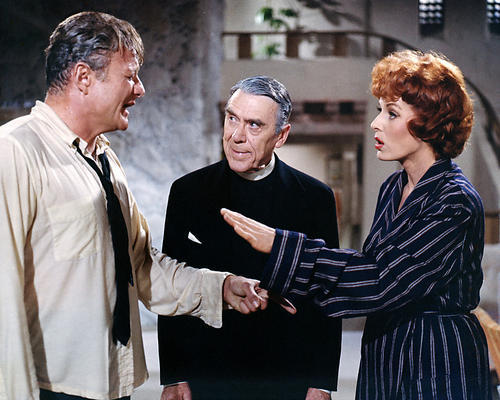
Dana jumped back and forth from actor to writer for a couple of decades. He wrote the script for All in the Family’s episode “Sammy’s Visit” starring Sammy Davis Jr. He also wrote for Bridget Loves Bernie, Chico and the Man, Donny and Marie, The Smothers Brothers Comedy Hour, and Matlock.

His acting landed him in The Courtship of Eddie’s Father, Love American Style, The Snoop Sisters, Police Woman, McMillan and Wife, Ellery Queen, Switch, Vega$, Fantasy Island, The Facts of Life, and Empty Nest among a few others.

He had recurring roles on two additional shows during his career. He was on St. Elsewhere as Howie Mandel’s character’s father for three episodes. He also was Angelo on six episodes of The Golden Girls.

One of his last projects was founding the American Comedy Archives at Emerson College. He and Jenni Matz interviewed more than 60 comedians for this archive, including Phyllis Diller, Norman Lear, Carl Reiner, Betty White, and Jonathan Winters.

Dana was a man of many talents. He also ran a talent management company and an advertising agency. He wrote a book, The Laughter Prescription, with Dr. Laurence J. Peter.

Dana passed away in June of 2017 at his home in Nashville.

Certainly, Dana had a full career. I think starting off with the Jose debacle probably kept him from getting different roles early in his career. He also didn’t seem to know what he wanted to be when he grew up. Was he a comedy writer? A dramatic writer? A variety show writer? Was he an actor? A talent agent? An author? Not that you can’t be more than one thing in life, but in the span of three decades he never seemed to settle on one or two careers. Hopefully he had fun and enjoyed all the different hats he wore.

The Bill Dana Show: Really It Was The Jose Jimenez Show

This month our blog is devoted to The Bill Dana Show which was on the air for two seasons in the early sixties.

📷dvdplanetstore.com

Bill Dana is not a name remembered much anymore but, in the sixties, he was a huge celebrity. There is some tough talk about why he was so famous. During the late fifties and early sixties, especially as so many radio shows transitioned to television, there were some politically incorrect shows. This one teetered on the edge of it, in the same ways the show Life with Luigi did.

Bill Dana’s alter ego, Jose Jimenez, debuted on The Steve Allen Show in the late fifties. Jimenez was a Mexican immigrant. He saw the United States through a different lens than people who grew up here. He often was amused by what he saw going on around him. However, he was not the lazy stereotype Mexican. Jimenez was hard working and wise in many ways. He was not offensive in the way Amos and Andy were. Dana was a Hungarian Jewish man playing a Hispanic man so that was not well received either.

While I still love so many programs from the fifties and sixties that hold up well today and have delightful characters, many programs from this time make us cringe and we are embarrassed for the television industry at that time.

There are also many performers that may have bordered on sexual and ethnic political incorrectness, many of their characterizations may not be offensive, but I sure don’t find any humor in them.

📷 Jose Jimenez televisoinacademyawards.com

Remember this was during the Civil Rights Movement era, so things were beginning to get examined more closely in pop culture. Even if Jose was a good guy, his exaggerated accent set him up more of a caricature than a character.

While there was some blowback from the Latino community, many fans adored Jimenez. Danny Thomas and Sheldon Leonard decided to give Jose his own show after he made a few appearances on The Danny Thomas Show. NBC put the show on its schedule without even seeing a pilot because he was so popular.

While the quick sketches with Jose were in your face humor, putting the character in his own television series gave the writers time to develop him more and make him more dimensional. Leonard made this a workplace sitcom which was different for him since so many of their shows—The Dick Van Dyke Show, The Danny Thomas Show, That Girl, Good Morning World—were all balancing personal and work life. Earl Hagen, who wrote so many great tunes for the Leonard group, wrote this one as well.

The show aired September 22, 1963, and ran for a season and a half, ending January of 1965.

Jimenez is a bellhop at a luxury New York hotel. He lives in a special staff apartment, eats in the hotel kitchen, and interacts with most of the guests. He is surrounded by a great cast which we’ll get to know in more detail this month. Don Adams was Byron Glick, house detective. Jonathan Harris took on the role of Mr. Phillips, the hotel manager. Fellow bellhop Eddie (Gary Crosby) is always trying to get Jose to lose his rose-colored view of life. For season 2. Maggie Peterson plays waitress Susie.

The ratings were not great. Perhaps viewers had a harder time connecting this Jose to the caricature Jose. Certainly, more criticism came from the Latino community as the show went on. In addition to Jose, there was feedback on other shows that used stereotypical Mexican characters and in commercials like the Frito Bandito.

📷washingtonpost.com

Jose had one cameo role in Batman when he meets the duo and introduces himself as “My name—Jose Jimenez” in 1966. That was the final appearance of the character and a few years afterward, Dana read an obituary that he wrote for Jose at a Latino civil rights meeting in Los Angeles, and he became an activist for the Latino community, so there was some good coming out of the situation.

The show was canceled partway through season two. Another factor in the show’s ratings was the fact that it was on Sunday nights up against Lassie, a family favorite. However, the show did somehow receive an Emmy nomination for outstanding sitcom. No surprise it didn’t win. Despite being a mediocre show with some nugget of greatness here and there, it was up against McHale’s Navy, The Farmer’s Daughter, and the show that won, The Dick Van Dyke Show.

If The Bill Dana Show had just been a show about “a guy” who arrives from Mexico to work in a posh hotel, and we saw life through his eyes, good and bad in America, the concept could have been fun and more accepted. It appears that the writing was pretty good and it had a great cast. Jose was just not the character to build the show around.

The Love Boat: Overflowing with Celebrities

📷themeanderingtraveler.com

This month in Casting for Celebrities, we are looking at some of the shows that used television and movie stars in their casts every week. The Love Boat was on the water from 1977 until 1986. An extension of the show, The Love Boat: The Next Wave, was on from 1998-1999 with many of the original characters.  There were also four three-hour specials aired in 1986, 1987, and 1990.

If you are one of the five people in America that have never seen the show, it aired on ABC on Saturday nights. It was another Aaron Spelling production like Fantasy Island which we discussed last week.

A book, The Love Boats, by Jeraldine Saunders who was a cruise director for a passenger cruise line was used as the basis for the original made-for-tv movie in 1976.

The stars on this show played guests (and occasionally themselves) on the MS Pacific Princess run by Captain Merrill Stubing (Gavin MacLeod). His crew included Dr. Adam Bricker (Bernie Kopell), Purser Gopher Smith (Fred Grandy), bartender Isaac Washington (Ted Lange), and cruise director Julie McCoy (Lauren Tewes). In season three, Stubing’s daughter Vickie (Jill Whelan) came aboard. During the last three seasons, photographer Ace Covington Evans (Ted McGinley) joined the group and Judy McCoy (Patricia Klous) who was Julie’s sister took her place for the final two seasons.

📷julienslive.com

Lucky crew, this series was sometimes set on board the Pacific Princess or the Island Princess, depending on their schedules. A handful of other boats were used in several episodes and movies as well. Many of the shows were filmed in California. Unfortunately, both the Pacific Princess and the Island Princess were sold for scrap in 2013 and 2015 respectively.

Each episode contained several stories and all three titles are combined in one series title; for example “Captain & the Lady/Centerfold/One If by Land.”

Jack Jones sang The Love Boat theme. (Note: Dionne Warwick recorded the song for the final season, but I never learned why.) The lyrics were written by Paul Williams and the music was composed by Charles Fox. The words were:

Love, exciting and new
Come aboard, we’re expecting you
Love, life’s sweetest reward
Let it flow, it floats back to you

Love Boat soon will be making another run
The Love Boat promises something for everyone
Set a course for adventure
Your mind on a new romance

Love won’t hurt anymore
It’s an open smile on a friendly shore
Yes, love
It’s love

Love Boat soon will be making another run
The Love Boat promises something for everyone
Set a course for adventure
Your mind on a new romance

Love won’t hurt anymore
It’s an open smile on a friendly shore
It’s love, it’s love, it’s love
It’s the Love Boat, it’s the Love Boat

📷reddit.com

For its first seven seasons, the show was very successful. It usually ranked in the top twenty. However, after falling out of the top thirty and then the top fifty the next year, the show was canceled after nine years.

Spelling offered McLeod the role of Captain Stubing. Ted Lange did not have to audition. He was offered the role after being seen on a previous show, That’s My Mama. Spelling’s first choice for Dr. Bricker was Dick Van Patten but because he was involved with Eight is Enough, Kopell got the role. Lauren Tewes was chosen from a group of more than a hundred actresses auditioning for the role.

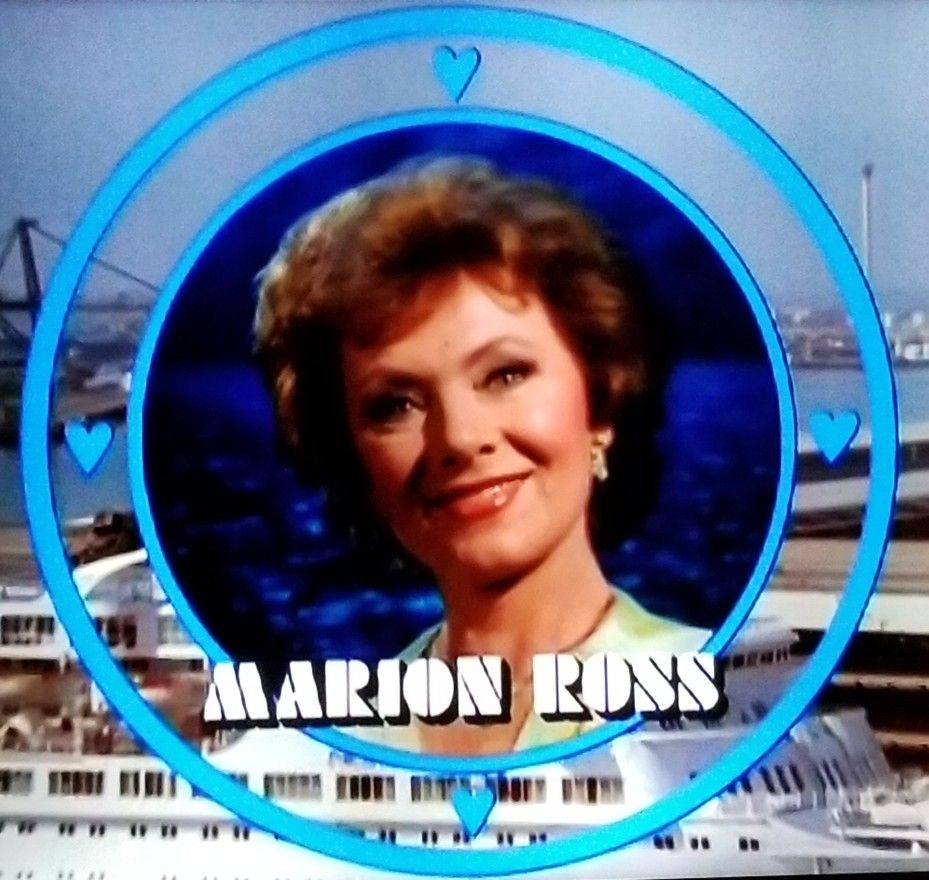
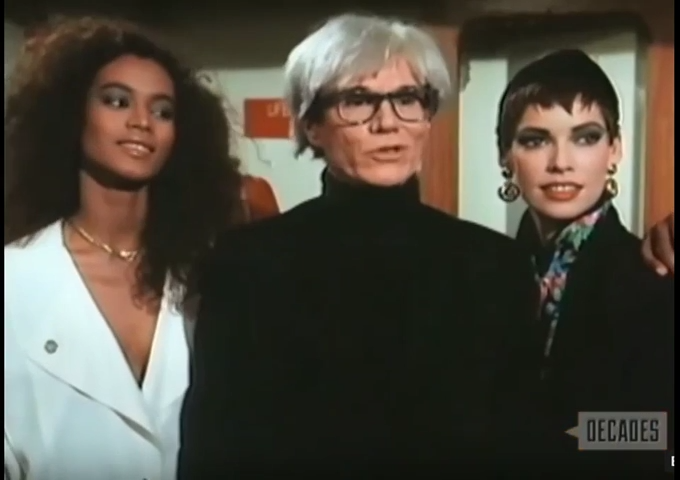
More than 550 guest stars appeared on the show during its run. There were movie stars like Gene Kelly, Ginger Rogers, and Joan Fontaine. There were Broadway stars including Ethel Merman and Robert Goulet. TV stars abounded like Don Adams, Lorne Greene, Florence Henderson, and Eve Arden. Music was represented by The Pointer Sisters, Cab Calloway, and Janet Jackson. Sports stars were on board including Dick Butkus and Joe Namath. And then there were the celebrities like Bob Mackie and Andy Warhol. Marion Ross holds the record with 14 appearances.

📷boingboing.com

For some reason, The Love Boat does not have the same “time warp” problems as Fantasy Island. It’s been translated into more than 29 different languages and appeared in more than 93 countries. It’s very popular in syndication.

Before the Hallmark Channel debuted, this is where you went to watch people fall in love every week. It’s hard to remember how many people just happened to run into an ex on the ship or meet the perfect soul mate after being mistreated.

Apparently, the cast is still close. In a recent interview, Lange said his experience on The Love Boat was life changing. He also said that the beauty of the show was that they are all still friends. “I just directed Fred in ‘Give ‘em Hell Harry’ in Indiana and I’m going to New York to stay with Bernie and his wife. . . . Bernie is more like my brother, and Fred is like my best friend.”

Whelan described McLeod as an “incredible, protective man. He was just like a dad.”

If you need a reminder that love is still alive and well, you can check out the show on DVD or on ME TV on Sundays.

Empty Nest: These Birds Kept Flying Home

This month we are looking at sitcoms dealing with careers in our “Work It Out” series. Today I also am learning a lot about a show that I thought was okay but had a big following and was quite popular for seven seasons: Empty Nest.

Cast Photo: omigods.com

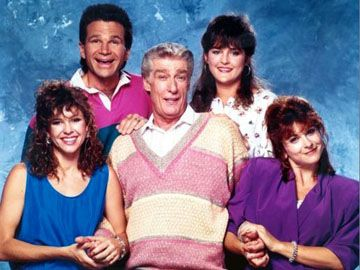
This show was produced by Witt/Thomas/Harris Productions, the same team that produced Benson which we learned about last week. It was a spin-off of The Golden Girls which also was produced by the group. However, it is a stretch to connect the original episode and this series. In 1987 George (Paul Dooley) and Renee (Rita Moreno) were a couple who lived next to the Girls. They were suffering from Empty Nest Syndrome after their daughter (Jane Hamick) left for college and their son (Geoffrey Lewis) lived on his own. They had a neighbor Oliver (David Leisure).

Rita did not think the show was very well written. She said Susan Harris was ill at the time. The Corliss house and neighbor was about the only thing that was included in the new show.

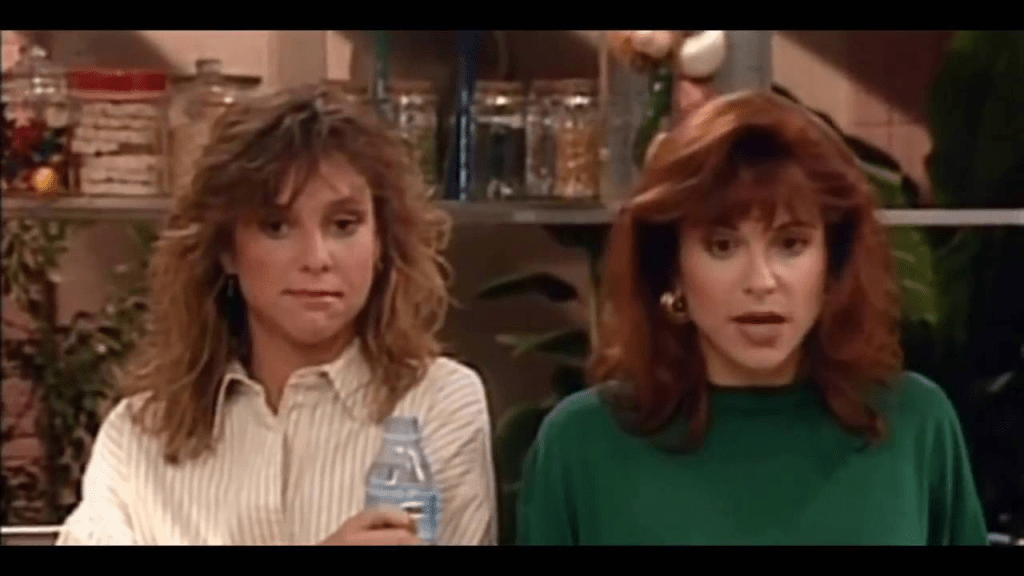
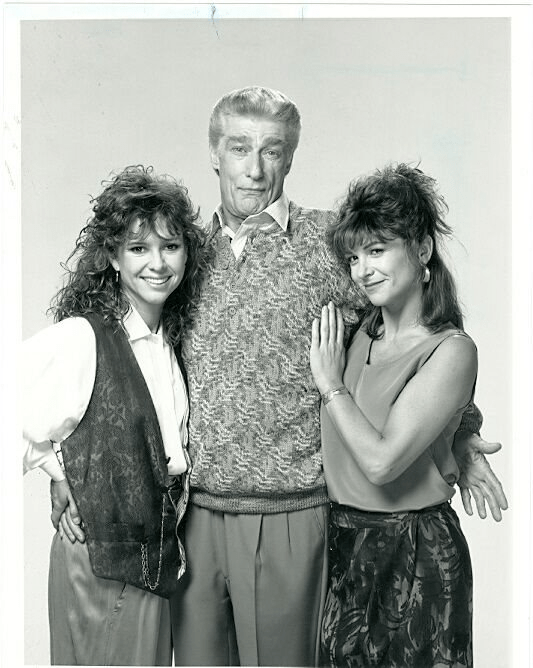
On Empty Nest, Dr. Harry Weston (Richard Mulligan) is a widowed pediatrician. His two adult daughters Barbara (Kristy McNichol) and Carol (Dinah Manoff) move back in with him. Rounding out the cast was neighbor Charley (David Leisure) and Weston’s nurse Laverne (Park Overall). Carol is the oldest and had gone through a bad divorce. Barbara was the middle child and was a tough, undercover cop. Their youngest sister Emily was off at college and never seen in the first three seasons. When McNichol left the show early in the fifth season, Emily (Lisa Rieffel) moved back home but she left after that year, and for the final two seasons, only Carol remained at home, although McNichol did return for the finale. Charley bonded with Harry and considered him a surrogate father figure. Their dog Dreyfuss (Bear) also lived with the crew.

Photo: sitcomsonline.com

Bear’s father was a Golden Retriever mix and his mother was a St. Bernard. Bear’s entire family was in show business. His father was in Father Murphy and Summer Rental with John Candy. His brother was in both Steel Magnolias and The Bodyguard. His children continued the tradition taking roles in several movies including Homeward Bound II. Mulligan and Bear were close. Richard would greet him every morning and give him a treat.

The cast was well aware of each other before working together. McNichol had worked with Manoff who played her friend on Family earlier in the 80s. Mulligan had played Manoff’s father on Soap. Mulligan and McNichol worked together on The Love Boat. And, McNichol and Leisure were in the movie You Can’t Hurry Love in 1988.

Photo: mattbrowningbooks.com

The reason this show is considered in this month’s blog is that a lot of the show revolved around Harry’s medical practice. He worked at a hospital for the first five seasons with his nurse Laverne. The two are good friends. For the final two seasons, Harry retires and then decides to help out an inner city clinic run by Dr. Maxine Douglas (Marsha Warfield). When Laverne is fired by Harry’s replacement, he hires her at the clinic.

Photo: imdb.com

Some notable guest stars who showed up along the way included Don Adams, Diana Muldaur, Loni Anderson, Mayim Bialik, Angie Dickinson, Zsa Zsa Gabor, Shirley Jones, Audrey Meadows, and Doris Roberts.

The theme song was “Life Goes On,” written by John Bettis and George Tipton; it was performed by Billy Vera.

Critics liked the show. In 1988, TV Guide said “it’s a simple premise, but it’s vintage Harris and like everything else she does, Empty Nest has been meticulously thought out and superbly cast. Each of the regulars is carefully drawn, consistently realized . . . as for Empty Nest, it’s warm and entertaining comedy . . if you like the humor in Golden Girls, you’ll enjoy Empty Nest. And even if you don’t like Golden Girls, sample Empty Nest anyway. Trust us.” In 1992, TV Guide still liked the show and said, “Harry Weston is delicious and Dreyfuss the dog is delightful. Empty Nest is home to an experienced ensemble that knows its way around a sitcom.”

Mulligan was nominated for an Emmy for Outstanding Actor in a Comedy in 1989, 1990, and 1991, winning in 1989. He was beat out by Ted Danson for Cheers in 1990 and Burt Reynolds for Evening Shade in 1991.

Photo: sunny107.9.com

Most viewers loved the show the first four seasons, but after McNichol left and Harry retired, the quality seemed to wane. The show was in the top for seasons one through three. However, after that, it slowly declined, coming in #23 for season four, #45 for season five, #62 for season six, and #118 for season seven, so there was no surprise when it was canceled.

Grace Zabriskie appeared in the very first and very last episode of the series. In episode one, she was a woman who dated Harry, and in the finale, she played Laverne’s mother.

One of the typical plots that a lot of people mentioned as one of their favorites was episode 22 from season 1 where we watch Dr. Weston visit five different patients during one episode. At the end of the show, we realize that we have been following Billy from a newborn to 18 years of age, and we understand how much influence a family doctor can have on one patient.

Rue McClanahan talked about how Park Overall would spend her breaks roller skating in the parking lot. However, during season five, she broke her leg doing so and had to miss several episodes and spend several more with crutches in a cast.

Mayim Bialik Photo: wordpress.com

I have read a few times in the past few years doing research that Bea Arthur could be very difficult to work with. She was not the favorite on The Golden Girls set and, apparently, she caused an issue on Empty Nest as well. She despised gum chewing and would make the crew spit out their gum. When she guest starred on Empty Nest, she saw Manoff chewing gum and told her to get rid of it. When Manoff declined, Arthur stormed off the set. Speaking of Manoff, she was able to direct seven episodes of the series during the last three seasons. She directed five other shows including an episode of Sabrina, the Teen-Aged Witch. She was also credited with writing two of the Empty Nest episodes.

I do remember watching the early seasons of this show and thinking it was a decent show. I did not remember that McNichol had to leave for mental health reasons, so I’m guessing I stopped watching it before she quit. However, being in the top ten for three years is, or at least was at the time, a good indication of quality and then you add in TV Guide liking the show and Mulligan’s nominations for Emmy awards, and it presents good evidence of a well-rounded show. I did read that Overall could be a bit difficult on the set, and one of those comments came directly from her.

Photo: collectors.com

Marty Pollio, guest starred in season six when things weren’t so great and still had good things to say about the cast. He said that “it was an honor to be doing scenes with Richard Mulligan, he was talented beyond belief, and a great guy too. I never realized what a good actress Dinah Manoff was until I watched her work on this particular episode . . . nice person as well. The set was pretty relaxed and friendly. . . I had a really good time on this one.” It would probably have been better for the quality of the show to be a four-season show than a seven-season show.

I agree with TV Guide. If you were a fan of Golden Girls, you definitely should check out the first three seasons of Empty Nest. And even if you are in that small group of people who did not like Golden Girls, you should watch a few episodes and see what you think. However, that is easier said than done. There is no official DVD set; however, there are bootlegs on several places. I also could not find any streaming channels showing it. YouTube does have at least the first episode. Perhaps with all the classic tv channels out there, this show will make a comeback.

Barbara Feldon Did Not Have to Get Smart: She Was Born That Way

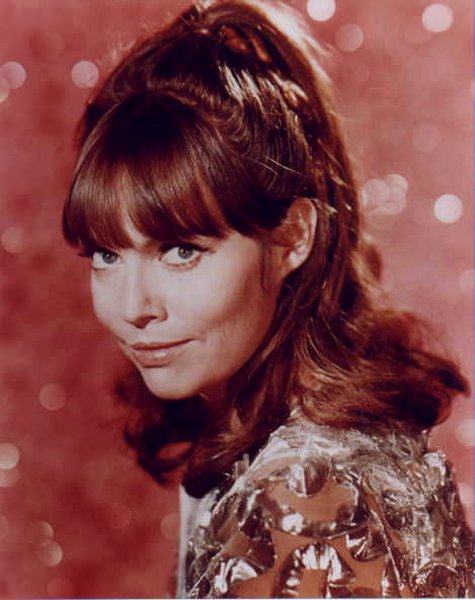
This month’s blog is taking a look at some Supportive Women. First up is Barbara Feldon, costar with Don Adams in Get Smart.

Photo: getsmartwikifandom.com

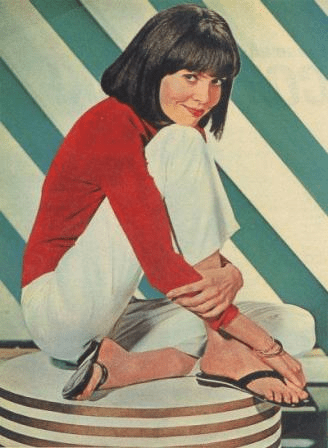
Feldon was born Barbara Anne Hall in 1933 in Pennsylvania, near Pittsburgh. During an interview with Emerson College, Barbara talked about the ecstasy of performing in a little band in first grade. When things stopped, she got to play her triangle, and the thought that everyone was watching her, and her mother’s pride in seeing her made her want to perform more. In sixth grade she went into the gym to watch her friend doing her ballet lessons. The teacher invited Barbara to join them and played Tchaikovsky’s Nutcracker music; that combination of music and movement took her away to another place. She was hooked at that point, and she knew that she wanted to dance.

She trained at the Pittsburgh Playhouse and then graduated from Carnegie Mellon University with a BA in drama in 1955. They didn’t have a dance program, and her mother thought Bennington, where she wanted to go for dance, was too expensive and too liberal. While she enjoyed acting, it never had the enchantment for her that dance did.

Feldon made her way to New York and studied at the HB Studio. She briefly had a career as a showgirl at the Copacabana. She said “that was my first professional job in New York and it was probably the highlight of my whole career. We got to dance with Jimmy Durante. Oh, my God, it was a thrill.” They replaced the girls every three months so, then she went on to appear in The Ziegfield Follies. She landed one job that never made it to Broadway. A friend of hers who was a model talked her into exploring a modeling career.

Photo: punkglobe.com

She worked as a model and was in a Revlon commercial about a hair pomade for men, Top Brass. Feldon said commercials were excellent training to get experience in acting. You do the same scene over and over, maybe more than forty times, but you have to keep that spontaneity. “You must remember to stress each word properly and come in on a split-second when that camera rolls.”

Like several actresses that we have discussed in this blog, before Feldon got her first big break, she appeared on a game show. In this instance, she was on The $64,000 Question in 1955, and she won the grand prize of $64,000 in the category of Shakespeare.

She didn’t use her winnings to buy a mansion or live the typical party life. She opened an art gallery with a man who was a photographer and ad man who was no longer interested in advertising named Lucien Verdoux Feldon. Barbara would be the subject of a Warhol pop art painting in 1965.

In 1958 Barbara married Lucien Feldon. They divorced nine years later. She had a longer relationship with one of the Get Smart producers, Burt Nodella and when that ended, she moved back to New York City.

After her commercial debut, she received offers for several television roles in the early sixties including The Man From U.N.C.L.E. and Flipper. She was also offered a chance to appear on East Side/West Side with George C. Scott. Colleen Dewhurst was her mentor and Scott’s wife. He asked her to play his girlfriend in the next episode. Talent Associates which produced the show was working with Mel Brooks and Buck Henry on a potential spy spoof called Get Smart. Her second television role was as a spy. So, when Talent Associates was casting for a spy on Get Smart, she was an obvious choice.

Photo: facebook.com

She turned down the role at first because she didn’t want to move from New York to California, but she did love the script. They agreed to offer her a two-year contract instead of a five-year contract, and she accepted. Her first review was in TV Guide which compared her to the dog and concluded that the dog came off better. She was devastated and humiliated. In later years, the reviewer rated her performance much better.

From 1965 till 1970, Feldon was known as Agent 99 working with Maxwell Smart for CONTROL. In both 1968 and 1969, she was nominated for an Emmy for Outstanding Lead Actress in a Comedy Series. Lucille Ball won for The Lucy Show in 1968 and Hope Lange won for The Ghost and Mrs. Muir in 1969.

Women at the time looked at Feldon as an example of a powerful woman; Feldon commented that young women said “she was a role model for them because she was smart and always got the right answer.” If you look closely in the early seasons, you will typically see Feldon sitting and Adams standing because she was taller than he was. Once she even had to bury her feet in the sand. While Adams was the blundering, awkward Smart, it was Agent 99 who was really the “smart” one, getting him out of trouble during their spy missions.

Feldon said that she is not a comedienne; she is an actress who can play comedy. She said that she is the worst person to tell a joke to because she doesn’t always get it. She never enjoyed drama much because the actual acting on camera was wonderful but the long, boring hours waiting were very tedious, and if you have a tearful scene, you have to be able to keep the momentum.

During the run of Get Smart, Feldon also appeared on Rowan & Martin’s Laugh In and The Dean Martin Show.

Photo: imdb.com

After the show ended, she would appear on 20 additional television series including Cheers and Mad About You. She made fifteen made-for-tv movies, one of which was a 1989 movie, Get Smart, Again. She also could be found in six big-screen films including The Last Request, her last acting role, in 2006.

During my research, I read an article where pop culture historian Geoffre Mark commented on one of her movies, Fitzwilly, which I admit I have never seen. He said that it was a gem of a movie and that “Dick Van Dyke is brilliant in it and Barbara plays his love interest and she’s brilliant in it. She was playing a version of herself: a beautiful, sensual, highly intelligent woman with a strong moral compass and a loving heart. That’s what the character is and that’s who Barbara is.” According to imdb.com, the plot of the 1967 movie is that a butler and the staff of an eccentric aged philanthropist whose family wealth is exhausted engage in larceny and crimes to maintain her lifestyle and provide funds for her charitable activities.

Feldon was offered a cameo in the Get Smart movie with Anne Hathaway and Steve Carrell in 2008, but she declined. She said that “times have changed too much. The psychology of the writers and the audience has changed radically. Get Smart belongs in the 1960s, or it’s not going to be Get Smart.”

Despite her comment of Get Smart staying in the sixties, in 1995 Feldon took on the role of Agent 99 again in a brief reboot of Get Smart. Feldon discussed that series with The (Westchester County NY) Journal News reporter Karen Croke in 2017. She said that she and Adams never became friends after the original Get Smart. She said he was a lovely man and very funny, but they had their jobs to do and did their acting and then parted ways for the day. After they worked together on this series, they became very close friends in a way they could not have in their original show. She said once Don Adams died, Max also died and she can’t do any work as 99 without Max now. That might be the real reason she turned down the cameo in the Carrell-Hathaway film.

Photo: imdb.com

Barbara said it’s hard to make friendships on a set because it’s more like a factory and when you’re not acting, you might be resting or talking to your agent. The only person she said she was able to maintain a good relationship with after acting with him, was Alan Alda.

Apparently, she still enjoyed games shows and she appeared regularly in several of them including Hollywood Squares and The $20,000 Pyramid.

Feldon lost interest in acting, but she did numerous television and radio commercials and documentaries. In 1977, Barbara hosted a news show called Special Edition. In the 1990s she had a one-woman show she took around the country. She has also taken up writing and had two of her pieces published in Metropolitan Magazine. She wrote a book about living as a single person in 2003 called Living Alone and Loving It. She also enjoys writing poetry. In talking about her book, Barbara said, “I had been in relationships my whole life. I’d been married, then had lived with someone for several years. After those, I just assumed I would find another relationship. But it didn’t happen. As time went on with some good guidance, I learned how to live alone really happily. I’ve met a number of people—men and women—who feel living by themselves is a second-rate life. I thought that was sad, and since I had this technique of living alone, I decided to write a book. And I’m really glad I did.”

Photo: pixels.com

Feldon said that she has nothing but gratitude for Get Smart. She said acting is not a kind career and you only have a few years to be able to find your place, and she is grateful for being in the right place at the right time. I think after learning about Barbara Feldon, she manages to put herself in the right place at the right time often.

Now, her life sounds almost perfect. She lives where she wants to, is open to meeting a lot of people, attends concerts, advocates for the arts, and travels and writes whenever she wants to. During her life, she has managed to learn from so many experiences and during her life journey she definitely “got smart.”

The Many Roles of Brian Keith

We are right in the middle of our “Men of November” blog series, and today we spend some time getting to know a prolific television and film star, Brian Keith.

Photo: wikipedia.com

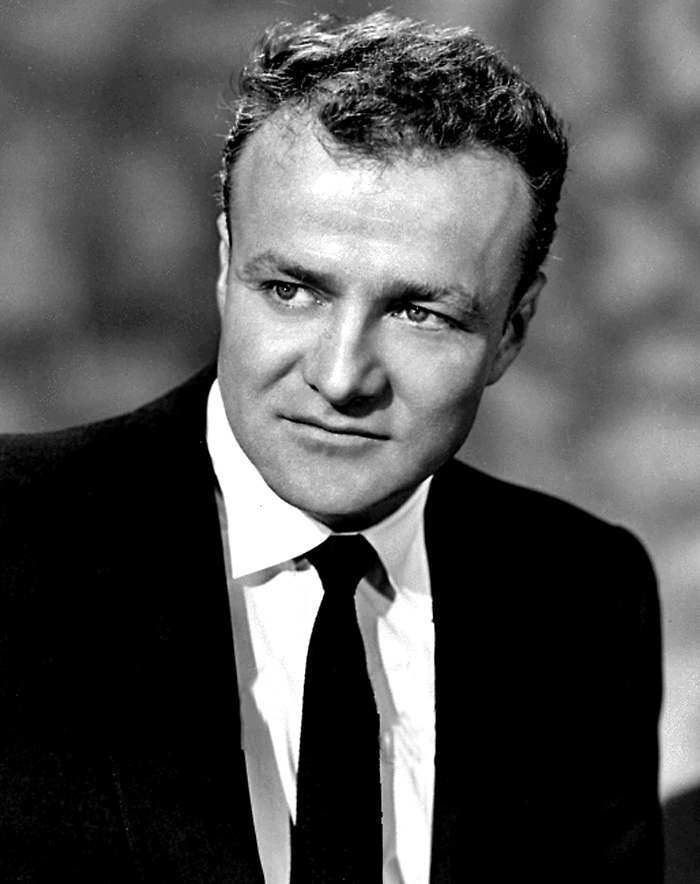
Brian Keith (Robert Alba Keith) was born in 1921 in New Jersey. His parents were both actors. They divorced shortly after his birth and at age 2, he moved to Hollywood and made his acting debut in a silent film, Pied Piper Malone, at the age of three.

While his mother was relocating for stage and radio work, his grandmother raised him on Long Island, New York.

His father remarried in 1927, but his second wife, Peg Entwistle, was involved in a tragic incident which is one of the Hollywood legends. She committed suicide by jumping of the H of the iconic Hollywood sign.

See the source image
Photo: pinterest.com

After high school graduation, Keith joined the US Marine Corps from 1942-5. He served as a machine gunner and received an Air Medal.

In an interview with the Press and Sun-Bulletin in 1966, Keith related that he had no intention of becoming an actor. He had a passion for a career at sea and wanted to go to school at the Merchant Marine Academy. He said unfortunately, “You can’t be a ship’s officer without passing a few math courses and I came up with a big fat zero in algebra. In fact, no matter how many times I repeated the course, it still came up zero. So, it was goodbye Navy career.”

After the war, Brian decided to follow in his parents’ footsteps and made his Broadway debut in 1948 in Mister Roberts. His father played Doc in the same production.

While working on television, Keith also began appearing on the big screen. During his career, he would he would make 65 movies. In the fifties he was in Storm Center with Bette Davis and The Young Philadelphians with Paul Newman.

Crusader Photo: sitcomsonline.com

While continuing to appear on the stage, television was starting to pull him in that direction. He was given his first television role in 1951 in Hands of Mystery. He did a variety of television work in the 1950s, starting off in more dramas and ending the decade in westerns. Last week we learned a bit about Gale Gordon. If you remember, Gale starred in a short-lived series called The Box Brothers, and Brian happened to be in one of those episodes in 1957. From 1955-56, he received a regular role on Crusader, making 52 episodes. He starred as Matt Anders, a journalist who, in the aftermath of his mother’s death in a Nazi concentration camp during World War II, travels the world to battle injustice.

The Westerner Photo: nostalgiacentral.com

Moving into the sixties, Keith continued his western appearances and was given the lead in Sam Peckinpah’s television series, The Westerner. Unfortunately, it only lasted for 13 episodes. Keith said that “only four or five of those were any good, but those four or five were as good as anything anybody has ever done.” He played Dave Blassingame, a cowboy drifter who sometimes does questionable things trying to earn enough money to buy a ranch, but in the end, always does the right thing.

The Parent Trap Photo: pinterest.com

It was also in the sixties that he began his connection with Disney, starring in The Parent Trap in 1961.

During this decade, he was offered a show of his own that he is probably best known for—Family Affair. From 1966-1971, he appeared as Bill Davis, an engineer, who takes in his two nieces and nephew when their parents are killed. Kathy Garver, Anissa Jones, and Johnny Whitaker played the kids and Sebastian Cabot was Mr. French, who helped raise the children. Keith received three Emmy nominations for Best Actor in a Comedy Series, but lost to Don Adams for Get Smart from all three years, 1967-1969, (In 1968 Sebastian Cabot was also nominated for Best Actor and the show was nominated for Best Comedy in 1968 and 1969, losing to Get Smart.)

Photo: dailytimes.com

Brian received the same type of contract as Fred MacMurray did in My Three Sons. It allowed him to tape his work in two-three months, leaving three-quarters of the year for traveling, relaxation, and film work.

With Six You Get Eggroll Photo: pinterest.com

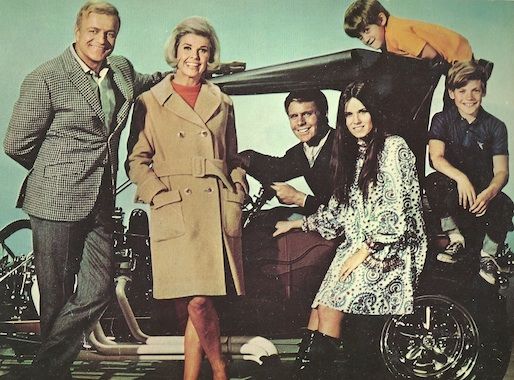
During the series’ run, he continued to make films including With Six You Get Eggroll with Doris Day.

The Brian Keith Show Photo: pinterest.com

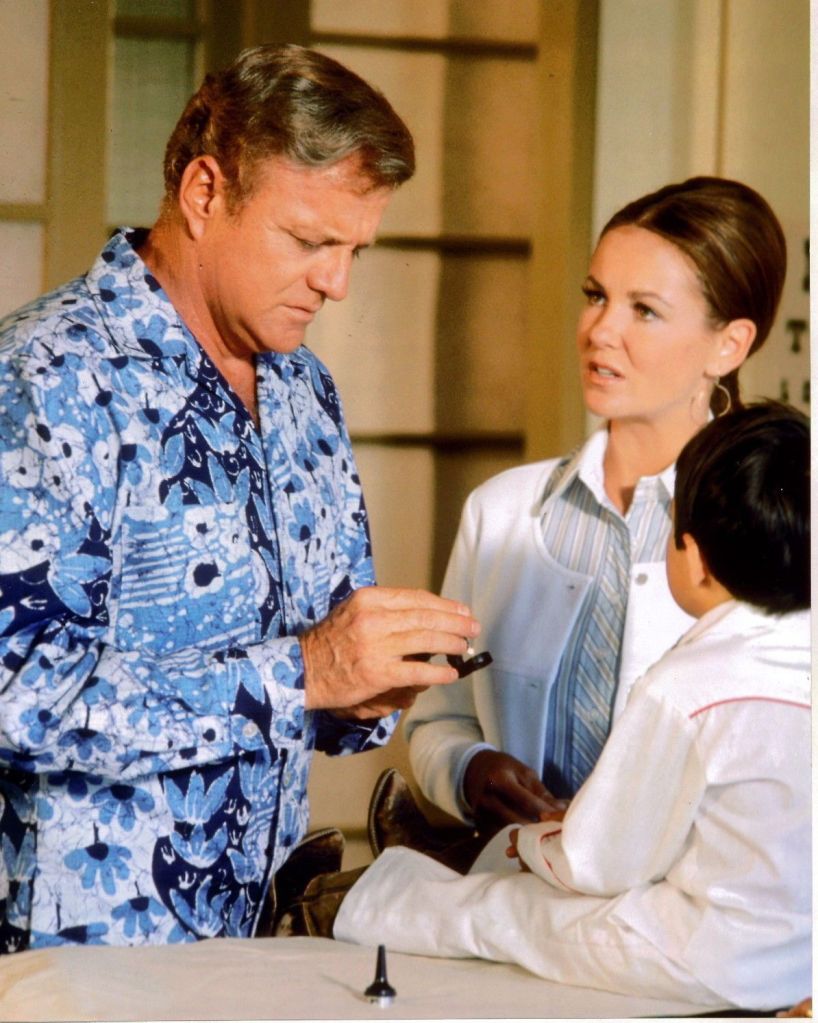
When Family Affair ended, it set off a rapid production of shows starring Keith, most of them with short runs. The Brian Keith Show was on air from 1972-74; Keith was pediatrician Dr. Sean Jamison and worked with his daughter played by Shelly Fabares. Keith said he accepted the role because the show was produced by Garry Marshall and it was shot in Hawaii.

Photo: amazon.com

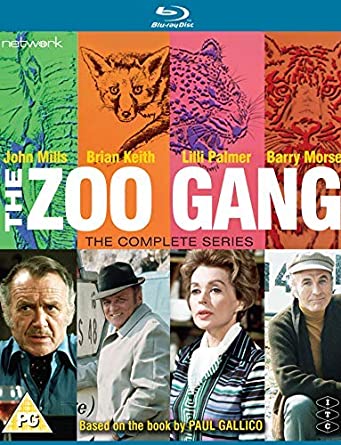
In 1974 he accepted the lead in a six-part miniseries, The Zoo Gang about a group of underground French resistance fighters. In 1975 we saw him in Archer, a television series about a detective which also ran only six episodes. Keith described Archer as “an underdog. He gets beaten. He’s no superhuman. He drives a broken-down Mustang. He’s not particularly fond of the finer things in life. Music is noise to him, painting is decoration, sculpture is ‘that stuff’ and he doesn’t read books.”

Hardcastle and McCormick
Photo: pinterest.com

In 1983, Keith co-starred with Daniel Hugh Kelly in Hardcastle and McCormick. Keith portrayed a retired judge Milton Hardcastle while Kelly was ex-con Mark McCormick. The duo team up because the ex-judge was tired of people getting off on technicalities. The show was on the air for three years.

Photo: sitcomsonline.com

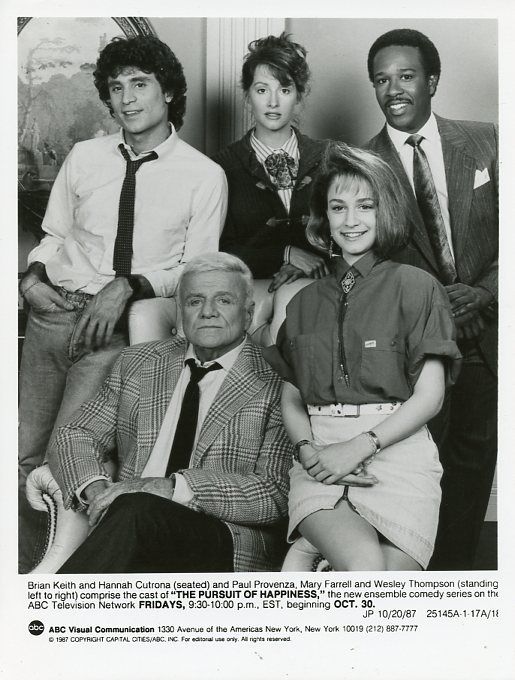
The following year, he began a stint on The Pursuit of Happiness which only lasted for ten episodes. In a different role for him, he played Professor Roland Duncan who taught at a small college in Philadelphia.

Photo: sitcomsonline.com

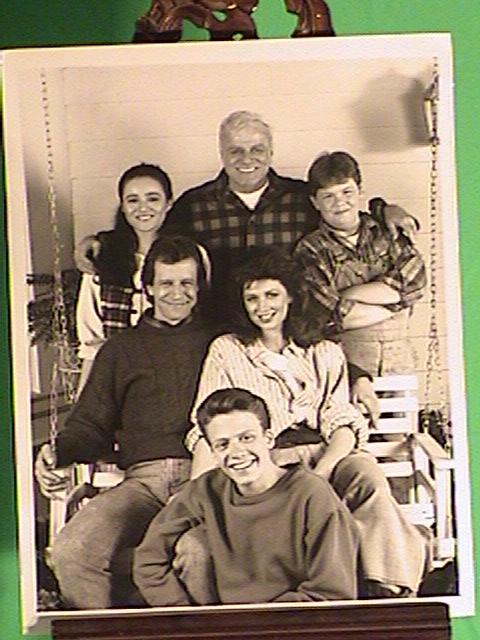
1989 found him on Heartland which was also cancelled after ten episodes. On this show, Keith played BL McCutcheon, an older farmer who loses his farm and moves in with this daughter and her family, a bit of a rural Archie Bunker.

During the 1990s, Keith showed up on a variety of shows including Young Riders, Evening Shade, Major Dad, Cybill, Pacific Blue, and Walker Texas Ranger. He tried his hand at one more sitcom, starring in Walter and Emily. After 13 episodes, the show was finished. Keith is Walter Collins. He and his wife Emily (Cloris Leachman) help raise their grandson while their son Matt travels for his sports writing career.

Keith lived on a 200-acre ranch in Redlands, California. Brian had a lot of hobbies including golfing, swimming, cooking, sailing, horseback riding, spending time with his family, painting, and reading. When asked about whether he wanted to live a long life, he said, “If I live to be a hundred—and I hope I do—I won’t have time to read all the books I want to read or talk to the people I want to know. Not party talk. That’s a waste of time. Real talk.”

While Keith had a successful career, his personal life was not as sunny. He was married three times to Frances Helm from 1948 to 1954, to Judy Landon, an actress who made an appearance on Family Affair from 1954 till 1969, and to Victoria Young, another actress who showed up on The Brian Keith Show as a nurse, from 1970 till his death.

See the source image
Photo: pinterest.com

He also suffered from several physical problems. He had been a long-time smoker, and suffered from both emphysema and lung cancer. He had been a spokesperson for Camel Cigarettes in the 1950s but quit smoking in the late 80s.

Brian’s son, Michael died from pneumonia when he was eight. In 1997, his daughter Daisy committed suicide when she was 27. Daisy had also entered the acting profession and worked with her dad on Heartland. Daisy’s death and financial problems pulled Keith into a depression and he committed suicide in June of 1997.

Early in his career, Keith established a stereotype as the handsome, burly guy with the gruff voice, but he transitioned into that character who also had moments of warmth and humor.

See the source image
Photo: amazon.com

I love his performance in The Parent Trap, and I like to picture Keith as being Mitch in real life, a guy who loves his kids and his ranch and takes pleasure in a variety of outdoor activities but also savors reading on the porch.

Keith remained close to Maureen O’Hara, his costar in the Parent Trap as well as with Kathy Garver and Johnny Whitaker. (Anissa Jones died from a fatal overdose in 1976 at age 18.)

See the source image
Photo: pinterest.com

With more than 166 acting credits, Keith had a full and successful career and brought a lot of enjoyment to generations of fans during his six decades as an actor. He had to endure a lot of heartache off the camera. Both Family Affair and Hardcastle and McCormick are worth watching if you have a free weekend. You can also see a lot of amazing performances of his on the large screen.

It Only Takes One Episode to Get Smart

In the mid-1960s, spy shows were all the rage.  James Bond drew large audiences to theaters:  Dr. No in 1962, From Russia with Love in 1963, Goldfinger in 1964, and Thunderball in 1965. Inspector Clouseau was big at the box office too appearing in The Pink Panther in 1963 and A Shot in the Dark in 1964. If you were checking out books at the library, you probably would have read Len Deighton’s The IPCRESS File (1962), The Spy Who Came in From the Cold (1963), or Harriet the Spy (1964). On the small screen, The Avengers was ahead of the curve, premiering in 1961, but in the mid-1960s, we would see some of the classic television shows debut: Mission Impossible began in 1966, The Man from UNCLE showed up in 1964 and in 1965, The Wild, Wild West and I Spy got network approval.

smart7

Another show came on the air in 1965 as well – on September 18, 1965, Get Smart was seen for the first time. Dan Melnick, a partner in Talent Associates thought a spy satire might be a good fit for their upcoming schedule. He recruited Buck Henry and Mel Brooks to write the show. The team took the show to ABC. ABC bought it but they wanted a few changes.  They wanted Tom Poston to take the role of Maxwell Smart. They wanted a dog on the show to add “heart.” Finally, they wanted Smart’s mother to be a major role and envisioned Smart coming home at the end of the episode to explain the case to his mother. Henry and Brooks said no to the mother, so ABC rejected the show and sold it back to Talent Associates.

Grant Tinker from NBC agreed to buy the show with the caveat that Don Adams star in place of Tom Poston.  And so, the creative talent of Brooks and Henry brought Maxwell Smart (Don Adams), Agent 99 (Barbara Feldon), and the Chief (Edward Platt) to life. The show would stay on the air for five seasons, producing 138 episodes.

The first four seasons were filmed at Sunset Bronson Studios.  In 1970, the show moved to CBS and the last season was filmed at CBS Studio Center.

Mel Brooks left the show after the first year, but Buck Henry stayed through 1967 as the story editor.

smartgun

Most of the administrative cast stayed with the show for its run. Leonard B. Stern was the executive producer for all the shows. Irving Szathmary was the music and theme composer, as well as conductor, for all five seasons. Gerald C. Gardner and Dee Caruso were the head writers for the series. Don Adams would get to direct 13 episodes and write 2 of them.

The show centered around the three main characters. Maxwell Smart is Agent 86.  He works for CONTROL, a US government counter-intelligence agency in Washington DC. Max is resourceful.  He is a adept marksman, has hand-to-hand combat skills and is extremely lucky. He uses several cover identities, but the one he uses most often is greeting card salesman. He insists in going by the book and this, along with his clumsy nature, cause problems for him.

smartsmart

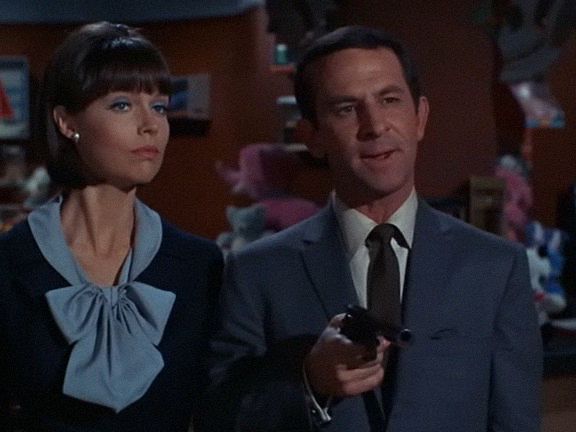
He and his partner Agent 99 take on world threats. We never learn Agent 99’s real name, although we think we have in one episode.  In “99 Loses CONTROL”, she says her name is Susan Hilton but at the end of the episode, we learn she was lying. Agent 99 is smart and competent.  Her father was apparently a spy as well.  (In real life, Barbara Feldon was also smart; she won on The $64,000 Question with the category of Shakespeare.) If you look closely, you will often see Agent 99 slouching, sitting, or leaning on something to conceal the fact that she was a bit taller than Adams.

smart15

Their boss, Chief, whose real name is Thaddeus, is sarcastic and grouchy but also serious, sensible, and smart. He began his career as Agent Q and his cover name is often Harold Clark. Other CONTROL agents we meet during the series are Agents 8, 13, and 14, as well as Larrabee, the Chief’s highly inefficient and bumbling assistant.

smart10

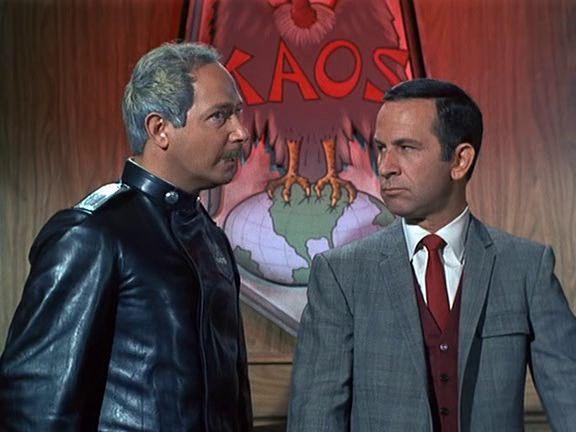
Their primary enemy is KAOS, an international organization of evil founded in Romania in 1904 (a Delaware corporation for tax purposes!). The two KAOS employees we see most often are Conrad Siegfried (Bernie Kopell), the VP for Public Relations and Terror and his assistant Shtarker (King Moody), whose personality can change from sadistic to childlike. While Siegfried and Smart are mortal enemies, they respect each other.  Sometimes they begin talking like old friends.  In one episode, they are discussing the flavor of cyanide pills each side has that month.  CONTROL is giving out raspberry, and Smart tries to give one to Siegfried.  Like CONTROL, KAOS has a bowling team to build rapport and fellowship among their employees.

smart13

Another KAOS agent is Hymie the Robot played by Dick Gautier. Dr. Ratton of KAOS built Hymie for evil, but Smart manages to turn the robot into a CONTROL agent. Hymie is faster and stronger than any human.  He also has the ability to swallow any poison and then identify it. He has emotions and a need to maintain neatness.  Unfortunately, he takes commands literally; if Smart says “Get ahold of yourself,” he literally wraps his arms around himself.

smart8

The opening sequence of the show is one of the most spoofed openings in television.  Smart walks through doors that continue to other doors. It was ranked as the number 2 opening out of the top ten by TV Guide viewers in 2010.

The show is still known for its catch phrases that became part of the American vocabulary including “Would you believe?”, “Sorry about that Chief,” “And loving it,” and “I asked you not to tell me that.”

The series is identified with its James Bond-like gadgets.  Telephones could be concealed in neckties, combs, and watches, but most often it is in Smart’s shoe which he had to take off to answer. Agent 99 has a compact phone and a fingernail phone which forces her to look like she is nervously biting her nails to talk on it.

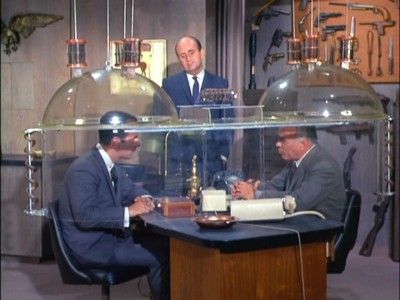
The show features a bullet-proof invisible wall in Smart’s apartment which lowers from the ceiling; he often forgets to put it back up and runs into it. Cameras can be in a bowl of soup.  A laser weapon was concealed in a suit jacket button, the blazer laser. The Cone of Silence are two glass domes that cover Smart and the Chief when they talk about a case.  Smart insists on using it because it’s  regulation; however, they can hardly hear each other, but anyone on the outside can hear their conversation clearly and often reports what the other person said.

smart3

Other weapons and aids for the spies included a parking meter telegraph, a perfume bottle radio transmitter, invisible icing, and a pencil listening device. Guns were hidden in a charm on a charm bracelet, in a pool cue, as a hairbrush, as a flashlight, and in a crutch. CONTROL even had gloves with fingerprints already on them – the fingerprints were KAOS agents so they would get the blame for a break-in.

Blowing up stuff is always good on a spy show and Get Smart had explosive rice; toothpaste that is really a fuse; an exploding wallet, ping pong ball and golf ball; and a horoscope book or lipstick case that contained knock-out gas.

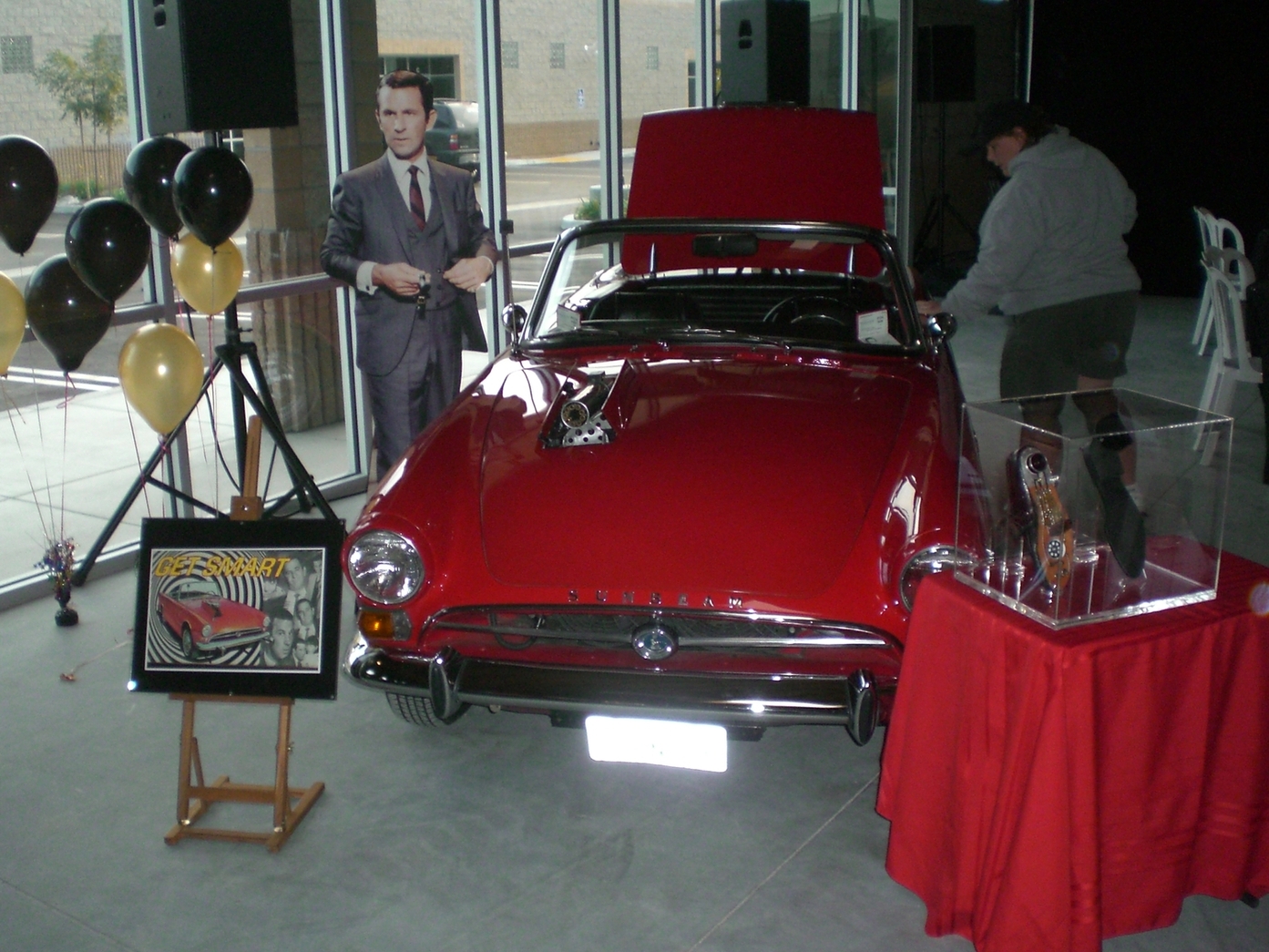
Smart had several cars but his most famous was a red 1965 Sunbeam Tiger.  The two-seat roadster had a machine gun built in, a smoke screen, a radar tracker, and an ejection seat.  When the series went off the air, Don Adams received the car and continued to drive it for ten years.

smart14

Get Smart probably had some of the most famous guest stars of any show.  Just a few of these celebrities include Steve Allen, Barbara Bain, Milton Berle, Ernest Borgnine, Carol Burnett, James Caan, Johnny Carson, Wally Cox, Robert Culp, Phyllis Diller, Jamie Farr, Jack Guilford, Bob Hope, Martin Landau, Julie Newmar, Pat Paulson, Tom Poston, Leonard Nimoy, Vincent Price, Don Rickles, and Fred Willard.

The show stayed true to its character through its entire run.  In Season 1, Hymie is introduced and the dog, Fang, disappears. In Season 2, we meet Siegfried. Smart and Agent 99 get engaged and marry in Season 4.  NBC demanded the change to boost ratings. In Season 5, they have twins.  Agent 99 continues working and is one of the first, if not the first, mother to be viewed as a working woman.  When the ratings did not increase, the show was cancelled. It went into syndication where it was very successful. Unfortunately, the DVD set was held up in legal battles and only came out weeks before Adams died.

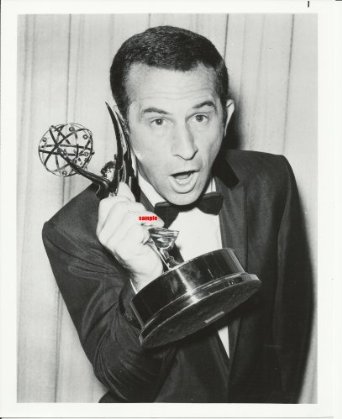
Get Smart was one of the most clever and creative sitcoms ever airing on television.  It had `21 Emmy nominations including two for Feldon and won 7 of those awards.  Don Adams won best actor on a comedy three times and the show won best comedy twice.

smartemmy

William Johnston came out with 9 paperbacks based on the series in the late 1960s and Dell Comics issued 8 comic books in 1966 and 1967. For the March 5-11, 1966 TV Guide, Andy Warhol designed a pop art piece using Barbara Feldon. Numerous collectibles were created:  board games, lunch boxes, dolls, and model cars.

The show produced many spin-off projects. The Nude Bomb was a theatre release in 1980 with Feldon and Smart reprising their roles. Get Smart Again debuted in 1989 as an ABC TV movie.  After its release, a show appeared on FOX starring Feldon and Smart again called Get Smart in 1995.  In 2008 a movie was made starring Steve Carell and Anne Hathaway. Don Adams was known to later generations as the voice of Inspector Gadget.

carell

Of course, everyone has their favorite episodes, but after reviewing several polls and interviews with Nick at Nite and other 50th anniversary celebrations, I have come up with these top five.  Take a rainy fall day and give them a peek. However, if we are looking just at titles, I have to give a shout out to “Spy, Spy Birdie”, “Bronzefinger”, “Impossible Mission”, and “Tequila Mockingbird”.

  1. A Spy for a Spy
  2. The Not-So-Great Escape
  3. Ship of Spies
  4. The Amazing Harry Hoo
  5. The Little Black Book


smarttrench

Unfortunately, this is one of those shows that doesn’t get as much recognition and respect as it deserves.  Considering how much technology has developed in the last 50 years, the show is still up to date. The dialogue is witty; the characters are likable, even when they’re mortal enemies; and the show is just plain fun.


Do We Have Reservations? Yes We Do.

February has finally arrived.   Some of us are getting a bit tired of winter, so this is a popular month for travel to a warmer destination.  If you aren’t able to physically get away, stay home and watch the February Sweeps, the only time you’re guaranteed new episodes of your favorite show for a month straight.  This week I decided to look at sitcoms set in hotels or resorts.  I did not discuss Fantasy Island or The Love Boat because I thought we could talk about them another time.

resort

Based on the length of many of these shows, the hotel business is a tough one to be successful in. Let’s look at a bunch of shows that didn’t last too long.

buddyfeb6

Stanley was a show starring Buddy Hackett and his girlfriend played by Carol Burnett that aired in 1956. Stanley ran a newsstand in the lobby of a New York City hotel. The hotel owner was played by Paul Lynde.  The show was cancelled in March of 1957, supporting the philosophy that no news is good news.

happyfeb62

Happy starred George and Gracie’s son, Ronnie Burns. Ronnie was married to a woman played by Yvonne Lime and they were co-owners and managers of the Desert Palm, a ritzy resort. Included in the cast was their Uncle Charlie and the co-owner played by Doris Packer.  Happy was their son who commented on what was going on, sort of like Family Guy’s Stewie.  It was a summer entry in 1960, but 9 months later it gave birth to a cancellation which made the cast not Happy.  I don’t know why, but apparently viewers could accept a talking horse or a talking car, but not a talking baby.

Another show that began as a summer replacement was Holiday Lodge in 1961. Johnny Wayne and Frank Shuster, two comedians from Canada, played social directors at a New York state hotel. They tried to provide entertainment but always ran into trouble, including being taken off the air after a few episodes.

The Bill Dana Show was interestingly based on the character Jose Jiminez developed by Dana for the Steve Allen Show and later brought to the Danny Thomas Show.  In 1963 The Bill Dana Show portrayed Jiminez as a bellhop at the New York City Park Central Hotel and the show centered on him trying to get used to life outside Mexico. Often his dream sequences took him into bizarre situations.  The most interesting fact about this show might be that the house detective was played by Don Adams who went on to star in Get Smart. Jimeniz’s dream became a nightmare when the show was cancelled after 42 episodes.

hotlbaltimorefeb6

One of the most controversial shows to air on television in the 1970s was Hot L Baltimore debuting in the fall of 1975.  Many stations refused to air the show because it was lewd and racy.  Norman Lear, the producer behind All in the Family, Maude, and The Jeffersons developed the concept based on a play. The cast was made up of a desk clerk, his girlfriend, the manager, a hooker, an unemployed waitress, a dying man, a gay couple, and an eccentric woman. After four months, the waitress was not the only one unemployed because the show was done.

The Last Resort was developed by MTM in 1979, the company that created The Mary Tyler Moore Show, Rhoda, and Phyllis. The resort, set in the Catskills in upper New York, included a bunch of college students working their way through school. It featured a stereotyped crew including the brilliant premed student, a bookworm, a snob, an overweight clumsy guy, the pastry chef who left her wealthy husband to pursue her career, a Japanese chef, and a maitre’d who ran the place like a drill sergeant. It was cancelled after three episodes. Retooled, it came back in December only to be finished for good in March when the last resort of The Last Resort was no more.

Checking In must be in the running for the shortest show to appear on television. In 1980, Marla Gibbs, playing Florence the maid on The Jeffersons, got her own show, transferring to a hotel in New York City where she was the head housekeeper. She answered to a snobby manager played by Larry Linville who would later become Frank Burns on M*A*S*H. The rest of the cast included an assistant, a house detective, a maintenance supervisor, and a bellboy. After several weeks, the hotel was shut down and Florence went back to working for The Jeffersons.

goldenpalacefeb6

The Golden Girls was one of the most beloved shows in television, but I’m guessing few people remember The Golden Palace which debuted in 1992.  After Dorothy got married, the other three characters decide to invest in a hotel in Miami. Only two employees are left at the hotel:  a manager and a chef. After 24 shows, no one was left at the hotel.

In 1999 Payne, a remake of the British show Fawlty Towers hit the air.  Set in a California inn, Whispering Pines, the hotel was owned by Royal Payne and his wife Constance.  It went on the air in March.  At the end of April, the network ended its Payne by taking two aspirins and cancelling the show.

whoopifeb62

Compared to some of the shows, Whoopi! might have seemed successful, lasting an entire season.  Set in the Lamont Hotel in New York City, a one-hit wonder musician played by Whoopi Goldberg decides to put her money into a hotel and run it the way she sees fit.  She has an assistant from Iran, a brother who is a conservative Republican, and his girlfriend who is white but acts more African American than the black members of the hotel. Of course, these three characters give her much controversy to deal with.  The network, acting as referee, blew the whistle and cancelled the entire thing after one year.

In 2008 Do Not Disturb debuted.  If you missed it, don’t feel bad.  It debuted on Fox and featured The Inn, a hip Manhattan hotel.  The staff is not as competent as they appear to their guests. The manger is arrogant, the head of human resources is loud and tactless, the front desk clerk is an aging model who does not want to be a desk clerk or older, the reservations clerk is a famous musician wannbe, and the head of housekeeping has problems at home. The network, not wanting to disturb the viewing public, pulled the plug after three shows. Larry, played by Jesse Tyler Ferguson, would go on to star in Modern Family in 2009.

Before you begin to think shows about hotels are doomed, let’s check in with four successful shows that knew how to make a profit.

From 1996-2001 The Jamie Foxx Show on WB featured Jamie Foxx as a musician who moves to California to work at his aunt and uncle’s (played by Ellia English and Garett Morris) hotel, King’s Tower.  He has two co-workers played by Christopher B. Duncan and “Fancy” played by Garcelle Beauvais. He is interested in Fancy, but she doesn’t feel the same until the final two seasons when they become engaged. The show aired 100 episodes before the network finally got reservations.

Disney’s Suite Life of Zach and Cody set in the Tipton Hotel ran from 2005-2008. The twins lived in the hotel because their mother was the lounge singer.  Somewhat like Eloise at the Plaza, the boys got into mischief and interacted with other employees including the wealthy heiress London Tipton, the candy counter salesgirl Maddie Fitzpatrick, and the manger Marion Moseby.  In 2008 the show sailed off, literally, and became Suite Life on Deck running until 2011.

With 184 episodes, Newhart debuted in 1982. With its quirky cast of characters, it became a big hit. Set in Vermont, Dick Loudon (Bob Newhart) is a writer who buys the hotel and runs it with his wife Joanna (Mary Frann). Their handyman George Utley (Tom Poston) and their maid Stephanie Vanderkellen (Julia Duffy) make life both easier and more difficult at the inn. Later Dick becomes a local television celebrity working with Michael Harris (Peter Scolari) who marries Stephanie.  Larry, (William Sanderson) his brother Darryl (Tony Papenfuss) and his other brother Darryl (John Voldstad) are memorable characters.  Darryl and Darryl never speak until the final episode.  That finale has the best ending ever in a television series when Bob Newhart wakes up in bed, tells his wife he had a really weird dream, and we see the wife is Suzanne Pleshette, his wife Emily from The Bob Newhart Show in which he played a psychiatrist from 1972-78. This series delightfully captured the life in a small New England town until 1990.

While Newhart is hard to top, my favorite hotel sitcom is Petticoat Junction which featured the Bradley Girls from 1963-1970. Kate (Bea Benaderet) ran the hotel with her three daughters Billie Jo, (Jeannine Riley till 1965, Gunilla Hutton until 1966, and Meredith MacRae until 1970), Bobby Jo (Pat Woodell until 1965 and Lori Saunders through 1970, and Betty Jo (Linda Henning), along with her Uncle Joe (Edgar Buchanan). The Shady Rest is near Hooterville, so we get to know a variety of town folk including Sam Drucker who runs the general store; Floyd and Charley, who run the Cannonball train; and Steve Elliott, crop duster, who is Billie Jo’s boyfriend first but later marries Betty Jo; and we run into the Ziffels and the Douglases from the show Green Acres. It’s a charming and heart-warming show loaded with loveable but zany characters. It ran for 222 episodes, even surviving the death of Bea Benaderet, who was replaced by Janet Craig (June Lockhart), a woman doctor who moves into the hotel. The amazing Charles Lane shows up throughout the series as Homer Bedloe, a railroad employee whose sole mission is shutting down the Cannonball.

If you can’t physically travel this month, take some time and watch a season or two of Newhart or Petticoat Junction, and you can still get away and experience life in a small-town hotel.