Burt Mustin: What a Character

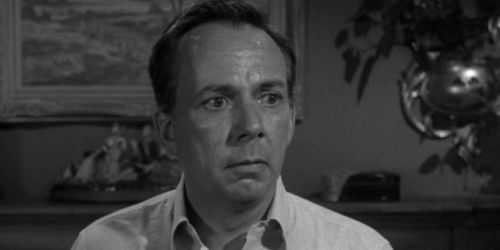
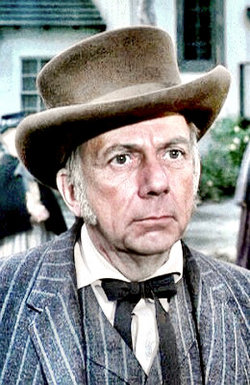
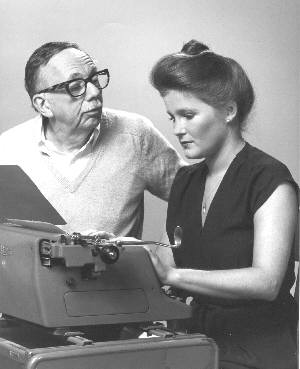
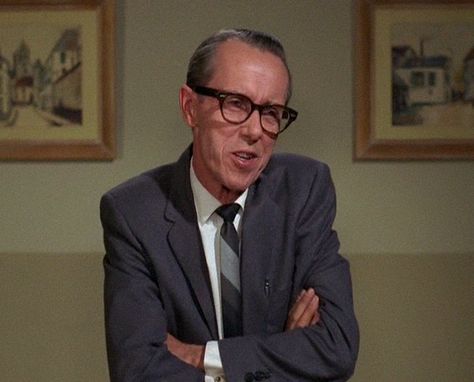
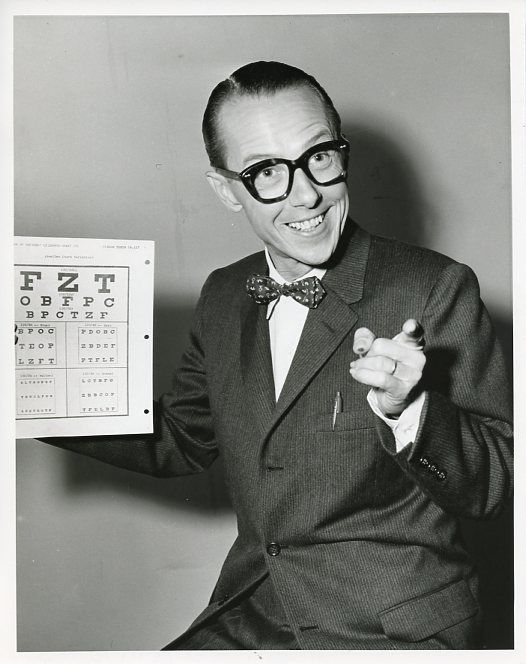
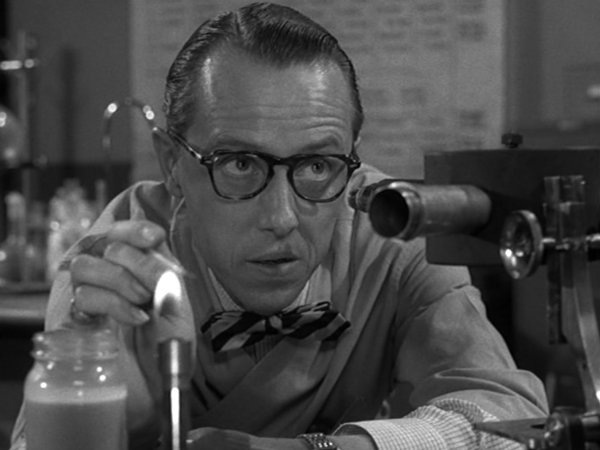
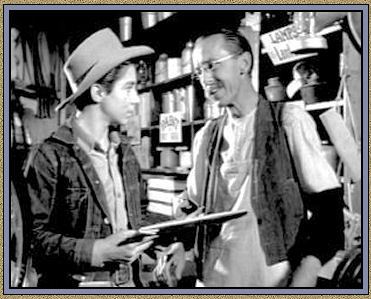
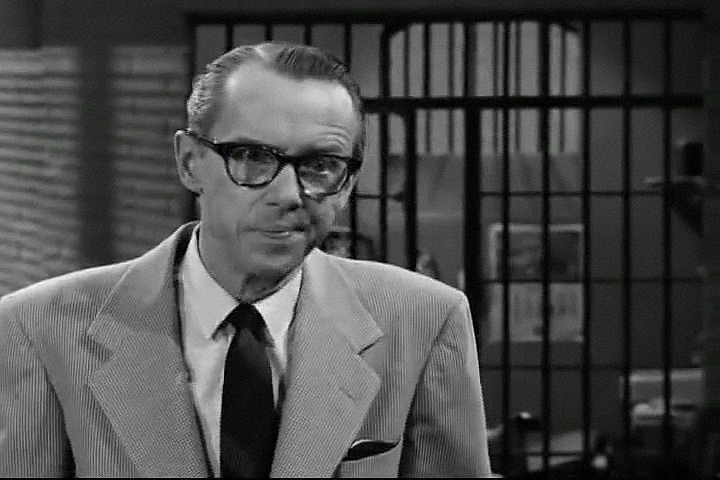
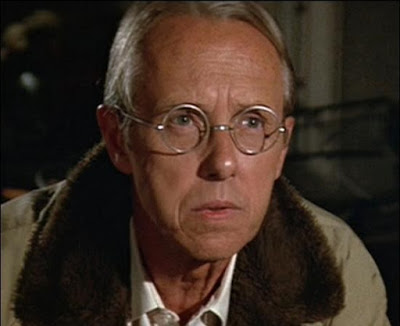
This month we are looking at some of our favorite character actors. As we wrap up the series, we are ending on a high note with the amazing Burt Mustin. Like Charles Lane, Mustin had a prolific career in Hollywood and television. However, unlike Lane, Mustin was offered his first acting job at age 67 after he had retired.

đŸ“·Widener University Archives

Mustin was born in Pittsburgh in 1884. His father was a stockbroker. After high school, Mustin enrolled in the Pennsylvania Military College (now Widener University) with a degree in civil engineering. During his college career he played trombone in the band and played goalie for his hockey team.

After graduation, Mustin toured Europe, planning to work at his father’s brokerage firm. However, a financial panic destroyed the company.

One of Burt’s university classmates was Charles Spinney. According to Burt, Spinney displayed lots of photographs of young ladies from his hometown of Memphis, Tennessee. One day, he was showing them to Burt when he spotted the photo of what he referred to as “the prettiest girl in the room.” Mustin traveled to Memphis to meet her and in 1915 he married Frances Robina Woods. The couple had no children and remained together for their entire lives, with Frances passing away in 1969.

đŸ“·imdb.com

After working as an engineer for a few years, Mustin decided to try to sell automobiles. In an interview, Mustin admitted, “I was the worst engineer the school turned out.” He began selling Oakland Sensible Sixes and later Franklins, Lincolns, and Mercurys. WWII put an end to car sales for a few years, so Mustin began working for the Better Business Bureau and then the Chamber of Commerce. He stayed in Pittsburgh until he retired.

He did a bit of amateur acting and continued his passion for music. He was part of the oldest Gilbert and Sullivan troupe in the country, the Pittsburgh Savoyards; the Pittsburgh Opera; and an officer in the Society for the Preservation and Encouragement of Barbershop Quartet Singing in America. 

He was a founding member of the Pittsburgh Lions Club in 1921 and a life member in the Fellows Club of Pittsburgh. Mustin served as an announcer for the first weekly variety show on radio station KDKA.

đŸ“·that’sentertainment.com

After retiring, Mustin and his wife moved to Tucson, Arizona for her health where he continued acting. William Wyler saw him in a stage production of “Detective Story” and told Mustin to let him know if he ever wanted to pursue a film career. When Wyler was casting for Detective Story in 1951, Mustin reached out to him. The couple later moved to Los Angeles. Mustin would appear in 67 films overall.

In 1968 Mustin was cast in Speedway with Elvis and Nancy Sinatra. In one scene the stars have a lover’s quarrel in a coffee shop. When they make up, Elvis sings a song for his girl. Mustin is in the background cleaning the cafĂ© and working at the counter. The producers felt the scene needed something else. That something else ended up being Mustin singing and dancing with a mop. No one on the set realized that Burt could sing before that adlibbed scene.

1951 was also the year that Mustin appeared on television in The Adventures of Kit Carson. He would find a new career in television for the next two decades, appearing in more than 130 series (which would equal more than 400 actual episodes).

đŸ“·imdb.com

During the fifties, he would be attracted to many westerns and dramas; however, he found his way onto a few comedies including The Great Gildersleeve, December Bride, and Our Miss Brooks.

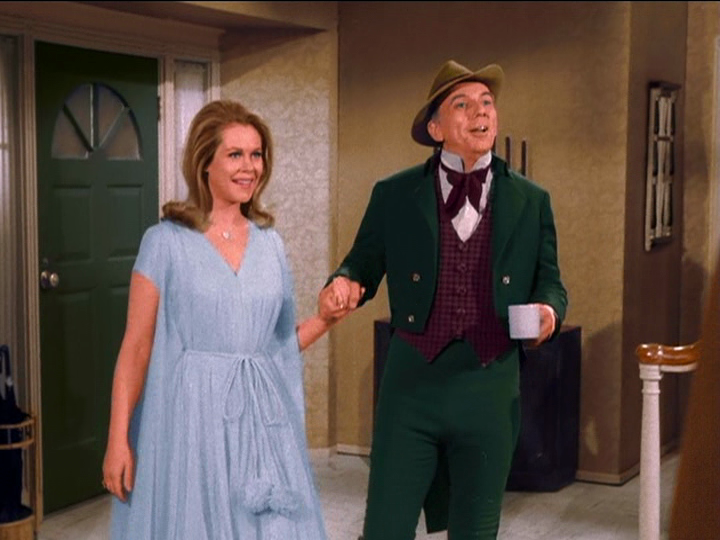
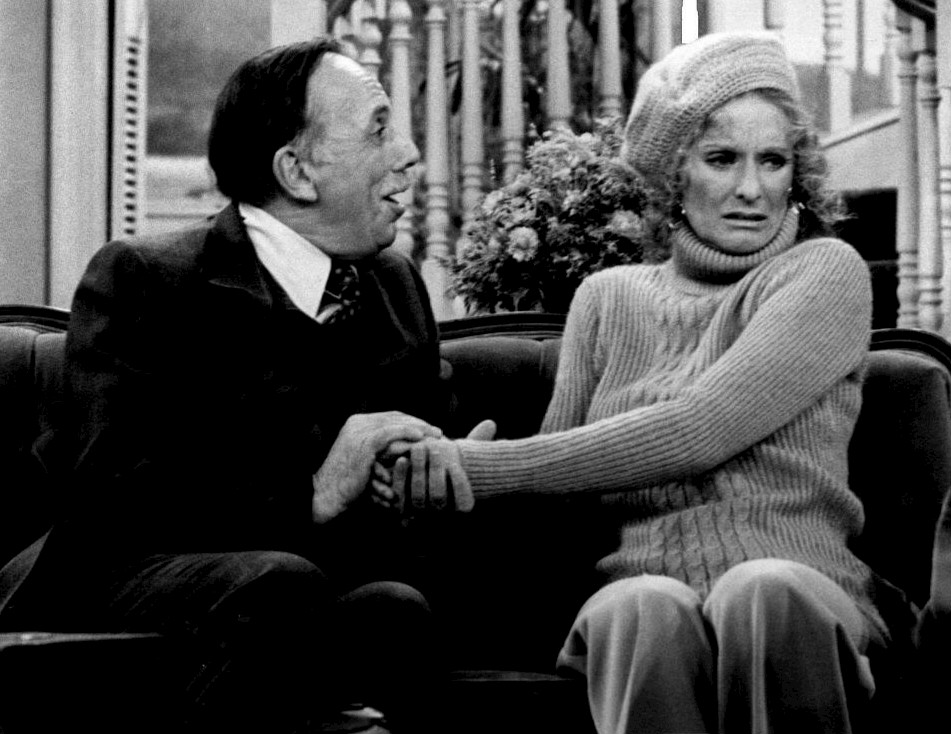
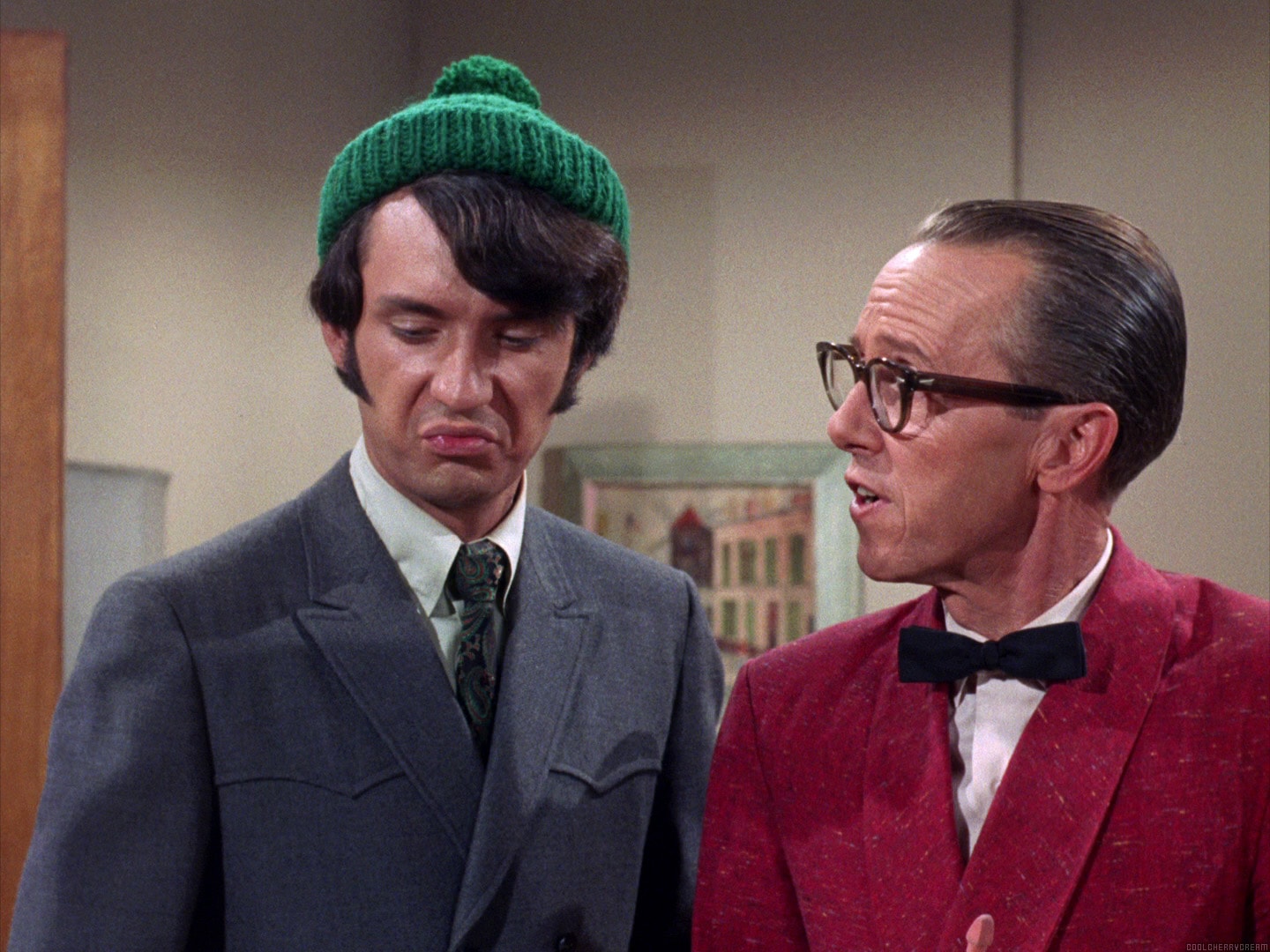
If I listed half of the 1960s shows he appeared on, you would still be reading this blog next Monday when my new one is dropped. Take my word for it that he was on almost every popular sixties’ sitcom, including 14 episodes as Gus the fireman on Leave it to Beaver. Other sixties hits you can find him on include The Many Loves of Dobie Gillis, The Dick Van Dyke Show, The Joey Bishop Show, The Jack Benny Show, The Beverly Hillbillies, Get Smart, The Andy Griffith Show, The Lucy Show, Bewitched, Gomer Pyle USMC, Petticoat Junction, and My Three Sons, not to mention many dramas and westerns including Bonanza and Gunsmoke. He was no less busy in the seventies where we could catch him in Marcus Welby, The Mary Tyler Moore Show, The Brady Bunch, Love American Style, Adam-12, All in the Family, and Phyllis.

đŸ“·imdb.com

Johnny Carson loved having Mustin on The Tonight Show, where he was a fan favorite. He shared a lot of fun stories on the show. One of them was about him being at the first World Series for baseball in 1903 when the Pittsburgh Pirates played the Boston Red Sox. Unfortunately for Burt, Boston came back to win the series, but as a bonus he did get to see Honus Wagner play on the diamond.

Mustin passed away eight years after his wife at the age of 92. He left a gift to the college he was loyal to his entire life, enabling Widener University to renovate their theater. It is now named the Burton H. Mustin Theatre and Lecture Hall.

It’s hard to wrap your head around what a busy film and television career Mustin had. He was an actor for the last 25 years of his life, and with 67 movies and more than 400 episodes, that means that he accumulated about 20 credits per year which is almost two a month from age 67 to 92. Talk about an amazing career. Mustin proved that it’s never too late to find your next passion. Thanks for so many great memories Burt Mustin.
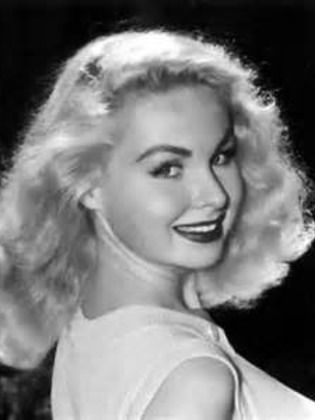
The Marilyn Monroe of Television

đŸ“·elcinema.com

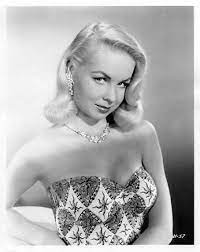
We are winding down our What a Character blog, about character actors in classic television shows. Today we are learning about Joyce Renee Brown, better known as Joi Lansing.

Lansing was born in Utah in 1929. Her father was a shoe salesman and orchestra musician, and her mom was a housewife.

Her parents divorced when she was young, and her stepfather Vernon Loveland adopted her. In 1940, the family moved to Los Angeles. Joi began modeling at 14 and was signed to an MGM contract, attending school at the studio.

Lansing began her film career in 1947, appearing in When a Girl’s Beautiful and Linda Be Good. She had uncredited roles in Easter Parade and Singing in the Rain, among others. Almost half of her 106 acting credits were for shorts and big-screen films.

đŸ“·rottentomatoes.com

Her first three marriages lasted less than some of her films. At 17 she was married for less than a year. In 1950 her marriage to Jerome Safron was annulled after four months, and her marriage to Lance Fuller in 1951 ended in divorce in 1953.

Her first television role came in 1952 in Racket Squad. This was a show I had not run across before, but it was on the air for three years. It had a Dragnet-like feel to it with the main character Captain Braddock explaining “What you are about to see is a real-life story, taken from the files of the police racket and bunco squads, business protective associations and similar sources around the country. It is intended to expose the confidence game – the carefully worked-out frauds by which confidence men take more money each year from the American public than all the bank robbers and thugs with their violence.

đŸ“·tumblr.com

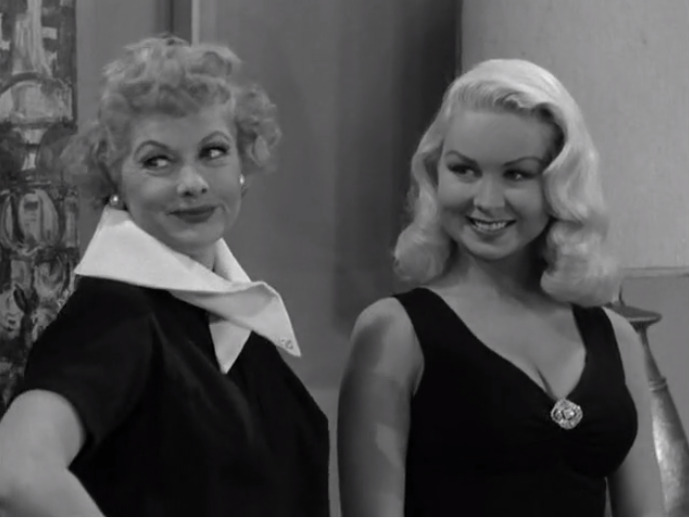
The early fifties kept her busy in drama series. In the the mid-to-late fifties, she appeared on I Love Lucy, The Gale Storm Show, December Bride, Perry Mason, Maverick, The Jack Benny Show, and Richard Diamond, Private Eye.

From 1955-59 she had a recurring role on The Bob Cummings Show with 24 appearances as Shirley, a model. While she was attending UCLA, a writer for the show spotted her. After being cast as pinup girls and stereotyped as a beautiful bombshell, this series proved Lansing had acting abilities, and it propelled her to receiving offers for better scripts.

In 1960, Lansing married Stan Todd and they remained married until her death. However, they had been separated for years.

Lansing was also a recording star. In the early sixties, she performed with Xavier Cugat and Les Paul. She recorded several songs during the sixties.

đŸ“·wikiwand.com Klondike

The sixties were split between film and television work. She accepted roles on ten shows including Klondike (7 episodes as Goldie), The Untouchables, The Joey Bishop Show, The Adventures of Ozzie and Harriet (12 episodes as various characters), Petticoat Junction, and The Beverly Hillbillies (6 episodes as Gladys Flatt, wife of musician Lester Flatt).

Lansing was in her last movie, Bigfoot, and last television role, The Governor and JJ, in 1970. While on the set of Bigfoot, she met Alexis Hunter who was playing a monkey in the film. Obviously, this was not a film to highlight on the resume. According to Hunter, the two fell in love and were together for three years until Joi’s death. Same-sex relationships were forbidden in Hollywood at the time, so they told people they were sisters. They had similar looks, so they got away with it.

Joi died from breast cancer in 1972 at only 43 years of age. Joi had been diagnosed with both breast and ovarian cancer in 1970 but went into remission. As a disclaimer, Bigfoot was the only acting role Hunter was credited with, and the revelation of her relationship with Lansing was only known from a book that Hunter wrote in 2015. I could not find any other documentation to back up her claim.

đŸ“·facebook.com

I am torn about Lansing’s career. She certainly had a successful career on paper, but she never got the break she deserved with the right acting role. Considering that she had 106 credits and passed away at only 43, one has to wonder how many more credits she could have amassed if she had worked for another two decades. I know there is a fine line of Hollywood actresses who might have the looks but not the talent, but for those who have both, Hollywood is not often fair, stereotyping them into “dumb blonde” or “pinup” roles. I had only been familiar with Lansing from The Bob Cummings Show, so it was interesting to learn more about her and her career.

The Gale Storm Show Cruising the World

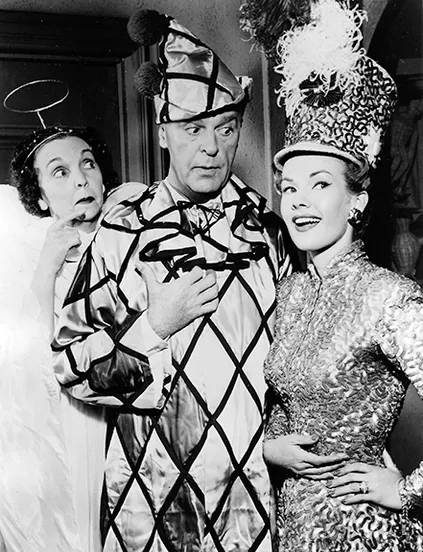
This month we are celebrating Classic TV Shows. In the fifties, our show today was very popular under two different names: The Gale Storm Show and Oh, Susanna.  In 1956, Hal Roach Studios premiered The Gale Storm Show starring Gale Storm. The series would be on the air four years, producing 125 episodes. When it was sold for syndication it was retitled, Oh, Susanna.

Susanna Pomeroy (Storm) is a cruise director on a ship that traveled around the world. A fun fact, Gale had a daughter in 1956 who was named Susanna for this character. A regular group of characters called the ship home including Elvira Nugent (Zasu Pitts) often called Nugie, Captain Huxley (Roy Roberts), and Cedric (James Fairfax).

đŸ“·imdb.com

Zasu Pitts was under contract to Hal Roach Studios in the 1930s where she made about 16 comedy shorts. You might have more curiosity about how Pitts got her name Zasu which truly was her name. Her aunts Eliza and Susan both wanted her named for them, so her mother came up with Zasu for both. Pitts was nominated for supporting actress for the Emmys in 1959. She had some tough competition including Rosemary DeCamp for Love That Bob, Verna Felton for December Bride, Elinor Donahue for Father Knows Best, and Kathy Nolan for The Real McCoys; they all lost to Ann B. Davis for Love That Bob.

Like The Love Boat, which would air decades later, guest stars traveled the seas as well. These stars included Pat Boone, William Frawley, Lorne Greene, and Boris Karloff.

đŸ“·galestorm.com

The show started its life on CBS and ended it at ABC. Some of the plots include Nugey gives a boring passenger a glamour treatment and then spreads a rumor she is a countess to give her more excitement. However, two detectives hear this and assume she is an international jewel thief they have been searching for; Nugey finds herself the victim of some con men in Naples and Susanna has to recover her life savings from the bad guys; and Susanna tries to impress a passenger who was the friend of one of her former classmates, and she claims to be married to wealthy passenger Charles Martingale and then has to keep the mother from meeting Martingale.

Storm had a successful movie career, but it was almost nonexistent by the early 1950s. She was also a recording artist who had several top twenty hits. On this show, she sings on almost every episode.

The Gale Storm Show was one of the most popular sitcoms on television in the late fifties and set the stage for what was to come into the sixties.

Isabel Randolph, What a Character!

October is “What a Character,” blog series month, and we are taking a look at some of our favorite character actors. This blog features the wonderful Isabel Randolph.

Randolph was born in Chicago in 1889. After high school, Isabel began performing in regional theater throughout the Midwest until the mid-1930s. She married J.C. Ryan, a Chicago newspaperman, in 1917. Unfortunately, he passed away at a young age and she raised their two girls. She was the leading lady at the Princess Theater in Des Moines, Iowa. In a 2012 article, Ryan Ellett quoted Conrad Nagel as saying the Princess Theater “was recognized as one of the outstanding stock companies of the entire country, and is still referred to by some of the old timers as the best of them all.” Ralph Bellamy also spent time with the theater.

Actor Isabel Randolph Movies List, Isabel Randolph Filmography, Isabel  Randolph 10 Films
Photo: spicyonion.com

In the thirties, Randolph decided to try out radio. She was on the air on Fibber McGee and Molly from 1935-1943. She played a variety of roles but was best known for Mrs. Abigail Uppington, a society matron. During this time, she also was in several other soap opera-type shows. When the McGees moved their show to Hollywood, Isabel went to California with them where she took a chance at motion pictures.

Isabel specialized in the “grand dame” roles which continued into her film career. Of her 110 acting credits, 69 of them were for movies on the big screen, her first being in 1939 in The Women.

In 1953, she made the foray into television. Her first role was on The Dick Tracy Show in 1951, based on the popular comic strip.

The Missing Corpse by Albert Herman, Albert Herman, J. Edward Bromberg, Isabel  Randolph, Eric Sinclair | DVD | Barnes & NobleÂź

In 1952, she got her second role, and her first recurring role in a sitcom, when she was offered the part of neighbor Mrs. Boone in Meet Millie. Meet Millie was about Millie Bronson (Elena Verdugo), a secretary who lives with her mother (Florence Halop) in Queens. Her boss is JR Boone (Roland Winters) and she sometimes dates his son Johnnie (Ross Ford). Family friend and poet Alfred Prinzmetal (Marvin Kaplan) often drops by. We don’t hear about this show very often but it was on for four years and produced 124 episodes. 

Randolph did a variety of work in television throughout the rest of the fifties. She did a lot of theater programs, westerns, and also comedies including Burns and Allen, The Ann Sothern Show, December Bride, and The Bob Cummings Show.

Isabel Randolph, who played Mrs.... - Masquers Club of Hollywood | Facebook
Photo: facebook.com

She had another recurring role during the last season of Our Miss Brooks when she played Ruth Nestor who ran a private boarding school. John Rich was the director on the show. He loved the cast and said especially Eve Arden was a joy to work with, very nice and very funny. He described the entire cast as “adorable.”

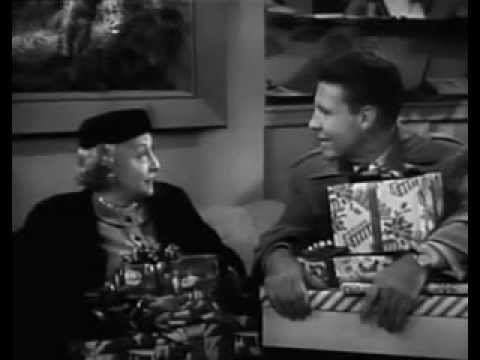
Although she didn’t have a recurring role on Ozzie and Harriet, she was on the show five times between 1956-61. My favorite of her roles on that show was “Busy Christmas” when she played Mrs. Brewster and was heading the Christmas caroling group.

During the sixties, Isabel kept busy. She appeared on Perry Mason three times, twice on The Andy Griffith Show, The Joey Bishop Show, Ben Jarrod, Arrest and Trial, and Many Happy Returns.

Recap and React: The Dick Van Dyke Show, Season 5, Episodes 16 – 20 – The  Motion Pictures
Tom Tully and Randolph as Clara Petrie with Photo: motionpictures.com

Her last recurring role was that of Mrs. Petrie on The Dick Van Dyke Show. In last week’s blog, we looked at one of the best Dick Van Dyke episodes, “Pink Pills and Purple Parents.” When Sally considers taking one of Buddy’s pain pills for her headache, Rob relates a time when Millie gave Laura some of her relaxation pills. Laura takes her first one when Rob’s parents arrive and as she becomes more nervous, she continues to take pills. Eventually, she is a bit loopy making strange comments, forgetting to put ice cream in the sundaes, and dancing to music before passing out. Rob’s parents are sure she has a drinking problem but later find out what happened. Randolph is a gem in this episode.

Randolph passed away in 1973 of undisclosed reasons.

I Wish You a “Busy Christmas” | thewritelife61
Randolph with Ozzie Nelson–Photo: youtube.com

Sadly, like so many of our great character actors, there is not as much information about Isabel’s life. Character actors deserve to have more websites or books of their own. Isabel played the snobby rich woman in many of her roles, but I always think of her as an elegant, gracious mother type.  Thank you, Isabel, for so many decades of entertainment and memorable characters. She was a character, indeed.

Getting To Know Pete and Gladys

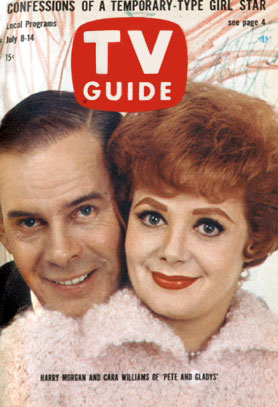
In the 1950s, one of the most popular sitcoms was December Bride starring Spring Byington. For five seasons, Henry Morgan, insurance salesman, played her next-door neighbor Pete Porter.

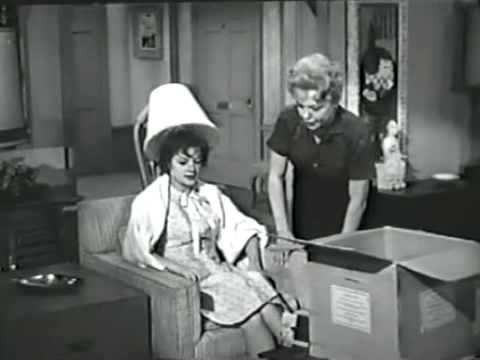
The show was cancelled in 1959, and in 1960 Pete showed up on the air again in a spin-off show titled “Pete and Gladys. He had often referred to his wife on December Bride, but we never got to meet her in person. Cara Williams took on the role of scatterbrained, but beautiful, Gladys. Like December Bride, this show was created by Parke Levy. Harry Morgan said Parke Levy was a very kind and knowledgeable man; he was one of the pioneers of sitcoms.

Cara Williams and Verna Felton–Photo: youtube.com

Verna Felton as Hilda Crocker also moved to the new show. Frances Rafferty who had played Ruth on December Bride also shows up on Pete and Gladys, but she is Nancy on the new show. For some reason, producers think we won’t notice missing characters but on December Bride, Pete had a baby daughter named Linda. However, she does not exist in the spinoff.   We also get to know Pete’s uncle played by Gale Gordon and Gladys’s best friend Alice (Barbara Stuart). Morgan said not only was Gordon a great actor, but he was a very funny man.

Gale Gordon and Williams–Photo: youtube.com

Pete who worked for Springer, Slocum, and Klever which sounded more like a shoddy law firm than an insurance company. He and Gladys Hooper had eloped nine years earlier. Pete told Gladys he had single-handedly capture a Japanese patrol, although it later came to light that he spent his military career as a clerk in the PX. Gladys was a housewife and kept busy as entertainment chair of the Junior Matron’s League of the Children’s Hospital and a member of the Westwood Bowling League.

Harry Morgan, Williams and Felton–Photo: dailymotion.com

While December Bride was in the top ten for four of its five years, Pete and Gladys never reached those numbers. Williams was nominated for an Emmy for Leading Actress in a Comedy although she lost to Shirley Booth from Hazel. The show only lasted two years. Whether a blessing or a curse, the show took over I Love Lucy’s spot on Monday nights and viewers probably could not help comparing the two shows. Director James V. Kern moved from Lucy to this show along with writers Bob Schiller and Bob Weiskopf.

Morgan, Williams, and Felton–Photo: sitcomsonline.com

However, for a two-year show, the number of guest stars was pretty impressive. Watching the show you can catch Jack Albertson, Morey Amsterdam, Bea Benaderet, Whitney Blake, Frank Cady, Richard Deacon, Donna Douglas, Sterling Holloway, Ron Howard, Ted Night, Nancy Kulp, Charles Lane, Howard McNear, Cesar Romero, and Reta Shaw. Morgan said that the guest stars got an exorbitant amount of money compared to the regular cast.

Morgan said Cara Williams was very talented, but she was not easy to work with. Often, they had different ideas about how a scene should go. She had a strong personality and was sometimes described as self-centered. Morgan said he admired her even though filming wasn’t always done smoothly. He recalled one time that she was demanding something and director Jack Arnold was tired of arguing, so he laid on the floor on his back, yelled, “Roll ‘em”, and when the scene sounded done, yelled “Cut.” Then he got up and left which was his way of answering her.

Morgan and Williams–Photo: nostalgiacentral.com

Not surprisingly, Morgan said he enjoyed his time on December Bride more than on Pete and Gladys, and he thought the former was the better show. However, if you take some time to watch December Bride, you might want to check out a few episodes of Pete and Gladys just to meet the woman Pete was always complaining about.  Unfortunately, both were listed on Amazon, but neither one was currently available.  I did see a December Bride DVD on etsy for a whopping $170. I do remember Pete and Gladys in syndication when I was younger, but I have never seen December Bride on a network schedule.   YouTube does have a number of episodes for both series, but be warned, some of the December Bride episodes have been colorized.

December Bride “Springs Into Action”

Today we get to spend some time learning about one of the earliest sitcoms, December Bride, which aired on CBS from 1954-59. It began life as a radio show in 1952.

Cast of December Bride–Photo: tumbral.com

The show was created by Parke Levy who wrote the episodes as well and claimed to base Lily on his own mother-in-law. He owned 50% of the program; Desilu, producer, owned 25%; and CBS owned 25%. Harry Morgan said he liked Desi Arnaz very much. They cast rarely saw Lucy and saw Desi frequently but not in a negative way; he just might show up to see how things were going. (As an aside, I remember an interview with Bob Schiller, who wrote for this show along with many others, loved the name of “Parke Levy” and said it sounded like a Jewish housing development in New York.) Levy also wrote the film scripts for My Friend Irma and My Friend Irma Goes West.

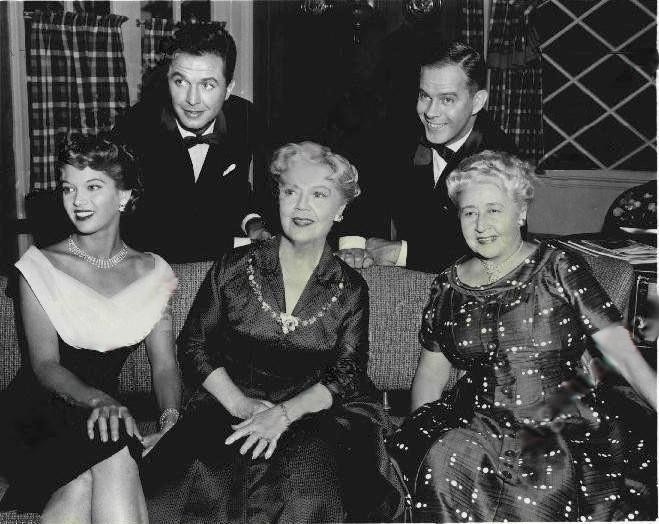
Spring Byington and Frances Rafferty–Photo: vintagetvandmore.com

One fun fact is that both Fred de Cordova and William Asher were directors for this sitcom. Both would go on to long careers; de Cordova would produce The Tonight Show and Burns and Allen, direct My Three Sons, and both produce and direct for The Jack Benny Show. Asher would go on to direct I Love Lucy and Alice and both produce and direct most of the Bewitched episodes.

Spring Byington–Photo: pinterest.com

Spring Byington starred as Lily Ruskin, a lively widow who was looking for the right man.

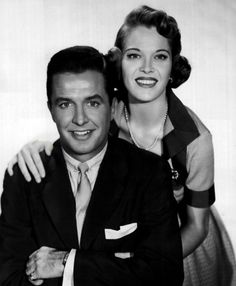
Dean Miller and Frances Rafferty–Photo: pinterest.com

She lives with her daughter Ruth Henshaw (Frances Rafferty) and son-in-law Matt (Dean Miller) who help her in the search, as does her best friend, Hilda Crocker (Verna Felton).

Lily stays busy writing an advice column for the LA Gazette, “Tips for Housewives.”

Verna Felton–Photo: upperjacksonco

Pete Porter (Harry Morgan) is her next-door neighbor who also shows up often. (Next week we will learn about his spin-off from this show, Pete ‘n Gladys.) Pete enjoyed watching Matt and Lily’s interactions which he viewed as positive, unlike his relationship with his mother-in-law which he viewed negatively.

A lot of guest stars showed up including Jack Albertson, Morey Amsterdam, Desi Arnaz, Edgar Bergen, Madge Blake, Barbara Eden, Zsa Zsa Gabor, Nancy Kulp, Fred MacMurray, Howard McNear, Isabel Randolph, and Mickey Rooney

Harry Morgan–Photo: wikimedia.com

The scripts seemed about what you would expect for this era. In one of the funniest shows, Lily fails to deliver plans for Matt and as a result, Desi Arnaz’s family room collapses. In another one, Lily arranges for Pete to take riding lessons because his fear of horses is standing in the way of him earning a huge commission selling insurance to a wealthy ranch owner.

The gold standard for this decade seems to be Ozzie and Harriet Nelson’s show and the writing doesn’t measure up to that but seems like a fun show to watch.

Maxwell House Coffee was their sponsor for the entire run of the show.

The show was on Monday nights after I Love Lucy and had top-ten ratings for the first four years. For season five, the network moved it to Thursdays, where it was up against Zorro and The Ed Wynn Show. Ratings declined significantly, and it was cancelled. Fans have noted that the last season’s scripts were not as well written and the show had probably run its course.

Harry Morgan discussed the show for the Academy of Television interviews. He said it was a nice show to work on; he described it as “fluffy and light” and “typical for the time.” He said he enjoyed doing the show, all the cast was wonderful, especially Spring who was an amazing actress, and he became good friends with Dean Miller and Frances Rafferty. He said that it was a well-done show and he had a lot of fun during those five years.

I watched the episode about Desi’s family room caving in. Morgan’s description was pretty accurate. The show might not present deep philosophical moments, but it was well written. One of the bright spots was Desi’s butler played by Richard Deacon. I can certainly think of worse ways to spend a few hours than watching several of these classic television episodes.
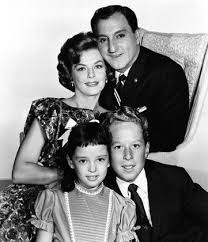
Here’s Lucy . . . and Gale Gordon

We are in the third blog of our series “The Men of November.” Born Charles Thomas Aldrich Jr. in 1906, Gale Gordon is remembered fondly for being Lucille Ball’s nemesis on several of her television sitcoms.

See the source image
Photo: oldtimeradio.com

Both his parents were entertainers, and they traveled to England to perform when he was only one. For eight years, he lived in England. After returning to the United States for a few years, Gordon returned to London to complete his education at the Woodbridge School in Suffolk.

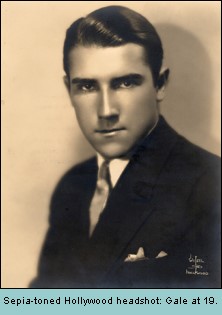
Gale at 19 Photo: lucyfan.com

Gale followed in his parents’ footsteps, and his first theatrical job was as an extra in “The Dancers” in 1923. Richard Bennett (father of Constance and Joan Bennett) starred in the stage production. Gordon worked as Bennett’s dresser, and Bennett taught him all about make-up, mentored him as an actor, and helped him to develop his voice.

By 1925, Gordon traveled to Hollywood, tackling roles in stage, film, and radio. Gordon talked about his first radio performance: “They asked me to come to a Hollywood studio in 1926 and try this new thing called ‘radio.’ They didn’t pay me, of course. They just wanted to fill up some time. So, I sang, ‘It Ain’t Gonna Rain No More, No More’ and accompanied myself on the ukulele. You might say I almost killed radio before it was born. I haven’t played an instrument on the air since.”

Photo: radiospirits.com

In seven short years, Gordon became the highest-paid actor in radio in Hollywood. He was the male lead for Mary Pickford in her serial. He was on almost every popular show on the air. It wasn’t unusual for him to appear on three or more programs in a week. Gordon was the first actor to play Flash Gordon in 1935.

His radio work also provided some other benefits. While appearing on an episode of Death Valley Days in New York, he met Virginia Curley. They married in 1937.

Gale and Virginia
Photo: lucyfan.com

In 1941, after playing primarily dramatic roles, Gordon became a regular on Fibber McGee and Molly. Playing Mayor LaTrivia, Gale was on the show for a dozen years. There was a brief interruption in 1942 when he left the show and enlisted in the US Coast Guard for three years. He rose to the rank of Petty Officer First Class, and his service took him around the world to many dangerous places.

One of the roles he is best known for was Principal Osgood Conklin on Our Miss Brooks. Gordon described Conklin in a TV Guide interview: “There was nothing subtle about Osgood. No nuances. Just a lot of very satisfying acid, bluster, and bellowing, with an occasional weak moment of cordiality thrown in for leavening.  It was practically impossible to overplay him. Even when he was being cordial, he was like an elephant trying to waltz.”

In 1950, he could be heard as John Granby on Granby’s Green Acres which later became the sitcom Green Acres.

With Bea Benederet
Photo: wikipedia.com

While trying to reign in the chaos at Madison High School as Osgood Conklin, Gale was also the refined banker, Rudolph Atterbury, on My Favorite Husband, Lucille Ball’s radio comedy. Atterbury’s wife was played by Bea Benederet.

As television gained popularity, it was inevitable that some of radio’s favorite shows would make the transition to the small screen. While it was entirely possible to play several different characters on the radio, television production didn’t offer the same flexibility. When My Favorite Husband was retooled for television as I Love Lucy, Ball planned on bringing Gordon and Benederet along with her. However, Gale was committed to Our Miss Brooks, and Bea was playing a major role on Burns and Allen on television.

Asked about those days, Gale described himself as “a quiet, reserved, pipe-smoking homebody.” He said he always had a good balance of professional and personal interests. In addition to acting, he wrote books (Nursery Rhymes for Hollywood Babies and Leaves from the Story Trees), painted, and maintained a ranch. He and Virginia bought a 150-acre property about three hours away from Hollywood. They grew carob trees. Gordon was not a rancher in name only; he raised the trees, built the house, installed the plumbing, completed carpentry and handiwork, put in a swimming pool, and built a two-story building that served as garage and studio.

Our Miss Brooks Photo: amazon.com

In 1952, Eve Arden decided to take Our Miss Brooks to television. While Gale continued his role as Conklin on the show, he also guest starred on a couple of I Love Lucy episodes. Our Miss Brooks had a successful run for four years.

When the show ended in 1956, CBS was quick to sign Gordon on for another show. They paired him with Bob Sweeney in The Box Brothers (sometimes called The Brothers). Unfortunately, the series only lasted for 26 weeks.

The Box Brothers Photo: imdb.com

In 1958, Gordon was a regular on Sally where he played department store owner Bascomb Bleacher. He also appeared with Walter Brennan on The Real McCoys.

In 1959, December Bride which aired from 1954-1959, went off the air, spinning off a new show Pete and Gladys starring Harry Morgan and Cara Williams. Morgan appeared as Pete Porter on December Bride. On the new show, Gale played Pete’s Uncle Paul.

Dennis the Menace Photo: pinterest.com

In 1962 he was cast as Mr. Wilson on Dennis the Menace. At the same time, Lucille Ball was creating a new show, The Lucy Show. She wanted Gordon to appear as Mr. Barnsdahl, a banker. When he was not available, Lucille turned to Charles Lane. She said she loved working with Lane, but always wanted to work with Gale again, so when Dennis the Menace was cancelled, she quickly signed Gordon; Lane moved over to Bea Benederet’s new sitcom, Petticoat Junction, as the despicable Homer Bedloe. And thus Theodore J. Mooney was born.

Photo: welovelucy.com

For the next eleven years, through several different series titles, Lucy and Gale worked together. They would both retire in 1974. When describing his time on Lucy’s shows, Gale related in a Good Morning America interview in 1982 that “I always had a wonderful feeling of anticipation going to work every week, which is very, very rare. I don’t care what business you are in. But to really look forward to getting into the nitty gritty and working hard for four days—which is all the time we had to do the show—is really unique. To look forward to it for eleven years, that’s doubly unique.” He went on to praise Lucy for her work ethic: “Her attitude has never changed. Every show she ever did was always the most important show of her life. And I think that is the secret of her success.”

See the source image
Photo: oldtimeradio.com

One surprising thing I learned was that Gordon was known for his ability to do cartwheels. He can be seen doing them on several episodes of Here’s Lucy. At the time, he was earning $25,000 an episode. Compare that to today when the stars of The Big Bang Theory received a million dollars an episode.

Gale and Virginia enjoyed twenty years of retirement. Virginia would pass away in 1995 at Red Terrace Health Center in Escondido, California. One month later, Gordon died from lung cancer at the same facility.

In 1999, Gale was inducted into the Radio Hall of Fame. Known for playing a variety of gruff, formal professionals, everyone knew that the bellow and bluster his characters spewed was great acting. In real life, Gale was one of the sweetest, kindest men around. He once said, “I am never nasty—unless I get paid for it.”

See the source image
Photo: wikipedia.com

It’s hard to describe the influence Gale Gordon has had on generations of actors and the number of hours of entertainment he has provided to generations of television and radio fans. It’s always fun to listen or watch Connie Brooks trying to pull a fast one over on Osgood Conklin or Lucy Carmichael trying Mr. Mooney’s patience with her latest scatter-brained plan. Thank you Gale Gordon!

Make Room for Daddy: The Show That Persevered

As we wind up our salute to fathers during Father’s Day month, we finish with Make Room for Daddy. This iconic show doesn’t get the respect that I Love Lucy did, but it is one of the first iconic family sitcoms. This sitcom had to survive cast changes, network moves, and ratings fluctuations.

Photo: famousfix.com

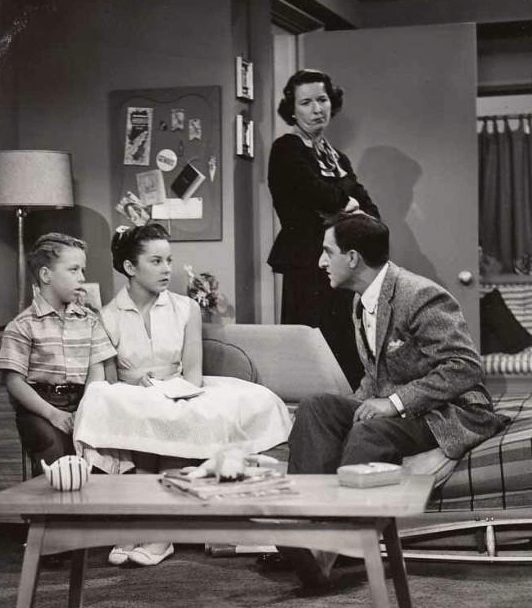
The show debuted on ABC in 1953. In 1957, it moved to CBS until 1964 when it went off the air. Danny Williams (Danny Thomas), a nightclub singer and comedian, tries to balance his work life with his family life. Danny obviously loves his children but is not an overly affectionate dad and is just as likely to tell his son Rusty, “I love you, you little jerk.”

In March of 1953, Thomas singed a contract for the show and picked Desilu Studios for filming because of their three-camera method. Several of the working titles for the show were “The Children’s Hour” and “Here Comes Daddy.”

The title of the show was from a Thomas family joke. Whenever Danny was away for work, his children had the run of the house. They slept in the master bedroom with their mother, even putting clothes in the dresser there, so when he came home from a tour or a filming, he told them it was time to spread out and “make room for daddy.”

Danny has three children (two in seasons 1-4 and three in seasons 5 and after): Terry (Sherry Jackson and later Penney Parker), Linda (Lelani Sorenson, then Angela Cartwright), and Rusty (Rusty Hamer). The first three seasons his wife Margaret was played by Jean Hagen. They had Terry and Rusty. Louise (Louise Beavers) was their maid. When Beavers passed away, Amanda Randolph took over the role. Terry was later played by Penney Parker. Mary Tyler Moore auditioned for the role, but Danny felt Mary’s nose did not match his as well as Parker’s.

Photo: en.wikipedia.org

The show was filmed live before 300 people, so there was a lot of pressure on the younger kids to know their lines. All three children continued in successful acting careers after the show. (Unfortunately, Hamer had a harder time finding good roles as an adult and committed suicide at 42. Cartwright left acting to focus on a career as a photographer.  Jackson continued acting.)

Photo: pureflix.com

With Danny Thomas’s connections, you can imagine the quality of guest stars this show was able to feature. Some of the bigger names include Lucille Ball, Milton Berle, Sammy Davis Jr., Jimmy Durante, Shirley Jones, and Dinah Shore. If you looked at a Who’s Who in Comedy Sitcoms, you would find a huge percentage of them on this show.

Like many shows from this era, the original sponsor was The American Tobacco Company, advertising its brands like Lucky Strike, Pall Mall, and Tareyton.

While the theme song went through variations during the run of the show, it was always a version of “Danny Boy.”

Photo: youtube.com

The show was popular and did well in the ratings but had not made the top 30 after three years. Jean Hagen decided to leave the show.

At the beginning of the fourth season, the title changed to The Danny Thomas Show. Thomas and producer Sheldon Leonard were trying to decide how to explain Hagen’s absence. Divorce was not acceptable and filling the same role with another actress didn’t seem like a good option either. They decided to have her die between seasons.

The emphasis of the show now switched to Danny being a widower. The family moved from their home to an apartment. Danny dated occasionally and almost got engaged to singer before learning she didn’t like children. The ratings were declining with the new format, so it was decided to have Danny marry again.

Mary Wickes played the role of Liz O’Neal, Danny’s press agent from 1955-1957.

Photo: jacksonupperco.com
Mary Wickes in the background

At the end of the 1957 season, Rusty becomes ill, and Danny hires Kathy O’Hara (Marjorie Lord) as his nurse. Kathy was a widow with a young girl (Lelani Sorenson). Danny and the kids both fall in love with her and they become engaged in the season finale. ABC cancelled the show, but CBS* was looking for a show to take over the spot of I Love Lucy which was ending its production, so they took it over and put it on the schedule for the fall of 1957.

The first episode of the fifth season “Lose Me in Las Vegas” centered on Danny and Kathy who had married an were on their honeymoon. Angela Cartwright took over the role of Kathy’s daughter from Sorenson. Danny adopted Linda. The family moved into a larger apartment. The ratings skyrocketed, and it was the number 2 show by the end of the season.

Photo: peoplequiz.com

Sherry Jackson decided to leave the show during season six, and her absence was explained by her going to a school in Paris. Jackson had a five-year contract which she honored. She and Hagen had been very close, and Jackson wanted to leave when Hagen did, but Hagen only had a three-year contract.

In season seven, Terry comes back, now played by Penney Parker. During the season she gets engaged and eventually marries Pat (Pat Harrington Jr.), a friend of Danny’s. Terry and Pat move to California and are rarely mentioned afterward.

Photo:closerweekly.com

Make Room for Daddy might have had the first spinoff of a character not in the cast. In one of the episodes from 1960, “Danny Meets Andy Griffith,” Danny is pulled over in Mayberry and is detained in the jail. Sheriff Andy Taylor is featured in the show, and The Andy Griffith Show was created.

“The Danny Thomas Show” (aka “Make Room for Daddy”) Pat Carroll, Sid Melton circa 1950s Photo by Gabi Rona

For the final two seasons, Danny and Kathy traveled for much of the series. They toured Europe while Rusty and Linda stayed home with Danny’s manager Charlie (Sid Melton) and his wife Bunny (Pat Carroll). Thomas decided to retire from the show in 1964. The show ended on a high note, still ranking number nine.

Photo: pinterest.com

Although the show ended in 1964, NBC brought back the main cast of Thomas, Lord, Cartwright, Hamer, Jackson, Randolph, and Hans Conried, Uncle Tonoose, to star in a two-hour reunion special, The Danny Thomas TV Family Reunion.  Having a reunion show was another first accomplished by this sitcom.

Photo: en.wikipedia.org

In 1969, CBS created their own reunion special, titled Make Room for Grandaddy. It had such high ratings that CBS put it on the schedule, but Thomas didn’t like the time slot and pulled the show.

In 1970, ABC tried again. Sherry Jackson again was Terry, but her husband now was Bill; what happened to Pat? Terry had a six-year-old son Michael (Michael Hughes) whom Terry left with Danny and Kathy (still played by Thomas and Lord) to join Bill, a soldier stationed overseas. The show only lasted one year. One of the reasons given was that Sheldon Leonard was no longer controlling the scripts and actors, and the show was moved from Wednesdays to Thursdays during the season.

The show was so popular with kids that a comic book series was developed.

Photo: pinterest.com

As I mentioned, this show does not get the credit it deserves. While Danny tended to be short-tempered and Kathy was the voice of reason, the scripts for the entire series were well written and realistic. It had an extremely talented cast. Unlike some series, the children really carried the show. The children acted like children, not mature adults, in most ways, but they created great characters and were very funny. Rusty always had a viewpoint on any given situation. Their moments are the ones that make this show so memorable. Many of the episodes center around the kids. A typical example is “Casanova Junior ” : Rusty hasn’t asked a girl to the school dance because he has no confidence. Danny gives him some pointers and now the girls are falling all over themselves to go out with Rusty. The only problem is Rusty, he’s gone from no confidence to treating the girls badly and Danny is not happy about it.

Photo: facebook.com

The show ended in the top ten. It created the first sitcom spinoff of a non-cast member and the first reunion movie. I specify “non-cast” member because December Bride included Pete Porter in its cast, and he talked about his wife Gladys. Later the show Pete and Gladys was created.

Despite the challenges it faced with cast members coming and going, the change from ABC to NBC, and the characters growing up on the show with changed the dynamics of the series, the show continued to garner great ratings and was given a second life in a new series in Make Room for Grandaddy. Along with The Donna Reed Show, it was one of the trend-setting family sitcoms from the 1950s and ’60s.

*Thanks to reader Howard Ian Stern for letting me know I originally had the wrong network listed.

Just a Couple of Characters, Part 3: Henry Jones and Olan Soule

My series, “Just a Couple of Characters” continues with Part 3 today. This month, we learn more about actors we recognize but may not know much about. This week Henry Jones and Olan Soule are on the hot seat.

Henry Jones

Photo: en.wikipedia.org

Born in New Jersey in 1912 and raised in Pennsylvania, his grandfather was a first-generation Prussian immigrant who became a Representative. Henry went to St. Joseph’s College, a Jesuit school. He landed his first Broadway show in 1938, playing Reynaldo and a grave digger in “ Hamlet. ” Like many of the actors in the late 30s and early 40s, Henry joined the Army for World War II. He was a private. During his service, he was cast as a singing soldier, Mr.  Brown, in Irving Berlin’s “This is the Army.”

When he came back to the US, he married Yvonne Sarah Bernhardt Buerger in 1942. Sadly she passed away at age 22. This information was supplied by a blog reader, and I appreciate receiving the updated information because several sources refer to his divorce which is not the case. Yvonne’s father was a renowned surgeon. One of his patients had been Sarah Bernhardt which is where Yvonne go her middle name from.

Jones continued his stage roles and began a movie career. He had bit parts in 35 films, including The Bad Seed, Will Success Spoil Rock Hunter?, Vertigo, and Butch Cassidy and the Sundance Kid. He won a Supporting Actor Tony in 1958 for his performance of Louis Howe in “Sunrise at Campobello.”

Photo: fanpix.famousfix.com

In 1948 he married Judith Johnson. They had two children (one is actress Jocelyn Jones) but divorced in 1961.

Bridging the gap of television and film, he starred in seventeen tv movies as well.

Although his movie career kept him somewhat busy, it was nothing compared to his television work. Jones was credited with 205 acting appearances, meaning he had roles in 153 different television series. Jones was able to tackle a wide range of roles, being believable as a judge, a janitor, a murderer, or a minister. Jones had no illusions about becoming a romantic lead. He once said that “casting directors didn’t know what to do with me. I was never tall enough or good looking enough to play juvenile leads.”

Photo: findagrave.com

His first television appearance was in drama series, Hands of Mystery, in 1949. His work in the 1950s was primarily in theater shows about dramas. He also appeared in the George Burns and Gracie Allen Show and Father Knows Best.

Photo: michaelstvtray.com

He continued his drama roles into the 1960s. He also appeared in 3 episodes of The Real McCoys and westerns including Wagon Train, The Big Valley, and Daniel Boone. He showed up on mysteries such as the Man from U.N.C.L.E. and The Name of the Game. He also found work on unique shows including Lost in Space, Route 66, and the Alfred Hitchcock Show. Hitchcock liked his work and used him five times. He also appeared in several comedies, Bewitched and That Girl. He starred in Channing in 1963-64.  Jones played Fred Baker, a dean who mentors Professor Joe Howe who teaches English at Channing College while he writes his memoir about the Korean War.

During the 1970s, he continued to work on a variety of genre shows. We see him on westerns, The Virginian, Gunsmoke, and Bonanza. We see him in thrillers like The Mod Squad; McMillan and Wife; Owen Marshall, Counselor at Law; and The Six Million Dollar Man, on which he had a recurring role as Dr. Jeffrey, a scientist who built robots. However, comedies continued to be his mainstay, and he appeared in many of them including Nanny and the Professor, the Mary Tyler Moore Show, The Paul Lynde Show, The Doris Day Show, the Partridge Family, and Barney Miller.

commons.wikimedia.org

In addition to all his guest spots, he was cast in three shows during this decade. In The Girl with Something Extra, he played Owen Metcalf in 1973. The role he was best remembered for was Judge Johnathan Dexter on Phyllis. He was Phyllis’s father-in-law from 1975-1977. As Josh Alden, he appeared on Mrs. Columbo for thirteen episodes.

Photo: totallykate.com

Recurring roles comprised most of his television appearances in the 1980s. He continued to accept guest roles on such shows as Quincy ME, Cagney and Lacey, Magnum PI, Murder She Wrote, The Love Boat, and Mr. Belvedere. He would make regular appearances on Gun Shy, Code Name: Foxfire, Falcon Crest, and I Married Dora.

Jones continued to appear in shows in the 1990s, including Coach and Empty Nest. In 1999, he passed away after suffering from complications from an injury from a fall.

Olan Soule

Photo: pinterest.com

Olan Soule’s timeline was similar to Jones. He was born in Illinois in 1909, growing up in Iowa, and he passed away in 1994. While Jones’ grandfather arrived in America, Soule’s ancestors included three Mayflower passengers. He began his acting career on the radio.

In 1929 he married Norma Miller. They would be married until her death in 1992 and they had two children.

For eleven years, he was part of the cast of the soap, “Bachelor’s Children.” His roles changed when he transitioned to television. On radio, he could play any role, but his 135-pound frame prohibited him from getting many roles he played on radio. He told the Los Angeles Times during an interview that “People can’t get over my skinny build when they meet me in person after hearing me play heroes and lovers on radio.”

Photo: tralfaz.blogspot.com

However, he certainly was not lacking in roles. Soule is credited with more than 7000 radio episodes and commercials, 60 films, and 200 television series.

The 1950s found him appearing in many sitcoms, including George Burns and Gracie Allen, I Married Joan, I Love Lucy, December Bride, the Ann Sothern Show, and Dennis the Menace.

Photo: complete-hitchcock.com

He would appear regularly in Dragnet from 1952-59 and in Captain Midnight from 1954-56.

Photo: riflemanconnors.com

He got even busier in the 1960s, working nonstop. The only show he had a recurring role on was The Andy Griffith Show where he played choir director and hotel clerk John Masters. Other comedies he appeared on included The Jack Benny Show, Pete and Gladys, Bachelor Father, Make Room for Daddy, Mister Ed, My Favorite Martian, The Addams Family, The Monkees, Petticoat Junction, and That Girl. He also took on roles in suspense shows including One Step Beyond, the Alfred Hitchcock Show, and the Twilight Zone. He also specialized in westerns, including Maverick, Stage Coach West, Have Gun Will Travel, The Rifleman, Bonanza, Gunsmoke, and The Big Valley.

Photo: pinterest.com

He started the 1970s continuing to show up on series such as Family Affair, My Three Sons, McMillan and Wife, Cannon, Police Woman, and a recurring role on the comedy Arnie.

Photo: monkees.coolcherrycream.com

In the mid-1970s he began appearing on Battlestar Galactica and Project UFO. Most of his career in the decade was spent providing voiceovers for animated shows, primarily Batman.

The Towering Inferno Director: John Guillermin US Premiere: 10 December 1974 Copyright 1974 Twentieth Century Fox Film Corporation and Warner Bros. Inc.

In 1994, Soule died from lung cancer at age 84.

Both Soule and Jones were prolific actors who had long and successful careers. Neither one of them were the leading men type of actors, but they could tackle a wide range of roles. Soule once said, “Because of my build and glasses, I’ve mostly played lab technicians, newscasters, and railroad clerks.” Not a bad life for someone who loves acting. If you watch Antenna or Me Tv, chances are you will see these two characters pop up quite often.

“Oh, he was a nice, nice man.”

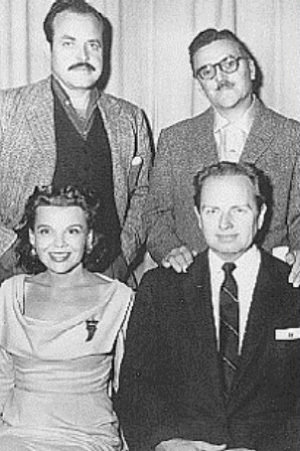
With all the research I have done, I have discovered a lot of nice folks in the entertainment industry (as well as a few not so nice people), but I have never read about anyone more liked than Howard McNear.  Everyone went out of their way to say what a kind and caring man he was.

mcnear5

McNear was born in Los Angeles in 1905. He studied at the Oatman School of Theater and then joined a stock company in San Diego. During World War II, he enlisted as a private in the US Army Air Corps. He went on to a career in radio, films, and television. In the mid-1960s, he had a stroke and died from complications of pneumonia in 1969. Parley Baer, a life-long friend, delivered his eulogy. He was buried in Los Angeles, completing his California life cycle.

mcnear3radio

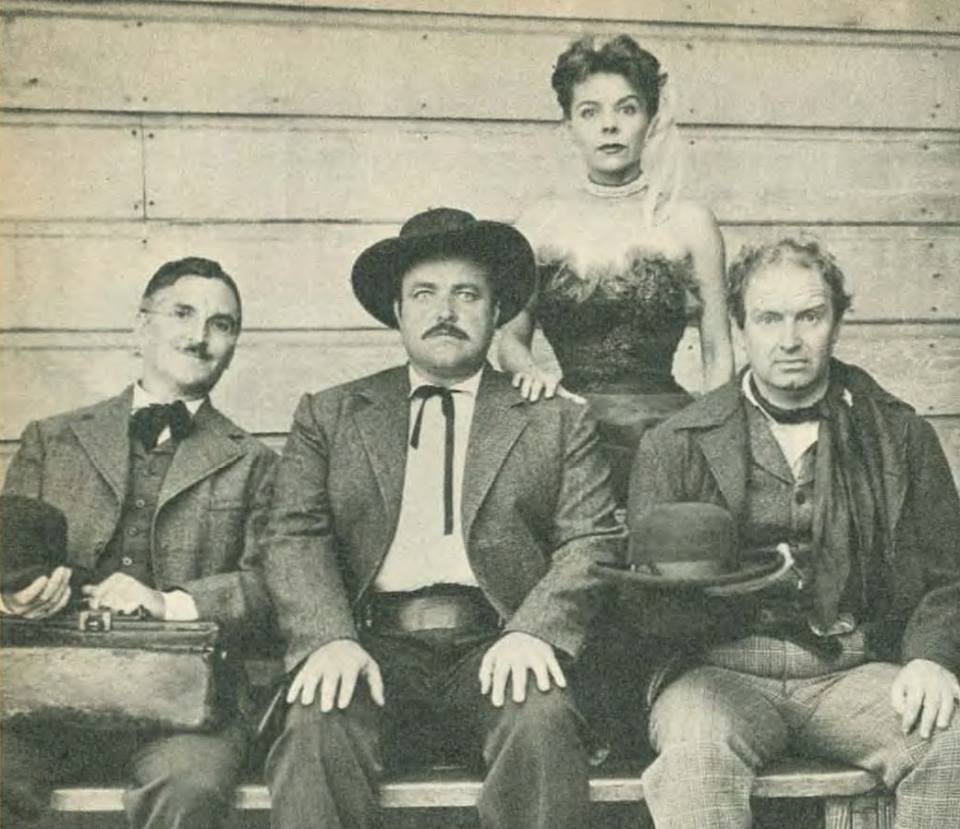
Howard began working in the radio industry in the 1930s. He was featured in many radio shows, including The Adventures of Bill Lance – a detective drama starring John McIntire as Lance. McNear played the part of Ulysses Higgins, a friend and assistant to Lance. He also filled the role of Clint Barlow on Speed Gibson of the International Secret Police. Some of the other shows he often appeared on included Suspense, Lux Radio Theater, Escape, CBS Radio Workshop, Family Theater, Let George Do It, The Adventures of Masie, Fort Laramie, Wild Bill Hickock, and Richard Diamond, Private Eye. He and Parley Baer were part of the cast of The Count of Monte Cristo, a drama. He continued to work often Baer they both voiced characters frequently on Yours Truly Johnny Dollar. He played congressmen, hotel managers, French detectives, and occasionally the villain.

mcnear6gunsmoke radio

He was still working with Baer when they both created their most famous radio characters—Baer as Chester and McNear as Doc Charles Adams—in Gunsmoke which was on the air from 1952-1956. Baer would later show up in Mayberry as the mayor.

McNear made his film debut in the 1951 sci-fi film, The Day the Earth Stood Still. He followed that up with Escape from Fort Bravo. In 1959 he played Dr. Dompierre in Otto Preminger’s Anatomy of a Murder. Some of his most famous films were Voyage to the Bottom of the Sea and two Elvis flicks, Blue Hawaii and Follow That Dream. He was also featured in three Billy Wilder comedies: Irma La Douce, Kiss Me Stupid, and The Fortune Cookie.

mcnear7

Overall, he appeared in more than 100 films and television shows. He transitioned into television in the 1950s, appearing The Jack Benny Show and the Burns and Allen Show. He appeared in comedies such as I Love Lucy, Private Secretary, December Bride, The Donna Reed Show, Bachelor Father, and The Adventures of Ozzie and Harriet. He also showed up in dramas like The Thin Man, Playhouse 90, Richard Diamond, The Twilight Zone, The Zane Grey Show, Maverick, and Alfred Hitchcock. Ironically, he had a role as a barber in Leave It to Beaver.

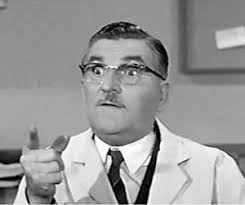
Although McNear had a long career on radio and in films, he will forever be remembered for his memorable and scene-stealing portrayal of chatty and naĂŻve Floyd the Barber in the long-running The Andy Griffith Show (TAGS). Don Knotts once said that playing Floyd wasn’t much of a stretch for McNear, as his real personality was pretty much like Floyd to begin with.

baldwin

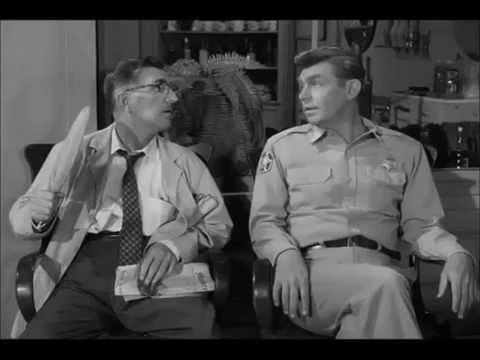
The first episode of TAGS to feature Floyd did not star McNear; Walter Baldwin was Floyd Lawson. After that episode, McNear took over and made the role his own. On his first appearance he was Floyd Colby, but the next time his name was mentioned it had become Floyd Lawson. Floyd’s shop was where the Mayberry men gathered to gossip and play checkers, and they occasionally got haircuts.

mcnear1

We usually see Floyd wearing his well-groomed mustache, thick glasses, and his white barber coat. We learned several things about Floyd during the course of the show. He is a widower. His wife was named Melva and they had two children, a son and a daughter. His son Norman plays the saxophone and baseball. When he retired he moved in with his daughter and her family. Floyd had a niece in town named Virginia Lee who entered the Miss Mayberry Pageant. He was also Warren Ferguson’s uncle; Ferguson would replace Barney as deputy when he moved from Mayberry to the big city.

Floyd often (incorrectly) attributed famous quotes to Calvin Coolidge. Floyd had a dog named Sam and raised pansies. He typically drank coffee but enjoyed a Nectarine Crush or a Huckleberry Smash soda now and then, and he thought Wally had the best pop in town.

mcnear8

Floyd liked to write. He wrote the song for the Miss Mayberry Pageant: “Hail to thee, Miss Mayberry; All hail to thee, all hail; Your loveliness, your majesty; Brings joy to every male; All hail, all hail, all hail; All hail, all hail, all hail.” He even tried to write a novel but had writer’s block after creating a brilliant first sentence: “The sun is dropping lazily down behind the purple hills in the western skies.”

floyd2

In the middle of the show’s run, McNear suffered a debilitating stroke, leaving half his body paralyzed. He took some time off to recover. Andy asked him to come back, and the production crew went to great lengths to make things comfortable for him. Although he could not walk or stand, he was seen sitting outside on a bench. There was a special platform built so he could cut hair looking like he was standing while sitting.  Often a he holds a prop with his left hand, using his right hand as he spoke his lines. In 1967, he left the series for good when he could not remember his lines.

floyd1

My two favorite Floyd episodes were “Floyd, the Gay Deceiver” and “Convicts At Large.”

In “Floyd, the Gay Deceiver,” Floyd has been corresponding with a wealthy pen pal, a widow. She wants to visit Mayberry which gets him frustrated. He wants to meet her, but he has painted himself as an equally wealthy man. Andy helps him maintain the ruse by using a mansion of a man who is out of town. Eventually, Floyd realizes that the widow was not the wealthy woman she made herself out to be either.

In “Convicts At Large,” the normally excitable Floyd displays a calm demeanor after he and Barney are taken hostage by three escapees from the women’s prison–Big Maude, Naomi, and Sally. When they go into town to buy food, Andy realizes that there is something fishy going on and recaptures the women.

floyd5

The cast members who worked with McNear can best describe the type of man he was. In Richard Kelly’s book, The Andy Griffith Show, Andy Griffith, Jack Dodson, and Richard Linke share their memories of Howard McNear. It seems fitting to let them have the last words of this blog.

Andy Griffith:

Howard, first of all, was a leading man in the San Diego theatre years ago. He never was in New York in his life. He developed this comic character, I believe, on The Jack Benny Show. Howard was a nervous man and he became that man, Floyd.

Then Howard had a stroke and was bad off for a long time. He was out of our show for about a year and three-quarters. We did a lot of soft shows, that is, those that were not hard on comedy — stories about the boy or the aunt. But we needed comedy scenes to break up things.

We were working on a script one day, and Aaron [Ruben] said, `Boy do I wish we had Howard.’ And one of us said, ‘Why don’t we see if we can get him.’ So right then we called up Howard’s house and we got his wife, Helen. ‘Oh,’ she said, `it would be a godsend.’

Well, we wrote him a little scene. He was paralyzed all down his left side and so we couldn’t show him walking. We had him sitting or we built a stand that supported him. He could then stand behind the barber chair and use one hand. Most of the time, however, we had him sitting. His mind was not affected at all. He was with us about two years after that before he died. Finally poor Howard died. I’m sorry because there was never anyone like him. Kind, kind man.

Jack Dodson:

Unfortunately, I didn’t know Howard before his stroke. Even after his stroke he was just a wonderful human being and a splendid actor. Sadly, it was during the playing of a scene with Howard that we realized he couldn’t go on anymore.

It was the segment where I wanted to raise the rent on the barbershop. The characters had a great falling out and then, at the end of the show, they were brought back together in the courthouse. Howard had a little difficulty with that segment. We had to change our shooting schedules a little so that his days were not quite so long as they had been. And then, finally, we had a very simple scene of reconciliation. He couldn’t remember it. He went over it and over it, frustrated with himself. Seeing his despair and anxiety was the most painful experience that I’ve ever had. And then he didn’t come back after that.

Richard Linke:

We went to the funeral, and I have to say that it was the only funeral I’ve ever been to where the laughs exceeded the tears. There were a couple of people who knew him well. They spoke in the form of a eulogy — I guess you could call it that. Oh, but it was funny. They related Howard McNear stories from the pulpit. It was something else. Really, it made a nice thing. I think Hal Smith, who played Otis, got up there. It was something else, those stories. And yet, it was all done with dignity. Oh, he was a nice man.