Camp Runamuck: Campers Loved It More than Viewers

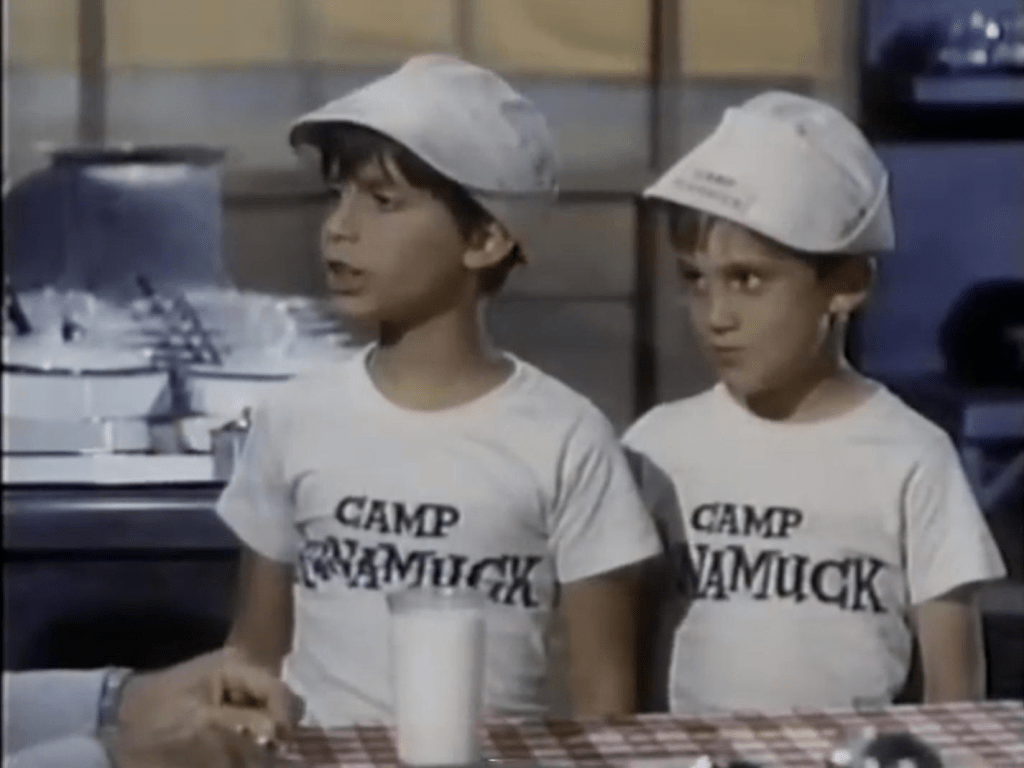
This month we are checking out a few sitcoms that are rarely remembered anymore. Today we are exploring the show Camp Runamuck. It debuted on NBC in 1965 and featured campers for 26 weeks before being cancelled.

đź“·imdb.com

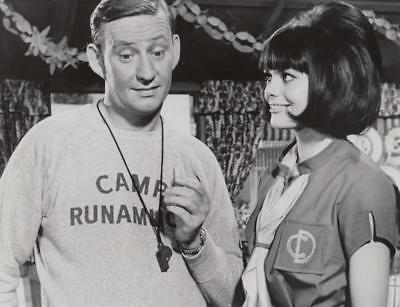
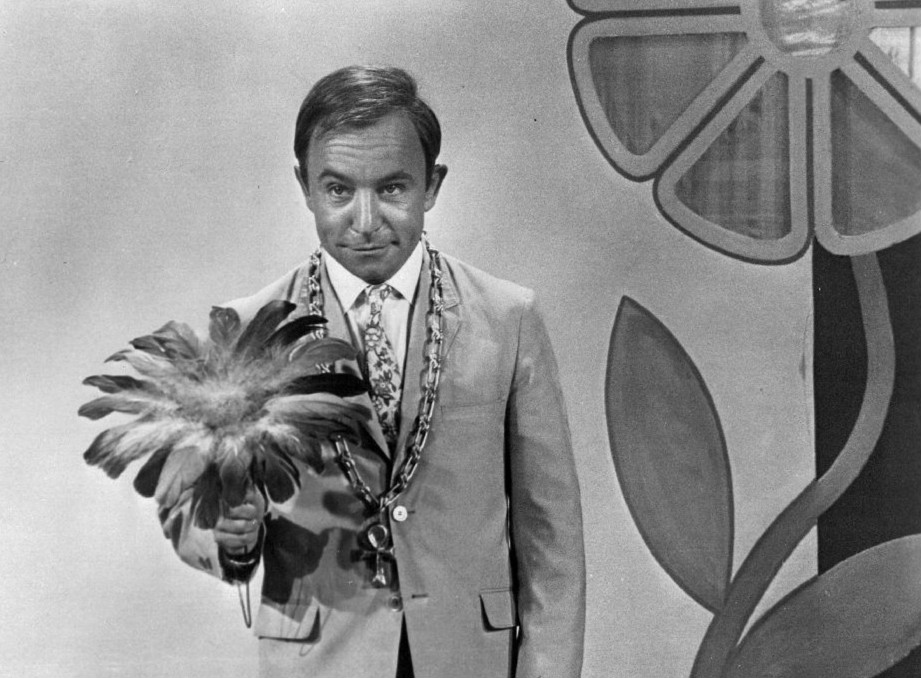
Dave Madden was counselor Pruett; Commander Wivenhoe was played by Arch Johnson, and senior counselor Spiffy was played by David Ketchum. In the pilot, one of my favorites, Frank DeVol, played Doc Joslyn but illness forced him to hand over the part to Leonard Stone. Bobby Darrin sang the theme song.

If you are a fan of The Partridge Family, you will appreciate that this show was the introduction of actor Dave Madden, later Rueben who would manage the Partridges. Johnson began on television in the fifties, but this was his first cast role. Ketchum started his career a decade after Johnson and this was his second starring role after being in I’m Dickens, He’s Fenster in 1962. One camper who is featured in two of the 26 episodes is Maureen McCormick. This was the year she started her acting career, also appearing in Bewitched, The Farmer’s Daughter, and Honey West. Before becoming Marcia Brady, she would also show up in My Three Sons and I Dream of Jeannie.

Wivenhoe was an interesting camp leader. He didn’t like kids, didn’t like to part with his money, and didn’t appreciate the 6am morning wake-up song sung by the girls across the lake accompanied by a bugle. He did like playing golf and enjoying a quince for breakfast.

Across the lake was Camp Divine owned by Eulalia (Hermione Baddeley) who was helped by counselors Mahalia May (Alice Nunn) and Caprice Yeudleman (Nina Wayne).

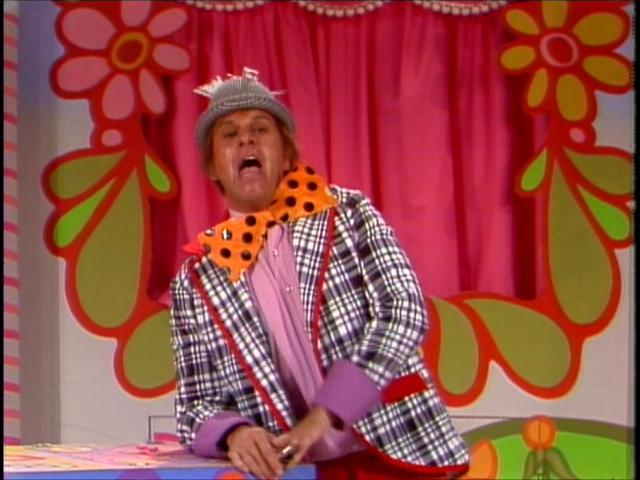
The opening featured a peppy tune with fifes and you see the lake and hear the music before you see the camp counselors leading the campers (all in white; the poor laundry crew) marching down the road.

đź“·youtube.com

Most of the plots featured the counselors as opposed to the campers. Typical plots were the female campers being ordered to steal Wivenhoe’s bathtub so they could take a real bath and the boys getting it back. In another episode, the campers learn a civics lesson. They are given the task of electing a camp commander. However, the candidate who gets in becomes a dictator and tries to put everyone who had been in charge, namely the adults, in jail. This sounds vaguely familiar from the recent news.

In the credits I learned Cal Howard was in charge of visual gags. I never had seen that designation before in a sitcom. Howard, who was born in 1911 and passed away in 1993, had a long career as an actor and writer. He received 178 writing credits, mostly in animation. He worked for Walter Lanz and Walt Disney and wrote a few Bugs Bunny and Alvin and the Chipmunks episodes.

Just to add a sense of weirdness and whimsy to the series, two bears named Irving and Virginia would share their opinions of what was going on around the camp.

The series was up against The Wild Wild West and The Flintstones, pretty tough competition for the time. First of all it was on Friday nights when many viewers might be starting their weekend celebrations. The Flintstones was originally written for adults, but by 1965 families were watching the show together. The Wild Wild West was new, but immediately hit the top 30, and it was followed by another new CBS show, Hogan’s Heroes, and then Gomer Pyle, USMC, so most television fans were glued to that network Friday nights. Other new NBC shows included Get Smart, I Dream of Jeannie, and I Spy so competition was tough to retain a schedule spot. ABC didn’t have a lot of hits that year but they did debut three shows that I liked but all faded away within two seasons: Batman, Honey West, and Gidget.

Camp Runamuck might have gotten a second season if it didn’t have so much competition to deal with. If you loved camp as a kid, or hated camp as a kid, it might be worthwhile to watch a few shows and see what you think.

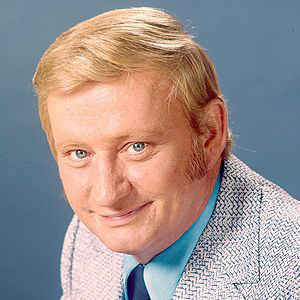
Dave Madden: A Magical Career

We are right in the middle of “The Men of November” series where we learn about some of our favorite actors from the classic age of television. Today we focus on a comedian who is best known for his role of a family band manager—Dave Madden.

Photo: discogs.com

Madden was an American born in Ontario, Canada in 1931. He spent his early childhood in Port Huron, Michigan and then was sent to live with his aunt and uncle in Terre Haute. His father had died and his mother had a job where she had to travel. When he was 13, he had a very bad bike accident which left him immobilized. He had a head-on collision with a car going about 45 mph. He broke his leg and fractured his skull. They pumped him with penicillin which saved his life. He was in the hospital for about three months because they had to keep breaking his leg. During the months he spent recuperating, he learned about magic from a book his aunt brought him called 101 Tricks You Can Do, and he later developed a comedy act that featured magic.

Appropriately enough, he served as the joke editor for his high school paper, writing his own material. He attended Indiana State Teachers College for a semester and then dropped out to enlist in the Air Force. He was assigned to Special Forces and sent to Libya where he entertained the troops. He even performed a magic show for the King of Libya.

When his time in the Air Force was over, he attended the University of Miami, majoring in communications and graduating in 1959.

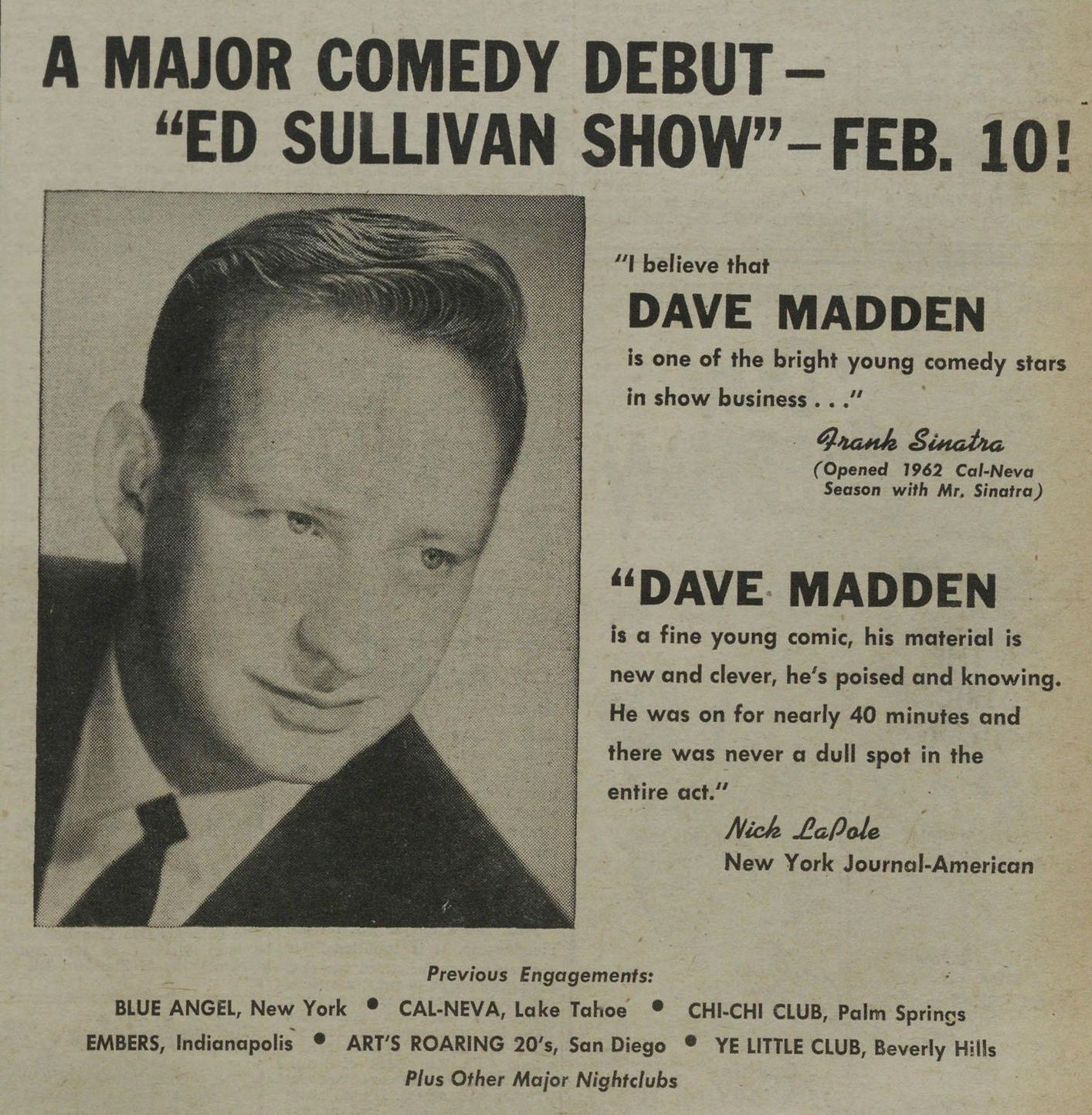
Madden took his comedy act on the road. His manager booked him in Palm Springs during the Palm Springs Golf Classic, and the Rat Pack came in one night. After the show, Frank Sinatra went backstage and asked if Madden would be his opening act in Lake Tahoe in July.

Tralfaz: The Unhappy Man With the Confetti
Photo: trafaz.com

He and Sinatra hung out and one night in his bungalow he said Madden should be on The Ed Sullivan Show and picked up the phone and called Ed in New York. That call resulted in Sullivan booking him for three episodes.

His manager had a club in Beverly Hills, The Ye Little Club, and he called Madden who was in town because his regular singer was sick. Madden helped him out, and a Screen Gems writer, Jerry Davis, was in the audience with Nat King Cole’s manager. Nat was Madden’s favorite singer and his manager asked if he would do an eight-week tour with him. Unfortunately, Cole died soon after and Madden never even got to meet him.

Photo: ebay.com

Jerry Davis called Madden and asked him if he was interested in filming a pilot which led to an offer for a regular role on Camp Runamuck which debuted in 1965. The show lasted a season with 26 episodes. Madden had never acted before, and he said it was a great experience. The show was primarily about the camp counselors. Madden met Dave Ketchum on the show and they became friends. Later, the role of Reuben Kincaid was narrowed down to Dave Ketchum and Madden.

Photo: dailymail.com

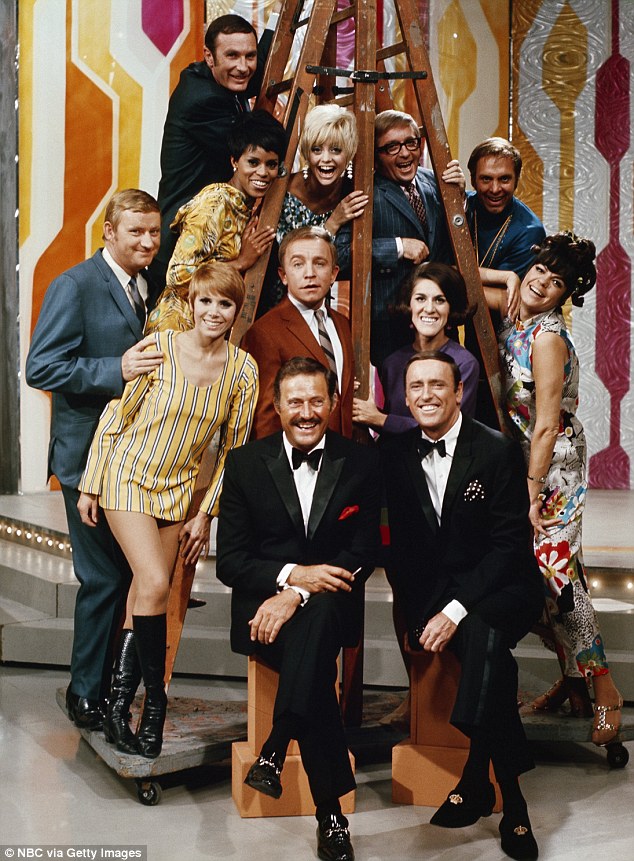
A year later, Madden was offered a spot on Laugh-In. Rowan and Martin had seen his act in Reno and invited him on the show. Madden said that filming the show was not much fun. He said apart from the opening and closing jokes and cocktail party, most of the segments were individual ones. He described a day where he might go in at 10 am, and there would be 2 cameramen, a director and a light man. He would film a dozen skits which would be shown over the course of the season. None of the rest of the cast would be there.  So, it was long and boring work.

Photo: washingtonpost.com

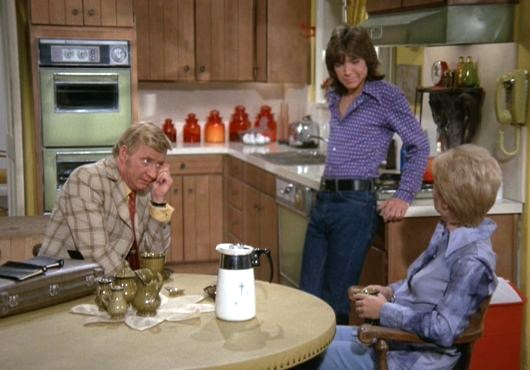
After two years with the wacky cast, he accepted the role that would make him a household name. As Reuben Kincaid, he managed the Partridge family on a new series based on the life of The Cowsills. The show aired Friday nights following The Brady Bunch and was on the air from 1970 till 1974.

Some of the scenes I loved the most on the show was when Reuben would lay on the couch to watch tv with the family or hold Shirley’s yarn while she knitted—just everyday family activities. Unfortunately, he and Shirley were not as close as they could have been because Madden and Shirley’s husband Marty Ingels did not hit it off.

Photo: jafosnews.com

Filming The Partridge Family was not always fun either. He said it could be very boring.  The cast might have three to four pages of scripts that take place in the dining room.  The whole family would sit around the table and they would have to change the lighting every time someone else spoke. He said you could arrive at 7 am and leave at 3 pm and never leave the dining room.

Photo:

While one of the running gags on the show was that Reuben and Danny had a battle of wits ongoing, in their personal lives, Reuben took Bonaduce into his home when his house was not a safe place. He said Danny’s mother was worried about Danny being home on the weekends when his father was home, so she asked Madden if Danny could stay with him at his bachelor pad on weekends. Madden said he didn’t drink and had small groups of people over, so it was not a problem to have Danny staying there.

Photo: starcasm.com

Madden said that he learned that The Partridge Family was cancelled because someone in his apartment building read it in the newspaper—a crummy way to learn you no longer had a job.

During this time period, Madden was on two episodes of Love American Style which was also part of the Friday night schedule and two episodes of Bewitched. When Madden recalled his time on Bewitched, he said he was with the same secondary actor for both episodes, Herb Ellis. He said that Elizabeth Montgomery was very gracious.

After the end of The Partridge Family, Madden appeared on an episode of Happy Days. In 1976, he would have a part in Eat My Dust!, a movie developed by Ron Howard who played Richie Cunningham on Happy Days. It was one of only two big screen features Madden was in. The other movie Madden had a role in was the family favorite, Charlotte’s Web in 1973. Madden was the voice of the ram.

In the late seventies, Madden could be seen on a variety of shows including Starsky and Hutch, Barney Miller, The Love Boat, and Fantasy Island.

In 1975, Madden took a break from his acting schedule to marry Nena Arnold. They had two children and divorced ten years later.

Playing Carrie Sharples on CBS-TV's... - Martha Raye Scrapbook ...
Photo: facebook.com

In the late seventies, he would be offered another recurring role. He began eating at Mel’s Diner on Alice from 1978-1985, as Earl Hicks. He was also Alice’s son’s basketball coach. The Hicks character was meant to be a guest shot, but the producers liked his interaction so much that he ended up doing 35 episodes. He really enjoyed working on the show because it was done before a live audience. He said it was like doing a one-act play every week. The cast rehearsed for a few days and then shot the show at one time.

In the late eighties, Madden also joined the cast of Focus on the Family’s Adventures in Odyssey. In 1990 he created his own character, curmudgeonly window washer Bernard Walton, which he would voice until 2008.

From 1970 or so on, Madden did a lot of voice-over work. When he had more time for it, it was very profitable. He said he made more money between 1985-1990 doing that then all four television series combined; he was making more than $250,000 a year just in voice work.

He stayed busy throughout the 1990s, showing up on The New Leave it to Beaver, Life with Lucy, Ben Stiller, Married . . . with Children, and Boy Meets World. His last credited role was on Sabrina the Teen-age Witch in 1998, where he appeared with other Laugh-In cast members.

He had another memorable event in 1998 when he married his former college girlfriend Sandy Martin.

🎼THE PARTRIDGE FAMILY - gallery - Season Two - 5/22/72, Susan Dey ...
Photo: pinterest.com

If you watched The Partridge Family, you might remember the episode where Danny and Reuben have a bet to see if Danny can lose weight and if Reuben can quit smoking. Madden was a long-time smoker in real life and that episode inspired him to quit, although he had been thinking about quitting for a while.

Madden had always been interested in cameras, buying his first one in the service.  He began to experiment with photography on the set of The Partridge Family. He said it was illegal to bring a camera to the set, so he began taking photos of the crew when they were filming away from the regular set. He then made gifts for the crew and then began filming the director. By that time, people were so used to him having a camera around, no one called him out on photographing the cast. He would bring his camera to work with him, taking photos of the cast and crew. It turned into a life-long hobby.

The Partridge Family 4x05 Reuben Kincaid Lives - ShareTV
Margaret Hamilton
Photo: sharetv.com

One of the benefits of working in the industry was meeting so many beloved actors like Lucille Ball. On The Partridge Family, Madden enjoyed working with Ray Bolger who played Shirley’s dad and Margaret Hamilton who played Reuben’s mother. He said he would chat with Ray between takes and hear stories from Hamilton about The Wizard of Oz. He said Hamilton was a real pro and they were both very nice people.

Tumblr
With Gale Gordon on Life with Lucy
Photo: tumblr.com

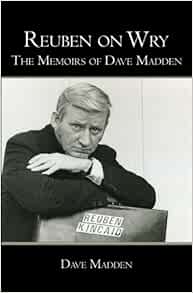
During retirement in 2007, he wrote his memoirs, Reuben on Wry: The Memoirs of Dave Madden.

Reuben on Wry: The Memoirs of Dave Madden: Madden, Dave ...

In January of 2014, he passed away in hospice care, suffering from complications of myelodysplastic syndrome, a disorder that results from poorly formed or dysfunctional blood cells.

For someone who began his first magic performance because of a serious injury and was hired for a sitcom without ever having acted, Dave Madden had a very fun and successful career. I must admit, I have many great memories of him as Reuben Kincaid. He seemed to be a very nice and easy-going individual who worked hard and enjoyed his life. You can’t ask for more than that. Thanks for the memories Dave Madden.

C’mon Get Happy

We are in the midst of looking at the Friday night shows that aired in September 1970 through May 1972. Today we meet the cast of The Partridge Family.
partridge1

The Partridge Family was created by Bernard Slade. Slade wrote for Bewitched, was a script supervisor for The Courtship of Eddie’s Father, and created several other shows including The Flying Nun, Bridget Loves Bernie, and Love on a Rooftop. Bob Claver served as executive producer.

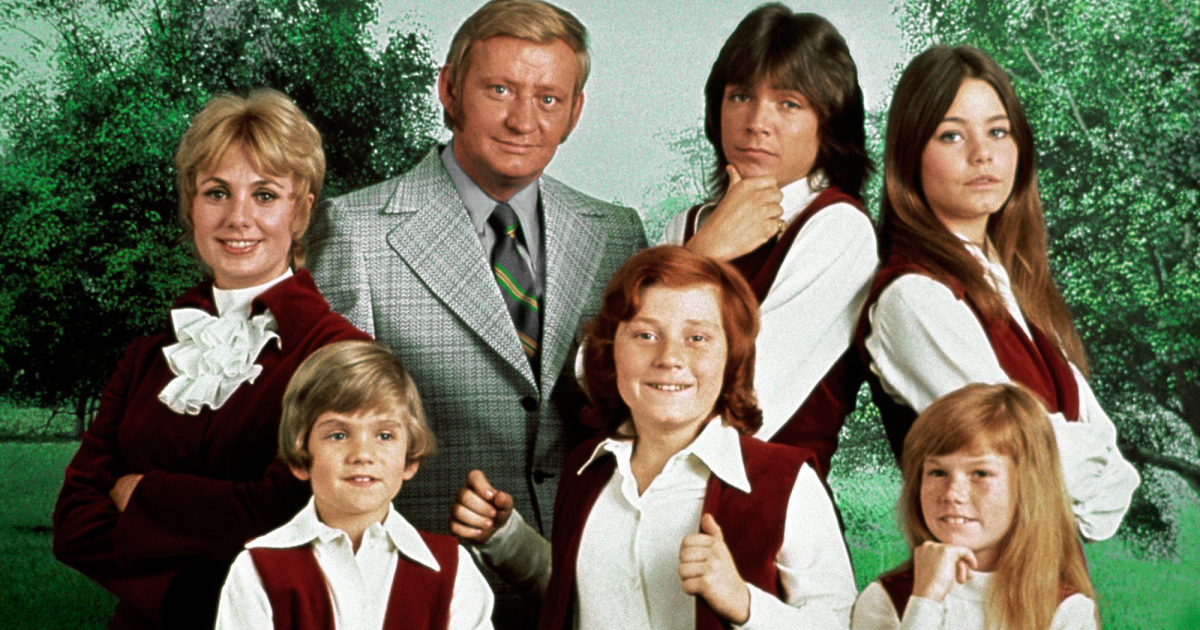
The concept was loosely based on The Cowsills, a family band who grew up in Rhode Island and toured with their mother. Shirley Jones was signed to be the star of The Partridge Family. The Cowsill kids were offered the role of her children, but they refused to do the show without their mother. David Cassidy, Jones’ step son, was hired as lead singer Keith Partridge. Susan Dey, a model, age 17, was hired as Laurie Partridge, keyboards. Danny Bonaduce is the ten-year-old Danny who acts 45 and plays bass guitar; Jeremy Gelbwaks is Chris the drummer, while Suzanne Crough is the tambourine-playing Tracy, the youngest member of the family.

partridge3

The pilot was filmed in December of 1969, but when the first episode aired, a few things had changed. Shirley was originally named Connie, and she had a boyfriend played by Jack Cassidy. The family lived in Ohio, not California.

THE PARTRIDGE FAMILY

In the first episode, the Partridge kids convince their mom, a widow and a bank teller, to fill in to record a song with them in their studio/garage. Danny goes through a few shenanigans to get Reuben Kincaid to listen to the demo, eventually trapping in him the rest room. Rueben loves it, hires on as their manager, and the song hits the top 40, propelling the family to stardom. They buy an old school bus which they paint and go on the road, performing in Caesar’s Palace in Las Vegas.

partridgebus06

While many of the episodes take place on the road, most of the shows are set in San Pueblo, their home city, dealing with the typical issues siblings had then and still encounter today.

Ray Bolger and Rosemary DeCamp show up often as Shirley’s parents. We also get to know Reuben’s stewardess girlfriend Bonnie Kleinschmidt played by Elaine Giftos.
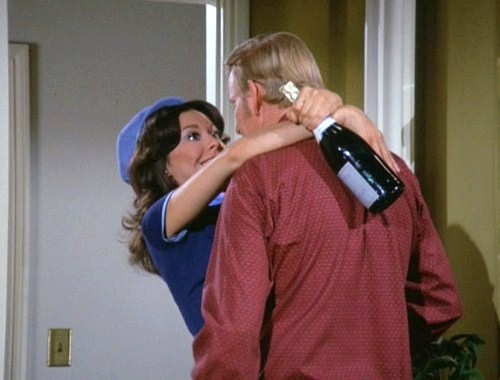
bonnie

For the second season, a few additional changes took place. Shirley started out narrating the episodes but stopped partway through season one. Jeremy Gelbwaks’ family moved to the east coast; and he was replaced with Brian Forster. David Cassidy mentioned that young Jeremy had a personality conflict with most of the cast members. When he got older, he must have been easier to get along with because as an adult, he has appeared with the rest of the cast on reunion shows. The theme song was also tweaked.  Titled “Singin’ Together” the first year, it was given a new arrangement, a new name in “C’mon Get Happy,” and new lyrics:

We had a dream, we’d go travelin’ together,
We’d spread a little lovin’ then we’d keep movin’ on.
Somethin’ always happens whenever we’re together
We get a happy feelin’ when we’re singing a song                                                          Travelin’ along there’s a song that we’re singing,                                                                C’mon get happy

Scattered throughout the 96 episodes are more than 50 celebrity guest stars, an astonishing number for a sitcom. We saw sitcom stars from classic shows including Morey Amsterdam, John Astin, Edgar Buchanan, Jackie Coogan, and Arte Johnson. We saw popular hosts like Dick Clark. Howard Cosell represented the sports industry. Movie stars showed up like Margaret Hamilton, Charlotte Rae, and Harry Morgan. Future stars made their mark: Jodie Foster, Mark Hamill, Meredith Baxter, and Bert Convy.  Three of the Charlie’s Angels first appeared on The Partridge Family: Farrah Fawcett, Jaclyn Smith, and Cheryl Ladd. Musicians Johnny Cash and Bobby Sherman appeared, as did comedian Richard Pryor.

Danny struggled with his lines. He was dyslexic, but he also had an eidetic memory, so he not only memorized his lines, but the rest of the cast’s lines as well, and they didn’t always appreciate him telling them what they could not remember. He was a bit of a wild child. Shirley Jones said once the cast ganged up on him and poured a pitcher of milk on his head to get him to behave. Once she forgot he was not her real son and sent him to his room for a time out. Danny had reason to misbehave though. He was verbally and physically abused at home. Dave Madden who played Reuben took him in to live with him for a while. On the show, the two of them pretended to have a love/hate relationship, but you knew Danny was Reuben’s favorite. Some of their dialogue was:

danny and reuben

Reuben Kincaid: …Tell me, did your mother ever tell you not to play in traffic?

Danny: Of course.

Reuben Kincaid: Too bad.


Danny: …You know, we think a lot alike.

Reuben Kincaid: I know. And sometimes it scares me.


Reuben Kincaid: Danny, if you’re ever thinking of running away from home, do it.


Reuben Kincaid: …Good day.

Danny: It was until now.


Reuben Kincaid: Danny, if you’d like to go to the beach with me, I’ll let you swim in the riptide.

Danny: Riptides are dangerous.

Reuben Kincaid: Aw, who told you that?

partridge22

The Partridge house is a popular house in television series. It was the home of the Kravitzes in Bewitched and was later Margaret’s house in Pleasantville and the home of the Thatcher family in Life Goes On.
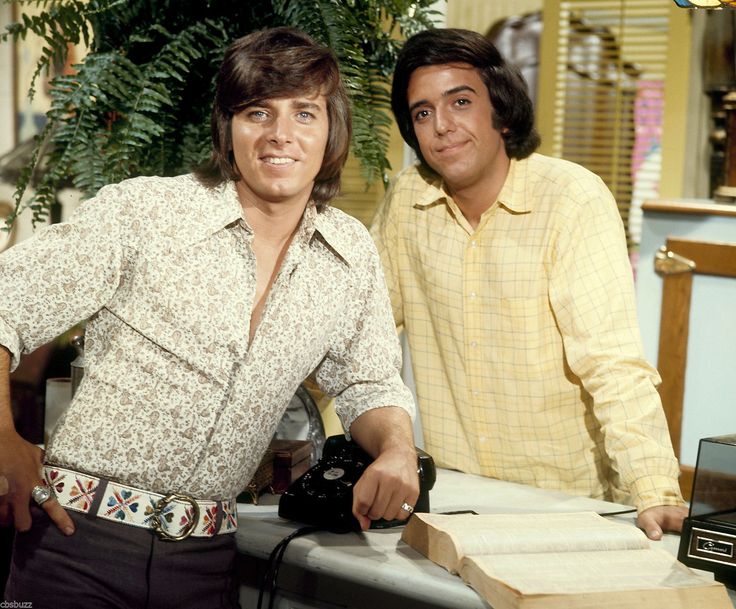
get together

Most people might not remember that The Partridge Family created a spin-off series.  On one episode, Bobby Sherman and Wes Stern are introduced by the family and become a successful song-writing duo. It became a show Getting Together during the 1971-72 year. Too bad it wasn’t titled Staying Together, because it only lasted 14 episodes. The concept was based on Boyce and Hart who wrote for several famous singers including The Monkees and Jay and the Americans.
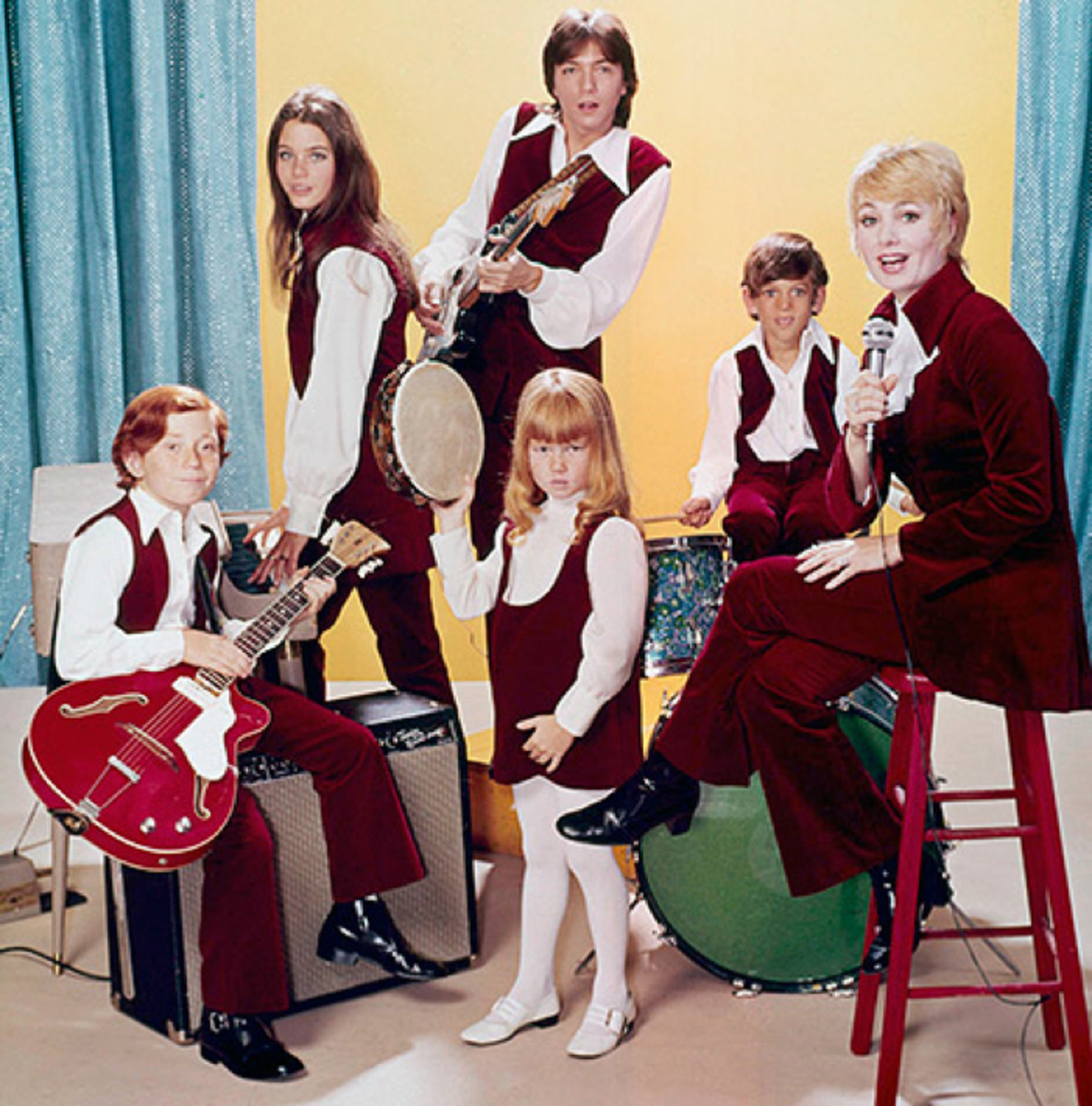
partridge2

Music was an important part of The Partridge Family. The early 1970s had a range of popular music. You could choose from Janis Joplin, Jimmy Hendrix,  Led Zeppelin or the Archies–ranging from hard rock to pure bubblegum.
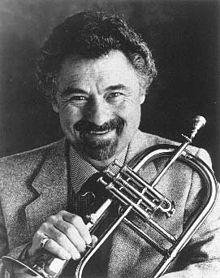
Shorty_Rogers

The music for the pilot was recorded by Shorty Rogers. Rogers had worked with Woody Herman and Stan Kenton. He was a trumpet player and music composer. He recorded music for several movies and later for Starsky and Hutch. Wes Farrell produced the songs for the rest of the series. Farrell has written or produced more than 500 songs, the most famous being “Hang on Sloopy.” He wrote 30 songs for the Partridge Family. The Wrecking Crew were Los Angeles session musicians, most of whom had classical or jazz backgrounds. They were the house band for Phil Spector and played behind many singers including Sonny and Cher, The Mamas and the Papas, Frank Sinatra, The Monkees, and The Beach Boys.
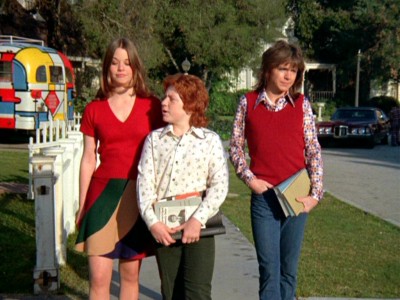
partridge8

The most famous Partridge Family song was “I Think I Love You,” written by Tony Romeo who wrote for The Cowsills.  The song went to number 1 on the Billboard charts. When the first album came out, it went to number 4. Romeo also wrote the music for the movie Rain Man as well as for other television shows and a variety of jingles. I have to say that my favorite Partridge song, hands down, is “Oh, No, Not My Baby.” By the end of the show, 8 albums had been released including a Christmas one.
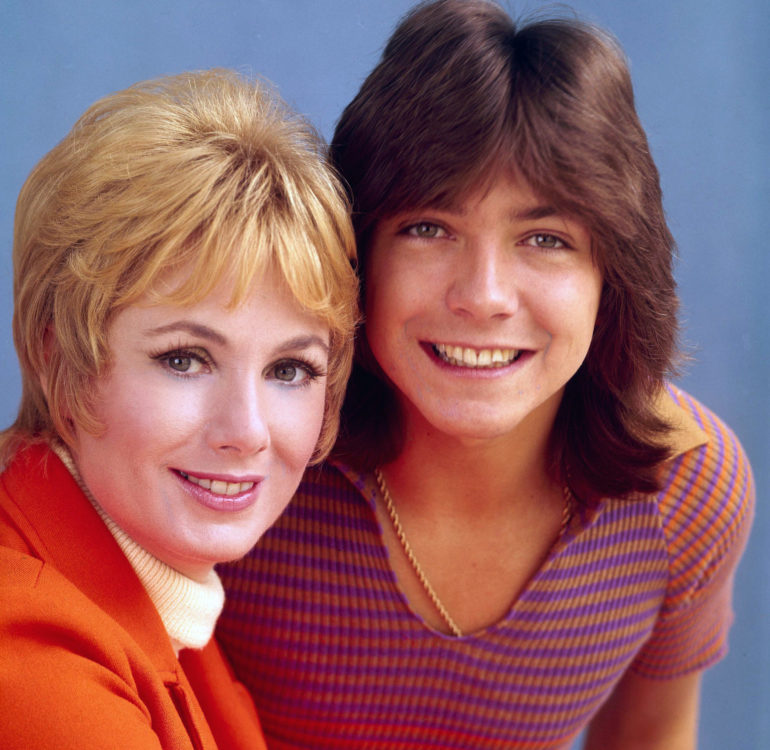
THE PARTRIDGE FAMILY

Shirley Jones sang on many of the songs while David Cassidy was the lead singer, but the rest of the cast lip-synched their songs. The show took a toll on David.  He was made a teen idol but was not playing the type of music he was passionate about.  He toured playing Partridge Family staples. Sony made a fortune off him. He wasn’t paid royalties, and they were allowed to use his image however they wanted to without his permission. Even the dues paid by his fan club members went to Sony. His manager realized that David had signed his contract at 19 when the legal age was 21, so his contract became null and void, allowing him to renegotiate it for better terms.  Until then, he was paid $600 per episode and that was it.

In 1974, The Partridge Family was moved to Saturday night opposite All in the Family and could not survive the ratings war.

cartoon

Oddly enough, later that year, a Saturday cartoon was aired called The Partridge Family 2200 AD. It was produced by Hanna-Barbera. Shirley Jones and David Cassidy were not involved at all and Dave Madden and Susan Dey had limited involvement.

reunion

The cast reunited November 25, 1977 for a reunion show with the cast of My Three Sons. They also got together on the Arsenio Hall Show, Danny Bonaduce’s radio show, and three different documentaries.

Perhaps the best measure of the show’s popularity is the incredible amount of items that were produced during the four short years the show was on the air. There is a Partridge Family game (which I have and still play), trading cards, mystery books and comic books starring the family, lunch boxes, blankets, Christmas ornaments, a Keith Partridge watch, dolls, song books and sheet music, a Johnny Lightning bus replica, Viewmaster reels, and many other items. Johnny Ray Miller wrote a book in titled When We’re Singin’: The Partridge Family and Their Music, chronicling the music of the show.

partridge21


Shirley Jones enjoyed her time on The Partridge Family. She has continued to keep busy performing and spending time with her real family.
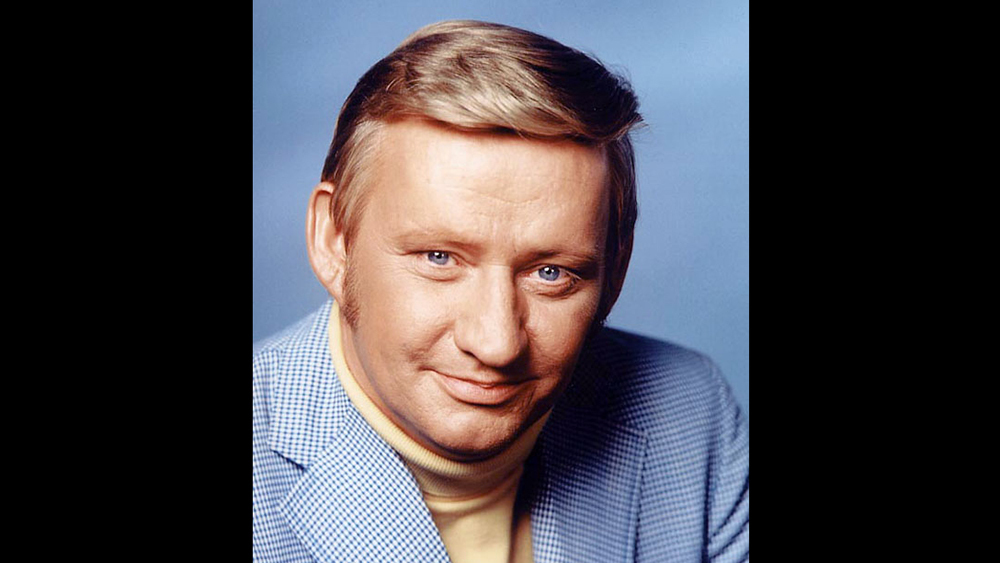
partridge11

Dave Madden also kept quite busy following the cancellation of the show. Being a smoker most of his life, he quit smoking after the episode “Every Dawn I Diet” when he and Danny have a bet that he can quit smoking and Danny can lose some weight. He passed away in 2014 at age 82 from complications of myelodyplastic syndrome, a disease where red blood cells don’t mature in the marrow.

jeremy

Jeremy Gelbwaks became a management consultant.
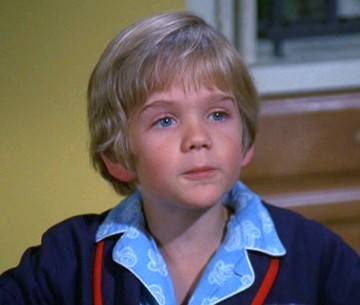
brian

Brian Forster is a race car driver, participating in community theater. In a side note, his mother was related to Charles Dickens, and his step-grandfather was Alan Napier, the butler Alfred on the Batman television show.
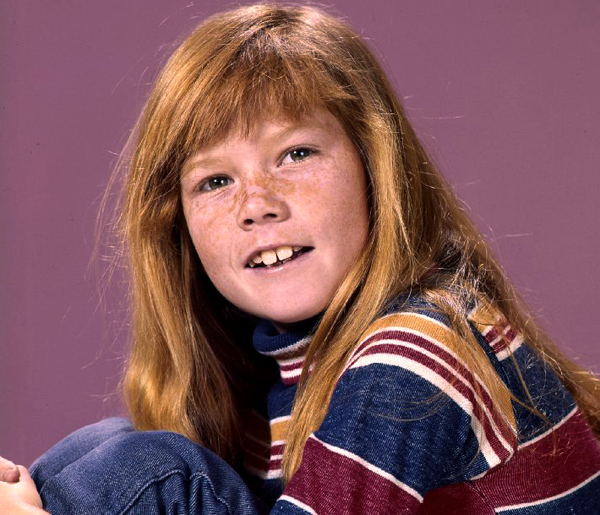
tracy

Suzanne Crough made a few appearances in shows and movies through 1980. She went to college, worked at a bookstore and managed an office supply store. She married and had two children. She passed away unexpectedly in 2015 from cardiomyopathy.

partridge13

Susan Dey had roles on several shows following her stint on The Partridge Family. She and David Cassidy tried dating after the show was off the air, but it did not end well. He revealed their relationship in his 1994 autobiography when she apparently severed ties with him altogether.
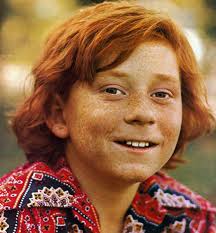
partridge16

Danny Bonaduce has had a rough ride but has been a busy and productive radio host for the past decade or so. David Cassidy also had some tough years with drug use and alcohol. He passed away in December. After Cassidy’s death, Bonaduce wrote: “I have known, loved, and admired David Cassidy for 48 out of my 58 years. He has been as kind to me as any real brother could ever be. We’ve been through a lot together and he was always there for me. This loss is huge. RIP my dear friend.”

susan and david

Brian Wilson, the lead singer of the Beach Boys, said he was “very sad” to hear about Cassidy’s death. “There were times in the mid-1970s when he would come over to my house and we even started writing a song together,” he tweeted. “He was a very talented and nice person.”
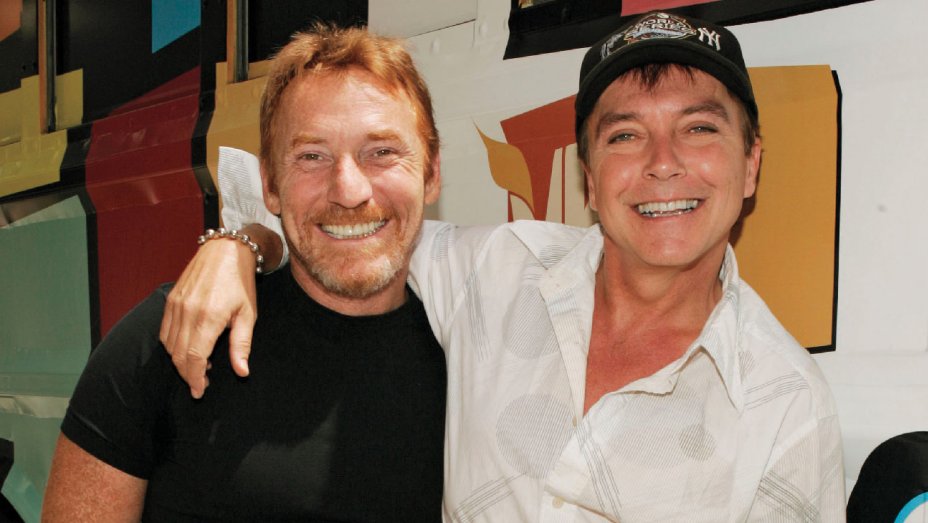
danny and keith

Bonaduce shared some of his remembrances about Cassidy:

David Cassidy was a god to me. We weren’t close when we did The Partridge Family — I was 10 years old; he was 20 — but to me he was like Elvis Presley, down to the jumpsuit and the arenas filled with fans. . .

We did become friends much later, in the 1990s. I was going through some trouble — I was on the cover of all the tabloids, “Ex-Child Star Gone Wrong” — and David was having problems of his own. He gave me some advice. He said, “You know, Danny, you should be in on the joke; you shouldn’t become the joke.” Then he invited me to go on tour with him. “It’s going to be fantastic,” he said. “We’re going to go on my tour bus, and at the end you’re going to get a job out of it. But here’s the deal: There’s going to be no drugs, no alcohol, no smoking and no women.” I said, “Then I’m not going.”

But I did go on tour, doing stand-up before David performed, and at every stop I did interviews with local radio stations. And around the fifth radio interview, they said: “Boy, you’re really good at this. You want to stay?” They offered me more money than I’d ever seen in my life: $75,000 a year. David told me the tour would give me a career, and it did.

When it came to his own career, though, David got robbed. When he decided he didn’t want to be Keith Partridge anymore, he quit The Partridge Family. He wanted to go on tour and be a real rock ‘n’ roll star. But the road he chose to go down after the show, it didn’t go as far. He became the Partridge Family theme song, he became the act of looking like David Cassidy, with the same thousand fans coming to every show. He never did get the life he wanted. It really was a tragedy. I was in Europe when he died, but I heard he was surrounded by his family — Shirley Jones, Shaun Cassidy, Patrick Cassidy. And I heard his last words were, “So much wasted time.”

partridge18

On the first episode, the Partridge clan goes to a car dealer to buy their bus. In reality, the studio purchased it from the Orange County School District. After the show was cancelled, the bus ended up behind Lucy’s Tacos near UCLA. When the restaurant did some repaving, the bus was moved to a local dump: the windows were broken, the tires were flat, and the paint had faded.
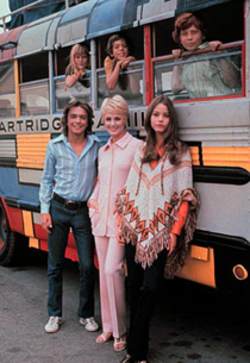
partridge7

In our memories, the bus will be forever colorful and bright, Keith will continue to make girls swoon, Laurie will give wise counsel to her siblings, Danny will make us laugh, Chris and Tracy will put in their occasional one-liners, and Shirley will take teach us important life lessons. There is something timeless about The Partridge Family, and I appreciate each of the 96 episodes.  On the next rainy day, watch a few of the DVDs from the four seasons and find something to appreciate in each one as well.



Verrry Interrresting!

Occasionally, a show is so entrenched in the time and culture it debuts in, it becomes almost impossible to describe or understand away from its original setting. Dan Rowan and Dick Martin were nightclub comics who co-hosted a special called Laugh-In in 1967.  The name was a play on words based on the love-in’s and sit-in’s happening in the 1960s.  The special was so popular it was turned into a weekly series. I think of Laugh-In as Sesame Street for adults.  Both shows debuted in the late 60s and had a rapid-fire approach, continually moving on to the next segment so the viewer would not get bored. The show captured the counterculture movement and the lime green, turquoise, fuschia, deep orange, bright yellow, and paisley flowers kept our eyes moving as quickly as the jokes did. The show lasted six seasons.

laughin1

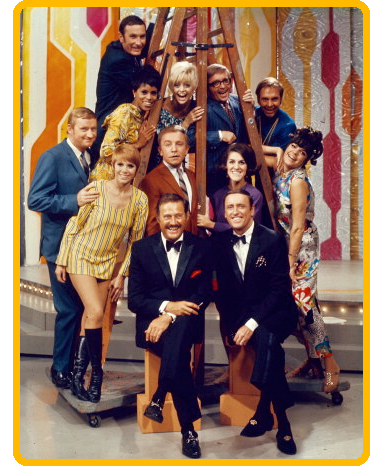
Regular cast members who went on to other careers included Ruth Buzzi, Gary Owens, Alan Sues, Arte Johnson, Henry Gibson, Lily Tomlin, Richard Dawson, Jo Anne Worley, Goldie Hawn, Judy Carne, Dave Madden, and Flip Wilson.

Numerous celebrities flocked to the show.  Movie stars that were reeled in included John Wayne, Jack Benny, Peter Lawford, Zsa Zsa Gabor, Charles Nelson Reilly, Debbie Reynolds, Rock Hudson, Jack Lemmon, Edward G. Robinson, Sally Field, Orson Welles, and Rita Hayworth.  Noted musicians included Sammy Davis Jr., Dinah Shore, Johnny Cash, Perry Como, Liberace, Bing Crosby, Cher, Rosemary Clooney, and Liza Minelli. Sports stars tackled the chore including Joe Namath, Wilt Chamberlin, Sugar Ray Robinson, and Howard Cosell.  Comedians who laughed their way on the show included Rich Little, Don Rickles, Bob Hope, Bob Newhart, Paul Lynde, and Carol Burnett. Classic tv stars who accepted starring roles were Tim Conway, Carl Reiner, Steve Allen, Jim Backus, Ernest Borgnine, Eve Arden, Andy Griffith, Desi Arnaz, and Wally Cox.

The format rarely changed from week to week.  Rowan and Martin opened each show with a dialogue; Rowan acted as the straight man, and Martin took on the gullible role. Then the regular cast, along with celebrities, danced against a psychedelic background, firing off one-liners and short gags. Comedy bits, taped segments, and sketches filled in the rest of the hour and always ended with Rowan telling Martin to “Say goodnight, Dick” and Dick replying, “Goodnight Dick.”

Some of the regular features were:

laughinn

The Cocktail Party where the cast stood around spouting politically and sexually suggestive jokes.

Letters to Laugh-In where the cast read letters.

ROWAN AND MARTIN'S LAUGH-IN,  Teresa Graves, Pamela Rodgers, 1969-1970.

It’s a Mod, Mod World where go-go dancers danced in bikinis with puns and word play phrases painted on their bodies.

farkel

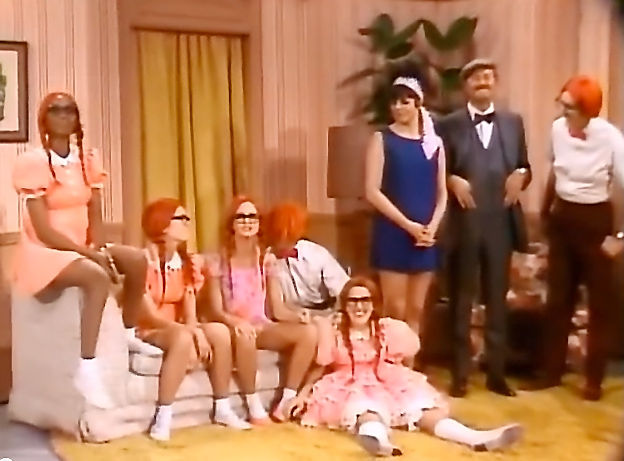
The Farkel Family about a group of red-headed, freckled family members.

fickle

The Flying Fickel Finger of Fate Award where dubious achievements were celebrated.

Laugh-In Looks as the News was comparable to the Saturday Night Live news sketches of today.

New Talent Time showing various weird skills.

Many of the regular cast members had their own skits that were repeated during the series’ run:

carne

Judy Carne was always tricked into saying “Sock it to Me” which then caused her to get doused with water, fall through a trap door, or endure some other indignity. Sometimes celebrities ended up being the ones to say “Sock it to me,” the most famous being Richard Nixon when he was campaigning for president.

buzzi

Arte Johnson played Tyrone, an inappropriate senior citizen who tries to seduce geriatric Ruth Buzzi as Gladys, forcing her to eventually hit him with her purse.

laughinc

Henry Gibson came on stage holding an oversized paper flower, reciting poetry.

Lily Tomlin performed skits as Ernestine, a telephone operator or Edith Ann, a young girl sitting in a rocking chair. (Personal note:  When I was in 4th grade, I performed an Ernestine and an Edith Ann skit for our talent show.  Why a 9-year-old was watching Laugh-In and the school approved the skits, I can’t say, but I remember getting a lot of compliments.  And Lily Tomlin didn’t sue me for stealing her material!)

sues

Alan Sues portrayed Uncle Al, a children’s show host, who was short tempered and often in bad shape from his late partying nights.

laughinh

Flip Wilson was Geraldine.

laughin6

Jo Anne Worley would say “Bor-ing” in the midst of jokes.

laughing

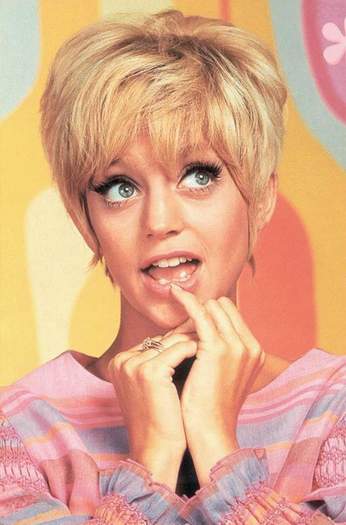
Goldie Hawn as the ditzy blonde.

The series also became known for some of its catch phrases including “Look that up in your Funk & Wagnalls,” “You bet your sweet bippie,” “Beautiful downtown Burbank,” “Is that a chicken joke?,” “Sock it to me,” “Here come de judge,” and “Verrrry Interesting.”

The show was one of the highest rated shows in the late 1960s. It was in the top 4 of the top 40 shows for its entire run. It won Emmy and Golden Globe awards. The Nielsen polling determined it was the most-watched show in seasons 1 and 2.

The show had its own magazine for a year.  Trading cards were sold with catch phrases and images from the show. Several records were produced capturing the humor of the time.  There was even a set of View-master reels made, as well as lunch boxes and other memorabilia.

laughinrev

Laugh-In debuted fifty years ago, but still feels new and edgy. Because the show has not been syndicated in re-runs, it is hard for the current generation to imagine how very different this show was from anything else that appeared on television before it.  The closest show to capturing any of its essence since then is Saturday Night Live.  This was a time when everything was changing: civil rights, Vietnam, women’s lib, the hippie lifestyle, psychoactive drugs, anti-authoritarianism, freedom of speech and assembly, and environmental concerns, especially littering and pollution.

The Generation Gap was a real concept in the 1960s but this show might have come as close as anything else to bridge that gap. Families sat down together to watch the show. Many of the phrases still have a life of their own decades later even thought decades of kids have never seen the show.  Plan your own little sit-in when you check out a couple of the you-tube videos to get a flavor of what the series was like.