What Do I Spy with my Hawaiian Eye?

Welcome to this month’s blog series, “Crime Solvers of the Past.” Before there was Hawaii Five-0 or Magnum PI, there was Hawaiian Eye.
📷wikipedia.com

Warner Brothers was looking for possible television series to create. They sent one of their story editors, Jack Emanuel, to Hawaii to get some inspiration for a crime series, and Hawaiian Eye was born.

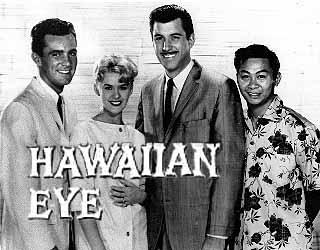
The show debuted on ABC in the fall of 1959 and continued until April 1963. Like the above-mentioned shows, this one also features a partnership. Tom Lopaka (Robert Conrad) and Tracy Steele (Anthony Eisley) own a detective agency that also provides security services, and it’s called Hawaiian Eye. The Hawaiian Village Hotel is one of their biggest clients and they provide an office/living space for the firm. Rounding out the cast was Cricket Blake (Connie Stevens), a local photographer and singer who helps the guys out; Kim Quisado (Poncie Ponce), a cab driver who plays the ukelele; Greg McKenzie (Grant Williams), a former engineer who helps out and later joins the firm, and Philip Barton (Troy Donahue), the hotel social director. Lt. Danny Quon (Mel Prestidge) also shows up off and on when the boys need help from the local police force.

Sprinkled among the 134 episodes, you’ll find lots of great character actors and guest stars popping up.

📷facebook.com

Robert Wagner was originally chosen for Lopaka, but he turned it down to continue his movie work. Warner Brothers produced this one, so there was a bit more feel of a movie set.

Ponce was the only cast member actually born in Hawaii, and when the show aired, his entire hometown shut down in order to watch their local boy. Ponce only ended up with 8 acting credits, one in Speedway with Elvis Presley. Most of his career was spent in the music side of the entertainment business singing and playing. While he played a uke on the show, in his personal life this talented guy also played piano, trumpet, sax, and harmonica. In fact, he was seen by William Orr, head of Warner Brothers as a singing waiter. Orr was so impressed he signed him for the show. However, he was not as impressed with his waiting abilities, so he became a cab driver!

Connie Stevens also started and ended her career in the music business. She was part of a cast for three television shows but garnered 72 acting credits during her career.
📷fanpix.net

The opening of the show was a voiced over with a narrator introducing the cast who is frolicking around in the water and on the beach. In the background a chorus sings “Hawaiian Eye” repeatedly.

The plots seem fun for the time. The duo helped a woman who thinks her husband is trying to kill her, chased down a former spy, investigated hotel crime, and there is a bit of a Love Boat feel to the show where one of the partners falls in love, and lots of women are strolling around the island.

It was not shot in Hawaii but in Burbank, in black and white film; the fact that it often takes place at the hotel, it’s not noticeable we’re not on the Island. It’s just missing the lush scenery the later series feature.

📷tvtime.com

The show aired Wednesday nights with its primary competition The Perry Como Show and I’ve Got a Secret which were top thirty shows the first season but had fallen out of the top thirty by season two, so maybe Hawaiian Eye gained some of their viewers. Season three, in addition to Perry Como, the show was up against The Dick Van Dyke Show. For its final season, it moved to Tuesday nights and was on at the same time as The Red Skelton Show and The Jack Benny Show which were in the top twenty and ten respectively. That seemed to end any hopes the show had to continue, and it was cancelled.

Unfortunately, I can’t find anywhere the DVD set was released but there are streaming services with it and a few private sellers with sketchy quality. If you enjoyed Hawaii Five-0 or Magnum, check out some of the episodes on YouTube. From everything I could find, the show had a great cast with a lot of chemistry, some interesting music performances, comic relief from Ponce, and good writing, everything you want to see in a popular series.
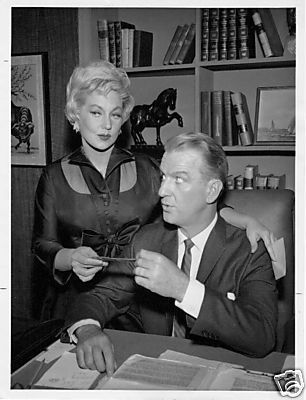
Everyone Could Use A Private Secretary

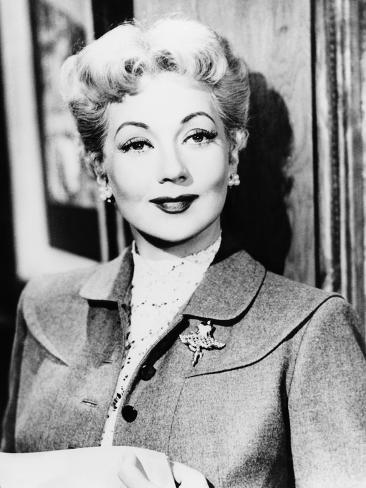
After learning a bit about the career of Ann Sothern last week, today we take a look at two of her shows: Private Secretary and The Ann Sothern Show. Although they were two different shows, the second almost seemed like a continuation of the first. To make things even more complicated, when the shows went into syndication, Private Secretary was renamed Susie and all the episodes of Susie would air, followed by The Ann Sothern Show and then back to Susie.

Photo: allposters.com

As we learned last week, Ann suffered from hepatitis for three years. With her medical bills mounting and less film work coming in, she needed to make a living, so she turned to television to revive her career.

After appearing in series of ten Maisie films earlier in her career, Ann had a solid fan base. Ann was a smart business woman and she had a 42% ownership in her new show, Private Secretary. The show debuted in 1953.

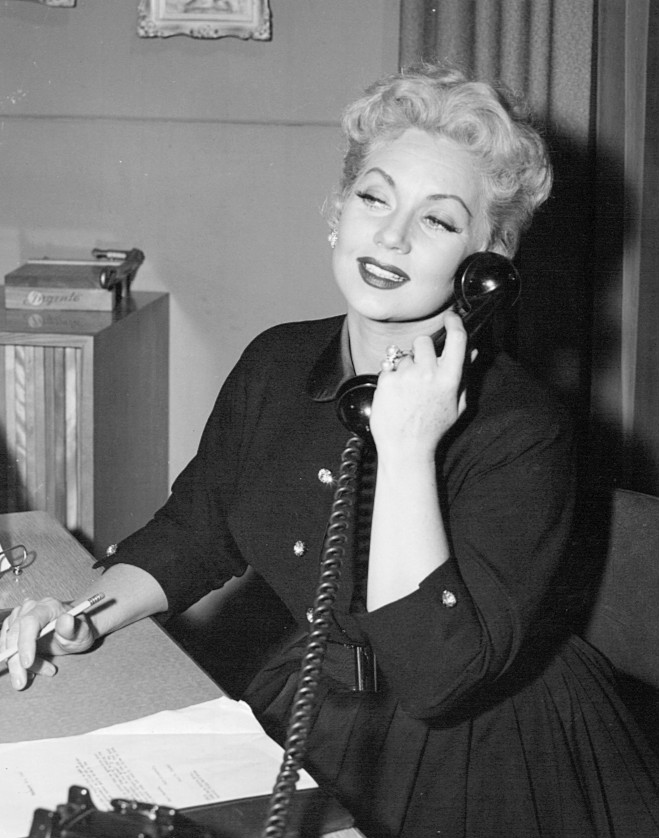
Sothern with Don Porter–Photo: pinterest.com

Ann portrays Susie MacNamara, a former actress and WAC WWII veteran; she is the secretary to Peter Sands (Don Porter), a talent agent. Susie often complicates life for her boss, although she means well.

One of her best friends was Violet (Ann Tyrell), their receptionist. Cagey Calhoun (Jesse White) is always trying to cause trouble for Peter as a rival talent agent.

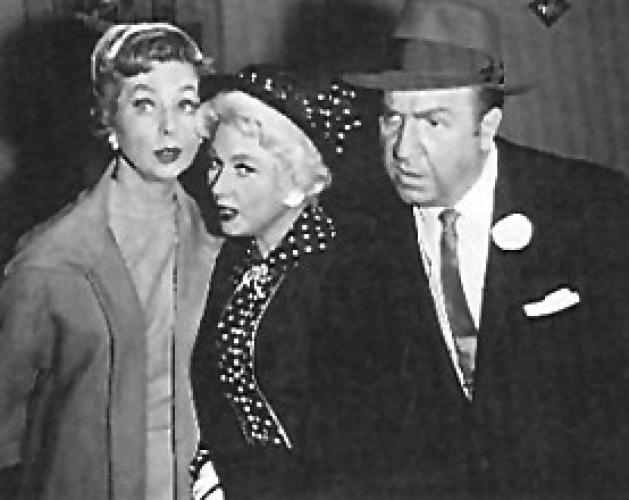
Sothern with Ann Tyrell and Jesse White–Photo: episodate.com

While the scripts weren’t ground-breaking, they were well written and witty. Some shows reference one of Mr. Sands’ clients, actress Harriet Lake, which was Ann’s real name.

The show was noted for its state-of-the-art set decoration featuring IBM typewriters and Western Electric phone systems, as well as stylish furnishings.

Photo: wikimedia.com

The show was on Sunday nights on CBS and alternated weeks with highly rated Jack Benny Show.  I have never seen this with any other show but Lucky Strikes, the show’s sponsor also financed The Jack Benny Show on CBS and Your Hit Parade on NBC. So, when Your Hit Parade was on hiatus for summer, Private Secretary’s reruns were shown on that network and then new shows would begin in the fall back on CBS.

The show continued to have great ratings but in 1957, even though the show was renewed for the next year, Ann got into an argument with producer Jack Chertok and she left the series which ended. I could never find definitively why they argued, but it had to do with the show’s profits.  

Photo: wikipedia.com

Sothern was nominated for Best Actress Emmy for 1955, 1956 and 1957, losing to Loretta Young, Lucille Ball, and Nanette Fabray.

Instead of a sixth year of Private Secretary on CBS, The Ann Sothern Show debuted in 1958 as a weekly show. Chertok kept the rights to the title, hoping to get another actress to fill the MacNamara role. This show was created by Bob Schiller and Bob Weiskopf. Desi Arnaz would produce the show which worked out as Ann and Lucille Ball were very close friends. They appeared on each other’s shows.

In The Ann Sothern Show, Ann now plays Katy O’Connor, the assistant manager of an upscale New York hotel, The Bartley House. Her secretary is Olive Smith (Ann Tyrrell), the front desk clerk is Paul Martine (Jacques Scott), and the bell boy is Johnny Wallace (Jack Mullaney). Later Ken Berry replaced Mullaney as Woody Hamilton.

Many of the cast members from the former show appear on the new series. Although Katy has a boss she answers to, she has a lot of authority running the hotel. Katy’s first boss is Jason Macauley (Ernest Truex), a man who is dominated by his nagging wife Florence (Reta Shaw). When ratings were not great, Truex was replaced by Don Porter as James Devery. As in Private Secretary, there are some romantic currents between Katy and James. Olive’s boyfriend, a dentist, Dr. Gray, is played by Louis Nye. In season two, Jesse White showed up as Oscar Pudney an unethical newsstand owner near the hotel.

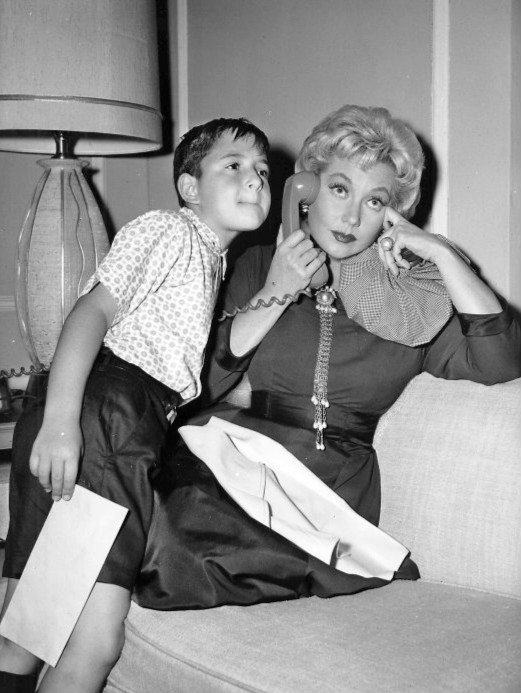
Sothern with Jacques Scott–Photo: wikipedia.com

The storylines often revolved around the personal life of the staff and stories about guests staying at the hotel. The concept provided the opportunity to attract a variety of guest stars during its run. In addition to Lucille Ball, actors who appeared on the show included Jack Albertson, Frances Bavier, Constance Bennett, Eva Gabor, Joel Grey, Van Johnson, Jayne Meadows, Howard McNear, Janis Page, Cesar Romero, and Connie Stevens.

Once again Ann was nominated for an Emmy is 1959 but lost to Jane Wyatt for Father Knows Best.

Post Cereals and General Foods were sponsors for this show, and the cast would often appear in commercials at the end of the show. Ann would then sign off with “Well, goodnight everybody. Stay happy!”

Photo: pinterest.com

For the second year, the show’s ratings were decent but not great. The show was moved to Thursday nights up against The Untouchables, a top ten show. The ratings declined, so it was cancelled.

The final episode ended in a cliffhanger. Mr. Devery finally realizes that he is in love with Katy and proposes to her. They kiss but the show ends before Katy can answer yes or no.

I remember watching the shows in syndication and I thought they were good. Ann Sothern appeared to be a likable person and a hard-working actress. Both shows were often in the top 25% of the ratings. With all the reboots that have been done, I have never heard of either of these shows as possibilities and they seem to be good options for a contemporary show.

If you want to check out the shows, Private Secretary has several DVD options. The only place I could find The Ann Sothern Show was on etsy, and the site specifically mentions that it is “not a retail set nor is this a commercial studio release.” Maybe with all the classic television networks debuting, we will see Private Secretary back on the air again soon.

Bert Convy: A Multi-Talented Star

I’m calling this series “The Men of November.”  We are taking a look at five actors who contributed to television during the classic decades of the 1940s-1980s. I’ve decided to take them in alphabetical order so we are starting with Bert Convy.

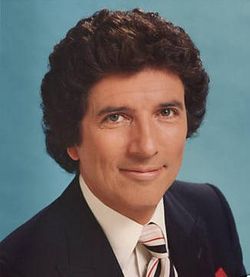
Photo: findagrave.com

Born in St. Louis in 1933, Convy’s family moved to Los Angeles when he was seven.  His focus was athletics, not acting, in school. When he was 17, the Philadelphia Phillies gave him a contract to play in their minor league system which he did from 1951-1952. In 1951 he played for the Klamath Falls Gems (Oregon), and in 1952 he split his time with the Salina Blue Jays (Kansas) and the Miami Eagles (Oklahoma).

Once he realized baseball was not going to be his career, he joined The Cheers, who released a top ten hit called “Black Denim Trousers and Motorcycle Boots” in 1955. Convy opted to enroll at the UCLA School of Theater, Film and Television, earning a BA.

Photo: amazon.com

Like Ken Berry, he was a performer in the Billy Barnes Revues which was popular in the fifties and sixties. In 1956, he was an usher on Art Linkletter’s popular show House Party. He appeared in several early television series throughout the late fifties, including Those Whiting Girls.

In 1959 he married Anne Anderson. They had three children and were divorced in 1991.

Perry Mason
Photo: imdb.com

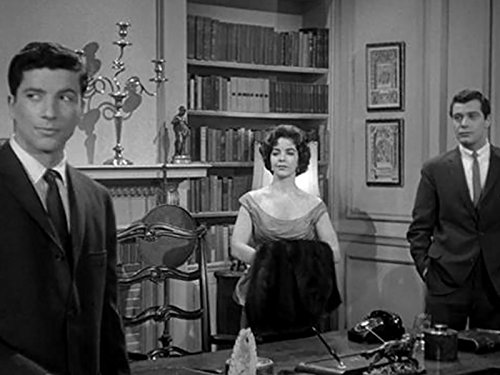
He showed up on the small screen a lot during the sixties, primarily in detective shows including Perry Mason in 1960. His first feature role was in the big screen drama Susan Slade starring Troy Donahue and Connie Stevens in 1961. He also spent a part of this decade on Broadway in ten different productions.

Photo: imdb.com

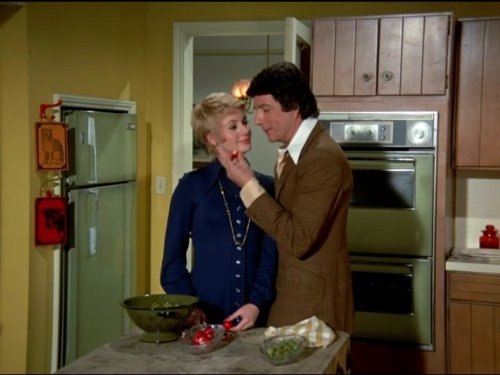
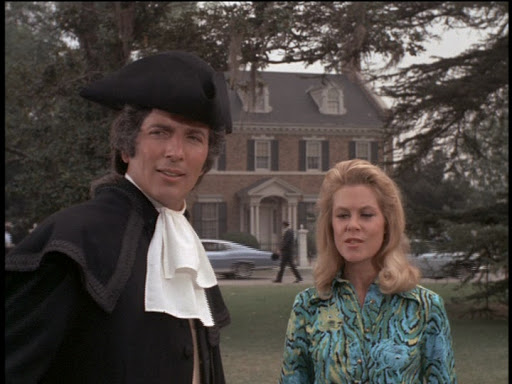
The decade of the seventies found him balancing roles in both detective (Mission Impossible, McMillan and Wife, Police Story and Charlie’s Angels among many others) and comedy shows (including Bewitched, Love American Style, and Karen). He appeared on The Partridge Family as a politician who dates Shirley. You get the distinct impression that they ended up together once the kids were out on their own. He also portrayed one of Mary’s boyfriends on The Mary Tyler Moore Show.

As Paul Revere on Bewitched
Photo: fanpop.com

He received his first recurring role in 1974, playing Lt. Steve Ostrowski on The Snoop Sisters. The show starred Helen Hayes and Mildred Natwick as two sisters, one widowed and one never married, who are mystery writers that also get involved in real murders.

Silver Scenes - A Blog for Classic Film Lovers: The Snoop Sisters ...
Photo: silverscenes.com

Two years later he starred in a short-lived variety show with the convoluted title of The Late Summer Early Fall Bert Convy Show. The title alone probably doubled the advertising budget. When I say short-lived, I mean I could only find one episode of the show which featured Don Knots.

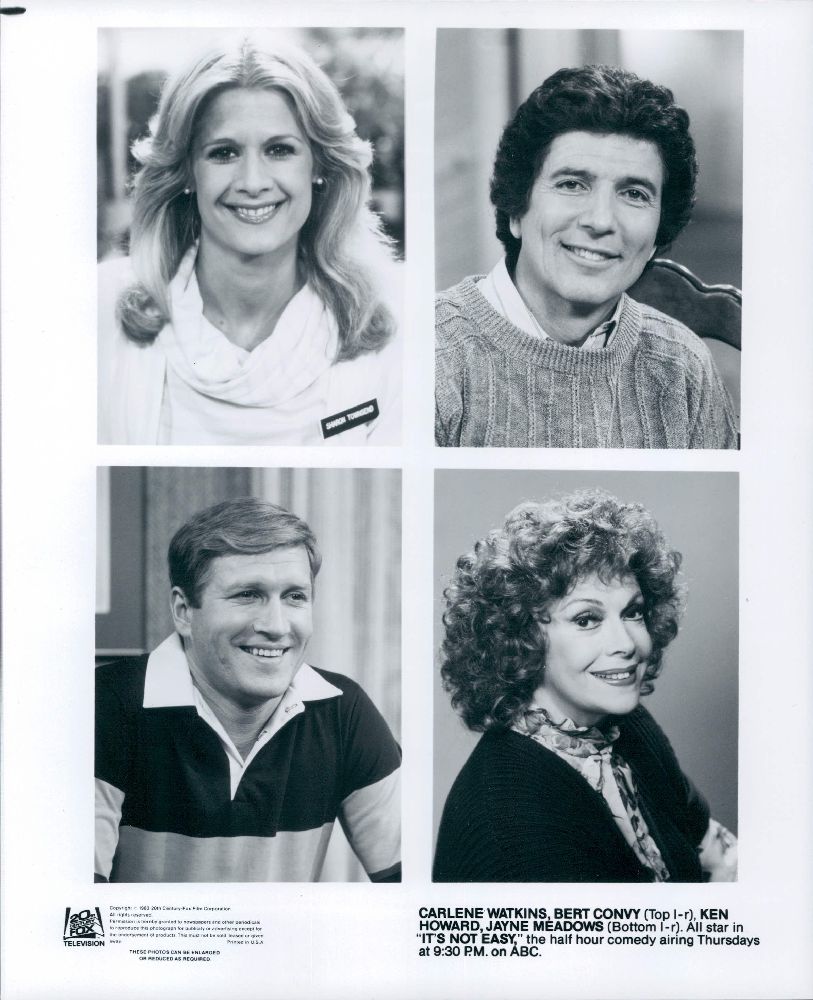
He was offered another permanent role in 1983 on It’s Not Easy. Originally Larry Breeding was given the role and made the pilot, but he passed away after a car accident. This show only lasted for 11 episodes. The plot is that Jack and Sharon have divorced. Sharon has remarried and she and her husband Neal (Convy) have decided to live across the street from Jack so it’s easier for the kids. Jack and Neal do not like each other.

Photo: sitcomsonline.com

He appeared in a few series during the eighties including Aloha Paradise, Fantasy Island, Murder She Wrote, Hotel, The Love Boat and The People Next Door.  

Cannonball Run Poster
Photo: moviemarket.com

While he would make ten big screen and fifteen made-for-television movies, two of them involved his buddy Burt Reynolds. Convy appeared in Semi-Tough in 1977 and Cannonball Run in 1981. The two friends developed a production company, Burt and Bert Productions.

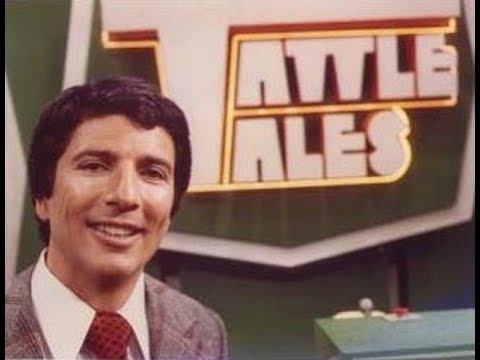
Convy was probably best known for his game show work. He was a panelist during the sixties and seventies on a variety of shows including What’s My Line, To Tell the Truth, Match Game, and Password. He hosted Tattletales, Super Password and Win, Lose or Draw. His emceeing of Tattletales resulted in an Emmy for Best Game Show Host in 1977.

Photo: youtube.com

In April of 1990, Convy collapsed and was diagnosed with cancer. The brain tumor was inoperable, forcing his retirement. His last credit was as himself on It’s Garry Shandling’s Show in 1990. He married his second wife Catherine Hills during the winter of 1991, and he passed away in July of 1991.

Sadly, Convy was never offered that perfect role that made him an icon, but he certainly had a full career. He had a lot of talents: acting, singing, and the personality to host game shows. I think it was his smile that always made him a favorite with me.