Good Evening Alfred Hitchcock

đź“·noizetv.com

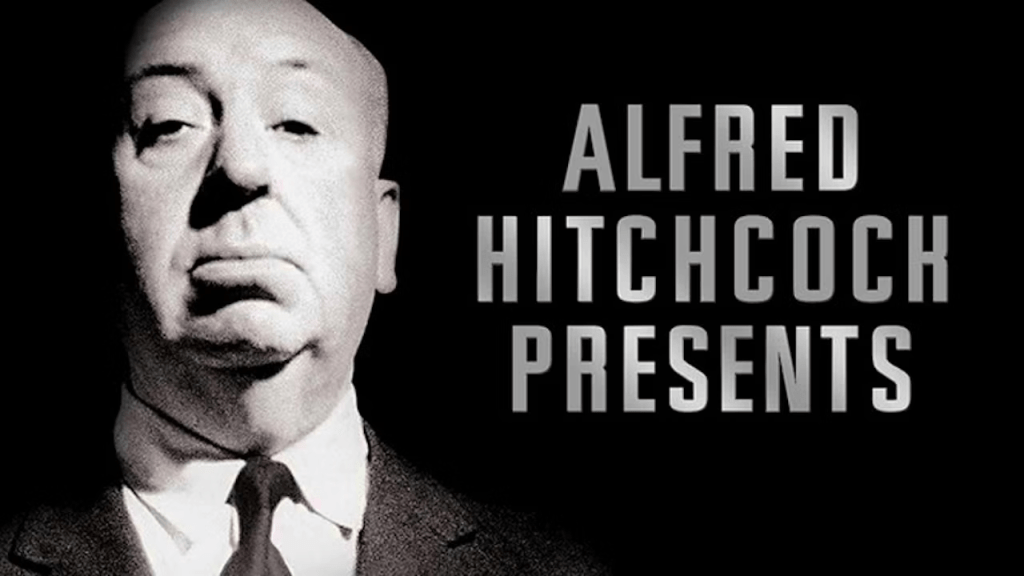
In October, we are tackling a blog series on Eerie Shows. It would be almost impossible to not include Alfred Hitchcock Presents which was on television for a decade.

The show premiered in 1955. Hitchcock had been directing films for more than three decades at that time. The series experienced several changes. It began as Alfred Hitchcock Presents on CBS but would switch both nights and networks during its run. In 1962 it became an hour-long show and was called The Alfred Hitchcock Hour.

Many fans recall the opening. There is a line-drawing of Hitchcock’s profile with the “Funeral March of a Marionette” playing in the background. Hitchcock appears at the edge of the screen and walks to the center where he fades into the caricature line drawing. Then he said, “Good evening.” The silhouette was one that Alfred drew. He began his entertainment career illustrating title cards for silent movies.

đź“·peacock.com

Hitchcock himself directed 17 of the episodes of the series. Two of those were nominated for Emmy awards: “The Case of Mr. Pelham” in 1955 with Tom Ewell and “Lamb to the Slaughter” in 1958 with Barbara Bel Geddes.

Hitchcock’s job during this series was to introduce the story and then to wrap it up at the end. Both the openings and closings were written by James B. Allardice. Allardice wrote for 38 different shows, many of them very popular series in the fifties and sixties. Norman Lloyd, who produced the show and appeared in five episodes, said Hitchcock respected Allardice so much that he never even changed a comma that he wrote.

The network demanded that if a character got away with murder during the show, then Hitchcock would let them know during the closing that he was eventually brought to justice; in the TV Guide, Hitch described this as “a necessary gesture to morality.” Lloyd gave an example of this in a Television Academy interview. In one episode, a woman kills her husband with a frozen lamb’s leg and gets away with it. At the end of the show, Alfred explains that she later remarried and tried the same trick again but when she took out the leg and hit her husband with it, it was not frozen enough, so he caught her in the act and turned her in.

đź“·genresnaps.com

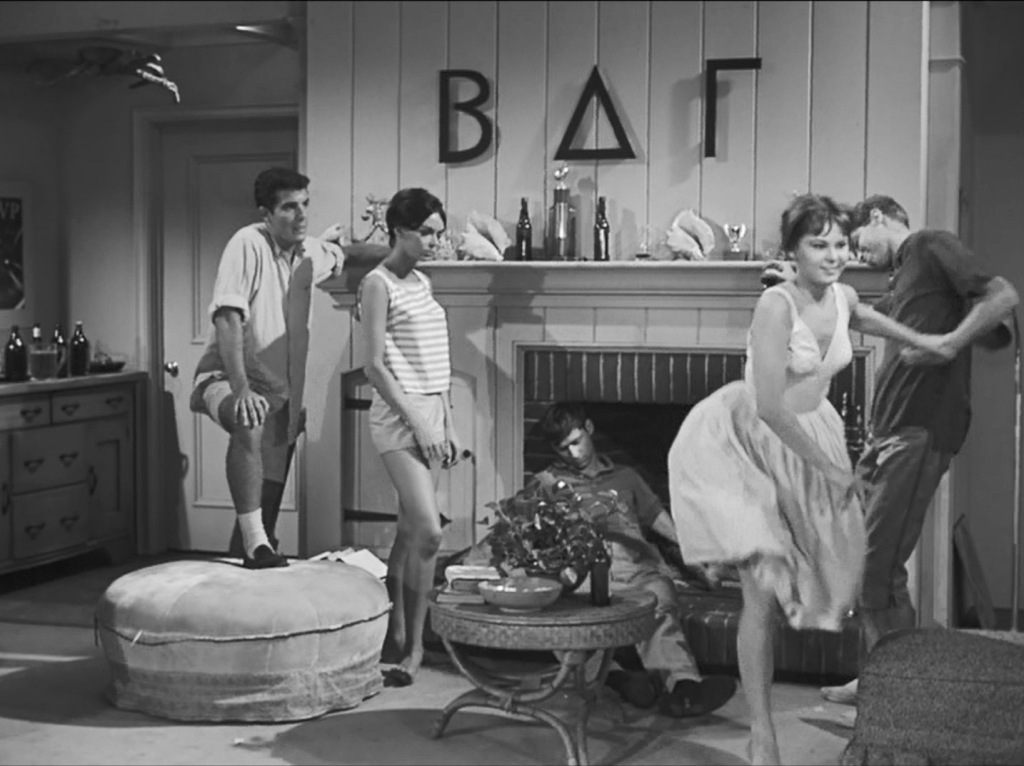
The episodes were not your average thriller shows. They included drama, suspense, and humor. Audiences never knew just “who done it” till the end.

The show debuted on CBS on Sunday nights for five years, up against drama anthologies for two years and then competing with The Dinah Shore Show for three years. For the next two seasons it moved to NBC on Tuesday nights. It aired against The Many Loves of Dobie Gillis on CBS those years and against Wyatt Earp on ABC. For three months it went back to CBS on Thursdays before moving to Fridays on CBS the next season with The Price is Right and 77 Sunset Strip. The ninth year found it on CBS on Fridays with little competition and the final year it showed up on NBC’s schedule on Mondays against Ben Casey. I could never find the reason for cancelling the show. I’m assuming ratings began to decline but if anyone knows, I’d love to hear it.

NBC chose not to air a 1962 episode called “The Sorcerer’s Apprentice” because the sponsor felt the ending was too gruesome. In the episode, a magician’s helper is supposed to help in a trick where he “sawed” a woman in half, but he doesn’t realize he truly saws her in half.

đź“·thecompletehitchcock.com

As you might guess, with a new story every week, many celebrities appeared on the show including Charles Bronson, Bette Davis, Bruce Dern, Robert Duvall, Clint Eastwood, Peter Falk, Joan Fontaine, Peter Lorre, Walter Matthau, Steve McQueen, Vera Miles, Claude Rains, Robert Redford, Burt Reynolds, Thelma Ritter, George Segal, and Jessica Tandy.

In addition to the Hitchcock-directed episodes, the show received Emmy nominations for Best Series four times. In 1956 it was up for Best Action or Adventure Series, but it lost to Disneyland. The following year found the show in the Best Series – Half Hour or Less category, but it lost to The Phil Silvers Show. 1958 found it in the category of Best Dramatic Anthology Series. You would think that would be a no-brainer win for this show, but it lost to Playhouse 90. It had its fourth category nomination in 1959 as Best Dramatic Series – Less Than One Hour and lost to Alcoa Theatre. I guess the Emmy committee had a hard time determining categories for a few years.

In a different twist, NBC tried to air the show again in 1985. Hitchcock had passed away five years earlier from renal failure. A made-for-TV-movie combined new stories with colorized segments from the original show. It lasted a year before NBC canceled it. USA picked it up for three more seasons.

đź“·screentunes.com

The original show can still be seen on a few different networks including MeTV.

With Hitchcock’s popularity in 1955, it’s no wonder that this show was a successful series for a decade. The episodes were well written, and they had a wonderful cast of actors. Many people probably tuned in just to see Hitchcock, and his personality was larger than life, even if his behavior was a bit despicable at times. One of Alfred’s quotes about the show was that “television has brought murder back into the home – where it belongs.”

Betting on a Full House of Mavericks Just To Keep the Show Going

Welcome to the Riding the Range blog series. We are looking at some of the best-loved westerns from the fifties and sixties. Today Maverick is up.

đź“·bonanza.com

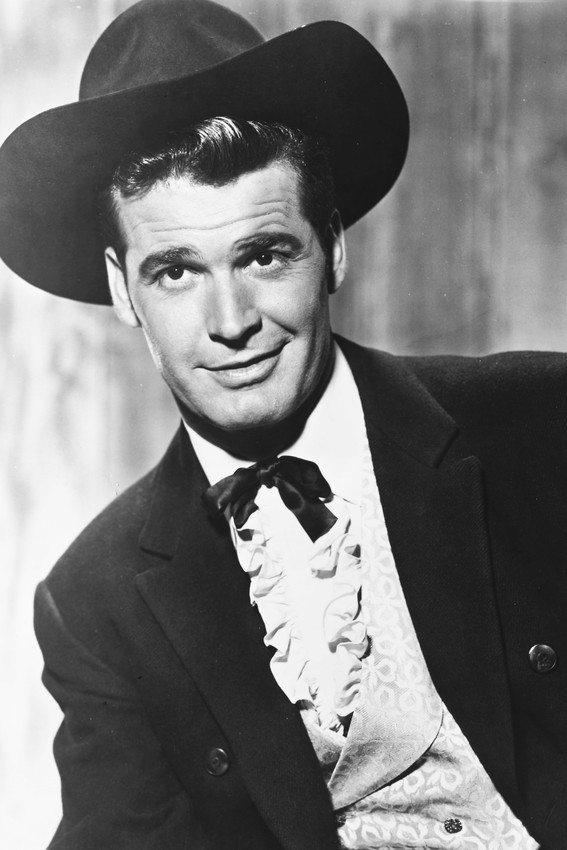
James Garner plays poker-playing Bret Maverick on this show that featured a bit more humor than some westerns. Set on riverboats and in old west saloons, the show ran from fall of 1957 through July of 1962.

The show, created by James Huggins, debuted on NBC on Sunday nights. It was up against some tough competition with Jack Benny which alternated weeks with Bachelor Father. The show remained on Sunday nights for its entire run.

While Garner was the star, during the first season, Bret’s brother Bart (Jack Kelly) shows up. The brothers appear in alternate episodes, sometimes teaming up for a game or two. The brothers were drawn to adventure and to dangerous situations. They often found trouble in finances or love. However, they were true gentlemen and always did the right thing. Unfortunately, they were both slow with the gun, but fast with the fist. In one episode, Bart mentioned that “my brother Bret can outdraw me any day of the week, and he’s known as the Second-Slowest Gun in the West.”

đź“·wikipedia.com

After season three, Garner left due to contract disputes. Garner sued Warner Brothers for breach of contract. They had suspended him without pay during a writers’ strike. The studio claimed they had no scripts with the writers on strike, but court testimony revealed that they had about 100 scripts on hand and could have been filming, so Garner was released from his contract.

After Garner’s departure, Roger Moore made his appearance as Beau Maverick, cousin. The first choice to fill the role was given to Sean Connery who turned it down. Later Connery would play James Bond and his replacement when he left was Roger Moore.  However, it wasn’t long before Moore chose to leave and was replaced by Robert Colbert as brother Brent.

đź“·westernclippings.com

During the last season, Colbert was just not called back or notified that he was no longer part of the show. However, they had a season to fill so Garner reruns were alternated with Kelly original episodes for the fifth season. I guess all the other Maverick brothers and cousins had moved out west. Are you confused yet because I am.

The announcer for the show was Ed Reimers. Reimers was the “Voice of Allstate” from 1957-1979, reminding people that they were “in good hands with Allstate.”

The theme song was written by David Buttolph and Paul Francis Webster.

There were some fun episodes on the show. “Shady Deal at Sunny Acres” featured Garner in a rocking chair, whittling and seeming to “ponder” a way to get $15,000 back which was stolen while brother Bart is running a complicated sting operation to do just that.

“Duel at Sundown” is fun for the cast. Clint Eastwood shows up as one of the bad guys. Edgar Buchanan and Abby Dalton are also featured in the show.

“Escape to Tampico” used items from the set of Rick’s Café Americain and the show includes to many Casablanca references to people and dialogue in the show.

đź“·flickr.com

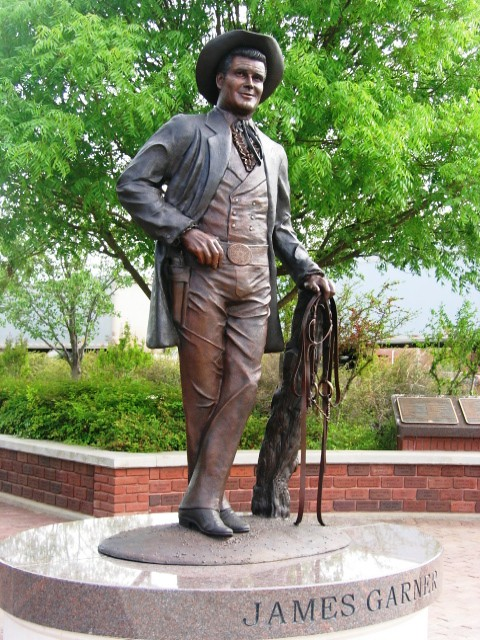
Despite the short time he was on the show, Garner got a statue in honor of his character. Norman, Oklahoma has a ten-foot-tall statue of Garner as Bret Maverick, which was dedicated in 2006.

It’s too bad that neither the network nor Warner Brothers could not get its act together with this show. It had a bit of everything: drama, comedy, romance, adventure. However, you are already starting off alternating the brothers, and with the constant replacements, it’s no wonder fans just walked away, and the ratings dropped drastically. Some of the episodes were so unusual and creative for their time that the show could have been a huge hit and a long-running show. I’m amazed the show managed to stick around for five seasons. Garner, Kelly, Moore, and Colbert all went on to prolific and successful careers in film and television.

The Hathaways: Getting Paid to Monkey Around on TV

This month we are taking a look at our favorite unusual pet sitcoms. We start our series with a show that began in 1961: The Hathaways.

Photo: tvparty.com

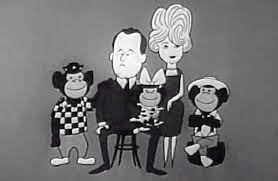
This one-season show was on ABC. Elinore (Peggy Cass) and Walter (Jack Weston) Hathaway were a suburban Los Angeles couple who took in a trio of chimps (Candy, Charlie, and Enoch) which they were surrogate parents for. Walter was a real estate agent, while Elinore looked after the chimps. The chimps had their own bedroom and a full wardrobe of children’s clothing. Before becoming sitcom stars, the chimps had appeared on The Ed Sullivan Show, The Jack Benny Show, and a variety of commercials.

Photo: imdb.com

Rounding out the cast were the great Mary Grace Canfield as housekeeper Amanda; Elinore’s best friend and neighbor, Thelma Brockway (Barbara Perry); theatrical agent Jerry Roper (Harvey Lembeck); and Belle Montrose who was another neighbor (and in real life was the mother of Steve Allen). Montrose’s only other acting credits were for the two Disney movies, Son of Flubber and The Absentminded Professor.

Eleven different writers wrote the 26 episodes and four men took on the role of director. The show was on Friday night before The Flintstones but it went up against Clint Eastwood’s western, Rawhide.

The storylines were similar to other sitcoms from the early sixties. In the first episode, the Brockways move in next door and don’t like pets. In the succeeding episodes, Elinor winds up in jail for an unpaid parking ticket that Charlie pocketed before she saw it, Elinor is worried when they leave the chimps with a babysitter while they vacation in Palm Springs, and Elinor and Walter try to find their housekeeper a boyfriend.

The Hathaways with Jack Weston and Peggy Cass | Classic tv, And peggy, 60s  sitcoms
Photo: pinterest.com

It sounds like the type of show that would have been very popular in that era, but ratings were extremely low. In 1982, critics Castleman and Podrazik called the show “possibly the worst series ever to air on a network,” due to the “utterly degrading” premise, bad scripts, inept production, and the “total worthlessness” of the program. The pair wrote seven books about pop culture.

The show was specifically created to star the Marquis Chimps, and when that was shared in 1961, TV columnist Bill Fiset, wrote, “Heaven help us all? It may be that by the time you read this I’ll have taken the gas pipe, a victim of sheer frustration from trying to work as a serious essayist on a subject matter put into the hands of monkeys.”

Star Peggy Cass had mixed feelings. She admitted that she took the job for the money because she did not think the pilot would sell. While the show was on the air, she did an interview, stating that “Those chimps are natural comics. And believe me, they’re hard to top.”

TV When I was Born: 07/09/16
Photo: tvwhenIwasborn.com

Cass would go on to a variety of television series and guest appearances. She was a regular on the game show circuit and might best be remembered for more than 270 episodes of To Tell the Truth. Weston also stayed very busy on television till the 1980s. And the chimps? Don’t feel too bad for them. They continued to show up on variety shows, including numerous appearances with Ed Sullivan. Ironically, they appeared on more Ed Sullivan episodes than they did their own sitcom. When they weren’t working, they could relax on their Las Vegas ranch. I’m sure they were treated to many luxuries there since they were making a quarter of a million dollars at the peak of their career!

Did I Tell You The One About The Farmer’s Daughter: The Chemistry of Inger Stevens and William Windom

Photo: abebooks.coom

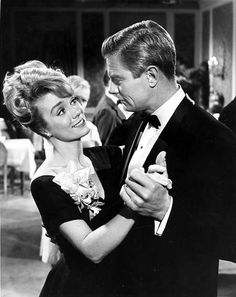
This blog takes a look at a show that is beginning to fade from viewers’ memories. The Farmer’s Daughter debuted in the fall of 1963, starring Inger Stevens as Katy Holstrum and William Windom as Glen Morley.

The show was based on the 1947 movie of the same name starring Loretta Young and Joseph Cotten in the lead roles.

Katy was a student who needed to earn some money and became a governess/housekeeper for Morley’s boys, Steve (Mickey Sholdar), age 14 and Danny (Rory O’Brien), age 8. Morley is a congressman. While Morley is sophisticated and refined, Katy is a no-nonsense type of girl from Minnesota. Morley’s mother Agatha (Cathleen Nesbitt) also lives with the family. The cast is rounded out by Philip Coolidge as Cooper, the family’s butler. In the early seasons, it is obvious that Glen and Katy are falling for each other, and many of the plots are one of them being jealous of the other. In the movie, Katy runs for Congress, but she is not as involved in politics in the television show.

Photo: worthpoint.com

Screen Gems produced the show which aired on ABC. The show was sponsored by Lark Cigarettes and Clairol. The two stars often promoted the products at the end of the episode. In season one, the show was on Friday nights against Burke’s Law on CBS and The Fight of the Week on NBC. Season two found the show opposite The Flintstones and The Addams Family. The show moved to Tuesday nights for season three against A Man Called Shenandoah and Ben Casey. The show was never in the top 25 but, it had respectable ratings. The critics liked the show, and it was nominated for an Emmy for outstanding comedy in 1964 but lost to Mary Tyler Moore for The Dick Van Dyke Show. It was also nominated for Emmys for writing, directing, and best actress. Stevens won the Golden Globe for best female tv star. TV Guide conducted a popularity poll, and she won the female performer of the year with David Janssen of The Fugitive, winning male performer.

At the end of season two, Katy and Glen become engaged. The third season brought full-color episodes. Early in the third season, they marry. After that ratings fell significantly, and the show was not renewed for a fourth season. In the finale, Katy adopts Danny and Steve. The chemistry between Glen and Katie and waiting to see if they got together or not kept viewers tuning in.  Once they married, viewers were not as invested.

Photo: en.wikipedia.org

In 1957, Inger was signed to a seven-picture contract with Paramount. In 1959, she survived after swallowing an overdose of pills and she seemed to recover with a renewed zeal to work on her career and life situation.

Stevens became a favorite actress of many viewers after The Farmer’s Daughter. The cast and crew liked her very much and she was easy to work with. She never got upset when filming ran long or had complications. She and Windom often played practical jokes on each other to bring fun to the workplace. She recalled eating an onion sandwich one day right before they filmed a kissing scene.

After the show was cancelled, she was cast in the movie, A Guide for the Married Man in1967. She then starred in films with Jimmy Stewart, Dean Martin, and Clint Eastwood. She appeared in the made-for-tv film, Run Simon Run with Burt Reynolds in 1970. After seeing the film, Aaron Spelling cast her in an upcoming series, Zig Zag to air in the fall. The show was about a trio who work on hard-to-solve murders. When the show went on the air in 1970, Yvette Mimieux had to take over Inger’s role.

Photo: commons.wikimedia.org

Unfortunately, the sunny disposition Stevens portrayed to the world hid a sad and tragic life and she committed suicide before the show aired. Her housekeeper found her in April; she was semi-conscious and died on the way to the hospital. The cause of death was determined to be acute barbiturate intoxication. The public was saddened and surprised to learn how unhappy she was.

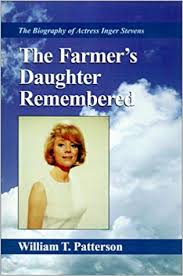
In 2000, William Patterson published the book, The Farmer’s Daughter Remembered. He dove into her life and tried to determine whether she meant to commit suicide or not.

Photo: pinterest.com

Windom also starred in the series, My World and Welcome to It as cartoonist John Monroe and as Dr. Seth Hazzlett on Murder She Wrote in 1985. His first movie role was in To Kill a Mockingbird in 1962. In addition to other films and Broadway, he traveled performing one-man shows of both James Thurber and Ernie Pyle. He passed away of congestive heart failure in 2012 at 88.

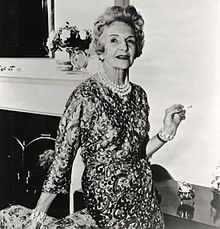
Cathleen Nesbitt would continue appearing in television series until 1982 when she passed away at age 93. Although she had appeared in many films, The Farmer’s Daughter was the only series she was featured in regularly.

Photo: en.wikipedia.org
Cathleen Nesbitt

Mickey Sholdar only appeared in five other shows after The Farmer’s Daughter. His last acting appearance was in the movie Babe. I could not verify how he spent his life up to now.

Photo: sitcomsonline.com
Mickey Sholdar and Rory O’Brien

Rory O’Brien, like Sholdar, only appeared in a few shows after the series ended. He was also in one film afterward, Little Big Man. O’Brien left the acting profession in the early 1970s. I could not find any other information on him either.

Photo: famousfix.com
Phillip Coolidge

Philip Coolidge was in many acclaimed movies before he took the role on The Farmer’s Daughter. Like most of his cast mates, he only appeared in a few shows in the mid-1960s, and he passed away in 1967.

Photo: pinterest.com

The show was aired in syndication on CBN, but I cannot find any other channels that carried it, and I cannot find any evidence that it was ever released on DVD. It’s too bad because the show featured a couple with great chemistry and the quick pace of the story and well-written dialogue that made the show memorable will be lost if no one is able to see the show in the future.

Mister Ed:

In the 1960s we had some crazy sitcom situations: a wife who was a witch, a genie who was found in a bottle, a dead mother who inhabited a car, and the Munsters who tried to adjust to a normal human world.  One show that was not that incredible was Mister Ed. If someone said they were writing a show about a talking horse, it should sound a bit far-fetched, but when you watched the show, it all seemed quite plausible. Let’s take a look at what made Mister Ed a fairly well-written and enjoyable series.

mred8


Mister Ed was developed by Arthur Lubin, a producer and director. Lubin had worked on the Francis the talking mule movies. He wanted to make a similar show for television. He was unable to gain the rights to Francis, but then he heard about children’s author Walter R. Brooks. Brooks had a series of short stories about a talking horse. His stories were published by Bantam, but since he passed away in 1958, he was never able to see the television show his work inspired.

mred1


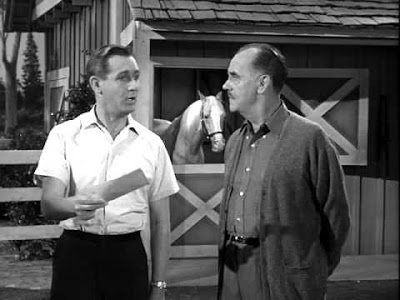
The pilot was financed by George Burns and filmed at his McCadden Studio. It was titled “Wilbur Pope and Mister Ed.” Scott McKay played Wilbur Pope, Sandra White played his wife, and Mr. Ed was played by a chestnut gelding that was temperamental and difficult to work with.


mred5

Lubin was not able to sell the show to one of the major networks, so he financed it as a syndication sitcom. The cast was switched up a bit. Bamboo Harvester, a golden Palamino, was brought in as Ed and his voice was kept secret at the time but was Rocky Lane, an older Western star.

Allan Young came on board as the now named Wilbur Post, and Connie Hines played his wife Carol. Young was actually a blonde but in the black and white version, his hair blended into the horse’s, so Connie Hines’ hairdresser would dye Young’s hair brunette. Originally Lubin discussed naming it The Alan Young Show, but Alan did not want to do that in case it bombed. He did, however, buy into the show, which resulted in his earning a lot of money later.

Ed’s singing voice was provided by Sheldon Allman. However, the line “I am Mister Ed” at the end of the theme song was done by the song’s composer, Jay Livingston.

Jay Livingston and Ray Evans wrote the theme song. An instrumental version was used for the first seven episodes, and then lyrics were added. The lyrics are:

A horse is a horse, of course, of course.

And no one can talk to a horse, of course.

That is, of course, unless the horse is the famous Mister Ed.

Go right to the source and ask the horse.

He’ll give you the answer that you’ll endorse.

He’s always on a steady course.

Talk to Mister Ed.

People yakkity-yak a streak and waste your time of day,

But Mister Ed will never speak unless he has something to say.

A horse is a horse, of course, of course.

And this one’ll talk ’til his voice is hoarse.

You never heard of a talking horse?

Well listen to this: I am Mister Ed.


ed7


The first 26 episodes were so popular, CBS picked it up. It aired on CBS from October 1961 until February 1966. During the sixth season, CBS moved the show from the prime time schedule and broadcast it on later on Sunday afternoon. There are 143 episodes in all, and they were all filmed in black and white.


lark

Photo: Hooniverse.com

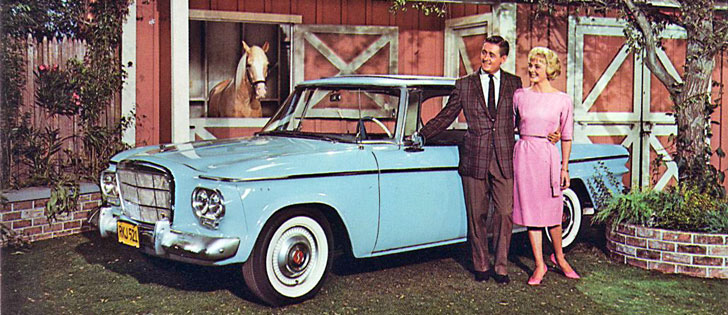
Lubin got Studebaker Packard Corporation to sponsor the show in syndication which it continued to sponsor once CBS picked it up. The Posts own a 1962 Lark convertible. Studebaker’s sales plummeted in the early 1960s, and production stopped in 1963. From then on, Ford provided the cars seen on the show.

Ed also had a double named Pumpkin, a quarterhorse, which was his stunt double. Later Pumpkin was featured in a pudding commercial and went on to appear in another Filmways Presentation show, Green Acres.

The Posts live in Los Angeles. Wilbur was an architect.

mred7

Photo: youtube.com

The Posts’ neighbors and friends were Roger and Kay Addison played by Larry Keating and Edna Skinner.  Keating died in the middle of the series, and Edna continued on the show. Later Wilbur’s former commanding officer, Col. Gordon Kirkwood (Leon Ames) and his wife Winnie (Florence MacMichael) moved into the Addisons’ home.

guest2

Both the Addisons and the Kirkwoods think Wilbur is a bit nuts. They often hear him talking to himself and, to cover for Ed, he gets involved in a lot of awkward situations. Wilbur is also a bit accident prone.

Wilbur’s wife resented the time Wilbur liked to spend with his horse instead of her. Her father, Mr. Higgins (Jack Albertson), thought she should leave Wilbur and considered him a “kook.”

mred9

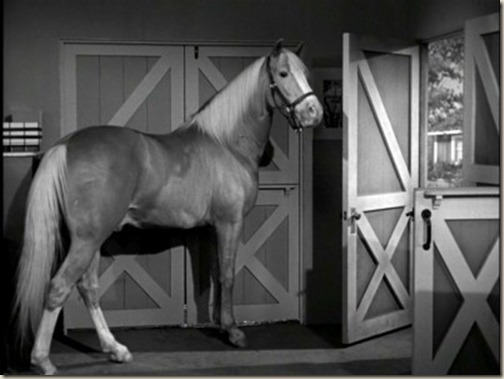
Mr. Ed only talks to Wilbur. The only reason given for Ed refusing to talk to anyone else is that he thought Wilbur was the only person worth talking to. It worked because Ed was not treated as an unbelievable horse who could talk. He appeared as an equal character. Ed was also quite intelligent. He could read and play chess. He was able to use the phone to get information.  Bamboo Harvester really could answer the phone; he just could not have a conversation. He was also able to open the barn door. Ed would also pout at times when he didn’t get his way and threatened to run away a lot.

mred6

Photo: itschess.blogspot

In an online article, “The World of Mr. Ed-What You Didn’t Know About the Talking Horse,” written by Ed Gross on April 24, 2018, he quoted Ben Starr who wrote 42 of the episodes. He explained that the reason the show worked was because he and producer Lou Derman “really knew how to do that show because we figured out how to make it work for kids and grownups. You had to take care of the grownups, and that was our secret.”

Mister Ed featured a lot of famous guest stars including Mae West, Clint Eastwood, George Burns, Zsa Zsa Gabor, Leo Durocher, Jon Provost, Sebastian Cabot, Donna Douglas, Irene Ryan, Alan Hale Jr., Neil Hamilton, William Bendix, Sharon Tate, and Jack LaLanne.


ed2

Bamboo Harvester was trained by Les Hilton.  At a time when trainers could be considered somewhat cruel, Hilton was always respectful of his animals and never used force or abuse on them. Hilton had to be on the set whenever the horse was. To make Ed appear to be talking, Hilton originally used a nylon thread to open his mouth. Bamboo Harvester was quite smart though and learned to talk on cue whenever Hilton touched his hoof. A story made the rounds that Ed was made to talk by applying peanut butter to the horse’s mouth, but later Young admitted he made that up because it was more interesting than the real story.


ed5

Bamboo Harvester appeared to be a professional. He usually only needed one take to complete his action. Hilton had to teach him to play a variety of sports including riding a skateboard. However, when he got tired of working for the day, he just walked off the set. He received twenty pounds of hay and a gallon of sweet tea daily.

Apparently Young and the horse became close. Young had a great respect for his co-star and after the show ended, he would make trips to see Bamboo Harvester in his retirement.

ed4


I could not find a definite date of death for the horse. There are a lot of conflicting stories about it. Young claimed that the horse was in a stable in California where he lived on Hilton’s property. One version is that one day when Hilton was out of town, Bamboo Harvester was given a tranquilizer because he was having trouble getting up and he died hours later. Another story I read was that the horse was euthanized in 1970 in Oklahoma. He was reported to be suffering from arthritis and kidney problems.

One story I did confirm is that a horse did die in February of 1979 in Oklahoma, but it was not Bamboo Harvester, but a horse that posed for still pictures for the show which led to false reports of his being Mr Ed when he died.

Apparently, a reboot was planned for the Fox network in 2004, starring Sherman Hemsley as the voice of Mr. Ed, David Alan Basche as Wilbur, and Sherilyn Fenn as Carol. I could not find any information whether a pilot was ever filmed or not.

Another movie version was discussed in 2012 when Waterman Entertainment announced they were developing a new feature film based on the television show. Once again, I could not find any further information on the movie.


Mister Ed was popular during its run. A lot of collectible products were created in the 1960s including comic books and board games.

Mister Ed was not a show on my “must-watch” list, and I don’t watch a lot of the reruns. However, when I do catch one, I never feel like I wasted my time. The show worked and felt believable. Currently, it is not on either Me TV or Antenna TV, but it is available on DVD.