Who’s the Boss? On This Show Everyone Acts Like a Boss

As I finish 1980s Rewind today, I chose a heart-warming show that followed the typical formula by standing it on its head, Who’s the Boss. The show was created by Martin Cohan and Blake Hunter. Cohan was a producer and writer for The Bob Newhart Show and wrote for many other shows including The Mary Tyler Moore Show. Hunter wrote and produced episodes of WKRP in Cincinnati.

Photo: cbsnews.com

Instead of the successful senator who hires a housekeeper like The Farmer’s Daughter, on this show Angela Bower (Judith Light), an advertising executive, hires Tony Micelli (Tony Danza), a former baseball player (St. Louis Cardinals) to be her housekeeper. Instead of Uncle Charlie like My Three Sons, the show has Mona (Katherine Helmond), Angela’s mother giving wise advice and sarcastic comments. Tony has a daughter Samantha (Alyssa Milano) and Angela has a son Jonathan (Danny Pintauro). All together they form one typical family unit. The show was on ABC for eight years from 1984-1992, so viewers literally watched the kids grow up. Tony is laid back and flexible, while Angela is a bit more uptight and organized. Angela and Tony functioned as parents on the show, but they also had the possibility of a romance between them.

Photo: imdb.com

After a shoulder injury, Tony is forced to change careers. He wants his daughter to experience a better life. The Bowers live in Connecticut in an upscale neighborhood. Originally, the show was titled “You’re the Boss,” but it was changed to plant a question of who really ran the house. However, viewers all realized that the kids were really the bosses.

WHO’S THE BOSS? – “Angela Gets Fired: Part II” – Airdate: September 30, 1986. (Photo by ABC Photo Archives/ABC via Getty Images)ALYSSA MILANO;DANNY PINTAURO;KATHERINE HELMOND

The cast jelled very well together. They had their differences of opinion, but they grew close and experienced the normal family ups and downs when five very different people spend so much time together. Mona’s wit and targeted observations kept things light and funny.
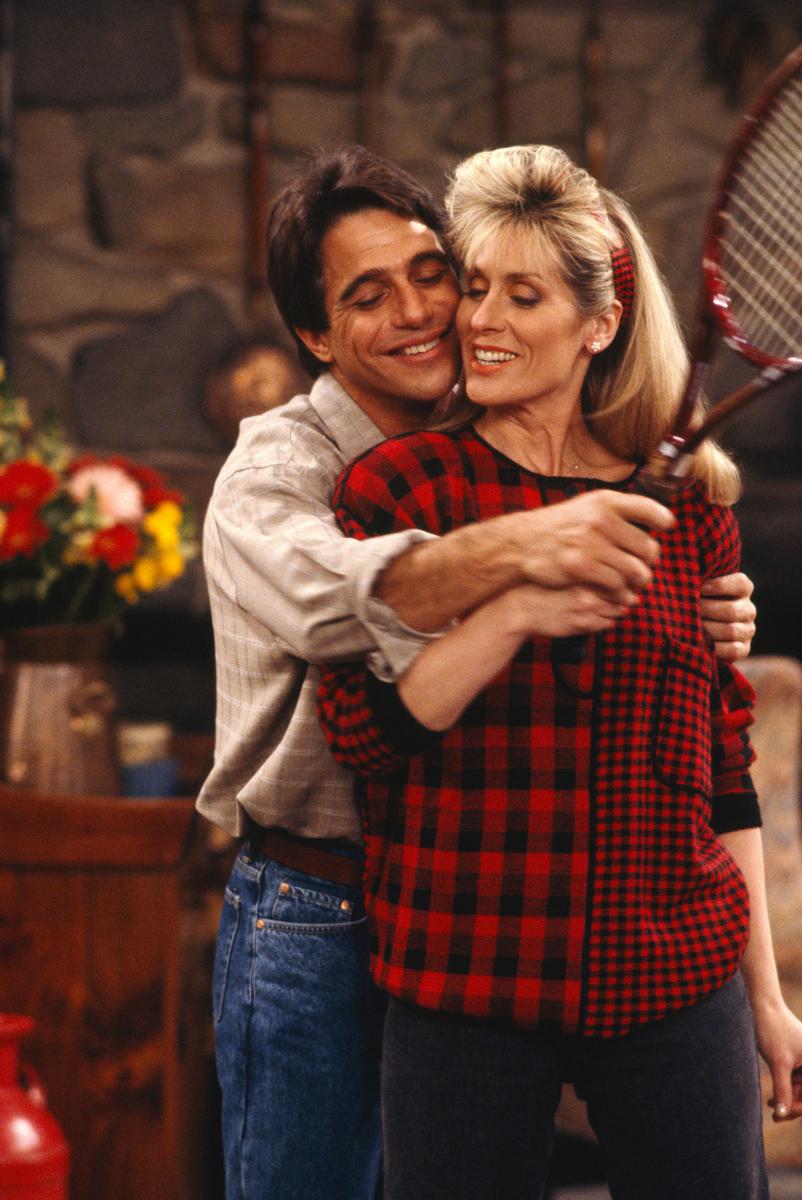
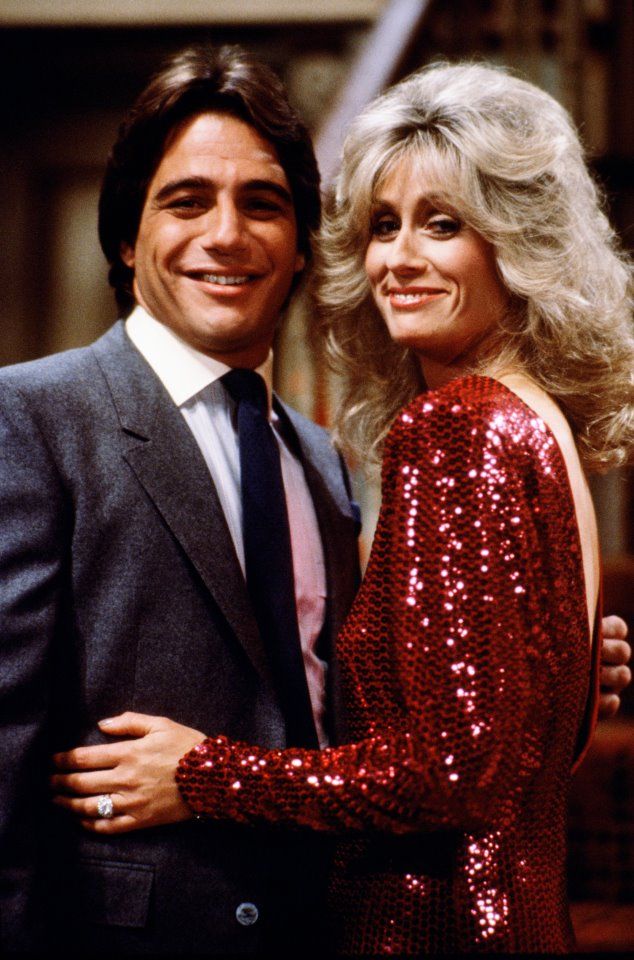
Photo: sonypicturesmuseum.com
Photo: pinterest.com

During most of the series, Tony and Angela try to avoid the romance developing between them. They both date other people. They also become best friends, relying on each other as a husband and wife would. They often discuss issues the kids are having. They both “parent” each of the kids. They both grow and change during the course of the series. Angela becomes less tense and risks opening her own firm. Tony enrolls in college. Producers always seem to waiver “between should they get together or not.” Shows like Castle, That Girl, and Friends struggled with keeping the magic alive and keeping the show realistic. Somehow the producers and writers for Who’s the Boss kept the tension and potential romance alive for seven years. During the last season, they realize they are in love with each other.

Photo: mentalfloss.com

There were many stars who appeared on the show during the years including Frank Sinatra, Ray Charles, Mike Tyson, and Leslie Nielsen. One of the episodes was when Robert Mandan appeared on a few episodes as Mona’s love interest. Mandan had played her husband on the show Soap.

Photo: eonline.com

The theme song lyrics were written by creators Cohan and Hunter. Titled “Brand New Life,” the music was composed by Larry Carlton and Robert Kraft. Three different versions were used over the years: Larry Weiss sang it from 1984-1986; Steve Wariner from 1986-1989; and Jonathan Wolff from 1989-1992.

WHO’S THE BOSS? – “Samantha’s Growing Up” – Season One – Airdate: January 8, 1985. (American Broadcasting Companies, Inc.) ALYSSA MILANO, JUDITH LIGHT, KATHERINE HELMOND, TONY DANZA

Early reviews were lukewarm. Critics liked it but they were a bit dismissive of it being a real hit. Viewers didn’t agree. They loved the show. During its tenure, the show was nominated for more than forty awards, including ten Primetime Emmys and five Golden Globes. From 1985-1989, it ranked in the top ten.

Photo: fatsaloon.com
Photo: eonline.com

The show aired on Tuesday nights for the first seven years. In the fall of 1991, the network moved the show to Saturday nights against The Golden Girls. The ratings went down after the move and the network decided to cancel the show. There was a great debate about whether Tony and Angela should marry in the finale. Sam had married earlier in the season and Tony and Angela admitted they were in love. However, Danza was opposed to the marriage and there was a concern that if a wedding took place, it might affect the syndication options. Instead of a wedding, Tony and Angela break up. But in the last scene, Tony is at Angela’s house applying for the job of housekeeper, very similar to the very first episode of the show.

The show created a spinoff but in a far-reaching definition of spinoff. In one episode, Leah Remini was a friend of Sam’s, a homeless model. Beginning and ending in 1989, the show Living Dolls starred Remini, Michael Learned, and Halle Berry.

Photo: cbsnews.com

While Tony went back to school during the series, Danza emulated him in real life. He graduated with an education degree. He wrote a book, I’d Like to Apologize to Every Teacher I Ever Had: My Year as a Rookie Teacher at Northeast High. He taught English at a school in Philadelphia.
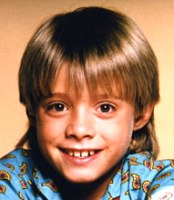
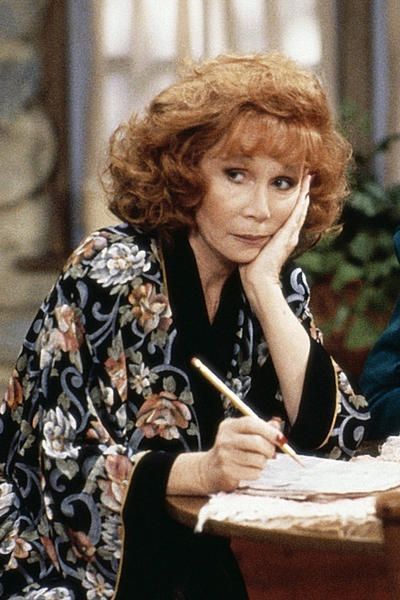
Photo: celebritynooz.com
Photo: etcanada.com

The cast of Who’s the Boss was a close-knit one, and they still keep in touch almost twenty years later. Light commented that they are all still close and she said she probably kept in touch with Tony the most. “He checks in all the time just to see how the kids are doing, he’s very sweet.” Danza once discussed how emotional it was for him to give Milano away as a bride on the show. “She was like my little girl, you know. She started on this show when she was 10. Now she’s 19, we married her off. I mean, it’s easy to get emotional, it really is.”

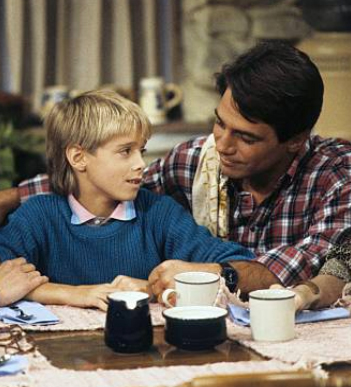
Photo: people.com
Photo: imdb.com

Milano was also very close to Light. A couple of years ago, the two stars ran into each other for an event, and Milano tweeted, “Nothing makes me happier than seeing Judith Light. Nothing.”

Photo: pinterest.com

They were all saddened by the death of Katherine Helmond in March of 2019. Danza also discussed Helmond in an interview. “Katherine Helmond was a remarkable human being and an extraordinary artist; generous, gracious, charming and profoundly funny.” After her death, he commented that “She was such an influence on me. No matter what problem I had, I could go to her. Very few people could match her. She was a consummate professional. She never made a mistake and she always got the laugh. She was the sexy older lady who could keep up with the young people. She just had a way about her.”

Editorial use only. No book cover usage. Mandatory Credit: Photo by Moviestore/REX/Shutterstock (1646629a) Who’s The Boss , Katherine Helmond, Tony Danza Film and Television

Light also discussed Helmond. “She taught me so much about life and inspired me indelibly by watching her work. Katherine was a gift to our business and to the world and will be deeply missed.”
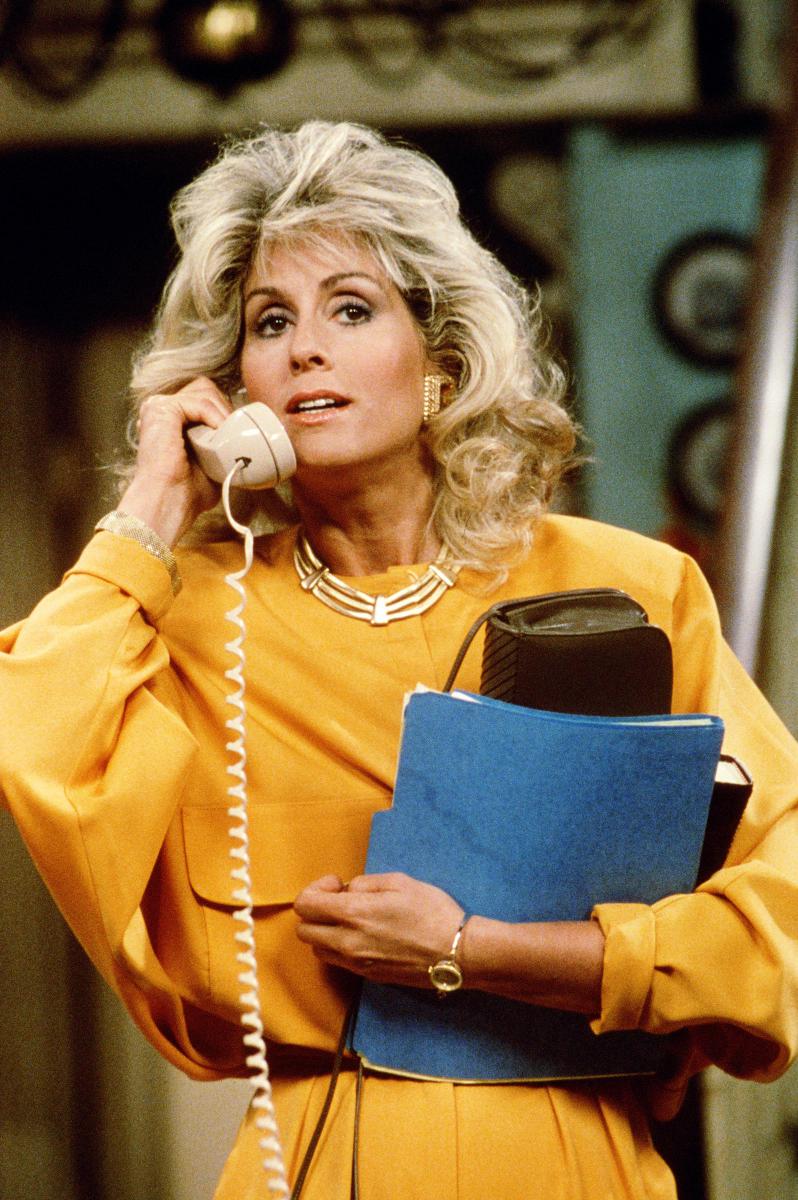
Photo: spm.com

Her television grandchildren also remembered her fondly. Milano paid the following tribute to her: “My beautiful, kind, funny, gracious, compassionate rock. You were an instrumental part of my life. You taught me to hold my head above the marsh! You taught me to do anything for a laugh! What an example you were!” Pintauro said she was “the best TV grandmother a boy could ask for. Even still, I’m just as devastated as I was when I lost my real grandma. A beautiful soul has left us for the next chapter, may you make them laugh Katherine!”

Photo: youtube.com

This is another one of those undervalued shows. Although there were some really great shows on television during the mid and late 1980s, some of the top-rated shows on in this decade included Knot’s Landing, Charles in Charge, Diff’rent Strokes, Silver Spoons, and Facts of Life. Who’s the Boss was a much better written and acted show than any of these. The show combined the best elements of sitcoms and created a fresh approach to a family comedy.
Who Writes The Songs?: Good Question–Lots of People Including Frank De Vol, Jay Livingston, and Ray Evans.

At this time of year, we tend to watch a lot of football bowl games. Most of the attention centers on the coaches, the quarterbacks, and a handful of other star players like running backs, wide receivers, and occasionally kickers. While these positions influence the games, there is an entire team behind them which determines whether they get a win or a loss. This year I will be trying to look at some of the behind-the-scenes players in the television industry.

Today we look at three composers who often influenced shows, even though many viewers never heard of the song writers.

devol1

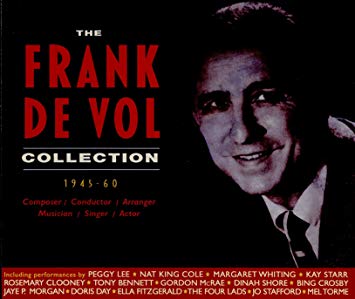
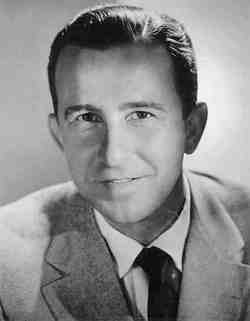
Frank Denny De Vol was born in West Virginia in 1911. His family moved to Canton, Ohio where he grew up. His mother owned a sewing shop, and his father was in charge of the pit orchestra at a local movie theater. He graduated from McKinley High School in 1929 and started at Miami of Ohio University but quit after six weeks. His parents were hoping he would pursue his law degree, but he was set on a career in music.

This wasn’t surprising because he had become a member of the musicians’ union at age 14. He worked for his father at the theater and played the saxophone and violin.

Once he left college, he joined Emerson Gill’s orchestra and traveled around Ohio. Later he became a musician with Horace Heidt’s band, and Horace let him try his hand at arranging. He would then travel with Alvino Rey’s band which led to a long-life friendship with the King Family.

During his career as a traveling musician he married his wife, Grayce McGinty in 1935. The couple’s 54-year-long marriage would produce two daughters.

During the 1940s, he would write arrangements for many of the country’s top performers including Tony Bennett, Nat King Cole, Vic Damone, Doris Day, Ella Fitzgerald, Dinah Shore, and Sarah Vaughn. His version of “Nature Boy” for Nat King Cole went to number 1 in 1948.

In 1943 he moved to California and started his own band. He appeared on the radio on KHJ and accompanied many stars including Jack Carson.


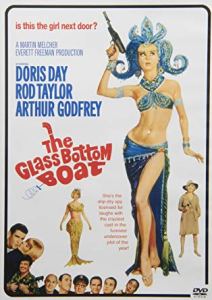
In the 1950s, he moved into movie composing and worked on more than 50 film scores including What Ever Happened to Baby Jane, The Glass Bottom Boat, The Dirty Dozen, and several Herbie movies. He received Academy Award nominations for his work on Pillow Talk (1959), Hush . . . Hush Sweet Charlotte (1964), Cat Ballou (1965), and Guess Who’s Coming to Dinner (1967).


During the 1950s, his orchestra also was frequently seen at the Hollywood Palladium as “Music of the Century.”

devol3


It seems natural that De Vol would ease into television work as well. He composed the jingle for Screen Gems’ “Dancing Sticks,” which appeared on all television series produced by Columbia Pictures.


devol26

Photo: pinterest.com

Frank became the musical director on Edgar Bergen’s game show Do You Trust Your Wife? His orchestra was featured on a variety of musical shows including The Lux Show Starring Rosemary Clooney.


devol21

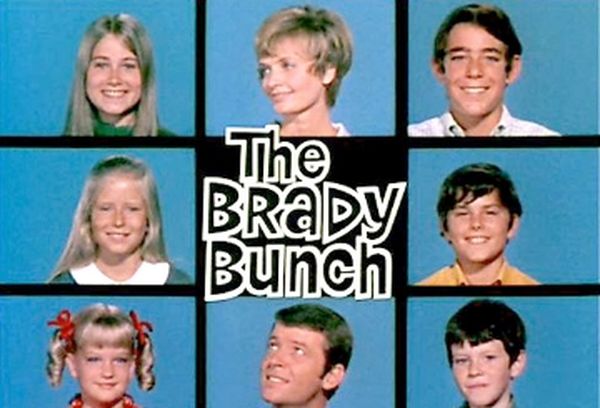
Today De Vol might be best known for his work as a composer for television series. He wrote the music for My Three Sons, Family Affair, The Brady Bunch, and The Smith Family. My Three Sons theme song was a hit single in 1961 by Lawrence Welk, more musically complex than many sitcom themes of the time. He would continue his work for My Three Sons for all 380 episodes.


devol23

Sherwood Schwartz, the creator of The Brady Bunch, first turned to George Wyle to create the Brady theme. Wyle and Schwartz had composed the theme for Gilligan’s Island. With Wyle already committed to The Andy Williams Show, he approached De Vol. De Vol would provide music for 117 episodes of the original show, as well as music for The Brady Girls Get Married, The Brady Brides, The Bradys, and A Very Brady Sequel.

Frank was credited as composer for 37 movies and television series and listed as part of the music department for 87 total.


devol25

Photo: sitcomsonline.com

Not only was he musical composer for these shows, but you can see him acting in many of the shows he worked on as well. His first acting appearances were on Betty White’s Show, Life with Elizabeth where he played a variety of roles.


devol28

Photo: aveleyman.com

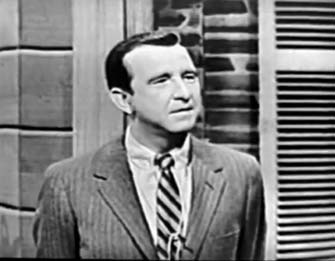
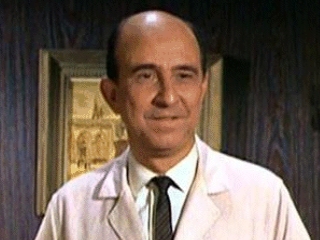
He then appeared on several television series including State Trooper, My Favorite Martian, The Farmer’s Daughter, Gidget, Please Don’t Eat the Daisies, Bonanza, Petticoat Junction, Get Smart, That Girl, and I Dream of Jeannie (37 different shows in all).

While composing on My Three Sons, he would actually portray a bandleader on the show and a father on The Brady Bunch.


devol2imagenesmy.coom

Photo: imagenesmy.com

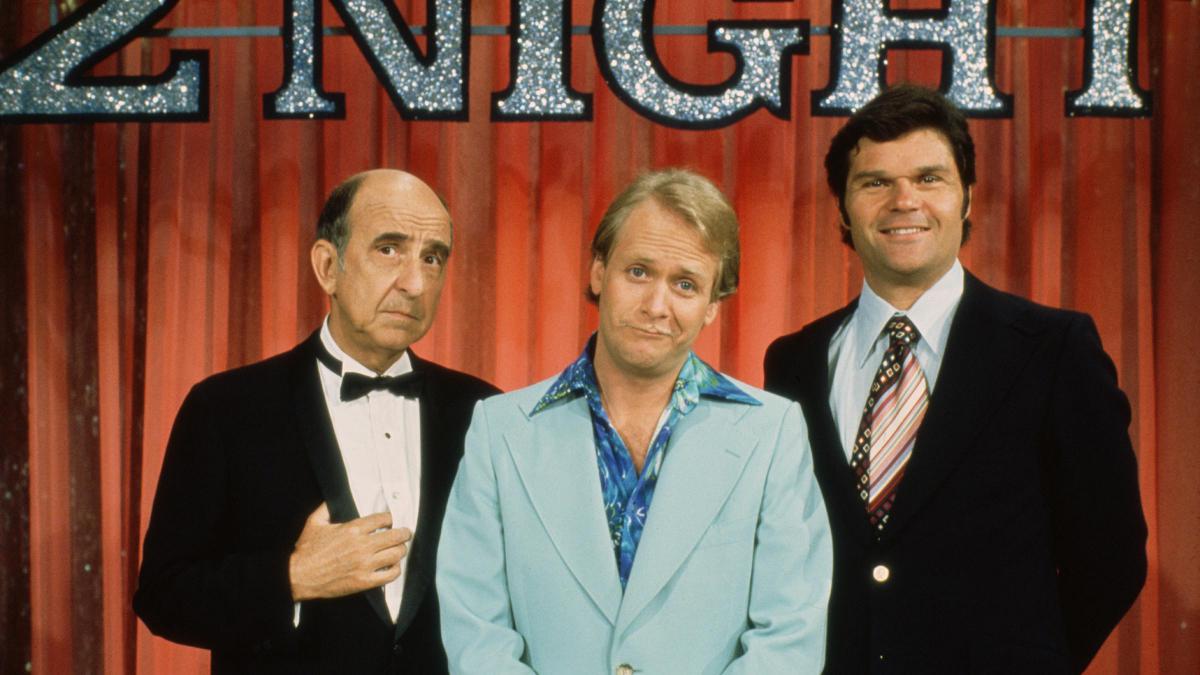
Many people will remember him as the dour-faced band leader Happy Kyne on Fernwood Tonight and America 2-Night, shows starring Martin Mull in the late 1970s.


One of my favorite roles of his was the head of the boys’ camp on the original Parent Trap.

devol27

Photo: tcm.com

His last acting role would be on Charles in Charge, the Scott Baio comedy from 1990.

When he was in his 80s, Frank was still active with the Big Band Academy of America. About this time, he married Helen O’Connell who had been a big band singer and actress. (His first wife passed away in 1989.)

Helen passed away in 1993, and Frank died from congestive heart failure in 1999.


devol24

Photo: pinterest.com

Like so many of these stars of the classic television era, he was a multi-talented guy. He could sing, he could play instruments, he could compose, he could arrange, and he could act. Sadly, when he does his job right, the music is so attuned to the shows that we almost don’t realize it’s there but try listening to a show with no background noise. Thank you Frank De Vol for not becoming an attorney.


We also take a look at a song-writing team of the golden age, Jay Livingston and Ray Evans.

living4


Livingston was born in McDonald, Pennsylvania in 1915. After studying piano with Harry Archer in Pittsburgh, he attended the University of Pennsylvania, majoring in journalism but also studying composition and orchestration.

Ray Evans was born in Salamanca, New York the same year. He also ended up at the University of Pennsylvania, receiving a degree in Economics.

Livingston organized a dance band at the University that played on campus as well as at local nightclubs and even cruise ships during their summer breaks.  One of those band mates was Ray Evans. Evans and Livingston became a partnership and they wrote some of the most iconic songs from film and television.


evans1

Photo: filmmusicsociety.org

After their graduation in 1937, the duo moved to New York City to work in Tin Pan Alley. They wrote for Broadway productions, including special material for Ole Olsen and Chic Johnson.


evans8

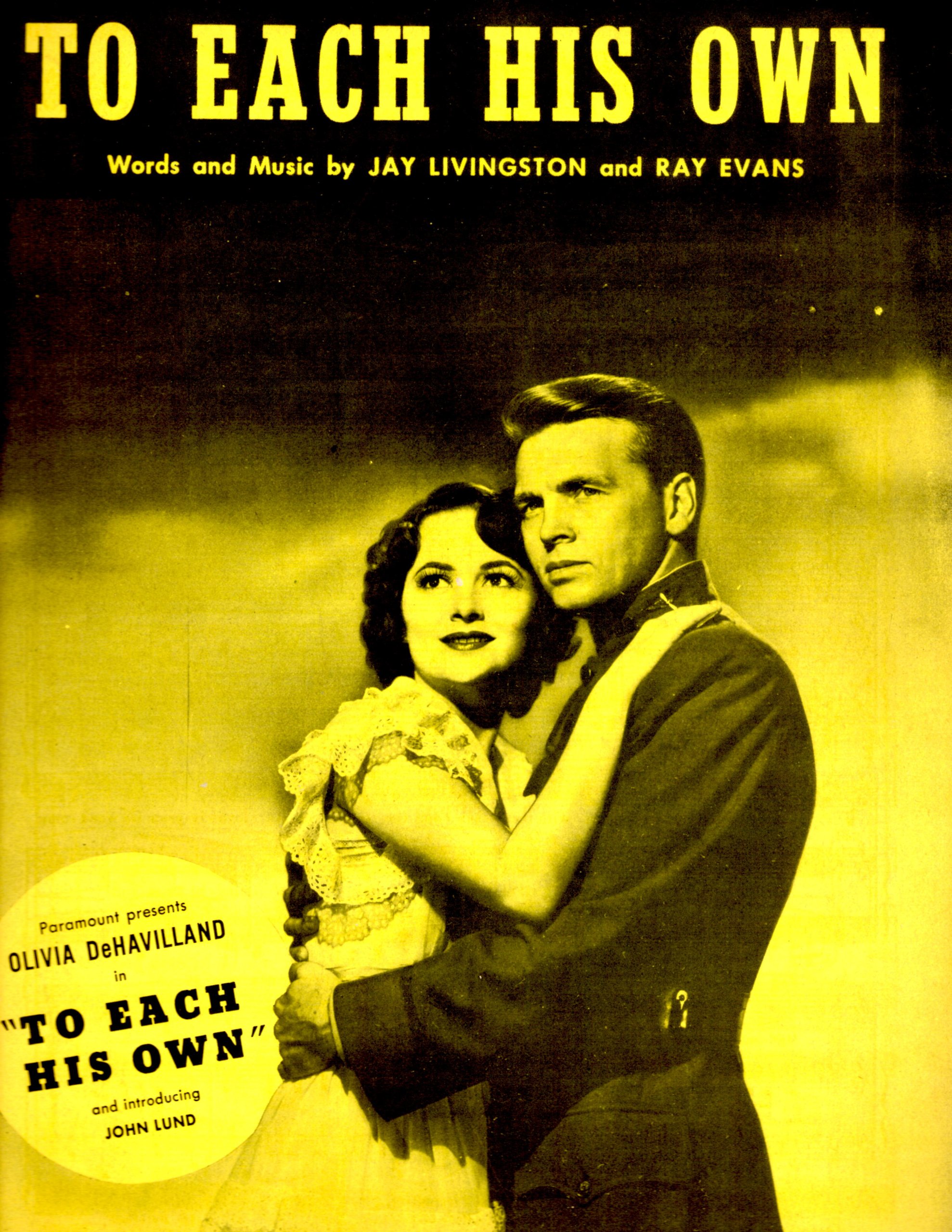
Livingston joined the Army when World War II began while Evans went to work for an aircraft company. When Jay came back home in 1945, he and Evans decided to try their luck in Hollywood. They received a contract from Paramount Pictures, and the team would stay with the company for a decade. Their first film was To Each His Own, starring Olivia DeHaviland, and they were nominated for an Academy Award.

During this time at Paramount, Livingston married Lynne Gordon. It must have been a happy marriage because they were married until 1991 when she passed away.

The exact same year, Evans married Wyn Ritchie. They were married until her death in 2003.

In 1947 the team began writing for Bob Hope for his personal appearances. Throughout the 1940s and 1950s, they would write many tunes that became jukebox favorites and popular songs. In Warren Craig’s book The Greatest Songwriters of Hollywood, he called them “the last of the great songwriters in Hollywood.”


evans2

Photo: pinterest.com

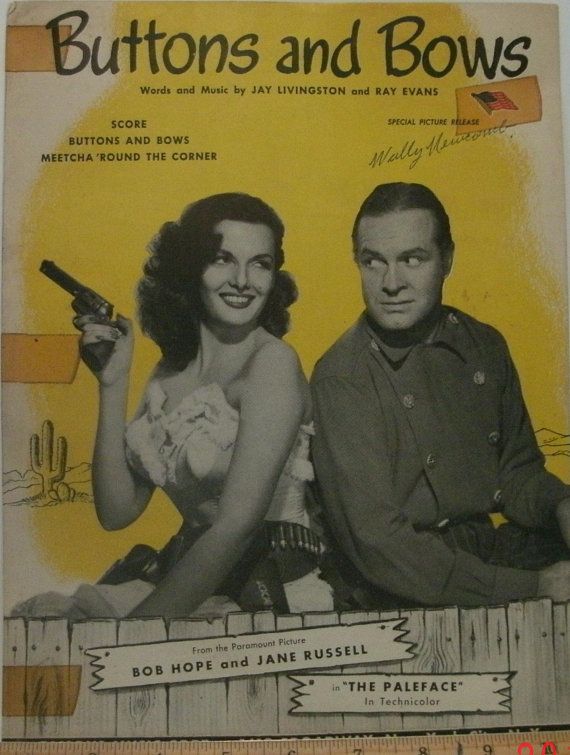
The year 1948 brought them their first Oscar win for “Buttons and Bows,” from Bob Hope’s western comedy, The Paleface. The jukebox version was recorded by Dinah Shore.


evans7

In 1950, they scored their second Academy Award for “Mona Lisa,” written for the movie Captain Carey, USA but made famous by Nat King Cole.


evans10

Photo: moviemovieblogblog.wordpress.com

Evans and Livingston would appear in Sunset Boulevard this same year at the New Year’s Eve party scene.


evans3

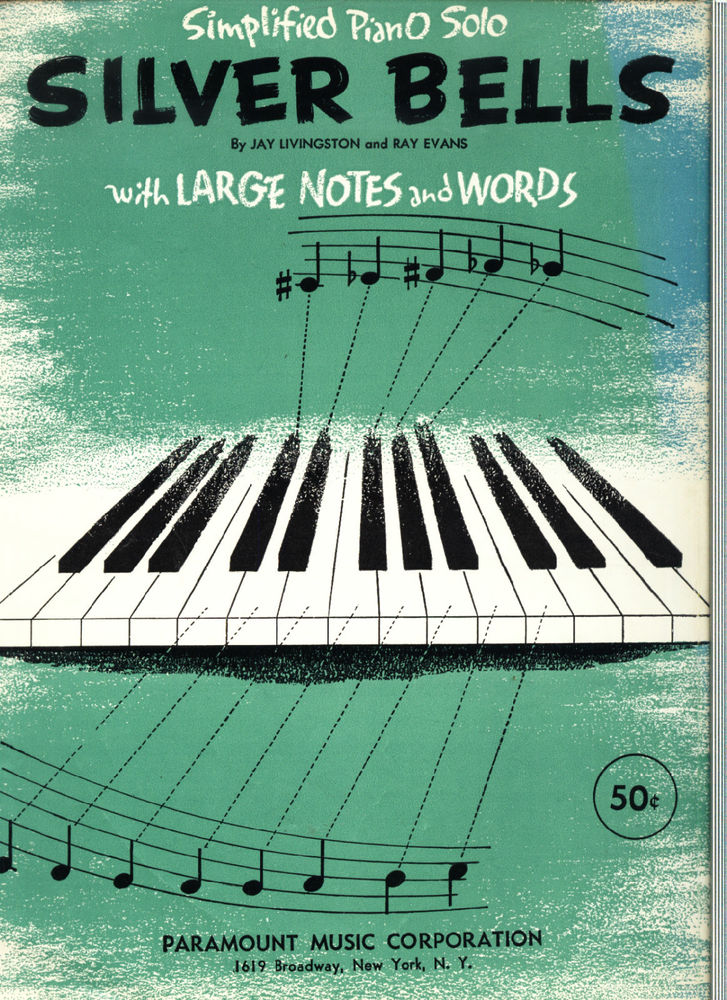
We can all smile and thing of Livingston and Evans each Christmas when we hear “Silver Bells.” The song, originally titled “Tinkle Bells” was written for The Lemon Drop Kid in 1951, also starring Bob Hope. Thankfully, they decided “tinkle” had other connotations and “Silver Bells” it became. (Some sources credits Jay’s wife Lynne with the name change.)

When their Paramount contract ended in 1955, they became free lancers and wrote both individual songs and complete scores for a variety of movies. They would receive ten additional Oscar nominations during their career.


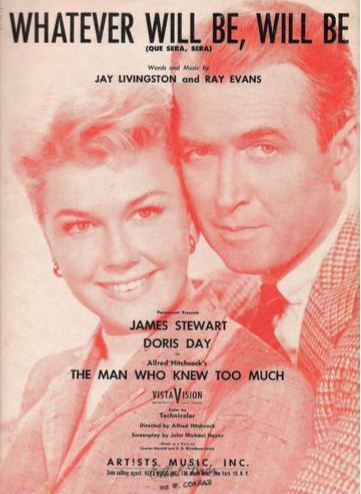
Doris Day had a huge hit in 1956 with “Que Sera, Sera” from The Man Who Knew Too Much with Jimmy Stewart and that hit would win them a third Oscar. The song would also become Doris’s theme song for her television show in 1968.

evans5


In 1957 they began writing the music for the Tammy movies that would be a staple of that era, beginning with Tammy and the Bachelor.

Jay and Ray would return to Broadway in 1958. They were nominated for a Tony for Oh, Captain! They also wrote songs for Let It Ride in 1961, a musical comedy adaptation of Three Men On a Horse, and Sugar Babies in 1979.


evans6

Photo: tidal.com

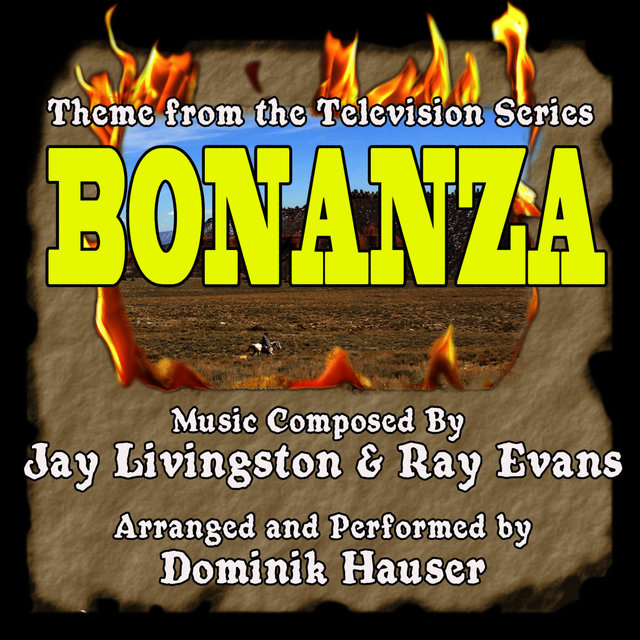
Though most of their work was in the film industry, the team is probably best known for their television compositions. In 1959, they were asked by Desi Arnaz to write a song for a Western show being developed. The show, thought likely to last a year, didn’t have money for a weekly salary, but he allowed them to keep the rights to the song. Luckily for them, that show, Bonanza, made them millions, and would be on television until 1973.

In 1960 they composed the theme song for The Bugs Bunny Show, “This is it.”


evans4

Photo: deezer.com

In 1961, Mister Ed debuted. Livingston and Evans not only wrote the well-known song, but Livingston is the one singing the line “I am Mister Ed.”

After Lynne’s passing, Jay would marry Shirley Mitchell in 1992.

Livingston and Evans were presented with a star on the Hollywood Boulevard Walk of Fame in 1995.

In 2001, at the age of 86, Jay Livingston died from pnuemonia. Ray Evans lived until 2007 when he passed away from heart failure.


evans9

Photo: rayevans.com

It’s fun to see a friendship and partnership span six decades and be so successful. Although they were born in the same year in the same area of the country and married the same year and their marriages would last decades until the death of a spouse, the two men were very different. In an interview with the Los Angeles Times in 1985, Evans said “I’m nuts about sports, play baseball and tennis every weekend. Jay couldn’t care less. He’s restrained and quiet. I’m more outward going. Jay is a marvelous musician. I have a tin ear. But our tastes are similar, and we both like good music and song.” The duo had 26 songs that sold more than a million records and their total record sales has exceeded 400 million dollars.

Michael Feinstein released an album in 2002 devoted to the team. He said, “they had a strong work ethic and they wrote a lot of plays that have wonderful and sophisticated songs that are quite different from movie songs.”

Like Frank De Vol, most viewers today have probably never heard of Jay Livingston and Ray Evans, although they recognize much of their work. It’s good to look behind the scenes of and dig deeper into the television industry to learn more about all the pioneers who made the era so great.