Little House on the Prairie: Drama On and Off the Set

This month we are visiting with some of our favorite families. I absolutely would have included The Waltons this month if we had not covered the show recently. However, another historic family, the Ingalls, is on the schedule. Little House on the Prairie was on the air for nine seasons. Many of us got to know the family through Laura Ingalls Wilder’s books.
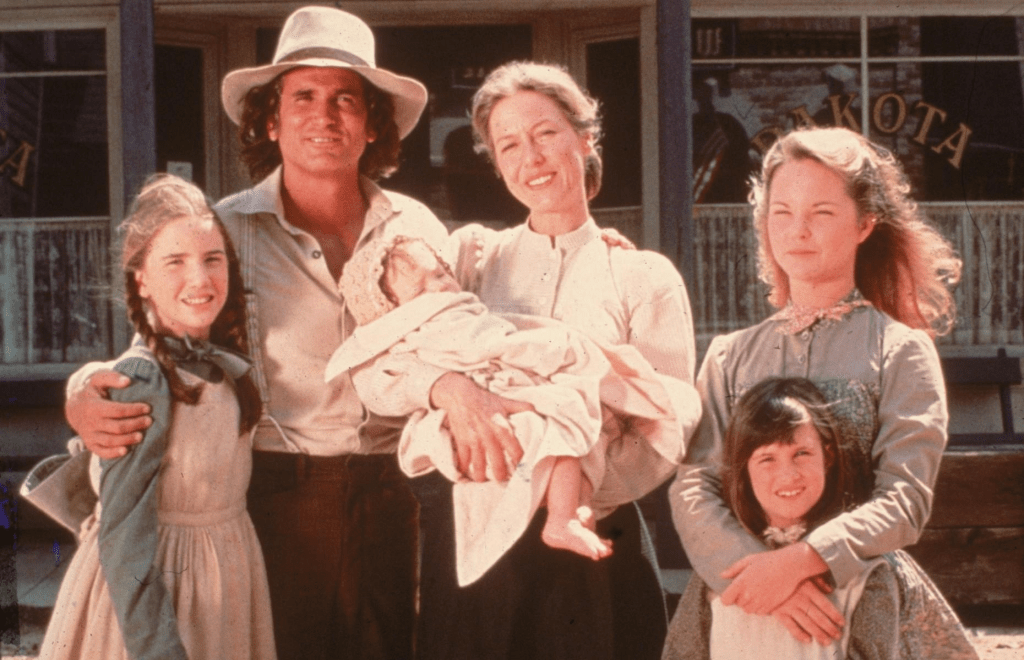
đź“·lovemoney.com

Television producer Ed Friendly acquired the film and television rights from the books. Oddly enough, the other show Friendly is known for as producer is Rowan and Martin’s Laugh In. He decided to make Little House a two-hour pilot and asked Michael Landon to direct it. Landon agreed to do so if he could also play Pa, Charles Ingalls. The pilot aired in March of 1974, and in September the series began.

Along with starring in the show, Landon continued to direct as well; he directed 87 of the 204 episodes. The other directors included William F. Claxton, Victor French, Maury Dexter, and Leo Penn.

Landon also got in on the writing of several episodes. He had written several scripts for Bonanza when he appeared on that show, and several of them were recycled for Little House.

đź“·showbizcheatsheet.com

Like The Waltons, while this series was often happy with comedic notes, it dealt with many serious issues as well, including alcoholism, drug addiction, poverty, racism, child abuse, and rape. The show focused on the struggles and joys of a pioneer family living in the late 1800s.

Along with Landon, Karen Grassle played Ma, Melissa Gilbert played Laura, Melissa Sue Anderson was Mary, with Lindsay and Sidney Greenbush alternating as Carrie. In addition to the Ingalls family, other town folk on the show included Nellie Oleson (Alison Arngrim), Nels Oleson (Richard Bull), Harriet Oleson (Katherine “Scottie” MacGregor, and Miss Beadle (Charlotte Stewart).

Some of the guest stars included Willie Aames, Anne Archer, Lew Ayres, Hermione Baddeley, Ken Berry, Ray Bolger, Ernest Borgnine, Johnny and June Carter Cash, Burl Ives, Charles Lane, Vera Miles, Sean Penn, and Ray Walston.

đź“·wikifandom.com

The theme song, “The Little House,” was written and conducted by David Rose. Rose won two Emmys for his work on the show.Although the pilot ranked #3 for the 1974 ratings, the first two seasons were much lower. Season 3 found the show on Monday nights where it remained one of the highest-ranking series through season 7. Season 8 had a significant decline and season 9, with the loss of most of the family members, never really caught on with viewers. However, season two is the only year the show was not in the top 30. The schedule was a bit crazy when you analyze it. Although, this show did have to compete with The Jeffersons and WKRP in Cincinnati, because they were half-hour shows and this was an hour show, many people probably continued watching the second half. For many of these years, there were up to six different shows in this time spot on CBS and many of them changed from year to year, so there were rarely shows in this spot against Little House for more than a month or two.

After eight seasons, both Michael Landon and Karen Grassle were ready to move on; however, Landon did stay on as a director and writer. The show focused on Laura Almanzo and the younger generation for the ninth and final season.

The show was loved by critics as well as viewers and received sixteen Emmy nominations. The series won four of them, all for music and cinematography. The only cast member nominated was Melissa Sue Anderson; she lost to Sada Thompson for Family.
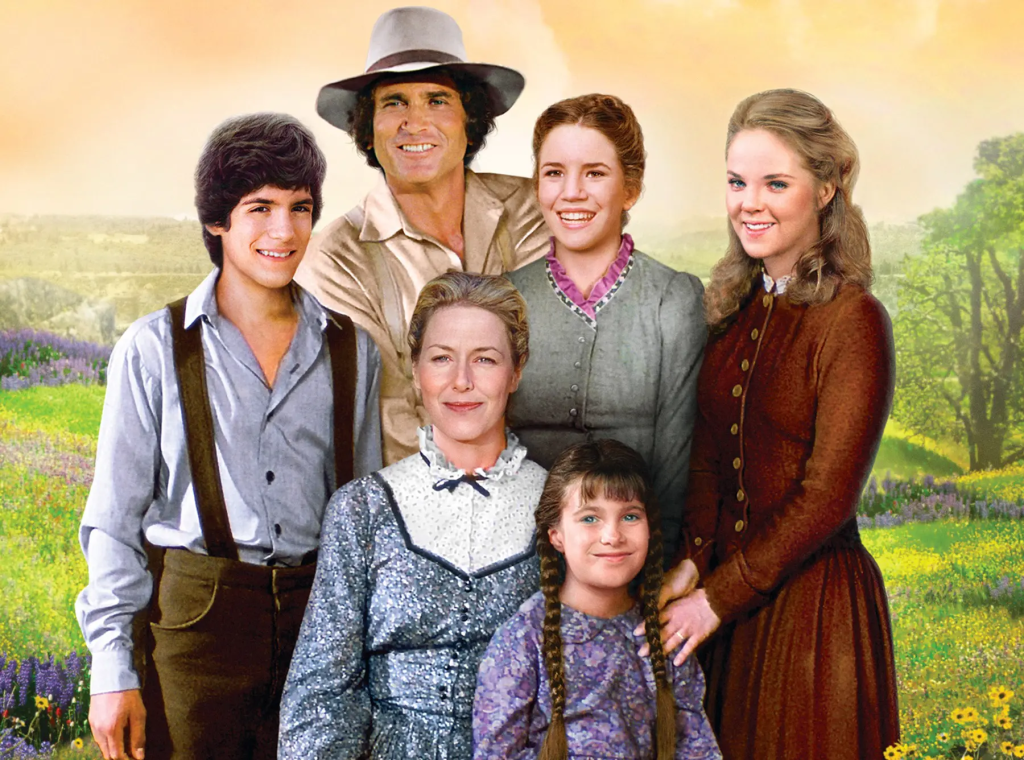
đź“·littlehouseontheprairie.com

Viewers were not ready to leave the Ingalls for good. Three made-for-tv movies were written: Little House: Look Back to Yesterday in 1983, Little House: The Last Farewell and Little House: Bless All the Dear Children, both in 1984. In 2008 the Ingalls’ lives also became a musical at the Guthrie Theater.

One fun story is when the show moved from Paramount to MGM Studios in the late seventies, they were uncovering sets so they could build new ones and found the yellow brick road from the Wizard of Oz which delighted the kids in the cast; I’m guessing it delighted many of the adults as well.

Another fun story was learning what the cast ate on the show. Since beef stew was a popular meal in the 1800s, the family often had that for its meal and when they did, they were actually eating Dinty Moore Beef Stew. When they had chicken, it was KFC that appeared on their plates.

The kids must have been troopers because each episode took about seven days to shoot. They were on location at Big Sky Ranch for four days and in the studio for interior shots about three days. In addition, they were probably witnesses to off-air scenes that were not the best. Grassle and Landon were not close, probably because his role seemed much bigger than hers and he was directing as well. Unfortunately, both Grassle and Landon were alcoholics, and alcohol was part of their life on set. During season four, Grassle quit when she realized the seriousness of her problem. Landon was never able to kick his dependence and died from pancreatitis.

đź“·pinterest.com

Gilbert said that Michael Landon had interesting ways to inspire his kids to get emotional on the set. He worked himself up to become very emotional and with eyes full of tears would ask her “Do you know how much I love you?” which would bring tears to her eyes as well.

It might have been a way to get her to cry, but it was not a lie. Gilbert lost her own father when she was eleven, and Landon became a second father to her. He often had Gilbert at his house on the weekends. She said it was a huge house and the kids ran through the house at will. Often Landon would hide behind doorways and jump out and scare them. Gilbert said Landon provided her with a lot of great advice. The most memorable for her was that nothing is more of a priority than home and family, and no success is as important as loving your people and contributing to a community. And to have fun above all in your career.

That is sage fatherly advice for us all to remember.

Shows That Debuted in Fall of 1973: Don’t Get Too Attached

This month our blog series is “Potpourri,” and today specifically is “Showpourri.” I thought it would be fun to look at the shows that debuted in 1973, fifty years ago. There were a lot of them. More than 30 shows were new in the fall of 1973; however, only about ten of them were still around the next fall.

Quite a few of these shows were variety shows: Dick Clark, The Dean Martin Comedy Show, Bobby Gentry, The Hudson Brothers, Tony Orlando and Dawn, Mac Davis, and Music Country. We also had several Movies of the Week.

Let’s take a closer look at the other shows that debuted in 1973.

Adam’s Rib Photo: imdb.com

Adam’s Rib: In this half-hour sitcom, assistant district attorney Adam Bonner (Ken Howard) is married to Amanda (Blythe Danner) who is a partner in a law firm. They often face each other in the courtroom which sometimes extends to their personal life. Amanda is also an advocate for women’s rights.

Apple’s Way: Created by The Waltons writer Earl Hamner Jr., this show has a family relocating from Los Angeles to a small town in Iowa where dad grew up. It captures the issues faced from moving from the past-faced city to the rural place where their ancestors grew up.

Bob & Carol & Ted & Alice: Definitely a seventies sitcom. Bob (Robert Urich) and Carol (Anne Archer) are a young couple who are part of the swinging seventies; they are good friends with an older couple, Ted (David Spielberg) and Alice (Anita Gillette), who definitely are not.

Calucci’s Department: Joe Calucci (James Coco) is an office supervisor at the New York State Unemployment Department. He has to deal with red tape, unemployed people truly in need or trying to bilk the system and keep his girlfriend (Candice Azzara) happy.

Chopper One Photo: epguides.com

Chopper One: This one was a bit like CHiPs in the air. Two California policemen (Jim McMullan and Dirk Benedict) fight crime from their helicopter.

The Cowboys: An unusual concept for this decade. The series focuses on a group of seven boys who work on a cattle ranch in the Old West.

Diana: Diana Smythe (Diana Rigg), recently divorced, leaves London and moves to New York City to become a fashion coordinator at a Fifth Avenue Department Store. She learns about life in America from her new friends, copywriter Howard (Richard B. Schull), neighbor Holly (Carole Androsky), window decorator Marshall (Robert Moore), and friend Jeff (Richard Mulligan).

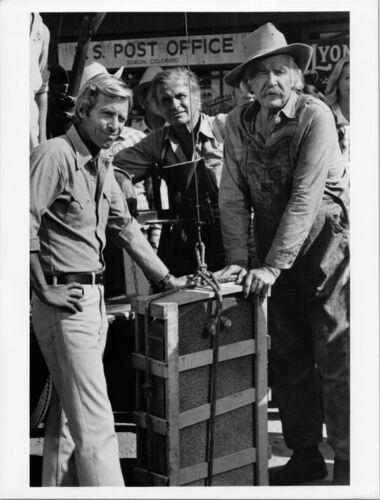
Dirty Sally: imdb’s description of this show was that “crotchety old lady Sally Fergus (Jeanette Nolan) roams the Old West with young companion Cyrus (Dack Rambo).” The major character looks more like she should be on The Addams Family than in the old west.

Doc Elliot Photo: ebay.com

Doc Elliot: Dr. Benjamin Elliot (James Franciscus) leaves Bellevue Hospital in New York to retreat to Colorado. He made house calls by plane and truck and is the only doctor in the area so he deals with a variety of cases.

Faraday & Co: Frank Faraday has been jailed 25 years for murdering his partner, but he did not do it. When he gets to go home, he learns his secretary gave birth to his son Steve who is also a private eye and the two men go into business together and solve mysteries.

Good Times: In this spinoff from Maude, the focus is Florida Evans, Maude’s housekeeper and her family who live in the Chicago housing projects.

Happy Days: Almost everyone knows about this show and the Cunninghams. The focus of the show is on Richie and Joanie growing up in the fifties with the help of The Fonz.

Hawkins: After his first show was canceled, Jimmy Stewart takes on the role of West Virginia attorney Billy Jim Hawkins.

Kojak: Telly Savalas becomes Theo Kojak a bald, lollipop loving police detective who is tough on criminals but a bit of a teddy bear off I job.

Lotsa Luck Photo: tvtango.com

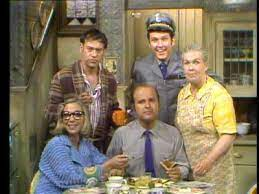
Lotsa Luck: Dom DeLuise stars as Stanley, the manager for a lost and found department at the bus company. He lives with his mother, his sister Olive and brother-in-law Arthur. His best friend is a bus driver he works with and they try to work out Stanley’s life problems. One issue they could not resolve was the fact that the viewers did not like the show.

NBC Follies: I’m not sure who came up with this concept. Vaudeville was dead, but this show resurrected it. It was based on vaudeville with a mixture of comedic skits and musical performances and no host. And no viewers.

Needles and Pins: This show had a great cast including Louis Nye, Norman Fell, and Bernie Kopell. Nye was Nathan Davidson, a women’s clothing manufacturer and this show centered on the employees who work there including new designer Wendy, who was a bit naïve, jumping from Nebraska to New York City.

Toma Photo: pinterest.com

Roll Out: This sitcom was based on the movie Red Ball Express; an African American staff at the Red Ball Express in WWII deal with being far from friends and family who bond with each other. The Red Ball Express was a real trucking convoy that supplied Allied forces in Europe after D-Day. The trucks were allowed to travel on routes closed to civilian traffic and had priority on other roads. It just never found the balance of humor and heartbreak of M*A*S*H or the wacky entanglements of Bilko. This show probably would have made a great drama if it had been done right.

Toma: Toma was a real New Jersey Detective David Toma (Tony Musante). He was a master of disguise and did undercover work. Like Alfred Hitchcock, you can glimpse the real David Toma in many episodes.

The Girl with Something Extra: John Davidson and Sally Field team up as newlyweds beginning their married life together with all the problems typical couples have and one extra, she had ESP and that causes no end of problems for them. Too bad she didn’t tell the network this show would not survive an entire season.

The New Perry Mason Show Photo: imdb.com

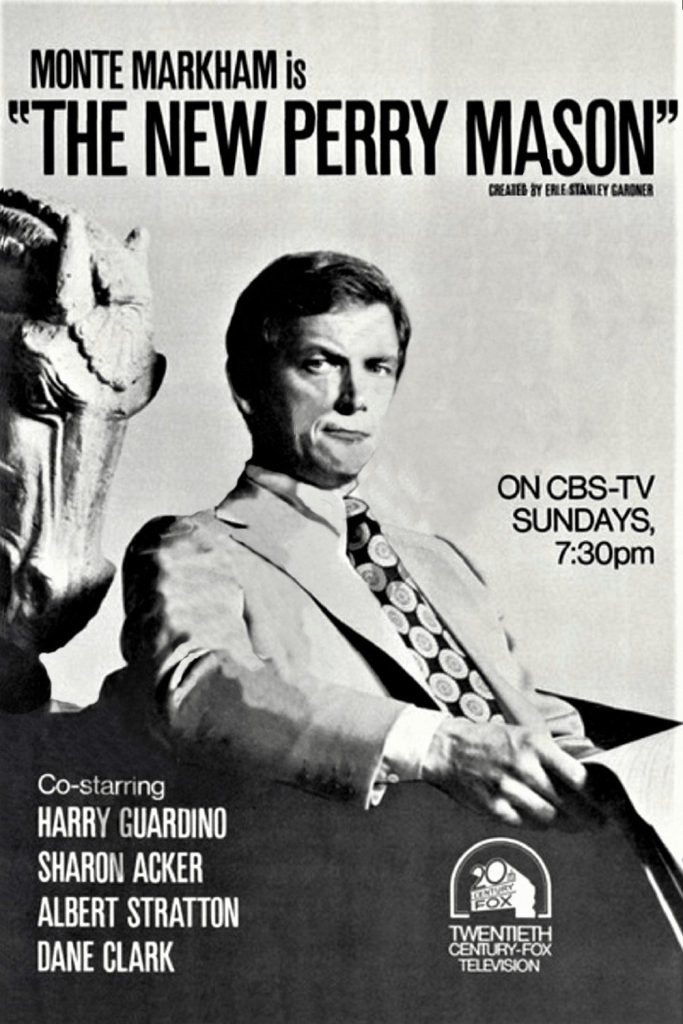
The New Perry Mason Show: Monte Markham and Sharon Acker became Perry Mason and Della Street. Impossible roles to fill with anyone but Raymond Burr and Barbara Hale.

When the fall schedule came out in 1975, the only shows remaining on the air were Good Times, Happy Days, and Kojak. Since I have already done extensive blogs on Happy Days and Kojak, next week, we’ll take a closer look at Good Times.