As we continue with our “Favorite Crime Solvers of the Past,” we turn to 77 Sunset Strip. Even if you never watched the show, you might be familiar with the theme song where they snapped and kept repeating “77 Sunset Strip.”
📷facebook.com
Created by Roy Huggins, the show debuted on ABC in 1958 and ran until spring of 1964. This was the third appearance by Detective Stuart Bailey. In 1946, Huggins’ novel, The Double Take, was published. In 1948, Bailey stepped into the big screen, starring in I Love Trouble played by Franchot Tone. A decade later he showed up on television played by Efrem Zimbalist Jr.
Bailey, a former WWII secret agent and foreign languages professor, works with former government agent Jeff Spencer (Roger Smith). Their office is at 77 Sunset Strip, Suites 101 and 102. Suite 103 is occupied by Suzanne Fabry (Jacqueline Beer), a French switchboard operator who handles phones for several clients including Bailey and Spencer. Occasionally she helps them solve a crime.
Other characters come and go from the offices including Roscoe (Louis Quinn), who gives out horse-racing tips when he’s not at the track; he often is an operative for the duo.
📷allposters.com
Gerald “Kookie” Kookson (Ed Byrnes) is a bit of a kook. He loves rock and roll, is witty, appreciates looking good, and works as a valet at the club next door. But he wants to be a private detective and makes full partner during the show. Kookie provides some comedy with his slang like “ginchiest” for coolest or “piling up Zs” for sleeping. During season 2, Byrnes asked for more money with his character expanding his role, but the answer was a firm no, so he left the show. Warner Brothers eventually settled with him, and he returned in May of that year.
Other occasional visitors include Lt. Roy Gilmore (Byron Keith) and the Frank Ortega Trio (played by themselves), a jazz band, who perform next door. They recorded for Warner Brothers who was also behind the television show.
The show had a fun, witty edge to it making it interesting to watch the interactions of the characters in addition to the crime solving. Bailey and Spencer were updated versions of forties’ noir detectives. Some of the shows had very different plots, something like the shows Moonlighting would feature a few decades later. “The Silent Caper” had no dialogue and, in another one, Bailey finds himself in a ghost town and he’s the only main character in the episode. During the last season in “The Target,” roles were played by crew members who were usually behind the camera including director William Conrad, associate producer James Lydon, and writer Tony Barrett.
Guest stars were plentiful and included Robert Conrad, Dyan Cannon, Cloris Leachman, Shirley MacLaine, Elizabeth Montgomery, Mary Tyler Moore, Roger Moore, William Shatner, Marlo Thomas, Robert Vaughn, and Adam West.
📷starstills.com
Mack David and Jerry Livingston wrote the famous theme which became a top 10 hit on the Billboard chart. The duo worked on several other Warner Brothers crime shows including Surfside Six, Bourbon Street Beat, and Hawaiian Eye, all based on the 77 Sunset Strip formula and exotic location.
By 1963, ratings were declining and the show revamped. If you read my blog often, you realize this is one of my pet peeves. If they want to change the casts, I understand that. However, in this one, like so often, Bailey is suddenly working alone and there is no mention made of any of the other characters, just as if they never existed. They did this on Happy Days, The Doris Day Show, and several other popular series.
In addition to booting the cast, Jack Webb was brought in as executive producer and William Conrad as director. And if the name William Conrad sounds familiar, yes, it is the same person as the man who starred on Cannon. During the fifties and sixties, Conrad racked up 32 directing credits.
Bailey is now a solo investigator. The title didn’t change, but the old office is no longer there nor the club nor the theme song. A new one written by Bob Thompson was used, and the show took on a darker, more serious nature. Bailey gets a secretary named Hannah who we rarely see.
📷ebay.com
The show was on Fridays for its entire run, just switching time slots now and then. By season two it was in the top ten. In seasons three through five, it got its biggest competition from Route 66, which it beat in the ratings. The final season, the show got moved to a later slot, going up against The Alfred Hitchcock Hour but, neither of them were in the top thirty.
Big surprise, viewers weren’t fans of the changes or the more serious tone of the show, and they drifted away. The show was cancelled in February. Efrem Zimbalist Jr. moved over to the FBI. Roy Huggins had a hugely successful career. He would write for and create more top shows including Run for Your Life, Maverick, Alias Smith and Jones, The Rockford Files, and The Fugitive. Viewers at least got the satisfaction of knowing that making such drastic changes to the show caused the end of that story. Stream a few of the early seasons on Philo, Roku, or Pluto TV and let me know what you think.
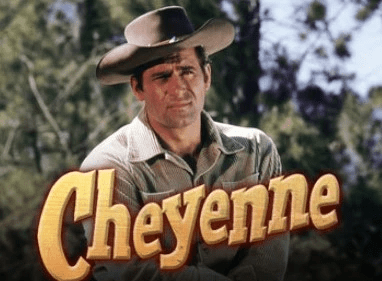
In June, we are advising “Go West Young Man” as we peek back at a few of our favorite westerns. First up is Cheyenne. Cheyenne debuted in 1955; it was the first hour-long Western. It would remain on the air for eight years, producing 108 episodes.
📷rewatchclassictv.com
Clint Walker starred as Cheyenne Bodie, a cowboy who explores the wild west after the Civil War. Early in the show, we learn that Bodie’s parents were killed by an unknown Native American tribe. A Cheyenne tribe found him and raised him till he was 12 when they sent him to live with a White family.
Because Cheyenne is traveling, guest stars change from week to week. The series was part of Warner Brothers Presents which alternated a weekly show with Cheyenne, Casablanca, and Kings Row.
For the first four seasons, the show was on Tuesday nights; then it moved to Mondays for the final four years. It was in the top thirty, and often the top twenty, for most of its television life, despite being up against The Phil Silvers Show; Richard Diamond, Private Detective; Dragnet; and the game shows To Tell the Truth and I’ve Got a Secret. Because Warner Brothers was used to making movies, the television show was produced with a movie feel to it.
In 1958, Walker went on strike. His contract stipulated that he had to give Warner Brothers 50% of his personal appearance fees, and he could only record music with the Warner Brothers label. He wanted 100% of his fees and to be able to record wherever he chose. I never learned what they settled on, but Walker returned to the show.
📷wikipedia.com
During his travels, Cheyenne often advocates for justice in the places he visits, sometimes working as a sheriff or deputy. Another theme of the show is the distrust of Native Americans. Cheyenne is sympathetic to their plight and is loyal to the Cheyenne tribe that raised him. Many of the plots were taken directly from Warner Brothers movies of the past and reworked a bit.
The theme song was composed by William Lava and Stanley Davis Jones. They both worked on The Mickey Mouse Club with Jones composing for the Spin and Marty shorts. Lava also provided music for Zorro, The Twilight Zone, and 77 Sunset Strip.
During Clint Walker’s interview with the Television Academy, he talked about his time on the show. He said he became aware of how many people liked the show when they sent him out to functions, and he started to realize how many fans he had in each town and then thinking of all the towns in the United States. He received a lot of fan mail from people who liked the values of the show. Some young men told him they no longer had fathers or uncles, and he was their role model.
📷imdb.com James Garner
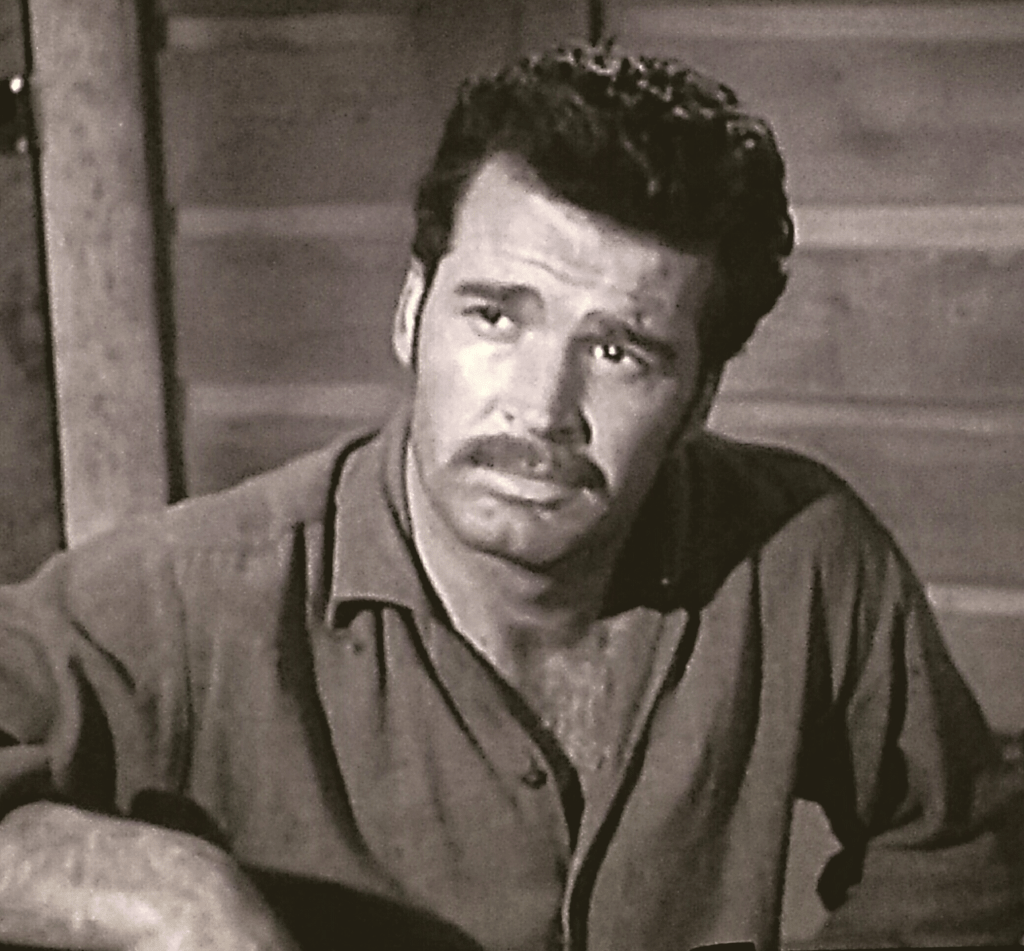
I also heard a fun story about casting during this show. Richard Bare explained during his interview that he was in a bar one night and a friend introduced him to an actor. The next day a meeting was called where Jack Warner informed them that he wanted some new faces introduced during the show. Bare remembered the young actor he met at the bar the night before but couldn’t remember his name. He called the bar and was told that the actor’s name was Jim Baumgartner, so he asked them to tell him to come to the studio when he showed up again. Finally, Baumgartner called Bare the day before they began shooting. He came in and did an audition. The crew was going on location the next day, so they had to decide immediately if he was part of the show. When Jack Warner saw the clips, he said to give that kid a seven-year contract, and that’s how James Garner started working in westerns.
There is no doubt Cheyenne was a popular show. It was interesting enough to keep viewers’ attention for an hour. The episodes seem to be well written. In an era when there were tons of westerns to watch, this one was in the top section of that list. The show still can be streamed on several places. If you want to live in the Old West for a bit, why not join Cheyenne and see what it was like.
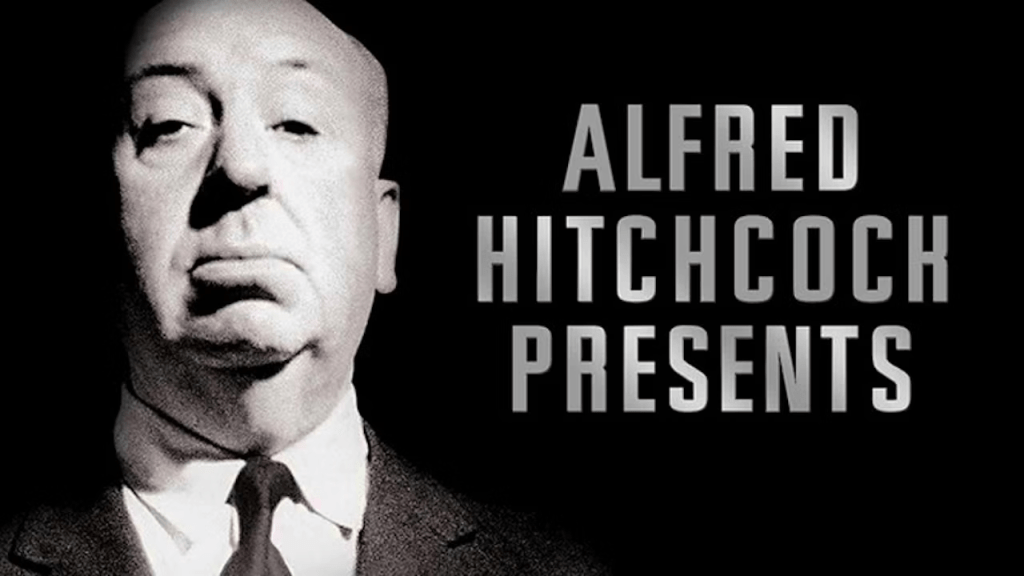
In October, we are tackling a blog series on Eerie Shows. It would be almost impossible to not include Alfred Hitchcock Presents which was on television for a decade.
The show premiered in 1955. Hitchcock had been directing films for more than three decades at that time. The series experienced several changes. It began as Alfred Hitchcock Presents on CBS but would switch both nights and networks during its run. In 1962 it became an hour-long show and was called The Alfred Hitchcock Hour.
Many fans recall the opening. There is a line-drawing of Hitchcock’s profile with the “Funeral March of a Marionette” playing in the background. Hitchcock appears at the edge of the screen and walks to the center where he fades into the caricature line drawing. Then he said, “Good evening.” The silhouette was one that Alfred drew. He began his entertainment career illustrating title cards for silent movies.
📷peacock.com
Hitchcock himself directed 17 of the episodes of the series. Two of those were nominated for Emmy awards: “The Case of Mr. Pelham” in 1955 with Tom Ewell and “Lamb to the Slaughter” in 1958 with Barbara Bel Geddes.
Hitchcock’s job during this series was to introduce the story and then to wrap it up at the end. Both the openings and closings were written by James B. Allardice. Allardice wrote for 38 different shows, many of them very popular series in the fifties and sixties. Norman Lloyd, who produced the show and appeared in five episodes, said Hitchcock respected Allardice so much that he never even changed a comma that he wrote.
The network demanded that if a character got away with murder during the show, then Hitchcock would let them know during the closing that he was eventually brought to justice; in the TV Guide, Hitch described this as “a necessary gesture to morality.” Lloyd gave an example of this in a Television Academy interview. In one episode, a woman kills her husband with a frozen lamb’s leg and gets away with it. At the end of the show, Alfred explains that she later remarried and tried the same trick again but when she took out the leg and hit her husband with it, it was not frozen enough, so he caught her in the act and turned her in.
📷genresnaps.com
The episodes were not your average thriller shows. They included drama, suspense, and humor. Audiences never knew just “who done it” till the end.
The show debuted on CBS on Sunday nights for five years, up against drama anthologies for two years and then competing with The Dinah Shore Show for three years. For the next two seasons it moved to NBC on Tuesday nights. It aired against The Many Loves of Dobie Gillis on CBS those years and against Wyatt Earp on ABC. For three months it went back to CBS on Thursdays before moving to Fridays on CBS the next season with The Price is Right and 77 Sunset Strip. The ninth year found it on CBS on Fridays with little competition and the final year it showed up on NBC’s schedule on Mondays against Ben Casey. I could never find the reason for cancelling the show. I’m assuming ratings began to decline but if anyone knows, I’d love to hear it.
NBC chose not to air a 1962 episode called “The Sorcerer’s Apprentice” because the sponsor felt the ending was too gruesome. In the episode, a magician’s helper is supposed to help in a trick where he “sawed” a woman in half, but he doesn’t realize he truly saws her in half.
📷thecompletehitchcock.com
As you might guess, with a new story every week, many celebrities appeared on the show including Charles Bronson, Bette Davis, Bruce Dern, Robert Duvall, Clint Eastwood, Peter Falk, Joan Fontaine, Peter Lorre, Walter Matthau, Steve McQueen, Vera Miles, Claude Rains, Robert Redford, Burt Reynolds, Thelma Ritter, George Segal, and Jessica Tandy.
In addition to the Hitchcock-directed episodes, the show received Emmy nominations for Best Series four times. In 1956 it was up for Best Action or Adventure Series, but it lost to Disneyland. The following year found the show in the Best Series – Half Hour or Less category, but it lost to The Phil Silvers Show. 1958 found it in the category of Best Dramatic Anthology Series. You would think that would be a no-brainer win for this show, but it lost to Playhouse 90. It had its fourth category nomination in 1959 as Best Dramatic Series – Less Than One Hour and lost to Alcoa Theatre. I guess the Emmy committee had a hard time determining categories for a few years.
In a different twist, NBC tried to air the show again in 1985. Hitchcock had passed away five years earlier from renal failure. A made-for-TV-movie combined new stories with colorized segments from the original show. It lasted a year before NBC canceled it. USA picked it up for three more seasons.
📷screentunes.com
The original show can still be seen on a few different networks including MeTV.
With Hitchcock’s popularity in 1955, it’s no wonder that this show was a successful series for a decade. The episodes were well written, and they had a wonderful cast of actors. Many people probably tuned in just to see Hitchcock, and his personality was larger than life, even if his behavior was a bit despicable at times. One of Alfred’s quotes about the show was that “television has brought murder back into the home – where it belongs.”
This month we are celebrating some of our favorite Supportive Men, actors who usually are not the star of a show but add the special flavor only they can to some of our favorite shows.
Before we move on to our topic today, can I just say a huge THANK YOU to all of you who have joined me on this journey through classic television. Today is my 400th blog and it has been so much fun. Next week will be 401, but for today we are looking at the career of Vic Tayback.
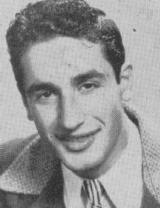
📷graduation photo
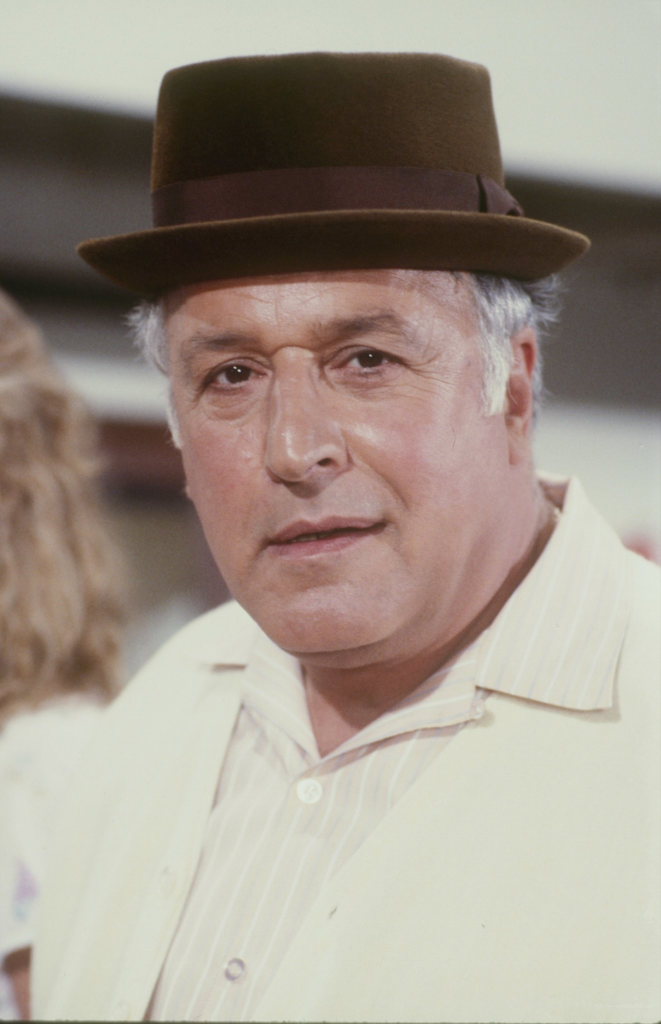
Most of us probably know him best as Mel on Alice; he played Mel Sharples in both the original movie, Alice Doesn’t Live Here Anymore, as well as the television show that was on for nine years.
Tayback was born in Brooklyn in 1930. His parents settled there after leaving Aleppo, Syria. During his teenage years, the family moved to California where he attended Burbank High School. He loved sports and played on a variety of teams, his favorite being football.
After high school, he enrolled at Glendale Community College. He also spent some time with the US Navy.
With his love of sports, he decided to attend the Frederick A. Speare School of Radio and TV Broadcasting to be a sports broadcaster. While there he was required to perform in a production of “Stalag 17” for one of his classes. He wasn’t thrilled about doing so, but he realized that he loved making people laugh and decided to switch his career to acting. While trying to break into the industry, he paid his dues driving a cab and working as a bank teller.
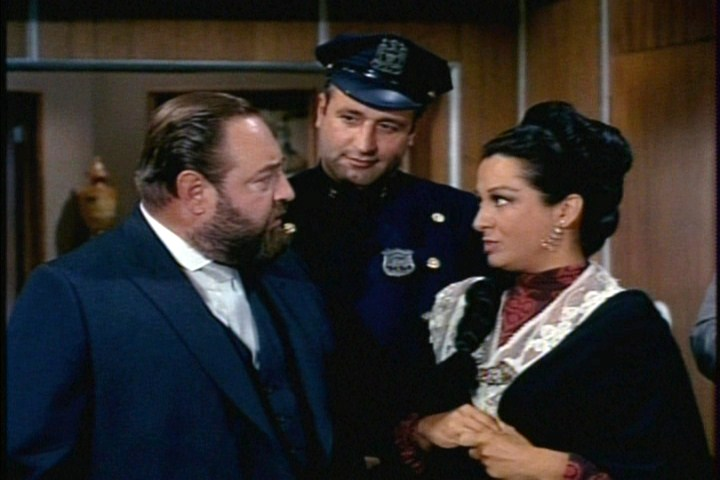
📷embarrassingtreasures.com Family Affair
The first of Tayback’s astounding 151 acting credits occurred in 1958 in a little-remembered series, Buckskin. This western was set in Annie O’Connell’s boarding house in Buckskin, Montana in 1880 and the stories were told by ten-year-old Jody. Vic continued to receive a few other appearances on television in the late fifties, as well as two films.
In the sixties, Tayback’s career took off. He would show up on 32 television episodes and 9 big-screen films, including With Six You Get Eggroll with Doris Day and Brian Keith. His tv roles were in comedies such as F-Troop, I Dream of Jeannie, Family Affair, Get Smart, The Monkees, and That Girl. He also could be seen in a variety of dramas that included 77 Sunset Strip, Dr. Kildare, Rawhide, Cimarron Strip, Star Trek, and Mission Impossible.
📷newyorkdailynews.com The Cheap Detective
The sixties also found Vic in the role of groom. In 1963, Tayback married Sheila Barnard, and they remained married until his death.
During the seventies, his appearances escalated to more than forty television series and ten movies. Some of his television shows included Bonanza, TheMary Tyler Moore Show, Bewitched, Columbo, Mannix, Ironside, Mod Squad, The Partridge Family, All in the Family, Barney Miller, Cannon, Medical Center, Family, and Hawaii Five-0. His movies included a few genres running from Disney’s The Shaggy DA to Papillon (Papillon was the story of a French convict who befriends a fellow criminal in South America in the 1930s, and he plans an escape).
It was during the mid-seventies that he was offered the role of Mel Sharples. In 1974 the movie was released, and the television show aired in 1976. The show was very popular with viewers. Vic said he and Mel were somewhat similar characters. While people still quote Flo on the show with her “Kiss my grits,” Tayback had his own tagline on the show, “Stow it.”
📷imdb.com Alice
If you didn’t see the show, it featured a greasy-spoon diner in Phoenix, Arizona. Alice moves there after the death of her husband with her son Tommy. She becomes a waitress at Mel’s along with sassy Flo and shy, gullible Vera. Despite the bad food, they have a lot of regulars who come in for a meal. If you want to visit the restaurant, the building it was based on is at 1747 NW Grand Ave in Phoenix and was called Pat’s Family Restaurant. (It was also featured in American Graffiti.) It is now called Mel’s Diner. According to Trip Advisor, it is ranked #448 out of 1795 restaurants in Phoenix.
📷imdb.com
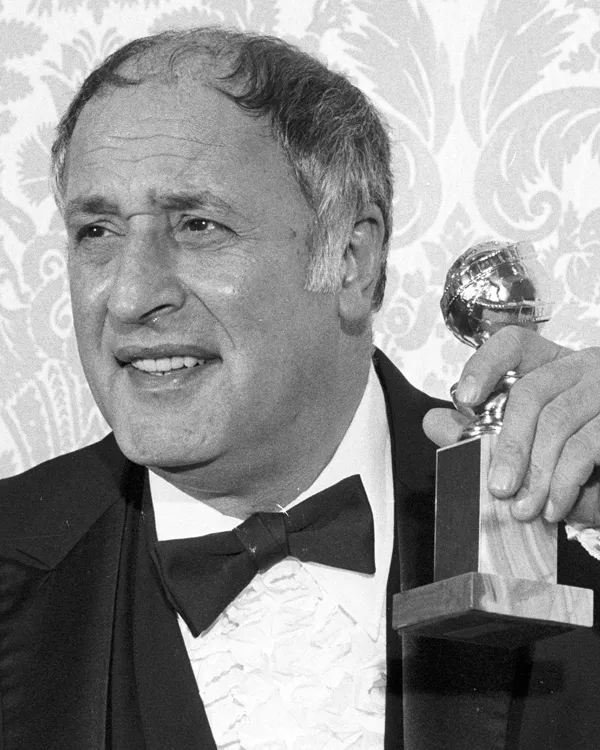
The role of Mel won Tayback Golden Globe awards in both 1979 and 1980. In 1978 he was nominated for an Emmy as Supporting Actor in a Comedy. While he did not win, he was in some amazing company. That year, fellow nominees included Harry Morgan and Gary Burghoff for M*A*S*H, Tom Bosley in Happy Days, and Rob Reiner from All in the Family, who took home the win that year.
The series aired on Saturday nights and the first year was in the top thirty. In 1977, its second season, it was moved to Sunday nights, following All in the Family where it rose into the top ten. In 1979, All in the Family left the airwaves, and Alice then followed One Day at a Time. Seasons three-five, it continued to be in the top thirty. In 1981, the show was moved to Monday nights up against M*A*S*H where it fell out of the top 30. However, season seven found it back on Sundays following The Jeffersons where it rose back into the top thirty. However, it took another dive in ratings the next year and then was cancelled. I think it probably stayed on the air a year or two beyond when it should have. However, interestingly enough, the year it was cancelled, CBS introduced 15 new shows. I’m not sure most people have ever heard of any of them; they were all gone by 1986 with the exception of The Twilight Zone (reboot) and West 57th, which was a news show aimed at younger audiences.
Vic was also an avid horse-racing fan and owned quite a few thoroughbreds. On Alice, Mel was also a track fan, and sometimes the writers asked Mel for names of horses they could use, and he often gave them names of his horses.
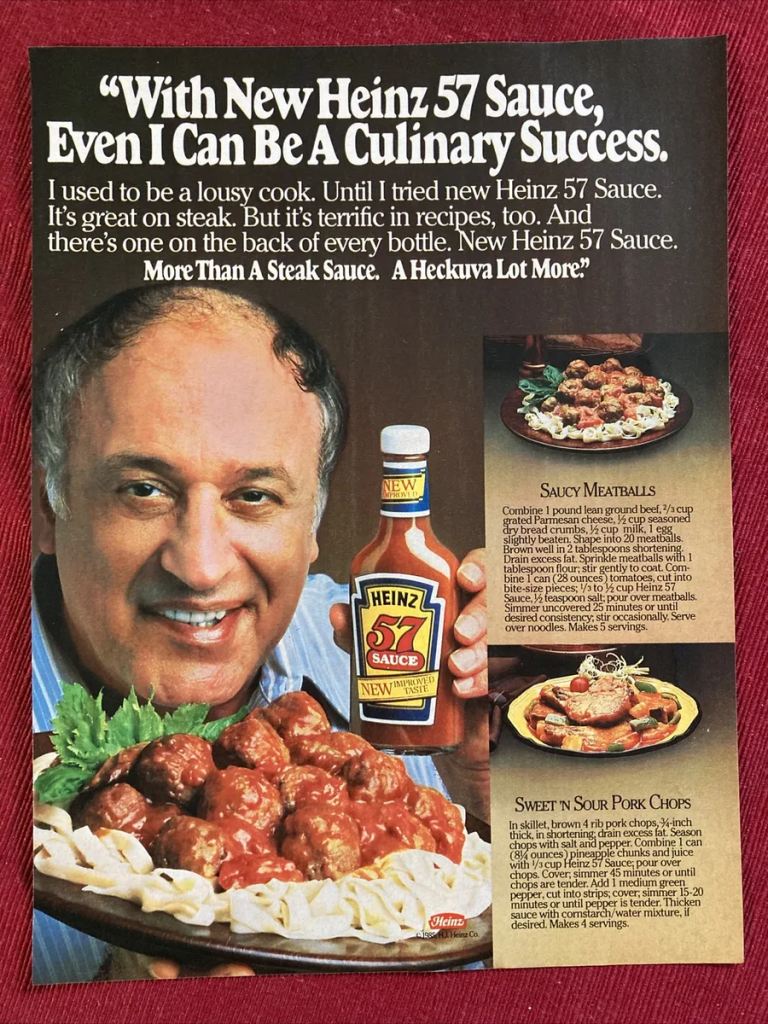
On the show, Vic was often made fun of for his bad cooking. In a 1985 interview he said, “If I walked into a restaurant, the other diners would look around and say, ‘I hope you’re not cooking.’” Heinz then offered him the role of spokesperson for their Heniz 57 sauce and his line in the commercials, was “I used to be a lousy cook.” He was also remembered for an Aqua Velva commercial he did with Pete Rose.
Unfortunately, Tayback was a heavy smoker which caused heart trouble for him. While doing Alice, he had a triple-bypass surgery. While he did try to quit numerous times, he just could never kick the habit. In 1990, he died from a heart attack at age 60.
📷goldenglobes.com
While we were cheated of several decades of performances from Vic with his early death, he did leave an amazing legacy in the Company of Angels theater in Los Angeles. According to its website, “In 1959, a group of actors, including Tayback, Leonard Nimoy, Richard Chamberlin, and Vic Morrow founded the theater to provide a space for actors and other theater artists to work on their craft free of commercial constraints.”
Thank you, Vic Tayback, for deciding to make people laugh in your career and investing in the future of acting so those memories continue in the future.
We are winding up our series: Bam! Pow! Batman Villains. Today it’s all about The Joker: Cesar Romero.
📷turnerclassicmovies.com
Romero was born in New York City in 1907. His father was an import/export merchant, and his mother was a concert singer. He grew up in Bradley Beach, New Jersey. His father lost most of his money during the 1929 Wall Street Crash.
Romero teamed up with dancer Lisbeth Higgins and they formed a professional dance partnership, appearing in nightclubs and theaters throughout New York City including the Ambassador Roof and the Montmartre Café. Although he had no professional training, he was often compared to Fred Astaire. He also was cast in several off-Broadway productions including “Stella Brady” and “Dinner at Eight.”
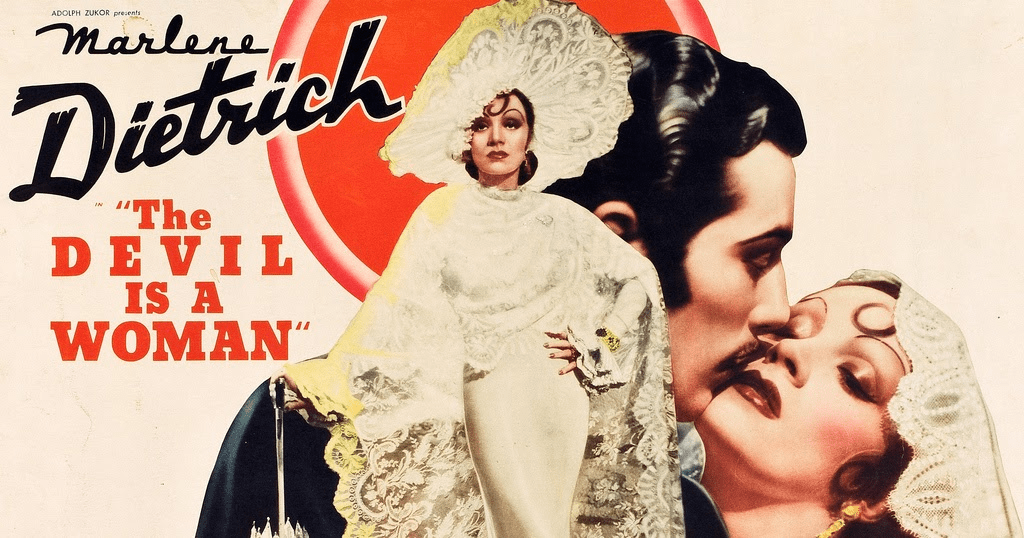
Later Romero would refer to himself as the Latin from Manhattan and he provided for his family members who followed him to Hollywood. He played the stereotypical Latin lover during the thirties and forties, including The Devil is a Woman with Marlene Dietrich in 1935. However, he also made westerns and did a bit of dancing during these decades on the big screen.
His friendship with Frank Sinatra brought him roles in Around the World in 80 Days, Pepe, Marriage on the Rocks, and Oceans’ 11.
📷imdb.com Wagon Train
In 1942, Cesar enlisted in the US Coast Guard, serving in the Pacific Theater of Operations. After his military career ended, Romero returned to his acting career.
His television career began in 1948 in the show, Variety. During the fifties he was primarily appearing on dramas, but he did show up on Private Secretary with Ann Sothern and continued his western roles on Wagon Train, Zorro, and Death Valley Days.
The sixties kept him extremely busy on television. He kept people laughing on Pete and Gladys, The Ann Sothern Show, Get Smart, and Here’s Lucy. He rode the range on Stagecoach West, Bonanza, Rawhide, and Daniel Boone. He stayed dramatic on shows including 77 Sunset Strip, Dr. Kildare, and Ben Casey.
📷wallpaper.com
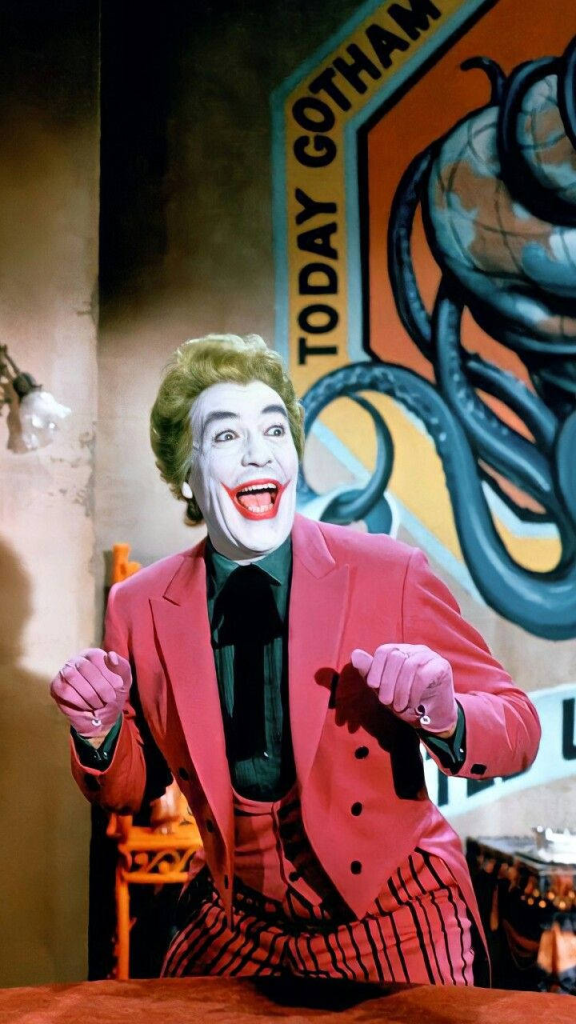
However, the show he was best known for in the sixties, is the show that made him part of my blog series this month, Batman. He had to endure a long time in the make-up chair. He refused to shave his mustache for the role, so white face makeup was smeared all over his face until it was hidden.
Romero admitted that this role reinvigorated his career. When he was offered the role of the Joker, he was 59 years old. Romero said the role was “the kind of part where you can do everything you’ve been told not to do as an actor. You can be as hammy as you want.”
He discussed how surprised he was when William Dozier called him about the show. He said Dozier told him that “the important characters were all villains. They had done the first two with the Riddler and the Penguin with Frank Gorshin and Burgess Meredith, and now they were ready to do the third, and the villain was the Joker. He said, ‘I would like you to play the part.’ So, I said I would like to read the script and know what it is all about. He said, ‘Come on over to the studio, and I will show you the film of the first episode.’ Of course, it was great. I said, ‘Let me read this Joker part, and if it is as good as the first one, hell yes, I will do it.’ So I read the script, and I thought it was a gas, and I said, ‘Sure, I’ll do it.’”
No serious villain, the Joker was cheerful and extroverted. He oozed goofiness and always appeared to be having a great time carrying out his nefarious activities. Dressed in his famous purple costume, he had his own automobile that could rival the Batmobile.
📷facebook.com
While most of the villains saw Batman and Robin as roadblocks in their evil schemes and problems to take care of, the Joker found great joy in taking down the superheroes. In one episode he says “Oh, but I must, I must! Why, outwitting Batman is my sole delight, my heaven on earth, my very paradise!”
You couldn’t miss him if you watched almost any television in the 1970s and 1980s. He appeared on a ton of shows, just a few of which included Bewitched, Nanny and the Professor, Love American Style, The Love Boat, Night Gallery, Mod Squad, Ironside, Medical Center, Charlie’s Angels, and Hart to Hart.
From 1985-88, he was a regular on Falcon Crest. Earl Hamner Jr., the creator of The Waltons, created this show featuring the Gioberti family, owners of Falcon Crest Winery. Romero played the love interest of matriarch Angela Channing, played by Jane Wyman.
He finished his career in the 1990s. He was in his eighties when he appeared on The Golden Girls, and Murder She Wrote, his last television role.
Romero also played a role in politics. As a registered Republican, he was very involved in many campaigns. He worked for Nixon-Lodge in 1960 and later supported Lodge in his run for President. When Lodge did not get the results that he hoped for, Romero turned his support to Barry Goldwater for the general election. He also worked for his friend George Murphy in his run in the California senate race. He later helped Ronald Reagan in his gubernatorial runs in California as well as his presidential campaigns.
It was reported in many articles that Romero had 30 tuxedos and more than 500 suits. That is not surprising because he had a clothing line, Cesar Romero Ltd. He was also a model and spokesperson for Petrocelli suits in the sixties.
Romero stopped acting in 1990. He remained busy though with several ventures including hosting classic movie programs on television. In 1994, Romero died from complications of a blood clot on New Year’s Day. He was being treated for bronchitis and pneumonia.
I enjoyed getting to know a bit more about Cesar Romero, but, I have to admit, that I don’t feel like I know him much better than I did before. He seemed to have been stereotyped as a Latin lover and then again as the Joker. I would like to go back and watch some of his appearances on westerns. It was hard to find much information about Romero beyond his career and political interests.
📷etsy.com
I know The Joker was not his most challenging role, but he will always have a place in America’s heart for the work he did on Batman as will these fun super villains we got to know this month.
We are in the midst of getting up close and personal with some of our favorite television stars. Up today is Robert Conrad. Conrad was born Conrad Robert Falk in 1935 in Chicago. His parents were practically kids themselves when he was born at 17 and 15. His mother, Alice Hartman, was later the first publicity director for Mercury Records when she went by the name Jackie Smith. After divorcing Robert’s father, she later married Eddie Hubbard, a Chicago radio personality in 1948. They gave Robert one sibling before divorcing in 1958.
Photo: people.com
Conrad grew up in Chicago. He dropped out of school at age 15 to work for Consolidated Freightways and later was a milk truck driver for Bowman Dairy.
He studied theater arts at Northwestern University and then decided to pursue an acting career. He also studied singing with Dick Marx.
When he was 25 he met actor Nick Adams while visiting James Dean’s gravesite in Indiana. Adams had been a friend of James, and he talked Robert into moving to California for his acting career. (Adams died from an overdose in 1968.)
Adams was able to secure Bob a small part in the movie Juvenile Jungle which enabled him to join the Screen Actors Guild. Conrad continued to receive movie offers throughout his career, with his last role being in 2002 in Dead Above Ground.
In 1952 he eloped with Joan Kenlay. They had five children.
During the late fifties, Warner Brothers signed Conrad to an acting contract. He also worked in their recording division, releasing several versions including LPS, EPs, 33 1/3, and 45 rpm records. In 1961, he made the Billboard charts with Bye Bye Baby which hit 113.
In 1959, he made his television debut on Bat Masterson. He would appear in nine different series in 1959.
Photo: imdb.com
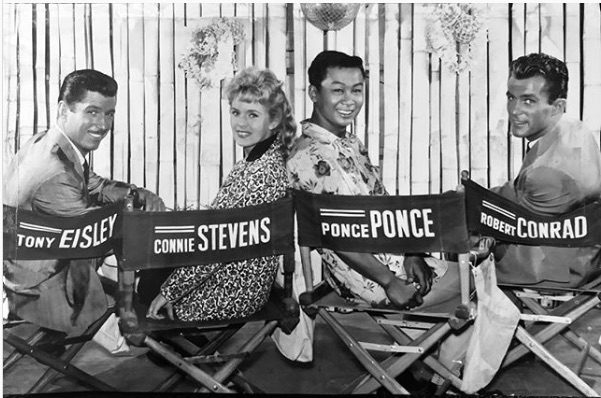
Warner Brothers created a detective show, 77 Sunset Strip. Conrad appeared on the show as detective Tom Lopaka. After appearing on four episodes, he was offered his own series, Hawaiian Eye which was on the air for four years. Set in Hawaii, this series featured Conrad as Thomas Jefferson Lopaka and his partner Tracy Steele, a Korean war vet and former city police detective played by Anthony Eisley. Their office was located at a swanky hotel where they were also the house detectives. Connie Stevens completed the trio as a scatterbrained nightclub singer and photographer Cricket Blake.
Photo: mortystv.com
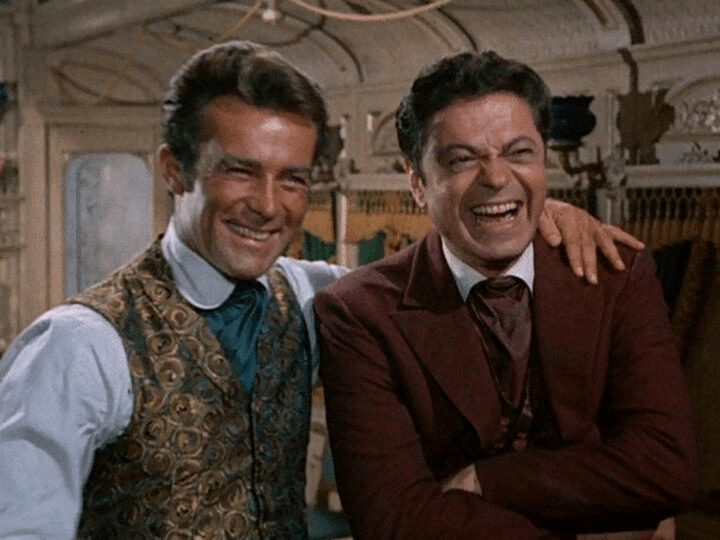
After the show went off the air, Conrad continued with several movies and television appearances until he received word in 1965 that he had been cast as government agent James West on the Wild Wild West with Ross Martin as his partner Artemus Gordon. For five seasons, the two agents worked together to solve cases primarily in the western region of the United States, often reporting to President Ulysses S Grant for their assignments. Conrad made $5000 a week for this show; it doesn’t sound like a lot today, but it was quite an increase from the $300 he made a week on Hawaiian Eye. Robert performed almost all of his own stunts on the show and was inducted into the Stuntman’s Hall of Fame.
Photo: pinterest.com
Later Conrad said he didn’t like that his character didn’t really act; it was just physical confrontation and stunts. He said he and stuntman Whitey Ford choreographed the fights. Although that made him unhappy, he enjoyed his time on the show because he loved working with Martin.
Conrad took on several television and movie roles for two years until he was offered another sitcom offer to star in The DA where he played LA District Attorney Paul Ryan. The show only lasted one season, but then he went directly into Assignment: Vienna where he played a rugged American spy Jake Webster. Unfortunately, this show only lasted eight episodes.
Photo: ebay.com Cast of Baa Baa Black Sheep
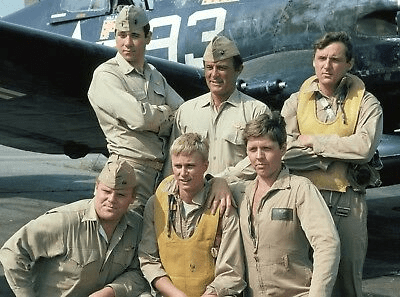
After this short-lived series, Conrad waited four years to try his hand at television again. From 1976-78, he took on the role of tough-guy ace pilot, Pappy Boyington in Baa Baa Black Sheep. Pappy led the US Marine Attack Squadron 214, a group of “black sheep” pilots who were not as committed to the Marines as they were having a good time. However, they were great at their job and desperately needed in World War II. Conrad directed three of the shows.
During the run of this show, Robert and Joan divorced after 25 years of marriage.
For the next fifteen years, Robert bounced back and forth between television appearances and movies. While he showed up on the big screen, television movies were where he earned most of his money between 1979-1995.
He would attempt to star in five additional series, none of which were very successful. In 1979, he was the star of The Duke about an ex-boxer Duke Ramsey who becomes a private investigator in Chicago. After only three episodes, the refs called the match. I’m guessing Conrad did his own boxing in this show because he was a semi-professional boxer and had an undefeated record of 4-0-1.
That same year he went on to star in A Man Called Sloane. Sloane is a freelance spy who often accepts assignments from a secret government agency. He must have had to go into hiding quickly because he was off the air after twelve episodes.
In 1983, Conrad married again. He and LaVelda Fann were married from 1983-2010.
In 1987 he joined High Mountain Rangers as Jesse Hawkes. Hawke led his family on adventures in the wilderness where he was employed in law enforcement and rescue. No one requested a baker’s dozen, so after twelve episodes, he was done again. The following year his series lasted half as long, six episodes only, when he played Jesse Hawkes once again, but on this version, he and his sons fight crime in San Francisco. Sticking with the same theme, in 1995 he became Griffin Campbell on High Sierra Search and Rescue, leading volunteers in a remote mountain town in dangerous rescue missions. Again, after six episodes, he was done.
While none of these shows could find an audience, there was some realism in the roles because Conrad was a deputy sheriff for eight years or so in Bear Valley, California where he lived.
For the last few years of his career, he took on various tv and movie roles. His last television role was in 2000 on Nash Bridges.
Photo: mortystv.com
After 2000, he managed to stay busy with a variety of projects. He ran for President of the Screen Actors Guild in 2005. In 2006 he provided introductory material for the DVD set of The Wild Wild West. He began hosting a weekly national radio show called The PM Show with Robert Conrad on DRN Digital Talk Radio.
In 2020, Conrad died from heart failure. He was 84.
It would have been interesting to see what Conrad’s career would have looked like if he had received some different types of roles. He did test for the role of Anthony Nelson on I Dream of Jeannie and was offered the role of Hannibal Smith on The A-Team but turned it down to pursue his own projects. I would have liked to see him in a comedy role.
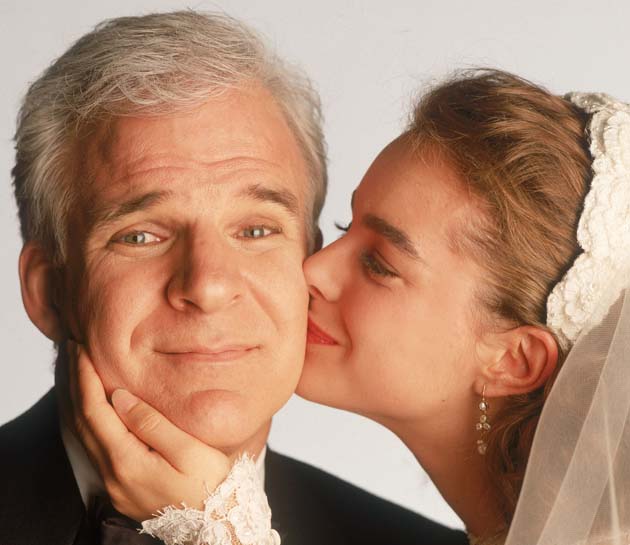
We’re continuing our blog series, “The Movie Came First.” Today we get to learn more about Father of the Bride. Whether you gravitate to Elizabeth Taylor and Spencer Tracy in the original movie or Kimberly Williams-Paisley and Steve Martin in the remake, you might have enjoyed the television show which aired in 1961. All three versions feature a father whose daughter is getting married, as he deals with the emotional pain of losing her, the financial reparations, and the disorganized turmoil that goes into planning the wedding.
The movie starred Elizabeth Taylor as Kay Banks with Spencer Tracy and Joan Bennett as her parents, Ellie and Stanley. Her fiancé Buckley Dunstan is portrayed by Don Taylor and his parents are Billie Burke and Moroni Olsen as Doris and Herbert. The film was nominated for Academy Awards for Best Actor in a Leading Role (William Holden won for Sunset Boulevard), Best Picture (All About Eve was the winner), and Best Writing, Screenplay (also Sunset Boulevard as winner).
Stanley narrates his feelings and perspectives throughout the film. For example, he talks about losing his daughter: “Who giveth this woman? This woman. But she’s not a woman. She’s still a child. And she’s leaving us. What’s it going to be like to come home and not find her? Not to hear her voice calling “Hi Pops” as I come in? I suddenly realized what I was doing. I was giving up Kay. Something inside me began to hurt.”
Photo: hulu.com
He also shares his thoughts on weddings: “I would like to say a few words about weddings. I’ve just been through one. Not my own. My daughter’s. Someday in the far future I may be able to remember it with tender indulgence, but not now. I always used to think that marriages were a simple affair. Boy meets girl. Fall in love. They get married. Have babies. Eventually the babies grow up and meet other babies. They fall in love. Get married. Have babies. And so on and on and on. Looked at that way, it’s not only simple, it’s downright monotonous. But I was wrong.”
Photo: wikipedia.com
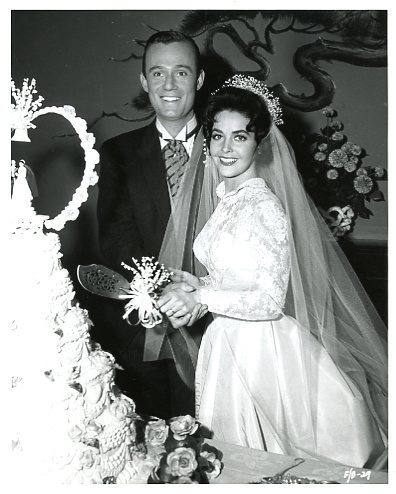
In 1961 the movie was reworked for the small screen, produced by MGM Television. The characters remained the same. In the tv version, Leon Ames was Stanley, Ruth Warrick was Ellie, Myrna Fahey was Kay, Burt Metcalfe was Buckley, Ransom Sherman was Herbert, and Lurene Tuttle was Doris. We also see Ruby Dandridge cast as their housekeeper Delilah and Rickie Sorenson as Tommy, Kay’s little brother.
The first shows in season one featured an animated cupid holding a magic wand to start the show, but the season transitioned into a photo of the entire cast gathered on the Banks’ staircase.
Photo: youtube.com
The sponsors of the show were Campbell’s Soups and General Mills.
I was surprised to see that there were 24 writers but then in looking through the episodes, the majority of the shows mirrored the movie so closely it was more of rewriting than writing.
Photo: blogspot.com
The show aired on Friday nights and its competition was The Dinah Shore Show and 77 Sunset Strip. I would have thought given the adult themes of 77 Sunset Strip, this show would be a popular family show to watch. However, the ratings must not have been very good, because it was cancelled after one season. Not many of the shows debuting this fall even lasted the season. In addition to Father of the Bride, the following shows were cancelled: The Bob Cummings Show, The Hathaways, Holiday Lodge, Ichabod and Me, Margie, Mrs. G Goes to College, Oh, Those Bells, One Happy Family, Room for One More, and Window on Main Street. The successful season debuts included Car 54 Where Are You?, The Dick Van Dyke Show, Mr. Ed, Hazel, The Lucy Show, and The Joey Bishop Show.
Photo: amazon.com
YouTube has the opening credits, but I could not find anywhere to watch episodes of this show. I guess my recommendation would be to forget about the show and watch the 1950 or 1991 movie version. I’m not often a fan of reboots of movies, but I love the Steve Martin-Diane Keaton version of this movie, so both films are great choices. Better yet, watch them both and then choose your favorite.
As we continue looking at some of our well-known character actors, today we consider the career of Milton Frome. Frome was born in Philadelphia in 1909. He began acting in his mid-20s.
Photo: watchviooz.com
His first major movie role was in Ride ‘em Cowgirl in 1939. Frome would go on to appear in 55 movies (including The Nutty Professor, Bye Bye Birdie, and With Six You Get Eggroll), as well as five made-for-TV movies. He also had a thriving television career beginning with Chevrolet Tele-Theatre in 1950.
Photo: amazon.com
Appearing in 34 different shows during the fifties, he performed in a variety of genres including dramas, comedies and westerns.
Photo: jimnolt.com The Adventures of Superman
During that decade you would have seen him on I Love Lucy, Lassie, The Adventures of Superman, Playhouse Theater, The Thin Man, and The Gale Storm Show. He also worked with many comic legends on television, including Milton Berle, Red Skelton, and Dean Martin and Jerry Lewis.
Photo: tumblr.com I Love Lucy
His career escalated in the sixties when he would accept roles in 48 programs. He showed up in dramas, including The Twilight Zone, 77 Sunset Strip, and Dr. Kildare. He also found his way into many westerns such as Bat Masterson, Death Valley Days, Gunslinger, Big Valley, Rawhide, and Wagon Train. However, he seemed to excel at comedies and during the 1950s you could have spied him in many sitcoms. He accepted parts in Bachelor Father, Pete and Gladys, The Jim Backus Show, The Dick Van Dyke Show, Mister Ed, The Joey Bishop Show, I Dream of Jeannie, My Favorite Martian, The Donna Reed Show, Gomer Pyle USMC, Bewitched, The Monkees, The Patty Duke Show, Petticoat Junction, and The Andy Griffith Show.
Photo: coolcherrycream.com The Monkees
Frome was never offered a permanent role in a series, but he did have a recurring role in The Beverly Hillbillies, appearing eight times as Lawrence Chapman, who managed Jed Clampet’s Mammoth Studios.
Photo: imdb.com St. Valentine’s Day Massacre
His television career slowed down a bit in the 1970s and became nonexistent by 1983, but he did make appearances in shows like Ironside, Columbo, Here’s Lucy, The Streets of San Francisco, Sanford and Son, and Trapper John MD. He also appeared in two Love American Style episodes in 1971 and 1973. In the 1973 episode, “Love and the Anniversary,” he played “The Man” and his son Michael played a bellhop.
Photo: sitcomsonline.coom The Jerry Lewis Show
At some point, Frome married Marjorie Ann Widman, but I could not verify when they married. I also could not verify if Michael was their son, or his son from another relationship.*
Photo: batman.wikia.com Batman
Frome passed away in 1989 from congestive heart failure.
While it is now easy to analyze and detail an actor’s professional career, it was very tough to find any information about Frome’s personal life or his working relationships with other actors. It makes me sad that these hard-working actors who provided so much to our classic television-watching experiences are just not well known. Hopefully blogs like mine keep them in television viewers’ memories, and some day maybe I will have time to write a book about these unsung heroes of our pop culture history. Thanks for all you contributed to the golden age of television Milton Frome!
*In June of 2021, I heard from Jane Wallace Casey who provided some additional information for us: “I am Milton Frome’s niece. His first wife was Barbara Wallace with whom he had his son Michael.”
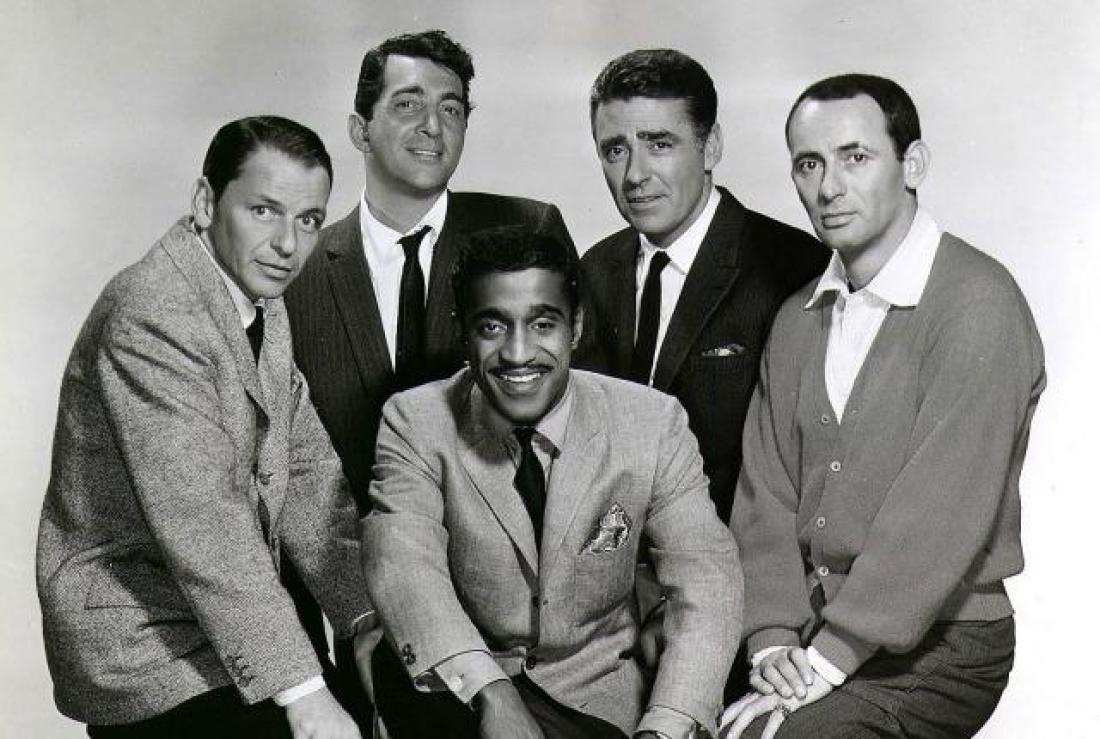
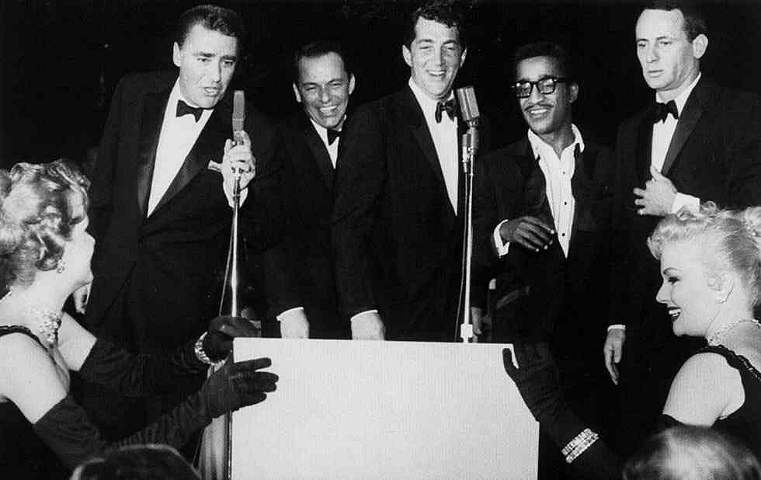
For some reason, the group including Frank Sinatra, Dean Martin, Joey Bishop, Peter Lawford, and Sammy Davis Jr. have been referred to the Rat Pack since the 1960s. The original rat pack was coined by Lauren Bacall about a group who gathered at her home whom she referred to as a pack of rats. The group we know as the Rat Pack preferred to call themselves the Clan or the Summit. Whatever they chose to call themselves, they had a hip, cool aura.
When one of the members of the group was scheduled to perform at Las Vegas, another one or two of the Clan would often show up as well. Because concert goers knew this, their shows tended to sell out. The Sands marquee promoted the possibility during one of Dean Martin’s shows when they put up “DEAN MARTIN – MAYBE FRANK – MAYBE SAMMY.”
I thought it would be fun to look at
the Rat Pack on television and see how much influence this group had. Let’s
start with Old Blue Eyes.
FRANK SINATRA
Frank began
his film career in the 1940s. In 1953 he had one of his most famous roles in From Here to Eternity. I was surprised
to learn that he began appearing on television in the mid-1950s as well. He
showed up in The Colgate Comedy Hour
in 1954, The Producer’s Showcase in
1955, and The Thin Man in 1958.
In the 1970s
we find Frank showing up on Laugh-In
for several appearances.
He also sang
a few lullabies on Make Room for
Granddaddy, Danny Thomas’ revival of his hit show Make Room for Daddy from the 1950s. I was amazed at the talent of
actors who guest starred on the reboot considering the short time it was on the
air, but that is a topic for a future blog. On this episode, he bumps into
Danny. His wife Kathy is not happy Danny is bringing home a guest for dinner on
“hamburger night” but then she learns it’s Frank. He sings “All the Way” and
“Baa Baa Black Sheep” for Danny’s grandson, Michael.
Photo: imdb.com
Jumping ahead a decade, we find Frank’s last two television roles, one as himself and one as a New York cop.
Frank had met
Tom Selleck in Hawaii on one of his trips. In 1987 Frank appeared as Michael
Doheny, a retired police sergeant on Selleck’s show, Magnum PI. Frank and his entourage traveled to Hawaii (although he
worked for scale) and took over a floor at The Colony Surf in Diamond Head. In
this episode he returns to help find the men who kidnapped his granddaughter.
There were plans for Sinatra to return in season eight as well but Selleck cut
back on the number of episodes he was filming, and the show was never written.
Photo: kiwireport.com
In 1989 Sinatra showed up on Who’s the Boss as himself. Angela is invited to an exclusive party, but she gets waylaid by a work issue. Mona and Tony decide to take the tickets, but they can’t get in when they get there and then Angela shows up, which results in all three of them being thrown out of the gala. As Frank is showing up to sing, Tony gets to meet him and tell him he is his idol.
DEAN MARTIN
Not surprisingly Dean’s first appearance on television was on Make Room for Daddy in 1958. He portrayed himself. Danny calls on Dean to help him out with his daughter Terry who has been not very nice to a boy at school who likes her. Danny learns she is ignoring the boy because she has a crush on Dean. The plan works, and she and Donald get together.
Photo: youtube.com
During the same year, Dean shows up on The Phil Silvers Show. Bilko (Silvers) is sent to Yucca Flats to work on a nuclear test program. Ritzik is amazed by one of the scientist’s machines. They skip the base and head for Las Vegas, so Rupert can demonstrate his gambling skills. Dean Martin is an unnamed gambler they run into.
In 1964 Martin got on the western bandwagon, appearing in Rawhide. Martin is stalking Hispanic cattlemen. His wife wants him to drop the assignment and retire to her family’s plantation with her, but he refuses, and she seeks help from Gil Favor, the boss of a never-ending cattle drive.
We see Martin
pop up on a Bob Hope special in 1968 and a Red Skelton show in 1970.
Photo: vegasmagazine.com
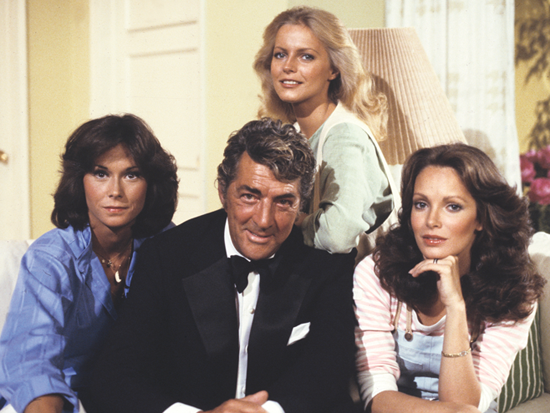
In 1978 Martin made an appearance on a show that surprised me: Charlie’s Angels. Martin plays the owner of the Tropicana Casino who hires the Angels to investigate several suspicious deaths that he thinks are part of a plot to make him think he’s going crazy. This was a two-part season opener and instead of singing, Martin got to display his magic skills. Naturally, he becomes romantically involved with one of the Angels, Sabrina played by Kate Jackson.
Fittingly,
Dean’s last appearance was in the show Vega$
in 1979 as himself.
JOEY
BISHOP
Bishop’s first role was not much of a stretch. He played a
comedian on RichardDiamond in 1959. Bishop’s plays Joey
Kirk and hires Diamond to determine who is following him and why, leading to a complicated
murder plot.
He appeared in the DuPont
Show of the Month in 1960 and The
Dick Powell Theater in 1963.
Like most of the Rat Pack, Bishop made an appearance on Make Room for Daddy in 1961. As Joey
Mason, he helps out Danny. Danny has flown from the east coast to the west
coast and took two sleeping pills. However, there are four conventions in town
and his assistant forgot to make him a reservation.
In 1965 he is Fred Jackson on an episode of Valentine’s Day starring Tony Franciosa
and Jack Soo about a young eligible bachelor who lives with his valet, a
poker-playing con artist who saved his life while they were in the Army.
Photo: tvtropes.com
From 1961-1965, Joey stars in The Joey Bishop Show as Joey Barnes. Barnes is the host of a talk show. He has to deal with his personal and professional life as a celebrity. A lot of guest stars show up playing themselves as guests on his show or friends of his. The show produced 125 episodes. I have recently been watching it on Antenna TV where it now is shown every morning.
In 1967, Joey had a cameo on Get Smart. Max and 99 are sent on an assignment to rescue Don
Carlos, the dictator of San Saludos. A general has imprisoned him and wants to
marry his daughter. Max and 99 try to disguise themselves as flamenco dancers.
When they are also thrown in jail, a guard, played by Bishop, attempts to bribe
the firing squad.
In the 1970s we find Joey on Chico and the Man in 1976. He plays an inept burglar and when Ed
doesn’t press charges, every lowlife crook appears at the business.
In 1981 Bishop appears as Dr. Burton on Trapper John MD.
Photo: basementrejects.com
In 1985 Bishop again takes on the role of a comedian on Hardcastle and McCormick. That same year he also played another comedian on Murder She Wrote.
PETER LAWFORD
Drama
shows were very popular in the early days of television. Lawford appeared in
quite a few of these shows from 1953-1965.
Photo: en.wikipedia.org
In 1954 he took on the role of Bill Hastings on Dear Phoebe. The show was on the air for two years, resulting in 32 episodes. Hastings works for a daily newspaper in a large city. He becomes the author of a lonely hearts column and advises his readers as “Phoebe” while trying to deal with his own issues in his personal life.
Photo: sitcomsonline.com
From 1957-1959, he was Nick Charles on the television version of The Thin Man. The show was very popular with 723 episodes filmed. Similar to the films, Nick marries Nora and lives in a luxurious Park Avenue apartment in New York. He was previously a private detective and many of his underworld friends get him involved in mysteries he has to solve.
Lawford
appeared as himself on an episode of Jack Benny’s show in 1961.
He also played himself on The Patty Duke Show in 1965. Patty is selected to find a star to perform at the high school prom. Sammy Davis Jr. also guest stars on the episode.
Photo: imdb.com
Apparently,
Sammy and Peter enjoyed working together because they guest starred on an
episode of The Wild Wild West in 1966.
Lawford is a wealthy ranch owner and Davis is a hired hand Jeremiah.
While Bishop showed up on Get Smart, Lawford chose the more realistic I Spy in 1967.
Like
Sinatra, he also appeared on Laugh-In
but must have enjoyed it more because he was on ten different episodes.
During
the 1970s, Lawford shows up on a variety of television show genres. He would be
on the western The Virginian in 1971,
Born Free about Elsa the lion in
1974, The Love Boat and Fantasy Island, the bizarre comedy High Cliffe Manor, the crime drama Hawaii Five-0, the dramady Supertrain, and The Jeffersons.
Photo: pinterest.com
In addition, he was featured on Bewitched in 1972. Lawford played Harrison Woolcott, a client of Darrin and Larry’s. Sam’s cousin Serena decides she wants to date him and try the mortal life for a while.
Photo: pinterest.com
He made several appearances during seasons four and five of The Doris Day Show. As Dr. Peter Lawrence, he begins a romance with Doris in 1972-1973.
SAMMY
DAVIS JR
Sammy probably appeared in the most television shows. Like
Peter, he began in drama shows and guest starred in several episodes of General Electric Theater.
He then appeared in The
Lawman in 1961, Frontier Circus,Cain’s Hundred, 77 Sunset Strip, The Rifleman,
and Hennessey in 1962.
In 1963 he was on Ben
Casey.
Like the other Rat Pack actors, he was on Make Room for Daddy in 1963 and the
revival Make Room for Granddaddy in
1970.
As mentioned before, he guest starred in The Patty Duke Show in 1965 and The Wild Wild West in 1966, both with
Peter Lawford.
Photo: pinterest.com
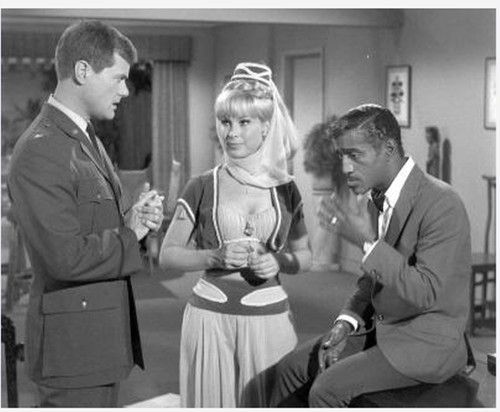
In 1967, he showed up on I Dream of Jeannie as himself. Tony tries to get Sammy Davis Jr to sing for General Peterson’s party. When he is already booked, Jeannie tries to help by duplicating himself, so he can be in two places at one time.
Davis also took a role in The Beverly Hillbillies in 1969.
Photo: tvinsider.com
The same year he took on his first of three roles on Mod Squad. His first role was a black priest who becomes the target of a bad guy after the church suspends him. The hood is afraid he will reveal his confession now that he no longer is part of the church. The next episode he appeared on was in the role of Billy Lee Watson, a recovered drug addict. He runs a half-say house and is accused of rape of a man’s daughter who he has been trying to help. Her father accused Billy of the rape and after investigating, it turned out Billy was her actual father. The last episode of Mod Squad he appeared on in 1970 had Davis portraying Willie Rush and actor and friend of Linc’s. He says someone is trying to kill him.
Photo: tumblr.com
The 1970s continued to be a productive time for Davis on television. He would go on to appear in The Name of the Game in 1970, The Courtship of Eddie’s Father in 1972, nine episodes of Laugh-In, and like his friend Dean Martin, an episode of Charlie’s Angels in 1977. He plays himself on Charlie’s Angels. When he hosts a charity event that includes a celebrity look alike contest, an attempt is made to kidnap him. The Angels take on the job of his bodyguards and Bosley becomes his chauffeur.
The 1980s were also busy times for him. He appeared as
himself on several Norman Lear shows including Archie Bunker’s Place and The
Jeffersons. He also could be seen on Fantasy
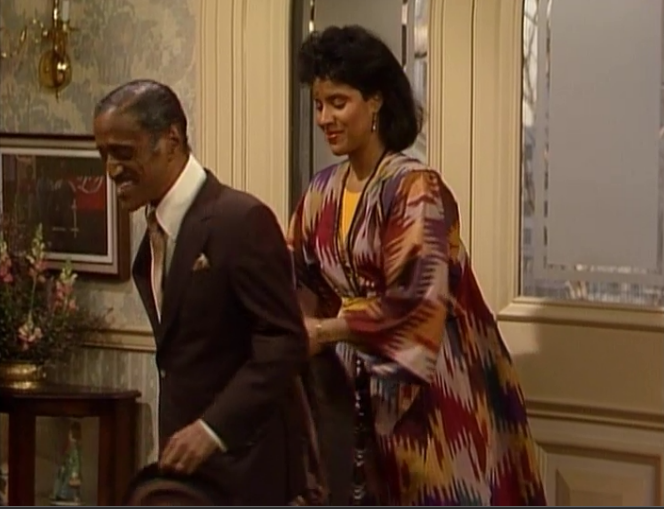
Island, Pryor’s Place, Gimme a Break, The Cosby Show and Hunter
in the 1980s.
Photo: atlantablackstar.com
One thing that surprised me was his roles on One Life to Live and General Hospital. I have seen a few stars like Carol Burnett who chose to appear on a soap opera. Davis had a recurring role on General Hospital; he didn’t seem to me to be the type of actor who would be interested in a soap opera, but he did receive an Emmy nomination for his role on General Hospital. Sammy was also nominated for an Emmy for his work on The Cosby Show.
While Joey Bishop hosted some of the Emmy Award shows, I
did not find any nominations for the other members of the Rat Pack.
Photo: peoplequiz.com
Overall, I was surprised how extensive the television careers were for the Summit members. I think of them more in their performing or movie careers and did not expect them to see that they guest starred in so many shows and starred in some of their own television series. Check out some of these shows or make a batch of popcorn and watch the ensemble in the original Ocean’s Eleven.
Russell Johnson was born in Pennsylvania in 1924. He had six siblings. His father died from pneumonia when Russ was only 8, and his youngest brother died the following year. He was sent to Girard College, a boarding school for fatherless boys located in Philadelphia. He struggled early in his education, being held back for a year. In high school he made the National Honor Society.
In 1943, he married Edith Cahoon. They would divorce in 1948.
During World War II, Johnson joined the Army Air Corps and received the Purple Heart after his plane was shot down in the Philippines in 1945. Johnson flew 44 combat missions in the Pacific Theater. Once the war was over, Russ used his GI Bill to enroll in the Actors’ Lab in Hollywood to study acting. While there he met Kay Cousins, and they married in 1949 and were married until her death in 1980.
Johnson’s big-screen career began in 1952. He was a friend of Audie Murphy and would appear in three of his films in the early 1950s. He was in a variety of movies throughout the 1950s, mainly westerns and sci fi classics such as It Came fromOuter Space.
Russell began receiving roles on television in 1950. In the 1950s he would be seen on 28 different shows. In 1959 he was offered a role in a western, Black Saddle. Johnson was Marshal Gib Scott. The show was on for one season.
During the 1960s, Russell’s television work increased, and he appeared on 39 series including The Twilight Zone, Route 66, Ben Casey, Laramie, 77 Sunset Strip, OuterLimits, and Big Valley. In 1964 he was offered the role of The Professor on Gilligan’sIsland, replacing John Gabriel who was a teacher in the pilot. Roy Hinkley was a genius who made complex inventions from the simple materials he found on the island. As we have learned, most of the cast of Gilligan’s Island was typecast after the show was cancelled, and they had a hard time getting other roles. Johnson discussed this circumstance in a later interview: “It used to make me upset to be typecast as the Professor . . . but as the years have gone by, I’ve given in. I am the Professor, and that’s the way it is. . . Besides, the show went into syndication and parents are happy to have their children watch the reruns. No one gets hurt. There are no murders, no car crashes. Just good, plain, silly fun. It’s brought a lot of joy to people, and that’s not a bad legacy.”
Although he had trouble at first, he did go on to appear in 45 different shows from 1970-1997, including That Girl, Marcus Welby, Cannon, McMillan and Wife, LouGrant, Bosom Buddies, Dallas, Fame, Newhart, ALF, and Roseanne. He had a recurring role on Owen Marshall, Counselor at Law from 1971-1973.
In 1982, Russell married for a third time. He married Connie Dane, and they were married until his death from kidney failure in 2014.
In 1993, he published his memoirs, Here on Gilligan’s Isle.
Like so many of the tv icons in the 1960s—Barbara Eden, Adam West, Butch Patrick, David Cassidy, Maureen McCormick—Russell struggled with his alter ego, eventually accepting his role as the Professor. While being tied to one character for 50 years makes it tough to get the roles you want, it’s hard to be critical of a personality that gives such pleasure to decades of viewers and makes you a household name for half a century. Being given the chance to portray a character that America loves is a hazard of the business but is certainly better than never receiving a starring role.
You Never Know Who Might Show Up
With a show like Gilligan’s Island, you would assume it would be almost impossible to have guest stars. After all, they are on a deserted island. Except for the native people who might be living there, where would stars come from? Amazingly, Gilligan’s Island featured many guest stars over the years. Let’s look at a few of them.
Vito Scotti appeared on four different episodes playing Dr. Boris Balinkoff, mad scientist, twice, a Japanese sailor, and a Japanese soldier who does not believe World War II is over.
Mel Blanc could be heard portraying a parrot several times and a frog.
Hans Conried visited the island twice as Wrongway Feldman, an incompetent pilot who had crashed on the island years before.
Kurt Russell was a modern-day Tarzan.
Richard Kiel, a Russian agent, pretended to be a ghost to scare the castaways off the island so he could have the oil rights. When the cast turns the tables and acts like ghosts, he didn’t stick around long.
Zsa Zsa Gabor was a rich socialite who falls in love with the Professor.
Larry Storch is a robber hiding out on the island and pretending to be a doctor.
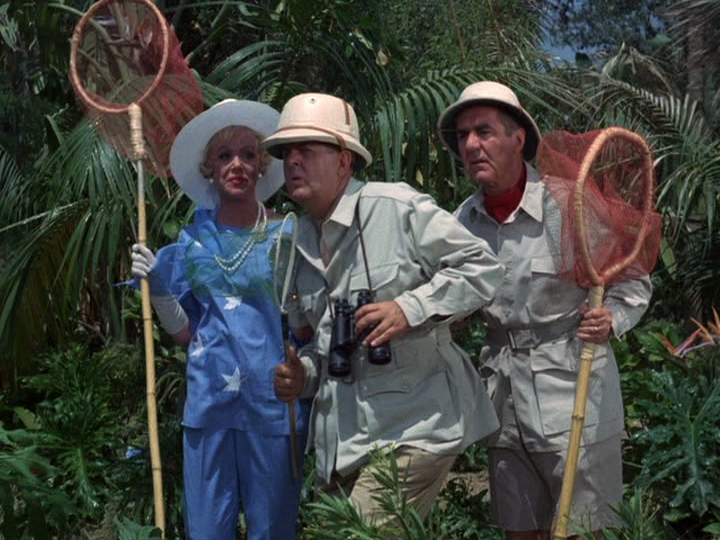
John McGiver was Lord Beasley Waterford, famous butterfly collector.
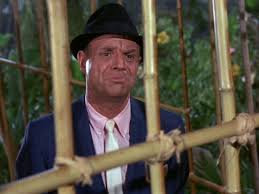
Don Rickles is con man Norbert Wiley who is hiding out on the island. He kidnaps Mrs. Howell and later Ginger, planning on getting ransom for each castaway. After the Professor puts him in jail, Ginger convinces them to let him out for a party. Norbert steals jewelry and other items from the castaways and leaves the island.
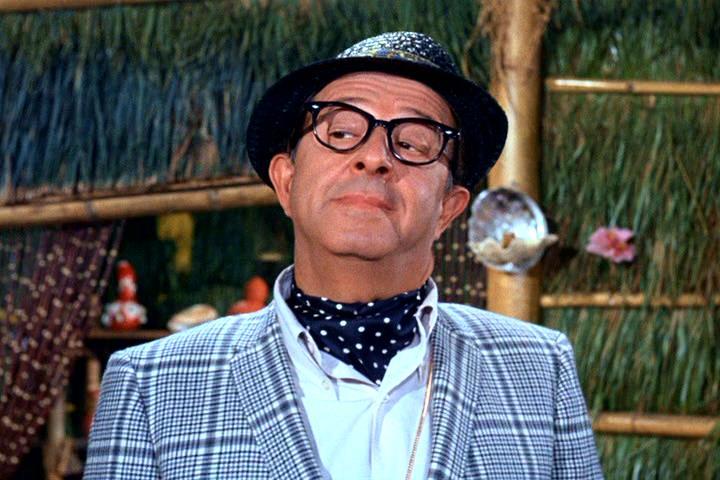
Phil Silvers crashes onto the island as Herbert Hecuba, arrogant movie producer. He orders everyone around like they’re his servants. He is not impressed with Ginger’s acting ability, so the castaways write and perform a play to show off her talents. In the middle of the night, Hecuba takes off with their play, claiming it as his own back in the US.
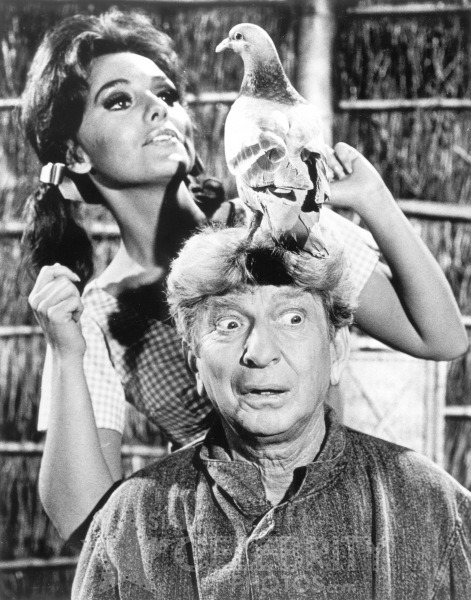
Sterling Holloway is an escapee from a prison and the owner of a pigeon. The Professor thinks he can get a message back to the States through the pigeon, but when Birdy finds out he is paroled, he sends the bird off first.
A variety of actors played natives on the show. In all, there were 54 guest stars given credit on the show.
In addition, Bob Denver, Tina Louise, and Jim Backus all had guest starring roles playing people who were look-alikes for Gilligan, Ginger, and Mr. Howell.
I guess it’s a good lesson to always keep up appearances because you never know who might show up when you’re stranded on an island.
































 thewritelife61