Dan Rather: Didn’t “Love” Tennis in 1987

This month we are learning about some of our favorite newscasters from the past. It’s hard to compare today’s news atmosphere with 24/7 coverage of everything, but the three network newscasts held a different importance in the fifties, sixties, and seventies. Nightly newscasters were highly respected and listened to. Dan Rather is one of the news correspondents who straddled these two eras. He would cover President Kennedy’s assassination, Watergate, the fall of the Berlin Wall, the Gulf War, 9/11, and the Iraq War.

📷facebook.com A young Dan Rather

He was born in 1931 in Texas where his father was an oil pipe lineman. The family moved to Houston where he attended grade school, middle school, and high school, graduating in 1950. As a youngster, Dan was bedridden with rheumatic fever. During that time, he was fascinated by radio broadcasts by Edward R. Murrow and Eric Sevareid.

He enrolled at Sam Houston State Teachers College, graduating in 1953 with a degree in journalism. During those years, he was the editor of the school newspaper and worked at KSM-FM radio as a play-by-play announcer for high school and university football games.

He briefly attended South Texas College of Law before enlisting in the Marine Corps. When the Marines found out about his rheumatic fever, he was honorably discharged.

In 1957 Rather married Jean Goebel and they had two children. Their daughter became an activist and environmentalist, and their son was ADA in the District Attorney’s office in Manhattan.

📷nationalportraitgallery

Rather began his career in his home state. In September 1961, Rather was reporting during Hurricane Carla, and he saved thousands of lives, initiating an evacuation of 350,000 residents, becoming a household name overnight. He created the first radar weather report by overlaying a transparent map over a radar image of the hurricane.

His reporting on the assassination of Kennedy in Dallas got him promoted to White House correspondent at CBS News.

Later he would serve as a foreign correspondent in both London and Vietnam before returning to the White House. He was at the White House during Nixon’s presidency, covering his trip to China, the Watergate scandal, and Nixon’s resignation. During this time, Peter Jennings was at ABC, and Tom Brokaw was at NBC.

He joined the 60 Minutes cast in 1975.

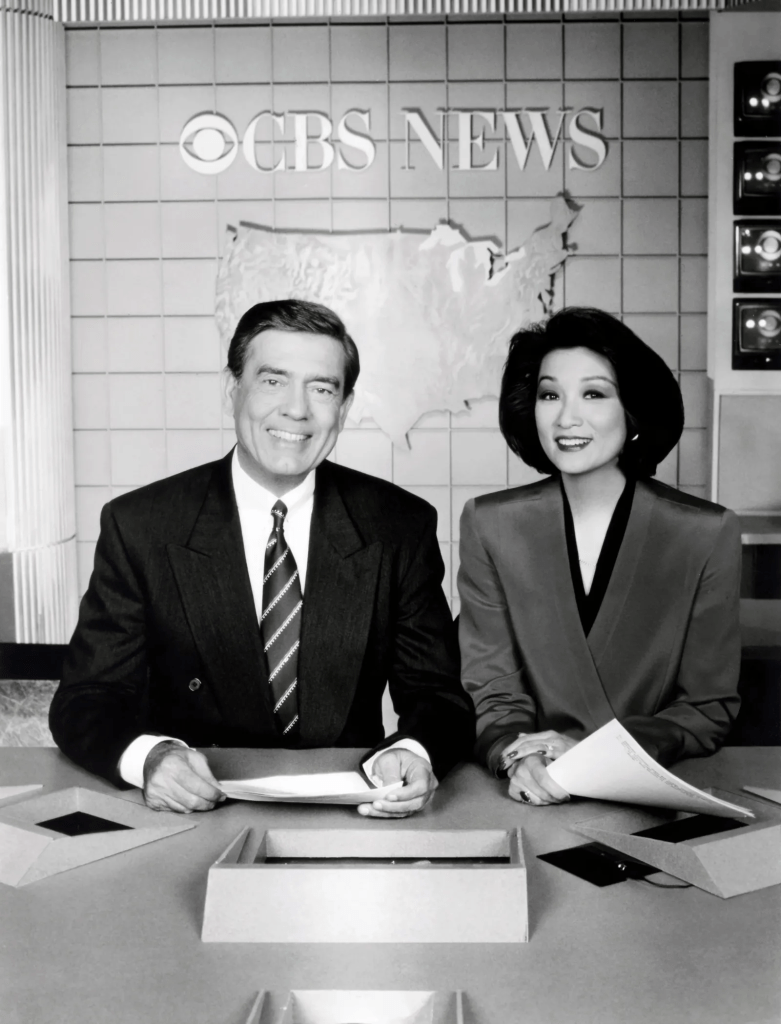
After Walter Cronkite’s retirement, Rather became the anchor for the CBS Evening News from 1981-2005. For most of those years, he signed off with “That’s part of our world tonight.” Rather was often criticized for being outspoken and brash on things he didn’t agree with. In 1987, he was upset that his broadcast that night was being cut short for a tennis match; he walked off the set early, causing CBS to transmit a blank signal for six minutes.

In 1994, Sam Houston State University renamed its mass communications building after Rather.

Rather had a 2004 report on 60 Minutes II about President Bush’s military record with the Texas Air National Guard. His report was based on documents that were questioned for their authenticity. Rather admitted that the authenticity could not be proven. Rather later stated that “If I knew then what I know now, I would not have gone ahead with the story as it was aired, and I certainly would not have used the documents in question.”
📷vanityfair.com

When his contract ended the next year, he was let go. At his final CBS news broadcast, Rather ended his report with the following: “We’ve shared a lot in the 24 years we’ve been meeting here each evening, and before I say ‘Good night’ this night, I need to say thank you. Thank you to thousands of wonderful professionals at CBS News, past and present, with whom it’s been my honor to work over these years. And a deeply felt thanks to all of you, who have let us into your homes night after night; it has been a privilege, and one never taken lightly.”

He then hosted Dan Rather Reports, an investigative news program on AXS TV (known then as HDNet) from 2006-2013. During this time, he released an autobiography, Rather Outspoken: My Life in the News.

After 2013, Rather produced several series and documentaries. He also was a frequent guest on news shows, including The Rachel Maddow Show and The Last Word with Lawrence O’Donnell. He also wrote for “The Huffington Post” and “Mashable.”

📷tvtropes.com

In 2016, he joined SiriusXM Radio with “Dan Rather’s America.”

Dan Rather had an interesting career. He received high praise and loud criticism. He was quickly promoted and quickly fired. He covered many of the top stories from 1960 – 2015. He conducted interviews with some of the world’s leaders including Fidel Castro and Nelson Mandela. He was part of network news, documentaries, independent stations, and Sirius Radio. However, no matter what was happening around him, he stuck to his principles and covered the news the way he thought was best for the American public. You have to admire that.
A Tribute to Doris Day

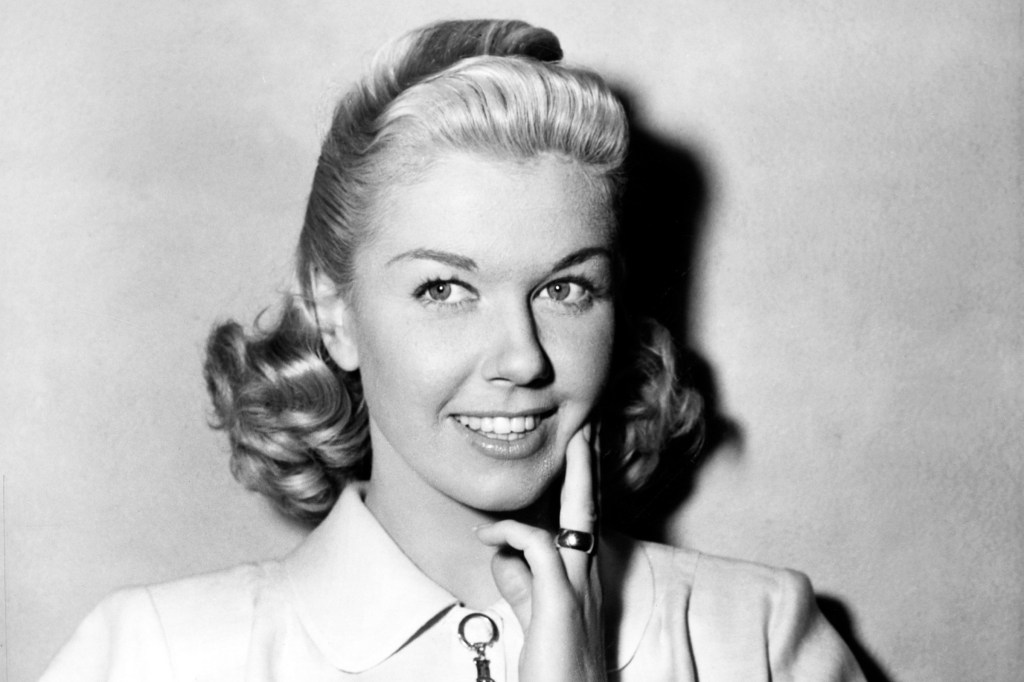
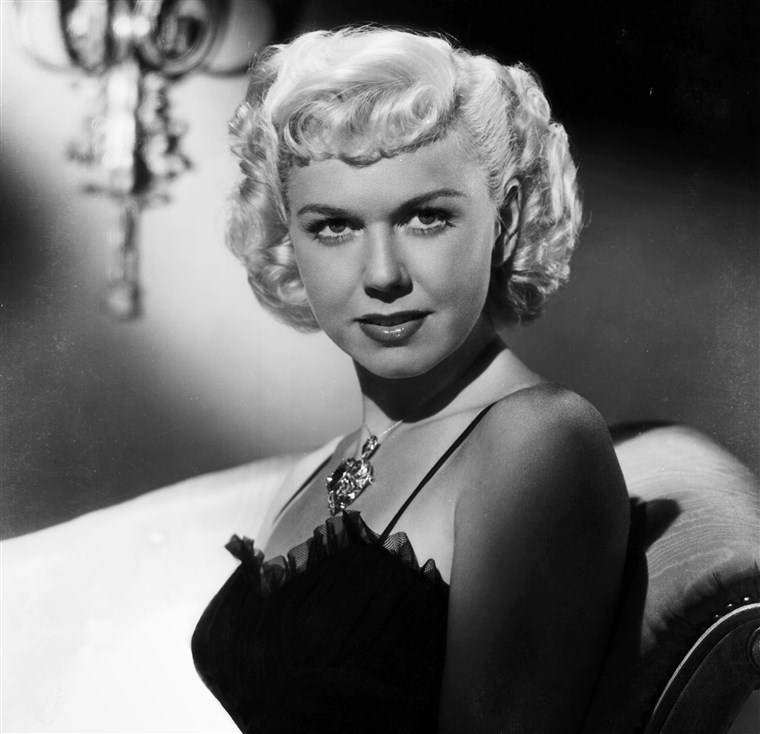
In my tribute to television stars who passed away in 2019, I chose to end the series and the year with Doris Day. I have been a fan of hers for decades, and my heart was very sad when she left us in May. She died on a Monday; the day before was Mother’s Day, and we happened to watch Pillow Talk that day which I thought became a fitting tribute.

Although Doris Day is a huge star, she only has 45 acting credits, and 43 of them are movies. Of her two television appearances, one was for her voice only on The Governor and JJ. However, because her star was so bright, her five seasons of The Doris Day Show allows her to be included in the television star category.

As a disclaimer, I have to say that while I adored her in her movies, especially the comedies, I was not as big a fan of the television show. It was not a bad show, but it took a lot of liberties with format, as I mentioned in my Kaye Ballard blog earlier this month.

Photo: pinterest.com

Doris had a lot of valleys as well as mountains in her life journey. Born in 1922 as Doris Mary Ann Kapelhoff, she wanted to be a dancer. At 14 she had formed a dancing act with Jerry Doherty. When they won $500 at a local contest, they traveled to Hollywood to check out the possibilities there. They were optimistic about a career for them in California, so they returned home to pack up their belongings and make the move permanent. Unfortunately, the night before they were scheduled to leave, Doris was involved in an accident when a train hit a car she was a passenger in. Her dancing career ended before it really began.

Photo: rollingstone.com

Her parents had divorced when she was young and her father was a music teacher and choir master. One of her brothers died before she was born and the other one, Paul, was a bit older than her. Following in her father’s footsteps, she took singing lessons, and by age 17 was touring with the Les Brown Band. The trombonist, Al Jorden, captured her heart and they married in 1941. Her two years of marriage was a deep valley; Al was abusive and soon after the birth of their son, Doris asked for a divorce. Her second marriage to George Weidler lasted less than a year.

Photo: nbcnews.com

Doris’s agent convinced her to make that trek to Hollywood again to tape a screen test for Warner Brothers. She was immediately signed to a contract. Her first role was in Romance on the High Seas in 1948. They kept her busy. She made two films in 1949, three in 1950 and five in 1951. Audiences were attracted to her “girl-next-door” personality, beauty, and singing ability.

In 1951 she met Marty Melcher. They married, and he adopted her son Terry who would become a successful record producer. Her marriage to Marty seemed happy, but the union would also have its tragedies. Her brother Paul passed away in 1958.

Photo: claytondavis.com
Pillow Talk, one of my favorite’s

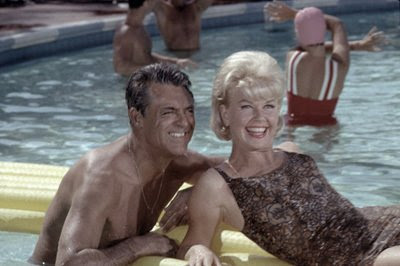
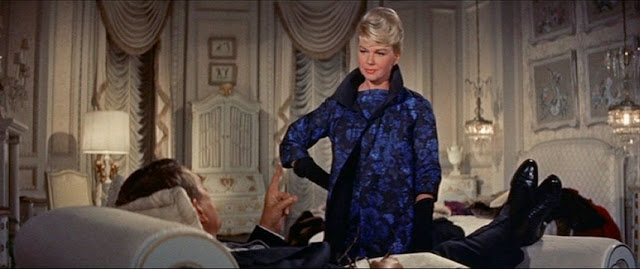
She continued starring in movies throughout the fifties and in 1959, Pillow Talk, with co-star Rock Hudson, debuted and catapulted her to a new level. Melcher, who had become her agent, signed her to an unrealistic amount of work which led to her being diagnosed with exhaustion about this time. During the 1960s he had signed deals for Please Don’t Eat the Daisies (1960), Midnight Lace (1960), Lover Come Back (1961), That Touch of Mink (1962), Billy Rose’s Jumbo (1962), The Thrill of It All (1963), Move Over Darling (1963), Send Me No Flowers (1964), Do Not Disturb (1965), The Glass Bottom Boat (1966), Caprice (1967), The Ballad of Josie (1967), Where Were You When the Lights Went Out? (1968), and With Six You Get Eggroll (1968).

Photo: blogspot.com
That Touch of Mink

It was a grueling schedule, but Day was always the perfectionist and a professional, so she gave 100% to each production. Melcher had mentioned she could star in a television show which she objected to. Shortly after their discussion, Melcher passed away. To her shock, Doris was informed not only did he sign her to the television deal despite her refusal, but he had squandered millions of dollars, and she was basically broke. (Later she was awarded $22 million in court against an investor Melcher had worked with.)

She had no choice but to tackle the television series to try to recoup some of her money.

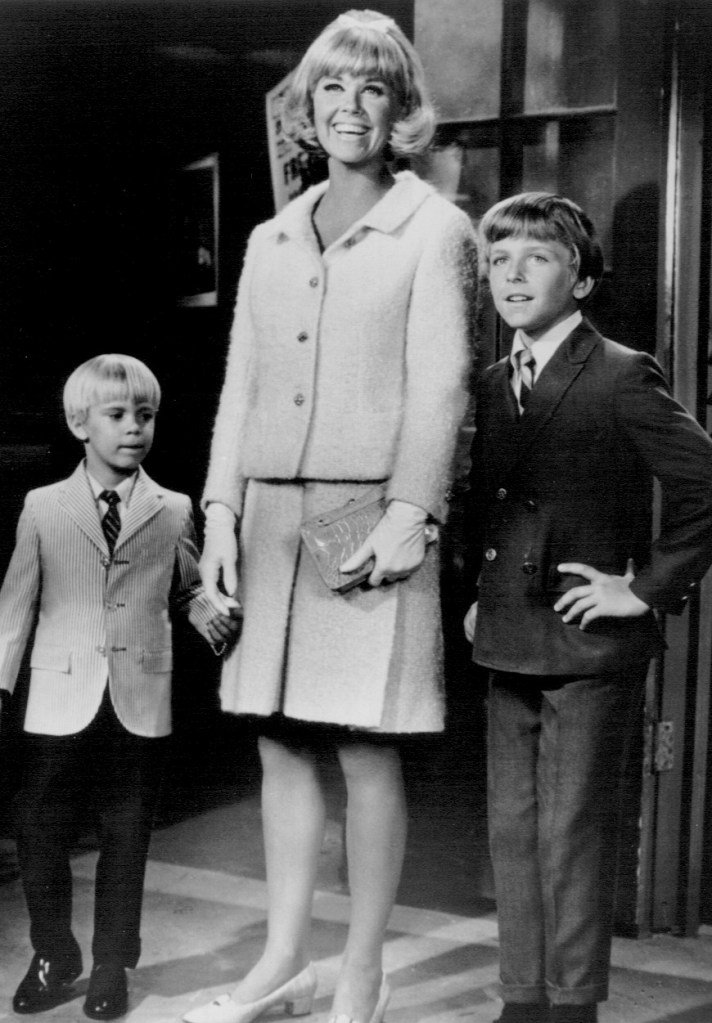
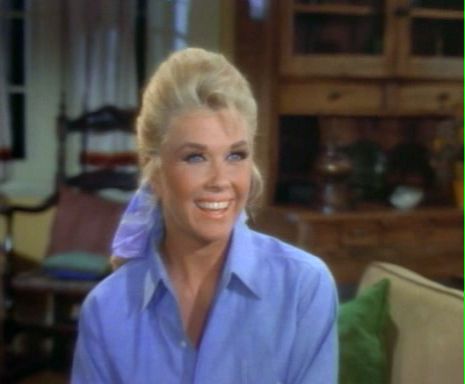
From 1968-1973 she would star in The Doris Day Show, which was almost like three different shows. The original concept was that widow Doris Martin and her two sons left the city to move back to her dad’s ranch. The theme song was “Que Sera Sera,” the song that would become synonymous with Doris.

Photo: Wikipedia.com

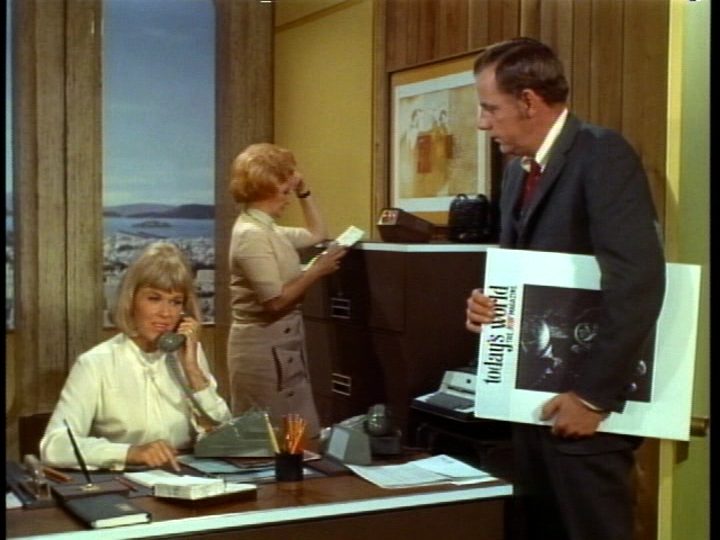
In the second season, Doris drives back and forth from San Francisco to the ranch after getting a job as a secretary at Today’s World magazine. Rose Marie plays Myrna Gibbons, her friend at work.

Photo: fox4kansascity.com

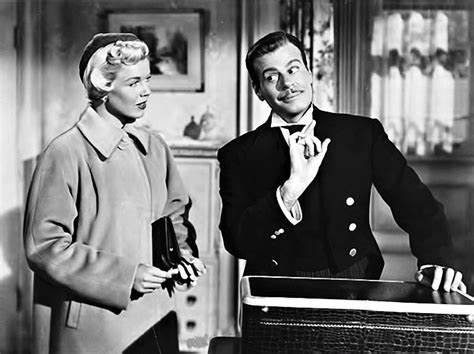
In season three, the family moves into an apartment in San Francisco that is rented from the Palluccis who own a restaurant on the ground floor. Doris got to work with Billy de Wolfe again. He played her neighbor, a cranky bachelor who doesn’t like noise, especially made by children. However, he has a soft spot and becomes close to the family.

Photo: michaelstvtray.com

In the fourth and fifth seasons, there is no mention of the father, the kids, or the Palluccis! Doris is now a single person and is a staff writer for Today’s World.

Photo: sitcomsonline.com

When this show was good, it was really good, but often it was so-so; however,  the skill of actors involved in the show kept it at a higher level. The first season was a bit corny with life down on the ranch. The second season felt like everyone was almost ready to break into song to celebrate the decency and clean-living of the country versus the corrupt city life. Season three it started coming into its own. Even though some of the characters were a bit stereotyped, the stars carried it.

Photo: articlesvally.com

The final two seasons were probably what the concept of the show should have been all along. After all, we viewed Doris as the country girl who moved to the city. She knew just what life would be like there and wanted to experience it all but retained just enough of her wholesomeness and morals to be likable and a bit innocent.

However, the ratings don’t really support my thesis. The show came in at #30 for season 1, #10 for season 2, #20 for season 3, #23 for season 4 and #37 for season 5. I’m guessing the real issue behind the lower-than-expected ratings was a result of scheduling and the constant changing of formats. The show began Tuesday nights against The Red Skelton Show and 60 Minutes. Season 2 it landed on Monday nights where it would remain. Season 2 and 3 it was opposite Mayberry RFD and The Carol Burnett Show. Season 4 it went against Here’s Lucy and The Sonny and Cher Show, and the last season was also Here’s Lucy and then the debut of The New Bill Cosby Show. The targeted audience was probably split. The same group who watched Doris Day would also be a fan of Carol Burnett, Red Skelton, and Lucille Ball. These three shows were all in the top 15 during this time.

Photo: monstersandcritics.com

I’m not sure why the show ended. Some references claim Day was tired and quit; others say the network cancelled the show. Either way, I think Doris was ready for retirement and certainly deserved it. One thing that doesn’t vary is that all the reviews I read, even those that criticized the format changes or the corniness of some situations, said it was a great show and that Doris Day made it fun and believable. I didn’t read any reviews that were negative about the show overall. Sometimes the quarterback truly does carry the team. And to be clear, there were many great teammates on the series during its run.

Photo: pinterest.com

Doris gave marriage one more try in 1976 when she wed Barry Comden but they divorced in 1982. After that Doris settled into Carmel, California where she devoted her energies to animal rights. She and her son owned a boutique hotel, Cypress Inn.  

Although Doris was never happy in marriage, she developed life-long, satisfying friendships with several men. Her costar Rock Hudson and she were very close. He called her Eunice just because he said when he thought of her as a Eunice, it made him laugh.

Photo: retrokimmer.com

She was also very close to Billy de Wolfe. They first worked together in 1950 on the set of Tea for Two. He told her he didn’t see Doris Day when he looked at her; he saw Clara Bixby, and that remained his nickname for her from then on.

Photo: dorisday.net
The great Billy de Wolfe

While The Doris Day Show can’t compete with Pillow Talk, it shouldn’t have to. It was what it was, and considering it wasn’t a show Doris even wanted to take on, she did her best with the crazy format changes and made it something worth revisiting. It may not be her best work, but it is far better than many television shows.

Photo: enews.com

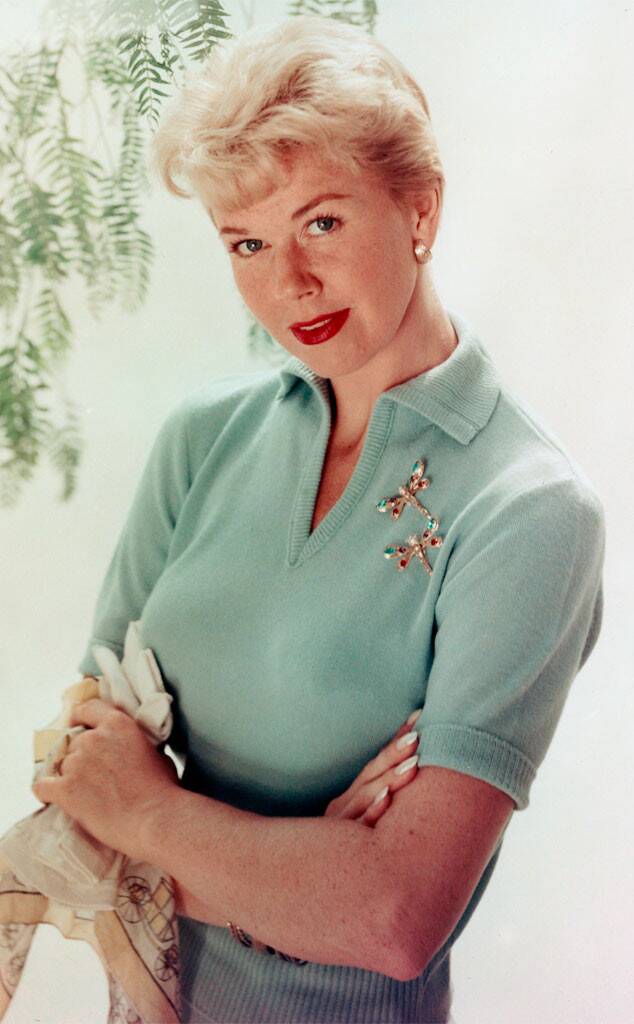
Doris was a truly great star. She was a consummate performer, gave everything she had to her scripts, and was never a diva or complainer. She worked hard for three decades and then earned a long retirement. Although I was sad when she was taken from us, she lived a long and full life, with its share of tragedy and joy. She left us an amazing variety of movies to remember her by. Thank you Doris for leaving us a legacy of comedy and drama to enjoy in our retirement.