During our blog journey this month, we have gone back in time to Sherwood Forest and then sped forward to the 1860 Wild West. Today, as we continue with “Living in the Past: Timeless Comedies,” we time travel 80 years ahead and land in Washington DC in 1942. When we arrive, we find ourselves in the midst of The Goodtime Girls, a show that debuted in 1980 and was created by Lenora Thuna in association with Garry Marshall’s Henderson Productions and Paramount Television.
Photo: episodate.com
The women, all familiar stereotypes, live together in a small attic apartment. There is dumb-blonde Loretta (Georgia Engel), girl-next-door Betty (Lorna Patterson), level-headed Edith (Annie Potts), and arrogant Camille (Francine Tacker). They must learn to depend on each other and navigate life working in jobs to help aid the war effort.
Rounding out the cast were their landlords, Mr. and Mrs. Coolidge (Marcia Lewis and Merwin Goldsmith), their buddy Frankie (Adrian Zmed) who’s a cab driver, and was rejected from military duty because of his flat feet, and his pal Benny (Peter Scolari). Frankie and Benny lived on another floor of the home.
Photo: sitcomsonline.com
Edith, Betty, and Loretta were living in the apartment and already feeling confined and crowded. Camille, a reporter, covering the plight of people dealing with a housing shortage in the capital, is then added by the landlords when she loses her apartment. Camille’s personality didn’t help her earn a warm welcome by the other women. Edith works for the Office of Price Admissions, Betty was at the US Secretary of War’s office, and Loretta worked for General Culpepper (Richard Stahl) at the Pentagon. I was not sure what the Office of Price Admissions was. After a little research, I learned that it began in 1941 and was set up to establish price controls on nonagricultural commodities and rationing essential consumer goods during WWII. One of the first products to receive their ruling on rationing was automobile tires. The Office was disbanded in May of 1947.
Photo: sitcomsonline.com
The shortage of consumer goods and men didn’t help the situation the women found themselves in either. Loretta was the only married tenant, but Edith is the one who tended to “mother” the other girls, doling out advice and wisdom. Frankie and Benny often joined the girls’ adventures.
This was one of the few Garry Marshall series that didn’t become a hit. Several guest stars appeared during the season including Happy Days’ Scott Baio as Edith’s brother and Laverne and Shirley’s Michael McKean as a bitter soldier confined to a wheelchair.
The mostly forgotten theme song, “When Everyone Cared” was written by Charles Fox and Norman Gimbel.
Photo: nostalgiacentral.com
The show never connected with viewers. It began life on ABC on Tuesday nights following Happy Days which should have ensured its success. It tested very well with audiences. Rather than a fall debut, the show began January 22, 1980. After the February sweeps (older viewers will fondly recall the exciting sweeps month followed by “nothing new in March”), the show went off the air. Its competition was the WhiteShadow and a show I don’t remember at all, California Fever. (The description on imdb was “Vince and Ross are suburban LA teenagers enjoying disco, surfing, cars, and the rest of the Southern California lifestyle. Musical Vince runs an underground radio station and mechanical Ross is into custom cars.” It only lasted ten episodes, so I guess I’m not the only one who doesn’t remember it.)
Goodtime Girls returned in April for three weeks on Saturday night and then was pulled again. Although the show was cancelled in May, five of the remaining episodes were aired in August on Friday nights. For some reason, episode 3, “Night and Day” was never shown.
Photo: imdb.com
I’m not sure why the show never caught on. It had a great cast but most viewers didn’t appreciate the comic aspects of the show. Laverne and Shirley and Mork and Mindy could get away with more slapstick routines than many shows airing in the eighties. At this time, M*A*S*H was still going strong, and if you were doing war humor, it would be a hard show to compete with. Maybe this show just seemed too banal and predictable. It was always discussed as being character driven; perhaps the characters were too typecast to be interesting.
As a noteworthy item of information, I don’t think Betty and Camille got along much better after the show ended. Robert Ginty who was married to Francine Tacker for three years later wed Lorna Patterson only fifty days after his divorce became final. However, their marriage only lasted six years.
Unfortunately, the audience was not having as good a time as the cast. I have never seen the show in reruns, and there is no mention of a DVD ever having been released. Learning about so many shows that didn’t make it helps us appreciate those series that became mega-hits. If nothing else, the demise of this show made it possible for Scolari to accept a role on Bosom Buddies.
As we continue the “Living in the Past: Timeless Comedies,” we travel back to the frontier for Best of the West. Like the show we discussed in my last blog, When Things Were Rotten, this series was also a rapid fire of gags, puns, and one-liners.
Photo: wikipedia.com
Westerns ruled the airwaves in the 1950s, but with the demise of Gunsmoke in 1975, the cowboys shows had all ridden off into the sunset. The Best of the West made its debut in 1981. The show, created by Earl Pomerantz, was a parody of the previous decades of oaters. Civil War veteran Sam Best (Joel Higgins) moves his family from posh Philadelphia to Copper Creek at the western border in 1865. He was not your typical western hero—more of a city slicker.
Photo: imdb.com
A store owner by trade, he knew little about guns or fighting. After arriving in the town, he accidentally scares off The Calico Kid (Christopher Lloyd), one of the “bad guys,” and the townspeople lobby him to be their mayor.
Sam’s nemesis is Parker Tillman (Leonard Frey), who runs the saloon with a slew of other bad guys, most notably his sidekick Frog Rothchild Jr. (Tracey Walter). With Sam are his southern belle wife Elvira (Carlene Watkins) and his smart-alecky son Daniel (Meeno Peluce). Sam is also friends with the town doctor, Jerome Kullens (Tom Ewell), who is a bit of a lush.
Photo: imdb.com
Sam reminds me a bit of F-Troop’s Will Parmenter. He’s a likable guy placed in a situation that he did not pursue. Sam’s family is not happy in their new setting. They had gotten used to the comforts of a big city. Elvira is beside herself because she can never get the dirt off the floor, until Sam reminded her it was literally a dirt floor.
Photo: imdb.com
The plots on this show were a bit similar to many of the story lines we became familiar with from decades of westerns. In one show the doctor’s mail-order bride is described as having a vivid personality with a past to match. In one episode, Sam and Tillman try to convince the railroad company to connect with Copper Creek. Another example is when Sam shoots himself in the leg and the jail begins to fall apart, and the town reconsiders his ability to lead them, or the classic tale of Elvira and Daniel exploring a cave that is booby-trapped and ready to collapse around them.
Photo: imdb.com
The show never seemed to catch on with viewers. It was hard to fault the writers. David Lloyd, Sam Simon, and Earl Pomerantz were working together on Taxi, and they would go on to write for Cheers in 1982.
Photo: imdb.com Dixie Carter
The show also had some amazing celebrity guest stars: Dixie Carter, Chuck Connors, Andy Griffith, Al Lewis, and Betty White.
Photo: imdb.com Andy Griffith
For a while, parodies like Airplane! were all the rage, and maybe the fad had just played out.
Perhaps, western fans, with their fond memories of growing up with Bonanza and The Rifle Man, just weren’t ready to make fun of their childhood shows.
Photo: imdb.com Betty White
It was hard to find information about the show. As you can see in these photos, the majority of them came from imdb.com; there just aren’t many photos out there otherwise.
ABC didn’t outright cancel the show, but they took a lot of time trying to decide whether to renew it or not. In the meantime, Joel Higgins got tired of waiting and accepted the role of Edward Stratton on Silver Spoons. With the star gone and the ratings mediocre, the show ended after 22 episodes.
Photo: pinterest.com
Silver Spoons would be the show that brought Joel Higgins success. However, he had an interesting career. He graduated from Michigan State with a degree in advertising. He went to work for General Motors for six months. When he enlisted in the Army, his title was Special Services Sergeant in Charge of Entertainment. This role seemed to redirect his path. Post-Army life, he was busy with both television roles and theater performances. He also started a business with two friends. They wrote more than 200 jingles for a variety of products, including Kool-Aid, M&Ms, Schwepps Soda, and Coors beer, as well as several themes for shows such as Life with Lucy, one of Lucille Ball’s many shows.
Photo: imdb.com The Calico Kid
His family members Carlene Watkins and Meeno Peluce never found their “Silver Spoons.” Carlene had been on The Secret Empire in 1979. After Best of the West, she would go on to be part of the cast of five more shows–It’s Not Easy, Mary, The Tortellis, Dear John, and Bob–none of which lasted very long. Peluce was part of the Bad News Bears from 1979-80 and later would land a regular role on Voyagers from 1982-83. He did make appearances on many shows, including Silver Spoons in 1984.
Photo: collider.com
Many viewers seem to have fond memories of this show. If you want to see what the show was like, CBS-DVD released the show as a manufactured-on-demand DVD in 2017. While this series might not portray the best of the west, it certainly was not the worst of the west either.
This month’s series is “Living in the Past: Timeless Comedies.” For our first blog, we travel back to the 12th century to Sherwood Forest to a time When Things Were Rotten. After viewing one episode of this show, you knew it could only have been created by the comic legend Mel Brooks. In this case, he had the help of John Boni and Norman Stiles.
Photo: nostalgiacentral.com
Debuting in 1975 on ABC, Brooks considered what life would have been truly like if the legend was just hype, and Robin and his Merry Men were just a bunch of buffoons. The series has many of the traits found in Brooks’ Blazing Saddles or Monty Python episodes.
Reading the list of brilliant cast members, this show seems like one that should have been a huge hit, but in reality, it only lasted for thirteen episodes. Based on its brief airing, perhaps Robert Klein was wise to turn down the role of Robin. Dick Gautier, who worked with Brooks on Get Smart, agreed to take on the role of the heroic leader. Henry Polic II played the Sheriff of Nottingham who always got taken in by the gang. Ron Rifkin is Prince John. Misty Rowe, known best for her Hee-Haw performances, is Maid Marian. The Merry Men were indeed merry, being made up of Bernie Kopell, Dick Van Patten, Richard Dimitri (who had a dual role as identical twin brothers), and David Sabin.
Photo: sitcomsonline.com
Of course, in this parody, slapstick is involved in every episode. The sight gags were always described as hilarious, and every script was full of great one-liners. It was definitely not everyone’s cup of tea. For example, at times the sheriff was said to be barking mad and he would literally bark. In one episode, the “barking” sheriff asks Bertram to hang up some banners and a cutaway scene shows a husband, wife and two children on a wall saying, “Hi, we’re the Banners.” Another example is Richard the-Lion-Hearted coming ashore after the Crusades to be met by an umpire, yelling “Safe,” at which point the sheriff shouts, “Kill the umpire.” The humor came fast and furious at a rapid-fire pace. Brooks described the construction of the show by saying: “We took great liberties, and the writing was very crazy and funny.”
Photo: imdb.com
Unlike some parodies, the production of the show was high quality with lavish costumes and sets. Every episode featured a well-known guest star. Dudley Moore appeared as a piano-playing sheik named Achmed Muhammad Ben Gazzara. Other stars included Carl Ballantine, John Byner, Sid Caesar, Paul Williams, and Mel Brooks himself. Brooks said his favorite episode was “The French Disconnection” starring Caesar as a French ambassador.
Photo: imdb.com
The theme song was written by Lee Adams and Charles Strouse who had done the well-known theme for All in the Family as well as many composing for many popular musicals. The lyrics were:
“Once upon a time when things were rotten, Not just food, but also kings were rotten. Everybody kicked the peasants, Things were bad and that ain’t good, Then came Robin Hood (Ba-bahh!)
“Soon a band of merry men he’d gotten, They wore outfits made of plain green cotton, Helping victims was their business. Boy oh boy was business good — Good for Robin Hood!
“They laughed, they loved, they fought, they drank, They jumped a lot of fences. They robbed the rich, gave to the poor — Except what they kept for expenses!
“So when other legends are forgotten We’ll remember back when things were rotten. Yay for Robin Hood!”
When Things Were Rotten was definitely a product of its time. Like Laugh-In or even SesameStreet, viewers had no time to reflect on a comment. Things moved at a frenetic pace. One of the New York Times critics, John O’Connor, timed the gags and noted there was a new one every fifteen seconds.
Photo: imdb.com
The critics gave the series great reviews and mentioned its inventiveness and quick humor. The ratings never backed up the praise however. Brooks had a different perspective. In an interview with Frank DeCaro in the New York Times (7-19-2013), Brooks discussed the show’s ending. “The show was canceled, Mr. Brooks said, not because it failed to find an audience — ‘The ratings weren’t bad,’ he insisted — but because, as a one-camera show, shot like a film, it just cost too much to produce. ‘I was very happy with When Things Were Rotten,’ he said. “We were on our way to doing 36 episodes, and then someone at Paramount called and said, ‘Mel, could you do it as a three-camera show?’ I said, ‘You mean like “I Love Lucy”? Are you crazy?’” When the network pulled the plug, Mr. Brooks remembers, friends offered their condolences. ‘Everybody said, ‘I’m sorry it didn’t work.’ I said: ‘It did work. It was just too expensive.’”
Photo:
The same reason many viewers might still appreciate the show today is also one of the factors of its demise. The show depended on fans knowing a lot of pop culture knowledge. People who love cultural history would have a blast watching the show, but the younger generations whom don’t have that database in the brain might feel disconnected.
Photo: imdb.com
Of course, the television schedule always has a lot of sway about whether a show is a hit or a flop. This show was on Wednesday nights. Its competition was Tony Orlando and Dawn and Little House on the Prairie. While Tony Orlando and Dawn was on its last legs and would not return in 1976, Little House on the Prairie was very popular. This was the second season for the show which had a huge audience; the show would continue until 1983.
Photo: nytimes.com Comedy legend Mel Brooks
The show might have ended, but Brooks could not let the concept go. In 1993, his film, Robin Hood: Men in Tights would continue the concept. In this version, Cary Elwes as Robin leads his men, but if you look closely, you might think The Abbot (Dick Van Patten) resembles Friar Tuck in When Things Were Rotten.
Photo: imdb.com
One interesting technological advancement is that a show like this typically would never have been released on DVD because of its short run. Now, however, manufactured-on-demand makes the show available on Amazon. It’s the perfect length for a week-end marathon. You might realize that When Things Were Rotten, they were also pretty good and funny.
Today we are taking a peek at what goes into being a background performer. Like the composers, costumers, and cameramen, the group of people surrounding the stars is a critical element for every television show.
Photo: bustle.com
If you were a fan of Friends, think back to Central Perk. While the group of friends on the show held court on the orange sofa, there were people all through the coffee shop chatting and drinking tea or lattès that you might not have paid much attention to. If you watched The Big Bang Theory, you’ll remember the cafeteria scenes when the guys had lunch together. The room was full of other staff members enjoying their lunch as well.
Photo: razorfine.com
While you can relate to these scenes, you probably can’t give me any details about specific characters who appeared in them. That’s what a good background actor is; someone who has a nonspeaking role and is in the setting to make the scene appear more realistic. Although you don’t notice the actors in the background, you definitely notice when they’re not there.
There are many people who choose to become background actors. Perhaps they are waiting for their acting career to escalate, and this is how they are making a bit of extra money. Maybe they are a fan of television and just enjoy being behind the scenes. Behind the scenes is definitely where you’ll spend most of your time waiting and waiting and waiting. Usually the 2nd Assistant Director or Background Production Assistant will let you know what your instructions are.
Typically background actors who aren’t part of SAG or other unions earn minimum wage. There are a few situations where you get a bit of extra money which is called a “bump.” For example, you get a bump if you are required to smoke, if your car is used in the filming, or if you have to bring some personal effects with you such as sporting equipment or a unique costume.
Photo:ncislamagazine.com Background actors on Hawaii Five-0
You can take a look at Central Casting’s website. They cast hundreds of roles daily, including stand-ins and doubles. They have offices in Los Angeles, New York, Louisiana, and Georgia.
On the day I wrote this blog, some of the positions they were trying to fill included men who owned a snake that they could be booked with; men who were okay getting a very short, military-regulated haircut; men and women in their 20s to 50s who are familiar with a variety of firearms to play law enforcement roles; and Hispanic house painters ages 28-40.
This is not the glamorous life most people envision when they think of filming television shows or blockbuster movies. Often you are waiting for an upcoming scene or you have to repeat a single shot, perhaps dozens of times. It’s not unusual that after a fifteen-hour day, your part is cut from the episode.
Photo: msn.com It’s hard to see him, but Bruce Willis was just a background actor in The Verdict early in his career.
When you’re on the set, it’s like a long game of “Don’t Break the Sugar Bowl.” You have to appear to be realistically having a conversation or reading, or whatever, but you cannot make any noise that could interfere with the dialogue occurring on the set.
The conditions you are working in are not always comfortable. It might be a beautiful 85-degree summer day, and you find yourself standing around in a parka and mittens, filming a snow scene for a long, long time.
While stars might have access to an amazing food banquet, extras have more limited choices. You are encouraged to bring snacks for the day.
Photo: msn.com Before they were stars, Damon and Affleck were extras in Field of Dreams as part of the crowd watching a baseball game.
Some people might think that a perk of working on a television show is getting to talk to your favorite star. Think again. Most of the time, stars are considered off limits for background extras. It probably goes without saying that phones are not allowed on set and photos are a big no-no.
I talked with an actor friend of mine who lives in New York. She did background work at the beginning of her career. I asked her for an honest assessment of what the work was like. She said if you are in the union, the wages are actually not bad and you earn health and pension credits. If you’re not in the union, it can still be beneficial; you just have to understand the reality of the job. She said first of all, “be on time and bring whatever they tell you to bring.” Understand if you want to make a living this way, it is hard work. “You will always be hustling for the next job. Your days will be long ones.”
She said another downside to the job is that “a lot of your time is spent in holding; it can be exhausting because some people want to talk constantly.” That might be okay for an hour but not so much for a ten-hour day. She often took earbuds and a book along for quiet time.
Know that you are being hired to be insignificant. You will wear drab clothing, you might work in the rain, you might work overnight. My friend mentioned that sometimes you have to realize that you are “a walking hanger,” because they need you because of a specific item you have, perhaps a blue-sequined evening gown or a gorilla suit.
Photo: seat42f.com Background performers on Grey’s Anatomy
My friend recalled one of her first jobs when she was a stand-in for a movie. She didn’t get breaks because she had to watch the star in rehearsals, so she knew what would be required of her. When the star went to rest or to eat or to make-up, my friend would stand in. The crew would figure out lighting and blocking and sometimes she had to be in the same position for more than half an hour. She did this for two weeks, and it was a long, arduous process; however, she said the knowledge she gained made the experience worth it. She learned so much about the filming of a movie and all the different crew members and what their specific roles were.
Mark Falvo is an attorney and sports broadcaster in Pennsylvania. He has a lot of experience in background acting both on television and in movies. You will see him on the big screen in Slap Shot, Hoosiers, Bull Durham, Happy Gilmore, Twister, and Remember the Titans among many, many other films. Tune into the small screen to see him in Veep, House of Cards, and Law and Order. His experience was that every job was positive because he learned something on each project. He said that “after a while, the crowd scenes in sport movies became tough because you had to continue to move around, but they were jobs.”
Photo: idolnetworth.com Mark Falvo in character
Falvo said he was able to get to know other actors. “Meeting old friends and getting a chance to talk to them even while waiting was good. Hurry up and wait is part of the job, so bring a book or some work to do.”
His advice to beginners is “Don’t have high expectations!!! You are there to do a job, no matter what the director wants, keep your energy high and always be ready.”
Let’s take another look at that group of coffee drinkers at Central Perk. When you place your order, most likely Gunther (James Michael Tyler) will be your barista. Gunther is a permanent member of the show, working at Central Perk and in love with Rachel. He never really becomes part of the group, but he is invited to some of their parties and get-togethers. Tyler got the part because he was the only extra who knew how to use an espresso machine; he received his first speaking line in episode 33.
Photo: thecheatsheet.com
So, every once in a while, there is a happy-ever-after ending. You just might be the person who finds it.
From 1972-1978 we were able to benefit from the sage advice of Dr. Robert Hartley from the comfort of our own living rooms. Created by David Davis and Lorenzo Music, and produced by MTM Enterprises, The Bob Newhart Show gifted us with 142 episodes for us treat ourselves to after the show left the air.
Photo: tvtropes.com
In an online article by Marc Freeman in April of 2018, Dave Davis discussed the evolution of the sitcom. “Lorenzo and I wrote a segment for Bob on Love American Style. Bob wasn’t available. So, we got Sid Caesar. A few years later, we did a script for Bob for the Mary Tyler Moore Show. Again, Bob wasn’t available. After we became story editors on Mary’s show, MTM Enterprises decided to branch out and asked Lorenzo and me to do a pilot. We knew exactly what we wanted to do. We wanted a show with Bob.”
Photo: wikipedia.com
When Bob Newhart was approached about starring in the show, he required two changes from the original concept. First, he wanted his character to be a psychiatrist instead of a psychologist. This seems like a minor request, but he was very wise because he did not want anyone to think the show was making fun of mental illness. He also insisted that his character not have children. The “father doesn’t know best but thinks he does” underlying concept was not one he wanted the show to focus on. Bob was careful when creating the character of Bob Hartley. Newhart once said “the key to building a show around a stand-up is maintaining the integrity of the persona you create.” This was definitely true for the Bob Newhart Show.
Photo: connectcollectorz.com
The show has a very simple premise in that we see Bob dealing with the same everyday problems the rest of us did. It was grounded in reality. Bob was the straight man. He was surrounded by all these quirky characters, but they were believable and likeable.
Photo: sitcomsonline.com
The show moves back and forth between Bob’s practice and his home; we get to know his co-workers and his friends and family. At work, he shares his floor and receptionist Carol Kester (Marcia Wallace) with orthodontist Jerry Robinson (Peter Bonerz) and urologist Bernie Tupperman (Larry Gelman). Carol and Jerry become two of his best friends. We also get to know some of his regular patients including Elliot Carlin (Jack Riley), Emile Peterson (John Fiedler), and Mrs. Bakerman (Florida Friebus).
Photo: imdb.com
Bob is married to Emily (Suzanne Pleshette) who is a school teacher. Across the hall is the apartment of their friend and neighbor Howard Borden (Bill Daily), an airline navigator. Although Bob insisted on no children, in many ways, Howard was Bob and Emily’s child.
Photo: sitcomsonline.com
In season four of the show, Howard meets and begins dating Bob’s sister Ellen (Pat Finley) and they eventually marry, making Howard a legal family member.
Photo: thefrog’seyebrows blogspot.com
Bob and Emily were the only characters to appear in all 142 episodes. Suzanne Pleshette was asked to play Emily after she appeared on The Tonight Show Starring Johnny Carson one night. She was seated next to Bob, and the producers thought the two of them had great chemistry. In real life Bob and Suzy, as he called her, were best friends. He spoke at her funeral. When he recalled their time together, he said “Her laugh. Her laugh. We just laughed. We just had a great time. We all loved each other and respected each other and we got paid for it.” Bob also remains close friends with Marcia Wallace.
Photo: nytimes.com
They worked so well as a couple because Emily is very bright and funny. She and Bob argued because they were both a bit stubborn, but they always found a way to compromise at the end of the day. Bob often shared his wisdom through stories. He would do a bit of a monologue that related to what was happening on the show. It was referred to as the “Emily, sit down” moment.
Photo:kennethinthe212.com
The phone is also important on the show. If you are familiar with Newhart’s career, you realize some of the first skits that escalated his stand-up career were phone conversations. On this show, we often hear a one-sided conversation when he chats with friends or patients. One example of this is:
Bob: “Yes, this is Dr. Hartley. What can I do for you?
Well, Mr. Johnson, smiling and whistling while you work doesn’t seem to be a problem you should – you should see a psychologist about.
You drive a hearse?”
Although all the major characters on the show were like family to the Hartleys, the mailman on the show was truly family. Bill Quinn who played the postman was Bob Newhart’s father-in-law.
Photo: imdb.com
Bonerz who played Jerry became interested in directing. He ended up directing 29 episodes of this show and then went on to a successful career as a director. He directed episodes on a variety of shows including E/R, Alf, Wings, Murphy Brown, Friends, and Home Improvement. His view of the importance of the show was that “the most interesting thing about the show and why its successful is that it brings up things that come up in your life. That’s what art’s supposed to do. That’s what TV should be doing. When it does, people remember it and reflect how much they like it.”
Photo: allmovie.com
The show was on Saturday nights. For the first five seasons, it followed The Mary Tyler Moore Show airing at 9:30 EDT and its competition on NBC was Saturday Night at the Movies. For season five, the show was changed to earlier in the evening against Starsky and Hutch on ABC. For its final year, The Mary Tyler Moore Show was off the air and Bob’s show aired at 8 pm Saturday opposite Fish and The Bionic Woman. The sitcom placed in the top 20 for the first three seasons and the top 30 for season four.
Photo: blogspot.com, holiday film reviews
Bob had requested the network move the show to a different night. That didn’t happen, and the television executives wanted Emily to have a baby, even though Bob had specified that not be part of the plot. So, he ended the show after six years. When asked about ending the show, he said, “I could see what was coming in situation comedy, and I didn’t want to be a part of it. If we’d gone another year, they’d have had the guy and two girls living in the apartment above us, a Martian living on the same floor next door to three girl detectives. The floor below us would have been occupied by a fraternity and a sorority.”
If you read my blog on Bob Newhart recently, you know how incensed I was that this show never won an Emmy, and was only nominated once, and Newhart never received an Emmy for any of his sitcoms in the seventies and eighties. It would take his recurring role on The Big Bang Theory as Professor Proton for him to win the Emmy.
However, the show was ranked ninth and fiftieth on “TV Guide’s 100 Greatest Episodes of All Times in 1997.”
Photo: flickr.com
In 2004, TV Land picked this show as one of the series it commemorated with a sculpture. A statue of Newhart seated in a chair facing an empty couch is located in the Navy Pier entertainment complex.
I have to admit I was not a big fan of the finale of The Bob Newhart Show. Bob closes his practice in Chicago and accepts a teaching position at a small college in Oregon. I just don’t picture Bob and Emily being happy in a small Oregon town. However, the finale for Bob Newhart’s sitcom, Newhart, more than makes up for this ending.
Photo: pinterest.com
Bob Newhart credits his wife Ginnie with coming up with the idea for the finale of Newhart. Newhart is set in Vermont where Bob and his wife Joanna run a historic inn. They have to deal with some wacky locals and their maid and handy man. This show ran eight years. In the finale, Bob wakes up in bed. We hear him restless and wanting to talk about his dream. Suddenly we realize he and Emily Hartley are in bed together. Part of their conversation is:
Emily: All right, Bob? What is it?
Bob: I was an innkeeper in this crazy little town in Vermont.
Emily: No more Japanese food before you go to bed.
Another great television moment occurred on Murphy Brown in 1994. Bonerz was the director of the sitcom. Of course, we remember how fast Murphy went through secretaries. She found fault with all of them. In this episode, Marcia Wallace appears as Carol Kester. She is Murphy’s 66th secretary. Murphy thinks Carol is a wonderful secretary, and she is finally satisfied. However, Bob Newhart shows up as Bob Hartley, begging Carol to come back to work for him.
Photo: pinterest.com
One of the iconic lines from the show was “Hi Bob.” Howard Borden said it 118 times, Jerry said it 43, Carol came in at 36, and Emily at 17. Even minor characters would utter the line from time to time, and Bob said it once himself. College students turned this into a drinking game watching the reruns, taking a shot whenever the line occurred.
Photo: dailyherald.com
The best evidence that this was one of the best sitcoms ever produced is that people still love it today, more than four decades after it went off the air. The comedy is timeless. Let’s give Bob Newhart the final word about what the show meant to him. As he reflected the show’s legacy, he said, “I’m very proud of the show, the cast and the writing. Look at how long it’s lasted and how long people have enjoyed it. I run into people more and more who come up to me and say, ‘We used to sit as a family and watch your show.’ They look upon it as a wonderful time in their life. It’s very real to them and an important part of their life. It’s nice to be remembered that you made people laugh.”
This month I wanted to honor one of our most beloved television comedians: Bob Newhart. Next week we’ll spend some time learning more about The Bob Newhart Show.
Photo: spotify.com
Newhart was born George Robert Newhart in 1929 in Oak Park, IL. He grew up in a typical midwestern family where his father was part owner of a plumbing and heating supply company, and his mom was a housewife. As a young boy, he always wanted to be called Bob. He had a Catholic education and went on to Loyola University of Chicago in 1947. Graduating in 1952 with a business degree, he was soon drafted into the US Army in the Korean war where he stayed until 1954. He considered getting a law degree and went back to Loyola. He decided not to pursue that; some sources site that he was asked to behave unethically during an internship which led him down a different career path.
He worked as an accountant and as an unemployment office clerk. In 1958 he was hired as a copywriter for Fred Niles who was a television producer in Chicago. It was while working here that Newhart and a colleague began entertaining each other by making telephone calls about absurd scenarios. They sent these to radio stations as audition tapes. A radio station disc jockey Dan Sorkin introduced Newhart to a Warner Brothers Records executive who signed him in 1959 based on those recordings. Bob then began creating stand-up routines which he performed at nightclubs.
Photo: discogs.com
He released an album in 1960 which changed his life. Titled, The Button-Down Mind of Bob Newhart, the comedy album made number one on the Billboard charts, and he won a Grammy for best new artist. A follow-up album, The Button-Down Mind Strikes Back was released soon thereafter. He would continue releasing comedy albums in 1961, 1962, 1964, 1965, 1967, 1971, and 1973.
During a 2005 interview for American Masters on public television, Bob stated that his favorite routine was Abe Lincoln vs Madison Avenue which was on his first album. A promoter for Abraham Lincoln has to deal with his reluctance to boost his image. A tv director named Bill Daily suggested the routine to him. Daily would be known later as Howard Borden on The Bob Newhart Show (as well as Roger Healey on I Dream of Jeannie).
The success of that first album led to a variety show titled The Bob Newhart Show. It only lasted a year, but it did receive both an Emmy nomination and a Peabody award. Apparently, he didn’t enjoy his time during the show so much. Halfway through the season he wanted to quit, but his agent explained that being under contract meant that was not possible. At a later date, he referred to his first show, saying “It won an Emmy, a Peabody Award, and a pink slip from NBC. All in the same year.”
He began making the rounds on television shows, appearing on The Dean Martin Show 24 times and The Ed Sullivan Show 8 times. He guest hosted The Tonight Show Starring Johnny Carson 87 times. When discussing his appearances on Johnny’s show, he stated “I remember once when I emceed The Tonight Show in New York, I arrived with my manager’s son. After a while, they asked, ‘When are the rest of your people coming?’ I had to say, ‘This is it.’”
Photo: huffingtonpost.com
In 1962 Newhart accepted his first movie role, Hell is for Heroes, starring Steve McQueen. He would continue to do movie roles throughout his career including the Christmas classic Elf, but the small screen would make him famous.
In 1963 Buddy Hackett introduced Bob to Virginia Quinn, whose father was character actor Bill Quinn. They wed in January of 1963 and 57 years later are still happily married.
Photo: zimbio.com
For the next decade, he continued to accept movie and television roles. In 1972, television history was made when The Bob Newhart Show debuted. Until 1978, Newhart played Bob Hartley, psychologist, and we got to know his unusual patients, quirky co-workers, and eccentric friends, including neighbor Howard Borden. Bob chose a psychologist based partly on his old telephone routines. As he said, “Much of my humor comes out of reaction to what other people are saying. A psychologist is a man who listens, who is sympathetic.”
Photo:epiguides.com
In 1982, Bob gave television another go for another eight years. Simply titled Newhart, the show featured Bob as Dick Loudon, an innkeeper and author from Vermont. He still had quirky co-workers and eccentric friends.
Photo: austenauthors.net
On cue a decade later in 1992, Bob showed up in a new show even more simply titled, Bob as Bob McKay a comic book writer and artist who had retired long ago and was trying to get back into the workplace. Unfortunately, after 33 episodes the show was canceled due to low ratings.
Photo: imdb.com
In 1997, Newhart starred in his last sitcom, George and Leo. As George Stoody, a bookstore owner, Newhart offers a temporary home to a full-time magician and part-time criminal who recently robbed a Mafia-owned casino. The series failed to catch on with viewers, and it was canceled after a season as well.
Photo: listosaur.com
Though he never took on another sitcom, Newhart has made appearances with recurring characters in several shows. In 2003, he showed up on ER as Ben Hollander. In 2005, he was Morty on Desperate Housewives. As Judson, he guest starred on The Librarians.
Photo: thewrap.com
Perhaps, younger audiences know him best as Arthur Jeffries or Professor Proton on The Big Bang Theory. He had been Sheldon’s boyhood hero who played the professor on television. Sheldon idolized the professor while the professor tolerated Sheldon.
Photo: upi.com
It’s hard to believe with all of his years being a successful television comedian, but Newhart won his first Emmy in 2013 for his role of Professor Proton. I can’t argue with the nominees for most of the 1970s during the airing of The Bob Newhart Show–names like Tony Randall, Jack Klugman, Alan Alda, and Hal Linden. Even with my bias of Norman Lear shows, I get nominating Carroll O’Connor every single one of those years. I understand the tough competition. What I don’t understand is the fact that he was never nominated during that eight-year period. When Jack Albertson wins, and Bob Newhart is not even nominated that is wrong. During the Newhart years, he was at least nominated three times. But I don’t understand it when John Ritter wins for Three’s Company or Richard Mulligan for Soap and no nomination for Bob Newhart. What especially appalls me is the fact that The Bob Newhart Show was only nominated one year; I can accept the fact that it got beat out by The Mary Tyler Moore Show. I cannot accept is that during this same time, Three’s Company, Mork and Mindy, and Welcome Back Kotter received nominations, and The Bob Newhart Show did not. Anyway, this blog is not about the television academy and its procedures, so let’s move on.
Photo: flickr.com
Even though he was never awarded with an Emmy for his time as Bob Hartley, TV Land placed a life-sized statue of Newhart in front of Navy Pier, complete with an empty couch. He was best friends with Suzanne Pleshette, his wife from the show, and spoke at her funeral. He remembered their time together, “Her laugh. Her laugh. We just laughed. We just had a great time. We all loved each other and respected each other and we got paid for it.” Bob also remains close friends with Marcia Wallace who played his receptionist Carol on the show.
Photo: sitcomsonline.com
While Bob has appeared as different characters throughout his career, he has also remained the same character. With his deadpan delivery and slight stammer, he perfected the straight-man role, surrounding himself with wacky castmates. He has often cited George Gobel and Bob and Ray as influences in his comedy career. When discussing his career choice, he explained “I like the humor to come out of character. When you’re going for a joke, you’re stuck out there if it doesn’t work. There’s nowhere to go. You’ve done the drum role and the cymbal clash and you’re out on the end of the plank.”
Photo: barnesandnoble.com
In 2006, he released a book I Shouldn’t Even Be Doing This. It’s a memoir with some of his classic comedy routines. Actor David Hyde Pierce reported that “the only difference between Bob Newhart on stage and Bob Newhart offstage is that there is no stage.”
Photo: parade.com
I am so appreciative of those stars who agree to entertain us for our entire life, such as Betty White, Carol Burnett, and Bob Newhart. They are classic comedians who can make us laugh no matter what. Bob’s view on comedy was that “laughter gives us distance. It allows us to step back from an event, deal with it and then move on.” What an amazing career and what an amazing man. With all its negatives and sometimes destructive tendencies, television can be a harmful place, but a comedian like Bob Newhart demonstrates what a positive and uplifting experience television can be when done right. Thanks for doing it right for sixty years.
Although the Rat Pack have all passed on, their influence still surrounds us. We can listen to Frank Sinatra’s music channel on Sirius. Jerry Lewis and Dean Martin movies still play late at night. Sammy Davis Jr. and Peter Lawford can both be seen on a variety of sitcom reruns. One member we don’t see as often is Joey Bishop. While he is not as well known as the other friends, he actually was the only one of the group who starred in his own sitcom.
Photo: mentalfloss.com
Two series went by the name “The Joey Bishop Show.” One was a sitcom and aired from 1961-1965, producing 125 episodes. For most of the run, Joey played a talk show host named Joey Barnes. The other show was an actual talk show that he hosted which ran from 1967-1969 and produced 682 episodes.
Photo: amazon.com
This blog looks at the sitcom created by Danny Thomas and Louis F. Edelman specifically for Joey Bishop. Danny served as executive producer, and the show was filmed at Desilu Studios before a live audience. When it debuted in 1961, it was filmed in black and white. One episode was shot in color and then the second and third seasons followed suit. NBC canceled the show after season three and CBS picked it up but filmed that season in black and white again. I imagine fans of the show weren’t happy to go from color to gray tones again; it would be like visiting Oz and then being sent back to Kansas.
Photo: tumblr.com Version 2
Like The Andy Griffith Show, the pilot was an episode of the Danny Thomas Show. Joey played Joey Mason who was an incompetent public relations staffer. Danny arrives in Los Angeles exhausted but has no place to stay and is forced to sleep at Joey’s house with his parents and his two sisters, the younger one being Stella, an aspiring actress played by Marlo Thomas.
Photo: wikimedia.com
Before airing the next fall, the pilot had some revisions. Now Joey’s last name was Barnes. His father was dropped from the cast but two family members were added: a younger brother named Larry (Warren Berlinger) and a brother-in-law Frank (Joe Flynn) who was married to Betty (Virginia Vincent), the older sister. His mother continued to be played by Madge Blake who would go on to play Aunt Harriet on Batman.
Joey continued his public relations career and supports his family. The secretary at the PR firm, Barbara (Nancy Hadley) is his girlfriend. A lot of the plots revolve around family members taking advantage of Joey’s influence which they think is significant but is really almost nonexistent.
The show didn’t do well in the ratings, so it was retooled once again. Betty, Frank, and Barbara were all dropped from the show. The series was renewed for a second season, but the show would change its format again.
Photo: newsfromme.com Newly married
From season two on, Bishop became the host of a New York City talk show. The cast from the first season disappeared altogether in this fourth reincarnation. Abby Dalton plays Joey’s wife Ellie. The couple now live in a posh apartment building and, at the end of the second season, they have a baby boy. Hilda (Mary Treen) is the Barnes’ maid and baby nurse, and she often trades insults with Joey similar to the banter Florence and George had on The Jeffersons a decade later. The Jillsons (Joe Besser and Maxine Semon) are the superintendents of the building. Like Howard’s mother on The Big Bang, Maxine is heard but not seen. Guy Marks played Freddie, Joey’s manager.
Photo: akaguymarks.weebly.com Version 3
There were some rumors that Joe Flynn had been let go the prior season because he was too popular; this would mean that Bishop was so insecure that he was willing to totally revamp his show to get rid of one character. That doesn’t seem to make sense. However, Cynthia Lowry’s column in The Evening Independent from September of 1963 reported that “Actor’s feuds can be very fierce. Joe Flynn, who now plays the sarcastic Captain Binghamton in McHale’s Navy still is so annoyed with The Joey Bishop Show that he doesn’t even mention it in his list of acting credits – although he included brief appearances on Hawaiian Eye, Ozzie and Harriet, and The Eddie Fisher Show. Flynn played a sharp-tongued ne’er do well brother-in-law during the first year of the Bishop comedy, a role that was swept away with a lot of others when the series was completely revamped.”
One review for the second season by Bob Thomas, AP Movie-TV Writer in the Ocala Star-Banner from August of 1962 stated:
“About the only resemblance between last season’s Joey Bishop show and the coming season’s is the name. It’s still The Joey Bishop Show, NBC having vetoed the comedian’s suggestion to call it The New Joey Bishop Show. Bishop fans may be startled to find their hero is no longer a press agent but a late-night television comic. Furthermore, he has jettisoned his mother, bless her heart, for a curvy wife. And he has acquired a whole new bunch of pals. That Joey was able to make these changes is one the minor miracles of television. Just about everyone, Joey especially, agreed that something was wrong with last season’s shows. When a series pulls a wrongo, it is usually yanked at the first sign of spring. But the series had somehow managed to best its competition on ABC and CBS and rack up an impressive rating. So, when Joey promised a clean sweep in format for the next season, NBC went along. I found Joey in the midst of his fourth show, and absolutely happy – for him. That is, he smiled every 15 minutes. I asked what went wrong the first season. ‘I showed up,’ he replied. But on a more analytical basis, he continued: ‘We did many things wrong. We didn’t have enough time to prepare. We violated a very basic concept in comedy. When you have a clever comedian -and in modesty I think I am-you surround him with funny people. When you have a funny comedian, you surround him with clever people. I made the mistake of working with clever people,’ he said. ‘Now I am working with funny people – Guy Marks, who is a bright young comedian; Joe Besser, who can get laughs just walking on stage; and Abby Dalton from the ‘Hennessy Show, a brilliant talent.’”
Photo: sitcomsonline.com
Another review a few weeks later agreed: “Joey Bishop also returned to NBC – on Saturday night. This season he is more poised, more famous, and a successful established night club comedian. He also picked up a wife on the show. The first show involved one of those typical newlywed situations that television situation comedies specialize in. High point of the show, however, was an imitation by Guy Marks, who plays Joey’s manager, of a flamingo. Don’t ask how they managed to get that in, but it was very funny! —-”
Photo: youtube.com Despite the rumors, Bishop proves he’s a team player
Once again there was talk of feuding between the star and a cast member, this time Guy Marks, because he was receiving great reviews. Marks was around for the first 18 episodes and when he left, Corbett Monica came on board as Larry Corbett, Joey’s head writer.
The Montreal Gazette in January of 1963 featured an article by Dorothy Kilgallen that explained, “It’s no secret that the parting between Joey Bishop and Guy Marks was far from friendly, but no one revealed that they were close to the fisticuffs stage.” Some cast members sided with Marks. Other cast members claimed Joey was not egotistical and wanted everyone to succeed. I was not able to determine whose version was closer to the truth, but it is not surprising that the show didn’t last as long as it could have between constant cast changes and in-fighting on the set.
There were also some controversies regarding the writing on the show. In the book Sitcom Writers Talk Shop by Paula Finn, Irma and Austin Kalish who wrote for many great sitcoms in the sixties and seventies were interviewed. She asked the pair if they ever recycled stories for show. They responded no, and continued with this story:
“IK: We were once writing The Joey Bishop Show, and we went in to pitch shows to the story editor.
AK: We pitched five shows to him.
IK: And he said, ‘Those sound like good ideas, but you know, I have to pitch them to Joey first.’ And then our agent called and told us he got word that Joey didn’t like any of those ideas. Fine.
AK: Five weeks later–week after week after week after week after week–
IK: Our ideas came on.
AK: Our ideas were stolen. Eventually that guy, the story editor on The Joey Bishop Show, came to us for a job. Needless to say, what goes around comes around.”
Another great writer, Joel Rapp, shared another story about this series. “We had a contract for six Joey Bishop Shows and we wrote the first one, and then we went to watch the taping. And there were about three words of our script left in what they finally shot. We asked the producer what happened, and he said ‘Joey got hold of the script, and he changed everything.’ But we still got the writer credit, which was fine. So then we wrote a second script, and the same thing happened. So for the third script, we turned in thirty-six blank pages, and we were fired. And it was fine with us. We were making plenty of money and had other jobs.”
Of course, many guest stars appeared on the show as themselves being interviewed by Joey, including The Andrews Sisters, Edgar Bergen, Milton Berle, Willie Davis, Don Drysdale, Robert Goulet, Don Knotts, Jerry Lewis, Jack Paar, and Andy Williams.
Photo: sitcomsonline.com
Other guest stars who appeared on the show in roles other than themselves included Jack Albertson, Parley Baer, Frank Cady, Jackie Coogan, Nancy Kulp, Sue Ane Langdon, Howard McNear, Barbara Stanwyck, and Dawn Wells.
The theme song was also axed from the first season. “Sometimes I’m Happy” by Irving Caesar and Vincent Youmans was exchanged for “Joey” by Sammy Cahn and Jimmy Van Huesen.
Photo: allstarpicsfamousfix.com
During the third season, one episode was filmed but never shown. John F. Kennedy was a friend of the Rat Pack. On November 15, 1963 Vaughn Meader, who often impersonated the President, was filmed in an episode as the impersonator of President Kennedy. A week later the assassination in Dallas occurred, and the episode was never seen live or in syndication. Most of the sources I consulted could never determine if the episode had been archived or destroyed.
Following all the changes, the ratings had increased during season two but season three saw lower ratings once again, and NBC decided not to renew the show. At the same time, Danny Thomas decided not to return for a twelfth season in his show, so CBS picked up Joey’s show. However, the show went up against the much-loved Bonanza, and the ratings never recovered, so CBS then canceled the show after the fourth season.
Photo: commons.wikimedia.com
Chuck Rothman, who wrote a blog about the show May 28, 2017 on blogspot.com, described it as “filled with gentle comedy. The jokes may have worn a little thin, but the stories hold up surprisingly well. Barnes is a decent guy with a sense of humor and Bishop’s relaxed and subtle style—he never appeared to work to be funny—was charming to watch.”
Another viewer on imdb wrote that “personally, I failed to see the humor of the situations in this show that centered around a dull, middle-aged man who was still living with his mother . . . who was repeatedly being fired from his job.”
Obviously, they were describing two different versions of the show, but there certainly was a difference of opinion.
If you never had a chance to watch the show, Antenna TV began airing it in 2017; the network even transferred the first season’s 35mm film to a more modern technology so it can also be aired. Currently, you can view the show on Antenna TV at 7-8 am (EST) weekdays and 3-4 am (EST) Saturdays.
Photo: commons.wikimedia.org
I have watched a few of the shows on Antenna TV and enjoyed them. All the episodes I was able to watch were during the final three seasons, but it would be interesting to catch a couple from the first year and compare them.
One thing I have learned doing blogs the past four years is how many shows don’t make it. Although every year has its share of flops, some years are just notorious for having weak programming. The late 1970s was a period of just truly awful shows. Bob Newhart who starred in The Bob Newhart Show decided to quit in 1978. When asked about ending the show, he said, “I could see what was coming in situation comedy, and I didn’t want to be a part of it. If we’d gone another year, they’d have had the guy and two girls living in the apartment above us, a Martian living on the same floor next door to three girl detectives. The floor below us would have been occupied by a fraternity and a sorority.” As bad as that sounds, the shows that the networks put on the air during this time were even worse. Let’s take a look at some of the programming that didn’t make it through a season in the late 1970s.
A Year at the Top
Photo: imdb.com Note the young Paul Shaffer
Believe it or not, in 1976 Norman Lear teamed up with Don Kirshner of Rock Concert fame for a sitcom about the music business. This show was supposed to begin in January of that year but was delayed until summer with an entirely different cast. Two young pop stars Greg and Paul (Greg Evigan and Paul Shaffer—yes the Paul Shaffer from David Letterman) move to LA for their big break. They meet a potential agent named Hanover (Gabriel Dell) who agrees to sign them if . . . and if you think the concept is weird so far, get this: Hanover is the devil’s son, and they need to sign over their souls to become famous. The pair never actually sign the contract. It might have taken a year to get on the air but it only lasted five weeks.
Quark
Photo: newyorktimes.com
This show’s concept was also a bit of a reach. It took place on Perma 1, a space station in 2222. Adam Quark (Richard Benjamin) had a mission to clean up all the trash in outer space. Quark took orders from a giant disembodied head called, what else, The Head, along with Perma 1’s architect Otto Palindrome (Conrad Janis). If you think this sounds crazy, wait till you learn about Quark’s crew: a part fish/part fowl first officer, a humanoid vegetable named Ficus, clones Betty 1 and Betty 2, and Andy the Robot, a walking junk pile. I was surprised not that it was cancelled after two months, but that it lasted two months. I was also surprised to learn that Buck Henry was the creative force behind this series.
Sanford Arms
Photo: humormillmag.com
A year later in 1977 we have another interesting set-up. When Redd Foxx and Demond Wilson, the two stars, the only stars, left the show Sanford and Son, Norman Lear was left with a show title only. Aunt Esther (LaWanda Page) had been one of the cast members on Sanford and Son and suddenly she was at the hub of this new show. Phil Wheeler (Theodore Wilson) a widower with teenagers buys the house, the junkyard and Esther’s rooming house and tries to start a residential hotel. A month or so later, before he could even make his first payment, the show was done.
Another Day
Photo: wikipedia.com
David Groh (who had played Rhoda’s husband) is Don Gardner, a struggling businessman who can’t make ends meet. His wife Ginny (Joan Hackett) has to get a job, and they both had to deal with their introverted son Mark (Al Eisenmann) and their extroverted daughter Kelly (Lisa Lindgren), as well as Don’s mom Olive (Hope Summers who had played Clara on The Andy Griffith Show) who is critical of all of them. Don struggled through a few episodes and was finished.
Apple Pie
Photo: wikipedia.com
A lonely hairdresser played by Rue McClanahan named Ginger-Nell Hollyhock placed ads in the newspaper for a family. The family that she “found” included a daughter (Caitlin O’Heaney) who tap-danced, a son (Derrel Maury) who wanted to fly like a bird, an elderly grandfather (Jack Gilford), and con-artist Fast Eddie (Dabney Coleman). The show was set in Kansas City in 1933. It took place during the Depression and depression is what anyone watching felt, although the pain was fleeting. After one episode the network decided no one wanted this family.
Hanging In
This one was so bad they didn’t want any evidence so there are no photos.
Another flop came along with a star who had been another star’s spouse. Bill Macy who played Maude’s long-suffering husband starred in this show as Louis Harper, a former football hero who did not have the right credentials to be a university president. He has a desire to help the underprivileged, but the rest of the faculty is more concerned about raising money. Other cast members included high-pressure dean Maggie Gallager (Barbara Rhoades), PR man Sam Dickey (Dennis Burkley), and housekeeper Pinky Nolan (Nedra Volz). No finals for this series; it was cancelled after a few weeks.
Hizzoner
Photo: imdb.com
David Huddleston plays Mayor Cooper who runs a small Midwestern town. The cast included the mayor’s secretary Ginny (Diana Muldaur), the mayor’s daughter (Kathy Cronkite, yes Walter’s daughter) and several other quirky characters. While the mayor is quite conservative, his children are left-wing liberals. Apparently, the mayor broke out into song at least once an episode. I guess, he was singing the blues because the show was cancelled after 7 episodes.
In the Beginning
Photo: collectors.com
The year 1978 just keeps getting worse for television series. Father Daniel Cleary, played by McLean Stevenson, works in a community center in the heart of Baltimore. Sister Agnes (Priscilla Lopez) works with him. She loves her neighborhood; Father Cleary does not. She is fairly liberal and he is not. It ended almost before it began after seven episodes.
Miss Winslow & Son
Photo: sitcomsonline.com
In this one, an unmarried woman (Darleen Carr) who is an art designer, decides rather than marry a man whom she doesn’t love, she will become a single mother after getting pregnant. Her next-door neighbor Mr. Neistadter (Roscoe Lee Browne) hates kids. Her wealthy and snobby parents are divided about her situation; her father (Elliot Reed) is much more sympathetic than her mother (Sarah Marshall). Before the baby had its first check-up, the show was off the air.
13 Queen’s Boulevard
Photo: sitcomsonline.com
This show was about “a hilarious group of tenants in a garden complex in Queens, New York.” In the first episode, one of the tenants, Felicia Winters (Eileen Brennan) decides to host a class reunion and invites her best friend and spouse, her ex-husband, the class “sexpot,” Fat Hughie, and the class photographer. I don’t know what could possibly go wrong; however, not much went right since it was gone within two months.
Turnabout
Photo: bionicdisco.com
I get Freaky Friday, but in this series the husband and wife switch places. A magic statue allows them to inhabit each other’s bodies. Sam Alston (John Schuck) is a sportswriter and his wife Penny (Sharon Gless) is a cosmetics executive. The couple tries to live both their own life and their spouse’s life whenever they switch back and forth. They also must focus on keeping the switch a secret. We never know who is who, and all the audience knew is they didn’t like either one of them, and the show was cancelled after a few weeks.
Waverly Wonders
Photo: sitcomsonline.com
NBC decided Joe Namath would be a good person to build a sitcom around. However, he’s not a football player in this show; he’s a former pro basketball player, Joe Casey, who now teaches history at Waverly High in Wisconsin. Linda Harris (Gwynne Gilford) is the principal and Mr. Benton, who they call “Old Prune Face” (Ben Piazza) was the former coach. The only problem is Joe Casey is a bad history teacher and a bad coach. That apparently makes for a bad show because it was cancelled after three episodes aired, although nine were made.
Struck by Lightning
Photo: metershow.com
If you think the concept of some of these shows was weird, wait to you hear about this one. Frank (Jack Elam) is the caretaker of an old inn in Massachusetts. A science teacher, Ted Stein (Jeffrey Kramer) inherits the inn and decides to sell it. Then he realizes that Frank was really a 231-year-old Frankenstein monster. Ted just happens to be the great-great-grandson of the original Dr. Frankenstein. So, they decide to run the inn together. Rounding out the cast was Glenn (Bill Erwin) who had been living there forever, Nora (Millie Slavin) who managed the inn before Ted came, Nora’s son Brian (Jeff Cotler), and real estate agent Walt (Richard Stahl). Apparently, the only thing “great” about the show was Ted’s relationship to Frankenstein because the network canceled it after five episodes.
So, you might be wondering with all these awful shows, what made it on the air more than a couple of months during the late 1970s. In 1977 the only shows that made it to the next season were Three’s Company and Soap. In 1978 Mork and Mindy and Taxi were the “classics” followed by Diff’rent Strokes and WKRP in Cincinnati. Without Robin Williams, Mork and Mindy would probably have been another concept that would have lasted a couple of weeks. In 1979, out of 21 shows that debuted that fall, Facts of Life was the only one that returned for a second season. With the exception of Taxi and WKRP, I would not rate any of these shows true classics, although you could make a good case for Soap. Anyway, the bar was set pretty low for success during the late 1970s.
At least television viewers could go to the movies for a bit of entertainment. This was the era of Animal House, Annie Hall, Close Encounters of the Third Kind, Grease, Kramer vs Kramer, Rocky, Saturday Night Fever, and Smokey and the Bandit. Things stayed pretty glum on the small screen until 1982 when Cheers, Newhart, and FamilyTies saved us.
It’s the Case of the Missing Character. While it sounds like a Perry Mason episode, it’s not unusual for television shows to suddenly have a cast member simply disappear without a trace, and no one seems to notice. Let’s look at some of our favorite shows where a character simply vanished.
The Brady Bunch
When it comes to disappearing characters, Oliver is often mentioned on The Brady Bunch. Oliver is a cousin who came to live with the Bradys during the final season while his parents were in South America. While it was weird that Oliver was around for a few episodes and then he was gone, someone could easily assume he went back home. However, I thought a bigger vanishing act was their dog Tiger. Tiger was involved in many plots during the first two seasons. When the show returned for the third season, no Tiger. In real life, the dog who portrayed Tiger was hit by a car; it seems as though we could have gotten an explanation about why the family suddenly lost their beloved pet.
Photo: imdb.com Bonding with Tiger
The Doris Day Show
I have talked about the plot variations in The Doris Day Show several times in my blogs. The original concept in 1968 was that widow Doris Martin and her two sons left the city to move back to her dad’s ranch. In the second season, Doris drives back and forth from San Francisco to the ranch after getting a job as a secretary at Today’s World magazine. Rose Marie plays Myrna Gibbons her friend at work. In season three, the family moves into an apartment in San Francisco that is rented from the Palluccis who own a restaurant on the ground floor. Billy de Wolfe played their neighbor, a cranky bachelor who doesn’t like noise, especially made by children. However, he has a soft spot and becomes close to the family. In the fourth and fifth seasons, there is no mention of the father, the kids, Myrna, or the Palluccis! Doris is now a single person and is a staff writer for Today’s World.
Photo: sitcomsonline.com Say goodbye Dad, boys, and Myrna
Family Matters
Family Matters featured the Winslows, a working-class family who lived next door to an annoying kid named Steve Urkel, and it aired for nine years. For the first four seasons, the Winslows have three children: two daughters and a son. During season five, Judy disappears. One source said that Judy asked for more money, and the network called her bluff and wrote her off the show. The Winslows talked about their two children; perhaps they had amnesia and just forgot they ever had a third child.
Photo: imdb.com When there were two Winslow girls
Friends
Ben was Ross’ son from his first marriage on Friends. He was very precocious and cute. During the first season, Ross talks about him all the time, and Ben spends time with both Ross and his ex-wife Carol, living close to Ross. By season two Ross rarely saw him, and did not really seem to spend much time worrying about that. Ben was so neglected on the show that when Ross and Rachel had a daughter, Ben never even met his own stepsister. His last appearance was in season 8. Apparently, Ross’s dad forgot about him too. He mentions Emma being his first grandchild. The character of Ben appears in only 18 of the 236 episodes.
Photo: thesun.co.uk Before Emma
Happy Days
I remember watching “Love and the Happy Days” (a/k/a Love and the Television Set) when it aired on Love American Style in 1972. That episode became the pilot for the television series which began airing in 1974. Several characters were played by different actors in the pilot. Harold Gould played Howard Cunningham and Susan Neher played Joanie. Tom Bosley would take over the role of Howard and Erin Moran would play Joanie in 1974. Marion Ross as Marion, Ron Howard as Richie, and Anson Williams as Richie’s friend Potsie carried over to the new show.
Photo: wikipedia.com With Chuck unless he photoshopped himself into the picture
What people might not remember is that in the pilot, Joanie and Richie had an older brother Chuck played by Ric Carrott. When the show began airing in 1974, Chuck was still around until he wasn’t. Gavan O’Herlihy played Chuck originally and was replaced by Randolph Roberts. After 11 episodes he just never showed up again, and none of the Cunninghams ever talked about him. At least on My Three Sons when Mike got married and moved away, the other characters mentioned him from time to time. Like the Winslows, whenever Mr. and Mrs. C mentioned their kids, they only had two.
King of Queens
Although this show was about a married couple, Doug and Carrie Heffernan, Carrie’s sister Sara (Lisa Rieffel) lives with them when the show begins. She is an aspiring actress, but by the sixth episode, she was just not around. Did she get a role in an off-Broadway play? Decide to go to Hollywood? We don’t know, but her father later talked about Carrie being an only child. Apparently, the writers couldn’t decide how to develop her character, so they just didn’t.
Photo: wiki-fandom.com Taking sibling to new heights.
MASH
We fondly recall many spats in the Swamp between Pierce and Winchester. We also remember both Hunnicutt and Trapper, but do you remember Oliver Harmon Jones? Timothy Brown played Spearchucker Jones, a neurosurgeon who lived with Trapper, Hawkeye and Frank Burns during the first season. But then he just disappears with no explanation after six episodes.
In discussing the sudden disappearance of Jones on an online posting, Larry Gelbart replied “There were no black surgeons attached to MASH units in Korea.” However, research has indicated that there were at least two black surgeons in MASH units during the Korean war. Other reasons given for his removal was that budgetary cuts mandated getting rid of characters, and one source mentioned that the network did not want to deal with his nickname which could be taken as a racial slur. Spearchucker Jones was in both the original novel MASH and the movie which the television series was based on.
Photo: pinterest.com What did they do to Frank?
Again, this is a show about war; surely, the writers could have found a creative solution for his being gone. Other characters who left the show were involved in crashes or just simply went home.
Mission Impossible
During the 1960s Mission Impossible was quite popular with its “your mission should you decide to accept it” plots. Dan Briggs played by Steven Hill led the team. Hill didn’t come back for the second season. He was an orthodox Jew and unable to work during the Jewish Sabbath which was making life difficult for the rest of the crew. Suddenly in season two, Jim Phelps is leading the team, but no one talks about what happened to Dan. Come on – this was a spy show; could we not have learned about a mission gone wrong which explained his disappearance. Actually, Briggs resurfaced on Law and Order thirty years later, so perhaps he was just hiding out for a few decades to protect his cover.
Photo: mycast.io Life before Peter Graves
Night Court
Night Court had a tough time finding a public defender who could hold their own against Dan Fielding, played by John Larroquette. Ellen Foley played Billie Young for season one and most of season two. When the third season aired, the public defender was suddenly played by Markie Post. Post had been the first choice for the role originally, but she had a conflict with her contract in The Fall Guy. When that show was cancelled and she became available, Foley was simply replaced with no explanation as to why.
Photo: imdb.com Perhaps Harry thinks if he can’t see Billie, he won’t know she was replaced.
Star Trek
If you watched the earliest Star Trek episodes, you’ll see Janice Rand, Captain Kirk’s secretary. Grace Lee Whitney was hired to play Janice. She was supposed to be a romantic interest for Kirk. She was a popular character during the first season, but in season two she just didn’t exist anymore.
Photo: youtube.com Janice Rand
There were a couple of reasons for her disappearance. First of all, the network didn’t want Kirk tied down; they wanted him to be free to get involved with a variety of characters the crew met from week to week. Also, the show was too expensive and was forced to make some budget cuts, so she was let go. I understand the reasons why they let her go, but of all shows, couldn’t Star Trek come up with some interesting plot twist to explain her disappearance. Maybe she asked Scotty to beam her up but he waited too long and she’s just floating around somewhere in outer space.
Teachers Only
In its first incarnation (April to June 1982), the setting of this show was Millard Fillmore High School in Los Angeles. Diana Swanson played by Lynn Redgrave is an English teacher. Ben Cooper is the school principal, Michael Dreyfuss and Gwen Edwards are fellow teachers, Mr. Brody is the assistant principal, and Mr. Pafko is the janitor. Most of the scenes occurred in the faculty lunchroom and lounge from which students were excluded. When the show returned in February, the school was now Woodrow Wilson High School in Los Angeles with a new cast. Samantha Keating and Michael Horne are teachers, Spud Le Boone is the gym teacher and Shari is the principal’s secretary. What was even weirder is that Diana is now a guidance counselor, but the principal is still Mr. Cooper played by Norman Fell. I would give the writers a big, red “D” because they forgot to include a transition paragraph in their work.
Photo: wikipedia.com Don’t put it in the yearbook–it could change before then!
For whatever reasons, sometimes producers think they are perfectly justified in simply eliminating characters without any type of explanation. In never seems like it was a great idea and, in the age of syndication, it makes even less sense. Let me know if you can think of other characters who just disappeared from the airwaves.
Do you get a bit nervous when you see someone twitch or blink in public? If so, you probably have a bit of MSD, magic stress disorder. It comes from watching Bewitched and I Dream of Jeannie reruns. Today, I am attempting to settle the long-debated Jeannie vs Samantha question. Let me state first that I am not considering the “who is hotter” question. That argument has been going on for five decades and is a personal preference, so I’ll continue to let those people who care and have an opinion debate that issue. Also, both women could provide any wish, so it’s not about what they could do for someone else by blinking or twitching for say a million dollars.
Photo: pinterest.com
My goal was to decide, from a mortal perspective, who would be the better woman to have a relationship with, be it a spouse, best friend, neighbor, or PTA co-chair.
Photo: kiwireport.com
There were a lot of similarities in the two shows. Bewitched began in 1964 and ran till 1972. I Dream of Jeannie debuted in 1965 and was cancelled in 1970, but had its beginnings in the movie, The Brass Bottle, a 1964 comedy about a modern man who accidentally acquires the friendship of a long-out-of-circulation genie. It starred Burl Ives, Tony Randall, and Barbara Eden. In this version, Ives is the genie, and Eden is Randall’s girlfriend, but it gave Sidney Sheldon the idea for the television series.
Both shows had an animated opening and a great theme song.
Also, both shows center around a relationship where the woman has magic powers, and the man has to live with the consequences.
In the case of Bewitched, Darrin falls in love with Samantha and proposes before he learns she is a witch; with IDream of Jeannie, Major Nelson finds Jeannie’s bottle on a beach after a space landing and then feels like he is “stuck” with her.
That said, let’s look at Life Issues, Friends and Family Issues, and Magic Issues to try to determine who would be the better person to have as part of your life.
Life Issues. In the area of life issues, I think most people would agree that Samantha understands life in the 20th century United States. Jeannie has to do some observing and reading to learn what that type of life means and different concepts confuse her, resulting in some uncomfortable situations for Tony.
Photo: youtube.com
Samantha lives a fairly normal life. She has taught herself to be a “regular” housewife. She cooks, cleans, and shops like her friends. Jeannie spends her days holed up at Anthony’s house, and no one can know she is there. Related to that is the fact that the majority of the time, Samantha wears the same type of clothing as everyone else in her community.
Photo: icollector.com
Jeannie does get to wear more fashionable clothing from time to time, but most of the time is spent in her pink harem outfit.
Another factor is how much damage could be done to their spouse’s career of to a friend or family member. Darrin is an advertising executive; really, there is not a lot of damage Sam can do. She can cause a client to leave the firm, but that’s not too significant. With Major Nelson being an astronaut, there are a lot of problems Jeannie can create when she pulls him into and out of outer space or causes NASA staff to question Tony’s reliability as an astronaut.
Photo: sayhellospaceman.blogspot.com
One of the biggest problems for Tony was Jeannie’s quick temper. While Samantha often was unhappy about certain things, Jeannie was a bit more vindictive. Samantha might cause someone who was being treated unfairly to acquire a skill they didn’t really have, usually a positive action. Jeannie was typically mad at Tony, and often the problem involved another woman, so Tony is the one who typically was put into a dangerous or complicated situation. She might send him to another century or put him in a torture chamber.
Photo: fanpop.com
A final life factor, which would have more repercussions in today’s social media age than in the sixties, is that Jeannie did not show up in photos. That meant she would have to blink a clone or add another complication like destroying the film to keep her invisibility a secret.
Photo: zcollector.com
There were a lot of family and friend matters that also come into play on this question. Samantha was not hidden from Darrin’s friends and family members, only her witchcraft was kept secret. That also became true for Jeannie after she and Tony Nelson married in the final season, but in the first four years there were often plots where Jeannie had to be explained or hidden, causing much confusion. Roger Healy did know of Jeannie’s existence which could be a positive or negative. Roger could help Tony keep her hidden or get Jeannie’s help when necessary, but occasionally he also caused problems by trying to get Jeannie to do things for him Anthony might not approve of.
Photo: sitcomsonline.com
Both women had to deal with another character who was suspicious and always on the lookout to get an “a-ha” moment. In the case of Bewitched, Gladys Kravitz knew there were some strange things happening at the Stephens’ household.
Photo: enterstageright.com
She was constantly trying to peek in the window or capture some evidence when things seemed not quite right. However, her husband Abner thought she was crazy and didn’t give any credence to her hare-brained schemes so she remained a harmless busybody.
Photo: fanpop.com
In Jeannie’s case, Dr. Bellows was a psychiatrist and was also alarmed at things he saw or learned about Major Nelson. His wife Amanda was a co-conspirator, often trying to help him learn the truth behind what was going on.
Family Issues. Both Tony and Darrin had to deal with some wacky and quirky relatives.
Photo: en.wikipedia.org
Tony was forced to obey some more powerful relatives who were fierce and could cause great harm; they often showed up to threaten Tony. Darrin was really only threatened by his mother-in-law Endora.
Photo: pinterest.com
She often put a spell on him that affected his looks and made it hard for him to explain what was happening, but Samantha was always able to convince her to make things right. He was perhaps inconvenienced by some of her other relatives. Although he could be annoyed by them, we found them delightful and enjoyed hanging out with most of them, especially Uncle Arthur and Aunt Clara.
Two relatives that could cause some serious problems were Jeannie and Samantha’s “twins.” Jeannie had a sister that looked just like her except she traded blonde hair for black and a pink harem outfit for a blue one.
Photo: jerusalem.com
However, she could pretend to be Jeannie, and it was almost impossible to tell them apart. Sam’s cousin Serena looked a lot like her and also sported a black hairdo.
Photo: de.fanpop.com
However, Serena had a very different kooky personality and it didn’t take long to figure out who she really was. In Tony’s case, he could have been stuck with the other Jeannie for a long time without realizing it.
One other family concern was whether the children would follow in their mother’s footsteps. On Bewitched we did learn that both Darrin and Samantha’s children were a witch and a warlock which tripled the problems Darrin was living with. Since Jeannie and Tony never had children, we don’t know if they would have magical powers or not.
Photo: pinterest.com
Magic Issues. Both Jeannie and Samantha could come down with some strange illnesses related to their powers.
Photo: pinterest.com
While Jeannie often had to wait out the situation, Samantha had a personal physician available at all times, Dr. Bombay, who could usually cure her quickly.
The last question involves twitching versus blinking. Samantha’s magic was accomplished by sometimes raising her arm, but typically she twitched her nose. Jeannie would fold her arms over each other and lower her head while blinking. The two issues with their methods are that Sam’s magic was more subtle and if she turned just right, no one noticed what she was up to.
Photo: tumblr.com
Not only was Jeannie more obvious but if her arms were broken, she would have been helpless, as she mentions in one episode. It would be less likely for a nose to be broken, but not impossible, at least according to Marcia Brady.
One last magical issue was that Tony could in fact ban Jeannie to her bottle. Since he was her master, she had to obey him and even if she refused, once she was in her bottle, a cap could keep her there. Samantha was an equal partner with Darrin and there were no consequences for her that were any different from any other marriage. She was free to come and go and send him to the couch for the night when they had a disagreement.
Photo: blazenfluff.com
So, after reflecting on these issues, what is the determination? Jeannie definitely caused more problems, but she could be banned to the bottle. Samantha was more helpful, but her family caused Darrin a lot of stress.
Photo: pinterest.com
I guess I would have to say from my perspective at least, Samantha would be the person I would rather be friends with. Jeannie often misinterpreted situations or caused more problems while trying to make things better. She also had a temper that caused her to be blinking before thinking.
Photo: pinterest.com
With Samantha you could have a normal friendship without being subjected to any weird circumstances, and if you did get involved in something outlandish, she had the ability to freeze time till it got back to normal or put a spell on you to forget that you saw or heard anything abnormal. Whether you agree or disagree, I’d love to hear your thoughts.
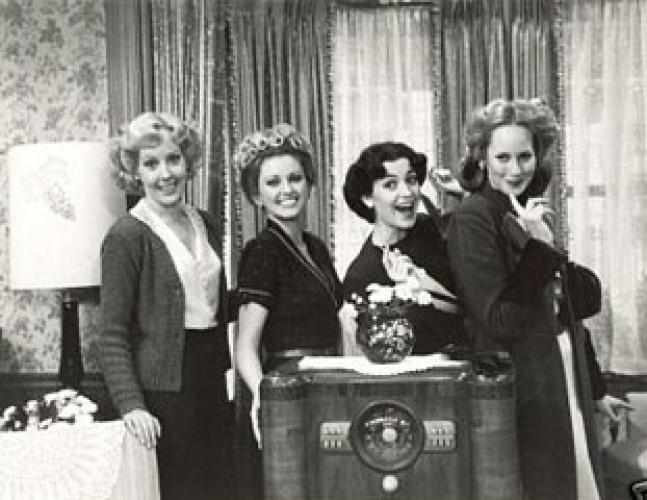


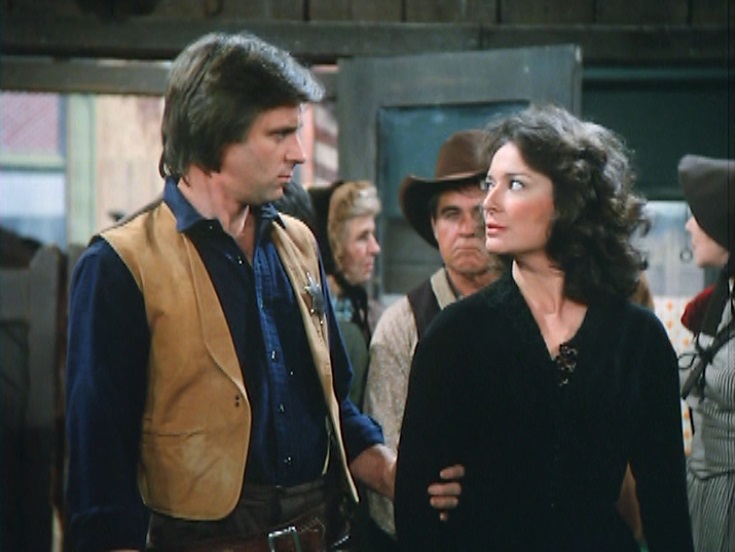


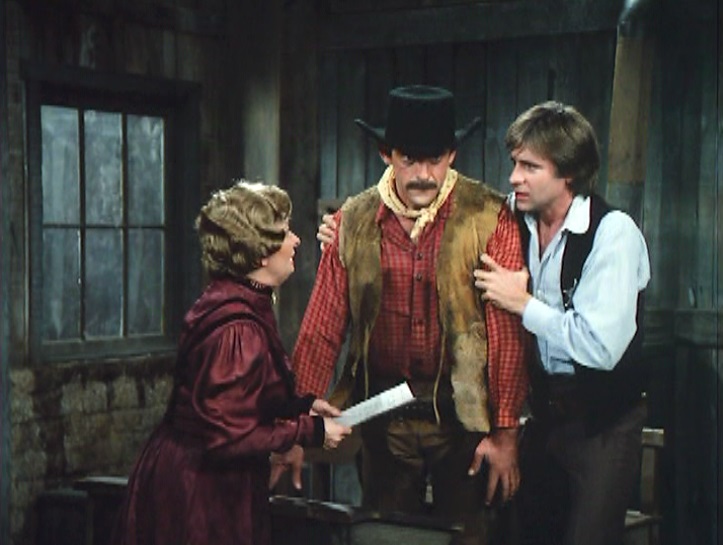
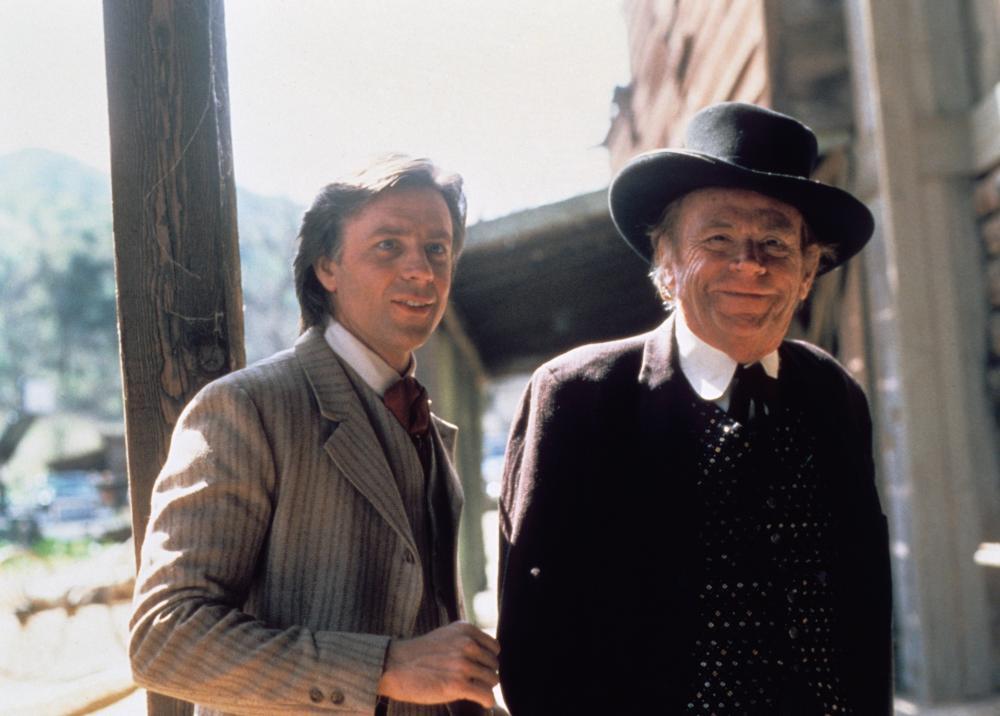
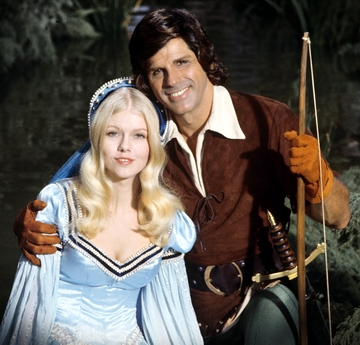

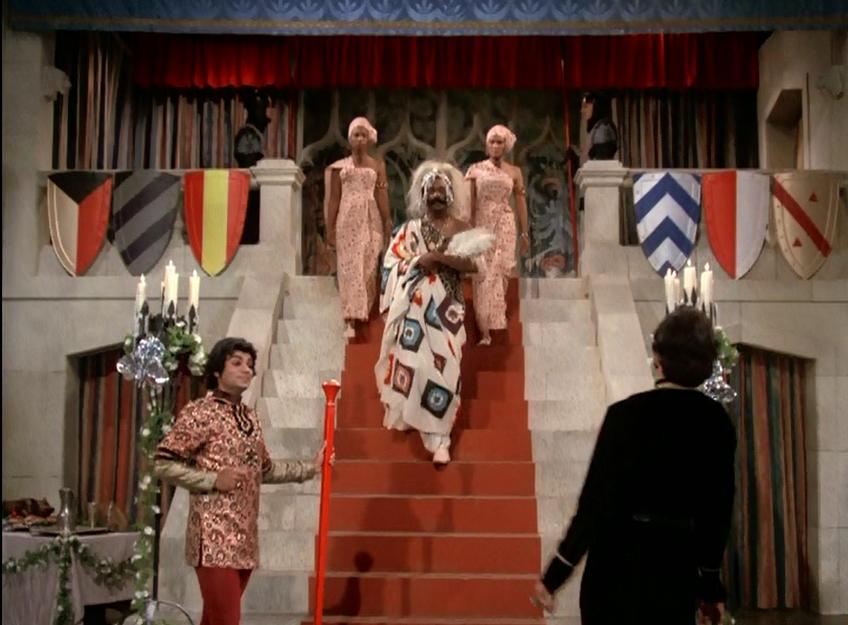
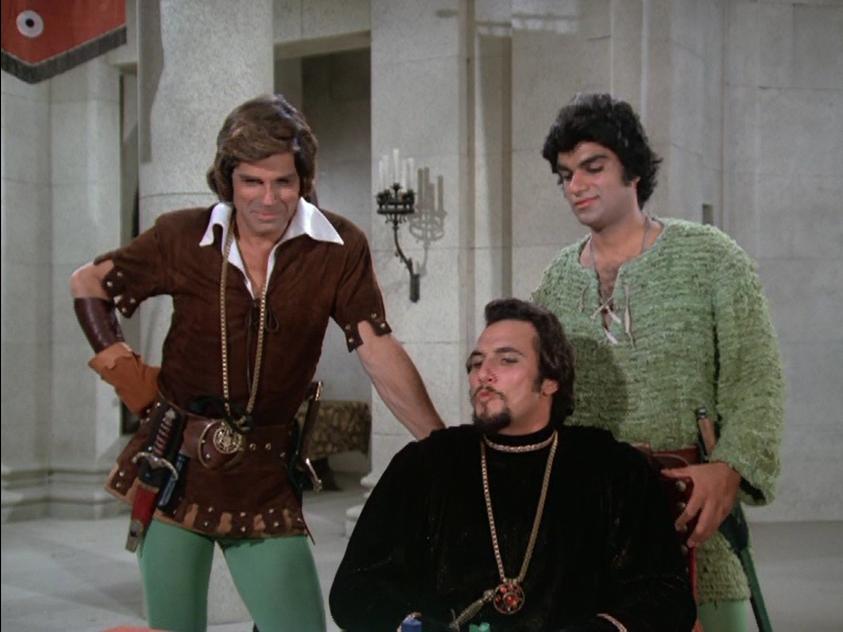

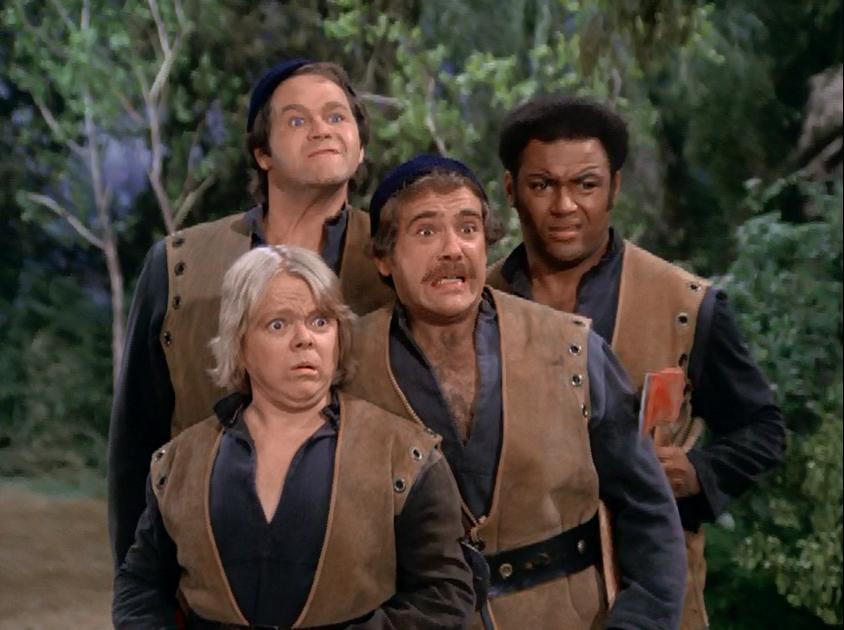



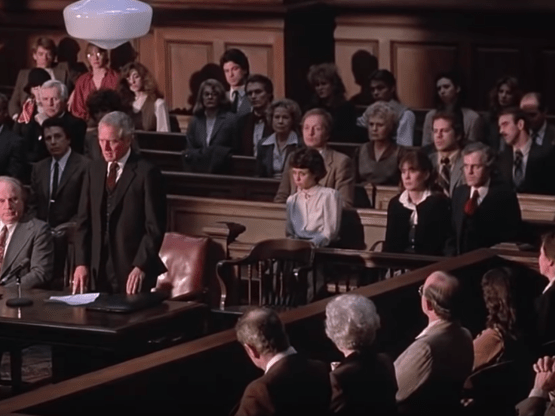


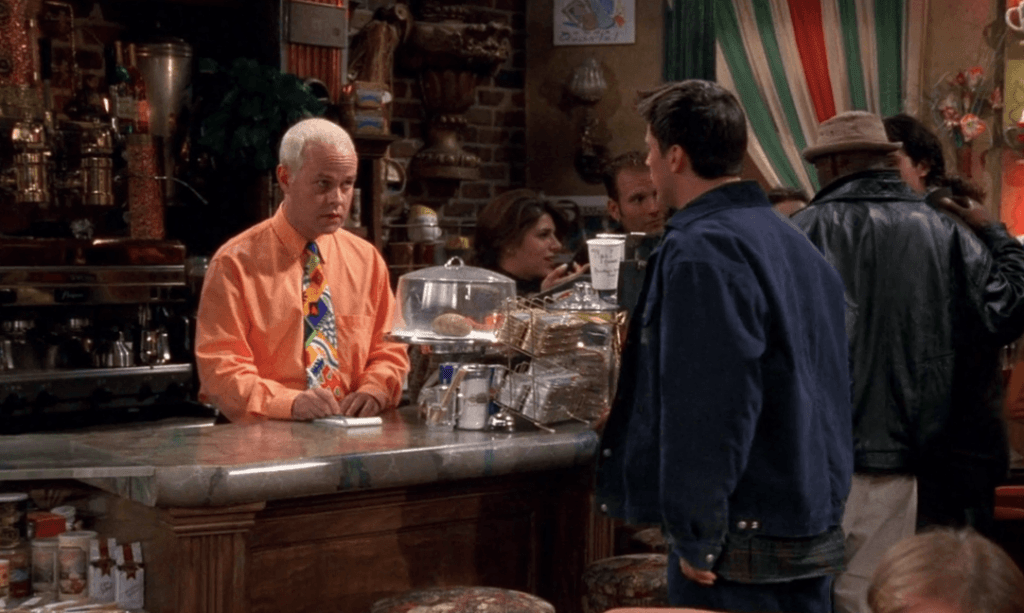


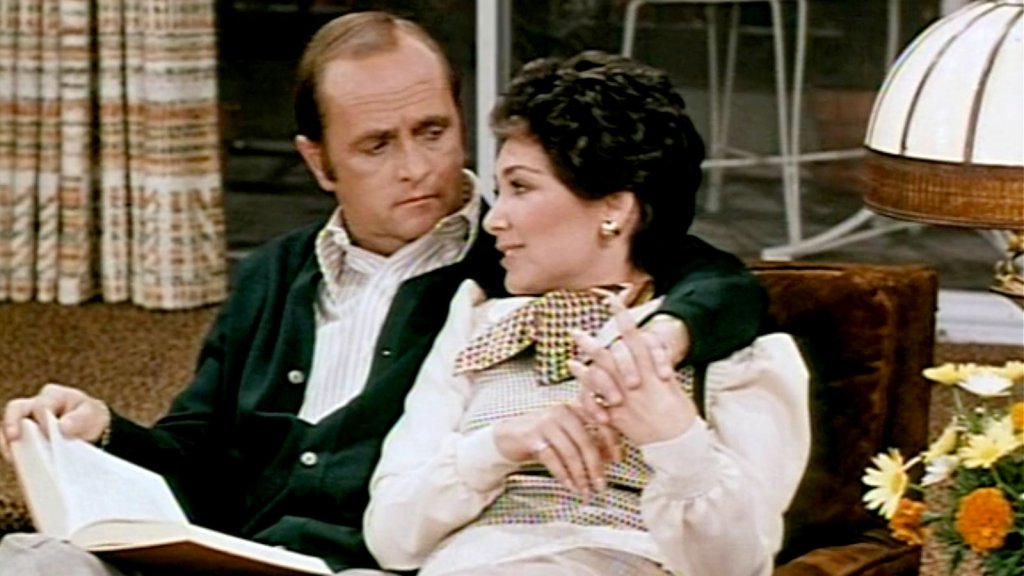


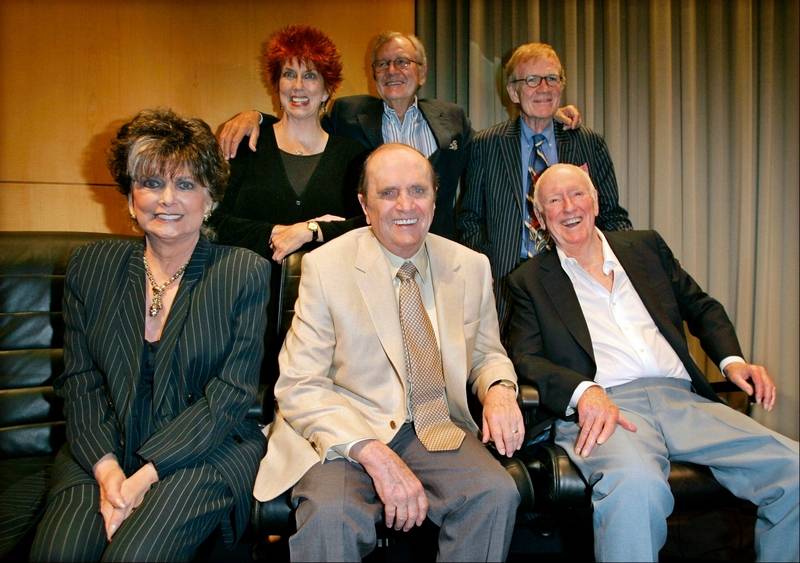
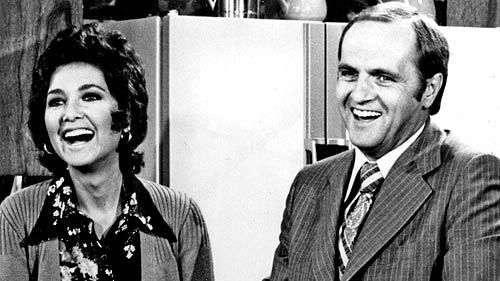
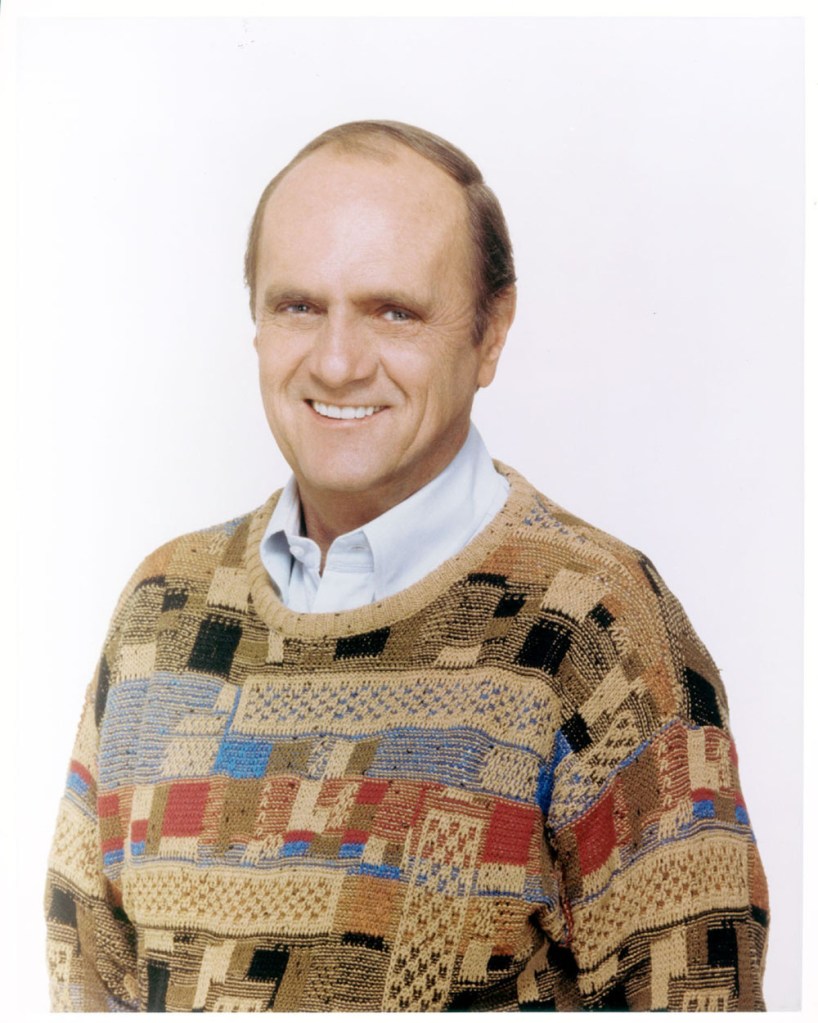


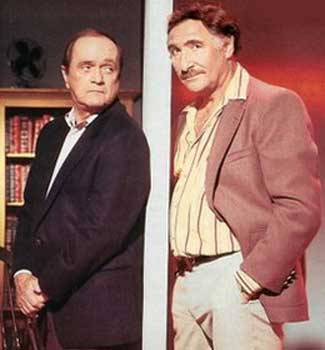


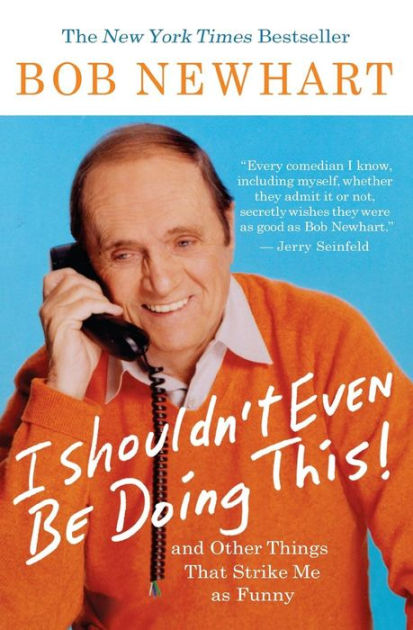
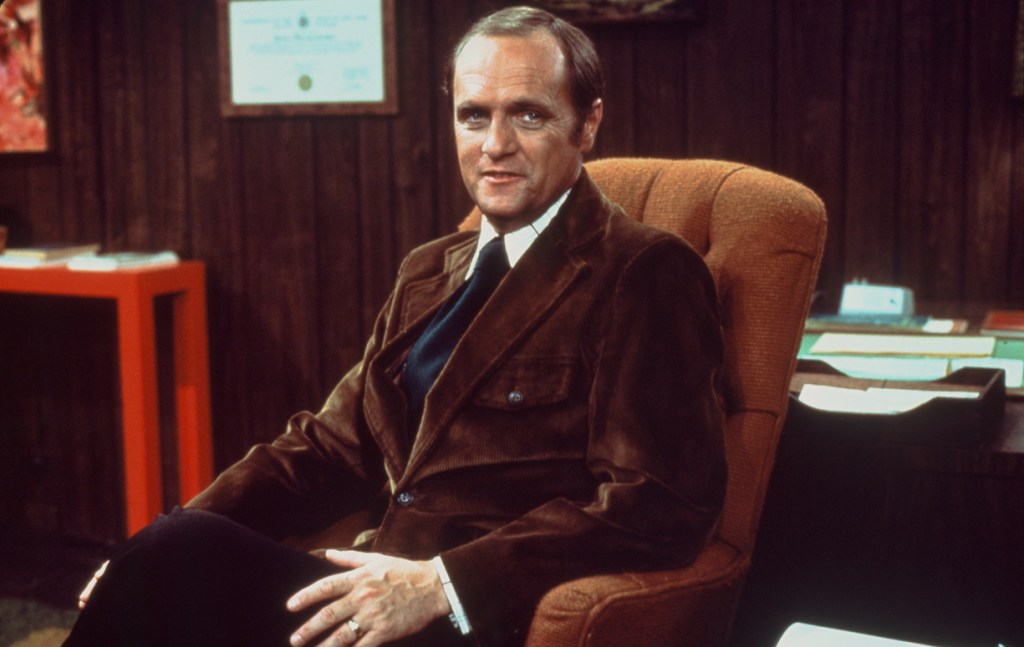
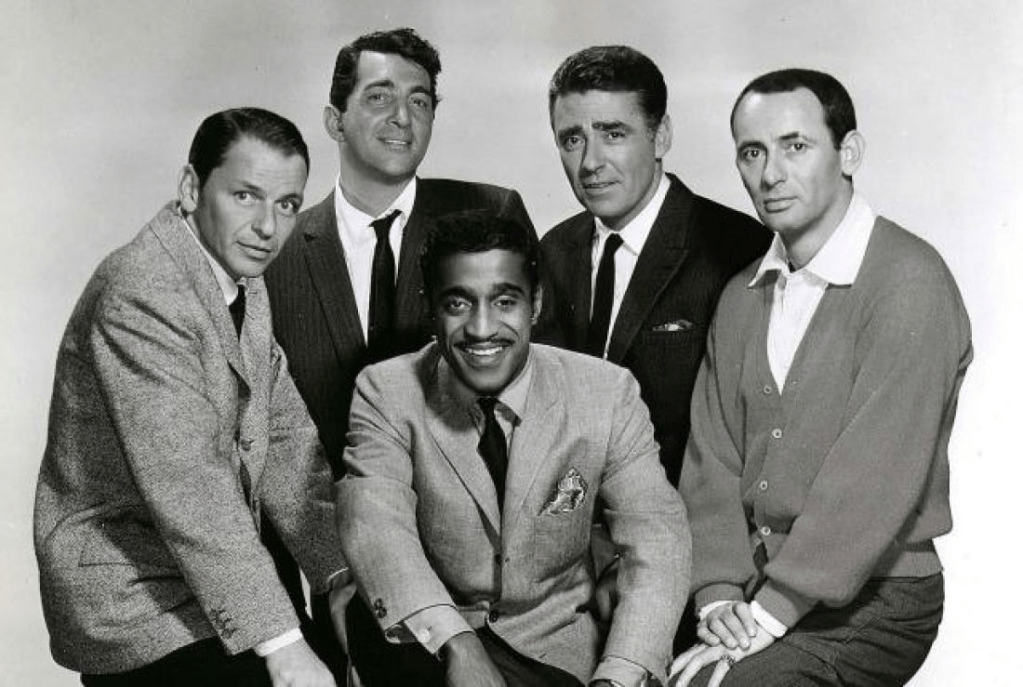




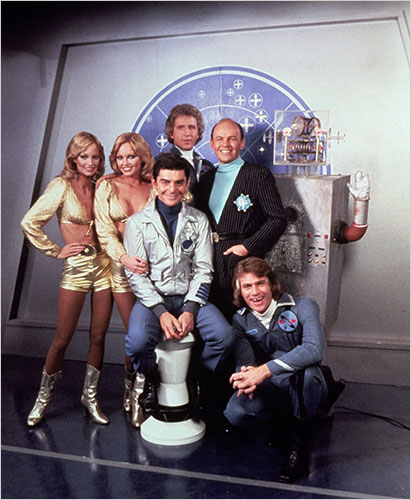

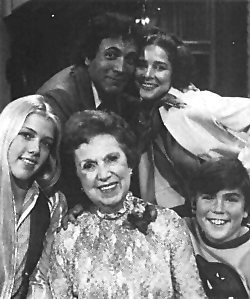
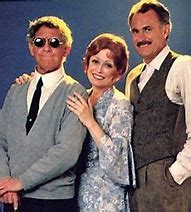

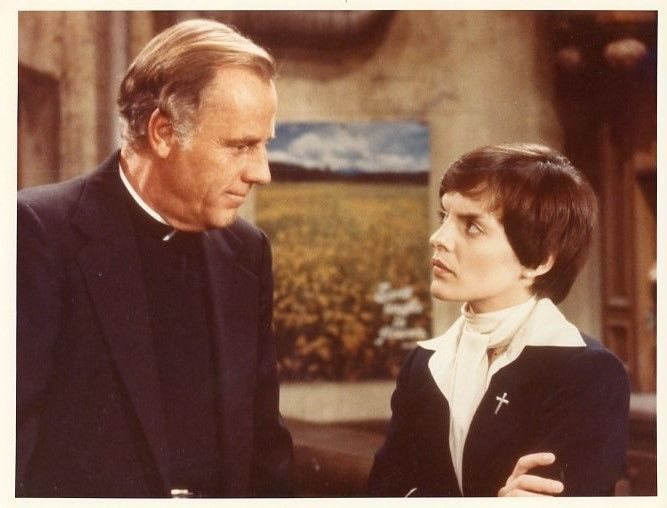


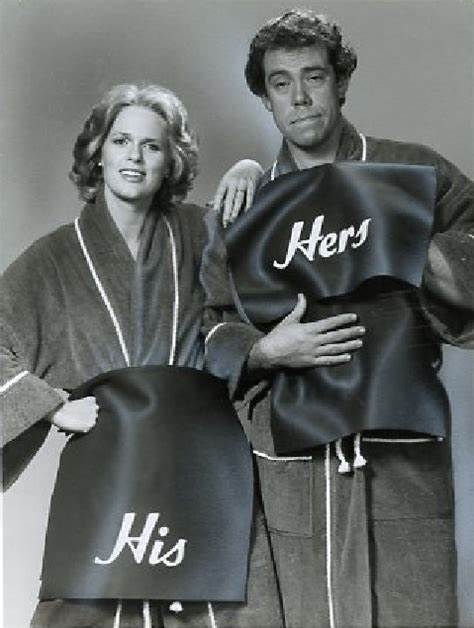

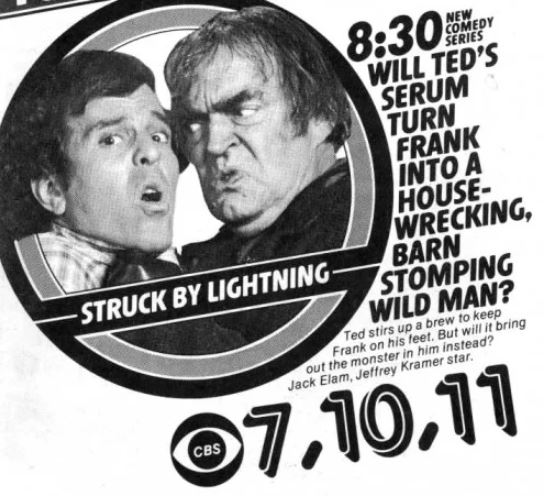


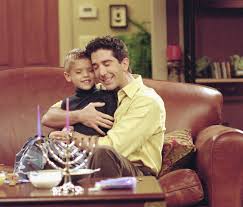
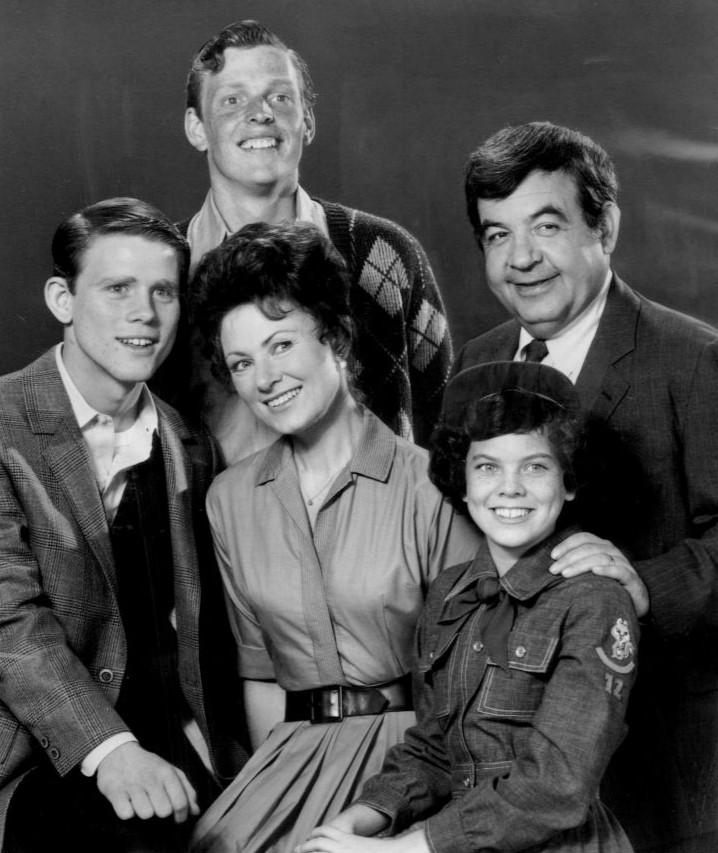
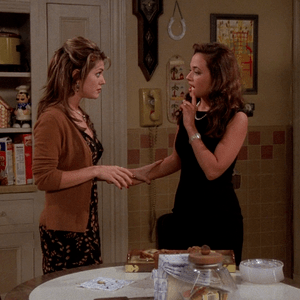

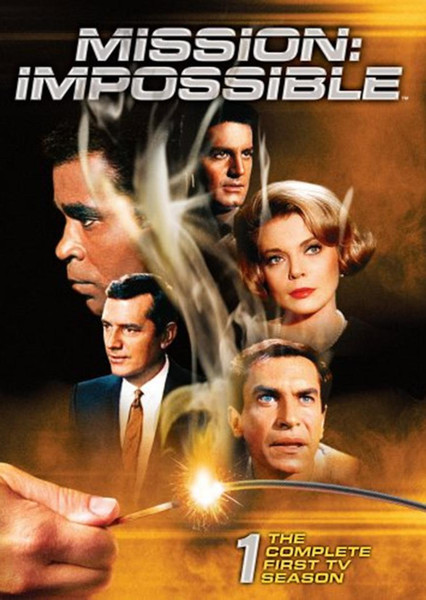


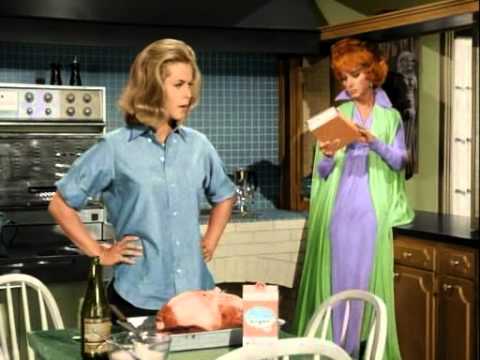

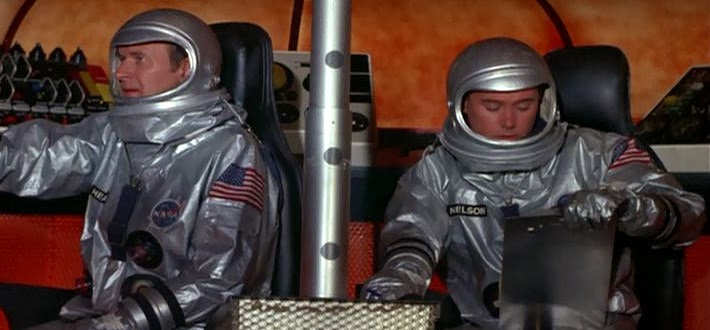





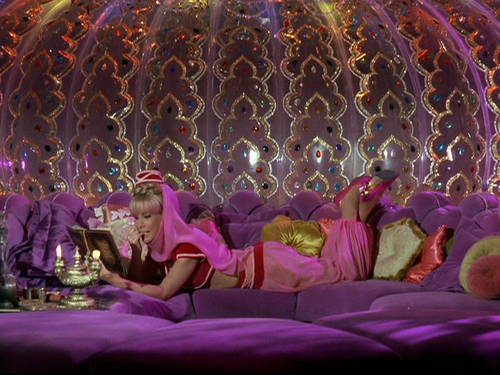


 thewritelife61