This month we are discussing Classic TV Shows. Many of our series this month were adapted from books, movies, or radio. Today’s show is no exception. Join me as we learn about the television series, The Thin Man.
📷rogerebert.com The original Nick and Nora
The Thin Man was introduced in 1933 by Dashiell Hammett. It became a big-screen film feature in 1934 starring Myrna Loy and William Powell. In 1957, it showed up on television where it would air for two years on NBC. The show was a half-hour show scheduled on Friday nights, producing 72 episodes.
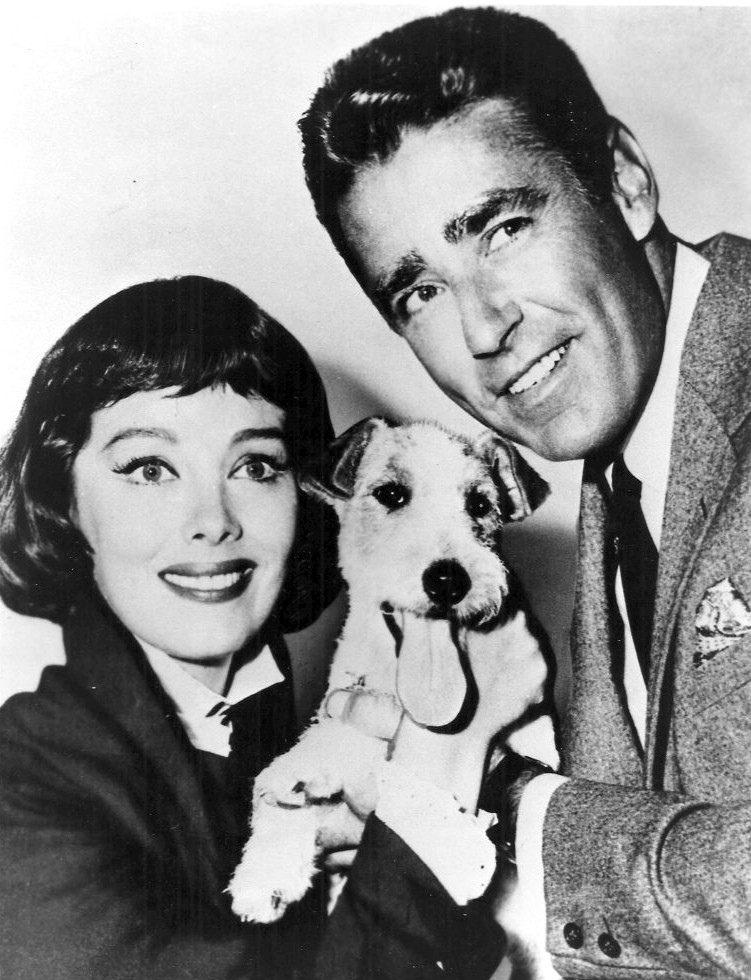
Peter Lawford took over Powell’s role of Nick Charles with Phyllis Kirk stepping in for Myrna Loy as Nora. (In the years after this show, Kirk only had five other acting credits; Lawford, on the other hand, was known for his friends, The Rat Pack and would go on to act in more than sixty additional shows during his career.) Their famous dog Asta was played by three different dogs during the run of the show.
📷wikipedia.com Lawford and Kirk
Rounding out the cast was Jack Albertson as Lt. Harry Evans of the NYPD, Patricia Donahue played the Charles’ neighbor Hazel, and Nita Talbot was Beatrice Dane, a criminal who often got Nick and Nora involved in awkward or criminal situations. Before he was Chief O’Hara on Batman, Stafford Repp showed up in NY as Lt. Ralph Raines.
Nick was a former private detective who got out of crime and became a mystery editor in Manhattan. He has an eye for the ladies, and the ladies definitely have an eye for him. Hazel and Beatrice both hit on Nick often much to Nora’s chagrin. Nora is heir to a family fortune. The couple seems to get pulled into crimes and can never resist solving the mystery. Both Raines and Evans agree to help the duo out. Unfortunately for Lawford and Kirk, the show just could not compete with the Powell-Loy banter and wit. After two seasons, the show was canceled.
One of the directors on this show was William Asher. Asher would go on to direct many shows, including I Love Lucy and Bewitched.
📷bryanRxm.com
By the early fifties, most of the movie studios had realized that television was here for good, and they began creating quality shows for the industry. However, MGM refused to believe that television would cause any threat to the film world. In order to prove that, they resisted getting into television until the very last minute. As television continued to grow, and big-screen films lost their domination in the entertainment business, the drowning company finally began searching for a life preserver. However, it was too little too late. By recycling a movie series that had been loved by millions and starred actors who were still alive, and then not putting the quality into the new series that would make it a hit, MGM almost guaranteed that the show would fail. However, the concept would be recycled several times during television history, most notably in Hart to Hart where the glamorous couple solved crimes that seemed to draw them like a magnet.
Apparently, the episodes have never been released on DVD, and I could not find out why. However, even if they existed, I would advise you to watch the Powell-Loy films instead. Most of our television recollections are about shows we love, but there are plenty of shows that did not work, and I like to reflect on those shows as well, and why they did not fare so well. Sometimes it’s just the timing of their introduction; other times, it was just because the shows lacked quality and that seems the case here.
This month we are celebrating Classic TV Shows. In the fifties, our show today was very popular under two different names: The Gale Storm Show and Oh, Susanna. In 1956, Hal Roach Studios premiered The Gale Storm Show starring Gale Storm. The series would be on the air four years, producing 125 episodes. When it was sold for syndication it was retitled, Oh, Susanna.
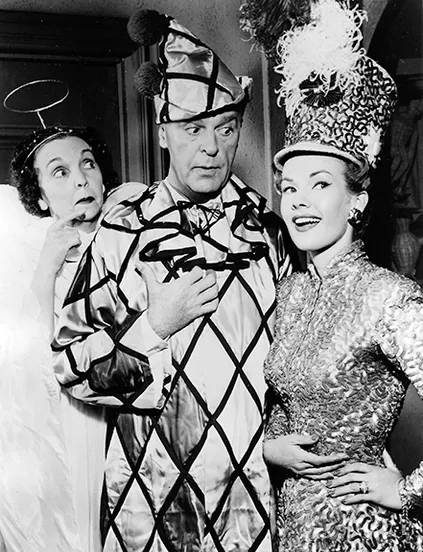
Susanna Pomeroy (Storm) is a cruise director on a ship that traveled around the world. A fun fact, Gale had a daughter in 1956 who was named Susanna for this character. A regular group of characters called the ship home including Elvira Nugent (Zasu Pitts) often called Nugie, Captain Huxley (Roy Roberts), and Cedric (James Fairfax).
📷imdb.com
Zasu Pitts was under contract to Hal Roach Studios in the 1930s where she made about 16 comedy shorts. You might have more curiosity about how Pitts got her name Zasu which truly was her name. Her aunts Eliza and Susan both wanted her named for them, so her mother came up with Zasu for both. Pitts was nominated for supporting actress for the Emmys in 1959. She had some tough competition including Rosemary DeCamp for Love That Bob, Verna Felton for December Bride, Elinor Donahue for Father Knows Best, and Kathy Nolan for The Real McCoys; they all lost to Ann B. Davis for Love That Bob.
Like The Love Boat, which would air decades later, guest stars traveled the seas as well. These stars included Pat Boone, William Frawley, Lorne Greene, and Boris Karloff.
📷galestorm.com
The show started its life on CBS and ended it at ABC. Some of the plots include Nugey gives a boring passenger a glamour treatment and then spreads a rumor she is a countess to give her more excitement. However, two detectives hear this and assume she is an international jewel thief they have been searching for; Nugey finds herself the victim of some con men in Naples and Susanna has to recover her life savings from the bad guys; and Susanna tries to impress a passenger who was the friend of one of her former classmates, and she claims to be married to wealthy passenger Charles Martingale and then has to keep the mother from meeting Martingale.
Storm had a successful movie career, but it was almost nonexistent by the early 1950s. She was also a recording artist who had several top twenty hits. On this show, she sings on almost every episode.
The Gale Storm Show was one of the most popular sitcoms on television in the late fifties and set the stage for what was to come into the sixties.
As we take a look back at some Classic TV Shows this month, one of the shows I chose I hesitated about. As we all know, some shows included many stereotyped characters and oftentimes inappropriate portrayals. These shows include series like Amos n Andy, Beulah, and Lum and Abner which I just never write about.
📷wikipedia.com
I also think it is important to remember some of the shows from the past that make us wince or just turn off the dial now because it reminds us that we have a lot to learn but that we have made improvements in the current series on television. It’s a very complicated subject. If you read the differences of opinions Jimmie Walker had about his character JJ on Good Times compared to John Amos and Esther Rolle’s opinions of the character, you can see just how complex the issue is.
Life with Luigi could fall into this category for sure. However, it has a lot of fans and is still a big draw on Sirius Classic Radio. So, I decided to delve in and learn more about it. It was one of the earliest classic sitcoms transferred from the radio where it was aired from 1948-1953 to television. The show was created by Cy Howard who was the talent behind My Friend Irma. J. Carrol Naish voiced Luigi, and Alan Reed gave life to Pasquale in Life with Luigi.
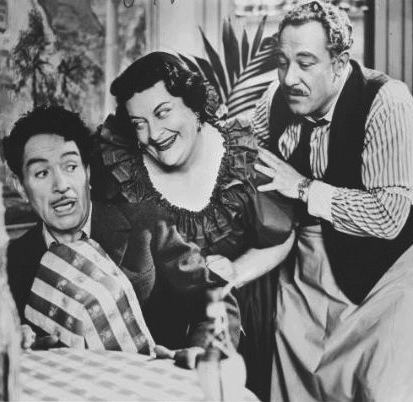
Luigi Basco arrives in Chicago from Italy and has to make a new life for himself. He attends night school to learn English. His friend Pasquale is always trying to marry his daughter Rosa, played by Jody Gilbert, off to Luigi, who had no intention of being wed to her. Each episode began and ended with news in a letter to Luigi’s mom about his life in America.
📷alchetron.com
In 1952 CBS decided to air the show on television with Naish and Reed continuing their roles on the small screen. The program was sponsored by Instant Maxwell House Coffee. Norman Tokar was the director along with Mac Benoff who also wrote for the series with Lou Derman. Tokar would go on to direct many of the episodes of Leave It to Beaver and The Donna Reed Show. Benoff became a writer for The Danny Thomas Show while Derman wrote most of the Mister Ed scripts as well as writing for Here’s Lucy and All in the Family. The show followed I Love Lucy, so it had a great lead-in for a new show.
The series had good ratings, but the Italian American community was offended by the stereotyping of Italian immigrants even though (and perhaps more offensive) Naish was actually Irish. Because Luigi did not always understand English phrases, he took things too literally at times which I’m guessing was the problem for fellow Italians. CBS replaced the leads with Vito Scotti as Luigi, Thomas Gomez as Pasquale, and Murial Landers as Rosa. The revisions did not make anyone happy, and the show was finally canceled. The show ran its final episode in December of 1952.
Joseph Patrick Carrol Naish was a very versatile character actor who was born in New York City in 1896. He attended Catholic schools until he ran away from school at age 14 to become a song plugger. At 15 he enlisted in the Navy and after being asked to leave due to his age, re-enlisted during the war and was with the Army-Signals Corps in France. He learned eight languages during this time. He also spent some time in Paris singing and dancing with a group of performers.
📷radiospirits.com
While he was in California on the way to China, he was spotted by a Fox studio talent scout and landed a few roles. In 1929, he married another Irish actor, Gladys Heaney. With the dialects he had acquired in the Army, he easily portrayed Asians, Middle Easterners, Hispanics, Frenchmen, Germans, Native Americans, Italians, and East Indians. Time Magazine referred to him as “Hollywood’s one-man United Nations.” Ironically one of the parts he had a hard time obtaining was an Irishman because of his black hair and mustache.
In 1943, Batman was introduced in his first big-screen feature. The first evil villain he had to face was Naish as Prince Daka, a Japanese super spy. Daka had an atomic death ray, an alligator pit, and the ability to turn American scientists into zombies.
During his career, he would obtain almost 225 credits. In 1973, both Naish and his wife passed away. The couple had one child. When he was not acting, he spent time writing, singing, cooking, playing tennis, and playing golf.
Much of the late forties and early fifties were learning curves for television which led to the golden age. Life with Luigi was part of that learning curve. While many people felt the show was honest and well written, it offended a large part of the American population. It would not be the last show to do so. You might want to check out an episode or two for yourself and see how you feel about the show and its portrayals.
We are celebrating Classic TV for the first month of 2024. Our first choice is a western many kids never missed: Hopalong Cassidy.
📷wideopencountry.com Bill Boyd with Topper
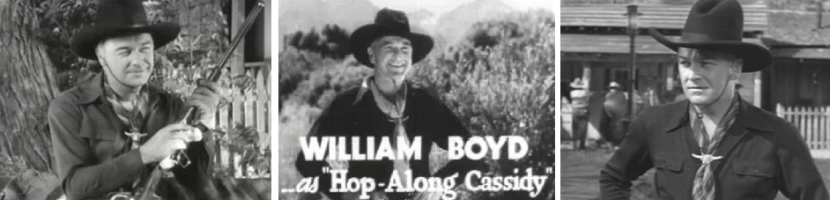
Hopalong Cassidy was introduced to the world by Clarence E. Mulford in 1904 in short stories, and a book was released in 1906. Originally the character had a wooden leg which resulted in his nickname. The first big-screen Hopalong Cassidy film aired in 1935. His nickname was now attributed to a gunshot wound. It starred Bill Boyd, a forty-year-old actor. Boyd’s Hopalong was quite different from the book character. This film Hopalong was a clean-cut hero who drank only sarsaparilla and never took the first shot. By 1948, 66 original movies had been made with ten different sidekicks. That seems like a lot, but from just 1950-1959, about 700 western films were made.
Producer Harry Sherman had become tired of the films. So Boyd invested all of this money buying the rights to the character from Mulford and the rights to the earlier films from Sherman.
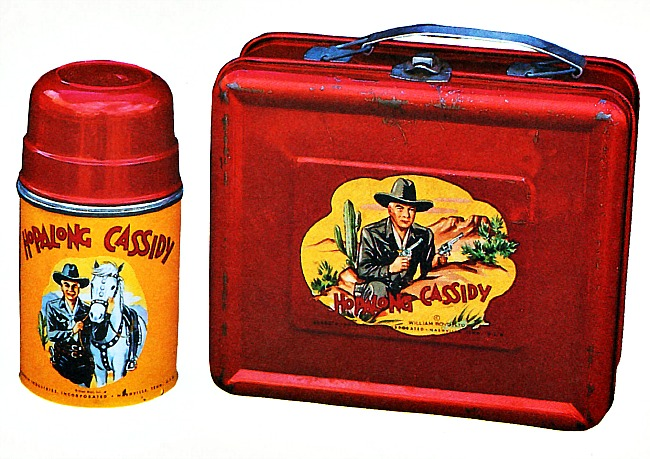
In 1949, NBC began showing the older movies on television. Westerns were huge on television, in movies, and in literature in the fifties, and Hopalong became very popular again. Boyd received all the revenue from the merchandise being sold.
📷imdb.com Boyd with Buchanan
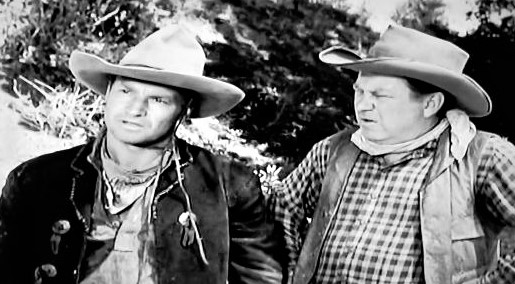
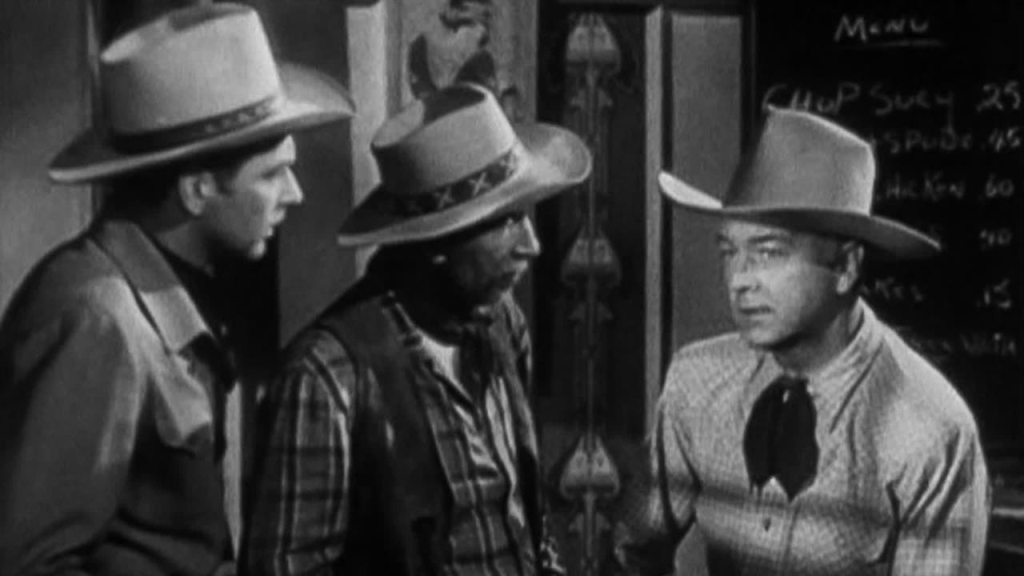
Boyd was offered another show in 1952. From 1952-1955, the show was on the air. There was a different format for the new show. Instead of the typical two companions from the films, Edgar Buchanan took on the role of Red Connors. It was Buchanan’s first television role, but it would not be his last. Boyd provided voiceover for the series. He was now a US Marshal instead of foreman of the Bar 20 ranch. Hopalong still fought crime riding his horse, Topper.
The new series was composed of 40 new episodes, along with 12 older theatrical features that were cut down to 30-minute episodes.
📷crackle.com
One of the reviewers on imdb discussed the show as “being a couple of notches above most of the contemporaries in quality.” He said outdoor scenes were actually filmed outside. He acknowledged that both Boyd and Buchanan were good actors, and Edgar provided both comic relief and dramatic support. The relationship the actors had, along with good writing, produced several really good episodes. He went on to provide information about three of his favorite shows:
“1. Grubstake–A terrific half-hour mystery. Prospector Percy Helton has struck gold. He was grubstaked by five partners. Two have been murdered. A third is Red. Who is the murderer? There is a slew of suspects in a movie-level cast–Christopher Dark, Michael Fox, Robert Paquin, and Timothy Carey(!). Gladys George steals the show as a flighty landlady engaged in a humorous romance with old codger Helton. The solution to the mystery is first rate.
2. The Feud–Two ranchers are bitter enemies. The son of one is murdered from ambush. Suspician naturally falls on his old enemy, B stalwart Steve Darrell, but foreman Hugh Beaumont, soon to become Beaver’s dad, is the culprit. He is having an affair with Darrell’s wife and hopes to get both her and the ranch when Darrell is lynched for the murder. There are some bitter scenes between the jealous Darrell and his unfaithful wife, and even a hot and heavy one between the woman and Beaumont. Perhaps not original, but certainly an adult slant compared to a typical Lone Ranger or Gene or Roy plot.
3. Lawless Legacy–An ordinary plot but given a big lift by Lone Ranger on vacation Clayton Moore as a vicious murderer.”
The series propelled Boyd back into stardom, and he became a famous celebrity, giving talks around the world. Although Hopalong is not as well known today as The Lone Ranger or the Cartwright Boys, his television show is still considered a classic. In 2009, the US Postal Service issued twenty postage stamps honoring early television programs. In this series, which included The Adventures of Ozzie and Harriet, Dragnet, I Love Lucy, Lassie, The Lone Ranger, Perry Mason, The George Burns and Gracie Allen Show, Boyd was pictured sitting on his horse Topper.
In addition to the films and television series, there were 104 radio shows and hundreds of comic books.
By 1955, Boyd was tired of his role and ready to retire. While he was ready to step out of the entertainment business, he wanted to ensure that his staff would continue to have jobs. CBS was getting ready to air a little show they thought might be successful, and his entire crew moved to that series, Gunsmoke, which continued to provide employment for another two decades.
Hopalong Cassidy’s films on television introduced westerns to an entirely new generation and kept westerns in the spotlight for the decade. By March of 1959, eight of the top ten shows were westerns and the television schedule featured thirty different western shows.
📷wordpress.com
I think Boyd was smart to purchase the rights and he was definitely in the right place at the right time to benefit during the fifties. And kudos to him for taking care of his cast and crew.
As we wind up our blog series, “Time for Some Texas Tea,” we are also reading the last blog of the year. We have been learning about the careers of several actors who appeared on The Beverly Hillbillies and today we have saved Buddy Ebsen who had the most successful career of the cast.
Ebsen was born Christian Ludolf Ebsen Jr. in 1908 in Illinois. He was the only son of four children born to his parents who had immigrated from Germany. His father was a choreographer and owned a dance studio. He was also a physical fitness advocate and operated a gym for the local school district. His mother was a painter.
Davy Crockett Photo: ebay.com
When Buddy was ten, his family moved to Florida for this mother’s health, eventually ending up in Orlando where he took dance at his father’s studio. Ebsen was a member of the swim team all four years and became a Florida State Champion. He graduated in 1926. Originally, he chose a career in medicine and attended the University of Florida at Gainesville. He transferred to Rollins College in Winter Park for a year to be closer to home and save money. They had no science courses, so his mom suggested he take an acting class. When the Florida land boom crashed, Ebsen could no longer afford his tuition and he had to drop out.
He moved to New York City and worked at a soda fountain to get by. Ebsen began his career in the entertainment industry as a dancer. He and his sister were known as The Baby Astaires and they performed in supper clubs and on vaudeville. They were booked at the Palace Theater in New York City after Walter Winchell saw them perform in Atlantic City and gave them a rave review.
In 1933 Buddy married Ruth Cambridge; their marriage ended in divorce in 1945 after having two daughters.
His first film was Broadway Melody of 1936. In that same year, he danced with Shirley Temple in Captain January. In 1938 he appeared with Judy Garland as his dance partner. Walt Disney brought Ebsen in to be filmed dancing in front of a grid so the animators could use it to draw the Silly Symphonie with Mickey Mouse.
Photo: wikipedia.com
MGM offered Buddy an exclusive contract but he turned it down, and Louis Mayer told him he would never work in Hollywood again. In 1939 the same MGM cast him as the Scarecrow in The Wizard of Oz. Ebsen and Ray Bolger swapped roles and Buddy became the Tin Man. He recorded the songs, went through all the rehearsals, and then began filming the movie. He began experiencing body aches, cramps, and shortness of breath which eventually landed him in the hospital. Doctors diagnosed him with an allergy to the aluminum dust in the makeup, and he had to give up the role and was replaced by Jack Haley.
Ebsen took up sailing after he recovered and learned it so well that he taught it to naval officer candidates. He was turned down every time he tried to enlist in the Navy. The US Coast Guard did accept his application, and he was made a lieutenant, junior grade. He served on the USS Pocatello which was a weather ship, recording weather 1500 miles west of Seattle. He was honorably discharged in 1946.
Photo: mycoastguard.com
Ebsen received permission from the Pocatello’s commanding officer to bring aboard costumes, props, and musical instruments. He wrote, cast, and directed vaudeville shows, concerts, and plays while on the sea. Rehearsals were held in the cramped steering room.
In 1945, Ebsen married fellow lieutenant Nancy Wolcott. They had four daughters and a son. Their marriage lasted 39 years but also ended in divorce.
In 1949, he made his television debut on The Chevrolet Tele-Theater. During the fifties, he continued to make films and to appear on television series.
Breakfast at Tiffany’s Photo: pinterest.com
During the decade of the sixties, he was very busy in both mediums. He made four big-screen films including Breakfast at Tiffany’s. He appeared primarily on television, with appearances on a variety of shows including Maverick, The Twilight Zone, The Andy Griffith Show, Gunsmoke, Bonanza, and Rawhide.
From 1962-71, Buddy became Jed Clampett, the head of the family who moves them to Beverly Hills after they earn millions from oil on their Tennessee land. The critics did not like The Beverly Hillbillies one bit. However, the viewers made the number one show several times. I have to side with the critics. Although the show still had high ratings in 1971, it was canceled by the network because they wanted to move their shows in a more “urban” direction.
Photo: allposters.com
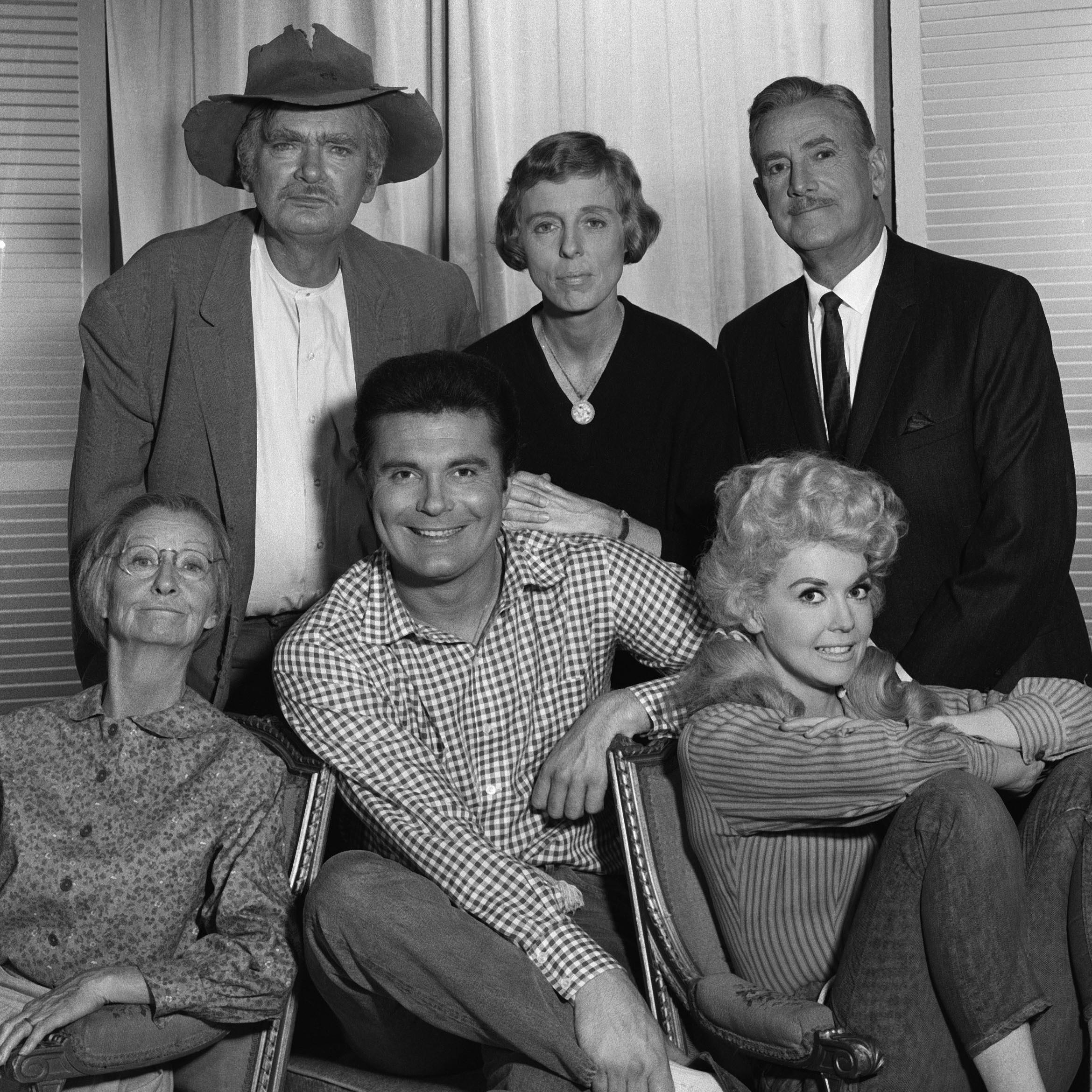
Nancy Kulp seemed to be close to most of the cast especially Irene Ryan as Granny and Raymond Bailey, and Ebsen seemed to be close to most of the cast, especially Donna Douglas and Max Baer. However, Kulp and Ebsen were definitely not close. He was very much a conservative and she was decidedly liberal. Donna Douglas related that “they had a different view, so they had some heated discussions about that. They would go on for weeks.” In 1994, Kulp ran for US House of Representatives in her native Pennsylvania. Ebsen not only supported her opponent, he offered to make commercials talking about how liberal she was. He had no connection with Pennsylvania at the time. She claims he was just being spiteful, and he claims she did not know the issues.
After the cancellation of The Beverly Hillbillies, Ebsen appeared in Hawaii Five-0 and then in quite a run of made-for-television movies. In 1973, Buddy was offered his second starring role in a show as Barnaby Jones, a detective who comes out of retirement to investigate the death of his son. Lee Meriwether played his widowed daughter-in-law Betty. Barnaby Jones stayed out of retirement until 1980 when the show was canceled. The show was still receiving decent ratings, but Buddy decided he was ready for retirement.
Barnaby Jones Photo: ebay.com
When asked about Ebsen, Meriwether said, “He really worked at being at the top of his game. You had to keep up with him. I adored him. I think he had feelings for me too.” She later said that “he loved the idea of being a detective. We had CSI-type equipment in the office on the set and he liked doing his own tests.”
Despite a rumored relationship with Meriwether, in 1985, Ebsen married his third wife, Dorothy Knott, and they remained together until his death.
Except for a few credits here and there, Ebsen did not have a lot of acting credits after the mid-eighties. He did accept a recurring role on Matt Houston during season three of that show when he played Matt’s uncle for 22 episodes.
His last movie was a cameo in the big-screen film, The Beverly Hillbillies, and he played Barnaby Jones. His last acting role as a person was Burke’s Law in 1994. His last television appearance was a voice only for King of the Hill in 1999.
In addition to sailing, Ebsen had a lot of other interests. He was an avid coin collector. He also wrote several novels and books. He also released three albums, The Beverly Hillbillies with Irene Ryan in 1993, Buddy’s Originals in 2001, and Buddy Ebsen Says Howdy in 2003.
If that was not enough, he played the guitar, golfed, rode horses, painted, gardened, fished, and traveled.
Ebsen passed away in 2003. His Coast Guard papers are stored at the US Coast Guard Historian’s Office in Washington DC.
Photo: guideposts.com
Many of the rest of his records were given to the University of Wyoming American Heritage Center by his wife after he passed away. The gift included papers from all stages of his career, artwork created by him, his sailing trophies, and athletic medals among other items. The AHC has a large Hollywood and entertainment collection.
In October of 2022, a new exhibit was unveiled, “The Entertaining Life of Buddy Ebsen.” He certainly did have an entertaining life. While Jed Clampett made him famous, his career was much more interesting than that one role.
Thanks for getting to know Buddy Ebsen better and for taking this journey in 2023 to learn more about classic television and all the people who were important in that evolution.
As we continue “Time for Some Texas Tea,” we are learning about the career of Irene Ryan today. Born Jessie Irene Noblitt in 1902 in Texas, Ryan had a varied career, appearing in vaudeville, film, radio, Broadway, and television. Irene’s father was an Army sergeant who grew up in North Carolina, and her mother grew up in Ireland. Her only sibling, Anna, was seventeen years older than her. A couple of years after she was born, the family moved to California.
Ryan was destined to be a star. When she was eleven, she was paid $3 for singing “Pretty Baby” in a contest in San Francisco. When she was fourteen, she lied about her age and began working for a stock company after two years of high school. She never did graduate.
At age twenty she married Tim Ryan who was a comedian and writer. They performed together in vaudeville and were known as “Tim and Irene.” When vaudeville died, the couple got their own radio program that was also called “Tim and Irene.” Between 1935 and 1937, they made eleven short comedies for Educational Pictures. She played the flighty wife (was there any other kind of wife in the 1930s? Not according to film and later television). The duo substituted for Jack Benny in The Jell-o Summer Show for NBC’s red network in 1936.
Photo: Texas, Brooklyn and Heaven 1948 Photo: wikipedia.com
In 1941, Ryan was in her first film, Melody for Three. She would also be in Bonzo Goes to College and Mighty Joe Young.
The couple divorced in 1942, twenty years after they married; they had no children. Irene toured with Bob Hope during WWII and was featured on his radio show for two years. Tim had a busy big-screen career, and the two of them were in four films together. Before he passed away, Tim appeared in 152 films, including From Here to Eternity, Mr. and Mrs. North, and The Stratton Story.
In 1946, Irene (who continued to use “Ryan” as her stage name) married Harold E. Knox. He was involved in film production. They stayed together for 15 years before divorcing.
While she continued making films, Irene also kept a hand in radio. She joined the cast of “The Jack Carson Show” as a neighborhood store owner running a candy store and lending library. She appeared in 30 films in the forties and fifties.
Her first television role came about in 1955 on The Danny Thomas Show. During the rest of the decade, she could be seen in five additional series.
Her last film role was for Desire in the Dust in 1960. From then on she only worked in television. During that decade she had spots on My Three Sons, Wagon Train and Mister Ed among others.
Photo: trakt.com
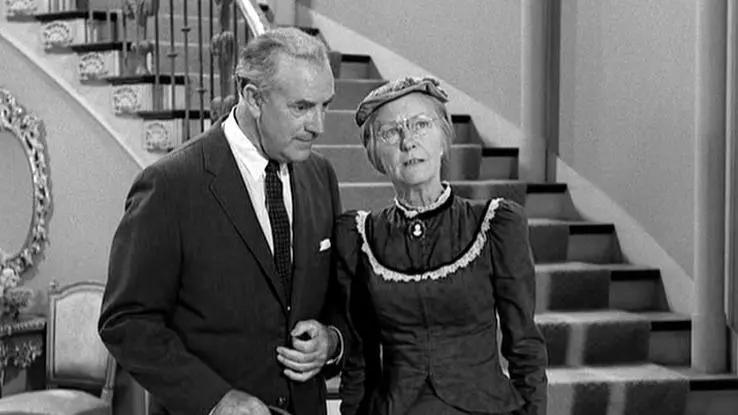
However, in 1962, she was offered the role that made her famous: Granny on The Beverly Hillbillies. As Daisy Moses, Jed’s mother-in-law, she moved with the family from Tennessee to Beverly Hills where she continued the way of life that she lived before. When she showed up for her audition with her hair in a bun and her feisty attitude, everyone knew they had found Granny.
Her role as Granny earned her Emmy nominations for Outstanding Lead Actress in a Comedy in 1963 and 1964. She lost to Shirley Booth for Hazel in ’63 and Mary Tyler Moore for The Dick Van Dyke Show in ’64.
Like the Clampetts, Irene also enjoyed being outside and enjoying nature. She owned a summer cottage on Clark Lake in Jackson County, Michigan. Also, a la Granny Clampett, Irene released a cookbook called Granny’s Hillbilly Cookbook and actually included a recipe for possum. The cast mentioned that she used to put on a very large Christmas feast for them around the holidays.
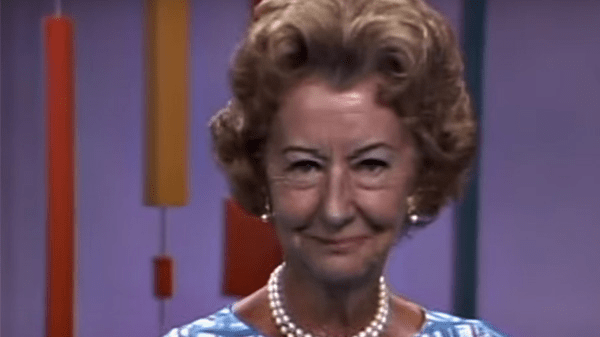
On Password Photo: newsner.com
In the late sixties and early seventies, Irene was a celebrity panelist on Password.
After the Rural Purge we have discussed so many times when the show was ended, Ryan starred as Berthe in “Pippin” on Broadway, directed by Bob Fosse in 1972. She was nominated for a Tony but lost to Patricia Elliott for a “Little Night Music.”
Her last acting credit was for Love American Style in 1972. Ryan was a heavy smoker and her castmates had all worried about her. In 1973, she suffered a stroke while performing on Broadway. She was diagnosed with a brain tumor and she passed away in April of 1973 at age 70. She did not die from cancer but from the tumor and heart disease.
Photo: twitter.com
Since she had no children, the year before she died, Ryan set up the Irene Ryan Scholarships Foundation through the Kennedy Center American College Theater Festival. She had built up a considerable fortune, investing wisely and saving much of her money, and these are still being given out today. Ryan mentioned that her role of Granny allowed her to walk around freely without being recognized when she was not made up to be an elderly person. She embraced the role of Granny and even included the word on her tombstone. Irene acknowledged that she had never been a big star in the entertainment world, but she said that “I loved show business, every minute of it. Why? To really love show business, you have to be OF it, not just IN it. That’s me honey, I’m OF it.” I guess it is similar to writing. You’re not just doing it, you are it. And the fact that she could follow her passion and still be free to be herself off the set without being recognized was an added bonus. She was generous with her talent, with her time for her castmates, and for the up and coming actors who are still benefiting from her sharing her wealth today.
This month’s blog series is “Time for Some Texas Tea.” We are learning about some of the stars of The Beverly Hillbillies. Today we are banking on getting to know Milburn Drysdale, also known as Raymond Bailey.
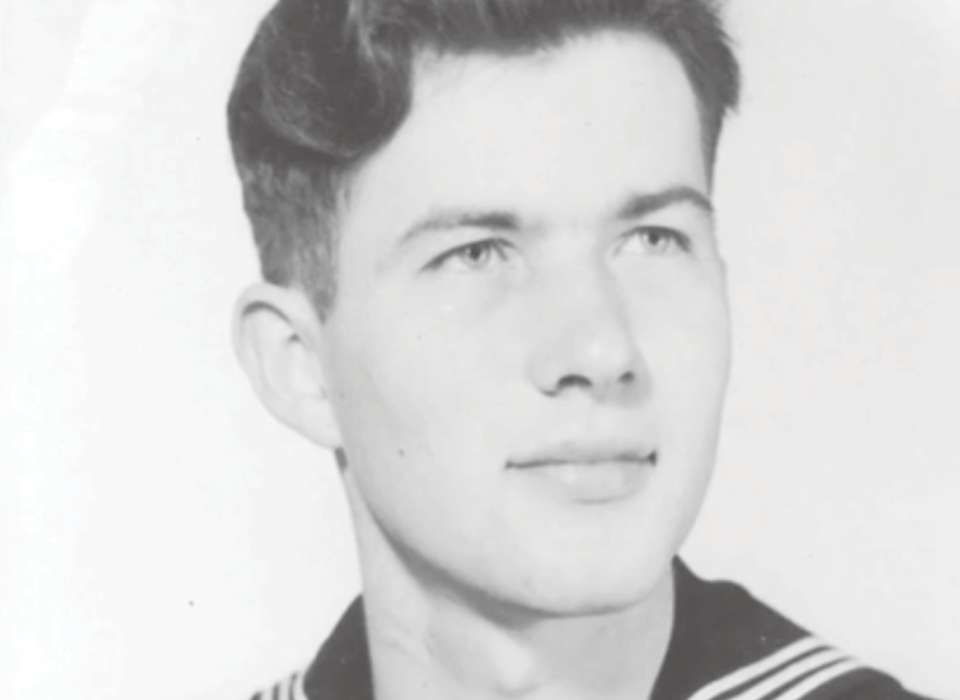
Bailey was born Raymond Thomas Bailey in 1934 in San Francisco, California. When he was only a teenager he made the trek to Hollywood to try his hand at acting. He had a tougher time breaking into the business and worked a lot of odd jobs including day laborer in a silent movie theater where he was fired after sneaking into a mob scene which I found pretty funny and creative. He also worked as a stockbroker and a banker which would come in handy later in his career.
Photo: thenationalwwiimuseum.com
When things did not seem to be working out, he moved to New York City. He had no better luck on the east coast than on the west coast, so he joined the crew as a merchant seaman and toured the world, including China, Japan, the Philippines, the Mediterranean, and Hawaii. While in Hawaii, he also worked on a pineapple plantation, acted in the community theater, and sang for a local radio station.
He decided to give Hollywood a second chance in 1938, and he actually began getting some small movie parts. His first credited role was in SOS Tidal Wave. He was Mr. West in The Green Hornet in 1940. He appeared in 30 movies before Pearl Harbor was struck. When the US entered WWII, he joined the US Merchant Marine. After his time was up, he returned to Hollywood.
In 1951, Bailey married Gaby George and they would remain married until his death. I could not learn much about Gaby, but she was born in another country, and they were married in Manhattan. I’m not sure if she came here earlier in her life or met Bailey while he was traveling the world. She would have been 37 when they married, and I believe she received naturalization papers when she was 55.
The Alfred Hitchcock Show “Breakdown” Photo: completehitchcock.com
Raymond continued receiving big-screen roles, and in 1952 he had his first television appearance in Tales of Tomorrow as Congressman Burns. He appeared in forty-six additional series during the decade of the fifties, including The Donna Reed Show, Jack Benny, Burns and Allen, Gunsmoke, and Private Secretary. His movie career continued with roles in 26 films including Sabrina, Picnic, King Creole, and Vertigo. In the mid-fifties, he also explored Broadway with roles in four plays.
While Bailey didn’t abandon his film career, the sixties found him on the small screen the majority of the time. In the early sixties, he could be seen on a variety of shows including Lassie, The Ann Sothern Show, BachelorFather, Perry Mason, Bonanza, My Three Sons, and Mister Ed. In 1961, he was offered his first regular role as Mr. Beaumont on My Sister Eileen. He appeared in 25 of the 27 episodes of the show.
Photo: ask.com
In 1962 he was offered the role he would become a household name for: Milton Drysdale on The Beverly Hillbillies. His time as a banker helped him manage millions of dollars in the Clampett accounts. Much to his wife’s chagrin, Drysdale talks the Clampetts into buying the mansion right next to his so he can keep a better eye on them and their money. He was their mentor as they adjusted from country life to city life as much as they could adjust.
Unfortunately, Bailey developed Alzheimer’s, and the symptoms began just as the show was ending. The Beverly Hillbillies was canceled during the “Rural Purge” when all country-related shows were ended by the network in 1971. After the series was canceled, Ray only had two acting credits; they were both in Disney movies that came out in the mid-seventies: Herbie Rides Again and The Strongest Man in the World.
With Nancy Kulp Photo: imdb.com
Baily then became a bit of a recluse until his death in 1980 from a heart attack. It sounds like the only non-family member he kept in touch with was Nancy Kulp who played his secretary Jane on The Beverly Hillbillies.
It was fun to learn more about the career of Raymond Bailey. He certainly defined the word “perseverance.” I’m glad he was able to do what he had a passion for. It would have been interesting to see how he would have done in another comedy series. His Alzheimer’s diagnosis probably ended his career twenty years earlier than it would have. It sounds like he found love and a fulfilling career and that is certainly a success no matter what your profession is.
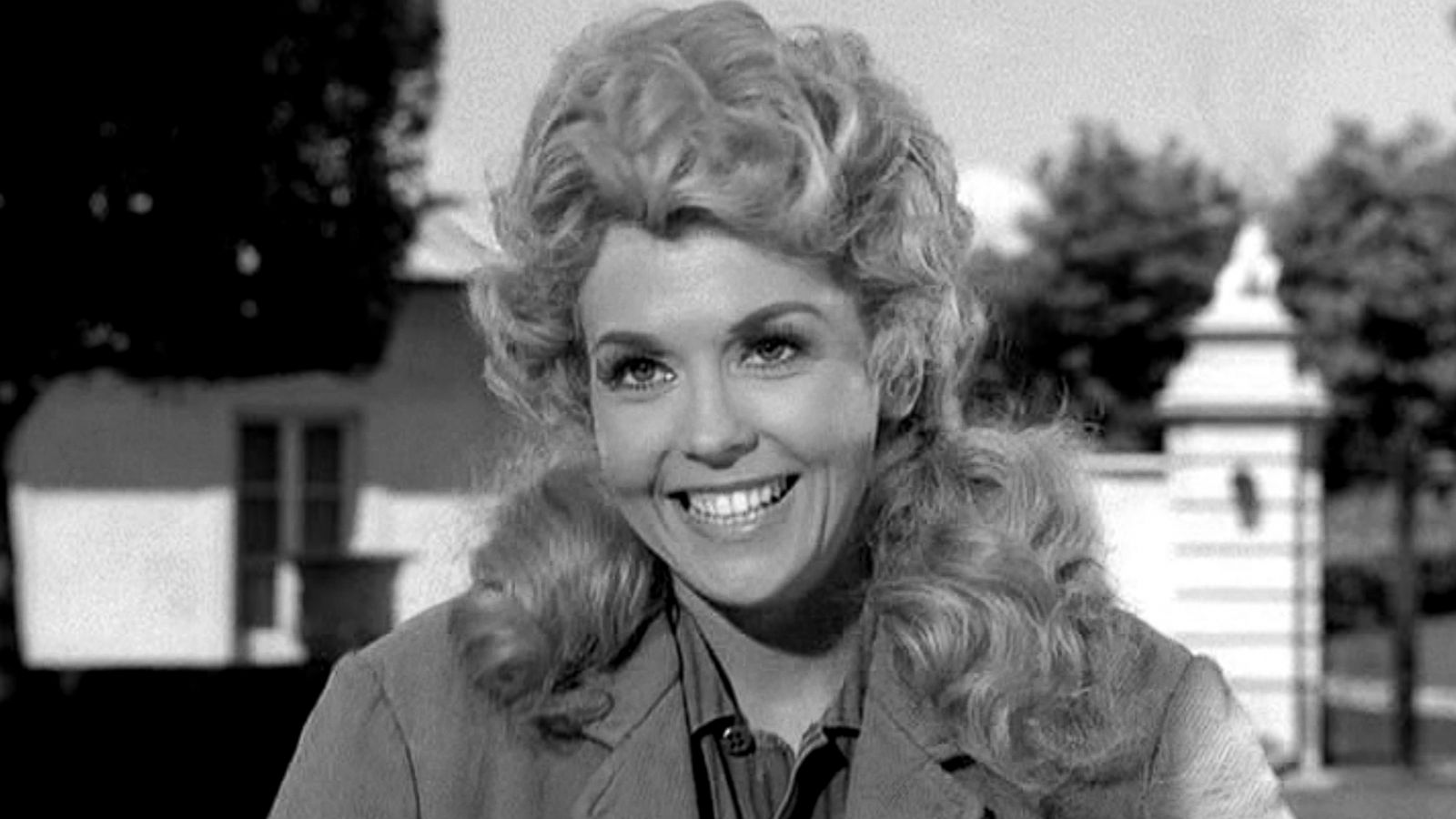
This month’s blog series is “Time for Some Texas Tea,” stars of The Beverly Hillbillies. We begin our series with Elly May Clampett, played by Donna Douglas. Born Doris Ione Smith in Baton Rouge, Louisiana in 1932, Douglas’s upbringing could not have prepared her for her most famous role of Elly May Clampett any better, because she was a tomboy and loved animals. She had eight male cousins, and she wore their hand-me-downs, went fishing with them, and pitched on an all-boy softball team. In high school, she played softball and basketball, but did switch to cheerleading as she got older. Like many of her classmates during that era, she married shortly after high school. After she had a son, she and her husband Roland Bourgeois divorced three years after their wedding.
Photo: imdb.com
Donna won Miss Baton Rouge and Miss New Orleans. She then made the move to New York. She was offered a job as an illustration model for toothpaste ads. She began taking acting lessons while in the city.
In 1958, at age 27 she began her television career. That year she would appear on The Phil Silvers Show, but she was credited with the name Doris Bourgeois, her married name. In 1959 she would appear on The Steve Allen Show, Tightrope, US Marshal, and Bachelor Father.
Her movie career began the same year. She appeared in Career and would go on to show up in six movies before 1970 including Bells Are Ringing, Lover Come Back, and Frankie and Johnny which she starred in with Elvis Presley. Although they remained friends, and Elvis once visited the cast when they were in Memphis filming, I read a few different sources that relate that Donna fell in love with Elvis and was heartbroken he did not feel the same way. Her last big-screen appearance in 2013, Chronicles of Life Trials, was also her last acting credit of her professional life.
With the debut of the sixties, her career took off, and she received roles on twenty television shows in the first half of the decade. You can catch her in a variety of series including Route 66, The Sunset Strip, Hennessey, Pete and Gladys, Dr. Kildare, Jack Benny, Mister Ed, and The Joey Bishop Show.
With Alan Hale Jr. on Mister Ed Photo: reddit.com
She had a recurring role on Checkmate in 1961 as Barbara Simmons. The plot of the show was that two friends, Don Corey (Anthony George) and Jed Sills (Doug McClure) operate a high-priced detective agency called Checkmate, Inc. in San Francisco. A British criminologist, a former Oxford professor named Carl Hyatt (Sebastian Cabot) helps them.
Photo: etsy.com
In 1960 and 1962 she was in The Twilight Zone in two memorable appearances: I remember watching “Eye of the Beholder” when I was younger and the horror of watching it never left me. In the episode, Douglas is a patient in a hospital having plastic surgery to make her more beautiful. The tension is built as they get ready to unwrap her face. You hear the nurses and doctors talking, but no one’s face can be seen After reminding her that the surgery was not guaranteed to be successful, they finally remove the bandages. We suddenly see the beautiful Donna Douglas. A nurse hands her a mirror and Douglas screams hysterically. Then things move back in the shot and as we see the medical personnel around her, we see they look a bit hideous in our standards, and Donna is devastated that she has to remain so “ugly.”
Photo: kunr.com
In 1962, Paul Henning was developing a new show about a group of hillbillies who strike oil and move to Beverly Hills to buy a mansion and live the good life. They have a hard time adjusting to the California lifestyle and being millionaires. Douglas beat out hundreds of actresses to get the part of Elly May.
Donna said that she was never allowed to change her lines in the script and that now actors have that freedom, but back then producers were in charge instead of the actors.
Douglas received more fan mail than any other cast member on The Beverly Hillbillies, and she spent hours autographing photos and responding to her fans.
Apart from the spat between Nancy Kulp and Buddy Ebsen later in life, the cast of the show was very close. Douglas, Baer, and Ebsen attended Ryan’s memorial service. Irene Ryan put on a huge Christmas spread for the show’s cast and their families every year.
With Max Baer Photo: kroc-am.com
Douglas and Max Baer Jr. remained close friends for the rest of their lives Baer said “I spoke to her on a semi-regular basis. We weren’t the kind of people who would text, but we would call each other when there was something to share.” During the time of her death, one of Donna’s comments was, “Tell Maxie I thought I was going to get better.”
Max and Donna both visited Ebsen the week before he died, and Douglas gave a eulogy at his funeral. Later, when she discussed their relationship, she said he “was a wonderful man very much like my own father, a quiet, reserved, and caring person.”
After The Beverly Hillbillies was canceled, Donna took on a few roles in the seventies and could be seen on Night Gallery, Love American Style, Adam 12, and McMillan and Wife. During this decade she also tried marriage again with Robert Leeds, who had been the director for The Beverly Hillbillies. They married in 1971 and divorced in 1980. We only see Douglas once in the eighties on The Nanny, where she played herself.
Donna had two issues affecting her offers for television roles. After portraying Elly May Clampett for nine years, she was typecast in the role and her religious beliefs prevented her from appearing in anything in bad taste, immoral, or with nudity. She said she only wanted to do high-quality work and many of the scripts did not meet that criterion for her.
After her acting career, Douglas transitioned into gospel singing, real estate, and motivational speaking. She did not do much with her realty work, because she said while she told her clients all the things that were good about the homes, she also felt it necessary to tell them all the things that were bad about them which was not part of the corporate culture in LA at that time. She did perform frequently as a gospel singer and often gave talks for church youth groups, camps, and colleges. She recorded her first gospel album in 1982. Her gospel albums included “Back on the Mountain” and “Donna Douglas Sings Gospel I & II.” She also released several country records. This same year Donna enrolled at Rhema Bible Training Center in Broken Arrow, OK; she graduated in 1984 with a children’s ministry degree.
Douglas also penned a few books. She wrote Donna’s Critters and Kids: Children’s Stories with a Bible Touch and had an accompanying coloring book. In 2011 she wrote Miss Donna’s Mulberry Acres Farm. In 2013, she released a cookbook, Southern Favorites with a Taste of Hollywood. She included recipes from some of her acting friends including Max Baer, Pat Boone, Buddy Ebsen, Loretta Lynn, Gavin MacLeod, Dolly Parton, and Debbie Reynolds.
In a 2003 interview with “Confessions of a Pop Culture Addict,” she discussed her role of Elly May: “Elly May was like a slice out of my life. She is a wonderful little door opener for me because people love her, and they love the Hillbillies. Even to this day, it’s shown every day somewhere. But, as with any abilities, she may open a door for you, but you have to have substance or integrity to advance you through that door.” Donna also made the rounds for several fan conventions for the Beverly Hillbillies.
In 2011, Donna sued Mattel when they released an Elly May Barbie doll without her permission to use her likeness. It was settled behind closed doors, but you can still find the doll which came out in 2010 with a Samantha doll from Bewitched and a Jeannie doll from I Dream of Jeannie.
Donna also enjoyed gardening, responding to fan mail, and spending time with her friends and family. She moved back to Baton Rouge in 2005, and in 2015, she died from pancreatic cancer.
Some people might consider her career unlucky after the Beverly Hillbillies, because she was not able to attain the roles she really wanted to do. However, she was able to create new goals for herself, try out different careers in which she became successful.
Photo: tcm.com
As her life was moving from middle to older age, she was able to return home and spend the rest of the years in the place she loved and the place where her roots were. I think that is a successful and healthy life. She also chose to help raise money for charities and give back when she could have justified just enjoying her private life.
She is a great role model for all of us: strive for your dreams, adjust life when necessary, do your very best, give back to others, and remember where you came from. Pretty good advice and she walked the talk! Thank you for being you, Donna Douglas.
As we wind up our “Work It Out” blog series, we finish with a working crew that was very close on and off the set, a television show about a television show, Murphy Brown.
Created by Diane English, the show aired on CBS in the fall of 1988 and ran for a decade. In 2018, a reboot of the original cast had a one-season run of 13 new episodes when we got to catch up on life with the characters.
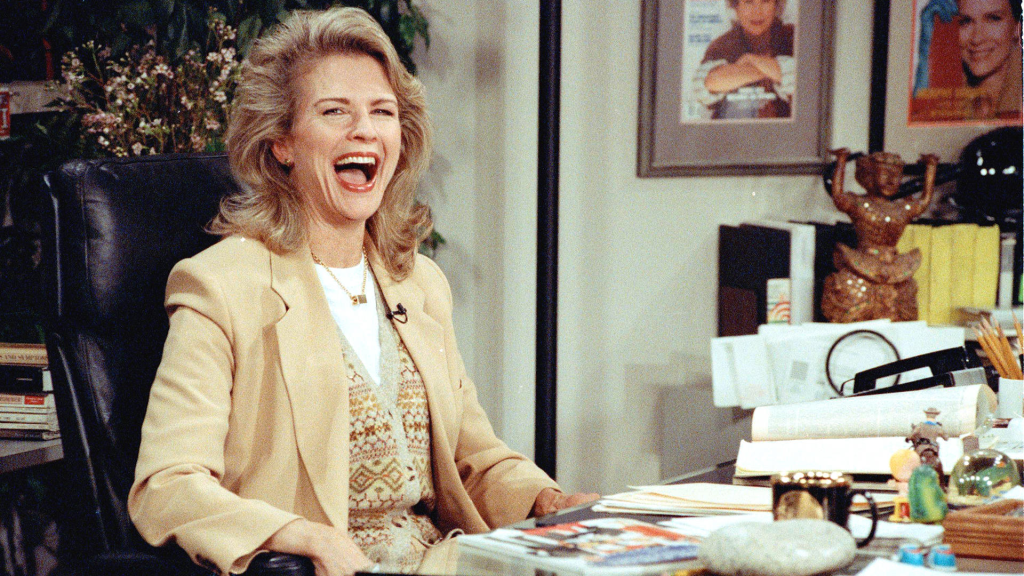
Murphy Brown is about an investigative journalist, Murphy Brown (Candice Bergman), who works for the news show FYI. I can’t imagine anyone other than Bergen in the role, but English had to fight hard for her because CBS president Kim LeMasters wanted Heather Locklear to have the role.
She is a recovering alcoholic and has a quick wit. Murphy strongly advocates for the integrity of journalism, the unjustness that can be found in politics, and feminist rights. One of her well-known frustrations is that she was so hard on secretaries, they never lasted long and we saw a long string of them come and go during the ten years. Murphy would have 93 of them during the show. One of the best secretary scenes was when Marcia Wallace who played Carol on The Bob Newhart Show worked for her. Murphy finally found a secretary that she loved and then at the end of the show, Bob Newhart appeared as Dr. Hartley and begged Carol to return to work, so she did. In one episode, Murphy finds out that there is actually a support group made up of her former secretaries.
Photo: tumpik.com
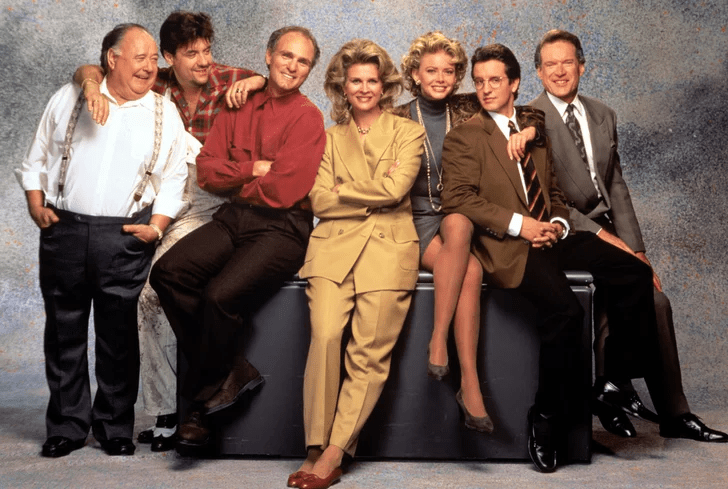
Rounding out the cast was Jim Dial (Charles Kimbrough) who tends to live in the past a bit, Frank Fontana (Joe Regalbuto), Murphy’s best friend, who calls her “Murph.” He is a great reporter but is also a bit insecure. There is a running gag that the producer make him wear a toupee which he hates. Miles Silverberg (Grant Shaud) is that producer; he’s a Harvard grad and overachiever and doesn’t bond with the cast right away. Corky Sherwood (Faith Ford) is a former Miss America. She and Murphy don’t hit it off immediately, but Murphy learns to respect her during the run of the show, and they also become very close. Murphy’s other “person” is Eldin Bernecky (Robert Pastorelli). Eldin is a house painter; he worked around her house for six seasons and he gave her lots of advice and becomes like a brother to her. Then there is Phil (Pat Corley) who owns Phil’s Bar where the crew congregates. The bar is said to be a Washington DC institution and has its share of political knowledge and secrets.
We also get to know (1) Avery Brown (Colleen Dewhurst), Murphy’s mom who is a museum curator. When Dewhurst died in 1991, the producers had Murphy’s mom pass away as well. Murphy named her son Avery. (2) Bill Brown (Darren McGavin), Murphy’s dad, a newspaper publisher. He married a yoga teacher younger than Murphy. Dewhurst won two Emmys for her appearances on this show, and McGavin was nominated in 1990. (3) Audrey Cohen (Jane Leeves) is Miles’ girlfriend for seasons 2-5, but their relationship ended when she took the role of Daphne on Frasier.
Photo: muckrack.com
In 1991, Murphy became pregnant. The father is her on-again, off-again ex-husband. He does not want to get tied down raising a baby, so Murphy becomes a single parent. One fun scene was Murphy’s baby shower which included several famous guests including Katie Couric, Joan Lunden, Paula Zahn, Mary Alice Williams, and Faith Daniels, all well-known news journalists. Baby Avery was played by Haley Joel Osment. Osment would grow up to play roles in more than 100 movies and television series including Forest Gump, The Sixth Sense, and Thunder Alley where he played Harry Turner.
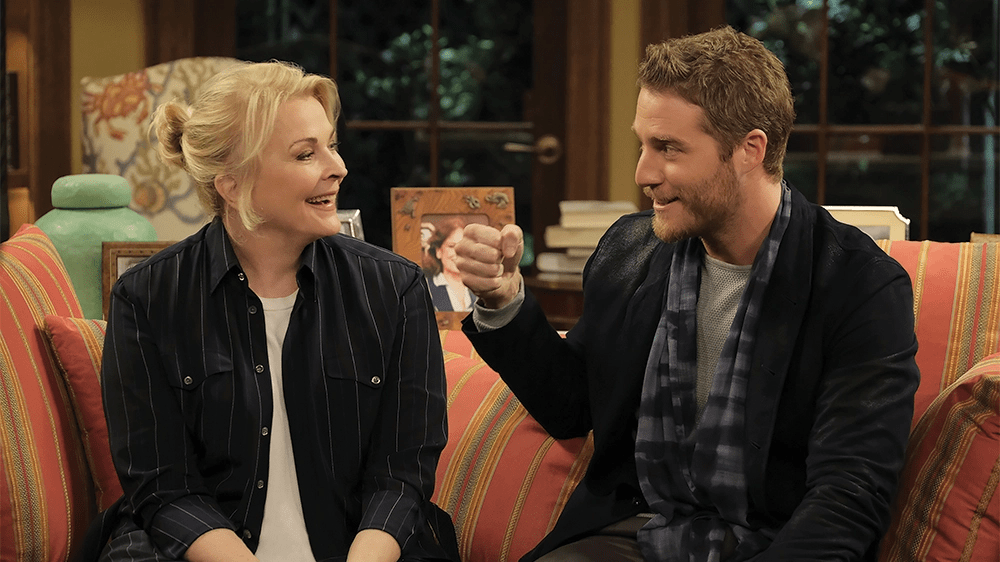
In the revival, Murphy comes out of retirement to go on the air for a show called “Murphy in the Morning.” She brings back her colleagues Frank and Corky and has Miles produce it. Jim meets them once in a while but chooses to stay in retirement. Pat Patel (Nik Dodani) is their social media manager. Murphy’s son Avery (Jake McDorman), who was a baby when the show ended, has his own news show that competes with his mom but the two of them are very close. Murphy is a die-hard liberal and her son is much more conservative. Phil’s bar is still the place to hang out, but it is now run by Phil’s sister Phyllis (Tyne Daly).
Mother and son don’t see eye to eye often. Photo: variety.com
The original show was loved by critics from the beginning, but it took longer to establish an audience. In the third season, it became a top-ten hit and was number three the next year. The show was nominated for 62 Emmys and won 18. After Bergen won five, she declined to be nominated any longer.
By the ninth season, ratings were declining. Shaud left the show and Lily Tomlin took over his role as executive producer Kay Carter-Shepley. For the last season, Murphy is diagnosed with breast cancer. Bergen was presented with an award from the American Cancer Society because there was a 30% increase in the number of women getting mammograms.
Photo: cbsnews.com
Unfortunately, you cannot buy the DVD set to watch. I read that the first season did not sell as well as expected, so they stopped releasing them. However, the music used in the series seems to be the primary reason. The show used a lot of Motown classics that resulted in astronomical licensing fees for every episode and costs were prohibitive for DVDs.
Although this was a well-written show, the then-current political references do date it a bit, but then again, that was part of the show’s mission, so it’s hard to have it both ways. While I appreciate this show, if I’m going to watch a series about a group of coworkers, I would probably gravitate to The Mary Tyler Moore Show or M*A*S*H but Murphy Brown would definitely be in my top ten work shows.
As we continue with our “Work It Out” blog series, today we are taking a long ride with Taxi. This show was created for ABC by James L. Brooks, Stan Daniels, David Davis, and Ed Weinberger and produced by John Charles Walters Co. The show was apparently inspired by an article in The New Yorker, “Night Shifting for the Hip Fleet” by Mark Jacobson in 1975. The article profiled several drivers who worked the night shift for a New York cab company. Taxi was in business from the Fall of 1978 to the Spring of 1982 on ABC and then drove over to NBC for a year.
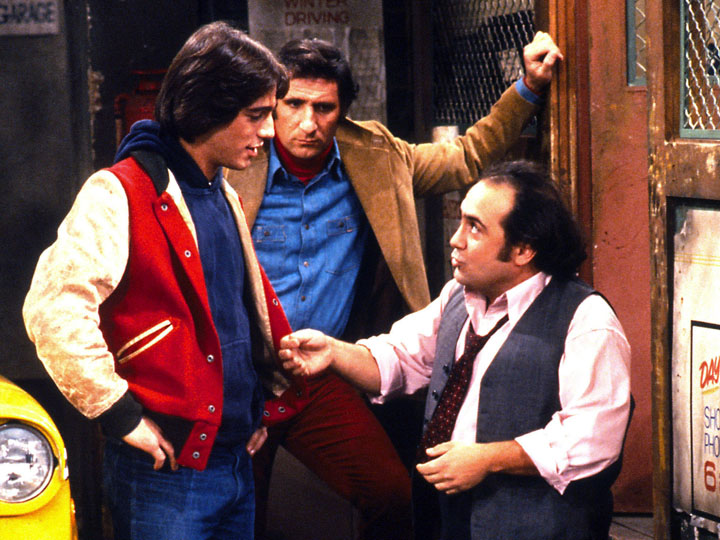
The show is set primarily at the Sunshine Cab Company in Manhattan. Louie De Palma (Danny DeVito) is the dispatcher that everyone loves to hate. Brooks said that when they went to visit a company as the night drivers were just coming back from their shifts, they saw a dispatcher taking a bribe from a driver for a clean cab. That gave them the idea of Louis. DeVito described Louie as someone who “made life miserable for everyone. The manifestation of what was going on inside of him came out in a mean-spirited way to those around him. Deep down he just wanted people to love him.”
Photo: vodkaster.com
Drivers included Alex Reiger (Judd Hirsch) who considers cab driver his profession as opposed to a temporary get-by job. Elaine Nardo (Marilu Henner) is a single mother who also works at an art gallery. In the first episode when Elaine is hired, Reiger introduces the crew by saying, “You see that guy over there? Now he’s an actor. The guy on the phone? He’s a prize fighter. This lady here: She’s a beautician. The guy behind her? He’s a writer. Me? I’m a cab driver. I’m the only cab driver in this place.”
Tony Banta (Tony Danza) a boxer, and Bobby Wheeler (Jeff Conaway) a struggling actor are other coworkers. We also get to know the Reverend Jim Ignatowski (Christopher Lloyd), an aging hippie who gets a job driving and Latka Gravas (Andy Kaufman), an immigrant mechanic. Latka was a weird character, and I have to say that I did not enjoy him on the show. Andy Kaufman invented the character for a comedy act. During the show, he met and married Simka (Carol Kane).
The person who probably had the easiest audition was Danza. He said that when he went to read for the show, he had broken his third metacarpal on his right hand and had a black eye from knocking out a guy in the ring in Brooklyn. He had never acted before and didn’t really know what he was doing.
Although the show was a sitcom, there were a lot of important issues tackled during the run of the show including addiction, parenthood, obesity, animal abuse, homosexuality, racism, gambling, grief, divorce, and sexual harassment, among others.
Ruth Gordon Photo: ebay.com
This show had more than its share of important guest stars. Ruth Gordon and Eileen Brennan both were nominated for Emmys for their guest appearances, with Gordon winning hers. Other stars who showed up included Marcia Wallace, Penny Marshall, Dr. Joyce Brothers, Edwin Newman, George Wendt, Ted Danson, Tom Selleck, Tom Hanks, and Bubba Smith.
Brooks wrote for The Simpsons and The Mary Tyler Moore Show. Daniels also wrote for The Mary Tyler MooreShow and was best known for The Tonight Show. Davis was one of the writers behind The Bob Newhart Show and Weinberger would go on to write for The Cosby Show. It was no surprise that this show was known for its amazing writing, and the series was nominated for 31 Emmys during its five seasons, it won 18 of them, most impressively it won Outstanding Comedy in 1979, 1980, and 1981. Kane, Hirsch, DeVito, and Lloyd and all won Emmys for acting. James Burrows won two for directing.
Taxi had one of the most-recognized theme songs from the 1980s. “Angela” was written and performed by Bob James.
I did not hear much about conflict on the set, although several performers, including Hirsch, indicated they did not care much for Kaufman. Kaufman had it written in his contract that he only work two days a week, so for most of the filming a guy with a sign around his neck that said “Andy” worked with the cast, so I don’t think there was necessarily a lot of bonding with him anyway.
Conaway was fired after 69 episodes. It was apparently well-known that he had a major addiction problem, and when one of the producers discovered him passed out when he was supposed to be filming, they wrote him out of the episode and then wrote him out of the show.
The cast seemed very happy and like a family. Henner said that they could always express an opinion about their character and thoughts on a scene. Brooks said Burrows was able to bridge the two worlds of writers and actors. He spent time with actors all day and then went to the writers’ room to talk to them and was the liason between the two. Henner agreed and said that Burrows was brilliant at adding memorable moments to a scene. She said in one episode she was losing her mind a bit and someone says the champagne is flat and the producer had her bend over and blow bubbles in the glass. She said it was brilliant.
Photo: rottentomatoes.com
DeVito also mentioned a scene that was special for him. One night when Louie was all alone in the garage, he took out the mic and sang a song. Then he said, “I always wanted to do that.” It was a very heart-warming moment and made Louie more interesting and gave him more depth.
Burrows said that most of the cast was young and they all bonded so well. Sometimes they went roller skating, to dances, and they even had a softball team. Rhea Perlman was on the show off and on and during one of their lunch breaks, she and DeVito got married.
Henner talked about their weekly parties. She said everyone at Paramount wanted to hang out with them including the cast of Happy Days, Mork & Mindy, Laverne & Shirley, and Bosom Buddies. She said that John Travolta and Frances Ford Coppola stopped by. John Belushi hung out with DeVito a lot and was there for one of their get-togethers and he died the next day.
Photo: tvguide.com
Hirsch said the group wanted something to do after the show because they didn’t want to go home; they wanted to hang out together more than anything else.
Brooks probably summed up the show the most eloquently. He said that “there’s a lot of things that take a glow in retrospect. The great thing about Taxi was that there wasn’t a moment on the show they didn’t appreciate how lucky there were to have it. That was the show’s energy. I’ve never seen anything like it. . . People show up at the right time and everyone’s lucky enough to have each other at a certain point. It becomes a beautiful team sport.”
Isn’t that the best tribute anyone could give a show? I’m glad they all had an appreciation for it, and I’m glad they included us in their family.





















 thewritelife61