Oh Magoo, You’ve Done It Again

Welcome to October, and welcome to our blog series for the month, “Get Animated.” Up first on the schedule is Mister Magoo.

📷imdb.com

This show was originally aired from 1960 to 1962. It was produced by United Productions of America, and each episode was made up of five four-minute cartoons. Jim Backus voiced Mr. Magoo and other famous voice actors on the show included Bea Benadaret, Mel Blanc, Dawes Butler, June Foray, Paul Frees, Jerry Hausner, Frank Nelson, Benny Rubin, and Jean Vander Pyl.

Mr. Magoo’s first appearance was in 1949 in “The Ragtime Bear.” Created by Milard Kaufman and John Hubley, Mr. Magoo was originally a parody of Joseph McCarthy, a mean-spirited, hateful man. It was meant to protest the Hollywood Blacklist. However, Kaufman found himself on one of these lists and passed the character of Mr. Magoo to Pete Burness. Burness depicted Magoo as a senile old man who was too stubborn to admit his eyesight was going. Backus was already voicing Mr. Quincy Magoo in 1949, so he lived with the character for decades.

In 1964, a similar series debuted called The Famous Adventures of Mr. Magoo which was on one season, and What’s New Mr. Magoo popped up in 1977. Backus continued to voice Magoo until the 1997 big-screen movie when Leslie Nielsen took on the role.

The show won two Oscars for Best Short Subject, but these were both in the mid-fifties before the television show debuted.

📷pinterest.com

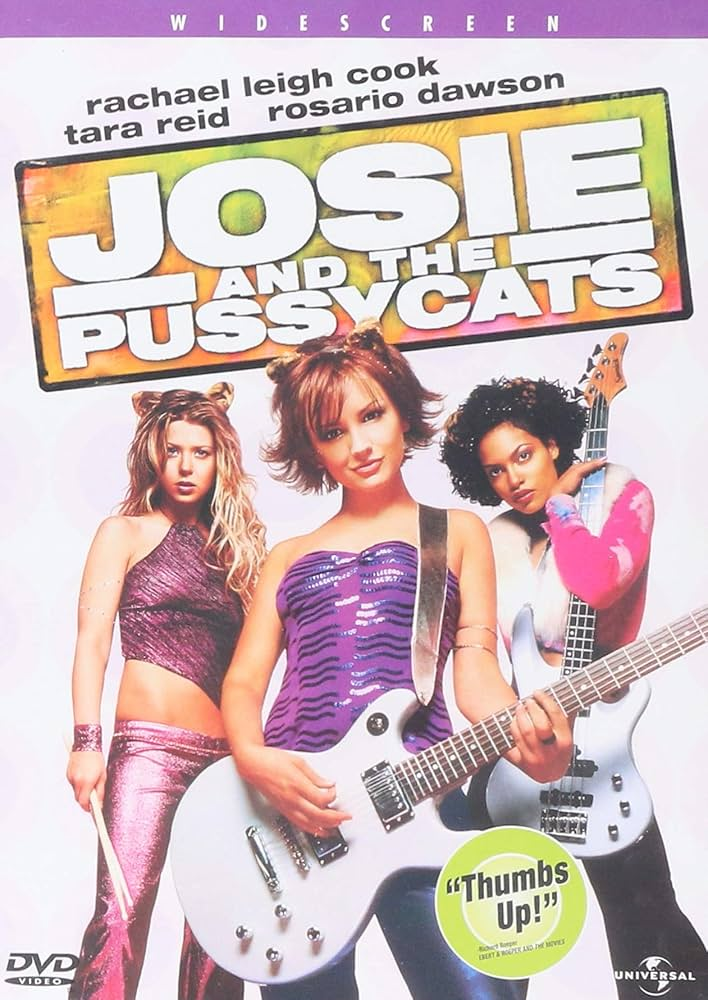
I remember watching reruns of the shows when I was a kid, and while I thought some of the shows were funny, I wasn’t a huge fan. I was much more into Scooby Doo, Josie and the Pussycats, and The Archies.

Many kids identified Mr. Magoo with a grandparent: an elderly person who wasn’t ready to accept the fact that they were aging and had some limitations. Mr. Magoo got into a lot of complicated situations because he couldn’t see very well and refused to admit it. He would do things like think he was walking into a men’s clothing store when he was in an army recruitment office and try to purchase clothing.

When making the talk show rounds in the sixties, Backus told a story about how he prepared for the series. He put a fake rubber nose that pinched his own nose, giving it a nasal twang. After being Magoo for a bit, he was able to produce the voice without the fake nose. One of Magoo’s taglines was “Oh, Magoo, you’ve done it again.”

One of the tough things about this show was Magoo’s houseboy Cholly, whose real name was Charlie. Cholly was a stereotype of a Chinese man featuring huge buck teeth and fractured English diction. While several shows had Chinese or Black employees during this era, most of them were not so negative. Rochester often got the better of Jack Benny on his show. On Bachelor Father, one of my favorite sitcoms, Bentley lived with his niece and Peter, his houseboy. But Peter was more of a brother and felt free to speak his mind to Bentley; he was not a demeaning caricature.

📷pinterest.com

Backus seemed to vacillate on whether he liked or detested Magoo. In an article from 2023, Jim Korkis talked about Backus’ relationship with the animated character. Backus once admitted that “I’d like to bury the old creep and get some good dramatic roles in movies. He’s a pain in the posterior. Every time I start to be a serious actor I lose out because someone—usually a producer—says I’m Magoo.” However, Jim also drove around in a car with the license plate “Q MAGOO.”

He said Backus saw his father in the Magoo character who was isolated from most of the world. Another influence for determining the voice was a character Backus developed for his nightclub act. Backus described him as “the loud man in the train club car.

In an Ohio State University publication, Backus said his association with Magoo helped him out one night. He was trying to reserve a table at a restaurant with no luck. He called back as Mr. Magoo, and they gave him a table right away.

The Debbie Reynolds Show: Her Sponsorship Went Up in Smoke

Before we get into our topic of the week I’m celebrating today. This is my 475th post! Thank you to everyone who has joined me in my journey.
We are in the final week of our blog series this month, “It’s Their Show.” We are winding down with The Debbie Reynolds Show. While most of the shows we learned about this month were on air in the late fifties and early sixties, The Debbie Reynolds Show appeared in 1969 on NBC.

The show was created by Jess Oppenheimer who Lucille Ball called “the brain” behind creating I Love Lucy. This month we learned a bit about Bob Carroll Jr. and Madelyn Pugh Davis who created and wrote for I Love Lucy and The Tom Ewell Show, and they are back to write for this sitcom as well.

The show didn’t get off to a great start because Reynolds was clear that she wanted no cigarette commercials on her show. However, NBC was courting American Tobacco as the sponsor and Debbie threw a fit. When the tobacco company learned Reynolds was threatening to quit, they pulled their funding. Reynolds assured NBC that she would agree to forego NBC’s promise of a second year of the series, and she gave up her ownership in an NBC film What’s the Matter with Helen?, although she was able to star in the film.

The plot of this show was that Reynolds was married to Jim (Don Chastain), a sportswriter for the Los Angeles Sun. Like Lucy always trying to get into show business, Debbie Thompson wants to be a reporter, and she comes up with various schemes to get her that job. Jim just wants her to be a stay-at-home wife.

📷📷pinterest.com

Rounding out the cast were Debbie’s sister Charlotte (Patricia Smith), Charlotte’s husband Bob (Tom Bosley) and Bruce (Bobby Riha), Debbie’s son. Like George Burns had done in his show, Debbie often addresses the audience directly.

Debbie Reynolds did double duty in this one, singing the theme for the show, “With a Little Love.”

Sadly, Reynolds was not in the same financial situation that many screen stars were when they agreed to try a television series. When the show was canceled after one season, she lived in her car for a while and her career never got back on track. For 35 years after this sitcom was canceled, Reynolds played bit parts, appeared as herself, or did animation. It must have been hard to tolerate after being a big star on the silver screen.

Tom Bosley talked about appearing in this sitcom in his interview with The Television Academy. He said the network allowed the cast to make seventeen episodes, but from the beginning they knew the show would be canceled because of the stunt Debbie and her PR rep pulled regarding the sponsorship.

📷moviemarket.com

Bosley thought Oppenheimer was a genius, but Bosley said even without the issue Reynolds had with the network, the show needed reworking for it to remain on the air. Bosley said Reynolds was very energetic, but she was bitter about her husband leaving her for Elizabeth Taylor, and her second husband was a gambler who left her with half a million dollars of debt to pay off.

To make ends meet, she went to Las Vegas to perform and started a costume museum to preserve the artifacts.

Unfortunately, this show was doomed from the start. While I admire Reynolds for standing up for what she believed in, the way she went about it was not helpful. It should have been written into her contract or handled in a nonpublic discussion. If Reynolds had let the network take care of sponsorships, things would have been okay. A few months after this show debuted, Congress took their anti-smoking initiative one step further and passed the Public Health Cigarette Smoking Act, banning the advertising of cigarettes on television and radio starting in 1971, so many shows walked away from tobacco companies in 1970. However, when Reynolds dug her heels in and threatened to quit, she not only lost her two-year minimum deal and her upcoming movie profits, but the studio was just biding its time because it had already decided to cancel the series because of her behavior.  

📷posterazzi.com

Even though Oppenheimer was described by everyone as an amazing creator and producer, this show felt like another I Love Lucy with a different occupation, and I’m guessing viewers felt that way too. It was similar to Sherwood Schwartz who kept revising The Brady Bunch for decades and kept writing sitcoms with the main characters somehow “lost” that were all duplicates of his Gilligan’s Island.

By 1969, it was time to move away from the hard-to-restrain wife in the sixties concept. In addition to being a copycat of I Love Lucy, I have to be honest. While I found something fun and charming about the other series we learned about this month, the episodes I tried to watch for this blog were painful. The characters were not likable, the writing was not witty or even easy to listen to, and considering what a great cast they had, the show just fell flat. Sadly, I recommend avoiding this one unless you are trying to put yourself to sleep some night.

The Jim Backus Show: It Was Hot Off the Wire

This month we are in a blog series, “It’s Their Show.” Today we are taking a closer look at The Jim Backus Show. Most people know Backus today as Mr. Howell on Gilligan’s Island. While he did show up on several television series, cartoons, and made-for-tv movies for Gilligan’s Island, Backus had a long and successful career without any Gilligan appearances. He started in the movies in 1948 and wound up his career with an amazing 253 credits.

📷thrillingdaysofyesteryear.com

In addition to being the voice of Mr. Magoo, Backus starred in several other series including I Married Joan and Blondie.

In 1960, The Jim Backus Show debuted.  It was one of the first syndicated shows, so it’s hard to gauge how it did against its competition. However, I will say what I can tell you is that there were still 13 westerns on the air during the week, so while the influence of the Plains was waning, it was still very popular. It was also a year that lots of stars had made the plunge to dip their toe into the television industry. There were 11 stars with their own shows that year in addition to Backus, including Jack Benny, Ann Sothern, Danny Thomas, Andy Griffith, and Donna Reed. 

The series had a great cast. They had several good directors, including Gene Reynolds who produced MASH and Lou Grant and a lot of good writers, including Jay Somers who would go on to create and write Green Acres. However, they had 14 directors and more than 40 writers to produce those 39 episodes. They also had a great line up of guest stars including Ken Berry, Charles Lane, Jayne Meadows, Zasu Pitts, Tom Poston, and Bill Quinn.

📷youtube.com

Backus is Mike O’Toole, the editor and owner of a news service struggling to make a go of it. He often doesn’t have the money to pay his rent or his staff’s salaries. Working with O’Toole are reporters Dora (Nita Talbot) and Dave (Bill McLean) as well as Sidney (Bobs Watson), their office boy. When they weren’t working, they spent some time at Heartless Harry’s, a bar downstairs that was popular with newspaper people. He truly was heartless, because he wouldn’t let anyone from Mike’s company in the bar unless they put down a $10 deposit.

One of the episodes I watched for this blog was #5, “No Help Wanted.” The opening pans the big city before moving down to the office of the wire service with Mike in the window joined by Dora.

The episode begins with Mike and Dora’s car breaking down in the middle of nowhere. There’s a large estate in the distance, but Mike won’t let Dora ask them for help until he’s tried to fix the problem himself.

Directed by Gene Reynolds and written by Dick Chevillat and Jay Sommers, the plot is that a retired stage actress, Catherine Lyden (Linda Watkins), has lots of money and loves living a normal life. Her former agent keeps trying to lure her back into show business. She decides to clean the maid’s house so she can hire someone, but when Dora and Mike meet her, they recognize her, and they think she is destitute and try to help her. After they get back to the office, they buy her some groceries and clothes. She tries to tell them that she has plenty of things and she doesn’t need their help. O’Toole writes a story about her having to work as a maid to make ends meet and puts a photo in the paper with her holding a pail and looking disheveled. When the article appears, several people contact her to try to help her out. When Mike and Dora get her contract from the playwright who is trying to hire her, they tell her that it’s a form to get a retraction from the paper.

After she signs it,  they tell her the truth, that it’s a five-year contract and she begins to cry. Surprisingly they never do find out she wasn’t down and out. They think she is crying from gratitude, and they leave.

📷internetarchive.com

There were some fun bits of dialogue especially between Dora and Mike, and the filming was very different from most sitcoms, but I was drawn in by it. One of the things that I found most interesting about this episode is the soundtrack. There is some laughter in the background, but you hear birds, the office machinery running, and the sounds of the city. It’s like you’re right in the location with the cast and hear what they would hear.

This was a tough episode for me though. First of all, I kept waiting for Lyden to be touched by the fact that they were trying to help her and maybe that made her realize the public missed her. However, she never cared that they were spending their hard-earned money on her. She truly was upset when they tricked her, and I found it tough to watch because they never learn she was not destitute and truly was happy and they have now made her miserable for five years. It just didn’t have that feel-good ambiance we expect our sitcoms to feature.

📷wikipedia.com

The series produced 39 episodes before being canceled. I’m guessing the fact that it didn’t make it had something to do with the fact that it was on different nights and times across the country.

Sometimes these shows are hard to find. They all had two names. The Tom Ewell Show was known as The Trouble with Tom, The Phyllis Diller Show was known as The Pruitts of South Hampton, and The Jim Backus Show went by Hot Off the Wire.  With so much competition from other stars trying to vie for their spot on the schedule and being a syndicated show, I’m guessing it was hard to lure enough fans to make it worthwhile to produce a second season of the show.

The Tom Ewell Show: Surrounded by Women

Thanks for joining me today. We are having fun with this month’s blog series, “It’s Their Show,” and today we are taking a closer look at The Tom Ewell Show. The shows we are delving into this month were all movie stars jumping from the big screen to the small screen. Some of them landed on their feet and some didn’t.

📷ebay.com

While most of the shows we are covering have a star we all know, Tom Ewell is no longer a household name. His first movie was in 1940, and he’s probably best known for The Seven-Year Itch with Marilyn Monroe. He did become a television fixture, starring in the soap Search for Tomorrow as well as a cast member of Baretta in the seventies and Best of the West in the eighties.

The Tom Ewell Show debuted on CBS in 1960 and was on for one season. The premise is about a guy who has to navigate life with a lot of women: his wife (Marilyn Erskine), daughters (Cynthia Cherault,  Sherry Alberoni and Eileen Chesis), mother-in-law (Mabel Albertson), and a female dog and a parakeet.

Tom Potter is described as a “bumbling” father. I’m not sure why so many shows in the early days featured a wife who caused complications for her husband or a bumbling husband. Potter was a real estate agent. Rounding out the cast are friends pharmacist Howie Fletcher (Norman Fell) and Jim Rafferty (Barry Kelley).

Potter loves sports, but the rest of his household is not too interested. Often, he is watching a sporting event on television while telling his family about the high points when they obviously could care less.

📷imdb.com

The concept of the show was set up in the opening which showed Tom looking around and then being put into a house before seeing the house overrun by women.

The show was created by Madelyn Pugh Davis and Bob Carroll Jr. who wrote for I Love Lucy. Pugh Davis said she based the show on her family. Her family had all girls and a mother-in-law in the house.

Ewell owned the production company in partnership with Davis and Carroll and Four Star Productions. Quaker Oats and Proctor and Gamble alternated sponsorship of the show.

Time reviewed the show after its debut and said “The Tom Ewell Show leads a relentless parade of situation comedies, all designed to show that American family life is as cute as a freckle on a five-year-old. The show, which might also be titled Father Knows Nothing, presents the comic with the excavated face as a bumbler named Potter who is trapped in the customary format: Harassed Man Beaten Down by Wife, Three Daughters, Mother-in-Law. In the opening episode, Ewell could find no better way to outsmart his spendthrift women than closing his bank account and ruining his own credit. For those who may have tuned out early, the women were all set to start spending again.” Not a great review.

📷imdb.com

This makes the female characters sound very unappealing, but on the show, his wife and daughters were delightful. His mother-in-law liked him and they often bantered back and forth; I think it’s worth watching the show just to see Mabel Albertson in action. However, the plots left a bit to be desired: Tom teaching his wife to drive a car, his daughter learning to play the tuba; and the typical sibling issues of everyone wanting to use the phone and the bathroom at the same time.

The show struggled finding viewers. Associated Press television critic Cynthia Lowry interviewed Ewell that fall, and he said that he had read both the positive and negative reviews of the show. He agreed with the critics who felt that Potter was too inept, and the comedy centered more on that and their family life. He said for December episodes, that issue would be addressed in the writing, and the family dog and parakeet were being dropped from the show. Unfortunately, it was not enough to attract viewers, and the show was canceled after one season.

📷youtube.com “Spelling Bee”

In an episode I watched, “The Spelling Bee,” from late November, Tom is trying to interest his family in golf. When he finally got them to watch a golf match, the females were more interested in what the golf spectators were wearing. And then his youngest daughter ran in and turned the station to a kid’s show. One of his girls is practicing her spelling to try to win a trip to Washington DC by winning the all-state spelling bee.

When Tom leaves the house, he continues to run into fathers and sons who are playing baseball, going fishing, working together, or talking about sports. Tom daydreams he has three boys, but we realize that he is holding a skein of yarn for his daughter while he does so. He tries to talk his oldest girl into going into the real estate business. Later he tries to talk his middle daughter Debbie into giving up spelling for golf. He also tries to get his wife to go bowling with him. When Tom realizes that one of his friends has a son trying to win the spelling bee as well, he turns it into a big sports event and is determined to beat them.

He buys a bunch of dictionaries and then gets up early to “train” Debbie. However, she had already left the house and when she returns, he finds out she’s been on the driving range practicing her golf, so they can be in a father and child golf match. He drills her on spelling the rest of the day. That night Debbie comes down with laryngitis.

📷imdb.com

Her grandmother gives her honey and lemon. The following night they attend the spelling bee, and Tom gives Debbie a pep talk, but then he reminds her he loves her no matter what. Of course, the final two contestants are Debbie and the son of Tom’s friend. She wins, and she and her dad get to travel to Washington, DC where they meet the President. The show ends with Tom telling his friend about all the great non-sport talents his girls have. It was a cute show, and the characters were all likable. There were a few great one-liners. It would not make my top 25 shows, but it was much better than many of the sitcoms in the sixties.
The show had a decent time slot. It was on Tuesday nights at nine, competing with Stagecoach West and Thriller. While both of those shows garnered decent ratings, neither of them was in the top thirty. The primary director was Hy Averback, who would later direct twenty episodes of MASH. So, they had the right elements in place, but the show just could never find its fans.

Larry Rhine talked about writing for the show. Rhine said Ewell was a nice man, but he said Ewell didn’t think the kids should be involved in the show much because they didn’t have the caliber of other actors. Rhine told Ewell they could consider them more as props which seems like a strange concept for a family show, considering that the episode I watched revolved around the daughters.

📷imdb.com

Rhine said Ewell found the show was over when he was on the set one day and he was called to the telephone about a trip he was supposed to take with CBS, and he was told that he was no longer part of the group because he had been fired.

I’m guessing part of the problem with this show getting renewed is that it debuted when westerns were still king and many of the television schedule spots were already filled with them. While it was definitely not a terrible show, the sixties were on the cusp of introducing very different sitcoms than the family-based ones that filled the fifties’ slots. By 1965 we would be tuning into Batman, Honey West, Hogan’s Heroes, The Smothers Brothers Show, and I Dream of Jeannie. However, that said, there are worse ways to spend a weekend than viewing a season of The Tom Ewell Show.

Hey Mulligan! The Mickey Rooney Show


This month our blog series is “It’s Their Show.” Today we are taking a look at The Mickey Rooney Show. This show debuted on NBC in 1954. It was on for one season, producing 39 episodes.

📷singingnewstv.com

Rooney plays Mickey Mulligan, a Guest Relations Staff member who works at a television network, hoping to land an acting career by taking acting lessons at night. It’s interesting that they set the show at a television network, because only 56% of families had televisions in 1954. It’s also interesting that Rooney was playing a young adult, although he was in his mid-thirties.

Mulligan is not content with his salary of $47.62 a week. Lucky for him, his girlfriend Pat (Carla Balenda) is a secretary to the studio program manager, Charles Brown (John Hubbard). Rounding out the cast is the head of the network (John Hoyt) and Mickey’s best friend Freddie (Joey Forman). Freddie also works at the network, and the two friends often grab lunch at the Hamburger Hut.

📷internetarchive.com

To make ends meet, Mickey lives with his parents, Joe (Regis Toomey) and Nell (Claire Carleton). Joe is a retired police officer who met his wife when he arrested her because she was a burlesque dancer.

There were a lot of talented people behind the camera on this show. Blake Edwards was one of the creators,  an executive producer, and one of the writers on the show. He would write and produce several shows including Richard Diamond Private Detective and Peter Gunn before moving into movies in the sixties. Later in life he would be known for the Pink Panther movies and marrying Julie Andrews.

Van Alexander was an arranger for Capitol Records, and he produced the soundtrack for the show. He was a collaborator with Ella Fitzgerald and worked on Bewitched and I Dream of Jeanne as well as big-screen productions.

📷BBC.com Van Alexander

Leslie H. Martinson was one of the primary directors for the show, working on 33 of the episodes. In a Television Academy interview, he discussed working on the series. He said he often had to shoot around Mickey’s role because Mickey was off at the racecourse and then they’d film him when he showed up. He said Rooney was a genius with the way he reacted to things and often his expressions made the entire scene worthwhile.

NBC scheduled the show on Saturday night against The Jackie Gleason Show, which was one of the most popular shows on television at the time. There were some derogatory comments made about Gleason by Rooney that got leaked to the public, and it caused a lot of turmoil for the show before it even aired.
📷amazon.com

The show started with a tagline, sort of like the beginning of That Girl had. While Rooney is boxing, someone yells “Hey Mulligan.” I watched episode 8 of the first year, “Tiger Mulligan.” In this episode, Mulligan’s parents are watching television when Mickey comes home from the gym where he’s working out to be an amateur boxer. His dad is ecstatic, but his mom is not too happy. His girlfriend agrees with her, and she doesn’t like having to sit around by herself at night. His mom, who is a fun character, convinces him that he’s trained too hard and is overly weak. She sets him up by gluing some items to the shelf and making a jar impossible to open. He thinks his mom is stronger than he is and that he needs to pull out of the fight. However, his dad realizes what she’s up to and when he calls her on it, Mickey gets excited for the match. However, at the ring he realizes that his opponent looks like a weakling but has a strong right arm. The fight ends with both of them passing out when they see blood. I really enjoyed the writing, the characters, and the music; I will say that the laugh track was a bit hard to get used to though.

I know something has to go up against the big hits on the television schedule, but it seems like this would have been a fun show if it had competed against a show that wasn’t in the top ten. The entire series is available on DVD if you want to check it out.

McNultey v McNutley: Still Professing Comedy

Thanks for joining me this month in our blog series, “It’s Their Show.” As it became obvious that television wasn’t going away and movie stars were only hurting themselves shunning the industry, several celebrities decided to make the jump and star in their own show on the small screen. Ray Milland was one of the first stars to tackle the task. Milland had been known for many great movies including The Lost Weekend, for which he won an Oscar, and Dial M for Murder.

📷raredvds.com

His show was originally titled “Meet Mr. McNutley,” but it became The Ray Milland Show. This is one of those shows that fans remember fondly as very funny and well written.

The show debuted in 1953 and ran for two seasons, two very different seasons. In the first season, McNutley is an English professor at Lynn Haven College for Women. Although all the students find him attractive his wife (Phyllis Avery) understood that this was not affecting her marriage. Rounding out the cast were their neighbors Pete and Ruth Thompson (Gordon Jones and Jacqueline DeWit) and the college dean (Minerva Urecal) who was not swooning over McNutley.

📷wikimediacommons.com

When the show returned for its second season, his name is now Mr. McNulty and he is a drama professor, moving from New England to Comstock University in California, a coed college. Dean Dodsworth (Lloyd Corrigan) and his wife (Madge Blake) take the place of their neighbors in this version.

The first season, CBS put the show on Thursday nights where it was up against Groucho Marx’s You Bet Your Life, a top ten program. Although many things changed from season one to season two, what stayed the same was that the show was still up against You Bet Your Life and Groucho’s show was still in the top ten. Ray’s show was cancelled at the end of the second season.

The producers of the show were Joe Connolly and Bob Mosher. The partnership would have some minor success in the early sixties after this show went off the air (Bringing Up Buddy, Ichabod and Me, Calvin and the Colonel) before hitting it big as the writers and producers for Leave It to Beaver and The Munsters. They were also behind The New Leave It to Beaver Show in 1997.

📷idahoseniorindependent.com “The Christmas Story”

I watched the Christmas episode from the second season for this blog. Peg gets involved with the local orphanage and agrees to host a child for Christmas. She is a difficult child and makes life and the holidays very unpleasant for the couple. However, as viewers, we are in on a scene where Susie (Beverly Washburn) reveals why she is so mean. She decides to become the perfect child so the couple will take her to the orphanage Christmas party, but her goal is to expose Santa as a fake to the other kids, and the show ends with an unexpected twist. It was a heart-warming story, and the humor was a bit subdued, but I enjoyed the episode. I was impressed by Washburn’s portrayal of a bad, good little girl. By the way, Washburn is still acting; she’s probably best remembered for her role in Old Yeller.

Milland would attempt another television series in 1959, and that show also ran for two seasons. As Markham, he portrayed a former attorney turned private detective who solved crimes around the world.  

It’s too bad that the network never gave this show a chance to move to a spot in the schedule where it didn’t have so much competition. I thought it was more sophisticated than some of the sitcoms during the fifties. I’m guessing that it might have been a big hit.

Sale of the Century: Might Feel Like a Century Ago

This month our blog series is “Life is Just a Game,” and we are looking back at some of the game shows that debuted in the fifties and sixties. Today we are ending our series with Sale of the Century.

📷tvinsider.com Host Jim Perry

On September 29, 1969, three game shows debuted on NBC. Letters to Laugh-In and Name Droppers didn’t last long. The third was Sale of the Century. Compared to the other game shows we have learned about this month, Sale of the Century was not a long-lived show; it was canceled in 1973. I don’t remember the first two years of the show when Jack Kelly was the host, but I remember watching with Joe Garagiola, a former baseball player, when he did the emcee tasks. I loved this show for some reason. From 1983-1989 another version was aired, hosted by Jim Perry.

Jack Kelly was best known as Bart Maverick in the show Maverick from 1957-1962. He took a break from acting to host this game show but after two years, he decided to go back to his acting career. He ended up with 120 credits, so he was a busy and well-respected actor. After this show, he did appear regularly in Get Christie Love and The Hardy Boys/ Nancy Drew Hour.

📷buzzerblog.com

Joe Garagiola was a baseball player with the St. Louis Cardinals, Chicago Cubs, Pittsburgh Pirates, and San Francisco Giants from 1946-1954. In 1951, he led the National League in fielding percentage for catchers. He later did some color commentary for his son’s team, the Arizona Diamondbacks. He did give acting a try and ended up with 3 credits, two which were playing himself. However, game shows was where he made his mark, hosting for He Said, She Said; To Tell the Truth; Strike It Rich; and Joe Garagiola’s Memory Game.

Jim Perry was the typical game show host. He started out in show business as a singer and worked with Sid Caesar in his comedy routines. In the seventies he began doing game shows. In total, Jim Perry hosted approximately ten different game shows (including unsold pilots) in a career that spanned about 25 years. 

📷pinterest.com instant bargains

In the original version of the television game show, there were three contestants who each started the game with $25, and the host would ask a general-knowledge, trivia-type question. Whoever answered it got $5. The second half of the game, the questions were worth $10. They also lost that amount if they gave the wrong answer. Off and on during the game a dinging would be heard, and an Instant Bargain was brought on stage. The bargain was a great prize at a reduced rate, like a television for $15. Whoever was leading got a chance to buy the item; if they did, that amount of money was taken off their board. Whoever won the game got to go shopping with their money or they could come back the next day to try to win more in order to buy a bigger prize.

Like the other game shows we learned about, none of the original episodes were kept because they were recorded over. The UCLA Film and Television Archive does have nine episodes of the show in its collection. There are also some episodes from 1985-86 and 1992-94 versions that ran on USA later.

📷gameshowswiki.com

The theme song was composed by Al Howard and Irwin Bazelon. Howard was also the executive producer of the show. I couldn’t find any other composing done by Howard. He would later produce Supermarket Sweep from 1992-1994. According to imdb.com, Bazelon wrote the score for the television production of What Makes Sammy Run?, and incidental music for “The Taming of the Shrew” and the “Merry Wives of Windsor” for the Shakespeare Festival Theatre in Stratford, Connecticut. He joined ASCAP in 1955, and his compositions include “Brass Quintet,” “Five Pieces for Cello, Piano,” “Five Pieces for Piano,” “Sonatina,” and “Piano S.”

You could play the game at home with Milton Bradley’s versions from the original series or the American Publishing Corp.’s game from 1986.

Fun fact, Tim Hollerin of Connecticut was the show’s biggest winner. In 1985, he took home cash and other prizes to the value of $166,875.

📷facebook.com

I’m guessing that this show wouldn’t hold up as well after so many decades. The general trivia questions might not resonate with this generation, and prices are so incredibly different, that it might just feel very dated. That said, I would love to catch an episode or two because I do remember enjoying it so much.

The Word is . . . Password

This month our blog series is “Life is Just a Game,” and we are looking back at some of the game shows that debuted in the fifties and sixties. Today we are taking a peek back at Password. A funny moment occurred that first year when one of the celebrities was Jack Benny. The word he had to describe was “miser,” and he said, “Me” which got a lot of laughs.

📷boomerjourney.com

The Goodson Todman partnership created many game shows over the years. One of their first was Password. It debuted in 1961 on CBS at 2pm ET. Allen Ludden, a former G.E. College Bowl host was chosen as the emcee. Ludden is also known as the husband of Betty White whom he met on the game show.

Ludden was born in Mineral Point, Wisconsin. After his father passed away from Spanish flu, his mother later remarried, and the family ended up in Texas. Ludden graduated from the University of Texas with honors in 1940, later returning for his Masters in English. He served in the US Army in charge of the Pacific theater entertainment district. In 1948, he became the program director for New York radio station WCBS and in 1959 was program coordinator for all CBS owned-and-operated stations. Ludden began hosting shows for teens and then College Bowl. His opening catch phrase while hosting Password became “Hi Doll” which he said was meant for his mother-in-law Tess White.

📷instagram.com Carol Burnett and Elizabeth Montgomery

The rules of the game were that teams were formed with one contestant and one celebrity. The word was given to one player on the team and the other player had to guess what the word was based on one-word clues. If the player failed to guess the word within the five-second time period, play passed to the opposing team. This continued until the word was guessed. The quicker the word was guessed, the more points a team received.

The first team to reach 25 points won $100 for the contestant. That partnership got to play the Lightning Round where the celebrity gave the clues, and the contestant got five passwords within a minute. They received $50 for each right answer.

On July 11, of 1966 Secretary of Defense Robert McNamara updated the country on the progress of the Vietnam War one afternoon. CBS went with the coverage of the live news while NBC aired its soap opera Days of Our Lives and ABC aired its new show which began the same day, The Newlywed Game. Quite a few people turned off CBS that day and during the next few months, Password continued to lose viewers to these two shows. The next spring, Password was cancelled.

After the show was canceled, reruns were sold to CBS which it placed in syndication in the late 1960s. It became so popular that the show began to be filmed again in Hollywood. In 1971, it was placed on the network schedule when Dark Shadows ended. It held its own until 1973 when The Young and the Restless took a huge share of the market, and both Password and Jeopardy saw deep declines in ratings. In 1973 Password won the first Daytime Emmy Award for Outstanding Game Show.

In 1974 the show became Password All-Stars; in 1978 it became Password Plus; and in 1984 it became Super Password. CBS revived the show in 2008 as Million Dollar Password, but it ended by 2010. Jimmy Fallon produced a new version beginning in 2022 with Keke Palmer as host.

📷people.com

Sadly, the episodes from the first version no longer exist. There were rumors that the videotapes were recycled and used for Family Feud.

The Milton Bradley Company introduced a home version of the game in 1962, releasing 24 editions from then until 1986 which they also did with Concentration.

I always enjoyed watching this game. One of my favorite portrayals of the show was when Oscar Madison and Felix Unger go on Password during an episode of The Odd Couple. Since you can’t watch the original shows, check out the Odd Couple episode (season 3, episode 11) for some fun.

📷mooningemini.com The Odd Couple on Password

Concentration: Let’s Take a Minute To Think About It

This month our blog series is “Life is Just a Game,” and we are looking back at some of the game shows that debuted in the fifties and sixties. Concentration was broadcast beginning in 1958. It was on the air in one form or another until 1991. One of the tough things about these game shows is that many of them had different versions that occurred off and on for decades and some created nighttime series as well.

📷wikipedia.com

Concentration combined the memory game where kids match up pairs with a rebus puzzle that was revealed underneath when game pieces were matched. It was created by Jack Barry and Dan Enright. Barry had a few credits for writing and acting (he played a reporter on both Batman and The Addams Family). He met Dan Enright at WOR radio in New York, and they formed a partnership in 1947 producing The Joe DiMaggio Show. In 1953, the pair began creating game shows and that is where most of their career was spent.

Norm Blumenthal created the rebus puzzles for the original game. He ended up preparing 7300 television puzzles and all the puzzles used in the home game sold by Milton Bradley. (MB developed 24 different editions of the home game during its run beginning in 1958 and ending in 1982.) Norm’s first puzzle was “It Happened One Night,” and his last puzzle was “You’ve Been More Than Kind.” Blumenthal is also the author of When Game Shows Ruled Daytime TV and Picture Puzzle Pandemonium.

📷pinterest.com

At that time, most game shows were produced in New York, and Concentration was filmed at 30 Rockefeller Plaza.

The original version was on NBC for fourteen and a half years. Hugh Downs was the host, and Bob Clayton was the announcer. When Hugh left the show in 1969 to concentrate more on The Today Show, Clayton took over duties except for a brief six-month period when Ed McMahon took the lead. The hosts all wore navy blue blazers with the Concentration logo embroidered on the breast pocket.

Hugh Downs did a bit of everything during his career. He was an actor, broadcaster, announcer, tv host, news anchor, producer, author, game show host, and music composer. He is best known for being Jack Paar’s sidekick on The Tonight Show from 1957-1962, hosting Concentration from 1958-1969, being part of the cast of The Today Show from 1962-1971 (1239 episodes), and hosting Live from Lincoln Center for PBS from 1990-96. He was also one of the first inductees into the American TV Game Show Hall of Fame in Las Vegas in 2007.

📷etsy.com

Bob Clayton became a vaudeville singer at age 15 and after high school studied drama. After graduation, he became a radio announcer and continued as an announcer for most of his career except for a brief foray into acting when he appeared in Jerry Lewis’ The Bellboy.

In addition to the original show, there were two nighttime versions and a syndicated version that was on from 1973-78. In 1987 it was revived again as Classic Concentration hosted by Alex Trebek until 1991.

While the different versions featured slightly different concepts, rules, and prizes, we’ll just look at the original. Two contestants competed against each other. The first contestant called out two numbers; there were 30 numbers on the board. If they matched, the contestant had that prize added to their board. If they didn’t match, the other person got their turn. Matched numbers revealed part of the puzzle. The winner was the first person to figure out the puzzle. In addition to prizes, there were Wild Cards which matched any card, Take One Gift from your opponent, and Forfeit a Gift. The contestant who solved the puzzle received all the prizes on their board. Champions could return until they lost or won 20 games.

The show was on every weekday. It moved around from 11:30 to 11 to 10:30. In 1966, the show was filmed and broadcast in color. The series easily beat its competition in the mornings until 1972 when The New Price is Right debuted on CBS at the same time. It took away 50% of Concentration’s viewers and the show was canceled in early 1973.

📷ebay.com

The Concentration theme was composed by Paul Taubman. Taubman owned a club overlooking Central Park called The Penthouse Club. He played quintessential lounge music on the organ and piano. He provided background music for many game shows and was the musical director and musician for 5053 episodes of the soap opera The Edge of Night.

I always enjoyed watching this show growing up. When I was in upper grade school, one of our neighbors appeared on the show and won a mink coat among other prizes. With all the game shows that have been resurrected in nighttime versions the past two years, I wonder why this one has never returned to the air.

The Felony Squad: They Were Men Against Evil

This month we are taking a look at some of our favorite “Crime Solvers of the Past.” Today we wrap up the blog series with The Felony Squad which ran three seasons, debuting on ABC in 1966.

📷blu-ray.com

Originally titled “Men Against Evil,” the show was going to be more of a soap opera feel which was broadcast twice a week. However, by the time the show aired, most of the personal relationships had been taken out of the plot. The series focused on Sergeant Sam Stone (Howard Duff) and Rookie Detective Jim Briggs (Dennis Cole). Rounding out the cast was Desk Sergeant Dan Briggs (Ben Alexander), also known as Dad to Jim and District Attorney Adam Fisher (Len Wayland). The first seasons included Captain Frank Nye (Barney Phillips) while later seasons featured Captain Ed Franks (Robert DoQui).

The show was known for having some big names in directing, writing, and guest stars. Many of the directors racked up more than 75 credits each and included George McCowan who worked on The Mod Squad and Cannon, Allen Reisner known for Hawaii Five-0, Lee Katzin who directed Mission Impossible, Laslo Benedek known for work on Perry Mason, and Vincent McEveety who directed stars in Murder She Wrote, Heat of the Night, and Simon & Simon. Howard Duff jumped behind the camera in season two to direct “Deadly Abductors” after directing seven episodes of Camp Runamuck a couple of years earlier.

Crafting scripts for the show were writers such as Richard Murphy who was the creator of this show, Don Brinkley who worked on Trapper John and Medical Center, Jack Turley who wrote for Cannon and The Man from UNCLE, and John Kneubuhl who also wrote for the Wild Wild West.

📷pinterest.com

A handful of the guest stars included Ed Asner, Richard Dreyfuss, Robert Duvall, Roddy McDowell, Ricardo Montalban, George Takei, Vic Tayback, and Cicely Tyson.

The Felony Squad theme was composed by Pete Rugolo. Rugolo had 83 credits in the business including writing music for a wide variety of television genres including Leave It to Beaver, The Fugitive, and Family. This theme was an instrumental and very reminiscent of a sixties action movie.

I couldn’t find a lot of reviews, but the New York Times’ Jack Gould described it as “a very old-fashioned and conventional yarn about tight-lipped detectives doing a day’s work.”

The series was on Monday nights until 1968 when it was moved to Fridays. The first two seasons the show was up against The Andy Griffith Show which was in the top ten. For the final season, the show moved to the weekend where it was up against an Andy Griffith Show spinoff, Gomer Pyle USMC, which was also a top ten.

The show obviously did well to stay on the air three years when it faced such tough competition. I wonder if being a 30-minute show as opposed to an hour was part of its downfall. No matter how great the writers are, it’s tough to get sophisticated and detailed enough with a plot to wrap up in half an hour. The show certainly found talented directors, writers, cast members, and guest stars. The show was shot in color and had a different feel to it, more realistic. The action is right in your face like you’re on set instead of watching from far off. Considering it maintained decent ratings before it was moved, it would have been interesting to see what would have happened if this show had been the competition with a newer show to see how it fared. Fans loved it, so if you want to see something different, check out a few episodes. I’m not sure why this series isn’t seen more, but YouTube is your best bet to find the most available episodes. Also, as a fun aside, if you want to see Stone, check out Batman’s second season episode, “The Impractical Joker,” when Duff as Stone peers out the window while watching the Dynamic Duo climb the wall.