The Rifleman: Spinning Through Life

As we wind up our Riding the Range blog series, we end with another show set in the 1880s: The Rifleman.

đŸ“·boomermagazine.com

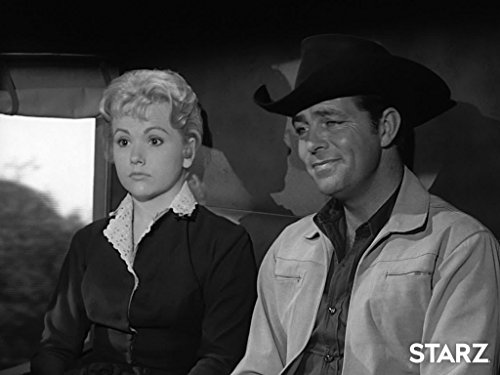
The series was set in the New Mexico Territory and starred Chuck Connors as Lucas McCain and Johnny Crawford as his son Mark.  The show was on ABC from 1958 through April 1963. Lucas McCain was one of the first single parents on television.

The show was created by Arnold Laven and developed by Sam Peckinpah. Peckinpah would go on to direct many famous westerns. The pilot episode was written by Peckinpah and Dennis Hopper starred in it. It was aired on Dick Powell’s Zane Grey Theatre. Some famous people worked behind the scenes. Connors would write several of the episodes and Robert Culp, who would become the co-star of I Spy, wrote a two-part episode. Ida Lupino directed “The Assault” in 1961.

McCain was a Union soldier in the American Civil War. His wife died from smallpox when their son was six, and McCain and Mark move from Oklahoma to New Mexico where Lucas buys a ranch outside North Fork. McCain is not a perfect father; he is often stubborn and opinionated. Sometimes he seems overprotective of his son. He tries to teach Mark life lessons. In one episode, he tells him “A man doesn’t run from a fight, Mark, but that doesn’t mean you go looking to run to one.”

đŸ“·remmetsweeney.com

Chuck Connors was offered the role of McCain but turned it down because he thought the salary was too low. Several other actors were tested but no one had the same chemistry with the young boy that Connors did, so they made him another offer with a higher salary.

There are some North Fork folk who show up on many of the shows including bartender Marshal Micha Torrance (Paul Fix), Frank (Bill Quinn), hotel owner Lou (Patricia Blair), blacksmith Nels (Joe Higgins), banker John (Harlan Warde), general store owners Milly (Joan Taylor) and Hattie (Hope Summers), and hotel clerk Eddie (John Harmon). Bill Quinn was Bob Newhart’s father-in-law. Patricia Blair left in 1963 to star in Daniel Boone. Hope Summers moved to Mayberry after the show ended and became Aunt Bee’s best friend. Joan Taylor only did a few shows after The Rifleman, but she came into the show with quite a few television appearances. Higgins, Warde, and Harmon were prolific actors who had very successful careers.
đŸ“·amazon.com

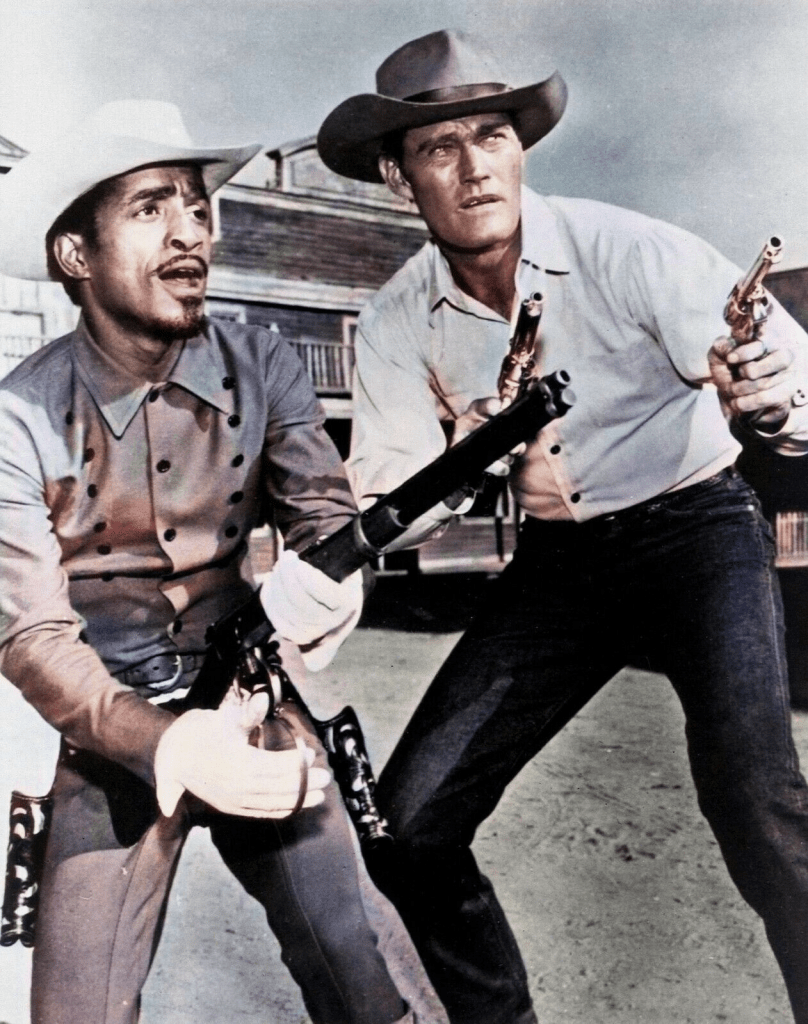
Quite a few well-known stars make their appearance during the run of the show. Some of them include Harry Carey Jr., John Carradine, Lon Chaney Jr., Ellen Corby, Robert Culp, Sammy Davis Jr., Jack Elam, Dabbs Greer, Buddy Hackett, Michael Landon, Agnes Moorehead, Denver Pyle, Pernell Roberts, Robert Vaughn, and Adam West.

There were so many westerns on the air during the fifties and sixties that most of them needed a hook to set them apart. McCain was called The Rifleman because he used a modified Winchester Model 1892 rifle with a large ring lever. The lever design allowed him to cock the rifle by spinning it in his hand and it was rigged to rapid fire which we saw demonstrated in the opening of every show. I guess no one was bothered by the fact that McCain used a rifle that would not be invented until ten years later than the time the show was set in.

The show was on Tuesday nights for the first three seasons. For season four, it moved to Mondays. After the fifth season, the show was canceled due to low ratings. However, Connors and Crawford remained life-long friends. Connors admired Crawford’s work on the set and said he always respected the cast and crew.

đŸ“·ebay.com

Crawford began his career as a Mouseketeer, one of the original 24. After the show ended, he became a pop singer with five hits. “Cindy’s Birthday” was his most famous and it was No. 8 on the Billboard 100 in 1962. Crawford came into the show with thirty acting credits, and he would go on to have thirty more after the show ended, but he never starred in another series.

Fun fact, The Rifleman was one of the few American shows that was allowed to be shown on Russian television. Apparently Breshnev loved the show. Later he met Chuck Connors when he came to the US. The actor made several trips to Russia.

I have seen this show on MeTV, and it is okay. I’m guessing that the reason it was on five seasons, and the reason it was canceled after five seasons, is because it was another western. Almost every western seemed to be successful in the fifties and sixties, but five years seems to be about the length of most of them with the exception of Gunsmoke, Bonanza and a handful of others. I have to admit that I am not drawn to McCain as a character, although I didn’t dislike him either. If you like westerns and have not seen it, it might be worth checking out.

Gather Round: It’s Time for Tales of Wells Fargo

đŸ“·pinterest.com

This month we are Riding the Range, exploring some of the westerns from the fifties and sixties. One of those shows that was on the air from 1957-1962 was Tales of Wells Fargo.

The show was produced by Revue Productions and set in the 1870s and 1880s. Gene Reynolds was one of the creators of the show, along with Frank Gruber and James Brooks. Reynolds would go on to great success as a director, producer and writer, and my favorite of his was M*A*S*H. Although this show was set in the same time as Daniel Boone, it was better at getting history correct. The show featured special agent Jim Hardie (Dale Robertson) with his horse Jubilee. It was loosely based on the life of real detective Fred J. Dodge. Sometimes Hardie ran into characters from history including Jesse James and Belle Starr.

đŸ“·pinterest.com Fred J. Dodge

Fred Dodge was born in California in 1854. He went to work as an undercover agent for Wells Fargo, working in California, Nevada, and Arizona. In 1979 he was in Tombstone and recommended hiring Wyatt Earp as guard for the stage line. He became great friends with Earp. Later Dodge became constable of Tombstone while working undercover. In 1890 he left his undercover work and became a known employee of Wells Fargo in Texas. He purchased a 2,000-acre ranch near Boerne, Texas and when he retired in 1917, he lived there with his family. Dodge was described as an intelligent and successful investigator. He wrote 27 journals during his career, noting his activities and travels in them. Some of these were used for Tales of West Fargo.

I had always assumed this show was about stagecoach travel, but it was not, although stage coaches played a part. In the mid-1800s, the Wells Fargo stage line was the primary connection between the East and West coasts. Wells Fargo did not operate a stage coach line, but they did use that form of transportation for money, gold and other valuables to be delivered. Trains are involved in many of the plots. One of the trains used in the show would eventually travel to Hooterville and be renamed the Cannonball.

đŸ“·imdb.com

The first five seasons were black and white half-hour shows, while the final season switched to a color, hour-long show. During the last season, Hardie settles on a ranch near San Francisco and several recurring characters (Jack Ging, William Demarest, Virginia Christine, Lory Patrick, and Mary Jayne Saunders) were added to the series. Earle Lyon replaced Nat Holt as producer in 1960.

The theme song was written by Stanley Wilson and Mort Greene. Wilson was a prolific composer, amassing 147 credits for composing and 278 for music department credit on television and in movies. Mort Greene was best known as a writer for The Red Skelton Show and for his musical role for Leave it to Beaver.

The number of well-known actors who appeared on the show was surprising. Here are just a few of the huge number: Claude Akins, Eddie Albert, Hugh Beaumont, Dan Blocker, Charles Bronson, Edgar Buchanan, Harry Carey Jr., Chuck Connors, Buddy Ebsen, Beverly Garland, George Kennedy, Tina Louise, Steve McQueen, Jack Nicholson, Leonard Nimoy, Denver Pyle, Jason Robards, Vito Scotti, Dawn Wells, and Adam West.

đŸ“·mysteryfile.com

It was an NBC show. The pilot premiered on Schlitz Playhouse of Stars. Its biggest competition was Father Knows Best in seasons two and three. It was very popular with the viewers. The show was in the top ten during seasons one through four. For the sixth season, with an entire new cast, new theme song, and color, it was almost like a new show. NBC moved it to Saturday nights against Perry Mason and ratings declined drastically, costs went up significantly, and it was canceled.

Robertson thought the key to the popularity of the show was because it was not geared specifically to adults or kids. It was a family show. When Robertson first read the script, it was terrible, but he owed Nat Holt a favor, so he accepted the role, assuming that it would never make it. Robertson received a 50% ownership in the show, so he said of course it made him want the show to be better and he convinced them to replace most of the original script. He said that he enjoyed his time on the show a lot and that the crew was close and professional. They never went over schedule or over budget during the entire run.

đŸ“·thehollywoodreporter.com

The first two seasons were released on DVD in 2011 if you want to check them out. It sounds like this was a solid show. The network supported them, the cast was close, the production team was on top of things, and they all enjoyed their time with the show. That is a rare thing to hear in the television business. They took a gamble in the last season, and it didn’t work out, but perhaps it was for the best. It sounds like the actual show ended the season before because the last season things changed so much it was a completely new production. I would like to read more about Fred Dodge. His life sounds fascinating.

Whoa Nelly: Roy Rogers Rides the New West in a Jeep

đŸ“·tvtrops.com

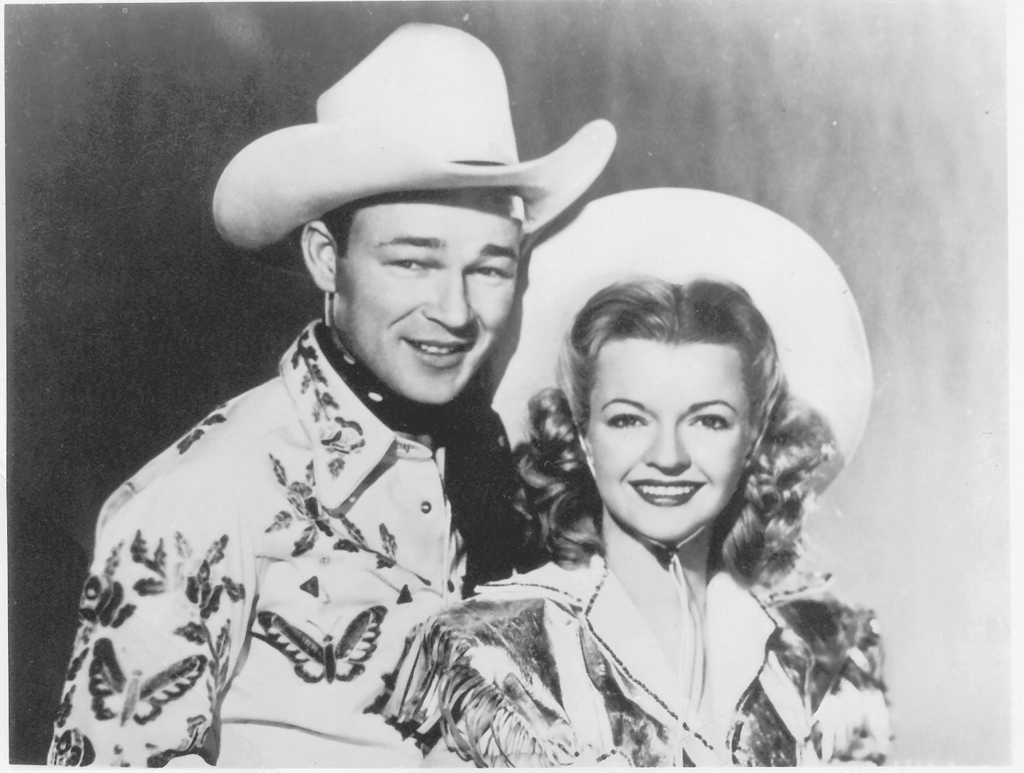
We are Riding the Range today with Roy Rogers and Trigger. This western moved from radio (1944-1955) to television for six years from 1951 through 1957. While I have heard a lot about The Roy Rogers Show, I was surprised to learn that this show had a contemporary setting. Rather than being set in the Old West, it was set in the fifties with automobiles, modern appliances, and telephones.

The show featured Rogers who owned a ranch; his wife Dale Evans who was the owner of the Eureka CafĂ© and Hotel in Mineral City; and Pat Brady, who was Roy’s friend and Dale’s cook. Roy often traveled with his horse Trigger and his German Shepherd Bullet. Dale’s horse was named Buttermilk.

Sheriff Tom was played by Harry Harvey Sr. and Reed Howes, depending on the episode.

In many of the episodes, Rogers and Evans took in abandoned children and became surrogate parents to them. This mirrored real life. The couple adopted five children from a variety of ethnicities and received many awards for their humanitarian work with children.

đŸ“·cowboysandindiansmagazine.com

Despite the 1950s setting, cowboys and cowgirls were hanging about the town. Just like the westerns set in the 1800s, the town folk were busy with bank robberies, cattle rustling, con artists trying to steal land, and an assortment of other bad guys.

In an article on reddit.com (https://www.reddit.com/r/Westerns/comments/vw8i9ca_tv_western_each_year_1951_the_roy_rogers_show/), the show was described as surreal with everyone looking like they stepped out of the 1800s but using electric lights and modern technology. Some of the plots were described: corrupt ranchers stealing each other’s land aplenty, crooked lawmen, a mayor trying to steal money from an Indian burial ground, weak-willed sheriffs, thieving professors, con men, and more.

đŸ“·barnfinds.com

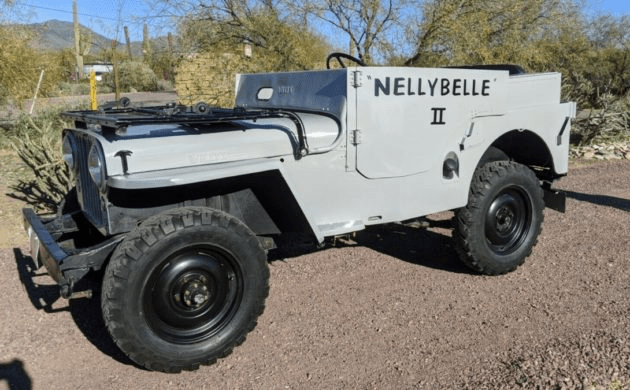
Even if you don’t know a lot about Roy Rogers, you probably know the theme song from this series, “Happy Trails.” It was written by Dale Evans, and she and Roy sang the song. Another thing you probably know from this show is the expression, “Whoa Nelly.” Pat Brady had a jeep, a 1946 Willys CJ-2A, that often didn’t behave very well. Sometimes the jeep began moving without a driver. Even with a driver, it might get a bit out of control. When it did, Brady would yell “Whoa Nelly” because the jeep’s name was Nellybelle.

The show was in the top thirty for most of its existence. I’m not sure what the competition was because it was on from 6-7 pm, so it doesn’t show up on most television schedules. One hundred episodes were made, ensuring that it would be around for syndication.

Critics also liked the show, and it was nominated for an Emmy for Best Western or Adventure Series in 1955. Other nominees included Annie Oakley, Death Valley Days, and the Adventures of Wild Bill Hickok. It lost to a show most of us probably aren’t familiar with at all, Stories of the Century. It looks like it might have been an interesting show. According to imdb.com, it was about a railroad detective, Matt Clark, who roamed the west, tracking down outlaws and bandits who are preying on the railroad. It was only on the air for one season.

Merchandising was a big industry during this decade. The show spun out comic books, playsets, costumes, pistols, lunch boxes, and board games, just to name a few.

In 1961, the show was rerun on Saturday mornings. The show can still be found on several networks in 2024.

I remember my mom had fond memories of Roy Rogers growing up. She would have been ten when this show first aired. Generations of kids have tuned in, taking the opportunity to visit the Old West, well sort of—more like the Old West with benefits, like phones and cars.

Betting on a Full House of Mavericks Just To Keep the Show Going

Welcome to the Riding the Range blog series. We are looking at some of the best-loved westerns from the fifties and sixties. Today Maverick is up.

đŸ“·bonanza.com

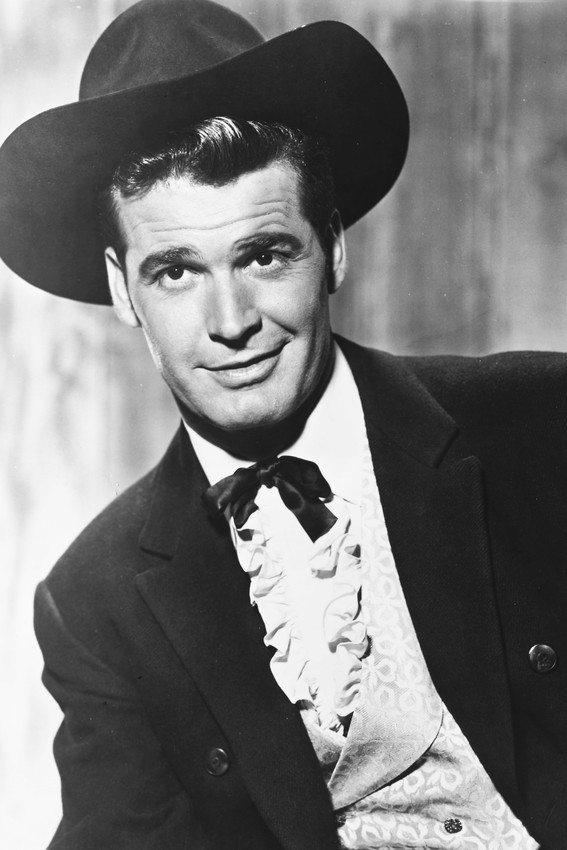
James Garner plays poker-playing Bret Maverick on this show that featured a bit more humor than some westerns. Set on riverboats and in old west saloons, the show ran from fall of 1957 through July of 1962.

The show, created by James Huggins, debuted on NBC on Sunday nights. It was up against some tough competition with Jack Benny which alternated weeks with Bachelor Father. The show remained on Sunday nights for its entire run.

While Garner was the star, during the first season, Bret’s brother Bart (Jack Kelly) shows up. The brothers appear in alternate episodes, sometimes teaming up for a game or two. The brothers were drawn to adventure and to dangerous situations. They often found trouble in finances or love. However, they were true gentlemen and always did the right thing. Unfortunately, they were both slow with the gun, but fast with the fist. In one episode, Bart mentioned that “my brother Bret can outdraw me any day of the week, and he’s known as the Second-Slowest Gun in the West.”

đŸ“·wikipedia.com

After season three, Garner left due to contract disputes. Garner sued Warner Brothers for breach of contract. They had suspended him without pay during a writers’ strike. The studio claimed they had no scripts with the writers on strike, but court testimony revealed that they had about 100 scripts on hand and could have been filming, so Garner was released from his contract.

After Garner’s departure, Roger Moore made his appearance as Beau Maverick, cousin. The first choice to fill the role was given to Sean Connery who turned it down. Later Connery would play James Bond and his replacement when he left was Roger Moore.  However, it wasn’t long before Moore chose to leave and was replaced by Robert Colbert as brother Brent.

đŸ“·westernclippings.com

During the last season, Colbert was just not called back or notified that he was no longer part of the show. However, they had a season to fill so Garner reruns were alternated with Kelly original episodes for the fifth season. I guess all the other Maverick brothers and cousins had moved out west. Are you confused yet because I am.

The announcer for the show was Ed Reimers. Reimers was the “Voice of Allstate” from 1957-1979, reminding people that they were “in good hands with Allstate.”

The theme song was written by David Buttolph and Paul Francis Webster.

There were some fun episodes on the show. “Shady Deal at Sunny Acres” featured Garner in a rocking chair, whittling and seeming to “ponder” a way to get $15,000 back which was stolen while brother Bart is running a complicated sting operation to do just that.

“Duel at Sundown” is fun for the cast. Clint Eastwood shows up as one of the bad guys. Edgar Buchanan and Abby Dalton are also featured in the show.

“Escape to Tampico” used items from the set of Rick’s CafĂ© Americain and the show includes to many Casablanca references to people and dialogue in the show.

đŸ“·flickr.com

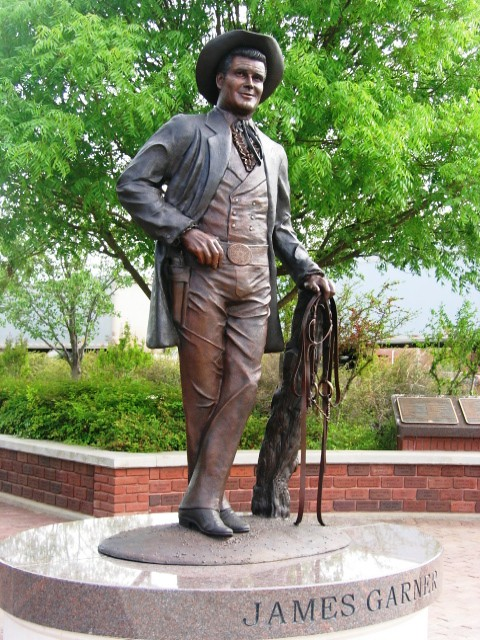
Despite the short time he was on the show, Garner got a statue in honor of his character. Norman, Oklahoma has a ten-foot-tall statue of Garner as Bret Maverick, which was dedicated in 2006.

It’s too bad that neither the network nor Warner Brothers could not get its act together with this show. It had a bit of everything: drama, comedy, romance, adventure. However, you are already starting off alternating the brothers, and with the constant replacements, it’s no wonder fans just walked away, and the ratings dropped drastically. Some of the episodes were so unusual and creative for their time that the show could have been a huge hit and a long-running show. I’m amazed the show managed to stick around for five seasons. Garner, Kelly, Moore, and Colbert all went on to prolific and successful careers in film and television.

Daniel Boone Existing Somewhere Between Fact and Fiction

đŸ“·tvtrops.com

This month we are Riding the Range. Up first is Daniel Boone. I remember watching this series with my son when he was in second and third grade and loved everything western. He bought vintage western board games and read western stories. He wore a cowboy hat around the house with a pair of boots. Email was somewhat new then, but he was able to contact Fess Parker and Clayton Moore. They both sent him back nice emails, and Clayton Moore sent him an autographed biography.

When I decided to do a series about westerns and include Daniel Boone, I was surprised to learn that it was on the air from 1964-1970. That means it went off the air when I was in fourth grade—I always assumed it was produced in the fifties.

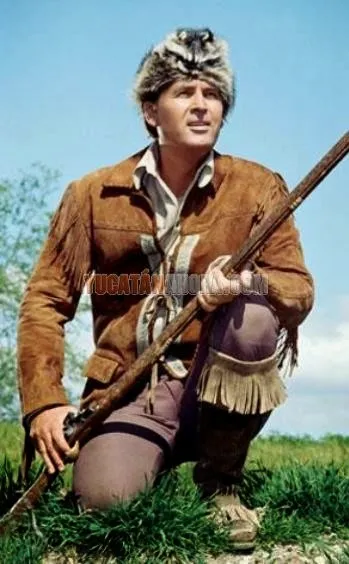
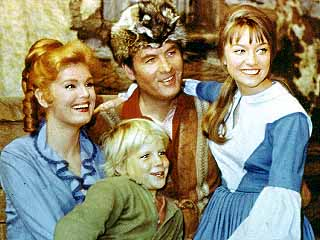
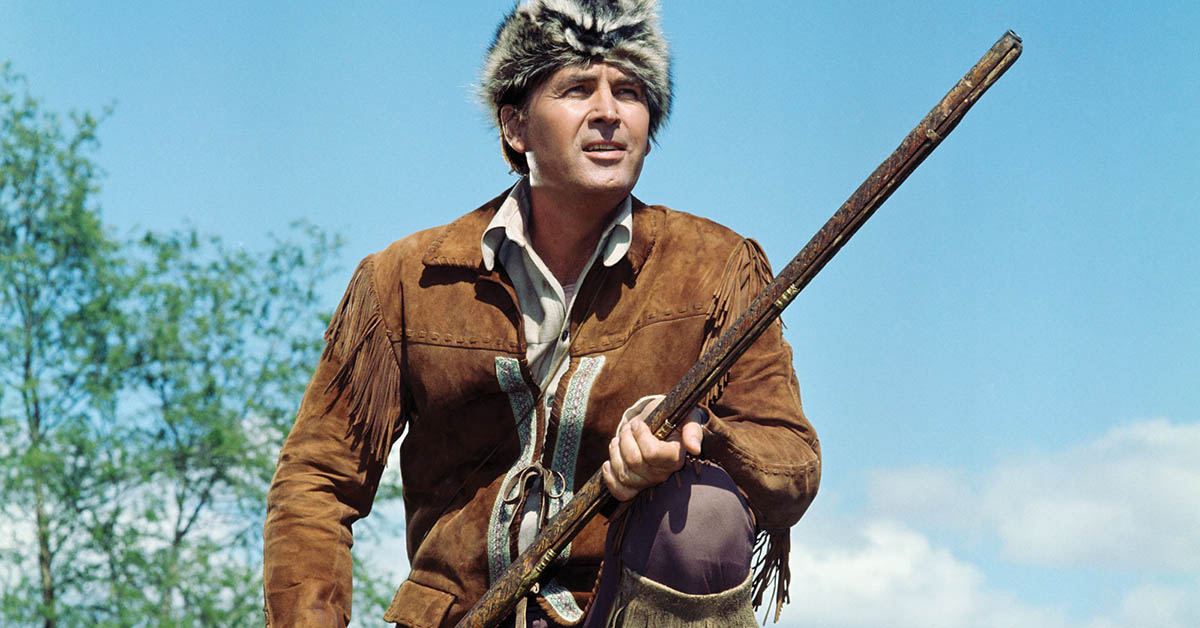
The series was on NBC during those years. It starred Fess Parker as Daniel Boone and Ed Ames as Mingo, his Cherokee friend. Boone’s wife Rebecca was portrayed by Patricia Blair and his son Israel was played by Darby Hinton. Dallas McKennon played store owner Cincinnatus. For the first two seasons before just vanishing, his daughter Jemima (Veronica Cartwright) was on and for the final two seasons, Rosy Grier, former NFL player, was Gabe Cooper.

đŸ“·epguides.com

From Cartwright’s complaints, it seems that Blair complained about having an older daughter and felt it made her seem older than she wanted to appear, so the show just got rid of a kid. If you have read my former blogs about disappearing characters, you realize that this is just one of many shows that insult viewers’ intelligence enough to just remove a character without an explanation, assuming everyone will just accept it.

Unfortunately for kids who tuned in to learn about their hero, the show did not contain a lot of historical accuracy. The show is set in the 1770s and 1780s in the town of Boonesborough, Kentucky. Daniel Boone had ten children, but only two in this show. In real life, Boone was an explorer, but on the series, he was much more of a family man. One episode was centered around Aaron Burr, but it was about an event that happened in 1806?!?!

The inconsistencies were so bad that at one point, the Kentucky legislature condemned the show. A coalition of activists asked the local television station to not air 37 different episodes in reruns because they were offensive to the local Native Americans.

Oddly, one area they did try to stay true to was the construction of the fort. They used authentic wooden pegs to build it like it would have been at the time, and it collapsed, having to be replaced by modern construction. Why the fort was the only authentic fact they worried about is beyond me.

đŸ“·military.com

Ed Ames did not love playing Mingo on the show. He admitted that he signed on for a regular paycheck, assuming the show would not last long. In 1968, he told TV Guide “Work is tight and if you get a decent part on Broadway every three years, you’re lucky. Whereas you can just keep hackin’ ‘em out week after week on TV. And then, of course, you have to eat.” He ended up getting more fan mail than Parker, and it caused some bad blood between them.

There were three versions of the theme song used during the show’s run. It was written by Vera Matson and Lionel Newman.  Fess Parker originally sang the song for the show, but later seasons used a version by the Imperials. The song played up Boone as a larger-than-life hero:

“Daniel Boone was a man. Yes, a big man.

With an eye like an eagle and as tall as a mountain was he.

Daniel Boone was a man. Yes, a big man.

He was brave, he was fearless, and as tough as a mighty oak tree.

From the coonskin cap on the top of ol’ Dan to the heel of his rawhide shoe,

The rippin’est, roarin’est, fightin’est man the frontier ever knew.”

Parker not only sang for the show, but he directed five of the episodes.

đŸ“·dvdtalk.com

Although the history was embarrassing on the show, the series is often celebrated for the attitude Daniel Boone displayed that every man was to be treated with respect and as an equal. That is not to say that it was ever politically correct, as we think of that term today, but for the era it debuted, it was a refreshing, perspective. One episode that demonstrates this is season 2, episode 4.  Rafer Johnson (an Olympian and civil rights activist) plays a former enslaved person who is stealing trappers’ furs to sell to earn money to return to Africa. Boone tells him he can’t condone the stealing and “arrests” him for that crime. However, he takes him into his custody to protect him and raises enough money for him to travel to Africa, refusing to return him to the former slave owner.

đŸ“·wikipedia.com

Before the show ended, Parker wanted to open a Daniel Boone amusement park in Kentucky. He bought some land near the junction of I-71 and I-75, but before he could build Frontier World, another park opened nearby in Ohio and Boone’s never happened. He did later buy a ranch in California and started the Fess Parker Winery.

I guess Fess Parker enjoyed making people dizzy whether it was riding a roller coaster, drinking wine, or trying to figure out if the television Boone was a good or bad influence on the fans who watched the show.